Black Russian Cannabis Strain

Clearing Up the Misunderstanding of CBD Content in Cannabis Strains

For centuries, cannabis has served humanity with its diverse medicinal and recreational properties. However, a significant challenge persists: the widespread misunderstanding of its chemical composition. Specifically, the content of key cannabinoids like CBD (cannabidiol) and THC (tetrahydrocannabinol) is frequently obscured by misinformation and inconsistent reporting. Consequently, this has led to a global misrepresentation of CBD content across various cannabis strains.

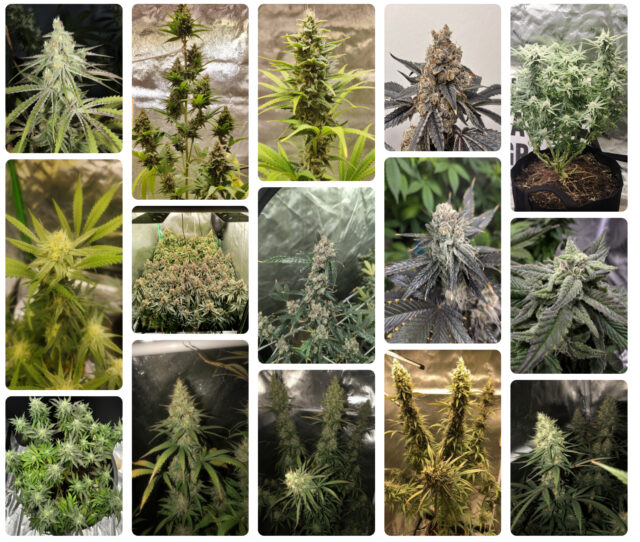
Various Blueberry Strains

The Intricate Nature of Cannabis Strains

To begin with, cannabis strains are generally categorized into three primary groups: sativa, indica, and hybrid. Each strain possesses a unique cannabinoid profile, showcasing varying concentrations of CBD and THC. Nevertheless, the hybrid nature of most modern strains, resulting from the crossbreeding of sativa, indica, and ruderalis, introduces substantial variability. Thus, the precise cannabinoid content can differ dramatically not only between strains but also from batch to batch within the same strain.

The Problem of Inaccurate Reporting and Lack of Standardization.

Furthermore, a major contributor to the misunderstanding of CBD content is the absence of standardized testing and transparent reporting. Indeed, many dispensaries and online resources, such as Leafly, offer general information about strain cannabinoid content. However, this data is often derived from anecdotal evidence or limited, non-rigorous testing. Therefore, the reported CBD levels frequently fail to accurately reflect the actual chemical composition of the strain.

More of the many Various Blueberry Strains

For instance, it is common to encounter claims that certain strains contain less than 1% CBD.

However, this broad generalization is often misleading, as it overlooks the inherent variability in cannabinoid content. In reality, different strains, and even different cultivations of the same strain, exhibit varying CBD concentrations. Notably, indica strains are generally recognized for their higher CBD content compared to sativa strains, which tend to exhibit higher THC levels.

The Critical Importance of Accurate Information

Undoubtedly, accurate information regarding the CBD content of cannabis strains is paramount for both medical and recreational users. For medical patients, precise knowledge of a strain’s cannabinoid profile is essential for selecting the appropriate product to address specific therapeutic needs. Conversely, for recreational users, accurate information enhances the overall experience and ensures consumption aligns with desired expectations.

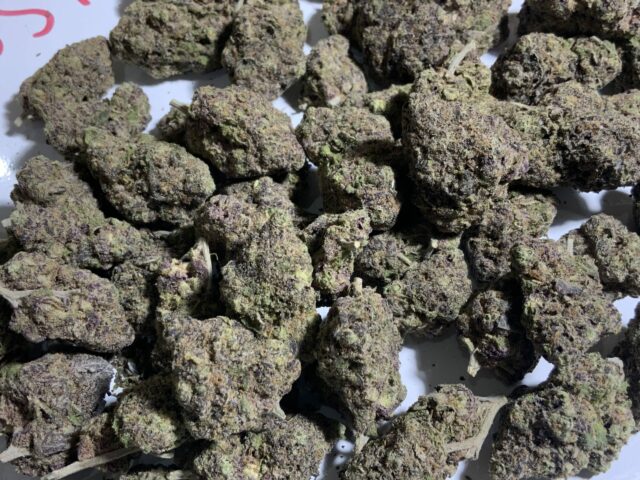
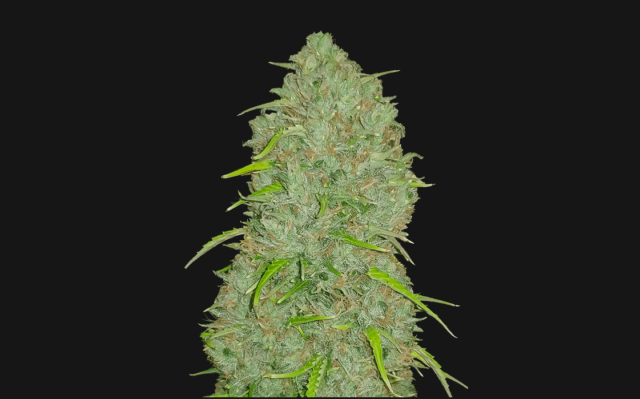
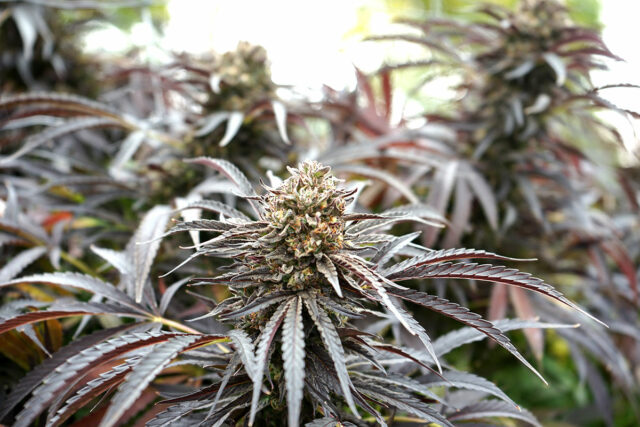
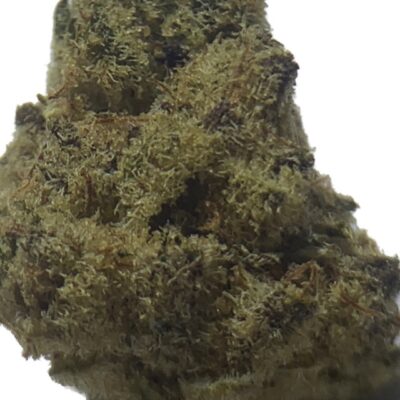
Black Russian Top Shelf Weed

Black Russian Top Shelf Weed

GanjaHouse.Net: Championing Accurate Information Through Scientific Testing

In response to this challenge, GanjaHouse.Net, a legal Thai cannabis dispensary located in Koh Lanta, Krabi, Thailand, is dedicated to providing reliable and precise information about the CBD content of diverse cannabis strains. To this end, the dispensary is developing a comprehensive database built upon rigorous scientific testing to guarantee user access to accurate data.

Rigorous Scientific Testing and Data Collection

Specifically, GanjaHouse.Net collaborates with reputable laboratories to conduct thorough analyses of its cannabis products. These analyses meticulously examine the cannabinoid profiles of various strains, quantifying the levels of CBD, THC, and other relevant cannabinoids. By employing advanced testing methodologies, GanjaHouse.Net ensures the collection of reliable and precise data.

Building a Comprehensive and Accessible Database

Subsequently, the data obtained from scientific testing is compiled into a comprehensive database, providing detailed insights into the CBD content of various cannabis strains. Significantly, this database is accessible to students, researchers, and anyone seeking accurate information about the therapeutic potential of cannabis.

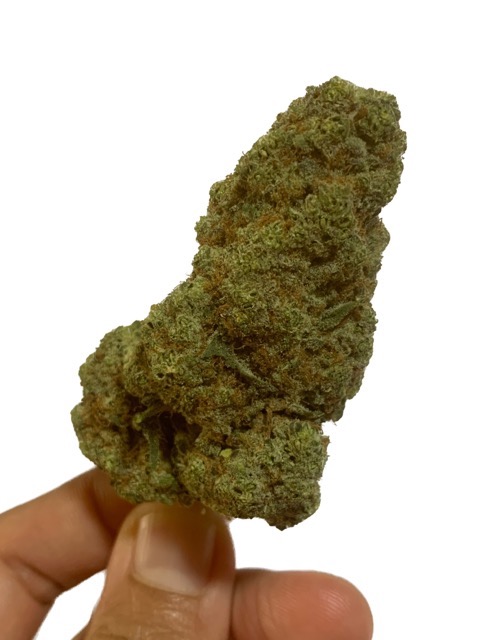
Grandpas Cookies AAA Top Shelf Cannabis Buds in the hand

Grandpas Cookies AAA Top Shelf Cannabis Buds in the hand to show the immense size of these buds

Empowering the Public Through Education

Moreover, beyond providing accurate data, GanjaHouse.Net is committed to educating the public about the significance of understanding cannabinoid profiles. To further this objective, the dispensary publishes informative articles and educational resources on its website, empowering users to make informed decisions regarding their cannabis consumption.

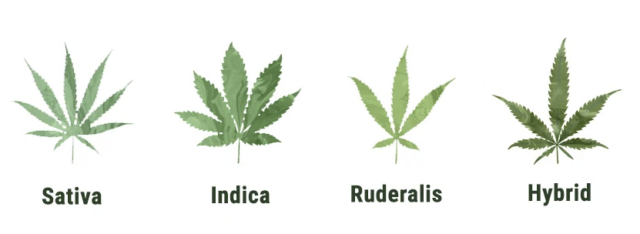
Types of Cannabis Strains

Types of Cannabis Strains; Sativa, Indica, Ruderalis, and Hybrid (Mix of any of the aforementioned)

Moving Towards Clarity and Informed Consumption

In summary, the prevailing global misunderstanding and inaccurate declarations of CBD content in cannabis strains have fostered confusion and misinformation.

However, through scientific testing and transparent reporting, the dissemination of reliable information about cannabinoid profiles is achievable. Notably, GanjaHouse.Net is at the forefront of this movement, establishing a comprehensive database of accurate data to benefit both medical and recreational users. Ultimately, by prioritizing transparency and education, GanjaHouse.Net is effectively dispelling misconceptions and ensuring users have the necessary information to make informed decisions about their cannabis consumption.

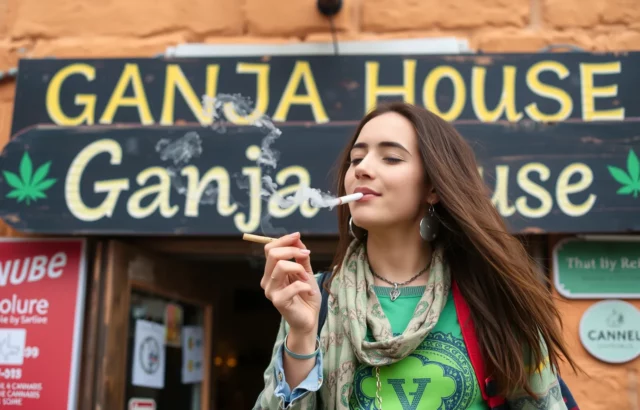
Girl at Ganja House Koh Lanta

2024 Guide to Cannabis Laws in Thailand

Welcome to the Land of Smiles! As you embark on your journey through Thailand, it’s essential to be aware of the country’s laws and regulations, especially those pertaining to marijuana. In 2024, Thailand has implemented new laws regarding the cultivation, sale, and use of marijuana. Here’s a concise guide to help you understand and navigate these regulations during your visit.

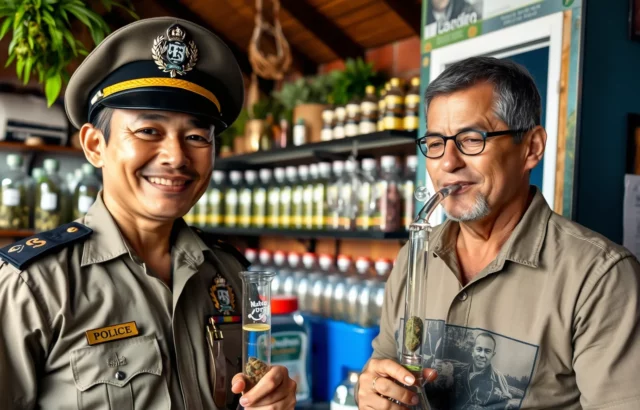
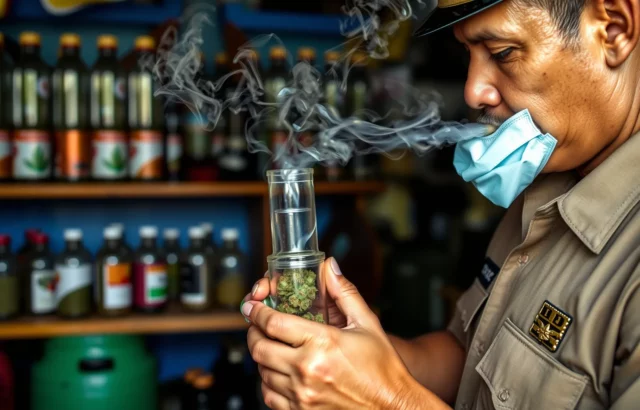
Police and Ganja Smokers (some are)

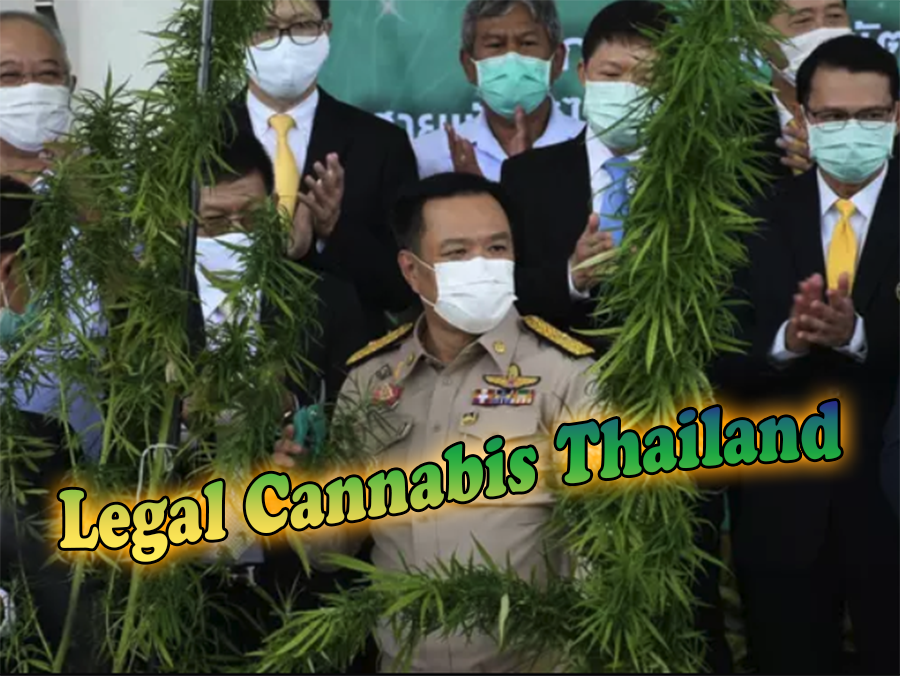
Thailand has transformed into a “Marijuana Haven,” leading the way ahead of other countries, ever since the announcement by the Ministry of Public Health (MoPH), signed by Anutin Charnvirakul, the Minister of Public Health, and the leader of the Thai Pride Party. This proclamation, in force since June 9, 2025, marks over six months since Thailand entered the realm of marijuana liberalization. The significance of this announcement lies in the removal of marijuana from the list of controlled substances, creating a state of “unrestricted freedom” for marijuana, without any supportive legislation.

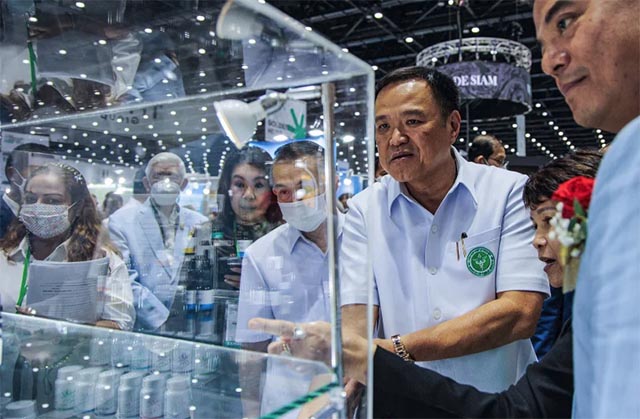
Anutin Charnvirakul inspects Cannabis Products

Anutin Charnvirakul inspects Cannabis Products

While Anutin Charnvirakul, the Minister of Public Health, has attempted to address legal gaps by issuing at least three regulations controlling marijuana sales and use, these measures do not restrict marijuana use solely for medical purposes. Importantly, they have not proven effective enough to protect vulnerable groups from accessing and using marijuana. Instances of youth marijuana use and cases of individuals impacted by direct or indirect marijuana use requiring hospitalization are on the rise.

To tackle the legal issues surrounding marijuana control, the Thai Pride Party is calling on the House of Representatives to expedite the consideration of the draft Narcotics Act of BE…. or the draft Cannabis Act. However, opposition parties like Pheu Thai and the coalition partner, Palang Pracharath, remain critical. They argue that this draft law still allows recreational marijuana use.

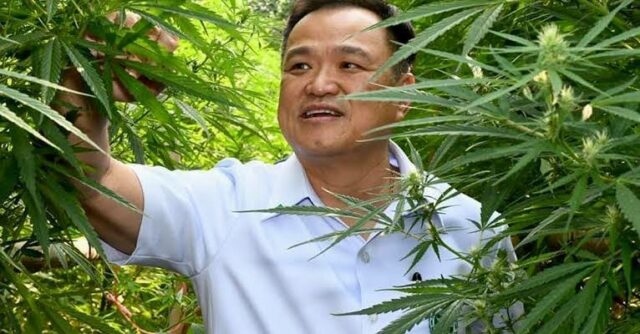
Anutin inspects Cannabis Plants

Nevertheless, the recreational use of marijuana is not inherently harmful, as many countries such as the United States, Canada, and the Netherlands allow both recreational and medical marijuana use. The crucial aspect is designing regulations that strike a balance between the public’s freedom and the safety of society, a contentious issue in the current draft of the Cannabis Act.

Marijuana Use is Not Prohibited, but Not Controlled Either

Article 4 of the draft Cannabis Act outlines the various forms of marijuana use in a broad manner. The term “consumption” in marijuana law is defined as ingesting, chewing, inhaling, or introducing into the body in any form or manner. This definition is broader than the early stages of Thailand’s marijuana liberalization, where the primary form of use, especially for flower buds, was limited to the consumption of extracts, and individuals required medical certification.

Although the draft Cannabis Act attempts to limit marijuana use within households by specifying that its benefits should be for “health care” for oneself or family members in the same household, it lacks details or boundaries on what constitutes marijuana use for health care. The law does not set limits on the quantity of marijuana to be consumed, nor does it mandate prescriptions or medical certifications for those seeking to use marijuana.

Emphasis on Localized Control

The draft Cannabis Act of Thailand emphasizes territorial control rather than restricting the characteristics of users. For instance, Article 37/4 prohibits smoking marijuana or marijuana extracts in public places, while Article 37/7 prohibits driving under the influence of marijuana. This differs from measures in other countries, like Germany, which specifies that medical marijuana users must have a prescription and the quantity or dosage should be as recommended by a physician.

Loopholes and Challenges in Control Measures

Despite the relaxation of control measures, the draft Cannabis Act in Thailand has loopholes that enable freer marijuana use. Two critical challenges or loopholes in control measures can be summarized as follows:

  1. Lack of Stringency in Cultivation Control Measures:
    • Article 15 allows individuals to cultivate marijuana for medical, scientific, educational, commercial, or industrial purposes. However, it does not provide detailed safeguards to prevent unauthorized access to and use of marijuana, particularly by those not involved in cultivation.
    • Article 18 allows households to grow up to 15 marijuana plants unless it is a hospital, a medical professional, a rural doctor, or a state agency, which can cultivate more than 15 plants for medical purposes. The law requires notification to the Secretary-General of the Food and Drug Administration and subsequent approval before cultivation.
    • The reporting system for cultivation lacks crucial details to prevent marijuana leakage to unrelated individuals or groups. The law also does not specify the security measures to be implemented, such as surveillance cameras, high fences, alarm systems, or dedicated safety rooms for storing marijuana and related products.

Anutin with Ganja Plants

Balancing Access and Control

While the draft Cannabis Act broadens access to marijuana for medical and recreational purposes, it presents challenges in effectively controlling its use. The legislation lacks the necessary specifics to prevent unauthorized access, particularly by vulnerable groups, and does not establish a robust security framework for cultivation and usage. Striking a balance between access to marijuana for legitimate purposes and preventing misuse remains a contentious issue within the draft law. If marijuana is to be used recreationally, stringent control measures need to be implemented to ensure its responsible use and prevent potential adverse effects on society.

1. Marijuana Sale and Cultivation Licensing:

If you’re considering selling or cultivating marijuana in Thailand, whether as a business or for personal use, it’s crucial to obtain the necessary license. This applies to both marijuana cultivation for commercial purposes and selling marijuana or its extracts. The license application fee is set at 5,000 Baht. Selling marijuana without proper authorization can result in imprisonment for up to 3 years, a fine not exceeding 300,000 Baht, or both.

2. Control Measures for Marijuana Sales:

To protect individuals from potential harm and prevent illegal use, there are strict control measures in place. The law prohibits the sale of marijuana, its extracts, or food containing marijuana to individuals under 20 years old, pregnant or breastfeeding women, and others as specified by authorities. Violating this regulation may lead to imprisonment for up to 1 year, fines ranging from 60,000 to 100,000 Baht, or both.

3. Restrictions on Sale Channels:

Thailand has implemented restrictions on the channels through which marijuana can be sold. This includes prohibiting sales through automatic dispensing machines, online platforms, and the practice of “flower vending.” Distributing or promoting marijuana products alongside other items or benefits is also strictly forbidden. Violating these restrictions can result in imprisonment for up to 1 year, fines not exceeding 100,000 Baht, or both.

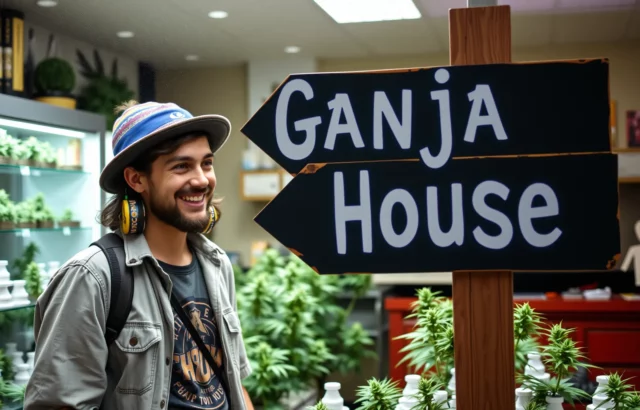
Ganja House Cannabis Dispensary Thailand

4. Prohibited Locations:

The sale of marijuana is strictly prohibited in certain locations, including temples, places for religious ceremonies, educational institutions, dormitories, public parks, zoos, amusement parks, and other places as determined by ministerial announcement. Offenses in these locations may lead to imprisonment for up to 1 year, fines not exceeding 100,000 Baht, or both.

Thai Cannabis Laws

5. Educational Institutions and Food Sales:

Further, the sale of food containing marijuana, hashish, or related substances is prohibited in educational institutions, with fines not exceeding 60,000 Baht for violations.

6. Comparison with Other Countries:

It’s important to note that, unlike some other countries, Thailand does not currently impose restrictions on the quantity of marijuana one can purchase or possess. However, responsible consumption is always encouraged. despite this there is no restriction on how much you can carry or consume regarding the flower buds themselves. Only controlled medical products such as CBD oils have restrictions on how much THC they are allowed to put in the oil per milligram. But there is no restriction on the consumer.

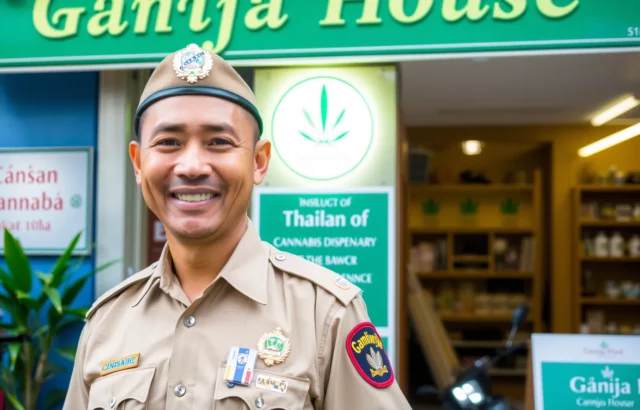
imaginary cop in front of a cannabis dispensary in Thailand

What to Conclude from all of This?

Thailand’s marijuana laws aim to strike a balance between regulation and individual freedom. As a visitor, being informed about these laws ensures a smooth and enjoyable experience during your stay. Remember to respect the local regulations, embrace the vibrant culture, and enjoy all that Thailand has to offer! don’t smoke in crowded public areas, but if you’re on the beach in a tourist destination or at a party on the beach bar on an island, you will find the laws regarding public places more relaxed, however remember that this is “closing one eye” but it is in principle  against the law. Use your common sense, to decide when and where it’s OK. Safe travels!


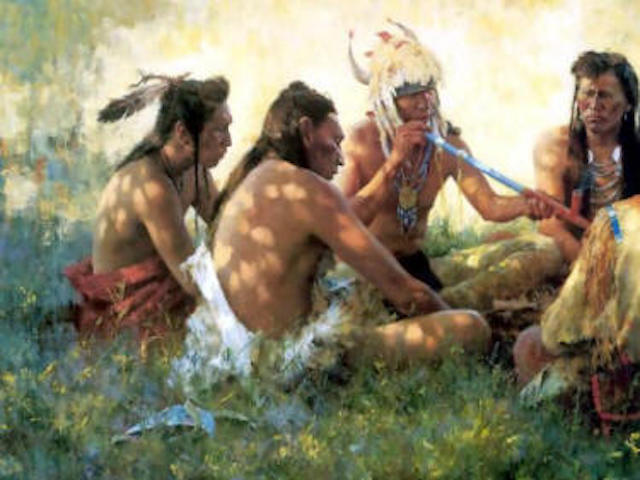
Painting by Howard Terpning of a Crow-Pipe Ceremony

The Evolving Culture of Bong and Pipe Smoking throughout History, as a form of Recreation, Psychological and Physical Healing, and Inner Spiritual Awakening
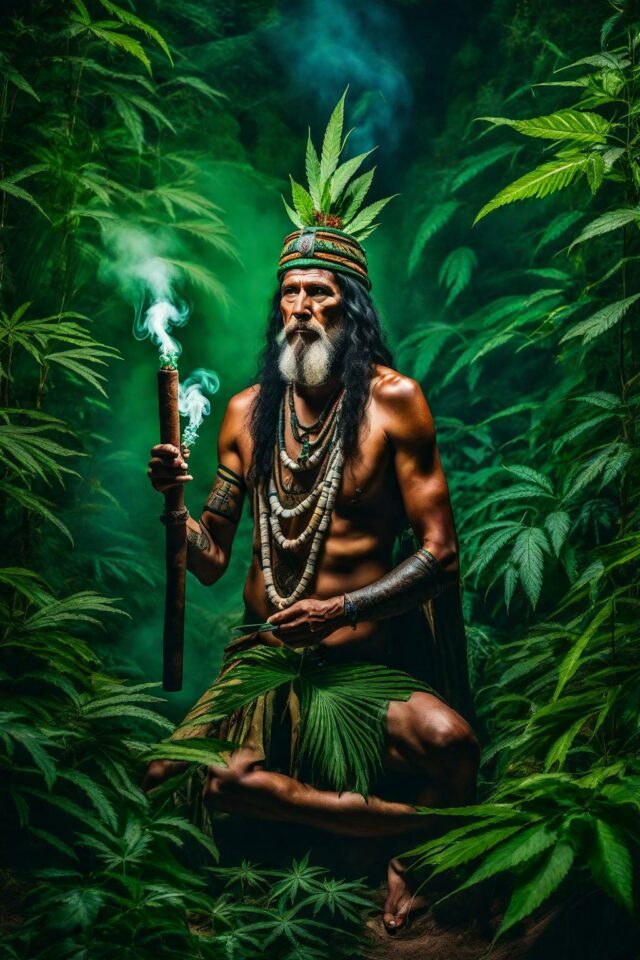
Yogi in the Forest of Weed

Integration of Rituals and Communal Practices:

Beyond the physical maintenance of bongs, the evolving culture surrounding these smoking instruments extends to the rituals and communal practices associated with their use. Social gatherings centered around bong smoking often involve a shared responsibility for the upkeep of the devices. This communal aspect not only strengthens the bonds within the community but also ensures that the culture remains grounded in a collective commitment to safety and enjoyment.
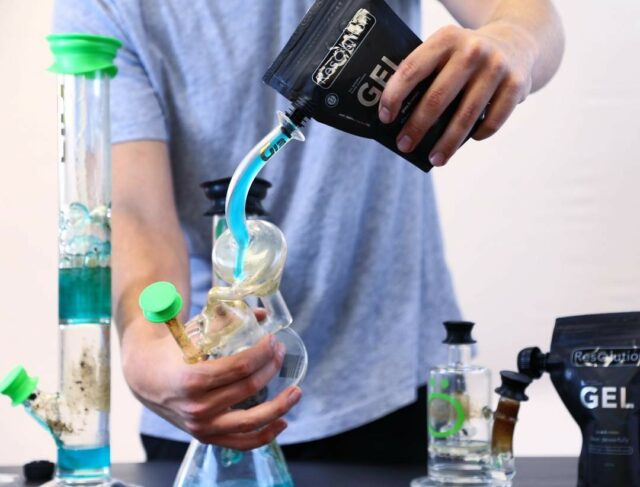
In conclusion, the culture of bong smoking has come a long way from its niche and countercultural origins. The evolving societal attitudes toward cannabis, coupled with the influence of online platforms, have transformed this practice into a mainstream and widely accepted aspect of various societies. As the culture continues to grow, the importance of responsible maintenance and safety practices cannot be overstated. By fostering a culture of awareness, education, and shared responsibility, enthusiasts can contribute to the longevity and positive.

Global Variations: Water Pipes and Bongs Across Cultures
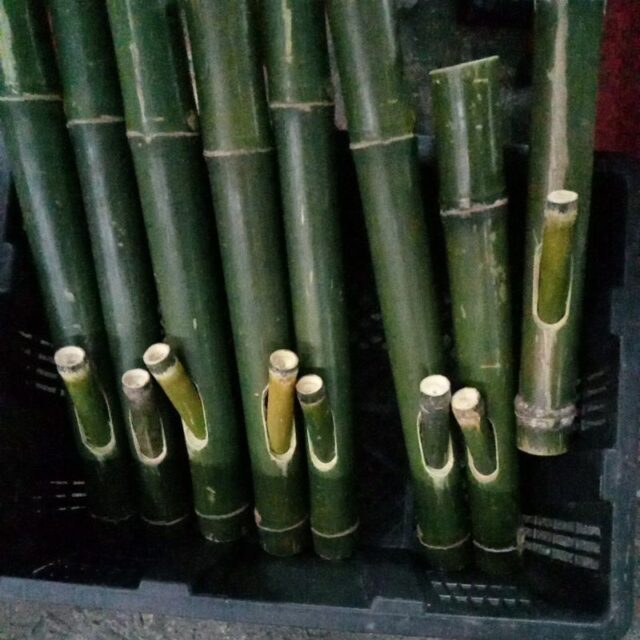
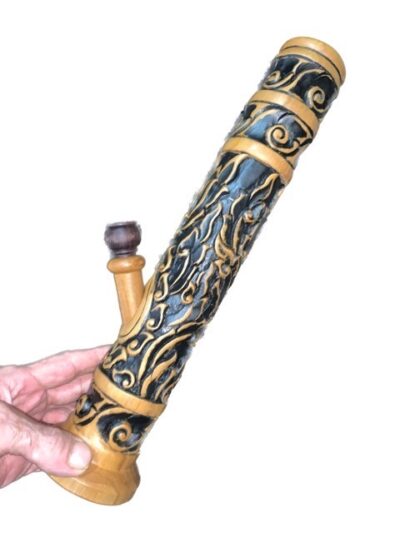
Traditional Basic Thai Bamboo Bongs

Traditional Basic Thai Bamboo Bongs

The cultural significance of water pipes and bongs extends far beyond the borders of any single nation, reflecting diverse traditions and practices around the world. Various cultures have utilized different forms of smoking instruments for spiritual, cultural, healing, magical, initiatory, or recreational purposes, each contributing to a wide variety of global smoking traditions.
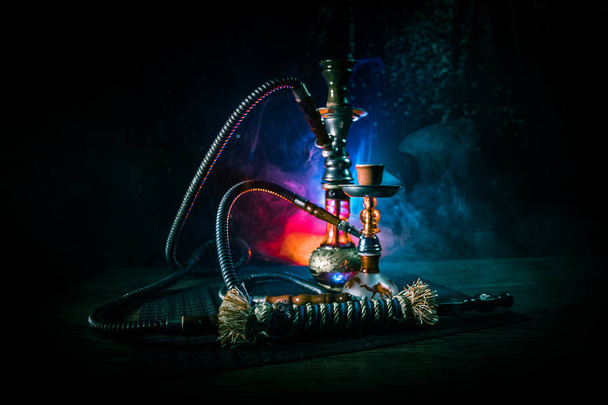
hookah culture

Middle East: The Hookah’s Cultural Heritage

In the Middle East, the hookah, also known as a water pipe, has a long-standing cultural history. Originating in ancient Persia, it has become an integral part of social gatherings in many Arab and South Asian countries. The hookah is often associated with hospitality and relaxation, serving as a communal instrument shared among friends and family. The intricate designs of hookahs and the ritualistic preparation of flavored tobacco, known as shisha, add a layer of cultural depth to the experience.
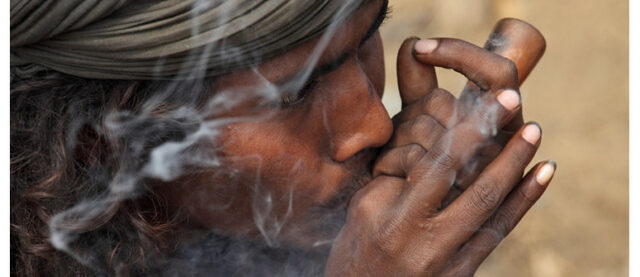
Chillum Baba smoking Cannabis; In these practices, the act of smoking becomes a sacred bridge between the material and spiritual worlds. It is a way for devotees to attune themselves to the cosmic vibrations and seek a profound connection with the divine, mirroring the broader shamanic practices observed in the Himalayan regions. The use of cannabis within these spiritual contexts reflects the rich diversity of rituals and beliefs across different cultures, all united by a common thread of seeking divine communion through altered states of consciousness.

Chillum Baba smoking Cannabis; Babas, ascetic practitioners, and Rishis, the wise seers of ancient Hindu traditions, are known to incorporate the smoking of cannabis, locally known as “bhang,” into their worship of Lord Shiva. Shiva, one of the principal deities in Hinduism, is often associated with the consumption of cannabis as a part of his meditative and transcendent lifestyle.
During religious gatherings and festivals, particularly the auspicious occasion of Maha Shivaratri, these spiritual aspirants partake in the smoking of cannabis to induce altered states of consciousness. The inhalation of cannabis is considered a sacred act, believed to align practitioners with the divine realm and open channels for heightened spiritual insight. Similar to the Himalayan shamans’ use of smoking instruments to commune with deities, the cannabis-smoking practices of Indian Hindu Babas and Rishis serve as a method of purification. The psychoactive properties of cannabis are thought to aid in transcending the physical realm, allowing practitioners to delve deeper into meditation and spiritual contemplation. In these practices, the act of smoking becomes a sacred bridge between the material and spiritual worlds. It is a way for devotees to attune themselves to the cosmic vibrations and seek a profound connection with the divine, mirroring the broader shamanic practices observed in the Himalayan regions. The use of cannabis within these spiritual contexts reflects the rich diversity of rituals and beliefs across different cultures, all united by a common thread of seeking divine communion through altered states of consciousness.
Source; https://www.cannaconnection.com/blog/9941-chillum-all-you-need-know-historical-pipe

South and Southeast Asia: The Traditional Chillums

Moving towards South and Southeast Asia, traditional smoking instruments like chillums have been used for centuries. In India, for example, chillums have played a significant role in spiritual and religious practices. Sadhus, Hindu ascetics, have been known to use chillums during meditation and religious ceremonies. The simplicity of these instruments aligns with the ascetic principles of detachment, emphasizing the spiritual rather than the material.

Africa: The Water Pipe in Ritual Practices

In certain African cultures, water pipes hold ritualistic significance. Tribes in Ethiopia, for instance, use elaborate water pipes in ceremonies that mark important life events such as births, marriages, and initiations. The communal act of passing the water pipe is a symbol of unity and shared experiences, reinforcing social bonds and cultural identity.
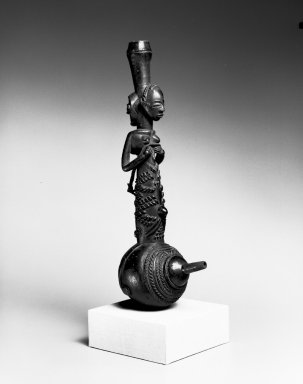
African Water Pipe

African Water Pipe; This remarkably stunning specimen of a scarce Luba water pipe is unquestionably associated with an individual of elevated standing. The prevalent theme in Luba art, exemplified by the female figure clasping her breasts, conveys notions of reverence, caregiving, and the pivotal role women play as mothers. The portrayal of a woman assumes added significance as the Luba community traces lineage through the maternal line. The intricate scarification patterns and sophisticated hairstyle of the figure serve as indicators of her affluence and esteemed social position. Source; https://www.brooklynmuseum.org/opencollection/objects/2944

Native American Traditions: Ceremonial Pipes

Among Native American tribes, ceremonial pipes have been integral to spiritual practices for centuries. The peace pipe, often used in sacred ceremonies, symbolizes unity, harmony, and communication with the divine. Smoking the ceremonial pipe is considered a sacred act, connecting individuals with the spiritual realm and facilitating a sense of communal harmony.

Painting by Howard Terpning of a Crow-Pipe Ceremony

Painting by Howard Terpning of a Crow-Pipe Ceremony. Source: https://www.native-americans-online.com/native-american-pipe-ceremony.html

Ritualistic Uses Worldwide: Spiritual, Healing, and Recreational Significance

Beyond specific cultural practices, water pipes and bongs have been employed globally for a range of ritualistic purposes. In some cultures, smoking rituals are considered a form of spiritual communion or a means of connecting with ancestors. Others use smoking instruments for healing, attributing medicinal properties to certain herbs or substances.

The shamanic traditions of various indigenous cultures often involve the use of smoking instruments as a conduit for entering altered states of consciousness. The act of smoking is believed to facilitate communication with spirits, aid in divination, or serve as a tool for healing.

 

Yogic Shamanism uses Healing with Cannabis

Similar to the Himalayan shamans’ use of smoking instruments to commune with deities, the cannabis-smoking practices of Indian Hindu Babas and Rishis serve as a method of purification. The psychoactive properties of cannabis are thought to aid in transcending the physical realm, allowing practitioners to delve deeper into meditation and spiritual contemplation. In these practices, the act of smoking becomes a sacred bridge between the material and spiritual worlds. It is a way for devotees to attune themselves to the cosmic vibrations and seek a profound connection with the divine, mirroring the broader shamanic practices observed in the Himalayan regions. The use of cannabis within these spiritual contexts reflects the rich diversity of rituals and beliefs across different cultures, all united by a common thread of seeking divine communion through altered states of consciousness.

In contemporary Western societies, the use of water pipes has found its place in recreational settings, where social bonding and relaxation take precedence. However, the global pantheon of smoking traditions underscores the versatility of these instruments, transcending their recreational use to encompass a spectrum of spiritual, cultural, and healing dimensions.
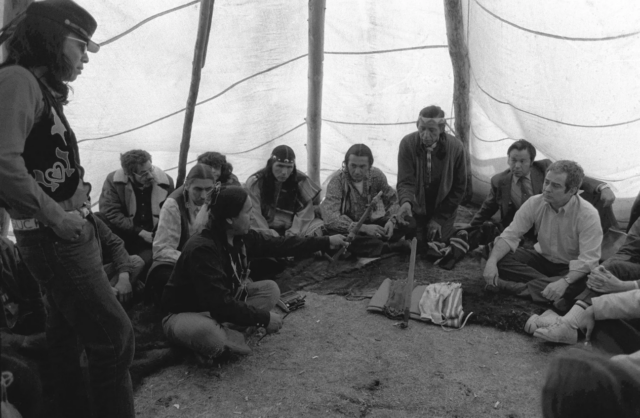
American Indian Movement Standoff Pipe Ceremony in 1973

American Indian Movement Standoff Pipe Ceremony in 1973

A Global Mosaic of Smoking Traditions

The cultural landscape of bong and smoking instrument usage is a vibrant mosaic, with each culture contributing its unique patterns and colors. From the ornate hookahs of the Middle East to the sacred pipes of Native American traditions, these instruments have woven themselves into the fabric of diverse societies. As the global culture of bong smoking continues to evolve, an appreciation for the smoking traditions around the world enhances the depth and understanding of this age-old practice.

Shamanic Traditions and Smoking Instruments
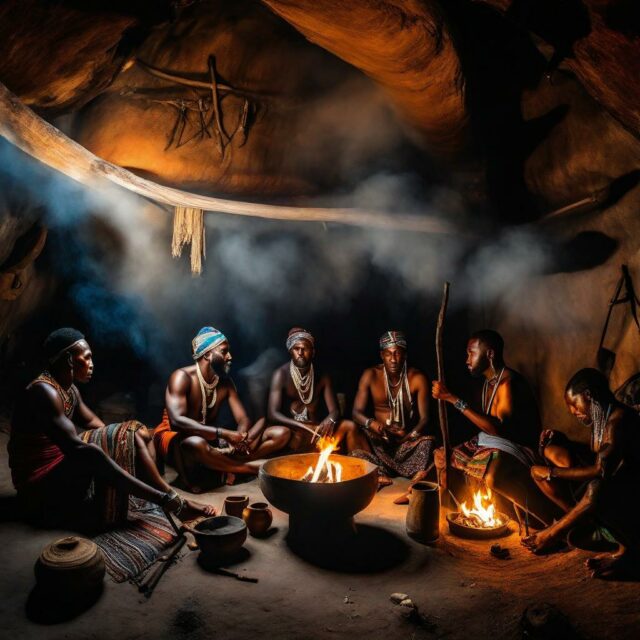
Shaman ritual

Shamanic traditions across the globe have incorporated the use of smoking instruments as a means to enter altered states of consciousness, facilitating spiritual journeys, communication with the spirit world, and healing practices. Here are some real-world examples:

    1. Amazonian Ayahuasca Ceremonies (South America): In various indigenous cultures of the Amazon rainforest, particularly among the Shipibo and Quechua people, the use of Ayahuasca, a psychoactive plant mixture, is central to shamanic rituals. Ayahuasca is consumed in a ceremonial context, often accompanied by specific smoking blends. Shamans may use tobacco pipes or cigars during the ritual to enhance the visionary experience and communicate with spirits.
    2. Navajo Singing and Peyote Ceremonies (North America): Among the Navajo people in North America, the ceremonial use of peyote is integral to spiritual practices. While peyote itself is ingested rather than smoked, the ritual often involves the use of a ceremonial pipe. Smoking during these ceremonies is considered a sacred act, aiding in spiritual communion and facilitating communication with deities and ancestors.
    3. Siberian Shamanism (Russia and Mongolia): In Siberian shamanic traditions, particularly among the Tuvan and Buryat people, smoking plays a role in the shaman’s journey into altered states. The shaman may use a pipe containing a mixture of tobacco and other herbs to induce trance-like states. Smoking is believed to help the shaman navigate between the physical and spiritual realms, seeking guidance or healing for the community.
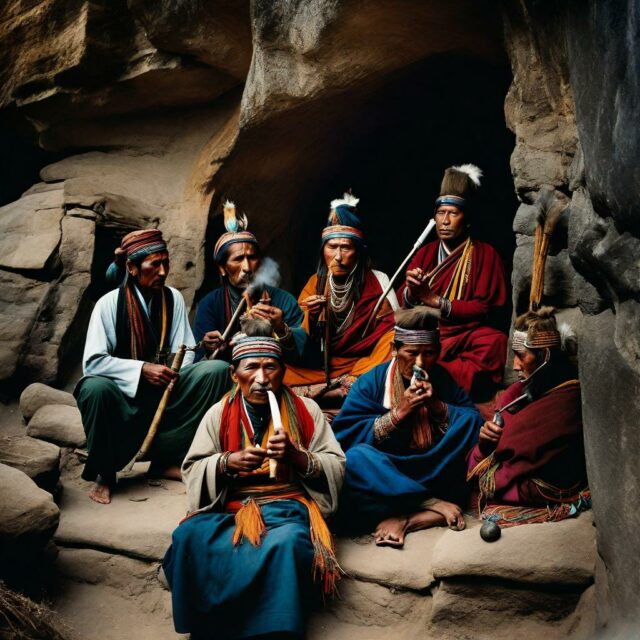
A descriptive and highly illustrative photograph of Tibetan Shamans in the Himalayas smoking pipes in a ritual

Further Traditions

  1. African Bwiti Rituals (Gabon): The Bwiti religion in Gabon incorporates the ceremonial use of the iboga plant. During initiation ceremonies, participants consume iboga to induce altered states of consciousness. Smoking pipes containing various herbs are also used by Bwiti shamans to connect with the spirit world and guide participants through the transformative experience.
  2. Maori Kava Ceremonies (New Zealand): Among the Maori people of New Zealand, the traditional ceremony of sharing kava, a beverage made from the kava plant, is accompanied by smoking rituals. Pipes, often carved from wood or bone, are used to smoke tobacco or other herbs during these gatherings. The combined use of kava and smoking is believed to enhance communal bonding and spiritual connection.
  3. Himalayan Shamanic Practices (Nepal and Tibet): In Himalayan regions, such as Nepal and Tibet, shamans known as ‘ngakpas’ may use smoking instruments in their rituals. Pipes containing mixtures of herbs, including tobacco, are employed to induce altered states and commune with deities or spirits. Smoking is considered a method of purification and a way to open channels for spiritual insight.
  4. Cannabis Smoking for Worship and Meditation in Hindu Tradition; In India, particularly among Hindu sadhus, babas, and rishis residing in the Himalayan regions, cannabis smoking holds a significant role in their worship of Lord Shiva. These ascetic devotees revere Shiva as the ultimate yogi and the lord of cannabis, which they refer to as “bhang.” The ritualistic use of bhang during meditation and religious ceremonies is believed to aid in achieving a state of heightened awareness and spiritual communion.During certain sacred festivals like Maha Shivaratri, these holy men engage in the consumption of bhang-infused drinks or smoke cannabis as a sacrament. They perceive the effects of cannabis as a means to transcend the physical realm and attain a state of union with Shiva. The act of smoking cannabis, often from chillums or pipes, is seen as a method to invoke divine blessings, enhance meditation, and connect with the spiritual essence embodied by Lord Shiva.Similar to the ngakpas of Nepal and Tibet, these Hindu sadhus consider cannabis smoking not merely as a recreational activity but as a sacred practice for opening channels to the divine. The cannabis plant, known as a gift from the gods, is utilized as a tool to deepen their spiritual experiences and seek enlightenment. This revered tradition among the Hindu ascetics in the Himalayas showcases a unique intersection of spiritual devotion and the ritualistic use of cannabis in their worship of Lord Shiva.

Shiva Ganja Meditation

These real-world examples underscore the integral role of smoking instruments in diverse shamanic traditions. While the specific plants and substances may vary, the use of smoking as a conduit for entering altered states of consciousness remains a common thread, linking these cultures through shared spiritual practices.
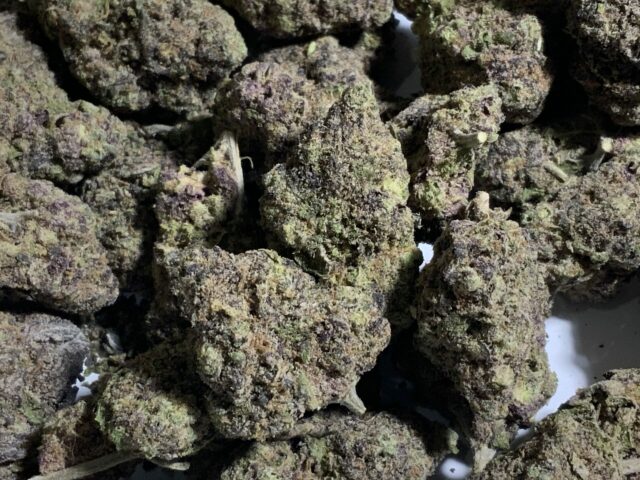
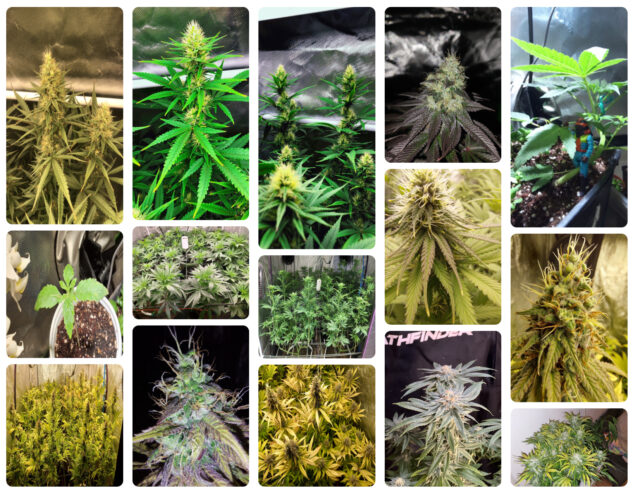
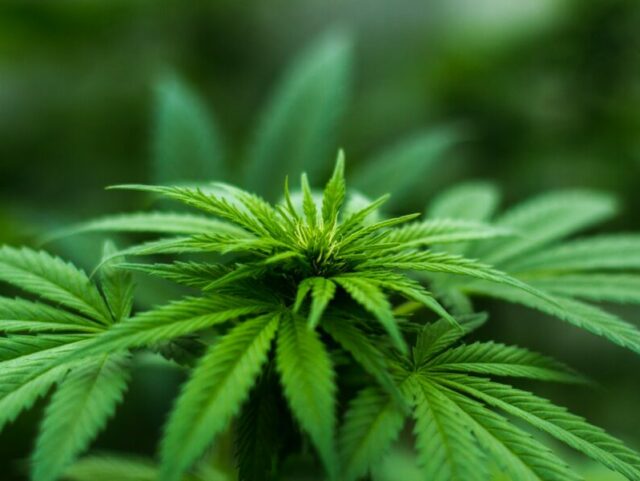
Cannabis Plant photo courtesy of Michael Fischer

Exploring Potential Uses of Cannabis: Using Hemp Cannabinoids as a Natural Alternative to Chemical Pesticides

Recent research from Cornell University suggests a promising avenue for the future of pest control hemp cannabinoids. The study, conducted by scientists at the School of Integrative Plant Science at Cornell AgriTech’s College of Agriculture and Life Sciences (CALS), delved into the potential applications of cannabinoids as natural pesticides. The researchers discovered that hemp plants with a higher concentration of cannabinoids in their leaves exhibited less damage from chewing insects compared to those with lower cannabinoid levels. This finding opens up possibilities for the development of new, natural insecticides, primarily targeted for use on non-edible plants.


Jack Herer Cannabis Bud - Simply the Best

However, the application of these pesticides on food crops remains uncertain due to the pharmacological effects of cannabinoids, such as CBDA, THCA, and CBGA. These compounds can be converted to CBD, THC, and CBG, respectively, through a process known as decarboxylation, which involves the addition of heat.

Larry Smart, a plant breeder and professor at CALS, noted that while the intoxicating and medicinal effects of cannabinoids have been studied for decades, little research has been conducted to understand why cannabis plants evolved to produce over 100 distinct substances.
“It has been speculated that they are defensive compounds, primarily accumulating in female flowers to protect seeds, a common concept in plants,” said Smart, the senior author of the study.

The research was part of Cornell’s Hemp Breeding Program, initiated in 2017. The program evaluates various commercially available hemp cultivars to provide recommendations to farmers based on local soil and climate conditions.

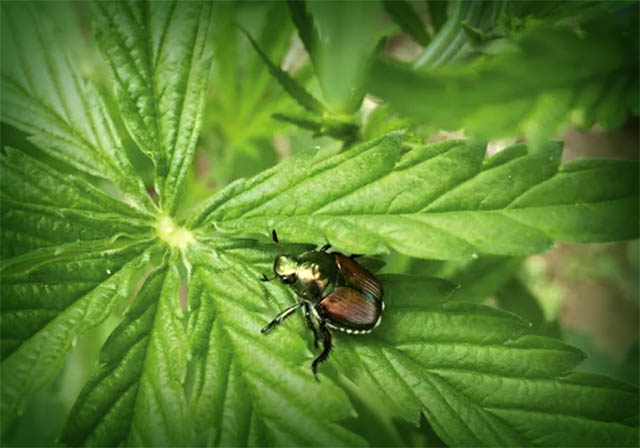
Varieties of hemp from a breeding program in Ukraine, lacking cannabinoid production, were found to be highly susceptible to damage from Japanese beetles. In contrast, hemp varietals producing cannabinoids demonstrated reduced vulnerability to these insects.
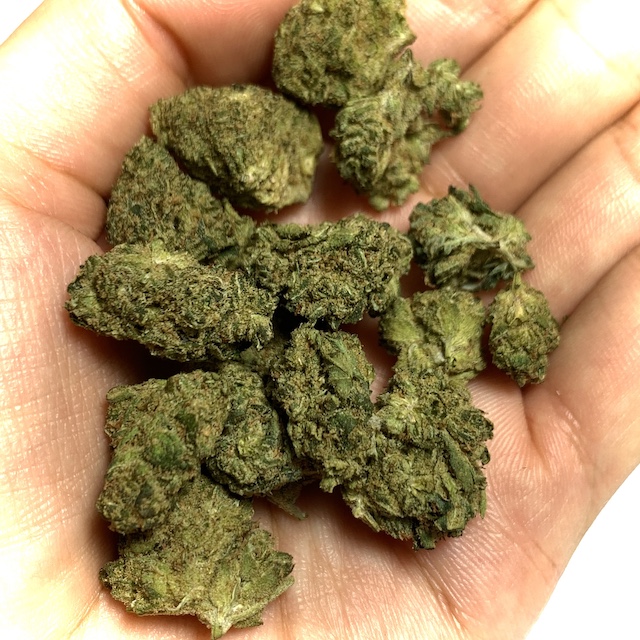
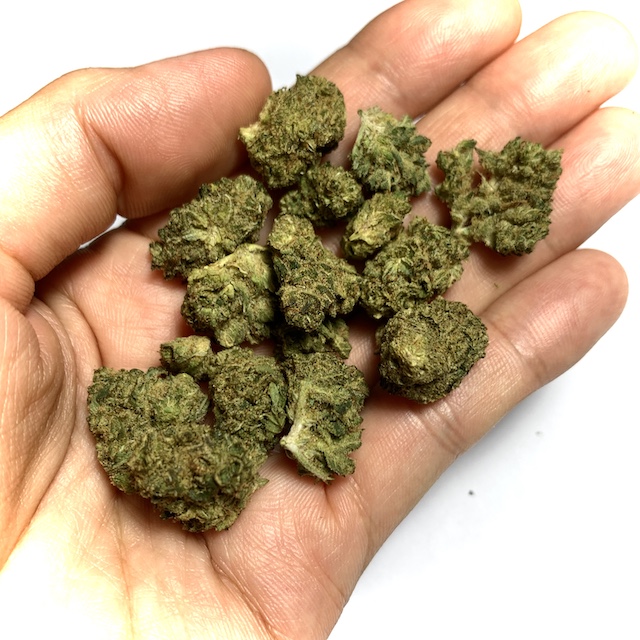
Japanese Beetle Eating Cannabis.
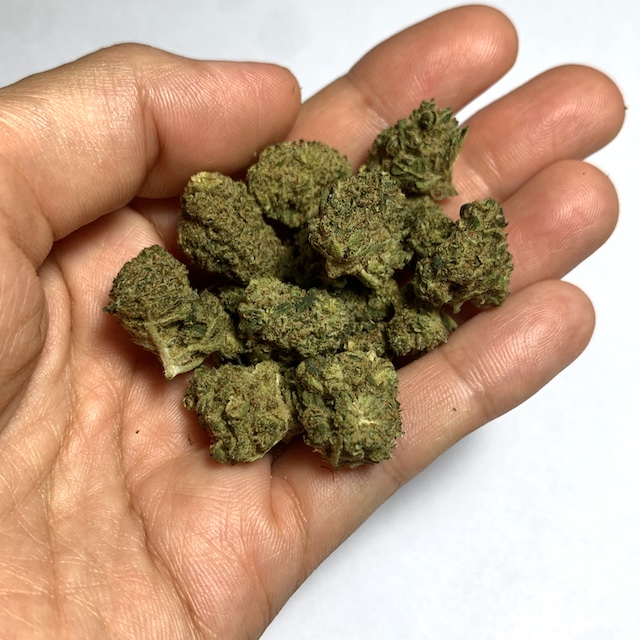
Japanese Beetle Eating Cannabis.

“In the absence of cannabinoids, we saw heavy insect damage, and in the presence of cannabinoids, we saw much less damage,” explained Smart.

Isolating CBDA and CBGA for controlled insect feeding studies, the researchers observed that insect larvae experienced stunted growth and lower survival rates with increasing cannabinoid concentrations. Following the recent legalization of hemp for commercial cultivation in the United States, farmers are seeking comprehensive advice on integrated pest management (IPM). A fresh article in the freely accessible Journal of Integrated Pest Management provides an up-to-date overview of ongoing research related to insect and arthropod pests affecting hemp, highlighting areas that require further investigation.

George Stack, a postdoctoral researcher in Smart’s lab, emphasized that the study provides insight into how cannabinoids function in natural systems. He sees the potential to develop THC-compliant hemp cultivars with natural defenses against herbivores.

The researchers plan to investigate the impact of cannabinoids on sap-sucking insects like aphids. However, the ongoing federal illegality of marijuana poses challenges to this research. While the prospect of cannabinoids as pesticides sparks excitement for future research, regulatory barriers are anticipated due to the pharmacological activity of these compounds. Further studies are essential to determine the pests against which cannabinoids will be most effective. The study, titled “Cannabinoids Function in Defense Against Chewing Herbivores in Cannabis Sativa L.,” was published in October in the peer-reviewed journal Horticulture Research.

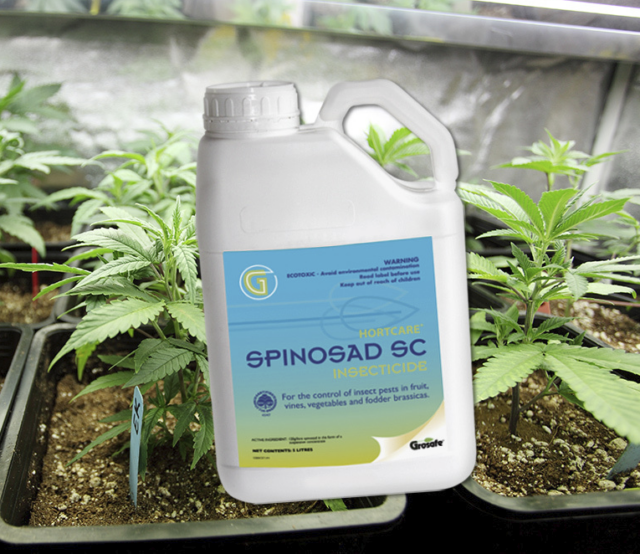
Spinosad Cannabis Fertilizer

Cannabis sativa as a Promising Eco-Friendly Pesticide: Potential Risks and Benefits

Despite the undeniable benefits synthetic pesticides have offered in pest and disease control, their usage comes at a significant cost to the environment and living organisms, prompting a growing interest in eco-friendly alternatives. This article delves into the available ethnobotanical evidence and conducts a systematic review of experimental studies to analyze the potential of Cannabis sativa as a pesticide.

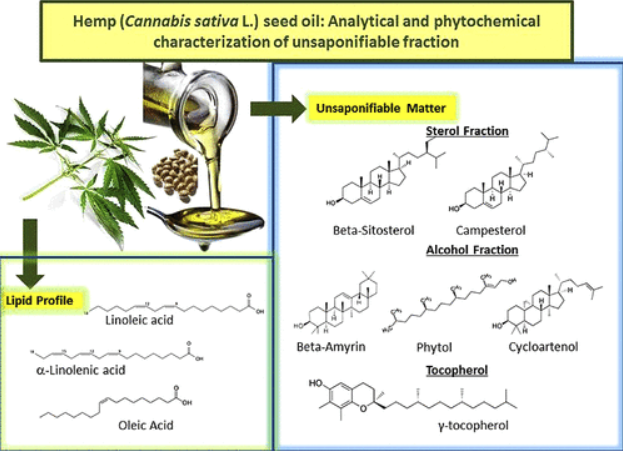
Methods: The study explores ethnobotanical evidence and reviews experimental studies to assess the viability of C. sativa as a pesticide, considering its potential benefits and drawbacks. The findings suggest that both ethnobotanical knowledge and experimental studies support the efficacy of C. sativa as a pesticide, showcasing remarkable toxicity against various pest organisms. The systematic review of experimental studies (n=30) reveals a degree of heterogeneity but draws certain conclusions to guide further research. Notably, promising pesticide properties were observed, particularly against Arachnida and Insecta. The diverse compounds within C. sativa contribute to its efficacy, potentially through synergistic effects. Standardizing the phytochemical profile, exploring appropriate extraction methods, and considering different parts of the plant for essential oil production are crucial for obtaining reproducible results.

Cannabis Phytochemical Profile

Opinion: As new findings emerge, the promising potential of C. sativa as a pesticide will become clearer. This review serves as a valuable tool for understanding the potential benefits and risks associated with using C. sativa as an eco-friendly alternative. It underscores the importance of responsible exploration and application of such alternatives, particularly in the context of the environmental challenges posed by conventional pesticides.

Postscript: In reflecting on the potential of Cannabis sativa as a pesticide, it is essential to recognize the broader implications of pesticide use on the environment. This study sheds light on the promising aspects of C. sativa as a natural pesticide, emphasizing the need for responsible and informed exploration of alternatives. The article raises questions about the potential risks and benefits associated with cannabinoids and prompts consideration of the environmental impact of conventional pesticides, drawing parallels to the color-coated pesticide balls used in certain regions, which have contributed to a significant decline in global insect populations. As we navigate these discussions, it becomes imperative to strike a balance between effective pest control and the preservation of our ecosystems.

Further Study and research Sources;

https://entomologytoday.org/tag/cannabis-aphid/
“IPM in Hemp: Managing Pests in a “New” Crop” PMID: 34612729 PMCID: PMC9418361 DOI: 10.1089/can.2021.0095 –  https://pubmed.ncbi.nlm.nih.gov/34612729/

Determination of pesticides residue in cannabis; https://pharmacy.mahidol.ac.th/journal/_files/2021-48-4_6.pdf

Ghost of NYC Weed Humboldt Seeds

New York City Ghost, also known as Ghost of NYC, is a captivating and highly sought-after cannabis strain that has garnered attention for its exceptional qualities. In this blog post, we will delve into the fascinating aspects of this strain, including its terpenes, effects, aromas, taste, origins, and hybrid classification. Let’s embark on an exploration of the Ghost of NYC.

Terpene Profile and Aromas:
The Ghost of NYC boasts a complex and captivating terpene profile that delights the senses. It exhibits gassy and citrusy overtones, followed by sweet but acidic notes of lemongrass and pine. This intricate combination of terpenes creates a rich and intense aroma, leaving a lasting impression on anyone who encounters it.

Effects and Hybrid Classification:
Ghost of NYC is an indica-dominant hybrid strain, with a genetic makeup of approximately 70% indica and 30% sativa. Despite its indica dominance, it offers a unique blend of effects that make it perfect for various occasions. With high THC levels ranging from 24% to 26%, it induces a relaxing sensation on a physical level, promoting a sense of tranquility and ease. However, its sativa aspect shines through, providing energetic effects that stimulate creativity and enhance artistic tasks. It is an ideal choice for daytime use and social gatherings with friends.

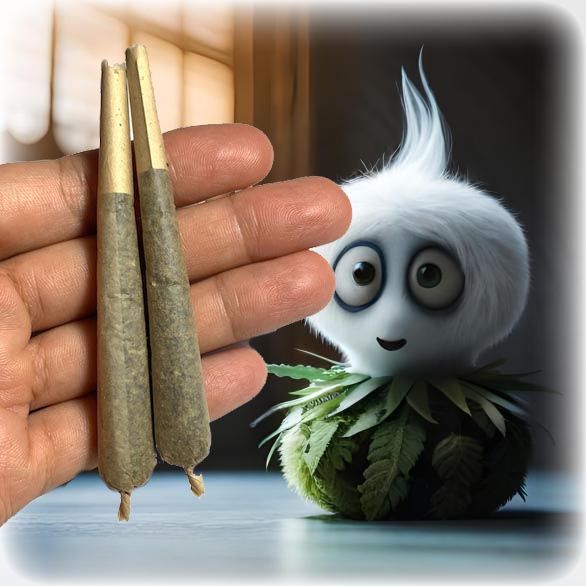
Below; Ghost of NYC Pre Rolled Joints

NYC Ghost Joints 0.5 Grams

Origins and Genetic Lineage:
The Ghost of NYC is the result of a carefully crafted genetic lineage. It is a cross between the uncirculated New York Sour Diesel and a special uncirculated four-way OG, known as Geist OG. The combination of these two exceptional strains has given birth to a potent and flavorful cultivar that showcases the best of both worlds.

Aromas and Taste:
When it comes to taste, Ghost of NYC continues to impress. Its intense fragrance carries over to its flavor profile, offering a delightful experience for cannabis enthusiasts. The strain harmoniously combines gassy and citrus touches with sweet, sour, and pine notes. The resulting taste is a symphony of flavors that lingers on the palate, leaving a memorable impression. This unique combination of aromas and taste makes Ghost of NYC an excellent choice for making high-quality extracts due to its abundant resin production.

Growth and Cultivation:
Ghost of NYC exhibits robust growth and productivity, making it adaptable to various environments, including more humid climates. It thrives both indoors and outdoors, with an indoor flowering duration of approximately 63-65 days. In outdoor settings, the harvest is typically ready by mid-October. The plant can reach impressive heights, exceeding 15 feet (4.5 meters) outdoors. When cultivated properly, Ghost of NYC rewards growers with generous yields. Indoors, it can produce around 400-450 grams per square meter, while outdoors, yields can reach 6-8 pounds (2,720-3,628 grams) per plant or even higher. New York City Ghost, or Ghost of NYC, is an extraordinary cannabis strain that embodies the spirit of the bustling metropolis from which it draws its name. With its potent effects, captivating aromas, and delightful flavors, it has earned a special place in the hearts of cannabis enthusiasts. Whether you seek relaxation, creativity, or a memorable social experience, Ghost of NYC delivers on all fronts. Give this cultivar a try and unlock the enigmatic allure of the Ghost of NYC.

Banner Image; Humboldt Seeds Website

Thailand’s journey towards cannabis legalization has been closely watched by foreign cannabis enthusiasts and users. With a new government in power, the legislation surrounding medical and recreational use of cannabis is experiencing significant changes. In this blog post, we will explore the latest developments and provide an overview of what recreational cannabis users should keep in mind as more legislation is introduced.

move forward one step forward two steps backwards

move forward one step forward two steps backwards

Reshaping of Cannabis Legalization by the Move Forward Party: The newly formed coalition government led by the Move Forward Party is determined to reshape Thailand’s cannabis legalization framework. Their primary objective is to reclassify marijuana as a narcotic, aiming to impose stricter control over its affairs.

Temporary Protection for Marijuana-Related Businesses: While reclassifying marijuana, the government is committed to safeguarding the interests of marijuana-related businesses that have been operating within the legal framework. Temporary regulations will be implemented to allow these businesses time to adjust to the changing landscape.

Anutin with Ganja Plants

Reevaluating Cannabis Legalization: Despite significant progress made towards cannabis legalization in recent years, the new government’s stance may indicate a potential reversal. Plans are underway to put marijuana back on the narcotics list, resulting in the closure of numerous marijuana stalls, shops, and online platforms that emerged during the previous period of liberalization.

Welcome to Ganjahouse

Future Framework: Regulations and Controls: The Move Forward Party intends to introduce comprehensive laws to regulate the remaining 30% of marijuana shops that will continue to operate. The government aims to strike a balance, allowing the demand-and-supply mechanism to function while implementing regulations and controls to protect public health and individuals who choose not to use marijuana.

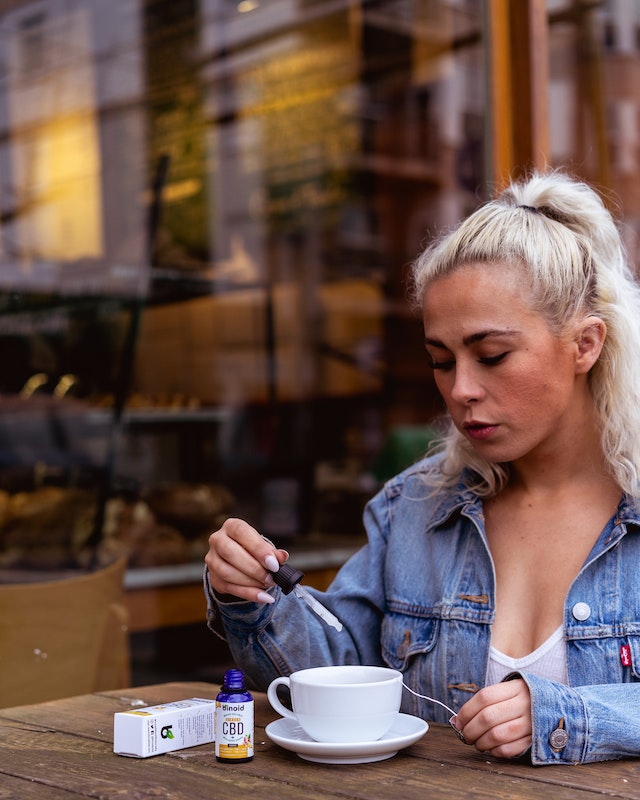
CBD oil as medicinal treatment

Uncertainty Surrounding Recreational Marijuana: The final decision regarding recreational marijuana remains uncertain. The government has yet to reach a conclusive stance on this issue. The formulation of policies related to recreational use requires further consideration and public input to establish a comprehensive and well-informed approach.

Importance of a Public Referendum: If the government decides to permit recreational marijuana, there is a growing call for a public referendum. This democratic approach would allow citizens to actively participate in the decision-making process and contribute to shaping the regulations and restrictions surrounding recreational cannabis use.

For those who wish to advocate for the continuation of recreational cannabis legalization in Thailand through a public referendum, it is essential to actively engage in the process and work towards tipping the scales in favor of preserving this aspect of the legislation. Here are some steps you can take to make a meaningful impact:

  1. Stay Informed: Educate yourself about the current laws and regulations surrounding recreational cannabis use in Thailand. Understand the potential benefits and challenges associated with legalization. Stay up to date with the latest news and developments on the topic.
  2. Build a Supportive Network: Connect with like-minded individuals and organizations that share your views on recreational cannabis legalization. Collaborate with advocacy groups, cannabis enthusiasts, and organizations working towards drug policy reform. Unity and collective efforts can amplify your impact.
  3. Raise Awareness: Use various platforms and channels to raise awareness about the benefits of recreational cannabis legalization. Engage in discussions, both online and offline, to address misconceptions and share factual information. Utilize social media, organize public events, and participate in relevant conferences or seminars.
  4. Mobilize Public Support: Conduct grassroots campaigns to gather public support for recreational cannabis use. Utilize petitions, rallies, and demonstrations to showcase the widespread backing for maintaining the legalization framework. Collaborate with local communities, influencers, and public figures to increase visibility and engagement.
  5. Engage with Legislators: Contact your local representatives, legislators, and government officials to express your support for recreational cannabis. Write letters, emails, or make phone calls explaining your stance and urging them to consider the voices of the public. Attend public hearings or town hall meetings where cannabis-related issues are being discussed.
  6. Support Research and Education: Advocate for comprehensive research and studies on the social, economic, and health impacts of recreational cannabis use. Support initiatives that provide evidence-based information and promote responsible use. Highlight successful models and experiences from other countries where recreational cannabis has been legalized.
  7. Promote Responsible Use: Emphasize the importance of responsible cannabis use and highlight measures such as age restrictions, public health campaigns, and education programs. Address concerns about potential risks and propose strategies to mitigate them effectively.
  8. Participate in the Referendum Process: If a public referendum on recreational cannabis legalization is announced, actively participate in the voting process. Encourage others to do the same by emphasizing the significance of their vote in shaping the future of cannabis laws. Mobilize supporters to turn out and make their voices heard.
What about all the millions of farmers who invested their life savings in this venture?

What about all the millions of farmers who invested their life savings in this venture?

Support for Recriminalization: Prominent figures, including members of the Medical Council and the Forensic Physician Association of Thailand, advocate for the recriminalization of marijuana. Their concerns revolve around potential dangers and the lack of proper controls. The absence of clear regulations has also resulted in some businesses resorting to bribery to facilitate their marijuana-related operations. Thailand’s cannabis laws are seemingly undergoing substantial changes under the new government. While there is a possibility of reclassifying marijuana as a narcotic, efforts are also being made to protect legitimate marijuana businesses and regulate its use. The future of recreational marijuana in Thailand remains uncertain, with further deliberation and public input required. As a foreign cannabis enthusiast or user, it is essential to stay informed about these evolving developments to understand the shifting legal landscape in Thailand.

Fruit Spirit Cannabis Strain Buds

Fruit Spirit Hybrid Strain: A Straight-Up Tropical Delight to Light Up Your Life!

Yo everyone, listen up, my fellow herb enthusiasts! I’m about to drop some knowledge on a newly arrived strain at Ganja House, that’ll have you feeling like you’re kickin’ it in a tropical paradise. Say hello to Fruit Spirit, a straight-up fire hybrid that’s a cross of White Widow and Blueberry. This magical combo is gonna take your senses on a ride you won’t forget! When you catch a whiff of Fruit Spirit, it’s like a full-on fruit explosion hitting your nostrils. Picture juicy pineapples, mouthwatering mangos, and a touch of sweet berries. It’s like you’re straight chillin’ on a beach, surrounded by tropical goodness. The aroma alone is gonna have you drooling and craving those delicious flavors.

Fruit Spirit Cannabis Bud

Once you light up that Fruit Spirit, and take a hit, get ready for a perfect balance of uplifting vibes and relaxation. The THC levels can go from 15% to 20%, so you’re gonna feel that gentle euphoria kick in, keeping you feelin’ good without knocking you out. And let me tell you, this strain knows how to take your stress levels down a few notches. It’s like a calming wave washes over you, leaving you chill as can be.

Now, here’s the dope part—Fruit Spirit has been known to bring some relief to those dealing with chronic pain, anxiety, and depression. This strain is like a natural remedy for your troubles, providing that sweet escape from the daily grind. It’s like a herbal assistant that’s got your back when you’re looking to ease the suffering.

Fruit Spirit Cannabis Buds in the hand (Size B)

When it comes to CBD, Fruit Spirit keeps it real with moderate levels. You’re looking at around 1% to 5%, which adds an extra layer of goodness to the mix. And let’s not forget about them terps, my friends. Fruit Spirit brings the flavor with terps like myrcene, giving you that fruity and earthy goodness, and caryophyllene, adding a little spice to the party.

Fruit Spirit Cannabis Strain

Oh, and peep this: Fruit Spirit’s legendary genetics have birthed some seriously dope hybrids. You gotta check out Blue Fruit, a tasty blend of Blueberry and Fruit Spirit that’ll have you floating on a cloud of berry goodness. And there’s White Spirit, a powerhouse strain combining that classic White Widow with Fruit Spirit’s tropical charm. It’s like a match made in herb heaven!

Fruit Spirit Cannabis Buds in the hand

So, my Ganja lovin’ family, whether you’re in need of some relaxation, craving those tropical flavors, or looking to ease your mind and body, Fruit Spirit is the answer to your prayers. Get yourself some of this tantalizing strain, savor those flavors, and let the fruity spirit take you to a whole new level. Don’t sleep on this captivating experience let Fruit Spirit be your tropical inspiration! Stay lifted and Energized, and keep on thinking free!

Reference Info

  1. Taste: Fruit Spirit hits your taste buds with a tropical explosion. Imagine sweet pineapples, juicy mangos, and a touch of luscious berries. It’s like taking a bite out of paradise!
  2. Aroma: Brace yourself for an aromatic blast of tropical goodness. Fruit Spirit brings the scent of ripe pineapples, mouthwatering mangos, and a hint of sweet berries. It’s like being whisked away to a sunny beach!
  3. Effects: Get ready for a balanced experience with Fruit Spirit. It delivers a smooth blend of uplifting vibes and relaxation. THC levels range from 15% to 20%, providing a gentle euphoria without overpowering you. It’s the perfect chill companion!
  4. THC and CBD Content: Fruit Spirit keeps it real with THC levels ranging from 15% to 20%. As for CBD, you’re looking at around 1% to 5%, adding an extra touch of goodness to the mix.
  5. Medicinal Benefits: Fruit Spirit has been associated with providing relief for various conditions. It’s been known to potentially assist with chronic pain, anxiety, and depression, offering a natural remedy to help ease the suffering. This strain brings a helping hand to those in need!
  6. Terpenes: Fruit Spirit packs a flavorful punch with its terpene profile. Look out for myrcene, bringing those fruity and earthy vibes, and caryophyllene, adding a spicy kick to the mix. It’s like a flavor explosion in every toke!
  7. Popular Hybrids: Fruit Spirit’s legendary genetics have birthed some seriously popular hybrids. You gotta check out Blue Fruit, a tantalizing blend of Blueberry and Fruit Spirit, delivering a burst of berry goodness. And don’t sleep on White Spirit, a powerhouse strain that combines the classic White Widow with Fruit Spirit’s tropical charm. These hybrids take it to the next level!

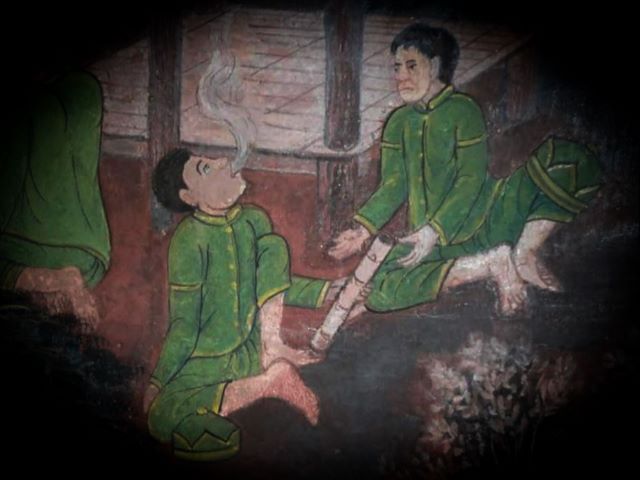
Ancient Use of Cannabis in Siam

Cannabis has a long and rich history in Southeast Asia, with its use dating back to ancient times. The region has been a hub for the cultivation, trade, and consumption of cannabis for various purposes. Here’s a short history of cannabis use in Southeast Asia from ancient times to the present day:

Ancient Times: In ancient Southeast Asia, cannabis was widely cultivated and utilized for its versatile properties. It was primarily grown for its fibers, which were used to make textiles, ropes, and fishing nets. Additionally, the seeds were valued for their nutritional content, often consumed as food or used in traditional medicine for their medicinal properties.

Anutin with Ganja Plants Medieval Period: During the medieval period, cannabis found its way into Southeast Asian religious practices, and it was believed to have spiritual and mystical qualities, as well as aiding in meditation, enhancing inner vision and spiritual experiences.

Colonial Era: With the arrival of European colonizers in the 16th century, cannabis in Southeast Asia faced increased scrutiny and regulation. The colonial powers imposed restrictions on cannabis cultivation and consumption due to concerns about its psychoactive effects. However, despite these restrictions, cannabis continued to be used in traditional medicine and remained an integral part of cultural practices among certain communities.

Modern Era: In the 20th century, cannabis regulation became more stringent across Southeast Asia due to international drug control efforts. Most countries in the region enacted laws prohibiting its cultivation, possession, and use. The emphasis was primarily on suppressing recreational cannabis use, often associating it with illicit activities and addiction.

Despite the legal restrictions, cannabis use persisted in some Southeast Asian countries. Traditional medicine practitioners continued to incorporate cannabis and its derivatives into their treatments, relying on its therapeutic properties for various ailments.

Present Day: In recent years, there has been a growing global trend towards the recognition of the medicinal potential of cannabis. Some countries in Southeast Asia have started to reevaluate their cannabis policies, considering the potential benefits it offers. Several nations, such as Thailand and the Philippines, have legalized or decriminalized the medical and/or recreational use of cannabis under new regulations.

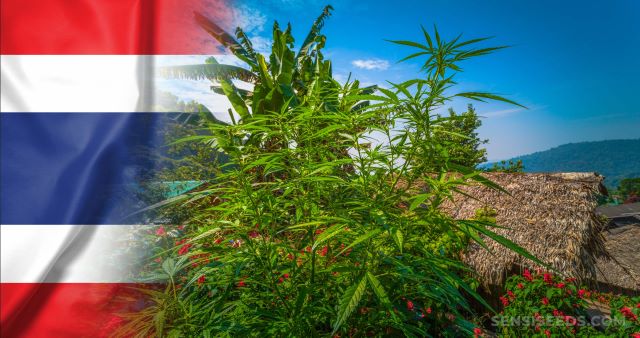
Cannabis in Thailand

However, recreational cannabis remains largely illegal in the region, with penalties varying from country to country. Nonetheless, debates and discussions regarding the legalization and regulation of cannabis continue to take place, reflecting changing attitudes and an evolving understanding of its potential benefits.

Ancient Use of Cannabis in Thailand

To summarize in short; The history of cannabis usage in Southeast Asia spans centuries, from its ancient uses for textiles and spiritual practices to its present-day status as a subject of legal and social discourse. As the region continues to navigate the complex dynamics surrounding cannabis, its role in traditional medicine and cultural practices persists while its potential for medical use gains recognition. The legalization of Cannabis in Thailand has revived knowledge about Siam’s ancient tradition of Cannabis usage, and the legalization for recreational use has allowed Thai farmers and entrepreneurs to begin to develop strains of their own to try to catch up with the many excellent foreign strains of cannabis, in the meantime, Thailand also imports foreign seeds and grows indoor Cannabis of all types (Indica, Sativa, Hybrid), and is swiftly catching up with their Western Competitors in other legal areas of the world such as Colorado and California.