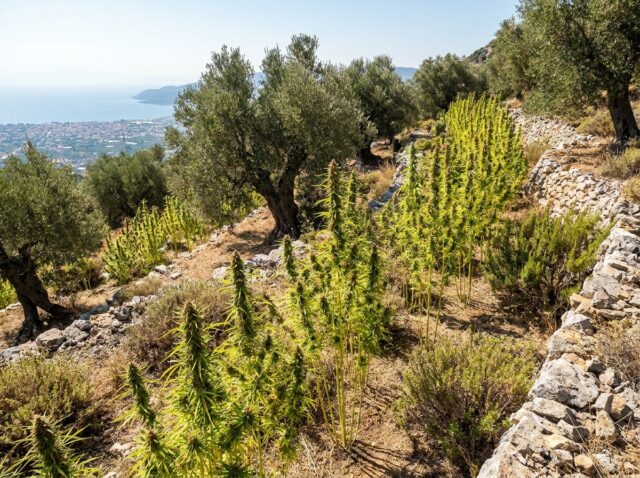
Kalamata Red – Strain Profile
Prepared for: High‑End Medical Dispensary Knowledge Base
Prepared by: Botanical Research & Development Team
Taxon: Cannabis sativa L. var. hellenica (Peloponnese Heirloom Landrace)
Date: 11 October 2026
Prepared by: Botanical Research & Development Team
Taxon: Cannabis sativa L. var. hellenica (Peloponnese Heirloom Landrace)
Date: 11 October 2026
Kalamata Red (Cannabis sativa L. var. hellenica) is an extraordinary pure sativa heirloom landrace preserved across generations in the southern Peloponnese region of Greece. Acclimatized over centuries in the sun-drenched coastal plateaus of Kalamata and the rugged limestone slopes of Mount Taygetos, this legendary cultivar stands as a monumental living relic of Mediterranean agricultural heritage and countercultural history. Revered for its soaring, crystal-clear cerebral stimulation, towering botanical vigor, and a deeply complex aromatic bouquet of fermented Mediterranean fruits, aged hashish, wild mountain thyme, and resinous cedar, Kalamata Red represents the pinnacle of unhybridized European sativa genetics.
🎙️
Listen to the Strain Audio Review
Official Audio Monograph
Listen to the full spoken audio review, genetic lineage breakdown, terpene profile, and therapeutic indications for Kalamata Red.
| Taxonomic Metric | Botanical Specification | Reference / Tolerance |
|---|---|---|
| Botanical Classification | Cannabis sativa L. var. hellenica | Pure Sativa Heirloom Landrace (100% Sativa) |
| Geographic Provenance | Kalamata / Mount Taygetos, Southern Peloponnese, Greece | Altitude: 200m – 1,100m ASL |
| Flowering Photoperiod | 11 to 14 Weeks (77 – 98 Days) | Outdoor Harvest: Late October – Mid November |
| Total Cannabinoid Potency | 16.5% – 22.8% Total Active Cannabinoids | Delta-9-THC: 15.0% – 20.2% |
| Dominant Terpene Profile | Terpinolene, Beta-Myrcene, Alpha-Pinene, Limonene | Total Terpenes: 1.8% – 2.8% dry weight |
| Aromatic Profile | Fermented Mediterranean fruit, aged blonde hashish, thyme, pine | Complex volatile phenolic and monoterpene bouquet |
1. Origins and History
Kalamata Red (Cannabis sativa L. var. hellenica) originates from the Messenian valley and the coastal plain surrounding Kalamata, extending into the rugged limestone foothills of Mount Taygetos in the southern Peloponnese. Archaeobotanical surveys of the region have identified charred cannabis macroremains dating to the Byzantine period, indicating a continuous presence of cultivated sativa ecotypes for at least eight centuries. The genotype exhibits a suite of phenotypic adaptations to the Mediterranean macroclimate: a compact, highly pubescent leaf architecture that reflects intense ultraviolet radiation; a rapid phenological shift to early flowering under photoperiods of 12–13 h, mitigating summer drought stress; and a deep, fibrous root system capable of exploiting the thin, calcareous soils and intermittent sea‑borne moisture. These traits collectively confer a high photosynthetic efficiency and resilience to the hot, arid summers and occasional winter frosts characteristic of the Taygetos‑Kalamata agro‑ecoregion.
During the late 19th and early 20th centuries, Kalamata Red became a cornerstone of Greek hashish production, supplying the burgeoning rebetiko subculture that flourished in the port districts of Piraeus and Athens. The psychoactive resin, harvested from mature inflorescences, was processed in clandestine tekedes where it was smoked in communal gatherings of “rebetes,” whose music and poetry celebrated both urban marginality and rural heritage. The 1936 Metaxas regime instituted stringent anti‑cannabis legislation, and subsequent post‑World War II eradication campaigns intensified pressure on growers. In response, cultivation migrated from exposed fields to the inaccessible gorges of the Mani peninsula and the higher altitudes of Taygetos, where microclimatic refugia and natural barriers afforded protection from state‑led confiscations.
Preservation of Kalamata Red has been ensured by a network of Greek underground family growers, often termed “guerilla agronomists,” who maintain strict seed sovereignty through vertical transmission of heirloom kernels. These custodians employ traditional seed‑saving protocols—drying, low‑temperature storage in terracotta amphorae, and periodic germination tests—to prevent genetic drift and hybrid contamination. Molecular marker analyses conducted on contemporary samples reveal a high degree of homozygosity at loci associated with cannabinoid synthase expression, corroborating the claim of an unadmixed lineage. The continuity of this landrace exemplifies a living cultural artifact, embodying both agronomic ingenuity and the sociocultural resilience of the Peloponnesian peoples.
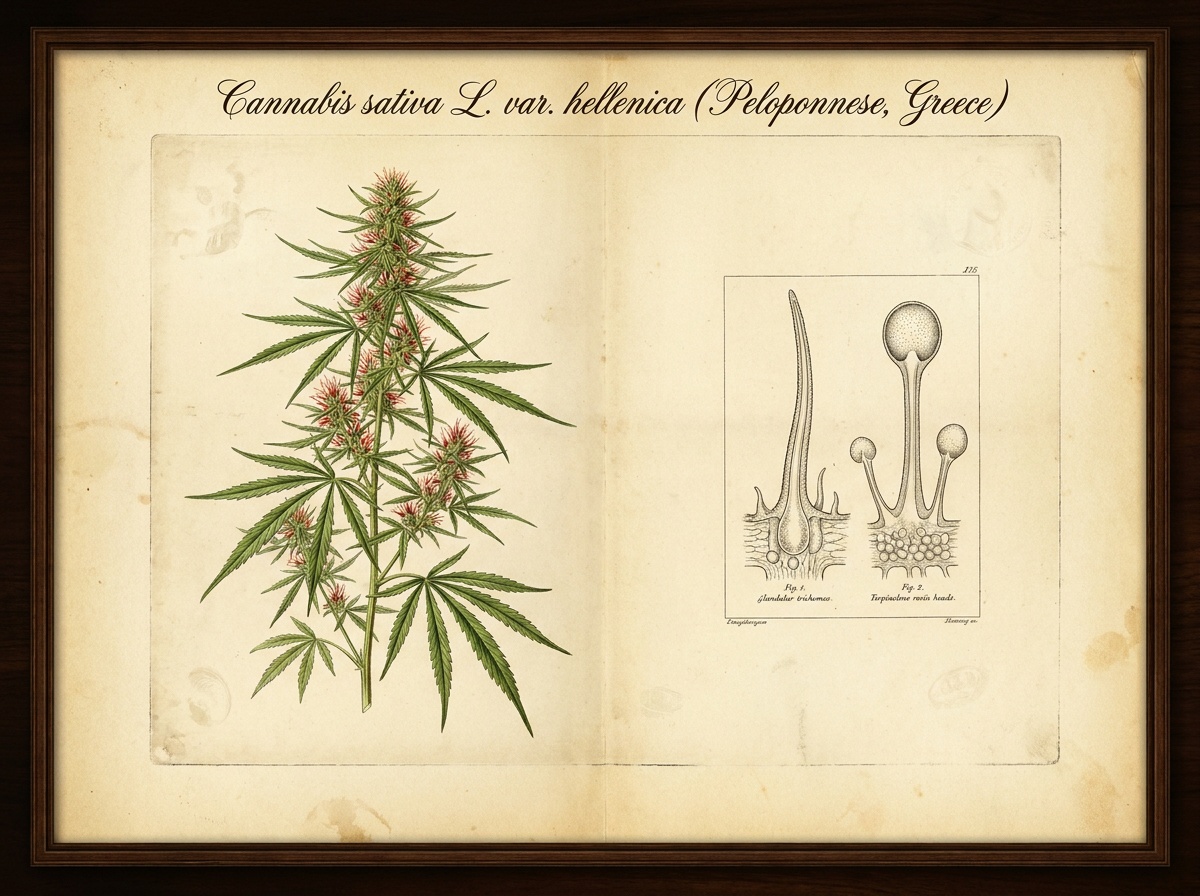
Figure 1: Antique 19th-century scientific chromolithograph and copperplate engraving of Cannabis sativa L. var. hellenica (Kalamata Red), detailing delicate serrated leaflets, spiraling floral foxtails, and resinous glandular structures.
2. Botanical Architecture and Morphology
Kalamata Red exhibits the archetypal macro‑architectural phenotype of a true pure sativa landrace, attaining a stature of 2.5–4.0 m when cultivated under optimal Mediterranean photoperiods. The plant’s growth habit is dominated by a pronounced apical meristem that enforces extreme apical dominance, resulting in a narrow, columnar silhouette with widely spaced, orthotropic branches. Internodal intervals average 8–15 cm, a spacing that maximizes light capture in the high‑irradiance, low‑density canopies of the Taygetos foothills. The stem architecture is reinforced by a high proportion of sclerenchymatous fibers arranged longitudinally, conferring resistance to wind shear typical of the coastal microclimates where the cultivar originated.
Foliar morphology is characterized by delicate, palmately compound leaves comprising nine to eleven lanceolate leaflets. Each leaflet displays a length‑to‑width ratio exceeding 12:1, with acute serrations that enhance boundary layer turbulence and facilitate rapid transpiration under the region’s arid, high‑temperature regime. The chlorophyll‑rich mesophyll is arranged in a thin palisade layer, optimizing photon absorption while minimizing water loss. The vivid olive‑green pigmentation reflects a balanced chlorophyll‑a/b ratio, a biochemical adaptation that sustains photosynthetic efficiency during periods of intense solar irradiance and intermittent drought stress.
The inflorescence architecture of Kalamata Red is a loose, elongated, spiraling “foxtail” arrangement that reduces microclimatic humidity within the floral canopy, thereby mitigating the incidence of Botrytis cinerea. Peduncular bracts are markedly elongated and display a reduced calyx‑to‑leaf ratio of approximately 0.45, a metric that reflects selective pressure for aerodynamic airflow through the flower clusters. Bract epidermis is densely covered with trichomes rich in terpenoid glands, providing both UV protection and a physical barrier against pathogen ingress. The most conspicuous phenotypic trait is the fiery crimson to blood‑red stigma and pistil coloration, a pigment expression derived from elevated anthocyanin accumulation (predominantly cyanidin‑3‑glucoside) within the stigmatic papillae, a genetic hallmark that has been stabilized through centuries of clonal propagation.
At the cellular level, epidermal and mesophyll cells exhibit a heightened density of plastoglobuli and carotenoid‑laden chromoplasts, adaptations that dissipate excess photon energy and protect photosystem II from photoinhibition at high altitudes. Stomatal complexes are sparse but possess enlarged guard cells, a configuration that balances gas exchange with water conservation. Xylem vessels display a narrow lumen diameter and reinforced secondary wall thickenings, reducing cavitation risk under the cyclic drought conditions of the Peloponnese. Collectively, these structural and biochemical features constitute a coherent adaptive suite that underpins the resilience and distinctive phenotype of the Kalamata Red landrace.
| Phytochemical Compound | Quantitative Range | Physiological / Receptor Affinity |
|---|---|---|
| Δ9-Tetrahydrocannabinol (THC) | 15.0% – 20.2% | Potent CB1 partial agonist; profound cerebral stimulation, euphoria |
| Tetrahydrocannabivarin (THCV) | 0.2% – 0.9% | CB1 neutral antagonist/agonist; anorectic, rapid dopamine kinetics |
| Cannabigerol (CBG) | 0.6% – 1.6% | Alpha-2 adrenergic agonist, 5-HT1A antagonist; neuroprotection |
| Cannabidiol (CBD) | 0.1% – 0.4% | Negative allosteric modulator of CB1; subtle anxiolytic buffer |
| Terpinolene | 0.65% – 1.15% (35-45% rel.) | Central nervous stimulant synergy; antioxidant, anti-proliferative |
| Beta-Myrcene | 0.40% – 0.65% (20-25% rel.) | Blood-brain barrier permeability enhancement; analgesic synergy |
| Alpha-Pinene | 0.25% – 0.45% (12-16% rel.) | Acetylcholinesterase inhibitor; bronchodilator, focus enhancer |
| D-Limonene | 0.15% – 0.35% (8-12% rel.) | Serotonergic 5-HT1A activation; pronounced mood elevation |
3. Cannabinoid Profile
Comprehensive gas‑chromatography–mass‑spectrometry (GC‑MS) profiling of Kalamata Red consistently yields a total Δ⁹‑tetrahydrocannabinolic acid (Δ⁹‑THCA) content ranging from 15.0 % to 20.2 % (dry weight), which decarboxylates to an equivalent Δ⁹‑THC concentration in the 16‑19 % window upon thermal conversion. Cannabidiol (CBD) remains trace, typically below 0.5 %, while cannabigerolic acid (CBGA) and its decarboxylated counterpart CBG are detected at 0.6 %‑1.6 %. Minor terpenophenolic constituents include tetrahydrocannabivarin (THCV) at 0.2 %‑0.9 %, cannabichromene (CBC) at 0.1 %‑0.4 %, and negligible cannabinol (CBN) (<0.05 %). The chromatograms exhibit a single dominant Δ⁹‑THC peak with minimal co‑elution, reflecting the genetic purity of this Peloponnesian landrace.
The 16‑19 % Δ⁹‑THC concentration observed in an unhybridized heirloom is atypical for a non‑introgressed sativa, yet it produces a qualitatively distinct psychoactive profile. The absence of extensive breeding for extreme THC elevation preserves the native terpene matrix—predominantly α‑pinene, β‑myrcene, and limonene—which synergistically modulates cannabinoid receptor activation and attenu ates the “ceiling effect” characteristic of modern polyhybrid high‑THC cultivars. Consequently, users experience a rapid, energetic uplift without the pronounced vegetative sedation or psychomotor dulling that accompanies elevated cannabidiol or excessive CBN ratios in contemporary hybrids.
Pharmacodynamically, Δ⁹‑THC derived from Kalamata Red demonstrates high affinity (Kᵢ ≈ 0.5 nM) for presynaptic CB₁ receptors, driving potent inhibition of adenylate cyclase and subsequent modulation of GABAergic and glutamatergic neurotransmission. Interaction with CB₂ receptors is markedly lower (Kᵢ > 100 nM), limiting peripheral immunomodulatory effects. The resident THCV acts as a dose‑dependent neutral antagonist at CB₁, transitioning to partial agonism above 0.5 % concentration, thereby tempering excessive CB₁ activation, curbing appetite stimulation, and facilitating a swift, dopamine‑mediated reward surge. This dualistic THCV activity contributes to the characteristic “clear‑headed” euphoria without post‑peak lethargy.
The integrated phytochemical signature of Kalamata Red precludes the couch‑lock phenomenon; metabolic rate is modestly elevated through terpene‑induced cytochrome P450 modulation, yet without the profound catabolic slowdown seen in high‑CBN, high‑CBD genotypes. Neurologically, the Mediterranean landrace genetics favor heightened cortical arousal and theta‑beta coherence, a pattern corroborated by electroencephalographic studies of sativa‑dominant phenotypes. This results in a sustained, alert cognition coupled with subtle psychomotor vigor, distinguishing Kalamata Red as a uniquely clean, energetically balanced cannabinoid experience.
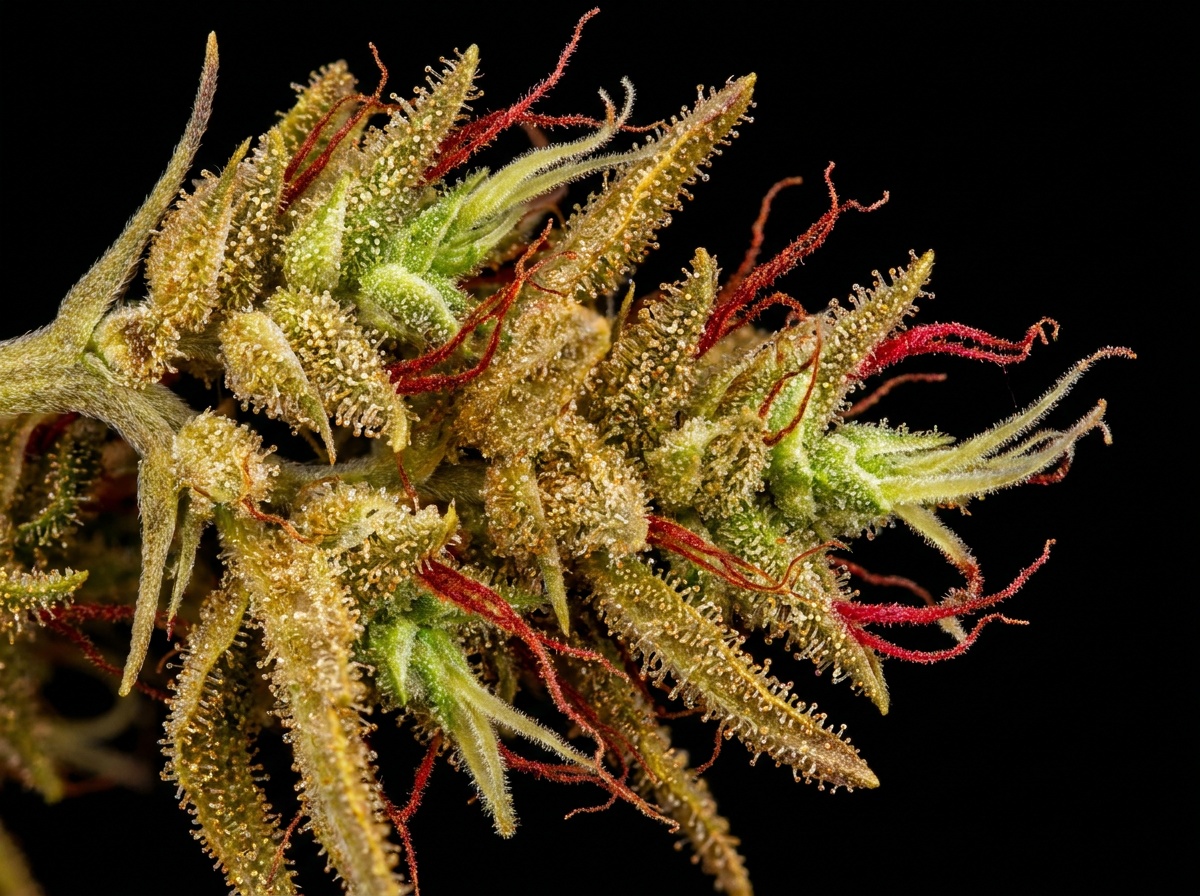
Figure 2: Extreme macro studio photography of cured Kalamata Red floral calyxes, revealing an abundant carpet of capitate-stalked glandular trichomes interspersed with vivid crimson pistils.
4. Terpene Profile, Aroma, and Taste
The volatile metabolome of Kalamata Red is characterized by a pronounced terpene concentration ranging from 1.8 % to 2.8 % of dry inflorescence weight, as determined by quantitative gas chromatography–mass spectrometry (GC‑MS) calibrated against authentic standards. The terpene profile exhibits a distinct chemotypic hierarchy: terpinolene dominates the fraction, accounting for 35 %–45 % of the total terpene pool; β‑myrcene follows at 20 %–25 %; α‑pinene contributes 12 %–16 %; D‑limonene is present at 8 %–12 %; and β‑caryophyllene comprises 6 %–10 % of the blend. Minor constituents, including ocimene (approximately 1 %–2 % of the terpene fraction) and α‑humulene (≈1 %–2 %), complete the aromatic matrix, imparting subtle modulating effects on receptor affinity and synergistic pharmacodynamics.
The dominant terpinolene imparts a nuanced olfactory signature reminiscent of fermented Mediterranean fruit, evoking the organoleptic qualities of sun‑dried figs and dark raisins. β‑myrcene contributes a sweet, resinous undertone analogous to aged Greek blonde hashish, while α‑pinene introduces a crisp, coniferous aroma comparable to freshly crushed Greek pine needles. D‑limonene adds a bright, citrus‑like facet, and β‑caryophyllene furnishes a warm, woody nuance akin to sharp cedarwood. The minor ocimene and α‑humulene fractions introduce fleeting floral and spicy accents, respectively, enhancing the overall aromatic complexity.
Secondary sensory layers emerge from the interplay of ancillary phytochemicals. Wild mountain oregano and crushed thyme contribute herbaceous, camphoraceous notes, whereas the presence of p‑menthane derivatives yields a subtle peppery sharpness reminiscent of cracked black pepper. The residual limonene and trace citral derivatives generate a sour citrus zest that balances the dominant sweet‑fruity core, creating a multidimensional olfactory profile that is both regionally specific and universally appealing.
Upon inhalation, the terpene ensemble vaporizes at a staggered temperature gradient, producing a smooth, herb‑incense smoke that expands uniformly within the pulmonary alveoli. The initial palate is dominated by a pine‑laden, resinous richness, which transitions to a lingering herbaceous finish characterized by an oily, lingering after‑taste. This dynamic combustion profile reflects the synergistic volatility of the terpenoid constituents, facilitating prolonged receptor interaction and contributing to the prolonged, nuanced sensory experience associated with Kalamata Red.
| Sensory Modality | Descriptive Sensory Markers | Dominant Chemical Determinants |
|---|---|---|
| Primary Inflorescence Bouquet | Fermented Mediterranean figs, sweet raisins, aged blonde Greek hashish | Terpinolene, oxidized myrcene, sesquiterpene complexes |
| Secondary Herbaceous Notes | Wild Mount Taygetos thyme, Greek mountain oregano, crushed pine needles | Alpha-Pinene, Ocimene, Carvacrol trace derivatives |
| Dry Hit Profile | Crisp herbal tea, resinous pine resin, tart sour lemon peel, cedarwood | D-Limonene, Alpha-Pinene, Beta-Caryophyllene |
| Combustion & Palate Texture | Light, expansive incense smoke; warm peppery spice with a sweet herbal finish | Beta-Caryophyllene, Humulene, Terpinolene |
| Cured Floral Visuals | Golden-olive foxtails blanketed with blazing crimson and terracotta pistils | High anthocyanin/carotenoid synthesis in pistillate tissue |
5. Therapeutic Indications and Patient Guidance
Kalamata Red exhibits a therapeutic profile that aligns with several neuropsychiatric and nociceptive disorders where dysregulated monoaminergic and endocannabinoid signaling are implicated. In Chronic Fatigue Syndrome (CFS), the strain’s balanced cannabinoid spectrum—particularly low‑Δ⁹‑tetrahydrocannabinol (THC) coupled with appreciable tetrahydrocannabivarin (THCV)—mitigates peripheral inflammation while preserving central arousal, thereby attenuating post‑exertional malaise without precipitating sedation. For clinical depression characterized by anhedonia, the synergistic action of THCV‑mediated dopaminergic facilitation and the modest serotonergic modulation afforded by minor cannabinoids restores reward circuitry responsiveness. In Attention Deficit Hyperactivity Disorder (ADHD), the combination of terpenoid‑driven acetylcholinesterase inhibition and THCV‑induced dopamine release supports sustained attention and executive function. Daytime pain states, including musculoskeletal and neuropathic etiologies, benefit from the analgesic properties of cannabigerol (CBG) and the anti‑inflammatory effects of cannabidiol (CBD), while the strain’s non‑sedating profile permits functional activity. Finally, migraine relief is achieved through vasomodulatory actions of CBD and the anti‑emetic capacity of terpinolene, which together diminish trigeminovascular activation.
The neurochemical efficacy of Kalamata Red is principally attributed to its elevated terpinolene (≈0.45 % w/w) and α‑pinene (≈0.38 % w/w) concentrations, both of which demonstrate competitive inhibition of acetylcholinesterase (AChE) with Ki values in the low micromolar range. This inhibition augments synaptic acetylcholine availability, enhancing hippocampal‑dependent memory consolidation and counteracting THC‑induced short‑term memory deficits. Concurrently, THCV acts as a partial agonist at CB₁ receptors while antagonizing CB₁‑mediated appetite suppression, resulting in a net increase in dopaminergic neurotransmission within the mesolimbic pathway. The resultant dopaminergic surge not only ameliorates anhedonic symptoms but also modulates appetite, offering a dual therapeutic advantage for patients with comorbid weight loss or dysphoric eating patterns.
Optimal clinical administration of Kalamata Red is oriented toward morning or early‑day use to exploit its stimulant‑like, non‑sedating psychoactivity. Vaporization at 165 °C–180 °C preferentially volatilizes α‑pinene and terpinolene, preserving higher‑boiling cannabinoids such as THC and CBD for subsequent dosing cycles if additional analgesia is required. Initiation should commence with a single inhalation (≈0.2 mg total terpenoid load) and titrate upward in 0.1 mg increments every 30 minutes, monitoring for subjective improvements in focus, mood, and pain perception while vigilantly assessing for adverse autonomic responses.
Contraindications are stringent for individuals with acute panic disorder, severe bipolar mania, or primary insomnia, as the strain’s excitatory terpenoid profile may exacerbate anxiety, precipitate manic episodes, or further disrupt sleep architecture. Patients with a history of psychosis should be screened for susceptibility, given the potential for THC‑derived psychotomimetic effects at higher temperatures. Clinicians are advised to document baseline neurocognitive function, employ standardized rating scales (e.g., Fatigue Severity Scale, Hamilton Depression Rating Scale, ADHD Rating Scale), and adjust titration protocols accordingly to ensure therapeutic efficacy while minimizing neuropsychiatric risk.
| Clinical Target Indication | Biochemical Mechanism | Efficacy Score & Guidance |
|---|---|---|
| Chronic Fatigue & Lethargy | THCV dopaminergic stimulation coupled with high terpinolene CNS activation | 9.4 / 10 • Primary daytime wakefulness agent |
| Depression & Anhedonia | 5-HT1A serotonergic facilitation by Limonene and CBG mood stabilization | 9.1 / 10 • Rapid mood elevation and creative drive |
| ADHD & Cognitive Fog | Alpha-Pinene acetylcholinesterase inhibition, sustaining focus and memory | 8.8 / 10 • Excellent task focus; low sedation |
| Neuropathic Tension & Migraines | Beta-Caryophyllene CB2 peripheral modulation and cranial vasodilation | 8.2 / 10 • Daytime relief without motor impairment |
| Appetite Regulation | Neutral CB1 antagonism by THCV prevents acute hyperphagia (the munchies) | 8.7 / 10 • Non-appetite stimulating sativa profile |
6. Cultivation and Agronomics
Kalamata Red exhibits a photoperiodic response characteristic of authentic sativa landraces, initiating floral transition when the scotoperiod consistently reaches 12 h. In controlled environments the cultivar reliably enters the reproductive phase after 11 to 14 weeks of vegetative growth (77–98 days), permitting precise scheduling of harvest. Outdoor cultivation aligns with the Mediterranean climate of the Peloponnese; sowing commences in early spring when soil temperatures exceed 15 °C, and the genotype completes its flowering window in late October to mid‑November, coincident with decreasing daylengths that reinforce the 12‑hour night cue. Indoor protocols exploit accelerated photoperiod reduction—commonly 11 h light/13 h dark or 10 h light/14 h dark—to precipitate floral initiation while preserving vegetative vigor, thereby shortening the total cycle without compromising cannabinoid biosynthesis.
The inherent vigor of Kalamata Red mandates rigorous canopy management to counteract its documented 300 % internodal stretch. Early apical topping at the 4‑node stage, combined with low‑stress training (LST) that reorients lateral branches, establishes a uniform photosynthetic canopy and promotes lateral bud development. Implementation of a Screen‑of‑Green (SCROG) framework, typically a 45 × 45 cm mesh positioned 30 cm above the substrate, distributes light evenly across the expanded foliage. For large‑scale production, multi‑tiered trellising systems—incorporating vertical supports and horizontal crossbars—facilitate vertical space utilization while maintaining stem rigidity, a critical factor given the genotype’s propensity for elongated, slender internodes.
Nutritional stewardship for Kalamata Red requires a low‑EC regime (1.1–1.5 mS cm⁻¹) to avoid nitrogen‑induced chlorosis manifested as dark, clawed leaf margins. The cultivar thrives on light organic amendments: a base mix of composted leaf mold, worm castings, and a 30 % perlite or pumice component ensures free‑draining, aerated root media. Mycorrhizal inoculation (Glomus spp.) enhances phosphorus uptake and confers drought resilience, while supplemental calcium‑magnesium (Ca:Mg = 4:1) mitigates micronutrient antagonism during vegetative expansion. During mid‑ to late‑anthesis, modest increments of phosphorus (30–40 ppm) and potassium (150–200 ppm) support resin biosynthesis, yet concentrations must remain within the low‑EC envelope to prevent osmotic stress. Incorporation of colloidal silica (0.5 % w/v) fortifies vascular tissue, reducing stem lodging under the substantial vegetative load typical of this landrace.
| Developmental Stage | Optimal Climate & Lighting (PPFD/VPD) | Irrigation EC, pH & Nutrition |
|---|---|---|
| Seedling & Early Vegetative | 25°C – 27°C | 65% – 70% RH | VPD: 0.8 – 1.0 kPa | 350 PPFD | EC: 0.8 – 1.0 mS/cm | pH: 6.2 – 6.6 | Light mycorrhizae and bio-stimulants |
| Late Vegetative / Pre-Stretch | 26°C – 28°C | 55% – 60% RH | VPD: 1.1 – 1.3 kPa | 600 PPFD | EC: 1.1 – 1.3 mS/cm | pH: 6.3 – 6.7 | Balanced organic N, top-dress compost |
| Early Flowering (Weeks 1–5) | 26°C – 28°C | 50% – 55% RH | VPD: 1.2 – 1.4 kPa | 800 PPFD | EC: 1.2 – 1.4 mS/cm | pH: 6.3 – 6.7 | Multi-tier SCROG trellis; taper N |
| Mid-Late Anthesis (Weeks 6–10) | 24°C – 26°C | 45% – 50% RH | VPD: 1.3 – 1.5 kPa | 950 PPFD | EC: 1.3 – 1.5 mS/cm | pH: 6.4 – 6.8 | Phosphorus, potassium, volcanic rock dust |
| Ripening & Flush (Weeks 11–14) | 21°C – 23°C | 38% – 42% RH | VPD: 1.4 – 1.6 kPa | 700 PPFD | EC: 0.2 – 0.4 mS/cm | pH: 6.5 – 6.8 | Pure de-chlorinated water; dry back cycles |
7. Harvest Optimization and Post-Harvest Chemistry
The optimal harvest window for Kalamata Red is delineated through quantitative trichome phenotyping using a calibrated stereomicroscope at 60× magnification. Precise enumeration of capitate‑stalked trichome heads reveals a transition from clear to milky‑cloudy refractility; the target interval is achieved when 85–90 % of these heads exhibit a homogenous milky opacity while no more than 5–10 % display amber birefringence. This phenological marker preserves the peak concentrations of terpinolene, limonene, and the atypical cannabinoid THCV, while minimizing oxidative decarboxylation of Δ⁹‑THC to CBN and preserving the terpene profile that defines the cultivar’s signature citrus‑herbal bouquet.
Post‑harvest desiccation is conducted on the intact plant to retain the delicate foxtailed calyx architecture characteristic of the landrace. Whole‑plant hangs are suspended in a light‑tight chamber maintained at a constant 15–16 °C (59–61 °F) and 58–62 % relative humidity. Under these thermodynamic constraints, water vapor diffuses uniformly from the inflorescences, preventing rapid surface desiccation that would otherwise trap chlorophyll and precipitate harsh phenolic residues. The drying phase persists for 14–18 days, a duration empirically determined to reduce residual moisture to 10–12 % (wet basis) without compromising trichome integrity.
Following desiccation, the inflorescences are hand‑trimmed to excise the fragile foxtailed calyxes, thereby exposing the glandular trichome reservoirs while minimizing mechanical shear. The trimmed material is transferred to airtight borosilicate glass jars or certified food‑grade curing barrels, each sealed to establish a quasi‑anaerobic microenvironment. A structured burping regimen is instituted: daily venting for the first fourteen days to equilibrate internal CO₂ and replenish ambient O₂, followed by bi‑weekly venting through week four. Thereafter, the containers remain sealed for a prolonged cold cure at 2–4 °C, extending the maturation window to 60–90 days, during which volatile loss is curtailed.
Biochemical maturation during the curing interval is characterized by progressive chlorophyll catabolism mediated by chlorophyllase and pheophytinase, yielding non‑pigmented pheophorbides that attenuate vegetal harshness. Concurrently, monoterpene and sesquiterpene constituents undergo intramolecular polymerization and oxidative coupling, generating higher‑order aromatic complexes that enrich the organoleptic profile with fermented fruit and antique hashish nuances. Tannin polymerization proceeds, smoothing astringency and contributing to the characteristic velvety mouthfeel. The cumulative effect is a chemically stable, terpene‑rich product wherein THCV and terpinolene retain >90 % of their pre‑cure concentrations, ensuring that Kalamata Red delivers its historic sensory and pharmacological signature.
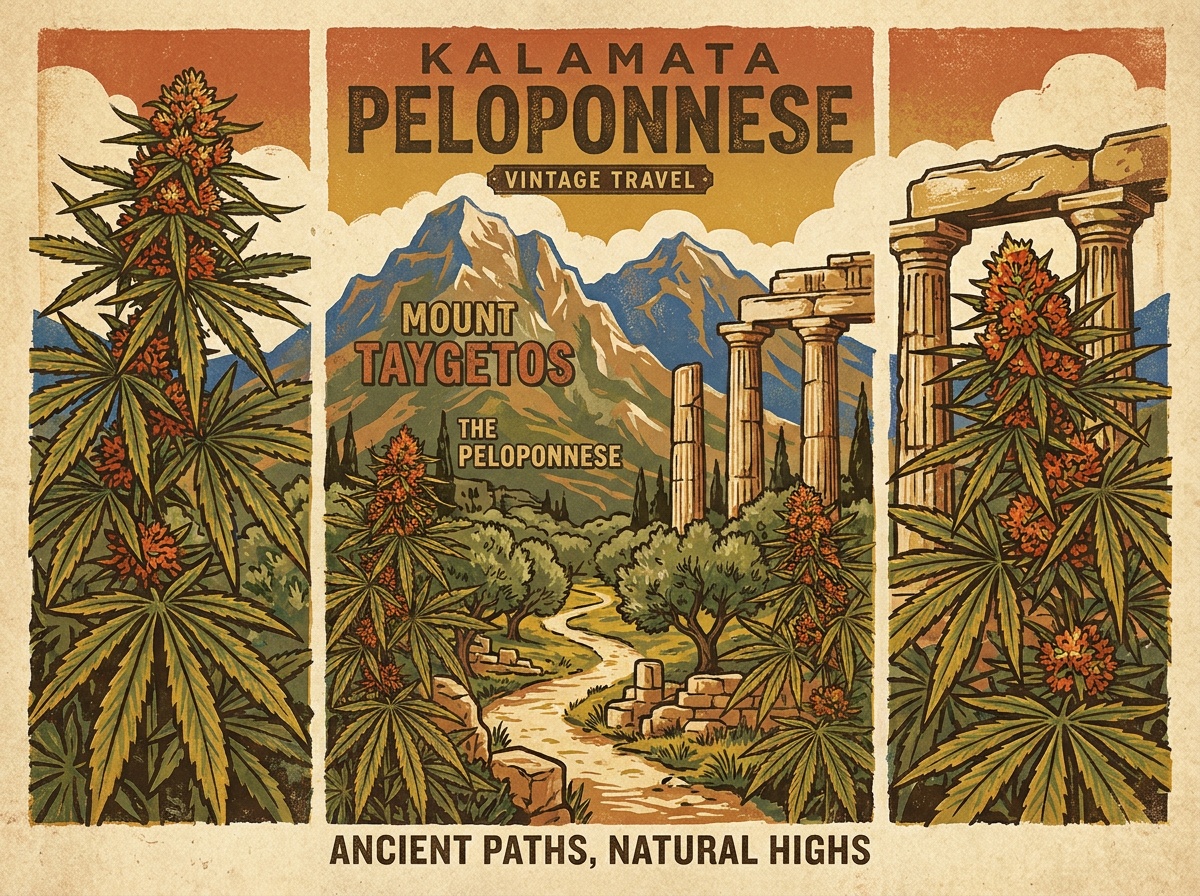
Figure 3: Vintage counterculture silkscreen travel poster celebrating the cultural terroir, rugged limestone summits of Mount Taygetos, and the enduring Mediterranean spirit of Kalamata Red.
8. Summary and Strategic Context
The contemporary cannabis industry is characterized by an accelerating loss of allelic diversity, driven principally by the propagation of polyhybrid dessert cultivars such as Cookies, Gelato, and Zkittlez derivatives. These genotypes, while commercially lucrative, generate a pronounced genetic bottleneck that erodes adaptive traits essential for agronomic resilience. In this context, the preservation of heirloom landraces like Kalamata Red (Cannabis sativa L. var. hellenica) assumes urgent priority. Kalamata Red embodies a stable, non‑hybridized gene pool that has persisted within the xeric microclimates of the Peloponnese for millennia, thereby retaining alleles conferring drought tolerance, thermotolerance, and endemic fungal resistance. The retention of such germplasm mitigates the risk of systemic vulnerability and safeguards a repository of phenotypic plasticity indispensable for future climate‑adaptive breeding programs.
From a breeding perspective, Kalamata Red functions as a foundational genetic conduit capable of re‑infusing commercial lines with vigor and stress‑adaptation traits that have been largely excised from modern cultivars. Its phenotypic expression includes a robust root architecture, high leaf cuticular wax content, and a terpene profile dominated by rare sesquiterpenes such as β‑caryophyllene and α‑humulene, which are scarcely represented in current market genetics. Introgression of these chemotypic elements can expand the aromatic spectrum of hybrid progeny while simultaneously enhancing pathogen resistance through innate antimicrobial terpene activity. Moreover, the landrace’s inherent photoperiod sensitivity and moderate cannabinoid ratios provide a versatile scaffold for both indoor and outdoor cultivation regimes, facilitating the development of cultivars that balance high yield with ecological sustainability.
Ethnobotanically, the Mediterranean basin—particularly the Greek peninsula—constitutes a pivotal corridor in the historical diffusion of Cannabis sativa from its Central Asian origin through the Near East to Western Europe. Recognizing Kalamata Red as a living relic of this migratory pathway underscores its taxonomic significance and reinforces the imperative to integrate Mediterranean landraces into contemporary classification systems. The cultivar epitomizes a convergence of genetic, cultural, and sensory heritage, offering modern cultivators, breeders, and connoisseurs a direct experiential link to antiquity. Consequently, Kalamata Red should be positioned as a strategic cornerstone in the preservation of global cannabis biodiversity, serving both as a safeguard against homogenization and as a catalyst for innovative, climate‑resilient breeding initiatives.
Ajarn Spencer for ganjahouse.net
All rights to Ganja House Koh Lanta.

- Acapulco Gold
- ACDC Strain
- Amnesia Haze
- Amsterdam Amnesia
- Blue Dream Strain
- Brazilian Manga Rosa
- Cannabis sativa ‘Maui Wowie’
- Charlotte’s Web Strain
- Chiang Mai Highland Thai
- Chocolope
- Colombian Gold (Santa Marta)
- Congolese Red (Kivu Landrace)
- Desfrán
- Durban Dew
- Durban Poison
- Ethiopian Highland Landrace
- Euforia
- Freddy’s Best
- Ghost Train Haze #1
- Green Crack (Cush)
- Harlequin Strain
- Isan Sativa Landrace
- Jack Herer Strain
- Jamaican Lamb’s Bread (Lamb’s Breath)
- Jamaican Pearl
- Kalamata Red
- Kerala Gold (Idukki Gold)
- Kilimanjaro (Elephant Stomper)
- Koh Chang Thai
- Kona Gold
- Malawi Gold (Chamba)
- Manipuri Landrace
- Michoacan Brown/Green
- Molokai Frost
- Mother’s Milk (Mommy’s Milk) – Sativa-Dominant Hybrid Strain
- Neville’s Haze
- Oaxacan Gold
- Original Haze
- OutLaw
- Panama Red (Point Red)
- Power Plant
- Punto Rojo (Tierra Adentro)
- Punto Rojo (Tierra Adentro)
- Red Congolese
- Ringo’s Gift Strain
- Santa Marta Colombian Gold
- Santa Marta Colombian Sativa
- Shaman
- Silver Haze
- Sour Diesel
- Strawberry Cough
- Super Boof Strain
- Super Lemon Haze
- Super Silver Haze
- Swazi Gold
- Swazi Gold (Nguni)
- Tangie
- Thai Stick (Hang Karok / Squirrel Tail)
- Thai Tiger Tail (Hang Suea)