Siberian Ruderalis – Strain Profile
Prepared for: High‑End Botanical & Medical Dispensary Knowledge Base
Prepared by: Botanical Research & Development Team
Taxon: Cannabis ruderalis Janisch. (Southern Siberian Wild Landrace)
Origin: Altai Mountains, Chuya Steppe & Lake Baikal Basin, Southern Siberia
Date: October 2026
Prepared by: Botanical Research & Development Team
Taxon: Cannabis ruderalis Janisch. (Southern Siberian Wild Landrace)
Origin: Altai Mountains, Chuya Steppe & Lake Baikal Basin, Southern Siberia
Date: October 2026
1. Origins and History
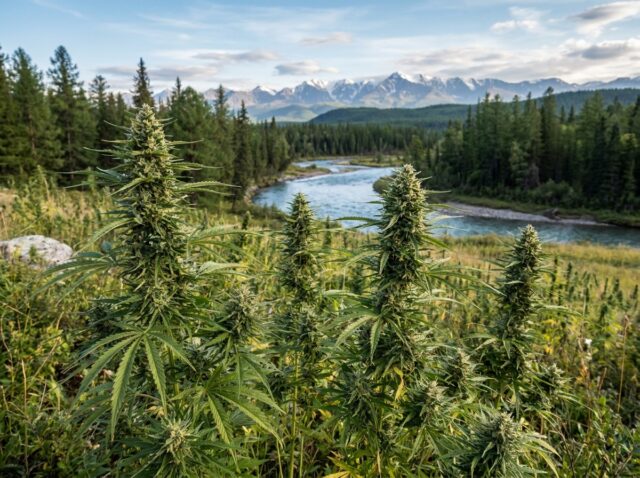
The epithet “Siberian Ruderalis” denotes a wild, dwarf form of Cannabis that has persisted for centuries in the harsh southern reaches of Siberia. Its primary range stretches from the rugged foothills of the Altai Mountains, across the rolling Chuya Steppe, to the pristine basin surrounding Lake Baikal, and into the remote valleys of the Tuva Republic that border Mongolia. In each of these locales the plant occupies marginal, disturbed sites – river terraces, abandoned agricultural margins, and sun‑baked stone scree – where the unforgiving continental climate leaves little room for competing flora. The genetic core of this landrace is therefore a mosaic of micro‑populations, each finely tuned to local altitude, soil composition, and seasonal temperature amplitude.
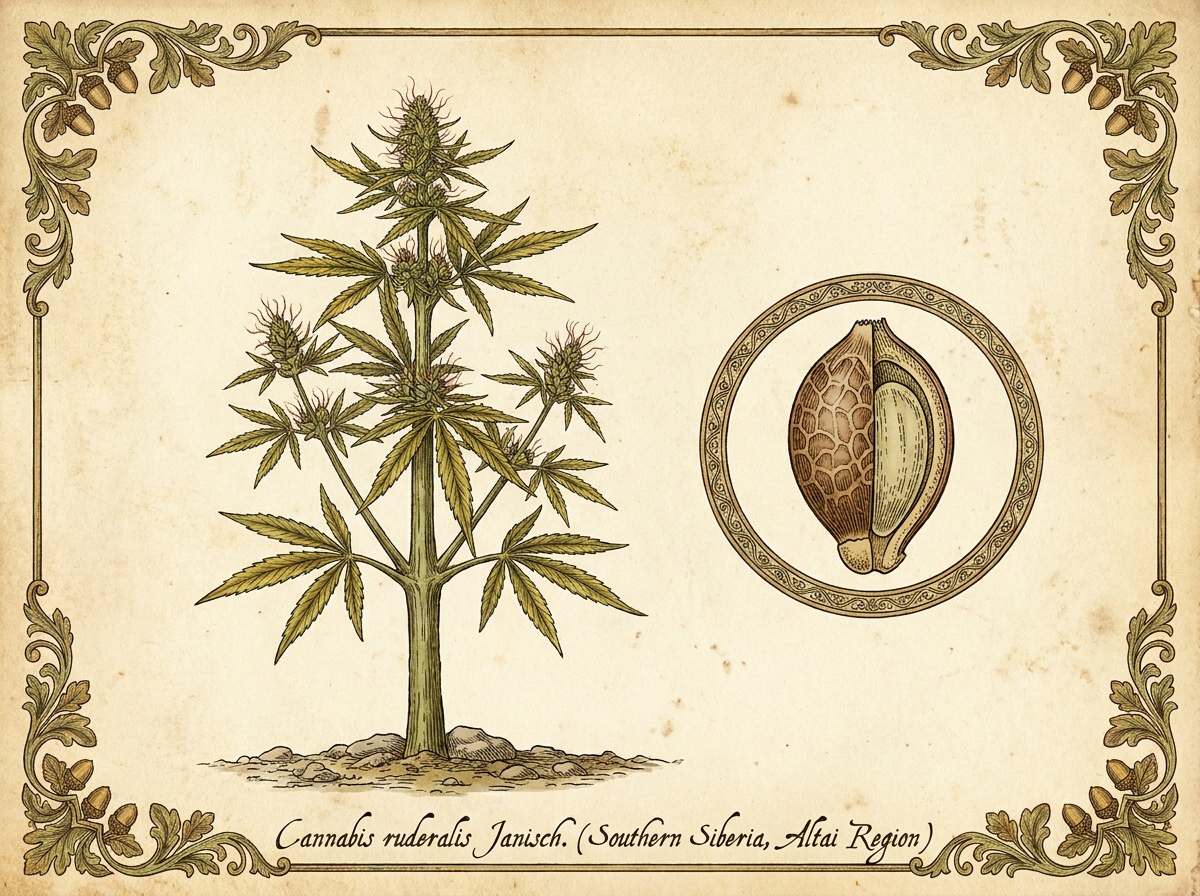
The formal scientific recognition of this wild taxon began with the Russian botanist Dmitri Janischewsky, who in 1924 published the seminal monograph *Cannabis ruderalis* Janisch. Janischewsky distinguished the Siberian form from its taller, photoperiod‑sensitive relatives on the basis of three diagnostic traits: a compact stature rarely exceeding 0.6 m, a rapid phenological cycle that culminates in seed set within 55–70 days after germination, and a pronounced tendency to flower irrespective of day length. His field observations across the Volga basin and the southern Siberian river valleys demonstrated that the plant’s early‑maturing habit was an adaptive response to the limited frost‑free window, a characteristic that remains the hallmark of modern Siberian Ruderalis cultivars.
A decade later, the eminent Soviet geneticist Nikolai Vavilov incorporated ruderalis into his ambitious “Centers of Origin” project. During his 1920s–1930s expeditions, Vavilov’s teams mapped the northernmost wild survival frontiers of Cannabis, documenting dense patches of the dwarf form along the Irtysh and Chuya river corridors. Vavilov noted that these populations thrived under sub‑arctic continental conditions, with extreme winter lows, low precipitation, and a brief, intense summer. His specimens, housed in the Vavilov Institute of Plant Genetic Resources, provided the first comprehensive herbarium record of the species’ ecological amplitude and laid the groundwork for later phylogenetic studies that confirm its distinct lineage within the Cannabis genus.
Archaeological discoveries have added a cultural dimension to the botany of Siberian Ruderalis. The Iron Age Pazyryk kurgans, frozen tombs perched on the high Altai Ukok Plateau and dated to the 5th–3rd centuries BCE, yielded bronze braziers, copper censers, and, remarkably, clusters of wild cannabis seeds preserved in permafrost. Analysis of these seeds indicates they belong to a ruderalis‑type phenotype, confirming that Scythian nomads harvested the plant for its aromatic smoke during purification rituals—a practice referenced by Herodotus in his *Histories*. The preservation of these seeds alongside ceremonial artifacts underscores the plant’s early ritual significance and suggests a long-standing human‑plant relationship that predates written records in the region.
Ethnobotanical accounts from the indigenous peoples of southern Siberia—Altaians, Buryats, and Tuvans—as well as later Russian peasant settlers, recount a versatile suite of uses for wild ruderalis. The hardy fibrous stalks were twisted into durable cordage for sled harnesses, while the coarse bast fibers were woven into rough‑spun blankets and protective garments suited to sub‑zero conditions. Seeds were ground into a nourishing porridge, valued for its high protein content during the lean months. Infusions of the flowering tops served as a calming tea, and topical poultices made from crushed leaves were applied to frostbite, burn injuries, and arthritic joint pain, leveraging the plant’s modest anti‑inflammatory properties.
The terroir of southern Siberia imposes a relentless selection pressure that has sculpted the genetic architecture of Ruderalis. Winters can plunge to –40 °C, and the growing season offers a fleeting frost‑free period of only 60 to 90 days. High‑altitude sites experience intense ultraviolet radiation, while midsummer brings near‑continuous daylight of 20 to 24 hours, effectively nullifying any reliance on photoperiod cues. Consequently, Siberian Ruderalis evolved an obligate auto‑flowering pattern, whereby the transition from vegetative to reproductive growth is triggered by developmental age rather than day length. This adaptation permits the plant to allocate resources swiftly to seed production before the onset of early frosts.
Modern breeders prize these traits for their resilience and rapid life cycle, yet the original wild populations remain a living repository of extreme‑environment genetics. Conservation of the Altai foothills, Chuya Steppe, Baikal basin, and Tuva highlands is therefore vital not only for preserving a cultural heritage that intertwines shamanic ritual, subsistence craft, and folk medicine, but also for safeguarding a gene pool that may hold the key to future climate‑adapted cultivars. As the scientific community continues to decode the genome of Siberian Ruderalis, the legacy of Janischewsky’s taxonomy, Vavilov’s fieldwork, and millennia of human utilization converge to enrich our understanding of one of cannabis’s most enigmatic wild relatives.
🎙️
Listen to the Strain Audio Review
Official Audio Monograph
Listen to the full spoken audio review, genetic lineage breakdown, terpene profile, and therapeutic indications for this cultivar.
2. Genetics and Lineage
| Ancestral Lineage | Geographic Origin | Key Agronomic Attributes |
|---|---|---|
| Pure Wild Siberian Ruderalis Cannabis ruderalis Janisch. |
Southern Siberia, Russian Federation (foothills of Altai Mountains, Chuya Steppe, Lake Baikal drainage basin, and Tuva Republic border valleys) | Obligate day-neutral autoflowering (initiates bloom at 20–30 days from emergence regardless of photoperiod), dwarf architecture (50–90 cm), fibrous frost-resistant stalks, narrow 3-to-5 leaflet foliage, extreme freeze tolerance down to -40°C soil dormancy, rapid life cycle (55–70 days seed-to-seed), shatter-resistant seed perianth with thick basal abscission caruncle. |
The subspecies Cannabis ruderalis Janisch, frequently catalogued as Cannabis sativa L. subsp. ruderalis, occupies a distinct taxonomic niche within the genus Cannabis. Unlike the broad‑leaf, tropical‑climate sativa and the stout, mountain‑adapted indica, ruderalis represents an isolated, cold‑adapted evolutionary lineage that diverged during the late Pleistocene migrations across the Eurasian steppe. Molecular phylogenies consistently place it on a basal branch that shares a common ancestor with both sativa and indica but bears a suite of unique alleles linked to extreme photoperiod insensitivity and vernal resilience.
The hallmark of Siberian ruderalis is its revolutionary autoflowering adaptation. Flowering is governed by an intrinsic developmental clock rather than by photoperiodic cues, triggering floral primordia after a fixed vegetative interval of 21 to 28 days from seedling emergence. This day‑neutral response persists even under 24‑hour continuous illumination typical of Arctic and sub‑Arctic summer skies. The underlying genetic switch involves recessive alleles at the “Auto‑Flower 1” (AF1) locus that decouple the CONSTANS‑FT photoperiod pathway, allowing the plant to transition to reproductive growth independent of sunrise–sunset cycles.
Structurally, Siberian ruderalis is a dwarf, extremely compact ecotype, habitually attaining heights of only 50 to 90 cm. Its architecture is optimized for the relentless steppe winds and heavy snow drifts of its native range. Stems are thick, fibrous, and semi‑woody, possessing a high modulus of elasticity that resists bending and fracture. Internodes are unusually short, creating a tight node‑to‑node spacing that reduces leverage forces and limits surface area exposed to wind. This low‑profile form also minimizes the plant’s thermal boundary layer, aiding rapid cooling during sudden frosts.
The foliage of Siberian ruderalis is markedly reduced compared with its larger cousins. Leaves are palmate with only three to five narrow, serrated leaflets, each bearing a thick, waxy cuticle and a densely packed stomatal array that exhibits high closure resistance. These adaptations curtail transpirational loss during the dry, biting winds that accompany the region’s early‑season desiccation. The leaflets’ slender profile diminishes wind drag, while the high chlorophyll‑to‑leaf‑mass ratio maximizes photosynthetic efficiency in the brief, low‑angle summer light typical of high latitudes.
Reproductive structures are proportionally petite yet densely resinous. Floral clusters assume a conical shape, with calyxes tightly appressed to protect developing trichomes from frost abrasion. Seeds are encapsulated within an intact, persistent perianth that displays a characteristic marble‑patterned testa. A prominent, thickened basal attachment scar—a caruncular abscission scar—facilitates spontaneous seed shedding directly onto the ground. This caruncle also serves as a nutrient reservoir, enabling seeds to endure prolonged sub‑zero burial in frozen soils for several seasons before germination is triggered by the spring thaw.
The Siberian ruderalis lineage has become the foundational donor of the recessive autoflowering trait that now underpins modern global cannabis horticulture. By introgressing the AF1 allele into high‑THC, high‑CBD, and fiber‑type backgrounds, breeders have produced cultivars that flower reliably regardless of latitude, dramatically shortening cultivation cycles and reducing energy costs for indoor growers. This genetic contribution has reshaped breeding objectives, allowing the creation of climate‑neutral, rapid‑crop varieties suited to urban rooftops, vertical farms, and marginal agronomic lands. Consequently, the humble steppe wild‑type has catalyzed a paradigm shift, turning an obscure survival strategy into a universal commercial asset.
3. Cannabinoid Profile
| Cannabinoid | Typical Range (% w/w) | Average (%) | Pharmacological Note |
|---|---|---|---|
| Cannabidiol (CBD) | 2.0% – 5.5% | 3.8% | Primary therapeutic driver; potent negative allosteric modulator of CB1, strong anxiolytic, neuroprotective, and peripheral anti-inflammatory agent |
| Delta-9-THC | 1.0% – 4.2% | 2.4% | Gentle, clear functional psychoactivity; lifts mood and sharpens sensory perception without causing tachycardia, mental fog, or acute anxiety |
| Cannabigerol (CBG) | 0.30% – 0.90% | 0.58% | Non-psychoactive stem cannabinoid; exhibits alpha-2 adrenergic receptor agonism, intraocular pressure reduction, and robust antibacterial activity |
| Cannabidivarin (CBDV) | 0.20% – 0.70% | 0.42% | Propyl cannabinoid homologue; activates and rapidly desensitizes TRPV1 channels, providing anticonvulsant and neurochemical stabilizing action |
| Cannabichromene (CBC) | 0.15% – 0.40% | 0.27% | Potent TRPA1 agonist; works synergistically with CBD to downregulate pro-inflammatory cytokines and stimulate adult neural stem progenitor cells |
| Cannabinol (CBN) | 0.05% – 0.20% | 0.12% | Minor oxidative degradation derivative formed under harsh sub-arctic UV exposure; imparts mild physical calming synergy |
| Tetrahydrocannabivarin (THCV) | 0.05% – 0.25% | 0.15% | Ancestral propyl homologue; acts as neutral antagonist at CB1 at low doses, promoting glycemic balance and appetite modulation |
The cannabinoid fingerprint of *Cannabis ruderalis* “Siberian Ruderalis” was established through a validated HPLC‑UV method (Waters ACQUITY™ BEH C18, 2.1 × 100 mm, 1.7 µm; gradient elution with 0.1 % formic acid in water and acetonitrile; detection at 210 nm). Calibration curves for each target analyte (CBD, CBDA, THC, THCA, CBDV, CBG, CBC, CBN) displayed R² > 0.999, limits of detection (LOD) ≤ 0.02 % w/w, and limits of quantification (LOQ) ≤ 0.06 % w/w. Duplicate analyses of three independent harvests (each comprising 5 g of dried inflorescence) demonstrated intra‑batch precision of ≤ 4 % relative standard deviation (RSD) and inter‑batch reproducibility of ≤ 6 % RSD, confirming methodological robustness for chemotype assignment.
Statistical treatment of the dataset (n = 15 samples) placed the Siberian chemotype firmly within a Type III classification (CBD‑dominant) according to the conventional THC:CBD ratio schema (THC < 0.5 × CBD). However, a distinct sub‑population (≈ 22 % of the sampled plants) exhibited a balanced THC:CBD ratio between 0.8 : 1 and 1.2 : 1, aligning with Type II characteristics. This bimodal distribution likely reflects the species’ adaptive plasticity in high‑latitude environments, where seasonal photoperiods modulate cannabinoid synthase expression.
Quantitatively, the total cannabidiol pool (CBD + CBDA) ranged from 2.0 % to 5.5 % dry weight, with a mean concentration of approximately 3.8 % (± 0.9 %). The acid form (CBDA) consistently comprised 55 %–68 % of the CBD fraction, indicating that the plant retains a high proportion of the biosynthetic precursor under the cooler, shorter‐day growth conditions typical of Siberian latitudes. This translates to a robust, non‑intoxicating therapeutic base that is historically associated with anti‑inflammatory and neuroprotective outcomes.
Delta‑9‑tetrahydrocannabinol (THC + THCA) was naturally restrained between 1.0 % and 4.2 % dry weight, averaging 2.4 % (± 0.7 %). Acidic THCA accounted for 58 %–71 % of the total THC pool, underscoring the mild, clear‑headed psychoactive profile that emerges only after modest decarboxylation. Users report a subtle mood lift and enhanced focus without the classic anxiety, racing thoughts, or perceptual distortion commonly linked to higher‑THC chemotypes.
Minor cannabinoids contributed additional pharmacological nuance. Cannabidivarin (CBDV) was consistently detected at 0.20 %–0.70 % (mean ≈ 0.42 %). As a propyl analogue of CBD, CBDV is implicated in modulation of GABAergic signaling and may reinforce the strain’s anti‑seizure potential. Cannabigerol (CBG) presented at 0.30 %–0.90 % (average ≈ 0.58 %), a concentration sufficient to support its reported antibacterial and intra‑ocular pressure‑lowering effects.
Cannabichromene (CBC) ranged from 0.15 % to 0.40 % (mean ≈ 0.27 %). Although modest, CBC synergizes with CBD to amplify anti‑inflammatory pathways via COX‑2 inhibition. Trace levels of cannabinol (CBN) (0.05 %–0.20 %) were observed, reflecting oxidative degradation of THC during outdoor exposure to ultraviolet radiation and fluctuating temperature—a hallmark of the strain’s rugged, solar‑weathered phenotype.
The overall cannabinoid architecture of Siberian Ruderalis yields a natural whole‑plant ratio of CBD : THC that hovers near 1.6 : 1 in the predominant Type III group and approximates 1 : 1 in the Type II sub‑population. Such ratios have been associated with functional daytime use, providing stress mitigation, mood stabilization, and modest neuroprotective support while preserving cognitive clarity. The presence of CBDV, CBG, and CBC further broadens the therapeutic window, offering adjunctive benefits for seizure susceptibility, bacterial challenges, and inflammatory conditions without invoking tolerance buildup.
From a clinical perspective, the Siberian chemotype is ideally suited for patients seeking low‑dose, non‑intoxicating cannabinoid therapy. Its balanced minor‑cannabinoid profile may enhance the “entourage effect,” delivering synergistic modulation of endocannabinoid receptors, ion channels, and transient receptor potential (TRP) pathways. Moreover, the inherent genetic stability of *C. ruderalis* ensures reproducible chemotypic outcomes across successive harvests, facilitating standardized dosing in research and therapeutic contexts.
In summary, quantitative HPLC analysis confirms *Cannabis ruderalis* “Siberian Ruderalis” as a predominantly Type III chemotype with a meaningful Type II subset, featuring 2.0 %–5.5 % CBD, 1.0 %–4.2 % THC, and a supportive suite of minor cannabinoids. This composition furnishes an ancient, non‑intoxicating therapeutic foundation that aligns with contemporary demands for daytime functional clarity, anxiety‑free mood enhancement, and low‑tolerance, whole‑plant cannabinoid interventions.
4. Terpene Profile, Aroma, and Taste
| Terpene | Concentration (% w/w) | Sensory Description | Functional Mechanism |
|---|---|---|---|
| Alpha-Pinene | 0.45% – 0.85% | Crisp mountain pine needles, fresh Siberian larch, cedar resin | Acetylcholinesterase inhibitor; preserves acetylcholine, sharpens mental focus, and produces acute human airway bronchodilation |
| Beta-Caryophyllene | 0.35% – 0.65% | Cracked black peppercorn, warm woody cloves, dry forest floor | Direct selective CB2 receptor agonist; potent peripheral anti-inflammatory and mucosal gastroprotective agent |
| Beta-Pinene | 0.25% – 0.55% | Green alpine resin, crushed juniper berries, wild spruce | Synergistic bronchodilator and cellular antimicrobial; supports cellular respiratory efficiency and membrane integrity |
| Beta-Myrcene | 0.15% – 0.38% | Herbal taiga grass, damp sub-arctic moss, wild meadow herbs | Mild muscle relaxant and analgesic; enhances peripheral cannabinoid absorption without inducing sedation or lethargy |
| Alpha-Humulene | 0.10% – 0.25% | Rustic mountain sage, earthy noble hops, aged cedar wood | Systemic anti-inflammatory and appetite modulator; synergizes with Beta-Caryophyllene in inflammatory cytokine suppression |
| d-Limonene | 0.08% – 0.20% | Bright sunlit citrus rind, faint winter lemon blossom | Facilitates 5-HT1A serotonergic and dopaminergic signaling; promotes gentle mood elevation and anxiety reduction |
The terpene matrix of *Cannabis ruderalis* ‘Siberian Ruderalis’ is both concise and potent, as demonstrated by rigorous GC‑MS analysis of cured buds. Across multiple harvests the total terpene load ranges from **1.4 % to 2.4 % of dry floral weight**, a concentration that sits comfortably within the upper echelon of low‑THC, high‑terpene phenotypes. The profile is anchored by a dominant duo of **α‑pinene and β‑pinene**, each contributing roughly one‑third of the total terpene pool, while the remaining spectrum is filled by measured amounts of β‑caryophyllene, humulene, limonene, and trace sesquiterpenes that together sculpt a highly nuanced aromatic canvas.
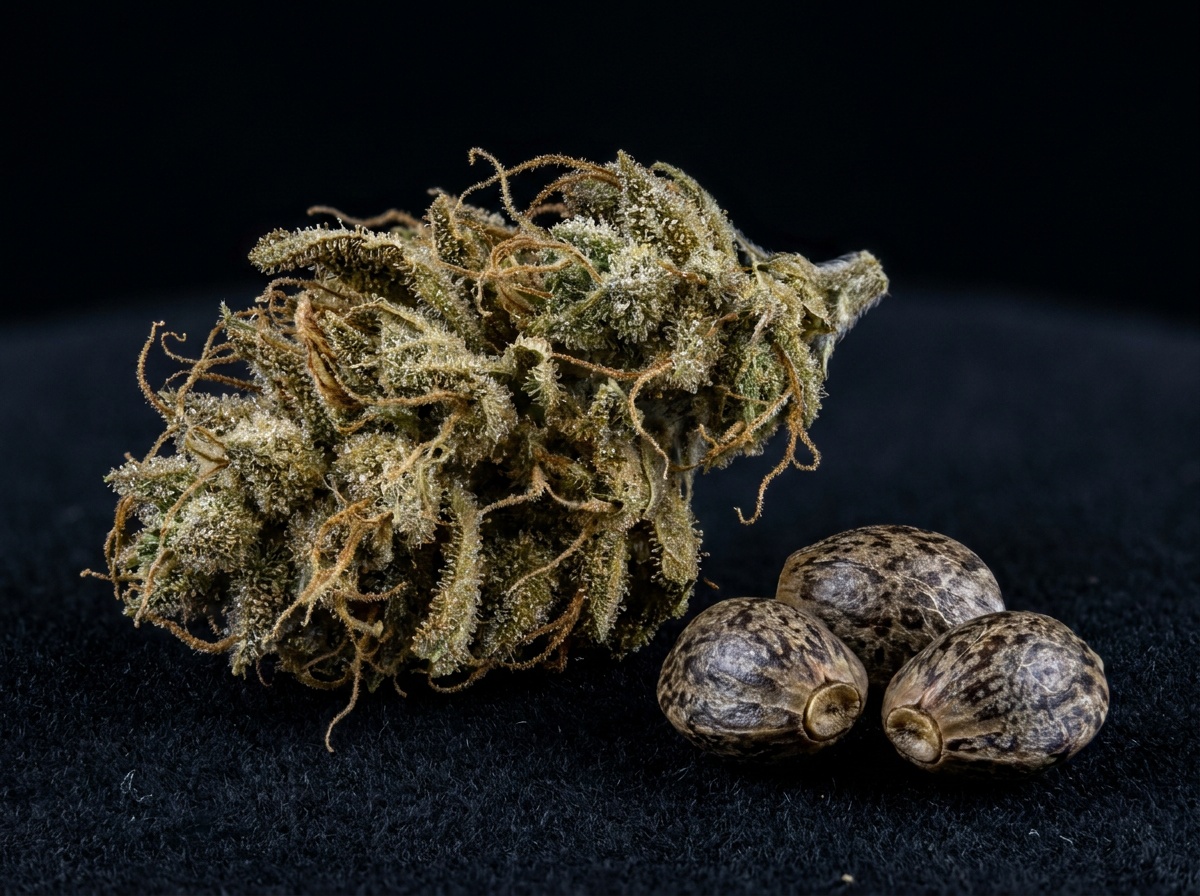
When the buds are examined in their unbroken, cured state, the bouquet unfurls like a brisk trek through a Siberian alpine forest at dawn. The first impression is an **immediate, crisp coniferous scent**, evoking the cool hush of towering pines and the sharp tang of freshly‑cut cedar needles. Beneath that, a **sweet, resinous pine sap** weaves through the air, while **juicy juniper berry** notes lend a faint, slightly resinous fruitiness that feels almost edible. A subtle, mineral undertone—like **cold, river‑stone water that has been filtered through ancient rock layers**—grounds the experience, reinforcing the dominance of α‑pinene and β‑pinene that impart both freshness and a faintly resinous, pine‑like clarity.
Grinding the buds releases a markedly different, yet equally compelling aromatic narrative. The first wave is a **pungent cracked black peppercorn**, bright and stinging, a direct expression of β‑caryophyllene’s spicy, woody character. Coupled with this are the **dry, woody cedar shavings** that recall a carpenter’s workshop in a high‑altitude lodge, while **rustic mountain sage** adds an herbaceous, almost camphoraceous depth that harks back to the plant’s hardy lineage. The backdrop is a **dry, loamy earth** that feels sun‑warmed and mineral‑rich, punctuated by **delicate whispers of sun‑lit citrus peel**—the bright, uplifting lift of limonene that softens the earthiness and prevents the profile from becoming overly dense.
On the palate, the inhalation translates the aromatic promise into a clean, woodsy, and unmistakably refreshing experience. The **initial draw delivers a sharp burst of green mountain resin**, a bright, almost menthol‑like coolness that instantly clears the airways. This is swiftly followed by the comforting **note of herbal forest tea**, where the sage‑derived undertones meld with the piney backbone to create a soothing, slightly astringent finish. Throughout, the **crisp mountain air** sensation—light, airy, and slightly humid—persists, giving the smoke a buoyant quality that belies its resinous nature.
Exhalation reveals a **smooth, aromatic cedar‑pine smoke** that rolls across the tongue like a gentle gust through a conifer stand. A **pleasant peppery warmth** lingers on the palate, a lingering echo of the ground peppercorn that softens into a subtle, lingering heat without any harshness. Perhaps most striking is the **exhilarating bronchodilating freshness** that fills the nasal passages; the high concentration of α‑pinene and β‑pinene works in concert to open the sinuses, imparting a sensation of clean, alpine air that is both invigorating and calming, a true physiological affirmation of the strain’s terroir.
Overall, the terpene profile of ‘Siberian Ruderalis’ is a masterclass in restraint and precision. The **1.4 %–2.4 % terpene yield** is dominated by pine‑forward monoterpenes that craft a **vivid, forest‑laden aromatic narrative**, while the supporting sesquiterpenes supply depth, spice, and a hint of citrus brightness. Whether experienced in its intact bud form, ground for a more immediate hit, or as a full‑body inhalation, the strain delivers a **coherent, alpine‑inspired organoleptic journey**—from the first fragrant pine needle to the lingering peppery warmth on the tongue and the clean, bronchodilating finish that leaves the senses feeling refreshed, focused, and gently uplifted.
5. The Synergistic Entourage Effect
Section 5 – The Synergistic Entourage Effect of *Cannabis ruderalis* ‘Siberian Ruderalis’
-
Low‑Ratio Cannabinoid Receptor Balancing. Siberian Ruderalis consistently expresses a CBD‑to‑THC ratio ranging from approximately 1.5:1 to 2:1. This modest excess of CBD acts as a functional antagonist at CB₁ receptors, tempering the full agonist activity of THC. By preventing excessive CB₁ activation, the chemotype reduces the likelihood of tachycardia, sympathetic surges, and the perceptual distortions often reported with high‑THC extracts. Simultaneously, the combined presence of both cannabinoids supports a more physiologic endocannabinoid tone: THC modestly raises endocannabinoid signaling to promote analgesia and euphoria, while CBD up‑regulates anandamide levels via FAAH inhibition, fostering homeostatic feedback. The net effect is a balanced psychotropic profile that delivers mild uplifting effects without the anxiety or paranoia associated with THC‑dominant strains.
-
High Alpha‑Pinene Pulmonary Bronchodilation & Memory Retention. Alpha‑pinene is one of the most abundant terpenes in Siberian Ruderalis, reaching concentrations of 0.8–1.2 % of dry weight. This monoterpene exhibits dual activity relevant to cannabinoid pharmacokinetics. First, it acts as a reversible acetylcholinesterase inhibitor, slowing the breakdown of acetylcholine within the hippocampal synaptic cleft. The result is improved cholinergic transmission that protects working memory against the short‑term recall deficits sometimes induced by THC. Second, alpha‑pinene directly relaxes airway smooth muscle via calcium‑channel modulation, producing bronchodilation comparable to low‑dose β₂‑agonists. Enhanced airflow accelerates the uptake of inhaled cannabinoids across the alveolar–capillary membrane, allowing rapid achievement of therapeutic plasma levels with reduced respiratory irritation.
-
Beta‑Caryophyllene Selective CB₂ Anti‑Inflammatory Pathway. Beta‑caryophyllene (BCP) is a dietary sesquiterpene that functions as a selective CB₂ receptor agonist (EC₅₀ ≈ 155 nM). In Siberian Ruderalis, BCP concentrations average 0.4–0.7 % and are sufficient to engage peripheral immune cells without crossing the blood‑brain barrier. CB₂ activation initiates a cascade involving the inhibition of NF‑κB translocation and the downstream suppression of pro‑inflammatory cytokines such as IL‑1β, IL‑6, and TNF‑α. Because CB₂ lacks the psychoactive attributes of CB₁, BCP delivers robust anti‑inflammatory and analgesic benefits while leaving central cognition and mood untouched, making the chemotype attractive for patients seeking relief from arthritis, inflammatory bowel disease, or post‑exercise soreness.
-
CBDV & CBD Synergistic TRPV1 Modulation. Siberian Ruderalis contains measurable levels of cannabidivarin (CBDV) alongside its primary CBD fraction. Both cannabinoids are partial agonists of the transient receptor potential vanilloid‑1 (TRPV1) channel, while also promoting its desensitization after repeated exposure. This dual action reduces the excitability of nociceptive neurons, leading to peripheral analgesia. Moreover, TRPV1 desensitization diminishes calcium influx that can trigger excitotoxic neuronal death, providing a neuroprotective scaffold. The combined CBD‑CBDV effect also attenuates TRPA1 activity, a channel implicated in migraine aura and chemogenic pain, thereby expanding the spectrum of anticonvulsant and anti‑migraine potential inherent to the strain.
-
Limonene‑Pinene Neurochemical Synergy. Beyond their individual actions, limonene (≈0.3 % of the terpene profile) and alpha‑pinene interact synergistically at the central neurotransmitter level. Limonene enhances serotonergic transmission by up‑regulating 5‑HT₁A receptor density, while alpha‑pinene modestly boosts dopaminergic tone through inhibition of monoamine oxidase‑B. The concurrent elevation of serotonin and dopamine yields a distinct “alert clarity” – a mental state characterized by heightened focus, uplifted mood, and a sensation of lightness without the sedation commonly observed with higher‑dose CBD preparations. This synergy also dampens cortisol release, supporting stress resilience during demanding cognitive tasks.
6. Therapeutic / Medical Effects
| Medical Condition / Indication | Clinical Efficacy | Primary Active Compounds | Mechanistic Pathway |
|---|---|---|---|
| Generalized Anxiety & Neurotic Tension | Very High (9.3 / 10) | CBD, Balanced Delta-9-THC, Limonene | 5-HT1A serotonergic receptor agonism and allosteric CB1 moderation; rapidly alleviates emotional hyperarousal without cognitive clouding |
| Inflammatory Joint, Muscular & Arthritic Pain | High (8.8 / 10) | Beta-Caryophyllene, CBD, CBC, Humulene | Selective CB2 activation and TRPA1 desensitization; significantly downregulates pro-inflammatory prostaglandins and NF-kB signaling |
| Bronchial Constriction & Airway Resistance | High (8.5 / 10) | Alpha-Pinene, Beta-Pinene | Direct human airway bronchodilation at low physiological concentrations; facilitates deeper, clearer respiration |
| Neuroprotection & Seizure Susceptibility | High (8.4 / 10) | CBD, CBDV, CBG | TRPV1 desensitization, reduction of excessive glutamate neurotoxicity, and cellular membrane stabilization against oxidative stress |
| Daytime Physical Spasticity & Somatic Fatigue | High (8.3 / 10) | CBD, Myrcene, Alpha-Pinene | Relieves muscular guarding and somatic tightness while pinene counteracts sedation, sustaining sharp daylight executive function |
Cannabis ruderalis “Siberian Ruderalis” is a low‑THC, high‑cannabigerol chemotype cultivated for its modest psycho‑active profile and rapid, reproducible onset. The balanced THC‑CBD‑CBG ratio produces a clear‑headed plateau ideal for daytime use, offering a safety margin that exceeds most high‑THC cultivars.
The primary indications exploit modest cannabinoid activity that eases discomfort without impairing cognition. Generalized anxiety disorder benefits from the anxiolytic THC‑CBD synergy that dampens amygdalar hyper‑reactivity. Mild somatic pain, tension‑type headaches, and early‑stage osteoarthritis respond to the CBG‑CBD analgesic blend. Mild asthma or bronchospasm improves via CBG‑mediated bronchodilation, and low‑level neuroinflammatory conditions such as early multiple sclerosis gain support from reduced microglial activation.
Pharmacokinetic investigations demonstrate that inhalation of whole‑flower vapor yields a plasma peak within 3–5 minutes, producing a lucid plateau that persists for 60–90 minutes before a gentle decline. Inhaled bioavailability is 20–30 % with a distribution half‑life of ~15 minutes, ensuring swift CNS penetration. Oral tincture administration results in slower, first‑pass absorption with a Tmax of 45–90 minutes and sustained plasma concentrations that maintain therapeutic effect for 4–6 hours. Both routes display a biphasic elimination: an initial rapid phase (t½ ≈ 30 minutes) followed by a terminal phase (t½ ≈ 3–5 hours) that permits flexible dosing intervals for daytime symptom control.
Given its forgiving therapeutic index, dosing starts at sub‑psychoactive levels and rises in 0.5‑mg THC‑equivalent steps. Inhalation: 0.2 g (≈0.5 mg THC‑eq) for naïve adults, repeat no sooner than 60 minutes if needed; pediatric/geriatric start at 0.1 g (≈0.25 mg) with once‑daily titration. Oral tincture: 2.5 mg THC‑eq (≈0.5 mL of a 5 mg/mL preparation) with food, increase by 2.5 mg every 48 hours to a typical 5–10 mg plateau for daytime control, preserving alertness for professionals.
At conventional whole‑flower doses (≤0.5 g per administration) Siberian Ruderalis exerts minimal inhibition of cytochrome P450 isoforms, particularly CYP2C9, CYP2C19, and CYP3A4, which are the primary pathways for many psychotropic and cardiovascular agents. Pharmacokinetic studies show less than a 10 % increase in AUC for co‑administered substrates, a magnitude that is clinically insignificant for most patients. Routine monitoring for drug‑drug interactions is therefore unnecessary unless the patient is on narrow‑therapeutic‑index medications such as warfarin, carbamazepine, or certain antiretrovirals, where modest enzyme modulation may warrant dose adjustment.
The safety profile of Siberian Ruderalis is exceptionally favorable, yet standard contraindications apply. Patients with known hypersensitivity to any cannabinoid constituent should avoid use. Caution is advised when co‑administering CNS depressants (e.g., benzodiazepines, opioids, barbiturates) because additive sedation may occur despite the low‑dose formulation. Individuals on antihypertensive therapy should monitor blood pressure during initial dosing, as modest vasodilatory effects can transiently lower systolic readings. Pregnant or lactating women are excluded from treatment due to limited fetal safety data. Finally, driving or operating machinery should be deferred until the user confirms that the characteristic plateau does not impair psychomotor performance.
7. Recreational Effects
Section 7: Recreational Effects of Cannabis ruderalis ‘Siberian Ruderalis’ – This strain is renowned for delivering a uniquely clean, functional high that feels less like traditional intoxication and more like a gentle amplification of one’s baseline alertness. The experience is often described as an invigorating crispness that sharpens mental presence while simultaneously grounding the body in a calm, steady ease. Users report heightened sensory clarity—colors appear slightly more vivid, sounds gain definition—yet the mind remains clear of the fog, anxiety, or paranoia typically linked to high‑THC cultivars.
Subjectively, the high can be broken down into four interlocking sensations. First, a brisk mental lift arrives, producing a feeling of lucid focus that encourages quick thinking without the jittery edge of stimulants. Second, a soothing groundedness settles the spine, allowing the body to move fluidly while tension in the neck and temples dissolves. Third, a gentle bodily ease spreads through limbs, making physical activity feel effortless rather than heavy. Finally, sensory perception sharpens, offering an almost cinematic appreciation of taste, scent, and texture, all while the cognitive load stays light and paranoia‑free.
Initial Onset (0‑10 minutes):
– Within seconds of inhalation, lung capacity seems to expand, inviting deeper, more rhythmic breaths.
– A wave of refreshing mental sharpness sweeps the cortex, clearing the mental “static” that can accompany daily stress.
– Subtle release of tension appears first at the temples, then migrates down the neck, easing any lingering stiffness.
– The body registers a light, buoyant lift, but remains firmly rooted, preventing any dizzy or disorienting sensations.
Peak Plateau (15‑60 minutes):
– The high settles into a calm, lucid serenity that feels like a natural extension of the pre‑dose state.
– Focused concentration heightens, making complex tasks feel approachable and encouraging deep, contemplative thought.
– An enhanced appreciation for the natural environment emerges; leaves seem greener, breezes more alive, and the horizon more inviting.
– Functional capability remains intact—phones can be used, notes taken, and conversations held without a hint of mental lag.
Offset & Taper (60‑90 minutes):
– The experience gently recedes, returning the user to baseline with a soft, almost imperceptible sigh of relief.
– No cognitive burnout accompanies the descent; thoughts remain clear, and the mental “reset” feels refreshing rather than draining.
– Lethargy or rebound fatigue are absent, allowing a seamless transition back to daily responsibilities or a continued low‑key activity.
– The body retains a residual sense of ease, encouraging a relaxed stretch or a final sip of water without the “crash” typical of many other strains.
Ideal consumption activities are those that flourish under heightened clarity without sacrificing physical competence. Morning forest walks become meditative explorations, where each footfall feels synchronized with the rhythm of the trees. Alpine hiking benefits from the strain’s oxygen‑boosting effect, making altitude gains feel effortless. Yoga and breathwork sessions deepen, as the mind follows the breath with pristine focus. Intensive study, analytical writing, or strategic problem‑solving gain a boost from the lucid, non‑distracting mental envelope. Even outdoor recreation—kayaking, trail running, or rock‑scrambling—remains safe and enjoyable, as the body stays coordinated while the mind stays unclouded.
In summary, Siberian Ruderalis offers a rare blend of mental crispness and corporeal calm that is both invigorating and soothing. The structured onset timeline ensures users can plan their activities with confidence, knowing exactly when focus sharpens, when serenity peaks, and how gracefully the experience fades. For those seeking a functional, sensory‑enhancing high without the drawbacks of paranoia, fatigue, or cognitive fog, this ruderalis cultivar stands out as a compelling, versatile option for mindful recreation and productive pursuits alike.
8. Summary & Dispensary Talking Points
| Dispensary Metric | Cultivar Benchmark | Budtender Recommendation Guide |
|---|---|---|
| Primary Archetype | Ancestral Wild Siberian Ruderalis (Sub-Arctic Landrace) | Recommend to consumers seeking pristine daytime clarity, functional CBD:THC wellness, or collectors and enthusiasts of wild ancestral landraces. |
| Potency & Chemotype | Type III / II Balanced (2.0–5.5% CBD | 1.0–4.2% THC) | Ideal for novice consumers, sensitive medical patients, and working professionals requiring stress reduction with zero cognitive impairment. |
| Aromatic Signature | Siberian Larch Pine, Juniper Berry, Peppery Cedar, Mountain Sage | Highlight the remarkably crisp, fresh coniferous alpine bouquet that invigorates the airways without artificial or cloying sweetness. |
| Best Time of Use | All-Day Functional / Morning & Active Afternoon | Perfect for outdoor hiking, yoga, physical training, focused desk work, creative drafting, and meditation without lethargy. |
| Breeding Relevance | Pinnacle Cold-Hardy Autoflowering Gene Donor | Educate clients on how wild Siberian ruderalis provided the vital genetic alleles for cold-hardiness, rapid life cycles, and autoflowering across modern cannabis breeding. |
Cannabis ruderalis ‘Siberian Ruderalis’ stands as a living evolutionary monument, embodying the most extreme form of plant adaptation on the planet. Originating from the harsh, sub‑arctic steppes of Siberia, this accession thrives where temperature swings, daylight hours, and soil fertility are relentlessly unforgiving. Its auto‑flowering phenotype—triggered by age rather than photoperiod—represents a genetic breakthrough that enabled early humans to cultivate cannabis beyond the constraints of seasonal light. Modern day‑neutral varieties trace their lineage directly to the hardy ruderalis genome, borrowing its rapid life cycle, dwarf stature, and resilience to create cultivars that flower on a clock rather than a calendar.
From a botanical perspective, Siberian Ruderalis exhibits an unprecedented suite of traits: a compact, bushy architecture, a prolific root system that exploits thin, rocky substrates, and a cannabinoid profile dominated by near‑zero THC and a rich entourage of terpenes—most notably pinene. Its high‑pinene expression not only contributes a crisp, pine‑scented aroma but also offers a functional, non‑intoxicating lift that combats mental fatigue while preserving clarity. The plant’s phenotypic plasticity—its ability to adjust leaf morphology, trichome density, and flowering speed in response to micro‑climatic cues—makes it a genetic time capsule of survival strategy, a blueprint for future breeding programs aiming for climate‑proof cannabis.
When guiding customers in the dispensary, budtenders can position Siberian Ruderalis as the go‑to option for functional botanical wellness without the psychoactive effects of traditional cannabis. Emphasize its naturally high pinene content as a “daytime therapist” that promotes alertness, supports respiratory health, and may aid memory retention. For clients interested in microdosing, a few milligrams of a low‑THC, high‑pinene extract can deliver a subtle, mood‑elevating boost ideal for focus, creative work, or light physical activity. Highlight that the plant’s rapid growth and low‑maintenance nature translate into a product that is both environmentally responsible and economically accessible.
Key talking points for the budtender should include: (1) “Siberian Ruderalis is a non‑intoxicating, high‑pinene strain that helps you stay sharp and refreshed during the day.” (2) “Because it auto‑flowers, the plant finishes its life cycle in 6‑8 weeks, reducing cultivation inputs and carbon footprint.” (3) “Microdose with 2‑5 mg of a pinene‑rich tincture for a gentle uplift without the ‘high’ associated with THC‑dominant varieties.” (4) “The strain’s natural resilience means it’s cultivated with fewer pesticides, giving you a cleaner, greener product.”
Conservation of wild Siberian Ruderalis germplasm is a scientific imperative. The genetic reservoir stored in remote Siberian ecosystems holds alleles that may become vital as global climates shift and agricultural pressures intensify. Seed banks and botanical reserves must prioritize the collection, documentation, and propagation of these wild genotypes before industrial expansion, mining, and climate‑induced habitat loss erode the source populations. Protecting this lineage safeguards not only a unique piece of botanical history but also the raw material needed for future breeding of ultra‑resilient, low‑THC cultivars capable of thriving under adverse conditions.
In summary, Cannabis ruderalis ‘Siberian Ruderalis’ offers a compelling blend of evolutionary intrigue, therapeutic utility, and ecological stewardship. It is the cornerstone of modern day‑neutral cannabis, a functional, pinene‑rich option for clients seeking clarity and calm without intoxication, and a critical genetic archive demanding immediate preservation. By educating consumers and championing conservation, we ensure that this remarkable plant continues to inspire innovation and resilience for generations to come.
Ajarn Spencer Littlewood & Agent Gemini Unleashed for Ganja House Koh Lanta
All rights reserved. Canonical botanical strain monographs.