The Evolving Culture of Bong and Pipe Smoking throughout History, as a form of Recreation, Psychological and Physical Healing, and Inner Spiritual Awakening
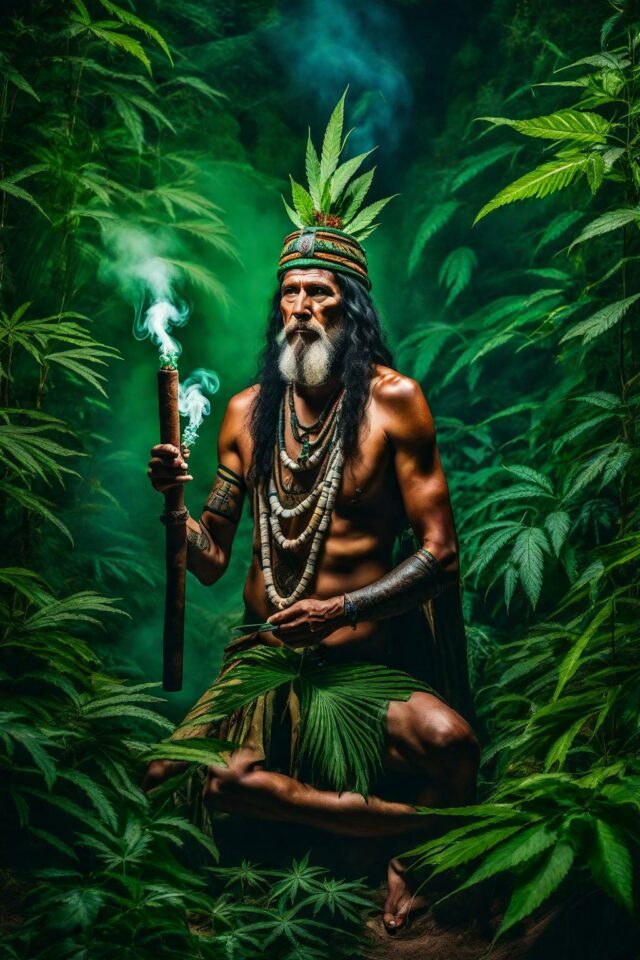
Integration of Rituals and Communal Practices:
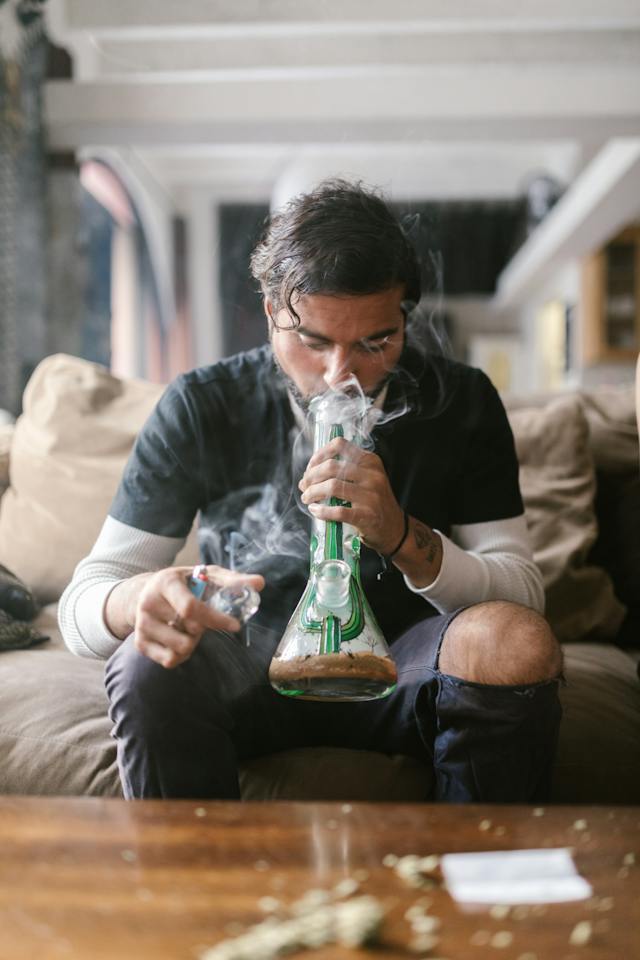
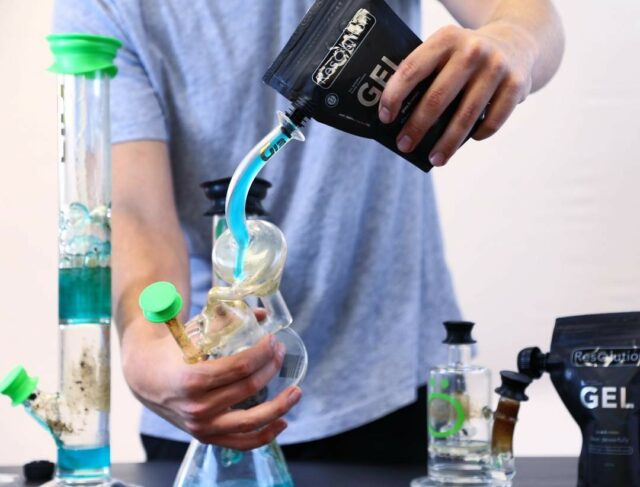
Beyond the physical maintenance of bongs, the evolving culture surrounding these smoking instruments extends to the rituals and communal practices associated with their use. Social gatherings centered around bong smoking often involve a shared responsibility for the upkeep of the devices. This communal aspect not only strengthens the bonds within the community but also ensures that the culture remains grounded in a collective commitment to safety and enjoyment.
In conclusion, the culture of bong smoking has come a long way from its niche and countercultural origins. The evolving societal attitudes toward cannabis, coupled with the influence of online platforms, have transformed this practice into a mainstream and widely accepted aspect of various societies. As the culture continues to grow, the importance of responsible maintenance and safety practices cannot be overstated. By fostering a culture of awareness, education, and shared responsibility, enthusiasts can contribute to the longevity and positive.
Global Variations: Water Pipes and Bongs Across Cultures
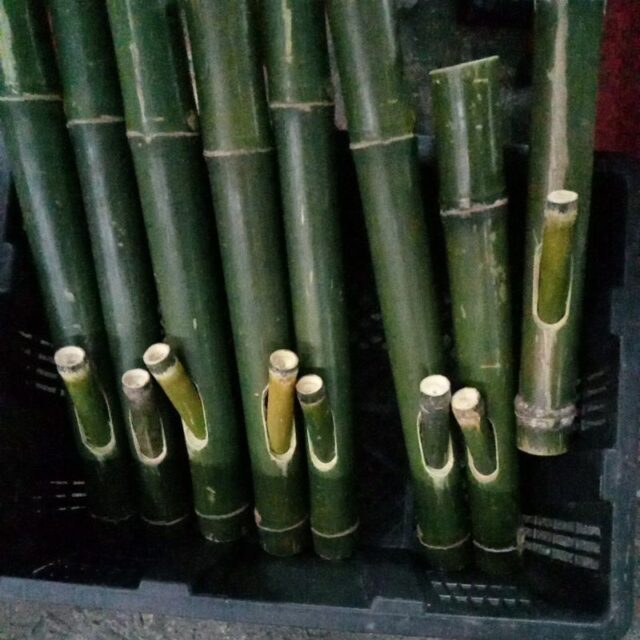
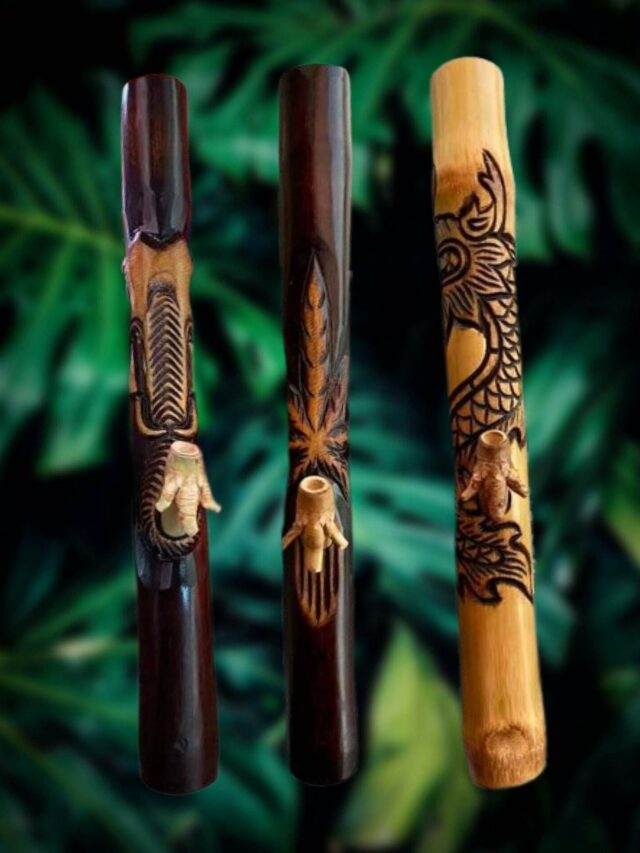
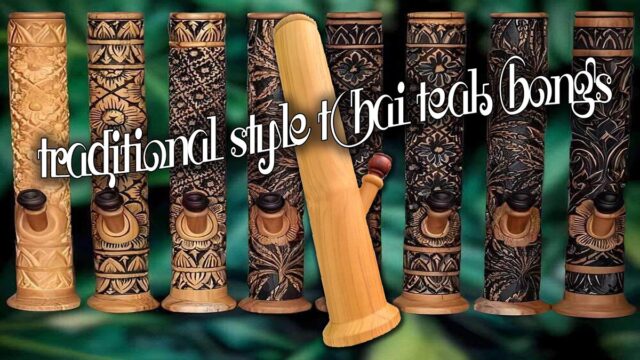
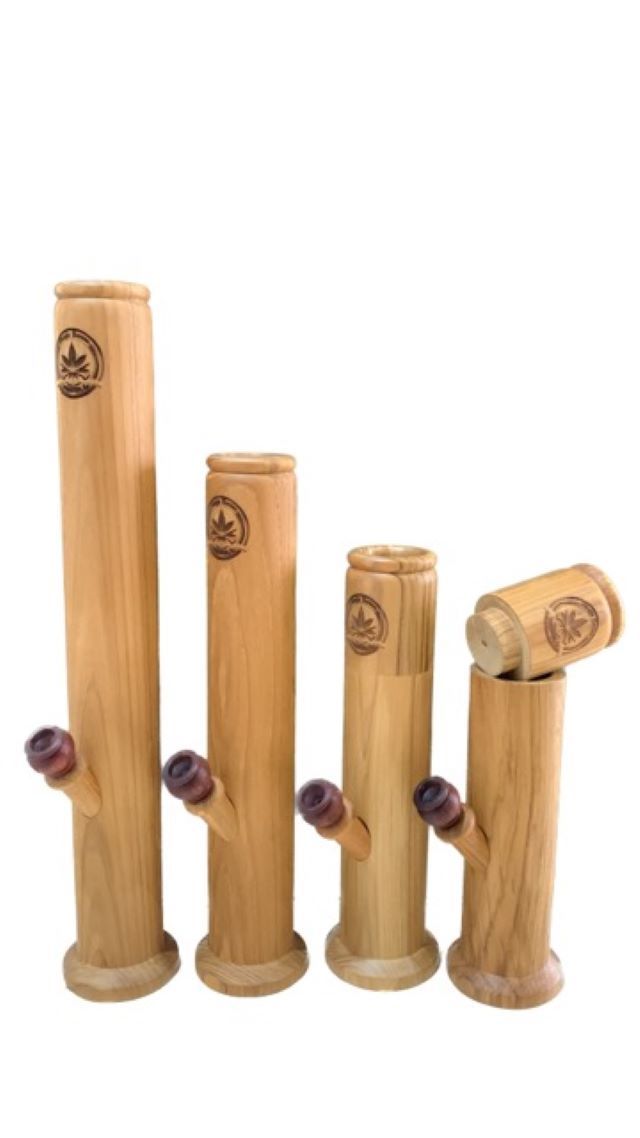
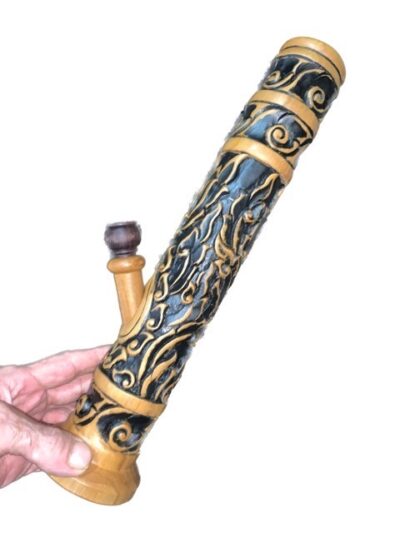
Traditional Basic Thai Bamboo Bongs
The cultural significance of water pipes and bongs extends far beyond the borders of any single nation, reflecting diverse traditions and practices around the world. Various cultures have utilized different forms of smoking instruments for spiritual, cultural, healing, magical, initiatory, or recreational purposes, each contributing to a wide variety of global smoking traditions.
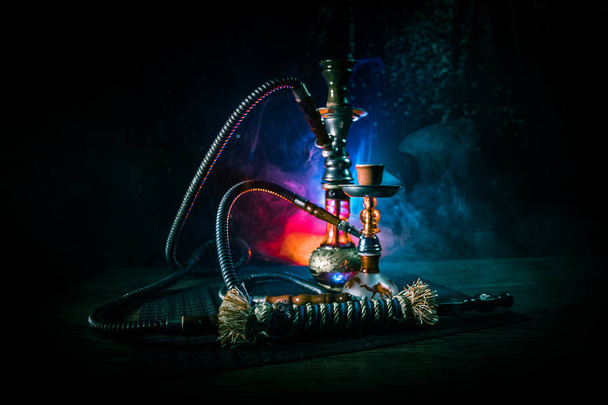
Middle East: The Hookah’s Cultural Heritage
In the Middle East, the hookah, also known as a water pipe, has a long-standing cultural history. Originating in ancient Persia, it has become an integral part of social gatherings in many Arab and South Asian countries. The hookah is often associated with hospitality and relaxation, serving as a communal instrument shared among friends and family. The intricate designs of hookahs and the ritualistic preparation of flavored tobacco, known as shisha, add a layer of cultural depth to the experience.
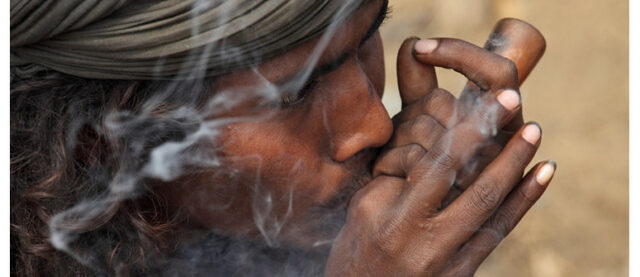
Chillum Baba smoking Cannabis; Babas, ascetic practitioners, and Rishis, the wise seers of ancient Hindu traditions, are known to incorporate the smoking of cannabis, locally known as “bhang,” into their worship of Lord Shiva. Shiva, one of the principal deities in Hinduism, is often associated with the consumption of cannabis as a part of his meditative and transcendent lifestyle.
During religious gatherings and festivals, particularly the auspicious occasion of Maha Shivaratri, these spiritual aspirants partake in the smoking of cannabis to induce altered states of consciousness. The inhalation of cannabis is considered a sacred act, believed to align practitioners with the divine realm and open channels for heightened spiritual insight. Similar to the Himalayan shamans’ use of smoking instruments to commune with deities, the cannabis-smoking practices of Indian Hindu Babas and Rishis serve as a method of purification. The psychoactive properties of cannabis are thought to aid in transcending the physical realm, allowing practitioners to delve deeper into meditation and spiritual contemplation. In these practices, the act of smoking becomes a sacred bridge between the material and spiritual worlds. It is a way for devotees to attune themselves to the cosmic vibrations and seek a profound connection with the divine, mirroring the broader shamanic practices observed in the Himalayan regions. The use of cannabis within these spiritual contexts reflects the rich diversity of rituals and beliefs across different cultures, all united by a common thread of seeking divine communion through altered states of consciousness.
Source; https://www.cannaconnection.com/blog/9941-chillum-all-you-need-know-historical-pipe
South and Southeast Asia: The Traditional Chillums
Moving towards South and Southeast Asia, traditional smoking instruments like chillums have been used for centuries. In India, for example, chillums have played a significant role in spiritual and religious practices. Sadhus, Hindu ascetics, have been known to use chillums during meditation and religious ceremonies. The simplicity of these instruments aligns with the ascetic principles of detachment, emphasizing the spiritual rather than the material.
Africa: The Water Pipe in Ritual Practices
In certain African cultures, water pipes hold ritualistic significance. Tribes in Ethiopia, for instance, use elaborate water pipes in ceremonies that mark important life events such as births, marriages, and initiations. The communal act of passing the water pipe is a symbol of unity and shared experiences, reinforcing social bonds and cultural identity.
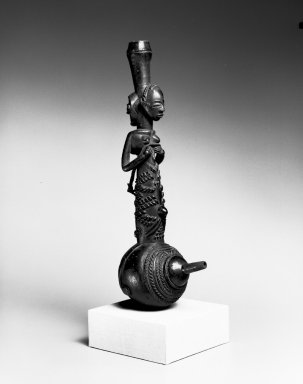
African Water Pipe; This remarkably stunning specimen of a scarce Luba water pipe is unquestionably associated with an individual of elevated standing. The prevalent theme in Luba art, exemplified by the female figure clasping her breasts, conveys notions of reverence, caregiving, and the pivotal role women play as mothers. The portrayal of a woman assumes added significance as the Luba community traces lineage through the maternal line. The intricate scarification patterns and sophisticated hairstyle of the figure serve as indicators of her affluence and esteemed social position. Source; https://www.brooklynmuseum.org/opencollection/objects/2944
Native American Traditions: Ceremonial Pipes
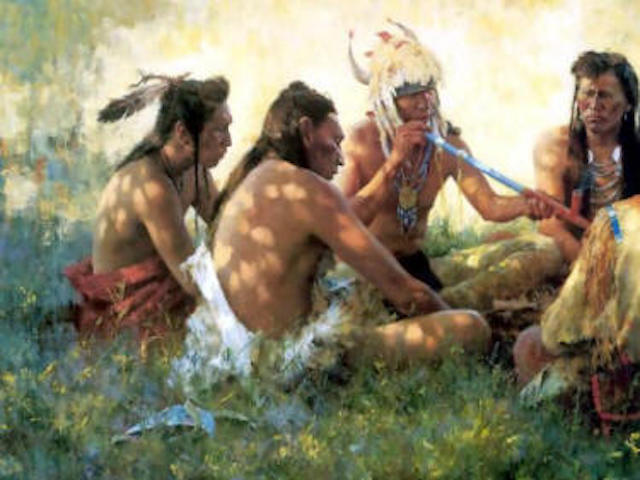
Among Native American tribes, ceremonial pipes have been integral to spiritual practices for centuries. The peace pipe, often used in sacred ceremonies, symbolizes unity, harmony, and communication with the divine. Smoking the ceremonial pipe is considered a sacred act, connecting individuals with the spiritual realm and facilitating a sense of communal harmony.
Painting by Howard Terpning of a Crow-Pipe Ceremony. Source: https://www.native-americans-online.com/native-american-pipe-ceremony.htmlRitualistic Uses Worldwide: Spiritual, Healing, and Recreational Significance
Beyond specific cultural practices, water pipes and bongs have been employed globally for a range of ritualistic purposes. In some cultures, smoking rituals are considered a form of spiritual communion or a means of connecting with ancestors. Others use smoking instruments for healing, attributing medicinal properties to certain herbs or substances.
The shamanic traditions of various indigenous cultures often involve the use of smoking instruments as a conduit for entering altered states of consciousness. The act of smoking is believed to facilitate communication with spirits, aid in divination, or serve as a tool for healing.
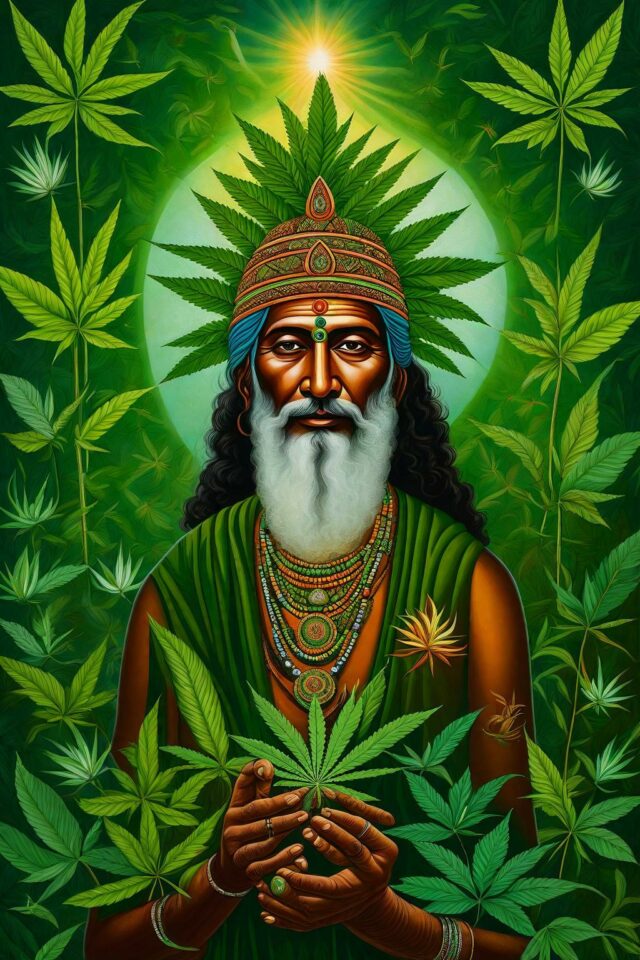
Similar to the Himalayan shamans’ use of smoking instruments to commune with deities, the cannabis-smoking practices of Indian Hindu Babas and Rishis serve as a method of purification. The psychoactive properties of cannabis are thought to aid in transcending the physical realm, allowing practitioners to delve deeper into meditation and spiritual contemplation. In these practices, the act of smoking becomes a sacred bridge between the material and spiritual worlds. It is a way for devotees to attune themselves to the cosmic vibrations and seek a profound connection with the divine, mirroring the broader shamanic practices observed in the Himalayan regions. The use of cannabis within these spiritual contexts reflects the rich diversity of rituals and beliefs across different cultures, all united by a common thread of seeking divine communion through altered states of consciousness.
In contemporary Western societies, the use of water pipes has found its place in recreational settings, where social bonding and relaxation take precedence. However, the global pantheon of smoking traditions underscores the versatility of these instruments, transcending their recreational use to encompass a spectrum of spiritual, cultural, and healing dimensions.
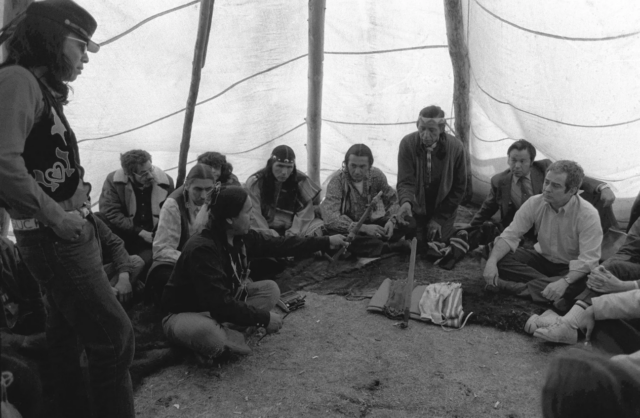
American Indian Movement Standoff Pipe Ceremony in 1973
A Global Mosaic of Smoking Traditions
The cultural landscape of bong and smoking instrument usage is a vibrant mosaic, with each culture contributing its unique patterns and colors. From the ornate hookahs of the Middle East to the sacred pipes of Native American traditions, these instruments have woven themselves into the fabric of diverse societies. As the global culture of bong smoking continues to evolve, an appreciation for the smoking traditions around the world enhances the depth and understanding of this age-old practice.
Shamanic Traditions and Smoking Instruments
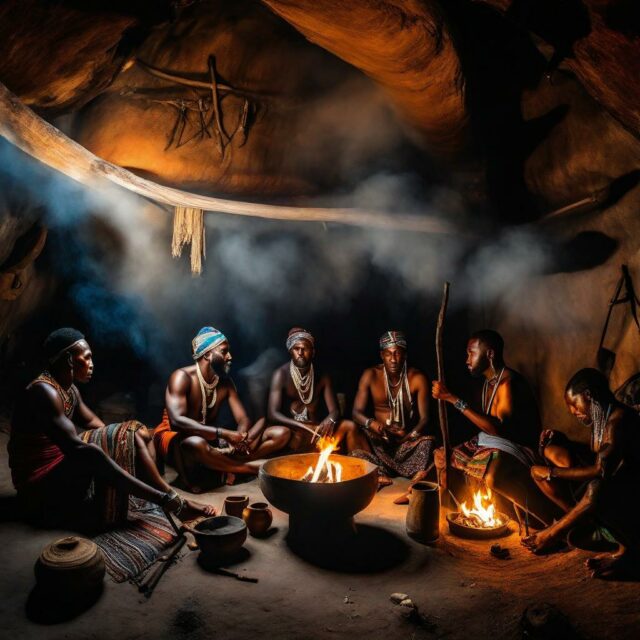
Shamanic traditions across the globe have incorporated the use of smoking instruments as a means to enter altered states of consciousness, facilitating spiritual journeys, communication with the spirit world, and healing practices. Here are some real-world examples:
-
- Amazonian Ayahuasca Ceremonies (South America): In various indigenous cultures of the Amazon rainforest, particularly among the Shipibo and Quechua people, the use of Ayahuasca, a psychoactive plant mixture, is central to shamanic rituals. Ayahuasca is consumed in a ceremonial context, often accompanied by specific smoking blends. Shamans may use tobacco pipes or cigars during the ritual to enhance the visionary experience and communicate with spirits.
- Navajo Singing and Peyote Ceremonies (North America): Among the Navajo people in North America, the ceremonial use of peyote is integral to spiritual practices. While peyote itself is ingested rather than smoked, the ritual often involves the use of a ceremonial pipe. Smoking during these ceremonies is considered a sacred act, aiding in spiritual communion and facilitating communication with deities and ancestors.
- Siberian Shamanism (Russia and Mongolia): In Siberian shamanic traditions, particularly among the Tuvan and Buryat people, smoking plays a role in the shaman’s journey into altered states. The shaman may use a pipe containing a mixture of tobacco and other herbs to induce trance-like states. Smoking is believed to help the shaman navigate between the physical and spiritual realms, seeking guidance or healing for the community.
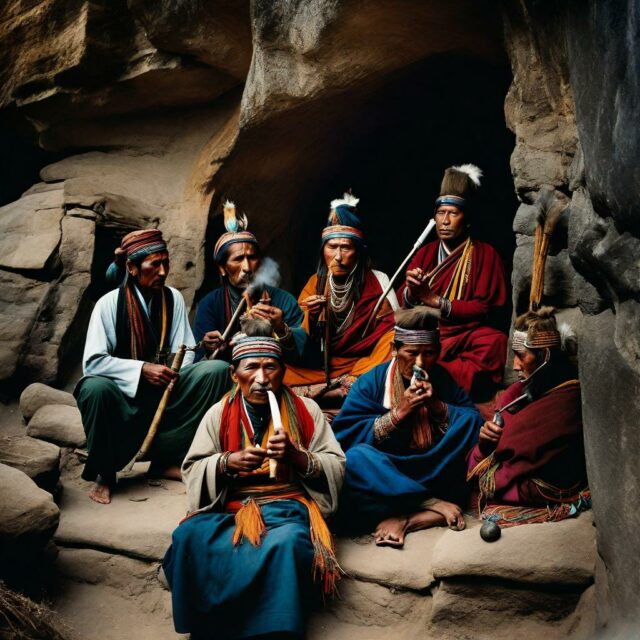
Further Traditions
- African Bwiti Rituals (Gabon): The Bwiti religion in Gabon incorporates the ceremonial use of the iboga plant. During initiation ceremonies, participants consume iboga to induce altered states of consciousness. Smoking pipes containing various herbs are also used by Bwiti shamans to connect with the spirit world and guide participants through the transformative experience.
- Maori Kava Ceremonies (New Zealand): Among the Maori people of New Zealand, the traditional ceremony of sharing kava, a beverage made from the kava plant, is accompanied by smoking rituals. Pipes, often carved from wood or bone, are used to smoke tobacco or other herbs during these gatherings. The combined use of kava and smoking is believed to enhance communal bonding and spiritual connection.
- Himalayan Shamanic Practices (Nepal and Tibet): In Himalayan regions, such as Nepal and Tibet, shamans known as ‘ngakpas’ may use smoking instruments in their rituals. Pipes containing mixtures of herbs, including tobacco, are employed to induce altered states and commune with deities or spirits. Smoking is considered a method of purification and a way to open channels for spiritual insight.
- Cannabis Smoking for Worship and Meditation in Hindu Tradition; In India, particularly among Hindu sadhus, babas, and rishis residing in the Himalayan regions, cannabis smoking holds a significant role in their worship of Lord Shiva. These ascetic devotees revere Shiva as the ultimate yogi and the lord of cannabis, which they refer to as “bhang.” The ritualistic use of bhang during meditation and religious ceremonies is believed to aid in achieving a state of heightened awareness and spiritual communion.During certain sacred festivals like Maha Shivaratri, these holy men engage in the consumption of bhang-infused drinks or smoke cannabis as a sacrament. They perceive the effects of cannabis as a means to transcend the physical realm and attain a state of union with Shiva. The act of smoking cannabis, often from chillums or pipes, is seen as a method to invoke divine blessings, enhance meditation, and connect with the spiritual essence embodied by Lord Shiva.Similar to the ngakpas of Nepal and Tibet, these Hindu sadhus consider cannabis smoking not merely as a recreational activity but as a sacred practice for opening channels to the divine. The cannabis plant, known as a gift from the gods, is utilized as a tool to deepen their spiritual experiences and seek enlightenment. This revered tradition among the Hindu ascetics in the Himalayas showcases a unique intersection of spiritual devotion and the ritualistic use of cannabis in their worship of Lord Shiva.
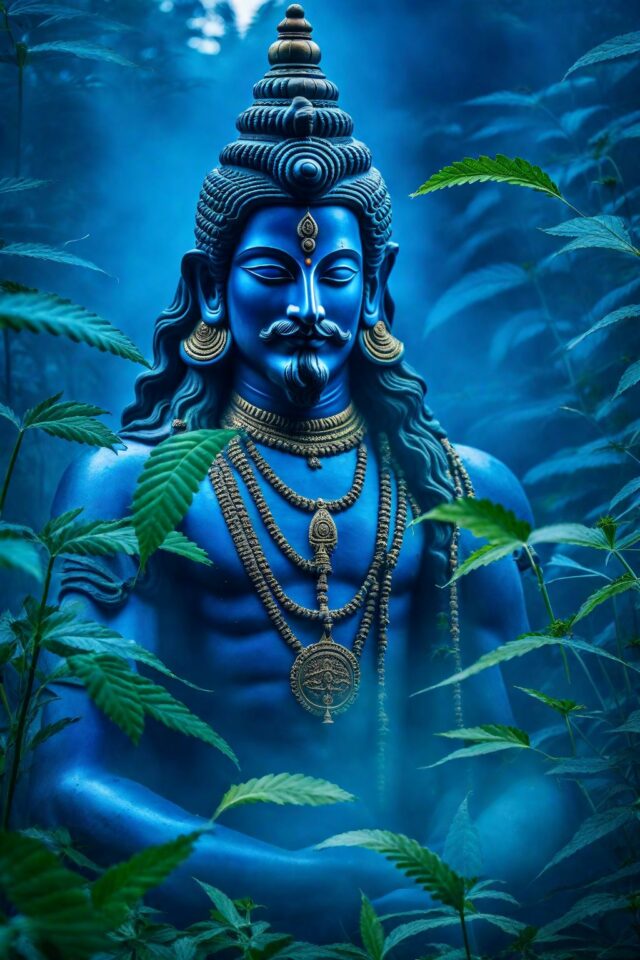
These real-world examples underscore the integral role of smoking instruments in diverse shamanic traditions. While the specific plants and substances may vary, the use of smoking as a conduit for entering altered states of consciousness remains a common thread, linking these cultures through shared spiritual practices.