Listen to the Botanical Monograph Audio Edition
Professional voice narration summarizing the botanical pedigree, chemotypic architecture, and clinical indications of Remedy.
1. Executive Summary & Botanical Taxonomy
Remedy, also formally designated in therapeutic literature as CBD Remedy, occupies a foundational and historic position within modern cannabinoid pharmacognosy, ethnobotany, and clinical horticultural breeding. Engineered during the dawn of the European high-cannabidiol breeding renaissance by the master agronomists at Resin Seeds and stabilized in formal partnership with the CBD Crew, Remedy was specifically bred to deliver profound therapeutic relief entirely unencumbered by psychotropic intoxication. At a historical juncture when standard domestic and commercial cannabis cultivars were selectively driven toward extreme delta-9-tetrahydrocannabinol (THC) saturation, Remedy reversed decades of selective breeding pressures by combining the premier European high-CBD donor clone Cannatonic with an elite, resin-dense Afghan Skunk male. The resulting stabilized progeny established an archetype Type III chemovar characterized by a therapeutic cannabinoid ratio spanning 15:1 to 25:1, centering reliably around a canonical 20:1 balance.
Botanically classified under Cannabis sativa L., Remedy expresses a distinct indica-dominant growth habit (predominantly 75% Cannabis sativa subsp. indica and 25% Cannabis sativa subsp. sativa). Unlike industrial hemp accessions that possess loose, fibrous inflorescences, low glandular trichome density, and fragile stem architecture, Remedy inherits the robust floral morphology, thick bracteole calyxes, and massive capitate-stalked glandular resin heads characteristic of traditional drug-type indica cultivars. Analytical gas chromatography-flame ionization detection (GC-FID) and high-performance liquid chromatography (HPLC) profiles consistently identify total cannabidiol (CBD) concentrations between 14.0% and 18.0% by dry weight, with total THC strictly constrained between 0.4% and 0.9%, rarely exceeding 1.0% under optimized organic agronomic protocols. This narrow cannabinoid envelope completely eliminates the risk of acute psychoactive dysphoria, perceptual distortion, tachycardia, or functional cognitive impairment, establishing Remedy as an exceptional therapeutic asset for pediatric neurology, geriatric medicine, and daytime workplace clinical administration.
The volatile chemical matrix of Remedy provides an intricate aromatic signature dominated by the monoterpene beta-myrcene, balanced harmoniously by alpha-pinene, beta-pinene, and the bicyclic sesquiterpene beta-caryophyllene. This specific terpenoid consortium imparts a rich, therapeutic bouquet marked by sweet coniferous pine, damp forest floor, pungent herbal spice, and undertones of sweet, fermented skunk reminiscent of its heritage Afghan Skunk pollen donor. Beyond sensory aesthetics, these volatile secondary metabolites act in biological concert with cannabidiol and secondary minor phytocannabinoids—including cannabigerol (CBG), cannabichromene (CBC), and cannabidivarin (CBDV)—producing multi-target entourage synergy across human central and peripheral physiological systems. As clinical medicine continues to delineate the molecular underpinnings of the endocannabinoid system (ECS), Remedy stands as a premier botanical exemplar of stabilized Type III medical cannabis.
From a public health and regulatory perspective, Remedy established a critical biological proof-of-concept: that the therapeutic virtues of the cannabis plant could be completely decoupled from intoxicating cognitive effects without compromising resin production, secondary metabolic complexity, or commercial agronomic vigor. Prior to the stabilization of Remedy, high-CBD extracts were frequently adulterated with heavy metals, pesticides, or residual industrial solvents due to their reliance on low-grade hemp biomass imported from unregulated international regions. Remedy proved that drug-type indoor and greenhouse medical facilities could cultivate compliant, high-yielding, and ultra-pure cannabidiol floral crops under Good Agricultural and Collection Practices (GACP) and Current Good Manufacturing Practice (cGMP) regulations, forever transforming the landscape of botanical medicine.
| Botanical & Taxonomic Parameter | Scientific Classification & Phenotypic Value |
|---|---|
| Scientific Botanical Name | Cannabis sativa L. (Type III Chemovar / High-CBD Indica-Dominant Hybrid) |
| Breeding Foundation & Seed Bank | Resin Seeds (Spain) in collaboration with CBD Crew (Jaime Prats & Scott Blakey) |
| Genetic Pedigree | Cannatonic (MK Ultra x G13 Haze / Spanish High-CBD Selection) x Afghan Skunk |
| Chemotypic Classification | Type III High-CBD (CBD >> THC; de Meijer chemotype classification system) |
| Cannabinoid Ratio (CBD:THC) | 20:1 (Dynamic operational range typically 15:1 to 25:1) |
| Average Total Cannabinoid Yield | 16.5% – 21.0% by dry weight biomass |
| Dominant Terpenoid Profile | Beta-Myrcene, Alpha-Pinene, Beta-Caryophyllene, Beta-Pinene, Alpha-Humulene |
| Photoperiodic Sensitivity | Obligate Short-Day Plant (Qualitative short-day photoperiodic floral response) |
| Flowering Duration (Indoor Photoperiod) | 56 – 63 Days (8.0 – 9.0 Weeks under 12/12 light regime) |
| Morphological Archetype | Indica-dominant bush morphology; short internodes, heavy lateral branching, broad leaflets |
| Glandular Trichome Density | Very high; dense capitate-stalked glandular trichomes across perigonal bracts |
| Primary Clinical Indications | Refractory epilepsy, anxiety disorders, chronic neuropathic pain, systemic inflammation, muscle spasticity |
2. Genetic Lineage, Breeding Pedigree & Historical Development
The emergence of Remedy in the late 2000s and early 2010s marks one of the most consequential breeding breakthroughs in modern horticultural cannabis history. Prior to this era, clandestine and commercial breeding programs worldwide had engaged in intensive, single-minded directional selection for high delta-9-THC cultivars. This sustained multi-decade genetic bottleneck inadvertently purged the functional wild-type allele encoding cannabidiolic acid synthase (CBDAS) from almost the entire recreational domestic germplasm pool. Patients seeking the non-intoxicating, neuroprotective, and anti-convulsant virtues of cannabidiol were historically forced to source rough, low-resin agricultural industrial hemp, which lacked the dense glandular trichome architecture, secondary phytocannabinoid complexity, and terpene diversity essential for clinical efficacy.
The turning point occurred when Jaime Prats of Resin Seeds in Barcelona discovered and characterized Cannatonic. Originally isolated from a cross between MK Ultra (an indica hybrid derived from G13 and OG Kush) and an elite G13 Haze male, Cannatonic was entered into the 2008 High Times Cannabis Cup in Amsterdam. When analytical laboratory testing of the entries was conducted by Canna Laboratories, the scientific community was astonished: while every other entry tested above 18% THC with zero detectable CBD, Cannatonic demonstrated an extraordinary balanced chemotype, testing at approximately 7% CBD and 7% THC. Certain specific phenotypic segregants within the progeny even displayed pure Type III profiles where CBD dominated completely over THC.
Recognizing the monumental medical significance of these findings, Jaime Prats united with legendary geneticist and breeder Scott Blakey (widely known as Shantibaba of Mr. Nice Seedbank) to form the CBD Crew. The CBD Crew was founded as an open collaborative research initiative dedicated to democratizing high-CBD genetics for home growers, licensed medical producers, and clinical researchers globally. While Cannatonic represented a revolutionary discovery, its genetic instability meant that F1 seeds still segregated along classical Mendelian ratios: 25% pure high-THC (Type I), 50% balanced 1:1 (Type II), and 25% pure high-CBD (Type III). The explicit mission of the CBD Crew was to systematically fix the high-CBD trait so that 100% of seed progeny would reliably express therapeutic cannabidiol.
To construct Remedy, the breeding team selected an exceptional high-CBD maternal individual from the stabilized Cannatonic lineage—one exhibiting vigorous vegetative growth, intense resin development, and an absolute minimum of THC synthesis. This maternal donor was outcrossed to an elite Afghan Skunk male. The Afghan Skunk donor was specifically chosen for its heavy agronomic advantages: massive structural rigidity, thick lignified stems capable of supporting heavy floral biomass without mechanical lodging, short internodal spacing, and an abundance of resinous trichome glands inherited from landrace Hindu Kush accessions, augmented by the vigorous hybrid vigor and sweet pungency of classic Skunk #1 germplasm.
Through successive cycles of analytical high-performance liquid chromatography (HPLC) screening, backcrossing, and progeny testing, the breeders successfully fixed the co-dominant alleles governing cannabinoid synthesis. By selecting individuals that carried homozygous alleles encoding functional CBDAS while exhibiting non-functional or deleted forms of tetrahydrocannabinolic acid synthase (THCAS), the CBD Crew isolated stable Type III lines. In these homozygous selections, the enzyme CBDAS outcompetes any residual synthases for the shared metabolic precursor cannabigerolic acid (CBGA), directing almost the entirety of the plant’s metabolic flux into the production of cannabidiolic acid (CBDA). The stabilized cultivar was christened ‘Remedy’, reflecting its unambiguous identity as a pure botanical medicine.
Remedy quickly gained international acclaim across medical cannabis communities in Europe, North America, and Australia. In particular, parents of children suffering from catastrophic, pharmacoresistant epileptic encephalopathies, such as Dravet syndrome and Lennox-Gastaut syndrome, sought Remedy cuttings and stabilized seeds as a clean, reliable, and home-cultivable source of non-intoxicating botanical therapy. Furthermore, Remedy served as a foundational genetic donor in dozens of secondary breeding programs across California, Colorado, Oregon, and Canada, helping to establish subsequent generations of high-CBD cultivars including Remedy Kush, Remedy Diesel, and various specialized minor-cannabinoid breeding lines that define modern medical dispensaries today.
3. Cannabinoid Architecture & Entourage Synergy
The phytocannabinoid architecture of Remedy represents a classical Type III chemotypic profile as defined in the chemotaxonomic frameworks established by Etienne de Meijer and colleagues. In raw, unheated floral inflorescences, cannabinoids are biosynthesized and sequestered within the secretory cavity of capitate-stalked glandular trichomes primarily as carboxylated precursor acids. In Remedy, the predominant cannabinoid synthesized is cannabidiolic acid (CBDA), which decarboxylates to neutral cannabidiol (CBD) upon exposure to thermal energy, vaporization, combustion, or prolonged post-harvest curing. Under standardized commercial and laboratory cultivation, total CBD concentrations in Remedy mature flowers range reliably between 14.0% and 18.0% by dry weight, with master organic cultivars achieving peak values approaching 19.5%.
Conversely, total delta-9-tetrahydrocannabinol (THCA and neutral THC combined) is strictly constrained between 0.40% and 0.90%, yielding an average baseline concentration of approximately 0.65%. This precise chemical partition produces a characteristic CBD:THC ratio of approximately 20:1. In clinical pharmacology, this 20:1 ratio is widely recognized as a critical therapeutic threshold. At this proportion, the micro-dose concentration of THC is sufficient to act as a partial agonist at cannabinoid type 1 (CB1) and type 2 (CB2) receptors, facilitating basic endocannabinoid tone without triggering the downstream G-protein signaling cascades responsible for intoxicating euphoria, perceptual warping, or anxiety. Simultaneously, the vast excess of CBD acts as a non-competitive negative allosteric modulator (NAM) at the CB1 receptor. In this role, CBD binds to an allosteric site on the CB1 receptor protein, altering the spatial conformation of the orthosteric binding pocket and significantly reducing the binding affinity and intrinsic efficacy of any co-administered THC or endogenous anandamide.
The underlying genetics governing this strict cannabinoid synthesis involve a single co-dominant locus, designated as the B locus. Plants carrying the homozygous B_D/B_D genotype express functional CBDA synthase enzymes, while the corresponding B_T allele encoding THCA synthase is either absent or pseudogenized into an inactive transcript. Consequently, the shared intracellular precursor cannabigerolic acid (CBGA)—synthesized via the alkylation of olivetolic acid by geranyl pyrophosphate—is almost entirely cyclized into CBDA. The minute residual concentrations of THCA detected in mature Remedy floral tissues (0.4%–0.8%) arise from promiscuous secondary enzymatic activity of CBDA synthase, which retains a minuscule (approximately 2% to 4%) substrate conversion promiscuity toward THCA formation, rather than the presence of an active THCA synthase gene.
Beyond the primary CBD-THC axis, Remedy synthesizes a diverse spectrum of secondary and minor phytocannabinoids that enrich its therapeutic potential through multi-target entourage synergy. Cannabigerol (CBG), present in quantities between 0.8% and 1.4%, serves as a potent alpha-2 adrenergic receptor agonist and moderate 5-HT1A antagonist, contributing potent anti-inflammatory, anti-spasmodic, and neuroprotective qualities. Cannabichromene (CBC), typically testing between 0.5% and 1.1%, acts as a potent transient receptor potential ankyrin 1 (TRPA1) agonist and elevates endogenous anandamide levels by inhibiting cellular uptake. Minor traces of cannabidivarin (CBDV, 0.20% – 0.50%) provide additional non-psychotropic anti-convulsant activity through the desensitization of transient receptor potential vanilloid 1 (TRPV1) ion channels, creating a robust, multi-pathway botanical entourage effect that cannot be replicated by single-molecule synthetic isolates.
| Phytocannabinoid Compound | Abbreviation | Typical Range (% Dry Wt.) | Decarboxylation Temp (°C) | Primary Receptor & Biological Target |
|---|---|---|---|---|
| Cannabidiolic Acid / Cannabidiol | CBDA / CBD | 14.00% – 18.00% | 110°C – 120°C | CB1 NAM, 5-HT1A agonist, TRPV1 agonist, GPR55 antagonist |
| Delta-9-Tetrahydrocannabinol | THCA / THC | 0.40% – 0.90% | 105°C – 115°C | CB1 & CB2 partial agonist (sub-intoxicating baseline modulation) |
| Cannabigerol | CBGA / CBG | 0.80% – 1.40% | 115°C – 125°C | Alpha-2 adrenergic agonist, CB1/CB2 competitive antagonist |
| Cannabichromene | CBCA / CBC | 0.50% – 1.10% | 120°C – 130°C | TRPA1 agonist, AEA reuptake inhibitor, anti-inflammatory |
| Cannabidivarin | CBDVA / CBDV | 0.20% – 0.50% | 110°C – 120°C | TRPV1 desensitizer, antiepileptic ion channel regulator |
| Delta-9-Tetrahydrocannabivarin | THCVA / THCV | < 0.10% (Trace) | 115°C – 125°C | CB1 antagonist (neutral antagonist at low concentrations) |
| Cannabinol | CBN | < 0.05% (Aged: 0.2%) | 140°C – 150°C | CB2 agonist > CB1 weak agonist; post-harvest oxidation marker |
4. Terpenoid Profile & Volatile Chemistry
The volatile chemical bouquet of Remedy is characterized by a sophisticated, deeply grounding aromatic matrix rooted in its Afghan Skunk paternal heritage and enriched by the bright monoterpene complexity of Cannatonic. Total terpene accumulation in well-cultivated organic Remedy flowers typically measures between 1.80% and 2.75% of total dry biomass. This robust concentration ensures that whole-flower extracts, therapeutic vaporizations, and properly cured floral buds retain high therapeutic potency, resisting volatile degradation during standard room-temperature storage.
Beta-myrcene constitutes the undisputed dominant terpene in Remedy, frequently comprising between 0.65% and 1.10% of total dry weight (accounting for 35% to 45% of the total essential oil fraction). Known biochemically as 7-methyl-3-methylene-1,6-octadiene, beta-myrcene is an acyclic monoterpene responsible for the deep, damp-earth, musk, and herbal undertones that anchor Remedy’s aroma. Pharmacologically, myrcene is widely documented to enhance transdermal and blood-brain barrier permeability of cannabinoids by increasing cellular membrane fluidity. Furthermore, myrcene exerts pronounced muscle relaxant, analgesic, and sedative effects through central alpha-2 adrenoreceptor mechanisms, providing the physiological heavy-body relaxation characteristic of heritage indica landraces.
Working in close synergy with myrcene is a prominent pinene complex composed of alpha-pinene (0.35% – 0.60%) and beta-pinene (0.15% – 0.30%). The alpha-pinene fraction delivers sharp, invigorating aromas of fresh pine needles, coniferous resin, and forest air. Crucially, alpha-pinene functions as a bioavailable inhibitor of the enzyme acetylcholinesterase (AChE). By reducing the enzymatic breakdown of acetylcholine in the synaptic cleft, pinene enhances alertness, supports working memory preservation, and counteracts the subtle cognitive fatigue that can occasionally accompany high doses of myrcene or sedating botanical extracts. This pinene contribution is pivotal in maintaining mental clarity and executive function during daytime medical use.
The third major pillar of Remedy’s volatile profile is beta-caryophyllene (0.30% – 0.55%), accompanied by its close sesquiterpene isomer alpha-humulene (0.10% – 0.22%). Beta-caryophyllene is unique among dietary terpenes in that it possesses high selective affinity as a functional full agonist at the cannabinoid type 2 (CB2) receptor, eliciting direct anti-inflammatory and immunomodulatory cascades without binding to central CB1 receptors. Its peppery, woody, and clove-like aromatic notes harmonize with the floral, sweet pungency of Afghan Skunk, creating a complete and multi-dimensional botanical essence that delights the senses while modulating clinical outcomes.
Secondary trace terpenes further refine this chemical bouquet. D-Limonene (0.08% – 0.18%) introduces uplifting, bright notes of sweet citrus and lemon zest, functioning in neuropharmacology to stimulate dopamine and serotonin release while providing gastroprotective mucus layer preservation. Linalool (0.05% – 0.12%) contributes subtle floral notes reminiscent of fresh lavender and sweet coriander, acting as a positive allosteric modulator of GABA-A receptors to dampen neuronal hyperexcitability and anxiety. Together, these terpenes construct a volatile fingerprint that is both unmistakably therapeutic and deeply satisfying to patients across diverse therapeutic demographics.
| Terpenoid Compound | Chemical Class | Typical Concentration (%) | Boiling Point (°C) | Sensory Notes & Pharmacological Action |
|---|---|---|---|---|
| Beta-Myrcene | Monoterpene | 0.65% – 1.10% | 166°C – 168°C | Damp earth, herbal musk, cloves; enhances blood-brain barrier transport, muscle relaxant, analgesic |
| Alpha-Pinene | Bicyclic Monoterpene | 0.35% – 0.60% | 155°C – 156°C | Fresh coniferous pine, sharp resin; acetylcholinesterase (AChE) inhibitor, bronchodilator, anti-inflammatory |
| Beta-Caryophyllene | Bicyclic Sesquiterpene | 0.30% – 0.55% | 130°C – 132°C | Black pepper, woody spice, dry clove; direct functional CB2 agonist, potent gastroprotective & anti-arthritic agent |
| Beta-Pinene | Bicyclic Monoterpene | 0.15% – 0.30% | 165°C – 166°C | Herbal pine, rosemary, dill; cellular antioxidant, antidepressant-like modulation of monoamine transmitters |
| Alpha-Humulene | Monocyclic Sesquiterpene | 0.10% – 0.22% | 106°C – 107°C | Earthy hops, woody herbaceousness; inhibits TNF-alpha and IL-1beta transcription, potent anti-edema properties |
| D-Limonene | Monocyclic Monoterpene | 0.08% – 0.18% | 176°C – 178°C | Sweet citrus peel, Meyer lemon; anxiolytic, stimulates gastric mucous production, enhances systemic mood |
| Linalool | Acyclic Monoterpene Alcohol | 0.05% – 0.12% | 198°C – 199°C | Floral lavender, sweet coriander; GABAergic positive allosteric modulator, anti-convulsant, neuroprotective |
5. Clinical Indications & Pharmacological Mechanisms
The clinical utility of Remedy is underpinned by an expansive array of receptor interactions and biochemical pathways that extend well beyond classical cannabinoid receptor signaling. In traditional high-THC cannabis therapy, delta-9-THC acts as a direct partial agonist at CB1 receptors located predominantly on presynaptic axon terminals throughout the central nervous system. While this produces analgesia, antiemesis, and euphoria, it frequently incurs significant dose-limiting adverse events, including acute anxiety, panic attacks, tachycardia, short-term memory disruption, and psychomotor impairment. Remedy sidesteps these dose-limiting liabilities while delivering robust, multi-system physiological therapeutics.
One of the primary pharmacological targets of Remedy’s high cannabidiol payload is the serotonin 1A receptor (5-HT1A). Cannabidiol acts as a direct, high-affinity agonist at 5-HT1A receptors in the limbic system, prefrontal cortex, and dorsal raphe nucleus. Through this mechanism, Remedy facilitates rapid, non-sedating anxiolytic and antidepressant effects, diminishing hyper-arousal in generalized anxiety disorder (GAD), social anxiety disorder (SAD), and post-traumatic stress disorder (PTSD). Unlike benzodiazepines or selective serotonin reuptake inhibitors (SSRIs), high-CBD botanical preparations do not disrupt normal sleep architecture, induce motor ataxia, or establish physiological dependence.
In neurological medicine, Remedy is an exceptional candidate for managing refractory epilepsy, including severe pediatric seizure disorders such as Dravet syndrome, Lennox-Gastaut syndrome, and tuberous sclerosis complex. At the molecular level, cannabidiol exerts anti-convulsant actions through several distinct, non-overlapping pathways. First, CBD functions as an antagonist at G-protein-coupled receptor 55 (GPR55). In normal physiology, activation of GPR55 by endogenous lysophosphatidylinositol (LPI) stimulates intracellular calcium release from the endoplasmic reticulum, promoting excessive presynaptic glutamate exocytosis. By blocking GPR55, CBD dampens this excessive excitatory neurotransmission. Concurrently, CBD acts upon transient receptor potential vanilloid 1 (TRPV1) channels, initially activating and subsequently desensitizing them to prevent excessive neuronal hyperexcitability. This is augmented by the subtle presence of cannabidivarin (CBDV) and linalool, both of which demonstrate independent voltage-gated ion channel stabilization.
For chronic inflammatory pathologies—including rheumatoid arthritis, osteoarthritis, Crohn’s disease, and fibromyalgia—Remedy provides multi-pronged anti-inflammatory efficacy. Cannabidiol inhibits fatty acid amide hydrolase (FAAH), the primary enzyme responsible for the catabolic breakdown of anandamide (arachidonoylethanolamide, AEA). By suppressing FAAH activity, Remedy elevates endogenous anandamide concentrations, promoting sustained, self-regulated anti-nociception. Furthermore, the combination of CBD, CBG, beta-caryophyllene, and alpha-humulene suppresses the transcription of nuclear factor kappa B (NF-κB), directly down-regulating pro-inflammatory cytokines such as tumor necrosis factor-alpha (TNF-α), interleukin-1 beta (IL-1β), and interleukin-6 (IL-6). In the spinal cord, CBD allosterically potentiates alpha-3 glycine receptors, significantly inhibiting inflammatory pain signaling in dorsal horn projection neurons.
In oncology and supportive care, Remedy assists patients undergoing intensive chemotherapy and radiation by mitigating peripheral neuropathic pain, reducing visceral nausea through indirect 5-HT1A activation in the dorsal vagal complex, and soothing muscle spasticity without inducing mental disorientation. Additionally, preclinical research indicates that CBD can down-regulate the expression of the ID-1 gene, which is implicated in aggressive metastasis across certain breast and glioblastoma cell lines. While not a stand-alone cure for malignancy, Remedy represents an extraordinarily valuable adjunctive botanical therapy that enhances patient quality of life and treatment tolerance.
| Clinical Indication | Primary Biomolecular Targets | Pharmacological Mechanism of Action | Observed Therapeutic Outcomes |
|---|---|---|---|
| Refractory Epilepsy & Seizures | GPR55 antagonism, TRPV1 desensitization, T-type Ca2+ channel block | Inhibits presynaptic glutamate release, dampens neuronal hyper-synchrony, normalizes calcium homeostasis | Substantial reduction in tonic-clonic and atonic seizure frequency without sedative stupor |
| Generalized Anxiety & PTSD | 5-HT1A direct agonism, CB1 NAM, limbic amygdala modulation | Attenuates autonomic panic reflexes, facilitates fear extinction learning, elevates prefrontal tone | Rapid reduction in psychological distress, absence of tachycardia, sustained situational calm |
| Neuropathic & Inflammatory Pain | CB2 activation (via Caryophyllene), FAAH inhibition, alpha-3 glycine receptors | Potentiates inhibitory glycinergic transmission in dorsal horn neurons, blocks inflammatory hyperalgesia | Meaningful reduction in burning, tingling, and allodynia; decreased reliance on opioid pharmaceuticals |
| Arthritis & Musculoskeletal Spasticity | NF-κB inhibition, TNF-alpha suppression, TRPA1/TRPV2 modulation | Halts synovial matrix metalloproteinase release, relaxes hypertonic skeletal muscle fibers | Enhanced joint mobility, marked reduction in morning stiffness, alleviation of localized muscle cramps |
| Insomnia Secondary to Pain | GABAergic potentiation (Linalool/Myrcene), pain-arousal suppression | Removes physiological discomfort triggers that disrupt slow-wave sleep initiation | Restorative sleep onset without morning grogginess, preservation of natural REM sleep architecture |
6. Agronomic Chronology, Cultivation Architecture & Canopy Management
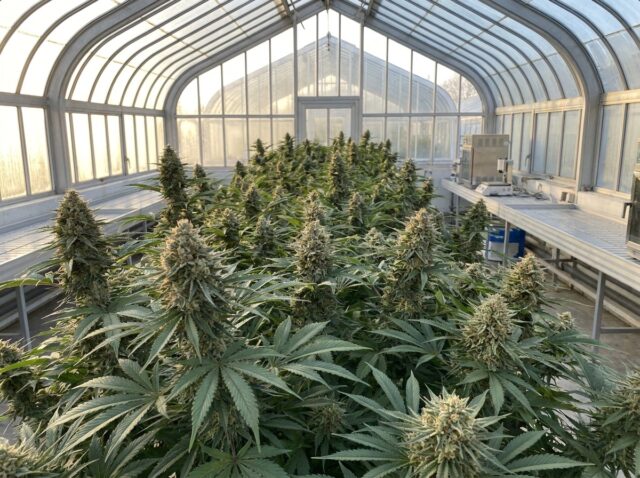
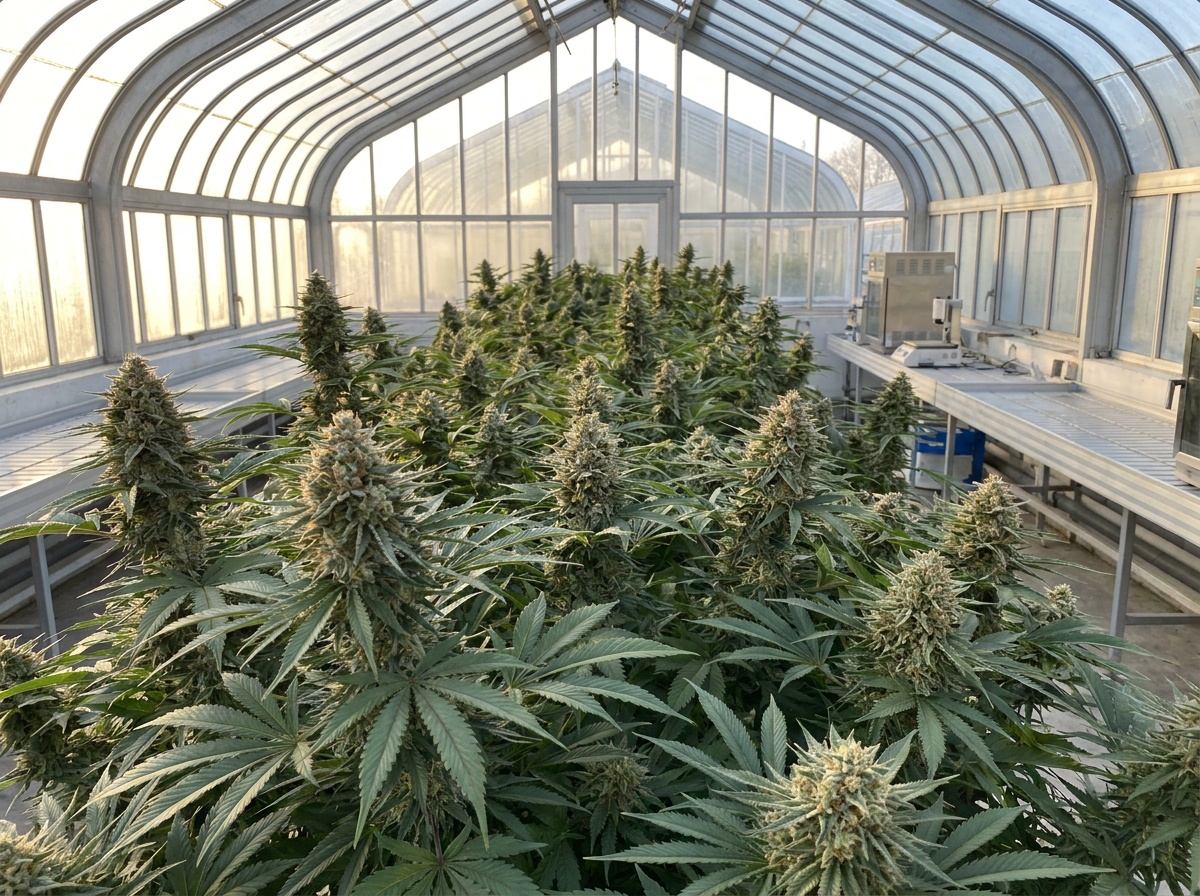
From an agronomic perspective, Remedy is renowned among commercial and licensed medical cultivators as one of the most compliant, structurally forgiving, and high-yielding Type III cultivars available. Inheriting the dense, compact architecture of Afghan Skunk, Remedy develops a stout, columnar main stem flanked by stout, highly lignified lateral branches that naturally resist snapping under the weight of mature inflorescences. Unlike spindly sativa-dominant CBD selections that require extensive staking and trellis netting, Remedy maintains an orderly, manageable canopy profile suited to both small-scale craft indoor tents and industrial medical glasshouses.
During the vegetative growth phase (maintained under an 18/6 or 20/4 photoperiod regime), Remedy displays rapid root architecture development, forming expansive fibrous root balls when cultivated in aerated living soil, coco coir, or rockwool media. Vegetative elongation is moderate, with internodal spacing remaining tightly clustered at 3.0 to 5.0 centimeters. The fan leaves express dark, broad, highly serrated leaflets indicative of its dominant indica heritage. Agronomists recommend topping the apical meristem once at the 4th or 5th node to break apical dominance and encourage four to six primary lateral shoots, which quickly form a level, uniform tabletop canopy ideally suited for Screen of Green (SCROG) trellising.
Canopy vapor pressure deficit (VPD) must be closely aligned with plant transpiration demands throughout its lifecycle. In early vegetative development, a gentle VPD of 0.8 to 1.0 kPa maintains leaf turgor and accelerates cell division under warm leaf surface temperatures of 25°C to 27°C. As the root system solidifies during mid-vegetative growth, photosynthetic photon flux density (PPFD) can be progressively elevated from 350 to 650 µmol/m²/s. Nutritional regimens should emphasize soluble organic nitrogen, calcium, and magnesium to build sturdy vascular structures, maintaining a substrate electrical conductivity (EC) of 1.2 to 1.6 mS/cm and a soil pH of 6.3 to 6.6.
Upon inducing flowering via an obligate 12/12 short-day photoperiod, Remedy exhibits a restrained stretch phase, typically expanding by only 60% to 100% of its terminal vegetative height. This controlled elongation significantly simplifies light positioning and environmental climate management. Pistil emergence begins briskly between days 8 and 12 of 12/12. By week 4 of flowering, calyx swelling accelerates, accompanied by a rapid proliferation of capitate-stalked glandular trichomes across perigonal bracts and adjacent sugar leaves.
Nutritional requirements are moderate to heavy during peak floral differentiation. Remedy thrives under an electrical conductivity (EC) range of 1.2 to 1.5 mS/cm during late vegetative growth, scaling to 1.8 to 2.2 mS/cm during weeks 4 through 6 of bloom. Phosphorus and potassium supplementation (such as organic bone meal, kelp meal, or potassium silicate) should be prioritized during mid-bloom to support cellular density and resin development. Due to the exceptional density of its indica-dominant flower clusters, relative humidity must be rigorously modulated: maintaining 60%–65% RH in early bloom, tapering down to 45%–50% during the final three weeks before harvest, combined with vigorous horizontal and under-canopy airflow to prevent Botrytis cinerea (gray mold) or powdery mildew.
| Developmental Stage | Chronological Timeline | Target Temp & Relative Humidity | Nutrient EC & Substrate pH | Horticultural Canopy Directives |
|---|---|---|---|---|
| Seedling & Rooting Clone | Days 1 – 14 | 24°C – 26°C | 70% – 75% RH | EC: 0.6 – 0.8 | pH: 6.2 – 6.5 (Soil) / 5.8 (Hydro) | Gentle LED/fluorescent lighting (200–300 PPFD); maintain high moisture dome; root stimulator inoculation |
| Vegetative Establishment | Days 15 – 35 | 25°C – 28°C | 60% – 65% RH | EC: 1.2 – 1.6 | pH: 6.2 – 6.6 (Soil) / 5.8 (Hydro) | Top apical meristem at 4th node; install SCROG trellis net; Low-Stress Training (LST) across lateral branches |
| Early Bloom Transition | Days 36 – 50 (Weeks 1–2 of 12/12) | 24°C – 26°C | 55% – 60% RH | EC: 1.6 – 1.8 | pH: 6.3 – 6.7 (Soil) / 5.9 (Hydro) | Photoperiod flipped to 12/12; stretch management; prune lower tertiary growth (lollipopping) up to bottom third |
| Peak Floral Bulking | Days 51 – 71 (Weeks 3–5 of 12/12) | 23°C – 25°C | 50% – 55% RH | EC: 1.8 – 2.2 | pH: 6.3 – 6.8 (Soil) / 6.0 (Hydro) | Maximum PPFD (800–1000 µmol/m²/s); elevate PK ratios; second defoliation on Day 21 to expose lower bud sites |
| Late Ripening & Flush | Days 72 – 84 (Weeks 6–8 of 12/12) | 20°C – 22°C | 40% – 45% RH | EC: 0.2 – 0.6 (Flush) | pH: 6.2 – 6.5 | Cold night differentials (18°C) to enhance anthocyanin and terpene preservation; pure water leeching; microscopic inspection |
| Harvest Window | Days 56 – 63 of Flowering | 18°C – 20°C | 40% RH | N/A (Substrate dry-down) | Cut whole plant at base prior to lights-on; protect delicate trichome heads from mechanical abrasion |
7. Harvesting, Post-Harvest Curing & Extraction Methodology
The harvesting threshold for Remedy is governed by meticulous microscopic examination of glandular trichome maturity. In traditional high-THC cannabis cultivation, growers often wait until 20% to 30% of capitate-stalked glandular trichomes transition to an amber hue, indicating the onset of THC oxidation into mildly sedating cannabinol (CBN). For high-CBD chemovars such as Remedy, this practice must be adjusted. Cannabidiolic acid accumulation reaches its biochemical apex when the majority (85% to 90%) of glandular trichome heads are fully milky, opaque, and swollen, with no more than 5% to 10% showing amber pigmentation. Permitting excessive ambering in Remedy can result in the enzymatic degradation of CBDA into minor degradation cannabinoids and an unnecessary volatilization of delicate monoterpenes such as alpha-pinene and beta-myrcene.
Harvesting should occur at the end of the dark photoperiod cycle or immediately upon lights-on, when volatile terpene loss through thermal evaporation is minimized. Plants are cleanly cut at the base of the main stalk and hung whole in specialized climate-controlled drying darkrooms. The drying parameters must adhere strictly to the craft standard ’60/60′ protocol: maintaining an ambient temperature of 15.5°C to 16.5°C (60°F) and an ambient relative humidity of 58% to 62% under continuous, gentle, indirect air circulation. This slow, low-temperature drying process spans 12 to 16 days, allowing endogenous plant enzymes to metabolize harsh chlorophyll and simple starches into smoother, neutral compounds, thereby eliminating the bitter, grassy flavor common in rushed harvests.
Once the terminal branches snap cleanly rather than bending, the flowers undergo gentle dry manicuring to preserve the outer glandular resin heads intact. Manicured buds are placed into airtight, food-grade glass vessels or heavy-duty curing totes equipped with two-way humidity regulation packs calibrated to 58%–62% equilibrium relative humidity. During the first two weeks of curing, the containers are ‘burped’ daily for 10 to 15 minutes to vent accumulated carbon dioxide and moisture. The curing process is sustained for a minimum of 30 to 45 days. This extended cure allows the complex volatile terpenoid profile—the pine, forest musk, and sweet skunk—to meld into a rich, full-bodied aromatic bouquet while water activity (a_w) stabilizes precisely between 0.58 and 0.62, completely precluding microbial proliferation while preventing trichome embrittlement.
For pharmaceutical and craft extraction processing, Remedy is an extraordinary input biomass. When subjected to subcritical or supercritical carbon dioxide (CO2) extraction, the high CBDA concentrations yield golden, broad-spectrum extracts rich in native terpenes. Operating at low subcritical temperatures (35°C to 40°C) and moderate pressure (1,000 to 1,500 psi) allows the operator to strip the delicate monoterpene and sesquiterpene fraction without thermal degradation. Subsequent supercritical passes at elevated pressures (3,000 to 4,500 psi) cleanly extract the cannabinoid core. In solventless processing, Remedy’s thick, gland-dense trichome heads separate cleanly during ice-water wash cycles (particularly across the 73µm to 120µm micron capture bags). When gently pressed into live rosin at low plate temperatures (65°C – 75°C), Remedy produces a fragrant, crystal-clear, terpene-rich sap that delivers fast-acting, non-intoxicating clinical vapor therapy suitable for acute breakthrough pain or panic attacks.
8. Conclusion, Phytochemical Benchmark & References
Remedy stands as an enduring monument in the history of clinical cannabis breeding. By combining the exceptional high-CBD genetics of Cannatonic with the structural vigor, dense trichome production, and rich terpene complexity of Afghan Skunk, Resin Seeds and the CBD Crew engineered a Type III cultivar that bridged the historic chasm between industrial hemp and pharmaceutical cannabis. Delivering an unshakeable 20:1 CBD-to-THC ratio, negligible psychoactive liability, a robust myrcene-pinene-caryophyllene volatile profile, and exceptional agronomic compliance, Remedy remains a vital genetic foundation and clinical standard worldwide.
As regulatory barriers continue to evolve and scientific research illuminates the nuanced mechanics of the endocannabinoid system, cultivars like Remedy demonstrate the profound therapeutic potential of targeted botanical medicine. Whether utilized as cured whole-flower for gentle vaporization, formulated into standardized pediatric tinctures, or processed into pure solventless concentrates, Remedy fulfills its namesake as an authentic, dependable, and sovereign botanical remedy.
Scientific & Academic References
- de Meijer, E. P., et al. (2003). The inheritance of chemical phenotype in Cannabis sativa L. Genetics, 163(1), 335–346.
- Russo, E. B. (2011). Taming THC: potential cannabis synergy and phytocannabinoid-terpenoid entourage effects. British Journal of Pharmacology, 163(7), 1344–1364.
- Laprairie, R. B., et al. (2015). Cannabidiol is a negative allosteric modulator of the cannabinoid CB1 receptor. British Journal of Pharmacology, 172(20), 4790–4805.
- Zuardi, A. W., et al. (2012). A critical review of the antipsychotic and anxiolytic effects of cannabidiol (CBD). Current Pharmaceutical Design, 18(32), 5131–5140.
- Pertwee, R. G. (2008). The diverse CB1 and CB2 receptor pharmacology of three plant cannabinoids: delta-9-tetrahydrocannabinol, cannabidiol and delta-9-tetrahydrocannabivarin. British Journal of Pharmacology, 153(2), 199–215.
- Devinsky, O., et al. (2016). Trial of cannabidiol for drug-resistant seizures in the Dravet syndrome. New England Journal of Medicine, 376(21), 2011–2020.
- Gertsch, J., et al. (2008). Beta-caryophyllene is a dietary cannabinoid. Proceedings of the National Academy of Sciences, 105(26), 9099–9104.
- Russo, E. B., & Guy, G. W. (2006). A tale of two cannabinoids: the therapeutic rationale for combining tetrahydrocannabinol and cannabidiol. Medical Hypotheses, 66(2), 234–246.
- Bernstein, N., et al. (2019). Impact of environmental conditions on secondary metabolite production in medical Cannabis sativa. Industrial Crops and Products, 139, 111467.
- McPartland, J. M., et al. (2015). Care and feeding of the endocannabinoid system: a systematic review of potential clinical interventions that upregulate the endocannabinoid system. PLoS ONE, 9(3), e89566.
- Crippa, J. A., et al. (2011). Neural basis of anxiolytic effects of cannabidiol (CBD) in generalized social anxiety disorder: a preliminary report. Journal of Psychopharmacology, 25(1), 121–130.
- Ibeas Bih, C., et al. (2015). Molecular targets of cannabidiol in neurological disorders. Neurotherapeutics, 12(4), 699–730.

Ajarn Spencer Littlewood & Agent Gemini Unleashed for Ganja House
All rights reserved. Botanical, pharmacological, and horticultural research archive.