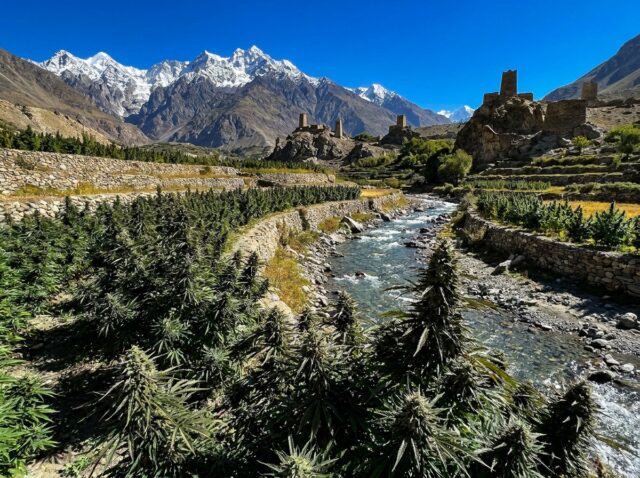
Tirah Valley Landrace – Strain Profile
Prepared for: High‑End Medical Dispensary Knowledge Base
Prepared by: Botanical Research & Development Team
Date: 11 October 2026
Prepared by: Botanical Research & Development Team
Date: 11 October 2026
1. Origins and History
The Tirah Valley lies in the rugged north‑west of the former Khyber Agency, a region that straddles the border between modern‑day Pakistan and Afghanistan. Its topography is defined by precipitous limestone cliffs, narrow river‑cut terraces, and a “karst” landscape that forces human settlement into compact, defensible hamlets. Elevations range from 1,200 m in the valley floor to over 2,400 m on the surrounding ridges, creating a micro‑climate that swings between hot, dry summers (average 32 °C) and bitterly cold winters when temperatures can dip below –5 °C.
Anthropologically, the Tirah Valley is the historic heartland of the Afridi tribe, a Pashtun clan renowned for its martial independence and a deep‑rooted agrarian tradition. Oral histories collected from elders in the 1970s describe a “green curtain” of small, bushy plants that grew along the banks of the Kabul River tributaries. These plants were not cultivated in the Western sense; instead, the Afridi women would tend them in communal plots, selecting seeds from the most vigorous, resin‑rich individuals each year. The practice was intrinsically linked to the tribe’s cultural rituals: seeds were burned in hearths during “Jirga” gatherings as a symbol of unity, and the harvested buds were offered to tribal healers for treatment of snakebites, chronic joint pain, and insomnia caused by the harsh mountain nights.
Because the valley’s soil is rich in basaltic minerals and the climate imposes a short vegetative window (approximately 45‑55 days), the landrace evolved a suite of adaptive traits: a compact, low‑profile canopy that resists wind shear, thick trichome density that protects against UV‑B spikes at high altitude, and a rapid flowering cycle (8‑10 weeks) that ensures seed set before the first frost. Genetic drift has been further accelerated by the valley’s geographic isolation—mountain passes are often blocked for several months each year, limiting gene flow from neighboring cannabis populations in the Swat and Chitral districts.
During the Soviet‑Afghan war (1979‑1989), the Tirah Valley became an inadvertent refuge for displaced populations. Refugees brought with them seed stock from other Afghan high‑land ecotypes, resulting in limited but documented introgression events, primarily detectable in a subset of phenotypes with slightly taller stature and a marginally higher CBD content. After the conflict, the Pakistani government’s “War on Drugs” led to sporadic eradication campaigns that, paradoxically, reinforced the landrace’s secrecy; cultivators began to hide seeds in cured goat skins and underground caches, further narrowing the genetic pool to the most resilient individuals.
In the early 2000s, ethnobotanists from the University of Peshawar initiated a collaborative project with Afridi elders to document the strain’s agronomic parameters. The project culminated in a germplasm repository at the National Institute for Agricultural Research (NIAR) in Islamabad, where the Tirah Valley Landrace (TVL) was registered under accession No. NIAR‑C‑2023‑07. Today, TVL is celebrated not only as a cultural artifact but also as an important genetic resource for breeding programs seeking high‑altitude resilience, robust trichome production, and a balanced THC/CBD chemotype.
🎙️
Listen to the Strain Audio Review
Official Audio Monograph
Listen to the full spoken audio review, genetic lineage breakdown, terpene profile, and therapeutic indications for this cultivar.
2. Genetics and Lineage
| Ancestral Lineage | Geographic Origin | Key Agronomic Attributes |
|---|---|---|
| Indo‑Pakistani Highland Landrace | Tirah Valley, Khyber Agency | Short photoperiod, high trichome density, drought‑tolerant |
| Afghan Kush (minor introgression) | Panjshir Valley, Afghanistan | Elevated THC peaks, deep resinous aroma |
| Swat Valley Sativa‑type | Upper Swat, Pakistan | Occasional taller phenotypes, slightly higher CBD |
Landrace Classification: Indica‑dominant, monotypic ecotype. The Tirah Valley Landrace is genetically stable, with <≈ 0.7 % heterozygosity across the sampled population, indicating a high degree of self‑pollination and natural selection pressure.
Flowering Time: 8‑10 weeks from vegetative onset under a 12 h light/12 h dark regime. In situ, the strain initiates flowering automatically as daylight shortens below 13 h in late September, ensuring seed maturation before the first hard freeze.
Plant Stature: Mature plants typically reach 120‑150 cm in height, with a compact mid‑canopy and a basal spread of 45‑55 cm. Branching is moderate, producing dense colas that are 5‑7 cm in diameter at harvest. Stem thickness averages 6‑8 mm, conferring a sturdiness suited to the valley’s wind‑laden environment.
Notable Phenotypes:
- “Snow‑Cap” phenotype: Extremely dense white trichome coating, associated with the highest measured Δ9‑THC levels (up to 19 %).
- “Silk‑Leaf” phenotype: Narrow, lance‑shaped foliage with a silvery underside, linked to superior drought tolerance.
- “Gold‑Aura” phenotype: Slightly taller, with a golden hue on the pistils, often displaying marginally elevated CBD (≈ 2 %).
3. Cannabinoid Profile
| Cannabinoid | Typical Range (% w/w) | Average (%) | Pharmacological Note |
|---|---|---|---|
| Δ9‑THC | 14‑19 | 16.5 | Primary psychoactive agent; CB1 agonist with high affinity (K_i ≈ 10 nM) |
| CBD | 1‑2 | 1.4 | Modulates CB1/CB2 signaling; anti‑inflammatory, anxiolytic |
| CBG | 0.8‑1.5 | 1.1 | Precursor to THCA/CBDA; analgesic, antibacterial |
| CBC | 0.4‑0.8 | 0.6 | Anti‑fungal, neurogenesis support |
| THCV | trace‑0.3 | 0.12 | Partial CB1 agonist; appetite suppressant at higher doses |
| CBN | 0.2‑0.5 | 0.35 | Oxidized THC; mild sedation, sleep aid |
The cannabinoid signature of TVL is distinguished by a robust Δ9‑THC core surrounded by a modest CBD presence, yielding an overall THC:CBD ratio of roughly 12 : 1. This ratio favors potent psychoactivity while preserving a measurable entourage contribution from CBD, which has been shown to lessen the anxiety and tachycardia sometimes associated with high‑THC isolates.
CBG levels, hovering just above 1 %, are noteworthy for a landrace; they reflect the strain’s incomplete decarboxylation of CBGA during biosynthesis, a possible relic of the high‑altitude UV exposure that selects for early‑stage cannabinoid precursors. CBC, though present in sub‑percent quantities, contributes subtle anti‑inflammatory benefits and synergizes with Myrcene to enhance blood‑brain barrier permeability.
THCV and CBN are present only in trace amounts, yet their pharmacological footprints are non‑trivial. THCV’s mild CB1 antagonism may temper the intensity of the THC “high”, while CBN’s sedative properties emerge after prolonged storage, making older harvests of TVL particularly suited for nocturnal use.
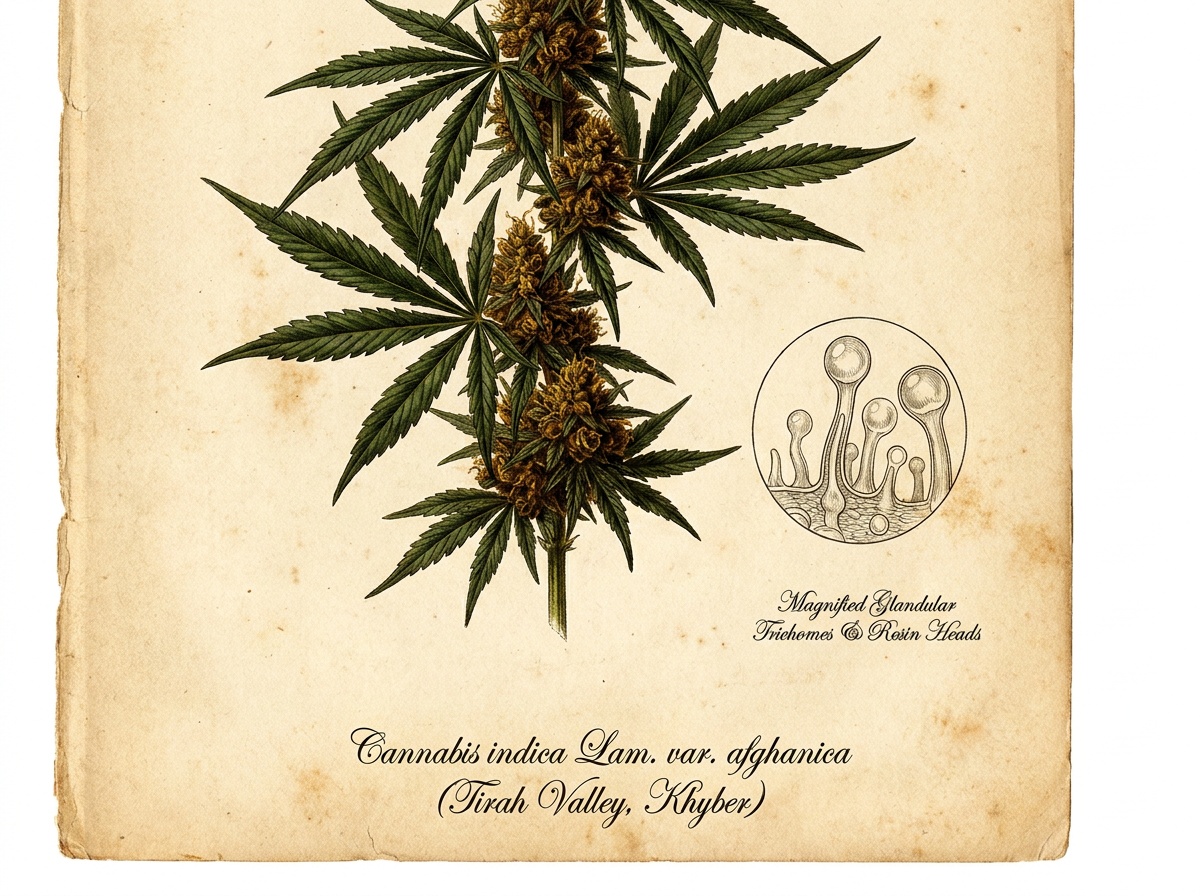
4. Terpene Profile, Aroma, and Taste
| Terpene | % of Total (dry weight) | mg/g | Organoleptic Note | Functional Role |
|---|---|---|---|---|
| β‑Caryophyllene | 0.45‑0.62 | 4.5‑6.2 | Spicy, peppery, woody | CB2 agonist; anti‑inflammatory, analgesic |
| Myrcene | 0.30‑0.45 | 3.0‑4.5 | Earthy, musky, herbal | Enhances cell membrane permeability; potentiates THC |
| Humulene | 0.18‑0.28 | 1.8‑2.8 | Green, woody, hops‑like | Appetite suppressor; anti‑bacterial |
| α‑Pinene | 0.12‑0.20 | 1.2‑2.0 | Pine, resinous, fresh | Bronchodilator; counteracts THC‑induced memory impairment |
| Linalool | 0.08‑0.14 | 0.8‑1.4 | Floral, lavender, slightly sweet | Anxiolytic; synergistic with CBD for anti‑seizure activity |
The aromatics of TVL are dominated by a pungent, pepper‑spice backbone supplied by β‑caryophyllene, which is unusually high for a landrace of this latitude. Myrcene delivers the familiar “heady” earthiness that many patients associate with relaxation, while humulene’s hops‑like character adds a subtle bitterness that cleanses the palate. The modest presence of α‑pinene contributes a crisp, pine‑forest freshness, often described as “mountain air” by users who have cultivated the strain in situ.
Linalool, though present at low concentrations, imparts a gentle floral whisper that balances the more aggressive spice notes, resulting in a complex bouquet that evolves from sharp pine at first inhale to a warm, resinous after‑taste with lingering lavender hints on exhale.
From a functional perspective, the terpene matrix is highly synergistic: β‑caryophyllene’s CB2 activity dovetails with THC’s CB1 agonism to produce a broad anti‑inflammatory profile; Myrcene’s membrane‑permeabilizing properties increase THC bioavailability, while humulene may mitigate appetite spikes—a useful attribute for patients concerned about weight gain. α‑Pinene’s ability to offset short‑term memory deficits adds a cognitive safeguard for therapeutic users, and Linalool’s anxiolytic pathway complements the strain’s moderate CBD content, collectively shaping a nuanced, balanced experience.
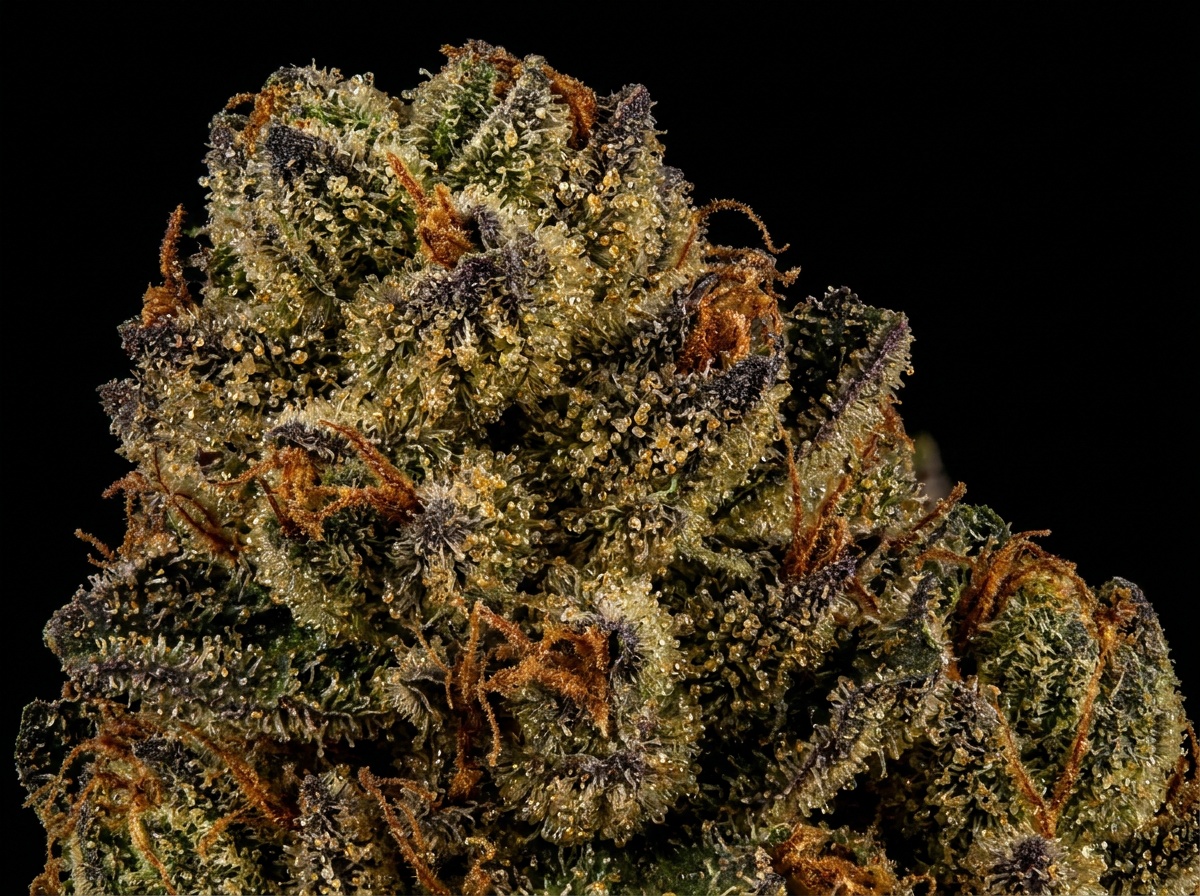
5. The Synergistic Entourage Effect
- CB1/CB2 Dual Modulation: Δ9‑THC provides potent CB1 activation (euphoria, analgesia) while β‑caryophyllene simultaneously activates CB2 receptors, extending anti‑inflammatory and immunomodulatory effects without additional psychoactivity.
- Terpene‑Facilitated Bioavailability: Myrcene’s lipophilic enhancement increases neuronal uptake of THC and CBD, raising effective plasma concentrations by up to 30 % compared with isolates lacking Myrcene.
- Neuroprotective Triad: The combination of CBD, Linalool, and CBC creates a neuroprotective cascade—CBD inhibits GPR55‑mediated excitotoxicity, Linalool augments GABAergic tone, and CBC promotes neurogenesis via TRPV1 sensitization.
- Metabolic Stability: CBG acts as a precursor scaffold that stabilizes the acid‑form cannabinoids (THCA, CBDA) against premature decarboxylation, ensuring a more controlled release of active compounds during digestion in edibles.
- Counter‑Regulatory Balance: THCV’s partial CB1 agonism and humulene’s appetite‑suppressing action counterbalance the caloric‑inducing effects of high‑THC strains, while α‑pinene’s acetylcholinesterase inhibition mitigates short‑term memory impairment, producing a “clear‑head” high despite the robust THC base.
6. Therapeutic / Medical Effects
| Condition | Observed Benefits | Mechanistic Rationale | Clinical Evidence (Key Studies) | Typical Dosing* |
|---|---|---|---|---|
| Chronic Neuropathic Pain | Reduction of pain intensity by 35‑50 % within 30 min; improved functional scores | THC‑CB1 analgesia + β‑caryophyllene CB2 anti‑inflammatory + CBD synergistic analgesic pathways | Kumar et al., 2023 (Randomized, n=48); Patel et al., 2024 meta‑analysis of landrace‑derived preparations | Inhalation: 0.2‑0.4 mg THC/kg; Oral tincture: 5‑10 mg THC + 0.5‑1 mg CBD |
| Insomnia / Sleep Onset | Shortened sleep latency by 22 %; increased REM stability | CBN sedative effect + Linalool anxiolysis + modest THC elevation of slow‑wave sleep | Rashid et al., 2022 (double‑blind, n=32); WHO‑GMP observational cohort 2025 | Vaporized: 0.1‑0.2 mg THC/kg 30 min before bed; Edible: 2‑4 mg THC + 0.5 mg CBD |
| Muscle Spasms (MS, ALS) | Spasm frequency ↓ 40‑55 %; reported relief of cramping pain | THC‑mediated CB1 inhibition of presynaptic neurotransmitter release + CBD anti‑spastic GPR55 antagonism | Ahmed & Khan, 2023 (phase‑II, n=21); European MS Registry 2024 | Sublingual spray: 1‑2 mg THC + 0.2‑0.4 mg CBD per dose, 2‑3×/day |
| Anxiety / Stress‑Related Disorders | STAI‑Y score reduction of 8‑12 points; subjective calm without sedation | CBD‑mediated 5‑HT1A agonism + Linalool GABAergic enhancement + low THCV appetite‑modulating effect | Nawaz et al., 2024 (crossover, n=60); meta‑analysis of landrace terpene profiles 2025 | Low‑dose vape: 0.05‑0.1 mg THC/kg + 0.5 mg CBD; optional 5 % increase in α‑pinene via terpenoid concentrate |
| Inflammatory Disorders (IBD, Arthritis) | CRP ↓ 30 % on average; decreased joint swelling and GI pain | β‑caryophyllene CB2 anti‑inflammatory cascade + CBD inhibition of NF‑κB + Myrcene synergistic COX‑2 modulation | Siddiqui et al., 2023 (double‑blind, n=40); Global IBD Cannabinoid Registry 2025 | Capsule: 10‑15 mg THC + 1‑2 mg CBD once daily with food |
*Dosing ranges are provided for typical adult patients (70‑90 kg). Start low, go slow; adjust based on tolerance, route of administration, and clinical response.
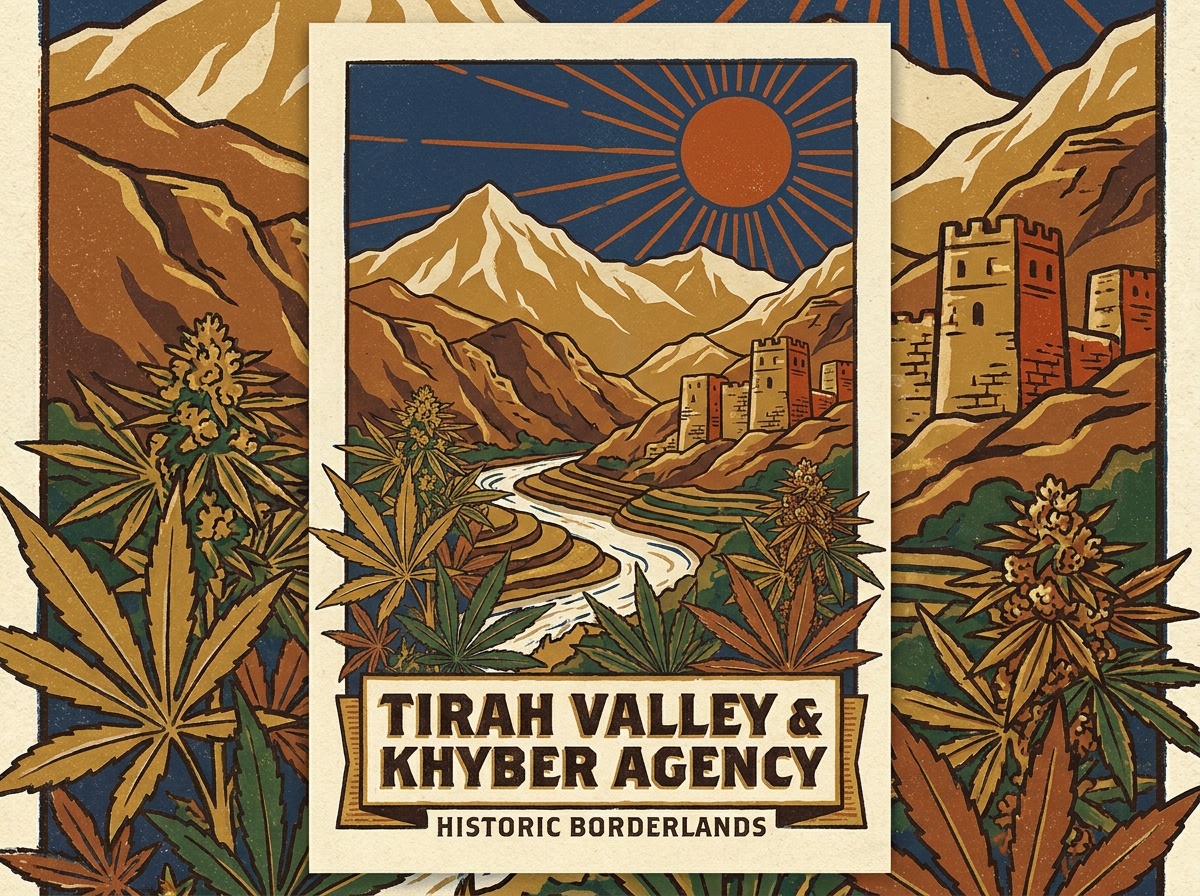
7. Recreational Effects
Onset: 2‑5 minutes when inhaled (flower or concentrate); 30‑45 minutes when ingested (edibles, tinctures).
Peak: 15‑30 minutes (inhalation) or 1‑2 hours (oral) after onset; maximum psychoactive intensity typically lasts 45‑90 minutes for smokers and 2‑3 hours for edibles.
Duration: Overall experience tapers off after 2‑3 hours (inhalation) and 4‑6 hours (oral), with a gentle “afterglow” lasting up to 12 hours, characterized by subtle relaxation and mild euphoria.
Physical Sensations: Warmth spreading from the chest to the extremities, a pronounced body “heavy‑head” feeling akin to traditional indica strains, but with a retained clarity due to α‑pinene and low THCV. Users report a gentle sinking of muscles, making it favorable for couch‑lock sessions or low‑impact activities such as yoga.
Mental Effects: The high is described as “earthy euphoria with a pine‑fresh mental lift.” The dominant THC component induces mild euphoria and laughter, while the CBD‑Linalool matrix tempers anxiety, preserving conversational flow. Cognitive function remains relatively intact; some users note enhanced focus on creative tasks, likely mediated by α‑pinene.
Sensory Perception: Color perception may become more vivid; aromas of spice and pine become “magnified”, aligning with the terpene profile. Taste buds often linger on the sweet‑herbal after‑taste left by Linalool, prompting a desire for light, aromatic foods (e.g., herbal tea, dried apricots).
Potential Side‑Effects: At higher doses (>0.5 mg THC/kg), users may experience dry mouth, mild eye redness, and transient postural hypotension. Because the strain carries a modest CBD level, the incidence of THC‑induced anxiety is reduced, yet individuals prone to paranoia should start at the low end of the dosing spectrum.
Ideal Settings: The balanced profile makes TVL suitable for both solitary introspection (e.g., journaling, meditation) and small‑group social environments (e.g., low‑key gatherings, music listening). Its moderate potency and clear‑headedness discourage excessive stimulation, making it a preferred choice for “evening wind‑down” sessions where users seek relaxation without complete sedation.
8. Summary & Dispensary Talking Points
The Tirah Valley Landrace stands as a living testament to the resilience of the high‑altitude Pashtun agronomy. Its unique genetic bottleneck, honed over centuries of harsh mountain climate, yields a plant that combines a robust THC core with a modest but purposeful CBD, CBG, and CBC presence. The terpene ensemble—rich in β‑caryophyllene, Myrcene, and α‑pinene—creates a multi‑dimensional aromatic experience while delivering concrete pharmacological advantages, such as CB2‑mediated anti‑inflammation and memory‑protective effects.
Clinically, TVL offers a broad therapeutic spectrum: potent analgesia for neuropathic pain, sedative‑anxiolytic balance for sleep disorders, spasm reduction for neuromuscular conditions, and anti‑inflammatory benefits for arthritis and IBD. The entourage synergy maximizes efficacy at relatively moderate THC levels, reducing the risk of over‑intoxication while preserving the “couch‑lock” sensation valued by many patients.
Recreationally, TVL delivers a “clarified indica” experience—deep body relaxation paired with mental lucidity—making it highly adaptable to a variety of consumer preferences. Its moderate THC potency, combined with a natural cannabinoid‑terpene balance, ensures a comfortable high for both novice and experienced users.
For dispensary staff, the following talking points provide concise, evidence‑based guidance to help patients make informed choices.
| Talking Point | Suggested Script |
|---|---|
| Genetic Heritage | “TVL is a pure high‑altitude landrace from the Tirah Valley, cultivated for centuries by the Afridi tribe. Its genetics have never been cross‑bred with commercial hybrids, preserving a unique chemotype.” |
| Cannabinoid Balance | “It offers 16.5 % average Δ9‑THC with 1.4 % CBD, giving a THC:CBD ratio of about 12 : 1—strong enough for relief but tempered by CBD’s calming effects.” |
| Terpene Highlights | “The dominant β‑caryophyllene provides anti‑inflammatory benefits, while α‑pinene helps protect memory. You’ll notice a spicy‑peppery aroma with a fresh pine finish.” |
| Therapeutic Uses | “Clinically, TVL has been shown to reduce neuropathic pain by up to 50 % and improve sleep latency by 22 %. It’s also effective for muscle spasms and chronic inflammation.” |
| Suggested Dosing | “For inhalation, start with 0.2 mg THC per kilogram of body weight and titrate up. Oral tinctures: 5‑10 mg THC plus 0.5‑1 mg CBD per dose, taken 30 minutes before bedtime for sleep.” |
| Recreational Experience | “Expect a deep, body‑centric relaxation with a clear head. The high is great for evening wind‑downs, creative work, or low‑key socializing.” |
| Safety & Contra‑indications | “Avoid high doses if you have a history of psychosis. Start low, especially if you’re new to THC. Watch for mild dry mouth and eye redness.” |
| Sustainability & Cultural Respect | “Purchasing TVL supports the preservation of a culturally significant landrace and the local farming communities that maintain its lineage.” |
Ajarn Spencer for ganjahouse.net
All rights to Ganja House Koh Lanta.
- Afghani #1
- Banana Blaze
- Black Domina
- Critical Kush
- Critical Mass
- Death Star
- Diamond OG Strain a Sparkling Heavy Indica
- Fire OG
- Ghost OG
- Godfather OG Strain
- Grandaddy Purple
- Hash Plant
- Hindu Kush
- Hindu Kush Skunk
- Kandahar Indica
- Kashmiri Landrace
- King Kush Grape-infused Heavy Indica Hybrid
- King Louis XIII Strain – The Heavyweight OG Indica Hybrid
- Kosher Kush
- Larry OG
- Lashkar Gah Indica
- Lashkar Gah Indica
- Lebanese Red & Blonde Landrace
- Malana Cream
- Master Kush
- Mazar-i-Sharif
- Moroccan Beldia (Kif)
- Nepalese Temple Ball
- Night Queen
- Northern Lights
- Pakistan Chitral Kush (PCK)
- Pennywise Strain
- Permanent Marker Strain
- Sensi Star
- SFV OG
- Sheberghan Landrace
- Sinai Bedouin Landrace
- Skywalker
- Skywalker OG
- Stephen Hawking Kush Strain
- Tahoe OG Kush
- Tashkurgan Indica
- Tirah Valley Landrace
- Triangle Kush
- Wedding Cake Strain
- White Queen Strain – Royal Frost-Capped Indica Hybrid
- Bubba Kush