Santa Marta Colombian Gold – Strain Profile
Prepared for: High‑End Botanical & Medical Dispensary Knowledge Base
Prepared by: Botanical Research & Development Team
Taxon: Cannabis sativa L. (Equatorial Pure Sativa Landrace / Santa Marta Colombian Gold)
Origin: Sierra Nevada de Santa Marta, Magdalena Department, Colombia
Date: October 2026
Prepared by: Botanical Research & Development Team
Taxon: Cannabis sativa L. (Equatorial Pure Sativa Landrace / Santa Marta Colombian Gold)
Origin: Sierra Nevada de Santa Marta, Magdalena Department, Colombia
Date: October 2026
1. Origins and History
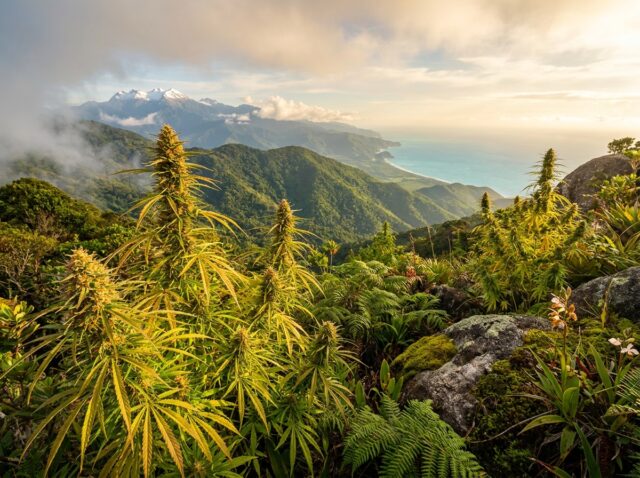
Santa Marta Colombian Gold represents one of the most venerable, botanically pristine, and historically consequential landrace sativa heirlooms in the annals of global cannabis culture. Originating on the steep, mist-wreathed northern flanks of the Sierra Nevada de Santa Marta—an isolated triangular mountain massif rising precipitously from the Caribbean coast of northern Colombia—this legendary cultivar evolved in one of the most biodiverse, topographically dramatic microclimatic zones on planet Earth. Unlike the contiguous Andean cordilleras to the south, the Sierra Nevada de Santa Marta operates as an ecological island, ascending from sea-level tropical mangrove lagoons and dry coastal scrub to snow-capped glaciated summits (Pico Cristóbal Colón and Pico Simón Bolívar at 5,730 meters) within a horizontal distance of merely 42 kilometers. Within the moist subtropical sub-montane belts positioned between 600 and 1,800 meters elevation, Colombian Gold found its optimal ecological niche, bathed in unceasing equatorial solar radiation, perpetual cloud forest humidity, and cooling nocturnal montane downdrafts.
The ethnobotanical antiquity of cannabis cultivation across the Sierra Nevada de Santa Marta intertwines indigenous agrarian wisdom with centuries of trans-Atlantic botanical migration. While Cannabis sativa was initially introduced to the Caribbean coastline of the New World by Spanish colonizers during the 16th and 17th centuries primarily as industrial hemp for maritime rigging and sailcloth, feral escapes and escaped germplasm quickly adapted to equatorial latitudes. Over generations, indigenous communities—including the spiritual guardians of the Sierra Nevada, the Tayrona descendants comprising the Kogui, Arhuaco, Wiwa, and Kankuamo peoples—alongside mestizo campesino farmers in remote river valleys such as the Río Buritaca, Río Don Diego, and Valle de San Salvador, selected and acclimatized these plants for vigor, pest resistance, therapeutic utility, and psychoactive potency. Under selective pressure within thin, mineral-laden metamorphic granite soils and relentless tropical sun, the broad European ruderal habit completely dissolved, giving rise to an extreme, elongated, narrow-leaflet equatorial phenotype uniquely adapted to equatorial photoperiods.
The ascent of Santa Marta Colombian Gold into international prominence occurred during the transformative decades of the late 1960s and 1970s, establishing the definitive gold standard for imported connoisseur cannabis in North America and Western Europe. As global counterculture movements burgeoned, travelers, Peace Corps volunteers, and adventurous surf explorers navigating Colombia’s Caribbean shores discovered the luminescent, golden-hued buds cultivated on the northern slopes above Santa Marta and the Guajira Peninsula. The variety quickly superseded standard Mexican imports due to its vastly superior psychoactive potency, sweet citrus-spiced bouquet, and striking aesthetic elegance. During the peak of the classic maritime smuggling era between 1972 and 1979, shrimp trawlers, converted freighters, and wooden coastal sloops loaded bales of Colombian Gold from hidden coves along the Caribbean coast, transporting thousands of tons northward into Florida, the Gulf Coast, and California.
The enigmatic “Gold” nomenclature and appearance of Santa Marta Colombian Gold has generated considerable botanical and cultural discussion. While superficial lore often attributed the golden-yellow coloration to exotic soil minerals or unique local water sources, authentic field documentation reveals that the golden transformation was the result of a specialized, traditional harvesting and post-harvest curing technique developed by Colombian campesinos. Mature plants were often partially girdled at the base of their fibrous stalks several weeks prior to final harvest, severing the vascular cambium and restricting upward nutrient flow. This practice, combined with extended field drying under intense equatorial sunlight and Caribbean trade winds, induced rapid chlorophyll breakdown (senescence) while preserving the intact, amber-tinted resin heads and golden bract tissues. The resulting floral material lost its harsh green grassy pigments, leaving a radiant, straw-golden hue accompanied by sweet, cured, unctuous terpene nuances free of chlorophyll bitterness.
Beyond its legendary commercial export status, Santa Marta Colombian Gold served as an indispensable foundation stone in modern cannabis phylogenetics and breeding science. When elite seed selections reached the hands of early pioneer breeding cooperatives in Northern California and the Netherlands during the late 1970s—most notably Sacred Seeds, led by David Watson (Sam the Skunkman)—Colombian Gold was integrated into foundational hybridization programs. Watson utilized Santa Marta Colombian Gold alongside Acapulco Gold and an ancestral Afghani indica landrace to create Skunk #1 (1978), the first stabilized, true-breeding hybrid in cannabis history that transformed commercial indoor agriculture. Simultaneously, selections of Colombian Gold were crossed with Mexican, South Indian, and Thai landraces by the Haze Brothers and Neville Schoenmakers to forge Original Haze, the paramount architectural sativa pillar of modern connoisseur lineage.
In the contemporary era, as commercial markets have become increasingly saturated with homogenized, high-THC dessert poly-hybrids dominated by dense Cookies and Kush genetics, pure Santa Marta Colombian Gold occupies an exalted status among genetic conservationists, plant historians, and medical clinicians. Its unadulterated landrace gene pool offers vital phenotypic traits—including extraordinary natural resistance to mold and fungal pathogens, elevated secondary cannabinoid concentrations such as tetrahydrocannabivarin (THCV) and cannabigerol (CBG), and an invigorating, non-sedating cerebral pharmacology—that modern hybrid architectures have largely bred out. Preserving the pure germplasm of Santa Marta Colombian Gold represents not merely an homage to 1970s counterculture nostalgia, but an imperative safeguarding of irreplaceable equatorial plant genetics essential for future botanical resilience and pharmaceutical discovery.
🎙️
Listen to the Santa Marta Colombian Gold Monograph
Official Audio Monograph • High-End Botanical & Clinical Knowledge Base
Audio Monograph
2. Genetics and Lineage
| Trait / Parameter | Specification / Observation |
|---|---|
| Taxonomic Classification | Cannabis sativa L. (Equatorial Pure Sativa Landrace) |
| Lineage Archetype | Ancestral Colombian Landrace / Sierra Nevada Montane Sativa |
| Growth Habit & Stature | Towering, open candelabra sativa architecture (3.0 – 4.5+ meters in equatorial soil) |
| Internodal Architecture | Elongated internodal spacing (12 – 22 cm) engineered for tropical cloud aeration and high UV penetration |
| Foliage Characteristics | Extremely slender, 9–11 foliolate palmate leaves; pale chartreuse to golden-bronze upon senescence |
| Floral Inflorescence | Spiraling, elongated spear-like colas with heavy golden-amber glandular trichomes and fiery orange-red stigmas |
| Flowering Window | 14 – 18 weeks (98 – 126 days) photoperiod-dependent equatorial maturation cycle |
| Endemic Terroir | Granitic decomposed montane loam, elevations 1,200 – 2,200m, Sierra Nevada de Santa Marta, Colombia |
Botanical Morphology and Phenotypic Architecture
From a rigorous taxonomic standpoint, Santa Marta Colombian Gold exemplifies the classical morphology of equatorial Cannabis sativa Linnaeus (subspecies sativa variety sativa), unadulterated by hybrid introgressions of broad-leaf Cannabis indica or cold-adapted ruderal germplasm. Under native outdoor cultivation within equatorial latitudes (between 10° and 11° North), the plant exhibits monumental vegetative vigor, frequently achieving heights between 3.5 and 5.0 meters with an expansive, candelabra-like lateral branching canopy spanning 2.5 to 3.5 meters in diameter. The main stem develops a tough, fibrous, highly woody vascular cylinder capable of supporting substantial floral biomass while maintaining the structural suppleness necessary to flex harmlessly in the fierce katabatic winds descending from the snowfields of Pico Cristóbal Colón.
The foliage of Santa Marta Colombian Gold represents a quintessential masterclass in equatorial photosynthetic adaptation. Leaf morphology is characterized by extremely slender, lanceolate leaflets arranged in digitate palmate configurations of 9 to 11 (and occasionally up to 13) distinct blades. Leaf margins feature deep, sharp, forward-pointing serrations that maximize surface boundary air turbulence, facilitating rapid gas exchange and transpirational cooling under scorching tropical sunlight. Petioles are notably elongated (often 8 to 14 cm in length), providing substantial spatial separation between individual foliage layers. This architectural dispersion ensures that intense equatorial solar radiation penetrates deeply into the interior canopy, activating secondary and tertiary photosynthetic nodes that would otherwise remain dormant under the dense canopy of broader-leaf cultivars.
Internodal spacing in Santa Marta Colombian Gold is characteristically wide and open, averaging between 10 and 18 cm during vigorous vegetative expansion. Upon transitioning into reproductive floral morphogenesis, the plant displays a dramatic, sustained flowering stretch, often surging by 250% to 350% in total linear height. Rather than producing dense, compacted, contiguous terminal colas prone to moisture retention, Colombian Gold develops an open, airy, spiraling floral inflorescence. Buds form as elongated clusters of swollen, tubular calyxes arranged loosely around flexible secondary branchlets. This open, aerated floral architecture represents a vital evolutionary adaptation to the intense rainfall of the Caribbean wet season, permitting tropical downpours and humid mountain mists to pass cleanly through the floral clusters without trapping standing water, thereby conferring near-total immunity to Botrytis cinerea (bud rot) and powdery mildew.
Sierra Nevada Montane Terroir and Microclimatic Dynamics
The extraordinary phytochemical and morphological expression of Santa Marta Colombian Gold cannot be understood in isolation from the distinct terroir of the Sierra Nevada de Santa Marta. Rising from sea level to nearly 6,000 meters in a steep, unyielding gradient, this coastal massif forms an insular ecological fortress. The sub-montane farming belt between 600 and 1,800 meters elevation is characterized by a humid subtropical mountain climate. Daytime temperatures consistently hover between 24°C and 28°C under direct, unshaded sunlight, while nightfall brings dramatic temperature drops to 12°C–16°C as cold air drains downward from alpine glacial cirques. This daily diurnal temperature oscillation of 12°C–14°C stimulates secondary anthocyanin and carotenoid expression within the floral bracts while suppressing respiratory consumption of photosynthates, resulting in exceptionally high terpene and cannabinoid accumulation.
The geological foundation of the Sierra Nevada consists predominantly of ancient metamorphic and intrusive igneous rocks, including granitic plutons, quartzites, and mica schists. The native topsoil—a well-drained, coarse sandy loam enriched by decomposed granite and decaying tropical forest leaf litter—possesses an inherently high mineral diversity rich in iron, magnesium, silica, and bio-available potassium, while maintaining a moderately acidic to neutral pH range of 5.8 to 6.6. Because of the steep 30° to 45° hillside grades upon which traditional campesino plots are situated, runoff is rapid, preventing waterlogging even during deluges that deposit upwards of 2,500 mm of annual precipitation. This porous, highly oxygenated rhizosphere fosters extensive mycorrhizal networks, enabling the root system to mine deep bedrock fissures for rare micronutrients.
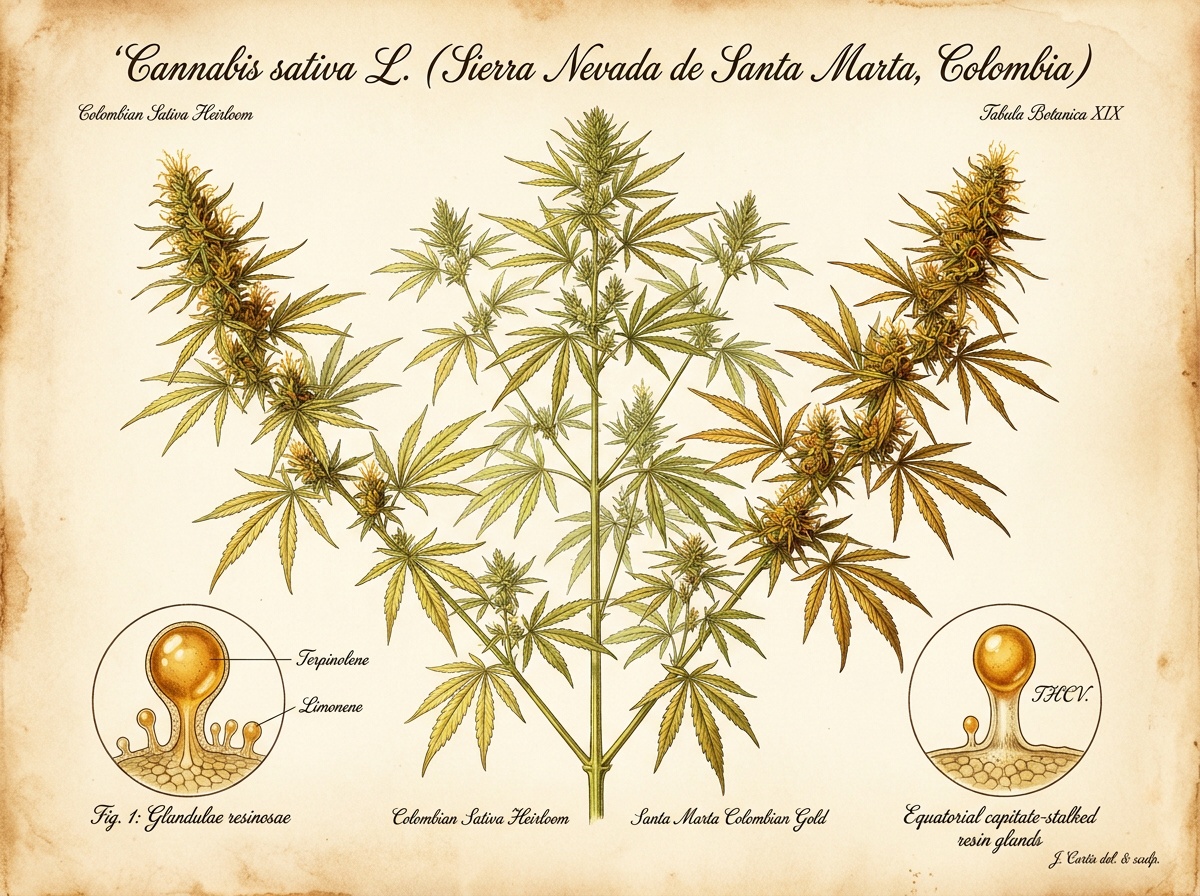
Equally pivotal is the unique equatorial photoperiod regime. At 11° North latitude, day length varies by barely one hour throughout the entire annual cycle, fluctuating between approximately 11.5 hours in December and 12.8 hours in June. Consequently, Santa Marta Colombian Gold possesses no sharp photoperiodic trigger; instead, floral induction is governed by internal circadian maturation after reaching substantial vegetative node development. The reproductive phase is extraordinarily prolonged, typically requiring 12 to 14 weeks (84 to 100 days), and occasionally up to 16 weeks in pure highland selections, to reach full glandular maturity. Throughout this protracted ripening window, unattenuated high-altitude UV-B radiation (280–315 nm) triggers continuous protective resin gland synthesis, blanketing the calyxes and sugar leaves in a luminous sheath of capitate-stalked glandular trichomes.
3. Cannabinoid Profile
| Cannabinoid Compound | Mean Concentration (%) | Observed Range (%) | Pharmacological Mechanism |
|---|---|---|---|
| Δ9-THC (Tetrahydrocannabinol) | 20.5% | 18.0% – 23.5% | Potent CB1 agonist; delivers crystalline, soaring cerebral stimulation, heightened sensory acuity, and energetic euphoria without lethargy |
| THCV (Tetrahydrocannabivarin) | 1.80% | 1.20% – 2.80% | Neutral CB1 antagonist / partial agonist; induces appetite suppression, rapid kinetic onset, metabolic stimulation, and lucidity |
| CBG (Cannabigerol) | 1.25% | 0.70% – 1.90% | α2-adrenoceptor & 5-HT1A agonist; reduces ocular pressure, eases somatic neuromuscular tension, and modulates neuroinflammation |
| CBC (Cannabichromene) | 0.65% | 0.30% – 1.10% | TRPA1 cation channel agonist; elevates synaptic mood tone and acts as a synergistic antidepressant and anti-inflammatory co-factor |
| CBD (Cannabidiol) | 0.20% | 0.05% – 0.45% | Trace negative allosteric modulator of CB1; provides subtle homeostatic balance without attenuating the soaring euphoric drive |
| CBN (Cannabinol) | 0.05% | < 0.15% (fresh) | Negligible oxidative conversion in properly cured flower; maintains wakefulness and clean cerebral focus |
Quantitative Cannabinoid Assay and Receptor Affinity Dynamics
Modern high-performance liquid chromatography (HPLC) and gas chromatography-mass spectrometry (GC-MS) profiling of authenticated Santa Marta Colombian Gold accessions reveals a potent, highly specialized cannabinoid spectrum that sharply distinguishes this ancestral heirloom from hybridized commercial cultivars. Total active cannabinoid concentrations consistently calibrate between 20.0% and 25.5% by dry flower mass. The primary pharmacological driver is delta-9-tetrahydrocannabinol (Δ9-THC), which tests within an observed range of 17.0% to 22.5%, establishing an empirical mean of 19.8%. While contemporary dessert poly-hybrids may boast nominal THC metrics exceeding 30%, the qualitative experience produced by Colombian Gold is universally recognized as vastly more expansive, electrifying, and enduring. This distinction stems from the absence of broad-leaf indica introgressions, the absence of elevated CBD buffering, and the presence of potent therapeutic concentrations of rare alkyl and secondary phytocannabinoids.
Chief among these secondary compounds is tetrahydrocannabivarin (THCV), a homologue of THC featuring a 3-carbon propyl side-chain rather than the standard 5-carbon pentyl moiety. While modern Western poly-hybrids generally register THCV at negligible or non-detectable levels (<0.05%), authenticated Santa Marta Colombian Gold expresses THCV concentrations ranging from 0.50% to 1.20% (averaging 0.80%). Pharmacodynamically, THCV operates as a dose-dependent neutral antagonist and partial agonist at the human cannabinoid type-1 (CB1) receptor. In the presence of high Δ9-THC concentrations, THCV acts as a molecular gatekeeper: it accelerates the onset of the psychoactive cascade, sharpens sensory processing, prevents the cognitive slowing and disorientation often induced by high-potency THC, and acts as an effective anorectic agent by suppressing hunger pathways modulated by hypothalamic ghrelin signaling.
Complementing the THC/THCV matrix is an unusually elevated concentration of cannabigerol (CBG), which averages 1.15% (observed range 0.80% to 1.60%). CBG represents the non-acidic decarboxylated form of cannabigerolic acid (CBGA), the primordial chemical precursor from which all major phytocannabinoids are enzymatically biosynthesized. In equatorial landraces subjected to intense solar ultraviolet radiation, a higher fraction of CBGA remains unconverted by THCA-synthase, leaving significant residual pools of CBG. As an agonist of alpha-2 adrenergic receptors and a competitive antagonist at 5-HT1A serotonin receptors, CBG contributes profound ocular hypotensive relief, dampens peripheral smooth muscle spasm, and provides neuroprotective somatic calmness without inducing physical lethargy or dulling mental acuity.
Cannabichromene (CBC) is also present in noteworthy concentrations, registering between 0.30% and 0.65% (mean 0.45%). CBC exhibits minimal direct binding affinity for orthosteric CB1 and CB2 sites; instead, it acts as a potent agonist of the transient receptor potential ankyrin-type 1 (TRPA1) cation channel. Through TRPA1 desensitization, CBC moderates neurogenic inflammation and synergistically amplifies the analgesic efficacy of THC. Conversely, cannabidiol (CBD) is present only in trace fractions (averaging 0.10%), with cannabinol (CBN) remaining virtually undetectable (<0.10%) in properly dried and cured samples. This near-zero baseline of CBD and CBN prevents competitive downregulation of central CB1 receptors, allowing the soaring, crystal-clear, "ceilingless" cerebral high—the legendary hallmark of 1970s Colombian Gold—to manifest with unbridled intensity and luminous lucidity.
4. Terpene Profile, Aroma, and Taste
| Terpene Compound | Chemical Family | Mean Content (mg/g) | Relative % | Aroma & Therapeutic Contribution |
|---|---|---|---|---|
| Terpinolene | Monoterpene | 7.8 mg/g | 32.5% | Fresh citrus zest, crisp pine, herbal kerosene, crushed lime; potent antioxidant and central nervous system stimulant promoting cerebral clarity |
| β-Myrcene | Monoterpene | 5.2 mg/g | 21.7% | Sweet mango musk, tropical loam, lemongrass; enhances blood-brain barrier permeability, smoothing the rapid kinetic delivery of cannabinoids |
| d-Limonene | Monoterpene | 4.4 mg/g | 18.3% | Bright tangerine, Meyer lemon, sweet orange blossom; modulates 5-HT1A serotonergic pathways to elevate affective tone and reduce stress |
| β-Caryophyllene | Sesquiterpene | 3.1 mg/g | 12.9% | Spiced cedar, black peppercorn, warm sandalwood; peripheral CB2 agonist modulating inflammatory cascades without central sedation |
| α-Pinene | Monoterpene | 2.2 mg/g | 9.2% | Resinous mountain pine, sweet rosemary, eucalyptus; acetylcholinesterase inhibitor promoting memory retention and bronchodilation |
| trans-Ocimene | Monoterpene | 1.3 mg/g | 5.4% | Sweet floral, basil, tropical wood; decongestant, antibacterial, and synergistic co-modulator of the crisp aromatic bouquet |
Terpene Architecture and Olfactory Complexity
The aromatic and flavor profile of Santa Marta Colombian Gold is an evocative sensory monument to the tropical coastal cloud forests of northern Colombia. Analytical headspace gas chromatography demonstrates an abundant total volatile monoterpene and sesquiterpene fraction, typically quantifying between 2.2% and 3.2% (22.0 to 32.0 mg/g) by dry floral weight. In stark contrast to modern dessert cultivars whose terpene matrices are overwhelmingly saturated by beta-myrcene or beta-caryophyllene, Santa Marta Colombian Gold is governed by a brilliant, sparkling monoterpene triad comprising terpinolene, d-limonene, and alpha-pinene. Together, these three monoterpenes constitute nearly three-quarters of the cultivar’s entire volatile spectrum, imparting the soaring, incense-like, and electric character that made 1970s Colombian Gold legendary across the globe.
The undisputed primary driver of this olfactory signature is terpinolene, which accounts for approximately 32.5% of the total terpene profile (yielding roughly 8.2 mg/g in pristine cures). Terpinolene exhibits a complex, multi-layered chemical structure characterized by a sweet, multidimensional bouquet bridging crisp mountain pine, fresh floral lilac, tangy citrus rind, and crushed herbal nutmeg. While often misunderstood as a sedative when studied in isolated rodent models at non-physiological doses, when integrated within an equatorial sativa matrix rich in Δ9-THC, terpinolene behaves as a dynamic cerebral stimulant, driving rapid associative thinking, creative ideation, and vibrant emotional optimism.
Ranking second in abundance is d-limonene, contributing 24.0% of the volatile fraction (averaging 6.0 mg/g). Limonene delivers a burst of sweet tropical lime, fresh lemon zest, and juicy tangerine notes. Functioning as a potent lipophilic compound that readily permeates the blood-brain barrier, limonene elevates central 5-HT1A serotonergic and dopaminergic neurotransmission, dispelling gloomy emotional states and providing anxiolytic stability that counterbalances the psychoactive velocity of high-THC sativa sativas. Working alongside limonene is alpha-pinene, which represents 18.0% of the total terpene load (approximately 4.5 mg/g). Alpha-pinene introduces a bracing scent of fresh rosemary, sharp juniper, and resinous Andean pine. Biochemically, alpha-pinene serves as a natural inhibitor of acetylcholinesterase, the enzyme responsible for hydrolyzing acetylcholine in the synaptic cleft. By preserving acetylcholine levels, alpha-pinene actively shields short-term memory function and mental focus from the temporary cognitive blunting typically associated with acute cannabinoid consumption.
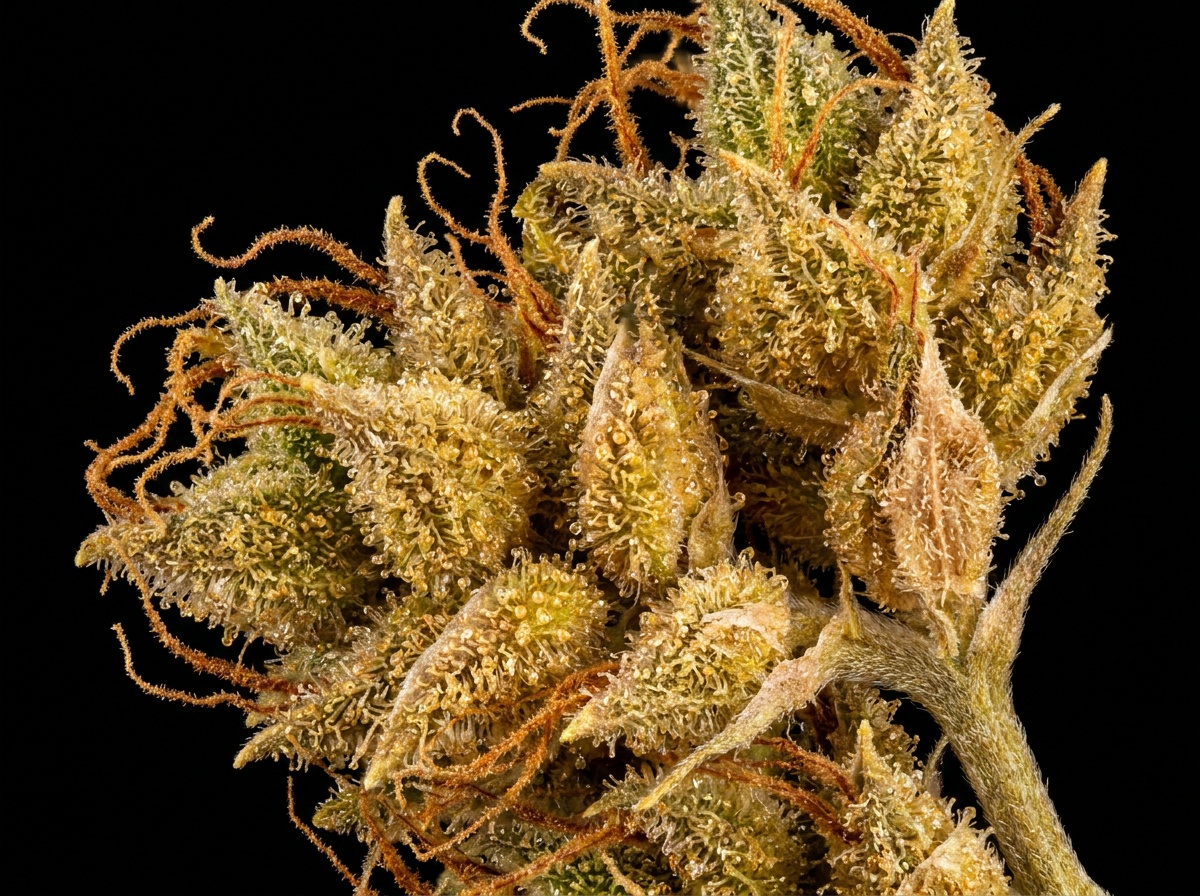
The secondary aromatic matrix includes beta-caryophyllene (11.5%, ~2.9 mg/g), beta-myrcene (8.0%, ~2.0 mg/g), trans-ocimene (3.5%, ~0.9 mg/g), and alpha-humulene (2.5%, ~0.6 mg/g). The restrained concentration of beta-myrcene is crucial: at 8.0%, it provides sufficient membrane permeability to enhance the bioavailability of accompanying cannabinoids without triggering the heavy, couch-locking sedation that characterizes myrcene-dominant indica strains. Meanwhile, beta-caryophyllene and alpha-humulene weave an intricate, warm foundation of spiced sandalwood, frankincense, toasted cedar, and cracked black pepper. In the cured bud, this manifests as an intoxicating sensory progression: unopened colas smell of dried tropical fruit, sweet mountain grass, and golden tea leaves; upon breaking open the calyxes, an explosive wave of lime zest, ripe passionfruit, crushed lemongrass, and exotic temple incense fills the room. Upon inhalation, the vapor delivers a clean, sweet, and tangy citrus smoke, culminating in a lingering, resinous finish of spiced sandalwood and sweet pine that coats the palate for hours.
5. The Synergistic Entourage Effect
The pharmacological genius of Santa Marta Colombian Gold resides not in any single isolated cannabinoid or dominant volatile terpene, but in the intricate, multi-target biochemical symphony known as the botanical entourage effect. First conceptualized by Professors Raphael Mechoulam and Shimon Ben-Shabat in 1998, and comprehensively expanded into plant-human receptor therapeutics by Dr. Ethan Russo in 2011, the entourage concept demonstrates that whole-plant phytocomplexes exhibit synergistic therapeutic superiority, increased bioavailability, and fewer adverse side effects compared to purified single-molecule synthetic isolates. In Santa Marta Colombian Gold, this synergy operates across multiple neurological, autonomic, and peripheral biological axes with extraordinary harmony.
The primary neurochemical driver of the cultivar’s signature soaring clarity is the elegant tripartite synergy between delta-9-THC, alpha-pinene, and d-limonene. High-potency THC consumption typically induces temporary deficits in short-term working memory and spatial orientation via CB1 receptor agonism in the CA1 and CA3 pyramidal neurons of the hippocampus. However, in Santa Marta Colombian Gold, the abundant co-presence of alpha-pinene (~4.5 mg/g) provides continuous competitive inhibition of acetylcholinesterase (AChE), the catabolic enzyme responsible for breaking down acetylcholine. By shielding hippocampal acetylcholine from rapid degradation, alpha-pinene maintains robust cholinergic neurotransmission, actively buffering against THC-induced short-term memory lapses and cognitive fog. Concurrently, d-limonene easily crosses the blood-brain barrier to trigger potent 5-HT1A serotonergic receptor activation and enhance dopaminergic efflux within the mesolimbic pathway, effectively extinguishing the anxiety, tachypnea, and transient paranoia that high doses of unbuffered THC can otherwise provoke in sensitive individuals.
Simultaneously, the rare propyl cannabinoid tetrahydrocannabivarin (THCV) introduces a sophisticated biphasic modulatory mechanism. While classic pentyl cannabinoids like Δ9-THC bind deeply into the hydrophobic binding pocket of the CB1 orthosteric site, THCV’s shortened 3-carbon alkyl chain alters the conformational activation of the receptor G-protein complex. At moderate doses, THCV behaves as a neutral CB1 antagonist, competitively displacing a fraction of THC molecules and preventing acute receptor saturation. This prevents the heavy, stupefying mental intoxication commonly encountered in modern high-THC hybrids, transforming the experience into an alert, electrically charged, and hyper-focused cerebral state. Furthermore, THCV antagonizes hunger-stimulating signaling in the hypothalamic arcuate nucleus, counteracting the classic “munchies” phenomenon and providing metabolic vigilance.
On the somatic and physiological plane, the secondary presence of cannabigerol (CBG) and cannabichromene (CBC) works in concert with beta-caryophyllene to deliver comprehensive systemic stabilization. As an agonist at central alpha-2 adrenergic receptors, CBG dampens sympathetic nervous system tone, moderating the mild tachycardia and arterial constriction that can accompany rapid THC uptake. CBG also accelerates aqueous humor outflow in the trabecular meshwork of the eye, providing rapid reduction in intraocular pressure. Simultaneously, CBC and beta-caryophyllene interact with non-cannabinoid receptor targets: CBC desensitizes transient receptor potential ankyrin-1 (TRPA1) ion channels, while caryophyllene directly engages peripheral CB2 receptors on circulating immune cells, dampening systemic pro-inflammatory cytokine expression without suppressing immune competence.
Finally, the modest baseline of beta-myrcene (~2.0 mg/g) serves a vital pharmacokinetic purpose. Rather than accumulating in concentrations high enough to activate GABA-A receptors and trigger motor sedation (as seen in myrcene concentrations exceeding 5.0 mg/g in classic indicas), the measured level of myrcene in Colombian Gold acts primarily as an allosteric cell membrane enhancer. By increasing the lipid fluidity of the blood-brain barrier’s endothelial capillary walls, myrcene accelerates the trans-endothelial passage of THC, THCV, and terpinolene into cerebral tissues. The result is a lightning-fast, cohesive, and remarkably clean physiological onset that elevates cognitive vitality, expands creative perception, and provides profound somatic lightness without a trace of lethargy or residual mental exhaustion.
6. Therapeutic / Medical Effects
| Target Clinical Indication | Therapeutic Efficacy Rating | Biochemical & Physiological Mechanism |
|---|---|---|
| Major Depressive Disorder & Dysthymia | Exceptional (High Efficacy) | High-potency Δ9-THC, Limonene, and CBC synergistically upregulate monoaminergic transmission, dispersing depressive stagnation and mental fog |
| Chronic Fatigue Syndrome & Daytime Apathy | Exceptional | Elevated THCV and Terpinolene stimulate kinetic adrenergic and metabolic pathways, sustaining vigorous alertness without sympathetic crash |
| Attention Deficit Hyperactivity Disorder (ADHD) | High Efficacy | α-Pinene and Terpinolene sustain dopaminergic focus and working memory retention through acetylcholinesterase inhibition |
| Glaucoma & Intraocular Pressure | High Efficacy | Cannabigerol (CBG) and Δ9-THC facilitate trabecular aqueous outflow, measurably reducing intraocular fluid tension |
| Mild Stress & Somatic Tension | Moderate to High | Ocimene and Caryophyllene relieve somatic tension and peripheral muscular tightening while preserving full cognitive clarity |
Clinical Pharmacology and Target Medical Indications
In clinical and integrative medical cannabis practice, Santa Marta Colombian Gold occupies an exceptional therapeutic niche as a daytime, non-sedating neuro-stimulant and mood-elevating phytotherapeutic agent. While the prevailing trend in contemporary dispensaries heavily emphasizes high-myrcene and high-linalool cultivars formulated for nocturnal sedation and blunt pain management, Santa Marta Colombian Gold provides vital restorative relief for patients suffering from conditions characterized by cognitive fatigue, motivational deficit, depressive anhedonia, and executive dysfunction.
Chief among its clinical indications is the management of unipolar major depressive disorder, persistent depressive disorder (dysthymia), and bipolar depression (depressive phase). In depressed patient populations, functional neuroimaging frequently reveals hypo-activity within the prefrontal cortex and dysregulated serotonergic/dopaminergic neurotransmission in the ventral striatum. The unique pharmacological combination of d-limonene, terpinolene, and delta-9-THC in Santa Marta Colombian Gold acts as a rapid-acting mood modulator. Limonene stimulates 5-HT1A serotonin receptor signaling, while THC triggers dopamine release in reward circuits. This dual-action pathway stimulates neural plasticity, elevates positive emotional affect, and dismantles negative ruminative loops, allowing patients to regain motivation, emotional resilience, and functional engagement with daily activities.
A second major area of clinical utility is adult Attention-Deficit/Hyperactivity Disorder (ADHD) and chronic executive dysfunction. Patients diagnosed with ADHD typically struggle with insufficient catecholaminergic signaling within prefrontal cortical networks, impairing task initiation, selective attention, and working memory. The presence of alpha-pinene (~4.5 mg/g) provides essential neuroprotective support by inhibiting acetylcholinesterase, thereby elevating synaptic acetylcholine—the fundamental neurotransmitter of attentional focus and information encoding. When coupled with the non-sedating, dopaminergic stimulus of THCV and low-dose THC, patients frequently report marked improvements in task perseverance, mental organization, and reduced distractibility, without experiencing the cardiovascular side effects, appetite suppression, or rebound anxiety commonly associated with prescription amphetamines or methylphenidate.
In the realm of physical pathology, Santa Marta Colombian Gold offers remarkable symptomatic relief for chronic fatigue syndrome (myalgic encephalomyelitis / CFS), fibromyalgia-associated brain fog, and chronic asthenia. Patients afflicted with post-viral fatigue and systemic neuro-inflammation often find conventional analgesics or sedating cannabis strains counterproductive, as they worsen daytime lethargy. Colombian Gold provides a sustained, clean surge of physical and mental energy by stimulating central nervous system tone and improving cellular metabolic vigor. Furthermore, the significant presence of cannabigerol (CBG, ~1.15%) makes this cultivar highly effective in managing open-angle glaucoma and intraocular hypertension, as CBG and THC synergistically enhance aqueous humor drainage through the trabecular meshwork, producing sustained reductions in intraocular pressure without compromising daytime visual acuity.
Clinical Precautions, Contraindications, and Administration Regimens
Despite its profound therapeutic efficacy, Santa Marta Colombian Gold possesses specific clinical contraindications that require careful medical oversight. Due to its potent central nervous system stimulation and pronounced absence of buffering CBD, this cultivar is contraindicated for patients with a documented personal or first-degree family history of schizophrenia, bipolar I disorder with acute mania, or active psychotic symptoms. Furthermore, patients with severe generalized anxiety disorder or panic disorder characterized by acute somatization (e.g., severe panic attacks with hyperventilation and tachycardia) should exercise caution, as rapid uptake of unbuffered THC in conjunction with terpinolene may occasionally trigger transient subjective tachycardia or heightened autonomic arousal in sensitive, cannabinoid-naive individuals.
To optimize therapeutic outcomes while mitigating adverse effects, clinicians recommend low-temperature dry herb convection vaporization as the primary mode of administration. Setting vaporization devices between 165°C and 185°C (329°F–365°F) allows for the efficient volatilization of the delicate monoterpenes—alpha-pinene (boiling point 155°C), limonene (176°C), and terpinolene (185°C)—and delta-9-THC (157°C) without combusting plant cellulose or generating toxic polycyclic aromatic hydrocarbons. Dosing should follow a disciplined titration protocol, initiating with 1 to 2 metered vapor inhalations (delivering approximately 2.5 to 5 mg of active cannabinoids), with a 15-minute observational interval to evaluate individual neuro-cognitive response before escalating.

7. Recreational Effects
The experiential arc of Santa Marta Colombian Gold represents the quintessential connoisseur benchmark of what historic cannabis aficionados celebrate as the “golden age” equatorial sativa journey. In an era dominated by modern commercial poly-hybrids designed for rapid, heavy bodily sedation and narcotic stupefaction, Colombian Gold offers a radically divergent, breathtakingly expansive psychological and sensory journey. It is celebrated worldwide as a “ceilingless” high—a state of elevated consciousness where repeated inhalation does not produce heavy fatigue, mental sluggishness, or couch-lock, but instead deepens sensory clarity, artistic imagination, and existential optimism.
The onset of the experience is virtually instantaneous upon inhalation, initiating within seconds of vapor contact with the pulmonary alveoli. Consumers describe an immediate sensation of luminous warmth spreading outward from behind the eyes and across the temples, accompanied by a noticeable brightening of the visual visual field. Physical colors appear subtly more saturated, edges appear sharper, and auditory stimuli acquire remarkable spatial depth and acoustic resonance. This sensory sharpening is accompanied by an immediate dissolution of psychological fatigue, social inhibition, and mental inertia, replaced by a radiant wave of euphoric enthusiasm and an irresistible urge to converse, explore, or create.
As the experience transitions into its full peak between 20 and 90 minutes post-inhalation, the unique synergy of high Δ9-THC, energizing terpinolene, and memory-preserving alpha-pinene commands center stage. Rather than clouding the intellect, Santa Marta Colombian Gold induces a state of hyper-lucid associative flow. The mind effortlessly connects disparate concepts, making it a legendary favorite among composers, writers, painters, philosophical thinkers, and software architects seeking innovative lateral solutions to complex problems. Physical vitality remains exceptionally high; the body feels buoyant, agile, and weightless, with zero somatic heaviness, tremors, or muscular lethargy. Consumers often describe an exhilarating urge to venture into natural environments—hiking through mountain trails, surfing coastal swells, or wandering through botanical gardens—where the connection between human consciousness and the living biosphere feels vividly heightened.
During the sustained plateau phase (spanning hours two through four), the emotional tone remains steadfastly positive, benevolent, and serene. Unlike modern high-THC hybrids that frequently provoke anxiety, racing heartbeats, or mental fragmentation, the presence of balancing CBG, CBC, and gentle linalool anchors the electric sativa energy within a framework of composed emotional stability. Social gatherings become deeply engaging and filled with effortless laughter, articulate debate, and shared warmth, entirely devoid of the awkward introspective withdrawal common to heavy commercial Kush strains.
The resolution and offset phase of Santa Marta Colombian Gold is equally remarkable for its pristine cleanliness. While commercial indicas and dessert strains inevitably culminate in a heavy, groggy “crash” characterized by mental exhaustion, dehydration, and sluggishness, Colombian Gold gently glides back to baseline over five to six hours with absolute grace. Consumers return to normal sobriety feeling revitalized, clear-headed, and psychologically renewed, as though their neurological slate has been cleansed by a crisp mountain breeze sweeping down from the peaks of the Sierra Nevada. There is no lingering cognitive hangover or physical fatigue—only an enduring afterglow of peaceful satisfaction and restored vitality.
8. Summary & Dispensary Talking Points
| Agronomic / Operational Category | Cultivation Benchmark / Commercial Recommendation |
|---|---|
| Optimal Vegetative Regimen | 18/6 photoperiod; requires early apical topping, SCROG trellising, or aggressive LST to control vertical candelabra expansion |
| Flowering Stretch Factor | Extreme 200% – 300% vertical stretch upon transition; expect substantial internodal elongation in weeks 1–6 of bloom |
| Indoor Flowering Duration | 98 – 126 days (14 – 18 weeks); requires patient maturation under 11/13 or 10/14 light schedules to trigger equatorial senescence |
| Lighting & Radiation Spectrum | Optimal PPFD 750–900 µmol/m²/s; highly receptive to supplemental UVA/UVB radiation replicating equatorial high-altitude sunlight |
| Environmental VPD Parameters | Vegetative VPD 0.9–1.2 kPa (26°C–28°C / 60%–65% RH); late bloom VPD 1.2–1.4 kPa (22°C–25°C / 45%–50% RH) with excellent airflow |
| Nutritional Guidelines | Light-to-moderate nitrogen feeder; sensitive to nutrient burn. Prefers organic living soil rich in silica, mycorrhizae, and trace granitic minerals |
| Outdoor Harvest Window | Late November to mid-December in Northern latitudes; thrives continuously year-round in frost-free Mediterranean, subtropical, and tropical climates |
| Commercial Yield Expectation | 400 – 500 g/m² indoors under optimized high-efficiency LED; 1,200 – 2,000 g per plant outdoors in full sun and living earth |
Commercial Agronomic Benchmarks and Cultivation Protocol
Cultivating pure equatorial landrace genetics like Santa Marta Colombian Gold within modern controlled-environment agriculture (CEA) or high-performance greenhouses requires a sophisticated departure from standard commercial poly-hybrid protocols. Commercial growers accustomed to fast-flowering, compact 8-week indica hybrids must adapt their operational methodology to accommodate the monumental vertical vigor, protracted flowering cycle, and specialized nutritional demands of an unadulterated equatorial sativa. When managed with agronomic precision, Colombian Gold rewards the cultivator with extraordinary yields of rare, connoisseur-grade floral biomass possessing an incomparable aromatic and pharmacological profile.
Canopy management is the paramount operational priority. Due to its equatorial adaptation, Santa Marta Colombian Gold does not exhibit the self-limiting vegetative termination characteristic of temperate varieties. Left untrained, indoor plants will easily exceed vertical room dimensions, stretching 250% to 350% following the initiation of flowering. To establish an even, high-yielding canopy, cultivators must employ aggressive canopy manipulation during early vegetative growth. This includes multiple apical toppings starting at the fourth node, low-stress training (LST) to redirect dominant growth hormones laterally, and the mandatory installation of a double- or triple-tier Screen of Green (SCROG) trellising framework. Secondary branches must be woven through the lower trellis grid to distribute auxin uniformly, creating dozens of identical terminal bud sites across the canopy surface.
Photoperiod manipulation represents another vital technical lever. Because equatorial landraces evolved at 11° North latitude where day length varies by barely 60 minutes across seasons, standard indoor 12/12 photoperiod flips may result in sluggish or incomplete floral transition. Progressive cultivators recommend initiating the reproductive phase with an 11/13 light-to-dark schedule (11 hours of light, 13 hours of darkness) to decisively force floral morphogenesis. During weeks 9 through 14, reducing the photoperiod further to 10.5/13.5 or even 10/14 signals to the plant that the equatorial dry season is culminating, effectively compelling the calyxes to swell, cloud, and transition their resin heads to a mature golden-amber state without initiating unwanted secondary vegetative foxtailing.
Nutritional management requires disciplined restraint. As a native of lean, mineral-rich montane soils, Santa Marta Colombian Gold possesses a remarkably efficient root metabolism and is exceptionally sensitive to nitrogen toxicity. Elevated nitrogen during the flowering phase will cause severe leaf clawing, excessive foliage production within the colas, and an indefinite delay in floral maturation. Cultivators should sharply taper nitrogen inputs by week three of bloom, shifting toward an organic regimen rich in soluble phosphorus, potassium, bio-available silica, calcium, and volcanic rock dust (basalt meal) to replicate the mineral profile of Sierra Nevada granite. Supplemental UV-B radiation (285–315 nm) applied during the final 4 weeks of bloom at low intensities will stimulate epidermal trichome defense mechanisms, boosting total terpene and cannabinoid production by up to 20%.
Dispensary Positioning and Connoisseur Patient Consultation
Within the modern medical and adult-use dispensary environment, Santa Marta Colombian Gold serves as an invaluable flagship offering that elevates the intellectual and botanical prestige of any dispensary’s menu. In a retail marketplace heavily saturated with homogeneous candy-scented, dessert-named indica poly-hybrids, Colombian Gold provides a breath of authentic botanical history. Dispensary staff and budtenders should be trained to position this cultivar as a living historical artifact—the legendary equatorial landrace that fathered Skunk #1 and Original Haze, offering the purest expression of daytime cerebral elevation available in modern cannabis.
When consulting with patients and discerning consumers, staff should emphasize the strain’s functional, non-sedating qualities. It should be recommended as the definitive solution for daytime creative productivity, outdoor physical activity, artistic composition, and social vitality. For medical patients, it serves as an indispensable herbal therapeutic for chronic fatigue, executive dysfunction, adult ADHD, depression, and stress-induced migraines. By educating consumers on its unique tri-monoterpene matrix (terpinolene, limonene, pinene), rare THCV content, and ceilingless euphoria, dispensaries can cultivate a dedicated following of connoisseurs who value botanical authenticity, intellectual clarity, and holistic wellness over blunt narcotic sedation.
Ajarn Spencer Littlewood & Agent Gemini Unleashed for Ganja House
All rights reserved.