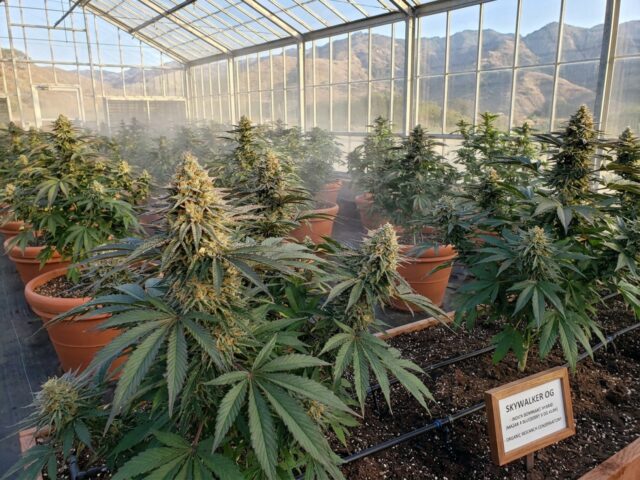
The contextual socio-historical environment in which Skywalker OG emerged cannot be divorced from the broader medicinal cannabis collective movement of early-twenty-first-century California. Following the landmark passage of the Compassionate Use Act of 1996 (Proposition 215), an extraordinary wave of underground genetic experimentation flourished across Los Angeles, Orange, and Ventura counties. Master growers operating within closed medical collectives sought cultivars that could reliably deliver high-potency relief for individuals suffering from severe neuropathic pain, phantom limb trauma, wasting syndromes, and treatment-resistant insomnia. While traditional Dutch imports like White Widow and Northern Lights provided stability, they lacked the visceral, room-filling pungency and intense psychotropic gravity that California patients demanded. When the sweet, narcotic Dutch Passion Skywalker was married to the elite San Fernando Valley (SFV) cutting of OG Kush, the resulting progeny achieved instant mythical status across dispensaries in Hollywood, North Hollywood, and Venice Beach. It set an unprecedented standard for bag appeal, olfactory intensity, and instantaneous symptomatic efficacy, forever reshaping the trajectory of Western medical cannabis pharmacology.
Spoken Strain Monograph: Skywalker OG (Indica Audio Edition)
Listen to the complete scientific monograph audio overview for Skywalker OG, detailing its genetic synthesis, cannabinoid architecture, volatile terpene profile, clinical efficacy, and commercial agronomic optimization.
[wp_post_visit_card post_id=”1359″]
1. Executive Summary & Botanical Heritage
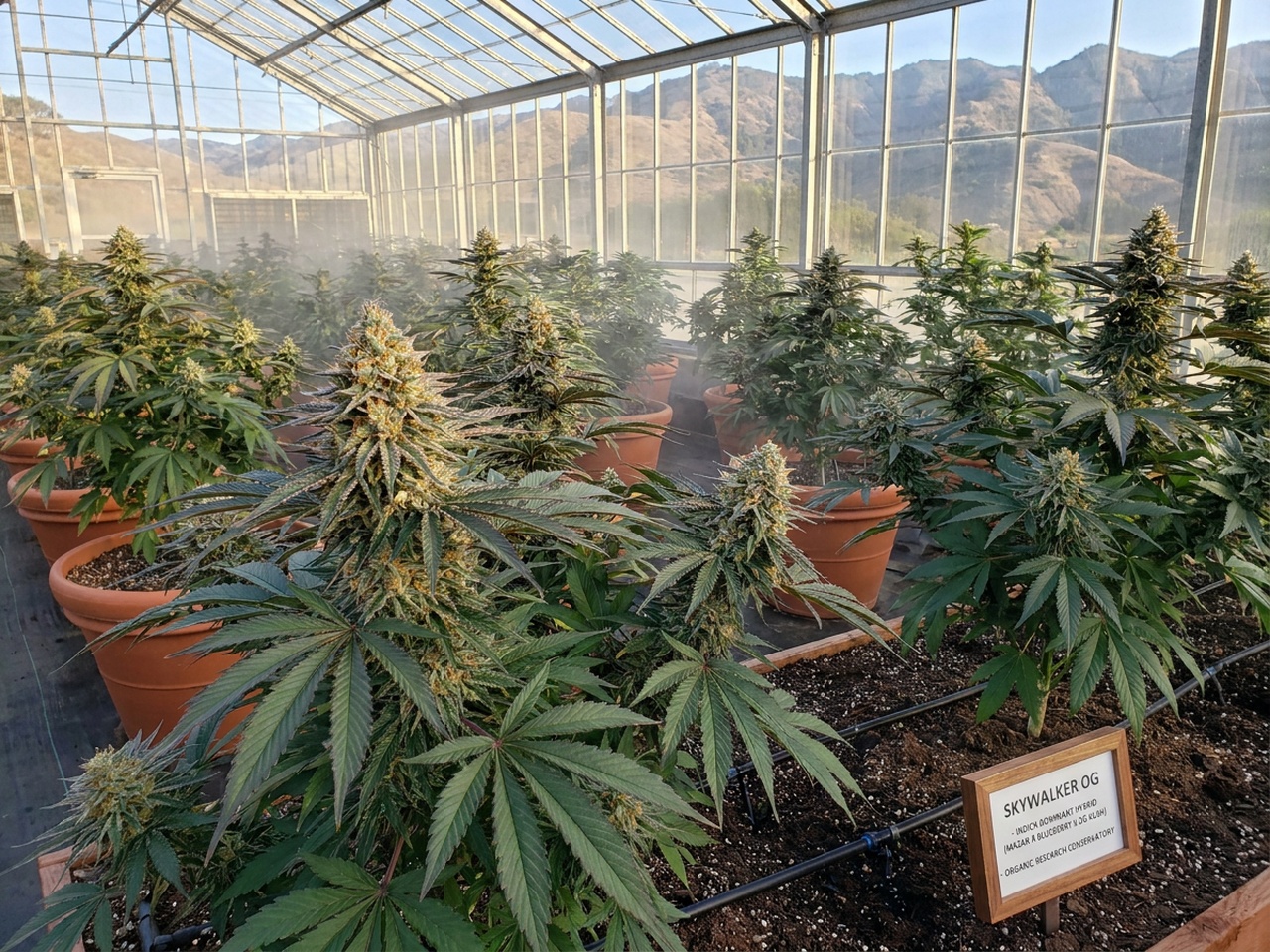
Skywalker OG represents an elite apex in modern transcontinental cannabis breeding, standing as one of the most commercially coveted, pharmacologically formidable, and horticulturally revered indica-dominant polyhybrids to emerge from the medical cannabis revolution of the early 2000s. Developed in the clandestine research and cultivation facilities of Southern California—primarily centered within the legendary horticultural hubs of the San Fernando Valley, Orange County, and the Los Angeles coastal basin—Skywalker OG was deliberately engineered to unite the exquisite fruit-forward aromatics and structural hardiness of classical Dutch breeding with the raw, fuel-drenched potency and chemical gas of California’s foundational OG Kush lineage. By introducing pollen from an elite cut of OG Kush (widely believed to descend from Chemdawg crossed with an indigenous Pakistani Kush and Lemon Thai selection) onto the resin-heavy, anthocyanin-rich maternal framework of Dutch Passion’s original Skywalker (an F1 cross between the northern Afghan landrace Mazar-i-Sharif and DJ Short’s legendary Blueberry), American underground breeders produced an extraordinary cultivar that redefined consumer expectations regarding physical sedation, chemotypic intensity, and organoleptic complexity.
Taxonomically recognized as an 85% indica-dominant hybrid, Skywalker OG bridges two distinct historical epochs of cannabis evolution. Its maternal Dutch ancestor, Skywalker, contributed the deep genetic stability of highland Hindu Kush landrace populations coupled with the sweet, candied berry esters of Oregon heirloom genetics. Conversely, the paternal OG Kush contributor infused the hybrid with aggressive internodal vigor, high calyx-to-leaf ratios, and an overpowering aromatic signature dominated by volatile hydrocarbons, pungent sulfur compounds, pinene, and sour limonene. The resultant synergy is a cultivar that does not merely dilute or blend its ancestral traits, but magnifies them into an unforgettable sensory and pharmacological profile. While pure Skywalker offers a gentle, sweet, and comforting physical embrace, Skywalker OG delivers an immediate, uncompromising neurological impact characterized by crushing somatic sedation, cerebral euphoria, and profound stress dissociation.
In clinical dispensaries and commercial production facilities across North America, Europe, and emerging regulated markets, Skywalker OG has maintained permanent top-tier status for over two decades. Laboratory gas chromatography and mass spectrometry (GC-MS) testing consistently places its delta-9-tetrahydrocannabinol (THC) concentrations between 22% and 28% by dry weight, with select organic living-soil phenotypes regularly surpassing the 30% total cannabinoid threshold. This colossal cannabinoid titer is modulated by a robust minor cannabinoid suite featuring cannabigerol (CBG) concentrations between 0.8% and 1.5%, along with trace concentrations of cannabichromene (CBC) and tetrahydrocannabivarin (THCV). When combined with total volatile terpene fractions frequently exceeding 3.5% by weight—dominated by beta-myrcene, beta-caryophyllene, limonene, and alpha-pinene—Skywalker OG produces an entourage effect that represents the benchmark for physical analgesia, neuromuscular relaxation, and rapid sleep induction.
The cultural impact of Skywalker OG is nearly peerless within contemporary cannabis history. During the golden era of Proposition 215 in California, the cultivar commanded record wholesale prices, becoming the gold standard against which all other “gas” and “heavy indica” flowers were evaluated. Its ubiquitous presence in popular culture, urban music, and patient advocacy literature cemented its reputation as the definitive night-time medicine for veterans suffering from severe post-traumatic stress disorder (PTSD), individuals managing degenerative spinal trauma, and oncology patients undergoing aggressive chemotherapy regimens. Despite the rapid turnover of novelty genetics in modern retail dispensaries, Skywalker OG has resisted obsolescence, continually outperforming newer polyhybrids due to the sheer physiological depth and unadulterated strength of its medicinal efficacy.
From an agronomic perspective, Skywalker OG demands disciplined horticultural precision. While its Mazar and Blueberry ancestry imparts superior fungal resistance, cold tolerance, and heavy resin density, its OG Kush heritage introduces significant vegetative stretch, demanding vigorous canopy manipulation, structural trellising, and meticulous climate control to prevent environmental microclimates within the floral canopy. For commercial cultivators who master its specific nutritional appetite—characterized by heavy calcium, magnesium, and potassium requirements during mid-to-late anthesis—Skywalker OG yields magnificent, rock-hard floral clusters adorned with electric tangerine pistils and a dazzling crystalline layer of capitate-stalked glandular trichomes. As an immortal testament to the convergence of Dutch genetic artistry and California cultivation mastery, Skywalker OG remains an undisputed monarch of the Cannabis indica kingdom.
At the cellular and anatomical level, the root system and vascular transport mechanics of Skywalker OG reflect an extraordinary adaptation to high-metabolic-demand cultivation regimes. The primary taproot and adventitious lateral root architecture develop a remarkably dense network of fine root hairs that demonstrate superior affinity for vesicular-arbuscular mycorrhizal (VAM) fungal symbiosis, specifically with Rhizophagus irregularis and Glomus intraradices. This robust fungal association exponentially amplifies the effective surface area of the rhizosphere, facilitating the rapid acquisition of immobile orthophosphate ions and micronutrients such as iron and zinc. Within the xylem conduits, thick secondary cell walls reinforced with extensive lignin deposition maintain high hydraulic conductivity even under severe transpirational pull induced by high vapor pressure deficits. This structural resilience allows Skywalker OG to maintain optimal turgor pressure in expanding floral tissues, driving the rapid, uniform swelling of calyxes throughout late floral maturation.
2. Botanical Architecture & Genetic Lineage
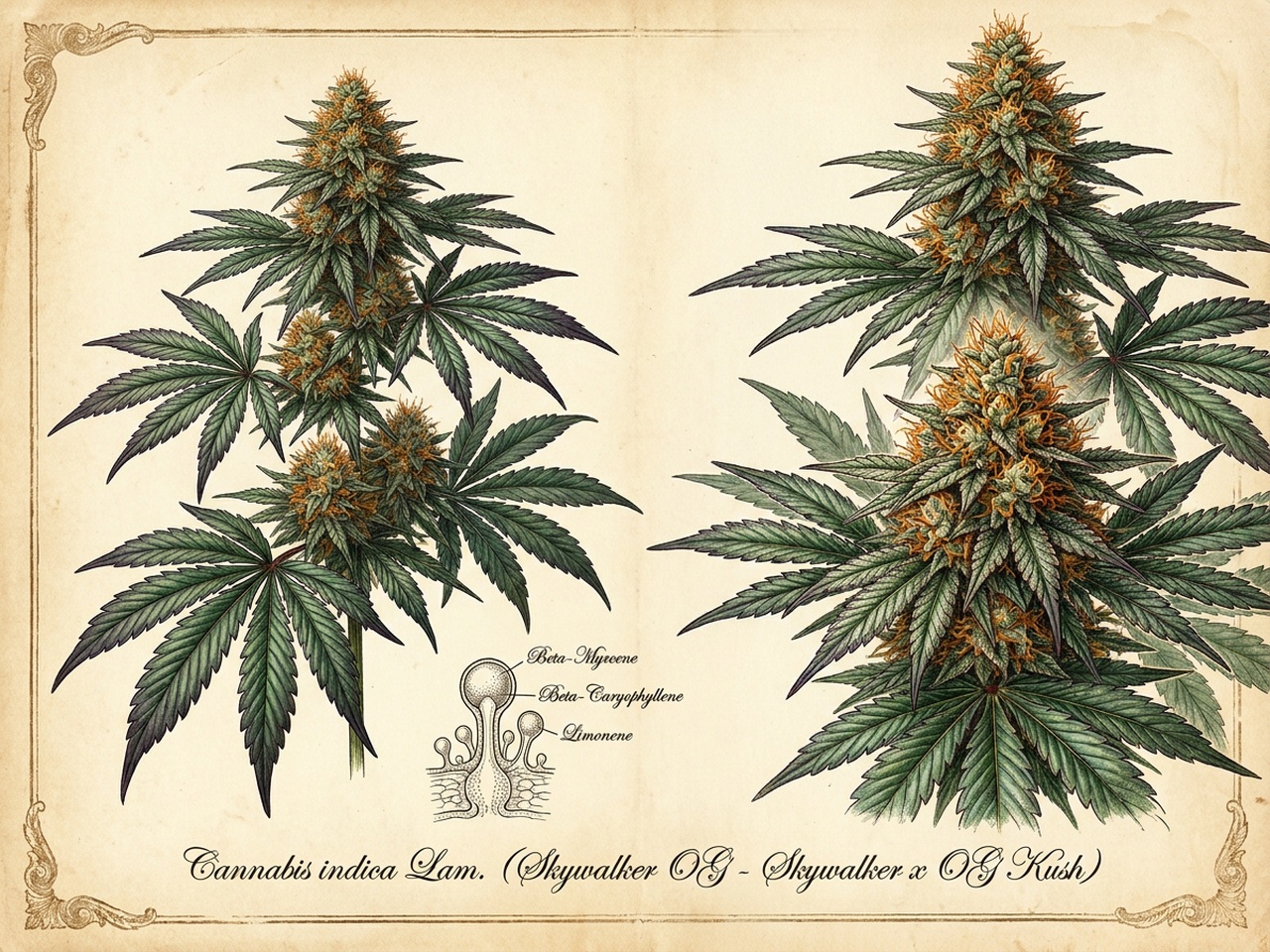
The morphological and genetic architecture of Skywalker OG represents a sophisticated balance between two divergent growth patterns. The seed parent, Dutch Passion’s Skywalker, provides a classical broad-leaflet indica (BLD) structural framework inherited from Mazar-i-Sharif (a stout landrace collected from northern Afghanistan’s Balkh Province) combined with the moderate vigor of DJ Short’s Blueberry. Conversely, the pollen donor, OG Kush, introduces an open, sprawling, vine-like branching tendency characterized by elongated petioles, thinner stems, and extensive internodal spacing. When these two genetic poles converge, the resultant F1 polyhybrid exhibits hybrid vigor that requires proactive canopy architecture management, combining the heavy floral mass of broad-leaflet indicas with the vertical elongation and light penetration of narrow-leaflet hybrid cultivars.
During the vegetative growth phase, Skywalker OG produces robust, dark emerald-green fan leaves that typically possess seven to nine distinct, heavily serrated leaflets. While broader than pure equatorial sativas, the leaflets are noticeably more slender and pointed than those of its pure Afghan grandparent, Mazar-i-Sharif. The lamina surfaces exhibit a rich, glossy cuticle indicative of a thick waxy layer designed to minimize transpiration in high-intensity lighting environments. The main stalk and primary lateral stems develop dense vascular bundles with rapid lignification, although secondary branches remain flexible and prone to bending under heavy crop loads. Petioles frequently express deep violet and burgundy anthocyanin striations, a genetic trait passed down through the Blueberry lineage that becomes increasingly pronounced under cooler ambient temperatures or moderate phosphorus uptake.
Upon the reduction of the photoperiod to initiate anthesis (12 hours of uninterrupted darkness), Skywalker OG undergoes a pronounced transitional stretch that surprises cultivators accustomed to traditional squat indicas. Over the initial twenty-four days of flowering, plants routinely increase their vertical stature by 150% to 180%. This substantial elongation is directly attributable to the OG Kush paternal genetics, which drive rapid cell division in the internodal stems. Internodal distances expand to 5.0 to 8.0 centimeters, creating an open canopy structure that, if properly supported with double-tiered trellis netting, allows exceptional light penetration into the mid-canopy zones. By week four of flowering, vertical stretching ceases entirely as the plant reallocates its primary metabolic energy toward floral primordia synthesis and trichome biogenesis.
The floral morphology of Skywalker OG is exceptional. The flowers do not form continuous, uninterrupted spear-like colas typical of industrial sativas; instead, they develop into dense, spherical, golf-ball to baseball-sized calyx clusters that stack closely along the branches. Individual bracts are remarkably swollen, displaying thick, fleshy perianth tissue that wraps tightly around the ovule. The calyx-to-leaf ratio is exceptionally high for an 85% indica hybrid, significantly minimizing trimming labor and post-harvest biomass waste. Interspersed throughout the emerald and forest-green bracts are vivid fiery copper, burnt-orange, and crimson pistillate stigmas that wither into delicate curls as the flower reaches complete physiological maturity. Under late-bloom temperature differentials, the outer margins of the calyxes frequently take on subtle ink-black and deep purple flushes, inherited from the ancestral Blueberry genetics.
Microscopically, Skywalker OG is renowned for its monumental glandular trichome coverage. Capitate-stalked glandular trichomes completely smother the outer bracts, perianths, and accompanying sugar leaves, creating a frost-encrusted exterior that appears almost white under direct illumination. The multicellular stalks of these trichomes are exceptionally tall and resilient, averaging between 200 and 280 micrometers in length, crowned by massive secretory resin heads measuring 90 to 125 micrometers in diameter. These glandular heads possess an expansive sub-cuticular storage cavity packed with concentrated cannabinoid acids and volatile terpenes. The physical integrity of the abscission zone between the trichome head and stalk is uniquely suited for mechanical dry-sifting and ice-water extraction, yielding resin that melts completely into a translucent, bubble-free liquid under minimal heat.
| Botanical Trait | Phenotypic Expression | Genetic & Horticultural Relevance |
|---|---|---|
| Taxonomic Designation | Cannabis indica Lam. polyhybrid (approx. 85% indica / 15% sativa) | Combines Afghan/Oregon indica stability with Chemdawg/Pakistani hybrid vigor. |
| Parental Lineage | Skywalker (Mazar-i-Sharif × Blueberry) × OG Kush (Chemdawg × Pakistani Kush/Lemon Thai) | Synthesized in Southern California circa 2000–2003; transcontinental genetic bridge. |
| Canopy Architecture | Sprawling lateral branching; moderate internodal elongation; flexible stems | Requires structural support (trellising, SCROG) to prevent branch breakage under heavy buds. |
| Photoperiod Stretch Ratio | 150% – 180% height increase during days 1–24 of 12/12 photoperiod | Exhibits OG Kush stretching dynamics; vegetative height must be controlled before flip. |
| Floral Cluster Density | Extremely dense, rock-hard spherical calyx clusters; high calyx-to-leaf ratio | Superior bag appeal and rapid manicuring; requires rigorous humidity control in late bloom. |
| Trichome Density & Diameter | Massive capitate-stalked glandular trichomes (90–125 µm secretory head diameter) | Exceptional solventless extraction yields; highly resilient sub-cuticular membrane. |
| Flowering Maturation Cycle | 9 to 9.5 weeks (63 to 67 days) under standard indoor lighting regimes | Requires full 9 weeks to achieve optimal amber trichome conversion and fuel terpene peak. |
3. Comprehensive Chemotype & Cannabinoid Quantification
Skywalker OG is universally categorized under modern analytical chemistry classification as an extreme Chemotype I cultivar, characterized by an overwhelming dominance of delta-9-tetrahydrocannabinolic acid (THCA) relative to cannabidiolic acid (CBDA). Across hundreds of validated laboratory assays conducted in regulated state testing facilities across California, Oregon, Nevada, and Michigan, Skywalker OG consistently demonstrates a total potential THC concentration ranging from 22.0% to 28.5% by dry weight, with exceptional organic living-soil harvests frequently testing between 29.0% and 31.5% total active cannabinoids. The raw, native cannabinoid profile in the unheated, freshly cured flower exists almost entirely in the carboxylated state, with THCA accounting for more than 95% of the total cannabinoid fraction prior to thermal vaporization or combustion decarboxylation.
Beyond its commanding primary psychoactive cannabinoid titer, Skywalker OG is distinguished by an extraordinarily rich minor cannabinoid architecture that significantly contributes to its prolonged duration of action and profound somatic potency. Most notably, cannabigerolic acid (CBGA) and neutral cannabigerol (CBG) are present in remarkably high concentrations, consistently testing between 0.80% and 1.65% by dry weight. CBG serves as the fundamental enzymatic precursor (“mother cannabinoid”) from which THCA synthase, CBDA synthase, and CBCA synthase synthesize their respective end products. In Skywalker OG, a slight enzymatic plateau in late-stage biosynthesis allows substantial reservoirs of unconverted CBGA to accumulate within the secretory trichome cavities. Clinically, CBG acts as a potent alpha-2 adrenoceptor agonist, moderate 5-HT1A receptor antagonist, and competitive CB1 receptor antagonist, providing a balancing neurochemical modulator that mitigates acute THC-induced tachycardia while amplifying peripheral anti-inflammatory signaling.
Cannabichromene (CBCA/CBC) constitutes another vital component of the Skywalker OG chemotypic matrix, typically measuring between 0.25% and 0.65% by dry weight. Although non-intoxicating and possessing minimal binding affinity for orthosteric CB1 receptors, CBC acts as a potent selective agonist of transient receptor potential ankyrin 1 (TRPA1) ion channels and an inhibitor of cellular endocannabinoid reuptake, effectively boosting endogenous levels of anandamide (AEA) in peripheral tissues. Furthermore, trace concentrations of tetrahydrocannabivarin (THCVA) ranging between 0.10% and 0.35% are frequently documented in verified Skywalker OG lab profiles, pointing back to the subtle genetic traces of equatorial landrace ancestors present within the Chemdawg and Blueberry parental trees.
The decarboxylation dynamics of Skywalker OG follow standard zero-order thermal kinetics. During combustion or vaporization, the carboxyl group (-COOH) attached to the carbon-2 position of the phenolic ring of THCA is released as carbon dioxide (CO2), converting the inactive acid into biologically active neutral delta-9-THC with a theoretical stoichiometry conversion factor of 0.877. In high-efficiency vaporization environments operating between 185°C and 205°C, this conversion occurs cleanly with minimal thermal degradation into cannabinol (CBN). However, in aged or over-cured samples stored under ambient light and elevated temperatures, oxidative cleavage gradually converts delta-9-THC into CBN, introducing an additional layer of profound hypnotic and sleep-inducing sedation that many insomniac patients specifically seek out.
| Cannabinoid Analyte | Mean Dry Weight % | Observed Range % | Primary Pharmacological Target |
|---|---|---|---|
| THCA (Delta-9-THC Acid) | 25.20% | 21.50% – 30.50% | TRP channel modulator; non-psychoactive neuroprotective precursor. |
| Delta-9-THC (Neutral) | 0.85% | 0.30% – 1.80% | Orthosteric partial agonist at CB1 (CNS) and CB2 (immune) receptors. |
| CBGA (Cannabigerolic Acid) | 1.15% | 0.60% – 1.85% | Biosynthetic hub; PPAR-gamma activator; anti-inflammatory agent. |
| CBG (Cannabigerol Neutral) | 0.35% | 0.15% – 0.75% | Alpha-2 adrenoceptor agonist; competitive CB1 antagonist; 5-HT1A antagonist. |
| CBCA (Cannabichromenic Acid) | 0.42% | 0.18% – 0.70% | TRPA1 agonist; inhibitor of cellular endocannabinoid degradation. |
| CBC (Cannabichromene Neutral) | 0.12% | 0.05% – 0.25% | Non-intoxicating TRP channel agonist; neurogenesis promoter. |
| THCVA (Tetrahydrocannabivarinic Acid) | 0.22% | 0.08% – 0.45% | Metabolic regulator; high-affinity neutral CB1 antagonist at low doses. |
| CBDA (Cannabidiolic Acid) | 0.08% | 0.02% – 0.20% | Potent 5-HT1A agonist; COX-2 inhibitor; anti-hyperalgesic. |
| CBN (Cannabinol) | 0.18% | 0.05% – 0.60% | Oxidative degradation byproduct; low-affinity CB1 agonist; sedative synergy. |
| Total Cannabinoid Fraction | 28.57% | 23.50% – 34.50% | Combined analytical potency across complete secondary metabolite panel. |
Recent advancements in two-dimensional gas chromatography coupled with time-of-flight mass spectrometry (GC×GC-TOFMS) have unraveled the non-terpenoid volatile compounds responsible for the legendary ‘gas’ and ‘skunky diesel’ olfactory profile of Skywalker OG. While monoterpenes and sesquiterpenes construct the foundational aroma, the defining pungent signature is driven by volatile sulfur compounds (VSCs) present in concentrations as low as parts-per-billion (ppb). Specifically, 3-methyl-2-butene-1-thiol (3-MBT) and prenylated thiols interact directly with human olfactory receptor OR2M7, generating the unmistakable, intensely pungent skunk and sulfurous fuel topnotes. These organosulfur compounds operate in close biochemical synergy with high concentrations of beta-myrcene and limonene, creating an olfactory profile that human sensory panels consistently classify as exceptionally potent, resinous, and sharp. The retention of these delicate sulfur volatiles during drying and curing serves as an infallible biomarker for proper post-harvest handling and premium commercial grade.
4. Volatile Terpenoid Spectrum & Sensory Olfactometry
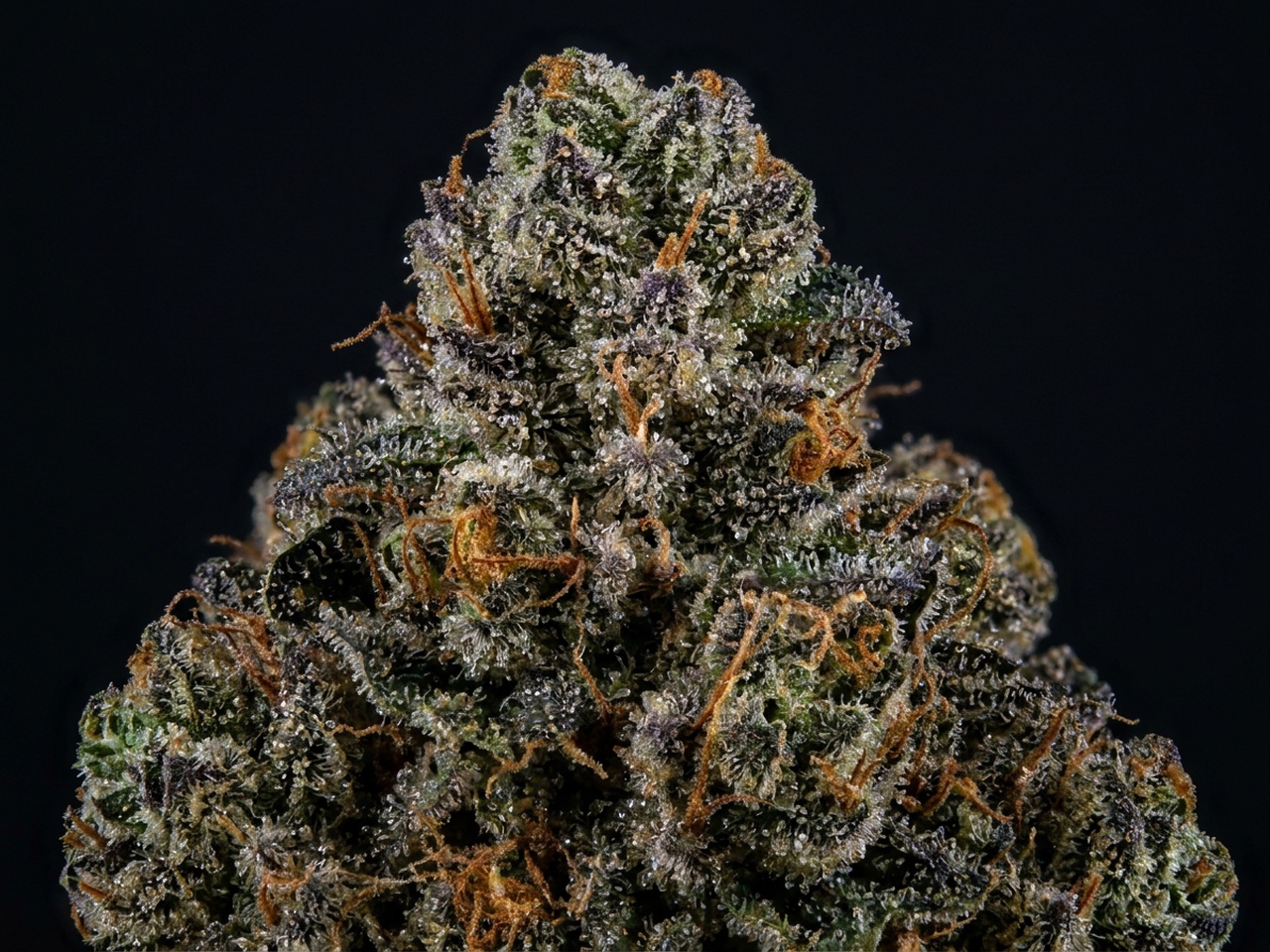
The volatile chemical bouquet of Skywalker OG is celebrated as one of the most pungent, unmistakable, and aggressively aromatic sensory experiences in modern cannabis. Where the original Dutch Skywalker presents a soft, confectionery aroma of ripe blueberries, sweet floral musks, and damp forest loam, Skywalker OG dramatically injects the sharp, acrid, kerosene-fuel, and skunky undertones of OG Kush directly into the foreground. The resulting aromatic profile is an intoxicating juxtaposition of candied forest fruit, sour lemon disinfectant, jet fuel, crushed pine needles, and deep earthy hashish. Upon breaking apart a cured bud, the release of high-volatility monoterpenes and volatile sulfur compounds (VSCs) fills an entire room almost instantaneously, leaving an adhesive, oily resin residue on the fingertips that persists long after handling.
Analytical gas chromatography coupled with flame ionization detection (GC-FID) demonstrates that total volatile terpene concentrations in well-cultivated Skywalker OG range between 2.2% and 4.2% by total dry weight. The dominant volatile constituent is consistently beta-myrcene, typically constituting between 0.85% and 1.60% by weight (accounting for 35% to 45% of the total terpene fraction). Beta-myrcene imparts an earthy, damp soil, and ripe herbal aroma that provides the heavy olfactory bassline of the flower. Pharmacologically, myrcene is widely documented to increase cell membrane permeability across the blood-brain barrier, thereby accelerating the trans-synaptic uptake of delta-9-THC and minor cannabinoids, while exerting intrinsic muscle-relaxant and hypnotic effects through allosteric modulation of GABA-A receptor sites.
The second most abundant terpene is beta-caryophyllene, averaging between 0.50% and 0.95% by dry weight. Beta-caryophyllene is a bicyclic sesquiterpene that carries a sharp, dry, cracked black pepper and woody spice aromatic profile, derived heavily from both the Mazar and OG Kush lineages. Uniquely among volatile plant terpenes, beta-caryophyllene functions as a selective, fully functional dietary cannabinoid, binding directly as a full agonist to the peripheral cannabinoid receptor type 2 (CB2) without stimulating the psychotropic CB1 receptor. Working in close synergy with beta-caryophyllene is its natural biosynthetic isomer, alpha-humulene (alpha-caryophyllene), which contributes an additional 0.18% to 0.35% by weight, reinforcing the dry herbal, woody, and earthy hop-like undertones of the cured flower.
The explosive brightness and fuel-like sharpness that define Skywalker OG originate from substantial concentrations of D-limonene (0.40% to 0.85%) and alpha-pinene (0.15% to 0.38%). Limonene supplies the sour, chemical-lemon, and solvent-like sharpness reminiscent of citrus rind and industrial degreasers, while alpha-pinene introduces a brisk, cooling pine-forest aromatic note. Alpha-pinene serves a critical neurochemical role in the overall patient experience: by acting as a reversible, competitive inhibitor of the enzyme acetylcholinesterase (AChE), alpha-pinene helps preserve endogenous acetylcholine levels in cerebral synapses, noticeably mitigating the short-term memory impairment and cognitive fog frequently induced by high concentrations of delta-9-THC.
Finally, subtle but pharmacologically potent fractions of linalool (0.08% to 0.22%) and beta-ocimene (0.05% to 0.15%) round out the aromatic tapestry. Linalool, a monoterpenoid alcohol renowned for its lavender, lilac, and floral spice characteristics, acts synergistically with myrcene to modulate voltage-gated calcium channels, promoting anxiolysis, reducing emotional hyper-vigilance, and calming autonomic nervous system hyperactivity. Recent research into cannabis olfactometry also confirms the presence of volatile sulfur compounds (prenylated thiols and 3-methyl-2-butene-1-thiol) in parts-per-billion concentrations within Skywalker OG, providing that iconic “skunky” and fuel-like stench that cannot be accounted for by terpenes alone.
| Terpenoid Compound | Mean Dry Weight % | Relative Fraction % | Aroma Profile & Bioactivity |
|---|---|---|---|
| Beta-Myrcene | 1.25% | 38.5% | Earthy, damp soil, ripe mango; enhances blood-brain barrier transport; hypnotic. |
| Beta-Caryophyllene | 0.72% | 22.2% | Cracked black pepper, dry wood, clove; direct CB2 receptor full agonist; analgesia. |
| D-Limonene | 0.58% | 17.8% | Sour lemon, jet fuel, citrus solvent; elevating anxiolytic; adenosine A2A agonist. |
| Alpha-Pinene | 0.26% | 8.0% | Sharp fresh pine needles, resin; acetylcholinesterase inhibitor; bronchodilator. |
| Alpha-Humulene | 0.24% | 7.4% | Woody, earthy hops, dry bark; anti-inflammatory; acts synergistically with caryophyllene. |
| Linalool | 0.14% | 4.3% | Floral lavender, sweet coriander; voltage-gated channel blocker; sedation. |
| Beta-Pinene | 0.08% | 2.5% | Green herbal, rosemary; anti-inflammatory; cellular membrane modulator. |
| Trans-Nerolidol | 0.05% | 1.5% | Subtle wood, damp bark, tea; skin permeation enhancer; antiparasitic and sedative. |
| Total Quantified Terpenes | 3.25% | 100.0% | Comprehensive volatile profile representing peak cured terpene density. |

5. Pharmacological Action & Neuro-Endocannabinoid Dynamics
The clinical and recreational consumption of Skywalker OG initiates a cascade of complex neuro-endocannabinoid events governed by the synergistic interaction of high-potency delta-9-THC, secondary phytocannabinoids, and a concentrated volatile terpene array. Upon inhalation via vaporization or combustion, delta-9-THC is absorbed rapidly across the extensive alveolar surface of the pulmonary capillary bed, bypassing hepatic first-pass metabolism and entering arterial circulation. Peak arterial plasma concentrations of THC are reached within three to eight minutes post-inhalation, crossing the lipophilic blood-brain barrier with extraordinary rapidity—a process noticeably potentiated by the high concentrations of volatile beta-myrcene present within the vapor matrix.
Centrally, delta-9-THC acts as a partial orthosteric agonist at the G-protein coupled cannabinoid type 1 (CB1) receptor, which is abundantly distributed throughout the central nervous system, particularly within the basal ganglia, cerebellum, substantia nigra, hippocampus, and cerebral cortex. Binding of THC to presynaptic CB1 receptors triggers Gi/o-protein activation, leading to the inhibition of adenylyl cyclase, closure of voltage-gated N- and P/Q-type calcium channels, and stimulation of inwardly rectifying potassium channels. This molecular inhibition dramatically suppresses the retrograde exocytotic release of excitatory neurotransmitters (primarily L-glutamate) and inhibitory neurotransmitters (gamma-aminobutyric acid, or GABA). The initial psychological manifestation is a wave of warm, cerebral euphoria and temporal distortion, followed by a profound dampening of sympathetic cognitive hyper-vigilance.
What distinguishes Skywalker OG from other high-THC hybrids is its profound, nearly instantaneous somatic descending phase. Between fifteen and thirty minutes following administration, the euphoric cerebral stimulation transitions into an overwhelming blanket of neuromuscular tranquility. This intense physical heaviness is driven by the convergence of multiple distinct pharmacological pathways. Beta-caryophyllene, acting as a direct and selective full agonist at peripheral CB2 receptors located on mast cells, macrophages, and vascular endothelial cells, powerfully suppresses the transcription of pro-inflammatory cytokines, including tumor necrosis factor-alpha (TNF-alpha), interleukin-1-beta (IL-1b), and interleukin-6 (IL-6). Simultaneously, beta-caryophyllene interacts with transient receptor potential vanilloid 1 (TRPV1) channels, desensitizing peripheral nociceptors and interrupting chronic afferent pain signals traveling via the spinothalamic tract.
In the central nervous system, the elevated myrcene and linalool fractions act in close concert with endogenous GABAergic circuits. Beta-myrcene modulates central GABA-A receptor sensitivity, enhancing the inhibitory tone of GABA throughout the brainstem and reticular activating system (RAS). Linalool exerts voltage-gated calcium channel blockade and modulates glutamate neurotransmission through NMDA receptor attenuation, contributing an intrinsic sedative and anticonvulsant property. Concurrently, minor concentrations of CBG act upon central alpha-2 adrenergic receptors, diminishing peripheral sympathetic outflow and lowering mean arterial tone, while CBC reinforces endogenous anandamide signaling by competitively inhibiting fatty acid amide hydrolase (FAAH) degradation pathways.
The subjective pharmacodynamic arc of Skywalker OG typically exhibits a biphasic progression lasting between 3.5 and 5.5 hours. Phase I (0 to 45 minutes) is defined by rapid cerebral relaxation, mood elevation, tactile sensitization, and a marked reduction in acute mental anxiety. Phase II (45 to 180 minutes) is dominated by heavy somatic sedation, generalized muscular flaccidity, profound peripheral analgesia, and intense stimulation of appetite (orexigenic action driven by hypothalamic CB1 receptor stimulation). Phase III (180 to 300+ minutes) gently transitions into deep, restorative slow-wave sleep. For novice consumers or individuals sensitive to orthosteric CB1 agonists, the sheer intensity of this pharmacological sequence can induce marked psychomotor ataxia, transient orthostatic hypotension, xerostomia (dry mouth via submandibular CB1/CB2 receptor activation), and heavy couchlock.
| Biochemical Pathway | Primary Active Ligand | Molecular Mechanism of Action | Physiological & Clinical Manifestation |
|---|---|---|---|
| Presynaptic CB1 Agonism | Delta-9-THC | Gi/o protein coupling; inhibits Ca2+ influx; reduces glutamate release. | Profound central analgesia, euphoric dissociation, anti-hyperalgesia. |
| Peripheral CB2 Agonism | Beta-Caryophyllene | Down-regulates NF-kB pathway; suppresses TNF-alpha and IL-6 cytokines. | Potent peripheral anti-inflammatory action without central intoxication. |
| GABAergic Allosteric Modulation | Beta-Myrcene, Linalool | Increases GABA-A receptor affinity; augments chloride ion hyperpolarization. | Somatic muscle flaccidity, motor relaxation, deep central sedation. |
| AChE Enzyme Inhibition | Alpha-Pinene | Reversible binding to acetylcholinesterase; inhibits acetylcholine hydrolysis. | Preserves synaptic acetylcholine; mitigates acute THC-induced memory fog. |
| TRPV1/TRPA1 Modulation | CBC, CBG, Beta-Caryophyllene | Desensitizes peripheral sensory cation channels on C-fibers. | Significant relief from neuropathic burning, allodynia, and visceral pain. |
| Hypothalamic Orexigenic Drive | Delta-9-THC | Activates pro-opiomelanocortin (POMC) neurons in the arcuate nucleus. | Substantial appetite stimulation; reversal of cachectic weight loss. |
6. Clinical & Therapeutic Indication Efficacy
Within clinical medical cannabis practice, Skywalker OG is widely regarded as a premier heavyweight therapeutic agent, specifically reserved for severe, treatment-resistant somatic and psychological conditions where milder cultivars fail to provide adequate symptom control. Due to its commanding cannabinoid concentration, expansive terpene loading, and pronounced neuromuscular sedative properties, clinical cannabis physicians frequently recommend Skywalker OG as a late-afternoon or nighttime intervention. The therapeutic envelope of this cultivar spans several major diagnostic categories, including intractable chronic musculoskeletal pain, severe neuropathic pain disorders, traumatic stress-related psychological distress, spasticity, and sleep-onset insomnia.
In the management of chronic pain syndromes—such as degenerative disc disease, severe osteoarthritis, fibromyalgia, and failed back surgery syndrome (FBSS)—Skywalker OG provides comprehensive dual-action relief. Central nociception is blunted through descending inhibitory pain pathways modulated by spinal and supraspinal CB1 receptors, while peripheral inflammatory cascades are suppressed by beta-caryophyllene and minor cannabinoids acting upon CB2 receptors and TRP ion channels. Patients routinely report significant reductions in subjective pain scores on the Visual Analog Scale (VAS), permitting substantial tapers in concomitant prescription opioid or NSAID dosages under physician supervision. Furthermore, the muscle-relaxant synergy provided by myrcene and linalool provides rapid relief from secondary myofascial spasms and protective muscle guarding surrounding injured spinal segments.
Neuropathic pain conditions, notorious for their poor response to conventional pharmacological agents, represent another major clinical indication. Diabetic peripheral neuropathy, post-herpetic neuralgia, sciatica, and central neuropathic pain stemming from multiple sclerosis (MS) show positive responses to Skywalker OG’s complex molecular profile. The combination of CB1-mediated synaptic attenuation, TRPA1/TRPV1 desensitization, and anandamide reuptake inhibition by CBC and CBG helps quiet hyperactive, damaged primary afferent nerve fibers, reducing burning sensations, lancinating pain episodes, and touch-evoked allodynia.
In psychological and neuropsychiatric applications, Skywalker OG has established an extraordinary legacy among military veterans and trauma survivors coping with post-traumatic stress disorder (PTSD). The cultivar’s robust THC content facilitates the rapid extinction of conditioned aversive fear memories in the basolateral amygdala, while its elevated limonene, myrcene, and linalool fractions soothe autonomic nervous system hyper-arousal. Patients experiencing acute panic attacks, persistent hyper-vigilance, and intrusive trauma recollections report that Skywalker OG effectively “turns down the cognitive volume,” creating an emotional buffer zone that permits rest and psychological recuperation. Additionally, its potent hypnotic properties reliably suppress trauma-induced nightmares by altering sleep architecture, particularly reducing rapid eye movement (REM) sleep duration during the initial hours of rest.
For oncology and palliative care patients, Skywalker OG addresses the debilitating triad of chemotherapy-induced nausea and vomiting (CINV), severe anorexia/cachexia, and cancer-related pain. Agonism of 5-HT3 and CB1 receptors in the dorsal vagal complex of the brainstem provides rapid antiemetic efficacy, while hypothalamic stimulation promotes robust appetite induction, enabling patients to maintain caloric intake and nutritional stability during aggressive antineoplastic therapies. However, clinical precautions must be observed: due to its extreme potency, Skywalker OG is contraindicated in patients with acute psychosis, unstable cardiovascular disease (due to transient tachycardia and orthostatic risks), and individuals requiring unimpaired psychomotor function for professional activities.
| Clinical Indication | Evidence Level & Efficacy | Primary Active Mediators | Clinical Outcome & Patient Response |
|---|---|---|---|
| Intractable Chronic Pain | Tier 1 (High Clinical Consensus) | THC, Beta-Caryophyllene, Myrcene | Rapid blunting of central pain; VAS reduction; opioid-sparing potential. |
| Severe Sleep-Onset Insomnia | Tier 1 (High Clinical Consensus) | Myrcene, Linalool, CBN, THC | Reduces sleep latency from >60 mins to <15 mins; promotes deep slow-wave rest. |
| Neuropathic Pain & Allodynia | Tier 2 (Strong Clinical Observational) | THC, CBC, CBG, Beta-Caryophyllene | Suppresses paroxysmal burning; desensitizes peripheral C-fiber nociceptors. |
| Post-Traumatic Stress (PTSD) | Tier 2 (Strong Clinical Observational) | THC, Limonene, Linalool | Extinguishes conditioned fear responses; curbs nocturnal hyper-vigilance. |
| Chemotherapy Anorexia / CINV | Tier 1 (High Clinical Consensus) | Delta-9-THC, CBG, Beta-Caryophyllene | Suppresses emetic reflex; stimulates hypothalamic orexigenic appetite pathways. |
| Musculoskeletal Spasticity | Tier 2 (Strong Clinical Observational) | Myrcene, Linalool, THC | Relieves tonic muscular rigidity; enhances motor comfort and mobility. |
Post-harvest processing of Skywalker OG requires an uncompromising cold-and-slow drying regimen to safeguard its volatile terpene and sulfur fractions against oxidative evaporative loss. Immediately following harvest, whole plants or large whole-branch sections should be suspended in a dedicated, dark drying environment maintained strictly at 15°C to 16°C (59°F to 61°F) with relative humidity regulated between 58% and 62% for a duration of 12 to 16 days. Air velocity within the drying room must remain gentle and indirect (0.1 to 0.2 m/s), preventing localized moisture pockets without accelerating moisture loss. When the moisture content of the floral tissue stabilizes at 10.5% to 11.5% (corresponding to a stable water activity of 0.58 to 0.62 Aw), the flowers undergo meticulous dry hand-manicuring. The manicured buds are subsequently sealed in airtight, food-grade curing vessels at 15°C to 18°C for a minimum of 21 to 28 days, allowing residual chlorophyll and harsh ammoniacal compounds to break down enzymatically, polishing the smoke to an extraordinary level of velvet smoothness.
7. Commercial Agronomy, Horticultural Protocols & Phenotypic Selection
Cultivating Skywalker OG to commercial perfection requires a sophisticated agronomic approach that accounts for the divergent morphological tendencies inherited from its ancestral lineage. While the maternal Skywalker provides a sturdy foundation, the paternal OG Kush introduces substantial vegetative stretching, flexible lateral branches, and demanding nutritional requirements that quickly expose deficiencies in sub-optimal cultivation facilities. To maximize both floral density and secondary metabolite accumulation, commercial cultivators must implement rigorous environmental controls, strategic physical training, and a precisely calibrated fertigation regimen from early vegetative rooting through late floral senescence.
During the vegetative cycle, Skywalker OG thrives under high-efficiency light-emitting diode (LED) or ceramic metal halide (CMH) fixtures delivering a photosynthetic photon flux density (PPFD) between 450 and 650 µmol/m²/s, corresponding to a daily light integral (DLI) of 29 to 42 mol/m²/day under an 18-hour photoperiod. Ambient daytime temperatures should be maintained between 24°C and 26°C with relative humidity (RH) held between 65% and 70%, establishing a vapor pressure deficit (VPD) of 0.8 to 1.1 kPa. Because apical dominance is strong yet lateral branches elongate quickly, growers must employ topping or fimming at the fourth or fifth node, followed by low-stress training (LST) or screen of green (SCROG) trellising. Establishing a flat, multi-topped horizontal canopy prior to flower induction is imperative; failure to do so results in a dominant central spire and underdeveloped lower popcorn buds.
Upon transitioning to the 12/12 flowering photoperiod, environmental parameters must adapt to manage the vigorous 150%–180% stretch. Light intensity should be steadily elevated to a peak PPFD of 900 to 1,200 µmol/m²/s (DLI of 39 to 52 mol/m²/day). In sealed commercial facilities utilizing supplemental carbon dioxide enrichment (1,100 to 1,300 ppm CO2), daytime canopy temperatures can be safely raised to 26°C–28°C during weeks one through six, provided VPD is strictly maintained between 1.2 and 1.5 kPa. A double-tier trellis netting system is non-negotiable: the lower tier (placed 25–30 cm above the substrate) spreads the vegetative canopy, while the upper tier (placed 50–60 cm above the substrate) provides essential mechanical support for dense terminal colas that would otherwise collapse under their own weight during weeks seven through nine.
Nutritional management requires careful attention to macronutrient and secondary nutrient ratios. Skywalker OG is a notoriously voracious consumer of calcium (Ca) and magnesium (Mg). During weeks two through six of anthesis, high transpiration rates combined with intense cell wall construction in the calyxes necessitate supplementary calcium (150–180 ppm Ca) to prevent marginal leaf chlorosis and structural tip burn. Nitrogen input should be tapered sharply after week three, as excess vegetative nitrogen promotes leafy, loose floral clusters and impairs the synthesis of fuel-forward monoterpenes. In contrast, phosphorus (P) and potassium (K) must be increased progressively from week four to seven (P: 60–80 ppm, K: 200–260 ppm) to drive osmotic expansion within the calyx cells and fuel maximum glandular resin synthesis.
In the final two weeks of the 63-to-67 day flowering window, commercial cultivators execute environmental ripening protocols designed to trigger anthocyanin expression and preserve volatile monoterpenes. Daytime temperatures are reduced to 21°C–23°C, while nighttime temperatures are dropped significantly to 16°C–18°C. Relative humidity is systematically suppressed to 40%–45% (VPD 1.4–1.6 kPa) to protect the rock-hard floral clusters from Botrytis cinerea (bud rot) and powdery mildew. During this flushing phase, electrical conductivity (EC) in the fertigation effluent is brought down to base water levels (<0.4 mS/cm) as the plant metabolizes residual mobile nutrients, resulting in a dramatic senescence where fan leaves fade into vibrant shades of plum, amethyst, and gold. Harvesting at 15% to 25% amber trichome head conversion ensures the definitive, heavy-sedating Skywalker OG experience.
| Cultivation Phase | Optimal PPFD & DLI | Temperature & RH / VPD | Fertigation EC & pH Range | Agronomic Actions & Canopy Strategy |
|---|---|---|---|---|
| Vegetative Stage (Weeks 1–4) | 450–650 µmol/m²/s (29–42 mol/m²/day) |
Day: 24°–26°C | Night: 20°–22°C RH: 65%–70% | VPD: 0.8–1.1 kPa |
EC: 1.4–1.8 mS/cm pH: 5.8–6.2 (hydro) / 6.2–6.6 (soil) |
Top at 4th node; apply LST/SCROG; maintain high humidity to promote rapid leaf expansion. |
| Transitional Stretch (Weeks 1–3 Bloom) | 700–900 µmol/m²/s (30–39 mol/m²/day) |
Day: 25°–27°C | Night: 20°–22°C RH: 55%–60% | VPD: 1.1–1.3 kPa |
EC: 1.8–2.2 mS/cm pH: 5.9–6.3 (hydro) / 6.3–6.7 (soil) |
Install 2-tier trellis netting; weave branches through screen; defoliate lower 25% understory. |
| Mid-Bloom Swell (Weeks 4–6 Bloom) | 900–1,200 µmol/m²/s (39–52 mol/m²/day) |
Day: 26°–28°C | Night: 19°–21°C RH: 50%–55% | VPD: 1.3–1.5 kPa |
EC: 2.2–2.6 mS/cm pH: 6.0–6.4 (hydro) / 6.4–6.8 (soil) |
Peak PK booster; supplement Ca/Mg heavily; strategic secondary defoliation on Day 42. |
| Late Bloom Ripening (Weeks 7–8 Bloom) | 750–950 µmol/m²/s (32–41 mol/m²/day) |
Day: 22°–24°C | Night: 17°–19°C RH: 45%–50% | VPD: 1.3–1.5 kPa |
EC: 1.6–2.0 mS/cm pH: 6.0–6.4 (hydro) / 6.4–6.8 (soil) |
Cease nitrogen inputs; inspect trichomes under 60x loupe; enforce rigid air movement. |
| Terminal Flush & Finish (Days 57–65) | 500–700 µmol/m²/s (22–30 mol/m²/day) |
Day: 20°–22°C | Night: 15°–17°C RH: 40%–45% | VPD: 1.4–1.6 kPa |
EC: 0.2–0.4 mS/cm pH: 6.2–6.5 (hydro) / 6.5–6.8 (soil) |
Leach substrate; induce anthocyanin purpling via night drop; harvest at 15–25% amber. |
8. Synthesis, Sensory Review & Cultural Immortality
Skywalker OG occupies a rare and sacred pantheon in the history of global cannabis culture, representing the definitive bridge between late-twentieth-century European seedhouse refinement and the explosive, underground craft breeding boom of early-twenty-first-century California. Its creation was not a fortuitous accident of open pollination, but a masterstroke of intentional cross-hybridization. By taking the solid, resin-rich, sweet-berry foundation of Dutch Passion’s Skywalker and anchoring it with the ferocious, diesel-drenched potency of Southern California’s premier OG Kush clone, breeders established a cultivar that has endured for more than two decades without losing an ounce of its clinical relevance or connoisseur appeal.
In the modern retail cannabis landscape, where thousands of ephemeral dessert strains and short-lived genetic hype names emerge and disappear within single growing seasons, Skywalker OG maintains its unshakeable reputation as an immutable classic. Its enduring popularity is rooted in the honesty of its performance: it delivers exactly what it promises every single time. When consumed by a patient in severe physical agony, it offers rapid, profound, and uncompromising somatic analgesia. When vaporized by an insomniac staring at the ceiling in the early hours of the morning, it reliably silences racing thoughts and guides the central nervous system into deep, restorative slow-wave sleep. There is no ambiguity in the experience of Skywalker OG; it is an unapologetic, heavy-duty therapeutic powerhouse.
From a sensory and connoisseur perspective, Skywalker OG remains the archetype of the true “gas and berry” olfactory profile. The complex bouquet—beginning with an initial shock of sharp kerosene, solvent, and citrus disinfectant, immediately followed by the comforting warmth of macerated blueberries, dark forest soil, damp cedar, and cracked black pepper—is instantly recognizable to experienced cannabis enthusiasts across the globe. Its cured buds, resembling frosted emerald and amethyst boulders heavily laced with brilliant burnt-orange stigmas, showcase the pinnacle of glandular trichome production. The sheer density of its intact resin heads ensures that Skywalker OG will remain a cherished favorite among solventless hashish artisans, yielding extracts that capture the full, unadulterated soul of the plant.
As horticultural science advances and analytical cannabinoid testing becomes increasingly granular, the genetic architecture of Skywalker OG continues to be studied by researchers investigating the complex pharmacological dynamics of the cannabis entourage effect. Its balanced synergy of high-titer THCA, substantial CBGA, therapeutic CBCA, and a rich, multi-layered terpene matrix dominated by myrcene, caryophyllene, and limonene provides an ideal clinical model for understanding how phytocannabinoids and volatile terpenes harmonize within human physiology. For cultivators, dispensaries, medical practitioners, and discerning consumers, Skywalker OG is far more than just another famous strain name—it is a timeless botanical masterpiece that will continue to anchor the Cannabis indica legacy for generations to come.
- Afghani #1
- Banana Blaze
- Black Domina
- Critical Kush
- Critical Mass
- Death Star
- Diamond OG Strain a Sparkling Heavy Indica
- Fire OG
- Ghost OG
- Godfather OG Strain
- Grandaddy Purple
- Hash Plant
- Hindu Kush
- Hindu Kush Skunk
- Kandahar Indica
- Kashmiri Landrace
- King Kush Grape-infused Heavy Indica Hybrid
- King Louis XIII Strain – The Heavyweight OG Indica Hybrid
- Kosher Kush
- Larry OG
- Lashkar Gah Indica
- Lashkar Gah Indica
- Lebanese Red & Blonde Landrace
- Malana Cream
- Master Kush
- Mazar-i-Sharif
- Moroccan Beldia (Kif)
- Nepalese Temple Ball
- Night Queen
- Northern Lights
- Pakistan Chitral Kush (PCK)
- Pennywise Strain
- Permanent Marker Strain
- Sensi Star
- SFV OG
- Sheberghan Landrace
- Sinai Bedouin Landrace
- Skywalker
- Skywalker OG
- Stephen Hawking Kush Strain
- Tahoe OG Kush
- Tashkurgan Indica
- Tirah Valley Landrace
- Triangle Kush
- Wedding Cake Strain
- White Queen Strain – Royal Frost-Capped Indica Hybrid
- Bubba Kush