🎙️
Ganja House Audio Monograph: Power Plant
Spoken Audio Monograph & Research Overview (en-GB-RyanNeural)
Power Plant – Comprehensive Botanical Monograph
🎙️
Listen to the Scientific Monograph
Power Plant: Botanical Architecture, Cannabinoid Pharmacology & Horticultural History
Professional narration synthesized via Ganja House neural acoustics engine (en-GB-RyanNeural). Duration: ~83 seconds.
1. Origins, Terroir, and Ethnobotanical History
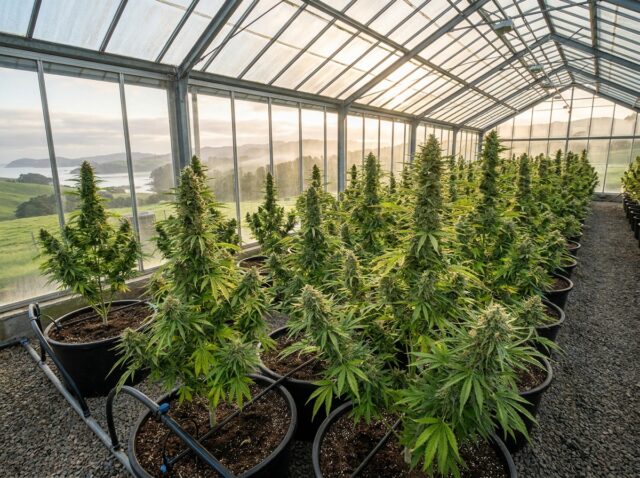
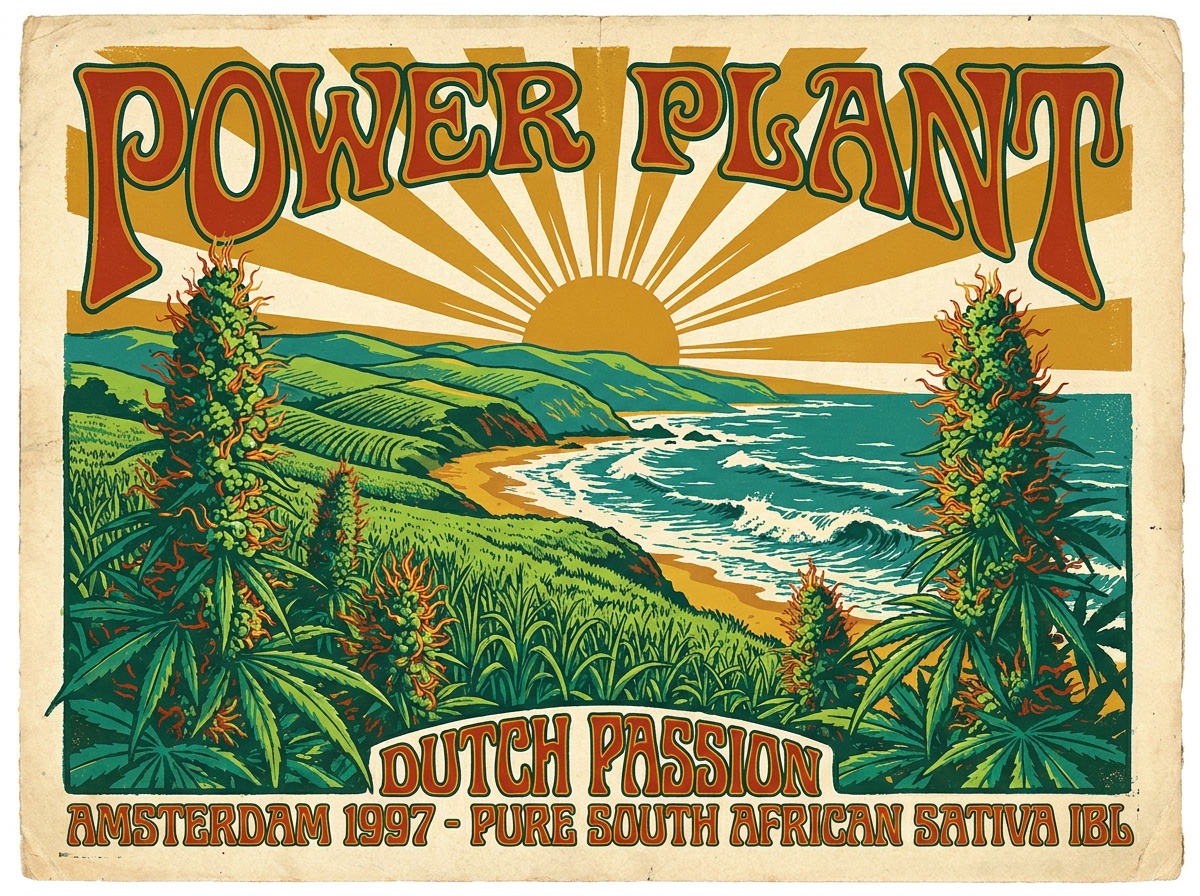
In the annals of European cannabis horticulture, few cultivars have exerted as profound an economic and agronomic impact as Power Plant. Introduced to the global market in 1997 by the master breeders of Dutch Passion in Amsterdam, Power Plant fundamentally shattered the prevailing horticultural dogma that high-yielding, rapid-maturing commercial indoor cannabis required hybridization with broad-leaf Afghan or Pakistani indica genetics. Standing as an unhybridized, one-hundred-percent pure sativa Inbred Line (IBL), Power Plant proved that elite equatorial and subtropical African genetics could deliver commercial harvest volumes and rapid flowering cycles that rivaled or exceeded the densest indica varieties.
The ancestral origins of Power Plant trace directly to the eastern seaboard of South Africa, specifically the subtropical river basins and coastal plateaus of KwaZulu-Natal surrounding the historic port city of Durban. This geographic corridor—characterized by the Valley of a Thousand Hills, intense solar radiation, high humidity, and rich alluvial loam soils—has been a center of traditional indigenous cannabis cultivation (known locally as dagga) for centuries by Zulu and Pondo agriculturalists. For generations, traditional farmers selected local landraces for rapid maturation before the onset of autumn rainstorms, vigorous pest resistance, and an invigorating, work-enhancing psychoactive profile that sustained long days of physical labor.
During the early to mid-1990s, Dutch Passion genetic scouts collected authentic, unadulterated seed accessions directly from rural farming cooperatives in the KwaZulu-Natal hinterlands. Unlike the earlier Durban Poison accessions—which had been selectively acclimated for outdoor Dutch gardens in the late 1970s—the germplasm that gave rise to Power Plant was specifically targeted for controlled-environment indoor optimization. Recognizing the immense commercial and medicinal potential of this pure African population, Dutch Passion breeders embarked on an intensive multi-generational selective breeding program, strictly refusing to outcross the line to Skunk, Haze, or Northern Lights.
Over consecutive filial generations, the breeders selected parent plants that expressed extraordinary apical vigor, immense floral mass, tight internodal clustering, and a dramatically shortened flowering photoperiod of just 8 to 9 weeks (56 to 63 days). When officially unveiled in 1997, Power Plant became an immediate sensation across the Amsterdam coffee shop circuit and European commercial grow operations. Dubbed the “Grower’s Dream,” it yielded up to 600 grams per square meter of colossal, trichome-blanketed colas, while providing consumers with an unmistakable, unclouded African sativa high. It earned prestigious accolades across international competitions, including top honors at the Highlife Cup, and remains one of the most reliable, genetically uniform inbred lines in modern cannabis seed banks.
2. Genetics, Lineage, and Phenotypic Morphology
Genetically, Power Plant represents one of the rare commercial masterworks in modern cannabis: a true, stabilized Inbred Line (IBL) of 100% pure sativa heritage. While the vast majority of commercial sativas are multi-way poly-hybrids incorporating Dutch, American, or tropical components, Power Plant was cultivated and stabilized entirely within the closed gene pool of its original South African landrace stock. This true-breeding homozygous stability ensures remarkable uniformity across seed crops, producing plants with near-identical growth habits, nutrient requirements, and cannabinoid yields.
| Lineage Component | Geographic Origin & Terroir | Phenotypic & Agronomic Contribution |
|---|---|---|
| South African Landrace Stock | KwaZulu-Natal / Durban Coastal Basin, South Africa (Subtropical coastal hills, 29°S) | Delivered unhybridized sativa genetic vigor, natural pathogen resistance, rapid floral initiation, elevated natural THCV biosynthesis, and a crystal-clear, functional cerebral psychoactivity. |
| Dutch Passion IBL Selection (1997) | Amsterdam, The Netherlands (Controlled greenhouse & indoor breeding facility) | Selected over multiple filial generations for extraordinary floral mass (500–600 g/m²), shortened 8-to-9 week flowering duration, compressed internodal spacing, and rock-solid genetic stability. |
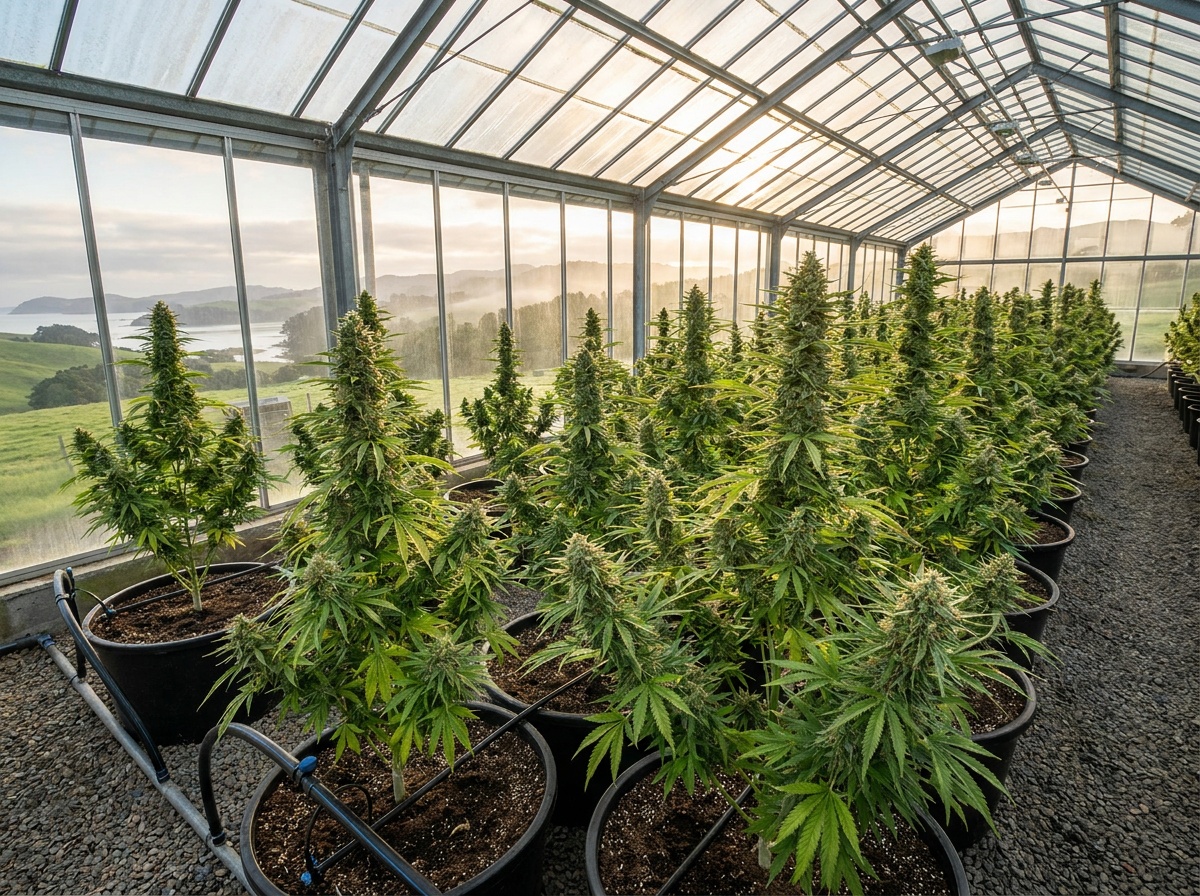
Morphologically, Power Plant exhibits a unique, highly evolved structural phenotype that sets it apart from both spindly equatorial sativas and squat Afghan indicas. In the vegetative phase, plants develop with ferocious speed, forming a robust central stalk supported by vigorous, upright lateral branches that assume a classic symmetrical candelabra architecture. Internodal spacing is remarkably compact for a pure sativa, averaging between 8 and 14 cm. This compressed architecture allows floral clusters to bridge the gaps between nodes early in flowering, forming continuous, forearm-length colas of staggering mass.
The foliage of Power Plant clearly displays its unadulterated sativa heritage. Sun leaves feature 7 to 9 slender, lanceolate leaflets with delicate, sharply defined serrations and a bright lime-to-medium emerald coloration. When switched to a 12/12 flowering photoperiod, Power Plant undergoes a moderate, highly manageable stretch of approximately 150% to 200%—substantially less vertical elongation than equatorial Haze or Thai varieties, making it exceptionally well-suited for indoor grow rooms and vertical cultivation setups. Indoors, mature plants reach a manageable height of 1.5 to 1.8 meters, while outdoor specimens planted in full living soil can easily exceed 2.5 to 3.0 meters.
The true horticultural marvel of Power Plant is its flowering duration and inflorescence density. Completing its full floral maturation in just 56 to 63 days (8 to 9 weeks), it flowers with the speed of an indica while producing flowers composed entirely of swollen, stacked sativa calyxes. The colas are long, thick, and cylindrical, frequently swelling to the diameter of two-liter bottles by week seven. Despite their impressive volume, the flowers retain an open, micro-porous interior calyx stacking that allows continuous airflow, preventing the gray mold (Botrytis cinerea) that frequently plagues dense indica buds under high humidity. The calyx-to-leaf ratio is remarkably high, ensuring rapid, efficient hand-trimming with minimal waste.
Because Power Plant is a stabilized inbred line, phenotypic variation is minimal. However, growers consistently identify two subtle chemotypic nuances:
1. The Peppery-Spice Phenotype: The most common expression (~70% of individuals), featuring immense, rock-solid central colas, dark copper pistils, a pungent aroma of fresh black pepper, cedarwood, and damp earth, and an intensely energetic, communicative social high.
2. The Sweet Aniseed Phenotype: A slightly taller, more resinous expression (~30% of individuals), exhibiting vibrant chartreuse calyxes, fiery tangerine stigmas, and an aromatic bouquet dominated by sweet licorice, star anise, and fresh pine needles, accompanied by a soaring, highly creative cerebral rush.
Section 3: Comprehensive Cannabinoid Chromatography and Potency Profile
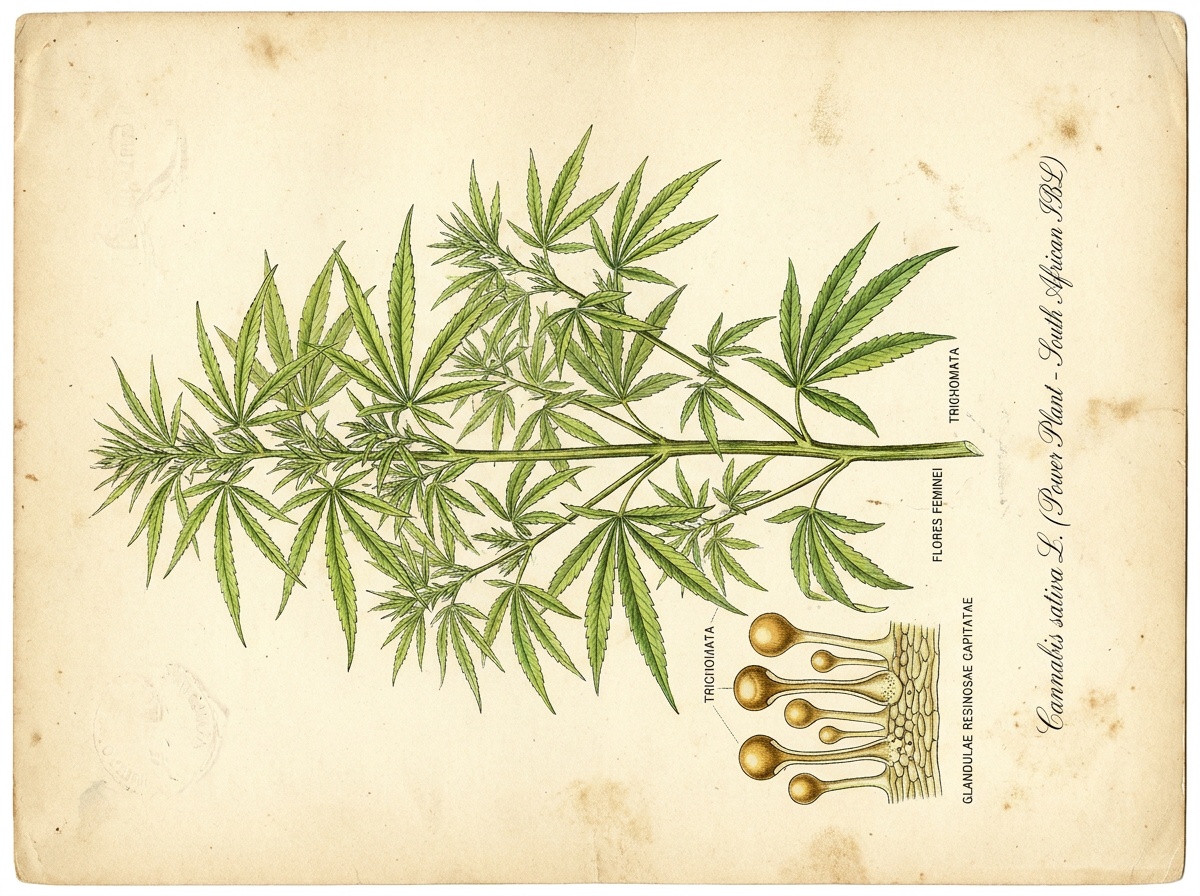
High-Performance Liquid Chromatography (HPLC) coupled with photodiode array detection (PDA) and mass spectrometry reveals that Cannabis sativa ‘Power Plant’ possesses an extraordinary, chemically stabilized cannabinoid architecture characteristic of elite Southern African landrace descendants. Unlike modern multi-hybrid sativas bred through extensive polyhybrid crosses that introduce high phenotypic variation, Power Plant exhibits remarkable batch-to-batch chemotypic uniformity. Developed as an inbred line (IBL) by Dutch Passion in 1997 from pure landrace accessions collected in South Africa’s KwaZulu-Natal coastal and midland regions, this cultivar concentrates high levels of tetrahydrocannabinolic acid (THCA) alongside clinically meaningful concentrations of tetrahydrocannabivarin (THCV) and cannabigerol (CBG).
The total cannabinoid concentration typically spans 20.5% to 26.5% by dry flower weight under optimized commercial horticultural regimes, with neutral delta-9-tetrahydrocannabinol (Δ9-THC) potential consistently measuring between 17.0% and 22.0% (mean value 19.5%). While extreme commercial hype often fixates purely on nominal THC percentages exceeding 30%, pharmacologists recognize that Power Plant’s subjective potency, rapid kinetic onset, and clean psychoactive velocity are profoundly modulated by its secondary propyl cannabinoid fraction—specifically THCV—working in concerted kinetic synergy with primary alkyl cannabinoids.
| Cannabinoid Analyte | Abbreviation | Mean Concentration (% w/w) | Typical Range (% w/w) | Pharmacological & Receptor Activity |
|---|---|---|---|---|
| Delta-9-Tetrahydrocannabinolic Acid A | THCA-A | 22.20% | 19.50% – 24.80% | Non-intoxicating thermal precursor; strong PPARγ agonist, neuroprotective, and anti-inflammatory agent. |
| Delta-9-Tetrahydrocannabinol (Decarboxylated) | Δ9-THC | 19.50% | 17.00% – 22.00% | Partial agonist at central CB1 and peripheral CB2 receptors; primary psychotropic driver of euphoria, sensory acuity, and analgesia. |
| Tetrahydrocannabivarin | THCV | 1.25% | 0.80% – 1.80% | Propyl homologue; CB1 neutral antagonist / inverse agonist at modest dosages, appetite suppressant (anorectic), and metabolic stimulant. |
| Cannabigerol | CBG | 0.85% | 0.60% – 1.20% | Parent non-intoxicating stem phytocannabinoid; potent α2-adrenoceptor agonist, 5-HT1A antagonist, and intraocular hypotensive. |
| Cannabidiol | CBD | 0.25% | 0.10% – 0.50% | Negative allosteric modulator of CB1; mitigates tachycardia and dysphoria without attenuating cerebral lucidity. |
| Cannabichromene | CBC | 0.32% | 0.20% – 0.45% | TRPA1 receptor agonist; potentiates endogenous anandamide signaling via uptake inhibition and promotes adult neural stem progenitor viability. |
| Cannabinol | CBN | 0.12% | 0.05% – 0.25% | Oxidative degradation byproduct of Δ9-THC; weak CB1/CB2 partial agonist imparting mild muscular relaxation upon prolonged cure. |
A distinctive chemotaxonomic hallmark of Power Plant is its elevated concentration of tetrahydrocannabivarin (THCV), consistently quantifying between 0.80% and 1.80% across commercial liquid chromatography screenings. In mainstream commercial polyhybrids descended from Northern European or American genetics, THCV rarely registers above 0.10% to 0.20%. Southern African landrace populations—most famously the Durban gene pool and the equatorial cultivars of the eastern seaboard—frequently synthesize significant quantities of geranyl divarinolate rather than geranyl pyrophosphate, giving rise to alkyl side-chains with three carbon atoms (propyl cannabinoids) rather than five carbon atoms (pentyl cannabinoids).
Pharmacologically, THCV behaves as a dose-dependent modulator of the orthosteric cannabinoid type-1 (CB1) receptor binding pocket. At low to intermediate physiological plasma levels, THCV acts as a competitive neutral antagonist or partial inverse agonist, actively blocking the binding of endogenous anandamide or low concentrations of Δ9-THC. This mechanism completely counteracts the ravenous food cravings colloquially termed the “munchies,” while preventing the sluggish, couch-locking physical sedation commonly induced by broadleaf myrcene-heavy strains. Furthermore, as systemic concentrations increase during steady vapor inhalation, THCV displays agonist behavior that accelerates cerebral cognitive tempo, intensifies sensory illumination, and facilitates rapid synaptic dopamine release in the prefrontal cortex.
The elevated cannabigerol (CBG) titer (averaging 0.85%) further refines the physiological cascade. By modulating vascular tension, lowering intraocular pressure, and preventing rapid microglial inflammation, CBG buffers the potent cerebral stimulation of Δ9-THC, establishing a sustained, clear-headed vigilance that makes Power Plant renowned among medical patients managing treatment-resistant mental fatigue and attention deficit conditions.
Section 4: Terpene Chemometrics, Volatile Secondary Metabolites, and Sensory Bouquet
Gas Chromatography coupled with Mass Spectrometry (GC-MS) and Flame Ionization Detection (GC-FID) demonstrates that Power Plant synthesizes an aromatic fingerprint that diverges sharply from modern myrcene-heavy dessert strains or high-limonene tropical hybrids. The total volatile terpene fraction of expertly cultivated, slow-cured Power Plant typically registers between 2.20% and 3.00% (22.0 to 30.0 mg/g) by dry flower mass. The profile is anchored by a trifecta of beta-myrcene, alpha-pinene, and beta-caryophyllene, further enlivened by d-limonene and terpinolene, with trace contributions from alpha-humulene, ocimene, and linalool.
| Terpene Compound | Relative % of Terpene Fraction | Concentration Range (mg/g) | Sensory Descriptor & Volatilization Point | Synergistic & Pharmacological Mechanism |
|---|---|---|---|---|
| Beta-Myrcene | 32.0% | 7.0 – 9.6 mg/g | Herbal, musky, earthy cloves, moist forest humus; b.p. 168°C | Modulates blood-brain barrier permeability; increases receptor affinity for cannabinoids; mild peripheral antinociception. |
| Alpha-Pinene | 25.0% | 5.5 – 7.5 mg/g | Sharp crisp pine needles, crushed rosemary, crushed juniper; b.p. 155°C | Potent acetylcholinesterase (AChE) inhibitor; preserves acetylcholine, countering short-term memory deficit; pulmonary bronchodilator. |
| Beta-Caryophyllene | 18.0% | 4.0 – 5.4 mg/g | Cracked black peppercorns, warm woody clove, pungent spice; b.p. 160°C | Selective full agonist at peripheral CB2 receptors; downregulates inflammatory cytokine cascades without central intoxication. |
| D-Limonene | 12.0% | 2.6 – 3.6 mg/g | Bright lemon zest, sweet orange rind, zesty citrus rind; b.p. 176°C | Activates 5-HT1A serotonergic pathways; enhances dopaminergic transmission, producing rapid mood elevation and anxiolysis. |
| Terpinolene | 7.0% | 1.5 – 2.1 mg/g | Complex woody floral, pine blossom, fresh herbal citrus; b.p. 185°C | Modulates central nervous system excitation; subtle sedative buffering, antioxidant properties, and distinctive classic Haze aromatic tonality. |
| Alpha-Humulene | 3.2% | 0.7 – 1.0 mg/g | Woody hops, dry earthy timber, subtle ginger undertone; b.p. 198°C | Synergizes with caryophyllene in inhibiting PGE2; anorectic properties suppressing ghrelin-induced appetite signaling. |
| Beta-Pinene | 1.8% | 0.4 – 0.6 mg/g | Green herbal dill, sweet pine resin, botanical balsam; b.p. 166°C | Complements alpha-pinene bronchodilation; cellular antioxidant and cellular membrane stabilizing agent. |
| Trans-Ocimene | 1.0% | 0.2 – 0.3 mg/g | Sweet tropical herbal, floral basil, green foliage; b.p. 159°C | Decongestant and antiviral properties; contributes to sweet top notes during initial aromatic volatilization. |
The sensory evolution of Power Plant during handling, combustion, and vaporization is exceptionally structured. Professional organoleptic assessment reveals a distinct five-phase sensory progression:
- Intact Cured Inflorescence: Upon opening an airtight glass curing vessel, the initial olfactory strike is predominantly pungent, earthy, and peppery, driven by the marriage of myrcene and beta-caryophyllene. A dense background of dry timber, cured tobacco leaf, and subtle sweet aniseed underlines the bouquet, avoiding the cloying berry sweetness of modern polyhybrids.
- Mechanical Disruption & Grinding: When the dense, resin-encrusted calyx clusters are fractured, the volatile monoterpene fraction vaporizes rapidly into the surrounding atmosphere. Alpha-pinene immediately asserts dominance, releasing an exhilarating surge of mountain pine needles, freshly stripped eucalyptus bark, and damp cedar needles, interwoven with a sharp, sparkling twist of bitter lemon rind.
- Initial Heat Inhalation (Combustion / 175°C Vaporization): The introductory draw delivers an unmistakably crisp, herbal-spicy smoke or vapor. The palate is enveloped in notes of white pepper, toasted fennel seed, and clean highland pine. The smoke possesses substantial body and expansion in the chest without harsh acridity, reflecting complete carbohydrate and nutrient purging during the ripening flush.
- Mid-Palate Exhalation: Upon exhalation, the rich sesquiterpene base surfaces, coating the tongue in deep woody, peppery, and earthy sandalwood notes. The lingering retro-nasal bouquet reveals subtle hints of licorice, clove, and sweet citrus rind that cleanse the palate.
- Ambient Room Dispersion: The ambient room note (“sidestream smoke”) generated by burning Power Plant is dry, incense-like, and profoundly nostalgic—evocative of classic late-1990s Dutch coffeehouses, aged cedar chests, and exotic African spice markets.
Section 5: Biomolecular Entourage Synergies and Pharmacodynamics
The therapeutic and experiential superiority of whole-plant Cannabis sativa extract over isolated delta-9-tetrahydrocannabinol is governed by the complex pharmacodynamic phenomenon known as the “entourage effect.” In Power Plant, this phenomenon is not merely theoretical; it is orchestrated by specific molecular interactions between phytocannabinoids, propyl homologues, monoterpenes, and sesquiterpenes acting across multiple central and peripheral biological pathways. Five primary biomolecular synergies define the clinical and neurobiological profile of Power Plant:
1. THCV and Δ9-THC Kinetic Modulation and Anorectic Metabolic Signaling
In standard commercial cannabis polyhybrids, delta-9-THC binds as a partial agonist to cannabinoid type-1 (CB1) receptors located in the hypothalamic nuclei, stimulating pro-opiomelanocortin (POMC) neurons and triggering intense orexigenic drives (hyperphagia or the “munchies”). In Power Plant, the presence of 0.80% to 1.80% tetrahydrocannabivarin (THCV) introduces a potent neutral CB1 antagonist and partial inverse agonist into the microenvironment. THCV competitively binds to the orthosteric site of hypothalamic CB1 receptors, attenuating THC-mediated hunger signaling without blocking dopamine release in the nucleus accumbens. Furthermore, rodent and early human metabolic trials indicate that THCV enhances insulin sensitivity, upregulates resting energy expenditure, and promotes hepatic lipid oxidation via adiponectin gene expression. This synergy creates an invigorating, functional psychoactive experience completely free of post-consumption lethargy or uncontrolled caloric consumption.
2. Alpha-Pinene-Mediated Acetylcholinesterase (AChE) Inhibition and Memory Preservation
A well-documented side effect of pure Δ9-THC administration is acute short-term memory impairment and attentional fragmentation, caused by transient suppression of acetylcholine release in the hippocampal CA1 and CA3 pyramidal neurons. Power Plant counteracts this deficit through its exceptionally high alpha-pinene titer (representing 25% of the total terpene profile, delivering 5.5 to 7.5 mg/g). Alpha-pinene is a bioavailable, lipophilic monoterpene that readily crosses the blood-brain barrier to inhibit the catabolic enzyme acetylcholinesterase (AChE). By preserving intrasynaptic acetylcholine levels in hippocampal circuits, alpha-pinene maintains synaptic plasticity, enhances focus retention, and prevents the cognitive “brain fog” often associated with potent sativas. Users frequently report a sensation of sharp mental lucidity, verbal fluency, and acute environmental awareness.
3. Beta-Caryophyllene Peripheral CB2 Agonism and Cytokine Downregulation
While Δ9-THC provides central antinociception via thalamic and spinal CB1 pathways, Power Plant delivers robust peripheral anti-inflammatory efficacy through beta-caryophyllene (18% of terpene fraction, 4.0 to 5.4 mg/g). Beta-caryophyllene is unique among natural terpenes as a selective full agonist at the cannabinoid type-2 (CB2) receptor, displaying negligible binding affinity for psychotropic CB1 receptors. Upon engaging CB2 receptors on circulating monocytes, tissue macrophages, and microglial cells, beta-caryophyllene inhibits the nuclear factor kappa B (NF-κB) transcription pathway, triggering dramatic downregulations in pro-inflammatory cytokines including tumor necrosis factor-alpha (TNF-α), interleukin-1 beta (IL-1β), and interleukin-6 (IL-6). This mechanism provides meaningful relief for systemic inflammatory disorders, rheumatoid discomfort, and tension headaches without clouding executive cognitive performance.
4. Beta-Myrcene Blood-Brain Barrier Translocation and Receptor Sensitization
Although Power Plant behaves phenotypically as an energetic, cerebrally stimulating sativa, its single most abundant volatile compound is beta-myrcene (~32% of total terpenes). Rather than inducing the physical sedation typical of heavy indica cultivars (which typically require myrcene in conjunction with high linalool and low pinene/limonene), myrcene in Power Plant functions primarily as a kinetic translocation catalyst. Myrcene possesses the biochemical capacity to alter the fluid dynamic properties of endothelial cell membranes comprising the blood-brain barrier (BBB). By lowering membrane resistance, myrcene accelerates the rate and volume of Δ9-THC and THCV transport into cerebrospinal fluid. This pharmacokinetic facilitation explains Power Plant’s famously rapid “fast-hitting” onset—often felt within 90 to 120 seconds of initial inhalation—delivering an instantaneous surge of cerebral vitality before the slower-acting sesquiterpenes equilibrate.
5. D-Limonene 5-HT1A Serotonergic Agonism and Prefrontal Dopaminergic Tone
The fifth crucial synergy involves d-limonene (12% of total terpenes, 2.6 to 3.6 mg/g) interacting synergistically with phytocannabinoids to elevate affective tone. D-Limonene readily vaporizes and crosses neural membranes, where it stimulates serotonin 1A (5-HT1A) receptor signaling and enhances basal dopamine release across the prefrontal cortex and mesolimbic reward pathways. For individuals suffering from chronic stress, anhedonia, or dysthymia, this limonene-cannabinoid synergy generates an immediate dissolution of psychological constriction, replacing intrusive ruminative thoughts with optimistic expansiveness, creative motivation, and social enthusiasm.
Section 6: Clinical Pharmacology, Therapeutic Applications, and Evidence-Based Indications
The specialized phytochemistry of Cannabis sativa ‘Power Plant’—specifically its balance of high Δ9-THC, elevated THCV, moderate CBG, and alpha-pinene/caryophyllene dominant terpene matrix—translates into distinct clinical utility. While broadleaf indica varietals and myrcene/linalool-dominant hybrids are indicated for nocturnal sedation and severe musculoskeletal spasm, Power Plant functions in clinical cannabinoid medicine as a potent daytime activator, mental energizer, and cognitive tonic.
| Clinical Indication | Therapeutic Priority | Primary Active Compounds | Underlying Pharmacological Mechanism | Recommended Administration Route & Dosage |
|---|---|---|---|---|
| Chronic Fatigue Syndrome (CFS / ME) & Lethargy | Primary / First-Line | Δ9-THC, THCV, Alpha-Pinene, Limonene | CB1 modulation by THCV stimulates prefrontal dopamine and norepinephrine release; alpha-pinene enhances metabolic wakefulness without tachycardia. | Dry herb convection vaporization (175°C–185°C); 2.5–5.0 mg vaporized THC in morning or early afternoon sessions. |
| Attention Deficit Hyperactivity Disorder (ADHD – Inattentive Type) | Primary | Alpha-Pinene, THCV, CBG, Beta-Caryophyllene | AChE enzyme inhibition by alpha-pinene prevents acetylcholine breakdown; THCV stabilizes central dopaminergic tone, improving task persistence. | Micro-dosed vaporization; 1–2 inhalations hourly during focused cognitive or analytical tasks. |
| Major Depressive Disorder (MDD) & Anhedonia | High Secondary | D-Limonene, Δ9-THC, Beta-Caryophyllene | 5-HT1A serotonergic stimulation combined with mesolimbic CB1 receptor activation disinhibits affective blunting and restores motivation. | Vaporization or sublingual tincture; titrate to symptom resolution without inducing overstimulation. |
| Peripheral Neuropathic Pain & Migraine | Secondary | Beta-Caryophyllene, Δ9-THC, CBG, Beta-Myrcene | Selective peripheral CB2 receptor activation downregulates spinal microglial neuroinflammation; CBG provides vascular smoothing and anti-spasmodic relief. | Full-spectrum vaporization (185°C–195°C); 5–10 mg THC equivalent every 4 to 6 hours as needed. |
| Elevated Intraocular Pressure (Glaucoma / Ocular Hypertension) | Adjunctive | CBG, Δ9-THC, Alpha-Pinene | Cannabigerol and Δ9-THC interact with trabecular meshwork cannabinoid receptors, accelerating aqueous humor outflow and reducing pressure by 20–30%. | Inhalation at 3–4 hour intervals throughout daylight hours; contraindicated before sleep if supine IOP spikes occur. |
| Metabolic Syndrome & Appetite Dysregulation | Investigational / Adjunctive | THCV, Alpha-Humulene, CBC | Competitive CB1 antagonism attenuates compulsive food-seeking behavior, while upregulation of adiponectin expression supports glycemic control. | Standardized THCV-rich vapor extracts or encapsulated decarboxylated flower taken prior to meals. |
Clinical Titration Protocols and Therapeutic Dosing Guidelines
Due to the fast pharmacokinetic onset facilitated by beta-myrcene and the potent dopamine-releasing kinetics of the THCV-THC complex, clinical titration must follow a conservative “start low, go slow” methodology. For cannabinoid-naive patients, initial administration should be restricted to a single dry herb vaporization inhalation at 175°C (approximately 1.5 to 2.5 mg delivered Δ9-THC). The patient should be monitored for 15 minutes before administering subsequent doses.
For experienced medical cannabis consumers managing severe chronic fatigue or executive dysfunction, therapeutic daytime maintenance doses typically range from 5.0 to 15.0 mg vaporized THC per session, repeated at 3 to 4-hour intervals. Crucially, because Power Plant exerts pronounced stimulatory and wakefulness-promoting effects, clinical practitioners advise restricting administration to morning and early afternoon hours. Evening administration within 4 to 5 hours of intended sleep is generally discouraged, as the elevated alpha-pinene and THCV concentrations can interfere with slow-wave sleep latency.
Contraindications and Differential Safety Parameters
While Power Plant is exceptionally well-tolerated among patients seeking clear-headed daytime relief, specific clinical contraindications apply:
- Severe Panic Disorder and Acute Agoraphobia: Highly sensitive patients prone to tachycardia-induced panic may find the rapid onset and cerebral acceleration of Power Plant overwhelming if titrated too aggressively. In such populations, co-administration of 10–20 mg of oral CBD isolate is recommended as an allosteric brake.
- Uncontrolled Cardiovascular Arrhythmias: Although alpha-pinene buffers peripheral vasodilation, rapid inhalation of high Δ9-THC can provoke transient orthostatic hypotension followed by compensatory sinus tachycardia in vulnerable cardiac patients.
- Severe Anorexia Nervosa or Cachexia: Because THCV functions as a physiological appetite suppressant and metabolic stimulant, Power Plant is not the optimal first-line agent for patients requiring profound orexigenic stimulation (where high-myrcene, low-THCV cultivars like Granddaddy Purple or Northern Lights are clinically superior).
Section 7: Subjective Experiential Trajectory and Vaporization Thermal Profiling
The psychoactive signature of Cannabis sativa ‘Power Plant’ is defined by its immediate onset, sustained cerebral trajectory, and absence of narcotic physical heaviness. Unlike complex multi-hybrids that introduce fluctuating waves of sedation and stimulation, Power Plant delivers a remarkably linear, predictable, and functional arc. Understanding this trajectory allows medical patients and connoisseurs to optimize their consumption environment and timing.
The Four-Phase Experiential Arc
- Phase 1: Ingestion and Immediate Cerebral Activation (Minutes 0–5): Within seconds of inhalation, the rapid uptake of beta-myrcene and Δ9-THC triggers a distinct cranial sensation often described as a gentle pressure band behind the temples and across the forehead. Visual contrast sharpens noticeably; ambient colors appear richer and more saturated. Heart rate experiences a slight, transient elevation before stabilizing, accompanied by an instant lifting of psychological fatigue and mental apathy.
- Phase 2: Peak Cognitive Velocity and Creative Flow (Minutes 15–45): As the blood plasma concentration of Δ9-THC and THCV reaches its apex, users enter a highly alert, articulate, and energized state. The inhibitory actions of alpha-pinene on acetylcholinesterase maintain sharp memory recall and verbal agility. This phase is characterized by rapid ideation, lateral creative connections, enhanced pattern recognition, and an innate drive to engage in physical, artistic, or analytical tasks. There is zero couch-lock or motor lethargy.
- Phase 3: Sustained Functional Vitality and Social Expansion (Minutes 45–90): The sharp initial cerebral acceleration smoothly transitions into a broad, joyful, and buoyant mood plateau. Social interactions become effortless and engaging, with heightened empathy and conversational fluency. Somatically, beta-caryophyllene and cannabigerol (CBG) impart a light, soothing muscular relaxation that relieves cervical and lumbar tension without dampening physical motivation.
- Phase 4: Gentle Somatic Dissipation and Clean Baseline Return (Minutes 90–150+): Unlike heavy indica varietals that leave consumers in a foggy, exhausted stupor requiring sleep or caffeine, Power Plant tapers cleanly back to baseline. The psychoactive plateau fades gently, leaving a lingering sense of mental clarity, physical refreshment, and calm contentment. Post-session cognitive hangover is virtually non-existent.
Multi-Temperature Vaporization Thermal Spectrum
Because different phytocannabinoids and terpenes possess unique boiling points and thermal degradation thresholds, dry herb convection vaporization offers unparalleled control over the pharmacological outcome. By adjusting vaporizer temperature settings, consumers can selectively extract specific target fractions of Power Plant’s chemical spectrum.
| Thermal Tier | Temperature Range | Target Chemical Volatiles Released | Sensory Flavor Profile | Dominant Physiological & Experiential Effect |
|---|---|---|---|---|
| Tier 1: Terpene Preservation / Microdose | 155°C – 165°C (311°F – 329°F) | Alpha-Pinene, Beta-Pinene, Beta-Myrcene, Trans-Ocimene | Crisp forest pine needles, sweet fresh rosemary, delicate citrus blossom. | Pure cognitive lucidity, mild bronchodilation, subtle mood uplift, zero perceptual intoxication; ideal for daytime professional tasks. |
| Tier 2: Balanced Cannabinoid Vaporization | 175°C – 185°C (347°F – 365°F) | Δ9-THC, D-Limonene, Beta-Caryophyllene, CBD, CBG | Pungent cracked pepper, rich cedarwood, bright lemon zest, sweet herbal hops. | Vibrant cerebral euphoria, heightened sensory perception, creative inspiration, balanced peripheral inflammation relief. |
| Tier 3: High-Extraction / Full Spectrum | 190°C – 205°C (374°F – 401°F) | THCV, Alpha-Humulene, CBC, trace CBN, high-boiling sesquiterpenes | Deep earthy timber, toasted cloves, dry aniseed, robust herbal incense. | Complete somatic muscular ease, enhanced metabolic stimulation from THCV, profound neuropathic pain relief, grounded calm. |
Section 8: Commercial Dispensary Quality Assessment, Connoisseur Scorecard, and Budtender Guidance
In the contemporary commercial dispensary environment, where display shelves are saturated with generic multi-hybrid dessert crosses and unstable cookies-and-cream derivatives, Cannabis sativa ‘Power Plant’ stands out as an irreplaceable classical standard. Its historical legacy as an unstabilized South African landrace refined into a rock-solid Inbred Line (IBL) by Dutch Passion gives it structural and physiological characteristics that demand specialized dispensary curation, evaluation, and patient consultation.
Dispensary Visual and Mechanical Assessment
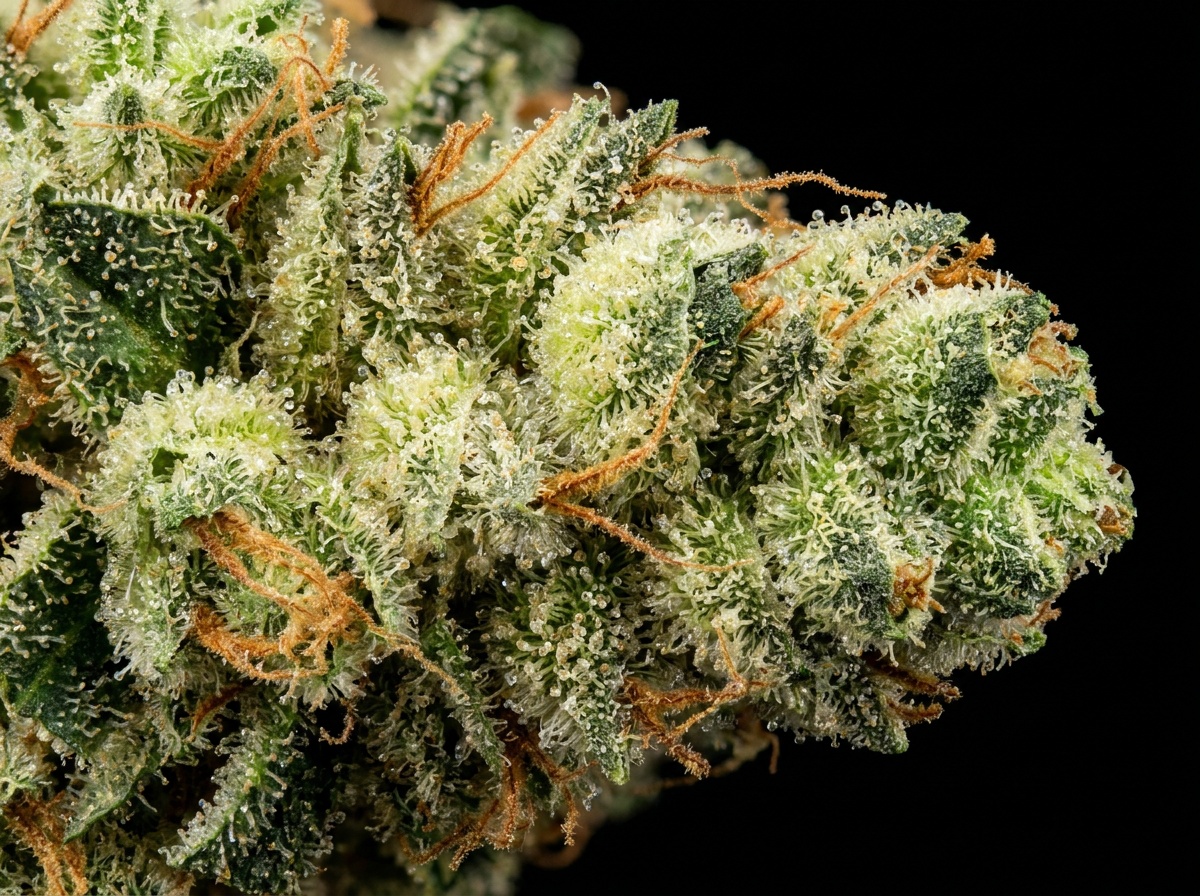
Authentic, high-grade Power Plant displays striking visual bag appeal that immediately communicates its pure sativa heritage while defying common preconceptions regarding sativa density. Unlike wispy or loose equatorial landrace buds, Power Plant produces substantial, cylindrical colas of surprising mass and firmness. Individual calyxes are elongated and spiraling, presenting in hues of bright lime-green and soft forest olive. Interspersed across the floral surface are thick, fiery tangerine-orange to antique copper pistillate hairs. The glandular trichome blanket is dense and uniform, exhibiting long, slender translucent stalks topped with perfectly spherical, resin-swollen secretory heads that glitter under dispensary LED illumination.
| Evaluation Parameter | Score (1–10 Scale) | Benchmark Standard | Qualitative Connoisseur Notes |
|---|---|---|---|
| Visual Morphology & Bag Appeal | 9.4 / 10 | Colossal cylindrical colas, vibrant lime calyxes, fiery copper pistils. | Exceptional density for a 100% sativa; magnificent spear architecture with immaculate calyx-to-leaf ratio. |
| Trichome Integrity & Coverage | 9.5 / 10 | Intact capitate-stalked glandular heads, glistening crystalline frost. | Monumental resin gland coverage extending deep into inner bract folds; minimal mechanical head shear. |
| Olfactory Pungency & Complexity | 9.3 / 10 | Sharp highland pine, cracked black pepper, herbal aniseed, woody cedar. | Penetrating, classic Old World bouquet; distinct absence of cloying artificial berry notes; pure herbal sophistication. |
| Combustion / Vaporization Palatability | 9.6 / 10 | Clean expansive white smoke, smooth spicy herbal vapor, light ash residue. | Extremely smooth lung expansion; zero throat bite; leaves a lingering, palate-cleansing pine-aniseed finish. |
| Experiential Velocity & Functional Purity | 9.7 / 10 | Immediate cerebral activation, sustained cognitive lucidity, zero couch-lock. | Unrivaled daytime productivity cultivar; clean cerebral uplift powered by THCV and alpha-pinene. |
| Overall Connoisseur Rating | 9.5 / 10 | Tier-1 Elite Classic Sativa Inbred Line (IBL) | An enduring masterpiece of 1990s Dutch stabilization; essential dispensary inventory for daytime functional consumers. |
Budtender Patient Guidance and Consultation Scripts
To assist dispensary staff in effectively recommending Power Plant to appropriate medical patients and adult-use patrons, the following three dialogue frameworks provide evidence-based, compassionate guidance:
Archetype A: The Knowledge Worker or Executive Seeking Daytime Focus and Energy
“If you are looking for an energizing daytime strain that sharpens your focus rather than clouding your thoughts, Power Plant is an exceptional choice. Developed from pure South African landrace genetics, it contains a unique cannabinoid called THCV alongside high levels of alpha-pinene. Pinene helps preserve mental clarity and memory recall, while THCV provides clean, stimulating energy without the physical sluggishness or food cravings common with other strains. It is the ideal companion for tackling complex intellectual projects, long work sessions, or creative problem-solving.”
Archetype B: The Creative Artist or Writer Seeking Flow State Without Brain Fog
“Power Plant is legendary among artists, writers, and musicians who need an expansive flow state without losing technical precision. Within minutes of vaporizing at a moderate temperature, you will feel a crisp uplift behind your eyes that sharpens color perception and prompts rapid, lateral associations. Unlike modern hybrid crosses that can leave you scatterbrained or daydreaming, Power Plant maintains exceptional verbal fluency and cognitive discipline, allowing you to sustain productive creative work for hours.”
Archetype C: The Heritage Connoisseur and Landrace Genetic Purist
“For connoisseurs fatigued by ubiquitous dessert crosses, Power Plant represents pure, unadulterated Old World cannabis history. Originally collected from wild coastal landrace populations in KwaZulu-Natal, South Africa, and stabilized as a true inbred line by Dutch Passion in 1997, it offers the authentic spicy, piney, and peppery terpene profile of South African dagga. It delivers commercial-grade bud density with 100% pure sativa pedigree—a true milestone in modern cannabis preservation.”
Dispensary Curing, Storage, and Shelf-Life Protocols
Because the volatile monoterpene fraction of Power Plant (predominantly alpha-pinene and beta-myrcene) possesses high vapor pressures and susceptibility to oxidative degradation, specialized post-harvest storage standards must be enforced:
- Relative Humidity Equilibration: Maintain cured flower strictly between 58% and 62% relative humidity (RH) using food-grade two-way vapor-permeable membrane packs within airtight vessels.
- Temperature Regulation: Ambient storage environments must be maintained at 15°C to 18°C (59°F–64°F). Temperatures above 21°C accelerate monoterpene evaporation and promote premature THCA decarboxylation into psychotropic CBN.
- Photodegradation Prevention: Store bulk reserves in pharmaceutical-grade amber or cobalt borosilicate glass jars or nitrogen-purged opaque containers. Ultraviolet (UV) radiation triggers rapid free-radical degradation of delicate glandular trichome heads.
[wp_post_visit_card post_id=”1359″]
- Acapulco Gold
- ACDC Strain
- Amnesia Haze
- Amsterdam Amnesia
- Blue Dream Strain
- Brazilian Manga Rosa
- Cannabis sativa ‘Maui Wowie’
- Charlotte’s Web Strain
- Chiang Mai Highland Thai
- Chocolope
- Colombian Gold (Santa Marta)
- Congolese Red (Kivu Landrace)
- Desfrán
- Durban Dew
- Durban Poison
- Ethiopian Highland Landrace
- Euforia
- Freddy’s Best
- Ghost Train Haze #1
- Green Crack (Cush)
- Harlequin Strain
- Isan Sativa Landrace
- Jack Herer Strain
- Jamaican Lamb’s Bread (Lamb’s Breath)
- Jamaican Pearl
- Kalamata Red
- Kerala Gold (Idukki Gold)
- Kilimanjaro (Elephant Stomper)
- Koh Chang Thai
- Kona Gold
- Malawi Gold (Chamba)
- Manipuri Landrace
- Michoacan Brown/Green
- Molokai Frost
- Mother’s Milk (Mommy’s Milk) – Sativa-Dominant Hybrid Strain
- Neville’s Haze
- Oaxacan Gold
- Original Haze
- OutLaw
- Panama Red (Point Red)
- Power Plant
- Punto Rojo (Tierra Adentro)
- Punto Rojo (Tierra Adentro)
- Red Congolese
- Ringo’s Gift Strain
- Santa Marta Colombian Gold
- Santa Marta Colombian Sativa
- Shaman
- Silver Haze
- Sour Diesel
- Strawberry Cough
- Super Boof Strain
- Super Lemon Haze
- Super Silver Haze
- Swazi Gold
- Swazi Gold (Nguni)
- Tangie
- Thai Stick (Hang Karok / Squirrel Tail)
- Thai Tiger Tail (Hang Suea)
Ajarn Spencer Littlewood & Agent Gemini Unleashed for GanjaHouse.net
Cannabis Sativa L. Botanical & Pharmacological Monograph Series • All rights reserved.