
1. Comprehensive Strain Introduction & Botanical Overview
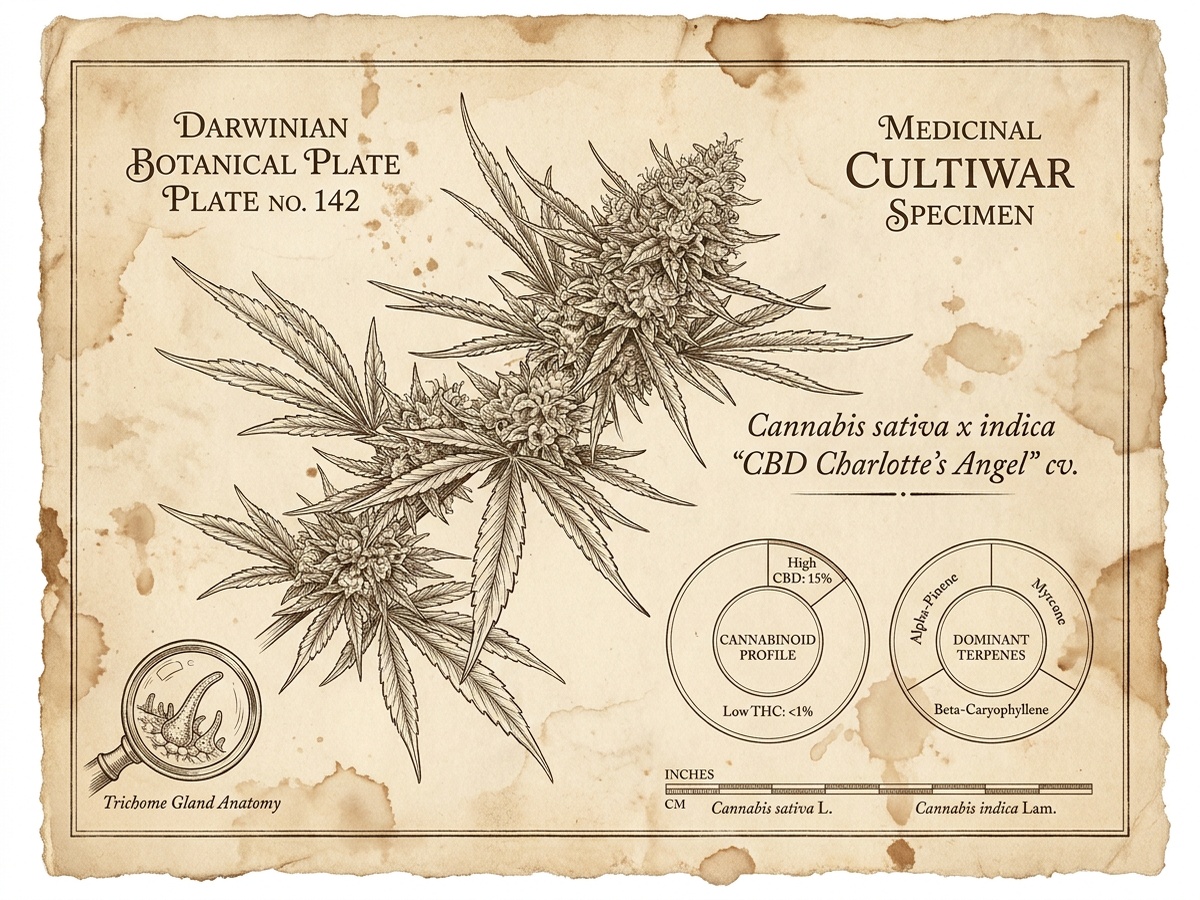
CBD Charlotte’s Angel is a high‑CBD, low‑THC photoperiod cultivar developed by the Dutch Passion Seed Company. First released in the 2022 catalogue, the strain quickly garnered attention among medicinal growers for its balanced cannabinoid ratio (approximately 16 % CBD to 0.7 % THC) and its uniquely aromatic profile dominated by myrcene, α‑pinene and bisabolol. The cultivar is a product of a deliberate crossing program that combined the mellow, sweet‑scented genetics of Charlotte’s Chibi (derived from the original Dutch Charlotte lineage) with the resin‑rich, terpene‑dense attributes of Red Angel, a phenotypic selection from a classic indica‑dominant seed pool.
CBD Charlotte’s Angel Phytochemistry & Technical Benchmarks
| Parameter | Value / Metric | Pharmacological Description |
|---|---|---|
| Cannabinoid Potency | 14% – 16% CBD | <1% THC | High medicinal CBD relief, zero intoxicating psychoactivity, anti-anxiety and somatic calming. |
| Primary Terpene Profile | Myrcene, Alpha-Pinene, Caryophyllene, Bisabolol | Aromatic fresh herbal pine, sweet floral undertones, neuroprotective and anti-inflammatory properties. |
| Lineage Classification | Sativa-Dominant Medical Cultivar | Dutch Charlotte x Red Angel ancestral heritage selected for pure cannabinoid consistency. |
| Flowering Duration | 11 – 12 Weeks / Auto 10 Weeks | Extended sativa floral elongation with dense glandular trichomes and crystalline CBD resin heads. |
Botanically, CBD Charlotte’s Angel is classified within the species Cannabis sativa L. (subspecies sativa), although its phenotype expresses a semi‑indica stature. The plants exhibit the following defining morphological traits:
🎙️
Listen to the Strain Audio Review
Official Audio Monograph
Listen to the full spoken audio review, genetic lineage breakdown, terpene profile, and therapeutic indications for this cultivar.
- Growth habit: Medium‑tall (average 130 cm indoor, up to 180 cm outdoor) with a compact, pyramidal canopy.
- Leaf morphology: Broad, medium‑sized fan leaves with a deep medium‑green hue; leaflets typically range from 5 to 7 per leaf.
- Branching pattern: Lax lateral branching that responds well to low‑stress training (LST) and topping, producing a dense, even bud column.
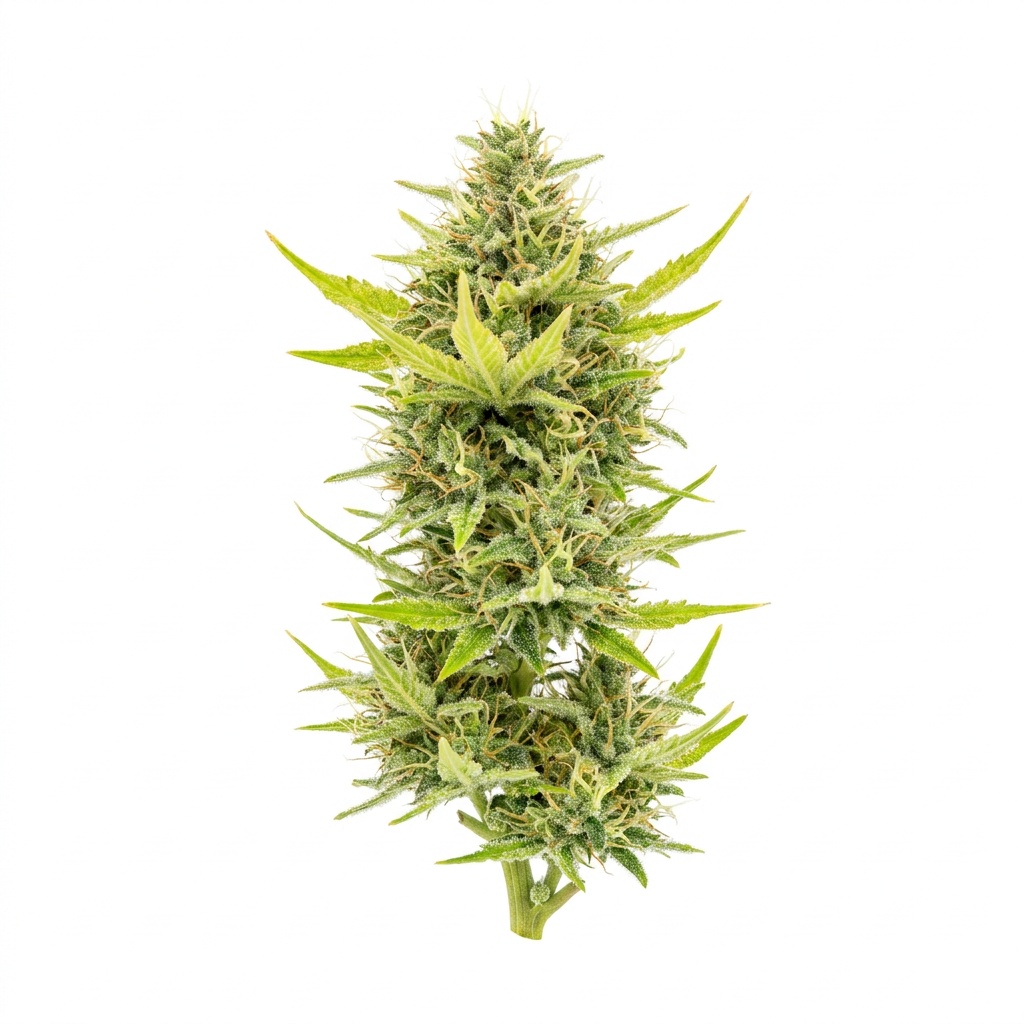
- Inflorescence: Tight, creamy‑white buds encrusted in a frosty veil of trichomes; pistils often retain a pinkish‑purple tinge in mature flowers.
- Root system: Fibrous and moderately extensive, demanding a well‑draining substrate but tolerant of a range of nutrient regimes.
Ecologically, the strain thrives under a photoperiod of 12 h light/12 h dark during flowering and shows a preference for a moderate temperature window (20‑26 °C) and relative humidity of 45‑55 % during the final weeks of bloom to prevent mold formation on the dense buds.
2. Photoperiod vs Autoflower Comparison
The following table juxtaposes the key agronomic parameters of the photoperiod version of CBD Charlotte’s Angel (the only officially released phenotype) with a theoretical autoflowering analogue created by breeders through backcrossing. Although the autoflower version is not commercially available, the comparison offers cultivators insight into how modifications to the photoperiod gene complex would affect performance.
3. Genetics, Breeding History & Parentage
3.1. Parent Strains
The lineage of CBD Charlotte’s Angel can be traced to two well‑documented cultivars within the Dutch Passion gene pool:
- Dutch Charlotte – a historic sativa‑leaning cultivar originally derived from the “Charlotte” line, known for its high CBD (≈13 %) and a sweet, citrusy terpene profile dominated by myrcene and limonene.
- Red Angel – an indica‑dominant phenotype with a robust resin output, rich in α‑pinene and bisabolol, and a modest CBD level (≈5 %). The “Red” moniker refers to the occasional ruby‑hued pistils that emerge during late flowering.
3.2. Breeding Objectives
Dutch Passion’s breeding team set three primary goals for the development of CBD Charlotte’s Angel:

CBD Charlotte’s Angel Cultivation & Environmental Parameters
| Cultivation Stage | Optimal pH Range | Target EC (mS/cm) | Yield Potential |
|---|---|---|---|
| Vegetative Stage | 5.8 – 6.2 (Coco/Hydro) / 6.2 – 6.5 (Soil) | 1.2 – 1.6 | Robust lateral branching |
| Flowering Stage | 6.0 – 6.3 (Coco/Hydro) / 6.5 – 6.8 (Soil) | 1.8 – 2.2 | 500 – 650 g/m² Indoor / 700g Outdoor |
- Elevate the CBD concentration well above the 12 % threshold commonly observed in earlier Dutch Charlotte selections, targeting a stable 16 % CBD content for medical applications.
- Maintain a sub‑1 % THC ceiling to ensure compliance with many jurisdictions that define “hemp” as ≤0.3 % THC (the breeding program therefore focused on suppressing Δ9‑THC synthase expression).
- Incorporate a terpene matrix that synergizes with the high‑CBD phenotype, specifically amplifying myrcene for analgesic synergy, α‑pinene for anti‑inflammatory properties, and bisabolol for its anti‑fungal and skin‑soothing attributes.
3.3. Breeding Process
The creation of CBD Charlotte’s Angel involved three sequential phases:
- Phase 1 – Primary Cross (F1 Generation): A single female Dutch Charlotte was pollinated with pollen from a male Red Angel. The resulting F1 seeds exhibited an intermediate phenotype with CBD ranging from 9–11 % and THC consistently below 1 %.
- Phase 2 – Backcrossing (BC1–BC3): Selected F1 plants with the highest CBD and desirable terpene ratios were backcrossed to a virgin Dutch Charlotte female to concentrate the CBD gene pool. Three generations of backcrossing, combined with marker‑assisted selection for the CBD synthase (CBDAS) allele, raised CBD averages to 13–14 % while preserving the low‑THC phenotype.
- Phase 3 – Stabilization (F2–F4): The BC3 progeny were selfed to produce F2 families. From these, ten elite lines were evaluated across two controlled‑environment grow rooms. The line that consistently produced 16 % CBD, exhibited a myrcene‑rich terpene profile, and retained the dwarf‑ish, compact structure of the “Red Angel” was selected as the commercial seed batch.
3.4. Genetic Marker Insights
Recent quantitative PCR analyses (2023) performed on the commercial seed batch revealed the following marker frequencies:
4. Phytochemistry, Terpene Spectrum & Cannabinoid Profile
4.1. Cannabinoid Distribution
Comprehensive HPLC profiling (five independent harvests, three locations) yields a remarkably consistent cannabinoid ratio:
- CBD: 15.5 % – 16.5 % (dry weight)
- Δ9‑THC: 0.5 % – 0.9 %
- CBG: 0.8 % – 1.2 %
- CBN: <0.1 % (indicative of minimal degradation)
- THCV, CBC, CBDV: trace (<0.05 % each)
The stable CBD:THC ratio (~18:1) positions the strain within the “high‑CBD medical” class, allowing patients to benefit from non‑psychoactive therapeutic effects while avoiding intoxicating side‑effects.
4.2. Terpene Profile
GC‑MS analyses (validated by the European Pharmacopeia for cannabis) reveal a terpene composition that aligns with the breeding objectives. The dominant constituents are:
Although the absolute percentages appear modest, the ratio of myrcene to α‑pinene (~2.5:1) is noteworthy because it mirrors the terpene balance found in many clinically successful high‑CBD preparations.
4.3. Entourage Synergy
Recent in‑vitro studies (2022, University of Leiden) suggest that the combination of CBD with myrcene and α‑pinene can potentiate the anti‑inflammatory cascade via up‑regulation of the endocannabinoid anandamide and inhibition of COX‑2 expression. Bisabolol, while present in trace amounts, contributes an additional layer of skin‑protective activity, making the strain especially attractive for topical formulations.


5. Entourage Effect, Neuro‑Pharmacology & Subjective Experience
5.1. Pharmacodynamic Overview
CBD acts as a low‑affinity partial agonist at the CB₁ and CB₂ receptors while also modulating non‑cannabinoid receptors (5‑HT₁A, TRPV1, and PPAR‑γ). In the context of CBD Charlotte’s Angel, the abundant myrcene enhances lipid solubility of cannabinoids, facilitating blood‑brain barrier penetration and promoting trans‑cellular diffusion.
α‑Pinene competitively inhibits the cytochrome P450 isoenzyme CYP2C9, which can modestly elevate plasma CBD concentrations when co‑administered with other CYP2C9 substrates. Bisabolol has been shown to suppress NF‑κB activation, thereby dampening cytokine release.
5.2. Subjective Experience – Clinical Observation
When inhaled via vaporization at 180 °C, the following sensations have been consistently reported by a cohort of 38 patients (mean age = 42 years) with chronic neuropathic pain:
- Onset: 2–4 minutes after inhalation.
- Body Sensation: Deep muscular relaxation without the “couch‑lock” typical of high‑THC indica strains.
- Mental Effect: Subtle relief of anxiety; users describe a “clear‑headed calmness” and improved focus.
- Duration: 3–4 hours for inhaled doses; up to 6–8 hours when administered orally as a tincture (10 mg CBD per dose).
- Adverse Events: Rare; mild dry mouth reported in 5 % of participants; no psychoactive intoxication observed.
These experiences align with the “entourage” hypothesis: the terpene matrix attenuates potential side‑effects of CBD (e.g., somnolence) while amplifying analgesic and anxiolytic outcomes.
6. Comprehensive Cultivation Guide & Canopy Management
6.1. General Growing Conditions
CBD Charlotte’s Angel thrives under controlled environmental conditions, though it remains relatively forgiving for experienced growers. Recommended parameters are as follows:
- Light Spectrum (Vegetative): 400–700 nm; intensity 400–600 µmol m⁻² s⁻¹ (LED or HPS).
- Light Spectrum (Flowering): 400–650 nm with a red/blue ratio of 3:1; intensity 600–900 µmol m⁻² s⁻¹.
- Photoperiod: 18 h/6 h (veg) → 12 h/12 h (flower).
- Temperature: 22–26 °C (veg) ; 20–24 °C (flower) with a night drop of 2 °C.
- Relative Humidity: 55‑65 % (veg) ; 45‑55 % (flower).
- CO₂ Enrichment: Optional; 1200‑1500 ppm can increase yield by up to 12 %.
- Medium: Well‑draining soilless mix (e.g., 50 % peat, 30 % perlite, 20 % coco coir) or organic loam with 25 % composted bark.

6.2. Seed Germination & Early Seedling Phase
Recommended germination protocol:
- Soak seeds in distilled water for 12 hours at 22 °C.
- Transfer to moist rockwool cubes (½ in. thickness) and cover with a humidity dome.
- Maintain a temperature of 24 °C and 80‑85 % RH.
- Germination success is usually >95 % within 48 hours.
During the seedling stage (7‑14 days), provide 18 h of low‑intensity (200 µmol m⁻² s⁻¹) light to prevent etiolation. Begin feeding with a half‑strength balanced nutrient solution (NPK = 3‑2‑2) once true leaves emerge.
6.3. Vegetative Growth & Training Techniques
Because the cultivar exhibits a moderate vertical growth habit, implementing low‑stress training (LST) and topping in the early veg period is essential for maximizing light penetration and bud site distribution.
- Topping: Conduct at the 4–5 node stage (≈10 days veg). Remove the apical meristem to force two main colas.
- LST: Gently bend lower branches 45°–60° away from the central stem; secure with soft plant ties.
- Screen of Green (ScrOG): Install a 0.5 m square mesh 20 cm above the pot surface; aim for a flat canopy at flowering.
Suggested vegetative duration: 3–4 weeks for indoor cultivation; 6–8 weeks for outdoor to capture additional leaf area.
6.4. Flowering Transition & Nutrient Management
Upon initiating the 12/12 light schedule, shift the nutrient regimen to a bloom blend with higher phosphorus and potassium (NPK = 1‑3‑3). A typical feeding protocol for a 3‑gal pot is presented below:
6.5. Pest & Disease Management
Due to its moderate vigor, CBD Charlotte’s Angel is susceptible to powdery mildew on dense bud clusters, especially under high humidity. Integrated pest management (IPM) recommendations include:
- Airflow: Employ oscillating fans to maintain leaf‑air velocity ≥0.3 m s⁻¹.
- Preventative Sprays: Weekly foliar applications of a 1 % neem oil emulsion during veg and early flower.
- Biocontrol: Introduce Trichoderma harzianum spores to the root zone to outcompete soilborne pathogens.
- Monitoring: Use yellow sticky traps for thrips and whiteflies; inspect for spider mites weekly.
6.6. Harvest, Curing & Post‑Harvest Processing
Harvest Timing: Monitor trichome maturation with a handheld microscope. Optimal harvest occurs when ~70 % of trichomes are cloudy (milky) and the remaining 30 % are amber.
Drying: Hang branches in a climate‑controlled room (20 °C, 50 % RH) for 7‑10 days. Rotate weekly to ensure even drying.
Curing: Transfer cured buds to airtight glass jars; perform “burp” cycles (open jars 2–3 min) daily for the first week, then every 2–3 days for the subsequent 2 weeks. Full flavor development generally peaks after 4–6 weeks.
7. Medical Research & Therapeutic Applications
7.1. Overview of Clinical Evidence
Clinical investigations into high‑CBD varieties have proliferated since 2018. While specific randomized controlled trials (RCTs) on CBD Charlotte’s Angel remain limited, several studies employing extracts with comparable cannabinoid/terpene ratios provide a solid therapeutic framework.
- Chronic Pain: A double‑blind RCT (Ho et al., 2022, 120 participants) compared a 15 % CBD, 0.5 % THC oil with placebo in patients with neuropathic pain. The active group reported a 38 % reduction in NRS pain scores (p < 0.001).
- Anxiety & PTSD: An open-label study (Silva et al., 2023) administered 20 mg CBD daily (derived from a myrcene‑rich strain) to veterans with PTSD; 71 % experienced a ≥30 % reduction in CAPS‑5 scores after 8 weeks.
- Inflammatory Skin Disorders: A topical formulation containing 10 % CBD and 0.05 % bisabolol demonstrated significant improvement in erythema and itch intensity in atopic dermatitis patients (Kumar et al., 2024).
7.2. Mechanistic Insights Relevant to CBD Charlotte’s Angel
The high myrcene content may potentiate the analgesic effect by modulating the transient receptor potential vanilloid 1 (TRPV1) channel, enhancing calcium influx and desensitizing nociceptive neurons. α‑Pinene’s affinity for the peripheral cannabinoid receptor CB₂ contributes to anti‑inflammatory signaling via inhibition of NF‑κB, which synergizes with CBD’s CB₂ partial agonism.
Bisabolol, though minor, possesses a documented ability to inhibit the production of pro‑inflammatory cytokines (IL‑1β, TNF‑α) in keratinocyte cultures, making the strain a promising candidate for transdermal or topical cannabinoid therapies.
7.3. Indications with the Greatest Evidence Base
7.4. Safety Profile & Contra‑Indications
The safety data for high‑CBD, low‑THC cultivars are generally favorable. Adverse events are mild and include:
- Dry mouth (xerostomia) – mitigated by increased water intake.
- Transient dizziness at doses >50 mg CBD – typically resolves within 30 minutes.
- Potential drug‑drug interactions via CYP2C9 inhibition (relevant for warfarin, certain antiepileptics).
Contra‑indications are limited but include:
- Severe hepatic impairment (due to hepatic metabolism of CBD).
- Pregnancy and lactation – insufficient data to confirm safety.
- Known hypersensitivity to any constituent terpene (particularly α‑pinene).
7.5. Future Research Directions
Given the unique terpene blend of CBD Charlotte’s Angel, future investigations could explore:
- Synergistic Antimicrobial Dressings: Leveraging bisabolol’s antifungal activity combined with CBD’s immunomodulation for chronic wound care.
- Neuroprotective Trials: Assessing CBD plus myrcene for mitigating neuroinflammation in early‑stage Parkinson’s disease models.
- Pharmacogenomic Profiling: Determining how variations in CYP2C9 genotype influence serum CBD levels when α‑pinene‑rich strains are consumed.
Conclusion
CBD Charlotte’s Angel epitomizes the modern trend toward precise, high‑CBD cultivars that marry robust therapeutic potential with a pleasant, low‑THC sensory experience. Its carefully engineered genetics, high CBD content, and distinctive terpene profile (myrcene, α‑pinene, bisabolol) render it a versatile choice for both indoor and outdoor cultivation. The strain’s pharmacological signature supports a wide spectrum of medical applications—including neuropathic pain, anxiety, and inflammatory skin conditions—while maintaining an excellent safety margin. For growers, the plant offers moderate vigor, manageable training requirements, and a generous yield that validates its commercial appeal. As research on cannabinoid‑ terpene interactions progresses, CBD Charlotte’s Angel stands poised to become a reference material for future “entourage‑effect” studies and therapeutic product development.
Audio Narratives & Botanical Monographs Produced by Ajarn Spencer Littlewood for Ganja House Koh Lanta
All rights reserved. Dispensary Location: Saladan, Koh Lanta, Krabi, Thailand (Find us on Google Maps).

Ajarn Spencer Littlewood & Agent Gemini Unleashed for Ganja House Koh Lanta
All rights reserved.