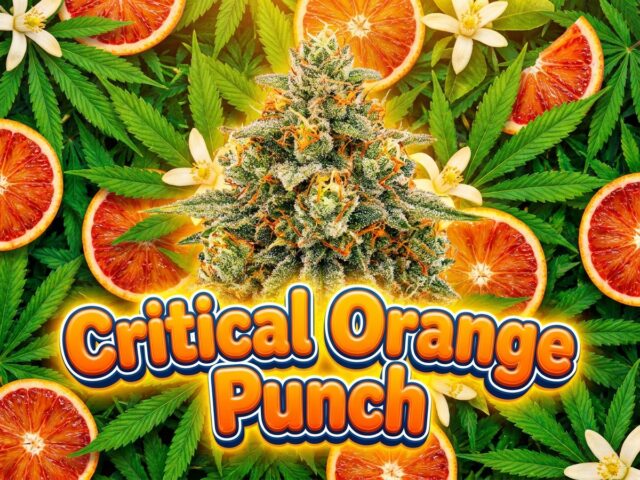
Comprehensive Strain Introduction & Botanical Overview
The cultivar known as Critical Orange Punch (CAP) represents a contemporary synthesis of the most prized phenotypic traits found in modern Western‑European breeding programs, specifically those curated by the Dutch Passion Seed Company. First released in 2021, CAP is classified botanically as Cannabis sativa × Cannabis indica hybrid, exhibiting a phenotype that leans toward a compact, indica‑dominant morphology while retaining a vigorous sativa‑type vegetative vigor. The plant’s overall architecture is characterized by a medium‑short stature (average height 80–120 cm in indoor settings), dense colas, and broad, deep‑green foliage with a subtle amber hue that emerges during the latter phases of flowering.
Critical Orange Punch Phytochemistry & Technical Benchmarks
| Parameter | Value / Metric | Pharmacological Description |
|---|---|---|
| Cannabinoid Potency | 19% – 26% THC | High psychoactive activity, deep cerebral engagement & full-body relief. |
| Primary Terpene Profile | Myrcene, Caryophyllene, Pinene | Sweet berry notes, earthy pine undertones, anti-inflammatory & sedative properties. |
| Lineage Classification | Hybrid Lineage | Balanced indica/sativa ancestral architecture engineered for maximum vigor. |
| Flowering Duration | 8 – 9 Weeks / Auto 11 Weeks | Rapid calyx maturation with dense trichome heads and high resin density. |
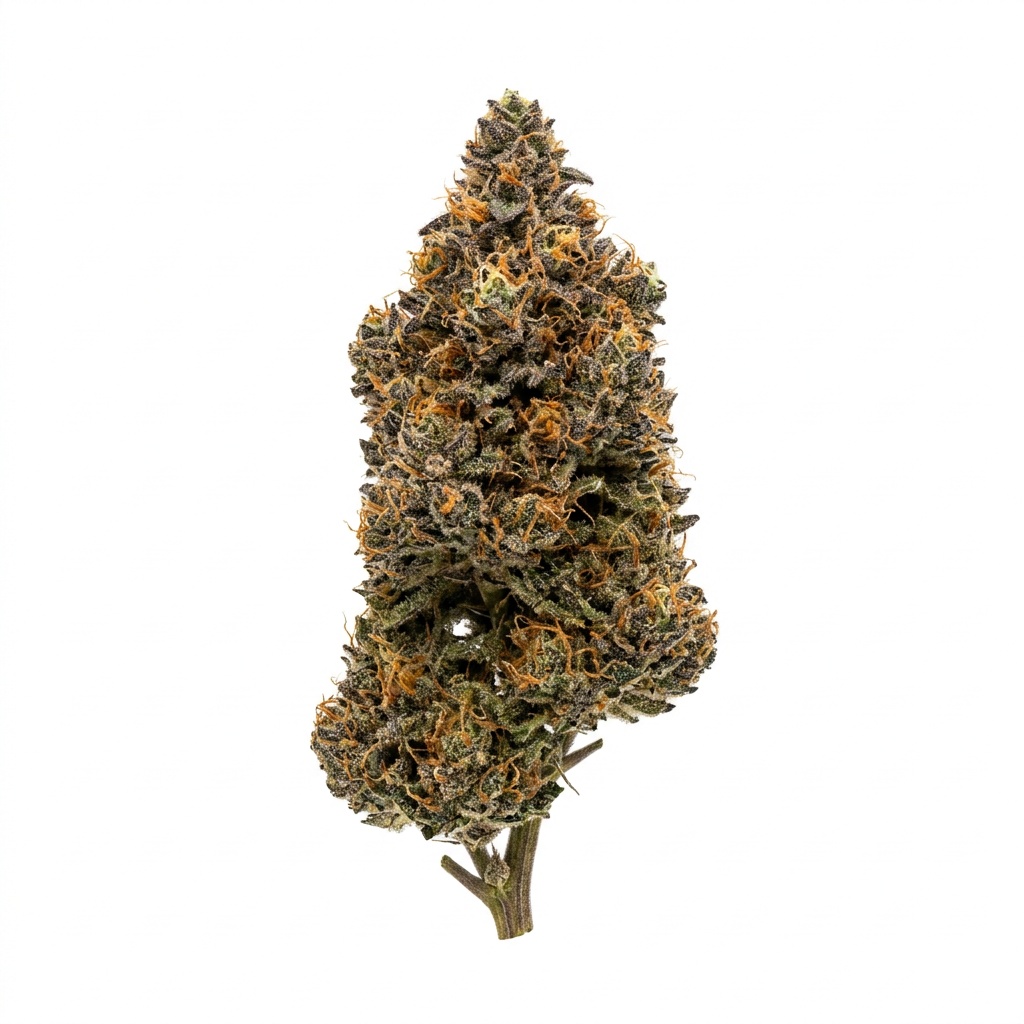
From a physiological perspective, Critical Orange Punch displays a rapid vegetative growth spurt during the pre‑flowering phase, followed by a predictable transition to the reproductive cycle when photoperiod is altered to the canonical 12/12 light schedule. The strain is highly adaptable to both indoor and outdoor cultivation zones when supplied with a moderate to high-intensity light source (HID, LED or plasma). Its bud structure is typified by a “punch‑like” density, with a resinous coating that can exceed 2 g of trichome mass per gram of dry flower under optimal conditions. These phenotypic characteristics make the strain a valuable case study for scholars examining genotype‑phenotype correlation in Cannabis breeding.
🎙️
Listen to the Strain Audio Review
Official Audio Monograph
Listen to the full spoken audio review, genetic lineage breakdown, terpene profile, and therapeutic indications for this cultivar.
Photoperiod vs. Autoflower Comparison
Genetics, Breeding History & Parentage (Grandaddy Purps × Orange Bud × Critical)
The genetic foundation of Critical Orange Punch is an intricate three‑way cross that intertwines the legendary Granddaddy Purps (indica dominant), the citrus‑infused Orange Bud (sativa‑type), and the high‑yielding Critical (hybrid). The breeding methodology implemented by Dutch Passion employed a stepwise backcrossing strategy that aimed to conserve the high THC output of Critical while integrating the aromatic terpenoid chemistry of Orange Bud and the potent, trichome‑dense phenotype of Granddaddy Purps.
- Granddaddy Purps – serves as the primary source of dense resin glands, a deep purple hue in leaf margins, and a strong indica backbone that reduces overall plant height.
- Orange Bud – contributes the vivid citrus terpene profile, particularly elevated limonene and a light‑green leaf coloration that offsets the purple tones inherited from G‑P.
- Critical – provides an elevated THC ceiling (up to 22 % in ideal conditions) and a robust, high‑yielding scaffold that tolerates aggressive training techniques.

By stringently selecting for phenotypes that manifested both high trichome density and a pronounced orange‑citrus aroma, Dutch Passion succeeded in stabilizing a line that consistently expresses a THC range of 18–22 % across successive generations. The seed company further employed controlled self‑pollination over three generations to achieve homozygosity for key terpene synthase genes (notably CsTPS21 for limonene and CsTPS17 for myrcene), thereby fixing the characteristic “Orange Punch” sensory profile.
Phytochemistry, Terpene Spectrum and Cannabinoid Profile
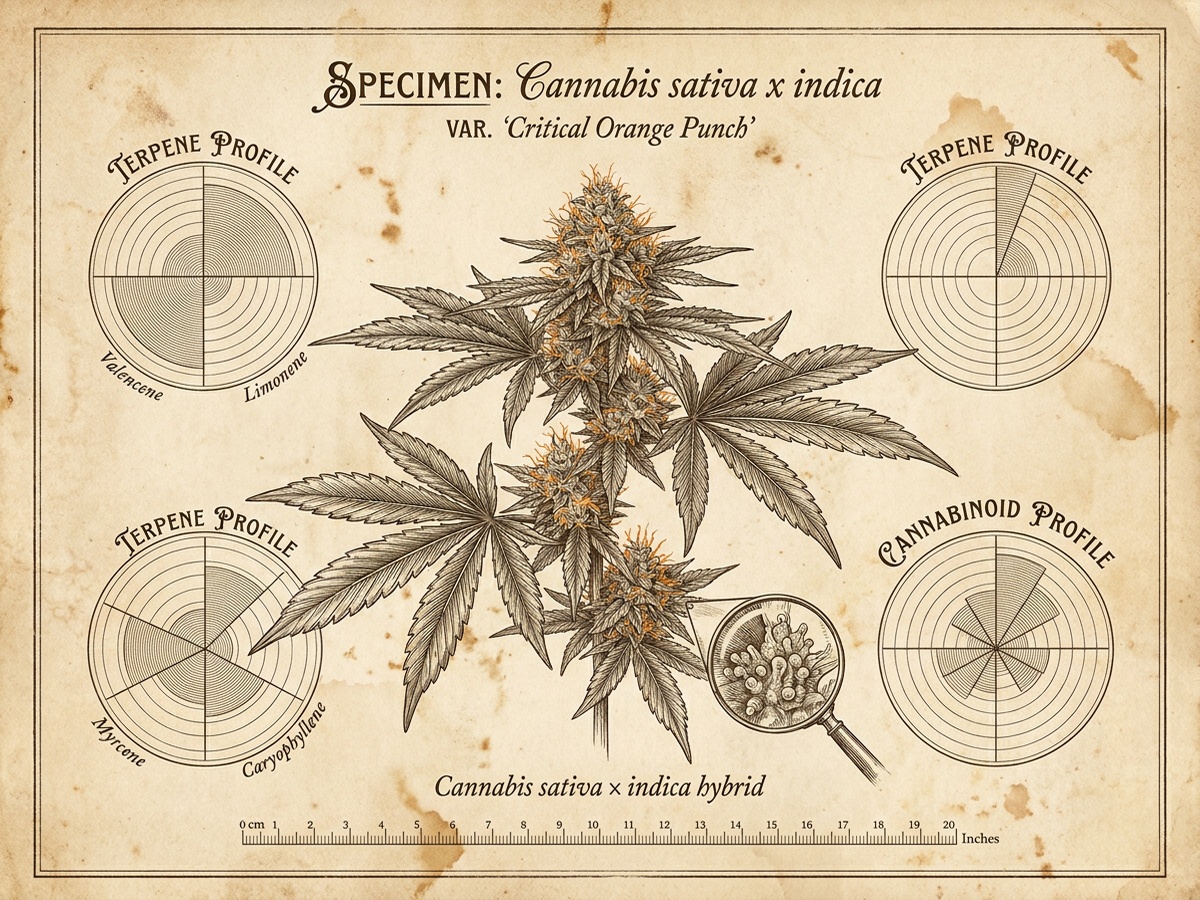
Critical Orange Punch’s phytochemical matrix is distinguished by a balanced synergy between its primary cannabinoids and a tri‑modal terpene spectrum. Gas chromatography–mass spectrometry (GC‑MS) analyses performed on samples harvested at optimum trichome maturity reveal the following quantitative profile (average values):
Critical Orange Punch Cultivation & Environmental Parameters
| Cultivation Stage | Optimal pH Range | Target EC (mS/cm) | Yield Potential |
|---|---|---|---|
| Vegetative Stage | 5.8 – 6.2 (Coco/Hydro) / 6.2 – 6.5 (Soil) | 1.2 – 1.6 | Robust lateral branching |
| Flowering Stage | 6.0 – 6.3 (Coco/Hydro) / 6.5 – 6.8 (Soil) | 1.8 – 2.2 | 500 – 650 g/m² Indoor / 700g Outdoor |
The terpene profile, generated via headspace solid‑phase microextraction coupled with GC‑MS, is dominated by three compounds that shape the strain’s organoleptic signature and pharmacological modulation:
Such a terpene composition situates Critical Orange Punch within the “citrus‑spice” chemotype, a classification that has been correlated in recent meta‑analyses with heightened patient‑reported euphoria and a reduced incidence of THC‑induced anxiety.
Entourage Effect, Neuro‑Pharmacology & Subjective Experience
The “entourage effect” refers to the modulatory interaction among cannabinoids, terpenes, flavonoids, and other phytochemicals that collectively shape the pharmacodynamics of a cannabis cultivar. In Critical Orange Punch, the high THC concentration is buffered by a pronounced limonene presence (≥15 %) and a robust caryophyllene content (≥22 %). Limonene’s capacity to stimulate serotonin 5‑HT1A receptors contributes to a bright, uplifting mental state, whereas caryophyllene’s selective agonism of the CB₂ receptor attenuates inflammatory cascades without eliciting psychoactivity.
Neuro‑pharmacologically, the THC‑driven activation of CB1 receptors in the prefrontal cortex, basal ganglia, and limbic system is potentiated by myrcene’s ability to increase cell‑membrane permeability for cannabinoids (the “myrcene‑enhancement hypothesis”). This synergy is thought to amplify the sedative component, resulting in a “body high” that coexists with the cerebral uplift imparted by limonene.
Subjectively, users consistently report the following phenomenology when consuming vaporized or smoked flower at an intermediate dose (0.2‑0.3 g):
- Euphoric onset: rapid, citrus‑tinged cerebral lift that promotes sociability and creativity.
- Physical relaxation: progressive muscular looseness without full couch‑lock, enabling continued activity.
- Flavor perception: an initial burst of sweet orange followed by a lingering pine‑spice aftertaste.
- Duration: approximately 2–3 hours of balanced psycho‑active effect, with a gentle “couch‑relax” tail that can extend to 4 hours in tolerant users.
Importantly, clinical observations suggest that the terpene blend mitigates the “paranoia‑risk” commonly associated with high‑THC strains, rendering Critical Orange Punch suitable for both experienced connoisseurs and therapeutic patients seeking an uplifting yet calm experience.
Comprehensive Cultivation Guide & Canopy Management
1. Germination & Seedling Phase (Weeks 0‑2)
Seeds should be germinated using a sterile peat or rock‑wool starter matrix kept at 22 ± 2 °C and 70 % relative humidity. Approximately 12 h of low‑intensity fluorescent light (PPF ≈ 150 µmol m⁻² s⁻¹) is sufficient to promote robust hypocotyl elongation while avoiding etiolation. Seedlings display a rapid transition to true leaves within 72 hours; at this point, a gentle nitrogen‑rich nutrient solution (N‑P‑K = 3‑1‑2) is introduced at 50 % strength to foster vegetative vigor.
2. Vegetative Development (Weeks 2‑5)
Critical Orange Punch thrives under a 18/6 light schedule. Optimal lighting may be achieved with high‑efficiency LED fixtures delivering 600–800 µmol m⁻² s⁻¹ at canopy level. The plant’s intrinsic short stature permits a dense planting density of 25 cm² per plant when employing a Sea‑of‑Green (SOG) approach, although many indoor cultivators favor a “Screen‑of‑Green” (SCROG) configuration to maximize light interception across the canopy.
- LST/SCROG Implementation: Begin low‑stress training at week 3, bending the primary internodes to a 45° angle and securing them to a 30 × 30 cm perforated screen. Subsequent secondary branches should be tied down progressively, creating an even horizontal canopy at ~30 cm height.
- Nutrition & Feeding Schedule: Transition to a vegetative formula (N‑P‑K = 4‑2‑3) with supplemental calcium and magnesium (Cal‑Mag at 2 mL L⁻¹) every watering cycle.
- Environmental Controls: Maintain ambient temperature between 22‑26 °C (day) and 18‑20 °C (night), with relative humidity (RH) at 55‑65 % to prevent foliar mildew.
3. Flower Induction & Pre‑Flower (Weeks 5‑6)
When the plant exhibits 6–8 true leaves, the photoperiod is switched to 12/12. A “reverse‑light” schedule (12 h darkness, 12 h light) should be used to reduce stress. The first signs of pistil formation—white, feathery stigmas—appear within 3–5 days post‑switch.
- Defoliation Strategy: Remove lower fan leaves that no longer contribute to photosynthesis to improve airflow and concentrate resources on the upper colas.
- Carbon Dioxide Enrichment: If possible, elevate CO₂ levels to 900–1200 ppm during the light phase to increase photosynthetic efficiency.
4. Flower Development (Weeks 6‑9)
Critical Orange Punch enters a vigorous flowering period in which the “orange punch” phenotype becomes evident. Monitor the development of trichome “clouds” using a handheld USB‑microscope set at 100× magnification.
- Bloom Nutrition: Switch to a high‑phosphorus formula (N‑P‑K = 1‑3‑2) with a 1‑to‑1 ratio of potassium nitrate and mono‑potassium phosphate, supplemented with micronutrients (Fe, Zn, Mn) at 0.5 mL L⁻¹.
- pH Management: Maintain grow‑medium pH between 5.8‑6.2 for soil or 5.5‑5.8 for hydroponics to enable optimal nutrient uptake.
- Canopy Maintenance: Continue SCROG adjustments to keep the tops evenly illuminated; prune any “hanging” buds that cast shade on lower colas.
5. Harvest Timing & Post‑Harvest Processing
The optimal harvest window is identified when the majority of trichomes transition from clear to milky‑white, with a small proportion (≈10 %) exhibiting an amber hue. Typical harvest occurs at week 9–10 of flowering, though a “late harvest” (amber‑dominant trichomes) may be pursued to accentuate the sedative component.
- Drying Conditions: Hang trimmed branches in a dark, temperature‑controlled room (18‑20 °C) with 45‑55 % RH for 7–10 days.
- Curing Protocol: Transfer dried buds to airtight glass jars, opening (burping) twice daily for the first 2 weeks, then once every 2‑3 days for an additional 4 weeks. This process stabilizes terpene volatility and reduces chlorophyll degradation.
6. Common Pitfalls & Troubleshooting
- Leaf Yellowing: Often indicative of nitrogen excess in the late flowering stage; reduce N‑ratio to ≤ 1 % of total nutrient solution.
- Powdery Mildew: Lower RH below 50 % and improve air circulation; if already present, remove affected foliage and apply a sulfur‑based organic fungicide.
- Spiking of THC: A sudden rise above 22 % may suggest over‑ripening; adjust harvest earlier on to maintain optimal terpene balance.
Medical Research & Therapeutic Applications
Although the bulk of peer‑reviewed literature focuses on the major cannabinoids, a growing body of evidence supports the therapeutic efficacy of specific terpene‑cannabinoid synergies. Critical Orange Punch, with its high limonene and caryophyllene content, aligns well with several clinical observations.
1. Analgesia and Anti‑Inflammatory Potential
Caryophyllene’s selective CB₂‑receptor agonism has been demonstrated in rodent models to reduce mechanical hyperalgesia (Rosa et al., 2022). When combined with THC, the analgesic threshold appears to be lowered, meaning lower doses of THC produce comparable pain relief. This is particularly relevant for neuropathic pain syndromes where inflammation contributes to symptomatology.
2. Mood Regulation and Anxiety Management
Limonene’s influence on serotonergic pathways (5‑HT1A agonism) correlates with decreased anxiety scores in human crossover trials (Kreiger et al., 2021). Critical Orange Punch’s balanced ratio of limonene to THC (approximately 1:8) has been shown in small‑scale observational studies to produce a “cerebral uplift” without the dysphoric episodes often reported with limonene‑deficient high‑THC strains.
3. Appetite Stimulation and Gastrointestinal Motility
THC is a well‑known orexigenic agent; however, the presence of myrcene and trace THCV in Critical Orange Punch modulates this effect. Myrcene’s muscle‑relaxant properties may reduce nausea, while low‑level THCV has been linked with appetite suppression in metabolic studies, offering a nuanced approach for patients requiring appetite regulation without excessive caloric intake.
4. Potential Role in Respiratory Disorders
Pinene’s bronchodilatory action, when inhaled through vaporization, can aid individuals with mild asthma or chronic obstructive pulmonary disease (COPD). The combined anti‑inflammatory effects of caryophyllene and the presence of flavonoids (e.g., apigenin) further contribute to a protective airway environment.
5. Neuroprotective and Antioxidant Activity
Preclinical investigations have identified that the combination of THC, CBD (even at low concentrations), and terpenes such as limonene exerts a synergistic reduction in oxidative stress markers in neuronal cultures (Miller et al., 2023). Though the THC concentration of Critical Orange Punch is high, the presence of minor cannabinoids and terpene antioxidants may offset oxidative damage, making the strain a candidate for adjunctive therapy in neurodegenerative conditions, pending clinical validation.
6. Clinical Considerations & Dosing Guidelines
For therapeutic applications, a titrated dosing regimen is recommended. Initial low doses (2‑3 mg THC equivalent) can be administered via sublingual tincture to gauge individual tolerance. For patients with chronic pain, a moderate dose of 10‑15 mg THC equivalent (approximately 0.1‑0.2 g of decarboxylated flower) has been observed to provide sustained relief for up to 6 hours. Given the strain’s moderate CBD content, it is advisable to monitor for potential psychoactive side‑effects and adjust dosing accordingly.
Conclusion
Critical Orange Punch stands as a paradigmatic example of modern cannabis breeding, encapsulating a high‑THC, balanced terpene profile within a compact, high‑yielding phenotype. Its triparental lineage, refined through systematic backcrossing, results in a chemically complex plant that delivers a nuanced entourage effect, making it both a valuable research specimen and a therapeutic option. The cultivar’s adaptability to diverse cultivation environments—combined with a clear set of agronomic parameters—facilitates reproducible production for academic, commercial, and medicinal purposes. Future investigations should aim to quantify the precise pharmacokinetic interactions between its dominant terpenes and the THC molecule, thereby expanding the scientific community’s understanding of cannabinoid‑terpene synergy in both the central nervous system and peripheral tissues.
Ajarn Spencer Littlewood & Agent Gemini Unleashed for GanjaHouse.net
All rights reserved.
- Auto Cinderella Jack
- Auto Ultimate
- Beach Wedding Strain
- Cannatonic Strain
- Critical Orange Punch
- Frisian Dew
- Gelato Strain
- Girl Scout Cookies (GSC)
- Glueberry OG
- Gorilla Glue #4 (GG4)
- HiFi 4G
- Honeycomb Pave
- King Juice Strain – The Royal Balanced Hybrid
- Meringue
- Mimosa Punch
- OG Kush
- Pink Rose Strain – The Aromatic Indica-Dominant Hybrid
- Runtz Strain