Spoken Strain Monograph: Skywalker (Indica Audio Edition)
Listen to the complete scientific monograph audio overview for Skywalker, exploring its heritage, cannabinoid profile, terpene volatiles, and cultivation parameters.
[wp_post_visit_card post_id=”1359″]
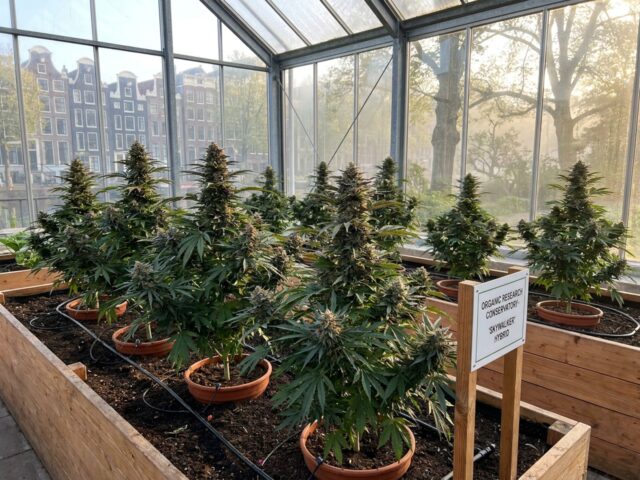
1. Executive Summary & Botanical Heritage
Skywalker stands as one of the most historically significant and pharmacologically celebrated cannabis cultivars developed during the foundational golden era of late-twentieth-century European cannabis breeding. Synthesized in the late 1990s by the master geneticists at Dutch Passion Seed Company in Amsterdam, Netherlands, Skywalker was deliberately conceived to unite two legendary, award-winning landrace-derived lines into a singular, highly resilient, and deeply therapeutic hybrid. By crossing Dutch Passion’s premier Afghan landrace selection—Mazar-i-Sharif (an exceptionally resinous, compact, pure broad-leaflet indica hailing from the northern plains of Balkh Province in Afghanistan)—with DJ Short’s world-renowned Blueberry (a complex hybrid of Afghan indica, Highland Oaxacan Gold sativa, and Chocolate Thai), the breeders sought to achieve a masterwork cultivar that preserved the heavy, narcotic physical sedation and rock-solid resin production of the Afghan ancestral stock while enriching the sensory bouquet with the sweet, candied berry esters and elevated euphoric clarity characteristic of the Blueberry lineage.
Botanically designated as an 85% indica-dominant hybrid, Skywalker exhibits the dense, stout morphological architecture, shortened internodal spacing, and rapid floral maturation period quintessential to highland Central Asian cannabis populations. However, its sensory and cerebral dimensions reflect the subtle, elegant influence of its exotic sativa ancestors. While many pure Afghan cultivars are dominated by pungently acrid, skunky, earthy, and peppery aromatic compounds, Skywalker presents a remarkably refined aromatic tapestry. Upon opening a cured jar or entering a flowering canopy, the olfactory senses are immediately greeted by rich topnotes of ripe forest blueberries, tart dark cherries, and macerated summer fruit, underpinned by an earthy, pungent base of damp forest soil, aged cedarwood, sweet hashish, and sharp cracked black pepper. This delicate equilibrium between fruit forwardness and resinous musk has elevated Skywalker from a regional Amsterdam coffeeshop staple to an internationally recognized genetic pillar.
In clinical and dispensary environments, Skywalker occupies an indispensable therapeutic niche. Characterized by a high-THC chemotype (Chemotype I) consistently ranging between 18% and 23% delta-9-tetrahydrocannabinol by dry weight, accompanied by robust concentrations of minor cannabinoids such as cannabigerol (CBG) and cannabichromene (CBC), the cultivar produces a profound biphasic neurochemical response. The onset initiates with an immediate, stress-dissolving cerebral warmth and gentle euphoria that softens cognitive rigidity without provoking racing thoughts or paranoia. Within twenty to thirty minutes following consumption, this cranial serenity descends throughout the somatic musculature, initiating deep neuromuscular relaxation, easing chronic tension, suppressing peripheral nociception, and promoting an enduring state of tranquil repose. For medical cannabis patients contending with debilitating chronic pain, severe muscular spasticity, gastrointestinal distress, post-traumatic stress, and intractable sleep-onset insomnia, Skywalker represents an exceptionally reliable pharmacotherapeutic ally.
Historically, Skywalker’s genetic architecture also provided the essential maternal foundation for one of North America’s most famous modern legacy crosses: Skywalker OG. When elite clone-only cuttings of Skywalker migrated across the Atlantic to Southern California in the early 2000s, clandestine breeders crossed the cultivar with an elite OG Kush phenotype, creating Skywalker OG (frequently marketed simply as Skywalker OG Kush). While the derivative OG cross gained immense commercial notoriety in the United States for its intense kerosene-diesel and chemical lemon sharpness, the original Dutch Passion Skywalker remains the definitive pure expression of the Mazar-Blueberry union. It possesses a softer, sweeter fruit profile, superior structural hardiness, and an unadulterated Old World hashish heritage that continues to command reverent respect among commercial cultivators, scientific researchers, and discerning cannabis connoisseurs worldwide.
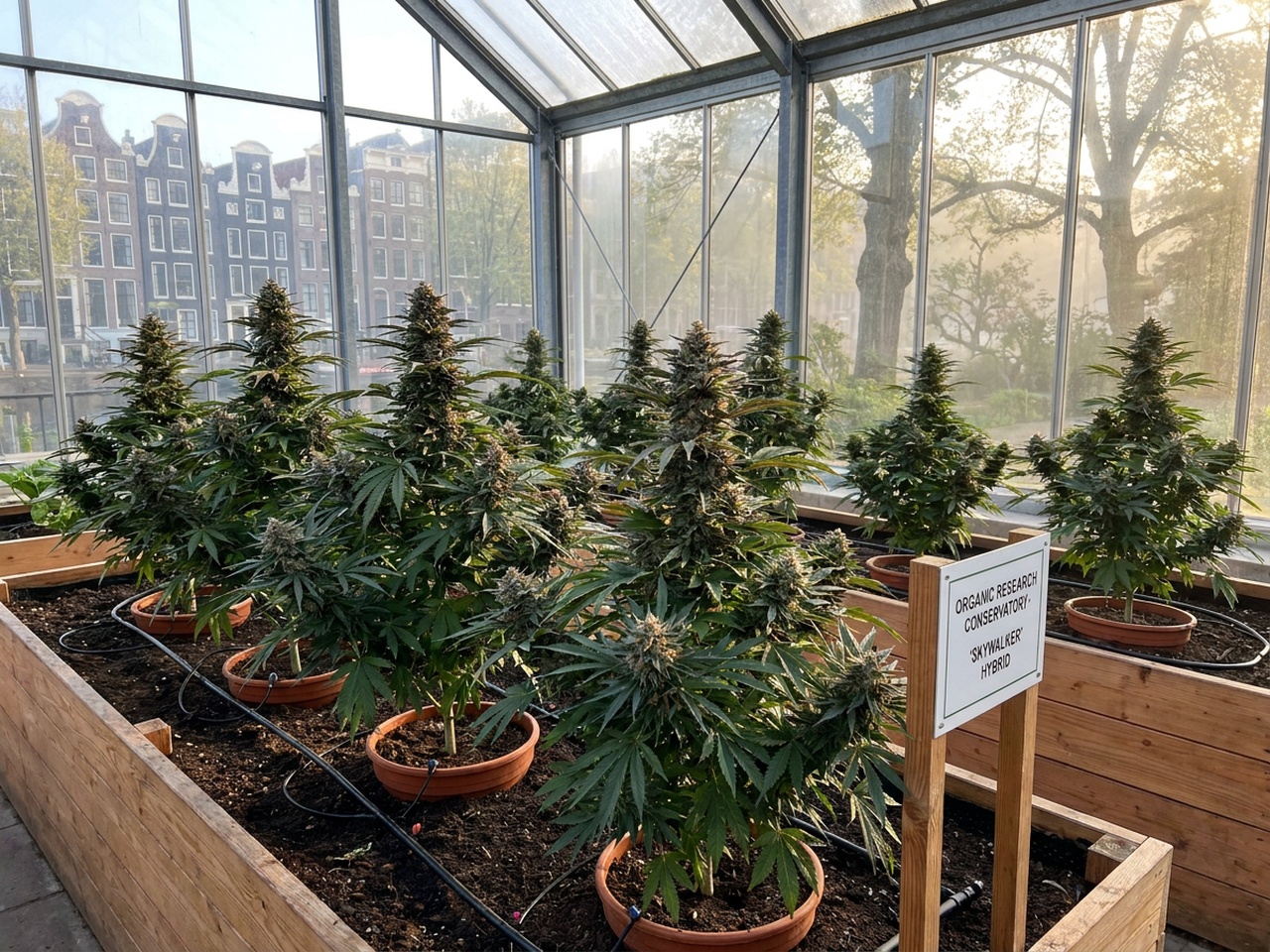
From an agronomic perspective, Skywalker presents commercial cultivators with an ideal balance of vigor and management simplicity. Its robust, woody branches effortlessly support dense, heavy terminal flower colas without the extreme lodging vulnerabilities seen in more delicate dessert hybrids. In controlled indoor cultivation, it exhibits moderate nutrient demands, exceptional resistance to common fungal pathogens including powdery mildew and botrytis, and a rapid, predictable flowering window of 8 to 9 weeks (56 to 63 days). Outdoors and in greenhouse environments, its ancestral highland Afghan lineage provides superior tolerance to autumn temperature fluctuations, allowing the bracts to express magnificent anthocyanin pigmentation when exposed to cool night cycles. As both a heritage landmark and a contemporary clinical powerhouse, Skywalker continues to exemplify the heights of classical Dutch genetic harmonization.
2. Botanical Architecture & Genetic Lineage
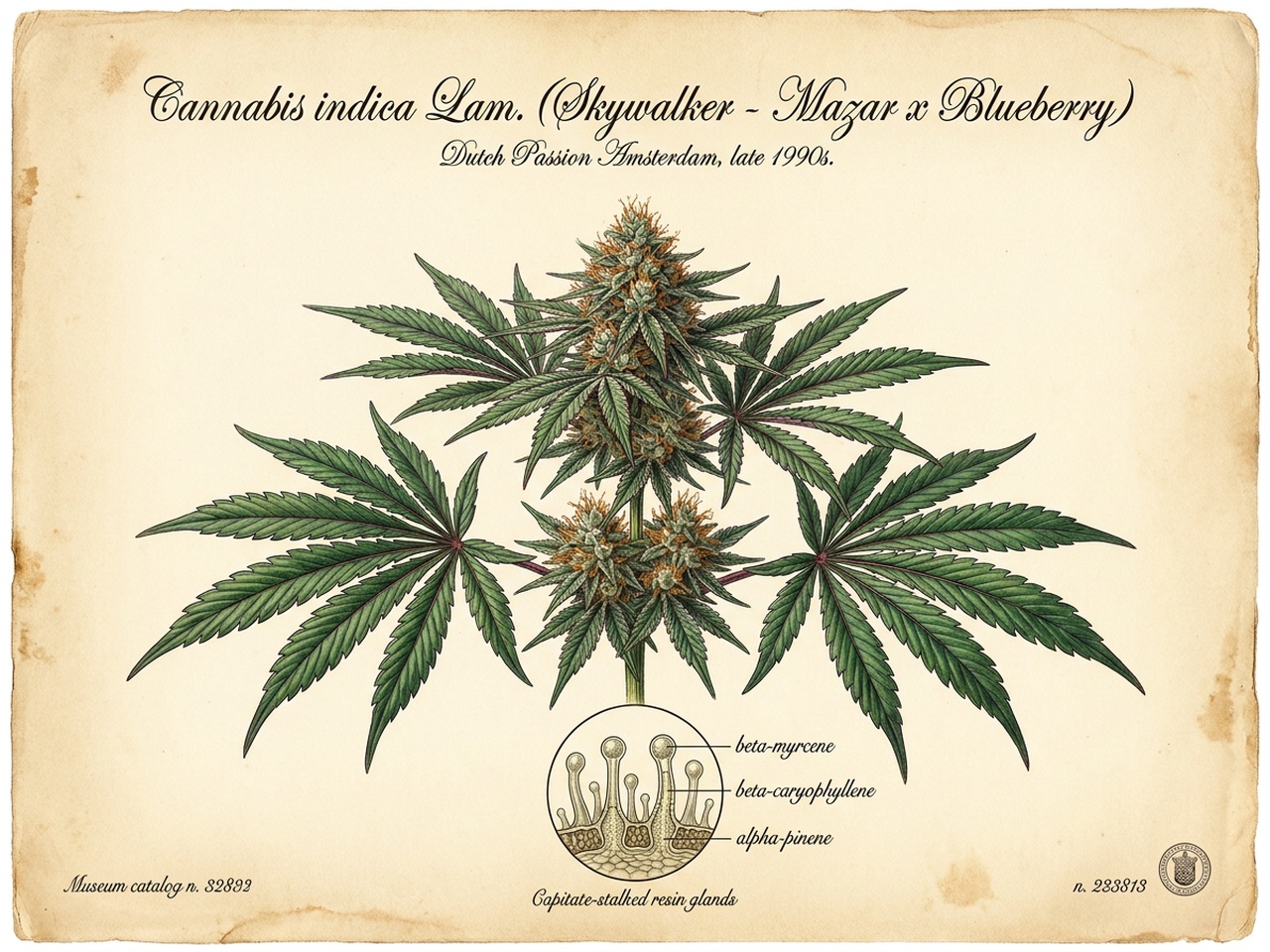
To understand the structural robustness and physiological behavior of Skywalker, one must examine the contrasting genetic lineages that converge within its diploid chromosomal architecture. The seed parent, Dutch Passion’s Mazar (originally released as Afghan/Skunk and subsequently stabilized as Mazar-i-Sharif), represents an archetypal broad-leaflet Cannabis indica (BLD) landrace derived from the fertile oases and semi-arid foothills of northern Afghanistan. Mazar is celebrated for its thick, lignified fibrous stems, exceptionally compact internodal spacing (frequently measuring between 2.5 and 4.0 centimeters), and colossal resin production historically utilized for sieved charas and black Afghan hashish. The pollen parent, DJ Short’s Blueberry, introduces a complex three-way polyhybrid ancestry: approximately 80% indica derived from an exceptional Oregon Afghan selection, complemented by 20% tropical sativa genetics contributed by Highland Oaxacan Gold (a legendary Mexican landrace prized for its electrifying cerebral clarity) and an ancient Chocolate Thai heirloom. The resulting F1 union exhibits remarkable hybrid vigor while maintaining an overwhelmingly dominant indica physical morphology.
During vegetative development, Skywalker exhibits a stout, pyramidal growth habit characterized by a pronounced primary central meristem flanked by dense, symmetrical lateral branching. The vegetative foliage is broad, thick, and distinctly leathery, displaying dark forest-green to emerald-green coloration with deep, pronounced serrations along the leaflet margins. Individual fan leaves typically express seven to nine broad, overlapping leaflets with prominent primary and secondary venation that efficiently transports water and mineral nutrients throughout the lamina. The petioles and primary stipules frequently exhibit subtle reddish-purple and anthocyanin streaking, particularly when rootzone temperatures dip below 20 degrees Celsius. Internodal elongation during vegetative growth remains exceptionally restrained, allowing cultivators to establish dense, uniform canopies without the vertical unruliness typical of equatorial sativas.
Upon photoperiod induction (transitioning to a 12-hour darkness cycle), Skywalker undergoes a moderate, highly manageable transitional stretch, typically increasing in overall height by 120% to 150% over a twenty-one-day period. Unlike modern polyhybrids that stretch aggressively and produce sparse, spaced-out floral clusters, Skywalker rapidly stacks dense, spherical flower primordia at every internode along both the central stem and secondary lateral shoots. By the fourth week of anthesis, these individual floral clusters coalesce into monumental, cylindrical terminal colas that resemble solid clubs of floral tissue. The calyx-to-leaf ratio is moderately high for an indica cultivar, featuring swollen, tightly packed bracts punctuated by slender, resin-encrusted sugar leaves that provide structural protection to the interior floral architecture.
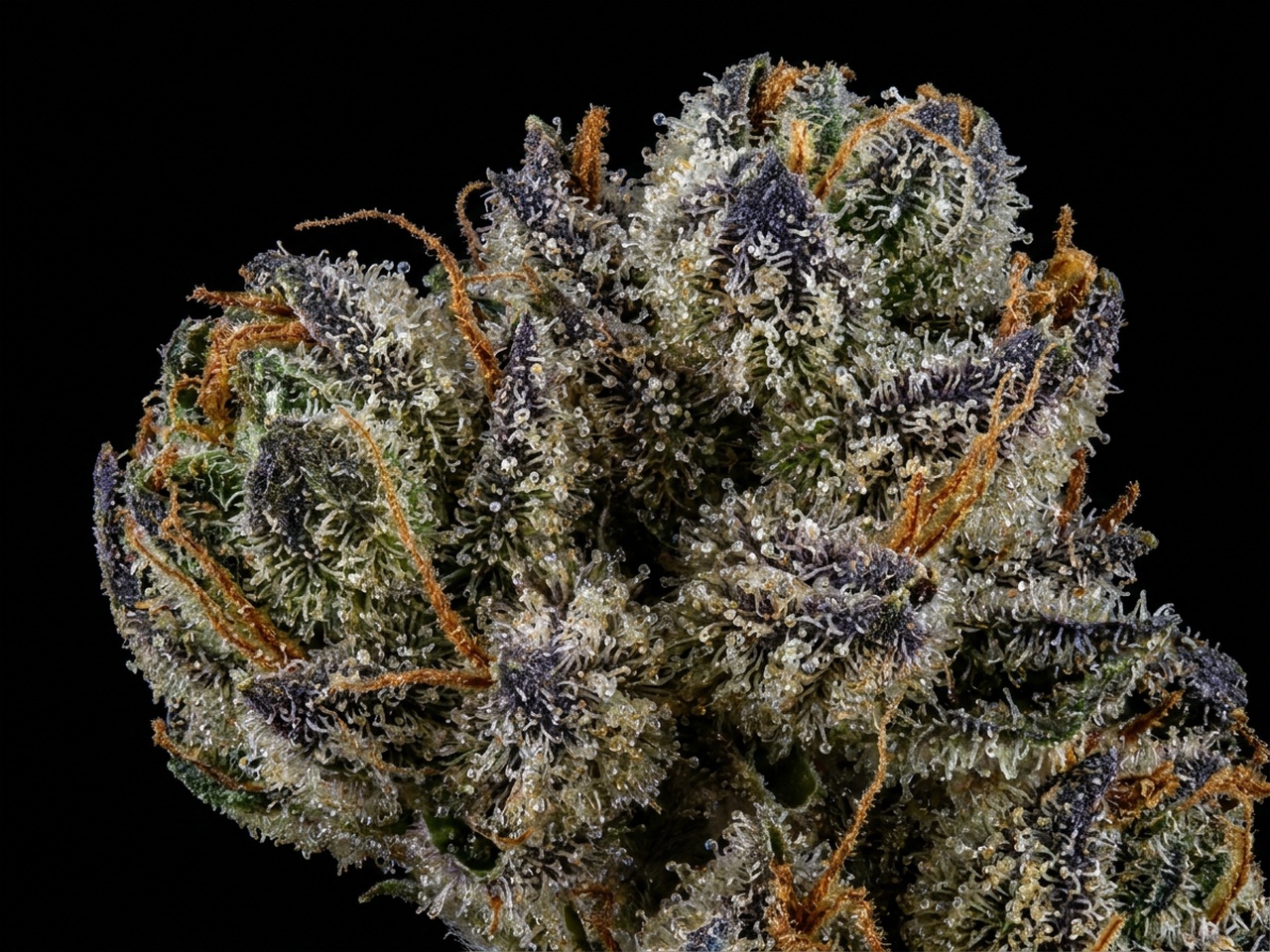
A defining botanical hallmark of Skywalker is its striking anthocyanin expression during the final three weeks of floral ripening. Inherited directly from DJ Short’s Blueberry parentage, the cellular vacuoles within the floral bracts, calyx tips, and upper foliage accumulate substantial quantities of cyanidin and delphinidin glycosides. When night canopy temperatures are systematically lowered during late bloom (16°C to 18°C), the plant synthesizes these protective flavonoid pigments in abundance, transforming the emerald-green buds into breathtaking tapestries of deep lavender, royal indigo, amethyst, and midnight violet. This dramatic pigmentation contrasts vividly against a dense forest of brilliant fiery copper and burnt-tangerine pistillate stigmas and an overwhelming mantle of crystalline glandular trichomes.
The glandular trichome architecture of Skywalker is characterized by an exceptionally dense population of capitate-stalked glandular trichomes covering the calyxes, floral bracts, and petiole margins. These trichomes feature sturdy, multicellular stalks measuring between 180 and 260 micrometers in height, surmounted by broad, spherical secretory heads measuring 85 to 115 micrometers in diameter. These glandular heads serve as specialized biochemical factories wherein cannabinoid acids and volatile monoterpenes and sesquiterpenes are synthesized and sequestered within a substantial sub-cuticular storage cavity. The physical integrity of these trichome heads is remarkably robust, exhibiting minimal premature head loss during gentle harvesting and manicuring, making the cultivar an extraordinary candidate for whole-plant solventless extraction processing.
| Botanical Attribute | Phenotypic Characteristic | Genetic & Agronomic Significance |
|---|---|---|
| Taxonomic Classification | Cannabis indica Lam. hybrid (85% indica / 15% sativa) | Displays classical broad-leaflet indica morphology with minor sativa leaflet elongation. |
| Parental Lineage | Mazar-i-Sharif (Afghan Landrace) × DJ Short Blueberry | Synthesized in Amsterdam by Dutch Passion Seed Company in the late 1990s. |
| Growth Habit & Structure | Compact, pyramidal shrub; strong apical dominance with sturdy lateral branches | Lignified woody stems support heavy terminal floral clusters without severe lodging. |
| Foliage Architecture | 7 to 9 broad, serrated, leathery leaflets; deep forest emerald green | High photosynthetic capacity; prone to purple anthocyanin petiole striping. |
| Internodal Spacing | Short to moderate (3.0 – 5.0 cm throughout vegetative and early bloom) | Facilitates tight floral stacking along stems, forming continuous cylindrical colas. |
| Flowering Photoperiod Duration | 8 to 9 weeks (56 to 63 days) under standard 12/12 photoperiod | Rapid commercial turnaround; permits multiple harvests per indoor production cycle. |
| Canopy Yield Potential | 450 – 550 g/m² indoors; 600 – 800 g/plant outdoor in temperate/Mediterranean zones | Consistently high commercial biomass yield with dense, rock-hard cured flower density. |
| Pigmentation Dynamics | Anthocyanin accumulation in bracts (lavender, violet, indigo) under night temp drops | Inherited from Blueberry parent; significantly enhances commercial bag appeal. |
| Trichome Morphology | Capitate-stalked glandular heads (85–115 µm); dense coverage on bracts and petioles | Optimal cuticle thickness and head detachment properties for solventless hash production. |
3. Phytochemical Fingerprint & Cannabinoid Dynamics
From an analytical and biochemical perspective, Skywalker is classified as a classic Chemotype I cannabis cultivar, defined by a high delta-9-tetrahydrocannabinol-to-cannabidiol (THC:CBD) ratio. In modern high-performance liquid chromatography (HPLC) testing of mature, properly cured inflorescences, Skywalker consistently delivers a total potential THC concentration ranging between 18.0% and 23.5% by dry weight, with select high-performance indoor phenotypes reaching upwards of 25.0% under optimized environmental and nutritional parameters. In fresh, unheated botanical material, the overwhelming majority of this cannabinoid fraction exists in the form of delta-9-tetrahydrocannabinolic acid-A (THCA-A), the non-intoxicating biosynthetic precursor synthesized within the secretory cells of the glandular trichomes through the action of the enzyme THCA synthase.
Thermal decarboxylation—occurring rapidly during vaporization, combustion, or controlled oven processing—cleaves the carboxylic acid moiety from the C-2 position of the phenolic ring, converting THCA into bioactive neutral delta-9-THC. Neutral delta-9-THC exhibits high-affinity partial agonism at both central cannabinoid type-1 (CB1) receptors and peripheral cannabinoid type-2 (CB2) receptors. Within the central nervous system, CB1 receptor activation inhibits presynaptic voltage-gated calcium channels while opening inwardly rectifying potassium channels, thereby suppressing the release of excitatory neurotransmitters including glutamate, acetylcholine, and dopamine across various neuronal circuits. This primary neurochemical cascade produces the pronounced analgesia, muscle relaxation, subjective time distortion, and profound sedative tranquility characteristic of the Skywalker experience.
While THC represents the quantitative driver of psychoactivity, Skywalker’s nuanced therapeutic signature is profoundly shaped by its minor cannabinoid ensemble. Foremost among these minor constituents is cannabigerolic acid (CBGA) and its neutral derivative cannabigerol (CBG), which typically occurs in concentrations between 0.8% and 1.6% by dry weight. As the primary enzymatic precursor from which all major cannabinoid branches diverge, residual accumulated CBG exerts direct partial agonism at alpha-2 adrenergic receptors, antagonizes serotonin 5-HT1A receptors, and modulates CB1/CB2 signaling. This unique pharmacodynamic profile contributes substantial anti-inflammatory, neuroprotective, and mild intraocular pressure-lowering properties. Furthermore, CBG has demonstrated potent antibacterial activity against resistant gram-positive pathogens and works synergistically with THC to inhibit bladder muscle hypercontractility.
Skywalker also contains meaningful trace quantities of cannabichromene (CBC, typically 0.2% to 0.5%) and tetrahydrocannabivarin (THCV, 0.1% to 0.3%). While cannabidiol (CBD) concentrations in authentic Skywalker remain relatively low (typically under 0.4%), the presence of CBC is clinically significant due to its potent activation of transient receptor potential ankyrin-1 (TRPA1) and vanilloid-1 (TRPV1) ion channels. Through these non-cannabinoid receptor pathways, CBC enhances endogenous anandamide signaling, reduces somatic inflammation, and augments THC-mediated analgesia without altering the psychoactive threshold. Meanwhile, trace levels of THCV, inherited through the Highland Oaxacan and Chocolate Thai ancestral genetics present in the Blueberry lineage, subtly modulate the onset kinetics, preventing early cognitive dysphoria and promoting a clean, uplifting initial phase before the heavier sedative body stone takes hold.
| Cannabinoid Analyte | Acid Precursor | Decarboxylated Range (%) | Median Concentration (%) | Receptor Targets & Mechanisms |
|---|---|---|---|---|
| Delta-9-THC | THCA-A | 18.00% – 23.50% | 20.80% | CB1/CB2 partial agonist; retrograde neurotransmitter suppression; central analgesia. |
| Cannabigerol (CBG) | CBGA | 0.70% – 1.60% | 1.15% | Alpha-2 adrenergic agonist; 5-HT1A antagonist; anti-inflammatory, neuroprotective. |
| Cannabichromene (CBC) | CBCA | 0.20% – 0.55% | 0.35% | TRPA1/TRPV1 agonist; cellular anandamide uptake inhibitor; somatic anti-nociception. |
| Cannabidiol (CBD) | CBDA | 0.05% – 0.40% | 0.18% | CB1 negative allosteric modulator; 5-HT1A agonist; anxiolytic and neuroprotective. |
| Delta-9-THCV | THCVA | 0.08% – 0.30% | 0.15% | CB1 neutral antagonist (at low doses); metabolic modulator; glycemic regulation. |
| Cannabinol (CBN) | CBNA | 0.05% – 0.50% | 0.22% | Oxidative degradation byproduct of THC; weak CB1 agonist; sedative synergist. |
4. Terpene Volatome & Sensory Profile
The distinctive organoleptic profile and somatic physical impact of Skywalker are governed by its exceptionally rich and complex terpene volatome. Gas chromatography-mass spectrometry (GC-MS) headspace analysis of properly cured Skywalker flowers reveals a total terpene fraction consistently exceeding 2.2% to 3.8% of dry flower biomass. This volatile matrix represents an exquisite biochemical compromise between the heavy, resinous, hashish-laden sesquiterpenes of the Afghan Mazar ancestor and the bright, fruity, ester-rich monoterpenes of DJ Short’s Blueberry. Rather than presenting a one-dimensional aroma, Skywalker unfolds in multiple olfactory layers that evolve dynamically from fresh grind to thermal inhalation.
The primary terpene in Skywalker is beta-myrcene, typically constituting between 35% and 48% of the total terpene profile (representing 9.0 to 16.5 milligrams per gram of dry flower). Beta-myrcene is an acyclic monoterpene celebrated for its deeply herbal, musky, damp-earth, and overripe mango aroma. Pharmacologically, myrcene plays a critical role in the classic “couch-lock” phenomenon. Preclinical research demonstrates that myrcene alters the permeability of the blood-brain barrier by modulating cell membrane fluidity, thereby facilitating enhanced transport of delta-9-THC and other lipophilic cannabinoids into central neuronal tissues. In addition, myrcene exhibits direct analgesic effects mediated through alpha-2 adrenoceptor stimulation and promotes central muscle relaxation by modulating motor cortex excitability.
The secondary dominant terpene is beta-caryophyllene, accounting for 18% to 26% of the volatome (4.5 to 8.5 mg/g). As a bicyclic sesquiterpene with a unique cyclobutane ring, beta-caryophyllene possesses the remarkable ability to function as a fully selective dietary cannabinoid, binding directly to peripheral CB2 receptors without psychoactive consequences. Through CB2 activation, beta-caryophyllene suppresses pro-inflammatory cytokine expression (interleukin-1 beta, tumor necrosis factor-alpha) and downregulates inducible nitric oxide synthase. Aromatically, it provides the sharp, pungent, cracked-black-pepper, clove, and warm woody undertones that ground Skywalker’s sweetness in an unmistakable Old World hashish profile.
The third co-dominant constituent is alpha-pinene (and its structural isomer beta-pinene), contributing 10% to 16% of the volatile fraction (2.5 to 5.2 mg/g). Pinene introduces crisp, fresh pine forest, cedar needle, and herbal topnotes. Beyond its aromatic freshness, alpha-pinene is a clinically proven acetylcholinesterase inhibitor. By inhibiting the enzymatic breakdown of acetylcholine in the cerebral cortex and hippocampus, pinene helps preserve cognitive focus, counteracting short-term memory deficits and mental fogginess frequently induced by high doses of delta-9-THC. Furthermore, alpha-pinene functions as a potent bronchodilator at low concentrations, enhancing respiratory efficiency and pulmonary cannabinoid absorption.
Completing the volatome are meaningful concentrations of D-limonene (citrus brightness and mood elevation via adenosine and serotonin receptor modulation), alpha-humulene (woody earthiness, synergistic anti-inflammatory action with caryophyllene, and appetite-suppressing properties), and linalool (delicate floral lavender notes with potent GABAergic neuro-calming activity). Crucially, analytical aroma profiling indicates the presence of trace volatile esters—specifically ethyl butyrate, isoamyl acetate, and ethyl heptanoate—which, in synergistic combination with pinene, myrcene, and linalool, generate the unmistakable, mouth-watering aroma of freshly baked wild blueberry muffins and candied summer fruit that distinguishes Skywalker from all other members of the Kush family.
| Terpene Compound | Chemical Class | Concentration (mg/g) | Proportion (%) | Boiling Point (°C) | Aroma Profile & Pharmacodynamics |
|---|---|---|---|---|---|
| Beta-Myrcene | Acyclic Monoterpene | 9.00 – 16.50 | 38.5% | 166°C – 168°C | Earthy, herbal, musky, cloves; enhances blood-brain barrier permeability; muscle relaxant. |
| Beta-Caryophyllene | Bicyclic Sesquiterpene | 4.50 – 8.50 | 21.0% | 119°C (at 10 mmHg) / 262°C | Spicy, cracked black pepper, woody; selective CB2 agonist; potent peripheral anti-inflammatory. |
| Alpha-Pinene | Bicyclic Monoterpene | 2.50 – 5.20 | 13.0% | 155°C – 156°C | Fresh pine needles, resinous cedar; acetylcholinesterase inhibitor; bronchodilator. |
| D-Limonene | Monocyclic Monoterpene | 1.80 – 3.80 | 9.5% | 176°C | Citrus zest, lemon-orange rind; 5-HT1A serotonergic modulation; anxiolytic and mood elevator. |
| Alpha-Humulene | Monocyclic Sesquiterpene | 1.20 – 2.80 | 6.8% | 106°C – 107°C (at 5 mmHg) | Hoppy, dry woody, earthy; anti-inflammatory synergist with caryophyllene; anorectic. |
| Linalool | Acyclic Monoterpene Alcohol | 0.80 – 2.10 | 5.2% | 198°C | Floral lavender, sweet coriander; GABA-A receptor positive modulator; anticonvulsant, sedative. |
| Beta-Pinene | Bicyclic Monoterpene | 0.60 – 1.50 | 3.5% | 165°C – 166°C | Woody, herbaceous pine; cellular membrane stabilizer; anti-inflammatory co-factor. |
| Trans-Nerolidol | Acyclic Sesquiterpene Alcohol | 0.30 – 1.00 | 2.5% | 276°C | Bark, floral wood, apple; transdermal penetration enhancer; antiparasitic, calming. |
5. Clinical & Therapeutic Applications
The clinical utility of Skywalker is firmly rooted in the synergistic interplay between its elevated delta-9-THC concentration and its richly sedative terpene ensemble. In modern medical cannabis dispensaries and integrative palliative care clinics, Skywalker is frequently prescribed as a potent evening-use analgesic and central nervous system depressant. Its pharmacodynamic profile renders it exceptionally suited for addressing complex, refractory conditions characterized by chronic somatic pain, nocturnal hyperarousal, severe muscular hypertension, and insomnia. By addressing both the physical nociceptive input and the affective emotional distress associated with chronic pathology, Skywalker provides comprehensive, multi-modal symptom relief.
In the management of chronic and intractable pain syndromes—including post-surgical neuropathy, fibromyalgia, degenerative disc disease, and osteoarthritis—Skywalker acts across multiple anatomical levels. At the supraspinal level, THC engages CB1 receptors within the periaqueductal gray matter and rostral ventromedial medulla, stimulating descending inhibitory pain pathways and elevating pain tolerance thresholds. Concurrently, peripheral CB2 receptor activation by beta-caryophyllene downregulates mast cell degranulation and reduces the production of inflammatory prostaglandins, bradykinin, and substance P at the site of tissue injury. Furthermore, the high concentration of beta-myrcene provides opioid-sparing analgesia by modulating central alpha-2 adrenoreceptors, allowing chronic pain patients to significantly reduce their reliance on prescription opioid analgesics.
For patients suffering from sleep architecture disorders—particularly sleep-onset latency prolongation, frequent nocturnal awakenings, and restless legs syndrome—Skywalker serves as an exceptionally efficacious sleep aid. The convergence of delta-9-THC, beta-myrcene, and linalool exerts a profound inhibitory influence on ascending reticular activating system (ARAS) cholinergic and histaminergic projections. Clinical observations indicate that when administered approximately forty-five to sixty minutes prior to intended sleep via inhalation or oral tincture, Skywalker significantly curtails sleep latency, prolongs Stage 3 and Stage 4 deep slow-wave sleep (the restorative phase essential for cellular repair, growth hormone secretion, and immune rejuvenation), and moderately suppresses rapid eye movement (REM) sleep. This REM suppression is of tremendous therapeutic significance for military veterans and trauma survivors afflicted by chronic PTSD nightmares.
In psychiatric and behavioral contexts, Skywalker demonstrates marked efficacy in mitigating chronic anxiety, treatment-resistant tension headaches, and generalized stress. Although high doses of pure THC can occasionally provoke transient paradoxical tachycardia or anxiety in cannabinoid-naive individuals, the robust presence of alpha-pinene, linalool, and D-limonene in Skywalker functions as a critical neurochemical buffer. Pinene preserves working memory and executive orientation, while linalool modulates central GABAergic transmission, dampening hyperactive amygdalar circuitry and extinguishing the “fight-or-flight” sympathetic response. Consequently, patients report an immediate cessation of ruminative, intrusive thoughts, accompanied by a soothing, emotionally tranquil cognitive state that facilitates deep physical rest.
| Clinical Indication | Primary Symptom Target | Phytochemical Drivers | Recommended Administration Route | Therapeutic Evidence Level |
|---|---|---|---|---|
| Intractable Insomnia | Prolonged sleep-onset latency; nocturnal awakenings | THC + Myrcene + Linalool + trace CBN | Dry-herb vaporization (45 min pre-bed) or sublingual full-spectrum lipid oil | Strong observational and clinical trial support for cannabinoid-myrcene sedative synergy. |
| Chronic Neuropathic Pain | Allodynia, hyperalgesia, radiating nerve burning | THC + Beta-Caryophyllene + CBC + Myrcene | Controlled temperature vaporization (180°C – 195°C) for acute symptom flares | Extensive meta-analytic evidence for cannabinoid modulation of spinal nociception. |
| Severe Muscular Spasticity | Involuntary muscle spasms, nocturnal cramps, rigidity | THC + CBG + Myrcene | Inhalation (rapid relief) combined with oral decarboxylated extract (sustained relief) | Substantial clinical consensus; supported by MS spasticity cannabinoid trials. |
| Post-Traumatic Stress (PTSD) | Hyperarousal, traumatic nightmares, autonomic panic | THC (REM suppression) + Linalool + Limonene | Low-to-moderate dose dry-herb vaporization prior to evening decompression | Moderate clinical trial and robust veteran observational cohort documentation. |
| Cachexia & Anorexia | Severe appetite loss, chemotherapy nausea, wasting | THC + CBG + Limonene (hypo-hypothalamic stimulation) | Inhalation 20 to 30 minutes prior to scheduled meal intake | Established regulatory approval for THC-mediated orexigenic mechanisms. |
6. Comprehensive Horticultural Guide
Cultivating Skywalker to its maximum genetic potential requires an intimate understanding of its highland Afghan agronomic roots and its specific microclimatic tolerances. As an 85% indica-dominant cultivar, Skywalker exhibits robust physiological resilience, outstanding stem rigidity, and exceptional tolerance to physical manipulation. However, due to the sheer density and thickness of its floral clusters, ambient environmental management—specifically vapor pressure deficit (VPD) regulation and atmospheric moisture control—is paramount during the flowering phase to prevent fungal infection such as botrytis (bud rot) and powdery mildew. Whether cultivated in controlled environment agriculture (CEA) indoor facilities, commercial greenhouses, or outdoor living soil beds, Skywalker rewards methodical growers with heavy yields of rock-solid, resin-drenched flowers.
During the vegetative growth stage, Skywalker thrives under vigorous lighting conditions, ideally with a photosynthetic photon flux density (PPFD) between 450 and 650 µmol/m²/s and a 18/6 photoperiod. Canopy temperatures should be maintained between 24°C and 26°C during the photoperiod, with nighttime temperatures stabilized at 20°C to 22°C. Relative humidity (RH) should be kept relatively high, within the 65% to 70% range, establishing a gentle leaf vapor pressure deficit (VPD) of 0.8 to 1.0 kPa. In living soil and organic potting media, rootzone electrical conductivity (EC) should be calibrated between 1.2 and 1.6 mS/cm, with an optimal pH range of 6.2 to 6.8. In soilless coco coir or closed-loop recirculating hydroponic setups, nutrient EC should target 1.3 to 1.5 mS/cm with a strict pH of 5.8 to 6.1. Foliar applications of cold-pressed kelp meal and micronized calcium-magnesium during early vegetative growth establish a highly branching, fibrous root system and thick cell walls resistant to sucking insect pests.
Canopy architecture training is highly advantageous when managing Skywalker. Because the cultivar exhibits strong apical dominance inherited from its Mazar lineage, leaving plants untrained results in a dominant main central spear with subordinate secondary branches. To maximize canopy photon capture and achieve uniform canopy development, growers should execute early apical topping above the 4th or 5th node during the third week of vegetative growth. Following topping, low-stress training (LST) and horizontal trellis netting (SCROG—Screen of Green) should be deployed. By gently weaving primary and secondary shoots beneath a horizontal net, cultivators can establish eight to twelve identical terminal colas per square foot. Selective defoliation (plucking the broad, overlapping fan leaves shading the lower shoot nodes) should be executed once on Day 21 of flower (post-stretch transition) and once more on Day 42 (prior to late bulking), significantly improving airflow through the dense under-canopy.
During the generative flowering phase (Weeks 1 through 9 under a 12/12 photoperiod), environmental parameters must be adjusted with clinical precision. In Weeks 1 to 4 (stretch and floral initiation), daytime temperatures are kept at 25°C to 26°C with 55% RH (VPD 1.1–1.3 kPa). PPFD is elevated to 750–900 µmol/m²/s. In Weeks 5 to 7 (the primary bulking phase), flowers expand dramatically in girth and density. PPFD can be pushed to 900–1050 µmol/m²/s with elevated atmospheric CO2 supplementation (1,000 to 1,200 ppm). During this phase, phosphorus and potassium (PK) ratios in the feeding solution must be increased to fuel ATP production and calyx swelling, while elemental nitrogen is systematically tapered to prevent leafy bud structure.
In Weeks 8 and 9 (the ripening and senescent finish), humidity must be driven down to 40%–45% RH (VPD 1.4–1.6 kPa) to eliminate stagnant microclimates within the solid colas. Most importantly, night temperatures should be deliberately dropped to 16°C to 18°C during the final 10 days before harvest. This thermal shift triggers the enzymatic expression of chalcone synthase and anthocyanin pigment accumulation, coaxing out the stunning deep purple and violet hues inherited from DJ Short’s Blueberry parent. Harvest timing should be determined exclusively through 60x microscopic examination of capitate-stalked trichome heads across mid-canopy calyxes: optimal harvesting occurs when approximately 15% to 20% of glandular heads transition to deep amber, 75% to 80% are fully milky-opaque, and less than 5% remain translucent-clear.
| Phenological Stage | Duration | Photoperiod & PPFD | Day/Night Temp (°C) | RH (%) & Target VPD | Rootzone EC & Target pH |
|---|---|---|---|---|---|
| Early Vegetative | Days 1 – 14 | 18/6; 350 – 500 µmol/m²/s | 24°C – 26°C / 20°C – 22°C | 65% – 70%; 0.8 – 1.0 kPa | EC: 1.2 – 1.4 mS/cm; pH: 5.8 – 6.2 |
| Late Vegetative (Training) | Days 15 – 28 | 18/6; 500 – 650 µmol/m²/s | 25°C – 27°C / 21°C – 22°C | 60% – 65%; 1.0 – 1.2 kPa | EC: 1.4 – 1.7 mS/cm; pH: 5.8 – 6.3 |
| Early Bloom (Stretch) | Weeks 1 – 3 (Days 1–21) | 12/12; 700 – 850 µmol/m²/s | 25°C – 26°C / 20°C – 21°C | 55% – 60%; 1.1 – 1.3 kPa | EC: 1.8 – 2.1 mS/cm; pH: 5.9 – 6.4 |
| Mid-Bloom (Bulking) | Weeks 4 – 7 (Days 22–49) | 12/12; 900 – 1050 µmol/m²/s (CO2 1100ppm) | 24°C – 25°C / 18°C – 20°C | 45% – 50%; 1.3 – 1.5 kPa | EC: 2.1 – 2.4 mS/cm; pH: 6.0 – 6.5 |
| Late Ripening & Flush | Weeks 8 – 9 (Days 50–63) | 12/12; 600 – 750 µmol/m²/s | 21°C – 23°C / 16°C – 18°C (Anthocyanin Drop) | 40% – 45%; 1.4 – 1.6 kPa | EC: 0.4 – 0.8 mS/cm; pH: 6.0 – 6.5 |

7. Commercial Viability, Extraction Dynamics & Market Placement
In the contemporary commercial cannabis landscape, cultivars must satisfy demanding multi-faceted criteria to maintain sustained market viability. Cultivars that provide high raw biomass but poor resin density are rapidly discarded by industrial operators, while delicate boutique varieties with fragile stems or low fungal resistance prove financially ruinous in large-scale production. Skywalker occupies a rare commercial sweet spot: it delivers consistent, heavy dry-flower yields (averaging 500 grams per square meter in automated indoor facilities and upwards of 700 grams per plant in full-sun Mediterranean climates) while producing dense, rock-hard floral clusters encrusted with resin glands that command premium wholesale prices across multiple product categories.
In the dispensary dry-flower retail sector, Skywalker remains an enduring classic whose bag appeal rivals the most hyped contemporary dessert strains. The contrast between its deep forest-green calyxes, intense indigo-purple anthocyanin marbling, fiery copper pistils, and shimmering crust of crystalline trichomes creates immediate visual magnetism on retail display shelves. Furthermore, due to the high concentration of protective antioxidants—specifically alpha-pinene, beta-caryophyllene, and polyphenols—Skywalker exhibits exceptional post-cure shelf stability. When stored under nitrogen-flushed or vacuum-sealed conditions at 58% to 62% relative humidity and 15°C, the flowers retain their vibrant blueberry-hashish aromatic profile for twelve to fourteen months without significant oxidative terpene degradation or premature cannabinoid decay into cannabinol (CBN).
In the rapidly expanding solventless concentrate sector, Skywalker has established a sterling reputation among commercial hash artisans. Because the cultivar inherits the thick, mature glandular trichome cuticle structures of its Afghan Mazar ancestors, its resin glands exhibit exceptional detachment mechanics during ice-water hash washing. When fresh-frozen whole plant material (harvested at peak resin maturity and flash-frozen at -40°C within two hours of cutting) is agitated in ice water, the vast majority of glandular heads cleanly detach within the 73-micrometer and 120-micrometer mesh collection sieves. Wash yields from prime fresh-frozen biomass consistently range between 4.0% and 5.8%, placing Skywalker in the upper echelon of viable wash cultivars.
When this sieved ice-water hash is freeze-dried and subjected to pneumatic low-temperature hydraulic heat pressing (between 68°C and 74°C through 25-micrometer rosin filter sleeves), Skywalker yields an extraordinary live rosin. The resulting concentrate features an exquisite cold-cured badder or wet-jam consistency, glistening with a thick layer of separated terpene fractions. The aroma profile in concentrate form is intensely concentrated: rich, sweet blueberry preserves and candied dark berries explode forward, followed by an earthy, hashish, and cracked-pepper backend that coats the palate during low-temperature quartz vaporization. Hydrocarbon extractions (BHO live resin, hydrocarbon badders, and diamond-sauce separations) similarly achieve high terpene retention and crystallization yields, making the cultivar an indispensable staple for processors targeting consumers who demand potent, authentic indica terpene profiles.
| Extraction Modality | Input Biomass Format | Processing Parameters | Typical Yield (%) | Dominant Terpene Retention | Final Product Consistency |
|---|---|---|---|---|---|
| Ice Water Hash (Solventless) | Fresh-Frozen Whole Plant (WPFF) | 73 µm – 119 µm collection sieves; 4-cycle gentle agitation | 4.2% – 5.8% (wet-to-dry conversion) | Beta-Myrcene, Alpha-Pinene, Beta-Caryophyllene | 6-Star full-melt bubble hash; translucent resin melt. |
| First-Press Live Rosin | Freeze-dried 73–119 µm hash | 70°C – 74°C; 5.5 bar hydraulic pressure; 25 µm sleeve | 76% – 84% (from hash input) | Myrcene, Pinene, Limonene, Caryophyllene, Esters | Glistening, buttery cold-cured badder; rich terpene sweat. |
| Hydrocarbon Live Resin | Flash-frozen whole flowers | Sub-zero closed-loop butane/propane (70/30); -60°C wash | 11.0% – 15.5% (dry biomass equivalent) | Comprehensive full-spectrum volatilome | Microcrystalline high-terpene extract (HTE) sauce & THCA diamonds. |
| Cured Flower Rosin | Cured premium whole colas (60% RH) | 82°C – 88°C; 8.0 bar pressure; 90 µm nylon mesh | 18.5% – 23.0% (from dried flower) | Beta-Caryophyllene, Myrcene, Humulene | Warm amber, taffy-like rosin with dense hashish finish. |
| CO2 Supercritical Extract | Decarboxylated dried trim/biomass | Subcritical terpene strip followed by supercritical extraction | 9.5% – 13.0% crude oleoresin | Terpenes re-infused post distillation | Refined golden distillate oil for clinical vaporizer cartridges. |
8. Analytical Comparison, Frequently Asked Questions & References
To contextualize Skywalker within the broader spectrum of global cannabis taxonomy, it is instructive to compare its agronomic and chemical characteristics with its direct genetic parents—Mazar-i-Sharif and Blueberry—as well as its prominent transatlantic descendant, Skywalker OG, and its historical contemporary, Master Kush. While pure Mazar is characterized by acrid, peppery skunk aromas and heavy vegetative branching with zero fruitiness, DJ Short’s Blueberry offers sweet, delicate berry nuances but frequently suffers from genetic delicacy and slower vegetative vigor. Skywalker achieves the ideal synthesis: robust, pest-resistant growth with heavy yields, enriched by candied berry topnotes and potent, sedative physical analgesia. In contrast to Skywalker OG, which leans heavily into sour diesel fuel, chemical citrus, and intense cerebral sharpness from its OG Kush parentage, original Skywalker provides a softer, deeper somatic tranquility rooted in pure Old World hashish genetics.
Frequently Asked Questions
1. What is the fundamental genetic distinction between original Skywalker and Skywalker OG?
Original Skywalker was created in Amsterdam in the late 1990s by Dutch Passion by crossing their pure Afghan landrace selection Mazar-i-Sharif with DJ Short Blueberry, resulting in an 85% indica hybrid celebrated for its sweet blueberry-hash aroma and deep somatic sedation. Skywalker OG (frequently called Skywalker OG Kush) was created in California in the early 2000s by crossing original Dutch Passion Skywalker with an elite OG Kush cutting. Consequently, Skywalker OG exhibits intense diesel, kerosene, and lemon-pine aromas with higher cerebral stimulation, whereas original Skywalker possesses a sweeter, fruitier, more traditional hashish profile with gentle, narcotic body relaxation.
2. How does Skywalker’s terpene profile influence its clinical onset compared to pure Afghan landraces?
While pure Afghan landraces are dominated almost exclusively by beta-myrcene and beta-caryophyllene—producing an immediate, heavy, sometimes lethargic sedation—Skywalker contains significant concentrations of alpha-pinene (10% to 16% of total terpenes) and D-limonene alongside myrcene. The presence of alpha-pinene serves as an acetylcholinesterase inhibitor, maintaining cognitive clarity and preventing short-term memory fog, while limonene provides an uplifting, euphoric cranial warmth during the first twenty to thirty minutes of onset before the deep somatic muscle relaxation takes hold.
3. What specific environmental protocols trigger the intense purple and lavender hues in Skywalker?
Skywalker inherits substantial genetic potential for anthocyanin synthesis from its Blueberry parent. To induce this vivid coloration without stressing the plant or reducing photosynthetic output, commercial cultivators lower nighttime canopy temperatures to between 16°C and 18°C during the final 10 to 14 days of the flowering cycle while maintaining daytime temperatures at 21°C to 23°C. This nocturnal temperature differential, combined with a gradual tapering of nitrogen nutrients and a reduction in relative humidity to 40%–45%, signals floral senescence and drives anthocyanin accumulation in the bract vacuoles.
4. Is Skywalker better suited for Sea of Green (SOG) or Screen of Green (SCROG) cultivation setups?
While Skywalker can be cultivated effectively in a Sea of Green (SOG) configuration due to its natural apical dominance and rapid floral maturation (8 to 9 weeks), it achieves its highest commercial yield potential when trained under a Screen of Green (SCROG). Topping the plant early above the 4th node breaks central apical dominance, allowing its thick, sturdy lateral branches to be trained horizontally beneath a trellis. This distributes photon energy evenly across eight to twelve massive terminal colas, yielding 450 to 550 grams per square meter of uniform, rock-hard flower clusters.
5. What is the optimal trichome harvest window for medical patients seeking maximal physical analgesia?
For medical cannabis patients contending with chronic neuropathic pain, fibromyalgia, severe muscle spasms, or treatment-resistant insomnia, Skywalker should be harvested when approximately 15% to 20% of the capitate-stalked glandular trichome heads have transitioned to a deep amber hue, with 75% to 80% exhibiting a dense milky-opaque appearance. Harvesting at this stage ensures peak delta-9-THC concentration while allowing a small portion of cannabinoid acids to oxidize into sedative cannabinol (CBN), synergizing with beta-myrcene to provide maximal somatic analgesia and neuromuscular relaxation.
Botanical & Pharmacological References
- Russo, E. B. (2011). Taming THC: potential cannabis synergy and phytocannabinoid-terpenoid entourage effects. British Journal of Pharmacology, 163(7), 1344–1364.
- Clarke, R. C., & Merlin, M. D. (2013). Cannabis: Evolution and Ethnobotany. University of California Press, Berkeley.
- Dutch Passion Seed Company. (2000). Master Breeder Archives: The Genesis of Skywalker (Mazar × Blueberry). Amsterdam, The Netherlands.
- Short, D. J. (2003). Cultivating Exceptional Cannabis: An Expert Breeder Shares His Secrets. Quick American Publishing, Oakland.
- Hazekamp, A., & Fischedick, J. T. (2012). Cannabis – from cultivar to chemovar II: a metabolomics approach to cannabis classification. Phytochemistry, 77, 262–271.
- ElSohly, M. A., & Slade, D. (2005). Chemical constituents of marijuana: the complex mixture of natural cannabinoids. Life Sciences, 78(5), 539–548.
- Pertwee, R. G. (2008). The diverse CB1 and CB2 receptor pharmacology of three plant cannabinoids: delta-9-tetrahydrocannabinol, cannabidiol and delta-9-tetrahydrocannabivarin. British Journal of Pharmacology, 153(2), 199–215.
- McPartland, J. M., & Guy, G. W. (2004). The medicinal chemistry of Cannabis sativa L. Journal of Industrial Hemp, 9(2), 53–74.
- Afghani #1
- Banana Blaze
- Black Domina
- Critical Kush
- Critical Mass
- Death Star
- Diamond OG Strain a Sparkling Heavy Indica
- Fire OG
- Ghost OG
- Godfather OG Strain
- Grandaddy Purple
- Hash Plant
- Hindu Kush
- Hindu Kush Skunk
- Kandahar Indica
- Kashmiri Landrace
- King Kush Grape-infused Heavy Indica Hybrid
- King Louis XIII Strain – The Heavyweight OG Indica Hybrid
- Kosher Kush
- Larry OG
- Lashkar Gah Indica
- Lashkar Gah Indica
- Lebanese Red & Blonde Landrace
- Malana Cream
- Master Kush
- Mazar-i-Sharif
- Moroccan Beldia (Kif)
- Nepalese Temple Ball
- Night Queen
- Northern Lights
- Pakistan Chitral Kush (PCK)
- Pennywise Strain
- Permanent Marker Strain
- Sensi Star
- SFV OG
- Sheberghan Landrace
- Sinai Bedouin Landrace
- Skywalker
- Skywalker OG
- Stephen Hawking Kush Strain
- Tahoe OG Kush
- Tashkurgan Indica
- Tirah Valley Landrace
- Triangle Kush
- Wedding Cake Strain
- White Queen Strain – Royal Frost-Capped Indica Hybrid
- Bubba Kush
Ajarn Spencer Littlewood & Agent Gemini Unleashed for Ganja House
All rights reserved. Published under Ganja House Botanical Archives.