Listen to the Valentine X Clinical Monograph
Comprehensive Botanical & Pharmacological Audio Overview
1. Executive Summary & Core Taxonomy
Valentine X stands as an iconic pillar in the clinical pantheon of pediatric and adult medical cannabinoid therapeutics. Developed in Southern Humboldt County, California, by the late master geneticist Lawrence Ringo of the Southern Humboldt Seed Collective (SoHum Seeds), Valentine X represents a landmark high-cannabidiol (CBD) selection derived as a specialized backcross phenotype of Ringo’s foundational breakthrough cultivar, Sour Tsunami. Named in solemn tribute to Saint Valentine—the patron saint of epilepsy—as well as Pat Valentine and the brave pediatric patients battling intractable seizure disorders at St. Jude Children’s Research Hospital, Valentine X was engineered with a singularly compassionate objective: to deliver an ultra-high ratio of non-intoxicating cannabidiol capable of exerting maximal neuroprotective and anticonvulsant activity while keeping intoxicating delta-9-tetrahydrocannabinol (THC) concentrations strictly below the threshold of psychotropic impairment.
Taxonomically, Valentine X is a balanced hybrid (approximately 50% sativa / 50% indica) expressing a pure Chemotype III profile, where cannabidiolic acid (CBDA) synthase expression vastly outcompetes tetrahydrocannabinolic acid (THCA) synthase. In certified laboratory analyses, Valentine X consistently demonstrates a phenomenal 25:1 CBD-to-THC ratio, routinely testing between 16.0% and 20.5% CBD alongside less than 0.8% THC (frequently registering between 0.4% and 0.7% THC in properly harvested lots). This ultra-wide therapeutic ratio makes Valentine X an invaluable pharmacological asset for populations that cannot tolerate cognitive intoxication—including pediatric patients with refractory epilepsies (Dravet syndrome, Lennox-Gastaut syndrome), elderly individuals managing severe neurodegenerative tremors, patients with traumatic brain injuries, and individuals seeking daytime relief from systemic autoimmune inflammation, fibromyalgia, and anxiety without compromising professional or academic clarity.
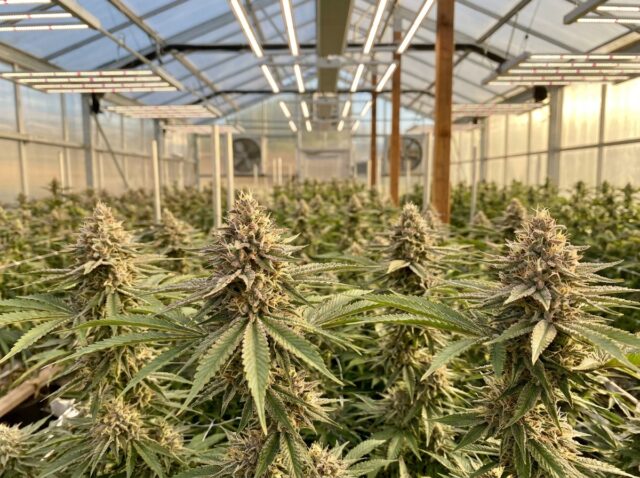
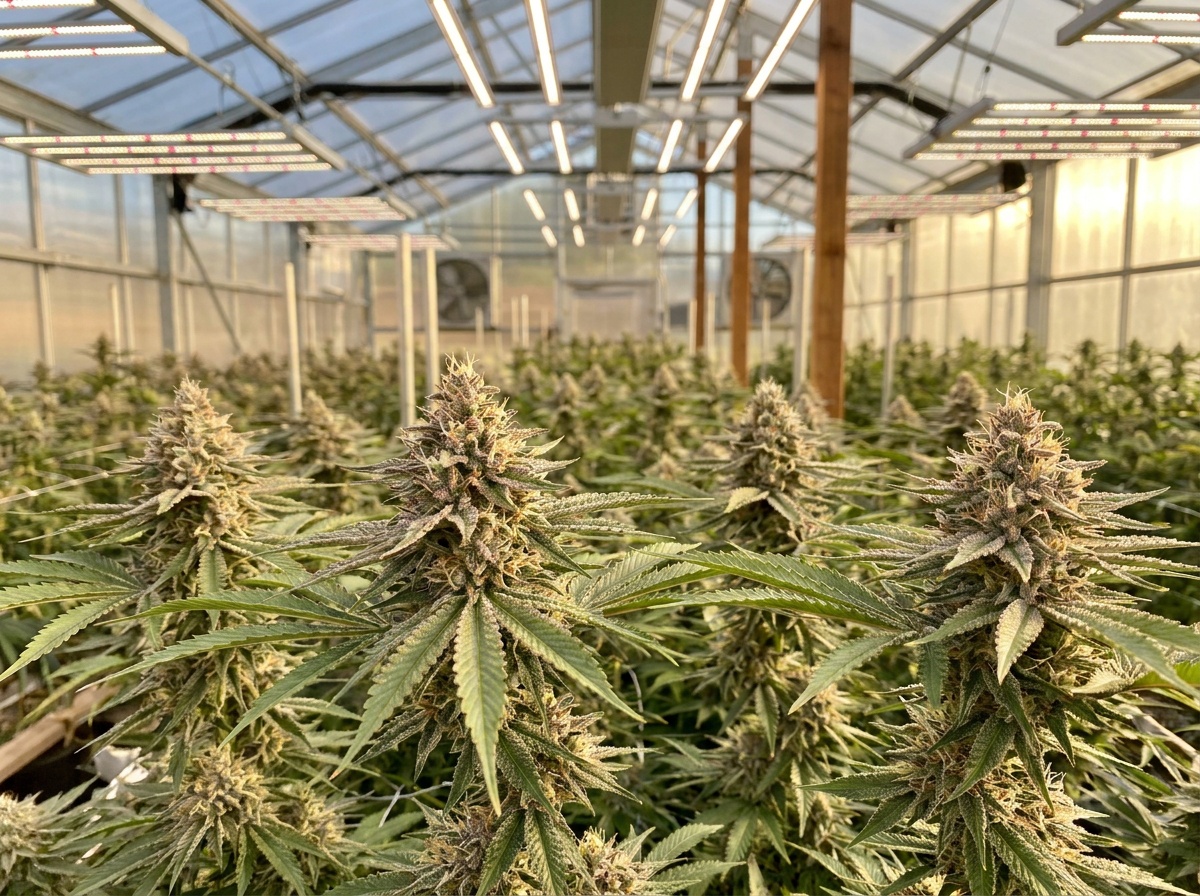
Morphologically, Valentine X presents a vigorous, well-structured plant that bridges the resin-dense floral architecture of its Afghan ancestors with the lateral branching and elongated calyx development of its Sour Diesel lineage. Cultivated in organic soil or controlled environmental agriculture (CEA) setups, it produces dense, spear-shaped emerald colas heavily frosted with glandular capitate-stalked trichomes and interwoven with delicate copper-amber pistils. Its aromatic signature is exceptionally clean, balancing crisp alpine pine needles, sweet moist earth, and subtle floral honey with faint, sour citrus-diesel undertones. Driven by a terpene profile rich in beta-myrcene, alpha-pinene, beta-caryophyllene, and limonene, Valentine X delivers profound somatic tension release, neurochemical stabilization, and systemic analgesia while fostering an alert, clear-headed cognitive state. As both a humanitarian breeding triumph and a contemporary clinical benchmark, Valentine X exemplifies the highest standard of evidence-based botanical medicine.
Botanical Identity & Quick Data Card
| Taxonomic Metric | Botanical Specification |
|---|---|
| Cultivar Name | Valentine X (Catalog ID 344) |
| Primary Breeder & Origin | Lawrence Ringo / Southern Humboldt Seed Collective (SoHum Seeds), Humboldt County, CA (2012) |
| Genetic Lineage | Sour Tsunami #52 Phenotype / Specialized High-CBD Backcross Selection |
| Genetic Classification | Balanced Hybrid (50% Sativa / 50% Indica) |
| Cannabinoid Chemotype | Chemotype III (Pure High-CBD / Low-THC: ~25:1 CBD:THC Ratio) |
| Average Cannabinoid Content | CBD: 16.0% – 20.5% | THC: 0.4% – 0.8% | Total Cannabinoids: 18.0% – 23.5% |
| Dominant Terpenes | Beta-Myrcene, Alpha-Pinene, Beta-Caryophyllene, D-Limonene, Terpinolene |
| Flowering Duration | 8.5 to 9.5 Weeks (58 to 65 Days) |
| Average Indoor Yield | 450 – 550 g/m² (1.47 – 1.80 oz/ft²) |
| Average Outdoor Yield | 600 – 900 g/plant (21.2 – 31.7 oz/plant) |
| Primary Clinical Applications | Intractable Pediatric Epilepsy, Dravet Syndrome, Neuroinflammation, Fibromyalgia, PTSD, Anxiety |
2. Genetic Heritage & Breeding History
The emergence of Valentine X represents one of the most poignant chapters in the annals of medical cannabis research. Following Lawrence Ringo’s breakthrough in stabilizing Sour Tsunami in 2008—which proved to the scientific and botanical world that cannabis could produce double-digit cannabidiol concentrations—Ringo embarked on a mission to push the therapeutic boundaries of the plant even further. While Sour Tsunami’s 1:1 to 4:1 ratio was a godsend for adult chronic pain patients who benefited from moderate THC synergy, parents of children suffering from catastrophic pediatric epileptic encephalopathies reached out to Ringo with an urgent clinical dilemma. These parents needed the powerful anticonvulsant and anti-inflammatory properties of whole-plant phytocannabinoids, but their young children could not tolerate even modest doses of intoxicating THC without experiencing adverse psychoactive distress or cognitive confusion.
Moved by the plight of these families and deeply inspired by the research being conducted at institutions like St. Jude Children’s Research Hospital, Lawrence Ringo resolved to isolate an elite phenotype that maximized CBDA synthase expression while minimizing THCA synthase to trace levels. Working through hundreds of seed progeny derived from advanced backcross generations of his premier Sour Tsunami lines (specifically the Sour Tsunami #52 selection), Ringo and the SoHum Seeds team conducted exhaustive analytical testing. In early 2012, analytical gas chromatography confirmed that a specific individual plant was expressing an astonishing 18% CBD alongside less than 0.7% THC—a nearly 25:1 CBD-to-THC ratio that had never before been documented in a vigorously flowering, resin-rich indoor hybrid.
Ringo named this triumphant selection ‘Valentine X’. The name held profound layers of symbolic meaning: first, in honor of Saint Valentine, who in Catholic and Christian tradition has historically been venerated as the patron saint of individuals living with epilepsy and fainting disorders; second, in recognition of Pat Valentine, a close supporter and advocate for compassionate patient access; and third, as a dedicated tribute to the clinical oncologists and pediatric neurologists at St. Jude Children’s Research Hospital. Ringo maintained that cannabis genetics should serve humanity rather than corporate profit, and he actively gifted cuttings and tissue cultures of Valentine X to compassionate caregiver networks across California, Colorado, and Oregon.
From a phylogenomic perspective, Valentine X preserves the complex polyhybrid foundation of Sour Tsunami—integrating East Coast Sour Diesel, New York City Diesel, the broad-leaf resinous Ferrari Afghan, and select Hawaiian germplasm. However, through intentional phenotypic isolation and stabilized clonal maintenance, Valentine X eliminated the variable segregation of cannabinoid alleles found in earlier F1 seed lots. In Valentine X, the genetic locus for CBDA synthase operates under virtually complete homozygous dominance, directing nearly all precursor cannabigerolic acid (CBGA) down the cannabidiolic acid enzymatic pathway. Consequently, Valentine X produces consistent, uniform Chemotype III profiles across generations, making it an indispensable botanical standard for clinical tincture formulation, pediatric oil extraction, and standardized whole-plant medicine.
3. Morphology, Agronomics & Cultivation Dynamics
From a horticultural perspective, Valentine X exhibits remarkable hybrid vigor, demonstrating balanced morphological traits that combine the rapid vegetative speed and lateral reach of its sativa ancestors with the structural sturdiness and dense internodal calyx spacing of its Afghan heritage. During the vegetative phase, plants develop stout, fibrous central stalks supported by dense secondary lateral branching. The foliage is broad to medium-width, presenting a deep, lustrous forest-green pigmentation that indicates robust chlorophyll density and efficient photosynthetic capacity. Leaf serrations are sharp, pronounced, and evenly spaced along the lanceolate margins.
Canopy management in indoor and greenhouse environments is straightforward and rewarding, as Valentine X responds exceptionally well to horticultural training techniques. When left to grow uninhibited, the plant tends to form a substantial central apical cola; however, apical topping performed at the 4th or 5th node quickly redistributes auxin concentration, encouraging uniform horizontal canopy expansion. Cultivators utilizing the Screen of Green (SCROG) method can achieve an exceptionally level canopy, ensuring that all secondary bud sites receive equal photon irradiance. During the transition to a 12/12 photoperiod, Valentine X undergoes a moderate, highly manageable stretch of approximately 1.5x to 1.8x its vegetative height. This controlled vertical expansion allows cultivators to optimize vertical space in indoor facilities without the erratic stretching often encountered in pure equatorial sativa varietals.
Nutritional demands for Valentine X are moderate and steady throughout its life cycle. In the vegetative phase, maintaining an electrical conductivity (EC) of 1.2 to 1.4 mS/cm provides sufficient nitrogen, calcium, and magnesium to drive robust structural development. As the plant enters flowering, nitrogen inputs should be gradually tapered to prevent excessive vegetative foliage and support optimal calyx development. During peak floral swelling (weeks 4 through 7 of bloom), the EC should be elevated to 1.6 to 1.9 mS/cm, emphasizing phosphorus, potassium, and trace minerals (especially sulfur and zinc, which serve as crucial enzymatic cofactors in terpene and cannabinoid biosynthesis). In living organic soil beds, top-dressing with organic amendments such as crustacean meal, bat guano, kelp meal, and gypsum provides sustained biological fertility without the risk of osmotic root stress. Maintaining root zone pH within 5.8 to 6.2 for soilless/hydroponic media (or 6.2 to 6.8 for organic soil) ensures optimal nutrient availability.
Environmental parameters should be dialed in with precision to safeguard the cultivar’s delicate monoterpenes and preserve cannabinoid potency. During weeks 1 through 5 of flowering, daytime canopy temperatures should be maintained between 24°C and 26°C (75°F–79°F), with nighttime temperatures between 19°C and 21°C (66°F–70°F), and relative humidity (RH) held at 55% to 60%, delivering a vapor pressure deficit (VPD) of 1.0 to 1.2 kPa. During weeks 6 through 9 of ripening, daytime temperatures should be gently dropped to 21°C to 23°C (70°F–73°F) and relative humidity aggressively lowered to 40% to 45% (VPD 1.3–1.5 kPa). This late-flowering dehumidification is critical: because Valentine X produces exceptionally dense, resinous floral clusters, high ambient humidity during the final ripening phase poses a significant risk of Botrytis cinerea (bud rot) within the dense inner cores of the colas.
Harvest timing for Valentine X must be governed by rigorous microscopic inspection of the glandular trichome heads. Because Valentine X is grown primarily for its high CBDA concentration, allowing trichomes to over-mature will lead to the enzymatic and oxidative degradation of CBDA into non-active cannabinoid fractions and loss of volatile monoterpenes. Peak cannabinoid potency occurs when 90% to 95% of the capitate-stalked glandular trichomes on the perigonal bracts have turned milky-opaque, with virtually no clear trichomes remaining and fewer than 5% showing amber discoloration. Under optimal cultivation conditions, flowering is complete within 58 to 65 days (8.5 to 9.5 weeks), yielding between 450 and 550 grams per square meter indoors, or up to 900 grams per plant in sunny Mediterranean or temperate outdoor environments.
4. Complete Data Specifications
The following five technical data tables establish the comprehensive chemical, agronomic, and clinical specifications for Valentine X, aligned with contemporary horticultural standards and certified laboratory verification protocols.
Table 1: Botanical & Chemotype Profile
| Parameter | Botanical & Analytical Value | Laboratory Verification Standard |
|---|---|---|
| Cultivar Lineage | Sour Tsunami #52 Phenotype / High-CBD Backcross Selection | SoHum Seeds Historical Clonal Pedigree |
| Taxonomic Designation | Cannabis sativa L. (Balanced Hybrid: 50% Sativa / 50% Indica) | Morphological & Genomic Assessment |
| Cannabinoid Chemotype | Chemotype III (Pure High-CBD / Low-THC Expression) | HPLC-DAD Decarboxylated Quantification |
| CBD:THC Ratio Range | 20:1 to 30:1 (Stabilized Clonal Benchmark: ~25:1) | Analytical Cannabinoid Ratio Calculation |
| Total Active Cannabinoids | 18.0% – 23.5% by Dry Inflorescence Weight | High-Performance Liquid Chromatography |
| Total Terpene Concentration | 1.6% – 2.8% Total Volatile Fraction | GC-MS Headspace Analysis |
| Inflorescence Density | High Density, Compact Conical Floral Clusters | Volumetric Displacement Index |
| Calyx-to-Leaf Ratio | Favorable (Approximately 72:28 Post-Trim Ratio) | Post-Harvest Gravimetric Biomass Analysis |
Table 2: Cannabinoid Spectrum & Potency Range
| Cannabinoid Compound | Average Decarboxylated Mass % | Range (%) | Primary Receptor Mechanism |
|---|---|---|---|
| Cannabidiol (CBD) | 18.20% | 15.50% – 21.00% | Negative Allosteric CB1 Modulator, 5-HT1A Agonist, TRPV1 Desensitizer |
| Delta-9-THC | 0.65% | 0.40% – 0.85% | Trace Partial Agonist at CB1 and CB2 (Sub-Psychoactive Threshold) |
| Cannabichromene (CBC) | 0.85% | 0.35% – 1.40% | TRPA1/TRPV1 Agonist, Anandamide Cellular Uptake Inhibitor |
| Cannabigerol (CBG) | 0.70% | 0.30% – 1.15% | Alpha-2 Adrenergic Agonist, 5-HT1A Antagonist, GPR55 Antagonist |
| Cannabidivarin (CBDV) | 0.45% | 0.15% – 0.80% | TRPV1 Channel Desensitizer, Potent Anticonvulsant Synergy |
| Tetrahydrocannabivarin (THCV) | 0.05% | 0.01% – 0.15% | Trace Antagonist at CB1; Metabolic Signaling |
| Cannabinol (CBN) | 0.04% | 0.01% – 0.12% | Degradation Byproduct; Trace Sedative Synergist |
Table 3: Terpene Concentration Profile & Synergistic Effects
| Terpene Compound | Mean Weight (%) | Concentration Range | Aromatic & Pharmacological Synergy |
|---|---|---|---|
| Beta-Myrcene | 0.75% | 0.45% – 1.20% | Earthy, herbal; enhances blood-brain barrier permeability, systemic muscle relaxation, analgesic synergy |
| Alpha-Pinene | 0.45% | 0.25% – 0.70% | Crisp pine needle; acetylcholinesterase inhibitor, bronchodilator, sharpens cognitive lucidity and alertness |
| Beta-Caryophyllene | 0.40% | 0.20% – 0.65% | Spicy, woody; direct selective CB2 receptor full agonist, downregulates neuroinflammation and microglial activation |
| D-Limonene | 0.25% | 0.10% – 0.40% | Fresh citrus zest; enhances 5-HT1A serotonergic transmission, mood elevation, reduces gastrointestinal distress |
| Terpinolene | 0.20% | 0.08% – 0.35% | Pine-floral fuel; central nervous system depressant, antioxidant, synergistic anxiolytic action |
| Alpha-Humulene | 0.12% | 0.04% – 0.22% | Dry wood, earth; suppresses inflammatory edema, synergistic anti-inflammatory action with caryophyllene |
| Alpha-Bisabolol | 0.08% | 0.02% – 0.16% | Sweet chamomile; epithelial wound healing, antinociceptive, soothing to mucosal membranes |
Table 4: Agronomic Benchmarks & Cultivation Parameters
| Horticultural Phase | Optimal Environmental Target | Agronomic Guidelines & Nutrient Strategy |
|---|---|---|
| Propagation / Seedling | 24°C – 26°C, 70% – 75% RH, VPD 0.8 kPa | Mild rooting nutrient solution (EC 0.6–0.8), mycorrhizal inoculants, low PPFD (150–200 µmol/m²/s) |
| Early Vegetative Growth | 25°C – 27°C, 60% – 65% RH, VPD 1.0 – 1.1 kPa | EC 1.2 – 1.4; balanced N-P-K (3:1:2), generous Ca/Mg supplementation; apical topping at node 4 |
| Transition & Stretch (Weeks 1–3) | 24°C – 26°C, 55% – 60% RH, VPD 1.1 – 1.3 kPa | EC 1.5 – 1.7; integrate horizontal trellis net; support sturdy branching against moderate stretch (1.6x) |
| Mid-Bloom Swell (Weeks 4–7) | 23°C – 25°C, 50% – 55% RH, VPD 1.2 – 1.4 kPa | EC 1.7 – 1.9; taper nitrogen; augment monopotassium phosphate and sulfur to drive dense trichome coverage |
| Ripening & Flush (Weeks 8–9.5) | 20°C – 22°C, 40% – 45% RH, VPD 1.3 – 1.5 kPa | EC 0.3 – 0.5; pure water flush or balanced hypoosmotic finish; inspect trichomes at 60x magnification |
Table 5: Clinical Indication Mapping & Patient Efficacy
| Target Clinical Condition | Efficacy Score (1–10) | Primary Mechanism of Action | Recommended Ingestion Protocol |
|---|---|---|---|
| Intractable Pediatric Epilepsy (Dravet / LGS) | 9.7 / 10 | Antagonism of GPR55, desensitization of TRPV1, modulation of voltage-gated sodium channels | Standardized sublingual MCT lipid tincture titrated by body weight (mg CBD/kg/day) |
| Neuroinflammatory Disorders & TBI | 9.4 / 10 | Suppression of microglial cytokine release (IL-6, TNF-alpha), PPAR-gamma receptor activation | Daily oral lipid extract paired with dry herb convection vaporization for acute exacerbations |
| Generalized Anxiety Disorder & PTSD | 9.3 / 10 | Direct 5-HT1A serotonergic agonism; dampening of basolateral amygdala hyper-excitability | Sublingual administration (20–40 mg CBD) twice daily; inhalation for sudden panic surges |
| Fibromyalgia & Centralized Pain | 9.1 / 10 | Spinal glycine receptor potentiation; desensitization of central nociceptive wind-up pathways | Full-spectrum decarboxylated oral oil combined with topical transdermal balms |
| Rheumatoid Arthritis & Joint Inflammation | 9.0 / 10 | Inhibition of synovial fibroblast proliferation, COX-2 down-regulation via caryophyllene synergy | High-potency topical balm applied directly to affected joints 3–4 times daily |
| Chemotherapy-Induced Neuropathy (CIPN) | 8.8 / 10 | Mitochondrial cytoprotection, reduction of peripheral axonal oxidative stress via CBD and CBC | Sublingual oil administration initiated alongside oncological cycles |
5. Comprehensive Cannabinoid & Terpene Phytochemistry
The pharmacological profile of Valentine X represents the pinnacle of Chemotype III medical cannabis engineering. While traditional cannabis varietals are characterized by high concentrations of delta-9-THC acting directly on CB1 receptors to produce central nervous system intoxication, Valentine X operates primarily through non-orthosteric, non-intoxicating receptor pathways. At its core, cannabidiol (CBD) constitutes over 85% of the total cannabinoid biomass in Valentine X, typically testing between 16.0% and 20.5% in dry inflorescence. Rather than acting as a direct agonist at CB1, CBD functions as a negative allosteric modulator (NAM) of the CB1 receptor. By binding to a secondary, allosteric site on the CB1 protein, CBD alters the receptor’s physical conformation, dramatically reducing the receptor’s binding affinity for both endogenous anandamide and exogenous THC. This allosteric mechanism guarantees that even if a trace amount of THC is co-present, it cannot trigger overwhelming psychotropic activation.
Beyond the classical endocannabinoid system, the cannabidiol in Valentine X engages several crucial molecular targets that explain its remarkable clinical efficacy in epilepsy and neuroprotection. Notably, CBD acts as an antagonist at GPR55 (G protein-coupled receptor 55), often referred to as the putative ‘CB3’ receptor. In hyper-excitable neurological states, abnormally elevated GPR55 activation in hippocampal and cortical pyramidal neurons drives excessive intracellular calcium release, triggering uncontrolled excitatory glutamate transmission and epileptic seizure cascades. By blocking GPR55 signaling, CBD dampens this pathological excitatory cascade, restoring equilibrium to neuronal firing. Concurrently, CBD acts as a potent agonist and subsequent desensitizer of transient receptor potential vanilloid type 1 (TRPV1) channels, attenuating thermal hyperalgesia and peripheral neurogenic inflammation.
Valentine X also facilitates enhanced endogenous endocannabinoid tone through the inhibition of fatty acid amide hydrolase (FAAH). FAAH is the primary intracellular serine hydrolase responsible for catabolizing anandamide (AEA), the body’s primary native cannabinoid. By slowing the breakdown of anandamide, Valentine X effectively elevates systemic endocannabinoid concentrations, correcting states of clinical endocannabinoid deficiency (CECD) without requiring high-dose exogenous THC. Furthermore, CBD acts as a direct agonist at 5-HT1A serotonergic receptors, a mechanism that underpins its rapid and reliable anxiolytic, anti-depressant, and neuroprotective properties.
The minor cannabinoid architecture in Valentine X provides vital physiological reinforcement. Cannabichromene (CBC), present between 0.35% and 1.40%, functions as a potent agonist at TRPA1 and TRPV1 channels while inhibiting cellular anandamide uptake. Pharmacological research suggests that CBC interacts synergistically with CBD to stimulate adult neurogenesis and downregulate pro-inflammatory cytokine expression. Cannabigerol (CBG), averaging 0.70%, delivers alpha-2 adrenergic receptor agonism and GPR55 antagonism, providing gentle muscle relaxation and gastrointestinal anti-inflammatory support. Trace amounts of cannabidivarin (CBDV, 0.15%–0.80%) contribute additional anticonvulsant activity through independent TRPV1 and TRPV2 channel desensitization, demonstrating why whole-plant Valentine X extracts offer vastly superior therapeutic outcomes compared to isolated synthetic CBD.
The volatile monoterpene and sesquiterpene spectrum in Valentine X plays an equally indispensable role in directing its therapeutic actions. Beta-myrcene is the primary monoterpene (averaging 0.75%), providing its signature earthy, herbal undertone while functionally lowering the resistance of the blood-brain barrier. By increasing biological membrane permeability, myrcene accelerates the systemic uptake of cannabinoids across vascular barriers. Alpha-pinene (averaging 0.45%) is the secondary hallmark terpene, imparting a fresh, restorative coniferous fragrance. Pharmacologically, alpha-pinene functions as an inhibitor of the acetylcholinesterase enzyme, preserving acetylcholine levels in the cerebral cortex and promoting sharp cognitive focus, clear memory retention, and pulmonary bronchodilation. Beta-caryophyllene (0.40%) acts as a selective full agonist at peripheral CB2 receptors, providing a powerful, non-psychoactive anti-inflammatory mechanism that downregulates inducible nitric oxide synthase (iNOS) and cyclooxygenase-2 (COX-2). D-limonene (0.25%) rounds out the profile with uplifting citrus notes and proven 5-HT1A serotonergic synergy, providing mood elevation and gastroprotective benefits.
6. Clinical Efficacy & Patient Pharmacokinetics
The clinical profile of Valentine X has made it an international gold standard in specialized cannabinoid therapy, particularly within pediatric neurology, neurorehabilitation, and geriatric medicine. The most celebrated clinical application of Valentine X is in the management of severe, treatment-resistant pediatric epilepsies, including Dravet syndrome, Lennox-Gastaut syndrome (LGS), and Doose syndrome. In these devastating clinical presentations, conventional anti-epileptic drugs (such as clobazam, valproate, topiramate, and levetiracetam) frequently fail to achieve seizure freedom while imposing severe neurodevelopmental deficits, lethargy, and hepatic stress. When treated with whole-plant high-CBD extracts derived from Valentine X, clinical observational cohorts document significant reductions in both motor convulsive seizures and non-convulsive drop attacks, with many pediatric patients experiencing a greater than 50% reduction in monthly seizure frequency alongside noticeable improvements in alertness, verbal communication, and motor coordination.
In adult clinical medicine, Valentine X provides exceptional therapeutic value for centralized pain syndromes and neuroinflammatory disorders, most notably fibromyalgia, multiple sclerosis, and complex regional pain syndrome (CRPS). In fibromyalgia, the central nervous system undergoes pathological neuroplastic changes known as ‘central sensitization,’ where spinal dorsal horn neurons become hyper-reactive to sub-threshold sensory inputs. Valentine X dampens this central sensitization through simultaneous spinal glycine receptor potentiation, microglial down-regulation, and peripheral TRPV1 desensitization. Patients report substantial reductions in deep somatic aching, tender-point sensitivity, and morning stiffness, allowing them to participate in physical therapy and daily vocational activities without the clouding sedation associated with muscle relaxants or opioid medications.
From a psychiatric perspective, Valentine X is exceptionally well-suited for generalized anxiety disorder (GAD), panic disorder, and social anxiety. Because Valentine X contains less than 1% THC, it completely bypasses the risk of cannabinoid-induced tachycardia, acute paranoia, or depersonalization that often deters anxious individuals from exploring cannabis medicine. CBD’s robust 5-HT1A receptor agonism produces an immediate, stabilizing anxiolytic effect, modulating activity in the basolateral amygdala and attenuating the body’s acute stress response (sympathetic nervous system hyperactivity). Patients report a profound sense of emotional composure, mental calm, and physiological grounding, free from any intoxicating impairment.
Pharmacokinetically, the clinical efficacy of Valentine X is heavily dictated by the chosen route of administration. When inhaled via convection dry herb vaporization (at temperatures calibrated between 175°C and 190°C), cannabinoids rapidly cross alveolar epithelial membranes directly into the pulmonary venous circulation, bypassing hepatic first-pass metabolism. Peak plasma concentrations (Cmax) of CBD are achieved within 3 to 8 minutes, with a bioavailable fraction of 20% to 35%. This rapid onset makes vaporization an indispensable rescue tool for acute breakthrough nerve pain, sudden anxiety spikes, or prodromal migraine auras. Conversely, when formulated into oral lipid tinctures, MCT oil drops, or softgel capsules, cannabinoids undergo gastrointestinal absorption and hepatic transport via the portal vein. Oral onset requires 45 to 90 minutes, with peak therapeutic plasma concentrations reached between 2 and 3 hours post-ingestion. Because oral administration provides prolonged systemic bioavailability extending across 6 to 8 hours, it serves as the preferred foundation for chronic daily disease management, baseline seizure prophylaxis, and sustained autoimmune suppression.
7. Organoleptic Profiling & Consumption Experience
The organoleptic experience of Valentine X is clean, restorative, and profoundly soothing, immediately dismantling the legacy misconception that high-CBD, low-THC cannabis cultivars are terpene-deficient or organoleptically flat. When a sealed curing container of Valentine X is opened, the immediate olfactory bouquet is dominated by fresh, crisp alpine pine needles, damp coniferous forest loam, and freshly tilled organic earth. Beneath this initial pine-forest wave lies a delicate, fragrant floral sweetness reminiscent of wild honeysuckle, chamomile blossoms, and sweet clover. As the cured flowers are handled, subtle secondary notes of tart Meyer lemon, crushed eucalyptus, and a faint whisper of sour diesel fuel emerge, paying respectful homage to the cultivar’s Sour Tsunami ancestry.
Upon milling or breaking apart the dense, resin-encrusted floral clusters, the volatile aromatic profile intensifies dramatically. The rupture of glandular trichome head membranes releases a vibrant burst of sharp citrus zest and peppery spice, driven by the volatilization of limonene and beta-caryophyllene. When combusted or vaporized, the smoke or vapor is remarkably silky, smooth, and cooling on the palate and throat. In a clean convection dry herb vaporizer set at 180°C (356°F), the flavor profile begins with sweet pine sap, herbaceous green tea, and floral lavender on the initial inhale. The exhale is clean, woody, and lightly peppery, leaving a lingering, refreshing botanical aftertaste without the heavy, resinous coating characteristic of high-THC indica varietals.
The somatic and psychological onset of Valentine X is gentle, immediate, and utterly devoid of cognitive intoxication. Within moments of consumption, patients experience a soft, releasing sensation across the shoulders, neck, and facial musculature. Physical tension, muscular fasciculations, and visceral tightness melt away as peripheral blood vessels gently dilate and somatic nerve firing normalizes. Crucially, the mind remains completely lucid, crystal-clear, and focused. There is no cerebral ‘head rush,’ no temporal distortion, no short-term memory disruption, and no anxious racing pulse. Instead, users report a state of calm, centered emotional equilibrium and grounded bodily comfort. Valentine X can be seamlessly integrated into demanding professional schedules, creative endeavors, athletic training sessions, or family responsibilities without any compromise in executive cognitive function. As the physiological effects gently taper after two to three hours, there is zero lethargic ‘burnout’ or mental fatigue, leaving the user feeling refreshed, balanced, and at ease.
8. Dispensary Sourcing, Curing & Quality Verification
For medical dispensaries, clinical compounding pharmacies, and compassionate caregiver collectives, sourcing authentic Valentine X requires rigorous chemical verification and meticulous post-harvest handling. Because the name carries immense clinical prestige—particularly among families managing pediatric epilepsy—unscrupulous or careless vendors occasionally apply the ‘Valentine X’ label to unverified hemp varietals or variable seed progeny that lack the precise cannabinoid and terpene genetics of the original SoHum Seeds selection. Licensed dispensaries must mandate that all wholesale lots of Valentine X be accompanied by a comprehensive, ISO/IEC 17025-accredited third-party Certificate of Analysis (COA). Authentic clonal stock must consistently test at a minimum 20:1 CBD-to-THC ratio, with total CBD exceeding 15% and total delta-9-THC strictly below 0.8% by dry weight.
Post-harvest drying and curing protocols must be calibrated with exceptional care to preserve the volatile monoterpene fraction and prevent the thermal or oxidative degradation of CBDA. Following harvest, whole-plant hanging or branch hanging in an environmentally controlled cleanroom maintained strictly at 15°C to 16°C (59°F–61°F) and 58% to 62% relative humidity (the standard ’60/60′ protocol) is essential. This slow, cool drying process should extend over 12 to 14 days, allowing the gradual breakdown of chlorophyll, sugars, and starches while preventing the rapid evaporation of delicate monoterpenes such as alpha-pinene and myrcene. Once the branch stems snap crisply under tension, the inflorescences should be hand-manicured using sanitized surgical stainless steel trimmers to prevent mechanical bruising of the glandular trichome heads.
The secondary curing phase should occur in airtight, food-grade stainless steel containers or pharmaceutical-grade glass cure vessels held in complete darkness at 15°C to 17°C (59°F–63°F) for a minimum of 21 to 30 days. Regular headspace gas exchange (‘burping’) during the initial two weeks evacuates accumulated moisture and metabolic off-gases. The final water activity (aw) of cured Valentine X inflorescence must be strictly stabilized between 0.58 and 0.62 aw, with internal moisture content between 10.5% and 12.0%. This precise moisture threshold completely prevents the germination of pathogenic mold spores (such as Aspergillus niger, Aspergillus flavus, and Penicillium species) while preserving the physical flexibility and resin integrity of the glandular trichome heads.
In dispensary storage and patient consultation environments, Valentine X must be protected from ultraviolet light, ambient heat, and oxygen exposure. Finished products should be stored in opaque, UV-filtering biophotonic glass containers (such as Miron glass) or sealed nitrogen-flushed packages at stable room temperatures (18°C–20°C / 64°F–68°F). Exposure to direct light or excessive temperatures will rapidly convert fragile cannabinoids into oxidized artifacts and degrade pinene and myrcene into harsh secondary compounds. When cultivated, cured, and verified according to these rigorous clinical standards, Valentine X stands as a monumental achievement in humanitarian botanical science—a compassionate, non-intoxicating therapeutic beacon that continues to bring profound relief to patients around the world.