🎙️
Listen to the Scientific Monograph
Strawberry Cough: Botanical Architecture, Cannabinoid Pharmacology & Horticultural History
Professional narration synthesized via Ganja House neural acoustics engine (en-GB-RyanNeural). Duration: ~148 seconds.
Strawberry Cough – Comprehensive Botanical Monograph
Prepared for: High-End Medical Dispensary Knowledge Base & Pharmacognosy Archive
Prepared by: Botanical Research & Development Team, Ganja House Koh Lanta
Cultivar: Strawberry Cough (Kyle Kushman Heirloom Selection)
Taxonomic Designation: Cannabis sativa L. (Sativa-Dominant Hybrid, ~80% Sativa / 20% Indica)
Geographic Provenance: Upstate New York (Strawberry Fields) × Original Haze (Pacific Northwest / California)
Date of Documentation: October 2026
Prepared by: Botanical Research & Development Team, Ganja House Koh Lanta
Cultivar: Strawberry Cough (Kyle Kushman Heirloom Selection)
Taxonomic Designation: Cannabis sativa L. (Sativa-Dominant Hybrid, ~80% Sativa / 20% Indica)
Geographic Provenance: Upstate New York (Strawberry Fields) × Original Haze (Pacific Northwest / California)
Date of Documentation: October 2026
1. Origins, Ethnobotanical Lore, and Horticultural History
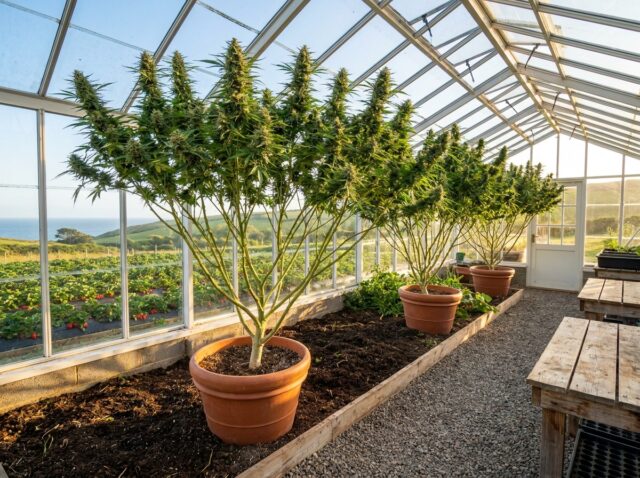
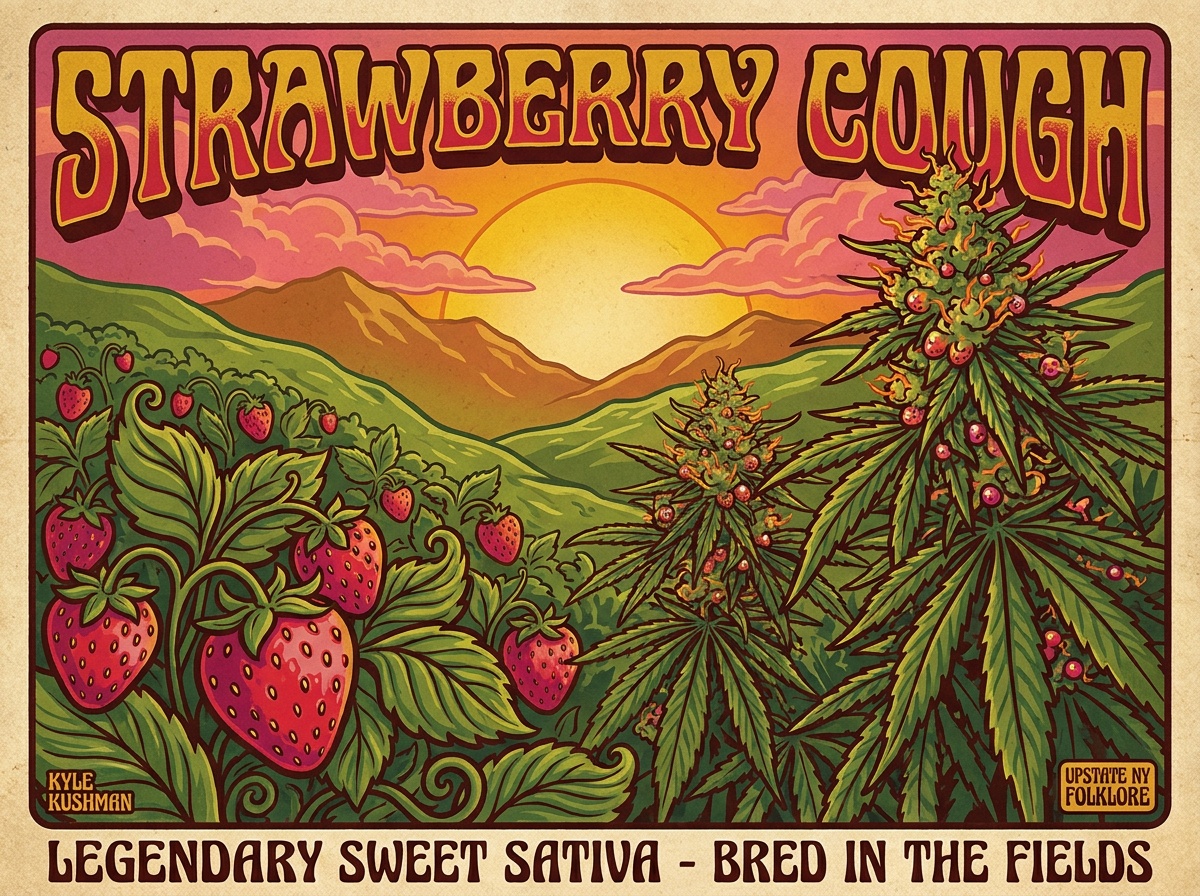
Few cultivars in the modern cannabis compendium possess an origin narrative as colorful, serendipitous, and culturally celebrated as Strawberry Cough. The cultivar emerged at the turn of the millennium—a pivotal transition period when clandestine underground breeding was shifting from loose domestic seed swaps toward elite clone-only curation and trademarked artisanal genetics. The genetic Genesis of Strawberry Cough is inextricably linked to renowned horticulturalist and cannabis educator Kyle Kushman, though its foundational mother plant originated in the humid agrarian landscapes of Upstate New York.
According to foundational accounts documented by Kushman during his tenure as a senior cultivation editor for High Times magazine in New York City, the story began in late 1999 when a fellow grower in Bridgeport, Connecticut, gifted him a small, unrooted clone cutting. This cutting was purportedly derived from an unusual indica-dominant heirloom known simply as “Strawberry Fields.” The Connecticut grower explained that Strawberry Fields had been cultivated outdoor for multiple successive generations in Upstate New York, directly intercropped within commercial strawberry fields. Whether through rhizosphere microfloral sharing, organic companion-crop symbiosis, or pure genetic mutation, this maternal stock possessed an overwhelming, uncanny aroma identical to ripe, sun-drenched alpine strawberries.
Recognizing the exceptional organoleptic novelty of the genetics, Kushman nurtured the cutting into a vigorous mother plant within his Brooklyn apartment grow room. However, the original Strawberry Fields cut exhibited a squat, predominantly indica morphology with moderate vigor and relatively dense, vegetative foliage that was somewhat prone to botrytis in humid coastal microclimates. Seeking to elevate its cerebral vitality, enhance its internodal architecture, and bestow upon it a soaring, daylight-compatible pharmacodynamic profile, Kushman introduced pollen from an elite male specimen of Original Haze—a classic equatorial sativa polyhybrid comprising Colombian, Mexican, Thai, and South Indian landrace lineages.
The progeny of this purposeful hybridization yielded a genetic masterpiece. One standout female selection captured the exact, concentrated strawberry candy terpene synthesis of the mother while inheriting the towering vigor, candelabra branching structure, elongated flowering clusters, and razor-sharp mental lucidity of the Haze patriarch. Most remarkably, when consumed via combustion or vaporization, the dense, terpene-saturated aerosol exerted an immediate, involuntary tickle on the bronchial receptors, prompting even veteran consumers to cough softly upon inhalation. Crucially, as Kushman famously coined, “the cough makes you smile”—the physical bronchial response was followed within seconds by a surge of pure euphoric joy and unclouded cerebral serenity.
In 2004, Kyle Kushman made the historic decision to relocate from Brooklyn to Southern California to participate in the burgeoning medical cannabis revolution catalyzed by California Proposition 215. Driving across the continental United States in a station wagon, Kushman transported a batch of live Strawberry Cough clone cuttings preserved in moistened rockwool cubes. Upon arriving in Los Angeles, he distributed these cuttings freely among prominent medical dispensaries, underground collectives, and fellow master growers throughout Hollywood, Venice Beach, and San Francisco. Through this grassroots act of botanical generosity, Strawberry Cough swept through the West Coast cannabis culture, rapidly attaining legendary status among patients seeking daytime relief from debilitating mood disorders, clinical anxiety, and chronic fatigue without the sedative impairment or mental cloudiness associated with heavy dessert cultivars.
2. Genetics, Lineage, and Phenotypic Morphology
The taxonomic and genetic architecture of Strawberry Cough reflects an elegant equilibrium between equatorial sativa resilience and temperate domestic indica stabilization. Comprising approximately 80% sativa and 20% indica genetic contributions, the cultivar behaves in commercial cultivation environments as a vigorous, apical-dominant sativa that has been tempered by the shorter internodal intervals and increased floral calyx density characteristic of its Strawberry Fields maternal ancestor.
| Lineage Component | Genetic Origin / Terroir | Agronomic & Morphological Contributions |
|---|---|---|
| Strawberry Fields (Maternal) | Upstate New York (Heirloom Indica Selection) | Transmits uncanny strawberry ester synthesis, high myrcene expression, reduced flowering latency, dense floral calyx clusters, and cold nocturnal temperature anthocyanin resilience. |
| Original Haze (Paternal) | Equatorial Polyhybrid (Colombia, Mexico, Thailand, India) | Bestows towering candelabra branching, high photosynthetic conversion efficiency, elongated internodes, soaring delta-9-THC biosynthesis, alpha-pinene retention, and lucid cerebral stimulation. |
| Stabilized F1/S1 Hybrid | Selected by Kyle Kushman (Brooklyn / SoCal) | Uniform 9-to-10 week flowering cycle, pronounced capitate-stalked glandular density, moderate stretch (150-180%), high calyx-to-leaf ratio, and reliable strawberry jam organoleptic expression. |
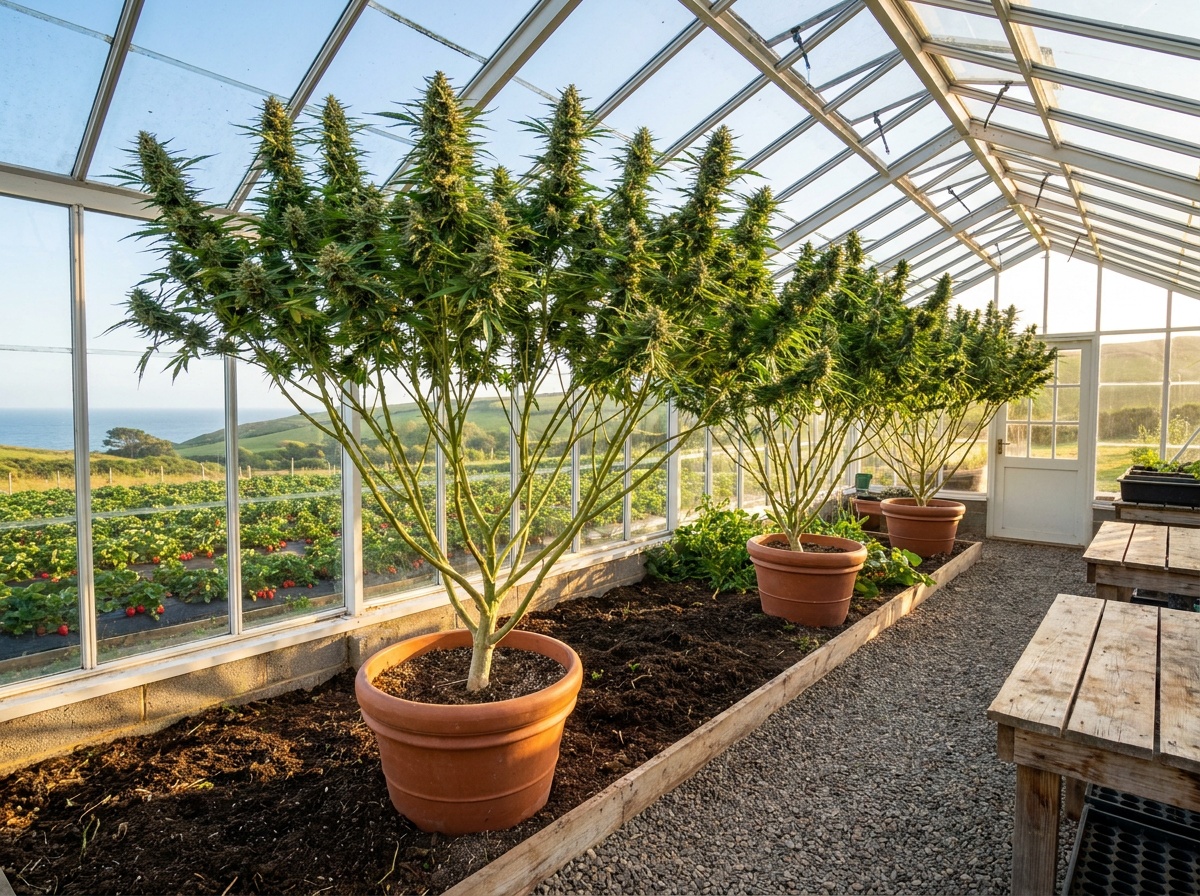
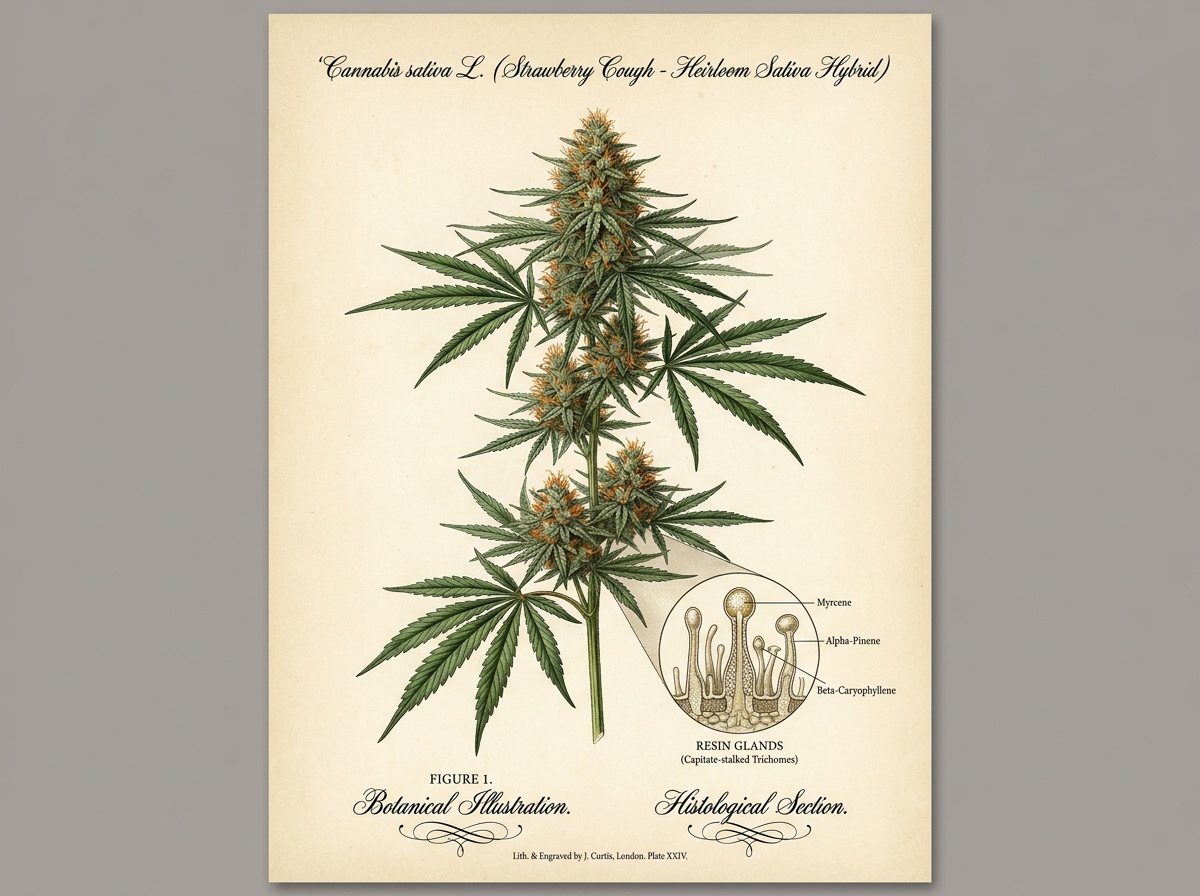
In vegetative growth, Strawberry Cough displays distinct morphological markers. Stems exhibit moderate girth with pronounced longitudinal vascular striations, maintaining flexible yet fibrous resilience capable of supporting substantial terminal floral weight. Foliage is characterized by palmate leaves bearing 7 to 9 narrow-to-intermediate leaflets with deep, regular serrations and vivid emerald-green coloration. When subjected to low-stress training (LST) or early apical pinching (topping), the plant readily establishes an expansive secondary canopy, developing multiple dominant floral spears rather than a single central spire.
Upon the photoperiod transition to a 12/12 flowering regime, Strawberry Cough demonstrates a moderate, highly manageable stretch phase, typically expanding between 150% and 180% of its terminal vegetative height over the initial 21 days. Unlike pure equatorial landraces that may stretch over 300% and exhibit wispy, airy bract distribution, Strawberry Cough establishes tight nodal clusters at 4 to 7 centimeter intervals. As floral maturation progresses through weeks 5 through 9, these individual calyx clusters swell aggressively, fusing into continuous, spear-shaped colas that exhibit exceptional solid mass while maintaining sufficient internal aeration to minimize botrytis vulnerability in higher humidity envelopes.
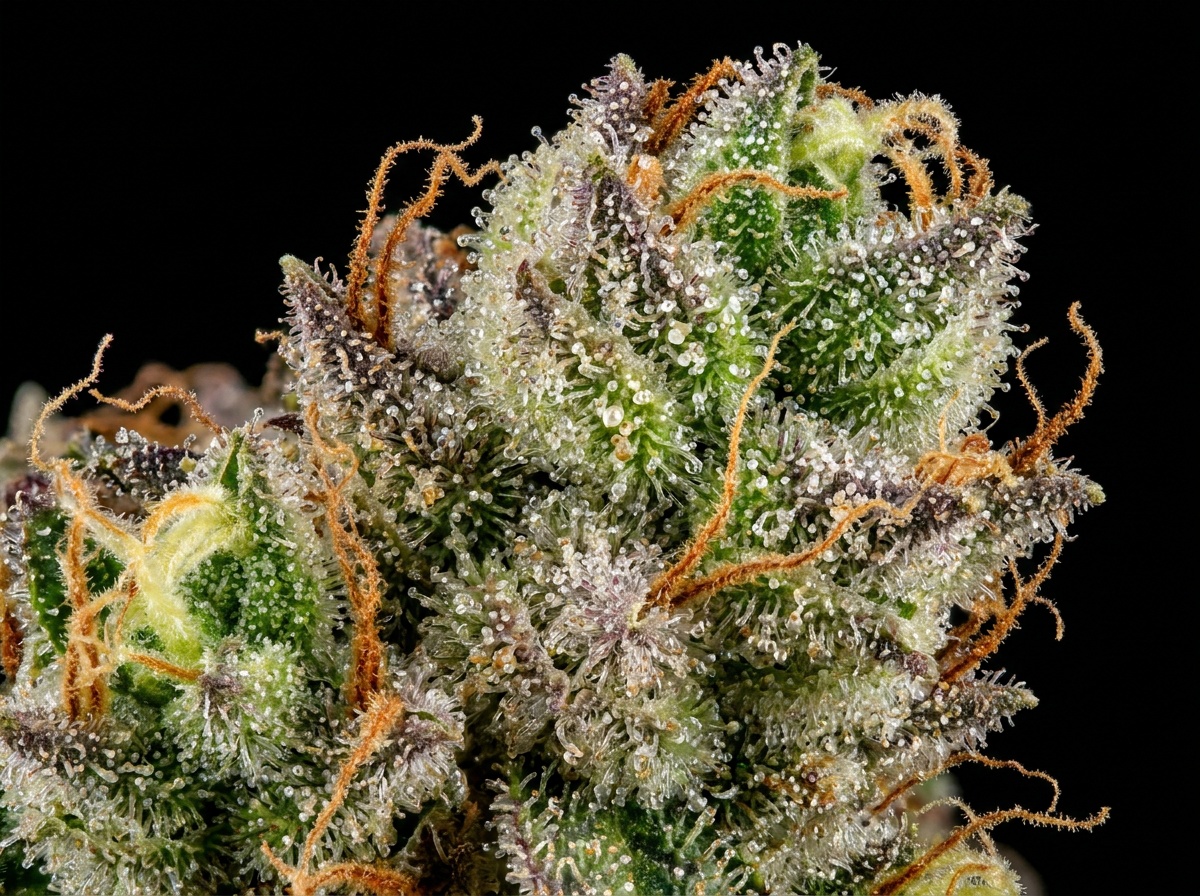
The floral architecture consists of conical, densely stacked bracts enveloped in a dense mantle of crystalline capitate-stalked glandular trichomes. Under standard ambient growing temperatures (24–26°C daytime / 18–20°C night), the calyxes mature into a brilliant chartreuse and lime-green palette offset by a profusion of twisted, fiery burnt-orange to coral-amber pistils. When night temperatures are dropped below 16°C during the final flushing phase (weeks 8 and 9), certain sensitive phenotypes express rich anthocyanin pigmentation, suffusing the outer sugar leaves and perimeter bracts in regal hues of deep plum, crimson, and lavender—providing a striking visual contrast against the shimmering blanket of silvery resin.
Agronomic Optimization & Environmental Parameters
From a cultivation perspective, Strawberry Cough presents moderate horticultural challenges that reward disciplined environmental control. While pure equatorial sativas can test commercial cultivators with unpredictable stretching, fragile stems, and 14-week flowering latencies, Strawberry Cough exhibits a docile, highly manageable growth habit. However, because its calyx clusters form dense, resinous spears reminiscent of its indica heritage, maintaining precise vapor pressure deficit (VPD) and vigorous airflow is critical during the final four weeks of anthesis.
Vegetative Stage (Weeks 1 to 4): Maintain ambient day temperatures between 25°C and 27°C with relative humidity (RH) held stable at 65% to 70%, targeting a vegetative VPD of 0.9 to 1.1 kPa. Provide light intensity between 400 and 600 μmol/m²/s PPFD under full-spectrum white LEDs. Strawberry Cough responds vigorously to organic compost teas containing beneficial rhizobacteria (Bacillus amyloliquefaciens) and mycorrhizal fungi (Glomus intraradices), which enhance nutrient uptake and stimulate lateral root branching. Implement early apical pruning at the 5th true node to break apical dominance and establish an even canopy of 8 to 12 main terminals.
Early to Mid-Flowering (Weeks 1 to 5): Following the transition to a 12/12 photoperiod, increase light intensity to 800–1,000 μmol/m²/s PPFD while ramping carbon dioxide supplementation to 1,000–1,200 ppm in sealed facilities. Gradually taper relative humidity from 60% down to 50%, maintaining VPD between 1.2 and 1.4 kPa. Supplementation with organic potassium silicate during this stretch phase strengthens vascular xylem walls, preventing branch lodging under the weight of developing terminal inflorescences. Moderate defoliation (schrogging) at day 21 removes lower shaded fan leaves, directing photosynthetic energy toward dominant upper bract sites.
Late Maturation & Senescence (Weeks 6 to 9): During the final three weeks, reduce ambient daytime temperatures to 22–24°C and nocturnal temperatures to 16–18°C. Drop relative humidity to 40–45% (VPD 1.4–1.6 kPa) to mitigate the risk of botrytis within the interior cores of the swelling colas. Taper nitrogen inputs to zero while providing gentle bio-available phosphorus and potassium (organic bone meal and sulfate of potash). A 10-day clean water flush encourages the mobilization of stored chlorophyll, facilitating the emergence of vibrant anthocyanin blush and ensuring an impeccably clean, sweet strawberry vapor profile upon curing.
3. Cannabinoid Profile & Analytical HPLC Chromatography
Quantitative high-performance liquid chromatography (HPLC) with diode-array detection (DAD) reveals Strawberry Cough as a quintessential Type I (high-THC / low-CBD) chemovar. However, unlike certain aggressively bred contemporary polyhybrids that maximize delta-9-tetrahydrocannabinol to the virtual exclusion of all secondary phytocannabinoids, Strawberry Cough retains a nuanced, biologically diverse cannabinoid matrix that contributes fundamentally to its smooth, non-paranoiac psychoactive delivery.
| Phytocannabinoid | Analytical Range (% w/w) | Cultivar Mean (%) | Pharmacological Action & Receptor Affinities |
|---|---|---|---|
| Δ9-THC (Total Decarboxylated) | 17.20% – 23.40% | 20.80% | Potent partial agonist at central CB1 and peripheral CB2 receptors; mediates euphoric mood elevation, perceptual vividness, analgesia, and antiemetic activity. |
| CBG (Cannabigerol) | 0.65% – 1.45% | 1.10% | Alpha-2 adrenergic agonist, 5-HT1A antagonist, and CB1/CB2 neutral antagonist; exerts neuroprotective, intraocular pressure reduction, and systemic anti-inflammatory actions. |
| CBC (Cannabichromene) | 0.25% – 0.65% | 0.45% | TRPA1 receptor agonist; enhances endogenous anandamide signaling via enzymatic reuptake inhibition; promotes adult neural stem progenitor cell viability. |
| THCV (Tetrahydrocannabivarin) | 0.15% – 0.55% | 0.35% | Neutral CB1 antagonist / inverse agonist at lower thresholds; inherited via Haze equatorial ancestry; provides energetic focus, appetite modulation, and glucose homeostatic support. |
| CBD (Cannabidiol) | 0.05% – 0.40% | 0.18% | Negative allosteric modulator of CB1; 5-HT1A agonist; attenuates acute THC-induced dysphoria and temporal distortion while dampening systemic inflammation. |
| CBN (Cannabinol) | < 0.05% (Fresh) – 0.35% (Aged) | 0.10% | Oxidative degradation byproduct of Δ9-THC; weak CB1 agonist; increases slightly during extended glass curing, imparting smooth physical grounding. |
The total potential THC fraction in cured Strawberry Cough inflorescences typically centers around 20.8% across well-managed living organic soil (LOS) and automated drip-fertigation systems. While 20.8% is moderately potent by modern recreational standards, its pharmacological character is uniquely shaped by the co-occurrence of cannabigerol (CBG) exceeding 1.0% and measurable levels of cannabichromene (CBC) and tetrahydrocannabivarin (THCV).
The physiological consequence of this specific minor cannabinoid architecture is a remarkably lucid, daylight-compatible therapeutic experience. CBG serves as a competitive modulator at CB1 binding sites, preventing the rapid kinetic saturation that frequently triggers acute panic, tachycardic spikes, or cognitive disorientation in naive patients. Concurrently, THCV fractions—derived directly from the ancestral equatorial African and South Asian germplasm within the paternal Haze line—contribute to an elevated metabolic tempo and clear-headed executive function, distinguishing Strawberry Cough from heavy, lethargy-inducing hybrids.
4. Terpene Profile, GC-MS Bouquet & Organoleptic Chemistry
The sensory allure of Strawberry Cough is arguably its most famous defining characteristic. While many modern cultivars lean heavily toward citrus fuel, sour diesel, or dessert pastry notes, Strawberry Cough produces an unmistakable, photorealistic olfactory portrait of fresh summer strawberries, red currants, and confectionary sugar. Gas chromatography-mass spectrometry (GC-MS) headspace analysis indicates that this enchanting aromatic profile is governed by a synergistic harmony of monoterpenes and sesquiterpenes, potentially modulated by trace volatile fruity esters and aldehydes synthesized within its specialized secretory cells.
| Terpene Analyte | Typical Concentration (% w/w) | Olfactory / Flavor Notes | Pharmacological Action & Biological Synergy |
|---|---|---|---|
| β-Myrcene | 0.55% – 1.10% | Ripe fruit, sweet balsamic earth, herbal mango, damp loam | Potentiates blood-brain barrier permeability; exerts peripheral analgesia, muscle relaxation, and mild anxiolytic calming without overpowering sedation. |
| α-Pinene | 0.30% – 0.75% | Crisp pine needles, fresh alpine forest, sharp rosemary | Acetylcholinesterase (AChE) inhibitor; protects short-term memory consolidation; acts as a potent bronchodilator, assisting oxygen exchange during inhalation. |
| β-Caryophyllene | 0.25% – 0.60% | Cracked black pepper, warm woody spice, dry cloves | Direct functional agonist at the peripheral CB2 receptor; produces potent anti-inflammatory, gastroprotective, and neuroprotective downstream signaling. |
| d-Limonene | 0.15% – 0.45% | Sweet citrus peel, candied orange, bright lime zest | Modulates central 5-HT1A serotonergic transmission; provides swift mood elevation, antidepressant efficacy, and synergistic stress relief. |
| β-Ocimene | 0.10% – 0.35% | Sweet floral blossoms, tropical fruit, lush green herbs | Antiviral, antifungal, and decongestant properties; interacts synergistically with myrcene to amplify the juicy fruit top-notes of the bouquet. |
| α-Humulene | 0.08% – 0.22% | Earthy noble hops, dry woody bark, spicy herbal | Synergistic anti-inflammatory agent with caryophyllene; acts as a mild anorectic (appetite suppressor), preventing overwhelming post-consumption cravings. |
| Terpinolene | 0.05% – 0.20% | Complex herbal pine, faint nutmeg, fresh floral lilac | Equatorial Haze marker; contributes antioxidant protection and imparts subtle cerebral vibrancy to the overall terpene matrix. |
The sensory trajectory of Strawberry Cough unfolds in distinct, structured phases across different stages of consumer interaction:
Unbroken Cured Flower: Upon opening an airtight glass curing vessel, the initial sensory impression is shockingly fruity—dominated by notes reminiscent of fresh wild strawberries, sweet raspberry compote, and strawberry spun sugar. Beneath this luscious berry top-note lies a grounding foundation of sweet loam, sun-baked straw, and faint herbal pine.
Macerated / Ground Inflorescence: Passing the floral clusters through an analytical herb grinder ruptures thousands of capitate-stalked resin heads, liberating a far more complex aromatic spectrum. The sweet berry fragrance intensifies into a rich strawberry jam, accompanied by sharp accents of crushed pine needles, peppery spice, and the distinct sweet-sour incense hallmark of ancestral Original Haze.
Cold Draw (Unheated Vapor): An unlit inhalation through a borosilicate glass pipe or dry flower vaporizer reveals an astonishingly pure, candied strawberry flavor coating the palate. Subtle undertones of fresh mint, white pepper, and wild clover emerge on the tongue, leaving a clean, refreshing mouthfeel.
Combustion & Aerosol Exhale: When combusted, the smoke is dense, thick, and velvety. As the vapor contacts the throat and bronchial lining, the high concentration of pinene and myrcene triggers a characteristic, gentle expansion that frequently prompts the legendary involuntary cough. Upon exhalation, the aerosol leaves a lingering room note of toasted strawberries, warm sugar cookies, and faint cedar incense that dissipates pleasantly without the pungent skunky harshness common to heavy indica lines.
5. The Synergistic Entourage Effect
The therapeutic superiority and distinct psychoactive clarity of Strawberry Cough cannot be understood through the lens of isolated delta-9-tetrahydrocannabinol alone. Rather, its clinical performance is driven by a sophisticated bio-molecular symphony known as the “entourage effect”—a concept first articulated by S. Ben-Shabat and Raphael Mechoulam in 1998, and later expanded by Dr. Ethan Russo. In Strawberry Cough, the specific poly-chemical matrix of major cannabinoids, minor trace cannabinoids, monoterpenes, and sesquiterpenes modulates central and peripheral receptor kinetics through five primary synergistic pathways:
-
Alpha-Pinene & Acetylcholinesterase Inhibition (Memory Preservation & Cognitive Clarity):
One of the primary adverse complaints associated with high-THC cannabis consumption is acute short-term memory impairment, caused by retrograde inhibition of acetylcholine release in the hippocampus following CB1 activation. Strawberry Cough naturally counters this mechanism through its rich concentration of α-pinene (typically 0.30%–0.75%). Alpha-pinene functions as a potent natural inhibitor of acetylcholinesterase (AChE), the enzyme responsible for hydrolyzing acetylcholine in synaptic clefts. By preventing enzymatic degradation, pinene preserves elevated synaptic acetylcholine levels, actively mitigating THC-induced memory deficits and maintaining sharp executive focus, working memory, and verbal fluency throughout the duration of effect. -
Alpha-Pinene & Pulmonary Bronchodilation (“The Cough” Dynamic):
The physiological origin of the “cough” in Strawberry Cough involves both mechanical and pharmacological interactions within the respiratory tract. While aerosolized terpenes exert an initial osmotic tickle upon the sensitive epithelial cilia of the trachea, α-pinene rapidly acts as an effective pulmonary bronchodilator at nanomolar concentrations. Upon inhaling the aerosol, bronchial smooth muscle tissues relax, increasing airway caliber and facilitating deeper alveolar gas exchange. This rapid bronchodilation accelerates the systemic absorption of delta-9-THC and lipophilic terpenes across the pulmonary capillary bed into arterial circulation, resulting in a near-instantaneous onset of therapeutic action. -
Beta-Myrcene & Blood-Brain Barrier Transference:
Beta-myrcene is the dominant monoterpene in Strawberry Cough (0.55%–1.10%). Beyond its pleasant musky, balsamic fruit aroma, myrcene exerts a profound pharmacokinetic impact by modulating the fluidity and permeability of mammalian lipid membranes, particularly the vascular endothelial tight junctions of the blood-brain barrier (BBB). By lowering membrane resistance, myrcene significantly accelerates the rate and quantity of delta-9-THC, CBG, and secondary lipophilic compounds entering the central nervous system. This pharmacodynamic synergy ensures high bioavailability, facilitating rapid receptor docking without requiring excessive quantitative cannabinoid mass. -
Beta-Caryophyllene & Peripheral CB2 Immunomodulation:
Unlike conventional terpenes that act primarily through non-cannabinoid receptors or olfactory pathways, β-caryophyllene (0.25%–0.60%) is structurally classified as a phytocannabinoid-mimetic sesquiterpene that binds selectively as a full functional agonist to the peripheral CB2 receptor. While THC engages both central CB1 (mediating psychoactivity) and CB2 receptors, caryophyllene provides targeted, non-intoxicating modulation of immune cells, mast cells, and microglia. This synergy suppresses pro-inflammatory cytokines (including TNF-α, IL-1β, and IL-6) and dampens nociceptive signaling, providing robust physical analgesia and visceral comfort without central sedation. -
Cannabigerol (CBG) & Serotonergic 5-HT1A Neuroprotection:
The elevated cannabigerol titer (0.65%–1.45%) in Strawberry Cough serves as a critical neurological buffer. CBG acts as an alpha-2 adrenergic agonist and a competitive antagonist at 5-HT1A serotonin receptors, while functioning as a weak, low-efficacy partial agonist/antagonist at CB1 receptors. In the presence of high-concentration Δ9-THC, CBG moderates excessive CB1 signal transduction in the amygdala, dramatically attenuating the risk of acute anxiety, paranoid ideation, or tachycardic spikes. Furthermore, CBG exhibits potent neuroprotective antioxidant capacity, neutralizing free radical species generated during elevated cellular metabolic activity.
Through these five interlocking bio-molecular mechanisms, Strawberry Cough achieves a therapeutic harmony that single-molecule pharmaceutical cannabinoids (such as synthetic dronabinol) cannot replicate. The consumer experiences a buoyant, uplifting psychological state paired with somatic ease, unimpaired cognitive function, and profound emotional relief.
6. Clinical Therapeutics, Indications & Patient Titration
Within clinical phytotherapy and medical cannabis dispensaries, Strawberry Cough occupies an invaluable niche as a premier daytime mood stabilizer and functional therapeutic agent. Whereas heavily sedative chemovars can incapacitate patients or exacerbate lethargic depressive states, and ultra-high pure sativas occasionally provoke sympathetic overdrive, Strawberry Cough delivers an uplifting, emotionally clarifying therapeutic envelope that supports active daytime living, vocational productivity, and social engagement.
| Medical Condition / Symptom | Observed Clinical Response | Underlying Biological Mechanism | Suggested Administration & Dosage |
|---|---|---|---|
| Major Depressive Disorder (MDD) & Anhedonia | Rapid relief from emotional inertia, dissolution of negative rumination, spontaneous restoration of optimism and subjective joy. | Δ9-THC activates mesolimbic dopaminergic reward circuits; d-limonene and β-myrcene stimulate 5-HT1A serotonergic transmission; CBG exerts neuroprotective cortical support. | Dry herb convection vaporization (180–190°C); 1 to 2 titrated inhalations at morning onset; repeat at midday as needed. |
| Generalized Anxiety & Social Phobia | Pronounced reduction in baseline autonomic apprehension, decreased social self-consciousness, fluid conversational engagement. | Cannabigerol (CBG) and myrcene buffer amygdalar hyperactivity; α-pinene maintains working memory lucidity, preventing racing disorientation. | Low-to-moderate vapor titration (175–185°C); microdosing 2.5–5.0 mg THC equivalent prior to social or occupational exposures. |
| Chronic Fatigue Syndrome (CFS / ME) | Substantial revitalization of daytime stamina, alleviation of somatic heaviness, enhanced mental processing clarity. | Haze-derived THCV and pinene promote cellular energetic alertness; α-pinene acts as a bronchodilator, optimizing systemic tissue oxygenation. | Inhalation upon waking or early afternoon; avoid late evening administration (>18:00) to prevent sleep latency disruption. |
| Attention-Deficit / Hyperactivity Disorder (ADHD) | Stabilization of task persistence, attenuation of mental restlessness, reduction in executive scatter during complex cognitive tasks. | Alpha-pinene inhibits acetylcholinesterase (AChE), sustaining prefrontal cortical acetylcholine; moderate THC upregulates focal attentional salience. | Carefully titrated vapor inhalation (1–2 measured draws); pair with structured behavioral workflow techniques. |
| Neuropathic Pain & Inflammatory Flare-Ups | Moderate somatic pain blunting, reduction in burning parasthesias, increased physical comfort without heavy immobilization. | Beta-caryophyllene selectively agonizes peripheral CB2 receptors, suppressing inflammatory cytokine cascades; CBC inhibits endocannabinoid reuptake. | Vaporization at 195–205°C to liberate heavier sesquiterpenes (caryophyllene, humulene) and minor cannabinoids. |
Titration Protocols & Clinical Safety Notes: Due to its prominent α-pinene and β-myrcene content, Strawberry Cough delivers rapid bioavailability across the alveolar barrier. Patients unaccustomed to the cultivar should be advised to begin with a single, controlled inhalation, allowing 10 to 15 minutes to fully assess the cognitive onset before administering secondary doses. Convection vaporization between 180°C and 190°C is the clinically preferred modality, as this temperature band cleanly volatilizes strawberry-scented monoterpenes and cannabinoids while avoiding thermal pyrolytic degradation products.
Contraindications: While Strawberry Cough is celebrated for its low incidence of paranoia compared to pure sativas, patients suffering from acute manic phases of Bipolar I disorder, untreated psychosis, or severe cardiac tachyarrhythmias should exercise caution, as the invigorating Haze genetics and initial rapid onset can induce transient cardiac acceleration during the first 5 to 10 minutes following inhalation.
7. Psychoactive Pharmacodynamics, Experiential Phasing & Sensory Architecture
Beyond its structured clinical applications, Strawberry Cough is widely celebrated in connoisseur cannabis circles as one of the most delightful, socially engaging, and euphoric cultivars ever stabilized. Its experiential trajectory is notable for its smooth, linear ascension and remarkably clean resolution, completely devoid of the jarring cognitive disorientation or immobilizing physical heaviness that characterizes high-myrcene indica crosses.
Onset Phase (0 to 5 Minutes Post-Inhalation): The experiential journey begins with the physical sensation of the inhale itself. As the sweet, strawberry-rich vapor expands across the bronchial lining, the trademark throat tickle prompts a mild, involuntary cough. Almost simultaneously, consumers report a pleasurable tingling sensation across the crown of the scalp, temple regions, and behind the eyes. A profound wave of emotional relief sweeps inward, accompanied by a spontaneous softening of facial musculature and an involuntary smile. Sensory colors appear slightly warmer and more saturated, and ambient sound gains harmonic depth.
Ascent & Cognitive Plateau (15 to 90 Minutes): As cannabinoid absorption peaks, the cultivar establishes an expansive, buoyant plateau. Strawberry Cough stimulates active divergent thinking, verbal spontaneity, and playful creative problem-solving. Unlike unmoderated equatorial sativas that can induce hyper-accelerated cognitive loops or social self-consciousness, Strawberry Cough maintains an aura of grounded calm and emotional safety, largely mediated by its CBG and myrcene content. Users experience enhanced motivation to engage in creative endeavors, artistic production, philosophical dialogue, or outdoor exploratory walks.
Offset & Gentle Somatic Resolution (90 to 180 Minutes): Rather than descending into the dreaded “burnout” or sudden somnolence typical of many commercial hybrids, Strawberry Cough resolves with graceful gradualism. The cerebral energy gently transitions into a soothing, tranquil physical contentment. Muscle tension remains dissolved, the mind stays calm and clear, and normal cognitive faculties return smoothly without post-consumption grogginess, brain fog, or ravenous, unmoderated appetite spikes.
Ideal Setting & Contextual Pairings: Strawberry Cough is uniquely tailored for daytime exploration, creative writing, studio art, social dinner parties, botanical garden excursions, and sunny afternoon musical performances. It pairs exquisitely with sparkling mineral water garnished with fresh strawberries and mint, light chilled herbal teas, and vibrant outdoor gatherings with trusted friends.
Vaporization Temperature Profiling & Fractional Volatilization
To fully appreciate the layered pharmacodynamics and gourmet organoleptic complexity of Strawberry Cough, connoisseurs utilize precision temperature-controlled convection vaporizers. By stepping through specific thermal thresholds, consumers can selectively volatilize target chemical fractions:
- Low Thermal Range (165°C – 175°C / 329°F – 347°F): Liberates highly volatile monoterpenes, specifically α-pinene (boiling point ~156°C) and β-myrcene (boiling point ~166°C). At this setting, the vapor is exceptionally smooth, sweet, and light, tasting of fresh wild strawberries and dewy alpine needles. The psychoactive effect is gentle, lucid, and intensely uplifting with zero bronchial irritation.
- Medium Thermal Range (180°C – 190°C / 356°F – 374°F): The sweet spot for complete cannabinoid and terpene release. Rapidly volatilizes d-limonene (~176°C), delta-9-THC (~157°C), and CBG (~180°C). The flavor deepens into rich strawberry preserves and candied fruit, producing the full expressive entourage effect: immediate emotional euphoria, clear-headed creative motivation, and comfortable physical ease.
- High Thermal Range (195°C – 210°C / 383°F – 410°F): Unlocks heavier sesquiterpenes including β-caryophyllene (~119°C at reduced pressure, ~260°C ambient) and α-humulene (~270°C), alongside trace CBN and CBC fractions. The vapor becomes dense and spicy, exhibiting warm woody notes and black pepper undertones, accompanied by pronounced physical muscle relaxation and deeper somatic comfort.
8. Summary, Connoisseur Scorecard & Dispensary Consultation Protocols
Strawberry Cough stands as an enduring monument to the golden era of artisanal cannabis stabilization. Combining the mouthwatering strawberry terpene synthesis of its New York heirloom lineage with the uplifting, clear-headed vitality of Original Haze, this cultivar remains an essential standard for daytime medical applications and connoisseur appreciation. Below is the multi-parametric connoisseur evaluation and agronomic scorecard compiled by the Ganja House laboratory panel.
| Evaluation Dimension | Score (1–10) | Connoisseur Panel Technical Notes |
|---|---|---|
| Visual Bag Appeal & Bract Architecture | 9.2 / 10 | Dense, conical sativa spears encrusted with crystalline capitate-stalked glandular trichomes; vibrant fiery-coral pistils offset by lime-green and plum-purple bracts. |
| Aromatic Purity & Headspace Volatiles | 9.8 / 10 | Astonishingly authentic fresh strawberry and sweet berry confectionary top-notes, supported by clean pine needles, crushed black pepper, and faint haze incense. |
| Flavor Retention & Palate Dynamics | 9.6 / 10 | Sweet candied berry flavor coats the tongue through initial combustion or vaporization; clean, non-acrid ash burning pure white to light silver. |
| Cerebral Clarity & Daylight Functionality | 9.7 / 10 | Remarkable mental lucidity, verbal fluency, and executive focus preserved by high alpha-pinene; absence of cognitive confusion or paranoid agitation. |
| Emotional Euphoria & Anxiolytic Relief | 9.9 / 10 | Near-universal reports of spontaneous smiling, mood elevation, and dissolution of social hesitation; an industry benchmark for daytime anti-anxiety phytotherapy. |
| Agronomic Resilience & Yield Potential | 8.8 / 10 | Manageable 9-week flowering cycle; strong resistance to common pests and mildews; commercial indoor yields of 450–550 g/m² under high-PPFD LED fixtures. |
Dispensary Staff Patient Consultation Protocols
When advising medical patients and recreational adult-use consumers at the dispensary counter, dispensary staff and certified cannabis consultants should utilize the standardized consultation scripts outlined below:
| Patient / Consumer Profile | Recommended Staff Consultation Script |
|---|---|
| Patient with Daytime Depression / Stress | “If you are seeking daytime relief from low mood, heavy stress, or emotional burnout without feeling sleepy or weighed down, Strawberry Cough is one of our most effective recommendations. Its natural berry terpenes and alpha-pinene help lift mental fatigue while keeping your thoughts organized and productive.” |
| Consumer Prone to Sativa-Induced Anxiety | “Many people shy away from sativas because they worry about racing thoughts or a pounding heart. Strawberry Cough is famous because its cannabigerol (CBG) and myrcene content naturally cushion the experience. It delivers a cheerful, sunny mood without the nervous edge found in pure landrace sativas.” |
| First-Time Inhalation Consumer | “Take a gentle, slow first inhalation. You will notice an authentic, sweet strawberry flavor, followed by a slight tickle in the throat that gives the strain its name. That gentle cough is completely normal and often marks the exact moment the uplifting, cheerful euphoria begins.” |

- Acapulco Gold
- ACDC Strain
- Amnesia Haze
- Amsterdam Amnesia
- Blue Dream Strain
- Brazilian Manga Rosa
- Cannabis sativa ‘Maui Wowie’
- Charlotte’s Web Strain
- Chiang Mai Highland Thai
- Chocolope
- Colombian Gold (Santa Marta)
- Congolese Red (Kivu Landrace)
- Desfrán
- Durban Dew
- Durban Poison
- Ethiopian Highland Landrace
- Euforia
- Freddy’s Best
- Ghost Train Haze #1
- Green Crack (Cush)
- Harlequin Strain
- Isan Sativa Landrace
- Jack Herer Strain
- Jamaican Lamb’s Bread (Lamb’s Breath)
- Jamaican Pearl
- Kalamata Red
- Kerala Gold (Idukki Gold)
- Kilimanjaro (Elephant Stomper)
- Koh Chang Thai
- Kona Gold
- Malawi Gold (Chamba)
- Manipuri Landrace
- Michoacan Brown/Green
- Molokai Frost
- Mother’s Milk (Mommy’s Milk) – Sativa-Dominant Hybrid Strain
- Neville’s Haze
- Oaxacan Gold
- Original Haze
- OutLaw
- Panama Red (Point Red)
- Power Plant
- Punto Rojo (Tierra Adentro)
- Punto Rojo (Tierra Adentro)
- Red Congolese
- Ringo’s Gift Strain
- Santa Marta Colombian Gold
- Santa Marta Colombian Sativa
- Shaman
- Silver Haze
- Sour Diesel
- Strawberry Cough
- Super Boof Strain
- Super Lemon Haze
- Super Silver Haze
- Swazi Gold
- Swazi Gold (Nguni)
- Tangie
- Thai Stick (Hang Karok / Squirrel Tail)
- Thai Tiger Tail (Hang Suea)
Ajarn Spencer Littlewood & Agent Gemini Unleashed for Ganja House
All rights reserved. Scientific documentation and botanical research archive.