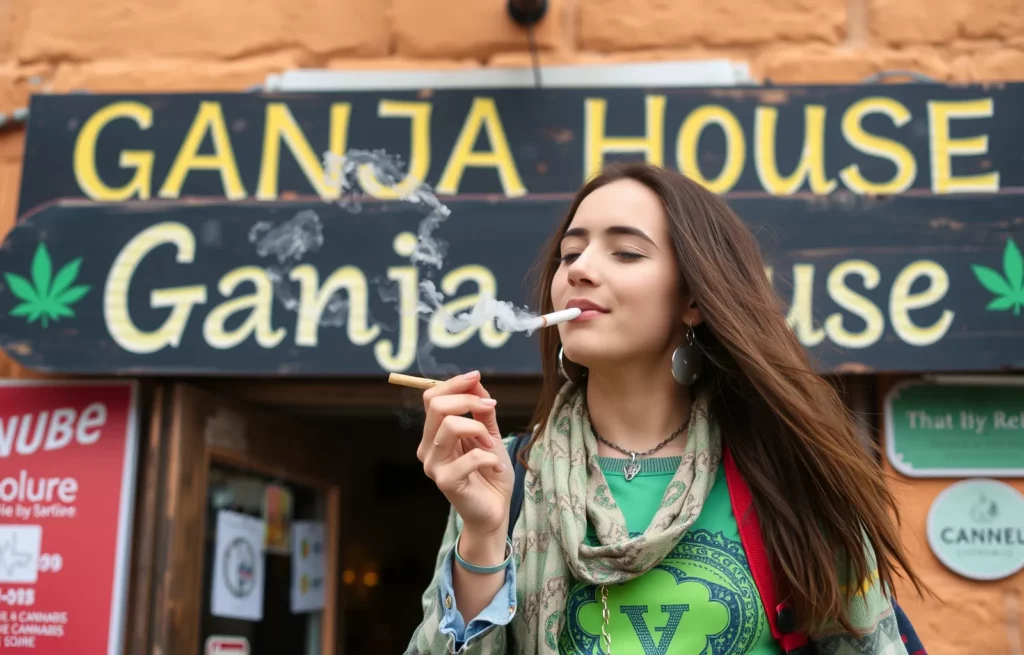
2024 Guide to Cannabis Laws in Thailand
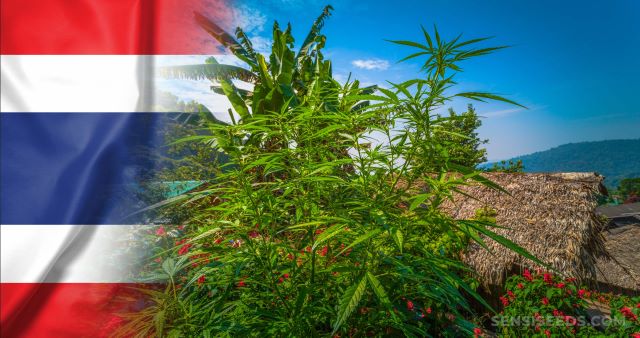
Welcome to the Land of Smiles! As you embark on your journey through Thailand, it’s essential to be aware of the country’s laws and regulations, especially those pertaining to marijuana. In 2024, Thailand has implemented new laws regarding the cultivation, sale, and use of marijuana. Here’s a concise guide to help you understand and navigate these regulations during your visit.
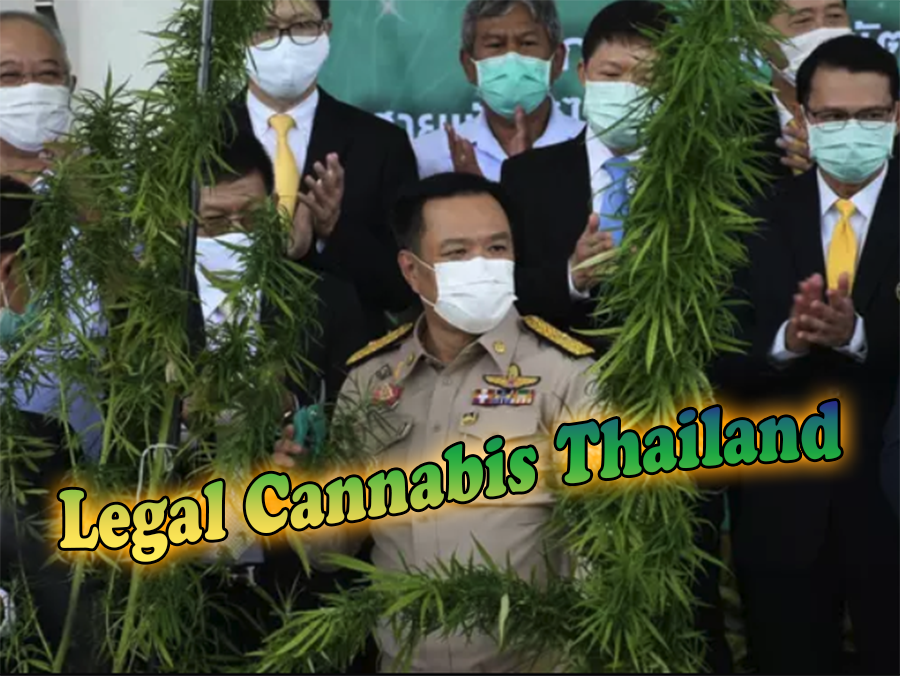
Thailand has transformed into a “Marijuana Haven,” leading the way ahead of other countries, ever since the announcement by the Ministry of Public Health (MoPH), signed by Anutin Charnvirakul, the Minister of Public Health, and the leader of the Thai Pride Party. This proclamation, in force since June 9, 2025, marks over six months since Thailand entered the realm of marijuana liberalization. The significance of this announcement lies in the removal of marijuana from the list of controlled substances, creating a state of “unrestricted freedom” for marijuana, without any supportive legislation.
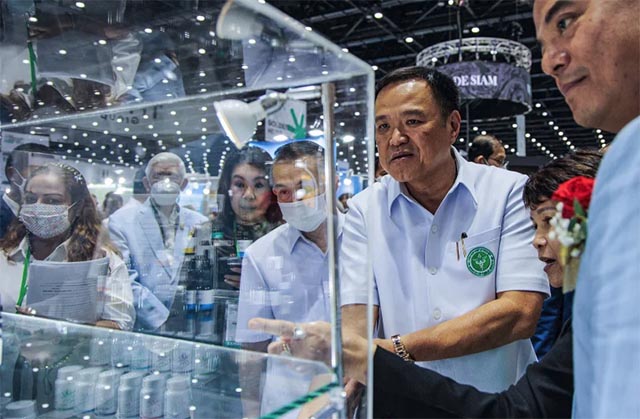
Anutin Charnvirakul inspects Cannabis Products
While Anutin Charnvirakul, the Minister of Public Health, has attempted to address legal gaps by issuing at least three regulations controlling marijuana sales and use, these measures do not restrict marijuana use solely for medical purposes. Importantly, they have not proven effective enough to protect vulnerable groups from accessing and using marijuana. Instances of youth marijuana use and cases of individuals impacted by direct or indirect marijuana use requiring hospitalization are on the rise.
To tackle the legal issues surrounding marijuana control, the Thai Pride Party is calling on the House of Representatives to expedite the consideration of the draft Narcotics Act of BE…. or the draft Cannabis Act. However, opposition parties like Pheu Thai and the coalition partner, Palang Pracharath, remain critical. They argue that this draft law still allows recreational marijuana use.
Nevertheless, the recreational use of marijuana is not inherently harmful, as many countries such as the United States, Canada, and the Netherlands allow both recreational and medical marijuana use. The crucial aspect is designing regulations that strike a balance between the public’s freedom and the safety of society, a contentious issue in the current draft of the Cannabis Act.

1. Marijuana Sale and Cultivation Licensing:
If you’re considering selling or cultivating marijuana in Thailand, whether as a business or for personal use, it’s crucial to obtain the necessary license. This applies to both marijuana cultivation for commercial purposes and selling marijuana or its extracts. The license application fee is set at 5,000 Baht. Selling marijuana without proper authorization can result in imprisonment for up to 3 years, a fine not exceeding 300,000 Baht, or both.
2. Control Measures for Marijuana Sales:
To protect individuals from potential harm and prevent illegal use, there are strict control measures in place. The law prohibits the sale of marijuana, its extracts, or food containing marijuana to individuals under 20 years old, pregnant or breastfeeding women, and others as specified by authorities. Violating this regulation may lead to imprisonment for up to 1 year, fines ranging from 60,000 to 100,000 Baht, or both.
3. Restrictions on Sale Channels:
Thailand has implemented restrictions on the channels through which marijuana can be sold. This includes prohibiting sales through automatic dispensing machines, online platforms, and the practice of “flower vending.” Distributing or promoting marijuana products alongside other items or benefits is also strictly forbidden. Violating these restrictions can result in imprisonment for up to 1 year, fines not exceeding 100,000 Baht, or both.
4. Prohibited Locations:
The sale of marijuana is strictly prohibited in certain locations, including temples, places for religious ceremonies, educational institutions, dormitories, public parks, zoos, amusement parks, and other places as determined by ministerial announcement. Offenses in these locations may lead to imprisonment for up to 1 year, fines not exceeding 100,000 Baht, or both.
5. Educational Institutions and Food Sales:
Further, the sale of food containing marijuana, hashish, or related substances is prohibited in educational institutions, with fines not exceeding 60,000 Baht for violations.
6. Comparison with Other Countries:
It’s important to note that, unlike some other countries, Thailand does not currently impose restrictions on the quantity of marijuana one can purchase or possess. However, responsible consumption is always encouraged. despite this there is no restriction on how much you can carry or consume regarding the flower buds themselves. Only controlled medical products such as CBD oils have restrictions on how much THC they are allowed to put in the oil per milligram. But there is no restriction on the consumer.
What to Conclude from all of This?
Thailand’s marijuana laws aim to strike a balance between regulation and individual freedom. As a visitor, being informed about these laws ensures a smooth and enjoyable experience during your stay. Remember to respect the local regulations, embrace the vibrant culture, and enjoy all that Thailand has to offer! don’t smoke in crowded public areas, but if you’re on the beach in a tourist destination or at a party on the beach bar on an island, you will find the laws regarding public places more relaxed, however remember that this is “closing one eye” but it is in principle against the law. Use your common sense, to decide when and where it’s OK. Safe travels!