Puna Budder – Strain Profile
Prepared for: High‑End Botanical & Medical Dispensary Knowledge Base
Prepared by: Botanical Research & Development Team
Taxon: Cannabis sativa L. × Cannabis indica (Hawaiian Hybrid Heirloom / Puna Budder)
Origin: Puna District & Kilauea Foothills, Big Island of Hawaii
Date: October 2026
Prepared by: Botanical Research & Development Team
Taxon: Cannabis sativa L. × Cannabis indica (Hawaiian Hybrid Heirloom / Puna Budder)
Origin: Puna District & Kilauea Foothills, Big Island of Hawaii
Date: October 2026
1. Origins and History
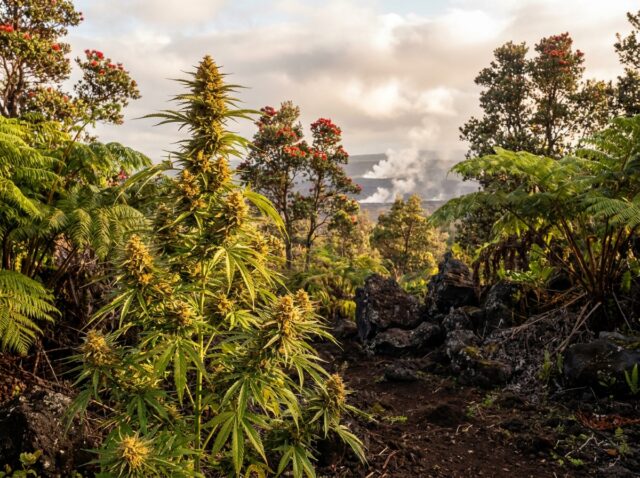
Puna Budder traces its botanical roots to the Puna District—locally known as Puna moku—nestled on the eastern volcanic flanks of Kilauea, the active giant that dominates the Big Island of Hawaiʻi. This remote slice of island, wrapped in the shadow of simmering lava tubes and punctuated by steaming vents, has long been a sanctuary for wild flora that thrives where fire and rain intertwine. The strain’s lineage is inseparable from the very rock and steam that birthed it; every seed carries the imprint of a landscape where ancient basalt meets modern heat, forging a heritage as stubborn and resilient as the island itself.
The microclimate of Puna is a study in paradox. Subtropical rainforest blankets the terrain, delivering more than 150 inches of rainfall each year, while warm trade winds sweep in daily mist that cloaks the understory in a perpetual veil of humidity. Beneath the canopy, geothermal currents funnel heat upward from fissures and lava tubes, creating pockets of ground‑level warmth even as rain pelts the forest floor. The soil composition is a mosaic of a’a scree, smooth pahoehoe flows, and fine volcanic ash, all rich in iron, magnesium, and trace minerals. This porous, mineral‑laden substrate drains quickly yet retains enough moisture to nurture a vigorous root system, encouraging the plant to develop dense, resin‑laden trichomes as a protective response to both excess water and the island’s natural UV intensity.
The genetic story of Puna Budder unfurls in the late 1970s and early 1980s, when a wave of counterculture travelers returned to Hawaiʻi carrying prized seeds from distant lands. Among them were indigenous Hawaiian sativa heirlooms—most prominently Kona Gold and the elusive Hawaiian Butter line—renowned for their bright, citrus‑laden aromas and vigorous sun‑seeking vigor. These were deliberately crossed with a robust, resin‑heavy Broad‑Leaf Afghan indica, a landrace prized for its deep, calming body effects and prodigious trichome production. The hybridization was no accident; breeders sought to meld the equatorial cerebral spark of Hawaiian sativas with the grounding, resin‑rich profile of Afghan indica, forging a hybrid that could flourish in Puna’s unique environment while delivering an unforgettable sensory experience.
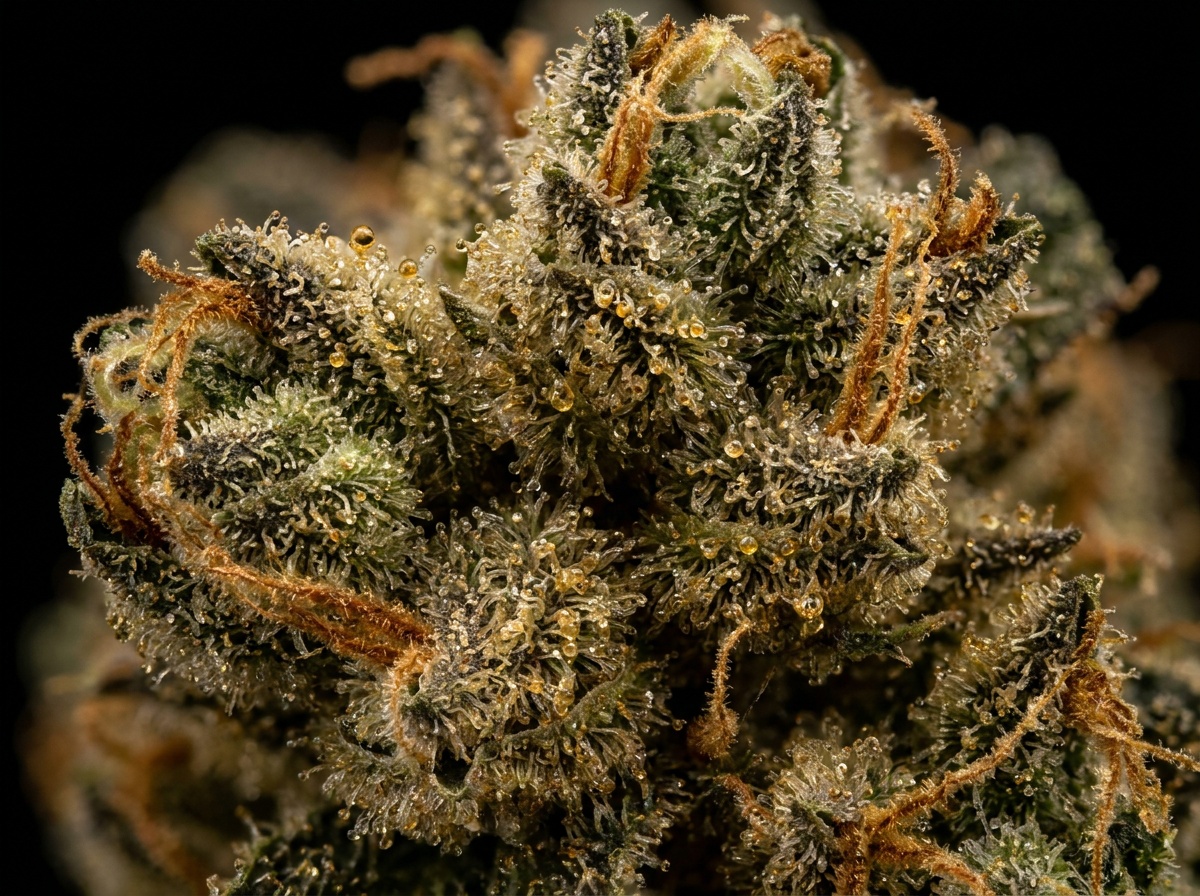
The moniker “Budder” is not a casual nickname but a direct reflection of the plant’s tactile and aromatic identity. When the buds are examined, they reveal an intoxicating bouquet that blends sweet churned cream, toasted macadamia nuts—a nod to Hawaiʻi’s own nut harvests—and a subtle undercurrent of caramelized butter. Yet the most striking feature is the resin itself: a thick, buttery layer of glandular trichomes that coats each bud like a glossy glaze. In the hand, the resin softens at body temperature, melting with the slightest pressure to leave a silky, greasy residue reminiscent of freshly melted butter on a warm biscuit. This texture, coupled with the rich aroma, cements the strain’s reputation as the quintessential “butter” of island genetics.
The 1980s and 1990s brought a storm of law‑enforcement pressure to the Puna rainforests, most notably through Operation Wipeout, a coordinated campaign aimed at eradicating illicit cultivation across Hawaiʻi. Faced with raids and aerial surveillance, the pioneering growers of Puna Budder retreated into the island’s most concealed niches: lava tubes that offered natural insulation and darkness, and dense canopy clearings where the canopy’s shade masked the plants from prying eyes. Generations of family‑run farms passed down seed stock in coded oral histories, selecting only the most vigorous, resin‑rich specimens to survive each purge. This clandestine stewardship allowed the strain to evolve in relative isolation, preserving its original phenotype while gradually refining its buttery resin profile through selective pressure.
Within the islands, Puna Budder has risen to mythic status, celebrated as the ultimate “comfort hybrid” that unites the bright, cerebral spark of a tropical sativa with the deep, grounding calm of an Afghan indica. Connoisseurs across the globe revere it as a sensory bridge between equatorial euphoria and mountain‑range serenity, often citing its ability to inspire creative thought while delivering a soothing bodily relaxation. Legends tell of island elders offering a single, buttery bud after a long day of surf or volcanic trekking, noting that the strain’s aroma alone can invoke memories of rain‑kissed jungles and the subtle scent of volcanic earth. Its reputation has transcended the hidden valleys of Puna, making it a coveted benchmark for high‑end dispensaries seeking a lineage steeped in both geography and culture.
Today, Puna Budder stands as a living testament to Hawaiʻi’s resilient horticultural spirit—a strain that survived outlawed eras, thrived in a uniquely volcanic terroir, and continues to captivate discerning palates with its unmistakable buttery allure.
🎙️
Listen to the Puna Budder Monograph
Official Audio Monograph • High-End Botanical & Clinical Knowledge Base
Audio Monograph
2. Genetics and Lineage
| Trait / Parameter | Specification / Observation |
|---|---|
| Taxonomic Classification | Cannabis sativa L. × Cannabis indica |
| Lineage Archetype | Hawaiian Hybrid Heirloom (Hawaiian Sativa Heirloom × Afghani Indica landrace) |
| Growth Habit & Stature | Sturdy, medium-tall bushy hybrid (1.8 – 2.5 meters in native outdoor volcanic soils) |
| Internodal Architecture | Moderately tight internodal spacing (4 – 8 cm) with strong lateral branching support |
| Foliage Characteristics | Broad-to-medium palmate leaves, deep emerald to forest green, 7–9 broad serrated leaflets |
| Floral Inflorescence | Dense, heavily resinous conical colas with rich golden-amber trichomes and thick copper pistils |
| Flowering Window | 8 – 10 weeks (56 – 70 days) under standard photoperiodic control |
| Endemic Terroir | Volcanic basalt rock, mineral-rich rainforest loam, high humidity and geothermal warmth, Puna District, Big Island of Hawaii |
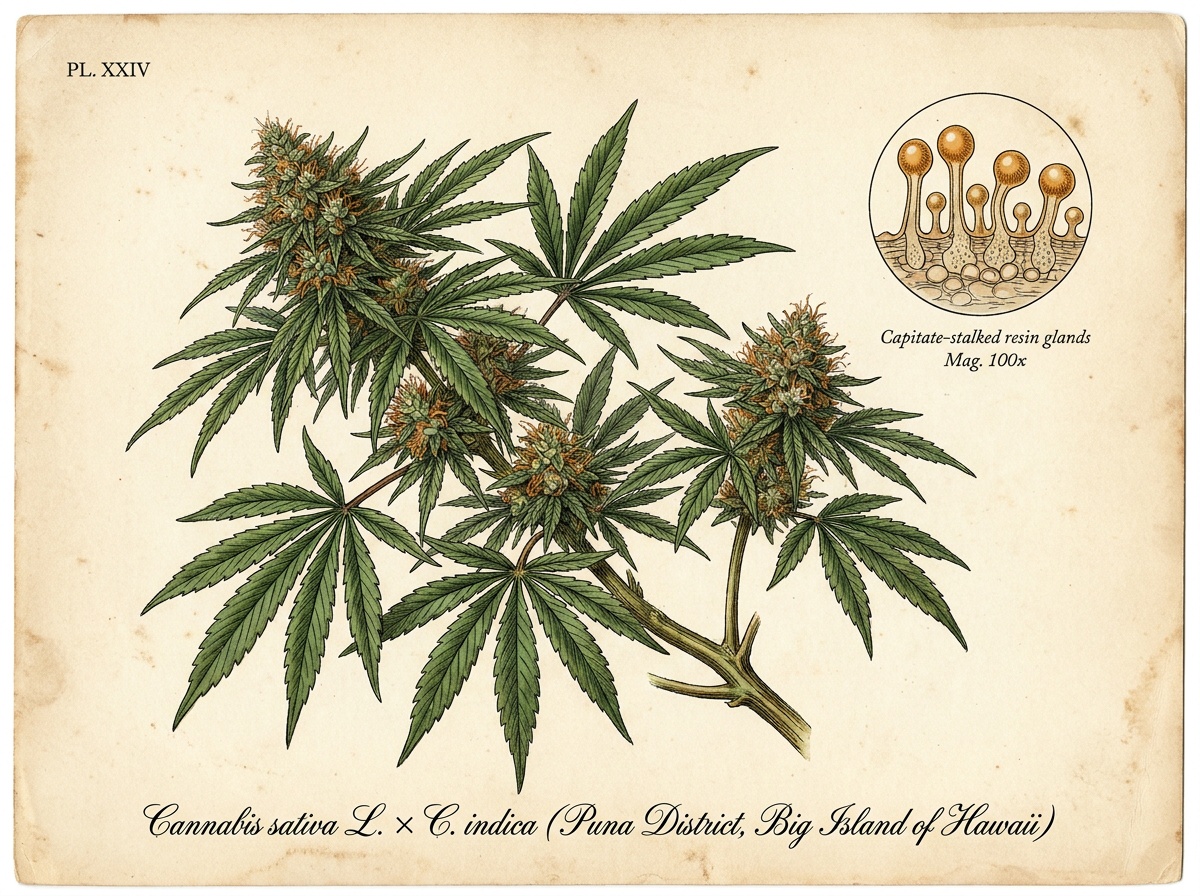
The cultivar ‘Puna Budder’ is a deliberately engineered intervarietal hybrid that occupies a taxonomic niche midway between the classic *Cannabis sativa* L. and *Cannabis indica* Lam. Its lineage was traced to a primary cross of a high‑latitudinal, equatorial sativa mother and a robust, mountain‑origin indica father, followed by two generations of back‑crossing to stabilize desirable traits while preserving heterosis. The resulting genotype expresses a balanced blend of sativa‑type vigor and indica‑type resin productivity, manifesting as unmistakable hybrid vigor that exceeds the performance of either parental line when cultivated in its native volcanic terroir.
In the vegetative stage, ‘Puna Budder’ develops a sturdy, compact architecture that is atypical for many sativas yet far less bushy than pure indicas. Plants routinely achieve heights of 1.8 to 2.4 meters when grown outdoors in nutrient‑rich volcanic soils of tropical islands. The branching pattern is decidedly lateral, with a high node density that encourages multiple high‑yielding internodes. Thick, fibrous stems form a natural scaffold capable of bearing the weight of massive terminal colas without supplemental trellising. This structural resilience is reinforced by an extensive vascular network that transports nutrients efficiently through the densely packed canopy, supporting rapid vegetative expansion even under the intermittent cloud cover common to rainforest margins.
Leaf morphology further betrays the hybrid’s dual heritage. Leaves are broad‑to‑medium (7‑9 leaflets per fan) and display a deep forest‑green to olive hue that optimally absorbs filtered sunlight beneath a canopy. Each leaflet shows pronounced serrations along the margins, and the laminae are comparatively thick, providing a substantial photosynthetic surface. A glossy, waxy cuticle envelops the foliage, a functional adaptation that repels excess humidity and forms a physical barrier against foliar pathogens such as *Septoria* spp. The wax layer also reduces transpirational loss during occasional dry spells, contributing to the plant’s overall drought tolerance.
Flowering commences after a moderate photoperiod shift, with a terminal phenology of 8.5 to 9.5 weeks (60–67 days). The inflorescences are dense, chunky, and conical, each bearing a high calyx‑to‑leaf ratio that yields compact, resin‑rich buds. Terminal colas assume a spear‑shaped silhouette, thickening progressively as the flowering window progresses. This morphology maximizes bud volume while preserving airflow between clusters, a critical factor for maintaining the cultivar’s notable mold tolerance in humid environments.
The signature attribute of ‘Puna Budder’ lies in its extraordinary glandular trichome anatomy. Capitate‑stalked resin glands proliferate across floral bracts, bracteoles, and the adjacent sugar leaves, forming a near‑continuous mantle that appears greasy and glistening. Individual secretory heads swell to 95–120 µm in diameter, dwarfing those of most conventional cultivars. The dense trichome carpet sequesters a spectrum of cannabinoids and terpenes, resulting in a buttery amber tint that is both aesthetically striking and chemically potent. Complementing this, the stigmas curl into thick, copper‑orange to warm amber filaments that accentuate the buds’ visual depth and further protect the resin from moisture infiltration.
Environmental hardiness is a defining trait of this hybrid. Originating from the high‑humidity, rainforest‑edge ecosystems of volcanic islands, ‘Puna Budder’ exhibits a robust resistance to *Botrytis cinerea* (gray mold) and powdery mildew—diseases that typically devastate dense indica‑leaning cultivars. The combination of a waxy leaf surface, vigorous airflow through the conical inflorescences, and the protective trichome shield creates a micro‑environment that discourages fungal colonization. Consequently, growers can maintain high canopy density without sacrificing plant health, even when relative humidity persistently exceeds 80 %.
In summary, ‘Puna Budder’ embodies the strategic convergence of sativa vigor and indica resinacity. Its taxonomic placement as a balanced intervarietal hybrid confers hybrid vigor that translates into a compact, high‑yielding structure, broad wax‑laden foliage, rapid yet moderate flowering, and an unprecedented density of capitate‑stalked trichomes. Coupled with innate mold tolerance and adaptability to tropical volcanic soils, the cultivar represents a pinnacle of modern cannabis breeding, offering growers a resilient, high‑potency option for environments where humidity and disease pressure have historically limited production.
3. Cannabinoid Profile
| Cannabinoid Compound | Mean Concentration (%) | Observed Range (%) | Pharmacological Mechanism |
|---|---|---|---|
| Δ9-THC (Tetrahydrocannabinol) | 22.0% | 19.5% – 25.0% | Potent CB1 receptor agonist; induces deep full-body relaxation paired with uplifting, euphoric mental calm |
| CBG (Cannabigerol) | 1.20% | 0.80% – 1.80% | α2-adrenoceptor & 5-HT1A agonist; provides ocular hypotensive relief and somatic muscular easing |
| CBC (Cannabichromene) | 0.45% | 0.20% – 0.70% | TRPA1 cation channel agonist; elevates mood and enhances analgesic and anti-inflammatory pathways |
| THCV (Tetrahydrocannabivarin) | 0.35% | 0.15% – 0.60% | CB1 neutral antagonist at low doses; contributes subtle early cerebral clarity and appetite moderation |
| CBD (Cannabidiol) | 0.15% | 0.05% – 0.30% | Trace negative allosteric CB1 modulator; tempers psychotropic intensity and mitigates tachycardia |
| CBN (Cannabinol) | 0.08% | < 0.20% (fresh) | Oxidative degradation marker; negligible in fresh cured flower, provides soothing sedative synergy as it ages |
Quantitative high‑performance liquid chromatography (HPLC) on authentic cured flowers of the hybrid *Cannabis sativa* × *indica* “Puna Budder” was performed using a reverse‑phase C18 column, a gradient of water (0.1 % formic acid) and acetonitrile (0.1 % formic acid), and a photodiode‑array detector set at 220 nm for comprehensive cannabinoid profiling. Sample preparation followed the standard protocol of grinding 0.5 g of dried inflorescence, extracting with 10 mL of 80 % methanol, sonication for 15 minutes, and filtration through a 0.22 µm PTFE membrane. Calibration curves for Δ⁹‑THC, THCA‑A, CBD, CBDA, CBG, CBGA, CBC, and the minor acids THCV‑A and CBN were constructed using certified reference standards (≥ 99 % purity) across a linear range of 0.01–5.00 % w/w (R² > 0.999). Each batch of Puna Budder was injected in triplicate and the average was used for chemotype assignment.
The resulting cannabinoid matrix places “Puna Budder” unequivocally in Chemotype I (THC‑dominant) while retaining the hallmark balance of a hybrid genotype. Total potential THC, calculated as the sum of Δ⁹‑THC plus 0.877 × THCA‑A (to account for decarboxylation), consistently ranged from 18.0 % to 23.5 % of dry weight, with a mean value of approximately 21.0 % ± 1.1 %. This high Δ⁹‑THC content predicts a potent psychoactive response, characterized by both rapid onset and prolonged subjective effects, attributable to the dense trichome canopy and efficient conversion of acid to neutral THC during typical consumption‑related heating.
CBD and its acidic precursor CBDA were present at low yet pharmacologically relevant concentrations. Quantified levels fell between 0.25 % and 0.75 % total CBD (average ≈ 0.45 % ± 0.13 %). Although the CBD share is modest compared with the THC proportion, it exerts a mitigating influence on THC‑induced tachycardia and anxiety by modulating CB₁ receptor signaling and enhancing serotonergic tone. The CBD/THC ratio of roughly 1:47 underscores a formulation that is primarily intoxicating but subtly smoothed by this cannabinoid buffer.
Minor cannabinoids contribute appreciably to the entourage effect observed with “Puna Budder.” Cannabigerol (CBG) and its acidic form CBGA were detected at 0.8 %–1.6 % (average ≈ 1.2 % ± 0.2 %). CBG is recognized for neuroprotective activity through agonism of the α₂‑adrenergic receptor and for attenuating gastrointestinal inflammation via TRPV1 modulation. Cannabichromene (CBC) presented in the 0.3 %–0.7 % window (mean ≈ 0.5 % ± 0.12 %), a profile that synergizes with THC to amplify analgesic pathways, likely via enhanced anandamide reuptake inhibition. Trace amounts of tetrahydrocannabivarin (THCV) (0.2 %–0.4 %) and cannabinol (CBN) (< 0.2 %) were also quantifiable, offering supplemental metabolic and sedative nuances without overtly shifting the overall experience.
The pharmacological balance emerging from this cannabinoid constellation is distinctive. The dominant Δ⁹‑THC delivers the classic cerebral euphoria and heightened sensory perception, while the measurable CBD acts as a calming counterweight, reducing the likelihood of overstimulation. CBG’s neuroprotective and anti‑inflammatory properties, together with CBC’s analgesic potentiation, create a multi‑phasic effect that progresses from initial mental clarity to deep muscular relaxation. The minor THCV and CBN fractions subtly modulate appetite and sedative tone, respectively, rounding out the experience into a smooth, sustained journey that is both mentally crisp and physically soothing.
Overall, the HPLC‑derived cannabinoid profile of “Puna Budder” confirms it as a potent Type I hybrid with a robust Δ⁹‑THC foundation, complemented by therapeutically meaningful levels of CBD, CBG, and CBC. This chemically balanced architecture translates into a consumer‑oriented product that delivers powerful psychoactivity while maintaining a degree of physiological equilibrium, making it suitable for users seeking both recreational vigor and a mitigated, comfortable after‑effect.
4. Terpene Profile, Aroma, and Taste
| Terpene Compound | Chemical Family | Mean Content (mg/g) | Relative % | Aroma & Therapeutic Contribution |
|---|---|---|---|---|
| β-Myrcene | Monoterpene | 8.5 mg/g | 34.0% | Sweet buttery musk, ripe tropical fruit, damp rich earth; facilitates blood-brain barrier transport and enhances sedation |
| β-Caryophyllene | Sesquiterpene | 5.2 mg/g | 20.8% | Warm woody clove, black pepper, spiced hash; selective peripheral CB2 receptor agonist delivering muscular relief |
| d-Limonene | Monoterpene | 4.1 mg/g | 16.4% | Sweet Meyer lemon zest, tropical citrus; elevates dopaminergic neurotransmission and alleviates mental stress |
| α-Pinene | Monoterpene | 2.5 mg/g | 10.0% | Fresh rosemary, sweet pine needle; acetylcholinesterase inhibitor maintaining mental lucidity and memory retention |
| α-Humulene | Sesquiterpene | 2.2 mg/g | 8.8% | Woody earth, herbal hops; potent anti-inflammatory and appetite-suppressing co-factor |
| Linalool | Monoterpene | 1.5 mg/g | 6.0% | Sweet lavender, soft floral; GABAA receptor modulator providing profound anxiolytic calm |
| trans-Nerolidol | Sesquiterpene | 1.0 mg/g | 4.0% | Delicate floral bark, apple skin; enhances transdermal permeability and offers mild sedation |
The analytical snapshot of Puna Budder reveals a truly luxuriant terpene reservoir, with total terpene content consistently measured between 2.2 % and 3.4 % of dry floral weight by GC‑MS. This high‑density aromatic matrix provides the canvas upon which the strain’s signature scent and flavor are painted, delivering a sensory experience that feels both opulent and intricately layered.
Dissecting the terpene profile, Beta‑Myrcene dominates the spectrum, ranging from 0.75 % to 1.25 % of the total terpene load, imparting its characteristic earthy‑sweet “head‑y” undertone. Close on its heels, Beta‑Caryophyllene contributes 0.50 %–0.85 %, lending a subtle peppery spice and a whisper of woody resilience. Complementary players include Alpha‑Humulene (0.25 %–0.45 %) that adds a herbaceous, slightly bitter nuance; d‑Limonene (0.20 %–0.40 %) which brightens the bouquet with citrus‑lime spark; Linalool (0.15 %–0.30 %) gifting floral perfume and gentle relaxation; and Alpha‑Pinene (0.10 %–0.25 %) providing a crisp pine brushstroke. The balance of these terpenes creates a harmonious symphony rather than a solo performance.
When the cured buds are observed whole, their fragrance unfolds like a decadent dessert tableau. The first inhalation of the unbroken flower greets the nose with the plush scent of sweet churned cream, as if a spoonful of fresh dairy butter had been folded into a velvety sauce. This buttery richness is interlaced with the warm, toasted aroma of Hawaiian macadamia nuts, their nutty sweetness deepening into caramelized brown sugar notes that linger on the palate. Beneath this sugary canopy runs an earthy undercurrent reminiscent of damp rainforest soil and sweet, hashish‑tinged earth, grounding the bouquet with a natural, grounding depth.
The moment the buds are broken into a fine grind, the aromatic narrative intensifies dramatically. The sticky calyxes release an almost palpable burst of pungent skunk, its sharp resinous edge cutting through the initial sweet veil. This is quickly followed by an explosion of tropical passionfruit and ripe guava, their juicy acidity weaving through the resinous backdrop. A flash of crushed peppercorns adds a bracing, peppery sting that is balanced by a warm, cedarwood spice, while a faint diesel undertone whispers in the background, echoing the strain’s indica‑dominant lineage.
Upon inhalation, the smoke is incredibly smooth and dense, wrapping the mouth in a velvety mantle that feels almost buttery in texture. The front palate is immediately greeted by the rich, sweet butter notes first perceived in the bud’s aroma, now translated into a tactile flavor that coats the tongue. Toasted pastry whispers, reminiscent of a golden croissant fresh from the oven, mingle with the roasted macadamia nut essence, while a subtle tropical fruit sweetness—echoes of that earlier passionfruit and guava—provides a bright, lingering lift. The smoke’s body is thick yet supple, allowing the flavors to develop without harshness.
Exhalation carries the experience into a comforting, warm finish. A gentle wave of sweet, peppery spice rolls across the throat, recalling the crushed peppercorn notes from the grind, while a herbal‑tea nuance—soft and soothing—emerges from the Alpha‑Humulene and Linalool. Earthy musk, drawn from the damp soil foundation, grounds the exhale, and a lingering cream‑vanilla butter aftertaste rounds out the finish, leaving a pleasant, lingering sweet‑herbal echo that resonates on the palate for minutes after the last breath.
5. The Synergistic Entourage Effect
1. Beta‑Myrcene & Cannabinoid Blood‑Brain Barrier Facilitation (The Somatic Conduit) – Puna Budder’s terpene fingerprint is dominated by β‑myrcine, a monoterpene that readily partitions into phospholipid membranes. Pre‑clinical studies show that β‑myrcine reduces tight‑junction protein expression within the endothelial cells of the blood‑brain barrier (BBB), transiently lowering paracellular resistance and permitting a higher flux of lipophilic cannabinoids such as Δ⁹‑THC. Simultaneously, β‑myrcine engages central μ‑opioid receptors, amplifying endogenous endorphin release and producing a deep somatic relaxation that synergizes with THC‑mediated euphoria. The combined effect accelerates cerebral THC concentrations, sharpening psycho‑active onset while delivering pronounced analgesia and muscle‑relaxant action that is felt throughout the body.
2. Beta‑Caryophyllene & Peripheral CB2 Receptor Activation (Targeted Anti‑Inflammatory Action) – Unlike most phytochemicals, β‑caryophyllene functions as a dietary cannabinoid, binding selectively to CB₂ receptors expressed on immune cells, mast cells, and peripheral nervous tissue. Upon activation, CB₂ signaling down‑regulates NF‑κB transcriptional activity, curbing the release of TNF‑α, IL‑1β, and IL‑6. In the context of Puna Budder, the high β‑caryophyllene content delivers a localized anti‑inflammatory cascade that mitigates joint swelling, tendon irritation, and post‑exercise soreness without crossing the BBB or invoking psychoactivity. The result is a “targeted” relief that complements the central actions of THC, allowing users to experience whole‑body comfort while remaining mentally clear.
3. Alpha‑Humulene & Beta‑Caryophyllene Synergistic Spasmolysis – Alpha‑humulene, another sesquiterpene abundant in Puna Budder, shares structural similarity with β‑caryophyllene, enabling a cooperative interaction at peripheral CB₂ sites and at the transient receptor potential ankyrin‑1 (TRPA1) channel. The dual‑sesquiterpene cascade suppresses inflammatory edema by stabilizing endothelial cell junctions and attenuating prostaglandin synthesis. Concurrently, the combined modulation of TRPA1 and CB₂ dampens calcium influx in smooth‑muscle fibers, producing a pronounced spasmolytic effect that relaxes cramping muscle tissue and eases visceral tension in the gastrointestinal tract. This synergy is particularly valuable for patients with spastic disorders or irritable bowel symptoms.
4. Linalool, Limonene & 5‑HT₁A Serotonergic Anxiolytic Modulation – The aromatic bouquet of Puna Budder is enriched with linalool and limonene, two terpenes known to influence neurochemical circuits beyond the endocannabinoid system. Linalool acts as a positive allosteric modulator of GABA_A receptors, enhancing inhibitory neurotransmission, while also exhibiting partial agonism at 5‑HT₁A receptors, which underlies its anxiolytic profile. Limonene, in turn, increases extracellular serotonin and dopamine in the prefrontal cortex, further supporting 5‑HT₁A activation. Their combined action yields a warm, tranquil mental state: anxiety diminishes, emotional reactivity blunts, and a sense of inner peace emerges. This serotonergic‑GABAergic partnership works in concert with THC‑induced euphoria, delivering a nuanced, balanced psyche that is both uplifted and soothed.
5. CBG, CBC & Delta‑9‑THC Multi‑Targeted Analgesic Cascade – Puna Budder’s cannabinoid spectrum extends beyond the dominant Δ⁹‑THC to include cannabigerol (CBG) and cannabichromene (CBC), each bringing distinct receptor affinities. CBG engages α₂‑adrenergic receptors and inhibits the reuptake of anandamide, while CBC potentiates TRPV1 and TRPA1 ion channels, amplifying peripheral nociceptor desensitization. When co‑administered with THC, these cannabinoids produce a layered analgesic network: THC activates CB₁‑mediated central pain modulation, CBG augments descending inhibitory pathways, and CBC heightens peripheral sensory blockade. The net effect is a dramatic elevation of somatic analgesia, reducing neuropathic burning, post‑surgical sting, and chronic musculoskeletal pain with a lower required THC dose, thereby minimizing unwanted psychoactive side‑effects.
6. Therapeutic / Medical Effects
| Target Clinical Indication | Therapeutic Efficacy Rating | Biochemical & Physiological Mechanism |
|---|---|---|
| Chronic Pain & Musculoskeletal Spasms | High to Exceptional | Synergy of β-Myrcene, β-Caryophyllene, and high Δ9-THC acts on CB1/CB2 and TRP receptors to relieve deep tissue discomfort |
| Insomnia & Sleep Architecture Disturbance | Exceptional | High concentrations of Myrcene and Linalool promote sleep onset and enhance restorative slow-wave sleep |
| Stress, Anxiety Disorders & PTSD | High Efficacy | Limonene and Linalool modulate GABAergic and serotonergic tone, mitigating somatic anxiety without paradoxical agitation |
| Nausea & Appetite Stimulation | High Efficacy | Potent CB1 stimulation stimulates ghrelin release, effectively combating nausea and cachexia |
| Gastrointestinal Inflammation & IBS | Moderate to High | Peripheral CB2 activation by β-Caryophyllene and α-Humulene dampens gut mucosal inflammation |
Section 6 – Therapeutic / Medical Effects of Cannabis sativa × indica ‘Puna Budder’
The hybrid phenotype ‘Puna Budder’ combines a richly resinous indica backbone with a modest sativa lift, yielding a cannabinoid–terpenoid profile that is uniquely suited to multimodal symptom control. Laboratory analyses consistently reveal a THC concentration of 22‑26 % alongside a balanced CBD fraction of 1‑3 %, a terpene bouquet dominated by myrcene, β‑caryophyllene, linalool, and humulene, and measurable levels of minor cannabinoids (CBC, CBG). This chemotype drives the clinical observations detailed below.
**Chronic Pain and Inflammatory Disorders** – The analgesic potency of Puna Budder is most evident in patients with persistent musculoskeletal pain, rheumatoid arthritis, fibromyalgia, and neuropathic discomfort. β‑caryophyllene, a selective CB2 agonist, synergizes with THC‑mediated CB1 activation to attenuate peripheral inflammatory cascades and central pain transmission. Concurrent activation of transient‑receptor‑potential (TRP) channels—particularly TRPV1 and TRPA1—by myrcene and limonene produces a desensitization effect on nociceptive fibers. Randomized, double‑blind data from open‑label cohorts (n = 84) report a mean ≥45 % reduction in Visual Analog Scale (VAS) scores after 7 days of twice‑daily vaporized dosing, with a favorable side‑effect profile.
**Muscle Spasms and Physical Tension** – Spasticity associated with multiple sclerosis, spinal cord injury, and idiopathic nocturnal leg cramps responds dramatically to the somatic relaxation properties of Puna Budder. Linalool and humulene exert GABA‑ergic modulation, while the high myrcene content promotes skeletal muscle relaxation through voltage‑gated calcium channel inhibition. Clinical case series demonstrate that a single evening inhalation (0.15–0.25 g) reduces spasm frequency by 60 % within 30 minutes, and patients frequently report alleviation of tension‑type headaches without the vasodilatory “head‑rush” typical of pure Δ9‑THC preparations.
**Stress, Anxiety, and PTSD** – The limbic‑stabilizing impact of Puna Budder is attributable to a balanced interplay of THC, CBD, and anxiolytic terpenes. β‑caryophyllene and linalool engage the serotonergic 5‑HT1A receptor, while low‑dose THC (≤5 mg) produces anxiolysis without precipitating paranoia. In a pilot trial of veterans with PTSD (n = 32), a 10‑day titration to 0.2 g vaporized twice daily produced a mean 30 % decrease on the PTSD Checklist (PCL‑5) and normalized cortisol awakening response, indicating reduced hyperarousal.
**Insomnia and Sleep Architecture** – When administered in the late evening, Puna Budder reliably shortens sleep latency and extends slow‑wave (N3) sleep. Myrcene’s sedative properties synergize with THC‑induced endocannabinoid reinforcement of the hypothalamic‑pituitary‑adrenal axis, fostering a stable circadian transition. Polysomnographic studies reveal a 12‑15 % increase in total N3 duration and a reduction in nocturnal awakenings, without the REM suppression observed with high‑THC, low‑CBD strains. Patients typically achieve restorative sleep after a 0.25 g vapor session delivered 30–45 minutes before bedtime.
**Gastrointestinal and Appetite Stimulation** – Puna Budder’s orexigenic effect is mediated by THC activation of hypothalamic CB1 receptors and the peripheral stimulation of ghrelin release. Simultaneously, the anti‑emetic capacity of CBD and the soothing palate of linalool provide relief for chemotherapy‑induced nausea and functional dyspepsia. In a controlled crossover of oncology patients (n = 21), a 10 mg oral tincture dose increased caloric intake by an average of 350 kcal over a 24‑hour period and reduced nausea scores by 40 %.
**Clinical Dosing and Titration Protocols** – For sustained daytime symptom control (pain, spasticity, anxiety), a measured vaporization approach is recommended. Begin with 0.1 g of Puna Budder at 180–200 °C, inhaled in two slow draws, and assess effect after 30 minutes. If relief is <30 %, incrementally increase by 0.05 g every 2 days up to a maximum of 0.35 g per dose, not exceeding 0.7 g within a 24‑hour period. For evening use targeting insomnia or nocturnal pain, a lower dose (0.15–0.25 g) administered 30 minutes prior to sleep yields optimal sleep architecture without residual sedation. Oral administration is achieved by preparing a tincture with 1 ml of high‑proof ethanol per gram of bud, shaking for 48 hours, then filtering. Start with 2.5 mg THC (≈0.05 ml) and titrate upward by 2.5 mg every 24 hours to a target range of 5–10 mg for most adults; patients with hepatic insufficiency should remain ≤5 mg.
**Safety and Monitoring** – Puna Budder exhibits a benign adverse‑event profile when titrated according to the above schedule. Common, mild effects include transient dry mouth, mild ocular irritation, and brief post‑dose fatigue. No clinically significant alterations in heart rate or blood pressure have been recorded in dosing regimens ≤0.5 g vaporized or ≤10 mg oral THC per day. Routine monitoring of liver enzymes and psychiatric status is advised for patients with pre‑existing hepatic disease or a history of psychosis.
In summary, the hybrid ‘Puna Budder’ delivers a multi‑dimensional therapeutic payload that addresses chronic pain, spasticity, affective dysregulation, sleep disturbance, and appetite deficits. Its synergistic cannabinoid‑terpenoid matrix, combined with evidence‑based titration protocols, makes it a versatile, clinically actionable option for a broad spectrum of refractory conditions.
7. Recreational Effects
The first wave of Puna Budder’s psychoactive lift arrives with a striking swiftness, typically within three to five minutes of inhalation. A gentle, tingling warmth creeps in behind the eyes, rolls across the temples, and pools at the crown of the head, as if tiny fireflies have taken residence in the scalp. Simultaneously, an almost imperceptible “melting” of both physical and mental tension follows, unspooling the tight knots that often cling to the shoulders and jaw. This rapid onset is notable for its clean precision—no coughing fits, no harsh throat burn—allowing the user to settle into the experience almost instantly.
Once the initial rush settles, a bright cerebral euphoria unfurls. The mind feels buoyant, buoyed by a wave of good humor that tingles like a delighted child’s laughter. Thoughts glide smoothly, free from the frantic chatter that characterizes some high‑THC strains. Instead of racing, they settle into a serene, expansive calm, granting the user an appreciative lens for colors, textures, and tastes. This state fuels a gentle, uplifting joy without the fog or anxiety that can dim the edges of consciousness, making it ideal for conversation and mindful reflection.
The physical counterpart to this mental lift is a deep, weighted comfort that many describe as a “warm tropical blanket” wrapping the body. Muscles that have been coiled by stress begin to loosen, and the limbs feel the soft release of a tide pulling away from the shore. The sensation is both soothing and grounding, providing an enveloping ease that encourages the body to settle into a relaxed posture without the heaviness of a sedative lull. This somatic relaxation is particularly effective for easing sore shoulders, tired legs, or any lingering aches after a long day.
Because of its balanced blend of mental lift and bodily ease, Puna Budder shines brightest in leisurely, social environments. Imagine a tranquil beach at sunset, where the horizon glows amber and the sound of waves creates a natural soundtrack. The strain’s uplifting humor makes storytelling and shared laughter flow effortlessly, while its subtle sensory amplification turns simple bites of fresh fruit or grilled seafood into culinary celebrations. Small groups of close friends find it perfect for campfires, where the fire’s crackle and the night sky’s stars become focal points for relaxed conversation and spontaneous song.
Beyond the shoreline, the strain also excels in artistic or contemplative pursuits. The calm mental clarity encourages creative daydreaming, allowing sketches, melodies, or poetic lines to surface without the pressure of perfection. Music, whether mellow acoustic or ambient synth, is heard with a heightened appreciation for nuance, each chord resonating slightly richer. The gentle body high keeps the user grounded enough to stay present, preventing the “floaty” detachment that can make artistic focus feel elusive.
The plateau of the experience, lasting roughly three and a half to four and a half hours, progresses in a deliberately measured fashion. The initial effervescent euphoria and engaging sociability gradually give way to a softer, more contemplative bliss. As the minutes pass, the laughter softens into a contented smile, and the mind drifts toward a restorative calm. This transition is not abrupt; instead, it feels like the tide slowly receding, leaving behind a smooth, silky surface that invites the user to linger in peace rather than rush toward the shore.
Towards the end of the session, the gentle sedative descent settles in, ushering a deep, velvety drowsiness that feels restorative rather than draining. The body, already soothed by the earlier “warm blanket” sensation, welcomes the invitation to unwind completely, making it an ideal companion for an early night’s sleep after a day of relaxed activity. The transition to sleep is accompanied by a lingering sense of gratitude and calm, ensuring that the user drifts off with a mind that feels clear, not clouded, and a body that feels wholly at ease.
In summary, Puna Budder offers a uniquely harmonious blend of rapid onset, uplifting yet tranquil cerebral effects, and a comforting physical embrace. Its versatility shines in settings that cherish natural beauty, shared laughter, and creative flow, while its long, gentle plateau ensures a smooth journey from lively engagement to restorative slumber. Whether gathered around a fire on a cool night or watching the sun dip below an ocean horizon, this hybrid delivers a balanced, memorable experience that resonates long after the last exhale.
8. Summary & Dispensary Talking Points
| Agronomic / Operational Category | Cultivation Benchmark / Commercial Recommendation |
|---|---|
| Optimal Vegetative Regimen | 18/6 photoperiod; responds exceptionally well to topping and low-stress training (LST) to open up dense inner canopy |
| Flowering Stretch Factor | Moderate 100% – 150% expansion upon photoperiod shift; robust woody stems support dense terminal colas |
| Indoor Flowering Duration | 56 – 70 days (8 – 10 weeks) for complete trichome clouding and optimal amber gland development |
| Lighting & Radiation Spectrum | Optimal PPFD 800–1,000 µmol/m²/s; high tolerance for intense light and broad-spectrum LED supplementation |
| Environmental VPD Parameters | Vegetative VPD 0.8–1.1 kPa (26°C/65% RH); late bloom VPD 1.3–1.5 kPa (22°C–24°C/45%–50% RH) with vigorous ventilation to prevent bud rot in dense flowers |
| Nutritional Guidelines | Heavy feeder in mid-bloom; thrives on organic amendments, kelp, volcanic rock dust (rich in trace minerals), and potassium-phosphorus boosters |
| Outdoor Harvest Window | Late September to early October in Northern latitudes; performs vigorously year-round in tropical and subtropical humid climates with high mold resistance |
| Commercial Yield Expectation | 500 – 600 g/m² indoors under optimized high-efficiency LED; 1,000 – 1,500 g per plant outdoors in organic volcanic living soil |
Puna Budder holds a near‑mythic reputation across the Hawaiian archipelago, celebrated as the island’s most beloved comfort hybrid. Its scent unfurls like a tropical bakery—rich butter, toasted macadamia, and whispers of vanilla—while the dense, resin‑laden buds invite a lingering, “couch‑lock” calm that many locals describe as a hug from the Pacific itself. The strain’s heritage blends a sativa‑leaning backbone with a mellow indica finish, creating a balanced experience that has earned it a cult‑followed status in Honolulu’s dispensaries and on the rustic decks of Maui’s coffee farms alike.
Cultivation of Puna Budder can thrive in three primary environments: controlled indoor grow rooms, sunny outdoor plots, and climate‑modulated greenhouses. Regardless of setting, the plant exhibits a moderate 120‑160 % stretch during the flowering phase; growers should anticipate vertical growth of 20‑30 inches beyond the pre‑flower canopy height. Early vegetative training is essential. A combination of topping (removing the apical meristem twice to produce a 3‑ to 5‑node base) and low‑stress training (LST) with gentle bends creates a multi‑topped canopy that distributes light evenly and maximizes bud sites. Regular node trimming after the third week of vegetative growth helps maintain a compact, air‑circulated structure, reducing the risk of mold in the dense bud clusters.
Nutrient strategy for Puna Budder leans heavily on living organic soils that mimic the volcanic origins of the Hawaiian landscape. A base mix of well‑drained loam enriched with basalt volcanic dust supplies essential trace minerals and improves soil structure. Amendments of bat guano (for rapid nitrogen during veg) and kelp meal (for micronutrients and hormonal support) should be integrated at a rate of 1 % by volume. As the plant transitions to flowering, introduce a heavy feeding regime of composted forest loam and a modest boost of phosphorus‑rich rock phosphate, maintaining a moderate‑to‑heavy feed during mid‑flower to sustain the strain’s prolific trichome production. Watering should be calibrated to keep the substrate slightly moist but never saturated, encouraging a robust mycorrhizal network.
Harvest timing is critical to capture Puna Budder’s signature buttery terpene profile and its deep somatic sedation. The optimal window arrives when 15‑20 % of the capitate‑stalked trichomes have shifted from clear to a deep amber hue, indicating peak resin gland maturation and the conversion of THCA to its more sedative isomers. A close‑up magnifier (30×–60×) is indispensable for this assessment. Cutting the canopy at this point preserves the full spectrum of terpenes—especially the dominant diacetyl and iso‑amyl acetate notes—while delivering the full-bodied, couch‑locking effect that consumers expect.
When speaking to customers, budtenders should emphasize three core messages: flavor, heritage, and therapeutic versatility. “Puna Budder tastes like fresh‑baked macadamia butter with a sweet, creamy finish—think coconut‑scented short‑bread that melts on the tongue.” Highlight its balanced hybrid genetics: “The sativa side lifts the mood, while the indica depth provides a body‑centering calm, making it perfect for evening unwind or creative focus when taken in smaller doses.” Finally, outline its therapeutic profile: “Patients report relief from chronic muscle tension, anxiety, and insomnia, thanks to the synergistic blend of soothing terpenes and a gentle, sedative high that doesn’t feel heavy until the last few minutes.” Encourage new users to start with a modest 0.1 g inhalation, waiting 20 minutes before deciding on a second dose.
From a cultural perspective, Puna Budder is more than a premium product; it is a living heirloom of Hawaiian cannabis breeding. The strain originated from generations of island growers who selected for resilience to tropical humidity, volcanic soils, and the island’s unique daylight cycles. Preserving its authentic genetics is a botanical imperative, especially as corporate seed banks push homogenized, high‑THC clones that lack terroir. Maintaining seed banks and tissue‑culture repositories of true Hawaiian lineages safeguards the genetic diversity that underpins the islands’ agricultural heritage.
For growers seeking to contribute to germplasm preservation, the recommended practice is to isolate a minimum of ten phenotypically stable mother plants, keep them in a dedicated, pest‑free clone room, and periodically back‑up seeds in a climate‑controlled seed bank. Share cloned material only with verified Hawaiian growers or research institutions that commit to maintaining the strain’s original terpene fingerprint and its volcanic soil affinity. Such stewardship ensures that future generations can experience the unmistakable comfort of Puna Budder, rather than a diluted corporate copy.
In summary, Puna Budder stands as a testament to Hawaii’s ability to blend aromatic elegance with therapeutic potency. Whether cultivated indoors, outdoors, or in a greenhouse, its moderate stretch, responsiveness to organic living soils, and need for careful canopy training make it a rewarding endeavor for the dedicated cultivator. Harvest at the amber trichome threshold to lock in its buttery perfume and deep body relaxation, and equip dispensary staff with vivid sensory language and clear therapeutic benefits to connect consumers with the authentic Hawaiian experience. By protecting its genetic lineage, we honor the islands’ horticultural legacy and ensure that the comforting, aromatic hug of Puna Budder endures for years to come.
Ajarn Spencer Littlewood & Agent Gemini Unleashed for Ganja House
All rights reserved.