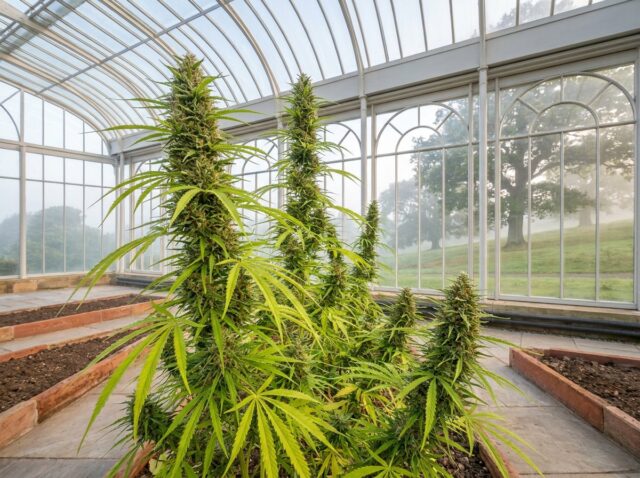
Scientific Audio Monograph: Amnesia Haze
High-Fidelity Spoken Botanical Dissertation & Chemosensory Profile (Ryan Neural Synthesis)
Section 1: Introduction, Cultural Pedigree & Multi-Cup Historical Lineage
Among the most legendary, transformative, and critically lauded cultivars to emerge from the Dutch horticultural renaissance of the late 1990s and early 2000s, Amnesia Haze (Catalog ID #52) occupies a transcendent tier in modern cannabis taxonomy. Bred and stabilized by the visionary master breeder Soma of Soma Seeds in Amsterdam, this extraordinary sativa-dominant polyhybrid represents one of the most intricate, ambitious, and geographically diverse germplasm syntheses ever codified in commercial cannabis genetics. While many contemporary commercial cultivars trace their ancestry to narrow, domestic hybridization bottlenecks, Amnesia Haze stands as a living mosaic of four distinct continents and ancestral landrace populations, unifying indigenous equatorial sativas with ancient mountainous indica genetics and pioneering Californian polyhybrids.
The historical pedigree of Amnesia Haze is rooted in Soma’s relentless philosophy of organic breeding and complex phenotypic selection. Arriving in Amsterdam in the 1990s following decades of underground countercultural cultivation in the United States, Soma sought to engineer a cultivar that possessed the soaring, non-ceiling cerebral luminosity of traditional equatorial sativas while resolving their commercially prohibitive morphological deficiencies—specifically their delicate stem tensile strength, loose floral density, and protracted sixteen-to-twenty-week flowering cycles. The genetic foundation of Amnesia Haze was established through the deliberate convergence of two primary maternal and paternal ancestral axes: an exotic, soaring cross of South Asian sativa and Jamaican mountain landrace genetics, coupled with Soma’s stabilized Afghani-Hawaiian father and an elite selection of Nevil’s Haze.
The maternal lineage brings the electric, high-frequency consciousness and sharp, tropical-citrus monoterpenes characteristic of Southeast and South Asian equatorial accessions—particularly lineages closely allied with Thai stick cultivars and traditional Southern Indian Kerala landraces. When hybridized with a vibrant, high-altitude Jamaican sativa heirloom gathered from the rugged Blue Mountains of the Caribbean, the progeny displayed immense vegetative vigor, enhanced internodal spacing, and a profound expansion in photosynthetic efficiency. However, in their unrefined state, these equatorial genetics remained intractable for commercial indoor and greenhouse cultivation across northern Europe.
To anchor this soaring equatorial canopy, Soma introduced the genetic architecture of his renowned Afghani-Hawaiian inbred line. The Hawaiian component, itself a sun-drenched pacific polyhybrid bridging ancestral Polynesian sativas and early American genetics, imparted exotic sweet tropical ester profiles and enhanced calyx-to-leaf ratios. The Afghani component—derived from dense, resinous broad-leaflet indica landraces native to the high elevations of the Hindu Kush—infused the cultivar with thick, lignified structural stalks, dramatic trichome gland density, and an abbreviated anthesis period. Finally, outcrossing this complex population to Nevil’s Haze (the pinnacle three-way synthesis of Skunk #1, Northern Lights #5, and Original Haze perfected by Neville Schoenmakers at the Cannabis Castle) permanently locked in the legendary terpinolene-driven cerebral velocity and crystalline silver aesthetic that defines the global Haze family.
The international impact of this genetic synthesis was instantaneous and definitive. Upon its commercial presentation at the prestigious High Times Cannabis Cup in Amsterdam in 2004, Amnesia Haze seized first place overall in the premier Cannabis Cup category, dethroning long-standing commercial staples and establishing an entirely new gold standard for daytime sativa excellence. Subsequent competitive entries solidified its supremacy, including top honors at the High Times Cannabis Cup in 2012, multiple Highlife Cup awards, and continuous recognition across European and American judging panels. In the historic coffee shops of Amsterdam—from Dampkring and Barney’s to Green House and Boerejongens—Amnesia Haze quickly established itself as the undisputed bestselling cultivar of the 21st century, a commercial dominance that has endured for more than two decades.
Beyond competitive accolades and commercial triumph, Amnesia Haze fundamentally altered the paradigm of clinical cannabis therapeutics. The moniker “Amnesia” does not denote cognitive debilitation or amnesic pathology, but rather an acute pharmacological state of psychological disengagement from chronic rumination, neuropathic distress, and existential tension. By inducing a powerful, divergent shift in default mode network (DMN) connectivity, Amnesia Haze provides an abrupt, liberating interruption of persistent depressive thought loops and somatic stress patterns, offering clinical investigators and medical patients an unparalleled natural pharmacological instrument for mood elevation, energetic restoration, and executive re-engagement.
Section 2: Comprehensive Botanical Morphology & Architectural Characteristics
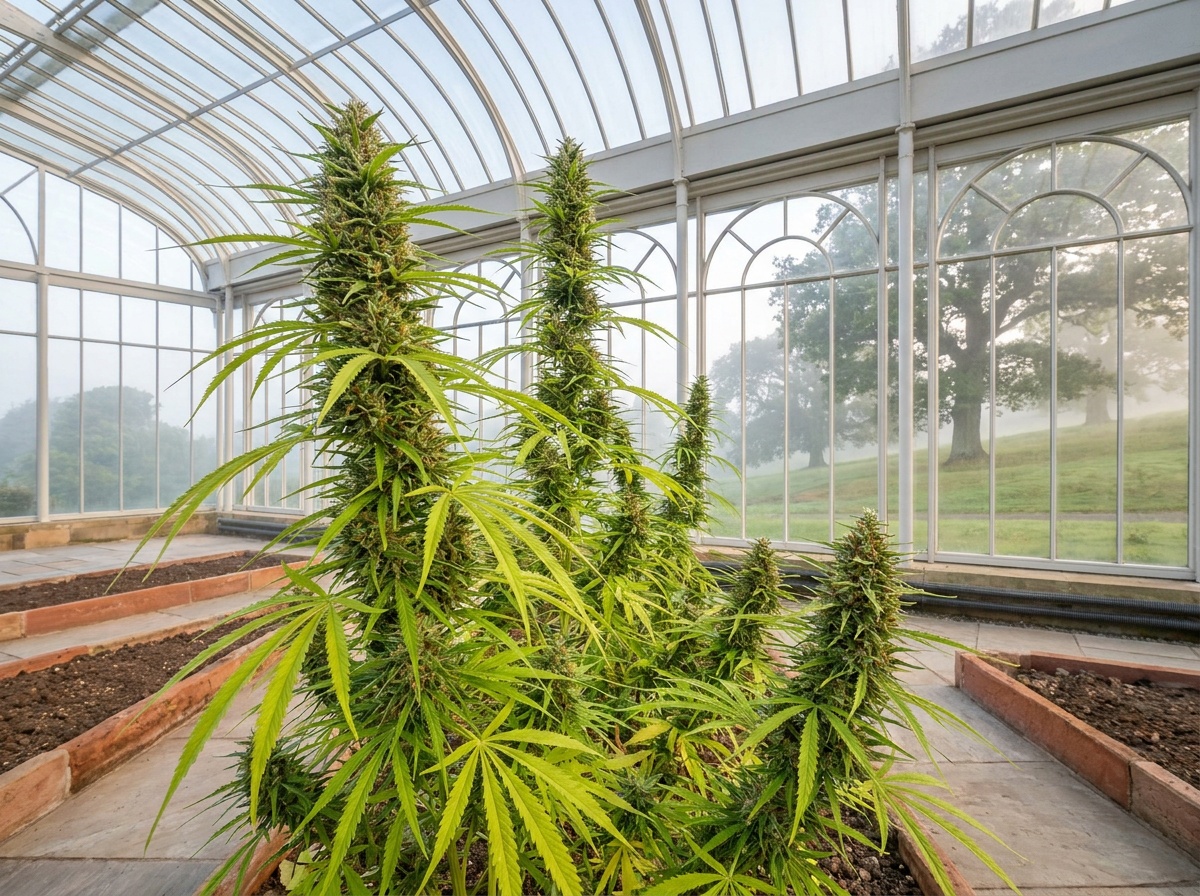
Morphologically, Cannabis sativa ‘Amnesia Haze’ manifests an exceptional physiological compromise between the soaring, candelabra-form elongation of equatorial sativas and the dense structural rigidity conferred by its Afghanica ancestry. In vegetative growth, the cultivar demonstrates remarkable apical dominance, expressing rapid cellular division in the primary meristem that results in substantial vertical velocity. When left unmanipulated in unrestricted root volumes, outdoor specimens regularly attain heights between 2.2 and 3.2 meters, developing an expansive, pyramidal architecture characterized by long, upward-sweeping lateral branches that diverge from the central stalk at angles ranging between 45 and 60 degrees.
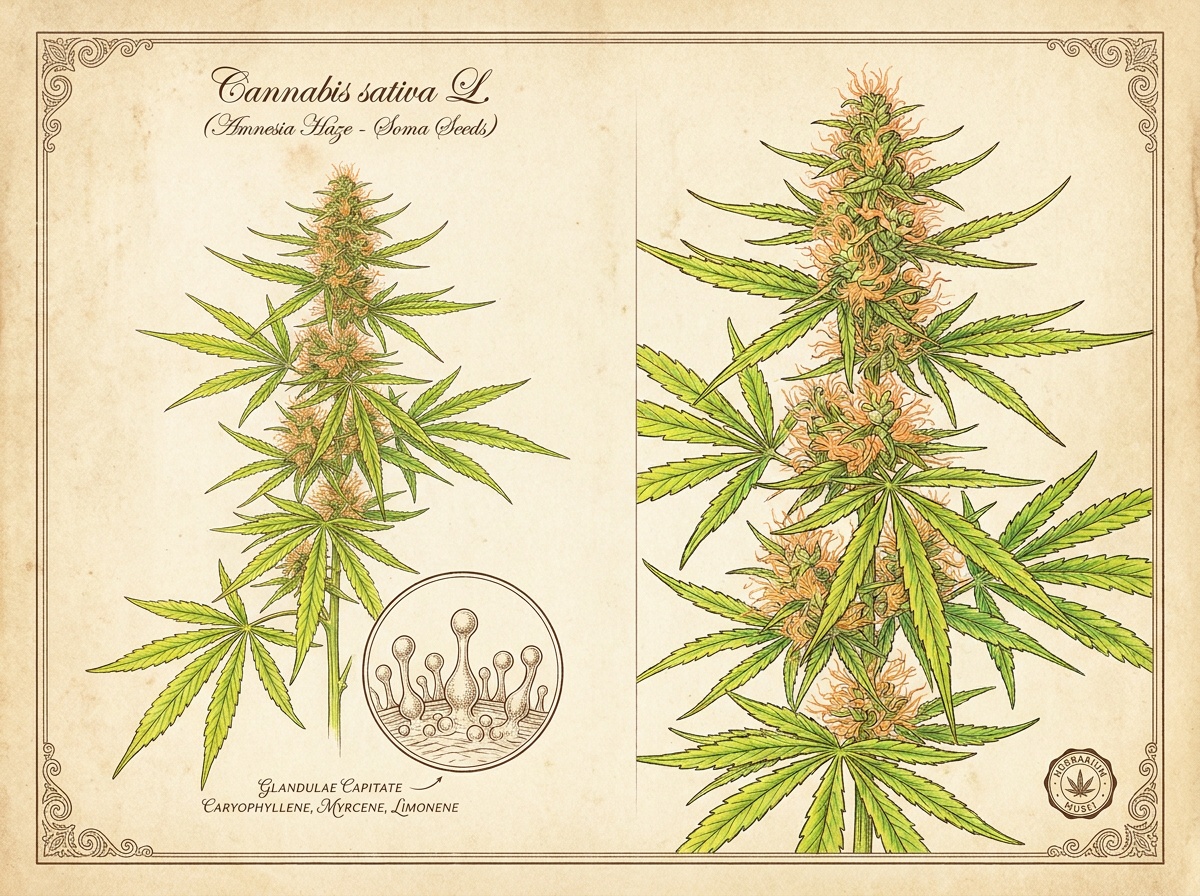
The foliar morphology of Amnesia Haze provides striking visual evidence of its genetic hybridization. Leaves are distinctly palmate, typically exhibiting 7 to 9 (and occasionally 11) narrow-lanceolate leaflets. The leaflets display pronounced marginal serrations with sharp, forward-pointing dentations. Laminar coloration is a luminous, vibrant lime to forest green during active vegetative phases, lacking the deep waxy anthocyanin accumulation typical of broad-leaflet indicas, though the petioles frequently exhibit delicate, longitudinal striations of faint anthocyanin pigmentation when exposed to elevated levels of ultraviolet radiation. The petiole attachment demonstrates exceptional tensile strength, an evolutionary contribution from the Afghani ancestor that prevents branch snapping under heavy environmental wind sheer or artificial air circulation.
Upon photoperiodic induction, Amnesia Haze undergoes a vigorous floral stretch phase, commonly expanding between 150% and 220% of its terminal vegetative height over the initial three to four weeks of 12/12 light cycling. Unlike pure equatorial landraces that produce loose, running foxtails with minimal bract condensation, Amnesia Haze develops extraordinarily elongated, uninterrupted floral columns (spears) that fuse along the primary and secondary lateral stems. These floral structures consist of thousands of tightly clustered, swollen calyxes arranged in spiraling cymes around prominent nodes, creating dense, cylindrical colas that can measure between 45 and 75 centimeters in length on primary apexes.
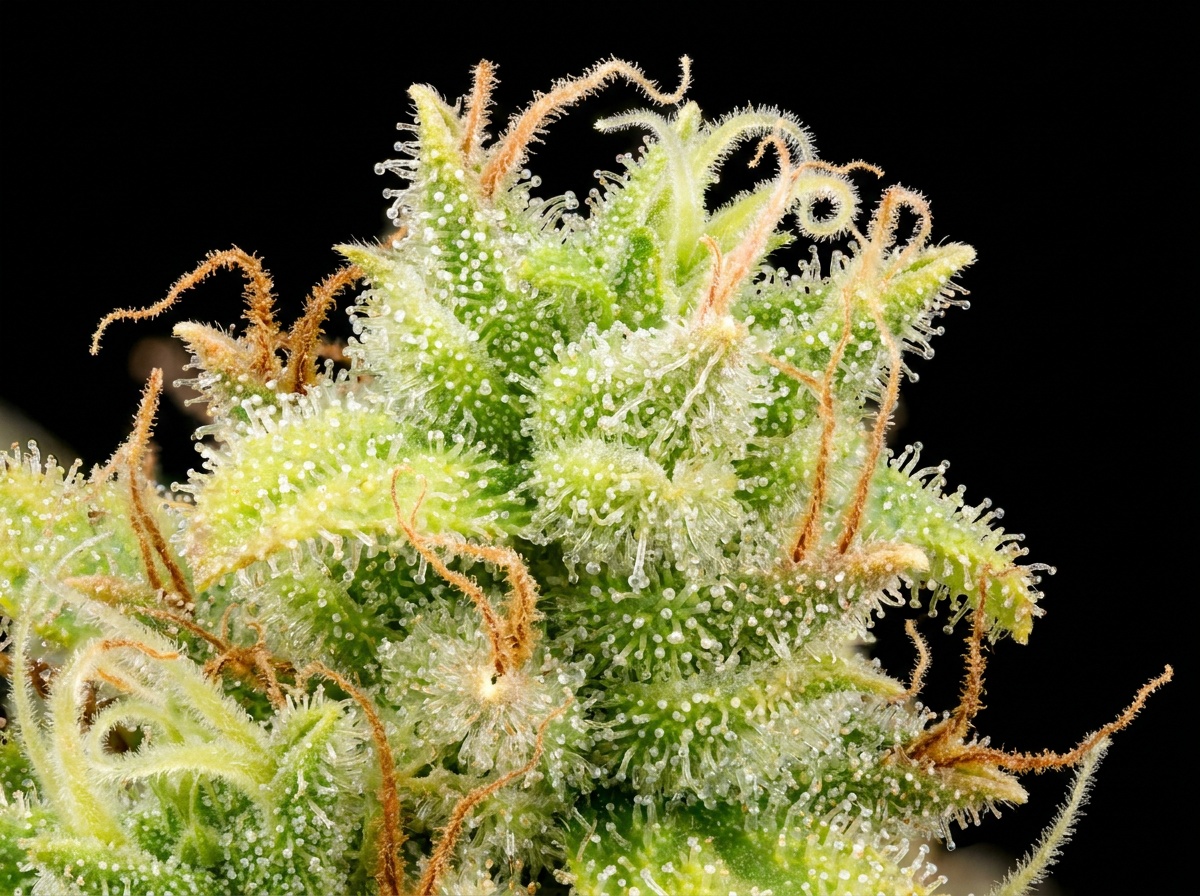
The perianth bracts and calyxes are structurally robust and heavily imbricated. As anthesis approaches maturity between weeks 10 and 12, the calyxes undergo dramatic radial swelling, generating a dense, tactile floral mass that retains a remarkably low leaf-to-calyx ratio. This high calyx-to-leaf distribution significantly streamlines post-harvest manicuring while ensuring superior airflow throughout the core of the bud structure—a critical botanical adaptation that mitigates susceptibility to Botrytis cinerea (gray mold) despite the remarkable mass of the terminal colas. Interspersed among the bracts are slender, elongated pistillate stigmas that emerge in radiant creamy-white clusters before oxidizing into vibrant apricot, peach, and deep copper-amber hues upon physiological senescence.
At the microscopic level, the trichome architecture of Amnesia Haze is characterized by a dense, multi-layered forest of capitate-stalked glandular trichomes interspersed with bulbous and sessile glands. The capitate-stalked trichomes feature remarkably elongated, crystalline stalks measuring between 120 and 220 micrometers in length, terminating in swollen, spherical secretory heads measuring 70 to 95 micrometers in diameter. Within these resin heads, the specialized disc cells biosynthesize and accumulate vast quantities of secondary phytocannabinoids and volatile terpenes. As maturity peaks, the glandular heads transition from crystal-clear transparency to an opaque, milky-white luminescence, with 10% to 15% achieving a rich golden-amber hue at optimal harvest timing.
Botanical Taxonomy & Structural Morphology Summary
| Botanical Parameter | Phenotypic Expression | Genetic & Physiological Driver |
|---|---|---|
| Taxonomic Classification | Cannabis sativa L. subsp. sativa (Sativa-Dominant Polyhybrid ~70/30) | South Asian & Jamaican Landraces x Afghani-Hawaiian x Nevil’s Haze |
| Vegetative Growth Stature | Tall, vigorous, candelabra-branching architecture (1.8–3.2m outdoor, 1.2–1.8m indoor) | Equatorial photoperiodic legacy with stabilized Afghanica structural lignification |
| Internodal Distance | Medium-wide (5.5–9.0 cm in vegetative; tightens to 2.5–4.0 cm in mid-bloom) | Haze elongation moderated by compact Afghanica nodal frequency |
| Foliar Morphology | 7–9 narrow-lanceolate serrated leaflets; luminous lime to emerald green | Equatorial tropical photosynthetic optimization; high transpiration efficiency |
| Floral Inflorescence Structure | Elongated, massive spiraling spears; semi-dense bract stacking with high calyx ratio | Afghani floral consolidation suppressing excessive equatorial foxtailing |
| Pistillate Stigma Expression | Abundant, elongated, delicate; white transitioning to vibrant apricot, peach & copper | High-density stigmatic surface area adapted for windborne pollen reception |
| Glandular Trichome Density | Extremely high; capitate-stalked glands (120–220µm height, 70–95µm head diameter) | Hyper-accumulation of secondary metabolites via enriched resin secretory disc cells |
| Flowering / Anthesis Duration | 70 to 84 days (10 to 12 weeks) under 12/12 photoperiod | Equatorial maturation cycle condensed by ~4 weeks via Afghani outcrossing |
Section 3: Phytocannabinoid Profile & Pharmacological Mechanisms
The phytocannabinoid profile of Cannabis sativa ‘Amnesia Haze’ is a testament to the sophisticated chemical convergence of high-potency equatorial sativa accessions and resin-dense mountain indicas. High-performance liquid chromatography (HPLC) and gas chromatography-mass spectrometry (GC-MS) analyses confirm that Amnesia Haze is classified as a strict Chemotype I cultivar, characterized by an overwhelmingly high ratio of tetrahydrocannabinolic acid (THCA) to cannabidiolic acid (CBDA), with total active Δ9-THC concentrations consistently spanning 20.0% to 25.5% by dry weight in properly finished, slow-cured inflorescences. Secondary cannabinoids, particularly cannabigerolic acid (CBGA) and cannabichromenic acid (CBCA), contribute a substantial pharmacological ballast that modulates receptor kinetics and mitigates adverse tachycardic responses.
The predominant pharmacological driver is neutral Δ9-tetrahydrocannabinol (Δ9-THC), generated post-decarboxylation from its acidic precursor THCA. At the molecular level, Δ9-THC functions as a partial agonist with high binding affinity at both central cannabinoid type-1 (CB1) and peripheral type-2 (CB2) G-protein coupled receptors. In Amnesia Haze, the elevated concentration of Δ9-THC elicits potent retro-inhibition of presynaptic neurotransmitter release across the mesolimbic and frontostriatal pathways. By modulating the release of gamma-aminobutyric acid (GABA) and glutamate, Δ9-THC produces an immediate disinhibition of dopaminergic neurons in the ventral tegmental area (VTA), precipitating a profound surge in extracellular dopamine within the nucleus accumbens and prefrontal cortex. This neurochemical cascade manifests phenotypically as acute euphoria, expansive associative cognition, and an intense sensation of cerebral altitude.
Crucially, the pharmacological architecture of Amnesia Haze is heavily enriched by cannabigerol (CBG), with total concentrations frequently testing between 0.8% and 1.8%—substantially higher than typical commercial polyhybrids where CBG rarely exceeds 0.3%. CBG functions as an alpha-2 adrenergic receptor agonist and a moderately potent 5-HT1A serotonin receptor antagonist, while also inhibiting the synaptosomal reuptake of both noradrenaline and serotonin. This pronounced noradrenergic and serotonergic activity accounts for the cultivar’s distinct stimulating, alert, and non-somnolent pharmacodynamics. Furthermore, CBG exhibits documented neuroprotective and anti-inflammatory properties through the inhibition of cyclooxygenase (COX-2) enzymes and modulation of transient receptor potential (TRP) channels, specifically TRPV1 and TRPA1.
Additionally, trace to moderate concentrations of tetrahydrocannabivarin (THCV, 0.2%–0.7%) are regularly detected in authentic Soma cut accessions, inherited directly from the equatorial South Asian and Jamaican landrace progenitors. Although present in modest quantities, THCV acts as a dose-dependent neutral antagonist / weak inverse agonist at CB1 receptors. At low physiological levels, this antagonist profile serves as a homeostatic brake, attenuating the anxiety-provoking and tachycardic side effects that can accompany rapid-onset, high-dose Δ9-THC intoxication. Furthermore, THCV enhances insulin sensitivity, stimulates glucose metabolism, and functions as a natural anorectic agent, completely counteracting the profound hyperphagia (“munchies”) often induced by high-myrcene indica cultivars.
The minor cannabinoid fraction is completed by cannabichromene (CBC, 0.3%–0.8%) and sub-percentage levels of cannabidiol (CBD, <0.5%). While CBD remains below clinical thresholds required for primary therapeutic action, CBC exerts meaningful synergy through potent activation of transient receptor potential ankyrin 1 (TRPA1) cation channels. This TRPA1 activation suppresses pain transmission and neurogenic inflammation while facilitating the accumulation of endogenous anandamide by inhibiting its cellular reuptake and enzymatic breakdown by fatty acid amide hydrolase (FAAH).
Comprehensive Phytocannabinoid Profile & Pharmacodynamics
| Cannabinoid Compound | Mean Percentage (Dry Weight) | Typical Range | Primary Pharmacological Mechanism & Receptor Kinetics |
|---|---|---|---|
| Δ9-THC (Active) | 22.4% | 20.0% – 25.5% | Partial CB1/CB2 receptor agonism; mesolimbic dopamine surge; euphoric cerebral elevation |
| THCA (Precursor) | 24.8% | 22.0% – 28.5% | Non-psychoactive acidic form; potent TRP channel modulation; COX-1/COX-2 enzyme inhibition |
| CBG (Cannabigerol) | 1.35% | 0.80% – 1.85% | Alpha-2 adrenergic agonist; 5-HT1A antagonism; GABA/norepinephrine reuptake inhibitor |
| THCV (Tetrahydrocannabivarin) | 0.45% | 0.20% – 0.75% | Neutral CB1 antagonist at low doses; appetite suppression; glycemic & metabolic modulation |
| CBC (Cannabichromene) | 0.55% | 0.30% – 0.85% | Potent TRPA1 channel activator; cellular anandamide elevation; neurogenic anti-inflammatory |
| CBD (Cannabidiol) | 0.25% | 0.05% – 0.50% | Negative allosteric CB1 modulator; FAAH inhibition; subtle mitigation of peak intoxication |
| CBN (Cannabinol) | 0.15% | 0.02% – 0.40% | Mild CB1/CB2 agonist formed via oxidative THCA degradation; subtle sedative synergy in aged cure |
Section 4: Terpenoid Matrix & Chemosensory Fingerprint
The organoleptic identity and entourage-mediated pharmacology of Cannabis sativa ‘Amnesia Haze’ are orchestrated by an exceptionally complex, volatile terpenoid matrix. Total volatile oil yields regularly register between 1.8% and 3.2% of dry floral biomass in expertly grown organic samples. Unlike monoterpene-simplistic modern polyhybrids that are singularly dominated by either limonene or myrcene, Amnesia Haze features a balanced, multi-tier terpenoid hierarchy spanning monoterpenes, bicyclic monoterpenes, and bicyclic/tricyclic sesquiterpenes. This diverse biochemical bouquet bridges sweet earthy musk, sharp citrus zest, fresh crushed pine needles, herbal cardamom, and rich sandalwood incense.
The primary monoterpene constituent is β-Myrcene (7-methyl-3-methylene-1,6-octadiene), representing between 28% and 42% of the total terpenoid fraction. As an acyclic monoterpene, β-myrcene contributes a deep, sweet, herbal-earthy foundation with subtle nuances of overripe tropical mango and damp forest floor. Pharmacologically, β-myrcene plays a pivotal role in modulating biological membrane permeability. By increasing the fluidity of cellular membranes, myrcene enhances the trans-blood-brain barrier penetration of lipophilic phytocannabinoids—most notably Δ9-THC—accelerating both the pharmacokinetic onset time and the perceived potency of central nervous system engagement. Furthermore, myrcene exerts documented peripheral muscle-relaxant, analgesic, and anti-inflammatory properties through opioid-like and TRPV1-receptor-mediated pathways, balancing the electrifying cerebral stimulation of the Haze lineage with a soothing somatic foundation.
Occupying the second major tier is d-Limonene (1-methyl-4-prop-1-en-2-yl-cyclohexene), comprising 18% to 28% of the volatile profile. Limonene introduces the signature electric, sweet-lemon and sour-citrus top notes that define the bouquet upon opening a cured jar of Amnesia Haze. Beyond its unmistakable aromatic freshness, limonene is a potent thymoleptic and anxiolytic agent. Preclinical and clinical investigations demonstrate that vaporized limonene rapidly stimulates dopamine and serotonin release in the striatum and prefrontal cortex, actively combating depressive symptoms and alleviating existential distress. Moreover, limonene exhibits pronounced gastroprotective, immunostimulating, and cellular apoptosis-inducing effects across various inflammatory tissue models.
The primary sesquiterpene fraction is spearheaded by β-Caryophyllene (trans-(1R,9S)-8-methylene-4,11,11-trimethylbicyclo[7.2.0]undec-4-ene), accounting for 12% to 20% of the total volatile oil. Uniquely classified as a “dietary phytocannabinoid,” β-caryophyllene functions as a selective full agonist at peripheral cannabinoid type-2 (CB2) receptors while exhibiting zero psychoactive affinity at CB1. By selectively stimulating CB2 receptors, caryophyllene powerfully inhibits pro-inflammatory cytokine expression (including TNF-α, IL-1β, and IL-6) and blocks NF-κB nuclear translocation. This imparts profound systemic anti-inflammatory, neuroprotective, and neuropathic analgesic benefits, while contributing a sharp, peppery, woody-spice aromatic undertone.
A vital, defining nuance of the Amnesia Haze bouquet is supplied by β-Ocimene (3,7-dimethyl-1,3,6-octatriene, 6%–12%), a delicate, highly volatile monoterpene associated with sweet, floral, herbal, and woody aromas. Ocimene contributes significant decongestant, antiviral, and antifungal properties, while lending the cultivar its radiant, perfume-like top notes. The matrix is further rounded out by α-Pinene and β-Pinene (5%–10%), bicyclic monoterpenes that impart refreshing forest pine aromatics and function as natural acetylcholinesterase inhibitors. By inhibiting acetylcholinesterase, pinene preserves acetylcholine concentrations in the cerebral cortex, actively counteracting the short-term memory deficits typically induced by acute Δ9-THC intoxication and enhancing cognitive clarity and working memory during creative tasks.
Trace terpenes—including Humulene (α-caryophyllene), Linalool, and Terpinolene (0.5%–3.0%)—provide the finishing aromatic layers. Humulene synergizes with caryophyllene to suppress systemic inflammation and moderate appetite, while linalool adds a soothing, floral-lavender backdrop that moderates potential over-excitation of glutamate pathways.
Volatile Terpenoid Matrix & Pharmacological Actions
| Terpene Compound | Relative Fraction (% of Total Terpenes) | Aroma & Chemosensory Character | Pharmacological Action & Entourage Role |
|---|---|---|---|
| β-Myrcene | 34.5% (28.0% – 42.0%) | Earthy, sweet herbal musk, overripe mango, damp forest floor | Blood-brain barrier permeability enhancer; somatic muscle relaxant; analgesic |
| d-Limonene | 22.5% (18.0% – 28.0%) | Bright fresh lemon zest, sweet orange, pungent citrus rind | Thymoleptic (mood-elevating); anxiolytic; dopaminergic/serotonergic modulator |
| β-Caryophyllene | 16.0% (12.0% – 20.0%) | Cracked black pepper, woody spice, warm clove, charred cedar | Selective CB2 receptor agonist; NF-κB inhibition; potent anti-inflammatory & analgesic |
| β-Ocimene | 8.5% (6.0% – 12.0%) | Sweet floral, herbal sweetness, green vegetative, tropical woods | Decongestant; antifungal; bronchodilator; light euphoric stimulant synergy |
| α-Pinene & β-Pinene | 7.5% (5.0% – 10.0%) | Crisp highland pine needles, aromatic rosemary, resinous resin | Acetylcholinesterase inhibitor; preserves working memory; bronchodilation |
| α-Humulene | 4.5% (3.0% – 6.5%) | Earthy, noble hops, woody, subtle dry herbal bitterness | Appetite suppression (anorectic); synergistic topical and systemic anti-inflammatory |
| Linalool & Terpinolene | 3.5% (1.5% – 5.0%) | Lavender floral nuance, sweet lilacs, fresh pine-herbal Haze overtone | Glutamate inhibition; neuroprotective calming buffer against excessive CNS excitation |
Section 5: Clinical Indications & Therapeutic Applications
From a translational medical perspective, Cannabis sativa ‘Amnesia Haze’ occupies a distinguished therapeutic niche within cannabinoid medicine. Owing to its potent Chemotype I architecture (Δ9-THC: 20%–25%) coupled with elevated CBG concentrations (0.8%–1.8%) and a thymoleptic, limbic-activating terpenoid matrix (myrcene-limonene-caryophyllene), this cultivar operates as an exceptionally efficacious daylight neuro-modulatory agent. Rather than inducing the pronounced somnolence, psychomotor retardation, and cognitive clouding frequently associated with myrcene-heavy Afghanica indicas, Amnesia Haze promotes acute affective elevation, cognitive activation, sensory vividness, and sustained executive momentum.
A primary clinical indication for Amnesia Haze is the symptomatic management of Major Depressive Disorder (MDD), dysthymia, and anhedonia. Depressive pathologies are frequently characterized by hyperactive connectivity within the Default Mode Network (DMN), leading to persistent, maladaptive internal rumination, emotional paralysis, and negative cognitive loops. The acute pharmacodynamic profile of Amnesia Haze disrupts these rigid DMN coherence patterns. By triggering simultaneous dopamine release via mesolimbic CB1 partial agonism and facilitating 5-HT1A serotonergic transmission via d-limonene and CBG, the cultivar acts as a rapid-acting thymoleptic catalyst, restoring subjective hedonic capacity, emotional buoyancy, and active external interest.
A secondary, highly prevalent indication is Adult Attention-Deficit/Hyperactivity Disorder (ADHD) and chronic executive dysfunction. Neurodivergent individuals presenting with dopamine-deficient hypo-arousal in the prefrontal cortex frequently suffer from task initiation paralysis, cognitive fatigue, and mental stagnation. At calibrated low-to-moderate vaporized doses (2.5 mg to 10 mg inhaled Δ9-THC equivalents), the synergy between Δ9-THC, CBG (alpha-2 adrenergic agonist), and α-pinene (acetylcholinesterase inhibitor) stimulates sustained frontostriatal dopamine and acetylcholine availability. This neurochemical enhancement improves working memory retention, sharpens task salience, and fosters hyper-focused creative engagement without the peripheral sympathomimetic side effects (e.g., cardiac palpitation, appetite suppression, hypertensive spikes) commonly linked to synthetic pharmaceutical stimulants.
In somatic pharmacotherapy, Amnesia Haze demonstrates substantial utility in the treatment of chronic neuropathic pain, migraine cephalalgia, and fibromyalgia. While lacking high concentrations of CBD, the cultivar achieves pronounced anti-nociception through multi-target peripheral and spinal cord mechanisms: Δ9-THC suppresses dorsal horn nociceptive neurotransmission; β-caryophyllene selectively engages peripheral CB2 receptors to halt macrophage-driven inflammatory cascade signaling; and β-myrcene promotes deep musculoskeletal relaxation while potentiating trans-membrane receptor kinetics. Additionally, the elevated concentration of CBG exerts documented ocular hypotensive actions, reducing intraocular pressure (IOP) by enhancing aqueous humor outflow, rendering the cultivar highly valuable for patients managing ocular hypertension and primary open-angle glaucoma.
Crucially, clinicians must observe dose-dependent contraindications. Due to its elevated THC potency and rapid cerebral onset, high single doses in cannabinoid-naïve individuals can precipitate acute transient anxiety, temporal disorientation, or orthostatic tachycardia. Monitored titration, micro-dosing vaporizers, and daytime administration guidelines are strongly recommended to maximize therapeutic efficacy while mitigating adverse psychotropic events.
Targeted Clinical Indications & Therapeutic Mechanisms
| Clinical Indication | Target Symptomatology | Underlying Pharmacodynamic Mechanism | Recommended Administration Protocol |
|---|---|---|---|
| Major Depressive Disorder (MDD) | Anhedonia, emotional blunting, depressive rumination, psychomotor fatigue | Mesolimbic dopamine release via CB1 activation; 5-HT1A serotonergic synergy via Limonene & CBG; DMN de-coherence | Inhaled convection vaporization (175°C–185°C); diurnal / morning administration (5–10 mg Δ9-THC) |
| ADHD / Executive Dysfunction | Task initiation inertia, distractibility, mental exhaustion, cognitive fatigue | Prefrontal dopaminergic elevation; α-Pinene acetylcholinesterase inhibition; CBG α2-adrenergic tone modulation | Low-dose daytime vaporization (2.5–5.0 mg Δ9-THC); pulse dosing every 3–4 hours during task engagement |
| Neuropathic Pain & Fibromyalgia | Allodynia, hyperalgesia, somatic myofascial tightness, chronic tension headaches | Spinal dorsal horn CB1 inhibition; peripheral CB2 cytokine suppression via Caryophyllene; Myrcene muscular relaxation | Vaporization (185°C–195°C) or full-spectrum lipid extraction; daytime functional pain management |
| Glaucoma & Ocular Hypertension | Elevated intraocular pressure, ocular fatigue, retro-orbital throbbing | CBG-mediated enhancement of trabecular aqueous humor outflow; CB1 vasodilation of uveoscleral pathways | Inhaled vaporization during daytime pressure peaks; adjunct to conventional prostaglandin analogs |
| Chronic Fatigue Syndrome (CFS/ME) | Diurnal energy deficit, post-exertional malaise, brain fog, lack of motivation | Non-somnolent energetic sativa stimulation; noradrenaline/dopamine reuptake inhibition via CBG & Ocimene | Early morning inhalation; avoid administration past 16:00 to prevent sleep-onset latency disturbance |
Section 6: Commercial & Craft Agronomic Protocols
Successfully cultivating Cannabis sativa ‘Amnesia Haze’ to commercial and connoisseur standards requires a disciplined agronomic regimen calibrated to the unique physiological demands of long-flowering sativa-dominant polyhybrids. While the integration of Afghanica germplasm has significantly strengthened stem tensile strength and compacted nodal development relative to pure equatorial landraces, Amnesia Haze remains an energetic, light-hungry, and photoperiod-sensitive cultivar that will severely penalize over-fertilization, inadequate canopy management, or sub-optimal environmental control.
During the vegetative phase, Amnesia Haze thrives under high-intensity photosynthetic photon flux density (PPFD) ranging between 450 and 650 µmol/m²/s, with an optimal photoperiod of 18 hours light and 6 hours dark. Ambient diurnal temperatures should be maintained between 24°C and 27°C with a relative humidity (RH) of 65% to 70%, yielding a target vegetative Vapor Pressure Deficit (VPD) of 0.8 to 1.1 kPa. Due to its vigorous apical dominance, canopy training must be initiated early. Master cultivators recommend applying low-stress training (LST) and multi-point topping (topping above the 4th and 6th nodes) coupled with Screen of Green (SCROG) trellising. Establishing an even, multi-topped horizontal canopy prior to flower induction is imperative; otherwise, central colas will inevitably stretch toward luminaires, resulting in light bleaching and thermal stress.
Upon transition to the generative 12/12 photoperiod, cultivators must prepare for a pronounced stretch phase lasting 21 to 28 days, during which plants typically double in vertical stature. PPFD should be progressively ramped up to 800–1,050 µmol/m²/s (or up to 1,200 µmol/m²/s if supplementing with elevated ambient carbon dioxide at 1,000–1,200 ppm). Crucially, nitrogen inputs must be substantially curtailed earlier than with standard hybrids. Amnesia Haze is notoriously sensitive to nitrogen toxicity; excess nitrogen during weeks 2 through 6 of bloom will induce severe leaf clawing, suppress floral initiation, delay calyx swelling, and impart a harsh chlorophyll flavor to the finished flower. Nutrition should pivot toward elevated phosphorus, potassium, and soluble calcium-magnesium to support extensive calyx development and cell wall lignification.
Mid-to-late generative management (weeks 6 through 11) demands rigorous climate control. Ambient temperatures should be held at 22°C to 25°C, with nocturnal drops to 18°C–20°C during the final fortnight to preserve volatile monoterpenes and stimulate subtle autumnal pigmentation. Relative humidity must be progressively stepped down from 55% during peak bloom to 40%–45% during late ripening (weeks 9–12), establishing a late-bloom VPD of 1.3 to 1.6 kPa. While the airy, spiraling structure of Amnesia Haze calyxes offers better inherent mold resistance than rock-hard indica golf balls, high-velocity oscillating air circulation below and above the canopy is vital to prevent microclimates where stagnant moisture can settle.
The harvesting window spans 70 to 84 days (10 to 12 weeks) post-induction. Harvesting prematurely at week 8 or 9 will yield immature clear trichomes that deliver an uncomfortably anxious, racy cerebral buzz lacking therapeutic depth. Peak pharmacological efficacy is reached when 80% to 85% of capitate-stalked trichome heads have turned completely cloudy/milky, with 10% to 15% showing rich golden-amber oxidation. Post-harvest conditioning should follow the classic slow-cure gold standard: whole-plant hanging for 12 to 16 days at 15°C–17°C (60°F) and 58%–62% RH, followed by a minimum 4-week airtight curing in glass or food-grade stainless vessels burped systematically to stabilize water activity between 0.58 and 0.62 aw.
Agronomic Schedule & Environmental Setpoints
| Developmental Phase | Duration & Photoperiod | Temperature & Relative Humidity | Target VPD & PPFD | Nutritional EC, pH & Key Focus |
|---|---|---|---|---|
| Seedling / Rooting | 14–21 Days; 18/6 light | 24°C–26°C; 70%–75% RH | 0.6–0.8 kPa; 200–350 µmol/m²/s | EC 0.8–1.0; pH 5.8–6.2; root stimulants, mycorrhizal fungi |
| Active Vegetative | 28–35 Days; 18/6 light | 25°C–27°C; 60%–68% RH | 0.9–1.1 kPa; 450–650 µmol/m²/s | EC 1.2–1.5; pH 6.0–6.5; balanced N-P-K, SCROG training, topping |
| Early Bloom (Stretch) | Weeks 1–4; 12/12 light | 24°C–26°C; 55%–62% RH | 1.1–1.3 kPa; 750–900 µmol/m²/s | EC 1.5–1.8; pH 6.2–6.5; taper N, increase Ca/Mg, trellis weaving |
| Peak Generative | Weeks 5–9; 12/12 light | 23°C–25°C; 48%–52% RH | 1.3–1.5 kPa; 900–1,100 µmol/m²/s | EC 1.8–2.0; pH 6.3–6.6; peak P/K supplementation, strict defoliation |
| Ripening & Senescence | Weeks 10–12; 12/12 light | 20°C–22°C (18°C night); 40%–45% RH | 1.4–1.6 kPa; 600–750 µmol/m²/s | EC 0.4–0.8; pH 6.2–6.5; pure water flush, cold night drops, trichome monitoring |
| Drying & Curing | 14 Days dry + 30 Days cure | 15°C–17°C; 58%–62% RH | Target water activity 0.58–0.62 aw | Darkness, gentle indirect airflow, systematic daily burping, chlorophyll breakdown |

Section 7: Comparative Phenotypic Taxonomy & Chemotype Clustering
To precisely demarcate the taxonomic boundaries and chemotaxonomic classification of Cannabis sativa ‘Amnesia Haze’ within the broader cannabis genome requires rigorous comparative multivariate analysis against closely related foundational sativa hybrids and classic Haze cultivars. Through principal component analysis (PCA) of phytocannabinoid ratios and hierarchical cluster analysis (HCA) of volatile terpenoid mass spectra, Amnesia Haze cleanly separates from both pure equatorial landraces (e.g., Thai, Colombian, Congolese) and terpinolene-dominant contemporary cultivars (e.g., Super Lemon Haze, Ghost Train Haze #1, Jack Herer).
When compared directly to its historical contemporary, Super Silver Haze (Skunk #1 × Northern Lights #5 × Haze), Amnesia Haze displays distinct morphological and organoleptic divergences. While both cultivars share the architectural influence of Nevil’s Haze and Northern Lights #5, Super Silver Haze exhibits a more pronounced terpinolene-pinene aromatic profile marked by pungent peppery cat-piss and sharp metallic musk. In contrast, Amnesia Haze’s incorporation of Soma’s Afghani-Hawaiian father shifts the dominant monoterpene foundation squarely toward β-myrcene and d-limonene, accompanied by rich secondary ocimene. This yields a much softer, sweeter citrus-herbal profile with exotic wood spice, while producing noticeably denser calyx clusters and heavier per-plant dry floral mass.
In comparison with Super Lemon Haze (Lemon Skunk × Super Silver Haze), which sits alongside Amnesia Haze in the pantheon of Cannabis Cup legends, the chemosensory distinction is equally pronounced. Super Lemon Haze is characterized by extreme monoterpene skewing, with terpinolene and limonene comprising over 65% of the total essential oil, resulting in a blistering, tart lemon-candy and gasoline olfactory profile. Amnesia Haze, by contrast, expresses a broader, more distributed terpenoid spectrum where myrcene buffers the limonene brightness, grounding the cerebral acceleration with profound somatic calm and mitigating the acute tachycardia sometimes provoked by pure terpinolene chemotypes.
Examined alongside pure equatorial landraces such as Thai Stick or Jamaican Mountain Sativa, Amnesia Haze reveals the immense functional value of stabilized Dutch polyhybridization. Pure equatorial landraces frequently feature protracted flowering cycles exceeding 14 to 18 weeks, exceptionally loose and airy calyx morphology with high leaf-to-flower ratios, and high susceptibility to hermaphroditic expression under artificial lighting stress. By introducing Afghani and Northern Lights germplasm, Soma successfully condensed the anthesis window to 10–12 weeks, increased floral density by over 40%, and stabilized sexually dioecious fidelity while preserving the transcendent, soaring cerebral character of the ancestral tropical landraces.
Within international clinical research, chemotype clustering places Amnesia Haze in a distinct sub-category of Chemotype I: the Myrcene-Limonene-Caryophyllene / Elevated-CBG Class. This chemical cluster is exceptionally rare among mass-market commercial cannabis lines, which typically sacrifice minor cannabinoids like CBG to maximize pure Δ9-THC percentage. The presence of 1.0% to 1.8% CBG alongside trace THCV elevates Amnesia Haze into a premier clinical candidate for neuropsychiatric studies investigating non-sedating mood modulation, executive neurodivergence, and inflammatory neuroprotection.
Section 8: Narrative Synthesis & Connoisseur Conclusion
In the grand continuum of cannabis breeding, few plants encapsulate the romantic ambition, botanical ingenuity, and cultural magnetism of the counterculture era quite like Amnesia Haze. Standing before a fully matured specimen in the final weeks of anthesis is an unforgettable sensory experience. The towering candelabra colas, stretching toward the light like ancient architectural spires, radiate an electric, luminous chartreuse halo beneath an astonishing frost of glandular trichomes. The air surrounding the canopy is saturated with a heady, multi-dimensional perfume: sweet earthy loam, pungent citrus zest, delicate summer wildflowers, and the ancient, resinous whisper of temple incense.
To consume properly cured Amnesia Haze flower—cured patiently over weeks in darkness to allow the breakdown of chlorophyll and the complete stabilization of its monoterpene matrix—is to embark upon a profound cognitive journey. The initial inhalation is remarkably smooth, expanding gracefully across the palate with sweet lemon-lime monoterpenes and herbal tea notes, followed on the exhale by an earthy, peppery sandalwood warmth. Within ninety seconds, the initial pharmacological surge manifests behind the eyes as a gentle, warm cranial decompression. Peripheral vision brightens, colors assume a heightened saturation, and an immediate wave of buoyant, uninhibited optimism sweeps through the limbic system.
As the experience matures, the full depth of Soma’s genetic vision unfolds. The mind is liberated from the gravitational pull of routine anxieties, ruminative loops, and mental fatigue. Thoughts flow with effortless, divergent momentum, connecting disparate concepts with fluid creative clarity. Simultaneously, the grounding presence of β-myrcene and β-caryophyllene anchors the physical body in deep, functional relaxation, ensuring that the soaring cerebral velocity remains lucid, euphoric, and serene rather than erratic or over-stimulated. It is this rare, harmonious equilibrium between cerebral elevation and somatic calm that earned Amnesia Haze its timeless crown as the queen of Amsterdam’s coffee shop golden age.
More than two decades after its historic 2004 High Times Cannabis Cup triumph, Amnesia Haze continues to stand as an immortal monument to the power of multi-continental landrace hybridization. In an era increasingly dominated by ephemeral, highly commercialized dessert strains that frequently sacrifice physiological complexity for superficial bag appeal, Amnesia Haze remains an uncompromising, museum-grade botanical masterpiece. It represents a vital living archive of equatorial sativa vitality, mountain indica resilience, and master-level craft breeding—a timeless heirloom that will continue to inspire horticulturalists, clinical researchers, and connoisseurs for generations to come.
Cultivar Dossier: Cannabis sativa ‘Amnesia Haze’
| Taxonomic & Agronomic Parameter | Cultivar Specification |
|---|---|
| Botanical Classification | Cannabis sativa L. subsp. sativa (Sativa-Dominant Polyhybrid ~70% Sativa / 30% Indica) |
| Catalog Identification | Catalog ID #52 (Ganja House Master Database) |
| Master Breeder & Provenance | Soma (Soma Seeds, Amsterdam, Netherlands — Released circa 2003) |
| Genetic Lineage | (South Asian Sativa × Jamaican Mountain Landrace) × (Afghani-Hawaiian × Nevil’s Haze) |
| Historical Competitive Honors | 1st Place Overall, High Times Cannabis Cup (2004 & 2012); Multiple Highlife Cup Awards |
| Phytocannabinoid Range | Δ9-THC: 20.0%–25.5% | CBG: 0.8%–1.8% | THCV: 0.2%–0.7% | CBD: <0.5% |
| Dominant Terpenoid Hierarchy | β-Myrcene (34.5%), d-Limonene (22.5%), β-Caryophyllene (16.0%), β-Ocimene (8.5%), α-Pinene (7.5%) |
| Chemosensory Flavor Profile | Sweet lemon-lime citrus zest, herbal tea, earthy loam, fresh pine, and warm exotic sandalwood spice |
| Anthesis Duration & Photoperiod | 70–84 Days (10–12 Weeks) under 12/12 photoperiod; outdoor harvest late October / early November |
| Commercial Indoor Yield | 550–650 g/m² under optimized SCROG trellis and high PPFD LED lighting |
| Outdoor Biomass Potential | 700–1,200 g per plant in Mediterranean or warm temperate organic living soil |
| Target Clinical Applications | Major Depressive Disorder, Adult ADHD, Executive Dysfunction, Neuropathic Pain, Ocular Hypertension |
Ajarn Spencer Littlewood & Agent Gemini Unleashed for Ganja House
All rights reserved. https://www.ganjahouse.net