
Thailand, the land of Kratom, is renowned for its three strains of Kratom: Green, Red, and White. Each strain offers a unique and diverse set of benefits. Thai Kratom, in particular, is highly regarded for its popularity among other strains originating from various countries. The properties of these strains are exceptional, providing more potent effects compared to other strains.

Thailand is known as the origin of the three primary strains of Kratom: Green, Red, and White. These strains are highly valued for their unique and diverse benefits. Thai Kratom, in particular, stands out due to its exceptional properties and popularity among other strains from different countries. Compared to these other strains, Thai Kratom is considered to be more potent, providing stronger effects for its users.
The Green strain of Thai Kratom is particularly popular for its balance between stimulation and relaxation. Users often report increased focus, mental clarity, and a sense of calm well-being after consuming this strain. The Green strain is also known for its analgesic properties, making it a popular choice for those seeking relief from chronic pain.
The Red strain of Thai Kratom is known for its strong sedative and analgesic effects. It is often used to alleviate symptoms of anxiety and depression, as well as to promote better sleep quality. The Red strain is also a popular choice for managing chronic pain, as it can provide significant relief without the risk of addiction associated with opioid painkillers.
Finally, the White strain of Thai Kratom is known for its stimulating effects. It can help to boost energy levels, improve focus and concentration, and enhance mood. The White strain is often used as a natural alternative to caffeine, providing a clean and sustained energy boost without the jittery side effects associated with caffeine consumption.
Overall, Thai Kratom strains are highly regarded for their exceptional properties and diverse benefits. Whether you are looking for relief from chronic pain, a natural energy boost, or a way to manage symptoms of anxiety and depression, Thai Kratom strains offer a wide range of options to choose from.
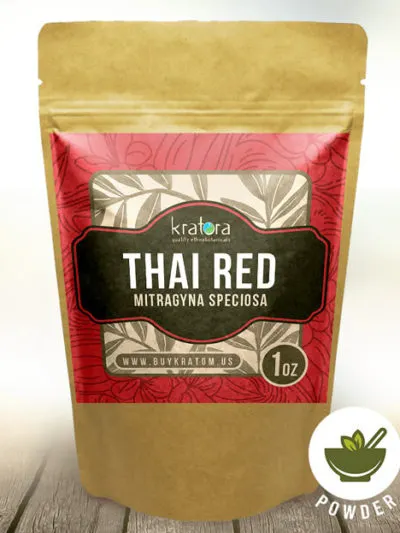
Deep Dive into the Properties of Kratom;
Thai kratom, scientifically known as Mitragyna speciosa, is a plant native to Southeast Asia and has been traditionally used for its medicinal properties. It is particularly valued in Thailand, where it is used for self-treatment of pain and diabetes, and is viewed by local communities as a traditional remedy rather than an illicit drug.
Research published in September 2023 indicates that Thai kratom, specifically the green and red varieties, may have potential anti-obesity effects. These effects are attributed to their ability to inhibit pancreatic digestive enzymes such as alpha-glucosidase and lipase, as well as acetyl-carboxylase 1 (ACC1), a key enzyme in fatty acid biosynthesis. The major compound mitragynine and quercetin, found in Thai kratom, contribute to these inhibitory effects, suggesting that regular use of Thai kratom could help reduce blood triglyceride levels and body mass index (BMI) in healthy individuals.
Thai kratom is available in various forms, including powder, with red vein Thai kratom powder being one of the popular options. It can be purchased from specialized vendors like Kraken Kratom, where it is sold in different weight sizes ranging from 28g to 455g, with corresponding price ranges from $9.99 to $129.99.
In Southern Thailand, there are ongoing efforts to develop community-based mechanisms for the control and management of kratom, reflecting the plant’s cultural significance and the need for balanced regulation.
Mitragyna speciosa belongs to the Rubiaceae family and is classified under the kingdom Plantae. It is listed as Least Concern (IUCN 3.1) in terms of conservation status.
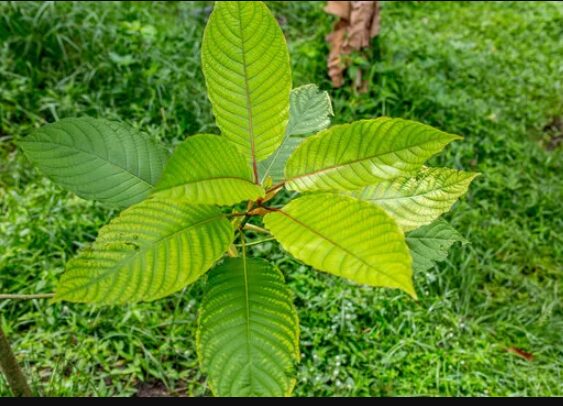
The different types of Thai Kratom are carefully cultivated, harvested, dried, and processed in compliance with international regulations. Quality is of utmost importance, and the Kratom powder is finely grounded to a consistent, powdered floor-like texture to ensure its easy dissolution and absorption.
To ensure the purity and high quality of Thai Kratom, each batch received from farmers undergoes thorough testing six times for heavy metals, microbes, and alkaloid concentrations. Packaging is also done in a controlled environment to prevent airborne microbes from contaminating the powder.
The Red Kratom strain is widely known for its sedative effects, while the White Kratom strain is recognized for its energizing and mood-elevating properties, making it the ideal strain for social settings. On the other hand, Green Kratom provides the social benefits of White Kratom while having the pain alleviating and relaxing qualities of Red Kratom.
Quality Thai Kratom is obtained by harvesting white-veined leaves for White Thai Kratom and green-veined leaves for Green Thai Kratom. Red Thai Kratom is made from red-veined leaves. The Kratom tree grows naturally in the tropical regions of Thailand, and local farmers cultivate it for commercial purposes in open farms where nutrient-rich soils and sunlight are abundant.
The Thai Kratom tree can grow up to 80 feet tall and its leaves persist throughout the year, shedding mature leaves to pave the way for new ones. Harvesting period is critical, and the color of the leaf veins is carefully observed to predict the appropriate time of harvest for a particular strain. Kratom leaves undergo significant changes throughout their lifecycle, responsible for alkaloid balance shifts at the chemical level.

The drying and processing of Thai Kratom is crucial to its potency. Once the leaves are picked and cleaned, they are hung on racks to dry in an air-conditioned room, avoiding any exposure to light. The drying process continues outdoors under direct sunlight, affecting the alkaloid concentration and overall potency of the leaves. Kratom grinding is done using industrial grade grinders, capable of processing large volumes of Kratom leaves simultaneously.
Thai Kratom has been used for centuries by indigenous communities in Thailand, Indonesia, and other Southeast Asian regions. Today, its various uses have made it one of the most coveted herbal supplements worldwide.
Thai Kratom dosage varies for each individual, but a general guide recommends 1-2 grams for focus and concentration, 3-4 grams for moderate discomfort alleviation and focus, and 4-6 grams for relaxation and pain alleviation.

Thai Kratom: A Comprehensive Guide to the Botanical Treasure of Southeast Asia
Thai kratom, scientifically known as Mitragyna speciosa, is a remarkable plant native to the lush forests of Southeast Asia, particularly Thailand. This botanical treasure has been revered by local communities for its traditional medicinal properties, used for self-treatment of various ailments such as pain and diabetes.
Recent scientific research has shed light on the intriguing anti-obesity effects of Thai kratom, specifically the green and red vein varieties. Studies have shown that these kratom strains can inhibit key enzymes involved in fat metabolism and carbohydrate digestion, such as alpha-glucosidase, lipase, and acetyl-carboxylase 1 (ACC1). This suggests that regular consumption of Thai kratom may help reduce blood triglyceride levels and body mass index (BMI) in healthy individuals.
Thai kratom is available in various forms, including powder, with the red vein Thai kratom powder being a popular choice among enthusiasts. These powders can be purchased from reputable vendors, where they are offered in different weight sizes to cater to individual needs and preferences.
Cultivating Thai Kratom: A Tropical Delight
For those interested in cultivating their own Thai kratom, it is important to understand the specific requirements of this tropical plant. Kratom trees thrive in hot, humid environments that mimic the conditions of their native Southeast Asian habitats. Growers must provide the right soil composition, ample moisture, and appropriate lighting to ensure the healthy growth of their kratom trees.
Feeding the Kratom Tree: A Nutrient-Rich Regimen
As the kratom tree matures, it becomes increasingly voracious, requiring a steady supply of water and essential minerals to support its rapid growth. Innovative techniques, such as using a fan to simulate wind and increase the potency of the leaves, can also be employed to enhance the overall quality of the kratom harvest.
Harvesting the Kratom Leaves: A Delicate Process
Harvesting the kratom leaves is a delicate process that requires careful consideration. Growers must wait for the leaves to fully develop and naturally drop from the tree, ensuring that the alkaloid content is at its peak. Once harvested, the leaves can be processed into a fine powder, which can then be used to brew a traditional Thai kratom tea.
Responsible Consumption: Exercising Caution
It is important to note that while kratom has been used safely for centuries in its native regions, it is crucial to exercise caution and moderation when consuming this botanical. Kratom use can potentially lead to dependence and other side effects, particularly with long-term or excessive use. Consulting with healthcare professionals and thoroughly researching the risks and benefits is strongly advised before incorporating kratom into one’s lifestyle.
The Legal Landscape
For those interested in exploring the world of Thai kratom, whether through cultivation or consumption, it is essential to stay informed and comply with all relevant laws and regulations. Kratom legality varies across different regions, and it is the responsibility of the individual to ensure they are operating within the bounds of the law.
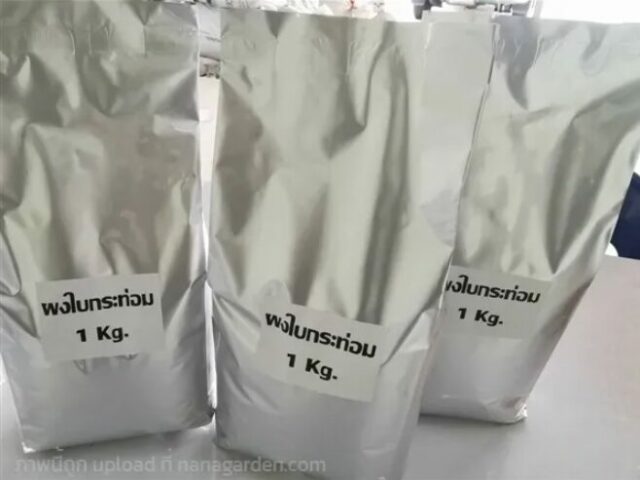
Unlocking the Potential of Thai Kratom
Thai kratom is a remarkable botanical with a rich history and a wealth of potential therapeutic applications. From its traditional uses in Southeast Asia to its emerging scientific applications, this plant continues to captivate the interest of researchers, enthusiasts, and the general public alike. By understanding the nuances of Thai kratom cultivation and responsible consumption, individuals can embark on a journey of discovery and potentially unlock the many benefits this unique plant has to offer.