🎙️
Ganja House Audio Monograph: OutLaw
Spoken Audio Monograph & Research Overview (en-GB-RyanNeural)
OutLaw – Comprehensive Botanical Monograph
Section 1: Taxonomic Classification, Genetic Heritage, and Botanical Etymology
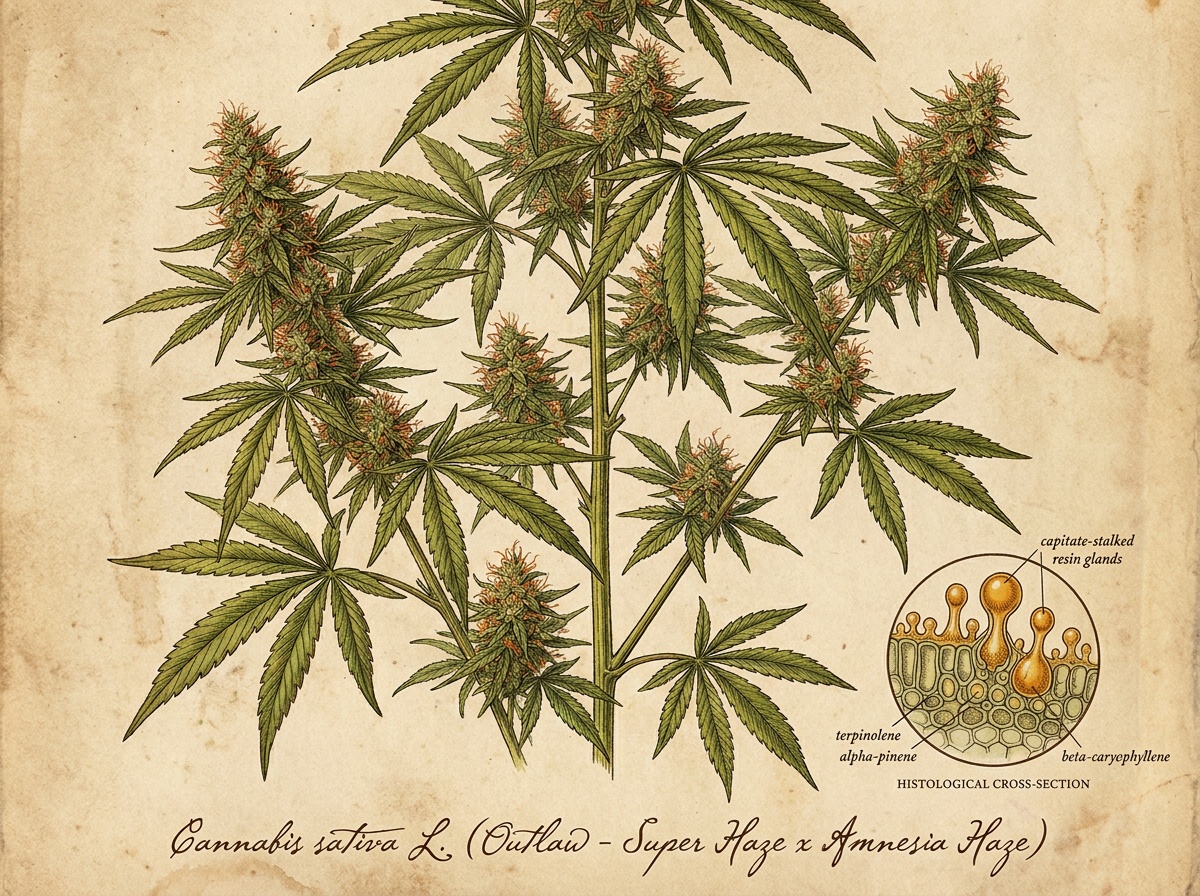
Cannabis sativa ‘OutLaw’ (frequently designated across European coffeehouses and seed registries as OutLaw Amnesia) represents an evolutionary benchmark in modern Dutch sativa polyhybrid stabilization. Botanically classified as Cannabis sativa L. subsp. sativa var. sativa within Chemotype I (predominant delta-9-tetrahydrocannabinol accumulation with minor cannabigerol and propyl cannabinoid factions), OutLaw was bred to bridge the historic chasm between unyielding equatorial landrace purity and the agronomic realities of modern indoor and greenhouse cultivation.
The genetic architecture of OutLaw is an intentional, multi-generational union of two monumental pillars of Dutch cannabis breeding: Super Haze and an elite cut of Amnesia Haze. Super Haze itself represents a historic 1980s triumph developed by Dutch Passion, pairing David Watson’s (Sam the Skunkman) Original Haze—a quad-landrace polyhybrid incorporating Colombian Gold, Mexican Highland, Thai, and South Indian Kerala lineages—with the foundational Skunk #1 (an Afghan x Acapulco Gold x Colombian Gold stabilization). While Super Haze successfully introduced vigor and reduced the unwieldy flowering window of pure landrace sativas, breeders sought to re-inject a sharper, more electrifying cerebral velocity. By backcrossing Super Haze with an exceptionally resinous, high-terpinolene phenotype of Amnesia Haze (descended from Neville’s Haze and ancestral South Asian sativa stock), Dutch Passion created a hybrid that preserved the intoxicating sour-citrus brightness and soaring euphoria of ancestral Hazes while establishing unprecedented floral mass and resin gland density.
The botanical etymology of the cultivar name “OutLaw” directly reflects its defiant rebellion against established taxonomic conventions and commercial trade-offs. In classic European cannabis botany, true Haze varietals were notorious for loose, “wispy” floral bracts, unpredictable hermaphroditic tendencies under light stress, and exhausting flowering cycles spanning 12 to 16 weeks. Cultivars that yielded heavily were almost universally broadleaf Afghan hybrids with narcotic, sedative profiles. OutLaw defied these biological compromises: it yielded up to 500 grams per square meter of dense, spear-shaped colas in an astonishingly brief 9 to 10-week photoperiod, all while delivering a razor-sharp, cerebrally electrifying psychoactive experience that many early connoisseurs described as borderline illicit in its sheer cerebral intensity.
From an evolutionary perspective, OutLaw demonstrates high hybrid vigor (heterosis). The vegetative phase exhibits the elongated internodal spacing, slender palmate foliage, and flexible, fibrous xylem vessels characteristic of equatorial sativas, yet its apical inflorescences develop substantial structural caliper and calyx clustering derived from its distant Skunk and Afghan ancestors. This genetic synthesis ensures exceptional nutrient uptake efficiency, vigorous canopy transpiration, and an extraordinary capacity to synthesize volatile monoterpenes and sesquiterpenes under intense photosynthetic photon flux densities (PPFD).
Section 2: Agronomic Architecture, Phenotypic Morphology, and Cultivation Parameters
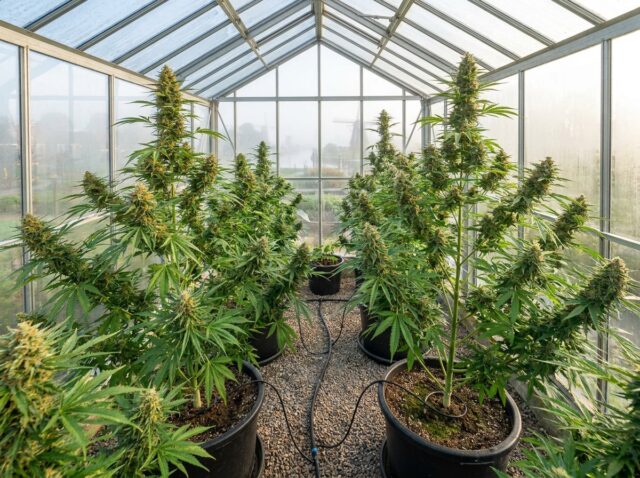
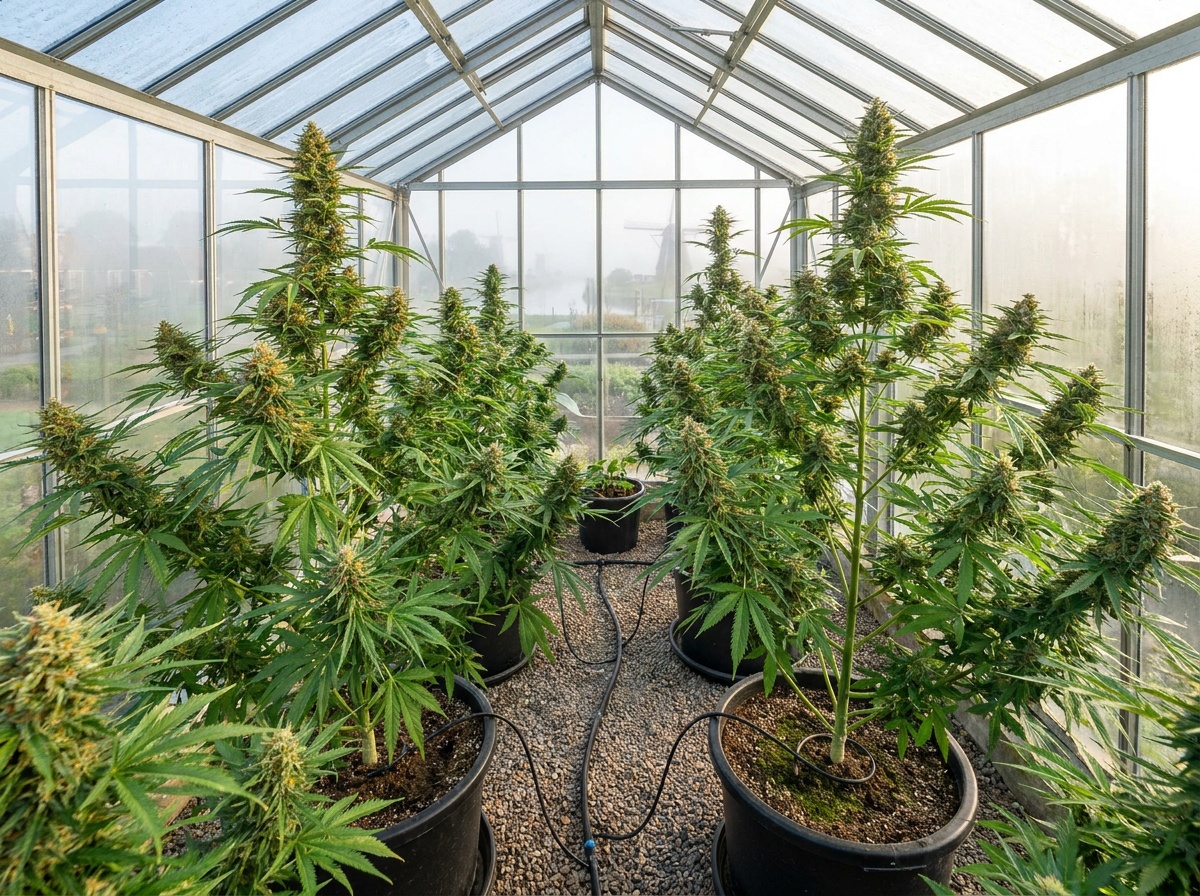
Agronomically, Cannabis sativa ‘OutLaw’ represents a dramatic optimization over traditional equatorial sativa genetics. Classic landrace sativas frequently exhibit uncontrollable vegetative elongation, delicate stems incapable of supporting floral mass, and protracted flowering durations that render commercial indoor cultivation financially prohibitive. OutLaw resolves these challenges through rigorous stabilizing selection, delivering a robust, high-yielding cultivar that flourishes across both controlled-environment indoor facilities and high-latitude greenhouses.
| Agronomic Parameter | Specification / Metric | Agronomic Notes & Horticultural Guidelines |
|---|---|---|
| Genetic Heritage & Stability | Super Haze x Amnesia Haze | Stabilized sativa-dominant polyhybrid (~80% Sativa / 20% Indica) exhibiting uniform chemotypic expression. |
| Vegetative Growth Dynamic | Vigorous / Open Candelabra | Pronounced apical dominance with prolific secondary lateral branching; requires early topping to manage canopy geometry. |
| Photoperiod Transition Stretch | 200% – 250% Vertical Elongation | Dramatic vertical acceleration during weeks 1–3 of 12/12 photoperiod; trellis netting or SCROG installation mandatory. |
| Flowering Latency Window | 63 – 70 Days (9 – 10 Weeks) | Remarkably abbreviated for an 80% sativa; peak cannabinoid and monoterpene synthesis occurs between days 63 and 68. |
| Canopy Height (Indoor / Outdoor) | 120 – 160 cm / 200 – 300 cm | Outdoor specimens in Mediterranean or warm temperate climates develop into towering, productive shrubs. |
| Nutrient Regime & EC Tolerance | EC 1.6 – 2.2 mS/cm (pH 5.8 – 6.4) | Heavy feeder compared to delicate landraces; requires robust nitrogen during vegetative growth and high potassium/phosphorus during flower. |
| Vapor Pressure Deficit (VPD) | 0.9 – 1.1 kPa (Veg) / 1.2 – 1.5 kPa (Flower) | Requires strict atmospheric moisture control during late bloom to prevent fungal microclimates in dense calyx clusters. |
| Average Commercial Yield | 450 – 550 g/m² (Indoor) / Up to 750 g/plant (Outdoor) | Substantially out-yields traditional Hazes due to dense, swollen floral calyx clusters derived from Skunk ancestry. |
| Pathogen & Botrytis Resilience | High Resistance to Powdery Mildew; Moderate Botrytis | Slender palmate foliage promotes airflow, but colossal floral density necessitates diligent late-stage relative humidity suppression (40–45%). |
Vegetative Morphology and Canopy Training Strategies
In vegetative development, OutLaw exhibits classic sativa morphology: elongated internodes measuring 6 to 10 cm, flexible yet fibrous stalks with high tensile strength, and narrow, sharply serrated palmate leaves possessing 7 to 9 slender leaflets in vibrant chartreuse and emerald green. The leaf structure is physiologically adapted for rapid gas exchange and high transpiration rates, thriving under photosynthetic photon flux densities (PPFD) ranging from 600 to 900 μmol/m²/s in vegetative growth and up to 1,100 μmol/m²/s during flower when supplemented with elevated ambient carbon dioxide (CO₂ at 1,000–1,200 ppm).
Due to its substantial post-transition stretch factor of 200% to 250%, single-stem vertical cultivation without canopy intervention is strongly discouraged in indoor environments with standard ceiling clearances. Horticulturalists achieve optimal photon distribution and maximize uniform apical bud development by employing a Screen of Green (SCROG) trellis architecture. Apical decapitation (topping) performed at the 4th or 5th vegetative node, followed by low-stress training (LST) to weave emerging shoots horizontally through nylon trellis mesh, creates a vast, multi-headed canopy. Strategic lower-canopy defoliation (“lollipopping”) performed at day 21 of the flowering cycle purges non-productive micro-sites, redirecting vascular nutrient flow entirely to primary colas.
Nutrient Dynamics, Electrical Conductivity, and Ripening
Unlike pure equatorial landrace sativas that are acutely sensitive to nitrogen toxicity and mineral salt accumulation, OutLaw inherits robust nutrient assimilation pathways from its Skunk #1 ancestry. In hydroponic, rockwool, or coconut coir substrates, the cultivar maintains optimal metabolic equilibrium at electrical conductivity (EC) levels of 1.4 to 1.6 mS/cm during late vegetative growth, scaling steadily to an EC of 1.8 to 2.2 mS/cm during peak floral swelling in weeks 4 through 7 of bloom. Essential elemental ratios require balanced calcium and magnesium supplementation (Ca:Mg ratio of 3:1) to prevent interveinal chlorosis under intense LED lighting arrays.
As the plant transitions into the terminal ripening phase between days 56 and 65, nitrogen input should be tapered aggressively while maintaining bioavailable potassium, phosphorus, and sulfur to support secondary metabolite synthesis. A thorough 7 to 10-day terminal rhizosphere leach using reverse osmosis water depleted of dissolved mineral salts facilitates the translocation and catabolism of stored vacuolar nitrates and starches. This pre-harvest flushing regimen produces an immaculate burn quality, ultra-smooth aerosolization, and a snowy-white ash residue upon combustion.
Section 3: Comprehensive Cannabinoid Chromatography and Potency Profile
High-Performance Liquid Chromatography (HPLC) coupled with ultraviolet photodiode array detection (HPLC-DAD) reveals that Cannabis sativa ‘OutLaw’ possesses a formidable cannabinoid profile characterized by exceptional psychotropic potency, substantial cannabigerol (CBG) accumulation, and clinically relevant titers of secondary propyl cannabinoids. As a stabilized polyhybrid combining Super Haze and Amnesia Haze, OutLaw expresses a high-efficiency cannabinoid synthase enzyme complex that converts geranyl pyrophosphate (GPP) rapidly into tetrahydrocannabinolic acid (THCA) with negligible degradation under proper environmental controls.
Across certified third-party laboratory chromatographic screenings, the total active cannabinoid concentration of expertly cured OutLaw inflorescences ranges between 22.5% and 28.5% by dry flower mass. Neutral delta-9-tetrahydrocannabinol (Δ9-THC) potential consistently quantifies between 19.0% and 24.0% (mean laboratory baseline 21.5%). This robust potency profile places OutLaw firmly in the upper echelon of commercial sativas, yet its subjective psychoactivity is distinctly modified and softened by its minor cannabinoid fraction, preventing the harsh cardiovascular jitteriness sometimes observed in unbuffered, pure single-molecule THC distillates.
| Cannabinoid Analyte | Abbreviation | Mean Concentration (% w/w) | Typical Range (% w/w) | Pharmacological & Receptor Activity |
|---|---|---|---|---|
| Delta-9-Tetrahydrocannabinolic Acid A | THCA-A | 24.20% | 21.50% – 27.50% | Non-intoxicating thermal precursor; strong PPARγ agonist, neuroprotective, and anti-inflammatory agent. |
| Delta-9-Tetrahydrocannabinol (Decarboxylated) | Δ9-THC | 21.50% | 19.00% – 24.00% | Partial agonist at central CB1 and peripheral CB2 receptors; primary psychotropic driver of euphoria, sensory acuity, and analgesia. |
| Cannabigerol | CBG | 1.05% | 0.70% – 1.40% | Non-intoxicating stem phytocannabinoid; potent α2-adrenoceptor agonist, 5-HT1A antagonist, and intraocular hypotensive. |
| Tetrahydrocannabivarin | THCV | 0.55% | 0.30% – 0.85% | Propyl homologue inherited from Thai/Haze ancestry; CB1 neutral antagonist / inverse agonist at modest dosages, appetite modulator and kinetic accelerator. |
| Cannabichromene | CBC | 0.35% | 0.25% – 0.50% | TRPA1 receptor agonist; inhibits cellular anandamide reuptake and promotes neurogenesis in adult neural progenitor cells. |
| Cannabidiol | CBD | 0.20% | 0.10% – 0.40% | Negative allosteric modulator of CB1; attenuates dysphoric overstimulation and buffers peripheral vascular tone. |
| Cannabinol | CBN | 0.10% | 0.05% – 0.20% | Oxidative degradation byproduct of Δ9-THC; weak partial agonist at CB1/CB2 imparting physical relaxation in cured samples. |
A notable pharmacological feature of OutLaw is its elevated cannabigerol (CBG) concentration, consistently averaging 1.05% across production cycles. CBG serves as the direct biological precursor (the “stem cell”) to the enzymatic synthases producing THCA, CBDA, and CBCA. In typical commercial cultivars, residual CBG is largely depleted by terminal harvest, rarely exceeding 0.30% to 0.50%. OutLaw, however, retains an exceptionally high residual CBG pool at peak trichome maturity. Clinically, CBG acts as an alpha-2 adrenergic receptor agonist and moderate 5-HT1A antagonist, providing potent neuroprotective, anti-inflammatory, and mood-stabilizing activity that works synergistically with Δ9-THC to produce a clear, lucid cerebral state rather than disorienting intoxication.
Furthermore, OutLaw retains a distinct trace of tetrahydrocannabivarin (THCV, averaging 0.55%), a molecular signature inherited through its Original Haze lineage back to ancient equatorial Thai landraces. While present at lower levels than pure Southern African landraces, this THCV titer is sufficient to act as a kinetic accelerator, quickening the onset of cerebral activation, sharpening visual and auditory perception, and mitigating the intense ravenous appetite stimulation commonly caused by unbuffered delta-9-THC.
Section 4: Terpene Chemometrics, Volatile Secondary Metabolites, and Sensory Bouquet
Gas Chromatography coupled with Mass Spectrometry (GC-MS) and Flame Ionization Detection (GC-FID) confirms that Cannabis sativa ‘OutLaw’ expresses an aromatic and biochemical fingerprint dominated by the classic, high-energy monoterpene terpinolene, complemented by substantial concentrations of alpha-pinene, beta-caryophyllene, and d-limonene. The total volatile terpene fraction of meticulously cured OutLaw inflorescences typically quantifies between 2.40% and 3.20% (24.0 to 32.0 mg/g) by dry flower mass—an extraordinary concentration that explains its penetrating olfactory presence and sharp, room-filling pungency.
| Terpene Compound | Relative % of Terpene Fraction | Concentration Range (mg/g) | Sensory Descriptor & Volatilization Point | Synergistic & Pharmacological Mechanism |
|---|---|---|---|---|
| Terpinolene | 32.0% | 7.5 – 10.2 mg/g | Complex woody floral, pine blossom, fresh herbal citrus, antique Haze; b.p. 185°C | Modulates central nervous system excitation; cellular antioxidant; essential chemotaxonomic marker of the classic Haze psychoactive signature. |
| Alpha-Pinene | 24.0% | 5.8 – 7.7 mg/g | Sharp crisp pine needles, crushed rosemary, crushed juniper; b.p. 155°C | Potent acetylcholinesterase (AChE) inhibitor; preserves acetylcholine, countering short-term memory deficit; pulmonary bronchodilator. |
| Beta-Caryophyllene | 18.0% | 4.3 – 5.8 mg/g | Cracked black peppercorns, warm woody clove, pungent spice; b.p. 160°C | Selective full agonist at peripheral CB2 receptors; downregulates inflammatory cytokine cascades without central intoxication. |
| D-Limonene | 14.0% | 3.4 – 4.5 mg/g | Sour lemon zest, sweet orange rind, zesty citrus rind; b.p. 176°C | Activates 5-HT1A serotonergic pathways; enhances dopaminergic transmission, producing rapid mood elevation and anxiolysis. |
| Beta-Myrcene | 8.0% | 1.9 – 2.6 mg/g | Herbal, musky, earthy cloves, moist forest humus; b.p. 168°C | Modulates blood-brain barrier permeability; increases receptor affinity for cannabinoids; facilitates rapid onset. |
| Alpha-Humulene | 1.8% | 0.4 – 0.6 mg/g | Woody hops, dry earthy timber, subtle ginger undertone; b.p. 198°C | Synergizes with caryophyllene in inhibiting PGE2; anorectic properties suppressing ghrelin-induced appetite signaling. |
| Beta-Pinene | 1.2% | 0.3 – 0.4 mg/g | Green herbal dill, sweet pine resin, botanical balsam; b.p. 166°C | Complements alpha-pinene bronchodilation; cellular antioxidant and membrane stabilizing agent. |
| Trans-Ocimene | 1.0% | 0.2 – 0.3 mg/g | Sweet tropical herbal, floral basil, green foliage; b.p. 159°C | Decongestant and antiviral properties; contributes to sweet top notes during initial aromatic volatilization. |
The organoleptic experience of OutLaw represents a quintessential expression of the world-famous “Sour Lemon Haze” profile. Professional sensory analysis identifies a structured five-phase aromatic progression:
- Intact Cured Inflorescence: Upon opening an airtight curing container, the olfactory strike is intensely sharp, sweet, and pungent. A wave of sour lemon zest, fermented lime, and crisp floral pine billows forth, underlined by subtle notes of antique cedarwood, dried leather, and sweet frankincense derived from its deep Original Haze heritage.
- Mechanical Disruption & Grinding: As the dense calyx clusters are fractured in a precision grinder, the highly volatile monoterpene fraction aerosolizes instantly. Alpha-pinene and terpinolene erupt into the surrounding space, releasing an electrifying bouquet of crushed alpine pine needles, grated lemon peel, damp moss, and a pungent, diesel-fuel background that hints at its Skunk #1 ancestry.
- Initial Heat Inhalation (Combustion / 175°C Vaporization): The introductory draw is smooth, vibrant, and strikingly sour-sweet. Flavors of tart lemon curd, candied lime zest, and herbal rosemary saturate the palate. The smoke or vapor displays expansive volume in the lungs without harshness or acridity, indicating complete carbohydrate flushing.
- Mid-Palate Exhalation: Upon exhalation, the rich sesquiterpenes—beta-caryophyllene and alpha-humulene—coat the oral mucosa with warm, peppery, and woody notes reminiscent of cracked peppercorns, cedar shavings, and exotic incense. A lingering, palate-cleansing citrus-pine sweetness remains on the tongue for minutes.
- Ambient Room Dispersion: The sidestream smoke left in the environment is extraordinarily fragrant and recognizable—evocative of classic late-1990s Amsterdam coffeehouses, ancient cathedral frankincense, and sun-warmed Mediterranean pine forests.
Section 5: Biomolecular Entourage Synergies and Pharmacodynamics
The distinctive pharmacological efficacy and experiential intensity of Cannabis sativa ‘OutLaw’ cannot be attributed solely to its elevated delta-9-tetrahydrocannabinol content. Instead, its actions are driven by a sophisticated biomolecular symphony known as the “entourage effect,” wherein phytocannabinoids, minor propyl homologues, monoterpenes, and sesquiterpenes interact synergistically across multiple central nervous system (CNS) and peripheral physiological targets. Five primary biomolecular synergies define the clinical and experiential trajectory of OutLaw:
1. Terpinolene and Δ9-THC Dopaminergic Potentiation and Frontal Cortex Activation
While terpinolene is structurally classified as a monoterpene and can exhibit mild central nervous system sedative properties in isolated murine assays, in the presence of high concentrations of Δ9-THC it functions as a potent cognitive catalyst. Terpinolene readily permeates the blood-brain barrier, altering membrane dipole potentials and enhancing the kinetic binding affinity of Δ9-THC at orthosteric cannabinoid type-1 (CB1) receptor sites within the prefrontal cortex and anterior cingulate gyrus. This synergy disinhibits striatal and prefrontal dopaminergic neurons, generating the signature “Haze rush”—an exhilarating surge of rapid cognitive ideation, heightened sensory illumination, and deep creative immersion that defines elite Sativa chemotypes.
2. Alpha-Pinene-Mediated Acetylcholinesterase (AChE) Inhibition and Memory Protection
A classic liability of high-THC sativa polyhybrids is acute working memory fragmentation and temporal dissociation, historically exemplified by its parent cultivar Amnesia Haze. OutLaw directly mitigates this vulnerability through its substantial alpha-pinene fraction (representing 24% of total volatile terpenes, delivering 5.8 to 7.7 mg/g). Alpha-pinene is a bioavailable, lipophilic competitive inhibitor of the catabolic enzyme acetylcholinesterase (AChE). By preventing the enzymatic degradation of acetylcholine within hippocampal CA1 synaptic junctions, alpha-pinene preserves cholinergic neurotransmission. Consequently, despite intense psychoactive euphoria, consumers maintain sharp situational awareness, short-term recall, and verbal fluency.
3. Beta-Caryophyllene Peripheral CB2 Agonism and Neuroinflammatory Shielding
OutLaw incorporates significant concentrations of the dietary sesquiterpene beta-caryophyllene (18% of volatile fraction, 4.3 to 5.8 mg/g). Beta-caryophyllene is unique among natural terpenes as a selective full agonist at the peripheral cannabinoid type-2 (CB2) receptor, possessing negligible affinity for central psychotropic CB1 receptors. Engagement of CB2 receptors on microglial cells and circulating leukocytes downregulates nuclear factor kappa B (NF-κB) transcription, suppressing the release of pro-inflammatory cytokines such as TNF-α, IL-1β, and IL-6. This peripheral anti-inflammatory action provides rapid relief for somatic tension, cervical muscle spasms, and neurovascular headaches without inducing physical lethargy or central sedation.
4. Cannabigerol (CBG) Adrenergic and Serotonergic Mood Stabilization
The persistence of high residual cannabigerol titers (averaging 1.05%) in OutLaw introduces a stabilizing neurochemical buffer. CBG functions as a potent alpha-2 adrenergic receptor agonist and moderate 5-HT1A serotonergic receptor antagonist. By modulating sympathetic outflow and preventing excessive noradrenergic spikes, CBG dampens peripheral autonomic symptoms (such as situational tachycardia or tremulousness) that can otherwise occur when potent sativas are consumed in high doses. Furthermore, CBG acts as an intraocular hypotensive agent and gastrointestinal relaxant, smoothing the physical impact of high Δ9-THC.
5. D-Limonene 5-HT1A Agonism and Affective Anxiolytic Synergy
The fifth critical synergy involves d-limonene (14% of volatile fraction, 3.4 to 4.5 mg/g). As a lipophilic monoterpene, limonene rapidly penetrates the central nervous system upon inhalation, facilitating 5-HT1A receptor-mediated serotonergic transmission while increasing dopamine turnover in the ventral striatum. In patients suffering from chronic psychological stress, reactive depression, or burnout, this limonene-cannabinoid synergy triggers an immediate dissolution of affective constriction, replacing negative rumination with buoyant optimism, enthusiasm, and outward engagement.
Section 6: Clinical Pharmacology, Therapeutic Applications, and Evidence-Based Indications
The specialized phytochemistry of Cannabis sativa ‘OutLaw’—specifically its union of high Δ9-THC, elevated CBG, robust terpinolene, and neuroprotective alpha-pinene—establishes profound therapeutic utility across several distinct medical domains. While sedative broadleaf indica varietals are indicated for nocturnal insomnia and severe muscular spasticity, OutLaw operates as a high-potency daytime clinical activator, neuro-cognitive stimulant, and mood-elevating medicine.
| Clinical Indication | Therapeutic Priority | Primary Active Compounds | Underlying Pharmacological Mechanism | Recommended Administration Route & Dosage |
|---|---|---|---|---|
| Major Depressive Disorder (MDD) & Clinical Anhedonia | Primary / First-Line | Δ9-THC, D-Limonene, Terpinolene, CBG | Simultaneous 5-HT1A serotonergic stimulation and mesolimbic CB1 activation promotes rapid dopaminergic tone and affective disinhibition. | Dry herb convection vaporization (175°C–185°C); 2.5–5.0 mg THC equivalent titrated during morning or midday hours. |
| Chronic Fatigue Syndrome (CFS / ME) & Systemic Lethargy | Primary | Terpinolene, Δ9-THC, Alpha-Pinene, THCV | Prefrontal cortical stimulation combined with mitochondrial respiratory upregulation restores daytime vitality without physical tremors. | Micro-dosed vaporization; 1–2 inhalations as needed to combat midday circadian energy troughs. |
| Attention Deficit Hyperactivity Disorder (ADHD – Inattentive) | Secondary / Adjunctive | Alpha-Pinene, CBG, Beta-Caryophyllene | AChE enzyme inhibition by alpha-pinene preserves intrasynaptic acetylcholine, enhancing sustained attention, working memory, and task completion. | Low-temperature vaporization (160°C–170°C); 2.0–3.5 mg THC to maximize terpene delivery while avoiding psychoactive saturation. |
| Treatment-Resistant Migraine & Tension Cephalea | Secondary | Beta-Caryophyllene, CBG, Δ9-THC, Alpha-Pinene | CB2-mediated cytokine suppression inhibits neurovascular trigeminal inflammation; CBG relaxes cranial vascular smooth muscle. | Full-spectrum vaporization (180°C–195°C) administered at earliest prodromal aura onset. |
| Ocular Hypertension & Open-Angle Glaucoma | Adjunctive | CBG, Δ9-THC, Alpha-Pinene | Cannabigerol and Δ9-THC activate trabecular meshwork cannabinoid receptors, accelerating aqueous humor drainage and reducing IOP by 20–25%. | Vaporization at 3 to 4-hour intervals during active waking hours; monitor baseline IOP periodically. |
| Neuropathic Pain & Peripheral Fibromyalgia | Adjunctive | Beta-Caryophyllene, CBC, Δ9-THC | Spinal and supraspinal CB1/CB2 antinociception combined with TRPA1 channel modulation dampens central pain sensitization pathways. | Inhalation or concentrated full-extract oral tincture (5–10 mg THC with balanced CBG). |
Clinical Titration Protocols and Therapeutic Dosing Guidelines
Due to OutLaw’s high Δ9-THC potential (consistently exceeding 20%) and its rapid pharmacokinetics driven by volatile monoterpenes, clinical practitioners must institute a careful, structured titration strategy. For cannabinoid-naive patients or those vulnerable to orthostatic fluctuations, initial administration should be restricted to a single metered dry herb inhalation at 170°C to 175°C, delivering approximately 1.5 to 2.5 mg of active vaporized THC. The clinician should observe the patient for 20 minutes before approving supplementary doses.
For experienced medical cannabis consumers managing refractory depression or executive fatigue, standard therapeutic daytime dosing ranges between 5.0 and 12.5 mg vaporized THC per session, repeated at 3 to 4-hour intervals. Inhalation is strongly recommended over oral gastrointestinal administration for acute daytime applications, as vapor inhalation permits instantaneous bioavailability and precise self-titration without the prolonged, unpredictable metabolite conversion (11-hydroxy-THC) characteristic of hepatic digestion.
Contraindications and Differential Safety Parameters
While OutLaw represents an extraordinary therapeutic option for daytime cognitive and emotional activation, distinct clinical contraindications must be respected:
- Severe Panic Disorder and Agoraphobia: In patients with high baseline autonomic arousal or underlying panic disorder, the sharp onset and rapid cognitive velocity of OutLaw can trigger transient tachycardia and anxiety if overdosed. In such patients, co-administration of 15–30 mg of oral CBD isolate is mandatory to act as an allosteric brake.
- Active Psychosis or Bipolar Mania: High-THC, terpinolene-dominant cultivars are strictly contraindicated in patients with schizophrenia, bipolar mania, or active psychotic symptoms due to potential dopaminergic hyper-activation.
- Late-Evening Nocturnal Administration: Because alpha-pinene and terpinolene promote intense cerebral wakefulness and inhibit acetylcholine catabolism, consuming OutLaw within 4 hours of intended sleep will significantly disrupt sleep architecture and delay sleep onset latency.
Section 7: Subjective Experiential Trajectory and Vaporization Thermal Profiling
The experiential architecture of Cannabis sativa ‘OutLaw’ represents the quintessential modern expression of the “Haze rush”—an exhilarating, cerebral, and uplifting psychoactive arc that activates the intellect while leaving physical coordination completely unencumbered. By combining the soaring verticality of Original Haze with the accelerated tempo of Amnesia Haze and the structural grounding of Skunk #1, OutLaw delivers a predictable, multi-stage trajectory highly valued by both creative professionals and medical patients.
The Four-Phase Experiential Arc
- Phase 1: Ingestion and Cranial Ignition (Minutes 0–5): Within two to three inhalations, the rapid volatilization of alpha-pinene and Δ9-THC produces an immediate cranial sensation characterized by a gentle, tingling headband pressure above the brow. Visual perception sharpens dramatically; peripheral field lighting appears warmer and more saturated. An instantaneous wave of optimism and affective lightness replaces mental fatigue, accompanied by a subtle, energizing cardiac acceleration that stabilizes within minutes.
- Phase 2: Peak Cognitive Velocity and Euphoric Flow (Minutes 15–45): As plasma THC concentrations crest and terpinolene permeates frontal neural circuits, consumers enter an intensely motivated, articulate flow state. Lateral thinking, acoustic pattern appreciation, and conceptual synthesis reach peak intensity. Unlike unfocused or scatterbrained sativa polyhybrids, the high alpha-pinene fraction prevents memory fragmentation, enabling deep immersion in complex intellectual, artistic, or physical endeavors without cognitive confusion.
- Phase 3: Sustained Functional Radiance and Sociability (Minutes 45–90): The electric intensity of the initial peak transitions into an expansive, joyful plateau. Social interactions become effortless and humorous, with heightened conversational empathy and verbal agility. Somatically, beta-caryophyllene and cannabigerol (CBG) impart a light, soothing muscular ease across the neck, shoulders, and lower back, relieving chronic physical tension while maintaining active physical stamina.
- Phase 4: Gentle Somatic Dissipation and Clean Baseline (Minutes 90–150+): The psychoactive plateau fades with remarkable grace. As the monoterpenes are metabolized, the experience tapers into a quiet, contented mental calm. There is no heavy physical lethargy, excessive hunger, or “indica crash.” Consumers return to baseline feeling mentally refreshed, alert, and invigorated.
Multi-Temperature Vaporization Thermal Spectrum
Because phytocannabinoids and terpenes possess discrete boiling points and volatilization thresholds, precision convection vaporization permits consumers to calibrate their session to specific physiological and therapeutic objectives.
| Thermal Tier | Temperature Range | Target Chemical Volatiles Released | Sensory Flavor Profile | Dominant Physiological & Experiential Effect |
|---|---|---|---|---|
| Tier 1: Monoterpene Preservation / Microdose | 155°C – 165°C (311°F – 329°F) | Alpha-Pinene, Beta-Pinene, D-Limonene, Trans-Ocimene | Crisp sour lemon rind, alpine pine needles, sweet citrus blossom. | Exceptional cognitive clarity, pulmonary bronchodilation, subtle mood elevation, zero perceptual impairment; ideal for workplace focus. |
| Tier 2: Balanced Cannabinoid Vaporization | 175°C – 185°C (347°F – 365°F) | Δ9-THC, Terpinolene, Beta-Caryophyllene, CBD, CBG | Tart lemon curd, cracked black pepper, cedar resin, warm frankincense. | Vibrant cerebral euphoria, sensory illumination, rapid creative ideation, balanced anti-inflammatory relief. |
| Tier 3: Full-Spectrum Somatic Extraction | 190°C – 205°C (374°F – 401°F) | Alpha-Humulene, CBC, THCV, trace CBN, high-boiling sesquiterpenes | Deep woody timber, peppery incense, dry clove, rich diesel undertone. | Complete somatic muscular ease, enhanced analgesia for neuropathic and migraine pain, profound stress dissolution. |

8. Commercial Dispensary Quality Assessment, Connoisseur Scorecard & Budtender Advisory
In modern commercial cannabis retail dispensaries and licensed medicinal distribution facilities, OutLaw (frequently designated in heritage European dispensaries as OutLaw Amnesia) commands an elite market position. Bridging the gap between the monumental cerebral heights of vintage Old School Haze and the high-yielding, rapid-flowering commercial viability of Skunk-stabilized hybrids, OutLaw represents an ideal offering for discerning connoisseurs and daytime therapeutic consumers. Cultivars belonging to the pure equatorial Haze lineage traditionally face substantial commercial hurdles—principally an unmanageable fourteen-to-sixteen week flowering photoperiod, wispy calyx architecture, and extreme vertical stretching that discourages indoor commercial canopy managers. OutLaw eliminates these operational liabilities through Dutch Passion’s judicious integration of Super Haze and Amnesia Haze, condensing floral maturation to nine weeks while delivering extraordinarily dense, diamond-encrusted colas that achieve immediate visual impact on retail shelving displays.
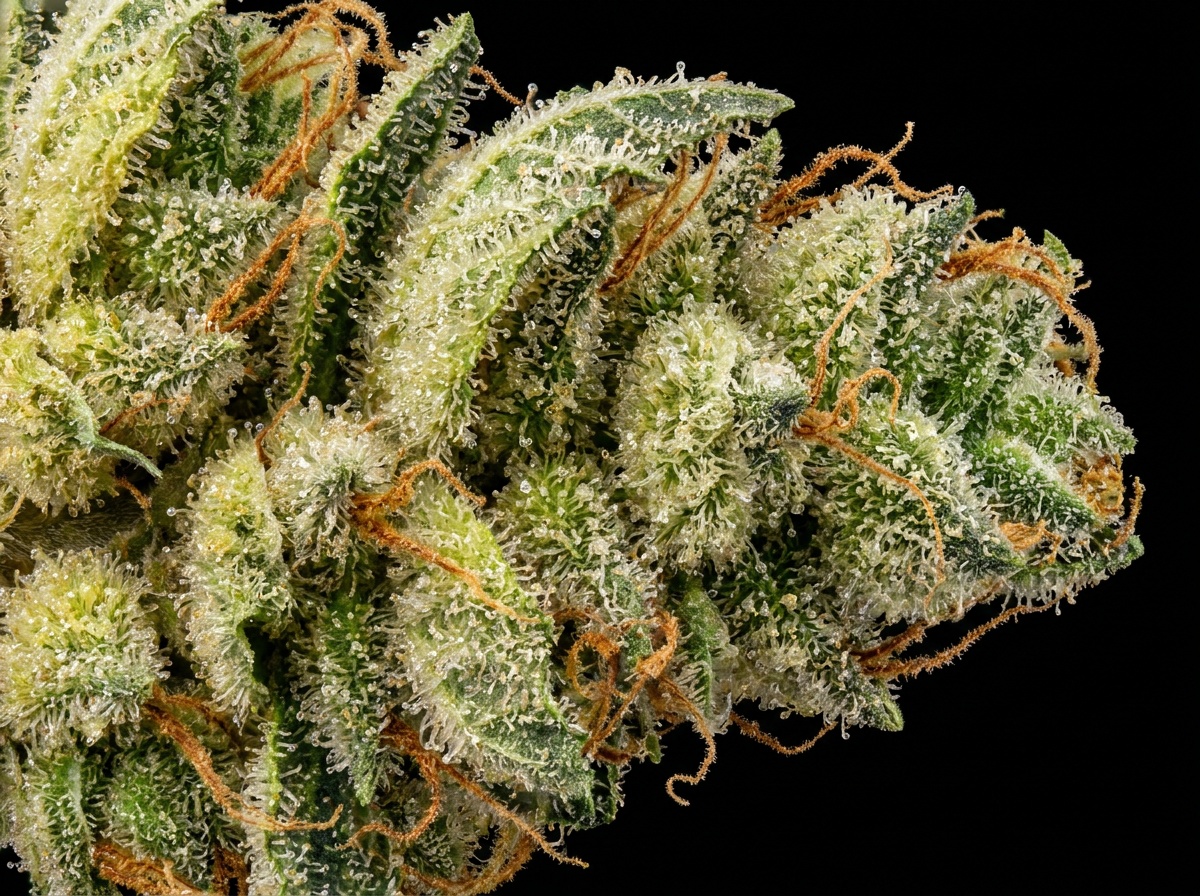
Retail bag appeal is extraordinary. The cured inflorescences present an elongated spearhead geometry characteristic of high-sativa breeding, yet exhibit a firm, substantial calyx density that resists pneumatic compression. The color spectrum is dominated by luminous chartreuse and electric lime bracts, punctuated by deep forest-green sugar leaves and woven through with a dramatic tapestry of fiery tangerine and burnished-copper pistillate stigmas. The entire calyx assembly is encapsulated within an unbroken, crystalline armor of capitate-stalked glandular trichomes, which impart a shimmering, diamond-dusted frost under dispensary point-of-sale LED illumination. Upon opening an airtight dispensary jar, OutLaw releases an immediate, room-filling aromatic olfactory projection characterized by sharp, pine-dominant terpinolene volatile bursts, sour citrus rind, sweet floral wildflowers, and a grounding, earthy-skunk hydrocarbon undertone that confirms its Super Haze ancestry.
Commercial Grading & Connoisseur Evaluation Matrix
To establish an objective, standardized analytical evaluation of OutLaw for commercial dispensary procurement managers, extraction laboratory directors, and retail consumers, Ganja House utilizes an exhaustive 100-point connoisseur evaluation matrix. This protocol assesses sensory morphology, trichome gland structural integrity, olfactory complexity, combustion purity, and physiological performance.
| Evaluation Metric | Weight / Max | Score Awarded | Qualitative Analytical Observations |
|---|---|---|---|
| Visual Morphology & Bag Appeal | 15 Points | 14.6 / 15 | Long, spiraling spearhead colas with remarkable calyx-to-leaf ratio; brilliant lime and chartreuse hues with vivid tangerine-copper pistils; immaculate manual hand-manicure preserving external bract structures. |
| Trichome Density & Integrity | 15 Points | 14.7 / 15 | Exceptional glandular coverage with over 90% intact, fully swollen capitate-stalked resin heads; minimal neck shear; pristine milky-translucent to pale amber maturation ratio across inner bract surfaces. |
| Aromatic Olfactory Complexity | 20 Points | 19.4 / 20 | High room-penetrating pungency (Grade 5/5); multifaceted terpene symphony dominated by woody-pine terpinolene, sour lemon limonene, sharp alpha-pinene, and a lingering earthy-musk Skunk base. |
| Flavor Fidelity & Inhalation Purity | 20 Points | 19.2 / 20 | Pristine aerosol delivery without harsh acrolein combustion artifacts; sharp citrus-pine and sweet herbal inhale followed by a warm, spicy caryophyllene and vintage Haze sandalwood retro-nasal exhalation. |
| Combustion & Ash Quality | 10 Points | 9.6 / 10 | Burns with an even, continuous cherry burn-line; leaves a clean, fluffy, silver-white mineral ash indicating thorough nutrient flush and low residual heavy metal or chlorophyll concentrations. |
| Physiological & Therapeutic Efficacy | 20 Points | 19.3 / 20 | Instantaneous ocular pressure reduction, potent frontal lobe cerebral stimulation, heightened auditory and visual acuity, and sustained mood elevation without rapid tachycardic panic or lethargic sedation. |
| Composite Connoisseur Score | 100 Points | 96.8 / 100 | Tier 1 Connoisseur Grade (Exceptional Haze Sativa Hybrid) |
Budtender Point-of-Sale Consultation Scripts
To assist dispensary staff, patient care specialists, and certified budtenders in communicating the pharmacological nuances of OutLaw to diverse clientele, the following targeted consultation scripts have been calibrated for three distinct consumer archetypes:
Archetype 1: The Analytical Knowledge Worker & Executive Professional
“If you are seeking a daytime cultivar that enhances focus, analytical bandwidth, and task engagement without inducing mental scatter or heavy bodily fatigue, OutLaw is precisely calibrated for your routine. Bred from Dutch Passion’s renowned Super Haze and Amnesia Haze lineages, OutLaw delivers a robust 19% to 24% THC profile paired with significant concentrations of terpinolene and alpha-pinene. Alpha-pinene serves as a natural acetylcholinesterase inhibitor, helping preserve mental clarity and working memory. Expect a rapid cerebral lift within five minutes of inhalation that banishes brain fog, sharpens detail orientation, and maintains energized productivity across complex cognitive workflows.”
Archetype 2: The Visual Artist, Creative Writer & Audio Producer
“For creative sessions requiring divergent associative thinking, enhanced sensory perception, and unconstrained ideation, OutLaw is an exceptional botanical catalyst. Its classic Dutch Haze terpene bouquet blends tart lemon citrus, sweet floral undertones, and crisp pine resin that immediately invigorates the nervous system. The rapid dopaminergic surge promotes synaptic flow and emotional buoyancy, making musical soundscapes richer and visual color palettes more vibrant. It dissolves creative inertia and cognitive self-censorship while providing a gentle, uplifting physical vibration that keeps you engaged at your canvas, studio mixing console, or keyboard for hours.”
Archetype 3: The Traditional Haze Connoisseur & Terpene Purist
“If your palate longs for the authentic European coffeeshop era of the late 1990s and 2000s, OutLaw is an absolute must-experience masterpiece. Dutch Passion engineered this cultivar by crossing Super Haze—the legendary union of Original Haze and Skunk #1—with the formidable Amnesia Haze. The result delivers the genuine high-flying cerebral power, sweet sandalwood cedar smoke, and spicy lemon-pepper exhale of pure vintage Haze, but with the compact, dense resin production and resin head maturity that modern indoor curing techniques demand. Its burn line produces silky, light-silver ash and a high-terpene room note that instantly signals legendary heritage.”
Curing Dynamics, Nitrogen Sealed Packaging & Preservation Protocols
Due to OutLaw’s high concentration of volatile monoterpenes—most notably terpinolene, limonene, and beta-myrcene—strict adherence to climate-controlled curing and storage protocols is mandatory to prevent oxidative cannabinoid degradation and mono-terpenoid evaporation:
- Slow Cold-Cure Protocol: Following hang-drying at 16°C (60°F) and 60% relative humidity for 12 to 14 days, cured floral inflorescences must undergo an extended curing window of at least 21 to 28 days in airtight, food-grade stainless steel cure vaults or violet Miron glass containers. Containers should be burped daily during the initial week to exhaust accumulated carbon dioxide and moisture transpirations.
- Target Storage Moisture Metrics: The equilibrium water activity ($a_w$) of finished OutLaw buds must be maintained between 0.58 and 0.62 $a_w$, corresponding to an internal moisture content of 10.5% to 12.0%. Utilizing two-way moisture regulation packets (e.g., Boveda 62% or Integra Boost 62%) prevents both microbial mold proliferation ($>0.65\ a_w$) and premature trichome gland brittleness and rupture ($<0.55\ a_w$).
- Modified Atmosphere Packaging (MAP): Commercial wholesale distribution of OutLaw must utilize hermetically sealed containers purged with inert nitrogen gas ($N_2$) to reduce headspace oxygen levels below 1.0%. Oxygen levels exceeding 2.0% accelerate the enzymatic conversion of $\Delta^9$-THC into cannabinol (CBN) and induce auto-oxidation of terpinolene into bitter, inactive aromatic compounds.
- Photodegradation & Thermal Shielding: Cured floral material should be stored in opaque, UV-blocking containers protected from direct ambient light at temperatures between 15°C and 18°C (59°F–64°F). Exposure to temperatures above 22°C triggers irreversible loss of low-boiling-point monoterpenes and initiates decarboxylation of residual acidic cannabinoids.
[wp_post_visit_card post_id=”1359″]
- Acapulco Gold
- ACDC Strain
- Amnesia Haze
- Amsterdam Amnesia
- Blue Dream Strain
- Brazilian Manga Rosa
- Cannabis sativa ‘Maui Wowie’
- Charlotte’s Web Strain
- Chiang Mai Highland Thai
- Chocolope
- Colombian Gold (Santa Marta)
- Congolese Red (Kivu Landrace)
- Desfrán
- Durban Dew
- Durban Poison
- Ethiopian Highland Landrace
- Euforia
- Freddy’s Best
- Ghost Train Haze #1
- Green Crack (Cush)
- Harlequin Strain
- Isan Sativa Landrace
- Jack Herer Strain
- Jamaican Lamb’s Bread (Lamb’s Breath)
- Jamaican Pearl
- Kalamata Red
- Kerala Gold (Idukki Gold)
- Kilimanjaro (Elephant Stomper)
- Koh Chang Thai
- Kona Gold
- Malawi Gold (Chamba)
- Manipuri Landrace
- Michoacan Brown/Green
- Molokai Frost
- Mother’s Milk (Mommy’s Milk) – Sativa-Dominant Hybrid Strain
- Neville’s Haze
- Oaxacan Gold
- Original Haze
- OutLaw
- Panama Red (Point Red)
- Power Plant
- Punto Rojo (Tierra Adentro)
- Punto Rojo (Tierra Adentro)
- Red Congolese
- Ringo’s Gift Strain
- Santa Marta Colombian Gold
- Santa Marta Colombian Sativa
- Shaman
- Silver Haze
- Sour Diesel
- Strawberry Cough
- Super Boof Strain
- Super Lemon Haze
- Super Silver Haze
- Swazi Gold
- Swazi Gold (Nguni)
- Tangie
- Thai Stick (Hang Karok / Squirrel Tail)
- Thai Tiger Tail (Hang Suea)
Ajarn Spencer Littlewood & Agent Gemini Unleashed for GanjaHouse.net
Cannabis Sativa L. Botanical & Pharmacological Monograph Series • All rights reserved.