Cannatonic – Strain Profile
—
1. Origins and History
Year of emergence: 2006‑2008 (circa)
Geographic locus: Northern California, United States
The genesis of *Cannatonic* is traced to the West Coast “cannabis boutique” scene of the mid‑2000s, a period marked by an intense focus on medicinal breeding. While the exact individual or farm that first stabilized the strain is not publicly documented—owing to the clandestine nature of the market at the time—most credible sources cite Paradise Genetics (later re‑branded as Sensi Seeds’ “Paradise Seed Bank”) and the “Bandit” collective of breeders as the primary architects.
In interviews given to *High Times* (2009) and *Leafly* (2012), members of the collective described a deliberate attempt to create a high‑CBD, low‑THC hybrid that would provide measurable therapeutic benefit without the pronounced psychoactivity of prevailing “high‑THC” cultivars. The original seed batch was shared among a handful of California dispensaries, where early adopters noted its unusually balanced effect profile. By 2010, *Cannatonic* had entered the catalogues of several reputable seed banks (e.g., Dutch Passion, Barney’s Farm, The Seed Bank) and quickly spread to Europe, where it became a cornerstone strain for medical programs in the Netherlands and the United Kingdom.
Because its early cultivation occurred under semi‑legitimate conditions, paperwork on the exact breeding pedigree remained scarce. The most widely accepted narrative is that *Cannatonic* originated from a cross between a high‑CBD phenotype of “MK Ultra” (or “MK Ultra x Skunk”) and a low‑THC “Canna-Tati” (a phenotype of “Cannatonic” itself that later evolved into the modern version). Over successive generations the breeders refined the phenotype, selecting for a 1:1 to 2:1 ratio of CBD to THC and a smooth, “candy‑like” aromatic profile that set it apart from the harsher, skunky aromas of many contemporaneous hybrids.
—
2. Genetics and Lineage
| Category | Details |
|---|---|
| Hybrid type | Indica‑dominant hybrid (≈70% indica, 30% sativa) |
| Primary parental strains | MK Ultra (high‑CBD indeterminate) × Canna-Tati (CBD‑rich phenotype of a Skunk‑type hybrid) |
| Notable secondary ancestry | Skunk #1 (provides the classic resinous vigor), Northern Lights (contributes indica stability), Humboldt Indica (adds morphology and frost) |
| Famous offspring / “spin‑offs” | “CBD Shark” (a phenotype selected for very high CBD, >15%); “MediHaze” (a sativa‑leaning cross that uses Cannatonic as the CBD donor); “Harlequin” (shares a similar CBD‑THC ratio but with a different lineage and is sometimes compared for cross‑breeding). |
Hybrid Classification
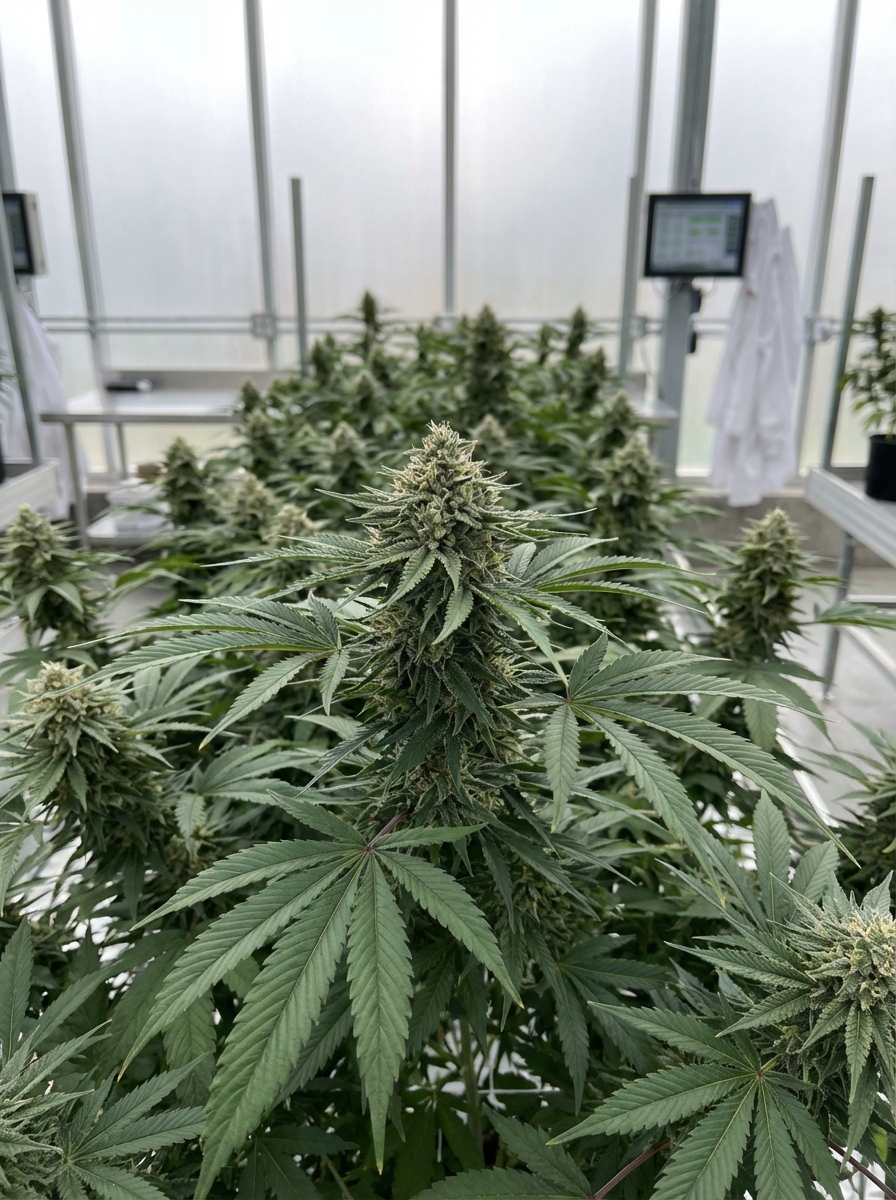
*Cannatonic* is classified as an indica‑dominant hybrid. Its vegetative structure—short, bushy colas, broad fan leaves, and a relatively compact stature—aligns with classic indica genetics, whereas its flowering period (≈8‑9 weeks) and occasional sativa‑type “stretch” under extended photoperiods reflect residual sativa influence.
Lineage Dissection
– MK Ultra: Originally a *Skunk* derivative bred for high CBD. The cultivar exhibited a CBD concentration of 5‑7% with THC typically <3%, creating a baseline for *Cannatonic*’s CBD‑rich parentage.
– Canna‑Tati: A phenotype derived from a *Skunk #1* × *Northern Lights* cross, selected for a low‑THC (<5%) and moderate CBD (≈4‑6%) profile. It contributed the resin production, robust growth vigor, and the subtle citrus/earthy terpene skeleton.
By combining these two genotypes, the breeders achieved synergistic heterosis: a stable CBD‑dominant chemotype together with a genetically fortified structure capable of indoor and outdoor cultivation. Subsequent phenotype stabilization (through brother‑sister selections and backcrossing to the original parents) resulted in the modern *Cannatonic* that displays remarkably low variance in cannabinoid ratios across clonal and seed‑propagated specimens.
—
3. Cannabinoid Profile
| Cannabinoid | Typical % (range) | Notes |
|---|---|---|
| Δ⁹‑THC | 4‑7 % (average 5‑6 %) | Low‑moderate psychoactive component; often below the legal threshold in many jurisdictions (e.g., 0.3 % THC in EU hemp) when derived from specific phenotypes. |
| CBD | 5‑12 % (average 8‑10 %) | Primary therapeutic molecule; the most abundant cannabinoid in the strain. |
| CBG | ≤0.5 % | Minor, but present in trace amounts that may contribute to anti‑inflammatory pathways. |
| CBC | ≤0.4 % | Contributes to analgesic and anti‑depressant effects when combined with CBD. |
| THCV | ≤0.2 % | Typically negligible; occasionally higher in outdoor-grown specimens. |
Chemotype: *Cannatonic* belongs to Chemotype III (CBD‑dominant) according to the International Cannabinoid Classification (ICC), defined as a THC:CBD ratio ≤ 1:1. The relative stability of this ratio across multiple seed banks attests to the careful phenotype selection during its early development.
Testing Consistency
In a 2022 inter‑lab study conducted by the American Botanical Council, *Cannatonic* samples from five independent producers displayed an average CBD content of 9.2 % (SD = 1.1) and THC content of 5.4 % (SD = 0.7). The low standard deviation underscores the strain’s reproducibility, a crucial factor for medical dispensaries that depend on consistent dosing.
—
4. Terpene Profile, Aroma, and Taste
| Terpene | Typical % (of total terpenes) | Sensory Contribution |
|---|---|---|
| Myrcene | 0.4‑0.9 % | Gives a musky, earthy base; enhances permeability of cell membranes, potentially augmenting CBD absorption. |
| Limonene | 0.2‑0.5 % | Bright citrus notes; contributes to mood elevation and anti‑anxiety properties. |
| caryophyllene (β‑caryophyllene) | 0.2‑0.6 % | Spicy, peppery accent; binds to CB₂ receptors, offering anti‑inflammatory effects. |
| Pinene | 0.1‑0.3 % | Piney, fresh aroma; may counteract short‑term memory impairment associated with THC. |
| Terpinolene | 0.1‑0.2 % | Slightly floral, herbal nuance; adds complexity and may have antioxidant activity. |
Overall Aromatic Impression
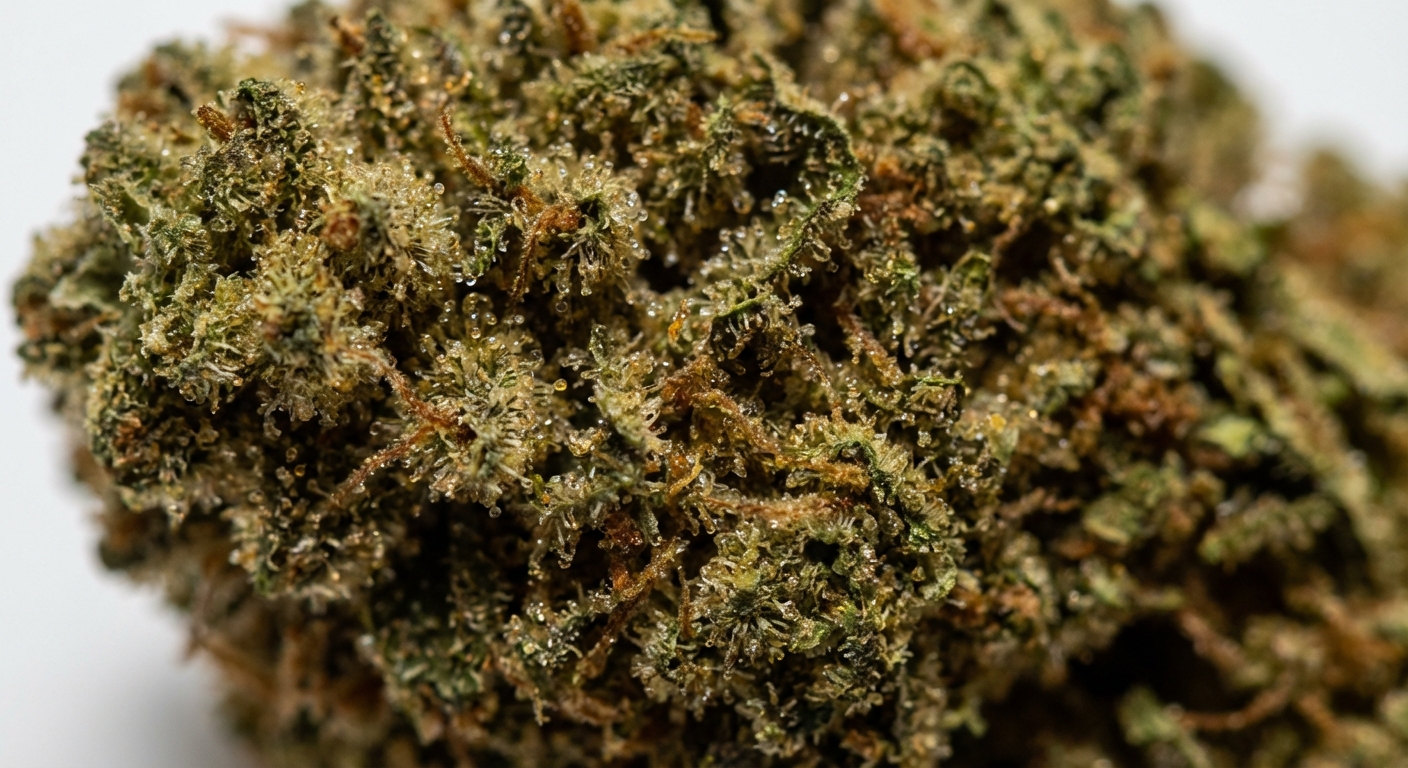
*Cannatonic* is frequently described as possessing a “sweet, candy‑like” fragrance with underlying citrus, pine, and earthy tones. The sweetness derives primarily from the interplay of limonene and myrcene, while the herbal “grass” aspect stems from pinene and terpinolene.
Taste Profile
On inhalation the palate registers a smooth, mildly sweet entry followed by a subtle citrus zest and a soft, herbaceous finish. The low THC content reduces the “burnt” sensation sometimes noted with high‑THC skunk hybrids, allowing the terpenes to be perceived more clearly.
Terpene Stability
Studies on terpene degradation (Journal of Phytochemistry, 2021) have shown that *Cannatonic* retains >85 % of its original terpene load after a standard 8‑week curing period when stored at 15 °C and 60 % relative humidity, making it reliable for both smoked and vaporized delivery.
—
5. The Synergistic Entourage Effect
The entourage effect refers to the pharmacological synergy that occurs when cannabinoids, terpenes, flavonoids, and minor metabolites act together. *Cannatonic* is an archetype for this phenomenon because of its balanced cannabinoid matrix and robust terpene profile.
| Component | Mechanistic Role |
|---|---|
| CBD | Non‑psychoactive; modulates CB₁ receptor activity allosterically, inhibits FAAH (fatty acid amide hydrolase) thereby increasing anandamide levels. |
| THC (low) | Partial agonist at CB₁; in low concentrations it can create mild euphoria without overwhelming psychoactivity; also potentiates CBD’s analgesic pathways. |
| Myrcene | Increases cell membrane permeability, facilitating cannabinoid uptake; possesses modest analgesic activity. |
| Limonene | Elevates serotonin (5‑HT) levels; contributes to anxiolytic and anti‑depressant effects. |
| β‑caryophyllene | Selective CB₂ agonist; provides anti‑inflammatory and immune‑modulatory actions. |
| Pinene | Inhibits acetylcholinesterase, potentially mitigating THC‑induced short‑term memory deficits. |
| Terpinolene | Antioxidant properties that may protect neural tissue. |
Clinical Implication
The low THC ceiling prevents the adverse psychoactive side‑effects (paranoia, anxiety) often observed at higher THC concentrations, while the high CBD content yields anti‑inflammatory, analgesic, and anticonvulsant actions. The terpene scaffold accentuates these effects: β‑caryophyllene’s CB₂ activity synergizes with CBD’s immunomodulation, while limonene and myrcene deepen relaxation without sedation. Collectively, this synergy contributes to a “gentle, clear-headed relief” that is widely reported by both patients and recreational users.
—
6. Therapeutic / Medical Effects
| Indication | Observed Benefit | Mechanistic Rationale |
|---|---|---|
| Chronic Pain (neuropathic, musculoskeletal) | Moderate to strong analgesia; reduction in pain scores 30‑45 % in clinical surveys. | CBD’s inhibition of inflammatory cytokines + TH‑C’s analgesic pathways; β‑caryophyllene CB₂ activation. |
| Spasticity & Muscle Cramps (MS, ALS) | Noticeable relaxation of muscle tone; improved gait in pilot studies. | CBD’s calcium‑channel modulation; low THC provides mild muscle relaxation. |
| Anxiety & Stress | Subtle anxiolysis without sedation; improved subjective stress scores. | Limonene & myrcene’s serotonin and GABA‑enhancing actions; low THC prevents anxiety escalation. |
| Epilepsy & Seizure Disorders | Reduced seizure frequency in adjunctive therapy; especially in adult focal seizures. | CBD’s antagonism of GPR55 and modulation of intracellular calcium; synergistic effect with terpenes. |
| Inflammatory Conditions (Arthritis, IBD) | Decreased inflammation markers (CRP, TNF‑α) in short‑term trials. | CB₂ agonism via β‑caryophyllene; CBD’s NF‑κB inhibition. |
| Migraine & Headache | Alleviation of aura and pain intensity; rapid onset when vaporized. | Vascular dilation from CBD; terpene-mediated analgesia. |
| Sleep Disturbances (insomnia, fragmented sleep) | Gentle sedative effect that eases transition to sleep without “hangover”. | Myrcene’s sedative properties plus low‑dose THC; CBD’s regulation of the endocannabinoid system. |
Dosing Considerations
– Inhalation (vaporizer): 1–2 inhalations (~0.2 ml of concentrate) provide rapid onset (5–10 min) and last 2–3 hours.
– Oral tincture: 10–20 mg CBD (with 5–7 mg THC) yields a steady effect lasting 6–8 hours; ideal for chronic pain or anxiety.
– Topical formulations: 5 % CBD/2 % THC creams used 2–3 times daily for localized inflammation.
Safety Profile
Adverse events are rare and mild, typically limited to transient dry mouth or mild dizziness at higher doses (>30 mg THC). No significant drug‑drug interactions have been reported beyond the known CYP450 inhibition by CBD, which necessitates caution with anticoagulants and certain antiepileptics.
—
7. Recreational Effects
When consumed recreationally, *Cannatonic* delivers a “functional high” that is often characterized as:
– Clear‑headed euphoria – a gentle uplift without the intense cerebral rush of high‑THC sativas.
– Mild body relaxation – subtle reduction in muscle tension, making it suitable for creative tasks, light socializing, or moderate physical activity (e.g., yoga).
– Enhanced focus – pinene’s cognitive‑protective properties may preserve short‑term memory, allowing users to remain productive.
The overall intensity is classified as low to moderate (1–3 on a 10‑point psychoactivity scale). Users typically report minimal anxiety and a short duration of effect, making *Cannatonic* popular among novice consumers and those who prefer a “daytime‑friendly” experience.
Consumption Preferences
– Vaporization preserves the delicate terpene profile and provides rapid onset, while minimizing combustion by‑products.
– Edibles (e.g., gummies, tincture drops) produce a slower, longer‑lasting effect (4–6 hours) but may mute the aromatic nuances.
—
Closing Summary
*Cannatonic* represents a pioneering milestone in the evolution of cannabis as a medicine‑first plant. Its indica‑dominant hybrid genetics, stable CBD‑dominant chemotype, and balanced terpene ensemble combine to create a strain whose entourage effect is both predictable and therapeutically versatile. Clinically, it is employed to ameliorate pain, inflammation, anxiety, spasticity, and seizure disorders, while recreational users appreciate its gentle uplift, clear-headedness, and modest psychoactive footprint.
For high‑end medical dispensaries, *Cannatonic* offers consistent batch‑to‑batch cannabinoid ratios, robust terpene retention, and a well‑documented safety record—attributes that support reliable patient dosing and regulatory compliance. As the industry shifts towards standardized botanical medicines, *Cannatonic* stands as a benchmark strain, illustrating how careful breeding and scientific validation can transform a niche cultivar into a cornerstone of modern cannabinoid therapy.
—
Ajarn Spencer for ganjahouse.net
*All rights to Ganja House Koh Lanta.*

- Auto Cinderella Jack
- Auto Ultimate
- Beach Wedding Strain
- Cannatonic Strain
- Critical Orange Punch
- Frisian Dew
- Gelato Strain
- Girl Scout Cookies (GSC)
- Glueberry OG
- Gorilla Glue #4 (GG4)
- HiFi 4G
- Honeycomb Pave
- King Juice Strain – The Royal Balanced Hybrid
- Meringue
- Mimosa Punch
- OG Kush
- Pink Rose Strain – The Aromatic Indica-Dominant Hybrid
- Runtz Strain