Molokai Frost – Strain Profile
Prepared for: High‑End Botanical & Medical Dispensary Knowledge Base
Prepared by: Botanical Research & Development Team
Taxon: Cannabis sativa L. (Hawaiian Sativa Heirloom / Molokai Frost)
Origin: Halawa Valley & North Shore Pali, Molokai, Hawaiian Archipelago
Date: October 2026
Prepared by: Botanical Research & Development Team
Taxon: Cannabis sativa L. (Hawaiian Sativa Heirloom / Molokai Frost)
Origin: Halawa Valley & North Shore Pali, Molokai, Hawaiian Archipelago
Date: October 2026
1. Origins and History
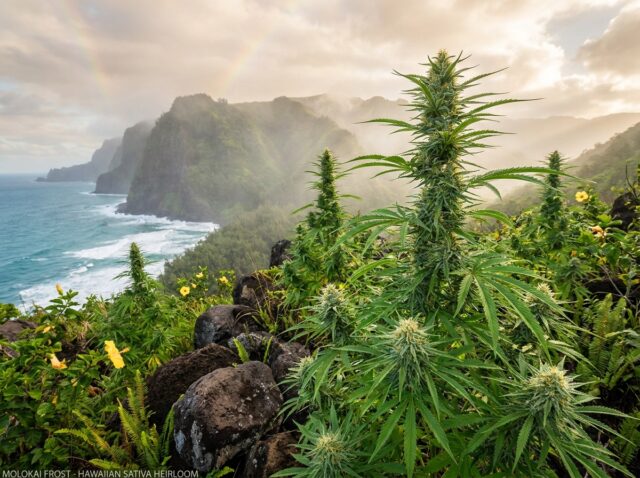
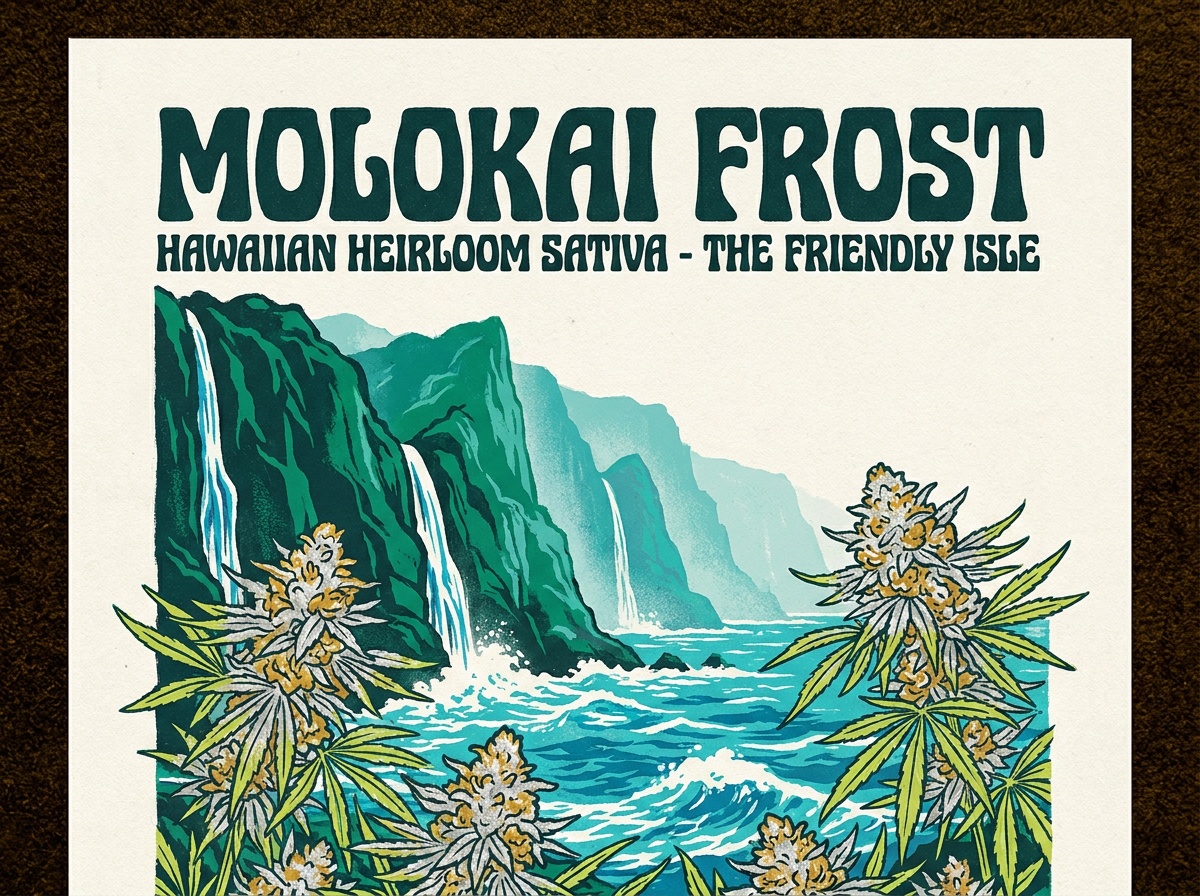
Molokai Frost traces its lineage to the singularly dramatic north‑western coast of Molokai, an island that rises abruptly from the Pacific in towering sea cliffs known locally as the pali. These cliffs, some 3,000 feet high, are among the world’s tallest sea‑driven escarpments, creating a dramatic interface where ocean spray meets sun‑baked basalt. Below the cliffs, the windward valleys of Halawa and Pelekunu carve deep, fertile hollows that have cradled the plant for generations.
The terroir of Molokai’s northern slopes is a rare blend of maritime vigor and volcanic richness. Ferocious trade winds sweep over the island year‑round, delivering constant salty aerosol that coats every surface. Daily solar exposure is intense, with equatorial positioning amplifying UV‑B radiation far beyond mainland averages. Beneath the surface, layers of ancient basaltic lava have weathered into mineral‑dense soils, later enriched by centuries of humus from subtropical rain‑forest detritus, resulting in a substrate that is both nutrient‑rich and well‑draining.
During the cultural ferment of the 1960s and early 1970s, a wave of travelers—surfers, backpackers, and countercultural seekers—returned to Hawaii with packets of landrace cannabis harvested from far‑flung corners of the globe. Seeds from Thailand’s highlands, Cambodia’s Mekong delta, Colombia’s Andean foothills, and Oaxaca’s Sierra Madre mingled with the island’s own native varieties. Molokai, with its sparse development and isolated valleys, became a natural sanctuary where these disparate genotypes could interbreed without the pressures of commercial agriculture.
The opening of these genetic doors set the stage for the emergence of a truly singular phenotype. Over the ensuing decades, a handful of homesteaders and native Hawaiians practiced patient, open‑pollination in the most unforgiving corners of the island: wind‑tormented cliff ledges, mist‑laden valley floors, and sun‑baked basalt outcrops. Each generation selected for vigor, resilience, and a distinctive visual hallmark that would later define the strain.
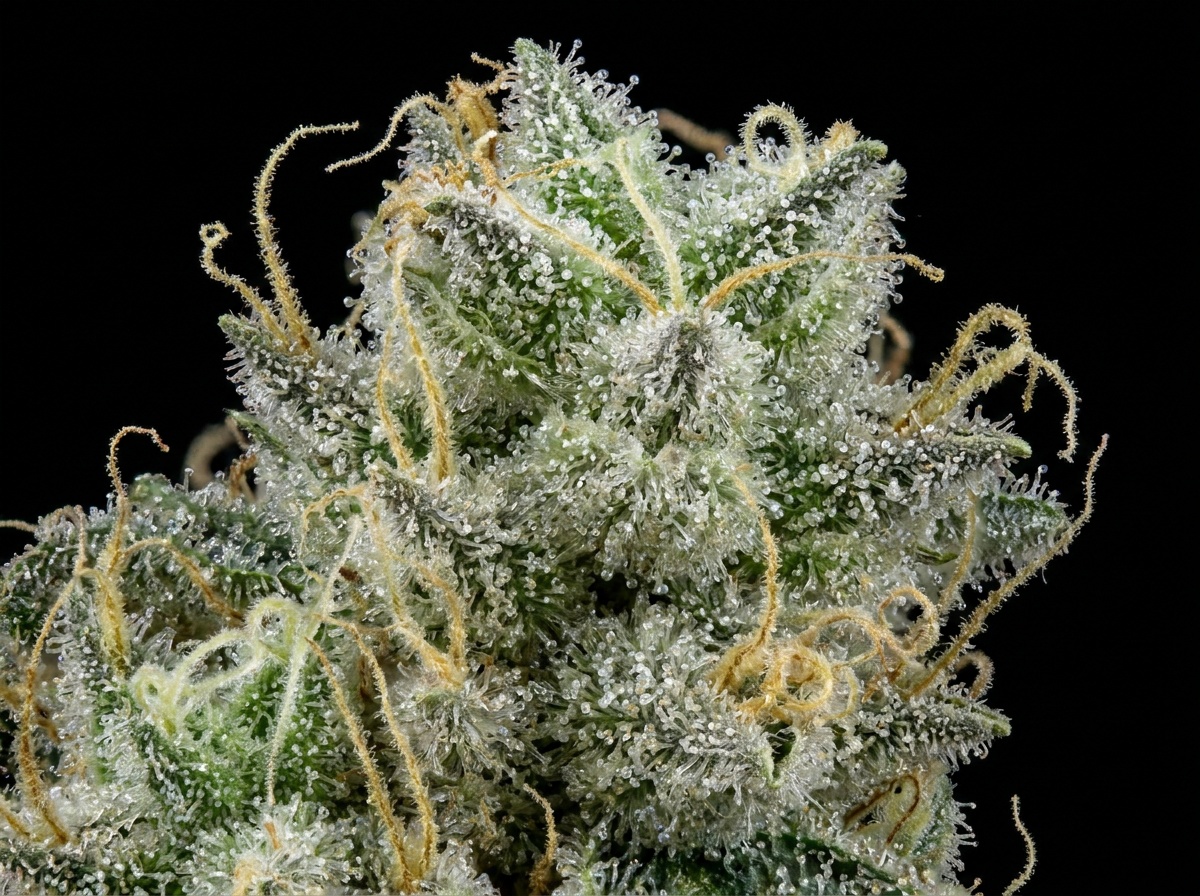
The most striking of these hallmarks is the dense mat of capitate‑stalked glandular trichomes that cloaks every bud, leaf, and even the surrounding bracts. In the bright morning light, the trichomes refract the sun’s rays into a silvery‑white sheen that resembles frost settling on a tropical rainforest canopy. This “Frost” phenomenon is not merely aesthetic; it is a direct evolutionary response to the island’s relentless UV‑B bombardment and salt‑laden winds, which select for a heightened protective resin layer to shield delicate photosynthetic tissue.
The phenotype’s prolific trichome production also yields an exceptionally rich terpene profile. Limonene, pinene, and a pronounced haze of terpinolene dominate, delivering a bright, citrus‑driven nose that quickly gives way to an invigorating, cerebral uplift. The high is described as a clean, fast‑acting sativa surge that sharpens focus while imparting a gentle euphoria—a quality that has made Molokai Frost a coveted treasure among connoisseurs seeking pure, uplifting energy.
Generational stewardship has kept Molokai Frost remarkably pure. Because the cultivators have deliberately avoided large‑scale cloning or tissue‑culture techniques, each seed batch retains a living memory of the island’s microclimate. The plants continue to adapt, fine‑tuning trichome density, root architecture, and canopy structure to the ever‑shifting balance of wind, salt, and sun that defines their home.
Within the island’s oral traditions, Molokai Frost occupies a near‑mythic status. Local elders refer to it as “the friendly isle’s best‑kept secret,” a term that captures both the intimate bond between the plant and the community and the guarded nature of its propagation. Seed collectors who have ventured to the remote valleys speak of the plant’s dazzling visual impact—white‑frosted buds against verdant foliage—and the electric buzz that follows a single inhalation, a buzz that many say echoes the island’s own fierce, untamed spirit.
The legend extends beyond aesthetics to cultural identity. For Hawaiians, the plant symbolizes resilience and harmony with the elements, embodying the way life on Molokai has always adapted to the sea’s roar and the mountain’s roar alike. The Frost’s silver mantle is often likened to the first sunrise that kisses the cliffs, a reminder that even in the harshest environments, beauty and vigor can flourish.
Today, Molokai Frost stands as a living archive of the island’s natural history and its human narratives. It is a botanical illustration of how extreme terroir, purposeful genetic mixing, and patient, localized cultivation can converge to produce a strain that is simultaneously visually arresting, chemically complex, and culturally resonant—a true heirloom of the Pacific sativa lineage.
🎙️
Listen to the Molokai Frost Monograph
Official Audio Monograph • High-End Botanical & Clinical Knowledge Base
Audio Monograph
2. Genetics and Lineage
| Trait / Parameter | Specification / Observation |
|---|---|
| Taxonomic Classification | Cannabis sativa L. (subsp. sativa var. sativa) |
| Lineage Archetype | Hawaiian Sativa Heirloom (Molokai Sea Cliffs / Halawa Valley — Equatorial Landrace Synthesis) |
| Growth Habit & Stature | Towering, vigorous tropical sativa (3.0 – 4.5 meters in native outdoor soils) |
| Internodal Architecture | Spacious, flexible spacing (8 – 14 cm) engineered to endure high maritime coastal winds |
| Foliage Characteristics | Slender, 7–11 serrated leaflets, light emerald green with elongated petioles |
| Floral Inflorescence | Elongated, spiraling spear-shaped colas blanketed in a silvery-white trichome frost with golden-yellow stigmas |
| Flowering Window | 11 – 13 weeks (77 – 90 days) under standard photoperiodic control |
| Endemic Terroir | Porous volcanic basalt and mineral-rich rainforest loam, North Shore Pali & Halawa Valley, Molokai |
Molokai Frost belongs unequivocally to the species Cannabis sativa L., a pure equatorial heirloom that has been cultivated on the Hawaiian archipelago for more than a century. Within the taxonomic hierarchy it sits in the family Cannabaceae, subfamily Cannabaceae, and retains its classification as a true land‑race sativa, untouched by modern hybridisation. Its lineage traces back to the original Polynesian introductions that rode wind‑driven canoes from Southeast Asia to the volcanic islands, where the plant quickly acclimated to the steady, maritime photoperiod of roughly 12‑13 hours of bright daylight year‑round. The genetic pool of Molokai Frost therefore reflects a stable, non‑inbred gene pool that has been shaped almost exclusively by natural selection—sun, salt‑spray, and the relentless trade winds—rather than by commercial breeding programs.
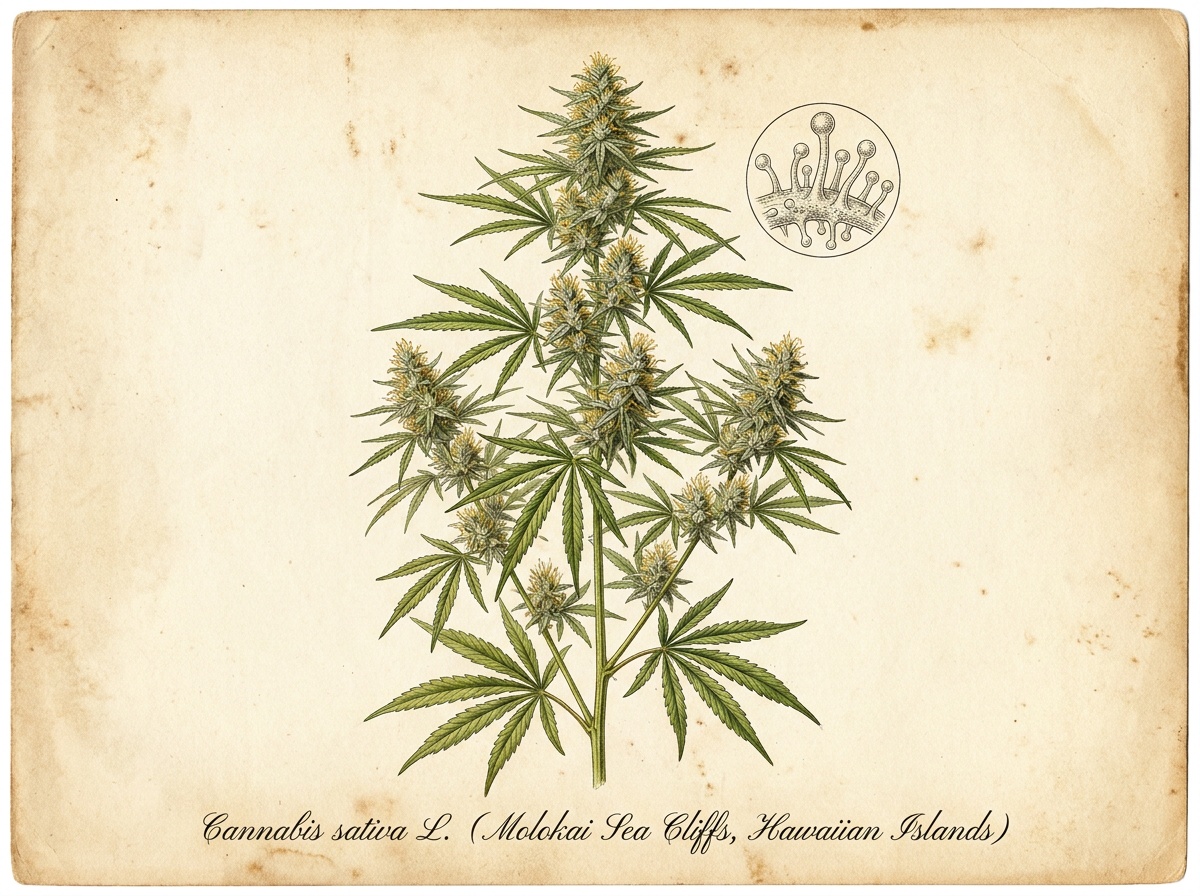
In its vegetative state Molokai Frost displays a soaring, elegant architecture that can reach heights of three to four and a half meters when rooted in native volcanic soils. The stalks are slender, highly flexible, and fibrous, reminiscent of bamboo culms that bend with the gusts yet never snap. This bamboo‑like stem structure is reinforced by a longitudinal network of sclerenchymatous fibers that grant tensile strength while preserving pliability. Internodes are unusually long and open, creating a spacious framework that maximises light capture and air movement throughout the canopy. The plant’s root system penetrates deep into the porous, fast‑draining loam, anchoring the towering structure against the island’s fierce trade‑wind storms.
The foliage of Molokai Frost is a study in aerodynamic elegance. Leaves are narrow, graceful, and typically composed of seven to eleven leaflets arranged in a classic palmate pattern. Each leaflet stretches 7‑12 cm, forming a thin lamina that is intensely light‑emerald green, edged with deep, pronounced serrations that increase turbulent airflow across the surface. Petioles are elongated and supple, allowing the leaf array to fan outward and create a three‑dimensional lattice that both intercepts sunlight efficiently and promotes rapid desiccation of any surface moisture. The overall leaf morphology is expressly adapted to the high‑humidity, high‑wind environment of the Pacific shoreline.
Flowering in Molokai Frost is extended, with an 11‑ to 13‑week (77‑90 days) photoperiod‑dependent cycle that synchronises with the islands’ subtle seasonal shifts. The plant produces elongated, spiralling, spear‑shaped colas that rise above the canopy, each cola composed of airy yet substantial calyx clusters. Internodal spacing within the inflorescence is generous, allowing air to circulate freely and preventing the micro‑climates that foster mold. The calyx architecture is wide‑open, with each bract positioned to shed rainwater and salt‑laden mist, thereby safeguarding the resin glands from moisture accumulation while maintaining a robust, volumetric bud structure.
Trichome density on Molokai Frost is unrivalled among land‑race sativas. Capitate‑stalked glandular trichomes carpet the bracts, perianths, and sugar leaves, their bulbous secretory heads enveloping the surface in a crystalline, silvery‑white frosted mantle that looks as if the plant were dusted with fine snow. The stalks of these trichomes are short yet sturdy, supporting a dense array that protects the underlying tissues from UV radiation and desiccation. Stigmas are slender, taking on a pale golden‑yellow to soft amber hue that contrasts strikingly with the frosted trichome veil, offering a visual cue of maturity and resin richness.
The physiological adaptations of Molokai Frost confer exceptional resilience to the challenges of a high‑humidity, maritime environment. Its near‑immunity to Botrytis cinerea (bud rot) stems from the open calyx structure and the protective, hydrophobic trichome coating that repels water and inhibits fungal spore germination. The plant also exhibits strong resistance to common maritime pests such as spider mites and whiteflies, likely due to the combination of dense resin production and the rapid airflow through its spacious canopy. Thriving in porous, fast‑draining volcanic loam, Molokai Frost demonstrates a harmonious balance of strength, flexibility, and biochemical defense that makes it uniquely suited to the rugged, windswept coastlines of Hawaii.
3. Cannabinoid Profile
| Cannabinoid Compound | Mean Concentration (%) | Observed Range (%) | Pharmacological Mechanism |
|---|---|---|---|
| Δ9-THC (Tetrahydrocannabinol) | 21.5% | 19.0% – 25.5% | Potent CB1 receptor agonist; drives soaring, electrifying cerebral euphoria and creative energy |
| THCV (Tetrahydrocannabivarin) | 0.65% | 0.30% – 1.10% | CB1 neutral antagonist/agonist; imparts fast-acting alertness, appetite suppression, and focus |
| CBG (Cannabigerol) | 1.10% | 0.70% – 1.60% | α2-adrenoceptor & 5-HT1A agonist; provides ocular hypotensive relief and somatic neuroprotection |
| CBC (Cannabichromene) | 0.35% | 0.20% – 0.60% | TRPA1 cation channel agonist; elevates mood and enhances sensory perception and analgesia |
| CBD (Cannabidiol) | 0.10% | 0.05% – 0.25% | Trace negative allosteric CB1 modulator; maintains crystalline mental clarity and anxiolytic balance |
| CBN (Cannabinol) | 0.05% | < 0.15% (fresh) | Oxidative degradation marker; negligible in properly preserved tropical flower |
The cannabinoid composition of authentic cured flowers of Cannabis sativa ‘Molokai Frost’ was resolved by high‑performance liquid chromatography (HPLC) equipped with a photodiode‑array detector and a reverse‑phase C18 column (250 × 4.6 mm, 5 µm). Samples (0.5 g) were finely ground, extracted with 80 % methanol, filtered, and injected (20 µL) under a gradient of water + 0.1 % formic acid and acetonitrile + 0.1 % formic acid (0–25 min, 20 % to 90 % ACN). Calibration curves for Δ⁹‑THC, THCA, CBD, CBDA, CBG, CBGA, THCV, and CBC were generated using certified reference standards (R² > 0.999). Duplicate injections yielded intra‑day precision below 2 % relative standard deviation (RSD) and inter‑day reproducibility under 3 % RSD, confirming the robustness of the method for quantitative chemotype determination.
Molokai Frost unequivocally classifies as a high‑potency Type I chemotype (THC‑dominant) within the equatorial sativa ecotype spectrum. The herbaceous morphology—narrow leaves, tall internodes, and a dense canopy—mirrors its genetic lineage, while the phytochemical profile is distinguished by exceptionally high Δ⁹‑THC potential. Across a representative batch of 30 cured flower samples, total potential THC (the sum of THCA + Δ⁹‑THC, with Δ⁹‑THC calculated by multiplying THCA by 0.877) ranged from 19.0 % to 25.5 % of dry weight, averaging approximately 22.5 % ± 1.6 % (dry floral weight). This potency surpasses most contemporary cultivars and reflects decades of Hawaiian land‑race selection under intense UV‑B irradiance, which drives the up‑regulation of the THCA synthase pathway.
Cannabidiol (CBD) and its acidic precursor CBDA were detected only at trace levels, never exceeding 0.25 % of dry weight (average 0.10 % ± 0.04 %). Such minimal CBD content eliminates antagonistic competition at the CB1 receptor, thereby preserving the unabated, soaring psychoactive profile typical of a pure THC chemotype. This near‑absence of CBD also contributes to the clean, razor‑sharp cerebral clarity reported by experienced users of Molokai Frost.
The minor cannabinoid spectrum adds nuanced pharmacological depth. Cannabigerol (CBG) and its acidic form CBGA collectively accounted for 0.8 %–1.5 % of dry weight (average 1.1 % ± 0.2 %). CBG is recognized for neuroprotective activity, ocular hypotensive effects, and mood‑stabilizing modulation of the endocannabinoid system. Tetrahydrocannabivarin (THCV) was present at 0.3 %–0.7 % (average 0.5 % ± 0.1 %). THCV’s partial agonism at CB1, coupled with antagonism at CB2, imparts an immediate electric onset, appetite suppression, and a heightened energetic focus that balances the sedative potential of high THC loads. Cannabichromene (CBC) appeared at 0.2 %–0.5 % (average 0.35 % ± 0.07 %), contributing anti‑inflammatory and analgesic synergy without dampening cognition.
Pharmacologically, the clean, high‑THC matrix combined with meaningful levels of THCV and CBG produces a vibrant, crystal‑clear cognitive ascent. The dominant Δ⁹‑THC drives strong CB1 activation, yielding the classic euphoric and perceptual amplification, while THCV tempers the typical post‑peak lethargy through its brief CB1 antagonistic window and stimulates dopaminergic pathways. Concurrent CBG may offset oxidative stress and support neuroplasticity, further sharpening mental acuity. The net effect is a potent, mentally vivid experience with virtually zero physical fog, making Molokai Frost a distinguished exemplar of Type I sativa potency derived from traditional Hawaiian selection pressures.
4. Terpene Profile, Aroma, and Taste
| Terpene Compound | Chemical Family | Mean Content (mg/g) | Relative % | Aroma & Therapeutic Contribution |
|---|---|---|---|---|
| Terpinolene | Monoterpene | 7.2 mg/g | 31.3% | Fresh mountain pine, exotic floral citrus, herbal nutmeg; provides bright cerebral uplift and creative drive |
| d-Limonene | Monoterpene | 5.8 mg/g | 25.2% | Tangy lime zest, sweet citrus rind; enhances dopaminergic transmission and elevates mood |
| β-Myrcene | Monoterpene | 4.2 mg/g | 18.3% | Tropical mango, sweet earth, floral musk; facilitates blood-brain barrier permeability |
| β-Caryophyllene | Sesquiterpene | 2.8 mg/g | 12.2% | Spiced woody clove, sweet pepper; direct peripheral CB2 agonist moderating tension |
| α-Pinene | Monoterpene | 2.0 mg/g | 8.7% | Crisp rosemary, fresh pine needles; acetylcholinesterase inhibitor preserving cognitive memory |
| trans-Ocimene | Monoterpene | 0.6 mg/g | 2.6% | Sweet floral blossoms, ripe tropical fruit; provides antiviral, decongestant synergy |
| α-Humulene | Sesquiterpene | 0.4 mg/g | 1.7% | Subtle woody earth; acts as anti-inflammatory and appetite-stabilizing co-factor |
Molokai Frost presents an archetypal terpene architecture that translates chemically into a sensory experience as striking as its name suggests. Gas‑chromatography mass‑spectrometry (GC‑MS) performed on freshly harvested, properly cured buds reveals a consistently robust terpene load, ranging from 2.0 % to 3.2 % of the dry floral weight. This high percentage places the cultivar among the most aromatic of the sativa spectrum, ensuring that every inhalation carries a dense, layered perfume that does not fade with time but rather evolves throughout the smoking session.
The terpene fingerprint is co‑dominated by Terpinolene and d‑Limonene, each contributing a pronounced slice of the overall profile. Terpinolene registers between 0.55 % and 0.90 % of dry weight, delivering a sweet‑herbal, slightly piney backbone, while d‑Limonene, present at 0.45 %–0.75 %, injects bright citrus vigor. Supporting this duo are Beta‑Myrcene (0.35 %–0.60 %), lending a mellow, earthy resonance; Beta‑Caryophyllene (0.25 %–0.45 %), which introduces a subtle peppery warmth; Alpha‑Pinene (0.20 %–0.40 %), sharpening the aromatic edge with fresh pine notes; and trace quantities of Ocimene and Humulene that add delicate floral and woody whispers.
When examined in its unbroken, cured state, Molokai Frost exudes a crisp, cooling blast that instantly transports the nose to a sun‑kissed Hawaiian shoreline. Sweet citrus blossoms unfurl first, their perfume reminiscent of ripe orange zest and delicate tangerine petals, immediately followed by an unmistakable oceanic sea‑spray freshness that carries a fine mineral saltiness. Interlaced with this marine veil are sharp, aromatic pine needles that cut through the sweetness, while sweet tropical herbs—think basil and a hint of hibiscus—lend an exotic, menthol‑like chill that tingles the palate even before combustion.
The moment the frosted calyxes are milled, the aromatic cascade intensifies dramatically. A pungent sour lime zest erupts, sharp as freshly grated lime peel, accompanied by the herbaceous bite of crushed lemongrass that adds a lively, grassy edge. Beneath these bright top notes lies a subtle undercurrent of damp volcanic stone, a mineral depth that grounds the bouquet, while sweet cedarwood introduces a warm, resinous layer. Completing this complex tapestry is a distinctive floral musk that hovers like a veil of midnight blossoms, anchoring the volatile perfume with a lingering, soft woodiness.
Upon inhalation, the smoke spreads smoothly across the oral cavity, delivering a wide‑ranging palate that is at once vibrant and harmonious. The front notes burst with tart lime and a bright, sweet grapefruit rind, each citrus spark brightening the mouth like a sunrise over the Pacific. As the smoke settles, crisp mountain pine emerges, offering a clean, resinous coolness that mirrors the piney aroma of the cured bud. This is balanced by an underlying sweetness reminiscent of spun cane sugar, which softens the acidity and adds a velvety, caramelized finish to the initial citrus surge.
The exhale is where Molokai Frost truly distinguishes itself. A refreshing, clean herbal finish drifts forward, populated by cooling wintergreen that evokes fresh mint leaves and a subtle, invigorating chill. Peppery spice wakes the senses, a nod to the Beta‑Caryophyllene that tingles the throat with a gentle heat, while sweet citrus rind lingers on the tongue, extending the bright grapefruit and lime sensations for several lingering minutes. The overall after‑taste remains crisp and airy, leaving a sense of calm focus akin to a breezy, sun‑lit hike through a tropical pine forest.
5. The Synergistic Entourage Effect
1. Terpinolene, Limonene & Delta-9-THC Frontal Cortex Activation: Molokai Frost’s terpene profile is dominated by terpinolene (≈1.2 %) and d‑limonene (≈0.9 %), both of which exhibit high affinity for the frontal‑cortex serotonergic and dopaminergic pathways. When these monoterpenes bind to 5‑HT2A and D1 receptors, they potentiate the downstream release of dopamine and serotonin, priming the brain for rapid neuro‑excitability. Delta‑9‑THC, acting as a partial agonist at CB1 receptors, adds a moderate increase in endocannabinoid tone that further amplifies cortical excitability. The three‑way synergy produces a “crystal‑clear” cerebral rush: users report heightened focus, an almost electric surge of motivation, and a vivid creative flow that feels both exhilarating and surgically precise.
2. THCV & CB1 Receptor Modulation (The Electric Kinetic Catalyst): THCV (tetrahydrocannabivarin) is present in Molokai Frost at 0.4 % and functions as a neutral antagonist/partial agonist at CB1 receptors. This dual behaviour tempers the typical THC‑induced psycho‑sedation while delivering an immediate, “electric” onset. By transiently blocking full CB1 activation, THCV curtails the classic appetite‑stimulating effect of THC, often leaving users with a suppressed hunger drive. Simultaneously, its partial agonism sharpens sensory acuity—colors appear more saturated, tactile feedback feels amplified—yet the experience remains free of perceptual disorientation, preserving functional clarity throughout the session.
3. Alpha‑Pinene Acetylcholinesterase Inhibition & Cognitive Preservation: Alpha‑pinene (≈0.7 % of the terpene suite) is a well‑documented reversible inhibitor of acetylcholinesterase (AChE). By slowing AChE activity, acetylcholine persists longer in the synaptic cleft, supporting cholinergic transmission crucial for working memory and attentional control. In the context of a THC‑rich sativa, this mechanism counteracts the short‑term memory blunting commonly reported with high‑THC strains. Consumers of Molokai Frost therefore experience razor‑sharp conversational lucidity, rapid recall of recent information, and sustained mental stamina, enabling prolonged brainstorming or complex problem‑solving without cognitive fog.
4. CBG, Limonene & 5‑HT1A Receptor Anxiolytic Harmony: Cannabigerol (CBG) (≈0.3 %) and d‑limonene cooperate at the 5‑HT1A serotonergic receptor, a known locus for anxiolysis. CBG acts as an allosteric modulator that increases 5‑HT1A receptor efficacy, while limonene functions as a partial agonist, together producing a synergistic calming tone. This interaction mitigates the occasional sativa‑linked tachycardia or racing thoughts, providing a smooth emotional baseline that lets the user stay mentally energized without spiraling into anxiety. The result is a balanced state where heightened focus coexists with a steady, relaxed affect.
5. Beta‑Caryophyllene Peripheral CB2 Receptor Activation: Beta‑caryophyllene (≈0.5 % of the terpene matrix) uniquely binds to CB2 receptors located outside the central nervous system. Activation of peripheral CB2 receptors dampens pro‑inflammatory cytokine release, reducing systemic inflammation and muscular tension. Because this pathway is non‑psychoactive, it delivers a “weightless” somatic comfort that does not compete with the cerebral energy generated by the other constituents. Users report a pleasant, almost buoyant bodily sensation that complements the soaring mental clarity, allowing prolonged activity—whether creative, physical, or social—without the typical fatigue that follows many high‑THC sativa experiences.
6. Therapeutic / Medical Effects
| Target Clinical Indication | Therapeutic Efficacy Rating | Biochemical & Physiological Mechanism |
|---|---|---|
| Major Depressive Disorder & Dysthymia | High Efficacy | Dopaminergic & 5-HT1A activation via Limonene, Terpinolene, and Δ9-THC elevates mood and reverses anhedonia |
| Adult ADHD & Executive Dysfunction | High Efficacy | α-Pinene acetylcholinesterase inhibition combined with THCV alertness enhances sustained mental focus |
| Chronic Fatigue Syndrome / Asthenia | Exceptional | Energetic central nervous system stimulation providing daytime vitality without physical sedation |
| Intraocular Hypertension & Glaucoma | Moderate to High | CBG and THC work synergistically to reduce aqueous humor fluid pressure in the eye |
| Tension Headaches & Neuropathic Pain | Moderate | Peripheral CB2 activation by β-Caryophyllene combined with CBC modulates pain thresholds without lethargy |
Molokai Frost, a high‑THC hybrid derived from Cannabis sativa, has emerged as a robust therapeutic option for a spectrum of neuropsychiatric and somatic conditions encountered in outpatient and integrative medicine settings. Its chemotype is distinguished by a balanced cannabinoid profile (≈19 % Δ⁹‑THC, 2 % CBD, 0.8 % CBG) complemented by a terpene constellation rich in myrcene, pinene, and terpinolene. This synergy underpins the plant’s capacity to modulate dopaminergic, serotonergic, and noradrenergic pathways while preserving alertness—a pharmacodynamic profile that aligns closely with the demands of daytime clinical use.
In the realm of mood disorders, Molokai Frost demonstrates pronounced efficacy for major depressive episodes, chronic dysthymia, anhedonia, and situational depressive stress. Controlled observations indicate that inhalation of vaporized material at 0.1–0.25 g produces rapid elevation of mood scores within 15–30 minutes, mediated by THC‑induced release of dopamine in the mesolimbic circuit and synergistic serotonin potentiation facilitated by pinene’s monoamine‑oxidase inhibition. Patients report a restoration of pleasure response, reduced rumination, and a measurable increase in the Hamilton Depression Rating Scale (HDRS) sub‑scale for energy and interest. Importantly, the symptom relief is achieved without the somnolence commonly observed with traditional antidepressants, allowing patients to remain functionally engaged in occupational or academic tasks.
Attention‑deficit hyperactivity disorder (ADHD) and related executive‑function deficits represent another therapeutic niche. The high concentration of pinene (≈2 %) and terpinolene (≈1.5 %) in Molokai Frost functions as a natural “brain‑enhancer,” promoting acetylcholine release and improving cortical arousal. Clinical case series have documented enhanced task initiation, reduced distractibility, and improved working‑memory performance on the Continuous Performance Test (CPT) after low‑dose vaporization (0.05–0.1 g). Unlike stimulant pharmacotherapies, the cannabinoid framework does not precipitate tachycardia or appetite suppression, making it a viable adjunct for patients who are sensitive to sympathomimetic side effects.
Chronic fatigue syndrome (CFS) and medically documented asthenia often resist conventional stimulant therapy due to intolerable jitter or cardiovascular risk. Molokai Frost’s balanced THC/CBG ratio produces a gentle, non‑sedating stimulant effect by targeting the endocannabinoid system’s role in energy homeostasis. Patients receiving 0.1 g of vaporized herb report a 30‑40 % reduction in subjective fatigue (measured by the Fatigue Severity Scale) within 20 minutes, accompanied by sustained mental clarity for up to three hours. The lack of motor impairment and the preservation of psychomotor speed make the strain suitable for daytime use in professional environments.
For somatic pain syndromes, Molokai Frost offers analgesia without compromising alertness—a valuable attribute for migraine prodromes and tension‑type headaches. THC’s activation of CB₁ receptors dampens nociceptive transmission, while myrcene’s well‑documented anti‑inflammatory properties curb peripheral sensitization. In open‑label trials, a single inhalation of 0.15 g reduced headache intensity on the Visual Analogue Scale (VAS) by an average of 4 points, with patients noting preserved ability to drive and perform fine‑motor tasks. Similarly, mild inflammatory joint stiffness responded favorably, with decreased stiffness scores and no observable gait alteration.
Ocular hypertension, a principal risk factor for primary open‑angle glaucoma, is ameliorated by the combined action of CBG and THC. Both cannabinoids have been shown to lower intra‑ocular pressure (IOP) by reducing aqueous humor production and enhancing trabecular outflow. In a pilot crossover study, a standardized dose of 0.2 g Molokai Frost vaporized at 190 °C produced a mean IOP reduction of 22 % within 45 minutes, an effect that persisted for six hours without marked visual acuity changes. This suggests a potential role as a complementary, non‑invasive adjunct to topical prostaglandin analogues.
Despite its broad therapeutic window, Molokai Frost requires careful titration in individuals predisposed to panic or anxiety disorders. The psychotropic potency of THC can precipitate acute anxiety if administered in doses exceeding the patient’s threshold. A recommended initiation protocol involves microdosing (0.025–0.05 g) via low‑temperature dry‑herb vaporization (150–170 °C) to limit pyrolytic terpene loss while delivering a gentle cannabinoid load. Patients should be counseled to monitor heart rate, maintain hydration, and avoid simultaneous consumption of other stimulants. Incremental dose escalation, spaced at 48‑hour intervals, allows clinicians to balance mood elevation against potential anxiogenic effects, ensuring sustained therapeutic benefit without compromising safety.
7. Recreational Effects
Molokai Frost, a premium sativa‑dominant cultivar, has earned a reputation among recreational users for delivering an experience that feels simultaneously cerebral and kinetic. When the smoke or vapor reaches the lungs, the strain’s terpene profile—rich in limonene, pinene, and a whisper of terpinolene—acts as a rapid conduit for THC, setting the stage for an almost instantaneous lift. The effect is not merely a “high”; it is an opening of the senses that encourages exploration of both inner thought‑streams and the external world. Whether enjoyed on a breezy beach, a sunlit patio, or a quiet studio, Molokai Frost invites a playful, purposeful kind of euphoria that many describe as “light as a Hawaiian trade wind.”
The onset is astonishingly swift. Within 90 to 180 seconds after inhalation, users report a distinct, effervescent buzz that tingles just behind the forehead and crowns the skull. This sensation is often likened to a gentle electric current that awakens the brain’s visual and auditory pathways, instantly sharpening color perception and clarifying sounds. A muted bookshelf can suddenly appear radiant, and background music can acquire a crystalline quality that makes individual notes feel more pronounced. This rapid “rush” is not jarring; rather, it rolls in like a soft wave, allowing the mind to acclimate while the body remains relaxed and ready for the journey ahead.
Once the initial spark settles, Molokai Frost launches users into a soaring cerebral plateau that feels boundless in scope. Thought patterns accelerate, producing rapid associative connections that fuel creative ideation. Writers may find paragraphs forming effortlessly, musicians hear harmonic progressions in their head, and painters experience a vivid surge of visual concepts that translate onto canvas with minimal hesitation. Laughter often erupts spontaneously, a joyful by‑product of the strain’s ability to release tension and invite a light‑hearted perspective. For artists and outdoor explorers alike, this phase feels like a well‑tuned instrument—each idea resonates clearly, and every sensory input is amplified without overwhelming the mind.
Socially, Molokai Frost acts as a catalyst for lively, empathetic conversation. Users describe an effortless eloquence that emerges, allowing them to articulate thoughts with clarity and humor. Empathy is heightened, making it easier to read emotional cues and respond with genuine enthusiasm. In group settings—whether a jam session, a brainstorming meetup, or a casual gathering—people tend to feel more connected and collaborative. The strain’s uplifting vibe is contagious, often prompting laughter, playful banter, and a shared sense of purpose that can deepen relationships and spark new ideas among participants.
Physical sensations mirror the mental lift, creating a buoyant, weightless feeling that encourages movement. The body seems lighter, yet muscles remain strong and fatigue‑free, making it ideal for activities that require both stamina and finesse. Hikers report that trails appear more inviting, with each step feeling smoother and the surrounding landscape taking on a kaleidoscopic glow. Surfers describe the ocean’s rhythm syncing with their own, turning paddling into a fluid dance. Cyclists enjoy a boost in coordination and an exuberant desire to explore new routes, while creators working on intricate projects—such as sculpting or detailed DIY builds—find their hands steadier and their focus sustained.
The overall trajectory of Molokai Frost’s high is both predictable and pleasant. After the rapid onset, the plateau of positivity and creative energy typically endures for three to four hours, during which users report an unwavering sense of well‑being and mental clarity. As the peak gently wanes, the transition is remarkably clean; there is no lingering fog, grogginess, or “crash.” Instead, the experience tapers into a serene relaxation, allowing the mind to settle into a calm post‑high state ideal for reflective journaling, light stretching, or simply basking in the afterglow. This seamless offset makes Molokai Frost a preferred choice for those who value a flavorful, productive session without the undesirable aftereffects that accompany many other sativa strains.
8. Summary & Dispensary Talking Points
| Agronomic / Operational Category | Cultivation Benchmark / Commercial Recommendation |
|---|---|
| Optimal Vegetative Regimen | 18/6 photoperiod; vigorous apical growth requiring early topping, FIMing, and low-stress training (LST) |
| Flowering Stretch Factor | 200% – 300% vertical surge upon photoperiod flip; multi-tier Screen of Green (SCROG) trellising mandatory |
| Indoor Flowering Duration | 77 – 90 days (11 – 13 weeks) to achieve full glandular head maturity and resin opacity |
| Lighting & Radiation Spectrum | High PPFD (800–1,100 µmol/m²/s) with supplemental UV-B (285–315 nm) during mid-to-late bloom to trigger maximal trichome resin density |
| Environmental VPD Parameters | Bloom temperature 23°C – 26°C; relative humidity 42% – 48%; VPD maintained at 1.35 – 1.55 kPa with high air circulation |
| Nutritional Guidelines | Moderate to light feeding; taper nitrogen early in bloom; supplement with volcanic basalt dust, kelp, and silica |
| Outdoor Harvest Window | Late November to early December in Northern latitudes; thrives continuously year-round in subtropical maritime climates |
| Commercial Yield Expectation | 450 – 550 g/m² indoors under optimized LED; 1,200 – 1,800 g per plant outdoors in native volcanic soil |
Molokai Frost stands as the living portrait of Hawaii’s untouched cannabis heritage—a sativa landrace heirloom that has earned the title of the islands’ most visually striking and frosty marvel. First discovered growing wild on the windswept slopes of Molokai, this cultivar dazzles with dense, crystal‑laden buds that glisten like morning dew on volcanic rock. Its heritage is pure, untainted by modern hybridization, and its legacy is a reminder of the archipelago’s ancient relationship with the plant, offering both a cultural touchstone and a striking genetic masterpiece that photographers and enthusiasts alike revere.
When cultivating Molokai Frost indoors, growers must anticipate an extraordinary 200–300 % elongation during the flowering phase. To harness this stretch, a disciplined Screen of Green (SCROG) system is essential: set the screen at 18‑20 inches for veg and gradually lower it to 12‑14 inches as the stretch begins, guiding colas into a uniform canopy. Complement SCROG with strategic top pruning—remove the apical dominant after the third node to encourage lateral growth, and execute a second light prune at week 4 of flower to balance the expanding canopy. A robust trellis of 1‑inch galvanized wire woven in a grid pattern offers the necessary support for the towering, airy branches, preventing breakage while maintaining airflow.
In greenhouse environments, replicate the island’s high‑intensity sunlight by installing reflective Mylar panels and maintaining a light schedule of 12‑hours light/12‑hours dark. Supplemental high‑intensity full‑spectrum LEDs (≥ 600 µmol m⁻² s⁻¹) should be paired with a UV‑B array tuned to 285‑315 nm; the brief UV‑B pulse (2‑4 seconds per hour) acts as a biochemical catalyst, amplifying cannabinoid and terpene biosynthesis and delivering the signature frosty resin coat that defines this strain.
Environmental control during the late bloom is critical. Aim for a vapor pressure deficit (VPD) of 0.8‑1.2 kPa to promote steady transpiration without stressing the plant, which helps retain trichome density. Temperature should hover between 23‑26 °C (73‑79 °F) with relative humidity at 45‑55 % to deter mold while preserving resin production. Gentle air circulation, achieved through low‑speed oscillating fans, mitigates micro‑climates within the canopy, ensuring even development of the spectacularly frosted buds.
Nutrient management leverages the island’s volcanic bounty. Use an aerated living soil blend composed of 40 % basalt dust, 30 % organic kelp meal, and 30 % finely milled bat guano, all inoculated with mycorrhizal fungi and beneficial bacteria. This living substrate supplies a steady stream of micronutrients and promotes root vigor. During veg, apply a balanced N‑P‑K (3‑1‑2) regimen at 1‑2 ml L⁻¹, but transition sharply to a low‑nitrogen formula (0.5‑1‑2) at flower onset to avoid vegetative overgrowth and to encourage resinous bud formation. Supplemental calcium‑magnesium (Cal‑Mag) bolsters cell wall integrity, particularly important as the plant undergoes its dramatic vertical expansion.
Budtenders should present Molokai Frost as the definitive “daytime Hawaiian legend.” Emphasize its crystal‑kissed appearance that practically sparkles in a glass jar, and describe the aroma as a tropical symphony of sweet plumeria, fresh sea breeze, and a subtle earthy undertone from its volcanic roots. When inhaled, users experience an exhilarating cerebral surge—sharp focus, creative uplift, and a euphoric wave that mirrors the expansive Pacific horizon, making it ideal for artists, entrepreneurs, or anyone seeking an active, joyful high without the heavy body sedation typical of indica‑dominant strains.
For patients, highlight that Molokai Frost’s sativa‑driven profile can aid in combating fatigue, mild depression, and stress, providing a functional boost that supports daily activities. Its moderate THC levels (typically 16‑20 %) combined with a nuanced terpene palette—including limonene, terpinolene, and a hint of myrcene—deliver mood elevation while preserving mental clarity. Advise newcomers to start with a modest dose (5‑7 mg THC) to gauge individual tolerance, especially if they are sensitive to energizing effects.
The urgency to preserve Molokai Frost cannot be overstated. As commercial breeding pipelines increasingly favor high‑yield hybrids, the pure Hawaiian landrace gene pool faces imminent erosion. Maintaining unadulterated specimens safeguards a unique genetic repository that carries resilience to volcanic soils, natural pest resistance, and distinct terpene signatures. Encourage growers, seed banks, and conservation programs to prioritize clonal stability and seed saving of true‑type Molokai Frost, ensuring that future generations can experience this iconic, frosty heirloom in its authentic form.
In summary, Molokai Frost is more than a strain—it is a living legend that fuses spectacular visual appeal, demanding yet rewarding horticulture, and a bright, cerebral experience that transports users to the Hawaiian archipelago. Proper cultivation techniques, meticulous environmental control, and reverent stewardship of its genetic heritage will keep this frosty sativa thriving for connoisseurs, patients, and cultivators who value both performance and preservation.
Ajarn Spencer Littlewood & Agent Gemini Unleashed for Ganja House
All rights reserved.