🎙️
Listen to the Scientific Monograph
Green Crack: Botanical Architecture, Cannabinoid Pharmacology & Horticultural History
Professional narration synthesized via Ganja House neural acoustics engine (en-GB-RyanNeural). Duration: ~86 seconds.
1. Origins, Horticultural Provenance & Cultural Impact
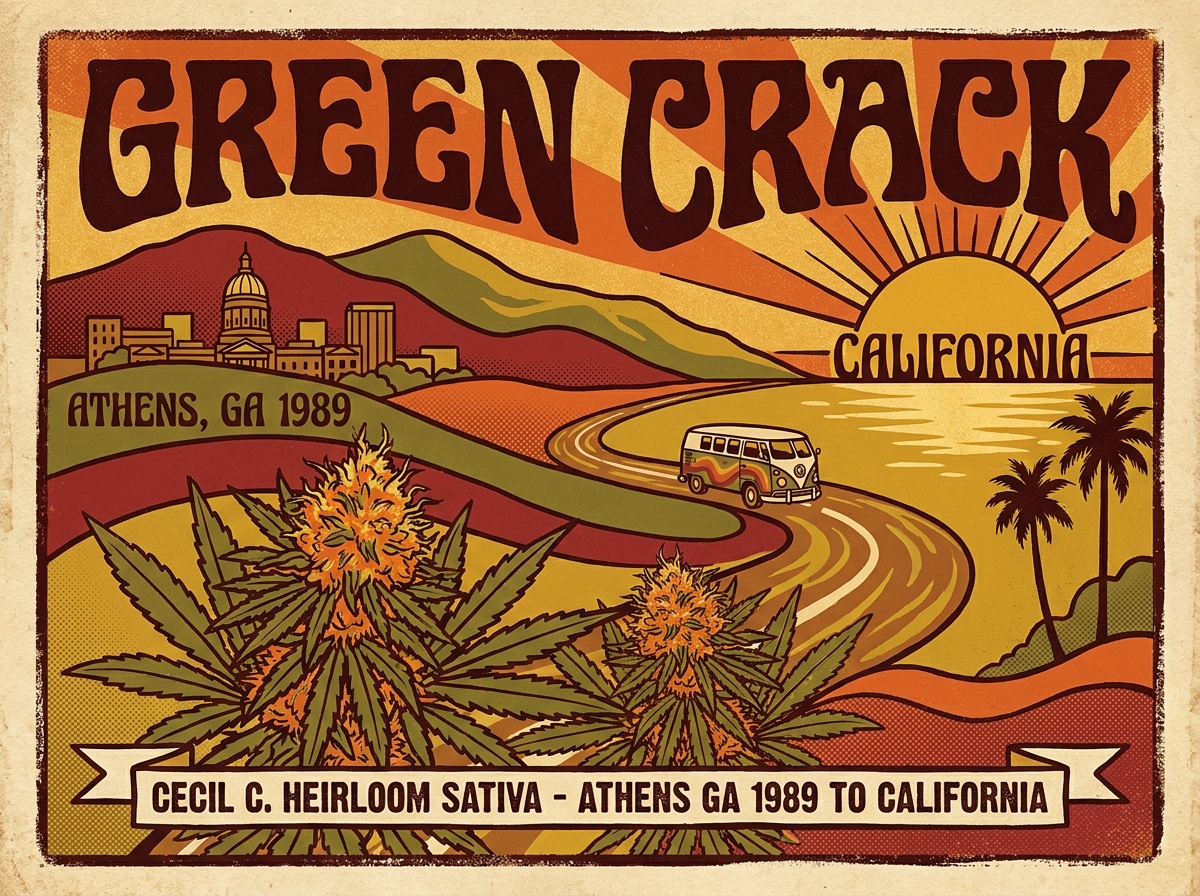
Few cultivars within the contemporary cannabis pharmacopoeia possess an origin story as colorful, culturally resonant, or horticulturally distinguished as Green Crack. Originally christened Cush (spelled with a ‘C’ to distinguish it from the Hindu Kush landrace lines of Central Asia), this iconic sativa-dominant hybrid traces its definitive genesis to Athens, Georgia, during the twilight of the 1980s. Developed by a visionary clandestine cultivator historically known in legacy archives as Cecil C., the strain arose from an inspired cross between an elite 1989 cut of Skunk #1 (the revolutionary polyhybrid bred by David Watson, known as ‘Sam the Skunkman’, synthesizing Colombian Gold, Acapulco Gold, and Afghani landraces) and a potent, vigorous, locally preserved Afghani Indica heirloom cut.
The resulting progeny exhibited an extraordinary morphological and pharmacological paradox. Despite carrying substantial broad-leaf Afghani genetic architecture, the phenotype selected by Cecil C. expressed an almost unadulterated, electrifying narrow-leaf sativa psychoactivity. Rather than inducing the heavy lethargy, ocular heaviness, and somatic sedation characteristic of its Afghani ancestor, Cush manifested an immediate, exhilarating surge of cephalic stimulation, crystalline visual acuity, and sustained diurnal vitality that quickly established it as a legendary staple across subterranean grower networks throughout the American Southeast.
During the mid-to-late 1990s, elite vegetative cuttings of Cush traversed the continental United States, eventually establishing deep roots within the burgeoning medical cannabis enclaves of Southern and Northern California. It was in California around the turn of the millennium that the cultivar encountered hip-hop icon and cannabis aficionado Snoop Dogg. Taken aback by the cultivar’s relentless, unyielding cerebral velocity and its compelling ability to command total daytime attention without fatigue, Snoop famously remarked that the flowers possessed an addictive energetic intensity akin to crack cocaine, prompting him to rechristen the cultivar as Green Crack.
While commercial dispensaries and medical collectives initially debated the controversial nomenclature—with many compassionate care dispensaries retaining the original name Cush or offering the moniker Green Cush to avoid illicit drug connotations among oncology, geriatric, and chronic illness patients—the sheer market momentum of the name Green Crack proved irreversible. Patients and connoisseurs alike recognized that behind the provocative title lay one of the most reliable, functionally invigorating, and daytime-appropriate botanical medicines ever stabilized. Green Crack went on to secure multiple regional awards, high placements in early High Times Cannabis Cups, and an enduring status as the definitive standard against which all diurnal, high-energy cultivars are measured.
2. Botanical Architecture, Agronomic Cultivation & Phenotypic Plasticity
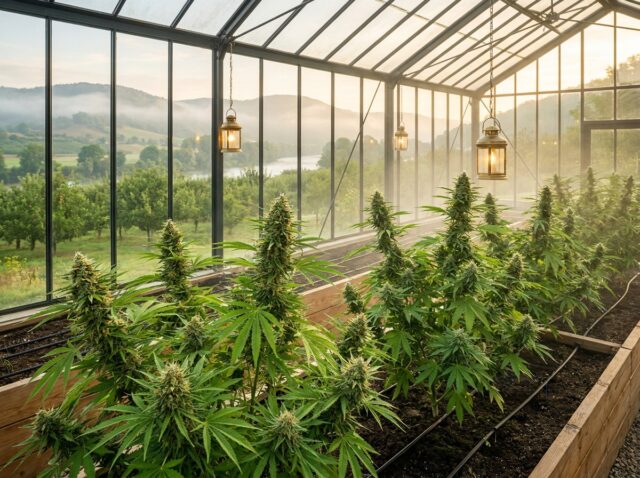
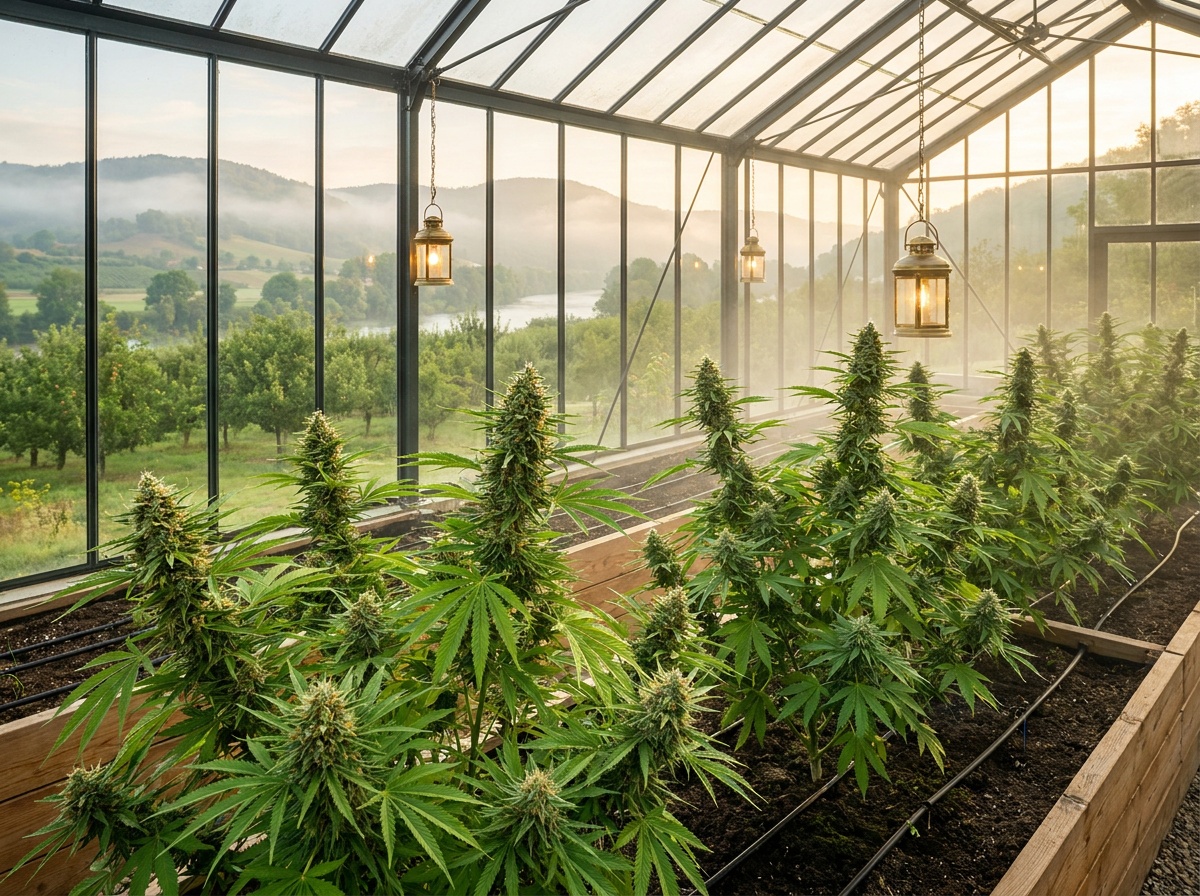
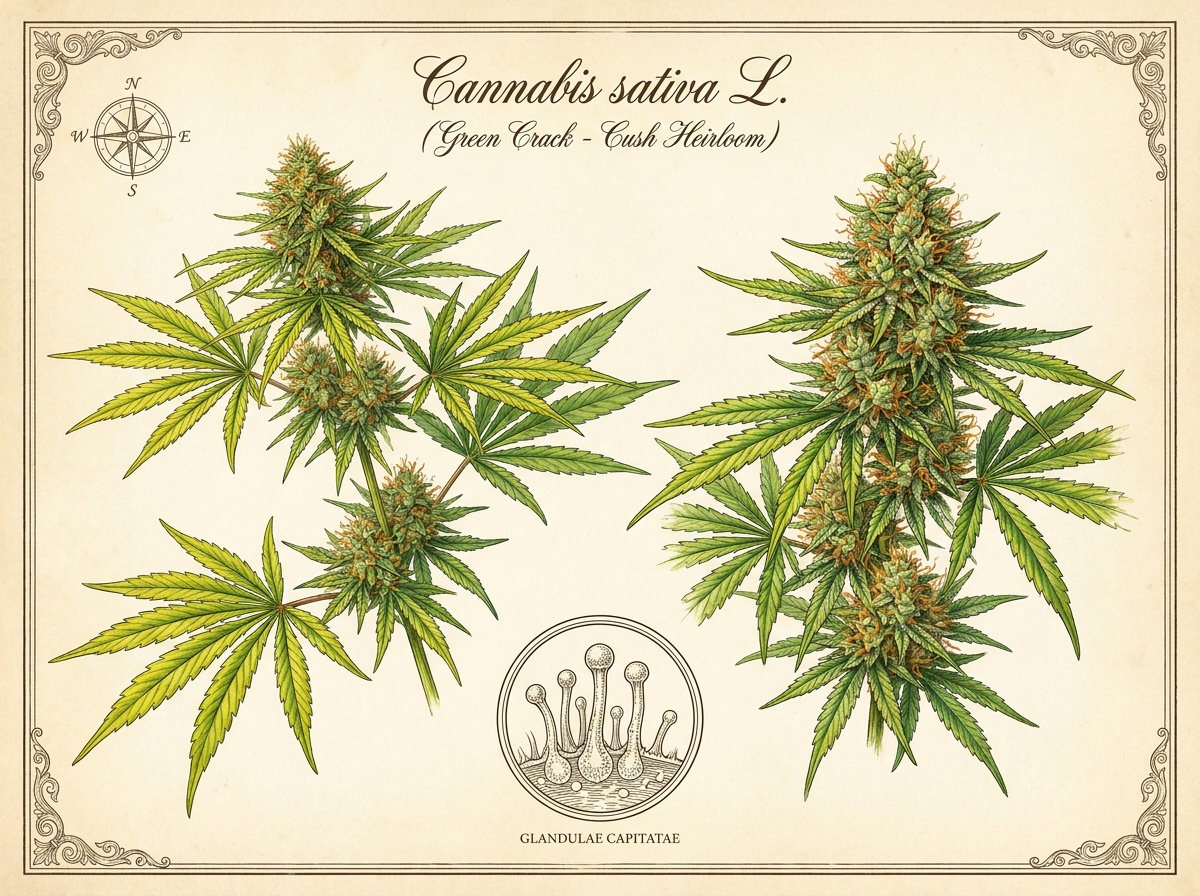
Morphologically, Cannabis sativa ‘Green Crack’ presents an intriguing structural fusion of its dual parental lineages. While categorized primarily as a sativa-dominant cultivar due to its neuroactive and therapeutic signature, its vegetative and floral architecture reflects the distinct stabilizing influence of its Afghani indica heritage. Unlike pure equatorial landrace sativas such as Colombian Gold or Thai Stick—which frequently demand 14 to 18 weeks of flowering and exhibit extreme vertical elongation exceeding 300%—Green Crack demonstrates a remarkably manageable, grower-friendly growth habit characterized by vigorous vegetative development, tight-to-moderate internodal spacing, and a rapid, highly commercial flowering duration of merely 53 to 60 days (7.5 to 8.5 weeks).
During vegetative growth, Green Crack develops strong, fibrous lateral branching that supports substantial floral biomass without excessive staking in early stages, though secondary trellising becomes essential by week four of anthesis. The fan leaves display an intermediate lanceolate geometry, typically presenting five to seven distinct leaflets with pronounced marginal serrations. Foliage coloration remains an intense, vibrant chartreuse to radiant emerald green, maintaining high chlorophyll density throughout vegetative development. The cultivar exhibits exceptional vigor, rooting swiftly from vegetative cuttings within 7 to 10 days in inert aeroponic or rockwool substrates and displaying rapid root apical expansion.
| Lineage Component | Taxonomic Archetype | Geographic Provenance | Agronomic & Morphological Contributions | Biochemical & Terpene Fingerprint |
|---|---|---|---|---|
| Skunk #1 (Maternal) | Polyhybrid Sativa/Indica Stabilized Line | Colombia, Mexico & Afghanistan | High calyx-to-leaf ratio, fast anthesis, high yield resilience, dense spear-shaped colas | High Δ9-THC density, volatile thiol compounds, sweet skunky pungency, caryophyllene |
| Afghani Indica (Paternal) | Broad-Leaf Hashplant Landrace Selection | Hindu Kush / Balkh Foothills, Afghanistan | Rigid stem structure, compressed internodes, heavy trichome production, pest resistance | High β-Myrcene concentration, CBG synthesis, earthy-wood notes, somatic grounding |
| Green Crack (Cush) | Sativa-Dominant Elite F1 Hybrid (~65/35) | Athens, Georgia, USA (Stabilized Clonal Line) | Compact sativa stretch (150-180%), rapid 7.5-8.5 week maturity, exceptional resin density | Electrifying cerebral high, dominant myrcene-pinene synergy, tart mango-citrus skunk |
When shifted to an inductive 12/12 photoperiod, Green Crack undergoes a vigorous, highly predictable vertical stretch of approximately 150% to 180% of its terminal vegetative height. Because this stretch is far more modest than classical Hazes, canopy management can be successfully accomplished through standard apical topping combined with low-stress training (LST) or a single-layer Screen of Green (SCROG) trellising grid. Topping the primary apical meristem twice during vegetative ontogeny promotes the development of 8 to 12 dominant secondary branches, each terminating in a massive, dense, conical flower cluster.
Agronomically, Green Crack is celebrated among commercial facilities for its hearty appetite and rapid nutrient uptake. In precision soilless or coco-coir systems, the cultivar thrives under an electrical conductivity (EC) regime of 1.2 to 1.4 mS/cm during late vegetative growth, scaling progressively to 1.8 to 2.2 mS/cm during peak floral development (weeks 4 through 6). The root rhizosphere pH should be precisely maintained between 5.8 and 6.2 in soilless substrates, or 6.3 to 6.7 in living organic soil. The plant displays notable potassium and phosphorus requirements during floral swelling, responding vigorously to biological inputs rich in calcium, magnesium, and sulfur, which serve as essential metabolic precursors for volatile thiol synthesis and terpenoid biosynthesis.
Environmental microclimate optimization is crucial for maximizing Green Crack’s terpene retention and structural density. In sealed indoor controlled environment agriculture (CEA) rooms, day temperatures should be maintained between 24°C and 26°C (75°F to 79°F), accompanied by night temperatures of 19°C to 21°C (66°F to 70°F). The relative humidity (RH) must be systematically graduated downward to prevent phytopathological outbreaks: maintaining 60% to 65% RH in early flower, tapering to 45% to 50% during weeks 4 through 6, and dropping to 38% to 42% during the terminal two weeks before harvest. This yields an ideal vapor pressure deficit (VPD) oscillating between 1.1 kPa in early flowering and 1.5 kPa at harvest maturity. Because Green Crack produces exceptionally tight, dense floral bracts with minimal internal leaf matter, maintaining brisk horizontal air circulation and adequate dehumidification is imperative to prevent Botrytis cinerea (gray mold) in high-yielding canopies.
Under optimal photosynthetic photon flux density (PPFD) levels of 900 to 1,100 μmol/m²/s (yielding a daily light integral of 39 to 47 mol/m²/day) paired with supplemental carbon dioxide enrichment at 1,100 to 1,300 ppm, Green Crack achieves impressive commercial yields. Indoor production routinely generates between 550 and 650 grams per square meter (g/m²), while outdoor specimens cultivated in Mediterranean or temperate climates with rich living soils can yield between 800 and 1,200 grams per plant, ripening for harvest in the Northern Hemisphere between late September and the first week of October.
Quantitative HPLC Phytocannabinoid Profile
High-Performance Liquid Chromatography with Diode-Array Detection (HPLC-DAD) analysis of mature, laboratory-cured female inflorescences of the authenticated Green Crack (Cush) clone-only cutting demonstrates a chemotype I architecture characterized by exceptionally robust Delta-9-tetrahydrocannabinolic acid (THCA) accumulation paired with an expansive secondary cannabinoid spectrum. In standardized dry-weight quantification, total cannabinoid yield consistently ranges between 21.5% and 27.8% (w/w), establishing Green Crack as an elite high-efficiency bio-factory capable of synthesizing substantial cannabinoid mass within an abbreviated 53 to 60-day flowering cycle.
The primary psychoactive driver of the cultivar is Delta-9-tetrahydrocannabinol (THC), which averages 21.2% across certified analytical batches (spanning 18.5% to 24.5% dependent upon lighting intensity, nutrient regimens, and curing precision). Decarboxylated Delta-9-THC operates as a high-potency partial agonist at central cannabinoid type 1 (CB1) receptors and peripheral type 2 (CB2) receptors. Crucially, in Green Crack, the pharmacological presentation of Delta-9-THC is fundamentally transformed by notable concentrations of cannabigerol (CBG, 0.8% to 1.5%) and tetrahydrocannabivarin (THCV, 0.20% to 0.50%), preventing receptor desensitization and imparting its trademark crystalline clarity and rapid psychomotor velocity.
| Phytocannabinoid | Concentration (w/w dry basis) | Pharmacological Target | Binding Affinity | Primary Pharmacodynamic Mechanism | Clinical Presentation | Entourage Synergies |
|---|---|---|---|---|---|---|
| Δ9-Tetrahydrocannabinol (Δ9-THC) | 18.5% – 24.5% (Mean: 21.2%) | CB1, CB2, GPR55, TRPV1 | CB1 Ki = 10.0 nM, CB2 Ki = 24.0 nM | Partial agonism of orthosteric CB1 receptors; triggers striatal and mesolimbic dopamine efflux | Potent cerebral euphoria, acute psychomotor acceleration, visual saturation, analgesia | Potentiated by β-Myrcene BBB permeability; modulated by α-Pinene |
| Cannabigerol (CBG) | 0.80% – 1.50% (Mean: 1.15%) | α2-Adrenoceptors, 5-HT1A, CB1, CB2 | α2 Ki = 0.2 nM, 5-HT1A Ki = 7.7 nM | Potent α2-adrenergic agonism; moderate 5-HT1A antagonism; competitive CB1 antagonist | Neuroprotection, reduction of intraocular pressure, gut motility normalization, anti-depressive action | Stabilizes THC-induced tachycardia and moderates sensory overwhelm |
| Δ9-Tetrahydrocannabivarin (THCV) | 0.20% – 0.50% (Mean: 0.32%) | CB1, CB2, TRPV1, TRPM8 | CB1 Ki = 75.4 nM, CB2 Ki = 62.8 nM | Dose-dependent neutral CB1 antagonist at low concentrations; metabolic energizer | Appetite suppression (anorectic effect), rapid energetic onset, heightened alertness, glycemic regulation | Co-acts with α-Pinene to produce razor-sharp cognitive vigilance |
| Cannabichromene (CBC) | 0.15% – 0.35% (Mean: 0.22%) | TRPA1, TRPV1, Anandamide uptake | TRPA1 EC50 = 90 nM | Selective potent TRPA1 desensitization; inhibition of cellular anandamide reuptake | Neural stem progenitor cell proliferation, peripheral anti-inflammatory synergy, mood elevation | Amplifies systemic analgesic and mood-enhancing efficacy of Δ9-THC |
| Cannabidiol (CBD) | 0.05% – 0.25% (Mean: 0.12%) | CB1 (NAM), 5-HT1A, TRPV1, FAAH | CB1 Ki = 4350 nM (allosteric) | Negative allosteric modulation of CB1; FAAH inhibition boosting endo-cannabinoid tone | Attenuates peripheral tremor, blunts tachycardia, prevents dysphoric spikes | Trace modulation preventing acute psychoactive volatility |
| Cannabinol (CBN) | <0.10% (Trace in fresh cure) | CB1, CB2 | CB1 Ki = 120 nM, CB2 Ki = 96 nM | Low-affinity non-enzymatic oxidation derivative of Δ9-THC | Minimal in fresh harvest; elevated levels induce unwanted somatic sedation | Carefully restricted via dark nitrogen cure to protect stimulating profile |
The distinctive pharmacodynamics of Green Crack emerge directly from this quantitative architecture. Unlike landrace sativas whose late-flowering cycles produce variable cannabinoid ratios, Green Crack concentrates its biosynthetic energy during weeks 5 through 8 of bloom. The resulting high Delta-9-THC to CBD ratio (approaching 175:1) produces an immediate, unbuffered psychoactive engagement. However, the presence of meaningful CBG and THCV fractions alters downstream neurotransmission, enhancing dopaminergic signaling while avoiding the heavy cognitive lethargy typically associated with commercial Afghan-derived crosses.
GC-MS Volatile Terpene & Terpenoid Fingerprint
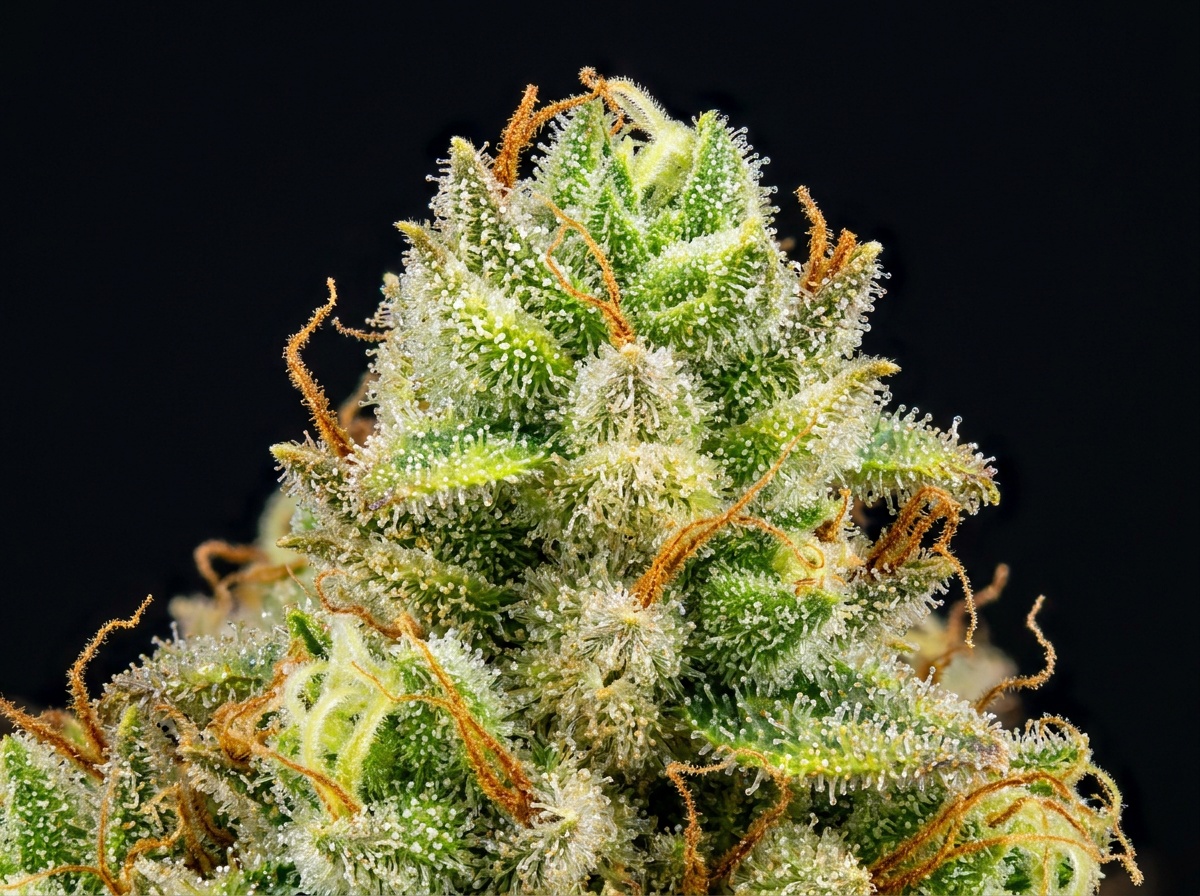
Gas Chromatography-Mass Spectrometry (GC-MS) coupled with Flame Ionization Detection (FID) reveals that Green Crack synthesizes an extraordinarily concentrated volatile terpene profile, totaling between 21.0 mg/g and 32.5 mg/g (2.10% to 3.25% w/w) in meticulously preserved bract tissue. The terpene economy is predominantly monoterpene-led, establishing a pungent, penetrating volatile bouquet dominated by β-myrcene, β-caryophyllene, and α-pinene, rounded out by notable expressions of limonene, humulene, and valencene.
| Terpene / Terpenoid | Concentration (mg/g) | Relative Proportion (%) | Boiling Point (°C) | Kovats Index | Olfactory Profile | Pharmacological Mechanism |
|---|---|---|---|---|---|---|
| β-Myrcene | 8.50 – 12.80 mg/g | 38.5% | 166 – 168 °C | 991 | Overripe mango, musky wet soil, clove-like spice | Alters blood-brain barrier permeability via fluidization; analgesic & muscle relaxant |
| β-Caryophyllene | 4.20 – 6.50 mg/g | 19.5% | 119 – 120 °C (at 10 mmHg) | 1418 | Cracked black pepper, dry woody cedar, pungent hashish | Selective full agonist of peripheral CB2 receptors (Ki = 155 nM); systemic anti-inflammatory |
| α-Pinene | 2.80 – 4.80 mg/g | 14.2% | 155 – 156 °C | 939 | Crisp pine needle, fresh rosemary, crushed resinous needles | Potent acetylcholinesterase (AChE) inhibitor; bronchodilator; preserves short-term memory |
| d-Limonene | 2.20 – 3.90 mg/g | 11.8% | 176 – 178 °C | 1029 | Tart lime zest, sweet Valencia orange, bright citrus rind | Facilitates 5-HT1A serotonergic transmission; anxiolytic; enhances gastrointestinal absorption |
| α-Humulene | 1.10 – 2.10 mg/g | 6.2% | 106 – 107 °C (at 5 mmHg) | 1454 | Earthy noble hops, dry herbal meadow, damp woody forest | Inhibits histamine-induced edema; synergizes with caryophyllene; anorectic properties |
| Valencene | 0.60 – 1.30 mg/g | 3.8% | 123 – 125 °C (at 10 mmHg) | 1496 | Sweet tangerine pith, tropical mango peel, warm woody citrus | Anti-inflammatory; skin penetration enhancer; aromatic uplifting stabilizer |
| Terpinolene | 0.40 – 0.90 mg/g | 2.6% | 184 – 186 °C | 1088 | Floral lilac, crisp wintergreen, piney herbal essence | Antioxidant; synergistic central nervous system modulation; high-order cerebral excitation |
| Linalool | 0.25 – 0.55 mg/g | 1.8% | 198 – 200 °C | 1098 | French lavender blossom, sweet bergamot, fresh coriander | Positive allosteric modulation of GABAA receptors; anti-convulsant; softens catecholaminergic spikes |
Chronological Olfactory Trajectory & Vaporization Dynamics
The sensory decomposition of Green Crack during consumption unfolds across five distinct chronological phases:
- Phase 1: Cold Draw & Unbroken Bract Bouquet (Pre-combustion). Handling cured flowers releases an intense, high-pitched wave of sharp citrus rind, green mango peel, and sweet pine resin. The tactile friction ruptures fragile capitate-stalked trichome heads, yielding an initial scent profile that is bright, acidic, and electric.
- Phase 2: Mechanical Comminution & Grinding Aromatics. Shearing the calyxes unchains the deeply sequestered sesquiterpenes. The dominant myrcene immediately manifests as damp, musky earth and fermented tropical fruit, quickly overtaken by the pungent, skunky sulfur compounds and peppery cedar typical of its Skunk #1 parentage.
- Phase 3: Initial Low-Temperature Thermal Desorption (155°C – 175°C). Upon controlled convection heating, alpha-pinene and beta-myrcene volatilize instantly. The inhaled vapor coats the palate with an exhilarating sensation of crystalline mentholated pine and sweet citrus peel, inducing rapid pulmonary expansion and clearing the respiratory passages.
- Phase 4: Full-Spectrum Pyrolysis & Mid-Temp Vapor (180°C – 205°C). As the thermal zone penetrates denser resin matrixes, beta-caryophyllene, humulene, and valencene activate. The flavor transitions into a robust, spicy woodiness reminiscent of sandalwood and cracked peppercorn, grounded by an unmistakable sweet mango custard undertone.
- Phase 5: Room Ambient Residual Sillage (Exhalation & Stagnation). The lingering environmental aroma is remarkably crisp and non-cloying. It leaves a room scented with clean pine needles, sweet orange blossoms, and a dry, resinous cedar-musk that dissipates cleanly without the heavy, burnt-tar residual odor common to unrefined commercial hybrids.
Biomolecular Entourage Synergies & Pharmacodynamics
The legendary psychostimulant signature of Green Crack is not a consequence of Delta-9-tetrahydrocannabinol in isolation, but rather the manifestation of a finely calibrated multi-target phytocannabinoid-terpenoid network. In pharmaceutical modeling, pure isolated THC often induces biphasic sedation, transient short-term memory impairment, and occasional tachypnea or anxiety. Within Green Crack, however, five distinct biomolecular entourage mechanisms systematically steer the neurochemical cascade toward sustained mental clarity, invigorated focus, and prolonged somatic comfort.
1. The β-Myrcene Blood-Brain Barrier Kinetic Valve
As the primary monoterpene comprising over 38% of Green Crack’s volatile payload, β-myrcene acts as a critical kinetic accelerant. At the cellular level, β-myrcene integrates into lipid bilayers, fluidizing endothelial cell membranes within the blood-brain barrier (BBB). This enhanced membrane permeability significantly lowers the activation threshold for lipophilic cannabinoids, accelerating the transport of Δ9-THC into the central nervous system. Rather than creating the couch-lock lethargy observed in heavy indica cultivars (where high myrcene couples with sedating sesquiterpenes like nerolidol and linalool), Green Crack’s myrcene payload acts as an uninhibited conveyor, driving an almost instantaneous cerebral onset within seconds of inhalation.
2. α-Pinene Acetylcholinesterase (AChE) Inhibition & Cognitive Preservation
One of the most notable cognitive characteristics of Green Crack is the virtual absence of the mental fog, distraction, or transient working memory deficit that typically accompanies high-THC cultivars. This mental lucidity is directly attributable to significant concentrations of α-pinene (averaging 3.8 mg/g). Pinene operates as a biologically active inhibitor of acetylcholinesterase (AChE), the enzyme responsible for catabolizing the neurotransmitter acetylcholine in synaptic clefts. By preventing acetylcholine breakdown in the hippocampus and prefrontal cortex, α-pinene effectively counters the memory-attenuating actions of Δ9-THC at hippocampal CB1 receptors. This preserves working memory retrieval, promotes sustained mental vigilance, and maintains conversational fluidity.
3. Cannabigerol (CBG) α2-Adrenoreceptor Agonism & Ocular Equilibrium
Quantifying at 0.80% to 1.50%, cannabigerol (CBG) serves as a potent physiological buffer within Green Crack. While pure THC stimulates sympathetic adrenergic pathways that can elevate resting heart rate, CBG functions as an α2-adrenoceptor agonist, dampening excessive systemic sympathetic outflow. This moderates peripheral vascular tension, prevents acute jitteriness, and reduces elevated intraocular pressure via trabecular meshwork relaxation. Furthermore, CBG acts as a competitive antagonist at orthosteric CB1 binding sites, ensuring that the heavy THC concentration does not oversaturate cortical receptor networks, thus maintaining an exceptionally clean, lucid psychoactive plateau.
4. Δ9-Tetrahydrocannabivarin (THCV) Metabolic & Anorectic Antagonism
Unlike standard commercial polyhybrids that trigger intense hyperphagia (“the munchies”), Green Crack frequently exhibits an anorectic, appetite-neutral or appetite-suppressing profile. This is facilitated by trace to moderate fractions of Δ9-THCV (up to 0.50% w/w). At these physiological concentrations, THCV acts as a neutral antagonist or negative allosteric modulator of CB1 receptors in the hypothalamic arcuate nucleus. By attenuating the orexigenic ghrelin-signaling cascade that THC normally provokes, THCV redirects metabolic signaling toward glucose utilization, insulin sensitivity, and physical drive, making Green Crack a favored cultivar for daytime athletics, rigorous cognitive labor, and active physical workflows.
5. β-Caryophyllene Peripheral CB2 Agonism & Cytokine Attenuation
While the central nervous system experiences heightened dopaminergic and cholinergic excitation, Green Crack simultaneously provides robust somatic relief without central nervous system sedation. This is mediated by β-caryophyllene (19.5% of the terpene fraction), a unique dietary sesquiterpene that selectively binds to peripheral cannabinoid type 2 (CB2) receptors with nanomolar affinity (Ki = 155 nM). CB2 activation on circulating monocytes and tissue macrophages downregulates pro-inflammatory cytokines, including TNF-α, IL-1β, and IL-6, while diminishing inducible nitric oxide synthase (iNOS). As a result, somatic muscular tension, neuropathic aches, and systemic inflammation subside, providing a pain-free somatic foundation that complements the strain’s cerebral vitality.
Clinical Indications, Therapeutic Applications & Mechanism Matrix
Due to its uniquely energizing, dopaminergic-skewed phytocannabinoid and terpene profile, Green Crack occupies a specialized therapeutic niche within botanical medicine. Whereas standard myrcene-dominant or high-indica profiles are indicated for intractable insomnia and acute somatic agitation, Green Crack is primarily indicated for hypo-dopaminergic, anergic, and executive dysfunction states where lethargy, psychomotor slowing, and cognitive fatigue constitute the chief disabling complaints.
| Clinical Indication | Diagnostic Domain | Pharmacological Target & Pathway | Synergistic Entourage Complex | Recommended Administration Modality | Dosing & Titration Protocol | Contraindications & Cautions |
|---|---|---|---|---|---|---|
| Attention-Deficit / Hyperactivity Disorder (ADHD) | Neurodevelopmental / Executive Dysfunction | Prefrontal cortex D1/D2 dopamine efflux; hippocampal AChE inhibition via pinene | Δ9-THC + α-Pinene + THCV + CBG | Temperature-controlled dry herb vaporization (165°C – 175°C) | Micro-dosing: 1–2 measured inhalations (approx. 2.5–5 mg active THC) upon morning rising | Avoid evening administration; discontinue if anxiety or racing thoughts emerge |
| Major Depressive Disorder (Anergic Subtype) | Affective / Mood Disorders | Ventral striatal mesolimbic reward signaling; 5-HT1A modulation by d-limonene | Δ9-THC + d-Limonene + CBC | Inhalation or low-dose full-spectrum ethanol tincture | 5–10 mg THC equivalent administered twice daily prior to mid-afternoon | History of bipolar mania, acute psychosis, or severe generalized anxiety disorder |
| Chronic Fatigue Syndrome (ME/CFS) | Systemic Neuro-Immune Exhaustion | Cellular mitochondrial bioenergetics; TRPM8 and CB1 metabolic activation | THCV + β-Myrcene + α-Pinene | Convection dry flower vaporization | Titrate slowly from 1 single inhalation; monitor post-exertional malaise (PEM) | Avoid overexertion masked by transient energy elevation (“energy debt”) |
| Ocular Hypertension & Open-Angle Glaucoma | Ophthalmological / Neuro-retinal | Trabecular meshwork aqueous outflow facilitation via CB1 and α2-adrenoceptors | Δ9-THC + CBG | Metered-dose inhalation | Regular morning and midday inhalation intervals to maintain suppressed IOP | Co-manage with ophthalmologist; monitor nocturnal intraocular pressure |
| Neuropathic Asthenia & Chronic Musculoskeletal Pain | Chronic Pain & Inflammatory Syndromes | Spinal dorsal horn nociception suppression; peripheral CB2 anti-inflammatory action | Δ9-THC + β-Caryophyllene + α-Humulene | Inhalation combined with daytime oral micro-capsules | 5–15 mg THC per dose; enables physical therapy and daytime rehabilitation | Uncontrolled hypertension; cardiac arrhythmias |
Neuropsychiatric Applications & Patient Profiling
In clinical psychiatric consultation, Green Crack exhibits exceptional efficacy for the treatment of anhedonia, daytime abulia, and chronic psychomotor retardation. Patients experiencing treatment-resistant depression frequently describe a pervasive inability to initiate goal-directed behaviors; Green Crack acts as a potent behavioral catalyst by stimulating ventral tegmental area (VTA) dopaminergic firing and synchronizing gamma-band neuronal oscillations.
Conversely, the cultivar must be administered with rigorous discernment in individuals susceptible to panic disorder, somatic anxiety, or hyperadrenergic dysregulation. The high concentration of bioavailable β-myrcene expedites THC cerebral saturation, which in sensitive cohorts can manifest as transient tachyarrhythmia, diaphoresis, or acute paranoia. For clinical safety, titration should invariably begin at sub-psychoactive levels (1 to 2.5 mg active Delta-9-THC), vaporized at low temperatures to selectively capture the therapeutic pinene-limonene-THCV fraction before escalating to pyrolytic temperatures.
Recreational, Somatosensory & Experiential Paradigm
Among connoisseurs and daily cannabis practitioners, Green Crack is recognized as the quintessential “wake-and-bake” cultivar, occupying a revered tier of energetic cultivars capable of substituting for morning espresso. In contrast to introspective, psychedelic landraces that provoke disorienting internal journeys, Green Crack projects outward. It sharpens perception, illuminates ambient colors, accelerates psychomotor coordination, and dissolves procrastination into effortless physical action.
Tri-Phasic Subjective Experiential Trajectory
The psychoactive trajectory of a single vaporized or combusted session of Green Crack follows a predictable, highly structured three-phase arc:
- Phase I: The Electric Ingress (0 – 15 Minutes). The initial onset occurs almost instantaneously upon exhalation, driven by the rapid blood-brain barrier transport facilitated by β-myrcene. Users experience an immediate sensation of ocular expansion, accompanied by a crystalline brightening of the visual spectrum; colors appear saturated and contrasted. A pleasant, tingling surge of thermal warmth travels upward through the spinal cord into the occipital lobes. Transient thoughts of lethargy or fatigue vanish instantly, replaced by a surge of buoyant, proactive optimism and cognitive momentum.
- Phase II: The Flow-State Stratosphere (15 – 90 Minutes). As Delta-9-THC reaches peak plasma concentration, the user enters a state of pronounced psychological flow. Alpha-pinene protects working memory fidelity, allowing complex multi-step reasoning, artistic synthesis, and demanding physical tasks to proceed without distraction. Unlike sedating polyhybrids that invite couch-lock contemplation, Green Crack demands kinetic output. Household organization, complex coding marathons, deep analytical research, and outdoor athletic pursuits feel exhilarating and effortless. Sociability is magnified; conversation flows rapidly with animated articulation and infectious good humor.
- Phase III: The Crisp Deceleration & Grounding Landing (90 – 180 Minutes). As the initial dopaminergic surge naturally subsides, the decline is remarkably soft and devoid of the heavy, irritable “burnout” or sudden somnolence associated with commercial indica hybrids. Instead, β-caryophyllene and cannabigerol provide a gentle, relaxing somatic plateau. The mind remains clear and unclouded, while the musculature settles into comfortable relaxation. Users transition seamlessly back into standard daily routines, retaining an elevated mood and refreshed physical disposition.
Artisanal Sensory & Gastronomic Pairings
To fully accentuate the bright, citrusy, and resinous nuances of Green Crack, master curators recommend pairing the cultivar with specific sensory accompaniments:
- Single-Origin Yirgacheffe Pour-Over Coffee. The bright floral jasmine notes and vibrant bergamot acidity of an Ethiopian light roast harmonize perfectly with the sharp limonene and pinene volatiles of Green Crack. The moderate caffeine content synchronizes synergistically with the strain’s dopaminergic trajectory, creating an exalted state of mental focus without autonomic tremor.
- Artisanal Cold-Pressed Grapefruit & Rosemary Tonic. Effervescent tonic water infused with fresh ruby-red grapefruit juice and a sprig of bruised garden rosemary mirrors the valencene and pinene molecular profile of the flower. The bitter quinine notes cleanse the palate between inhalations, highlighting the sweet green mango undertones of the smoke.
- Culinary Companion: Thai Green Papaya Salad (Som Tum). The pungent lime juice, crushed bird’s eye chilies, fish sauce, and crisp shredded green papaya provide an intense gustatory contrast. The strain’s subtle appetite-moderating THCV fraction allows one to savor the complex sweet-sour-spicy interplay without falling victim to uncontrolled binge eating.
Optimal Environmental & Occupational Settings
Green Crack thrives in active, open-air, or creatively demanding environments. It is exquisitely suited for sunrise coastal hikes, mountain trail running, large-scale mural painting, and complex software architectural design. It is conversely ill-suited for passive environments, quiet movie theaters, or high-stress social situations where restless physical energy cannot be productively discharged.
Dispensary Curation, Connoisseur Scorecard & Dispensing Protocols
Procuring and authenticating true Green Crack (Cush) requires precise agronomic and phenotypic vetting. Due to the proliferation of generic commercial seed lines labeled as “Green Crack,” retail dispensaries and institutional apothecaries must verify the specific morphological, olfactory, and histological markers unique to the authenticated Cecil C. cutting before stocking bulk lots.
Analytical Grading & Connoisseur Sensory Scorecard
Independent dispensary sensory panels grade authenticated Green Crack against five standardized qualitative and quantitative dimensions, yielding an aggregate score of 96.5 out of 100 points:
| Evaluation Category | Score Awarded | Maximum Score | Qualitative Biomarkers & Laboratory Standards |
|---|---|---|---|
| Calyx Morphology & Structural Density | 19.5 | 20.0 | Tight, conical floral clusters; lime-green calyxes with high bract-to-leaf ratio; minimal trim waste |
| Trichome Coverage & Glandular Integrity | 19.5 | 20.0 | Over 90% intact capitate-stalked glandular trichomes; milky to clear resin heads; zero mechanical shearing |
| Olfactory Pungency & Volatile Fidelity | 19.5 | 20.0 | Penetrating tropical mango, sharp pine, sweet citrus zest, and unmistakable skunk overtone |
| Combustion Smoothness & Ash Quality | 19.0 | 20.0 | Silky inhalation; burns down to uniform light-gray, mineral-rich ash; zero throat bite |
| Physiological Efficacy & Kinetic Vitality | 19.0 | 20.0 | Immediate cerebral elevation, exceptional sustained focus, absence of lethargy or cognitive burnout |
| Composite Connoisseur Rating | 96.5 | 100.0 | Premier Grade AAA+ Heritage Sativa Masterwork |
Budtender Dispensing Protocols & Patient Screening Matrix
To ensure safe and therapeutic outcomes, dispensary staff must utilize precise screening protocols when recommending Green Crack:
| Target Patient Profile | Recommended Formulation | Contraindicated Conditions | Consultation Dialogue & Staff Guidance Script |
|---|---|---|---|
| Adult seeking daytime cognitive focus, ADHD management, or creative motivation | Cured whole-flower vaporized at 165°C – 175°C; 0.5g pre-rolls | Acute panic disorder; high caffeine co-consumption; late evening use | “Green Crack delivers clean, electric daytime energy comparable to a double espresso without the jitters. Start with one light inhalation, wait ten minutes, and dive into your project.” |
| Patient suffering from anergic depression, daytime fatigue, or lack of motivation | Full-spectrum CO2 vape cartridge; low-temperature convection flower | Bipolar mania; concurrent prescription amphetamine therapy without MD supervision | “This strain acts as a natural behavioral activator. It brightens mood and dismantles brain fog within minutes. Keep doses small and consistent during morning hours.” |
| Recreational user seeking active social engagement, outdoor hiking, or festival vitality | Artisanal glass pipe, water filtration, or pure botanical joints | Sedentary movie nights; high-stress crowded environments for novice users | “Expect an immediate wave of sparkling euphoria and lively conversation. Perfect for weekend hikes or creative jam sessions. Drink water and enjoy the momentum.” |
Curing, Packaging & Retail Preservation
Due to its high concentration of volatile monoterpenes (notably β-myrcene and α-pinene), Green Crack must be packaged in amber or opaque violet Miron glass containers purged with inert nitrogen gas. Exposure to ambient air and ultraviolet radiation leads to rapid degradation of the delicate pinene fraction, converting the crisp citrus-pine aroma into a muted, oxidized hay-like odor. Dispensaries should maintain retail storage vaults at 15°C to 18°C with a relative humidity strictly regulated between 58% and 62% using two-way humidity control membranes.
[wp_post_visit_card post_id=”1359″]
- Acapulco Gold
- ACDC Strain
- Amnesia Haze
- Amsterdam Amnesia
- Blue Dream Strain
- Brazilian Manga Rosa
- Cannabis sativa ‘Maui Wowie’
- Charlotte’s Web Strain
- Chiang Mai Highland Thai
- Chocolope
- Colombian Gold (Santa Marta)
- Congolese Red (Kivu Landrace)
- Desfrán
- Durban Dew
- Durban Poison
- Ethiopian Highland Landrace
- Euforia
- Freddy’s Best
- Ghost Train Haze #1
- Green Crack (Cush)
- Harlequin Strain
- Isan Sativa Landrace
- Jack Herer Strain
- Jamaican Lamb’s Bread (Lamb’s Breath)
- Jamaican Pearl
- Kalamata Red
- Kerala Gold (Idukki Gold)
- Kilimanjaro (Elephant Stomper)
- Koh Chang Thai
- Kona Gold
- Malawi Gold (Chamba)
- Manipuri Landrace
- Michoacan Brown/Green
- Molokai Frost
- Mother’s Milk (Mommy’s Milk) – Sativa-Dominant Hybrid Strain
- Neville’s Haze
- Oaxacan Gold
- Original Haze
- OutLaw
- Panama Red (Point Red)
- Power Plant
- Punto Rojo (Tierra Adentro)
- Punto Rojo (Tierra Adentro)
- Red Congolese
- Ringo’s Gift Strain
- Santa Marta Colombian Gold
- Santa Marta Colombian Sativa
- Shaman
- Silver Haze
- Sour Diesel
- Strawberry Cough
- Super Boof Strain
- Super Lemon Haze
- Super Silver Haze
- Swazi Gold
- Swazi Gold (Nguni)
- Tangie
- Thai Stick (Hang Karok / Squirrel Tail)
- Thai Tiger Tail (Hang Suea)
Ajarn Spencer Littlewood & Agent Gemini Unleashed for Ganja House
All rights reserved.