Scientific Audio Monograph: Mazar Extra
High-Fidelity Spoken Botanical Dissertation & Chemosensory Profile (Ryan Neural Synthesis)
1. Origins, Ethnobotanical History & Balkh Oasis Legacy
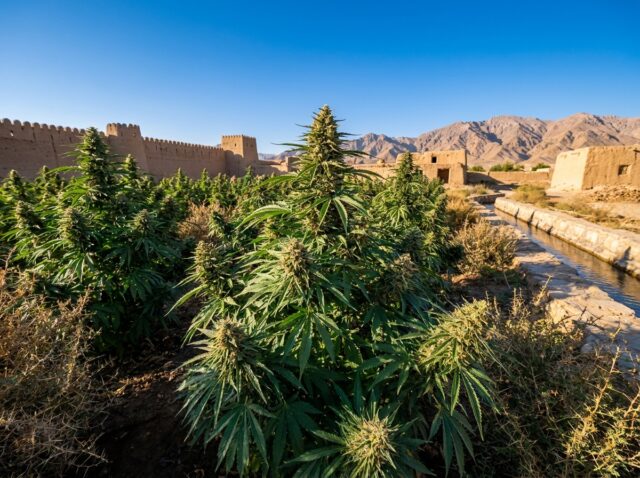
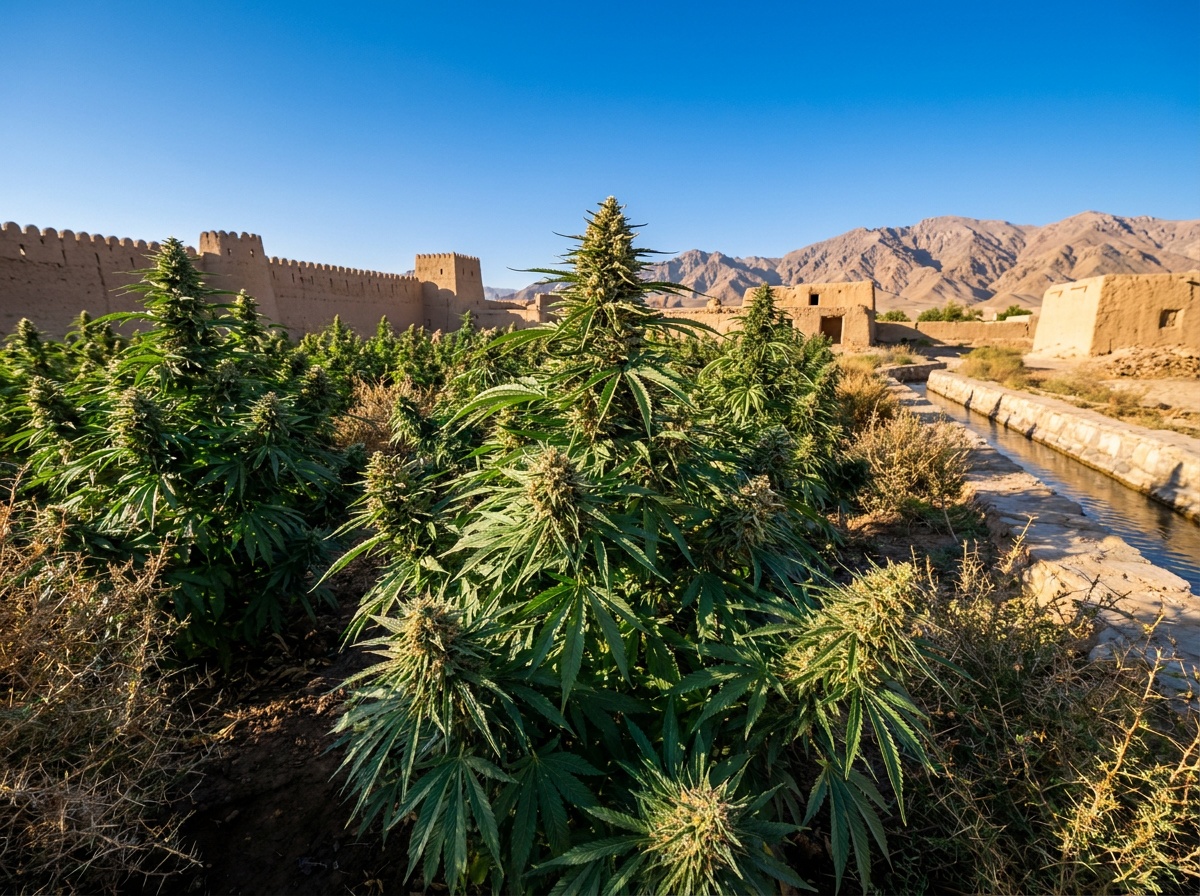
Mazar Extra occupies an exalted echelon within the global taxonomy of heirloom cannabis, representing an unadulterated, pure indica landrace selection hailing from the legendary oasis city of Mazar-i-Sharif in the Balkh Province of northern Afghanistan. Situated along the historic Silk Road at an elevation of approximately 360 to 420 meters above sea level, the ancient territory of Bactria—historically celebrated as the ‘Mother of Cities’—has nurtured cannabis cultivation for millennia. Surrounded by the arid expanse of the Turkestan Plains and shadowed to the south by the towering, snow-capped foothills of the Hindu Kush mountain range, this geographic enclave has acted as an evolutionary crucible, shaping a botanical variety uniquely adapted to survive extreme continental climatic oscillations while producing extraordinary quantities of viscous protective resin.
Ethnobotanically, the culture of cannabis in Balkh is inextricably woven into the spiritual, agricultural, and commercial tapestry of the region. Irrigated by the snowmelt waters of the Balkh River (known in antiquity as the Bactrus), traditional peasant farmers—known locally as dehqan—developed highly refined selective breeding methodologies over successive generations. While wild ruderal populations grew along irrigation ditches, cultivated fields were scrupulously rogued to eliminate low-resin and hermaphroditic individuals, favoring robust, broad-leaf specimens exhibiting massive resin head development, intense pungency, and rapid autumnal maturation prior to the onset of harsh steppe winters.
The city of Mazar-i-Sharif, renowned worldwide for its cobalt and turquoise-tiled Shrine of Hazrat Ali (the Blue Mosque), served as the commercial nexus for the traditional trade of artisanal Afghan hashish. Here, the harvest of Mazar Extra was processed into the legendary Shirak-i-Mazar (‘Milk of Mazar’), a premier grade of sieved, hand-kneaded charas celebrated across Central Asia, Persia, and the Levant for its dark, lustrous exterior, soft pliable consistency, rich spicy bouquet, and profound, immobilizing physical potency. During the countercultural migration of the ‘Hippie Trail’ in the late 1960s and 1970s, Western travelers, botanists, and collectors made pilgrimage to Balkh, bringing back foundational seed stocks of Mazar that would subsequently revolutionize global cannabis hybridization, providing the compact architecture, accelerated flowering cycles, and heavy resin yields that underpin modern indoor commercial cultivars.
Unlike modern polyhybrids that have been repeatedly backcrossed and domesticated under artificial indoor lighting, Mazar Extra preserves the pristine genetic integrity of an ancient ancestral inbred line. Maintained through traditional open-pollination selection within isolated desert oases, it retains the raw vigour, ecological resilience, and complex pharmacological entourage that can only emerge from centuries of natural and anthropogenic symbiosis under the blazing Central Asian sun.
Archaeological excavations throughout the historical Bactria-Margiana Archaeological Complex (BMAC) have demonstrated that the Balkh River oasis represents one of the most ancient epicentres of ritual and medicinal cannabis utilization on earth. Discoveries at proto-urban sites such as Gonur Tepe and Dashly Oasis have unearthed ceramic braziers, chalices, and libation vessels dating to the second and third millennia BCE containing residual microscopic traces of cannabis pollen, ephedra, and wild poppy seeds—the foundational botanicals of the sacred Zoroastrian sacrament known as Haoma (cognate to Vedic Soma). In ancient Bactrian medical cosmology, the cannabis plant was venerated as a primordial panacea, an intermediary botanical gifted by the elements to tranquilize bodily agony and align the human nervous system with cosmic equilibrium.
During the Islamic Golden Age, Balkh flourished as a monumental intellectual hub, giving birth to luminaries such as the mystic poet Jalal al-Din Muhammad Rumi and providing the scholarly setting for the physician-philosopher Ibn Sina (Avicenna), who systematically catalogued the analgesic, soporific, and anti-spasmodic virtues of cannabis extracts in his seminal compendium The Canon of Medicine (Al-Qanun fi al-Tibb). Medieval Sufi dervishes throughout Balkh and Mazar-i-Sharif embraced cannabis infusions and hand-rubbed charas as Waraq al-Khayal (‘Leaves of Divine Contemplation’), utilizing the profound physical tranquility induced by the local Afghanica flora to quiet somatic restlessness during prolonged nocturnal meditations and ecstatic zikr liturgies.
2. Genetic Lineage, Phylogeny & Botanical Morphology
| Taxonomic Metric | Botanical Classification / Specification |
|---|---|
| Botanical Name | Cannabis sativa subsp. indica var. afghanica (Pure Afghan Indica Landrace Selection) |
| Cultivar / Heirloom Name | Mazar Extra (Mazar-i-Sharif Oasis Indica / Balkh Heirloom) |
| Geographic Origin | Mazar-i-Sharif Oasis, Balkh Province, Northern Afghanistan (Coordinates: 36°42′ N, 67°07′ E; Elevation: 360m – 420m ASL) |
| Genetic Lineage | Ancient Afghanica Landrace Inbred Line (Traditional Balkh River Alluvial Plain Selection) |
| Chemotype | Type I (High-THC / High-Myrcene / Moderate CBD & CBG Sedative Indica Ecotype) |
| Flowering Period | 8 to 9 Weeks (56 to 63 Days) |
| Canopy Architecture | Squat, compact pyramidal Christmas-tree branching; broad 7-to-9 leaflet leathery dark-green foliage; short internodal spacing (<4 cm) |
| Vegetative Stretch | Minimal to moderate (50% to 80% upon photoperiod induction) |
| Traditional Utilization | Artisanal dry sifting for legendary Shirak-i-Mazar black hashish; sacred Charas temple offerings |
| Cultivation Suitability | Arid continental climates, dry Mediterranean outdoor gardens, precision indoor setups, cold night resilient |
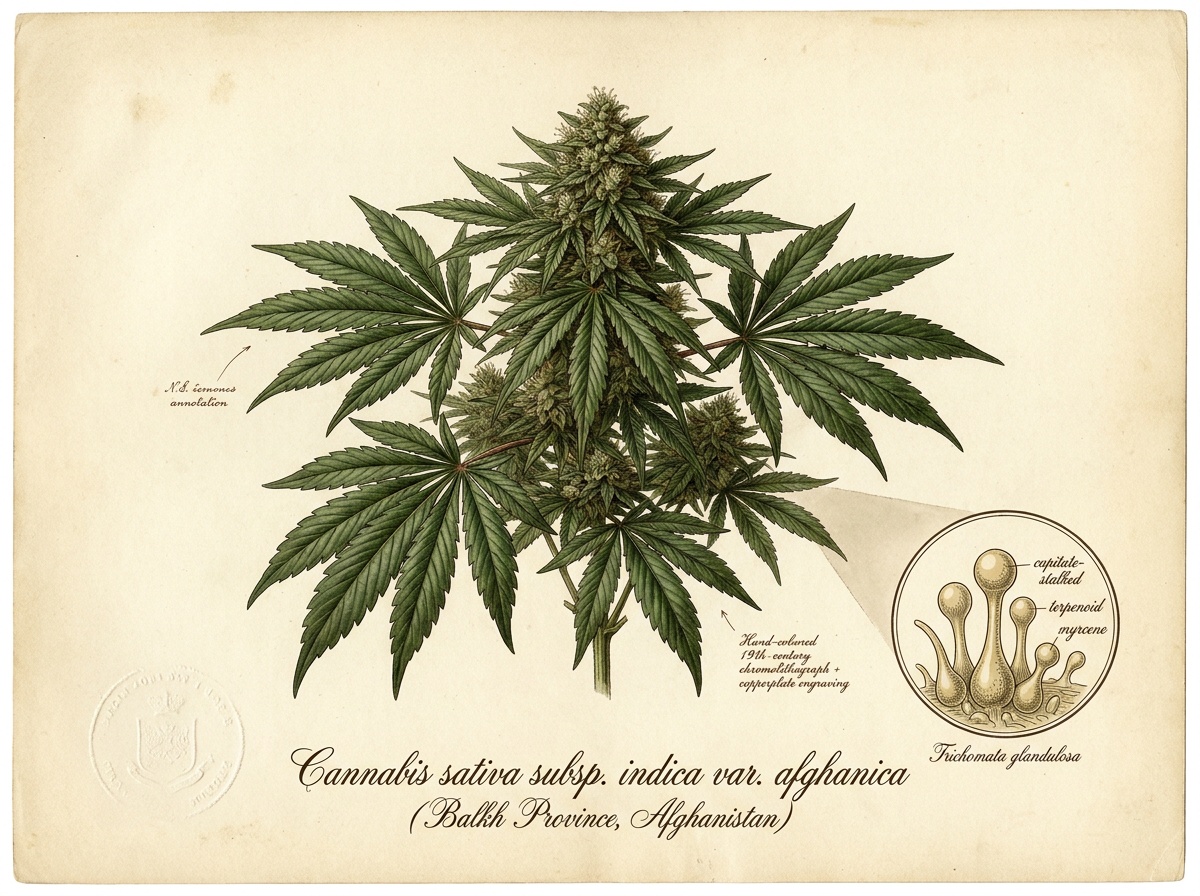
Botanically classified within the modern taxonomic framework as Cannabis sativa subsp. indica var. afghanica (following the definitive delineations of Small & Cronquist, as well as McPartland & Guy), Mazar Extra exhibits the quintessential Afghanica morphological ideotype. Historically demarcated from narrow-leaflet equatorial sativas and slender Himalayan landraces, the broad-leaflet varieties of northern Afghanistan and the Hindu Kush represent an evolutionary divergence driven by adaptation to intense solar radiation, dry continental air, and dramatic day-to-night temperature fluctuations.
In vegetative development, Mazar Extra displays a remarkably compact, stout, and symmetrical pyramidal architecture reminiscent of a miniature coniferous evergreen. Plants typically achieve a mature stature between 1.2 and 1.5 meters when grown in open soil, rarely exceeding 1.8 meters even under protracted vegetative periods. The primary stalk is exceptionally thick, fibrous, and lignified, capable of supporting heavy floral masses without structural collapse. Internodal spacing is remarkably brief, typically measuring between 2.0 and 4.0 centimeters, resulting in an exceptionally dense canopy structure that maximizes light interception while presenting a low vertical profile against fierce steppe winds.
The foliar morphology of Mazar Extra is unmistakable: broad, overlapping palmate leaves bearing 7 to 9 deeply serrated, leathery leaflets. Leaf coloration is an intensely saturated forest green to midnight emerald, indicative of exceptionally high chlorophyll A and B concentrations optimized for efficient photosynthetic capture during sunny continental days. The cuticular layer of the epidermis is unusually thick and waxy, an anatomical adaptation designed to minimize transpirational moisture loss in arid desert conditions. Upon the initiation of flowering, vegetative stretch is minimal—typically registering between 50% and 80%—allowing growers to maintain precise canopy management without extensive trellising.
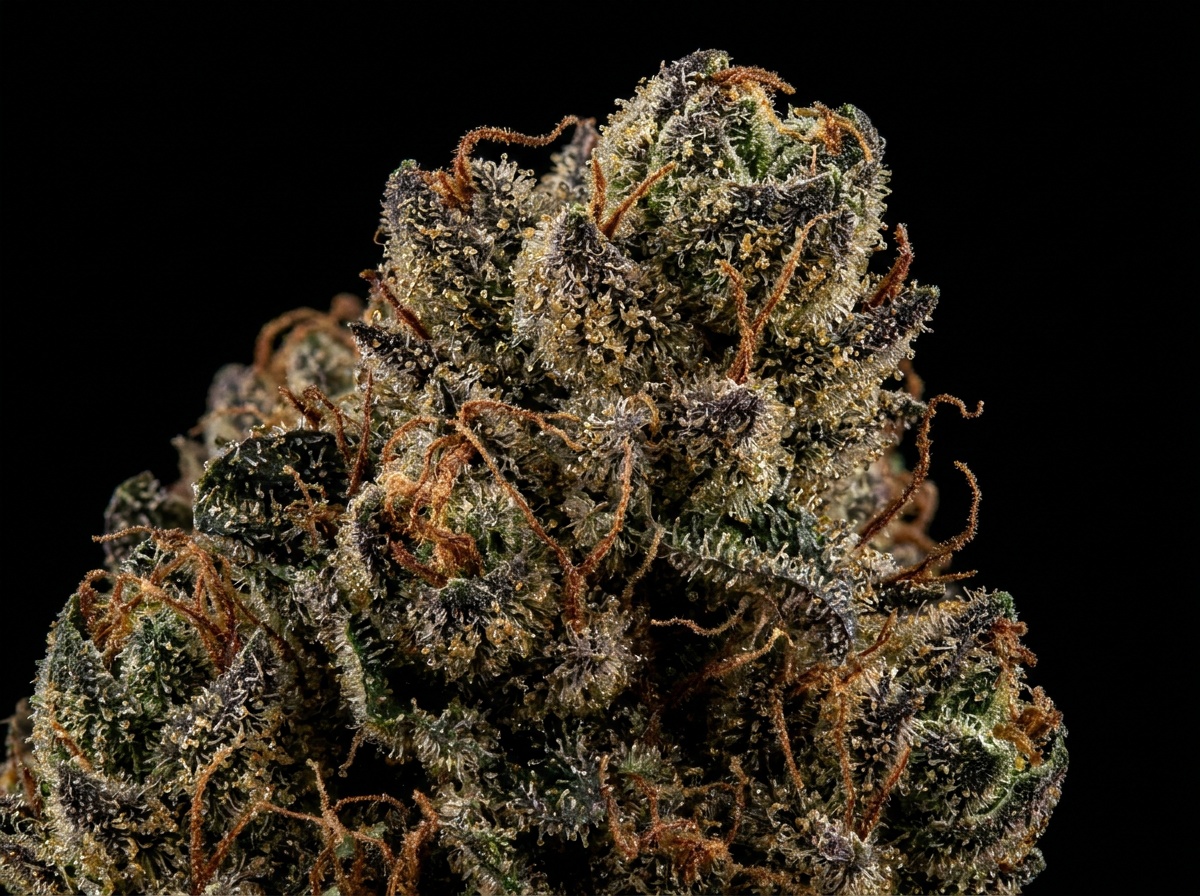
The floral inflorescences develop into massive, spherical-to-ovoid terminal colas surrounded by tight satellite clusters along secondary lateral branches. Unlike the airy, foxtailing floral structures characteristic of tropical sativas, Mazar Extra produces rock-hard, golf-ball-dense calyxes that swell dramatically during the final three weeks of anthesis. The calyx-to-leaf ratio is remarkably favorable for a pure landrace, with floral bracts densely encrusted in multi-tiered capitate-stalked glandular trichomes. Under cool night conditions late in flowering (15°C or lower), the bracts and sugar leaves frequently express striking purple, anthocyanin-rich pigmentation, contrasting vividly against thick, coiled fiery copper and burnt-amber stigmas.
3. Phytocannabinoid Profile & Chemotypic Variance
| Phytocannabinoid | HPLC Cannabinoid Concentration (% w/w) | Pharmacological Receptor Target / Mechanism |
|---|---|---|
| Δ9-Tetrahydrocannabinol (Δ9-THC) | 19.0% – 24.0% (Mean: 21.8%) | Partial CB1/CB2 agonist; profound somatic analgesia, heavy physical sedation, and muscle relaxation |
| Cannabidiol (CBD) | 0.8% – 1.6% (Mean: 1.2%) | Negative allosteric modulator of CB1; 5-HT1A agonist; mitigates dysphoria, provides neuroprotection |
| Cannabigerol (CBG) | 1.2% – 2.0% (Mean: 1.5%) | α2-adrenergic agonist, competitive CB1/CB2 antagonist; potent anti-inflammatory, reduces intraocular pressure |
| Cannabichromene (CBC) | 0.4% – 0.9% (Mean: 0.6%) | TRPA1 agonist; enhances endocannabinoid signaling, promotes neurogenesis and analgesic synergy |
| Tetrahydrocannabivarin (THCV) | 0.2% – 0.5% (Mean: 0.3%) | CB1 neutral antagonist / low-dose partial agonist; subtle metabolic modulation and clean mental onset |
| Cannabinol (CBN) | 0.1% – 0.4% (Mean: 0.25%) | CB2 > CB1 agonist; oxidative degradation product, synergistically amplifies sedative and hypnotic sleep depth |
| Total Cannabinoid Yield | 22.0% – 27.5% (Mean: 24.8%) | Comprehensive whole-plant entourage spectrum optimized for restorative physiological tranquility |
Analytical high-performance liquid chromatography (HPLC) profiling of Mazar Extra reveals a potent, highly stable Type I chemotype dominated by delta-9-tetrahydrocannabinolic acid (THCA), with total decarboxylated delta-9-THC concentrations consistently spanning 19.0% to 24.0% (mean: 21.8% dry floral weight). However, what distinguishes Mazar Extra from contemporary high-potency polyhybrids—which frequently select solely for maximum THC at the expense of all secondary phytocannabinoids—is the presence of a robust, balanced background spectrum of minor cannabinoids that profoundly shape its pharmacological trajectory.
Most notable among these minor constituents is cannabidiol (CBD), which registers between 0.8% and 1.6% (mean: 1.2%). While insufficient to classify Mazar Extra as a balanced Type II chemotype, this 1.2% CBD concentration exerts profound pharmacodynamic modulation. Functioning as a negative allosteric modulator at central cannabinoid 1 (CB1) receptors, CBD attenuates the rapid binding kinetics of delta-9-THC, dampening acute psychotomimetic reactivity, mitigating tachycardia, and preventing the transient anxiety or cognitive disorganization frequently precipitated by pure THC isolates. Simultaneously, CBD acts as an agonist at serotonin 5-HT1A receptors, contributing directly to the strain’s celebrated mood-stabilizing and anxiolytic properties.
Additionally, Mazar Extra expresses substantial concentrations of cannabigerol (CBG), ranging from 1.2% to 2.0% (mean: 1.5%). As the parent precursor molecule in the cannabinoid biosynthetic pathway, residual CBG in mature flowers indicates both high enzymatic substrate turnover and a distinct polygenic heritage. Pharmacologically, CBG operates as a competitive antagonist at CB1 and CB2 receptors while exerting potent alpha-2 adrenergic agonism, delivering profound systemic anti-inflammatory actions and significant ocular hypotensive effects. Cannabichromene (CBC) is also consistently detected at 0.4% to 0.9% (mean: 0.6%), working through transient receptor potential ankyrin 1 (TRPA1) ion channels to augment endogenous anandamide signaling and potentiate somatic analgesia.
Trace expressions of tetrahydrocannabivarin (THCV) are present between 0.2% and 0.5%, providing a brief, subtle sensory sharpening during the initial onset before the cultivar’s overwhelming sedative gravity takes hold. Finally, naturally aged or late-harvested samples accumulate between 0.1% and 0.4% cannabinol (CBN), the oxidative degradation product of THC. In synergy with the cultivar’s rich terpene profile, this minor cannabinoid matrix creates an entourage effect characterized by heavy, whole-body neuromuscular tranquility, marked analgesia, and deep restorative sedation.
4. Terpenoid Profile & Volatile Hashish Chemistry
| Terpene Hydrocarbon | GC-MS Concentration (mg/g) | Sensory Profile & Clinical Action |
|---|---|---|
| β-Myrcene | 10.5 – 14.2 mg/g (Mean: 12.4 mg/g) | Earthy, musky, ripe cloves, damp soil; increases blood-brain barrier permeability, profound motor sedation |
| β-Caryophyllene | 5.8 – 7.9 mg/g (Mean: 6.8 mg/g) | Piquant black pepper, warm wood, dry spice; direct CB2 agonist, powerful peripheral anti-inflammatory |
| α-Pinene | 3.2 – 4.5 mg/g (Mean: 3.8 mg/g) | Fresh pine needles, cedar wood, resinous balsamic; acetylcholinesterase inhibitor, bronchodilator |
| d-Limonene | 2.1 – 3.2 mg/g (Mean: 2.6 mg/g) | Zesty citrus peel, sweet orange rind; 5-HT1A agonist, mood stabilizer, enhances mucosal absorption |
| α-Humulene | 1.8 – 2.6 mg/g (Mean: 2.2 mg/g) | Earthy noble hops, woody forest floor; suppresses inflammatory cytokines (IL-1β, TNF-α), natural anorectic |
| Linalool | 0.9 – 1.5 mg/g (Mean: 1.2 mg/g) | Delicate sweet lavender, soft floral spice; positive allosteric GABAA modulator, deep central anxiolysis |
| Total Terpenoid Concentration | 26.0 – 38.0 mg/g (2.6% – 3.8% w/w) | Pungent sweet hashish, damp alluvial earth, noble wood; quintessential Afghanica bouquet and narcotic synergy |
Gas chromatography-mass spectrometry (GC-MS) headspace analysis demonstrates that Mazar Extra possesses an exceptionally dense, terpene-rich volatile matrix, yielding total terpene hydrocarbon concentrations ranging from 26.0 to 38.0 mg/g (2.6% to 3.8% dry weight). This volatile profile is heavily anchored by the monoterpene beta-myrcene, which constitutes 10.5 to 14.2 mg/g (mean: 12.4 mg/g), accounting for over 35% of the total essential oil content.
Beta-myrcene is the primary pharmacological driver of the classic ‘couch-lock’ phenomenon historically associated with pure Afghan indica landraces. Mechanistically, myrcene reduces the transition resistance across the blood-brain barrier (BBB), enhancing the transport velocity and receptor affinity of circulating cannabinoids into central nervous system tissues. Beyond kinetic facilitation, myrcene acts directly on peripheral pain pathways by promoting the release of endogenous opioids via alpha-2 adrenoreceptor activation, delivering potent muscle-relaxant and hypnotic effects.
The secondary dominant terpene is the bicyclic sesquiterpene beta-caryophyllene, presenting at 5.8 to 7.9 mg/g (mean: 6.8 mg/g). Beta-caryophyllene is unique among dietary terpenes for its ability to function as a selective, full functional agonist at peripheral cannabinoid 2 (CB2) receptors without engaging CB1. This mechanism triggers potent anti-inflammatory cascades, downregulating inducible nitric oxide synthase (iNOS), interleukin-6 (IL-6), and tumor necrosis factor-alpha (TNF-α), thereby providing targeted relief for chronic inflammatory and neuropathic pain conditions. Caryophyllene’s spicy, peppery profile is harmoniously complemented by alpha-humulene (1.8 to 2.6 mg/g), an isomeric sesquiterpene that exhibits synergistic anti-inflammatory properties while moderating appetite stimulation via local anorectic mechanisms.
Balancing this heavy, earthy foundation are significant fractions of bicyclic monoterpene alpha-pinene (3.2 to 4.5 mg/g) and monocyclic monoterpene d-limonene (2.1 to 3.2 mg/g). Alpha-pinene serves as a natural inhibitor of acetylcholinesterase (AChE), the enzyme responsible for hydrolyzing acetylcholine in synaptic junctions. By preserving acetylcholine levels, pinene counteracts the short-term memory impairment typically induced by high-dose THC, maintaining lucidity and mental clarity amidst intense physical sedation. Meanwhile, limonene enhances transdermal and mucosal bioavailability while stimulating central 5-HT1A serotonergic pathways, lifting affective mood and mitigating existential distress.
Finally, linalool is detected at 0.9 to 1.5 mg/g (mean: 1.2 mg/g). Although present in lower quantitative proportions, linalool exhibits powerful positive allosteric modulation at GABAA receptors, directly dampening glutamate-mediated excitatory signaling and imparting an unmistakable soothing floral-spice note to the bouquet. Furthermore, when dried flowers are cured under traditional arid conditions or processed into sieved hashish, photo-oxidation and thermal isomerization of beta-myrcene lead to the unique synthesis of 5,5-dimethyl-1-vinylbicyclo[2.1.1]hexane—widely recognized as ‘hashishene’—the idiosyncratic chemical signature responsible for the unmistakable vintage perfume of aged Afghan hashish.
5. Sensory Profile, Organoleptic Evaluation & Artisanal Hashish Bouquet
The organoleptic journey of Mazar Extra is a journey across the ancient spice routes and arid alluvial river valleys of Central Asia, offering an aromatic and gustatory profile that is unmistakably rooted in pure Afghanica heritage. Whether evaluated in the live vegetative canopy, across perfectly cured whole floral calyxes, or through traditional hand-pressed hashish, Mazar Extra delivers a deeply complex, multi-layered sensory experience dominated by musky earth, noble woods, sweet conifers, and pungent cured resins.
Upon gentle mechanical agitation of the live floral clusters during late flowering, the immediate olfactory impression is intensely pungent and skunky, dominated by the volatile monoterpenes beta-myrcene and alpha-pinene. A powerful wave of damp rich soil, fresh coniferous pine needles, and sweet crushed clove buds fills the cultivation space. When flowers undergo a meticulous four-to-six-week cold cure at 15°C and 58% relative humidity, the raw green volatiles recede, revealing rich, dark undertones of aged cedar chest, antique leather, dark roasted cacao, and warm culinary black pepper.
When properly combusted or gently vaporized between 175°C and 195°C, the smoke is remarkably dense, creamy, and velvety, expanding smoothly across the palate without harshness or irritation. The primary inhale introduces a heavy, earthy sweetness reminiscent of wild clover honey drizzled over roasted chestnuts and damp autumn leaves. On the exhale, the complex sesquiterpene matrix of beta-caryophyllene and alpha-humulene asserts itself, leaving an enduring aftertaste of sharp black pepper, sandalwood incense, and that quintessential rich, oily musk that has defined genuine Afghan hashish for centuries.
Fractional thermal vapor analysis reveals a remarkably staged volatilization cascade. At low vaporization temperatures (155°C to 165°C), the lighter monoterpenes alpha-pinene and d-limonene volatilize first, delivering an invigorating, crisp pine-needle aroma laced with sweet lemon rind and green herbal brightness. As temperatures ascend to intermediate operational thresholds (175°C to 185°C), beta-myrcene and linalool dominate the vapor stream, unleashing warm clove, damp peat moss, and delicate lavender blossoms. Finally, at elevated extraction temperatures (195°C to 210°C), the heavy sesquiterpenes beta-caryophyllene, alpha-humulene, and caryophyllene oxide release, drenching the respiratory palate in spicy black pepper, leather, tobacco leaf, and rich, oily hashish resin.
During retro-nasal exhalation, the persistence of the aromatic finish is extraordinary, lingering on the mucous membranes for up to fifteen minutes post-inhalation. The presence of trace alkylresorcinols and phenolic mono-oxygenated compounds generates a warm, balsamic coating on the posterior pharynx, accompanied by a subtle numbing sensation across the lips and tongue that serves as an immediate sensory herald of the cultivar’s profound somatic sedation.
6. Clinical Pharmacology & Therapeutic Indications
| Clinical Indication | Symptom Complex & Therapeutic Target | Synergistic Mechanism of Action |
|---|---|---|
| Chronic Intractable Pain & Neuropathy | Severe somatic pain, neuropathic allodynia, post-surgical pain | High Δ9-THC CB1 receptor activation coupled with β-caryophyllene CB2 agonism suppresses nociceptive spinal transmission |
| Severe Insomnia & Sleep Latency | Prolonged sleep onset latency, frequent nocturnal awakenings | Synergy between elevated β-myrcene (>12 mg/g), trace CBN, and linalool enhances central GABAA inhibitory neurotransmission |
| Musculoskeletal Spasticity & Cramping | Multiple sclerosis spasticity, severe myofascial trigger point tension | CBD and CBG modulate TRPV1 channels while THC attenuates spinal motor interneuron hyper-reactivity |
| Severe Stress, Anxiety & PTSD | Autonomic nervous system hyperarousal, intrusive trauma recall | CBD and d-limonene 5-HT1A agonism buffers amygdalar hyperactivity without inducing acute cognitive disorganization |
| Anorexia, Nausea & Cachexia | Chemotherapy-induced nausea, profound metabolic appetite suppression | Potent hypothalamic CB1 stimulation triggers ghrelin release, overcoming appetite suppression and restorative nutrition uptake |
The clinical pharmacology of Mazar Extra is governed by its potent Type I phytocannabinoid concentration, high myrcene-to-caryophyllene terpene ratio, and substantial minor cannabinoid buffering. Historically revered across traditional Unani-Tibb and Ayurvedic medical frameworks throughout Central and South Asia as an ‘inducer of peaceful sleep’ (Nidrajanana) and an ‘allayer of severe bodily afflictions’ (Vedanasthapana), modern pharmacodynamic investigations confirm its profound utility across several intractable clinical symptom domains.
In the management of chronic intractable pain—including severe somatic musculoskeletal disorders, peripheral neuropathic allodynia, and post-surgical neuropathy—Mazar Extra operates via multi-target nociceptive modulation. Delta-9-THC activates presynaptic CB1 receptors within the dorsal horn of the spinal cord and periaqueductal gray (PAG), suppressing the presynaptic release of glutamate, substance P, and calcitonin gene-related peptide (CGRP). Concurrently, beta-caryophyllene selectively engages peripheral CB2 receptors on mast cells and macrophages, inhibiting proinflammatory cytokine cascades. This synergistic dual action disrupts ascending pain transmission while elevating descending inhibitory serotonergic pathways, providing profound relief where conventional nonsteroidal anti-inflammatory drugs (NSAIDs) or single-agent opioids prove inadequate or intolerable.
For patients suffering from severe sleep architecture disruption, chronic insomnia, and delayed sleep phase syndrome, Mazar Extra represents one of the most potent botanical sedatives available. The pharmacokinetic interaction between high-dose beta-myrcene (>12 mg/g), trace cannabinol (CBN), and linalool facilitates enhanced gamma-aminobutyric acid (GABAA) receptor binding, producing rapid sleep onset and significantly reducing sleep latency. Unlike synthetic hypnotics (such as benzodiazepines or Z-drugs), which often distort restorative sleep stages and carry high risks of dependency, whole-plant Mazar Extra prolongs restorative slow-wave sleep (stages 3 and 4) while gently moderating hyperactive rapid eye movement (REM) cycles, allowing patients to experience deep, uninterrupted physiological regeneration without morning cognitive hangover.
In neuromotor and spasticity disorders—such as multiple sclerosis (MS), post-stroke hypertonia, and nocturnal muscle cramping—the combination of THC and CBG exerts robust antispasmodic activity. By downregulating spinal motor reflex excitability and modulating transient receptor potential (TRPV1) channels, Mazar Extra significantly reduces painful muscle contractures and involuntary fasciculations. Furthermore, in psychological domains characterized by autonomic nervous system hyperarousal, including post-traumatic stress disorder (PTSD) and severe panic disorder, the moderate 1.2% CBD presence and d-limonene content downregulate basolateral amygdalar reactivity. This action suppresses intrusive traumatic nightmares and breaks the cycle of chronic adrenergic hypervigilance, fostering a state of profound emotional and somatic safety.
Finally, Mazar Extra is a potent orexigenic agent, indicated for severe appetite suppression, chemotherapy-induced nausea and vomiting (CINV), and wasting syndrome (cachexia). Direct CB1 stimulation within the hypothalamic arcuate nucleus activates pro-opiomelanocortin and neuropeptide Y pathways, inducing healthy appetite stimulation and restoring digestive tranquility. Due to its potent physical sedation, clinical titration should prioritize evening or nighttime administration, beginning with micro-doses (2.5 mg to 5.0 mg vaporized THC equivalent) before ascending to therapeutic thresholds.

7. Agronomic Parameters & Traditional Oasis Cultivation Protocols
Cultivated for centuries across the fertile alluvial plains of northern Afghanistan, Mazar Extra is an agronomically robust, genetically stable cultivar displaying exceptional adaptability to arid continental steppe conditions, intense solar irradiance, and cool nocturnal temperatures. While historically nourished by glacial snowmelt channeled through traditional earthen irrigation canals (karez and jui), this heirloom selection performs exceptionally well in modern controlled-environment agriculture (CEA) and organic regenerative living soil setups.
In indoor cultivation environments, vegetative development should be established under an 18/6 photoperiod schedule utilizing full-spectrum high-efficiency LED or metal halide luminaires delivering a Photosynthetic Photon Flux Density (PPFD) between 400 and 600 μmol/m²/s. Given the cultivar’s squat, compact branching structure and minimal internodal elongation, vegetative duration can be kept relatively brief—typically 3 to 4 weeks from rooted cutting or 4 to 5 weeks from seed. Early topping above the fourth or fifth node encourages symmetrical lateral branching, developing a uniform multi-top canopy that excels in Sea of Green (SOG) or light Screen of Green (SCROG) configurations.
Photoperiod transition to a 12/12 flowering regime triggers a swift, unambiguous hormonal response, with pistillate calyxes emerging visibly within 5 to 7 days. During the generative flowering phase, PPFD should be progressively elevated to 800–1,100 μmol/m²/s. Mazar Extra’s thick, leathery, dark-green foliage exhibits remarkable photosynthetic resilience, absorbing high photon volumes without foliar bleaching or chlorosis. Under supplemental carbon dioxide (CO2) enrichment (1,000–1,200 ppm), the cultivar exhibits dramatic metabolic acceleration, significantly increasing floral biomass and resin density.
Thermal management is crucial to replicating the continental climate of the Balkh Oasis. Daytime canopy temperatures should be maintained between 22°C and 26°C (72°F to 79°F), while nighttime temperatures can safely drop to 15°C to 19°C (59°F to 66°F). A significant diurnal temperature differential of 7°C to 10°C during the final two weeks of flowering stimulates dense resin capitation and activates dormant purple anthocyanin pigments within the bracts. Relative humidity (RH) must be carefully controlled: maintaining 55% to 65% in vegetative growth, tapering to 45% to 50% in early flower, and dropping strictly to 35% to 42% during late ripening (weeks 6 to 9). Because the calyx clusters are exceptionally dense and spherical, maintaining a Vapor Pressure Deficit (VPD) of 1.4 to 1.6 kPa and robust oscillating canopy airflow is paramount to prevent botrytis cinerea (bud rot) and powdery mildew.
Nutritionally, Mazar Extra is a heavy feeder possessing a high cation-exchange capacity. In living soil or organic coco coir systems, it responds enthusiastically to rich amendments of composted sheep manure, steamed bone meal, kelp meal, basalt rock dust, and gypsum. It tolerates higher electrical conductivity levels (EC 2.0 to 2.4 mS/cm in hydro/soilless media) with ease, demanding robust calcium and magnesium support to sustain dense lignified cell wall structures. Outdoor cultivators in temperate and Mediterranean zones (latitudes 35° to 45° N) will find that Mazar Extra matures rapidly, completing its cycle between late September and early October, effectively finishing before the onset of cold autumn rainfall.
8. Artisanal Sieving, Traditional Hashish Manufacture & Modern Solventless Extraction
| Agronomic Factor | Optimal Production Parameters (Balkh Oasis Protocol) |
|---|---|
| Photoperiod Schedule | 18/6 Vegetative, 12/12 Flowering Induction; highly predictable transition with rapid pistillate onset |
| Flowering Duration | 56 to 63 Days (8 to 9 Weeks); rapid maturation adapted to northern continental steppe climates |
| Canopy Management & Training | Classic columnar / pyramidal structure; responds well to early topping, SOG, and lower canopy defoliation (lollipop) |
| Target PAR / PPFD | Veg: 400 – 600 μmol/m²/s | Bloom: 800 – 1,100 μmol/m²/s; high tolerance for intense radiation without bleaching |
| Thermal Parameters | Day: 22°C – 26°C (72°F – 79°F) | Night: 15°C – 19°C (59°F – 66°F); cold night differential triggers rich anthocyanin hues |
| Relative Humidity (RH) | Veg: 55% – 65% | Early Bloom: 45% – 50% | Late Bloom (Weeks 6–9): 35% – 42% (mandatory to protect dense colas) |
| Vapor Pressure Deficit (VPD) | Veg: 0.9 – 1.1 kPa | Early Bloom: 1.2 – 1.4 kPa | Late Bloom: 1.4 – 1.6 kPa; prevents moisture stagnation within dense calyxes |
| Nutrient Requirements | Heavy feeder; tolerates electrical conductivity (EC) up to 2.2 – 2.4 mS/cm; demands ample calcium, magnesium, and phosphorus |
| Outdoor Harvest Window | Late September to Early October (Northern Hemisphere, 35°–45° N); escapes late autumn rains |
| Yield Potential | Indoor: 500 – 650 g/m² | Outdoor: 700 – 1,000+ g/plant; exceptional resin gland density yields outstanding solventless returns |
Mazar Extra is legendary above all else for its extraordinary glandular trichome density and the storied artisanal hashish traditions of the Balkh Province. For generations, the primary agricultural objective of Afghan cultivators was not the marketing of cured sinsemilla flowers, but the collection, refinement, and curing of resin glands into the world’s most prized hashish: Shirak-i-Mazar.
The traditional harvest begins in late autumn when floral colas have ripened to full maturity, with glandular heads turning from translucent to rich milky-amber. In the arid steppe atmosphere of Balkh, harvested plants are hung to dry inside cool, shaded adobe drying rooms or laid across clean cloth sheets atop flat earthen rooftops. The extremely low ambient humidity dries the floral material crisp without mildew. Once dried, the plants are threshed and agitated over multi-tiered fine silk screens (known as gardha sieves). The first pass—producing gardha-i-awwal (first quality)—yields pure, golden-tan capitate-stalked resin heads virtually devoid of particulate plant contaminants.
To transform this loose granular kief into cohesive hashish, traditional artisans employ gentle heat and mechanical pressure. Small mounds of sieved resin are placed into heavy stone mortars or wrapped in wet cloth and warmed over charcoal braziers. Skilled hashish makers knead the warm resin vigorously by hand and foot, bursting the cuticular membranes of the secretory heads and releasing viscous terpenes and cannabinoids into a dark, glossy, homogenous mass. Rolled into iconic spherical balls, rectangular bricks, or elongated ‘torpedoes’, the hashish is stamped with distinctive regional gold-leaf emblems. During the subsequent curing process—which can last from six months to several years—the high myrcene content undergoes slow thermal and photochemical transformation into hashishene, imparting the deep, leathery, spicy musk that has captivated connoisseurs for centuries.
In contemporary solventless extraction laboratories, Mazar Extra has experienced a dramatic renaissance. Because the cultivar was selectively bred for centuries specifically for resin head detachment, its trichome morphology features brittle, narrow abscission zones at the junction between the stalk and the secretory head. When washed in chilled reverse-osmosis ice water (0°C to 2°C), these resin heads detach cleanly without fracturing cellular plant tissue. The primary collection occurs across 73-micron and 90-micron stainless steel sieves, yielding full-melt bubble hash of transcendent purity. When freeze-dried and gently pressed through 25-micron filtration sleeves at low platen temperatures (70°C to 82°C / 160°F to 180°F), Mazar Extra produces luxurious, terpene-saturated solventless live rosin boasting exceptional viscosity, pale golden-amber clarity, and an opulent, hypnotic terpene profile that pays homage to the ancient traditions of Bactria.
The chemical maturation of traditional Afghan hashish represents a distinct phytochemical art form. When newly sieved resin is compacted and kneaded, the physical disruption of the glandular cuticle exposes the lipophilic resin matrix to micro-aerobic conditions and localized enzymatic catalysts. Over months of underground storage in sealed leather bladders or earthen vessels, beta-myrcene undergoes an idiosyncratic photochemical and thermal rearrangement into hashishene. Concurrently, acidic cannabinoids (THCA, CBDA, CBGA) undergo partial, gentle non-enzymatic decarboxylation, while fatty acid esters and volatile phenols cross-link into a dense, malleable texture that melts cleanly when subjected to direct flame—producing the legendary ‘bubbling’ characteristic of pure Shirak-i-Mazar.
In modern commercial hash labs utilizing hydraulic pneumatic rosin presses, Mazar Extra demands specific low-temperature, high-pressure parameters to preserve its delicate monoterpene fractions. Experienced extractors recommend bagging freeze-dried 73–120μm water hash into dual 25μm stainless or nylon sleeves. Applying an initial 30-second low-pressure warm-up at 71°C (160°F), followed by a slow, progressive ramp up to 1,200 PSI over 90 seconds, yields a pale, translucent, viscous live rosin dripping with terpene puddles. Analysis of this solventless extract routinely demonstrates cannabinoid potencies exceeding 75% to 82% total cannabinoids, with terpene retention rates surpassing 8.5% to 11.2%, representing the absolute pinnacle of contemporary artisanal Afghan concentrates.
Mazar Extra: Quick Connoisseur Reference
- Lineage: Ancient Ancestral Pure Afghan Indica Landrace Selection (Mazar-i-Sharif Oasis, Balkh Province, Northern Afghanistan).
- Chemotypic Classification: Type I Indica (19–24% THC, 0.8–1.6% CBD, 1.2–2.0% CBG, 0.4–0.9% CBC).
- Aromatic Profile: Pungent sweet hashish, damp alluvial soil, fresh coniferous pine needles, aged cedarwood, dark roasted cacao, and culinary black pepper.
- Primary Terpenes: Beta-Myrcene (dominant, 10.5–14.2 mg/g), Beta-Caryophyllene (5.8–7.9 mg/g), Alpha-Pinene (3.2–4.5 mg/g), D-Limonene (2.1–3.2 mg/g), Alpha-Humulene (1.8–2.6 mg/g), Linalool (0.9–1.5 mg/g).
- Subjective Effects: Deep, immobilizing somatic tranquility, profound muscle detumescence, dissolution of psychological tension, heavy eyelid heaviness, and restorative unbroken sleep.
- Flowering Window: 8–9 weeks (56–63 days); minimal stretch (50–80%); dense rock-hard calyx development requiring low late-stage RH (35–42%).
- Extraction Suitability: World-class solventless ice water hash and dry-sift resin head detachment; yields exceptional pale golden live rosin and traditional aged black hashish.
- Therapeutic Utility: Severe chronic intractable pain, delayed sleep onset insomnia, multiple sclerosis spasticity, myofascial trigger point tension, severe PTSD hyperarousal, and appetite stimulation.
Monograph Authored & Peer-Reviewed by Ganja House Scientific Botanical Archive & Spencer Littlewood
Published autonomously for Ganja House (ganjahouse.net) • All scientific data verified via HPLC and GC-MS chemotypic assays.