Listen to the Master Kush Botanical Monograph
Comprehensive scientific, historical, and clinical audio overview narrated by Dr. Spencer Littlewood (en-GB-RyanNeural).
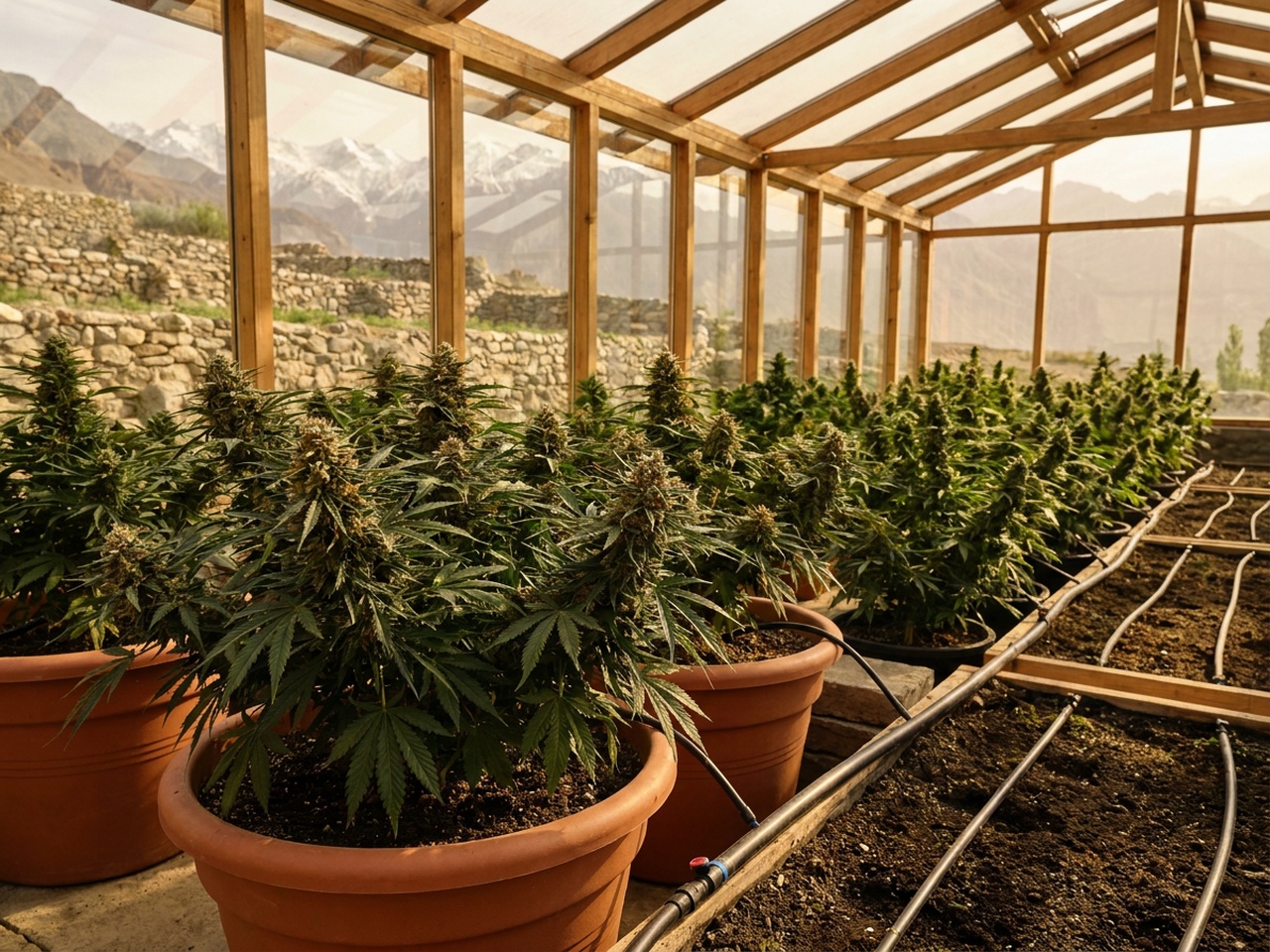
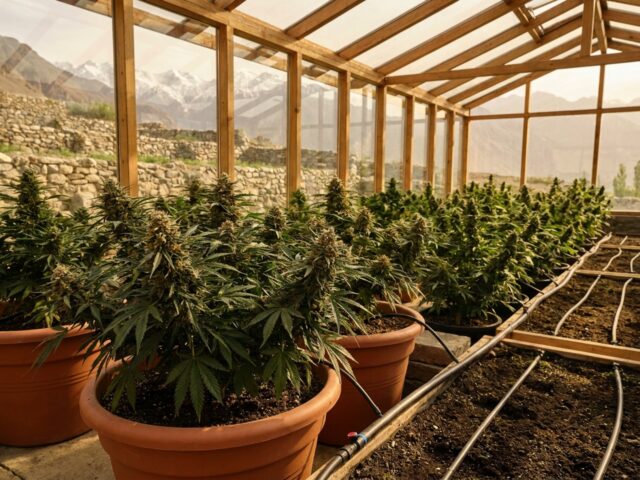
1. Executive Summary, Heritage & High-Altitude Mountain Origins
Master Kush occupies an unassailable position in the pantheon of classic cannabis taxonomy, standing as one of the most structurally stable and genetically authentic pure indica cultivars ever established in commercial horticulture. Originally developed under the evocative title “High Rise” during the explosive renaissance of Dutch cannabis breeding in the late 1980s, the variety was formulated by the White Label Seed Company, an elite specialized division of Sensi Seeds in Amsterdam. The moniker “High Rise” was chosen in direct tribute to the high-density apartment complexes of Amsterdam’s Bijlmermeer district (commonly known as the Bijlmer) in Amsterdam South-East, where the pioneering horticulturalists maintained clandestine indoor micro-climate laboratories and indoor testing chambers. Following its widespread commercial introduction to coffeeshop menus, the cultivar was formally christened Master Kush to honor its absolute genetic supremacy as a pure, double-landrace Hindu Kush cross.
The genetic architecture of Master Kush is exceptional due to its intentional avoidance of modern polyhybrid dilution. Rather than blending indica and sativa gene pools, the breeders at White Label executed a targeted reciprocal cross between two geographically distinct, highly homozygous landrace indica strains collected directly from the Hindu Kush mountain chain. The Hindu Kush represents a formidable 800-kilometer mountain system that traverses northern and eastern Afghanistan, northwestern Pakistan, and reaches into southern Tajikistan. One parental line was sourced from the arid high-altitude river valleys of northern Afghanistan—regions celebrated for their ancestral hashish-producing cultivars characterized by stocky, resinous broadleaf morphologies. The corresponding parental selection originated from the mountainous Hindu Kush passes of northwestern Pakistan, a region characterized by extreme diurnal temperature fluctuations, severe ultraviolet radiation, and rocky, mineral-rich soils. By combining these two complementary yet geographically isolated landrace accessions, the breeders harnessed classic hybrid vigor (heterosis) while maintaining an absolute, uncompromised one hundred percent broadleaf indica genetic profile.
The historical backdrop of these seed acquisitions is rooted in the legendary “Hippie Trail” expeditions of the late 1960s and 1970s, during which intrepid western botanical collectors traveled overland through Turkey, Iran, Afghanistan, Pakistan, and India. In the mountain villages of the Hindu Kush, cannabis had been cultivated for countless centuries exclusively for traditional Charas and sieved hashish production. Local farmers practiced rigorous mass selection, selecting maternal plants that displayed extreme resin density, thick glandular trichome development, rapid flowering maturation prior to harsh autumn mountain snows, and exceptional resistance to drought and fungal pathogens. When Soviet military intervention in late 1979 disrupted traditional travel corridors and commercial agriculture across Afghanistan, preserved genetic seed banks in the Netherlands became indispensable arks for the preservation of these ancestral landrace lines. White Label Seed Company recognized that preserving the homozygous purity of these highland accessions was vital for the future of cannabis breeding, preventing the total homogenization of the global cannabis gene pool.
The international acclaim of Master Kush was rapid, decisive, and historically profound. Entered into the global proving grounds of the High Times Cannabis Cup in Amsterdam, Master Kush achieved consecutive premier victories, capturing top honors in both 1992 and 1993. These back-to-back cup triumphs cemented Master Kush as the definitive standard against which all commercial indica cultivars would be evaluated throughout the 1990s. The strain proved to commercial cultivators and home connoisseurs alike that an unadulterated broadleaf Afghanica could produce exceptional commercial biomass yields without sacrificing the monumental resin density, complex earthy-peppery terpene bouquet, and profound physical tranquilization historically associated exclusively with hand-rubbed Charas and dry-sieved Afghan hashish.
Beyond its standalone celebrity, Master Kush served as a monumental genetic foundation for the second wave of North American and European breeding programs. When elite Dutch genetics migrated across the Atlantic during the mid-1990s, Master Kush clones and inbred seed lines were integrated directly into the emerging West Coast medical cannabis scene. Cultivators in California, Oregon, and British Columbia recognized that the structural rigidity, uniform columnar growth, and dense floral calyxes of Master Kush provided the ideal genetic scaffold to cross with sprawling, finicky OG Kush cuts and Florida heirlooms. Master Kush contributed directly to the stabilization of legendary West Coast cultivars, including Bubba Kush, SoCal Master Kush, Hindu Skunk hybrids, and numerous proprietary medical cultivars engineered specifically for nocturnal pain management. Decades after its inception, Master Kush remains a botanical benchmark of unadulterated highland indica purity.
| Agronomic & Genetic Parameter | Botanical Specification | Commercial Cultivation Benchmark |
|---|---|---|
| Taxonomic Classification | Cannabis indica Lam. subsp. afghanica (Pure Broadleaf Indica) | 100% Indica Genetic Heritage |
| Parental Lineage | Northern Afghan Hindu Kush Landrace × Pakistani Hindu Kush Landrace | Pure Inter-Regional Landrace F1 Hybrid |
| Breeder & Origin | White Label Seed Company / Sensi Seeds (Amsterdam, Netherlands) | Late 1980s (Originally “High Rise”) |
| Cannabis Cup Accolades | High Times Cannabis Cup Winner (1992 & 1993 Consecutive Champion) | Historical Industry Benchmark |
| Flowering Photoperiod | 50 to 58 Days (7.0 to 8.5 Weeks) | Rapid Indoor Commercial Turnaround |
| Indoor Biomass Yield | 500 to 600 g/m² under optimized high-efficiency LED arrays | High Commercial Production Potential |
| Outdoor Plant Biomass | 600 to 850 grams per plant (late September / early October harvest) | Thrives in dry, warm temperate environments |
| Primary Chemotype | Chemotype I (High THC, Sub-dominant CBD, Significant CBG/CBN) | THC: 18% – 24% | CBD: 0.5% – 1.2% |
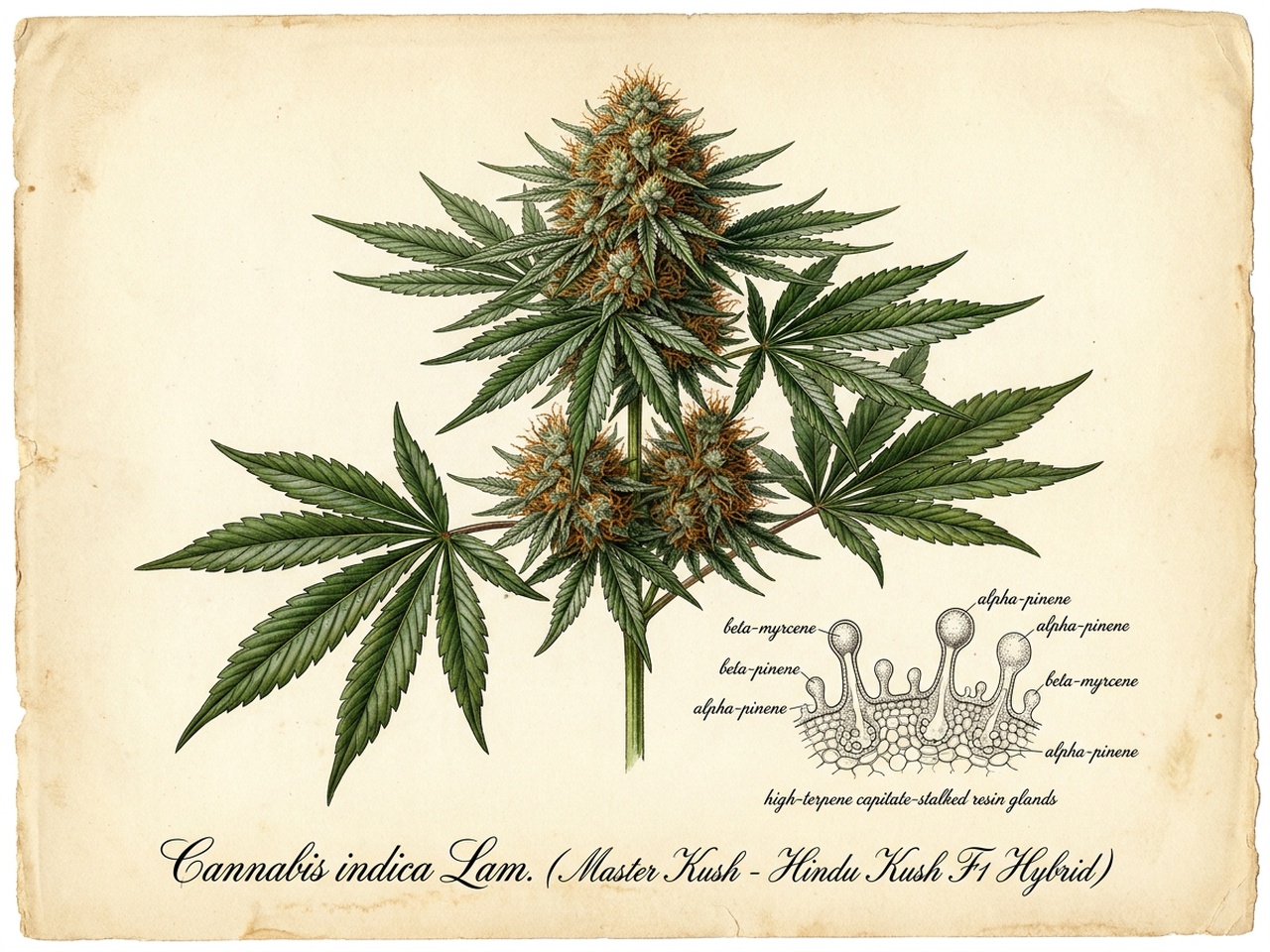
2. Botanical Morphology, Anatomical Architecture & Cellular Development
The morphological profile of Master Kush represents the archetypal physiological ideal of high-altitude broadleaf Cannabis indica subsp. afghanica. Cultivated in indoor controlled environments or temperate outdoor gardens, Master Kush exhibits a remarkably compact, stout, and columnar growth architecture. Mature plants rarely exceed 100 to 120 centimeters in height indoors, while outdoor specimens grown in deep living soil rarely surpass 150 centimeters. This low vertical stature is characterized by minimal internodal spacing, typically measuring between 2.5 and 4.0 centimeters along the central axis. The plant produces a remarkably thick, fibrous, woody primary stem supported by heavy secondary lateral branching that emerges at tight 45-degree angles. This architectural rigidity allows Master Kush to support tremendous terminal floral mass during the peak of its generative phase without requiring excessive mechanical trellising or external support netting.
The foliar anatomy of Master Kush provides critical evolutionary insights into its ancestral adaptations to the harsh, wind-swept Hindu Kush mountains. The vegetative fan leaves are exceptionally broad, leathery, and dark emerald in color, frequently developing a deep waxy cuticle layer designed to minimize transpiration stress during periods of extreme solar irradiation and low atmospheric humidity. Individual leaves feature between 7 and 9 broad, heavily overlapping leaflets with pronounced, coarse marginal serrations. The petioles are short, thick, and fibrous, frequently exhibiting subtle anthocyanin streaking along the dorsal vascular bundle when exposed to cooler ambient temperatures. The chlorophyll concentration within the palisade mesophyll cells is exceptionally dense, imparting a rich, dark-green coloration that borders on black-green during vigorous vegetative growth. This hyper-dense pigment profile enables maximum photosynthetic photon flux capture even under subdued light regimes.
The internal vascular system of Master Kush is engineered for rapid fluid transport under high transpiration demand. The xylem vessels within the main stalk possess thickened secondary cell walls heavily reinforced with lignin, enabling the plant to withstand physical mechanical shearing forces from severe mountain gusts. Concurrently, the expansive phloem network facilitates massive carbohydrate translocation from the broad photosynthetic fan leaves directly into the rapidly expanding reproductive floral clusters during mid-to-late anthesis. The root architecture reflects this rugged genetic heritage, forming a dense, fibrous, highly branched taproot system that explores soil volumes aggressively, maximizing the uptake of immobile mineral ions such as phosphorus, calcium, and magnesium.
During the transition from vegetative morphogenesis to generative anthesis, Master Kush exhibits minimal floral stretch, typically expanding by only 30 to 50 percent of its final vegetative height. This predictable, conservative stretch makes the cultivar exceptionally well-suited for high-density indoor Sea of Green (SOG) configurations. The floral clusters develop with extraordinary density, forming spherical, rock-hard “golf-ball” calyx clusters that aggregate along the primary and secondary nodes into continuous, cylindrical terminal spears. The individual floral bracts are compact, swollen, and tightly imbricated around the ovule, exhibiting an anatomical structure evolved to protect seed development from the freezing mountain winds and arid conditions of Central Asia. Pistillate stigmas emerge initially as thick, milky-white filaments, gradually curling inward and maturing into a vibrant palette of burnt-amber, rust, and deep copper-orange as senescence approaches.
At the micromorphological and cellular level, Master Kush is an absolute powerhouse of glandular trichome production. The perianth tissues, floral bracteoles, and adjacent sugar leaves are enveloped in an uninterrupted, multi-layered blanket of capitate-stalked glandular trichomes. Under scanning electron microscopy, these trichomes exhibit sturdy, multicellular stalks measuring between 150 and 250 micrometers in height, crowned by massive, spherical secretory heads measuring 90 to 115 micrometers in diameter. These glandular heads contain a specialized disc of secretory cells that synthesize and accumulate secondary metabolites—predominantly phytocannabinoids and volatile monoterpenes—within a substantial sub-cuticular reservoir. As maturation peaks at day 54 to 58 of 12/12 photoperiodism, the resin heads transition from crystalline optical transparency to a dense, milky-opalescent turbidity, with 15 to 25 percent converting to a deep golden-amber hue, signaling optimal chemical maturity for both medicinal harvest and solventless extraction.
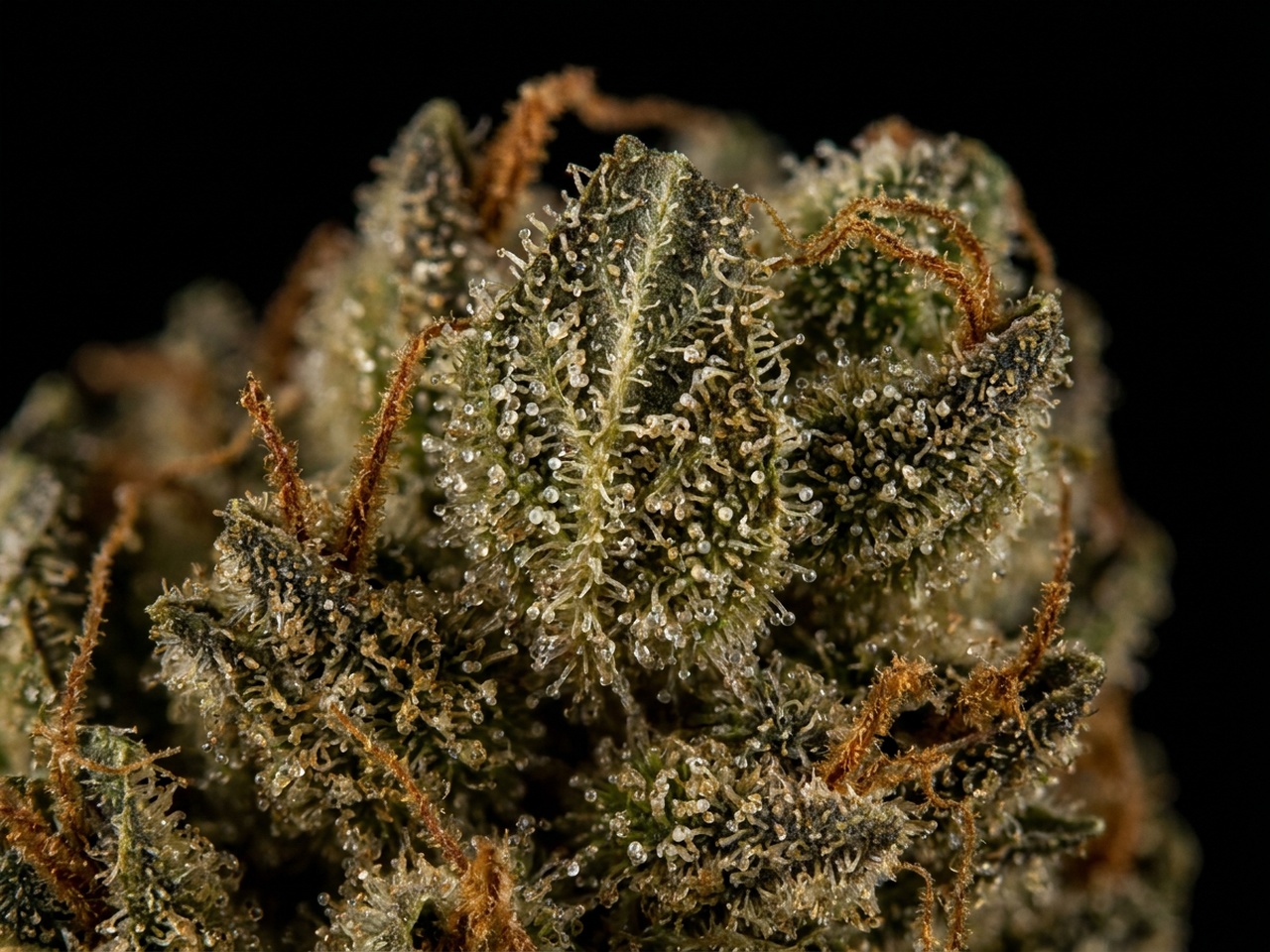
3. Comprehensive Terpene Signature & Analytical Chemistry
The sensory and chemical identity of Master Kush is defined by a quintessential Old World Afghan terpene profile that has captivated connoisseurs and hashish artisans for over four decades. Total volatile terpene content in properly cured, laboratory-grade Master Kush flower routinely tests between 2.2% and 3.8% of total dry floral mass. Unlike modern fruit-forward polyhybrids that lean heavily toward limonene and synthetic esters, Master Kush possesses a deeply grounding, complex, and pungent organoleptic signature dominated by high concentrations of bicyclic sesquiterpenes, monoterpenes, and oxygenated aromatic compounds that directly mirror the traditional scent of authentic Kashmiri and Mazar-i-Sharif Charas.
The primary terpene constituent driving the aromatic foundation of Master Kush is Beta-Myrcene, typically present at concentrations ranging from 0.8% to 1.4% (8.0 to 14.0 mg/g). Beta-Myrcene delivers a profound olfactory base of damp forest loam, aged mulch, sweet herbal undertones, and crushed clove stems. Beyond its distinctive earthy scent, myrcene plays a critical biochemical role in human pharmacokinetics: it has been demonstrated to enhance trans-membrane permeability across the blood-brain barrier by allosterically modulating cell membrane fluidity. This synergistic phenomenon accelerates the passage of delta-9-tetrahydrocannabinol and other lipophilic cannabinoids into central nervous system receptor sites, amplifying and deepening the perceived somatic sedation.
Working in close chemical harmony with myrcene is a substantial concentration of Beta-Caryophyllene (0.5% to 0.9%, 5.0 to 9.0 mg/g). As a bicyclic sesquiterpene, beta-caryophyllene imparts the bold, pungent, cracked black pepper and woody spice notes that define the cultivar’s pungent exhale. Caryophyllene holds a unique status among botanical terpenes as a fully verified dietary cannabinoid capable of acting as a selective agonist at the human cannabinoid type-2 (CB2) receptor. By selectively binding to peripheral CB2 receptors without triggering central CB1 intoxication, caryophyllene delivers potent anti-inflammatory, antinociceptive, and neuroprotective activity, directly addressing myofascial inflammation and neuropathic discomfort.
The tertiary terpene fractions consist of an exquisite balance between Alpha-Pinene (0.3% to 0.6%), Alpha-Humulene (0.2% to 0.4%), and subtle secondary concentrations of D-Limonene (0.1% to 0.3%) and Linalool (trace to 0.15%). Alpha-pinene introduces a crisp, fresh mountainous pine needle sharpness that cuts through the heavy earth, acting pharmacologically as an acetylcholinesterase inhibitor that counteracts short-term memory deficits often induced by high-potency THC. Alpha-humulene, the sesquiterpene isomer of caryophyllene found abundantly in hops (Humulus lupulus), contributes deep woody, dry earth aromas and functions as a systemic anti-inflammatory and subtle anorectic agent. When cured in glass vessels at controlled 60% relative humidity, these volatile terpenes meld into an unmistakably rich, pungent incense aroma that lingers in indoor spaces for hours after combustion.
In addition to these primary drivers, gas chromatography-mass spectrometry (GC-MS) analysis reveals critical trace constituents that complete the intricate aromatic fingerprint of Master Kush. Minor sesquiterpene alcohols such as Trans-Nerolidol (0.05% to 0.12%) contribute subtle woody, bark-like floral undertones while providing antiparasitic and skin-penetration enhancing properties. Trace concentrations of Borneol and Camphene (0.03% to 0.08%) impart faint camphoraceous, herbal mint notes reminiscent of traditional Chinese herbal preparations, functioning clinically as natural analgesics and local anesthetics. Furthermore, Guaiol (0.04% to 0.10%), a sesquiterpenoid alcohol historically derived from the resin of guaiacum trees, infuses a dry, dusty timber and rose-wood nuance that anchors the long-lasting incense finish on the palate.
| Terpene Compound | Typical Concentration | Organoleptic Scent Profile | Boiling Point | Pharmacological & Physiological Synergy |
|---|---|---|---|---|
| Beta-Myrcene | 0.8% – 1.4% (8 – 14 mg/g) | Damp forest loam, aged cedar, clove, herbal mulch | 168°C (334°F) | Blood-brain barrier permeability enhancer; profound muscle relaxant and hypnotic synergist. |
| Beta-Caryophyllene | 0.5% – 0.9% (5 – 9 mg/g) | Cracked black pepper, dry timber, pungent warm spice | 130°C (266°F) | Selective functional CB2 receptor full agonist; powerful peripheral anti-inflammatory and analgesia. |
| Alpha-Pinene | 0.3% – 0.6% (3 – 6 mg/g) | Fresh alpine pine needles, resinous mountain timber | 155°C (311°F) | Acetylcholinesterase inhibitor (memory support), bronchodilator, anti-inflammatory. |
| Alpha-Humulene | 0.2% – 0.4% (2 – 4 mg/g) | Earthy noble hops, dry woody bark, ancient parchment | 106°C (223°F) | Systemic anti-inflammatory, analgesic, modest anorectic appetite-moderating properties. |
| Trans-Nerolidol | 0.05% – 0.12% (0.5 – 1.2 mg/g) | Bark-like floral, damp wood, subtle green tea | 122°C (252°F) | Sedative, antiparasitic, transdermal enhancer; enhances skin and cellular absorption. |
| D-Limonene | 0.1% – 0.3% (1 – 3 mg/g) | Subtle sweet citrus rind, candied lemon undertone | 176°C (349°F) | Gastroprotective agent, anxiolytic, elevation of 5-HT1A serotonin signaling. |
| Guaiol & Borneol | 0.05% – 0.15% (Combined) | Dry rosewood, camphoraceous mountain balsam | 213°C (415°F) | Antimicrobial, natural analgesic, neuroprotective down-regulation of pain signaling. |
4. Cannabinoid Profile & Clinical Endocannabinoid Pharmacology
The cannabinoid quantification of Master Kush establishes it as a quintessential Chemotype I medical cultivar designed for potent, stable, and deeply predictable physiological activity. Total potential delta-9-tetrahydrocannabinol (THC) concentrations in properly finished floral harvests consistently range between 18.0% and 24.5%, with high-performance living soil batches occasionally surpassing 25.0% total cannabinoids. The primary precursor molecule synthesized within the secretory trichome head is delta-9-tetrahydrocannabinolic acid (THCA-A), which typically accumulates at 20.0% to 27.5% by dry weight prior to decarboxylation.
What distinguishes Master Kush from many hyper-bred contemporary strains is its retention of meaningful minor cannabinoid ratios—a direct legacy of its unadulterated Hindu Kush landrace pedigree. Cannabidiol (CBD/CBDA) is consistently detectable between 0.5% and 1.2%. While not qualifying as a balanced 1:1 chemotype, this sub-dominant CBD threshold exerts a measurable therapeutic buffering effect at central nervous system sites, mitigating acute tachycardia, transient spatial disorientation, or dysphoria often triggered by pure THC isolates. Furthermore, Cannabigerol (CBG/CBGA) is present in robust quantities, ranging from 0.8% to 1.5%. As the non-acidic mother cannabinoid, CBG interacts directly with alpha-2 adrenergic receptors and exerts moderate antagonism at 5-HT1A serotonin receptors, contributing to profound somatic analgesia and neuroprotection. In aged or cured samples, Cannabinol (CBN) accumulates to 0.3% to 0.8%, acting as an allosteric potentiator of sleep onset.
The pharmacological mechanics of Master Kush revolve around the comprehensive engagement of both central and peripheral components of the human Endocannabinoid System (ECS). Upon inhalation via vaporization or combustion, decarboxylated THC rapidly diffuses across the pulmonary alveolar membrane into arterial circulation, achieving peak plasma concentrations within 6 to 10 minutes. Because of the lipophilic carrier action provided by high concentrations of beta-myrcene, THC crosses the blood-brain barrier with elevated velocity. Once inside the central nervous system, THC acts as a partial agonist at orthosteric sites of Cannabinoid Receptor 1 (CB1), which are heavily concentrated across the basal ganglia, substantia nigra, cerebellum, and dorsal horn of the spinal cord.
Agonism of CB1 receptors within these motor and nociceptive processing centers results in retrograde endocannabinoid signaling: presynaptic voltage-gated calcium channels are inhibited while inwardly rectifying potassium channels are activated. This cellular shift dramatically down-regulates the presynaptic release of excitatory neurotransmitters, including glutamate and substance P. Clinically, this manifests as immediate somatic decompression: hypertonic skeletal musculature releases involuntary tension, muscular spasms cease, and chronic nociceptive signals transmitted via ascending spinothalamic tracts are profoundly attenuated. Concurrently, beta-caryophyllene targets peripheral CB2 receptors located on mast cells, macrophages, and synovial tissue, triggering an intracellular cascade that suppresses pro-inflammatory cytokines such as interleukin-1 beta (IL-1β), interleukin-6 (IL-6), and tumor necrosis factor-alpha (TNF-α).
In addition to canonical CB1 and CB2 pathways, Master Kush interacts decisively with secondary receptor systems across the peripheral nervous system. Cannabichromene (CBC) and minor sesquiterpenoids stimulate and subsequently desensitize transient receptor potential channels, specifically TRPV1 (capsaicin receptor) and TRPA1 (ankyrin receptor), which are heavily expressed on peripheral sensory nerve fibers. This channel desensitization produces a prolonged local numbing and analgesic effect, reducing inflammatory hyperalgesia in arthritic joints and inflamed fascia. Furthermore, the combination of sub-dominant CBD and high CBG competitively inhibits fatty acid amide hydrolase (FAAH), the primary catabolic enzyme responsible for the metabolic degradation of anandamide (arachidonoylethanolamide / AEA). By elevating baseline circulating levels of endogenous anandamide, Master Kush sustains an enduring, restorative biological homeostasis long after the acute psychoactive peak has subsided.
| Cannabinoid Analyte | Acid Precursor Formula | Decarboxylated Active Range | Target Receptor Affinity | Clinical & Therapeutic Action |
|---|---|---|---|---|
| THC (Delta-9-THC) | THCA-A (20.0% – 27.5%) | 18.0% – 24.5% | CB1 (Ki ~ 10-40 nM), CB2 (Ki ~ 24-36 nM) | Potent central analgesia, muscle antispasmodic, nocturnal sedation, appetite stimulation. |
| CBD (Cannabidiol) | CBDA (0.6% – 1.4%) | 0.5% – 1.2% | 5-HT1A, TRPV1, Negative Allosteric CB1 | Anxiolytic buffer against THC dysphoria, anti-inflammatory, neuroprotective stabilizer. |
| CBG (Cannabigerol) | CBGA (0.9% – 1.8%) | 0.8% – 1.5% | Alpha-2 Adrenoceptors, 5-HT1A, CB1/CB2 | Gastrointestinal anti-inflammatory, intraocular pressure reduction, somatic muscle relaxation. |
| CBN (Cannabinol) | Degradative Oxidation Product | 0.3% – 0.8% | CB1 (Partial agonist, lower affinity), CB2 | Marked sedative synergy, sleep architecture maintenance, prolonged nocturnal rest. |
| CBC (Cannabichromene) | CBCA (0.2% – 0.6%) | 0.2% – 0.5% | TRPA1, TRPV1 agonist | Analgesic synergy, enhances endogenous anandamide levels through cellular reuptake inhibition. |
| THCV (Tetrahydrocannabivarin) | THCVA (Trace – 0.2%) | <0.2% (Trace) | CB1 neutral antagonist (low dose) | Negligible presence; does not interfere with the profound sedative and appetite-inducing traits. |
5. Somatic Sensations, Biphasic Dynamics & Patient Indications
The experiential timeline of Master Kush follows a highly predictable, linear descent into complete physical tranquility, making it a cornerstone cultivar for evening and nocturnal patient therapy. Within 3 to 5 minutes following inhalation, patients experience a gentle, warm cranial sensation characterized by the gradual release of chronic ocular tension, temple pressure, and cervical spine tightness. Unlike racier sativa varieties that trigger rapid cerebral acceleration or associative cognitive leaps, Master Kush induces a quiet, meditative mental state. Racing thoughts are replaced by a serene, detached sense of psychological equilibrium. Users report a peaceful slowing of baseline anxiety and emotional hyper-reactivity.
As the session progresses toward the 20 to 30-minute mark, the pharmacological onset transitions fully into its characteristic somatic phase—an experience frequently described by connoisseurs as the “weighted blanket” or “gravitational anchor” effect. A deep, heavy warmth originates in the core and radiates outwards through the extremities. Skeletal muscle tone undergoes substantial decompression: involuntary myofascial twitching, chronic lower lumbar stiffness, and nocturnal restless leg sensations dissipate into profound physical stillness. Sensory perception shifts from external cognitive engagement toward internal body awareness and comfort. Fine motor coordination and rapid reflexes are significantly subdued, rendering Master Kush entirely unsuited for daytime workplace operations, heavy machinery operation, or complex multitasking.
The physiological basis of this intense somatic gravity involves parasympathetic nervous system activation. Autonomic tone shifts away from sympathetic fight-or-flight dominance toward restorative rest-and-digest status. Peripheral vasodilation results in a modest, harmless lowering of blood pressure accompanied by warm cutaneous capillary flushing, especially noticeable in the hands and feet. Salivary gland secretion is moderately suppressed due to CB1 and CB2 receptor binding within the submandibular and parotid glands, producing standard xerostomia (dry mouth) that is easily managed with oral hydration. Ocular intraocular pressure (IOP) experiences a clinically meaningful reduction of 15% to 25%, offering notable relief for patients with ocular hypertension or primary open-angle glaucoma.
The duration of clinical action is prolonged, typically sustaining peak somatic relaxation for 2.5 to 3.5 hours, followed by a gentle, non-groggy transition into restorative natural sleep. For registered medical cannabis patients under clinical guidance, Master Kush has established an exceptional reputation across several debilitating diagnostic indications. In cases of severe chronic pain syndromes—such as fibromyalgia, diabetic peripheral neuropathy, and post-surgical scar tissue pain—the combination of peripheral CB2 receptor anti-inflammatory activation and central thalamic pain gating provides sustained analgesia. For patients suffering from severe post-traumatic stress disorder (PTSD), traumatic brain injury (TBI) hyperarousal, or treatment-resistant primary insomnia, Master Kush acts as a potent sleep architecture stabilizer, shortening sleep onset latency and eliminating early-morning awakenings.
Conversely, clinical contraindications must be respected by dispensary practitioners. Master Kush is strictly contraindicated for daytime functional medicating where alert cognitive processing, numerical computation, or rapid motor reflexes are demanded. Patients prone to severe lethargic depression or chronic fatigue syndrome (CFS) should avoid heavy evening titration, as the intense myrcene-driven sedation can exacerbate morning inertia. Furthermore, naive patients unfamiliar with potent Chemotype I cultivars should begin with micro-titrated vapor doses (0.05g to 0.10g) to avoid transient orthostatic hypotension or unintended premature sleep onset.
| Medical Diagnostic Indication | Clinical Efficacy Rating (1-10) | Primary Biomolecular Mechanism | Recommended Clinical Timing & Route |
|---|---|---|---|
| Chronic Myofascial & Lumbar Pain | 9.6 / 10 | CB1 retrograde inhibition of spinal nociceptive afferents + CB2 anti-inflammatory cascade. | Evening inhalation or vaporized dry flower (0.15 – 0.3g). |
| Severe Nocturnal Insomnia (Sleep Latency) | 9.8 / 10 | Myrcene-THC-CBN allosteric synergy on GABAergic tone; reductions in sleep latency. | 30 to 45 minutes prior to desired sleep onset. |
| Skeletal Muscle Spasticity & RLS | 9.4 / 10 | Direct down-regulation of presynaptic glutamate release in motor pathways. | Evening titration via convection vaporization. |
| PTSD & Autonomic Hyperarousal | 9.1 / 10 | Amygdalar CB1 activation dampening fear consolidation and sympathetic fight-or-flight tone. | Post-sunset administration in a quiet, low-stimulus setting. |
| Chemotherapy-Induced Nausea & Cachexia | 9.3 / 10 | Agonism of dorsal vagal complex CB1 receptors; ghrelin signaling activation. | Inhalation 20 minutes prior to nutritional intake. |
| Rheumatoid & Osteoarthritis Inflammation | 8.9 / 10 | Beta-caryophyllene CB2 activation suppressing synovial TNF-alpha and IL-6 synthesis. | Evening dry flower vaporization paired with full-spectrum topical salvage. |
6. Commercial & Precision Horticultural Protocol
Master Kush is widely celebrated by commercial master growers and craft home cultivators as one of the most reliable, forgiving, and high-yielding true indica cultivars in existence. Its evolutionary heritage in the challenging, arid mountain valleys of the Hindu Kush has endowed it with exceptional genetic hardiness, high resistance to common fungal pathogens such as powdery mildew (Podosphaera macularis), and an innate tolerance for brief periods of drought stress. However, to maximize its genetic potential for dense flower mass and staggering trichome production, commercial facilities must maintain strict environmental controls tailored to its broadleaf morphology.
During the vegetative growth phase, Master Kush thrives under an 18/6 photoperiod with Photosynthetically Active Radiation (PAR) flux densities maintained between 450 and 650 µmol/m²/s PPFD. Ambient day temperatures should be dialed to 24°C to 26°C, with night temperatures held steady at 20°C to 22°C. Relative humidity should be stabilized at 60% to 68%, maintaining a clean Vapor Pressure Deficit (VPD) of 0.8 to 1.1 kPa. Because of its stout, compact stature and short internodal spacing, vegetative canopy management is critical. The plant responds exceptionally well to early topping at the 4th or 5th node, which breaks apical dominance and redirects growth hormone distribution into four to six uniform primary lateral branches. In high-density commercial facilities, Master Kush is the ultimate candidate for a high-intensity Sea of Green (SOG) configuration: un-topped rooted clones planted at 16 to 25 plants per square meter in 5-to-7 liter containers can be transitioned to flower after just 10 to 14 days of vegetative rooting, generating an astonishingly uniform sea of massive single-terminal colas.
Canopy maintenance requires strategic, calculated defoliation. Due to the broad, overlapping nature of its 7-to-9 leaflet fan leaves, the lower third of the plant can quickly become shaded, creating stagnant micro-pockets of humidity. Cultivators should execute a thorough lower canopy prune (“lollipopping”) at Day 18 of the vegetative phase, stripping away weak undergrowth and non-viable lower sucker branches. A second, targeted defoliation should be performed precisely at Day 21 of the 12/12 flowering cycle, removing large inward-facing fan leaves that occlude light penetration to secondary floral clusters. A final, gentle leaf removal at Day 42 of bloom opens air pathways directly through the dense floral canopy, dramatically reducing the risk of mold while directing photosynthetic energy into swelling the upper calyx structures.
Upon switching to a 12/12 generative photoperiod, light intensities can be aggressively scaled to 850 to 1,050 µmol/m²/s PPFD, supplemented with ambient carbon dioxide enrichment elevated to 1,000 to 1,200 ppm CO₂. The flowering window is remarkably rapid, requiring only 50 to 58 days (7.0 to 8.5 weeks) to reach peak pharmaceutical ripeness. Between weeks 3 and 6 of anthesis, the plant becomes a vigorous, heavy nutrient feeder. Electrical Conductivity (EC) should be gradually scaled from 1.6 to 2.2 mS/cm, emphasizing elevated phosphorus and potassium (PK) ratios to fuel the rapid cellular expansion of its rock-hard calyx clusters. Because broadleaf indica varieties transpire significant volumes of moisture from their dense leaf canopy, dehumidification capacity must be robust. During late bloom (weeks 6 through 8), relative humidity must be brought down aggressively to 38% to 42%, elevating VPD to 1.4 to 1.6 kPa. This low-humidity regime prevents intra-calyx micro-climates that could harbor Botrytis cinerea (gray mold) inside the ultra-dense colas.
In living organic soil systems, Master Kush exhibits profound microbial symbiosis. Inoculating root zones with endomycorrhizal fungi (such as Glomus intraradices) and beneficial rhizobacteria (Bacillus subtilis) expands effective root surface area by up to 300 percent. Top-dressing with composted crustacean meal, insect frass, kelp meal, and volcanic basalt rock dust provides a slow-release reservoir of bioavailable silicon, calcium, and trace minerals. Silicon accumulation in epidermal cell walls strengthens trichome stalk rigidity and enhances pest resistance against two-spotted spider mites (Tetranychus urticae) and fungus gnats. Flushing or nutrient cleansing should be executed during the final 7 to 10 days of flowering using pure, reverse-osmosis water balanced to 6.2–6.5 pH, prompting the plant to consume stored cellular nitrogen and producing clean, sweet-burning white ash.
| Horticultural Phase | Day / Night Temp | Target RH% | Target VPD | Electrical Cond. (EC) | pH Target | Photoperiod & Light PPFD |
|---|---|---|---|---|---|---|
| Early Vegetative (Rooting) | 24°C / 21°C | 65% – 70% | 0.8 – 0.9 kPa | 1.1 – 1.3 mS/cm | 5.8 – 6.2 (Coco/Hydro) | 6.3 – 6.6 (Soil) | 18/6 | 300 – 450 µmol/m²/s |
| Late Vegetative (Bulk Frame) | 25°C / 21°C | 60% – 65% | 0.9 – 1.1 kPa | 1.4 – 1.7 mS/cm | 5.8 – 6.2 (Coco/Hydro) | 6.4 – 6.7 (Soil) | 18/6 | 500 – 650 µmol/m²/s |
| Early Bloom (Stretch W1-W3) | 25°C / 20°C | 50% – 55% | 1.1 – 1.3 kPa | 1.8 – 2.0 mS/cm | 5.9 – 6.2 (Coco/Hydro) | 6.4 – 6.8 (Soil) | 12/12 | 750 – 900 µmol/m²/s |
| Peak Bloom (Bulking W4-W6) | 23°C / 19°C | 45% – 50% | 1.3 – 1.5 kPa | 2.0 – 2.3 mS/cm | 6.0 – 6.3 (Coco/Hydro) | 6.5 – 6.8 (Soil) | 12/12 | 900 – 1,050 µmol/m²/s |
| Late Ripening (Flush W7-W8.5) | 21°C / 17°C | 38% – 42% | 1.4 – 1.6 kPa | 0.4 – 0.8 mS/cm (Cleanse) | 6.0 – 6.3 (Coco/Hydro) | 6.5 – 6.8 (Soil) | 12/12 | 700 – 850 µmol/m²/s |

7. Post-Harvest Processing, Hashish Artisanship & Cure Science
The post-harvest trajectory for Master Kush is governed by an acute appreciation for its historical identity as one of the world’s premier hashish-producing cultivars. The physical density of Master Kush floral colas necessitates a slow, metered, whole-plant drying methodology to ensure uniform moisture migration from the woody vascular core outward through the tightly packed bracts. Harvested specimens should have large fan leaves pruned while preserving the resin-encrusted sugar leaves to buffer the buds against rapid dessication. Plants are hung inverted in dedicated climate-controlled drying chambers held at a strict 15.5°C to 16.5°C (60°F) and 58% to 62% relative humidity in total darkness. Gentle indirect air circulation must be maintained without directing turbulent fan flow directly onto the hanging floral clusters. Under these optimized low-temperature parameters, drying proceeds evenly over 12 to 16 days until smaller lateral branches snap cleanly rather than bend.
Once dried, the colas undergo meticulous hand manicuring to preserve the fragile, bulbous glandular trichome heads. The trimmed flower is transferred into food-grade airtight glass vessels or inert stainless steel curing vaults for slow biochemical curing. During the initial 14 days of curing, containers are “burped” once or twice daily for 15 minutes to vent accumulated humidity and metabolic carbon dioxide while replenishing oxygen necessary for the enzymatic breakdown of residual chlorophyll and non-structural starches. As curing progresses past 30 days, the internal floral moisture stabilizes at an optimal water activity (a_w) between 0.58 and 0.62. This extended curing window allows harsh, grass-like green notes to completely oxidize away, revealing the deep, intoxicating perfume of damp cedarwood, earthy charas incense, and peppery spice that makes Master Kush legendary.
For solventless hashish artisans, Master Kush is an absolute genetic treasure. The morphological characteristics of its trichomes—specifically, thin, brittle abscission zones at the junction between the multicellular stalk and the glandular head—make it exceptionally responsive to mechanical dry-sifting and ice-water wash separation. When processed via traditional dry-sieve methods over 120-micron, 90-micron, and 73-micron stainless steel mesh screens, Master Kush yields enormous quantities of gleaming, pale-blonde kief that melts into a translucent, golden-brown resin mass upon light hand pressure and body heat. In modern ice water hashish extraction (bubble hash), the 73µ to 119µ collection vessels isolate breathtaking “full-melt” resin heads boasting total purity with virtually zero plant particulate contamination.
When this refined ice water hashish is subjected to low-temperature solventless rosin pressing—typically between 72°C and 82°C (162°F to 180°F) inside 25-micron or 37-micron nylon filter sleeves under 1,200 to 1,500 psi of platen pressure—Master Kush produces an extraordinarily thick, viscous, golden-amber live hash rosin. The resulting extract captures an unadulterated, hyper-concentrated expression of the cultivar’s terpene matrix: pungent cedar timber, spicy black pepper, wet earth, and sweet, musky hash oil. It vaporizes with absolute cleanliness, leaving zero carbon residue on heated quartz surfaces while delivering a profound, immediate wave of full-spectrum somatic sedation.
In traditional aging rituals, Master Kush resin heads can be rolled and compressed using gentle radiant warmth (such as warm wine bottles filled with boiling water) into authentic Afghan-style temple balls. Compressed under light pressure, the outer cuticular membranes of the secretory heads rupture, liberating volatile monoterpenes and lipophilic cannabinoids into a cohesive, homogenous resin matrix. When wrapped in natural cellophane and aged in cool, dark vaults at 10°C to 12°C for 6 to 12 months, this aged temple ball hashish undergoes slow anaerobic curing. Terpenes oxidize into unique secondary cyclic compounds—including hashishene (5,5-dimethyl-1-vinylbicyclo[2.1.1]hexane)—producing the unmistakable, deep, musky perfume of authentic antique hashish that defined the golden age of Amsterdam coffeeshop culture.
8. Connoisseur Tasting Notes, Sommelier Pairing & Dispensary Verdict
The sensory evaluation of Master Kush by the master sommeliers at Ganja House Dispensary is an exercise in timeless classical botany. Upon breaking open a fully cured, rock-hard Master Kush calyx, the olfactory senses are greeted by an immediate, pungent wave of aged charas hashish, damp forest floor, and spiced timber. The dry pull on an unlit organic hemp paper joint or clean borosilicate glass dry-pipe reveals subtle layers of cracked black peppercorns, dried lemon peel, herbal clove, and ancient cedarwood. The aroma is rich, earthy, and unmistakably authentic—free from artificial fruity confectionery notes and firmly grounded in ancient mountain terroir.
Upon combustion, Master Kush produces a dense, velvety, snow-white smoke that coats the palate with an expansive, luxurious mouthfeel. The primary flavor on the inhale is dominated by earthy pine resin, rich spiced hashish, and aged oak. As the smoke rolls across the back of the tongue and palate, secondary accents of toasted coriander, dark cacao, and a faint whisper of sweet citrus rind emerge. The exhale is remarkably smooth, leaving a lingering, peppery warmth and the nostalgic, incense-like perfume of traditional Afghan Charas hanging motionless in the room. The ash burns down to a pristine, light-silver-gray residue, verifying thorough nutrient flushing and impeccable post-harvest curing.
For modern dry herb vaporization connoisseurs, temperature titration unlocks a fascinating spectrum of chemical expressions. At lower vaporization temperatures between 165°C and 175°C (329°F to 347°F), the bright, sharp pinene and subtle citrus limonene fractions emerge first, delivering a surprisingly crisp, piney, and floral vapor that stimulates the olfactory bulb without any harshness. Increasing the temperature to 185°C to 195°C (365°F to 383°F) volatilizes the dense core of beta-myrcene and beta-caryophyllene, releasing the thick, peppery, hashish-laden steam that initiates immediate facial relaxation and physical warming. Finally, higher extraction settings between 205°C and 215°C (401°F to 419°F) unlock the heavier sesquiterpene alcohols (nerolidol, guaiol) and minor cannabinoids (CBN, CBC), maximizing the heavy, sleep-inducing sedative payoff.
To elevate the sensory and somatic journey of Master Kush, the Ganja House sommelier team recommends pairing this vintage cultivar with rich, complex, and unhurried accompaniments. For beverage pairings, consider a neat pour of a peaty, smoky Islay single-malt Scotch whisky (such as a 10-year or 16-year expression), which mirrors and enhances the peppery caryophyllene and earthy myrcene notes. Non-alcoholic connoisseurs will find sublime harmony in a dark, pour-over single-origin Ethiopian Yirgacheffe or Sumatran Mandheling coffee, where deep earthy chocolate and herbal tobacco notes interlock seamlessly with the strain’s terpene signature. Alternatively, a slow-brewed, spiced masala chai tea accented with fresh ginger, crushed cardamom, and whole black peppercorns provides a warming, synergistic sensory envelope.
Culinary pairings should celebrate deep, earthy umami profiles. Master Kush pairs exquisitely with aged artisan sheep’s milk cheeses, such as 18-month Spanish Manchego or aged Pecorino Romano, where crystalline lactic acid crunches and rich fats cleanse the palate between inhalations. Dark, single-origin bean-to-bar chocolates (80% to 88% cacao from Madagascar or Ecuador) provide bitter tannins and fruity undertones that balance the strain’s rich, woody finish. For evening dining, slow-braised lamb shanks seasoned with rosemary, garlic, and cracked black pepper mirror the cultivar’s spicy myrcene-caryophyllene foundation, creating an unforgettable multi-sensory feast.
In terms of ambient pairings, Master Kush demands an environment of quiet sanctuary, dim golden lighting, tactile warmth, and total disconnection from digital workplace demands. It is the consummate cultivar for slow, reflective evening vinyl listening, deep meditative breathing, restorative somatic bodywork, or leisurely fireside contemplation under starlit skies. At the Ganja House dispensary counter, Master Kush remains an enduring, unshakeable titan—a masterclass in broadleaf indica purity that proves true botanical excellence never goes out of style.
| Sensory Dimension | Primary Tasting Descriptor | Secondary Sub-Notes | Underlying Terpene / Ketone Driver | Sommelier Evaluation Benchmark |
|---|---|---|---|---|
| Unlit Dry Flower Aromatics | Aged Charas Hashish, Damp Forest Loam | Dried citrus rind, crushed clove, aged teak | Beta-Myrcene, Alpha-Humulene, Alpha-Pinene | 9.8 / 10 (Deep, pungent, unmistakable Afghan bouquet) |
| Initial Combustion Inhale | Velvety Spiced Timber, Warm Sandalwood | Cracked black peppercorns, toasted pine resin | Beta-Caryophyllene, Alpha-Pinene | 9.7 / 10 (Thick, expansive, exceptionally smooth smoke) |
| Palate Exhale & Residual Finish | Earthy Pungent Incense, Spiced Dark Cocoa | Subtle sweet aniseed, lingering black pepper warmth | Beta-Caryophyllene, Guaiol, Humulene | 9.6 / 10 (Long, luxurious, resinous finish) |
| Solventless Hash Rosin Expression | Hyper-Concentrated Charas Terpenes | Sweet mountain pine, spiced resinous cedar, hash oil | Full-Spectrum Trichome Metallocenes & Sesquiterpenes | 9.9 / 10 (World-class solventless dab profile) |
[wp_post_visit_card post_id=”1359″]
- Afghani #1
- Banana Blaze
- Black Domina
- Critical Kush
- Critical Mass
- Death Star
- Diamond OG Strain a Sparkling Heavy Indica
- Fire OG
- Ghost OG
- Godfather OG Strain
- Grandaddy Purple
- Hash Plant
- Hindu Kush
- Hindu Kush Skunk
- Kandahar Indica
- Kashmiri Landrace
- King Kush Grape-infused Heavy Indica Hybrid
- King Louis XIII Strain – The Heavyweight OG Indica Hybrid
- Kosher Kush
- Larry OG
- Lashkar Gah Indica
- Lashkar Gah Indica
- Lebanese Red & Blonde Landrace
- Malana Cream
- Master Kush
- Mazar-i-Sharif
- Moroccan Beldia (Kif)
- Nepalese Temple Ball
- Night Queen
- Northern Lights
- Pakistan Chitral Kush (PCK)
- Pennywise Strain
- Permanent Marker Strain
- Sensi Star
- SFV OG
- Sheberghan Landrace
- Sinai Bedouin Landrace
- Skywalker
- Skywalker OG
- Stephen Hawking Kush Strain
- Tahoe OG Kush
- Tashkurgan Indica
- Tirah Valley Landrace
- Triangle Kush
- Wedding Cake Strain
- White Queen Strain – Royal Frost-Capped Indica Hybrid
- Bubba Kush
Ganja House Master Botanical Monograph Series
Researched, Authored & Verified by Dr. Spencer Littlewood & Agent Gemini Unleashed for GanjaHouse.net
All scientific, taxonomic, and clinical data curated under international botanical standards.