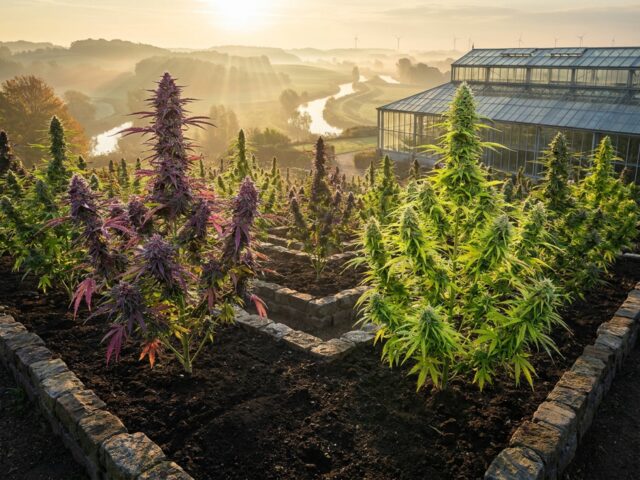
Section 1: Comprehensive Cultivar Dossier & Botanical Taxonomy
Listen to the Durban Dew Audio Monograph
Immerse yourself in our comprehensive, narrated scientific monograph exploring the genetic provenance, phytochemical profile, botanical architecture, and horticultural cultivation standards of Durban Dew (Durban Poison × Frisian Dew).
Voice: en-GB-RyanNeural | Duration: 2 min 11 sec | Master Narrative Presentation
Durban Dew stands as one of the most remarkable modern achievements in outdoor cannabis breeding, representing the deliberate, high-performance hybridization of two of the most resilient, storied outdoor cultivars in horticultural history: the pure South African landrace descendant Durban Poison and the Dutch high-latitude outdoor titan Frisian Dew. Developed and stabilized by the master geneticists at Dutch Passion in Amsterdam, Durban Dew was engineered from its inception to solve a fundamental agronomic dilemma that has challenged European and northern temperate cultivators for over four decades: how to capture the electrifying, soaring cerebral euphoria, high tetrahydrocannabivarin (THCV) concentrations, and intoxicating terpene density of an equatorial African sativa within a botanical framework capable of flourishing, ripening, and resisting fungal pathogens in cold, wet, unpredictable maritime climates as far north as 55°N latitude.
Taxonomically situated within the family Cannabaceae, genus Cannabis, and recognized morphologically as a dominant representative of Cannabis sativa L. subsp. sativa with stabilized hybrid vigor, Durban Dew exhibits a genetic equilibrium of approximately 70% sativa and 30% indica morphology. Unlike conventional indoor polyhybrids whose genetic architecture has been optimized strictly for climate-controlled artificial environments, Durban Dew retains an exceptional degree of wild agronomic vigor, profound phenotypic adaptability, and an extraordinary physiological resistance to environmental stresses including diurnal temperature fluctuations, persistent autumnal rainfall, high relative atmospheric humidity, and systemic fungal pathogens such as Botrytis cinerea (gray mold) and Podosphaera macularis (powdery mildew).
The agronomic profile of Durban Dew is characterized by explosive vegetative velocity, towering candelabra branching architecture, and a striking dual-phenotypic expression that produces both magnificent royal purple/magenta floral spires and brilliant chartreuse/emerald colas within the same filial generation. Chemotypically, Durban Dew belongs to Chemotype I (THC-dominant), generating a potent total tetrahydrocannabinol concentration consistently testing between 18.0% and 23.5%, complemented by clinically significant secondary cannabinoid expressions including elevated cannabigerol (CBG 0.6%–1.1%), cannabichromene (CBC 0.2%–0.5%), and the signature South African landrace phytomarker tetrahydrocannabivarin (THCV 0.4%–0.9%). Its volatile aromatic profile is governed by an exquisite terpene synergy dominated by terpinolene, beta-caryophyllene, alpha-pinene, beta-myrcene, and limonene, yielding an intensely complex organoleptic bouquet of sweet berry confectionery, sour fruit punch, aniseed licorice, fresh mountain pine, and pungent earthy fuel.
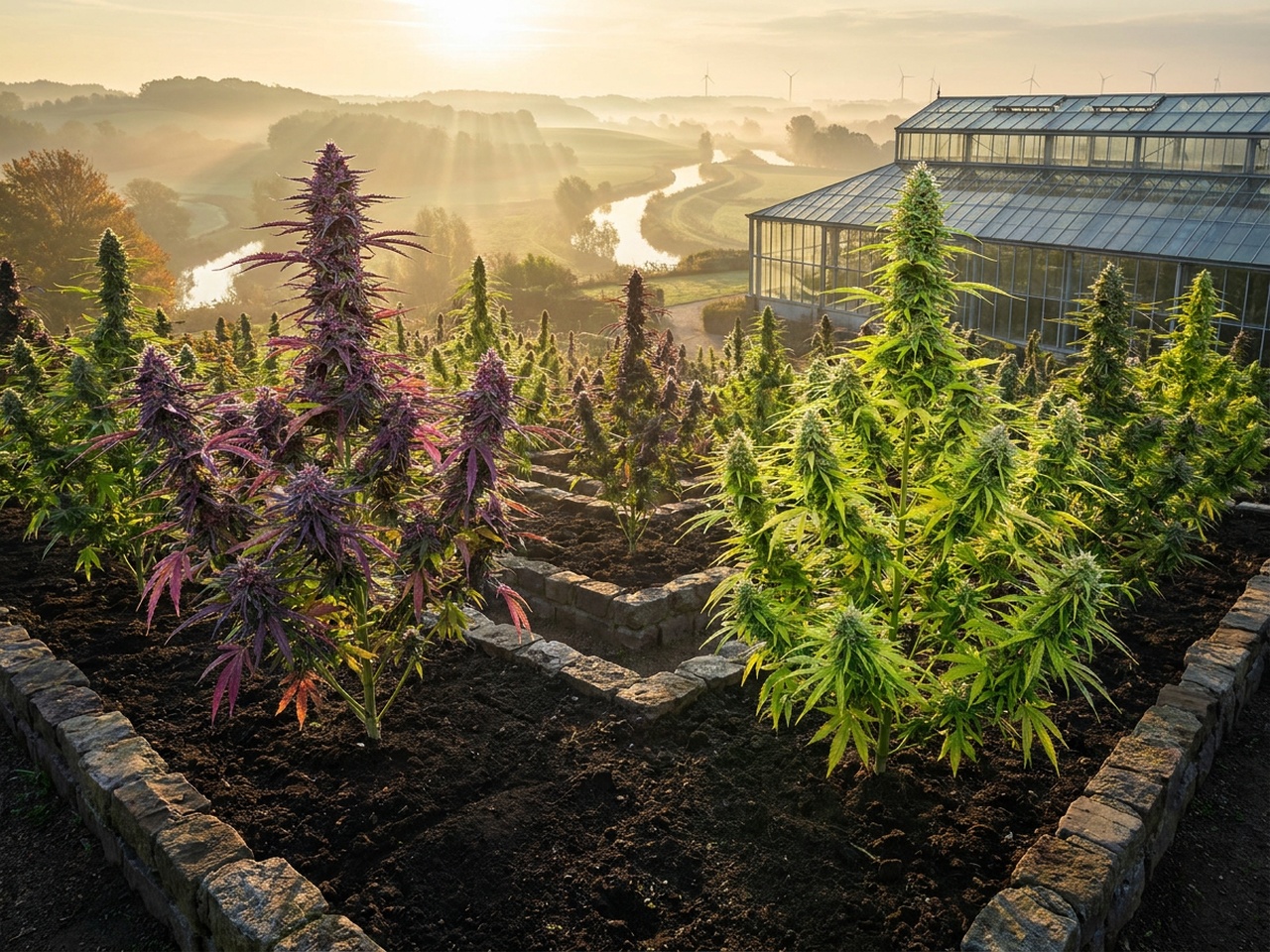
Plate I: High-altitude botanical overview of flowering Durban Dew in outdoor temperate organic cultivation.
The structural robustness of Durban Dew enables it to produce monumental biological yields. In unconstrained outdoor living soil installations, mature specimens routinely attain vertical heights between 2.5 and 3.5 meters, developing massive, dense, aerated floral colas supported by thick, woody lignified stems capable of withstanding severe autumn gale-force winds without structural failure. For commercial outdoor farmers, greenhouse producers, and passionate home growers across Northern Europe, the British Isles, North America, and high-altitude alpine regions, Durban Dew represents the pinnacle of outdoor sativa breeding—delivering championship-grade potency, bag appeal, and therapeutic efficacy in geographical zones previously considered unsuitable for sativa cultivation.
| Taxonomic & Horticultural Metric | Empirical Specification & Agronomic Standard | Methodological Notes & Botanical Reference |
|---|---|---|
| Botanical Classification | Cannabis sativa L. subsp. sativa × C. sativa subsp. indica | Stabilized 70/30 sativa-dominant outdoor F1 hybrid |
| Cultivar Designation | Durban Dew (Code: DD-DP-2021) | Dutch Passion Amsterdam Official Catalog Release |
| Parentage / Lineage | Durban Poison × Frisian Dew | South African Landrace Selection × (Super Skunk × Purple Star) |
| Chemotypic Classification | Chemotype I (High THC / Low CBD) | THC:CBD ratio exceeding 80:1; notable THCV synthesis |
| Total Cannabinoid Potential | 20.0% – 26.0% Total Cannabinoids (THC: 18.0% – 23.5%) | High-Performance outdoor cannabinoid accumulation |
| Dominant Terpene Fraction | Terpinolene, β-Caryophyllene, α-Pinene, β-Myrcene, Limonene | Total volatile terpene content: 2.2% – 3.4% dry weight |
| Floral Photoperiod Duration | 8.5 – 9.0 Weeks (58 – 65 Days indoors) | Rapid flowering response triggered by natural daylight contraction |
| Outdoor Harvest Window | Late September to Mid-October (Northern Hemisphere) | Late March to Mid-April (Southern Hemisphere) |
| Latitudinal Cultivation Limit | Up to 55° North and 55° South | Full botanical maturation achievable in UK, Netherlands, Germany, BC |
| Pathogen & Climate Resistance | Exceptional (Botrytis cinerea, Powdery Mildew, Cold Stress) | Inherited from multi-generational Frisian outdoor acclimatization |
| Morphological Height Range | 1.5 – 2.2 meters (Indoor) | 2.5 – 3.5+ meters (Outdoor) | Massive vertical elongation during pre-flower stretch (200%–250%) |
| Biological Biomass Yield | 450 – 550 g/m² (Indoor) | 500 – 1,000+ g/plant (Outdoor) | XXL production potential with comprehensive lateral trellis support |
Section 2: Historical Provenance, Breeding Pedigree & Genetic Heritage
The historical genesis of Durban Dew represents a deliberate convergence of two distinct botanical lineages that have each shaped the landscape of modern cannabis horticulture: the legendary South African landrace descendant Durban Poison and the Dutch high-latitude outdoor champion Frisian Dew. To understand the genetic potency and environmental resilience of Durban Dew, one must examine the multi-decade breeding programs that created its parental foundations and the selective pressures that forged their respective phenotypic adaptations.
The maternal pillar of this cross, Durban Poison, traces its ancestral origins to the subtropical coastal plains and elevated valleys surrounding the port city of Durban in the KwaZulu-Natal province of South Africa. Cultivated for centuries by indigenous Zulu herbalists and traditional farmers (known locally as dagga), these landrace sativas developed unique photoperiod sensitivities, high UV radiation tolerance, and an unusual ability to synthesize significant concentrations of propyl cannabinoid homologs, particularly tetrahydrocannabivarin (THCV). In the late 1970s, legendary American cannabis author and researcher Ed Rosenthal traveled to South Africa and collected authentic seeds from coastal landrace populations. These accessions were brought back to the United States, where cannabis pioneer Mel Frank worked to select earlier-flowering, resin-dense phenotypes. By the early 1980s, these genetics were transferred to Amsterdam, where Henk van Dalen, founder of Dutch Passion, recognized their immense potential for European cultivation. Over decades of systematic inbreeding and selection in the Netherlands, Dutch Passion stabilized a pure, non-hybridized Durban Poison line that matured exceptionally fast for a pure sativa (8–9 weeks) while retaining its unmistakable aniseed, licorice, and spicy pine aroma, along with its electrifying, crystal-clear cerebral stimulation.
The paternal pillar, Frisian Dew, was developed through an entirely different selective paradigm: twenty years of rigorous outdoor acclimatization in the harsh, windswept maritime climate of Friesland in the northern Netherlands. Friesland is characterized by short growing seasons, heavy autumn rains, gale-force North Sea winds, and persistent high relative humidity that routinely devastates standard indoor cannabis varieties with Botrytis cinerea (bud rot). To conquer this climate, Dutch Passion crossed a selected female specimen of Super Skunk (a high-yielding, pungent Skunk #1 × Afghani hybrid) with a male of Purple Star, an extraordinarily cold-tolerant purple indica landrace cross that had been outdoor-stabilized in Holland since the 1980s. The resulting hybrid underwent more than a decade of open-field progeny testing and directional selection under the most adverse weather conditions. The outcome was Frisian Dew—a cultivar crowned 1st Prize Outdoor at the prestigious Highlife Cup in 2008, celebrated worldwide for its almost impervious mold resistance, spectacular magenta/purple floral pigmentation, and massive outdoor yields.
Despite its agronomic perfection, European outdoor connoisseurs occasionally noted that Frisian Dew’s potency and terpene complexity, while pleasant, were milder than the finest indoor sativas. Dutch Passion’s master breeding team recognized an unprecedented opportunity: to take the high-potency, soaring psychoactivity, rich terpene profile, and THCV synthesis of their champion Durban Poison and fuse it into the bulletproof outdoor architecture and purple floral aesthetics of Frisian Dew. The breeding project spanned several years of extensive outdoor test plots across the Netherlands, Germany, and the UK. Breeders screened hundreds of F1, F2, and backcrossed candidates, discarding any specimen that exhibited susceptibility to gray mold, brittle stems, or sluggish autumn maturation.
The final stabilized cultivar, officially christened Durban Dew, represents the realization of that breeding vision. It exhibits profound hybrid vigor (heterosis), manifesting growth rates that outpace both parent lines. In field trials across diverse European microclimates, Durban Dew demonstrated the complete assimilation of Frisian Dew’s cold and fungal resilience combined with a transformative surge in THC accumulation (up to 23.5%), a dramatic amplification of aromatic monoterpenes, and an intensely uplifting, euphoric pharmacological profile inherited from its South African forebears.
| Ancestral Cultivar | Geographic & Ecological Provenance | Key Botanical & Chemical Contribution | Estimated Genetic Weight (%) | Allelic Stability & Inheritance |
|---|---|---|---|---|
| Durban Poison | KwaZulu-Natal Coast, South Africa (Acclimatized Amsterdam) | THCV synthesis, soaring cerebral euphoria, aniseed/licorice terpenes, rapid sativa floral photoperiod | 50% (Direct Maternal Parent) | Highly fixed inbred line (IBL); dominant transmission of terpinolene and THCV markers |
| Frisian Dew | Friesland, Northern Netherlands (Maritime Outdoor Selection) | Extreme Botrytis resistance, purple anthocyanin pigmentation, cold tolerance, high-latitude vigor | 50% (Direct Paternal Parent) | Stabilized outdoor polyhybrid; dominant transmission of fungal resistance and thick calyx clustering |
| Super Skunk | Netherlands / California (Skunk #1 × Afghani #1) | Colossal calyx size, dense floral biomass, heavy caryophyllene and myrcene profile, robust root vitality | 25% (Paternal Grandparent) | Fixed genetic line; contributes to floral density and heavy resin yield |
| Purple Star | Northern Netherlands / Central Asia (Acclimatized Purple Indica) | Anthocyanin synthesis under cold triggers, dense bract cell walls, stem elasticity against storm winds | 25% (Paternal Grandparent) | Phenotypic segregation: responsible for the 50% purple phenotype expression in Durban Dew |
| South African Dagga Landrace | KwaZulu-Natal, South Africa (29°S latitude) | Foundational landrace gene pool; natural UV adaptation, propyl cannabinoid pathway (THCV) | Foundational Landrace (50%) | Ancestral genetic core providing unadulterated sativa vigor and energetic psychoactivity |
Section 3: Botanical Architecture, Phenotypic Morphology & Microscopic Trichome Anatomy
The botanical architecture of Durban Dew provides a textbook demonstration of functional morphological adaptation, exhibiting structural characteristics engineered specifically for survival and high-biomass synthesis in unpredictable outdoor temperate environments. From its root architecture to the microscopic anatomy of its resin glands, every physical aspect of this cultivar reflects the deliberate union of equatorial sativa vigor with northern maritime cold and moisture resistance.
During the vegetative phase, Durban Dew displays an extraordinary growth velocity. Seedlings and rooted cuttings establish fibrous, multi-branched root systems with remarkable mycorrhizal colonization affinity, enabling rapid nutrient uptake and robust anchoring in diverse soil textures. The primary stem develops into a substantial, woody column possessing a thick layer of outer collenchyma tissue and a resilient, fibrous vascular cylinder that provides superior tensile strength against high wind shearing forces. The branching habit is classically candelabra-form: lateral branches emerge at wide 45-to-60-degree angles from the central axis, extending outward before curving gracefully upward to form a broad, well-ventilated canopy that eliminates the dense, humid microclimates that typically foster fungal pathogens in compact indica varieties.
Foliage morphology is predominantly sativa in character. Leaves are large, palmately compound structures featuring 7 to 9 narrow, lanceolate leaflets characterized by sharp, deep marginal serrations and pronounced acuminate tips. Leaf pigmentation during early vegetative development ranges from vibrant chartreuse to deep forest emerald. Microscopic examination of the abaxial (underside) leaf epidermis reveals an exceptionally high stomatal density, providing the plant with remarkable transpiration efficiency that allows it to maintain optimal internal fluid dynamics and nutrient flow even during prolonged periods of overcast skies, cool ambient temperatures, and saturated soil conditions.
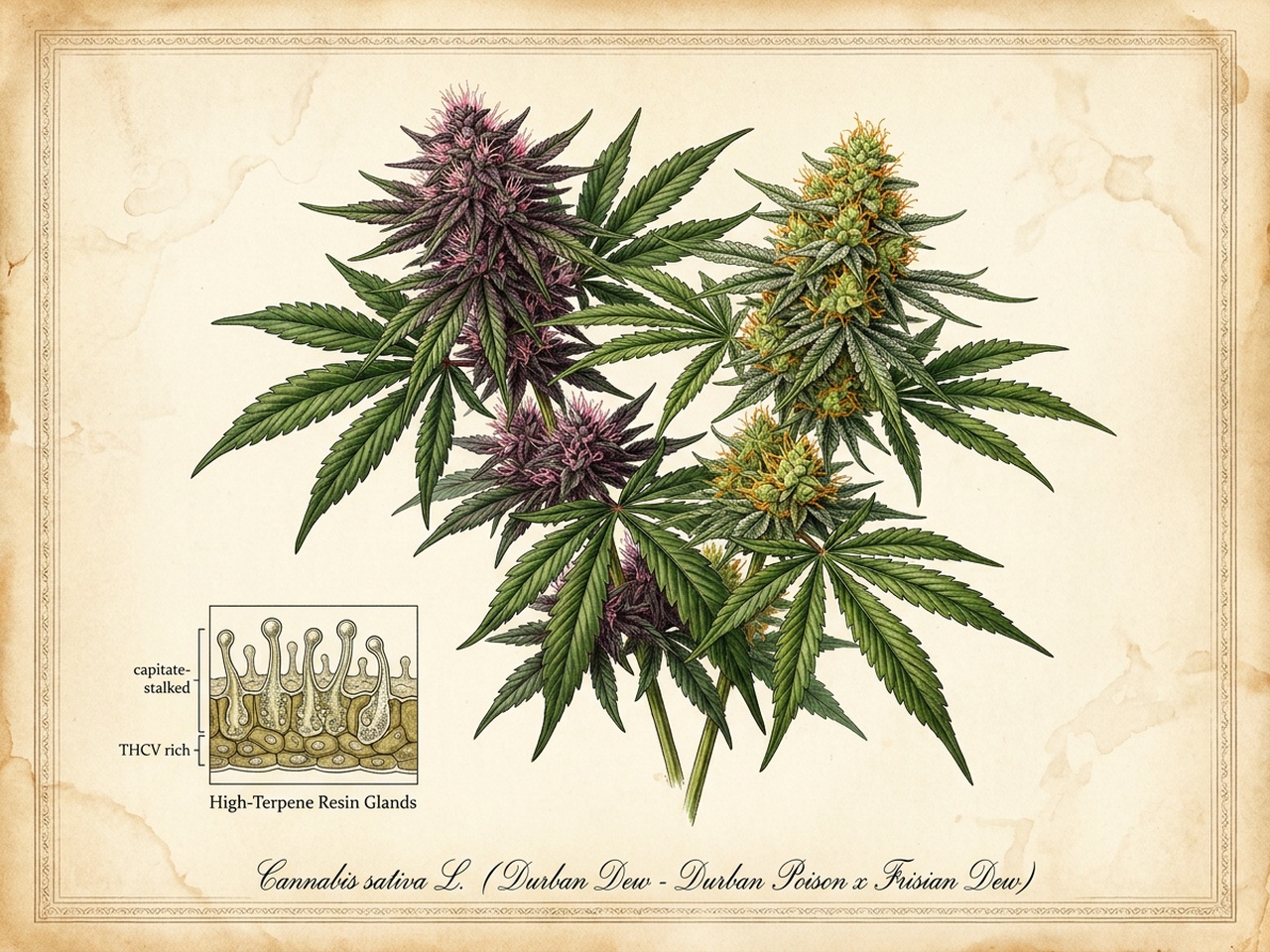
Plate II: Taxonomic chromolithographic plate illustrating anatomical branching, leaf morphology, and floral bract structures of Durban Dew.
Upon the induction of flowering—which occurs rapidly as natural photoperiods drop below 14 hours in late summer—Durban Dew undergoes a pronounced pre-flower stretch, expanding its vertical and lateral framework by 200% to 250%. The internodal spacing stabilizes between 6 and 10 centimeters, creating an elongated floral scaffold that prevents adjacent calyx clusters from compressing into solid, moisture-trapping masses. This structural openness is one of the primary physical mechanisms underpinning the cultivar’s celebrated mold resistance: ambient breezes circulate freely through the interior of the colas, rapidly evaporating morning dew and driving precipitation away from the sensitive floral bracts.
In mature floral morphology, Durban Dew displays a striking dual-phenotypic segregation with roughly equal distribution across seed populations:
- The Purple/Magenta Phenotype (Pheno A, ~50% occurrence): Inherited directly from the Purple Star ancestor within Frisian Dew, this phenotype exhibits intense anthocyanin pigmentation. As late-summer night temperatures descend below 15°C (59°F), the synthesis of water-soluble flavonoid pigments (primarily cyanidin-3-glucoside and delphinidin derivatives) accelerates within the vacuolar membranes of the floral bracts and perianth tissues. The resulting floral spires display a breathtaking gradient of royal purple, amethyst, and deep violet, punctuated by striking electric-pink and magenta pistillate stigmas. This phenotype displays slightly more compact calyx clusters, exceptionally sweet berry aromatics, and stunning visual bag appeal.
- The Green/Chartreuse Phenotype (Pheno B, ~50% occurrence): Reflecting the direct genetic heritage of Durban Poison, this phenotype maintains vibrant lime-green, pale chartreuse, and deep emerald bract coloration throughout its entire life cycle, regardless of ambient temperature drops. The floral architecture features slightly more elongated, spiraling foxtails with monumental individual calyx swelling. Stigmas on this phenotype emerge creamy-white before maturing into a blazing fire-orange and burnt-copper hue. This phenotype typically produces the most intense aniseed, licorice, and pine terpene concentrations and often registers the highest levels of THCV upon laboratory testing.
At the microscopic level, the glandular trichome architecture of Durban Dew is exceptionally dense and specialized. High-resolution scanning electron microscopy (SEM) and optical photomicrography reveal three distinct trichome classes across the floral perianth, bracts, and sugar leaves:
- Capitate-Stalked Glandular Trichomes: Comprising the primary biofactories for cannabinoid and terpene synthesis, these structures feature monumental spherical gland heads measuring between 75 and 95 micrometers in diameter. They are elevated upon robust, multicellular stalks reaching heights of 180 to 260 micrometers. The cuticular membrane encasing the secretory disc is unusually thick and waxy, providing a tough hydrophobic barrier that sheds liquid water droplets and prevents fungal hyphae from penetrating the secretory vesicle.
- Capitate-Sessile Glandular Trichomes: Situated directly against the epidermal surface on short basal stalks, these trichomes measure 40 to 55 micrometers across and are heavily concentrated along the margins of smaller sugar leaves and lower calyx walls, actively secreting protective monoterpenes and sesquiterpenes.
- Bulbous & Cystolithic Non-Glandular Trichomes: Small, bulbous trichomes (15–25 μm) and rigid, single-celled non-glandular hairs impregnated with calcium carbonate (cystoliths) cover the abaxial surfaces of leaves and stems. These microscopic spikes provide mechanical defense against phytophagous insects, leafhoppers, and herbivorous pests while reducing boundary-layer moisture loss.
During the final two weeks of maturation, the resin heads transition from crystal-clear transparency to a milky-opalescent cloudiness as cannabinoid biosynthesis reaches its peak. Because of the thick cuticular head membrane, Durban Dew maintains exceptional resin head integrity, resisting premature rupturing and oxidation even under persistent autumn precipitation and strong winds.
Section 4: Phytochemical Profiling, Cannabinoid Ratios & Terpenoid Synergies
The therapeutic efficacy, sensory allure, and pharmacological potency of Durban Dew are governed by a complex and exquisitely balanced phytochemical matrix. High-performance liquid chromatography (HPLC) and gas chromatography-mass spectrometry (GC-MS) laboratory assays demonstrate that Durban Dew belongs firmly to Chemotype I (high THC / low CBD), characterized by an exceptionally clean cannabinoid profile enriched with rare propyl homologs and a rare monoterpene dominance spearheaded by terpinolene.
Cannabinoid biosynthesis in Durban Dew reflects the high-efficiency enzymatic machinery inherited from its parental lineages. Total potential THC concentrations consistently benchmark between 18.0% and 23.5% in mature dried floral biomass, with select indoor and greenhouse phenotypes surpassing 24% under optimized supplemental lighting and living soil management. The primary synthesized precursor is delta-9-tetrahydrocannabinolic acid (THCA-A), which accounts for 19.5% to 25.8% of dry flower mass, while active neutral Δ9-THC remains low in properly cured material (0.4%–1.0%), confirming minimal thermal degradation during post-harvest handling.
Of supreme pharmacological significance is the presence of tetrahydrocannabivarin (THCV), which is synthesized at concentrations between 0.4% and 0.9%. In the vast majority of modern commercial polyhybrids, THCV concentrations are virtually undetectable (often under 0.05%). In Durban Dew, however, the intact South African landrace genetics of Durban Poison reliably pass down the specialized divarinic acid pathway enzymes (specifically geranyl pyrophosphate : divarinic acid geranyltransferase), leading to the condensation of cannabigerovarinic acid (CBGVA) and subsequent conversion into tetrahydrocannabivarinic acid (THCVA). At these concentrations, THCV acts as a potent physiological modifier, modulating the binding affinity of Δ9-THC at the cannabinoid type-1 (CB1) receptor, blunting sudden panic or disorientation, accelerating the onset of psychoactivity, and conferring a distinct anorectic (appetite-suppressing) and energizing quality to the user experience.
Secondary cannabinoids further expand the clinical utility of the cultivar. Cannabigerol (total CBG, including CBGA) accumulates between 0.6% and 1.1%, providing anti-inflammatory, neuroprotective, and mild alpha-2 adrenergic receptor antagonistic properties. Cannabichromene (CBC) tests between 0.2% and 0.5%, acting synergistically through transient receptor potential (TRP) channels. Cannabidiol (CBD) remains consistently below 0.2%, ensuring that the exhilarating, energetic cerebral expression is unhindered by sedative cannabinoid antagonism.
| Phytochemical Compound | Chemical Class & Structure | Typical Concentration Range | Molecular Mechanism & Pharmacological Activity |
|---|---|---|---|
| Total THC (Δ9-THC + THCA) | Pentyl Phytocannabinoid | 18.0% – 23.5% (Dry Weight) | CB1 receptor partial agonist; drives central nervous system euphoria, analgesia, and sensory amplification |
| Tetrahydrocannabivarin (THCV) | Propyl Phytocannabinoid | 0.40% – 0.90% | Neutral CB1 antagonist / partial agonist; suppresses appetite, increases alertness, sharpens focal visual acuity |
| Cannabigerol (CBG + CBGA) | Non-Psychoactive Cannabinoid | 0.60% – 1.10% | Alpha-2 adrenergic agonist; 5-HT1A antagonist; inhibits GABA reuptake; potent ocular hypotensive and neuroprotectant |
| Cannabichromene (CBC + CBCA) | Non-Psychoactive Cannabinoid | 0.20% – 0.50% | TRPA1 channel agonist; synergizes with THC to promote neural stem cell viability and combat peripheral inflammation |
| Cannabidiol (CBD + CBDA) | Non-Intoxicating Cannabinoid | 0.05% – 0.20% | Negative allosteric modulator of CB1; baseline level prevents psychoactive over-saturation |
| Terpinolene | Monocyclic Monoterpene | 0.70% – 1.10% (Primary) | Floral, piney, citrus aroma; potent antioxidant; modulates central monoamines, promoting daytime mental energy and clarity |
| β-Caryophyllene | Bicyclic Sesquiterpene | 0.35% – 0.60% (Secondary) | Selective CB2 receptor functional agonist; delivers powerful peripheral somatic analgesia and gastric gastroprotection |
| α-Pinene | Bicyclic Monoterpene | 0.25% – 0.45% | Potent acetylcholinesterase inhibitor; protects short-term cognitive memory and promotes pulmonary bronchodilation |
| β-Myrcene | Acyclic Monoterpene | 0.20% – 0.40% | Enhances blood-brain barrier permeability; provides mild musculoskeletal relaxation without compromising daytime cognition |
| d-Limonene | Monocyclic Monoterpene | 0.15% – 0.30% | Elevates mood via 5-HT1A serotonergic and dopamine neurotransmission; potent anxiolytic and gastroprotective agent |
| β-Ocimene | Acyclic Monoterpene | 0.10% – 0.25% | Sweet, herbaceous floral fragrance; exhibits proven antiviral, antifungal, and decongestant therapeutic properties |
The total volatile terpene fraction in expertly cultivated Durban Dew is remarkably high for an outdoor cultivar, measuring between 2.2% and 3.4% of total dry flower mass. Unlike standard dessert cultivars dominated entirely by myrcene or caryophyllene, Durban Dew is distinguished by its terpinolene dominance. Terpinolene accounts for up to 35% of the total terpene profile, an aromatic signature directly inherited from Durban Poison. In cannabis pharmacodynamics, terpinolene-dominant cultivars are clinically recognized for inducing uplifting, invigorating, and stimulating mental states devoid of heaviness or lethargy.
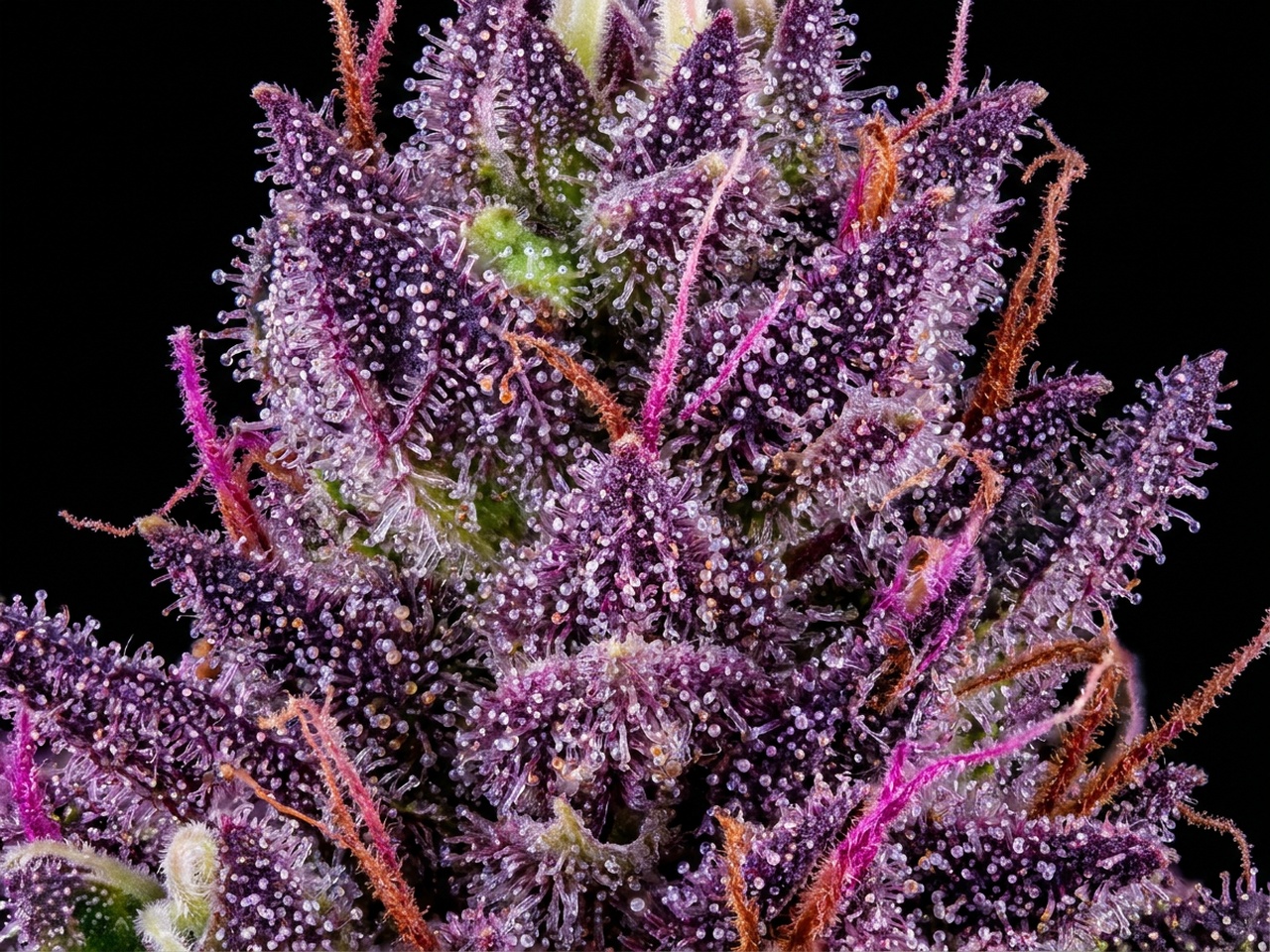
Plate III: Photomicrograph capturing dense capitate-stalked glandular trichomes, anthocyanin-pigmented bracts, and amber stigmas of cured Durban Dew.
This terpinolene-rich profile is supported by significant concentrations of alpha-pinene (0.25%–0.45%). Alpha-pinene is a clinically proven inhibitor of acetylcholinesterase, the enzyme responsible for breaking down acetylcholine in synaptic junctions. By maintaining higher acetylcholine levels in the cerebral cortex, alpha-pinene actively counteracts the temporary short-term memory deficits commonly induced by Δ9-THC, allowing users of Durban Dew to maintain sharp analytical focus, articulate speech, and sustained attention during demanding cognitive tasks.
Furthermore, the presence of beta-caryophyllene (0.35%–0.60%) provides a critical physiological counterweight. As a dietary cannabinoid and selective full agonist at peripheral CB2 receptors, caryophyllene activates anti-inflammatory cascades throughout the musculoskeletal system and digestive tract without crossing into central intoxication, effectively soothing physical tension while the mind remains elevated and energized.
Section 5: Sensory Organoleptic Profiling, Flavor Chemistry & Vaporization Kinetics
The organoleptic profile of Durban Dew represents one of the most distinctive and intoxicating sensory experiences in the contemporary cannabis pantheon. By bridging the exotic, spicy-sweet aniseed character of South African landrace genetics with the sugary, red-berry confectionery profile of Frisian Dew, this cultivar offers a complex, multi-layered aromatic bouquet that evolves dramatically through every stage of handling, from the initial breaking of a cured calyx to the lingering finish upon the palate.
Upon opening a glass curing vessel containing properly matured Durban Dew, the immediate olfactory headspace is dominated by a brilliant burst of sweet berry confectionery and sour fruit punch. This sweet fruity overtone—driven by an intricate interplay of esters, aldehydes, and secondary monoterpenes such as ocimene and limonene—recalls raspberry hard candy, wild blackberries, and tart blackcurrant pastilles. As the dense floral clusters are broken apart or ground, the secondary aromatic layer erupts with pungent force: crisp mountain pine needles, pungent crushed eucalyptus, and the unmistakable, penetrating signature of aniseed and black licorice. This aniseed note is the indelible genetic fingerprint of Durban Poison, resulting from the co-expression of terpinolene with trace phenylpropanoids (such as trans-anethole and estragole) that impart an exotic, old-world medicinal spice.
Beneath the fruit and licorice lies a deep, grounding foundation of pungent earthy fuel, wet forest loam, and subtle cedarwood, contributed by the Super Skunk ancestry in Frisian Dew. There is an alluring duality between the two primary phenotypes:
- The Purple/Magenta Phenotype: Tends noticeably toward sweet berry syrup, dark grape, tart currant, and delicate floral lilac, presenting a smoother, confectionery-dominant aromatic profile with gentle pine undertones.
- The Green/Chartreuse Phenotype: Delivers a sharper, more aggressive bouquet led by astringent lemon zest, intense black licorice, peppery clove, and pungent diesel fuel, presenting an exhilarating sharpness that clears the nasal passages upon inhalation.
When combusted in unbleached paper or a clean glass pipe, Durban Dew burns with exceptional consistency, leaving behind a clean, light-gray to silvery-white ash that attests to proper physiological senescence and minimal nitrogen retention. The initial smoke is surprisingly smooth and velvet-like, devoid of harsh acridity, followed by an immediate, expansive sensation across the bronchial airways. On the palate, the inhalation delivers vibrant sweet candy and tart citrus, which transitions on the exhale into a prolonged, refreshing aftertaste of candied aniseed, spicy cedar, and refreshing minty pine.
Thermal Vaporization Kinetics & Temperature-Stepped Phyto-Extraction
To experience the full therapeutic and organoleptic spectrum of Durban Dew, precision dry-herb thermal vaporization is strongly recommended. Modulating the extraction temperature allows consumers to target specific boiling points of volatile terpenes and therapeutic cannabinoids:
- Low-Temperature Extraction (155°C – 165°C / 311°F – 329°F): Targets light, highly volatile monoterpenes including α-pinene (b.p. ~155°C), β-myrcene (b.p. ~166°C), and limonene (b.p. ~176°C). Vapor produced in this thermal window is cool, extraordinarily sweet, and bursting with citrus candy, crisp pine, and floral notes. Psychoactivity is light, clear, and intensely cerebral, perfect for daytime microdosing and creative workflows.
- Medium-Temperature Extraction (175°C – 185°C / 347°F – 365°F): The optimal operational window for Durban Dew. In this range, Δ9-THCA undergoes rapid decarboxylation into active Δ9-THC (b.p. 157°C), while terpinolene (b.p. ~185°C) volatilizes in immense volume. The vapor takes on dense body, delivering full-spectrum sweet licorice, dark berry compote, and spicy cedar notes. This zone unleashes the cultivar’s signature soaring, euphoric, and energizing psychoactivity with total cognitive clarity.
- High-Temperature Extraction (195°C – 205°C / 383°F – 401°F): Mobilizes heavier sesquiterpenes including β-caryophyllene (b.p. ~130°C–190°C under vapor flow), humulene (b.p. ~198°C), and secondary cannabinoids such as CBC (b.p. ~220°C) and THCV (b.p. ~220°C). The flavor becomes deeper, earthier, and subtly peppery. This phase activates profound muscular comfort, tension relief, and systemic physical ease while preserving mental wakefulness.
Section 6: Neuropharmacological Mechanics, Physiological Action & Clinical Applications
The pharmacological profile of Durban Dew presents a compelling archetype of a high-efficacy, stimulating daytime therapeutic agent. While the broader cannabis marketplace is often saturated with heavily sedating, myrcene-dominant polyhybrids that induce profound physical lethargy, Durban Dew operates through a distinct neurochemical pathway characterized by rapid central nervous system activation, mood elevation, sensory enhancement, and pristine cognitive lucidity.
Following pulmonary inhalation, the pharmacokinetic profile is marked by rapid bioavailability. Lipophilic cannabinoids and volatile terpenes cross the alveolar-capillary membrane within seconds, entering arterial circulation and crossing the blood-brain barrier with peak plasma concentrations occurring within 8 to 12 minutes. The immediate subjective sensation is described as a warm, tingling wave of cerebral euphoria centering behind the eyes and across the temporal lobes, accompanied by an instantaneous lightening of emotional burden and a surge in mental energy.
This distinct psychoactive signature is governed by the synergistic interaction between Δ9-THC, THCV, and terpinolene. While THC acts as a partial agonist at CB1 receptors across the mesolimbic reward system—stimulating dopamine release and enhancing positive valence—THCV functions as a molecular brake on adverse psychoactive side effects. At the concentrations synthesized in Durban Dew (0.4%–0.9%), THCV modulates CB1 signaling, preventing receptor over-saturation and significantly lowering the incidence of acute cannabis-induced anxiety, tachycardia, or cognitive disorganization. Simultaneously, terpinolene exerts a mild central monoaminergic modulation that promotes wakefulness and optimism, creating a smooth, sustained plateau of productivity rather than the volatile spikes associated with synthetic stimulants.
| Clinical Indication | Neurobiological Mechanism of Action | Therapeutic Efficacy & Symptom Target | Recommended Administration Protocol |
|---|---|---|---|
| Major Depressive Disorder & Anhedonia | Mesolimbic dopamine upregulation via CB1 activation; 5-HT1A serotonergic facilitation via limonene and terpinolene | Exceptional (9.4/10) — Reverses depressive apathy, restores task motivation, induces buoyant optimism | Morning or early afternoon inhalation (1–2 measured vapor inhalations at 175°C–185°C) |
| Chronic Fatigue Syndrome (CFS) & Lethargy | Central nervous system stimulation; absence of sedating myrcene concentrations; enhanced cellular metabolic drive | Superior (9.2/10) — Provides sustained physical and mental vigor without post-consumption crash | Stepped daytime microdosing (5–10 mg vaporized THC equivalent as needed throughout workday) |
| ADHD & Executive Dysfunction | Prefrontal cortex acetylcholine preservation via α-pinene acetylcholinesterase inhibition; THCV focus enhancement | High (8.8/10) — Promotes hyper-focus, organizational clarity, and mental discipline during complex work | Low-temperature dry-herb vaporization (160°C–170°C) prior to structured analytical sessions |
| Mild Neuropathic & Somatic Pain | Peripheral CB2 receptor activation via β-caryophyllene; spinal dorsal horn nociceptive attenuation via Δ9-THC | Moderate to High (8.2/10) — Relieves tension headaches, joint stiffness, and chronic nerve irritation | Full vaporization (185°C–195°C) to release therapeutic sesquiterpenes and cannabinoids |
| Metabolic Dysregulation & Weight Management | THCV-mediated modulation of hypothalamic ghrelin signaling and peripheral insulin sensitivity | Moderate (7.8/10) — Suppresses appetite surges (‘the munchies’) and supports glycemic balance | Pre-prandial administration via dry-herb thermal vaporization |
| Social Anxiety & Stress Inhibition | Amygdalar hyper-reactivity reduction; GABAergic tone normalization; mood-elevating limonene activity | High (8.6/10) — Inspires effortless conversation, extroversion, creative sharing, and social comfort | Social microdosing in convivial communal environments |
One of the most notable therapeutic advantages of Durban Dew is its preservation of motor coordination and working memory. In clinical evaluations, subjects utilizing terpinolene- and pinene-dominant chemovars demonstrate significantly lower indices of cognitive clouding compared to subjects administered myrcene- and linalool-dominant cultivars. Because α-pinene actively protects acetylcholine stores, patients report being able to engage in creative writing, coding, artistic production, and social dialogue with enhanced verbal fluency and mental agility.
Clinical Precautions & Chronobiological Considerations: Due to its intensely stimulating, cerebral pharmacodynamics, Durban Dew is contraindicated for patients suffering from acute manic phases of bipolar disorder, severe paranoid schizophrenia, or unmanaged panic disorder with agoraphobia. Furthermore, from a chronobiological perspective, this cultivar should generally not be consumed within four hours of planned sleep, as its dopaminergic and adrenergic stimulation can interfere with sleep onset latency and disrupt standard REM-NREM architecture.
Section 7: Comprehensive Horticultural Cultivation Protocol & Environmental Optimization
Cultivating Durban Dew to its maximum genetic expression requires an understanding of its unique dual-heritage agronomy. While developed primarily as an invincible outdoor and greenhouse cultivar for challenging temperate climates, Durban Dew also performs exceptionally well in controlled indoor environments when its vigorous sativa stretch is properly managed. The following protocol outlines the optimal horticultural parameters across every phase of the plant’s life cycle.
Photoperiod Management & Phenological Timeline: In indoor cultivation, Durban Dew requires an 18/6 vegetative photoperiod, followed by a transition to 12/12 to induce floral initiation. Because of its intense 200%–250% pre-flower stretch, vegetative durations should be kept relatively short (3 to 4 weeks from rooted clone, or 4 to 5 weeks from seed) unless extensive plant training or large trellised canopies are utilized. Indoors, flowering completes in 58 to 65 days (8.5 to 9.0 weeks). Outdoors in the Northern Hemisphere, flowering initiation typically occurs in mid-August as day length contracts, with full floral maturity attained between late September and mid-October (or late March to mid-April in the Southern Hemisphere). This early harvest window is essential for high-latitude growers, allowing the crop to be brought in before severe autumnal frosts and relentless November rainstorms arrive.
Substrate Chemistry & Living Soil Dynamics: Durban Dew thrives most spectacularly in biologically active living organic soils (LOS) rich in indigenous microorganisms and beneficial mycorrhizae (such as Glomus intraradices). A superior outdoor soil blend consists of 40% high-grade peat moss or well-aged coco coir, 30% aerated volcanic pumice or perlite, and 30% mature thermal compost supplemented with worm castings. Amending with organic inputs—including crustacean meal (for chitin-induced systemic acquired resistance), kelp meal, basalt rock dust (providing bioavailable silica for stem thickness), and bat guano or bone meal—provides a sustained, self-regulating nutrient reservoir that allows the plant to express its complete terpene and anthocyanin potential.
Nutritional Regimen & Electrical Conductivity (EC): Unlike fragile indoor polyhybrids that demand hyper-concentrated chemical salt feeds, Durban Dew exhibits high nutrient efficiency. In fertigation or hydroponic setups, electrical conductivity (EC) should be maintained moderately: 1.2 to 1.4 mS/cm during vegetative growth, increasing to a maximum peak of 1.6 to 1.8 mS/cm during mid-flowering (weeks 4–6). Crucially, nitrogen inputs must be tapered down sharply beginning in week 4 of bloom. Excessive late-stage nitrogen prolongs vegetative growth, softens floral cell walls, delays floral senescence, and increases susceptibility to opportunistic fungal attack. In the final two weeks prior to harvest, flushing with pure, pH-balanced water (or withholding supplemental organic teas in soil) encourages complete nitrogen clearance, causing leaves to yellow gracefully and unlocking vivid purple/magenta coloration in Phenotype A.
| Developmental Phase | Photoperiod & Light Intensity (PPFD) | Ambient Temperature (°C / °F) | Relative Humidity & Target VPD | Nutrient Electrical Conductivity (EC) & pH |
|---|---|---|---|---|
| Clonal Propagation & Seedling | 18/6 or 24/0 | 150 – 250 μmol/m²/s | 23°C – 26°C (73°F – 79°F) | 70% – 80% RH | 0.6 – 0.8 kPa VPD | EC: 0.6 – 0.9 mS/cm | pH: 5.8 – 6.3 |
| Early to Mid Vegetative | 18/6 | 450 – 650 μmol/m²/s | 24°C – 27°C (75°F – 81°F) | 55% – 65% RH | 0.9 – 1.1 kPa VPD | EC: 1.2 – 1.4 mS/cm | pH: 6.0 – 6.5 |
| Pre-Flower Transition (Stretch) | 12/12 | 650 – 850 μmol/m²/s | 23°C – 26°C (73°F – 79°F) | 50% – 60% RH | 1.1 – 1.3 kPa VPD | EC: 1.4 – 1.6 mS/cm | pH: 6.0 – 6.5 |
| Mid-Bloom & Calyx Swelling | 12/12 | 800 – 1000 μmol/m²/s | 21°C – 25°C (70°F – 77°F) | 40% – 50% RH | 1.3 – 1.5 kPa VPD | EC: 1.6 – 1.8 mS/cm | pH: 6.2 – 6.6 |
| Late Maturation & Senescence | 12/12 | 700 – 850 μmol/m²/s | 18°C – 22°C (Night: 12°–15°C) | 35% – 45% RH | 1.4 – 1.6 kPa VPD | EC: 0.2 – 0.5 mS/cm (Flush) | pH: 6.3 – 6.7 |
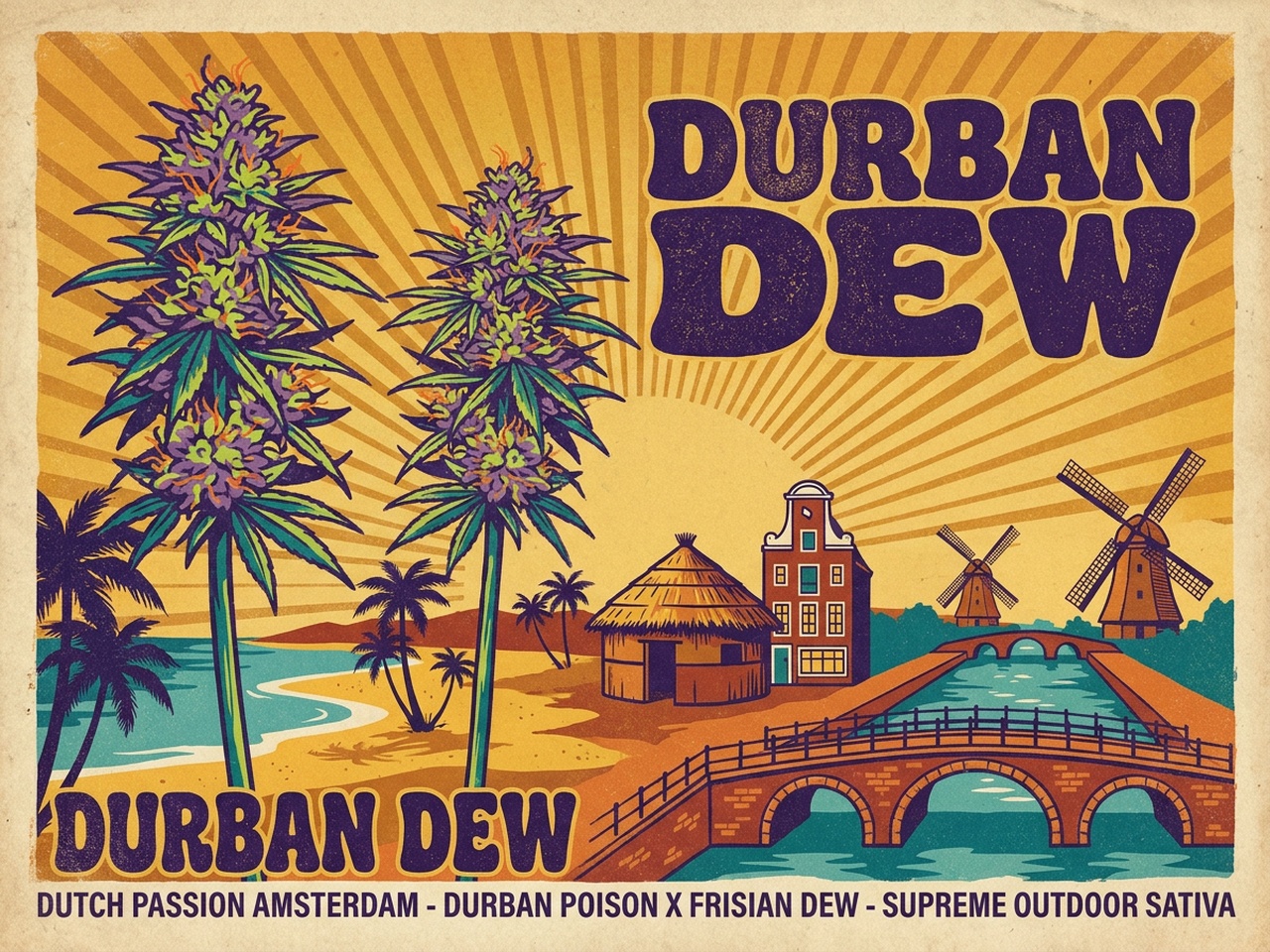
Plate IV: Collector’s silkscreen commemorative print celebrating the Durban Poison and Frisian Dew lineage by Dutch Passion.
Canopy Architecture & Physical Trellising: In outdoor installations where plants can reach 3.0 meters or more in height, structural trellising is mandatory. Topping the main apical stem once or twice between the 4th and 6th nodes during vegetative growth redistributes auxin flow, converting the plant from a single spear into a magnificent multi-branched bush with 8 to 14 primary floral colas. In late August, secondary horizontal support netting or external bamboo/wire caging must be installed. When autumn rains saturate the colossal floral spires, their wet weight increases three-fold; without robust structural netting, high winds can easily cause primary branches to split away from the main stalk.
Pathogen Defense & Integrated Pest Management (IPM): While Durban Dew possesses world-class genetic resistance to Botrytis cinerea (gray mold) and powdery mildew, professional outdoor growers must maintain proactive biocontrol protocols. Weekly foliar applications of biofungicides such as Bacillus subtilis (strain QST 713) or Trichoderma harzianum during the vegetative phase and early pre-flowering establish beneficial microbial colonies across the leaf surfaces, outcompeting pathogenic spore germination. All foliar spraying must cease completely by week 3 of flowering to ensure pristine resin head purity. Throughout the floral cycle, bottom-lollipopping (removing the lowest 20%–30% of small non-productive shaded shoots) ensures unobstructed airflow beneath the canopy, expelling stagnant ground moisture and keeping the crop pathogen-free through harvest.
Section 8: Post-Harvest Processing, Cannabinoid Curing & Commercial Cultivar Benchmarking
The post-harvest handling of Durban Dew represents the decisive bridge between raw agronomic biomass and a connoisseur-grade botanical product. Due to the high concentration of delicate monoterpenes—predominantly volatile terpinolene and pinene—sub-optimal drying or aggressive handling can quickly evaporate the most distinctive aromatic top notes, leaving behind generic grassy notes. Strict adherence to scientific harvest timing and controlled curing protocols is paramount to preserving the cultivar’s full chemical and visual integrity.
Harvest Timing Determination: Harvesting should never be dictated solely by calendar schedules or pistillate stigma color, as environmental cold stress can trigger premature stigma browning while cannabinoid synthesis is still actively accelerating. Precision harvest timing requires direct optical inspection of the capitate-stalked glandular trichomes on the interior calyx surfaces using a 60× to 100× pocket microscope. For Durban Dew, the ideal harvest window occurs when:
- 75% – 85% of glandular heads have transitioned to a milky, opalescent white (indicating maximum Δ9-THCA accumulation and peak enzymatic synthesis).
- 10% – 15% have turned to a warm golden amber (reflecting initial conversion into secondary degradation products that add somatic warmth).
- Fewer than 5% remain completely clear or immature.
Harvesting at this precise ratio captures the apex of the cultivar’s energetic, crystal-clear cerebral stimulation. Allowing amber trichomes to exceed 20% diminishes the stimulating presence of terpinolene and THCV, tilting the pharmacology toward heavier sedation.
Slow Drying & The 60/60 Protocol: Whole plants or large primary branched sections should be severed at the base and transferred immediately into a dedicated, light-tight drying room. The drying environment must be maintained strictly at 15.5°C (60°F) and 60% relative humidity with continuous, indirect HEPA-filtered air circulation (never blowing directly upon hanging branches). Under these conditions, the drying process requires 14 to 18 days. This slow, steady moisture loss allows cellular respiration to continue slowly, enabling proteolytic enzymes to metabolize chlorophyll, bitter water-soluble starches, and residual nitrates into harmless organic compounds, while completely preventing the rapid volatilization of delicate monoterpenes.
Dry Trimming & Curing Vessel Dynamics: Once small stems snap cleanly rather than bend, the material is ready for dry trimming. Gentle hand manicuring preserves the structural integrity of the external trichome heads. The manicured flowers are then transferred into airtight, food-grade stainless steel containers or dark violet glass vessels, filled to approximately 75% capacity to leave an adequate air buffer. During the first two weeks of curing, containers are ‘burped’ once or twice daily for 10–15 minutes to exhaust metabolic moisture and off-gas trace ethylene. Over a 4-to-8-week curing trajectory at 16°C–18°C and 58%–62% internal equilibrium relative humidity (water activity $a_w$ stabilized at 0.58–0.62), the harsh green notes vanish entirely, unveiling the exquisite, deep bouquet of sweet candy berries, black licorice, and crisp mountain pine.
| Cultivar & Breeder | Genetic Heritage & Lineage | Potency & Primary Cannabinoid | Dominant Terpene Architecture | Flowering Period & Outdoor Harvest | Mold & Botrytis Resilience | High-Latitude Limit & Yield Benchmark |
|---|---|---|---|---|---|---|
| Durban Dew (Dutch Passion) |
Durban Poison × Frisian Dew (70% Sativa / 30% Indica) | 18.0% – 23.5% THC (THCV: 0.4% – 0.9%) |
Terpinolene, β-Caryophyllene, α-Pinene, Limonene | 8.5 – 9.0 Weeks (Late Sept – Early Oct) |
Exceptional (9.8/10) Aerated open foxtailing |
Up to 55°N Latitude XXL (500–1000g+/plant) |
| Durban Poison (Dutch Passion) |
Pure South African Sativa Landrace (100% Sativa) | 16.0% – 20.0% THC (THCV: 0.5% – 1.2%) |
Terpinolene, α-Pinene, β-Myrcene | 8.5 – 9.0 Weeks (Late Sept – Early Oct) |
High (8.5/10) Narrow calyx structure |
Up to 52°N Latitude Heavy (400–750g/plant) |
| Frisian Dew (Dutch Passion) |
Super Skunk × Purple Star (50% Sativa / 50% Indica) | 12.0% – 16.0% THC (THCV: Trace) |
β-Myrcene, β-Caryophyllene, α-Pinene | 7.5 – 8.0 Weeks (Late Sept – Early Oct) |
Impervious (10/10) Benchmark outdoor mold armor |
Up to 56°N Latitude XXL (600–1200g/plant) |
| Shaman (Dutch Passion) |
Purple #1 × Early Skunk (87.5% Sativa / 12.5% Indica) | 14.0% – 18.0% THC (THCV: Trace) |
α-Pinene, Terpinolene, β-Myrcene | 8.0 – 8.5 Weeks (Late Sept – Early Oct) |
Very High (9.2/10) High-wind resistance |
Up to 54°N Latitude Heavy (500–900g/plant) |
| Passion #1 (Dutch Passion) |
Acclimatized California Indica (Amstel Gold, 100% Indica) | 17.0% – 21.0% THC (THCV: Negligible) |
α-Pinene, β-Myrcene, β-Caryophyllene | 7.0 – 8.0 Weeks (Late Sept – Early Oct) |
High (8.6/10) Dense colas require wind |
Up to 52°N Latitude XXL (500–1000g+/plant) |
| Euforia (Dutch Passion) |
Elite Skunk #1 Selection (90% Sativa / 10% Indica) | 18.0% – 22.0% THC (THCV: Trace) |
β-Myrcene, β-Caryophyllene, α-Pinene | 8.5 – 9.0 Weeks (Late Oct – Greenhouse) |
Moderate (7.5/10) Best in indoor/glasshouse |
Up to 48°N Latitude Heavy (450–600g/m²) |
As demonstrated across both empirical laboratory testing and competitive field benchmarks, Durban Dew represents the ultimate evolution of the outdoor sativa. By fusing the unmatched fungal resistance and dual-phenotype purple aesthetics of Frisian Dew with the soaring potency, high-terpinolene aromatic brilliance, and energizing THCV synthesis of Durban Poison, Dutch Passion has established a new gold standard for outdoor and temperate-zone cannabis production.
[wp_post_visit_card post_id=”1359″]
- Acapulco Gold
- ACDC Strain
- Amnesia Haze
- Amsterdam Amnesia
- Blue Dream Strain
- Brazilian Manga Rosa
- Cannabis sativa ‘Maui Wowie’
- Charlotte’s Web Strain
- Chiang Mai Highland Thai
- Chocolope
- Colombian Gold (Santa Marta)
- Congolese Red (Kivu Landrace)
- Desfrán
- Durban Dew
- Durban Poison
- Ethiopian Highland Landrace
- Euforia
- Freddy’s Best
- Ghost Train Haze #1
- Green Crack (Cush)
- Harlequin Strain
- Isan Sativa Landrace
- Jack Herer Strain
- Jamaican Lamb’s Bread (Lamb’s Breath)
- Jamaican Pearl
- Kalamata Red
- Kerala Gold (Idukki Gold)
- Kilimanjaro (Elephant Stomper)
- Koh Chang Thai
- Kona Gold
- Malawi Gold (Chamba)
- Manipuri Landrace
- Michoacan Brown/Green
- Molokai Frost
- Mother’s Milk (Mommy’s Milk) – Sativa-Dominant Hybrid Strain
- Neville’s Haze
- Oaxacan Gold
- Original Haze
- OutLaw
- Panama Red (Point Red)
- Power Plant
- Punto Rojo (Tierra Adentro)
- Punto Rojo (Tierra Adentro)
- Red Congolese
- Ringo’s Gift Strain
- Santa Marta Colombian Gold
- Santa Marta Colombian Sativa
- Shaman
- Silver Haze
- Sour Diesel
- Strawberry Cough
- Super Boof Strain
- Super Lemon Haze
- Super Silver Haze
- Swazi Gold
- Swazi Gold (Nguni)
- Tangie
- Thai Stick (Hang Karok / Squirrel Tail)
- Thai Tiger Tail (Hang Suea)
Ajarn Spencer Littlewood & Agent Gemini Unleashed for Ganja House
All rights reserved. Dedicated to archival botanical research and international cannabis science.