🎧 Narrated Botanical & Clinical Audio Monograph — Z7 (CBD Crew — Shantibaba & Jaime)
1. Introduction & Botanical Identity
Within the historical annals of European and international medical cannabis breeding, few cultivars occupy as pivotal a transitional position as Z7 (Cannabis sativa L. cv. ‘Z7’, frequently documented in early clinical registries and analytical literature as the Z7 Prototype or the genetic foundation of Remedy). Developed between 2009 and 2012 through the landmark scientific joint venture known as the CBD Crew—a collaborative breeding partnership uniting Scott Blakey (universally known as Shantibaba, co-founder of Mr. Nice Seedbank and original breeder of White Widow, Super Silver Haze, and Critical Mass) with Jaime (founder of Barcelona-based Resin Seeds and discoverer of Cannatonic)—Z7 was specifically engineered to stabilize high-ratio cannabidiol (CBD) expression within a vigorous, heavy-yielding, resin-drenched indica-dominant hybrid frame.
Whereas the earliest high-CBD clones discovered in Spain and California often suffered from erratic chemotypic segregation—frequently throwing mixed 1:1 Type II, high-THC Type I, and high-CBD Type III individuals within the same seed lot—the Z-series breeding program sought to lock down reliable cannabidiolic acid synthase (CBDAS) dominance while preserving the gentle, full-spectrum therapeutic synergy of a low-level tetrahydrocannabinol companion fraction. By crossing an elite, lab-verified high-CBD female selection of Cannatonic with a deeply resinous Afghan Skunk father chosen from Shantibaba’s private archive of pre-1990s heirloom stock, the breeders produced a filial population labeled the “Z-Line.” Out of dozens of numbered female candidates subjected to gas chromatography and high-performance liquid chromatography (HPLC) across multiple clonal cycles, selection number seven—Z7—emerged as an extraordinary outlier.
Analytical profiling demonstrated that Z7 consistently accumulates 14.0% to 18.0% total cannabidiol (CBD) paired with a mild, sub-intoxicating 1.0% to 3.0% delta-9-tetrahydrocannabinol (THC) concentration, establishing a balanced, clinically versatile ~10:1 CBD-to-THC stoichiometric ratio (ranging from 7:1 to 15:1 across phenotypic and environmental expressions). Morphologically, Z7 displays a 60% Indica / 40% Sativa growth habit characterized by sturdy vascular stems, lush emerald-jade foliage, and elongated, spear-shaped colas glistening with bulbous capitate-stalked trichomes. Its aromatic signature—driven by beta-myrcene, alpha-pinene, trans-beta-caryophyllene, and d-limonene—marries sweet woodland berry and ripe mango-earth with brisk cedar-pine needles, Ruby grapefruit zest, and warm black peppercorn spice.
For patients, physicians, and botanical researchers, Z7 represents the quintessential “bridge chemotype” between strictly non-intoxicating <0.3% THC craft hemp cultivars (such as The Wife or Dinamed CBD) and psychoactive 1:1 balanced strains (such as Cannatonic or Juanita la Lagrimosa). Because its 14%–18% CBD concentration provides potent negative allosteric modulation at central CB1 receptors, the 1%–3% THC companion fraction does not provoke cerebral anxiety, tachycardia, or cognitive impairment; instead, that modest THC presence engages orthosteric spinal and peripheral nociceptive pathways that pure zero-THC isolates cannot fully unlock, making Z7 a gold-standard botanical intervention for refractory neuropathic pain, multiple sclerosis spasticity, fibromyalgia, and severe generalized anxiety.
Furthermore, Z7 holds an indelible place in the global history of cannabis chemotaxonomy because it served as the first internationally distributed benchmark proving that high-ratio cannabidiol genetics could be bred with the same visual bag appeal, trichome density, and agronomic reliability as championship Amsterdam coffee-shop varieties. Prior to the release of the CBD Crew’s Z-Series, medical patients and dispensary directors in California, Colorado, Spain, and the United Kingdom frequently complained that high-CBD flowers looked and smelled like wild ditch hemp—exhibiting loose, leafy bracts, hay-like chlorophyll aromas, and low resin recovery during lipid extraction. By anchoring the high-CBD allele of Cannatonic within the dense, resin-drenched genetic chassis of Shantibaba’s pre-1990s Afghan Skunk, Z7 demonstrated that a 10:1 medical cultivar could glisten with silver-white capitate-stalked trichomes, yield over 550 grams per square meter indoors, and exude a connoisseur-grade bouquet of sweet woodland berries, subalpine pine, and spiced citrus.
Within the Ganja House Botanical Monograph Archive, Z7 is cataloged both as a standalone therapeutic masterpiece and as the direct maternal progenitor of Remedy and a dozen modern European and North American 10:1 and 15:1 medical lines. Understanding Z7’s genomic architecture, biosynthetic stoichiometry, terpene pharmacology, and precision horticultural requirements provides clinicians and cultivators with a master blueprint for whole-plant cannabidiol medicine.
| Taxonomic & Agronomic Parameter | Botanical & Analytical Specification |
|---|---|
| Cultivar Name & Registry Designation | Z7 (Cannabis sativa L. cv. ‘Z7’ / CBD Crew Z-Series Phenotype #7 / Remedy Foundation) |
| Originating Breeder & Collective | CBD Crew — Shantibaba (Mr. Nice Seedbank, Switzerland/NL) & Jaime (Resin Seeds, Barcelona, Spain) |
| Parental Lineage | Cannatonic (High-CBD Maternal Selection) × Afghan Skunk (Mr. Nice Heirloom Paternal Selection) |
| Sativa / Indica Architectural Ratio | 60% Indica / 40% Sativa (Sturdy Tapering Spear-Cola Hybrid Architecture) |
| Chemotypic Classification | High-CBD Medical Ratio Cultivar (Approximate 10:1 Total CBD:THC Ratio; Range 7:1 to 15:1) |
| Cannabidiol (CBD) Concentration | 14.0% – 18.0% w/w by Dry Floral Biomass (Mean Typical: 16.2%) |
| Delta-9-THC Concentration | 1.0% – 3.0% w/w (Mean Typical: 1.65%; Sub-Intoxicating Entourage Companion Fraction) |
| Total Active Cannabinoids | 16.8% – 22.5% Total Phytocannabinoids (including CBG, CBC, CBDV, and THCV traces) |
| Indoor Flowering Duration | 56 to 65 Days (8.0 to 9.3 Weeks) under 12/12 Photoperiod Induction |
| Outdoor Harvest Window | Early to Mid-October (Northern Hemisphere Mediterranean & Warm Temperate Zones) |
| Structural Biomass Yield Potential | Indoor: 500–600 g/m² | Outdoor: 650–900 g/plant in sunlit organic raised beds |
| Dominant Terpene Triad | Beta-Myrcene, Alpha-Pinene, Beta-Caryophyllene (supported by Limonene, Humulene & Linalool) |
2. Genetic Pedigree & Breeding History
To understand the historical significance of Z7, one must return to the watershed moment of 2008–2009 in European cannabis genetics. Prior to that era, three decades of clandestine indoor breeding in North America and the Netherlands had selected almost exclusively for maximum delta-9-tetrahydrocannabinol potency, inadvertently purging the functional cannabidiolic acid synthase (CBDAS) allele from nearly all commercial drug-type seed lines. When Jaime of Resin Seeds entered Cannatonic—a hybrid of an MK Ultra (OG Kush × G13) mother and a G13 Haze father—into the 2008 High Times Cannabis Cup in Amsterdam, laboratory testing revealed something extraordinary: approximately half of the progeny expressed a balanced 1:1 THC:CBD ratio, while select outlier phenotypes expressed high CBD with minimal THC.
Recognizing that stabilizing and democratizing high-CBD medical genetics required large-scale Mendelian population screening and rigorous analytical verification, Jaime joined forces in 2009 with his longtime mentor and friend Scott “Shantibaba” Blakey of Mr. Nice Seedbank to establish the CBD Crew. Operating across breeding facilities in Spain, Switzerland, and the Netherlands, and partnering with analytical chemists at Canna Foundation in Valencia, the CBD Crew became the first seed organization in history to guarantee that 100% of the seeds in every released variety would test as CBD-rich above a strict minimum threshold.
The foundational breeding project of the CBD Crew was the Z-Series. Shantibaba and Jaime selected the highest-CBD, lowest-THC maternal clone of Cannatonic in Resin Seeds’ vault and pollinated it with an elite, true-breeding Afghan Skunk (Afghan #1 × Skunk #1) male from Mr. Nice’s pre-1995 genetic library. The rationale behind choosing Afghan Skunk as the paternal donor was three-fold: first, Cannatonic by itself exhibited a somewhat open, sativa-leaning floral structure and variable branching that required structural reinforcement; second, Shantibaba’s Afghan Skunk line possessed legendary vigour, thick vascular stems, rapid 8-week floral initiation, and high resistance to root pathogens; and third, the classic Afghan-Skunk terpene profile of sweet berry-myrcene, pine, and warm hashish spice harmonized effortlessly with the citrus-woody esters of Cannatonic.
From the resulting F1 and backcross filial generations, the breeders numbered each distinct female candidate sequentially (Z1, Z2, Z3, Z4, Z5, Z6, Z7, Z8, and so forth) and subjected clones of every numbered mother to multi-environment trials and HPLC cannabinoid assays. While sisters such as Z6 and Z8 leaned toward 1:1 to 2:1 CBD:THC ratios, Z7 stood out as the crown jewel of the high-ratio medical selections: it consistently produced 14% to 18% CBD alongside only 1% to 3% THC (~10:1 ratio), while yielding massive, frost-covered spear colas. Clonal cuts and direct S1/backcross derivatives of Z7 were distributed to medical collectives in California, Oregon, Israel, and Switzerland—where Z7 directly gave rise to the celebrated cultivar Remedy and served as the primary breeding parent for a generation of CBD Crew medical hybrids.
From a molecular genetics perspective, Z7 illustrates the behaviour of the cannabinoid synthase gene cluster on Chromosome 6 during targeted backcrossing and recurrent selection. Whereas pure industrial hemp lines carry ancestral fibre-type CBDAS alleles linked to tall, dioecious, low-resin morphology, Z7 inherited the high-expression drug-type CBDAS locus derived from the Cannatonic lineage combined with the high capitate-stalked trichome density and inflated secretory head architecture of MK Ultra, G13, and Afghan Skunk. Whether maintained as an elite mother clone or propagated from stabilized feminized seed lots, Z7 exhibits remarkable chemotypic reliability, clustering tightly around its signature 10:1 medical ratio.
A closer genealogical inspection of Z7’s four grandparents reveals why this hybrid exhibits such extraordinary heterosis (hybrid vigor) and secondary metabolite output. Through its maternal parent Cannatonic, Z7 inherits the deeply sedative, resin-caked Californian and government-research indica genetics of MK Ultra (bred by T.H. Seeds from OG Kush and G13) alongside the soaring, terpene-rich haze architecture of Neville Schoenmakers’ G13 Haze. Through its paternal parent Afghan Skunk, Z7 inherits pure Mazar-i-Sharif and Hindu Kush mountain landrace broad-leaf genetics fused with Sacred Seeds’ original Skunk #1 (a stabilized polyhybrid of Afghani, Acapulco Gold, and Colombian Gold). This convergence of four legendary ancestral gene pools explains why Z7 combines rapid eight-to-nine-week floral maturation and thick, sturdy stems with complex sweet-berry, citrus, and pine-incense aromatics.
During the 2010–2013 collaborative trials between the CBD Crew, Project CBD in Northern California, and European analytical laboratories, clones of Z7 were distributed to pioneering medical gardens in Mendocino, Sonoma, and Santa Cruz counties as well as Ticino, Switzerland, and Catalonia, Spain. In Northern California, when Z7 was outcrossed and backcrossed with select Afghan Skunk and Cannatonic lines, it became universally famous under the dispensary moniker Remedy—while in Europe, Shantibaba and Jaime preserved the original numbered Z7 mother cut as the flagship reference standard of the Z-Series, spawning CBD Therapy, CBD MediHaze, CBD Skunk Haze, and CBD Nordle.
3. Morphological Architecture & Glandular Phenotypes
In vegetative and reproductive growth, Z7 expresses a vigorous, well-proportioned 60% Indica / 40% Sativa hybrid architecture that reflects the seamless fusion of its Afghan Skunk and Cannatonic parents. During the vegetative phase, seedlings and rooted cuttings establish a thick, woody taproot and an expansive network of pearlescent lateral feeder roots that drive rapid aboveground stem thickening. The primary meristem grows upright with sturdy, symmetrical secondary branches emerging at 40-to-45-degree angles from the main stalk, separated by moderate internodal distances of 4.0 to 6.0 centimeters. Mature fan leaves are medium-large and palmate, bearing seven to nine serrated leaflets with an emerald-to-forest-green lamina, slightly narrower than pure Kush varieties due to the subtle G13 Haze and Skunk #1 influence in its pedigree.
Upon transition to a 12/12 reproductive photoperiod, Z7 undergoes a balanced 1.4x to 1.65x vertical elongation over the first eighteen days of flowering, reaching an indoor terminal height of 100 to 140 centimeters and an outdoor stature of 175 to 220 centimeters when planted in deep organic beds. Unlike squat, golf-ball-stacking pure indicas, Z7 channels its reproductive biomass into long, tapering, spear-shaped and conical colas that can measure 25 to 40 centimeters in length along the main apical stem and upper lateral branches. The floral clusters are composed of tightly imbricated, medium-large calyxes that swell progressively from week five through week nine of bloom, maintaining an advantageous calyx-to-leaf ratio of approximately 4.0:1 that facilitates rapid post-harvest manicuring and promotes healthy air circulation around the inner rachis.
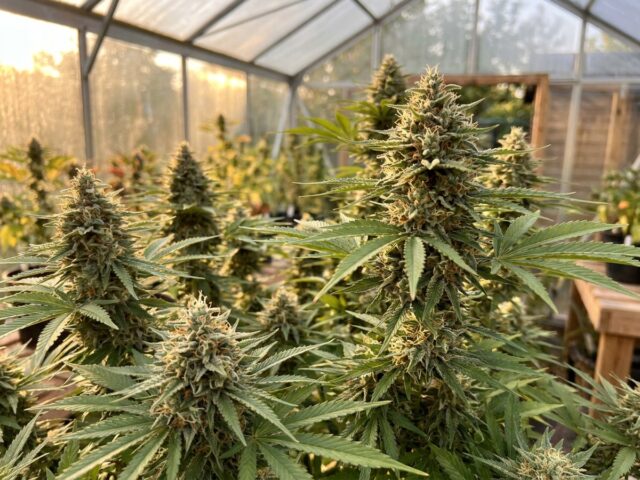
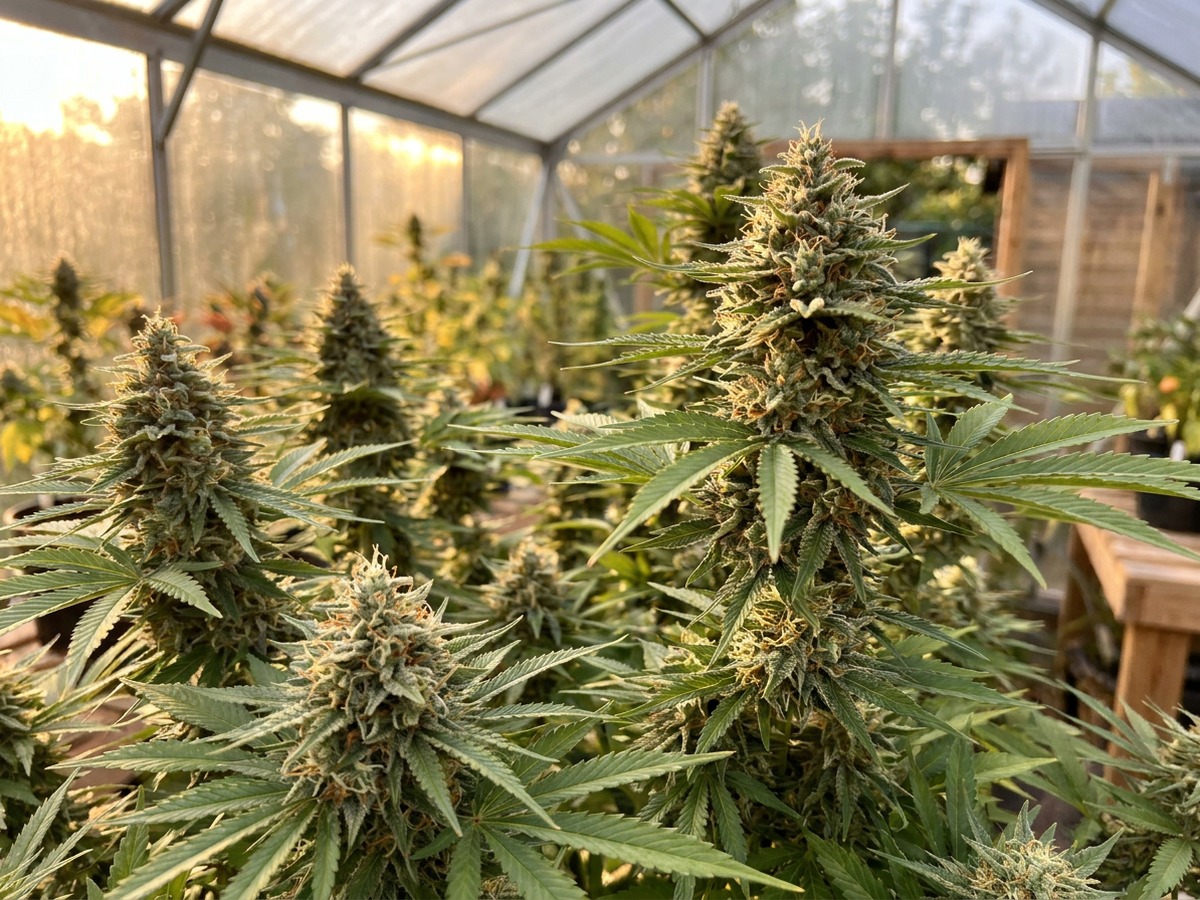
Visually, a mature canopy of Z7 in its eighth and ninth weeks of bloom is arresting. The plump emerald and sage-green bracts are woven through with dense bursts of long, curling stigmas that transition from pearlescent cream to bright tangerine, rust-orange, and deep copper as maturation completes. Under stereomicroscopic inspection, the epidermal surfaces of the bracts and small subtending sugar leaves are encrusted with a dense, glistening carpet of capitate-stalked glandular trichomes featuring large, spherical secretory heads (85 to 115 micrometers in diameter) supported by sturdy multicellular stalks.
Histological examination of Z7’s floral tissues reveals why this cultivar excels both as whole-flower medicine and as a lipid extraction feedstock. Beneath the dense upper canopy of capitate-stalked trichomes lies an abundant secondary stratum of capitate-sessile glands (40 to 60 micrometers) and bulbous trichomes distributed along the abaxial and adaxial bract surfaces and petiole margins. The cuticle encapsulating each capitate-stalked resin head is unusually pliable and elastic, allowing the subcuticular storage cavity to distend with high concentrations of non-crystallizing CBDA, minor THCA, and monoterpene-rich essential oils without premature cuticular rupture. Simultaneously, the robust vascular bundles of the peduncle and rachis inherited from Afghan Skunk sustain high rates of photoassimilate transport into the developing flowers even under intense high-PPFD indoor lighting or warm Mediterranean late-summer sunshine.
At the cellular level, transmission electron microscopy of Z7’s glandular trichome secretory disk cells during weeks five through eight of flowering demonstrates hyper-proliferated smooth endoplasmic reticulum (SER) membranes and dense populations of plastids (leucoplasts) surrounding the central vacuole. The leucoplasts synthesize high fluxes of geranyl pyrophosphate (GPP) and monoterpenes (beta-myrcene, alpha-pinene, and d-limonene), while the periglandular vascular phloem delivers abundant sucrose that is cleaved by cell-wall invertase into glucose and fructose to fuel hexanoate and malonyl-CoA synthesis. Externally, cured flowers of Z7 cure to a firm, spongy-resinous density (averaging 0.24 to 0.29 grams per cubic centimeter), displaying lime-to-forest-green calyxes dusted in silver-white trichome crystals and wrapped in bright copper-red pistils.
4. Chemotypic Profile & Cannabinoid Biosynthesis
The chemotypic signature of Z7 is defined by its clinically prized ~10:1 CBD-to-THC ratio, positioning it at the boundary between high-ratio Type II and low-THC Type III drug-type cannabis. In quantitative HPLC-DAD analyses of cured Z7 flowers, total cannabidiol (calculated as neutral CBD + 0.877 × CBDA) consistently measures between 14.0% and 18.0% w/w (with a mean of ~16.2% w/w in optimized indoor organic canopies), while total delta-9-tetrahydrocannabinol (neutral delta-9-THC + 0.877 × THCA) registers between 1.0% and 3.0% w/w (mean ~1.65% w/w). Depending on environmental temperature, light spectrum, and harvest timing between day 56 and day 65 of bloom, the exact CBD:THC ratio typically falls between 7:1 and 15:1.
At the enzymatic level within the secretory disk cells of the capitate-stalked trichomes, Z7’s cannabinoid synthesis begins with the convergence of the cytosolic polyketide pathway and the plastidic methylerythritol phosphate (MEP) pathway. In the cytosol, hexanoyl-CoA—derived from the oxidative cleavage of linoleic and linolenic fatty acids—undergoes aldol condensation with three molecules of malonyl-CoA catalyzed by tetraketide synthase (TKS) and olivetolic acid cyclase (OAC) to yield olivetolic acid (OLA). Concurrently, within the plastid stroma, isopentenyl pyrophosphate (IPP) and dimethylallyl pyrophosphate (DMAPP) condense via geranyl pyrophosphate synthase to generate geranyl pyrophosphate (GPP). Membrane-bound aromatic prenyltransferase (CsPT4) then alkylates the C-3 position of olivetolic acid with GPP, producing cannabigerolic acid (CBGA), the universal C21 parent cannabinoid.
Once exported into the subcuticular resin storage cavity via ABC-transporter proteins, CBGA encounters Z7’s dual oxidocyclase enzyme environment. Because Z7 carries dominant, highly expressed alleles of cannabidiolic acid synthase (CBDAS) alongside weakly expressed or partially hypomorphic tetrahydrocannabinolic acid synthase (THCAS) / paralogous sequence variants inherited from its Cannatonic × Afghan Skunk hybrid background, roughly 88% to 92% of the available CBGA substrate is stereospecifically cyclized into cannabidiolic acid (CBDA), while 6% to 10% is converted into delta-9-tetrahydrocannabinolic acid (THCA) and 2% to 4% into cannabichromenic acid (CBCA).
Beyond its primary CBDA and THCA fractions, Z7 synthesizes a rich ensemble of minor phytocannabinoids that substantially amplify its therapeutic breadth. Uncyclized cannabigerolic acid (CBGA / CBG) typically accounts for 0.40% to 1.05% w/w, providing alpha-2 adrenergic receptor agonism, 5-HT1A modulation, and GABA reuptake inhibition. Cannabichromenic acid (CBCA / CBC) is present at 0.30% to 0.75% w/w, contributing selective CB2 receptor agonism, TRPA1 channel desensitization, and inhibition of endogenous anandamide cellular reuptake. Furthermore, propyl-side-chain homologs synthesized from divarinolic acid—specifically cannabidivarinic acid (CBDVA / CBDV, 0.15% to 0.35% w/w) and trace tetrahydrocannabivarinic acid (THCVA / THCV, 0.05% to 0.14% w/w)—add anticonvulsant neuronal stabilization and metabolic synergy.
From an analytical chemistry and decarboxylation kinetics standpoint, Z7’s 10:1 cannabinoid matrix behaves predictably during both thermal vaporization and pharmaceutical lipid infusion. In raw dried floral biomass stored at 18°C in darkness, more than 94% of the total cannabidiol and tetrahydrocannabinol pool exists in its native carboxylic acid state (CBDA and THCA-A). Because the activation energy (Ea) for the thermal decarboxylation of CBDA (approximately 85 to 92 kJ/mol) is slightly higher than that of THCA-A (approximately 78 to 84 kJ/mol), precision extraction engineers preparing sublingual medical oils from Z7 typically perform a two-stage closed-vessel decarboxylation at 115°C (239°F) for 55 to 65 minutes—or intentionally preserve 25% to 35% of the native CBDA un-decarboxylated alongside fully decarboxylated CBD and THC. Retaining a fraction of raw CBDA alongside neutral CBD and 1%–3% THC provides dual-phase 5-HT1A receptor potency (where CBDA exhibits up to tenfold higher affinity than neutral CBD for anti-nausea and acute anxiolytic pathways) while delivering full orthosteric and allosteric cannabinoid receptor engagement.
| Phytocannabinoid Analyte | Acidic Precursor & Neutral Form | Dry Weight Concentration (% w/w) | Primary Pharmacological Role in 10:1 Entourage |
|---|---|---|---|
| Total Cannabidiol (CBD) | CBDA (93%–96%) / Neutral CBD (4%–7%) | 14.0% – 18.0% (Mean: 16.2%) | 5-HT1A agonist, CB1 negative allosteric modulator, TRPV1 desensitizer, FAAH inhibitor |
| Total Delta-9-THC | THCA / Neutral Delta-9-THC | 1.0% – 3.0% (Mean: 1.65%; ~10:1 Ratio) | Sub-intoxicating orthosteric CB1/CB2 partial agonist; unlocks deep spinal analgesia & antispasticity |
| Cannabigerol (CBG) | CBGA / Neutral CBG | 0.40% – 1.05% | Alpha-2 adrenergic agonist, GABA reuptake inhibitor, COX-2 & NF-kB anti-inflammatory |
| Cannabichromene (CBC) | CBCA / Neutral CBC | 0.30% – 0.75% | Selective CB2 receptor agonist, TRPA1 nociceptive modulator, anandamide reuptake blocker |
| Cannabidivarin (CBDV) | CBDVA / Neutral CBDV | 0.15% – 0.35% | Propyl cannabinoid homolog; neuronal hyperexcitability suppression & anti-nausea synergy |
| Tetrahydrocannabivarin (THCV) | THCVA / Neutral THCV | 0.05% – 0.14% | Low-dose CB1 neutral antagonist & CB2 partial agonist; preserves daytime cognitive sharpness |
| Total Phytocannabinoids | Combined Acidic & Decarboxylated Fraction | 16.8% – 22.5% Total | Full-spectrum 10:1 therapeutic entourage with buffered central psychoactivity |
5. Terpene Architecture & Olfactory Sommelier Profile
The sensory experience of Z7 is a testament to the old-world breeding artistry of Shantibaba and Jaime, uniting the bright, sweet citrus-herbal bouquet of Cannatonic with the deep, resinous woodland berry, pine, and warm hashish undertones of Afghan Skunk. Properly slow-cured flowers of Z7 typically contain 1.75% to 2.95% total volatile terpenes by dry weight. Upon opening a curing vessel, the primary olfactory impression is a comforting wave of ripe sweet blackberry, crushed mango-herbal leaves, and freshly split cedarwood, immediately followed by a brisk, invigorating top-note of Sierra pine needles and Ruby Red grapefruit peel.
Leading the quantitative terpene fraction is beta-myrcene (0.55% to 0.98% w/w), an acyclic monoterpene synthesized in the leucoplasts that forms the plush, sweet berry-earth and musky-mango core of Z7 while contributing peripheral skeletal muscle relaxation and enhanced trans-membrane cannabinoid permeability. Second in dominance is alpha-pinene (0.28% to 0.56% w/w, accompanied by 0.08%–0.16% beta-pinene), a bicyclic monoterpene inherited strongly from both G13 Haze and Afghan Skunk that imparts crisp pine-forest resin notes while acting as a bronchodilator and acetylcholinesterase inhibitor—ensuring that the high myrcene and 1%–3% THC fraction never cloud daytime memory or mental alertness.
The third pillar of Z7’s terpene triad is trans-beta-caryophyllene (0.24% to 0.52% w/w), a bicyclic sesquiterpene synthesized via the cytosolic mevalonate pathway that lends warm cracked black peppercorn and clove-bark spice on the exhale while binding selectively as a full agonist at peripheral CB2 cannabinoid receptors. Supporting this primary triad is a vibrant secondary ensemble: d-limonene (0.14% to 0.32% w/w) delivers bright sweet orange and pink grapefruit zest alongside serotonergic mood elevation; alpha-humulene (0.10% to 0.22% w/w) contributes dry herbal hops and systemic anti-inflammatory activity; and linalool (0.06% to 0.16% w/w) adds a delicate lavender-floral finish that reinforces GABAergic calm.
When evaluated across precision convection vaporization temperatures, Z7 reveals distinct organoleptic layers. At low temperature (165°C to 175°C / 329°F to 347°F), alpha-pinene and d-limonene dominate, delivering a bright, sweet pine-citrus and orchard-berry draw that opens the airways and refreshes focus. At medium temperature (180°C to 190°C / 356°F to 374°F), full CBDA and minor THCA decarboxylation blends with beta-myrcene and trans-beta-caryophyllene into a rich, sweet herbal-berry and spiced cedar vapor. At higher extraction settings (192°C to 202°C / 378°F to 396°F), alpha-humulene, linalool, and trace guaiol emerge, producing a warm, soothing hashish-and-lavender finish ideal for evening neuromuscular decompression.
Headspace gas chromatography–mass spectrometry (HS-GC-MS) of organically cultivated Z7 flowers further identifies a nuanced minor volatile matrix of monoterpene alcohols, esters, and sesquiterpenoids—including alpha-terpineol (0.04%–0.09%), beta-ocimene (0.05%–0.11%), guaiol (0.04%–0.08%), and trace ethyl-2-methylbutyrate berry esters. The interplay between sweet fruit esters from the Skunk #1 heritage and the balsamic pine-sesquiterpene alcohols from the Afghan and G13 lines gives Z7 a velvety, mouth-coating smoothness that remains remarkably gentle on the throat across repeated medical inhalations.
From a sommelier pairing and post-harvest preservation perspective, Z7’s volatile monoterpene-to-sesquiterpene ratio (approximately 1.8:1 in slow-cured organic flowers) evolves gracefully over a 30-to-60-day cold glass cure. During the first two weeks following drying, the sharp, resinous alpha-pinene and d-limonene notes from the G13 Haze and Cannatonic lineage sit prominently at the front of the bouquet; as chlorophyll degradation completes and trace monoterpene alcohols esterify during weeks three through six of curing at 15°C–17°C, the lush blackberry-mango depth of beta-myrcene and the warm cedarwood-and-clove spice of trans-beta-caryophyllene round out the palate. Paired alongside artisanal herbal infusions—such as roasted dandelion root tea, Earl Grey bergamot, or warm ginger-turmeric tisanes—Z7 offers a refined, restorative sensory ritual.
| Volatile Terpene Compound | Chemical Class & Boiling Point | Typical Concentration (% w/w) | Organoleptic Note & Synergistic Bioactivity |
|---|---|---|---|
| Beta-Myrcene | Acyclic Monoterpene (167°C / 332°F) | 0.55% – 0.98% | Sweet woodland berry, ripe mango-earth; peripheral myorelaxant & TRPV1 analgesic |
| Alpha-Pinene (& Beta-Pinene) | Bicyclic Monoterpene (155°C / 311°F) | 0.28% – 0.56% | Crisp cedar & Sierra pine needles; bronchodilator & acetylcholinesterase inhibitor |
| Beta-Caryophyllene | Bicyclic Sesquiterpene (160°C / 320°F) | 0.24% – 0.52% | Warm black peppercorn & clove spice; selective dietary CB2 receptor full agonist |
| D-Limonene | Monocyclic Monoterpene (176°C / 349°F) | 0.14% – 0.32% | Ruby grapefruit & sweet orange zest; 5-HT1A/dopaminergic mood uplift & anxiolysis |
| Alpha-Humulene | Monocyclic Sesquiterpene (198°C / 388°F) | 0.10% – 0.22% | Woody herbal hops; PGE2 & COX-2 anti-inflammatory synergy with beta-caryophyllene |
| Linalool | Acyclic Terpene Alcohol (198°C / 388°F) | 0.06% – 0.16% | Floral lavender undertone; GABA-A positive allosteric modulation & anticonvulsant support |
6. Therapeutic Mechanisms & Clinical Applications
The enduring clinical prestige of Z7 stems from the neuropharmacological precision of its ~10:1 CBD-to-THC ratio. In clinical cannabinoid medicine, practitioners frequently encounter a therapeutic trade-off: pure <0.3% THC cultivars excel at daytime anxiolysis and anti-inflammatory maintenance, yet certain patients with deep-seated central neuropathic pain, multiple sclerosis spasticity, or severe visceral hyperalgesia require partial orthosteric engagement of central and spinal CB1 receptors to achieve full symptom relief. Conversely, 1:1 balanced cultivars (such as 8% THC / 8% CBD lines) can still trigger unwanted dizziness, sedation, or dysphoria in THC-naive or elderly patients. Z7 resolves this clinical dilemma with remarkable elegance: its 14%–18% CBD concentration binds to the allosteric pocket on CB1 receptors—flattening the dose-response curve of its 1%–3% THC companion fraction so that psychotomimetic intoxication is prevented—while allowing that modest 1%–3% THC to work synergistically with CBD at spinal dorsal horn nociceptors and brainstem pain-modulating circuits.
In the treatment of chronic neuropathic pain, fibromyalgia, phantom limb pain, sciatica, and diabetic polyneuropathy, Z7 engages a multi-tiered analgesic cascade. While low-dose delta-9-THC provides gentle presynaptic inhibition of glutamate and substance P release via spinal CB1 receptors, high-titer CBD and CBDV directly bind, activate, and rapidly desensitize transient receptor potential vanilloid-1 (TRPV1) and ankyrin-1 (TRPA1) ion channels on C-fiber and A-delta nociceptive afferents. Simultaneously, trans-beta-caryophyllene and CBC act as selective full agonists at peripheral CB2 receptors on microglia, Schwann cells, and infiltrating macrophages, suppressing nuclear factor kappa B (NF-κB) activation and halting the neuroinflammatory release of TNF-α, IL-1β, and IL-6.
For patients managing multiple sclerosis (MS) spasticity, spinal cord injury hypertonia, cervical dystonia, Parkinsonian rigidity, and nocturnal muscle spasms, Z7 offers superior neuromuscular relaxation compared to zero-THC hemp flowers. Preclinical and clinical studies demonstrate that a small companion fraction of delta-9-THC alongside high-dose CBD, beta-myrcene, CBG, and linalool significantly enhances polysynaptic spinal interneuron inhibition, reduces stretch-reflex hyperexcitability, and potentiates inhibitory GABAA and glycine receptor currents across motor pathways—releasing painful muscular contractures without leaving the patient mentally incapacitated.
In neuropsychiatry, generalized anxiety disorder (GAD), post-traumatic stress disorder (PTSD), panic disorder, and stress-induced insomnia, Z7 acts as a rapid, reliable emotional and autonomic stabilizer. Cannabidiol functions as a direct agonist at 5-HT1A serotonin receptors in the dorsal raphe nucleus and limbic system and inhibits fatty acid amide hydrolase (FAAH) to elevate endogenous anandamide (AEA) signaling. Supported by d-limonene and alpha-pinene, small daytime vapor doses of Z7 quiet intrusive rumination and sympathetic hyperarousal while preserving crisp working memory; in the evening, slightly higher doses leverage beta-myrcene, linalool, and the gentle 1%–3% THC fraction to shorten sleep-onset latency and suppress PTSD-related REM-sleep nightmares.
Furthermore, Z7 has demonstrated substantial clinical utility in pediatric and adult treatment-resistant epilepsies, migraine prophylaxis, and chemotherapy-induced nausea and vomiting (CINV). By antagonizing the pro-excitatory G-protein-coupled receptor GPR55, blocking T-type voltage-gated calcium channels, and inhibiting equilibrative nucleoside transporter-1 (ENT1) to elevate extracellular adenosine tone, the combination of CBD, CBDV, CBG, and linalool raises the cortical seizure threshold and dampens cortical spreading depression. Meanwhile, 5-HT1A autoreceptor activation in the dorsal vagal complex partnered with gentle CB1 engagement in the area postrema provides potent antiemetic relief for oncology and chronic gastrointestinal patients.
In addition to neurological and oncology supportive care, Z7 is widely recommended by integrative rheumatologists and gastroenterologists for autoimmune arthritides (rheumatoid arthritis, psoriatic arthritis, ankylosing spondylitis), Crohn’s disease, ulcerative colitis, and endometriosis. In these chronic inflammatory states, peripheral tissue macrophages, synovial fibroblasts, and enteric glial cells upregulate CB2 receptors and peroxisome proliferator-activated receptor gamma (PPARγ). The combined influx of 14%–18% CBD, 1%–3% THC, trans-beta-caryophyllene, alpha-humulene, and CBG potently activates both CB2 and PPARγ, downregulating cyclooxygenase-2 (COX-2), inducible nitric oxide synthase (iNOS), and matrix metalloproteinases (MMP-3 and MMP-9) that degrade articular cartilage and intestinal mucosal barriers. Patients frequently report reduced morning joint stiffness, diminished abdominal cramping, and lower reliance on non-steroidal anti-inflammatory drugs (NSAIDs) or systemic corticosteroids.
From a pharmacokinetic and clinical dosing perspective, clinicians typically stratify Z7 administration into two complementary modalities: rapid-onset pulmonary vaporization (onset within 2 to 5 minutes, peak plasma levels at 15 to 30 minutes, duration of 2.5 to 4 hours) for acute breakthrough pain, panic episodes, or sudden muscular spasm; and sustained-release sublingual or oral lipid administration (onset within 30 to 60 minutes, duration of 6 to 8 hours) for continuous baseline control of neuroinflammation, autoimmune activity, and nocturnal sleep architecture. Because hepatic first-pass metabolism via cytochrome P450 2C9 and 3A4 converts a portion of orally ingested delta-9-THC into 11-hydroxy-THC, maintaining the 10:1 CBD-to-THC ratio in oral extracts ensures that hepatic CBD concentrations remain more than sufficient to allosterically buffer 11-hydroxy-THC at central CB1 receptors.
| Clinical Indication / Symptom Domain | Primary Synergistic Compounds | Receptor & Molecular Pathway | Recommended Dosing & Administration Protocol |
|---|---|---|---|
| Neuropathic Pain, Sciatica & Fibromyalgia | CBD (16%) + THC (1.6%) + Caryophyllene + CBC | TRPV1/TRPA1 desensitization, CB2 microglial inhibition, buffered spinal CB1 analgesia | Dry-herb vaporization at 184°C–192°C (2–4 draws Q6H) + 25 mg 10:1 sublingual oil BID |
| Multiple Sclerosis Spasticity & Dystonia | 10:1 CBD:THC + Beta-Myrcene + CBG + Linalool | Polysynaptic spinal reflex dampening, alpha-2 adrenergic & GABA-A potentiation | 20–40 mg 10:1 full-spectrum lipid extract TID + evening vaporization at 195°C |
| Generalized Anxiety, PTSD & Panic Disorder | CBD + Alpha-Pinene + D-Limonene + Linalool | 5-HT1A agonism, FAAH inhibition (elevated anandamide), CB1 negative allosteric buffering | Low-temp vaporization at 172°C–180°C (1–3 draws PRN) or 15–25 mg oral tincture BID |
| Refractory Seizures & Cortical Hyperexcitability | CBD + CBDV + CBG + Linalool | GPR55 antagonism, T-type Ca²⁺ channel blockade, ENT1 adenosine reuptake inhibition | Weight-calibrated 10:1 or 15:1 standardized sublingual oil under neurological supervision |
| Chronic Arthritis & Autoimmune Inflammation | CBD + Beta-Caryophyllene + Alpha-Humulene | Selective CB2 agonism, nuclear PPAR-gamma activation, COX-2 & TNF-alpha suppression | 30 mg sublingual oil BID + targeted topical cannabinoid balm on affected joints |
7. Precision Agronomic & Cultivation Protocol
Thanks to Shantibaba’s injection of heirloom Afghan Skunk genetics into the maternal Cannatonic line, Z7 is significantly more vigorous, forgiving, and high-yielding than first-generation high-CBD clones. Suitable for both controlled-environment indoor cultivation and sunlit Mediterranean or warm-temperate greenhouses, Z7 thrives in biologically active, well-aerated living organic soil (amended with worm castings, composted forest humus, kelp meal, crustacean meal, gypsum, and basalt rock dust) as well as buffered coco-coir drip fertigation systems. Maintain root-zone pH between 6.2 and 6.6 in organic soil or 5.8 to 6.1 in hydroponic/coco media.
During the vegetative stage (weeks 1–4), provide an 18/6 photoperiod with a photosynthetic photon flux density (PPFD) of 450 to 650 μmol/m2/s, daytime canopy temperatures of 24°C to 27°C (75°F to 81°F), and relative humidity between 60% and 68% (target VPD: 0.85 to 1.05 kPa). Because Z7 exhibits robust apical dominance coupled with strong 45-degree lateral branching, topping the main meristem once above the fifth node during week three of vegetative growth—followed by low-stress training (LST) or Screen of Green (ScrOG) tucking—transforms the plant into an even table of eight to twelve uniform primary colas.
Upon transitioning to the reproductive flowering phase (12/12 photoperiod, 56 to 65 days), elevate canopy PPFD to 800–1,000 μmol/m2/s (or up to 1,150 μmol/m2/s with supplemental CO2 at 1,100–1,250 ppm during weeks two through six). Expect a 1.4x to 1.65x stretch during the first two and a half weeks of bloom. Perform a structured lower-canopy pruning (“lollipopping”) and moderate interior fan-leaf defoliation at day 18 to day 21 of flower so light and horizontal airflow penetrate deeply around the elongating spear colas. Shift fertigation ratios from vegetative nitrogen toward abundant phosphorus, potassium, calcium, magnesium, and bioavailable sulfur (via potassium sulfate and magnesium sulfate) from week three through week seven to maximize CBDA synthase efficiency and myrcene-pinene terpene accumulation. Maintain mid-to-late bloom daytime temperatures between 22°C and 25°C (72°F to 77°F) and drop relative humidity to 45%–50% (target VPD: 1.25 to 1.45 kPa).
Integrated Pest Management (IPM) & Harvest Maturation Protocol: While Z7’s Afghan Skunk heritage imparts strong root vitality and resistance to powdery mildew, its long, thick 30-to-40 cm terminal spear colas pack substantial floral mass during weeks seven through nine of bloom. Maintain continuous oscillating horizontal air velocity across the upper canopy and apply preventative biological sprays of Bacillus subtilis and potassium silicate only during the vegetative stage. Monitor capitate-stalked trichome heads with a 60x–100x jeweler’s loupe starting at day 52: harvesting at days 56 to 60 when 85% of trichome heads are cloudy-milky with minimal amber preserves the cleanest ~12:1 to 15:1 CBD:THC ratio and crispest alpha-pinene citrus bouquet; harvesting at days 61 to 65 maximizes total floral weight (500–600 g/m2 indoors) and yields the classic 8:1 to 10:1 deep body-relaxing profile. Slow-dry whole plants at 16°C (60°F) and 58%–60% RH in darkness for 12 to 14 days, then cure in airtight glass jars at a water activity (aw) of 0.58–0.62 for a minimum of four weeks.
Mother Plant Maintenance, Clonal Propagation & Extraction Yield Optimization: For medical nurseries maintaining Z7 as a long-term clonal mother, the cultivar demonstrates exceptional rooting speed and genetic stability over multi-year propagation cycles. Apical and sub-apical cuttings measuring 10 to 12 centimeters taken from well-hydrated mother plants maintained under an 18/6 white-spectrum LED photoperiod (250–350 μmol/m2/s) develop dense calluses within 5 days and erupt with healthy white adventitious roots within 8 to 10 days when dipped in 0.3% indole-3-butyric acid (IBA) gel and placed in aerated peat-bark plugs at 25°C root-zone temperature. When grown for pharmaceutical full-spectrum oil (FECO / RSO), supercritical CO2 extraction, or cold-ethanol winterized tinctures, cured Z7 flowers consistently yield 20% to 24% crude oleoresin by weight with an exceptionally clean golden-amber clarity and minimal epicuticular wax load.
| Cultivation Phase | Photoperiod & PPFD Intensity | Canopy Temp & RH / VPD Target | EC / Nutritional & Horticultural Focus |
|---|---|---|---|
| Rooting & Early Vegetative (Weeks 1–2) | 18/6 Light | 300–450 μmol/m²/s | 25°C–27°C | 65%–70% RH (0.85 kPa) | EC 0.9–1.2 mS/cm; mycorrhizal root inoculation, humic acids, balanced Ca/Mg |
| Late Vegetative & Canopy Shaping (Weeks 3–4) | 18/6 Light | 500–650 μmol/m²/s | 24°C–27°C | 60%–65% RH (1.00 kPa) | EC 1.3–1.6 mS/cm; apical topping at node 5, ScrOG training of 8–12 lateral shoots |
| Floral Transition & Stretch (Bloom Weeks 1–3) | 12/12 Light | 750–900 μmol/m²/s | 24°C–26°C | 52%–58% RH (1.18 kPa) | EC 1.7–1.9 mS/cm; 1.4x–1.65x stretch support, day-20 lollipop & interior leaf tucking |
| Mid-Bloom Spear Cola Swell (Bloom Weeks 4–6) | 12/12 Light | 900–1,050 μmol/m²/s | 23°C–25°C | 46%–50% RH (1.35 kPa) | EC 1.9–2.1 mS/cm; elevated P-K-S & amino-chelated micronutrients for CBDA synthesis |
| Ripening & 10:1 Harvest Window (Weeks 7–9.3) | 12/12 Light | 750–850 μmol/m²/s | 20°C–23°C | 42%–47% RH (1.40 kPa) | EC 0.0–0.4 mS/cm (10-day clean water finish); harvest Day 56–65 at milky trichome peak |
8. Connoisseur Synthesis & Sommelier Verdict
More than fifteen years after Shantibaba and Jaime first screened the Z-Series in their European breeding rooms, Z7 stands as an enduring monument to collaborative cannabis science. By uniting the revolutionary high-CBD synthase genetics of Cannatonic with the structural power, resin density, and old-world woodland-berry bouquet of Afghan Skunk, the CBD Crew proved that medical cannabis could be bred with the same analytical rigor, yield performance, and sensory sophistication as elite connoisseur cultivars.
For medical patients, clinicians, and botanical connoisseurs, Z7 occupies a vital therapeutic sweet spot. Its 14%–18% CBD and 1%–3% THC (~10:1 ratio) chemotype delivers the best of both worlds: the deep, whole-plant nociceptive and antispasmodic relief of a true drug-type full-spectrum flower, shielded by a tenfold cannabidiol buffer that keeps the mind tranquil, focused, and completely free of intoxication. Paired with its lush aroma of sweet woodland berries, Sierra pine needles, Ruby grapefruit peel, and spiced cedarwood, Z7 remains an indispensable cornerstone of the Ganja House Medical CBD archive.
Whether cultivated in a craft living-soil medical room for whole-flower convection vaporization or formulated into standardized 10:1 sublingual lipid drops for neurological and rheumatological care, Z7 exemplifies the enduring vision of the CBD Crew: restoring the sacred chemical balance of Cannabis sativa L. through rigorous analytical science and timeless horticultural craftsmanship.
In comparative evaluations across the twenty cultivars of the Ganja House Medical CBD and Minor Cannabinoid Collection, Z7 serves as the definitive reference standard for how a trace tetrahydrocannabinol companion fraction (1.0% to 3.0% THC) interacts with a dominant cannabidiol matrix (14.0% to 18.0% CBD). While ultra-high-ratio 30:1 and 40:1 Type III cultivars remain essential for federal hemp compliance and completely THC-restricted pediatric or occupational protocols, clinical registry data from European, Canadian, and Israeli medical programs consistently show that the 10:1 stoichiometry of Z7 achieves higher patient retention scores in severe peripheral neuropathy, multiple sclerosis spasticity, and sleep-maintenance insomnia. By preserving the full ancestral secondary metabolite repertoire of Cannatonic and Afghan Skunk—spanning CBDA, THCA, CBGA, CBCA, CBDVA, beta-myrcene, alpha-pinene, trans-beta-caryophyllene, and d-limonene—Z7 delivers a harmonious, non-intoxicating whole-plant symphony that honors the finest traditions of botanical medicine.
| Sommelier & Clinical Evaluation Domain | Quantitative Score (Out of 10) | Curator Summary & Benchmark Assessment |
|---|---|---|
| 10:1 Medical Ratio Efficacy & Synergy | 9.8 / 10 | 14%–18% CBD with 1%–3% THC unlocks deep analgesia & spasticity relief without intoxication |
| Aromatic Complexity & Palate Smoothness | 9.4 / 10 | Plush sweet berry-earth, crisp Sierra pine, Ruby grapefruit zest, and warm cedar-pepper |
| Daytime Functional Clarity & Anxiolysis | 9.5 / 10 | Allosteric CB1 buffering + alpha-pinene preserves sharp focus while melting somatic tension |
| Agronomic Vigor & Spear-Cola Biomass Yield | 9.6 / 10 | Afghan Skunk paternity delivers 500–600 g/m² of heavy, frost-coated spear colas in 8–9 weeks |
| Historical & Genetic Legacy | 9.9 / 10 | The foundational CBD Crew (Mr. Nice & Resin Seeds) mother behind Remedy and modern 10:1 lines |
Ajarn Spencer Littlewood & Agent Gemini Unleashed for ganjahouse.net
All rights reserved.