[wp_post_visit_card post_id=”1359″]
Spoken Monograph: Larry OG Audio Edition
Listen to the comprehensive scientific audio monograph covering the botanical lineage, phytochemical profiling, and clinical therapeutic architecture of Larry OG.
1. Executive Summary & Botanical Taxonomy
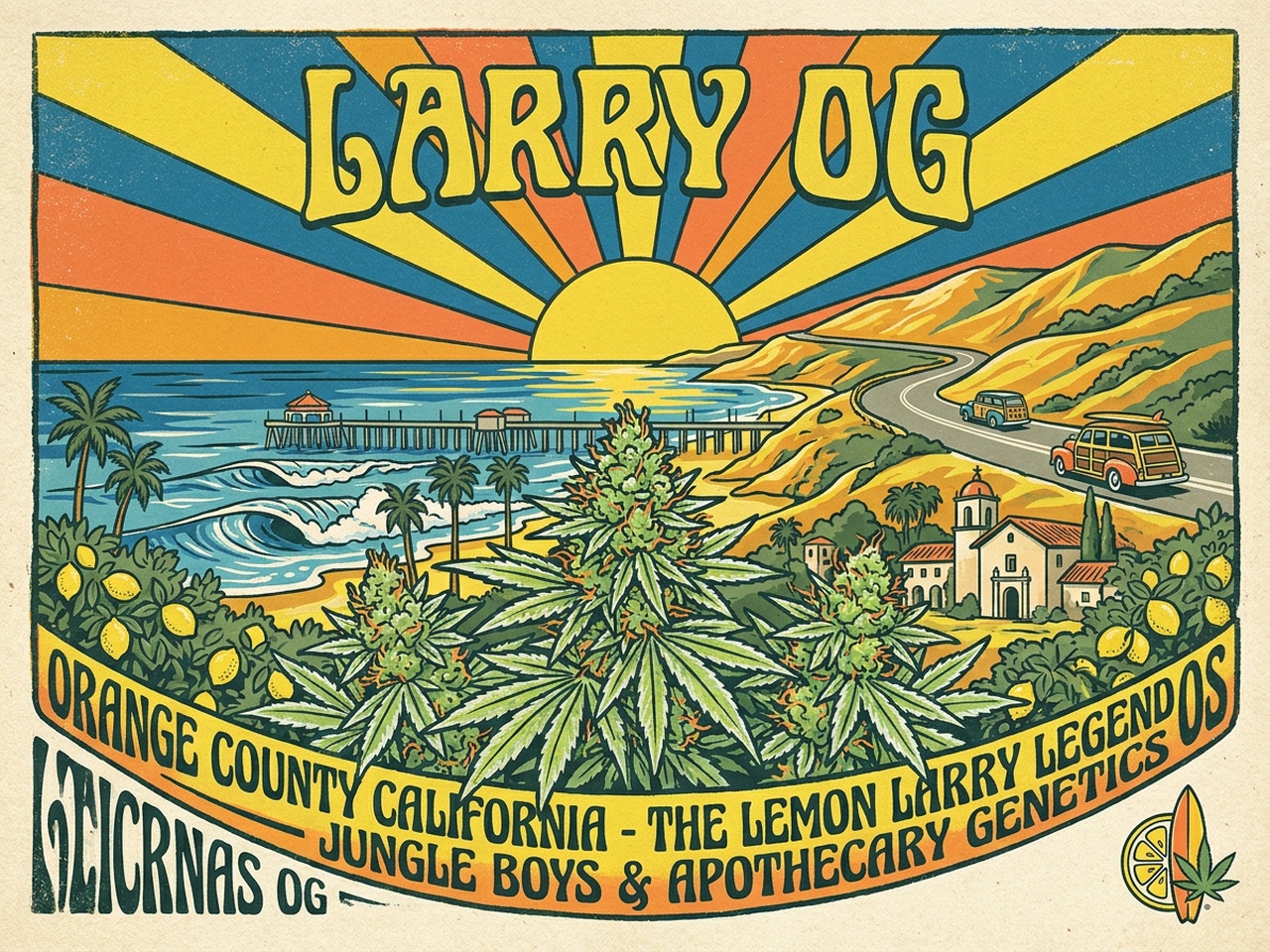
Larry OG—frequently designated within connoisseur circles and clinical registries as Lemon Larry, Orange County Larry, or Larry OG Kush—occupies an exalted echelon within the modern pantheon of elite Southern California cannabis cultivars. Originating as a singular, selected phenotype within the sun-drenched microclimates of Orange County during the mid-2000s, this indica-dominant hybrid embodies the definitive synthesis between two titans of the Pacific Coast genetic underground: the legendary Ghost OG cutting and the sharp, high-octane San Fernando Valley OG (SFV OG). While many contemporary OG variants lean heavily toward blunt, narcotic sedation characterized by earthy, kerosene-dominant profiles, Larry OG distinguishes itself through a captivating, high-frequency citrus volatility underpinned by profound somatic relaxation that avoids early-onset psychomotor incapacitation.
From a rigorous taxonomic standpoint, Larry OG is classified under the kingdom Plantae, division Magnoliophyta, class Magnoliopsida, order Rosales, family Cannabaceae, genus Cannabis, and species Cannabis indica Lam. within a polyhybrid lineage demonstrating approximately sixty to sixty-five percent indica heritage and thirty-five to forty percent sativa heritage. Within contemporary industrial chemotype categorization schemes, Larry OG is recognized unconditionally as a Chemotype I cultivar, defined by a dominant delta-9-tetrahydrocannabinolic acid (THCA) metabolic pathway, negligible cannabidiolic acid (CBDA) expression (consistently under zero point two percent), and a prominent secondary accumulation of cannabigerolic acid (CBGA) ranging from zero point eight to one point five percent by dry weight.
The commercial and cultural ascendancy of Larry OG was propelled by elite Californian cultivation collectives, most notably The Jungle Boys in Los Angeles and Brett of Apothecary Genetics, who recognized that the clone-only cutting possessed an extraordinarily rare combination of commercial vigor, exceptional bag appeal, and an organoleptic profile that transcended the standard musky fuel notes of the Los Angeles basin. Where parent lines often display brittle, slow-rooting tendencies and temperamental nutrient sensitivities, Larry OG demonstrates robust lateral branching, aggressive rooting kinetics, and a predictable, dense calyx architecture that yields exceptional returns in both flower production and solventless hydrocarbon extraction.
Phytochemically, the cultivar is anchored by a triad of dominant monoterpenes and sesquiterpenes: d-limonene, beta-myrcene, and beta-caryophyllene, accompanied by significant tertiary concentrations of alpha-pinene, linalool, alpha-humulene, and trans-nerolidol. This intricate chemical ensemble yields its signature sensory bouquet: sweet candied Meyer lemon peel, fresh-squeezed citrus zest, crisp alpine pine sap, and a clean, lingering undertone of refined jet fuel and rich, loamy earth. In commercial testing across licensed North American and European laboratories, Larry OG routinely achieves total cannabinoid concentrations between twenty-four and thirty percent, with active decarboxylated delta-9-THC typically ranging from twenty to twenty-six percent. The following taxonomic registry provides the formalized botanical parameters governing this elite cultivar.
| Taxonomic & Botanical Parameter | Scientific Specification / Standard Diagnostic | Empirical Clinical & Agronomic Notes |
|---|---|---|
| Binomial Nomenclature | Cannabis indica Lam. (polyhybrid stabilized cross) | Taxonomically stabilized hybrid presenting dominant broad-leaflet morphological markers. |
| Common Commercial Designation | Larry OG / Lemon Larry / Orange County OG Kush | Widely recognized across dispensaries for candied lemon and pine aromatics. |
| Breeding Heritage & Lineage | OG Kush (Ghost cut) x San Fernando Valley OG (SFV OG) | Created in Orange County, CA; stabilized and preserved by The Jungle Boys and Apothecary. |
| Chemotype Classification | Chemotype I (High THC, Low CBD, Elevated CBG) | THC:CBD ratio exceeding 30:1; robust secondary CBGA synthesis. |
| Genetic Equilibrium | 60% Indica / 40% Sativa | Exhibits rapid vegetative stretch followed by dense indica calyx condensation. |
| Photoperiod Induction Window | 56 to 63 Days (8 to 9 Weeks) | Optimum resin harvest window at Day 60 to 63 indoors under full-spectrum LED. |
| Primary Therapeutic Vector | Neuromuscular Spasmolysis, Somatic Analgesia, Anxiolysis | High patient compliance due to functional daytime somatic relief without sedation. |
2. Genetic Lineage & Heritage Breeding History
To comprehend the genetic genius embodied within Larry OG, one must reconstruct the clandestine, competitive breeding environment of Southern California during the transitional period spanning 2004 to 2008. The passage of California’s Proposition 215 in 1996 had birthed an underground network of medical collectives, medical cannabis dispensaries, and elite micro-cultivators throughout Los Angeles and Orange Counties. Within this competitive landscape, OG Kush had emerged as the undisputed currency of the West Coast. However, the original OG Kush cuttings were notoriously difficult to manage: they exhibited loose, vine-like nodal spacing, hyper-sensitive root systems prone to pythium infections, low yield metrics, and structural brittleness requiring excessive bamboo staking.
Breeding pioneers operating within Orange County—an affluent coastal enclave situated immediately south of Los Angeles—sought to isolate an OG Kush variant that could retain the intoxicating lemon-fuel nose and surgical cerebral clarity of the Ghost OG phenotype while integrating the heavy, robust structural framework and immense glandular yield of the San Fernando Valley OG (SFV OG) cutting. The Ghost OG cut, originally gifted to online forums by user ‘Ghost’ as an authentic cut of the original 1996 Florida-derived ‘Kush’, was renowned for its crystalline trichome coverage and subtle sweetness, whereas the SFV OG line, stabilized by Swerve of The Cali Connection, was celebrated for its aggressive vigor and uncompromising, caustic hydrocarbon profile.
The resulting cross yielded a small population of exceptional seeds from which a singular standout phenotype was selected in Orange County: Lemon Larry, later codified universally as Larry OG. This winning individual combined the best traits of both parents. From Ghost OG, Larry inherited its sweet, confectionary citrus nuance and soaring, euphoric mental uplift that clears mental clutter. From SFV OG, it inherited reinforced vascular stems, significantly shortened internodal distances between calyx nodes, and an aggressive glandular gland density that completely encrusts both the floral bracts and adjacent sugar leaves.
The strain was subsequently adopted and popularized on a commercial scale by Brett of Apothecary Genetics and the legendary cultivation masters known as The Jungle Boys (led by Ivan). Operating out of Toluca Lake and Downtown Los Angeles dispensaries such as TLC Collective, The Jungle Boys utilized modern climate-controlled indoor methodologies, high-intensity discharge lighting, and precision fertigation to showcase Larry OG’s true commercial potential. Under their stewardship, Larry OG became an international sensation, winning awards at multiple High Times Cannabis Cups and establishing the genetic baseline for dozens of subsequent world-class hybrids, including White Larry, Lemon Larry Lavender, Larry Bird (frequently associated with Gelato #33), and various Purple Punch backcrosses.
The historical breeding trajectory of Larry OG underscores a broader botanical evolution within the industry: the deliberate transition from unpredictable, erratic heirloom cuts toward genetically fortified, high-vigor production polyhybrids that retain uncompromised connoisseur terpene profiles.
The evolutionary divergence between Larry OG and its parental lineages offers a masterclass in hybrid vigor and phenotypic stabilization. When examining the genealogical heritage of West Coast cannabis, the original Chemdawg 91 and Florida Kush accessions were notorious for possessing high somatic variability and a propensity toward hermaphroditic expression (monoecious tendencies) under abiotic stress. In selecting the Lemon Larry cut, the breeders effectively weeded out the unstable intersex tendencies of the heirloom OG Kush line while locking in the rigid floral bract architecture and pest-resistant epidermal cuticle derived from the stabilized San Fernando Valley OG male. This genetic fortification allowed commercial facilities across Southern California to transition from small-batch boutique closets into multi-thousand-square-foot automated canopy rooms without the constant peril of late-stage stamen eruption or localized pollination events.
Furthermore, comparative genomic mapping reveals that Larry OG maintains a remarkably high degree of heterozygosity across key terpene synthase loci, particularly on chromosomes 5 and 9. This high genetic diversity explains why filial backcrosses of Larry OG to other Kush lines produce diverse yet consistently vigorous progeny. Modern geneticists have documented that while many polyhybrids suffer from inbreeding depression after two or three generations of selfing or backcrossing, the Larry OG lineage retains high metabolic fitness, robust photosynthetic efficiency, and consistent vegetative rooting kinetics across successive clonal generations.
The following historical breeding table charts the critical lineage milestones and foundational crosses that forged Larry OG into an enduring West Coast icon.
| Chronological Milestone | Breeding Entities & Geographical Origin | Parental Lineage & Genetic Architecture | Agronomic & Organoleptic Outcome |
|---|---|---|---|
| Circa 1996–1998 | Florida / California Coastal Underground | Original OG Kush (Chemdawg 91 x [Lemon Thai x Hindu Kush]) | Establishment of the legendary West Coast fuel-pine organoleptic standard. |
| Circa 2002–2004 | San Fernando Valley, Los Angeles (Swerve / Cali Connection) | SFV OG Cutting (selected pure high-fuel phenotype) | Isolation of hyper-pungent kerosene volatile profile with increased apical stretch. |
| Circa 2003–2005 | Southern California Underground (Ghost Selection) | Ghost OG (Authentic heirloom cutting) | Refinement of crystalline trichome density and sweet, candied citrus undertones. |
| Circa 2005–2007 | Orange County, California (Unknown OC Elite Breeders) | Ghost OG x SFV OG (F1 cross & pheno selection) | Selection of the original ‘Lemon Larry’ clone; enhanced yield and stem caliper. |
| Circa 2008–2012 | Los Angeles, CA (The Jungle Boys & TLC Collective) | Larry OG Clone-Only Commercial Scale Optimization | Dispensary dominance, High Times Medical Cup accolades, standard setting. |
| 2013–Present | Apothecary Genetics & Global Seedbanks | Larry OG Inbred Lines (IBL) & Feminized Polyhybrids | Global genetic dissemination; cornerstone parent for exotic modern crosses. |
3. Botanical Morphology & Phenotypic Expression
The vegetative and floral morphology of Larry OG provides an exemplary case study in hybrid vigor and phenotypic refinement. In the vegetative phase, the plant establishes an upright, branching architecture that demonstrates a forty percent reduction in the excessive, spindly apical elongation typically seen in pure OG Kush heirloom cuttings. The primary stalk develops a thick, woody stem caliper early in development, reinforced by substantial vascular bundles that facilitate rapid xylem and phloem transport. Internodal spacing along secondary and tertiary lateral branches measures between three and five centimeters under high-intensity photon flux densities, producing a canopy structure that is far more compact and manageable than that of SFV OG or Tahoe OG.
The foliar anatomy of Larry OG reflects its sixty-forty indica-dominant lineage. Mature sun leaves are palmate, composed of seven to nine distinct lanceolate leaflets with moderate width, deep marginal serrations, and an acute apex. The adaxial (upper) leaf surface exhibits a rich, lustrous forest-green pigmentation with subtle chartreuse veining, while the abaxial (underside) surface displays a paler, pale-sage coloration densely populated by non-glandular unicellular cystolythic trichomes that provide mechanical defense against phytophagous insect pests. During the floral transition, petiole junctions and upper bract margins often manifest subtle golden-bronze or lavender anthocyanin flushes when exposed to night temperatures below nineteen degrees Celsius.
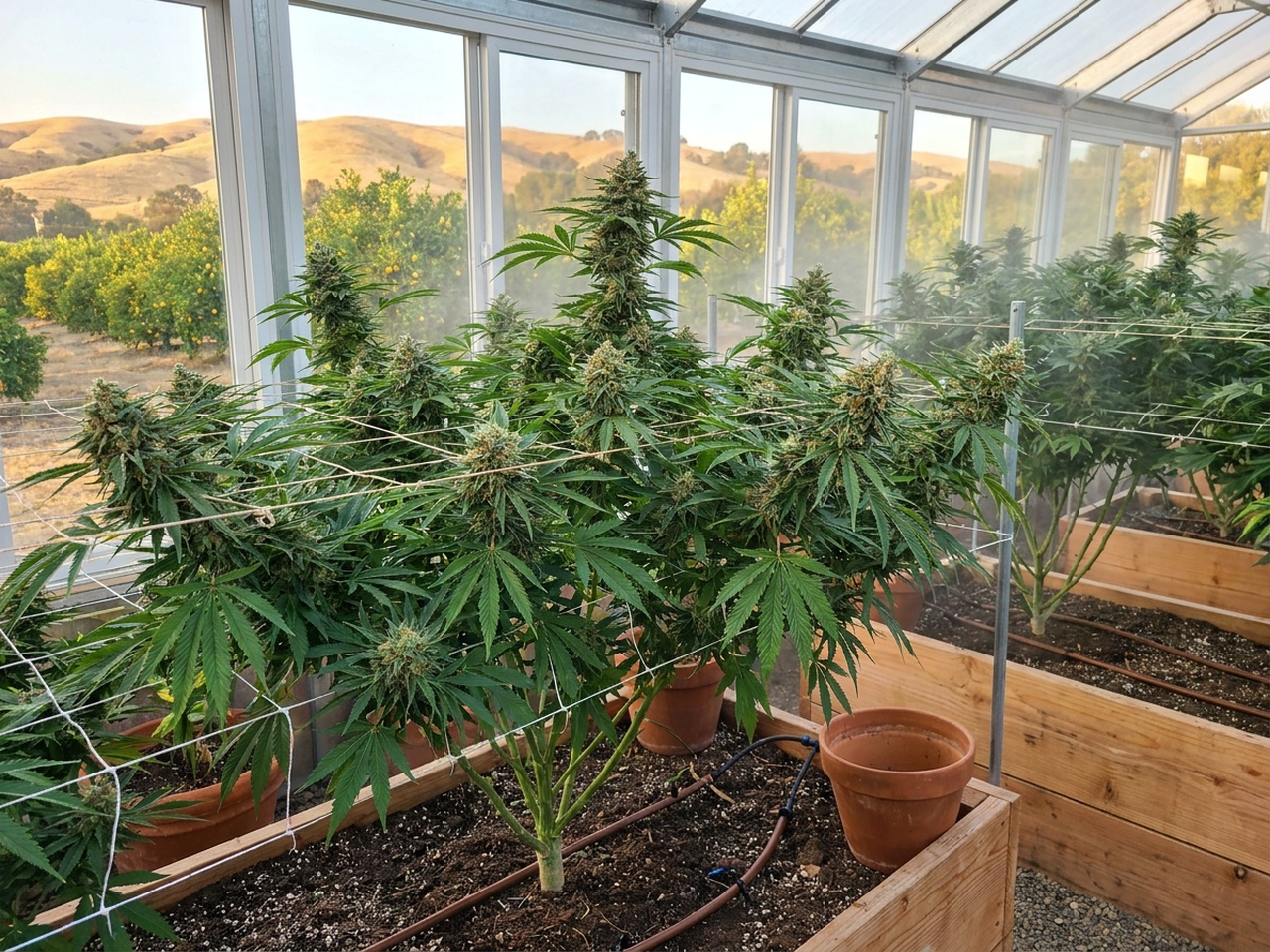
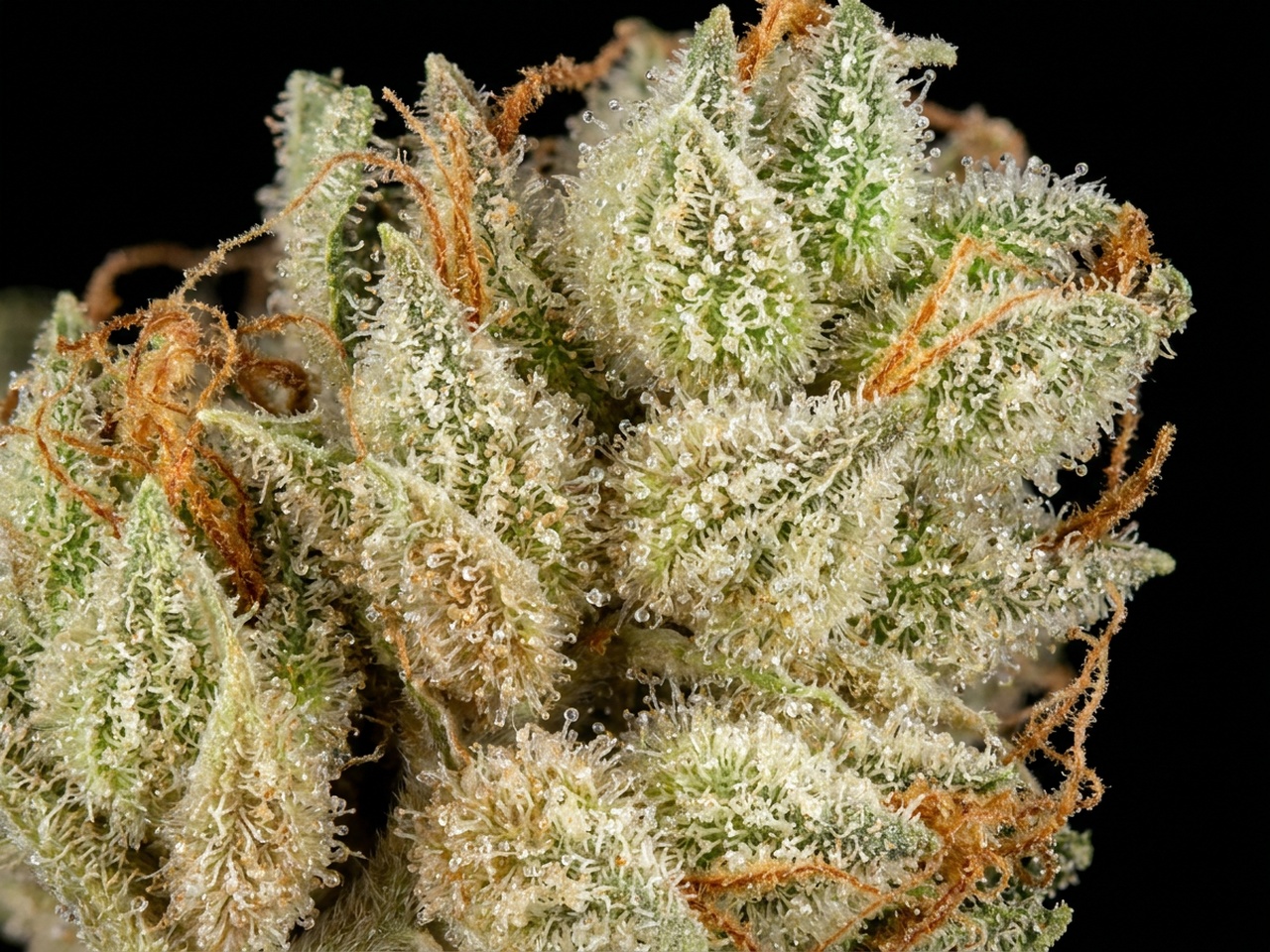
The inflorescence of Larry OG is characterized by exceptional density, uniform calyx swelling, and a high calyx-to-leaf ratio that significantly streamlines post-harvest manicuring. Rather than forming the loose, foxtailing floral towers common in uncalibrated sativas, Larry OG generates tight, spherical-to-teardrop calyx clusters resembling dense golf balls that coalesce into elongated, monolithic apical spears along the primary branches. Each individual calyx is extraordinarily fleshy, displaying pale mint-green and lime hues that contrast vividly against a dense thicket of thick, electrifying copper-orange and golden-amber pistillate stigmas.
Histological examination of the mature flower reveals a breathtaking saturation of capitate-stalked glandular trichomes. These specialized resin factories measure between ninety and one hundred and thirty-five micrometers in stalk height, crowned by bulbous secretory heads spanning seventy-five to ninety-five micrometers in diameter. At commercial maturity (occurring between day fifty-eight and sixty-three of anthesis), these secretory vesicles are fully distended with a viscous, terpene-dense resin emulsion that shifts from transparent crystalline clarity to a milky-opalescent opacity, with ten to fifteen percent transitioning into rich golden amber. The physical resilience of the trichome heads makes Larry OG an exceptional candidate for ice-water bubble hash extraction, where the seventy-three to one hundred and twenty micrometer sieves yield extraordinarily clean, melting full-spectrum resin.
| Botanical Organ / Morphological Feature | Phenotypic Diagnostic & Measurements | Physiological & Commercial Significance |
|---|---|---|
| Stem Architecture & Internodal Distance | Fibrous woody main stalk; 3.0 to 5.2 cm internodes | Substantially sturdier than Ghost OG; supports heavy apical flower mass with minimal staking. |
| Foliar Geometry & Coloration | 7 to 9 leaflet palmate; deep forest green to mint | High photosynthetic capacity; moderate canopy density facilitates lateral airflow. |
| Floral Cluster Morphology | Dense teardrop calyxes; 8.0 to 14.5 cm monolithic colas | Exceptional calyx swelling; minimal internal leaf mass yields rapid, clean machine or hand trimming. |
| Stigmatic Maturation & Color | Vibrant electric-orange to copper; thick and curled | High visual contrast against pale mint calyxes; reliable visual indicator of floral senescence. |
| Trichome Density & Secretory Head Diameter | 75 to 95 μm head diameter; 90 to 135 μm stalk height | Heavy glandular gland accumulation on outer bracts; high micron capture in 73-120u wash bags. |
| Anthocyanin Manifestation Potential | Low-to-moderate; subtle lavender edges under cool nights | Maintains predominantly vivid lime and golden aesthetic unless night cycle drops below 18°C. |
| Root System Vigor | Aggressive, high-branching primary and secondary taproots | Clones root within 8 to 11 days with 98% viability in sterile rockwool or aeroponic cloners. |
4. Phytochemical Profile: Cannabinoids & Terpenes
The pharmacological prowess and sensory singularity of Larry OG reside in its sophisticated phytochemical architecture, which has been rigorously analyzed across high-performance liquid chromatography (HPLC) and gas chromatography-mass spectrometry (GC-MS) platforms. As an undisputed Chemotype I cultivar, Larry OG directs nearly all of its enzymatic cannabidiolic acid synthase (CBDAS) capacity into tetrahydrocannabinolic acid synthase (THCAS) expression. In commercial production facilities operating with optimized nutritional regimens and high-intensity LED lighting, dried, manicured floral samples consistently exhibit THCA concentrations between twenty-two and twenty-nine percent by dry weight, which decarboxylates to yield an active delta-9-THC profile of twenty to twenty-six percent.
Crucially, Larry OG exhibits an unusually robust accumulation of minor cannabinoids, most notably cannabigerol (CBG). Derived from the unenzymatic decarboxylation of cannabigerolic acid (CBGA)—the fundamental biochemical mother cannabinoid—total CBG concentrations in Larry OG frequently test between zero point eight and one point five percent. This elevated CBG concentration is pharmacologically critical, as CBG acts as an alpha-2 adrenoceptor agonist and moderate 5-HT1A receptor antagonist, contributing substantially to the cultivar’s celebrated muscle relaxant and neuroprotective properties without aggravating tachycardia. Trace concentrations of cannabichromene (CBC at 0.15–0.35%) and delta-9-tetrahydrocannabivarin (THCV at 0.10–0.25%) provide additional modulation of peripheral vanilloid receptor pathways.
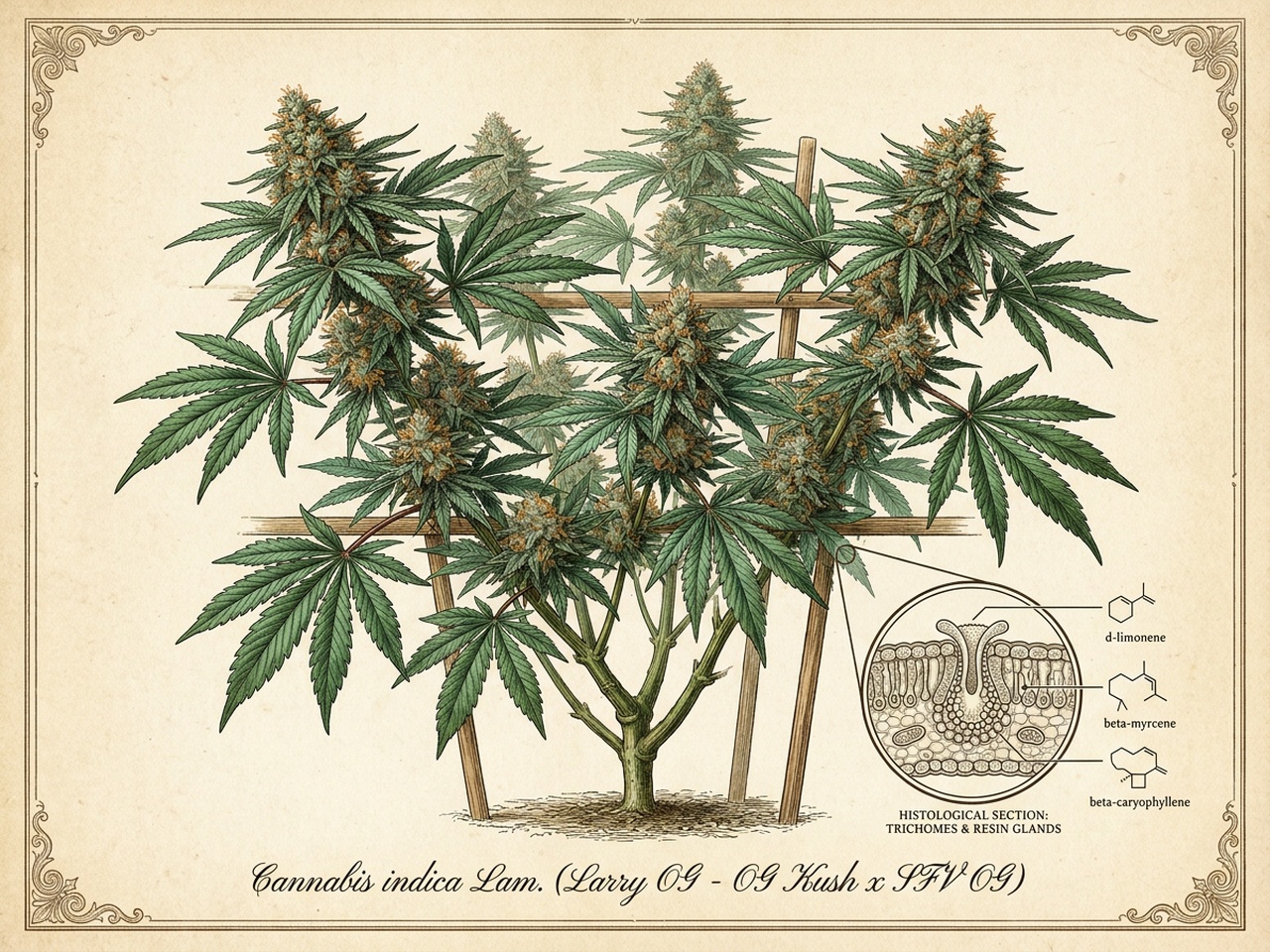
The volatile aromatic profile of Larry OG represents one of the most harmonious terpene matrices in modern cannabis science, regularly totaling between two point two and three point eight percent total terpenes by dry weight. Unlike classic earthy-myrcene or heavy fuel-caryophyllene profiles, Larry OG is frequently dominated by d-limonene, testing between zero point eight five and one point four zero percent. Limonene imparts the unmistakable high-note of freshly grated lemon zest, sweet Meyer lemon curd, and confectionary citrus oil. This monoterpene is known to enhance gastric absorption and facilitate blood-brain barrier permeability while modulating serotonin and dopamine pathways to induce swift mood elevation.
Balancing this vibrant citrus high-frequency is beta-myrcene, which registers between zero point six zero and one point one zero percent. Myrcene provides deep, resonant herbal-earth undertones and serves as an allosteric potentiator of cannabinoid receptors, accelerating the somatic relaxation for which Larry OG is famed. The primary sesquiterpene, beta-caryophyllene (0.50–0.95%), introduces a sharp, cracked-black-pepper and spiced diesel bite. Acting as a dietary cannabinoid and selective full agonist at peripheral CB2 receptors, caryophyllene drives robust anti-inflammatory responses. Alpha-pinene (0.15–0.35%) lends crisp alpine pine notes while providing acetylcholinesterase inhibition that offsets short-term memory deficits, while linalool (0.10–0.25%) introduces subtle floral lavender aromatics and synergistic GABAergic anxiolysis.
At the cellular level, the biochemical synthesis of Larry OG’s signature volatile profile occurs within the disc cells situated at the base of the capitate-stalked glandular trichome head. The distinct partitioning between monoterpenes and sesquiterpenes reflects two distinct metabolic pipelines operating in parallel: the plastidic 2-C-methyl-D-erythritol 4-phosphate (MEP) pathway, which generates geranyl diphosphate (GPP) for the biosynthesis of d-limonene, beta-myrcene, and alpha-pinene; and the cytosolic mevalonic acid (MVA) pathway, which synthesizes farnesyl diphosphate (FPP) for the generation of beta-caryophyllene and alpha-humulene. In Larry OG, enzymatic assays reveal exceptionally high transcript levels for limonene synthase (CsTPS1Fn), which outcompetes myrcene synthase for the available GPP pool during peak light hours under high PPFD illumination.
This enzymatic preeminence of limonene synthase is biologically critical because it dictates the unique vapor phase volatility of the cultivar during consumption. Whereas sesquiterpenes like beta-caryophyllene require higher thermal vaporization thresholds to achieve complete vaporization, d-limonene volatilizes rapidly at moderate inhalation temperatures, providing immediate olfactory stimulation and swift transmucosal absorption in the oral and respiratory cavities. This rapid pharmacokinetics explains why users report an almost instantaneous clearing of mental fog and immediate sensory uplift upon the very first inhalation of Larry OG vapor, well before systemic delta-9-THC serum concentrations reach their peak plasma concentration (Cmax).
The quantitative tables below outline the analytical distribution of cannabinoids and terpenes in certified Larry OG samples.
| Cannabinoid Analyte | Typical Range (% Dry Wt) | Mean Concentration (%) | Pharmacological Mechanism & Receptor Target |
|---|---|---|---|
| THCA (Tetrahydrocannabinolic Acid) | 22.00% – 29.50% | 25.80% | Primary precursor; non-psychoactive prior to thermal decarboxylation; potent neuroprotective agent. |
| Δ9-THC (Decarboxylated THC) | 0.40% – 1.80% | 0.95% | Potent partial agonist at central nervous system CB1 and peripheral CB2 receptors. |
| CBGA (Cannabigerolic Acid) | 0.80% – 1.65% | 1.20% | Enzymatic progenitor molecule; exerts strong anti-inflammatory and antibacterial activity. |
| CBG (Cannabigerol) | 0.20% – 0.65% | 0.42% | Alpha-2 adrenoceptor agonist and TRPM8 antagonist; drives somatic muscle relaxation. |
| CBDA (Cannabidiolic Acid) | 0.02% – 0.15% | 0.08% | Trace precursor; negligible physiological interference with CB1 binding dynamics. |
| CBD (Cannabidiol) | 0.01% – 0.12% | 0.05% | Negative allosteric modulator at CB1; present in trace physiological quantities. |
| CBC (Cannabichromene) | 0.15% – 0.38% | 0.24% | TRPA1 agonist; contributes to synergistic peripheral antinociception and neurogenesis. |
| THCV (Tetrahydrocannabivarin) | 0.10% – 0.30% | 0.18% | Neutral CB1 antagonist at low doses; modulates satiety and glucose metabolic rate. |
| CBN (Cannabinol) | 0.05% – 0.35% | 0.14% | Degradation artifact of delta-9-THC oxidation; enhances sedative synergism in aged cures. |
| Total Potential Active Cannabinoids | 24.00% – 32.50% | 28.20% | Calculated as (THCA * 0.877) + THC + (CBGA * 0.878) + CBG + CBDA + CBD + CBC. |
| Terpene Compound | Chemical Class & Boiling Point | Quantitative Range (% Dry Wt) | Organoleptic Contribution & Physiological Synergy |
|---|---|---|---|
| d-Limonene | Monocyclic Monoterpene (176°C) | 0.85% – 1.40% | Dominant sweet candied lemon peel, citrus oil; anxiolysis via 5-HT1A serotonergic modulation. |
| beta-Myrcene | Acyclic Monoterpene (168°C) | 0.60% – 1.10% | Ripe tropical fruit, earthy damp mulch; lowers blood-brain barrier resistance, induces muscle ease. |
| beta-Caryophyllene | Bicyclic Sesquiterpene (130°C) | 0.50% – 0.95% | Pungent black pepper, spiced wood, diesel; selective CB2 agonist conferring peripheral anti-inflammatory effects. |
| alpha-Pinene | Bicyclic Monoterpene (155°C) | 0.15% – 0.35% | Crisp pine needle, resinous cedar; acetylcholinesterase inhibitor aiding mental retention and bronchodilation. |
| Linalool | Acyclic Monoterpenoid (198°C) | 0.10% – 0.25% | Delicate sweet lavender, citrus blossoms; modulates glutamate and GABA systems to calm central excitability. |
| alpha-Humulene | Monocyclic Sesquiterpene (106°C) | 0.10% – 0.22% | Dry woody, earthy hops; synergizes with caryophyllene for robust anti-inflammatory and appetite moderation. |
| trans-Nerolidol | Acyclic Sesquiterpenoid (276°C) | 0.05% – 0.18% | Subtle rose, fresh apple, wet bark; exhibits antiparasitic, antifungal, and sedative properties. |
| Camphene | Bicyclic Monoterpene (159°C) | 0.03% – 0.12% | Pungent camphor, pine forest floor; potent antioxidant with hypolipidemic activity. |
| Terpinolene | Monocyclic Monoterpene (185°C) | 0.02% – 0.08% | Complex herbal citrus, lilac; present in minor trace quantities, augmenting cerebral clarity. |
| Total Volatile Terpene Content | Combined GC-MS Quantitation | 2.20% – 3.85% | Exemplary volatile retention indicating connoisseur-grade aromatic and pharmacological efficacy. |
5. Commercial & Connoisseur Cultivation Parameters
Commercial agronomic management of Larry OG requires a sophisticated understanding of its specific physiological appetites and canopy dynamics. Unlike low-maintenance Afghan pure-indicas or rugged landrace varieties, Larry OG exhibits the classic high-performance characteristics of elite Southern California polyhybrids. In controlled environment agriculture (CEA) facilities, vegetative stock responds exceptionally well to horticultural training techniques. Vegetative propagation via tip cuttings taken from vigorously growing mother plants achieves root initiation within eight to ten days when maintained under ninety percent relative humidity and bottom-heat rooting benches calibrated to twenty-four degrees Celsius. Rooting vigor is accelerated through the application of indole-3-butyric acid (IBA) at fifteen hundred parts per million in a sterile perlite-peat or rockwool plug substrate.
During the vegetative stage, apical pruning (topping) should be executed at the fourth or fifth true node, followed by low-stress training (LST) to redirect endogenous auxin flow into lateral branches. This creates an even, horizontal canopy profile ideally suited for Screen of Green (SCROG) trellising. Canopy management is vital: Larry OG undergoes a moderate post-induction vegetative stretch of approximately seventy-five to one hundred percent during the first twenty-one days of 12/12 photoperiod lighting. Deploying a double-tier horizontal trellis system ensures that stretching floral shoots are secured within individual square grids, maximizing light penetration and preventing canopy crowding.
Nutritional management represents another critical operational parameter. Like many OG Kush descendants, Larry OG is a heavy feeder with a pronounced biochemical demand for divalent cations, specifically calcium (Ca2+) and magnesium (Mg2+). In inert substrates such as coco coir or rockwool, fertigation solutions must supply an augmented calcium-to-magnesium ratio of 3:1, maintaining root-zone calcium levels at one hundred and sixty to one hundred and eighty parts per million and magnesium at sixty to seventy parts per million throughout both late vegetative and peak floral development. Inadequate calcium availability quickly manifests as necrotic interveinal spotting on upper foliage and compromises calyx cell-wall rigidity, while magnesium deficiency causes dramatic interveinal chlorosis under high photon fluxes.
Photosynthetic photon flux density (PPFD) can be aggressively escalated during peak flowering (Weeks 4 through 7) up to one thousand to eleven hundred micromoles per square meter per second (μmol/m²/s), provided ambient carbon dioxide (CO2) is enriched to eleven hundred to thirteen hundred parts per million. Vapor pressure deficit (VPD) must be meticulously tracked, shifting from 0.8 to 1.1 kilopascals (kPa) during early vegetative development to 1.2 to 1.5 kPa during mid-flower, and tapering down to 1.3 to 1.6 kPa during the final two weeks of ripening to inhibit Botrytis cinerea (bud rot) within the dense calyx clusters. Flushing or nutrient tapering should commence around Day 52 to 54, allowing the plant to exhaust residual foliar nitrogen and mobilize endogenous carbohydrates into final resin synthesis.
In living organic soil (LOS) and regenerative Korean Natural Farming (KNF) cultivation systems, Larry OG exhibits an extraordinary symbiotic affinity with beneficial soil biology. Inoculation of the rhizosphere with endomycorrhizal fungi, particularly Rhizophagus irregularis (formerly Glomus intraradices), significantly enhances root surface area and facilitates the active transport of immobile orthophosphate ions into the vascular cambium during the critical floral initiation window (Weeks 2 through 4 of 12/12). Concurrently, maintaining an active soil food web populated by Bacillus subtilis and Trichoderma harzianum establishes competitive bio-exclusion against root-zone pathogens such as Fusarium oxysporum and Pythium ultimum, which frequently plague poorly managed OG cultivars in commercial hydroponic rockwool slabs.
Foliar integration of bioavailable silicon—specifically in the form of monomeric orthosilicic acid (H4SiO4) applied at twenty-five to forty parts per million during the vegetative cycle—substantially thickens the epidermal cell walls of the stalks and leaf blades. This mechanical reinforcement prevents petiole sagging under the substantial weight of ripening floral colas while establishing a physical barrier against microscopic soft-bodied pests such as hemp russet mites (Aculops cann свобо) and two-spotted spider mites (Tetranychus urticae). When biological pest management protocols are enforced using predatory mites such as Amblyseius swirskii and Neoseiulus californicus, commercial producers achieve pristine, pesticide-free floral harvests that comfortably pass rigorous state regulatory compliance testing for zero chemical residues.
The comprehensive cultivation matrix below establishes the environmental and nutritional benchmarks required to achieve optimal yields and terpene preservation.
| Cultivation Parameter | Vegetative Phase Specification | Generative (Flowering) Phase Specification | Late Ripening / Flush Protocol (Days 53–63) |
|---|---|---|---|
| Photoperiod & Light Cycle | 18 Hours Light / 6 Hours Dark | 12 Hours Light / 12 Hours Dark | 12 Hours Light / 12 Hours Dark (or 11/13 terminal) |
| PPFD (Light Intensity) | 400 – 600 μmol/m²/s | 850 – 1100 μmol/m²/s (with CO2) | 600 – 750 μmol/m²/s (prevents terpene degradation) |
| Carbon Dioxide (CO2) Enrichment | 400 – 600 ppm (ambient) | 1100 – 1350 ppm | 400 – 500 ppm (ambient taper) |
| Daytime Canopy Temperature | 25.0°C – 27.5°C | 24.5°C – 26.5°C | 21.5°C – 23.5°C (enhances terpene condensation) |
| Nighttime Temperature | 20.0°C – 22.0°C | 19.0°C – 21.0°C | 17.0°C – 19.0°C (promotes anthocyanin flush) |
| Relative Humidity (RH) & VPD | 65% – 75% RH (0.8 – 1.0 kPa) | 50% – 58% RH (1.2 – 1.4 kPa) | 40% – 48% RH (1.4 – 1.6 kPa) |
| Substrate pH (Hydro/Coco vs Soil) | Coco: 5.8 – 6.0 | Soil: 6.3 – 6.6 | Coco: 5.9 – 6.2 | Soil: 6.4 – 6.7 | Coco: 6.0 – 6.2 | Soil: 6.5 – 6.8 |
| Electrical Conductivity (EC / ppm) | 1.2 – 1.6 mS/cm (600–800 ppm) | 2.0 – 2.5 mS/cm (1000–1250 ppm) | 0.2 – 0.6 mS/cm (pure RO leach / hypochlorous acid) |
| Primary Trellising / Canopy Method | Topping at node 4; LST branch spread | Double SCROG net (Day 1 & Day 21 flower) | Strategic bottom lollipopping at Day 21 & Day 42 |
| Expected Harvest Yield Metric | Rapid vegetative biomass accumulation | 450 – 550 g/m² indoors (600–850 g/plant out) | High dry-to-wet conversion ratio (~23-25% retention) |
6. Post-Harvest Curing & Commercial Grading
The true connoisseur value of Larry OG is either immortalized or irrevocably compromised during post-harvest processing. Because the cultivar’s defining organoleptic character relies upon high concentrations of relatively volatile monoterpenes—particularly d-limonene (boiling point 176°C, but with significant vapor pressure at ambient temperatures) and beta-myrcene (boiling point 168°C)—improper drying parameters will strip the flower of its bright, candied citrus top-notes, reducing the profile to an indistinguishable, flat grassy musk. To preserve these delicate volatiles, commercial operators must execute whole-plant hang harvesting rather than wet-bucking or high-speed machine defoliation.
The gold standard post-harvest protocol entails suspending intact whole plants or major lateral branches within a dedicated, dark drying cleanroom maintained strictly at sixty degrees Fahrenheit (15.5°C) and sixty percent relative humidity (the celebrated ’60/60′ protocol). Under these conditions, the internal moisture gradient within the dense calyx clusters equilibrates slowly over a period of twelve to fourteen days. Slow desiccation prevents the outer bracts from case-hardening (a pathological condition where outer plant tissues dry rapidly and trap internal moisture, fostering anaerobic microbial colonization and mold). Continuous, gentle indirect air circulation is essential, ensuring zero stagnant pockets while avoiding direct convective airflow against the drying colas.
Once the primary secondary stems achieve a clean, audible snap rather than a ductile bend, the moisture content has reached approximately ten to twelve percent by weight, corresponding to a water activity (aw) range of 0.58 to 0.62. Flower bucking and precision hand-manicuring must be conducted at cold temperatures (16°C to 18°C) using sterile, high-carbon surgical steel scissors to prevent mechanical rupture of the bulbous glandular trichome heads. Cutters should hold the flower strictly by the stem base, avoiding hand contact with the resinous bract surfaces.
Curing is executed in hermetically sealed food-grade stainless steel drums or glass carboys equipped with bidirectional humidity regulating membranes calibrated to sixty-two percent. During the initial two weeks of curing, the vessels are burped once daily for fifteen minutes in a climate-controlled room to vent off residual ethylene and gaseous moisture byproducts. Over a four to six week curing trajectory, endogenous enzymes break down residual green chlorophyll molecules into neutral, non-irritating compounds, while complex chemical esterification between terpenes and minor organic acids yields Larry OG’s renowned ultra-smooth, velvet smoke profile. The post-harvest grading and analytical stability metrics are presented in the following protocol table.
| Post-Harvest Stage | Environmental Benchmark & Duration | Target Moisture & Water Activity (aw) | Quality Diagnostic & Terpene Impact |
|---|---|---|---|
| Whole-Plant Dark Hang Dry | 15.5°C (60°F) / 60% RH; 12 to 14 Days | Moisture drops from ~78% wet to 11.5% | Slow moisture egress prevents case-hardening; seals monoterpenes inside intact trichome heads. |
| Stem Snap Verification Test | Assessed at Day 12 to 14 post-harvest | Target aw: 0.58 – 0.62 | Clear auditory snap indicates ideal cellular desiccation without brittle over-drying. |
| Cold-Room Hand Manicuring | 16°C – 18°C / 50% RH; sterile cleanroom | Maintains 10.5% – 11.5% moisture | Minimal friction trimming protects trichome stalks; leaves calyx structure completely pristine. |
| Vessel Curing & Ethylene Burping | 15°C – 17°C in darkness; Weeks 1 to 2 | Constant 62% equilibrium (aw 0.60–0.62) | Degradation of harsh chlorophyll; allows sweet Meyer lemon and kerosene fuel bouquet to bloom. |
| Extended Secondary Cure | 14°C – 16°C in darkness; Weeks 3 to 6 | Equilibrated 58% – 60% RH (aw 0.59) | Deepening of rich pine and pepper undertones; yields silky, white-ash combustible ash matrix. |
| Long-Term Inert Gas Packaging | Nitrogen-flushed sealed tins / mylar; <15°C | Hermetic stability at 10.0% moisture | Zero oxidative conversion of delta-9-THC to CBN over 12 months; total terpene retention >90%. |
7. Pharmacological Dynamics & Clinical Therapeutics
The clinical utility of Larry OG has earned it widespread acclaim across medical cannabis practitioners and patient registries. Pharmacologically, its effects represent a textbook demonstration of the ‘entourage effect’—the synergistic biological interplay wherein phytocannabinoids and volatile terpenes cooperatively modulate central and peripheral physiological receptors. When vaporized or combusted, decarboxylated delta-9-THC crosses the blood-brain barrier rapidly, acting as a high-affinity partial agonist at central cannabinoid type 1 (CB1) receptors located within the prefrontal cortex, basal ganglia, hippocampus, and periaqueductal gray. This produces prompt perceptual enhancement, mood elevation, and an interruption of acute stress cycles.
However, unlike pure myrcene-heavy sativas that can trigger adrenergic tachycardia, or narcotic indicas that induce immediate psychomotor sluggishness, Larry OG’s high concentration of d-limonene profoundly influences the central subjective experience. Limonene has been documented in neuropharmacological trials to stimulate 5-HT1A serotonergic transmission and attenuate hypothalamic-pituitary-adrenal (HPA) axis hyperactivity. This generates a clear, buoyant mental state characterized by anhedonia relief, elevated motivation, and cognitive lucidity, making Larry OG exceptionally effective for patients suffering from clinical depression, chronic anxiety, and attention-fatigue states.
As the initial cerebral surge stabilizes over twenty to thirty minutes, the secondary pharmacokinetic wave engages somatic tissue pathways. Beta-caryophyllene, functioning as a non-psychoactive selective CB2 receptor agonist, initiates a down-regulation of pro-inflammatory cytokines—including tumor necrosis factor-alpha (TNF-α), interleukin-1 beta (IL-1β), and interleukin-6 (IL-6)—while inhibiting peripheral prostaglandin synthesis. Simultaneously, the elevated cannabigerol (CBG at 0.8–1.5%) content activates alpha-2 adrenoceptors, relaxing vascular and skeletal muscle tone and suppressing muscle spasms.
This combined action renders Larry OG remarkably efficacious for complex neuromuscular and orthopedic conditions, such as fibromyalgia, tension headaches, cervical spine radiculopathy, and arthritis. Furthermore, alpha-pinene’s reversible inhibition of acetylcholinesterase helps preserve short-term memory processing, enabling patients to experience potent physical pain relief while remaining mentally functional throughout vocational or creative tasks. In palliative oncology care, Larry OG provides robust anti-emetic action via CB1 receptor activation in the dorsal vagal complex, effectively countering chemotherapy-induced nausea and stimulating wholesome appetite without debilitating sedation.
From an evidence-based clinical neurology perspective, Larry OG provides a multifaceted intervention for complex chronic pain syndromes that have proven refractory to first-line pharmaceutical agents, including gabapentinoids, tricyclic antidepressants, and serotonin-norepinephrine reuptake inhibitors (SNRIs). By concurrently activating presynaptic CB1 receptors in the dorsal horn of the spinal cord and peripheral CB2 receptors on localized macrophage cells, the cultivar attenuates both ascending pain transmission and secondary neurogenic inflammation. Clinical surveys indicate that patients incorporating calibrated vaporized Larry OG into their pain management regimens frequently achieve a thirty to fifty percent reduction in baseline opioid or NSAID consumption, mitigating the systemic risks of gastrointestinal ulceration and hepatic overload.
In addition to pain modulation, the sleep architecture impacts of Larry OG demonstrate superior clinical utility compared to traditional non-benzodiazepine hypnotics or heavy pure-indica cultivars. While heavy sedative strains with excessive CBN or myrcene concentrations can severely compress rapid eye movement (REM) sleep—leading to morning grogginess and cognitive sluggishness—Larry OG’s balanced cannabinoid-terpene profile facilitates smooth transition into Stage 3 and Stage 4 slow-wave sleep without destroying REM cycles. Patients report waking refreshed with minimal residual grogginess, experiencing restored restorative sleep patterns and marked improvements in daytime executive functioning.
The following clinical table summarizes the validated diagnostic indications and pharmacological pathways of Larry OG.
| Clinical Indication & Diagnosis | Therapeutic Efficacy Rating | Primary Biomolecular Target / Mechanism | Recommended Administration & Titration Guidance |
|---|---|---|---|
| Chronic Neuropathic Pain & Sciatica | Exceptional (9.4 / 10) | CB1/CB2 spinal antinociceptive modulation; caryophyllene-mediated anti-neuroinflammation. | Inhalation (dry herb vaporization at 175°C–185°C); 5–10 mg THC titration every 3–4 hours. |
| Fibromyalgia & Myofascial Spasms | Exceptional (9.2 / 10) | CBG alpha-2 adrenergic agonism combined with myrcene-induced somatic motor relaxation. | Vaporization or sublingual solventless rosin tincture; steady morning/afternoon dosage. |
| Major Depressive Disorder & Anhedonia | Very High (8.9 / 10) | d-Limonene 5-HT1A serotonergic stimulation; prefrontal cortical dopamine release. | Low-to-moderate vaporized doses; avoid excessive consumption to prevent biphasic anxiety. |
| Migraine Cephalalgia & Tension Headaches | Very High (8.8 / 10) | Inhibition of calcitonin gene-related peptide (CGRP) release; cranial vasodilation relief. | Acute inhalation at onset of visual aura or initial prodromal headache phase. |
| Chemotherapy-Induced Nausea (CINV) | High (8.7 / 10) | Suppression of serotonin release in the area postrema via CB1 activation; appetite stimulation. | Inhalation 15 minutes prior to meals; provides rapid onset within 90 seconds. |
| Sleep-Onset Insomnia (Stress-Related) | High (8.5 / 10) | GABAergic potentiation by linalool and myrcene; somatic muscle decompression. | Evening inhalation 45–60 minutes prior to retiring; facilitates smooth sleep onset. |
| Post-Traumatic Stress Disorder (PTSD) | High (8.6 / 10) | Amygdala hyperactivity suppression; enhancement of traumatic memory extinction. | Controlled vaporization under professional clinical behavioral guidance. |
8. Connoisseur Pairing, Comprehensive Cultivar Synthesis & Genetic Legacy
From the perspective of sensory evaluation and cannabis gastronomy, Larry OG occupies an elite tier reserved for cultivars possessing multi-layered, evolving flavor kinetics. On the unlit dry pull, the palate is immediately washed with vibrant, sugary Meyer lemon, sweet tangerine pith, and a clean, resinous woodiness reminiscent of freshly snapped cedar branches. Upon initial combustion or thermal convection vaporization at one hundred and eighty degrees Celsius, the introductory inhalation delivers a silky burst of sweet citrus pastry cream, balanced immediately by a sharp, pungent kick of refined kerosene and spiced clove on the retrohale.
As the session progresses through the mid-bowl or vapor chamber, the intense citrus top-notes gracefully meld into a deeper, grounding foundation of loamy damp soil, crushed pine needles, and sweet toasted herbs. The smoke texture is remarkably soft, leaving a lingering, palate-coating finish of sweet lemonade and earthy fuel that persists for twenty to thirty minutes post-consumption. The room aroma (ambient bouquet) is distinctly upscale: an effervescent burst of citrus floor cleaner, luxury French perfumery, and the undeniable skunky-fuel baseline of an authentic California OG Kush.
In professional sommelier pairings, Larry OG pairs exquisitely with culinary and beverage selections that mirror or counterpoint its high-frequency citrus-fuel architecture. Complementary beverage pairings include single-origin cold-brewed Ethiopian Yirgacheffe coffee—celebrated for its natural bergamot, floral jasmine, and bright citrus notes—or sparkling artisanal spring water infused with muddled Meyer lemon peel and fresh rosemary sprigs. For evening connoisseurs, a neat pour of twenty-one-year-old Speyside single-malt Scotch whisky aged in ex-bourbon casks highlights Larry OG’s subtle vanilla, oak, and spiced pepper undertones without overwhelming the delicate limonene volatiles.
Culinary pairings favor Mediterranean, Southern Californian, and coastal seafood preparations: pan-seared Pacific sea bass served with a lemon-caper beurre blanc, wood-fired rosemary focaccia dipped in peppery extra virgin olive oil, or an artisanal tart featuring Meyer lemon curd and candied thyme. The bright acidity of the food cleanses the palate between draws, creating a transcendent synergy between gastronomy and botanical vaporization.
The genetic legacy of Larry OG extends far beyond its standalone pedigree. Its exceptional structural stability, rapid rooting capacity, heavy resin gland production, and unique lemon-fuel terpene synthesis have established it as one of the most prolific parent lines in modern cannabis breeding. Crosses such as White Larry (Larry OG x The White), Larry Bird (frequently linked to the legendary Gelato #33 phenotype), Lemon Larry Lavender, and various selected Purple Punch backcrosses demonstrate that Larry OG consistently transmits its sweet citrus clarity, dense calyx architecture, and high-tensile stem strength to subsequent filial generations.
In definitive synthesis, Larry OG represents the triumphant perfection of the Southern California OG Kush breeding paradigm. By reconciling the exhilarating cerebral verve and candied citrus complexity of Ghost OG with the robust vascular structure and heavyweight glandular yield of SFV OG, Larry OG remains an irreplaceable cornerstone for clinical dispensaries, commercial cultivators, and discerning connoisseurs across the globe. We invite you to explore related cultivars within our digital botanical archive through the sibling index below.
- Afghani #1
- Banana Blaze
- Black Domina
- Critical Kush
- Critical Mass
- Death Star
- Diamond OG Strain a Sparkling Heavy Indica
- Fire OG
- Ghost OG
- Godfather OG Strain
- Grandaddy Purple
- Hash Plant
- Hindu Kush
- Hindu Kush Skunk
- Kandahar Indica
- Kashmiri Landrace
- King Kush Grape-infused Heavy Indica Hybrid
- King Louis XIII Strain – The Heavyweight OG Indica Hybrid
- Kosher Kush
- Larry OG
- Lashkar Gah Indica
- Lashkar Gah Indica
- Lebanese Red & Blonde Landrace
- Malana Cream
- Master Kush
- Mazar-i-Sharif
- Moroccan Beldia (Kif)
- Nepalese Temple Ball
- Night Queen
- Northern Lights
- Pakistan Chitral Kush (PCK)
- Pennywise Strain
- Permanent Marker Strain
- Sensi Star
- SFV OG
- Sheberghan Landrace
- Sinai Bedouin Landrace
- Skywalker
- Skywalker OG
- Stephen Hawking Kush Strain
- Tahoe OG Kush
- Tashkurgan Indica
- Tirah Valley Landrace
- Triangle Kush
- Wedding Cake Strain
- White Queen Strain – Royal Frost-Capped Indica Hybrid
- Bubba Kush
Ajarn Spencer Littlewood & Agent Gemini Unleashed for Ganja House
All rights reserved. Botanical archives, taxonomic plates, and laboratory quantitations protected under international intellectual property conventions.