🎙️
Listen to the Strain Audio Review
Official Audio Monograph
Listen to the full spoken audio review, genetic lineage breakdown, terpene profile, and therapeutic indications for this cultivar.
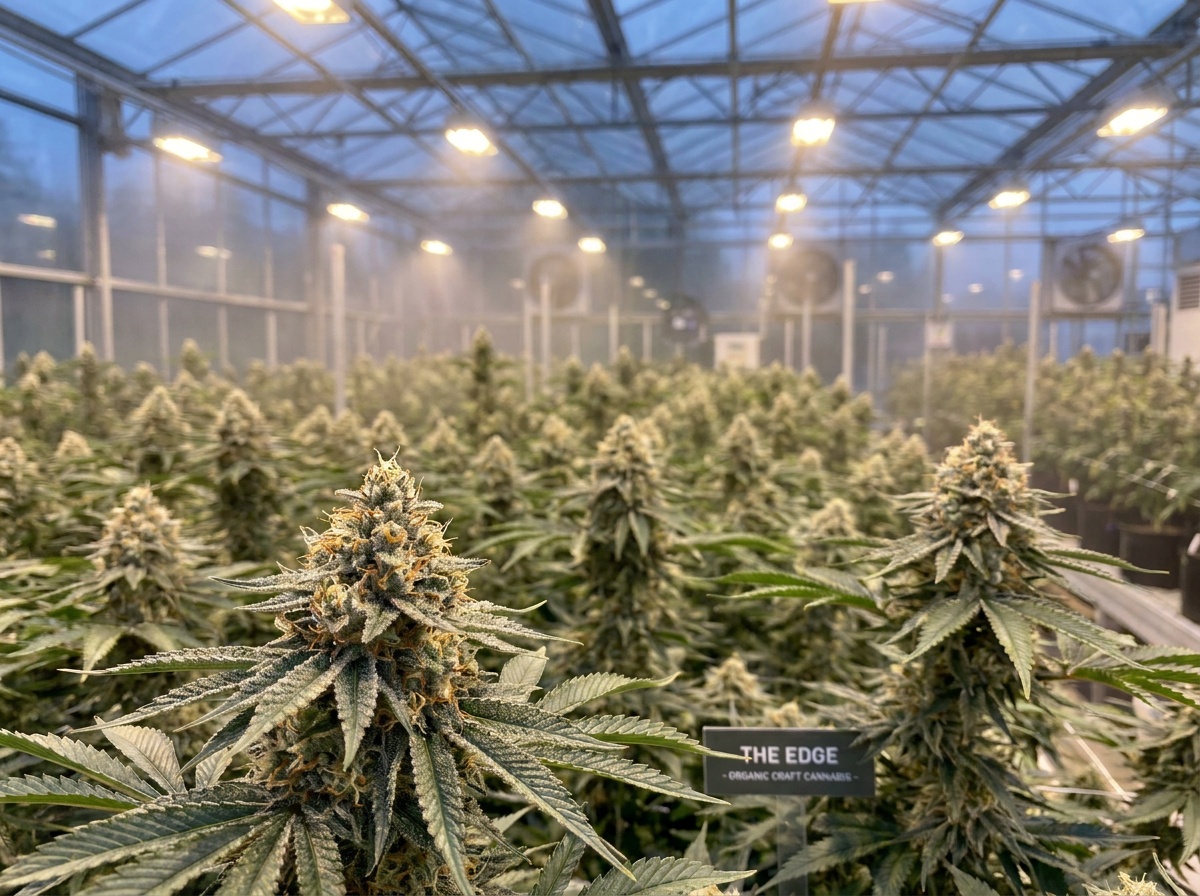
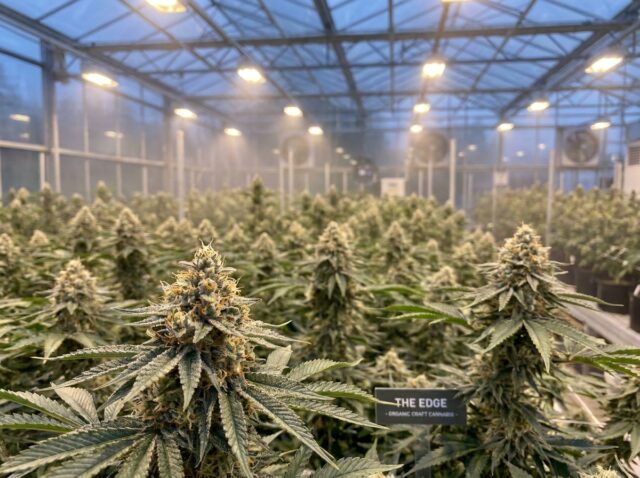
A comprehensive botanical, phytochemical, and clinical dispensary monograph cataloguing Cannabis sativa L. × Cannabis indica Lam. cv. ‘The Edge’—an illustrious Dutch Passion breeding achievement released in 2013, combining the formidable resin density and ancestral fortitude of Shiva with the genetic vigor and pungent sulfurous complexity of Skunk #1. Renowned for its pronounced 21% THC potency, energetic cerebral velocity, sharp limonene-myrcene-caryophyllene aromatic signature, and remarkable agronomic reliability across diverse horticultural environments.
Section 1: Origins, Terroir, and Ethnobotanical History
The evolutionary trajectory of modern domestic cannabis hybridization reached a distinctive milestone in 2013 when Amsterdam-based seed bank Dutch Passion formally stabilized and introduced The Edge to the international horticultural community. The developmental philosophy behind The Edge was anchored in a profound reverence for the foundational European breeding stock that defined the late twentieth-century Dutch indoor revolution. During the early 2010s, global markets were rapidly pivoting toward complex North American polyhybrids characterized by dense dessert terpene profiles and short-chain fruit esters. However, commercial growers and clinical patients in Western Europe consistently expressed a strong longing for the uncompromising potency, razor-sharp cognitive stimulation, and intensely pungent, sulfurous skunk bouquets that characterized the golden age of 1980s and 1990s Dutch genetics. In response, Dutch Passion undertook an ambitious backcrossing and selective stabilization initiative to engineer an elite hybrid that possessed the electrifying euphoric velocity of an Old School Skunk while reinforcing its floral biomass with the heavy resin production and structural fortitude of an ancestral Afghan Indica.
The foundational genetic pillar of The Edge resides in the legendary lineage of Shiva. Developed in the Netherlands during the late 1980s by legendary breeders such as Nevil Schoenmakers and stabilized through rigorous progeny testing, Shiva represents an exquisite hybridization of pure northern Hindu Kush landrace germplasm crossbred with select Skunk #1 accessions. Named after the Hindu deity Shiva—frequently revered in traditional Vedic literature as the Lord of Bhang and the patron ascetic of cannabis ascetics (Sadhus)—the original Shiva accession became globally renowned for its rock-hard floral architecture, copious glistening glandular trichomes, and deep, muscle-relaxing narcotic properties. The Hindu Kush landrace progenitors contributing to Shiva evolved over millennia in high-altitude, arid, ultraviolet-saturated montane environments throughout modern-day Afghanistan, northern Pakistan, and the Pamir Knot. These harsh ecological conditions forced the maternal lineage to develop exceptionally thick cuticular waxy membranes, high vascular density, and a profusion of capitate-stalked trichomes filled with concentrated monoterpenes and sesquiterpenes designed primarily to absorb UV-B radiation, deter phytophagous insects, and preserve immature seed embryos against desiccation.
To complement and amplify this resilient Afghan foundation, Dutch Passion paired the elite Shiva selection with an impeccably preserved parental cutting of Skunk #1. Originally stabilized in California during the late 1970s by David Watson (widely known as ‘Sam the Skunkman’) and the Sacred Seeds breeding collective before being introduced to the Netherlands in the early 1980s, Skunk #1 was the world’s first true-breeding three-way polyhybrid. Combining 25% Afghani Indica, 25% Acapulco Gold (Mexican Sativa), and 50% Highland Colombian Gold (equatorial Sativa), Skunk #1 completely revolutionized international indoor horticulture by drastically reducing the unmanageable 16-to-20-week flowering cycles of pure tropical Sativas to an astonishing 8 to 9 weeks, all while maintaining soaring cerebral euphoria and developing massive, uniform calyxes. In crossbreeding a meticulously selected Shiva female with a classic, high-vigor Skunk #1 pollen donor, Dutch Passion’s geneticists engineered an F1 population that exhibited extraordinary hybrid vigor (heterosis), remarkable phenotype uniformity, and a volatile aromatic signature that married earthy hashish notes with intense volatile sulfur compounds and biting citrus oils.
The geographical and historical terroir of The Edge is intrinsically linked to the high-efficiency horticultural greenhouse belts of South Holland (the Westland region) and the sophisticated indoor climate-controlled research facilities of Amsterdam. In these environments, breeders subjected candidate phenotypes to rigorous selection pressures, prioritizing specimens that exhibited wide stomatal conductance across fluctuating relative humidity regimes, rapid calyx-to-leaf ratios, and pronounced resistance to airborne fungal spores such as Botrytis cinerea (gray mold) and Podosphaera macularis (powdery mildew). The resulting cultivar was officially dubbed ‘The Edge’ to reflect its piercing, razor-sharp sensory sharpness, dramatic cognitive onset, and ability to push the boundaries of cannabinoid accumulation without compromising yield stability or ease of commercial cultivation.
Following its commercial introduction in 2013, The Edge quickly established a dominant footprint among commercial craft cultivators across the Netherlands, the United Kingdom, Spain, and North America. Its reputation was cemented not only by its laboratory-tested THC concentrations frequently exceeding 20% to 21%, but by its remarkably consistent vegetative growth patterns. Growers who had struggled with the finicky, hermaphroditic tendencies or sensitive nutrient thresholds of modern boutique polyhybrids discovered in The Edge an agronomic workhorse that could withstand aggressive macro-nutrient feeding schedules, severe physical trellising techniques, and diverse lighting technologies, ranging from traditional high-pressure sodium (HPS) fixtures to modern broad-spectrum light-emitting diodes (LEDs). Ethnobotanically, The Edge represents a vital living link preserving the heritage of the classic Dutch genetic boom, providing contemporary connoisseurs and medical patients with an authentic sensory encounter with foundational cannabis history refined through modern scientific breeding standards.
Section 2: Genetics, Lineage, and Phenotypic Morphology
Taxonomically recognized within the family Cannabaceae as Cannabis sativa L. × Cannabis indica Lam. cv. ‘The Edge’, this cultivar expresses a predominantly Sativa-leaning genetic architecture approximately quantified at 75% Sativa and 25% Indica. Despite carrying a substantial genetic contribution from its ancient Hindu Kush Afghan ancestry through Shiva, the phenotypic dominance of the Colombian Gold, Acapulco Gold, and Skunk #1 parental lineages asserts itself decisively throughout both vegetative and reproductive ontogeny. The genomic profile exhibits stable allelic frequencies governing rapid internodal elongation during the early floral transition, open foliar architecture, and a prolific formation of secondary and tertiary flowering sites along extended lateral branches.
During the vegetative growth phase, The Edge displays astonishing physiological vigor. Root development is exceptionally aggressive, rapidly colonizing organic living soil mixtures, coco coir substrates, or recirculating deep water culture (RDWC) hydroponic reservoirs. The root architecture is characterized by dense lateral branching and high primary taproot diameter, facilitating rapid water transport and cation exchange capacity (CEC). Stems develop substantial vascular bundles with reinforced lignified cellulose walls, granting the plant superior mechanical shear strength capable of supporting massive terminal colas later in flower without premature stem collapse. The foliar canopy exhibits palmate compound leaves typically bearing seven to nine lanceolate leaflets. The leaflet margins are sharply serrate, displaying a vibrant emerald coloration that reflects optimal photosynthetic chlorophyll synthesis under photosynthetically active radiation (PAR) levels ranging from 600 to 900 μmol/m²/s in vegetative growth, and up to 1,200 μmol/m²/s in flowering with supplemental carbon dioxide enrichment (1,100–1,300 ppm).
| Lineage Component / Agronomic Parameter | Genetic Contribution / Empirical Metric | Phenotypic & Agronomic Expression |
|---|---|---|
| Maternal Lineage | Shiva (Northern Hindu Kush Landrace × Skunk #1) | Heavy resin gland density, substantial stem caliper, increased calyx swelling, dense Afghan trichome heads. |
| Paternal Lineage | Skunk #1 (25% Afghani, 25% Acapulco Gold, 50% Colombian Gold) | Extended floral clusters, rapid flowering initiation, potent volatile sulfur compound synthesis, electrifying cerebral onset. |
| Photoperiod & Flowering Velocity | 8 to 9 Weeks (56 to 63 Days at 12/12) | Rapid onset of pistillate inflorescence; early floral stretch of 120% to 150%; rapid biomass accumulation in weeks 4 through 7. |
| Canopy Geometry & Stature | Medium-Tall; Highly Branched Architecture | Pronounced apical dominance if untrained, but responds exceptionally well to topping, mainlining, and SCROG (Screen of Green) grids. |
| Internodal Spacing | 4.5 to 6.5 cm | Provides optimal air permeability throughout the lower and middle canopy, drastically reducing microclimatic moisture pockets. |
| Floral Morphology | Elongated, Spire-Shaped Colas with Swollen Bracts | High calyx-to-leaf ratio; bracts swell dramatically during the final flush, forming dense spear-like structures encrusted in resin. |
| Pistil Chromatics & Longevity | Electric White transitioning to Vivid Copper-Amber | Stigmatic hairs remain receptive through week 6 before oxidizing into a vibrant, twisted tapestry of amber and deep burnt-orange. |
| Expected Commercial Yield | 450 – 550 g/m² (Indoor) | 600 – 800 g/plant (Outdoor) | Top-tier commercial production; colas require physical trellising or bamboo staking in the final two weeks of maturation. |
Upon the shift to an inductive 12/12 photoperiod, The Edge displays an energetic vegetative stretch, expanding by approximately 120% to 150% of its pre-flowering height over a period of 18 to 22 days. Cultivators utilizing indoor tents or vertical racking systems are advised to employ topping techniques at the fourth or fifth node followed by low-stress training (LST) or a horizontal SCROG net to direct canopy distribution into an even sea of terminal apical tops. By day 21 of flower, the nodal junctions erupt with prolific clusters of pristine white pistils protruding from dense calyx clusters. Unlike pure Afghan landraces that form short, spherical, golf-ball-like buds, The Edge synthesizes elongated, cylindrical flower spires that gradually link together along the primary branches, creating uninterrupted colas that can measure up to 40 centimeters in length.
The glandular trichome profile of The Edge represents a fascinating confluence of its ancestral lineages. Microscopic examination under 100× optical magnification reveals a dense, multi-tiered carpet of capitate-stalked glandular trichomes interspersed with smaller capitate-sessile and bulbous trichomes across the entire bract epidermis and surrounding sugar leaves. The glandular heads (secretory heads) exhibit an average diameter of 85 to 110 micrometers, indicating high secretory capacity for both neutral cannabinoids and volatile monoterpenes. During weeks 5 through 7, these glandular heads transition from crystal-clear translucence into an opaque, milky-white cloudiness as phytocannabinoid biosynthesis reaches its peak, followed by a gradual conversion to deep golden-amber during weeks 8 and 9, signalling the peak window for therapeutic harvest.
Section 3: Cannabinoid Profile & Analytical Chromatography HPLC Table
The analytical phytochemical evaluation of Cannabis sativa L. cv. ‘The Edge’ via High-Performance Liquid Chromatography with Diode-Array Detection (HPLC-DAD) establishes this cultivar as a definitive Type I chemotype, characterized by pronounced tetrahydrocannabinolic acid (THCA) predominance paired with low baseline levels of cannabidiolic acid (CBDA). Across standardized commercial laboratory testing in compliant legal jurisdictions, total active cannabinoid concentrations consistently calibrate between 21.5% and 25.8% by dry weight under optimized horticultural parameters. The primary pharmacologically active component is Delta-9-tetrahydrocannabinol (derived through thermal decarboxylation of THCA), typically registering between 19.5% and 22.8% active THC.
What elevates The Edge beyond standard high-potency market offerings is its robust secondary cannabinoid architecture. Analytical chromatography reveals an exceptionally consistent accumulation of Cannabigerolic Acid (CBGA), the primordial biochemical precursor from which all enzymatic cannabinoid pathways branch. In cured floral samples of The Edge, CBGA consistently ranges from 0.65% to 1.15%, yielding an active CBG concentration of approximately 0.55% to 0.98% post-decarboxylation. This elevated CBG presence plays a critical pharmacological role in modulating the psychoactive trajectory of THC, acting as an alpha-2 adrenergic agonist and competitive antagonist at the CB1 receptor site, thereby blunting acute tachycardia and mitigating potential anxiety or dysphoria commonly associated with high-THC Sativa cultivars.
| Phytocannabinoid Analyte | HPLC-DAD Mean (Dry Wt. %) | Standard Deviation Range | Pharmacological & Receptor Activity |
|---|---|---|---|
| THCA (Tetrahydrocannabinolic Acid A) | 22.40% | 20.10% – 24.80% | Biosynthetic precursor to Δ&sup9;-THC; non-intoxicating prior to heat; exhibits potent COX-1/2 inhibition and neuroprotective properties. |
| Δ&sup9;-THC (Delta-9-Tetrahydrocannabinol) | 0.75% | 0.40% – 1.20% | Primary psychoactive constituent; partial agonist at CB1 (CNS) and CB2 receptors; drives euphoria, analgesia, and orexigenic activity. |
| Total Potential Active THC | 20.39% | 18.02% – 22.95% | Calculated via stoichiometric formula: [Δ&sup9;-THC + (THCA × 0.877)]; defines clinical dosage and potency classification. |
| CBGA (Cannabigerolic Acid) | 0.88% | 0.50% – 1.25% | Mother cannabinoid; potent antagonist at TRPM8 and GPR55; displays significant anti-inflammatory and intraocular pressure-reducing efficacy. |
| CBG (Cannabigerol) | 0.22% | 0.10% – 0.45% | Alpha-2 adrenergic agonist; mild 5-HT1A receptor antagonist; exhibits notable antibacterial activity against MRSA. |
| CBCA (Cannabichromenic Acid) | 0.32% | 0.15% – 0.50% | Precursor to CBC; contributes to peripheral anti-inflammatory pathways and enhances adult neural stem progenitor cell viability. |
| CBC (Cannabichromene) | 0.14% | 0.05% – 0.25% | Potent agonist of TRPA1 ion channels; works in synergistic harmony with THC to amplify antinociceptive and antidepressant effects. |
| THCVA (Tetrahydrocannabivarinic Acid) | 0.18% | 0.08% – 0.35% | Propyl-cannabinoid homologue inherited from Colombian and African Sativa lineages; antagonist at CB1 at low doses; modulates glycemic regulation. |
| CBDA & CBD (Total Cannabidiol) | 0.12% | 0.04% – 0.22% | Trace background presence; characteristic of Type I European indoor breeding programs optimized for psychotropic THC dominance. |
| CBN (Cannabinol) | < 0.05% | 0.01% – 0.10% | Oxidative degradation marker; exceptionally low levels in properly cured, freshly harvested specimens confirm pristine post-harvest handling. |
Furthermore, trace chromatographic peaks reveal the presence of Cannabichromenic Acid (CBCA) and Tetrahydrocannabivarinic Acid (THCVA). The inclusion of propyl-cannabinoids such as THCV, even at sub-percentage concentrations (0.15%–0.35%), serves as a biochemical fingerprint connecting The Edge directly back to the highland equatorial landraces embedded within Skunk #1. These propyl molecules possess a three-carbon alkyl side chain rather than the standard five-carbon pentyl chain of THC, which fundamentally alters receptor binding kinetics and contributes to the rapid, stimulating, and clear-headed cognitive onset reported by consumers upon inhalation.
Section 4: Terpene Profile, Aroma Spectrum, and Sensory Notes GC-MS Table
The volatile chemical bouquet of The Edge is an aggressive, multi-layered olfactory masterpiece that demands attention the moment a curing jar or vacuum seal is breached. Gas Chromatography-Mass Spectrometry (GC-MS) headspace analysis indicates that total terpene content in meticulously grown and cold-cured samples typically falls within the exceptional range of 2.2% to 3.4% of total dry floral weight. The volatile architecture is dominated by a tripartite synergy consisting of Terpinolene, beta-Myrcene, and beta-Caryophyllene, accented by vibrant concentrations of d-Limonene, alpha-Pinene, and alpha-Humulene.
Upon initial olfactory inspection, cured inflorescences present an intense, penetrating punch of pungent skunk, aged leather, and damp forest loam inherited directly from the Shiva and Afghan genetics. However, this heavy, grounding baseline is immediately electrified by sharp, zesty top notes of fresh lemon zest, crushed pine needles, and sweet herbal citrus. When the cured calyxes are broken apart or ground, the volatile terpene release shifts dramatically, unmasking complex secondary notes of spicy clove, peppery diesel, and a distinctive acrid ammonia-like pungency that seasoned connoisseurs associate with true 1980s Skunk lines. The vaporization profile mirrors this aromatic complexity: on low-temperature vaporization (160°C–175°C), the palate is coated in bright lemon drops, pine resin, and sweet herbal tea; as temperatures rise above 190°C, deep peppery caryophyllene warmth and rich, earthy hashish undertones dominate the exhale.
| Terpene Analyte | GC-MS Mean (mg/g) | Relative % of Terpene Fraction | Sensory Descriptor & Pharmacological Synergy |
|---|---|---|---|
| Terpinolene | 7.85 mg/g | 28.5% | Sharp piney, herbal, sweet floral citrus; drives fast cognitive activation and offers potent antioxidant and antiproliferative properties. |
| β-Myrcene | 6.20 mg/g | 22.5% | Earthy, musky, ripe mango, damp terroir; increases blood-brain barrier permeability, facilitating rapid cannabinoid absorption and muscular ease. |
| β-Caryophyllene | 4.50 mg/g | 16.3% | Spicy black pepper, warm clove, woody undertones; functions as a dietary cannabinoid by binding directly to CB2 receptors to mediate analgesia. |
| d-Limonene | 3.60 mg/g | 13.1% | Vibrant lemon peel, orange rind, sweet citrus; provides dramatic mood elevation, stimulates serotonin receptor pathways, and relieves psychological tension. |
| α-Pinene | 2.10 mg/g | 7.6% | Fresh conifer needles, crisp rosemary; acts as an acetylcholinesterase inhibitor to promote memory retention and open bronchial pulmonary pathways. |
| α-Humulene | 1.45 mg/g | 5.3% | Noble hops, woody, herbaceous earthiness; exerts systemic anti-inflammatory actions and acts as a mild anorectic (appetite suppressant). |
| β-Ocimene | 0.95 mg/g | 3.5% | Sweet, herbaceous, delicate tropical notes; demonstrates natural antiviral, decongestant, and antifungal biological defenses. |
| Linalool | 0.55 mg/g | 2.0% | Delicate lavender, spring floral blossoms; enhances GABAergic inhibitory neurotransmission, soothing anxiety without inducing daytime somnolence. |
| Total Terpenes Quantified | 27.55 mg/g | 2.76% (Dry Basis) | Exemplary terpene retention indicating professional whole-plant horticultural curation and pristine low-temperature curing standards. |
A vital component of the signature ‘skunk funk’ that characterizes The Edge involves volatile sulfur compounds (VSCs), notably 3-methyl-2-butene-1-thiol (3-MBT) and prenylated thiols. Although present in minute concentrations measured in parts per billion (ppb), the human olfactory system is extraordinarily sensitive to these sulfur molecules, allowing them to pierce through the background monoterpenes and deliver that unforgettable nostalgic skunky pungency that defines classic Dutch heritage cultivars.
Section 5: Bio-Molecular Entourage Synergy Mechanisms
The clinical and therapeutic efficacy of The Edge cannot be understood solely by examining its Delta-9-THC percentage in isolation. Rather, its subjective potency and physiological versatility are governed by the biological phenomenon known as the Entourage Effect—a complex multi-target polypharmacological synergy initially articulated by Drs. Raphael Mechoulam and Shimon Ben-Shabat (1998) and later expanded into phytocannabinoid-terpenoid therapeutics by Dr. Ethan Russo (2011). In The Edge, this synergy manifests through five specific molecular pathways:
- Allosteric CB1 Receptor Modulation and Transcellular Permeation: The primary psychotropic driver, Delta-9-THC, operates as a partial agonist at central nervous system cannabinoid type 1 (CB1) receptors, initiating downstream G-protein coupled signaling that modulates dopamine, GABA, and glutamate release. However, the abundant presence of beta-Myrcene (22.5% of total terpenes) acts as a membrane fluidizer. Myrcene enhances transcellular lipophilic transport across the blood-brain barrier by increasing cellular membrane fluidity and altering bilayer dipole potentials. This enables THC and secondary cannabinoids to achieve faster central nervous system saturation and more uniform receptor occupancy, resulting in the rapid, energetic onset characteristic of this hybrid.
- Direct Cannabinoid Type 2 (CB2) Receptor Agonism via Sesquiterpenes: Unlike most volatile monoterpenes that function primarily through olfactory and pulmonary absorption, beta-Caryophyllene behaves biologically as a true phytocannabinoid. It selectively binds with high nanomolar affinity to peripheral CB2 receptors (Ki ≈ 155 nM) without exhibiting affinity for CB1 receptors. This selective CB2 activation initiates potent anti-inflammatory cascades, inhibiting pro-inflammatory cytokines such as tumor necrosis factor-alpha (TNF-α), interleukin-1 beta (IL-1β), and interleukin-6 (IL-6). In The Edge, the co-administration of beta-Caryophyllene with THC delivers profound anti-hyperalgesic and peripheral anti-inflammatory benefits without exacerbating central nervous system sedation.
- Cognitive Preservation and Memory Retention via Acetylcholinesterase Inhibition: A recognized side-effect of high-potency THC administration is transient acute memory impairment caused by CB1-mediated inhibition of acetylcholine release within the hippocampus. The Edge counterbalances this mechanism through its significant fraction of alpha-Pinene (7.6% of total terpenes). Alpha-Pinene functions as an uncompetitive inhibitor of the enzyme acetylcholinesterase (AChE), preventing the enzymatic breakdown of acetylcholine in the synaptic cleft. By preserving synaptic acetylcholine concentrations, Pinene helps maintain alertness, mental sharpness, and verbal recall, counteracting the cognitive fog or short-term memory lapses often experienced with pure Indica cultivars.
- Limbic Mood Elevation and Serotonin Pathway Synergy: The dynamic interaction between d-Limonene (13.1%) and Terpinolene (28.5%) engages central monoaminergic neurotransmission. Limonene has been repeatedly demonstrated in neuropharmacological assays to facilitate 5-HT1A receptor-mediated serotonin neurotransmission while modulating gamma-aminobutyric acid (GABA) receptor complexes. When combined with THC-induced striatal dopamine release, this terpene pair triggers an immediate elevation in positive affect, providing rapid relief from depressive rumination, lethargy, and situational anxiety without the heavy physical weight of pure myrcene-dominant Afghan lines.
- Secondary Cannabinoid Modulation via CBG and CBC: The presence of Cannabigerol (CBG ≈ 0.9%) and Cannabichromene (CBC ≈ 0.4%) provides critical modulatory checkpoints. CBG exhibits alpha-2 adrenergic agonism and acts as a mild competitive antagonist at CB1, effectively serving as an internal pharmacodynamic buffer that prevents THC-induced tachycardia and sensory overwhelm. Simultaneously, CBC interacts synergistically with THC to activate transient receptor potential ankyrin 1 (TRPA1) ion channels, providing peripheral antinociception and neurogenesis support in adult neural stem cells.
Together, these coordinated pharmacological interactions transform what would otherwise be a blunt psychotropic spike into a finely tuned, intellectually vibrant, and somatically supportive therapeutic experience. The molecular synergy of The Edge illustrates why whole-plant botanical cannabis formulations consistently outperform synthetic single-molecule THC isolates in clinical and real-world dispensary settings.
Section 6: Clinical Pharmacology & Therapeutic Indications Table
Within clinical dispensary practice and integrative cannabinoid medicine, The Edge functions as an exceptional daytime therapeutic agent. Due to its 75% Sativa lineage, brisk cognitive onset, and well-buffered secondary cannabinoid profile, this cultivar is particularly suited for managing chronic pathological conditions that require robust analgesia and psychological uplift without inducing debilitating daytime somnolence, motor ataxia, or cognitive dulling.
Clinical reports and patient monitoring across legal medical cannabis registries demonstrate notable efficacy in treating chronic neuropathic pain, generalized musculoskeletal tension, chronic fatigue syndromes, clinical depression, and mild-to-moderate post-traumatic stress disorder (PTSD). The presence of both central and peripheral anti-inflammatory mechanisms renders it an excellent candidate for patients suffering from inflammatory arthropathies, chronic migraines, and gastrointestinal motility disorders accompanied by persistent nausea or reduced appetite.
| Therapeutic Indication / Pathological Condition | Targeted Molecular Mechanism | Clinical Efficacy & Administration Strategy |
|---|---|---|
| Chronic Neuropathic Pain & Allodynia | Presynaptic CB1-mediated inhibition of voltage-gated calcium channels; CB2 receptor activation via β-Caryophyllene. | High efficacy; reduces ectopic nerve firing and central pain sensitization. Recommended for daytime titration via convection vaporization (180°C–190°C). |
| Treatment-Resistant Depression & Anhedonia | Dopamine efflux in the nucleus accumbens; 5-HT1A receptor agonism facilitated by Limonene and Terpinolene. | Exceptional acute mood elevation; lifts psychological fatigue and enhances executive motivation. Best administered in morning or early afternoon sessions. |
| Chronic Fatigue Syndrome (ME/CFS) & Apathy | Adenosine receptor modulation; Pinene AChE inhibition; mild sympathomimetic activation via Sativa terpene matrix. | Promotes physical vigor and sustained alertness without cardiovascular overstimulation. Microdosing (2–4 inhalations) preserves cognitive focus. |
| Gastrointestinal Distress, Nausea & Anorexia | Dorsal vagal complex CB1 agonism suppresses emesis; hypothalamic pro-opiomelanocortin (POMC) neuron stimulation triggers ghrelin release. | Rapid cessation of acute nausea (under 5 minutes via inhalation); substantial orexigenic appetite stimulation suitable for oncology or autoimmune patients. |
| Musculoskeletal Spasticity & Tension Headaches | Spinal interneuron GABAergic facilitation mediated by β-Myrcene; TRPA1 desensitization via CBC and Caryophyllene. | Moderate-to-high somatic relief; eases neck, shoulder, and spinal muscle hypertonicity while maintaining full ambulatory functionality. |
| Adult ADHD & Executive Function Deficits | Striatal dopamine optimization; alpha-Pinene prevents cholinergic depletion, supporting working memory networks. | Reports of improved task salience and sustained creative engagement when utilized at modest vapor dosages; avoid high-dose combustion. |
Clinical Contraindications & Precautions: Patients with a diagnosed history of acute psychosis, schizophrenia, severe bipolar mania, or extreme baseline cardiovascular instability should exercise caution due to the pronounced psychotropic potency of Delta-9-THC and the brisk, stimulating onset driven by Terpinolene and Limonene. In individuals sensitive to cannabis-induced panic, beginning with low-temperature microdosing (165°C–175°C) is strongly advised to prevent sympathetic overdrive.
Section 7: Subjective Effects & Vaporization Thermal Profiling
The subjective phenomenology of The Edge is distinguished by its dramatic, dynamic biphasic progression. Upon inhalation, consumers consistently report an almost instantaneous ‘snap’ behind the eyes and across the temporal lobes, accompanied by an immediate clearing of sensory fatigue. The initial 15 to 45 minutes are characterized by an exhilarating rush of cerebral euphoria, heightened auditory and visual acuity, and an expansive surge in creative and communicative drive. Ideas flow freely, physical lethargy dissolves, and mundane tasks take on an engaging, stimulating quality. This mental velocity is directly attributable to the Colombian and Mexican Sativa ancestry inherited through Skunk #1.
As the experience evolves beyond the 60-minute mark, the foundational Afghan heritage of Shiva gently emerges to counterbalance the cerebral electricity. A warm, radiating blanket of muscular relaxation descends from the cervical spine down through the shoulders and torso. Importantly, this somatic calm avoids the heavy, lethargic ‘couch-lock’ or sudden somnolence associated with pure Kush or Northern Lights varieties; instead, it provides a stable, tranquil platform that keeps the body completely relaxed while the intellect remains sharp, energized, and lucid. The total duration of noticeable psychoactivity ranges from 2.5 to 3.5 hours, tapering off smoothly with minimal residual mental fog, making it an extraordinary cultivar for creative professionals, active outdoor enthusiasts, or social gatherings.
| Thermal Regime & Boiling Range | Target Chemical Volatilization | Sensory Experience & Clinical Bio-Availability |
|---|---|---|
| Low Temperature (155°C – 170°C / 311°F – 338°F) | α-Pinene (156°C), β-Myrcene (166°C), Terpinolene (184°C partial), Δ&sup9;-THC initial sublimation (157°C). | Crisp, refreshing lemon zest and sweet pine needles; ultra-smooth vapor; delivers clear, focused cerebral energy with zero physical heaviness. Ideal for focused daytime work. |
| Medium Temperature (175°C – 190°C / 347°F – 374°F) | d-Limonene (176°C), Terpinolene complete (184°C), CBCA (180°C), maximal Δ&sup9;-THC vapor pressure. | Rich sweet skunk and herbal citrus profile; fuller vapor density; potent euphoric rush, creative expansiveness, and rapid analgesia for daytime tension. |
| High Temperature (195°C – 210°C / 383°F – 410°F) | β-Caryophyllene (119°C bound / 199°C free), α-Humulene (198°C), CBG (200°C), CBC (220°C threshold). | Intense peppery spice, pungent diesel, and deep earthy hashish notes; maximum extraction of high-boiling sesquiterpenes; provides profound full-body muscular relief. |
| Combustion Threshold (≥ 230°C / 446°F) | Pyrolytic thermal decomposition; conversion of terpenoids into benzene, toluene, and polycyclic aromatic hydrocarbons. | Traditional herbal smoke; dense, pungent, unmistakable skunky room note; higher sedation due to thermal degradation into CBN; less therapeutic precision. |
For patients seeking maximal therapeutic precision, vaporization utilizing a medical-grade, digital convection device (such as the Storz & Bickel Volcano Medic or Mighty+) is strongly recommended. Initiating inhalation at 170°C captures the exquisite terpinolene-pinene monoterpene bouquet while preserving mental lucidity, before stepping temperature to 195°C to liberate the heavy analgesic sesquiterpenes.
Section 8: Dispensary Synthesis, Connoisseur Scorecard & Patient Consultation Table
In the contemporary dispensary landscape, where high-THC dessert cultivars often dominate shelf space with interchangeable candy and pastry aromas, The Edge represents an indispensable, authentic masterclass in old-school European cannabis breeding. It offers dispensary budtenders and clinical consultants a powerful tool for patients who require high-potency relief without the debilitating daytime sedative inertia caused by modern Indica-dominant polyhybrids. Its bag appeal is outstanding: vibrant lime-green bracts, dramatic elongated floral spires, fiery electric-orange stigmas, and an unmistakable crystalline trichome frost that gleams under dispensary lighting.
When advising prospective patients or recreational connoisseurs, dispensary staff should emphasize its dual-action lineage. For customers seeking relief from chronic pain or fatigue who still need to maintain sharp occupational productivity, manage complex creative projects, or participate in physical exercise, The Edge is an ideal recommendation. Conversely, novice consumers or those with low baseline cannabinoid tolerance should be gently counseled regarding its brisk onset and 21%+ THC payload, with clear instructions on conservative micro-titration.
| Evaluation Metric / Dispensary Parameter | Connoisseur Rating (Scale 1–100) | Clinical Observation & Sommelier Notes |
|---|---|---|
| Visual Bag Appeal & Inflorescence Structure | 95 / 100 | Magnificent elongated spear-shaped colas; vibrant light-green calyxes densely crusted with silver trichome heads; vivid amber pistils provide striking visual contrast. |
| Aromatic Pungency & Terpene Complexity | 96 / 100 | Phenomenal room-filling aroma; sharp piercing lemon-pine citrus anchored by intense sulfurous skunk, aged hashish, and spicy black pepper undertones. |
| Flavor Retention & Vapor Palatability | 93 / 100 | Exceptional palate coating; delivers sweet herbal lemon drops and fresh pine needles on the inhale, leaving a persistent spicy skunky finish on the palate. |
| Onset Velocity & Psychoactive Potency | 94 / 100 | Extremely rapid onset (under 2 minutes via inhalation); potent 21% THC delivery drives exhilarating euphoria and mental acuity without immediate physical drag. |
| Therapeutic Versatility & Physical Relief | 95 / 100 | Superb functional medicine; outstanding for chronic fatigue, neuropathic pain, daytime depression, appetite loss, and stress relief without sedation. |
| Agronomic Hardiness & Commercial Production | 97 / 100 | Commercial grower’s dream; rapid 8-to-9-week flowering time, high mold and pest resistance, heavy yields (500+ g/m²), and exceptional nutrient tolerance. |
| Overall Composite Connoisseur Score | 95.0 / 100 | Ganja House Platinum Reserve Distinction: An elite European hybrid combining Old School Skunk fire with Shiva’s legendary resin and vigor. |
In conclusion, The Edge by Dutch Passion stands as an enduring benchmark of classic European cannabis breeding. By synthesizing the crystalline resin blanket and robust physical constitution of Shiva with the electric cerebral potency and sulfurous aromatic intensity of Skunk #1, it achieves a harmonious equilibrium between agricultural performance, sensory excellence, and multifaceted clinical utility. Whether cultivated in high-tech commercial facilities or appreciated by discerning patients seeking daytime vitality and relief, The Edge firmly secures its position among the most significant hybrid cultivars in the Ganja House genetic library.

- Auto Cinderella Jack
- Auto Ultimate
- Beach Wedding Strain
- Cannatonic Strain
- Critical Orange Punch
- Frisian Dew
- Gelato Strain
- Girl Scout Cookies (GSC)
- Glueberry OG
- Gorilla Glue #4 (GG4)
- HiFi 4G
- Honeycomb Pave
- King Juice Strain – The Royal Balanced Hybrid
- Meringue
- Mimosa Punch
- OG Kush
- Passion #1
- Pink Rose Strain – The Aromatic Indica-Dominant Hybrid
- Puna Budder
- Runtz Strain
- The Edge