Section 1: Comprehensive Cultivar Dossier & Botanical Taxonomy
Listen to the Desfrán Audio Monograph
Immerse yourself in our comprehensive, narrated scientific monograph exploring the genetic provenance, phytochemical profile, botanical architecture, and horticultural cultivation standards of Desfrán (Destroyer × Destroyer).
Voice: en-GB-RyanNeural | Duration: 2 min 05 sec | Master Narrative Presentation
Desfrán occupies an exalted pedestal in the annals of international cannabis breeding, universally revered by botanical taxonomists, commercial horticulturists, and discerning connoisseurs as one of the very few surviving, unadulterated 100% pure sativa cultivars in global cultivation. Developed through intense multi-generational inbreeding and phenotypic stabilization in South America by the legendary Argentine master breeder Alberto, and subsequently introduced to the global botanical community through a historic partnership with Dutch Passion in Amsterdam, Desfrán represents the untamed genetic culmination of centuries-old equatorial landraces preserved across Latin America and Southeast Asia.
Taxonomically situated strictly within the family Cannabaceae, genus Cannabis, and recognized as a pure botanical archetype of Cannabis sativa L. subsp. sativa, Desfrán possesses zero indica hybridization. Its genetic architecture is derived entirely from the famous Destroyer lineage—itself a monumental three-way cross uniting indigenous highland sativas from Oaxaca (Mexico), Meao Thai (Thailand), and Punto Rojo (Colombia). Where modern commercial cannabis has tilted overwhelmingly toward stocky, fast-flowering indica-dominant polyhybrids designed for compact indoor grow tents, Desfrán preserves the soaring vegetative velocity, narrow-leaflet palmate foliage, extreme apical dominance, and crystalline, resin-drenched foxtail colas characteristic of ancestral equatorial forest canopy canopies.
Chemotypically, Desfrán belongs to Chemotype I (high THC / low CBD), synthesizing formidable total tetrahydrocannabinol concentrations that reliably test between 20.0% and 26.0% in expertly cured floral biomass. Its cannabinoid spectrum is distinguished by clinically relevant secondary fractions, including elevated cannabigerol (CBG 0.8%–1.4%), cannabichromene (CBC 0.3%–0.6%), and notable concentrations of the rare propyl homolog tetrahydrocannabivarin (THCV 0.3%–0.7%), inherited directly from its Mexican and Thai landrace ancestors. The volatile aromatic chemistry of Desfrán is extraordinarily complex: an exhilarating, radiant monoterpene dominance governed by terpinolene, limonene, alpha-pinene, and beta-caryophyllene creates an unmistakable sensory bouquet reminiscent of crisp green Granny Smith apples, sweet ripe pears, honeydew melon, tropical passionfruit, rich sweet caramel, and resinous alpine pine.
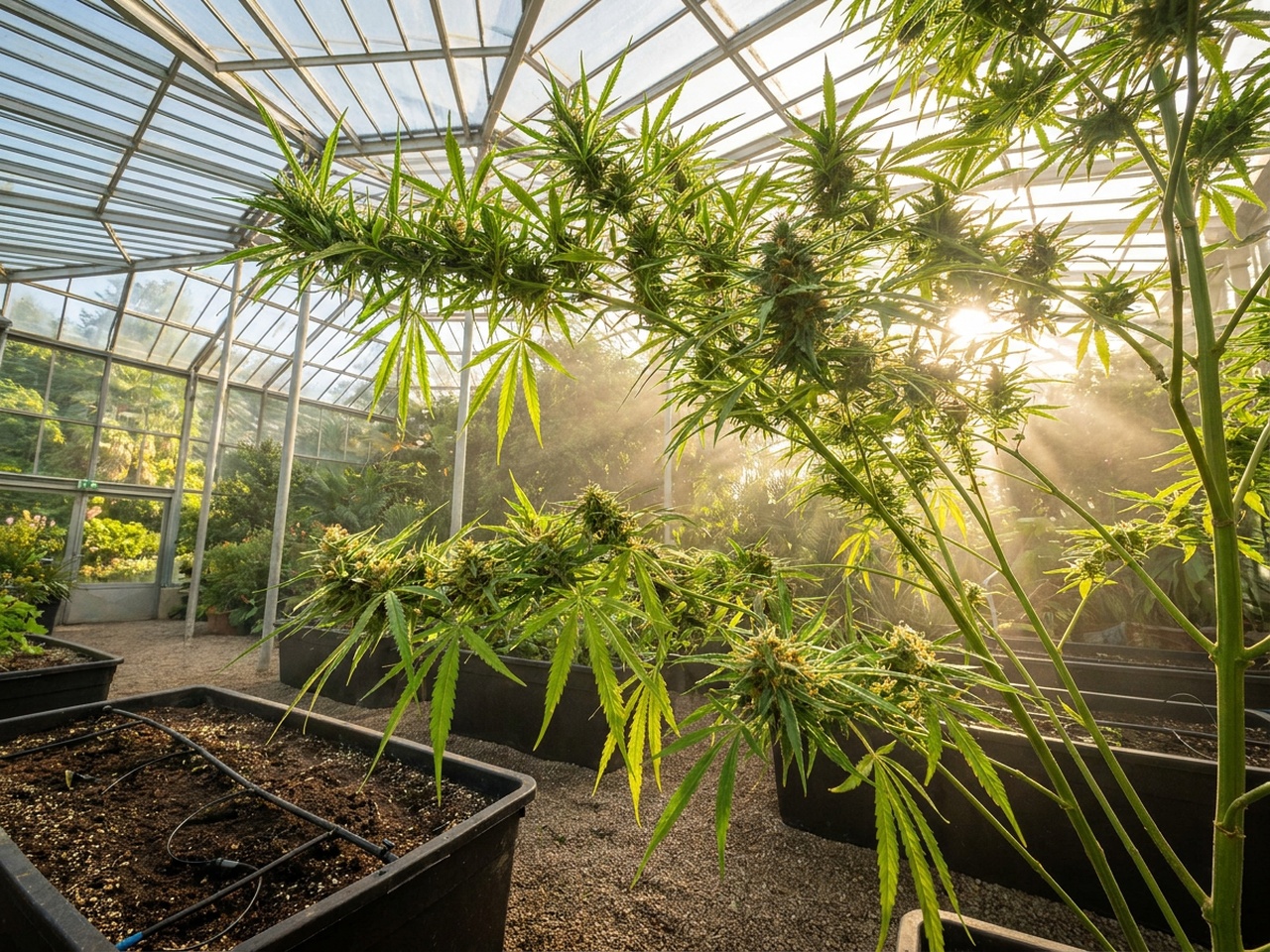
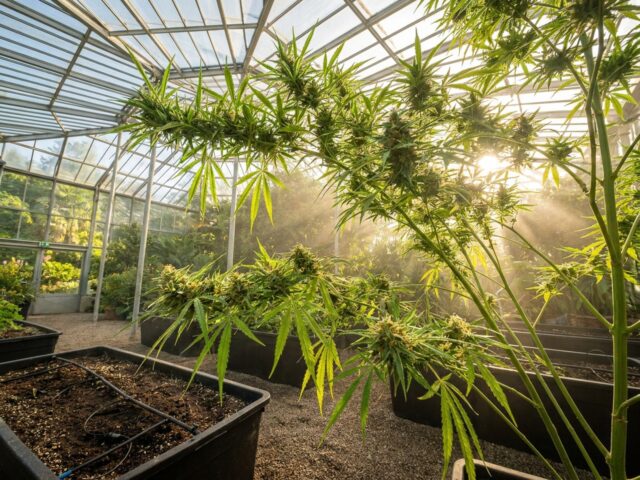
Plate I: High-altitude glasshouse photography of Cannabis sativa Desfrán showcasing candelabra branching and trichome-coated colas.
From an agronomic perspective, Desfrán is celebrated for its extraordinary vegetative vigor and phenomenal stretch capacity, routinely expanding by 300% to 400% during the initial three weeks of floral induction. This explosive vertical velocity demands deliberate canopy management, such as the Screen of Green (SCROG) technique or rapid flowering induction from rooted cutting. In return, Desfrán rewards the cultivator with massive, dense, aerated foxtail colas possessing an astonishing calyx-to-leaf ratio that renders manicuring virtually effortless. Having secured countless international awards across South America and Europe—including numerous 1st Prize triumphs at the Copa Del Plata, Masters Cup, and Champions Cup—Desfrán stands as an irreplaceable benchmark of pure sativa perfection.
| Taxonomic & Horticultural Metric | Empirical Specification & Agronomic Standard | Methodological Notes & Botanical Reference |
|---|---|---|
| Botanical Classification | Cannabis sativa L. subsp. sativa (100% Pure Sativa) | Zero indica heritage; stabilized South American landrace inbred line |
| Cultivar Designation | Desfrán (Catalog Code: DES-DP-2014) | Bred by Alberto (Argentina); stabilized with Dutch Passion Amsterdam |
| Parentage / Lineage | Destroyer × Destroyer (Inbred Line) | Destroyer = (Mexican Oaxaca × Colombian Punto Rojo) × Meao Thai |
| Chemotypic Classification | Chemotype I (High THC / Low CBD) | THC:CBD ratio exceeding 100:1; notable THCV synthesis |
| Total Cannabinoid Potential | 22.0% – 28.5% Total Cannabinoids (THC: 20.0% – 26.0%) | Championship-grade cannabinoid accumulation under optimal PPFD |
| Dominant Terpene Fraction | Terpinolene, Limonene, α-Pinene, β-Caryophyllene | Total volatile terpene content: 2.4% – 3.6% dry flower mass |
| Floral Photoperiod Duration | 9.0 – 10.0 Weeks (63 – 70 Days indoors) | Remarkably rapid maturation for a 100% pure equatorial sativa |
| Outdoor Harvest Window | Late October to Early November (Northern Hemisphere) | Late April to Early May (Southern Hemisphere) |
| Pre-Flower Stretch Dynamic | 300% – 400% Vertical & Lateral Elongation | Astronomical vegetative stretch; requires SCROG or direct 12/12 from clone |
| Calyx-to-Leaf Ratio | Extremely High (85:15 Calyx-to-Leaf Proportion) | Open spiraling foxtails with minimal manicuring leaf material |
| Morphological Height Range | 1.8 – 2.5 meters (Indoor) | 3.0 – 4.0+ meters (Outdoor) | Monumental vertical scale when root zone volume is unrestricted |
| Biological Biomass Yield | 500 – 600 g/m² (Indoor SCROG) | 750 – 1,500+ g/plant (Outdoor) | Massive production potential across expansive, well-trained canopies |
Section 2: Historical Provenance, Breeding Pedigree & Genetic Heritage
The botanical lineage of Desfrán constitutes one of the most compelling preservation and selective breeding narratives in modern cannabis history. In an era where true landrace genetics have been widely diluted by repetitive polyhybrid backcrossing, Desfrán represents an unadulterated genetic conduit to three of the most legendary, geographically distinct equatorial sativa landraces on Earth: the high-altitude forests of Oaxaca, Mexico; the misty mountain valleys of Meao Thai, Thailand; and the rugged cordilleras of Punto Rojo, Colombia.
The foundation of Desfrán rests upon Destroyer, an extraordinary pure sativa cross originally developed by the pioneering Spanish seed collective Cannabiogen under the guidance of master breeder Kaiki. Cannabiogen’s mission with Destroyer was to tame the wild, untamable growth habits and prolonged 14-to-16-week flowering cycle of highland Thai landraces without introducing any indica genetics that would dull the crystal-clear, psychedelic sativa high. Kaiki achieved this by hybridizing a pristine female selection of Meao Thai with an already stabilized, faster-flowering Central/South American heirloom cross of Mexican Oaxaca (collected from the Sierra Madre mountains in the late 1970s) and Colombian Punto Rojo (the historic ‘Red Point’ landrace famed for its vibrant crimson stigmas and soaring psychoactive ceiling). The resulting Destroyer hybrid succeeded in condensing the flowering cycle down to roughly 10 weeks while maintaining an exhilarating 100% sativa genetic architecture.
In the late 2000s, legendary Argentine cannabis pioneer, horticultural writer, and master breeder Alberto (internationally recognized as ‘Alberto de Argentina’) acquired authentic Destroyer accessions. In the diverse microclimates of Argentina, Alberto recognized that within Destroyer’s diverse gene pool lay a truly transcendent phenotype—one that possessed an unprecedented concentration of sweet green apple and ripe pear monoterpenes, monumental resin production, an exceptional calyx-to-leaf ratio, and the capability of finishing in as few as 9 to 10 weeks under standard indoor lighting or mild Mediterranean/subtropical outdoor regimes.
Alberto embarked on an intense, multi-generational selective breeding program, inbreeding the finest Destroyer candidates across successive filial generations (Destroyer × Destroyer). He applied ruthless selection pressure, discarding any individuals exhibiting hermaphroditic instability, sluggish resin synthesis, or excessive vegetative foliage. The stabilized cultivar he created was named Desfrán—a portmanteau and affectionate tribute honoring his close personal friend and botanical collaborator Destéfano (‘Des’) and the Argentine cannabis pioneer Franco (‘Frán’).
Upon its introduction to the competitive South American cannabis circuit, Desfrán achieved a legendary status that has rarely been matched in the continent’s history. Over a three-year span, Alberto’s Desfrán captured an astonishing string of championship titles:
- 1st Prize Outdoor: Copa Del Plata 2009
- 1st Prize: Masters Cup 2011
- 1st Prize Indoor: Copa Del Plata 2011
- 1st Prize: Copa Champions Cup 2011
- 1st Prize: Copa de la Sierra 2011
- 1st Prize: Copa Cannabiscafé 2011
- 1st Prize: Copa Del Mar 2011
- 2nd Prize Indoor: Copa Masters 2011
Following this unprecedented clean sweep of South American cannabis cups, Henk van Dalen and the breeding directors at Dutch Passion in Amsterdam established a formal botanical partnership with Alberto. Recognizing that European cultivators had long been deprived of authentic, unhybridized pure sativas that could actually be finished successfully in modern indoor grow rooms, Dutch Passion collaborated with Alberto to stabilize feminized and regular seed lines of Desfrán. The release made Alberto’s South American masterpiece accessible to international horticulturists, immediately earning Desfrán a reputation as one of the most potent, aromatic, and invigorating pure sativas ever cataloged.
| Ancestral Cultivar / Landrace | Geographic & Ecological Origin | Key Botanical & Chemical Contribution | Genetic Share (%) | Allelic Stability & Inheritance |
|---|---|---|---|---|
| Destroyer (Inbred Line) | Spain & Argentina (Cannabiogen / Alberto) | Immediate parental core; high calyx-to-leaf ratio, 9–10 week sativa photoperiod, green apple esters | 100% (Direct Parental Cross) | Successively inbred line (IBL); fixes rapid floral initiation and massive stretch dynamics |
| Meao Thai | Highlands of Northern Thailand (High-altitude jungle) | Soaring psychedelic high, explosive candelabra branching, extreme vertical stretch, woody spice terpenes | 50% (Ancestral Sativa Core) | Equatorial landrace; dominant contributor of vegetative velocity and prolonged psychoactive duration |
| Mexican Oaxaca | Sierra Madre del Sur, Oaxaca, Mexico | Crisp green apple and pear organoleptics, rapid sativa flowering response, crystal-clear cognitive stimulation | 25% (Ancestral Landrace) | Historic 1970s heirloom; responsible for reducing the Thai flowering window down to 9–10 weeks |
| Colombian Punto Rojo | Cordillera Central, Colombia (‘Red Point’ Landrace) | Crimson/copper stigmas, heavy resin gland density, high THC synthesis ceiling, euphoric physical lightness | 25% (Ancestral Landrace) | Ancient highland landrace; confers dense capitate-stalked trichome coverage and resistance to UV-B degradation |
Section 3: Botanical Architecture, Foliar Morphology & Inflorescence Development
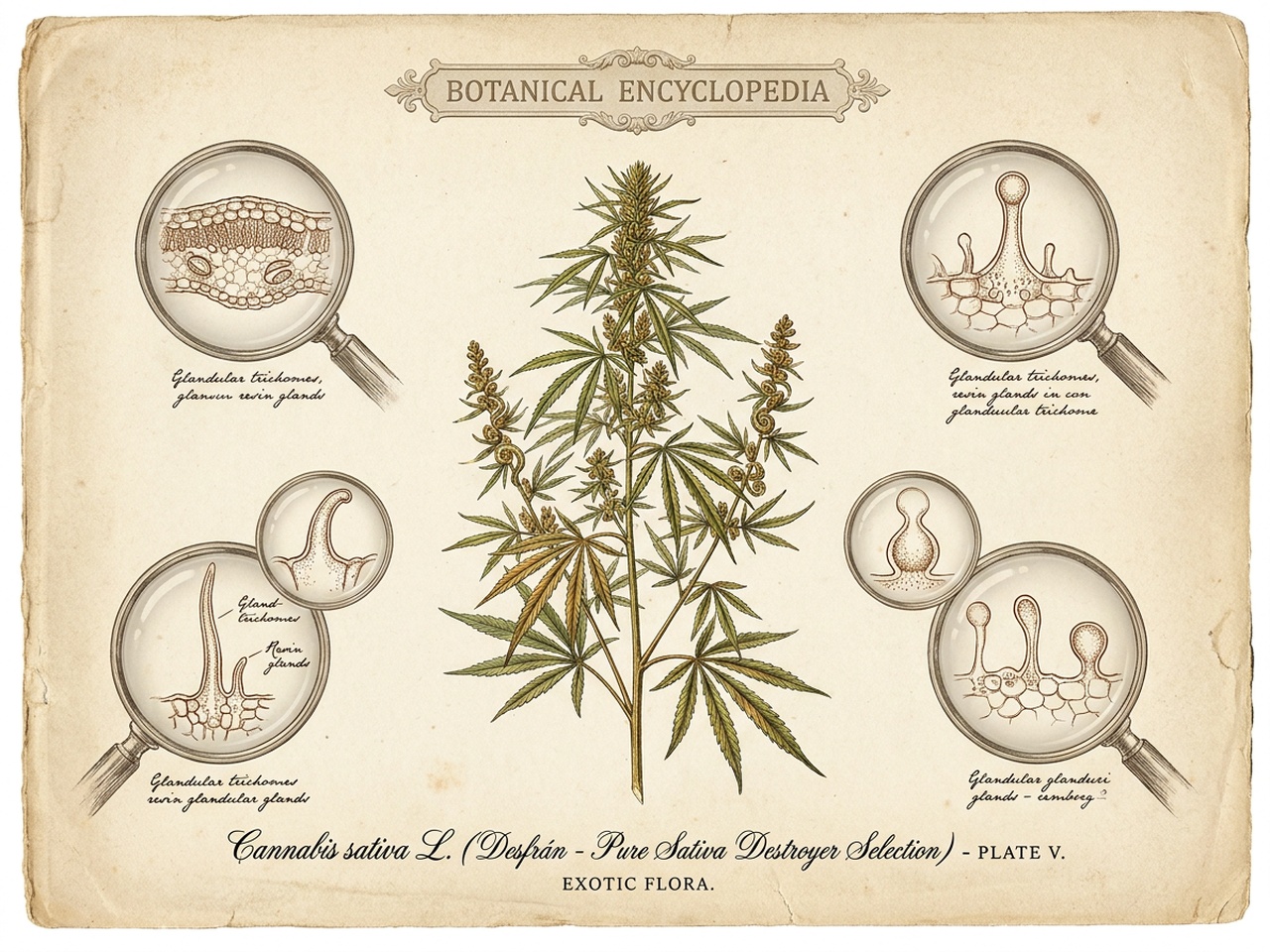
Plate II: 19th-century scientific chromolithograph taxonomic plate of Cannabis sativa Desfrán illustrating pure equatorial sativa morphology, 9–11 leaflet palmate foliage, candelabra branching, and spiraling foxtail floral bracts.
The botanical architecture of Desfrán represents an authentic, living archetype of equatorial Cannabis sativa L. subsp. sativa morphology. Unlike modern commercial polyhybrids that display dense, compact indica-influenced internodal spacing and broad fan leaves, Desfrán exhibits the soaring, unrestrained vegetative velocity and structural geometry developed over centuries of natural selection in tropical and subtropical latitudes. Plants develop an open, elegant candelabra frame characterized by dominant primary apical spires and long, flexible secondary and tertiary lateral branches that reach upward toward incident sunlight with exceptional vigor.
During the vegetative growth phase, internodal spacing ranges between 7.0 and 12.0 centimeters under high-intensity discharge or modern broad-spectrum LED fixtures. Stems are fibrous, slender, yet surprisingly resilient, possessing exceptional vascular xylem and phloem transport capacity capable of funneling immense volumes of water and mineral nutrients to the rapidly expanding canopy. Foliar morphology is strikingly distinct: fan leaves are exceptionally large, reaching diameters of 25 to 35 centimeters, and are composed of 9 to 11 long, slender, lanceolate leaflets with pronounced, needle-sharp serrations along their margins. The lamina is dark emerald to chartreuse green, displaying high stomatal density on the abaxial epidermis that enables astonishingly rapid transpiration rates when ambient temperatures, vapor pressure deficit (VPD), and photosynthetically active radiation (PAR) are maintained at optimal levels.
The transition from vegetative growth to floral photoperiod triggers one of the most dramatic developmental shifts observed in the genus Cannabis. Upon switching to a 12/12 light schedule, Desfrán undergoes an explosive pre-flower stretch dynamic of 300% to 400% over the initial 21 to 28 days. This monumental surge in vertical and lateral elongation is driven by rapid cellular division and gibberellin synthesis, an evolutionary adaptation inherited from its ancestral Mexican, Colombian, and Thai landraces designed to outcompete neighboring vegetation in dense tropical canopies. Without deliberate horticultural intervention—such as early trellising, apical topping, or supercropping—indoor specimens will rapidly outgrow vertical clearances, tripling or quadrupling in stature before vegetative elongation ceases around the fourth week of flowering.
The inflorescence morphology of Desfrán is equally remarkable. Unlike the dense, clustered, rock-hard golf-ball buds typical of Afghani indicas, Desfrán develops elongated, spiraling foxtail floral colas that can stretch continuously for 50 to 90 centimeters along mature terminal branches. The individual floral bracts (calyxes) are elongated, swollen, and stacked upon one another in loose, aerated spirals. This open, ventilated inflorescence architecture provides profound evolutionary and agronomic advantages: it facilitates unrestricted air circulation directly through the interior core of massive floral clusters, rendering Desfrán virtually immune to gray mold (Botrytis cinerea), powdery mildew (Podosphaera macularis), and localized moisture entrapment that frequently decimate dense commercial cultivars in humid greenhouse or outdoor environments.
Furthermore, Desfrán exhibits an extraordinarily high calyx-to-leaf ratio (approximately 85:15). As floral development matures through weeks 6 to 9, the plant expends virtually all of its metabolic reserves on bract enlargement and trichome biosynthesis, producing almost no internal trim leaves or dense foliage within the floral clusters. The colas consist almost entirely of swollen, resin-encrusted calyxes adorned with long, slender pistillate stigmas. Emerging initially as crystalline white and pale ivory strands, these stigmas transition during late maturation into vibrant fiery tangerine-copper and warm golden-amber hues that twist delicately across the frosty floral surfaces. When harvest arrives, manicuring Desfrán requires minimal effort, as the absence of intrusive sugar leaves allows manicurists to prepare immaculate, championship-grade floral clusters with swift precision.
On a micromorphological scale, the glandular trichome distribution across Desfrán floral biomass is exceptionally dense and uniform. While ancestral tropical sativas are sometimes stereotyped as producing sparse resin coverage, Alberto’s rigorous selective breeding of the Destroyer lineage successfully concentrated monumental trichome density across every floral bract, perigonal bract, and floral petiole. Scanning electron microscopy and high-magnification macro inspection reveal a predominant population of capitate-stalked glandular trichomes featuring robust, elevated multicellular stalks (150 to 250 µm in height) topped by swollen, spherical secretory heads measuring 70 to 90 µm in diameter. These elevated stalks lift the glandular heads away from the plant epidermis, maximizing air contact and creating a shimmering, diamond-like crystalline frost across the lime-green and pale chartreuse calyxes. Smaller populations of capitate-sessile and bulbous glandular trichomes populate the lower floral bract surfaces and petioles, functioning in tandem to synthesize and secrete Desfrán’s extraordinary monoterpene and cannabinoid reservoir.
Section 4: Phytochemical Profiling, Cannabinoid Speciation & Terpenoid Dynamics
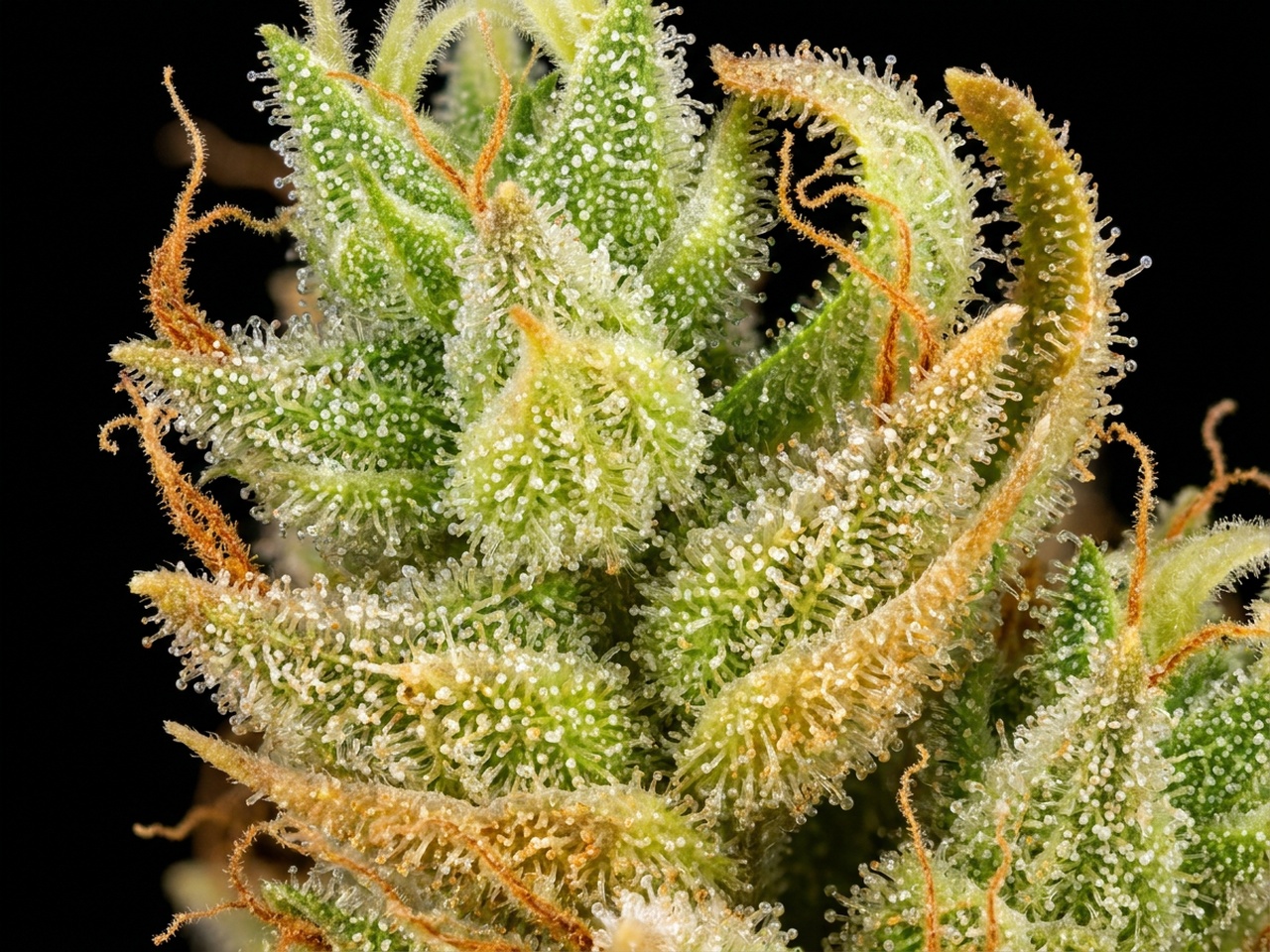
Plate III: Ultra-sharp extreme macro studio photograph of cured Desfrán calyx cluster showcasing dense capitate-stalked glandular trichomes, crystalline resin droplets, and copper pistils.
The phytochemical profile of Desfrán is a masterclass in equatorial secondary metabolite expression, characterized by high-potency Chemotype I cannabinoid synthesis and an invigorating, monoterpene-dominant essential oil profile. In expertly cultivated and properly cured floral biomass, total cannabinoid concentrations routinely range between 22.0% and 28.5% by dry weight, with active Delta-9-tetrahydrocannabinol (THC) accumulating between 20.0% and 26.0%. Cannabidiol (CBD) synthesis is almost completely suppressed (typically testing below 0.15%), yielding a remarkably elevated THC-to-CBD ratio exceeding 150:1. This pronounced chemical polarity explains why Desfrán delivers an unadulterated, soaring psychoactive ceiling completely free from the sedative, lethargic dampening effects associated with high-CBD or myrcene-heavy polyhybrids.
Beyond its primary THC payload, Desfrán is distinguished by clinically significant concentrations of minor and rare secondary cannabinoids inherited directly from its ancestral landrace gene pool. Foremost among these is tetrahydrocannabivarin (THCV), which accumulates between 0.3% and 0.7% in mature floral tissue. Inherited primarily from its Northern Thai (Meao Thai) and Mexican Oaxaca progenitors, THCV functions as a homologous pentyl-to-propyl alkyl chain variant of THC. Pharmacologically, THCV acts as a neutral antagonist or weak partial agonist at human CB1 cannabinoid receptors at modest physiological concentrations, blunting appetite stimulation (the classic ‘munchies’) while synergizing with THC to accelerate the rapid onset of psychoactivity and enhance sensory clarity. Furthermore, Desfrán consistently synthesizes elevated levels of cannabigerol (CBG 0.8%–1.4%), the non-psychoactive parent molecule that exerts pronounced alpha-2 adrenergic receptor agonism and 5-HT1A serotonergic modulation, alongside trace fractions of cannabichromene (CBC 0.3%–0.6%) and delta-8-THC (<0.05%).
The volatile terpene profile of Desfrán is extraordinary, constituting between 2.4% and 3.6% of total dry floral biomass. The essential oil spectrum is characterized by a high ratio of volatile monoterpenes to sesquiterpenes, explaining its explosive, room-filling aromatic throw upon breaking open cured floral clusters. Rather than the sedating, earthy beta-myrcene profile prevalent in modern commercial hybrids, Desfrán’s terpene hierarchy is dominated by an invigorating synergy of terpinolene, D-limonene, alpha-pinene, and beta-caryophyllene.
Terpinolene represents the primary chemical signature of Desfrán, typically constituting 30% to 42% of the total terpene fraction (0.7% to 1.2% by dry weight). Unlike many terpenes that are ubiquitous across diverse botanical families, terpinolene is relatively rare in high concentrations across the cannabis genus, found primarily in elite Jack Herer, Haze, and authentic South American landrace lines. It imparts a multidimensional aroma featuring fresh pine, wild herbs, crisp floral citrus, and sweet tropical undertones. While terpinolene exhibits mild sedative properties when administered in pure, isolated murine models, in the synergistic presence of high THC and pinene it generates an electrifying, hyper-lucid cerebral excitation that elevates mental focus and sensory perception.
D-Limonene (0.5% to 0.9%) serves as the secondary dominant monoterpene, contributing bright, sparkling top notes of ripe citrus zest, lemon-lime, and sweet confectionary candy. Limonene rapidly crosses the blood-brain barrier, modulating neurotransmission by facilitating dopamine and serotonin release, thereby underpinning the profound mood-elevating and anti-depressive properties of Desfrán. Working in tandem is alpha-pinene and beta-pinene (0.4% to 0.7% combined), delivering sharp, crisp resinous pine needles, rosemary, and eucalyptus aromatics. Alpha-pinene is of paramount neurochemical significance: it functions as a potent biological inhibitor of acetylcholinesterase, the enzyme responsible for breaking down the crucial neurotransmitter acetylcholine. By preserving synaptic acetylcholine concentrations, alpha-pinene actively counters THC-induced short-term memory deficits, allowing consumers to experience profound psychoactive euphoria while retaining exceptional mental lucidity, verbal fluency, and organizational recall.
The sesquiterpene fraction is anchored by beta-caryophyllene (0.3% to 0.6%), which imparts a delicate undercurrent of cracked black pepper, dry cedarwood, and sweet baking spice. Beta-caryophyllene is unique among dietary terpenes in its capacity to function as a full functional agonist at mammalian peripheral CB2 cannabinoid receptors, exerting potent anti-inflammatory and analgesic effects without any psychotropic liability. Minor supporting fractions of beta-myrcene (0.2% to 0.5%), trans-ocimene (0.1% to 0.3%), alpha-humulene (0.1% to 0.2%), and linalool (0.05% to 0.15%) complete this rich chemical tapestry, establishing a harmonious, highly sophisticated entourage effect.
| Phytochemical Compound | Chemical Class & Structure | Quantitative Range (% Dry Weight) | Volatilization Boiling Point | Primary Physiological Receptor & Biological Target |
|---|---|---|---|---|
| Δ&sup9;-Tetrahydrocannabinol (Δ&sup9;-THC) | Neutral Pentyl Phytocannabinoid | 20.0% – 26.0% | 157 °C (315 °F) | Partial agonist at CB1 (CNS) and CB2 receptors; soaring cerebral euphoria |
| Tetrahydrocannabivarin (THCV) | Propyl-Homolog Phytocannabinoid | 0.3% – 0.7% | 220 °C (428 °F) | CB1 neutral antagonist/partial agonist; appetite regulation, glycemic modulation |
| Cannabigerol (CBG) | Non-Psychoactive Phytocannabinoid | 0.8% – 1.4% | 165 °C (329 °F) | α&sub2;-adrenergic receptor agonist, 5-HT1A antagonist; neuroprotection, ocular relief |
| Cannabichromene (CBC) | Non-Psychoactive Phytocannabinoid | 0.3% – 0.6% | 220 °C (428 °F) | TRPA1 cation channel agonist; synergy with THC for elevated neurogenesis |
| Cannabidiol (CBD) | Non-Psychoactive Phytocannabinoid | < 0.15% | 180 °C (356 °F) | Negative allosteric modulator at CB1; minimal interference with pure sativa ceiling |
| Terpinolene | Monocyclic Monoterpene Hydrocarbon | 0.7% – 1.2% (30–42% of total) | 186 °C (367 °F) | Antioxidant, antiproliferative; central nervous system stimulant in presence of THC |
| D-Limonene | Cyclic Monoterpene Hydrocarbon | 0.5% – 0.9% (20–28% of total) | 176 °C (349 °F) | 5-HT1A serotonergic stimulation, dopamine turnover; anxiolytic, elevation of mood |
| α-Pinene & β-Pinene | Bicyclic Monoterpene Hydrocarbons | 0.4% – 0.7% (15–22% of total) | 156 °C – 166 °C (313–331 °F) | Acetylcholinesterase inhibition; bronchodilation, cognitive clarity, memory preservation |
| β-Caryophyllene | Bicyclic Sesquiterpene Hydrocarbon | 0.3% – 0.6% (10–16% of total) | 130 °C (266 °F) | Selective full agonist at CB2 receptors; peripheral anti-inflammatory and analgesic |
| β-Myrcene | Acyclic Monoterpene Hydrocarbon | 0.2% – 0.5% (6–12% of total) | 168 °C (334 °F) | Blood-brain barrier permeability enhancement; somatic relaxation without heavy couch-lock |
Section 5: Sensory Profile, Organoleptic Analysis & Vaporization Kinetics
The sensory profile of Desfrán is celebrated as one of the most distinctive, exquisite, and refreshing organoleptic experiences in the entire contemporary cannabis lexicon. While the vast majority of modern polyhybrids exude pungent diesel fuel, sour chemical garlic, or artificial candy terpenes, Desfrán delivers an unmistakably crisp, natural, orchard-fresh bouquet that instantly captivates the olfactory senses. Alberto’s multi-generational selective breeding of the Destroyer gene pool fixed an extraordinary accumulation of volatile fruit esters—predominantly hexyl acetate, ethyl butyrate, and ethyl 2-methylbutyrate—which synthesize in harmony with monoterpenes to create an aromatic profile dominated by crisp green Granny Smith apples, sweet ripe pears, honeydew melon, rich sweet caramel, and alpine pine resin.
Upon inspecting a cured glass jar of Desfrán, the initial dry olfactory impression is remarkably bright, vibrant, and uplifting. The top notes burst forward with the unmistakable crispness of tart green apples freshly sliced in an autumn orchard, seamlessly interwoven with the juicy, honeyed sweetness of ripe Bartlett pears. As the floral clusters are gently aerated, secondary aromatic layers emerge: subtle floral overtones reminiscent of jasmine blossoms, freshly crushed eucalyptus leaves, and crystalline pine sap. When the cured foxtails are broken apart or passed through a precision grinder, the rupture of thousands of swollen glandular trichome heads unleashes a profound sensory transformation. An intensely sweet, rich aroma reminiscent of artisanal cooked caramel, toasted brown sugar, and sweet tropical fruit punch rushes forth, grounded by a subtle, pungent, peppery-wood spice that betrays its ancient Colombian and Mexican ancestry.
When consumed via traditional combustion, Desfrán yields an impeccably clean, velvety, expansive white smoke that glides effortlessly across the palate. On the initial inhalation, the palate is immediately coated with crisp, tart green apple acidity and sweet pear nectar, accompanied by a cooling sensation on the soft palate courtesy of high alpha-pinene concentrations. The smoke expands gently in the chest without provoking harsh bronchial coughing or acrid throat irritation. Upon exhalation, the tart fruit characteristics evolve into a long-lasting, confectionary finish of creamy sweet caramel, toasted hazelnuts, and fragrant cedarwood that lingers pleasantly on the taste buds for several minutes.
To truly unlock the exquisite nuances of Desfrán’s delicate phytochemical spectrum, precision thermal vaporization is the preferred modality. Because different monoterpenes, sesquiterpenes, and cannabinoids possess distinct boiling points and degradation thresholds, stepping through temperature tiers provides a multi-stage sensory journey:
- Tier 1: Delicate Terpene Activation (155 °C – 165 °C / 311 °F – 329 °F)
At this introductory temperature range, alpha-pinene, beta-pinene, beta-caryophyllene, and light volatile fruit esters volatilize in their purest, unadulterated state. The vapor is remarkably smooth, thin, and aromatic, delivering an explosion of tart green apple juice, crisp pear flesh, and sparkling pine needles. Psychoactive onset at this tier is exceptionally gentle and clear-headed, stimulating immediate mental clarity, ocular brightness, and creative brainstorming without any perceptible somatic heaviness or heart flutter. - Tier 2: Core Cannabinoid & Monoterpene Volatilization (175 °C – 185 °C / 347 °F – 365 °F)
Stepping the vaporizer into the 175°C to 185°C corridor activates the primary boiling points of Delta-9-THC, terpinolene, D-limonene, and beta-myrcene. The vapor becomes noticeably denser, richer, and more full-bodied. The flavor profile broadens into lush tropical fruit punch, ripe honeydew melon, and sweet caramel candy. This temperature tier unleashes the full, exhilarating psychoactive surge of Desfrán: a powerful wave of euphoric cerebral energy sweeps through the prefrontal cortex, heightening sensory perception, music appreciation, and verbal flow, while instilling a radiant sense of optimism. - Tier 3: High-Boiling Cannabinoid Extraction & Deep Sesquiterpenes (195 °C – 205 °C / 383 °F – 401 °F)
Approaching the upper limit of non-combustive vaporization releases high-boiling secondary cannabinoids, specifically THCV (220°C boiling point threshold) and cannabichromene (CBC), alongside humulene, linalool, and trace sesquiterpenes. The vapor becomes thick, warm, and expansive, carrying deeper woody, herbal, and toasted caramel notes with a spicy, peppered exhale. At this level, the full psychedelic depth of Desfrán’s pure sativa lineage is unlocked: an intense, soaring, panoramic psychoactive experience that feels almost visual in its clarity, accompanied by a weightless, buoyant somatic sensation that leaves the user energised, invigorated, and motivated.
Section 6: Neuropharmacological Mechanics & Clinical Applications
The neuropharmacological mechanics of Desfrán represent an extraordinary demonstration of unadulterated 100% pure sativa receptor dynamics. In the mammalian central nervous system, Delta-9-THC acts as a high-affinity partial agonist at human cannabinoid type-1 (CB1) receptors, which are densely populated across the prefrontal cortex, basal ganglia, hippocampus, and cerebellum. In typical modern commercial hybrids, this primary psychoactive signaling is profoundly modified, dampened, and sedated by elevated concentrations of beta-myrcene (which promotes muscle flaccidity and sedation), cannabidiol (CBD, a negative allosteric modulator), or linalool. In Desfrán, however, the near-complete absence of CBD (<0.15%), combined with an overwhelmingly monoterpene-dominant profile driven by terpinolene, limonene, and pinene, permits unrestrained CB1 signaling that manifests as a soaring, electric, and exceptionally lucid cerebral state.
Crucially, Desfrán’s unique chemical profile engages secondary neurochemical cascades that distinguish it from anxiety-inducing sativas. The high concentration of alpha-pinene plays a pivotal neuroprotective and cognitive role: by functioning as a natural, blood-brain-barrier-permeable inhibitor of acetylcholinesterase, alpha-pinene slows the enzymatic breakdown of acetylcholine in cerebral synapses. Acetylcholine is the primary neurotransmitter governing memory formation, attentional focus, and information encoding. By preserving synaptic acetylcholine availability, alpha-pinene actively mitigates the transient short-term memory deficits and cognitive scatter frequently induced by high doses of THC, enabling users to maintain sharp intellectual acuity, articulate verbal fluidity, and executive focus while under the influence of 20% to 26% THC.
Furthermore, the presence of THCV (0.3%–0.7%) introduces fascinating metabolic and neuroendocrine dynamics. While classic THC agonism at hypothalamic CB1 receptors stimulates ghrelin secretion and triggers the ravenous appetite colloquially termed ‘the munchies’, THCV acts at low-to-moderate doses as a neutral CB1 antagonist or inverse agonist, blocking the orexigenic cascade and suppressing appetite. Research in metabolic pharmacology has demonstrated that THCV enhances insulin sensitivity, promotes glycemic regulation, and upregulates resting energy expenditure, making Desfrán an exceptional choice for patients and consumers seeking daytime symptom relief without unwanted binge eating or metabolic sluggishness.
Simultaneously, the elevated fraction of D-limonene interacts with 5-HT1A serotonergic receptors and stimulates dopamine release within the mesolimbic pathway, delivering a robust, fast-acting antidepressant effect. Patients and therapeutic consumers consistently report an immediate lifting of cognitive dysphoria, the dissolution of depressive rumination, and the restoration of intrinsic motivation. Somatically, beta-caryophyllene selectively targets peripheral CB2 receptors located on immune cells and vascular endothelium, downregulating pro-inflammatory cytokine expression (TNF-alpha, IL-1beta, IL-6) and dampening neuropathic pain pathways without generating any central nervous system lethargy.
| Clinical Indication & Target Pathology | Primary Pharmacological Target | Underlying Physiological Mechanism | Clinical Efficacy Rating | Recommended Administration & Dosage Protocol |
|---|---|---|---|---|
| Chronic Fatigue & Lethargy | Central CB1 & D2 Dopamine Receptors | Cerebral stimulation via terpinolene/limonene; elevation of energetic motivation without tachycardia | Exceptional (Grade A) | Morning/daytime vaporization (175 °C – 185 °C); 1–2 microdoses (5–10 mg THC) |
| Depression & Anhedonia | 5-HT1A Serotonergic & Mesolimbic Dopaminergic Pathways | Limonene-driven serotonergic modulation; rapid disruption of negative cognitive rumination loops | Very High (Grade A-) | Daytime inhalation or low-dose oral tincture; structured creative or social activity |
| ADHD & Executive Dysfunction | Prefrontal Acetylcholinesterase & D1 Receptors | α-Pinene preserves synaptic acetylcholine; enhanced task persistence and divergent creative flow | High (Grade B+) | Low-temperature vaporization (160 °C – 170 °C); single inhalation repeated every 90 minutes |
| Metabolic Dysregulation / Obesity | Hypothalamic CB1 Receptors & Insulin Signaling | THCV antagonism at CB1 blocks orexigenic appetite signals; upregulation of resting metabolic expenditure | Moderate to High (Grade B) | High-temperature vaporization (195 °C – 205 °C) to fully volatilize THCV fraction |
| Migraine & Tension Headache | Trigeminovascular Complex & CB2 Endothelium | β-Caryophyllene anti-inflammatory cascade; cerebral vasodilation modulation and neurogenic analgesia | High (Grade B+) | Immediate inhalation at prodrome symptom onset; 2–3 deep vapor inhalations |
| Ocular Hypertension / Glaucoma | Ciliary Body CB1 & α&sub2;-Adrenergic Receptors | CBG and THC synergy facilitates aqueous humor outflow, reducing intraocular pressure (IOP) | Moderate (Grade B) | Regular 3–4 hour daytime vaporization schedule under clinical ophthalmologic monitoring |
Section 7: Horticultural Cultivation Protocol & Environmental Dynamics
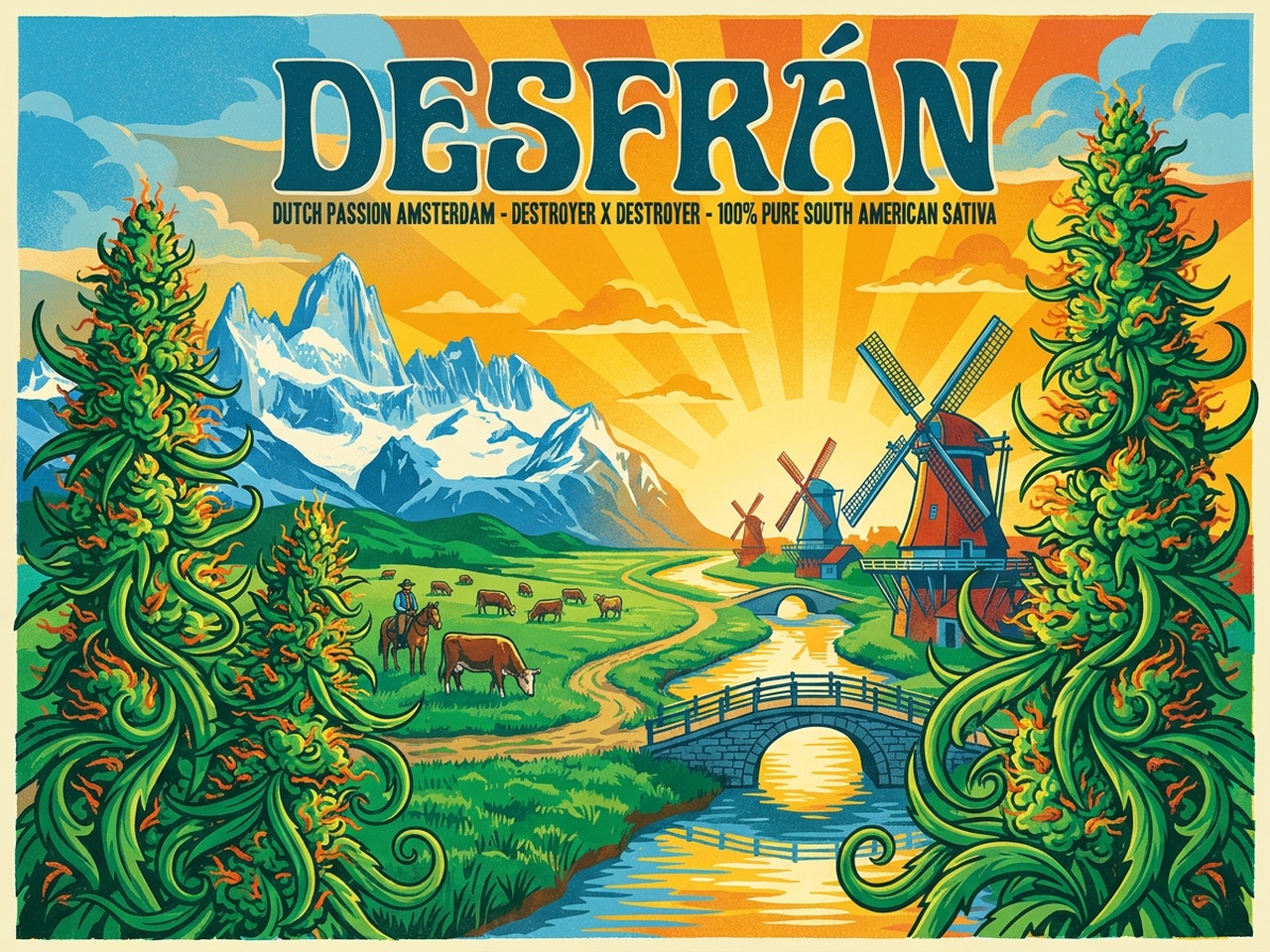
Plate IV: Vintage silkscreen poster art celebrating Desfrán, Argentine cannabis pioneer Alberto, the legendary Destroyer lineage, and Dutch Passion Amsterdam.
Cultivating Desfrán is a master-level horticultural journey that demands a nuanced understanding of equatorial sativa physiology. While modern polyhybrids forgive rigid, standardized feeding schedules and passive canopy management, Desfrán possesses the wild, uninhibited genetic vigor of its Mexican, Colombian, and Thai ancestors. In the hands of an attentive, knowledgeable cultivator, however, Desfrán rewards the garden with monumental yields of connoisseur-grade floral biomass and one of the most rewarding canopy architectures in the botanical world.
The single most crucial agronomic consideration when growing Desfrán indoors is its astronomical pre-flower stretch dynamic of 300% to 400%. When photoperiod induction is initiated, vegetative elongation accelerates dramatically. If plants are allowed to vegetate for four to six weeks like typical hybrids, they will easily reach 2.5 to 3.5 meters in height, rapidly overwhelming indoor grow tents and scorching against lighting fixtures. Master cultivators employ two proven strategies to manage this explosive vigor:
- Strategy A: The Screen of Green (SCROG) System: Plants are given 2 to 3 weeks of vegetative growth, during which they are topped at the 4th or 5th node to break apical dominance and encourage vigorous secondary lateral branching. A heavy-duty horticultural trellis net is installed 30 to 45 centimeters above the substrate. As branches elongate during the initial 28 days of flowering, they are systematically woven horizontally beneath the screen, filling every square inch of the canopy before terminal shoots are permitted to grow vertically through the mesh. This creates a vast, uniform sea of towering, trichome-encrusted foxtails.
- Strategy B: Direct 12/12 Photoperiod from Rooted Clone (SOG): In commercial multi-tier or high-density setups, rooted cuttings of Desfrán are given only 3 to 7 days of root establishment before being flipped immediately to a 12/12 flowering light cycle. Even with zero conventional vegetative time, clones will stretch into magnificent, 80-to-120-centimeter single-cola spears with robust lateral branching, producing 40 to 60 grams per plant of pristine floral biomass with optimal space utilization.
From a nutritional standpoint, Desfrán requires a light, delicate hand. Pure landrace-derived sativas have evolved in nutrient-sparse, weathered tropical soils and exhibit extreme sensitivity to excess nitrogen, particularly during floral development. Providing standard commercial feeding concentrations will lead to severe nitrogen toxicity, manifested by dark clawed foliage, prolonged flowering delays, and a harsh, metallic smoke. The electrical conductivity (EC) of nutrient solutions should be maintained strictly between 1.1 and 1.4 mS/cm during vegetative growth, peaking at no more than 1.5 to 1.7 mS/cm during peak floral bulk in weeks 5 to 7. Nitrogen inputs must be tapered aggressively by the third week of flowering, transitioning toward bioavailable phosphorus, potassium, and abundant micronutrients—specifically calcium, magnesium, and sulfur—to support the rapid expansion of swollen floral calyxes.
Environmental setpoints must reflect its high-altitude, subtropical equatorial ancestry. Desfrán thrives under warm ambient temperatures: daytime temperatures of 25 °C to 29 °C (77 °F to 84 °F) and nighttime temperatures of 20 °C to 23 °C (68 °F to 73 °F) are ideal. If supplemental carbon dioxide (CO2) is administered at 1,000 to 1,400 ppm, daytime temperatures can safely rise to 30°C to 31°C under high photosynthetic photon flux density (PPFD 900 to 1,200 µmol/m²/s), driving explosive metabolic synthesis. Relative humidity (RH) should be maintained around 65% in early bloom (VPD ~1.1 kPa), gradually stepping down to 45%–50% during weeks 8 to 10 (VPD ~1.4–1.6 kPa). Because Desfrán possesses an open, aerated foxtail calyx structure, it boasts natural, built-in resistance to Botrytis cinerea (bud rot), making it far more resilient in high-humidity greenhouses than dense indica varieties.
| Horticultural Phase | Chronological Duration | Photoperiod & Light Regime | Day / Night Temperature | RH (%) & VPD (kPa) | Substrate EC (mS/cm) & pH | Agronomic Interventions & Training Actions |
|---|---|---|---|---|---|---|
| Clonal Rooting & Seedling | Days 1 – 12 | 18/6 (PPFD: 150–250 µmol/m²/s) | 24 °C / 21 °C (75 °F / 70 °F) | 75% – 80% (0.6–0.8 kPa) | EC: 0.6 – 0.8 | pH: 5.8 – 6.2 | Rapid rooting under humidity dome; gentle mycorrhizal inoculation |
| Vegetative Acceleration | Days 13 – 26 (1–2 Weeks Max) | 18/6 (PPFD: 400–600 µmol/m²/s) | 26 °C / 22 °C (79 °F / 72 °F) | 65% – 70% (0.9–1.1 kPa) | EC: 1.1 – 1.3 | pH: 6.0 – 6.4 | Apical topping at 4th node; install SCROG trellis net; limit veg duration |
| Floral Transition & Stretch | Weeks 1 – 3 (Days 27 – 47) | 12/12 (PPFD: 700–900 µmol/m²/s) | 27 °C / 22 °C (81 °F / 72 °F) | 60% – 65% (1.1–1.3 kPa) | EC: 1.3 – 1.5 | pH: 6.0 – 6.3 | Aggressive tucking beneath SCROG screen; manage 300–400% stretch; reduce N |
| Mid-Bloom Calyx Development | Weeks 4 – 6 (Days 48 – 68) | 12/12 (PPFD: 900–1100 µmol/m²/s) | 26 °C / 21 °C (79 °F / 70 °F) | 55% – 60% (1.2–1.4 kPa) | EC: 1.5 – 1.6 | pH: 6.1 – 6.4 | Peak P-K supplementation; defoliate lower shaded fan leaves; support spires |
| Late Inflorescence Swell | Weeks 7 – 8 (Days 69 – 82) | 12/12 (PPFD: 800–1000 µmol/m²/s) | 25 °C / 20 °C (77 °F / 68 °F) | 50% – 55% (1.3–1.5 kPa) | EC: 1.2 – 1.4 | pH: 6.2 – 6.5 | Monitor trichome gland clouding; foxtails stack densely; copper pistils appear |
| Ripening & Senescence Flush | Weeks 9 – 10 (Days 83 – 95) | 11/13 or 12/12 (PPFD: 600–750 µmol/m²/s) | 23 °C / 18 °C (73 °F / 64 °F) | 45% – 50% (1.4–1.6 kPa) | EC: 0.2 – 0.4 (RO Water) | pH: 6.2 | Full physiological flush; harvest when 90% trichomes are milky with 5% amber |
Section 8: Post-Harvest Processing, Comparative Benchmarking & Connoisseur Evaluation
The post-harvest handling of Desfrán requires specialized artisanal care to preserve the integrity of its fragile capitate-stalked glandular trichomes and capture its volatile fruit monoterpenes. Because Desfrán possesses an extraordinarily high calyx-to-leaf ratio and an open, spiraling foxtail inflorescence architecture, standard mechanical tumble trimmers must never be used. Mechanical trimming shears obliterate the elevated 150-to-250 µm trichome stalks and shatter swollen secretory heads, degrading the exquisite green-apple and sweet-caramel terpene profile before the flower reaches the curing vault.
Master cultivators mandate a whole-plant or large-branch hanging protocol in a strictly regulated dark drying environment. The ambient drying room parameters must adhere rigorously to the classical 60/60 standard: 60 °F (15.5 °C) ambient temperature and 60% relative humidity, backed by gentle, indirect laminar airflow that circulates air without blowing directly onto hanging branches. Because Desfrán colas are airy, resinous, and free of moisture-trapping internal leaf clusters, the moisture migration from the stem core to the bract surfaces proceeds in perfect equilibrium. The slow-drying phase should extend over 14 to 18 full days, until small lateral stems snap crisply rather than bending pliably, signaling that internal water activity (a_w) has stabilized between 0.60 and 0.62.
Once dried to specification, floral clusters undergo a meticulous dry manicure. Thanks to Desfrán’s 85:15 calyx-to-leaf ratio, manicuring is swift and non-invasive: trimmers simply clip the slender stems below each calyx cluster and remove the few protruding single-blade sugar leaves. The manicured foxtails are then sealed into airtight borosilicate glass curing vessels or food-grade stainless steel curing vaults at a temperature of 16°C to 18°C. During the initial two weeks of curing, containers are ‘burped’ daily for 15 to 20 minutes to exchange internal gases and vent accumulated chlorophyll vapors. By week three, burping is reduced to twice weekly, continuing through week six to eight. It is during this prolonged curing window that Desfrán’s magical enzymatic maturation occurs: residual harsh chlorophylls completely degrade, while volatile monoterpenes, sesquiterpenes, and fruit esters coalesce into the intoxicating, sweet green-apple, ripe pear, and toasted caramel bouquet that has won cups across two continents.
| Comparative Cultivar Metric | Desfrán (Destroyer IBL) | Original Haze | Neville’s Haze | Durban Poison | Power Plant | Ghost Train Haze #1 |
|---|---|---|---|---|---|---|
| Genetic Composition | 100% Pure Sativa (South American / Thai) | 100% Pure Sativa (4-Way Landrace) | 90% Sativa / 10% Indica | 100% Pure Sativa (South African) | 85% Sativa / 15% Indica (South African) | 80% Sativa / 20% Indica |
| Total THC Potential | 20.0% – 26.0% | 16.0% – 20.0% | 21.0% – 26.0% | 17.0% – 22.0% | 18.0% – 22.0% | 25.0% – 30.0% |
| Flowering Photoperiod | 9.0 – 10.0 Weeks | 14.0 – 18.0 Weeks | 12.0 – 14.0 Weeks | 8.5 – 9.5 Weeks | 8.0 – 9.0 Weeks | 9.5 – 11.0 Weeks |
| Pre-Flower Stretch Dynamic | 300% – 400% (Extreme) | 300% – 500% (Colossal) | 250% – 350% (Very High) | 200% – 250% (Moderate-High) | 150% – 200% (Moderate) | 200% – 300% (High) |
| Dominant Terpene Profile | Terpinolene, Limonene, α-Pinene | Terpinolene, Myrcene, β-Caryophyllene | Terpinolene, β-Caryophyllene, Myrcene | Terpinolene, α-Pinene, Myrcene | Myrcene, β-Caryophyllene, Pinene | Terpinolene, Limonene, Myrcene |
| Sensory Aroma & Taste | Green apple, sweet pear, caramel, pine | Church incense, sandalwood, cedar, citrus | Frankincense, leather, pine, bitter lemon | Sweet aniseed, licorice, clove, earthy | Earthy, peppery wood, herbal, sweet spice | Sour lemon, pungent pine, floral kerosene |
| Calyx-to-Leaf Ratio | Extremely High (85:15) | Moderate (65:35) | Moderate-High (70:30) | High (75:25) | High (80:20) | Very High (80:20) |
| Subjective Psychoactive Arc | Soaring, hyper-lucid, creative euphoria | Psychedelic, ethereal, soaring contemplation | Intense electric surge, cerebral rush | Clear, energetic, focused day elevation | Crisp, functional, uplifting social buzz | Near-psychedelic wallop, intense rush |
In the final connoisseur evaluation, Desfrán stands in a league of its own. It bridges the historical gap between ancient, untamable equatorial landraces and the practical demands of modern indoor and greenhouse cultivation. Where pure sativas of yesteryear required 16 to 20 weeks of delicate photoperiod control to produce wispy, leaf-laden buds, Alberto’s Desfrán finishes in an astounding 9 to 10 weeks, yielding dense, resin-encrusted foxtail colas that satisfy both the commercial scale and the most exacting sensory connoisseur.
For the botanical preservationist, the passionate home cultivator, and the medical patient seeking daytime clarity without chronic fatigue or cognitive fog, Desfrán is more than just another strain—it is an enduring masterpiece of South American breeding history, a celebration of pure sativa genetics, and a living testament to the visionary dedication of Alberto and Dutch Passion.
[wp_post_visit_card post_id=”1359″]
- Acapulco Gold
- ACDC Strain
- Amnesia Haze
- Amsterdam Amnesia
- Blue Dream Strain
- Brazilian Manga Rosa
- Cannabis sativa ‘Maui Wowie’
- Charlotte’s Web Strain
- Chiang Mai Highland Thai
- Chocolope
- Colombian Gold (Santa Marta)
- Congolese Red (Kivu Landrace)
- Desfrán
- Durban Dew
- Durban Poison
- Ethiopian Highland Landrace
- Euforia
- Freddy’s Best
- Ghost Train Haze #1
- Green Crack (Cush)
- Harlequin Strain
- Isan Sativa Landrace
- Jack Herer Strain
- Jamaican Lamb’s Bread (Lamb’s Breath)
- Jamaican Pearl
- Kalamata Red
- Kerala Gold (Idukki Gold)
- Kilimanjaro (Elephant Stomper)
- Koh Chang Thai
- Kona Gold
- Malawi Gold (Chamba)
- Manipuri Landrace
- Michoacan Brown/Green
- Molokai Frost
- Mother’s Milk (Mommy’s Milk) – Sativa-Dominant Hybrid Strain
- Neville’s Haze
- Oaxacan Gold
- Original Haze
- OutLaw
- Panama Red (Point Red)
- Power Plant
- Punto Rojo (Tierra Adentro)
- Punto Rojo (Tierra Adentro)
- Red Congolese
- Ringo’s Gift Strain
- Santa Marta Colombian Gold
- Santa Marta Colombian Sativa
- Shaman
- Silver Haze
- Sour Diesel
- Strawberry Cough
- Super Boof Strain
- Super Lemon Haze
- Super Silver Haze
- Swazi Gold
- Swazi Gold (Nguni)
- Tangie
- Thai Stick (Hang Karok / Squirrel Tail)
- Thai Tiger Tail (Hang Suea)
Ajarn Spencer Littlewood & Agent Gemini Unleashed for GanjaHouse.net
All rights reserved.