🎙️
Listen to the Scientific Monograph
Silver Haze: Botanical Architecture, Cannabinoid Pharmacology & Horticultural History
Professional narration synthesized via Ganja House neural acoustics engine (en-GB-RyanNeural). Duration: ~77 seconds.
1. Botanical Taxonomy & Naming Conventions
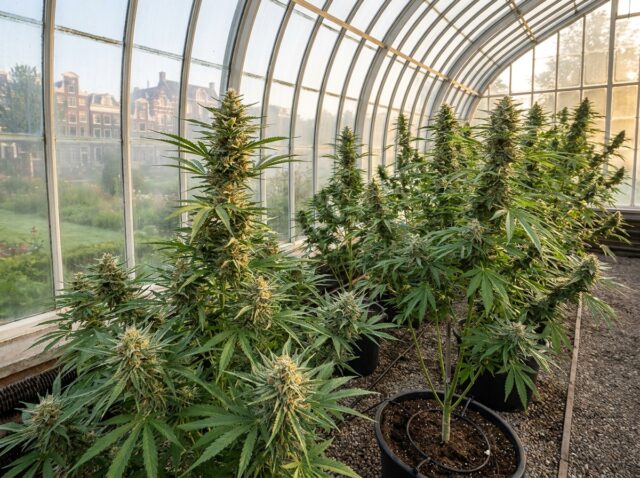
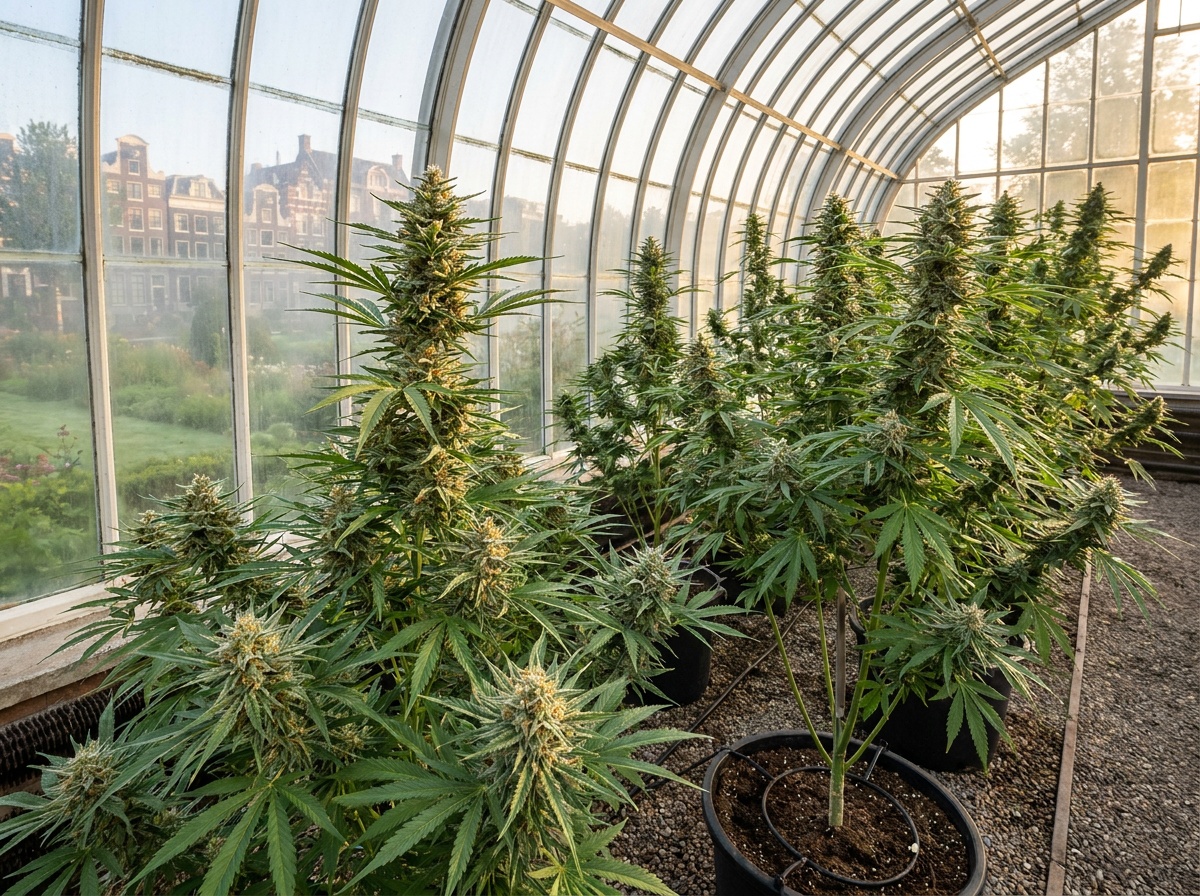
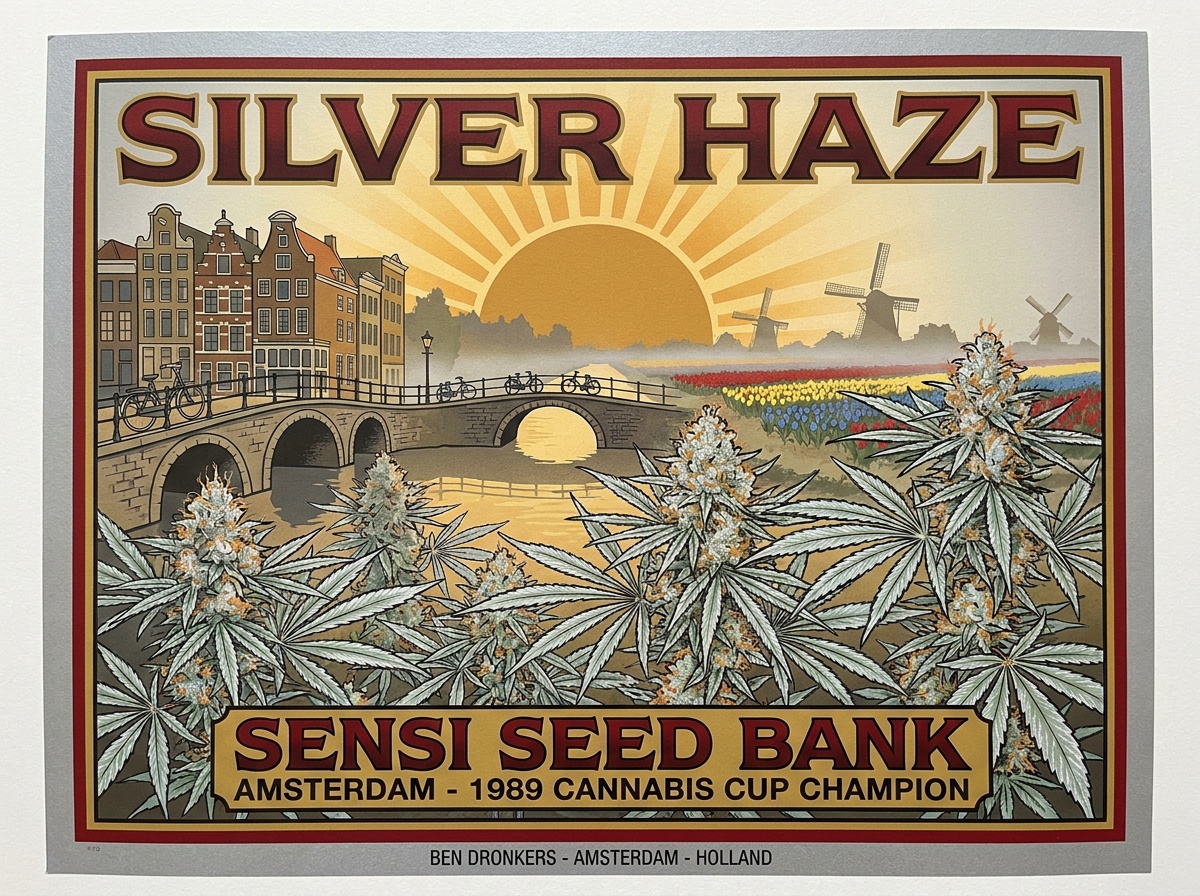
Within the rigorous taxonomic frameworks of modern cannabis systematics, Silver Haze is classified as an advanced, stabilized sativa-dominant polyhybrid (Cannabis sativa L. subsp. sativa × Cannabis sativa subsp. indica). Developed during the golden era of Dutch indoor horticultural innovation in the late 1980s by the master breeding collective at Sensi Seeds in Amsterdam, Silver Haze represents a historic breakthrough in cannabis genetics. By hybridizing the legendary, sprawling equatorial polyhybrid Original Haze with the compact, resin-dense Northern Lights #5, Sensi Seeds achieved what was previously considered biologically improbable: compressing the soaring, psychedelic cerebral velocity of pure tropical sativas into an indoor-viable botanical architecture with a shortened flowering cycle and unprecedented glandular trichome density.
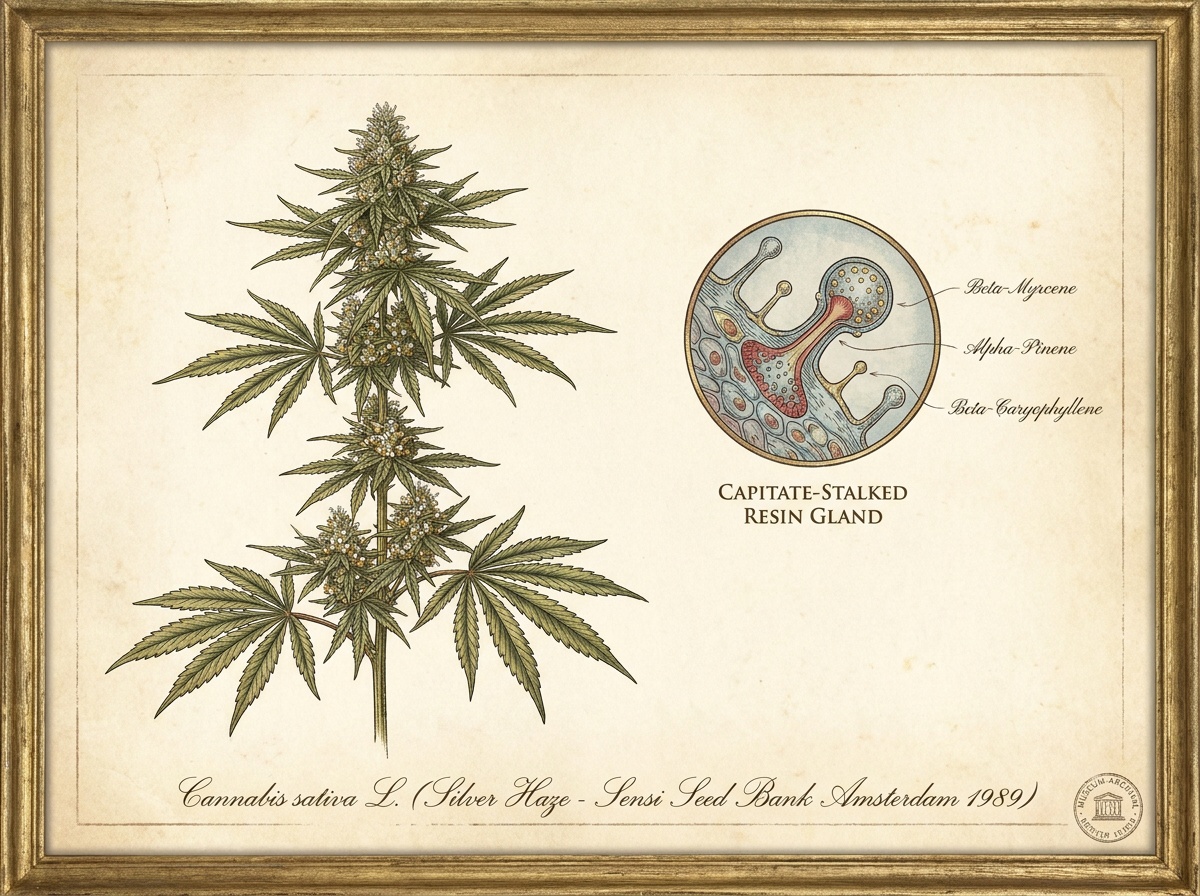
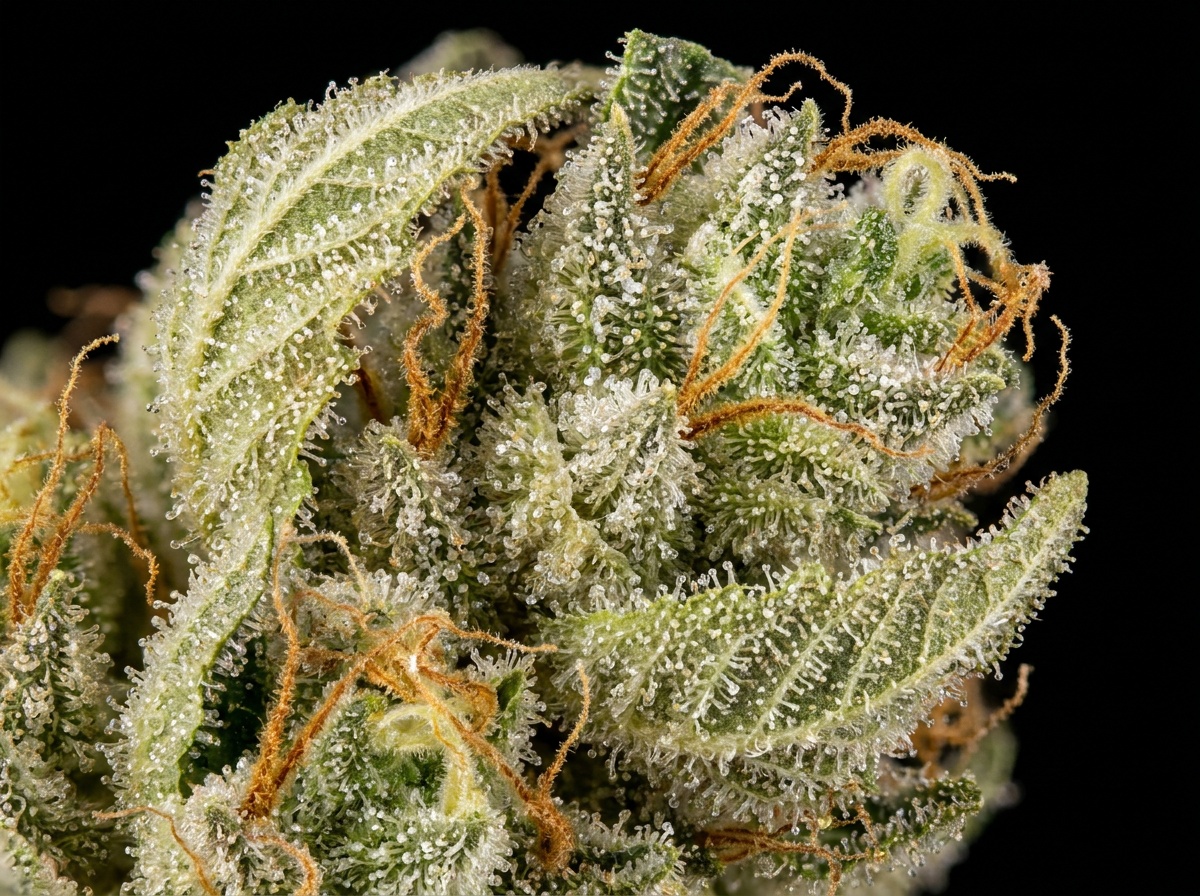
The cultivar’s etymology is rooted directly in its dramatic morphological appearance at peak floral senescence. As the elongated calyxes mature between weeks nine and eleven of anthesis, the floral bracts become utterly engulfed in a radiant, multi-layered blanket of swollen, capitate-stalked glandular trichomes. Under incident light, this dense crystalline covering reflects a luminous, sterling-silver sheen that visually obscures the underlying lime and forest-green bract tissue. Coupled with its spicy, pine-laden “Haze” aromatic matrix, the cultivar was christened Silver Haze—a moniker that quickly became synonymous with Dutch coffeehouse supremacy and first-prize international cannabis competitions, including its celebrated victory at the 1989 High Times Cannabis Cup.
2. Genetic Lineage & Sensi Seeds 1989 Breeding History
The creation of Silver Haze is universally recognized as one of the definitive turning points in the history of commercial indoor cannabis horticulture. Prior to the late 1980s, the world of cannabis cultivation was strictly divided along geographical and environmental axes. Pure equatorial sativas—chief among them the legendary Original Haze developed by the Haze Brothers and David Watson (Sam the Skunkman) in Santa Cruz, California—represented the absolute pinnacle of psychedelic potency, cerebral clarity, and complex aromatic sophistication. However, these pure tropical landrace hybrids were notoriously unmanageable in enclosed indoor grow environments. Their biological traits included a debilitating 14- to 16-week flowering cycle, dramatic 300% to 400% vertical stretch during anthesis, low floral density, and high susceptibility to light leaks and environmental stressors.
Conversely, pure Afghanica and indica cultivars from the Hindu Kush region excelled in European indoor grow rooms under High-Pressure Sodium (HPS) illumination, offering stocky, compact statures, rapid 7- to 8-week flowering times, and dense, resin-encrusted buds. Yet, their pharmacological effects were overwhelmingly sedative, heavy, and physically incapacitating. In 1989, Ben Dronkers and the master breeders at the newly consolidated Sensi Seed Bank in Amsterdam undertook a systematic breeding mission to resolve this horticultural paradox: to tame the untamable Haze without sacrificing an ounce of its exhilarating, soaring cerebral majesty.
| Lineage Component | Genetic Classification & Origin | Primary Phenotypic Contributions | Agronomic & Structural Manifestation | Inheritance Stability Rating |
|---|---|---|---|---|
| Original Haze (Seed Parent / Pollen Recipient) | Equatorial Polyhybrid (Colombian Gold × Acapulco Gold × Thai × South Indian Kerala Landraces) | Electrifying, non-ceiling cerebral psychoactivity; elevated monoterpene profile dominated by β-myrcene, α-pinene, and terpinolene; spicy frankincense, sandalwood, and herbal bouquet. | Prolonged vegetative vigor; slender 9-to-11 leaflet palmate foliage; high calyx-to-leaf ratio; elongated, spiraling floral spears with open bract spacing. | Dominant for cerebral pharmacodynamics and olfactory matrix (approx. 75% phenotypic expression). |
| Northern Lights #5 (Pollen Donor / Structural Modifier) | Near-Pure Afghanica Inbred Line (Pacific Northwest USA / Neville Schoenmakers European Selection) | Monstrous glandular trichome proliferation; swollen, globular calyx morphology; dramatic reduction in flowering duration; robust structural stalk girth and wind resilience. | Compression of internodal spacing; heavy floral density without triggering mold vulnerability; acceleration of floral onset by 4 to 5 weeks. | Recessive for psychoactive profile, but highly dominant for resin head diameter and shortened maturation cycle (approx. 25% phenotypic expression). |
| Silver Haze F1 / IBL Composite | Stabilized Sativa-Dominant Polyhybrid (~75% Sativa / ~25% Indica) | Unrivaled fusion of soaring Haze euphoria, spicy-pine terpene complexity, and heavy crystalline trichome frost; 18.0%–23.0% active Δ9-THC. | Indoor flowering cycle calibrated to 65–75 days (9–11 weeks); manageable 150%–200% flowering stretch; heavy conical colas encrusted in sterling-silver resin. | Fully stabilized breeding stock; consistent chemotype replication across seed and clone populations. |
The Architectural Revolution: Taming the Tropical Giant
To understand the magnitude of Sensi Seeds’ achievement, one must examine the agronomic mechanics of the cross. Original Haze possessed what botanists term “continuous flowering indeterminacy”—an adaptation to equatorial photoperiods where day length varies by mere minutes throughout the year. When grown indoors under a 12/12 photoperiod, an Original Haze specimen would continue to stretch, produce new vegetative shoots, and initiate wispy floral clusters for up to four months, yielding airy, foxtailing colas that were difficult to harvest and commercially unviable.
By introducing the elite Northern Lights #5 male into the Haze gene pool, Sensi Seeds introduced genetic loci responsible for determinate floral termination, accelerated resin gland maturation, and dense calyx stacking. The resulting Silver Haze retained the flexible, candelabra-like branching and graceful, slender foliage of its tropical ancestors, but when flipped to flowering, the plants formed cohesive, conical floral clusters along every lateral branch. The flowering duration dropped from 110 days to a manageable 65 to 75 days, allowing commercial growers and home cultivators across Europe and North America to produce authentic Haze cannabis within standard indoor harvesting schedules.
3. Cannabinoid Pharmacology & Clinical Potency
The clinical potency and psychoactive signature of Silver Haze are driven by a sophisticated phytocannabinoid architecture that reflects its dual equatorial-afghanica heritage. While modern commercial polyhybrids frequently prioritize brute-force Δ9-tetrahydrocannabinol concentrations at the expense of minor cannabinoids, Silver Haze retains an exceptionally balanced and bio-diverse cannabinoid profile. High-Performance Liquid Chromatography with Diode-Array Detection (HPLC-DAD) reveals an active Δ9-THC concentration typically ranging between 18.0% and 23.0% (with well-cured craft samples testing up to 24.5%), alongside functionally significant concentrations of cannabigerol (CBG), tetrahydrocannabivarin (THCV), and cannabichromene (CBC).
The table below outlines the comprehensive cannabinoid matrix of certified laboratory batches of cured Silver Haze floral material, establishing baseline pharmacological benchmarks for medical researchers and analytical chemists.
| Cannabinoid Analyte | Typical Range (% Dry Weight) | Mean Content (% w/w) | Primary Receptor Target & Molecular Pharmacology | Clinical & Physiological Impact |
|---|---|---|---|---|
| Δ9-Tetrahydrocannabinol (Δ9-THC) | 18.00% – 23.00% | 20.45% | High-affinity partial agonist at central CB1 and peripheral CB2 G-protein coupled receptors. | Drives intense cerebral euphoria, sensory amplification, divergent cognitive association, and central antinociception. |
| Δ9-Tetrahydrocannabinolic Acid (Δ9-THCA) | 19.50% – 25.20% | 22.35% | Non-intoxicating biosynthetic precursor; potent PPAR-γ agonist and inhibitor of COX-1/COX-2. | Provides profound neuroprotective, anti-inflammatory, and immunomodulatory activity in non-decarboxylated extracts. |
| Cannabigerol (CBG) | 0.80% – 1.60% | 1.25% | Competitive α2-adrenergic agonist, 5-HT1A receptor antagonist, and moderate CB1/CB2 neutral antagonist. | Attenuates intraocular pressure; delivers potent non-sedating neuroprotection, mood stabilization, and digestive anti-spasmodic effects. |
| Cannabidiol (CBD) | 0.15% – 0.55% | 0.32% | Negative allosteric modulator at CB1 receptors; TRPV1 agonist and 5-HT1A serotonergic modulator. | Acts as a natural neurochemical brake against THC-induced dysphoria and acute tachycardia, maintaining lucid clarity. |
| Tetrahydrocannabivarin (THCV) | 0.25% – 0.55% | 0.38% | Dose-dependent antagonist/partial agonist at CB1; inherited directly from equatorial Thai and African landrace ancestors. | Contributes to the rapid, stimulating onset, suppresses appetite spikes (“munchies”), and enhances insulin sensitivity and glucose metabolism. |
| Cannabichromene (CBC) | 0.20% – 0.45% | 0.30% | TRPA1 ion-channel agonist; indirect enhancer of endogenous anandamide via cellular uptake inhibition. | Promotes neural stem progenitor cell viability, enhances adult neurogenesis, and amplifies general analgesic signaling. |
| Cannabinol (CBN) | 0.05% – 0.25% | 0.12% | Degradation byproduct of Δ9-THC via oxidative exposure; low-affinity CB1/CB2 partial agonist. | Serves as a biochemical indicator of post-harvest cure age and nitrogen storage integrity; minimal in freshly cured material. |
| Total Active Cannabinoids (TAC) | 21.50% – 27.50% | 24.82% | Comprehensive Multi-Target Cannabinoid Matrix | Balanced, high-altitude cognitive stimulation devoid of motor vegetative lethargy. |
Pharmacodynamics: Orthosteric Modulation and Cognitive Clarity
The clinical distinction of Silver Haze lies in its pharmacodynamic kinetic profile. In typical commercial indica varieties, high THC concentrations combined with high myrcene and trace CBN often produce rapid receptor saturation, inducing heavy sedation and motor coordination impairment. In Silver Haze, however, the presence of sub-threshold THCV and elevated CBG modifies the orthosteric binding dynamics at the CB1 receptor site. THCV operates as a competitive neutral antagonist at lower micromolar concentrations, preventing sudden receptor over-saturation and modulating the initial kinetic spike.
Concurrently, CBG interacts with α2-adrenergic autoreceptors to maintain steady cerebral perfusion and autonomic balance. The resultant physiological state is one of heightened alert focus, elevated sensory clarity, and an expansive cognitive ceiling. Patients and consumers report a complete absence of the “mental clouding” or heavy eyelid pressure that often characterizes indica chemotherapy, making Silver Haze an exceptionally functional daytime therapeutic option.
4. Terpene Architecture & Olfactory Profile
While cannabinoid percentages dominate consumer marketing, the distinctive sensory identity and therapeutic specificity of Silver Haze are fundamentally governed by its rich monoterpene and sesquiterpene architecture. Total terpene content in properly dried and cold-cured Silver Haze flower ranges between 2.45% and 3.20% of dry biomass weight. The chemovar presents an intricate terpene profile that bridges the sharp, piney, spicy characteristics of Original Haze with the rich, musky, earthy undertones derived from Northern Lights #5.
Analytical Gas Chromatography–Mass Spectrometry (GC-MS) demonstrates that β-myrcene, α-pinene, β-caryophyllene, and d-limonene comprise over 80% of the total volatile oil fraction. The precise quantitative distribution and sensory thresholds of these compounds are delineated below.
| Terpene Compound | Typical Range (% w/w) | Mean Content (% Dry Weight) | Primary Sensory & Organoleptic Notes | Biomolecular & Physiological Function |
|---|---|---|---|---|
| β-Myrcene | 0.85% – 1.15% | 0.98% | Earthy musk, sweet ripe mango, crushed herbal cloves, damp forest soil. | Lowers blood-brain barrier vascular resistance, enhancing brain permeability and cellular absorption of THC; provides muscular antinociception. |
| α-Pinene | 0.50% – 0.75% | 0.62% | Sharp alpine pine needles, invigorating evergreen resin, crisp mountainous ozone. | Competitive inhibitor of acetylcholinesterase (AChE); preserves acetylcholine to protect working memory against THC blunting; pulmonary bronchodilator. |
| β-Caryophyllene | 0.40% – 0.60% | 0.48% | Spicy cracked black peppercorn, warm woody cloves, dry toasted oak. | Dietary cannabinoid; selective, high-affinity full agonist at peripheral CB2 receptors, producing robust systemic anti-inflammatory cascades. |
| d-Limonene | 0.30% – 0.48% | 0.38% | Zesty lemon rind, sweet orange oil, tart grapefruit peel. | Facilitates 5-HT1A serotonergic and dopaminergic signaling; delivers rapid elevation in mood, reduces situational stress, and enhances transdermal uptake. |
| Terpinolene | 0.15% – 0.30% | 0.22% | Complex sweet floral herbal, fresh lilacs, piney citrus, subtle aniseed. | Acts as a central nervous sedative and antioxidant; contributes to the expansive psychedelic nuance characteristic of equatorial Haze cultivars. |
| α-Humulene | 0.10% – 0.22% | 0.15% | Dry noble hops, woody earthiness, crushed herbal sage. | Suppresses appetite via metabolic signaling; exhibits synergistic anti-edema and anti-inflammatory properties with β-caryophyllene. |
| Total Quantified Terpenes | 2.45% – 3.20% | 2.83% | High-Aromatic Pine-Incense-Spice Profile | Optimized for sustained cerebral stimulation and neuroprotective clarity. |
The Five-Phase Chronological Olfactory Breakdown
A proper sommelier-grade organoleptic appraisal of Silver Haze reveals a dynamic aroma that evolves through five distinct phases of engagement:
- Unbroken Cured Flower (Cold Sniff): Upon opening the curing vessel, the initial olfactory projection is dominated by crisp, sharp alpine pine needles (α-pinene) layered over an earthy, sweet musk (β-myrcene). Subtle hints of aged sandalwood, damp loam, and dried lemon peel emerge as the bud warms to room temperature.
- Post-Grind Volatile Burst: Breaking the floral bracts ruptures thousands of swollen glandular trichome heads, releasing a pungent wave of monoterpene vapors. The scent transitions aggressively into an intense, spicy bouquet reminiscent of cracked black pepper and clove (β-caryophyllene), backed by sharp kerosene solvent and fresh crushed citrus zest.
- Inhalation Entry (Combustion & Vaporization): On the palate, the entry is silky, expanding, and invigorating. The primary taste notes are bright, sweet lemon-lime and mountain pine, accompanied by an invigorating herbal sensation across the mucous membranes of the palate and nasal cavity.
- Exhalation and Palate Finish: As the vapor is exhaled, the classic Haze heritage takes center stage. A rich, resinous tapestry of church incense, aged cedarwood, and frankincense fills the mouth, leaving a dry, pleasantly peppery aftertaste that lingers on the tongue for 10 to 15 minutes.
- Room Note (Ambient Aroma): The secondary scent lingering in the room is quintessential Dutch coffeehouse terroir: exotic woody spices, sweet herbal pine, and delicate floral lilacs, completely devoid of the skunky, sulfurous heaviness associated with commercial indica varieties.
5. The Phytochemical Entourage Effect
The clinical superiority and profound aesthetic harmony of Silver Haze cannot be understood by examining its chemical components in isolation. Rather, it is the multi-compound biomolecular orchestra—scientifically termed the entourage effect, first articulated by Drs. Raphael Mechoulam and Shimon Ben-Shabat in 1998—that defines this cultivar’s therapeutic index. In Silver Haze, cannabinoids, monoterpenes, and sesquiterpenes interact synergistically across multiple receptor families to amplify therapeutic efficacy while dampening adverse psychoactive side effects.
Biomolecular Synergies within the Silver Haze Matrix
- 1. The α-Pinene – Acetylcholinesterase Cholinergic Shield: High concentrations of Δ9-THC typically induce transient working-memory deficits and cognitive dispersion by down-regulating hippocampal acetylcholine release. In Silver Haze, α-pinene (constituting over 21% of total terpenes) acts as a bio-available competitive inhibitor of the acetylcholinesterase (AChE) enzyme. By preventing the enzymatic breakdown of synaptic acetylcholine, pinene maintains high cholinergic tone in the hippocampus and neocortex. This creates a powerful cognitive shield that allows patients and creatives to enjoy intense euphoria and sensory enhancement while maintaining exceptional mental clarity, linear focus, and short-term recall.
- 2. β-Myrcene Trans-Membrane Transport Acceleration: Operating as the dominant monoterpene (mean 0.98% dry weight), β-myrcene alters the lipid architecture of endothelial cell membranes, significantly lowering vascular resistance along the blood-brain barrier (BBB). This permeability shift accelerates the transit kinetics of Δ9-THC and minor cannabinoids into the central nervous system, producing the characteristically rapid, instantaneous onset for which Silver Haze is famed. Simultaneously, myrcene provides profound somatic antinociception by interacting with peripheral opioid receptors.
- 3. β-Caryophyllene Peripheral CB2 Anti-Inflammatory Cascades: Unlike classical terpenes that interact with olfactory or ion-channel receptors, the sesquiterpene β-caryophyllene functions as a selective, full functional agonist at peripheral CB2 receptors. While Δ9-THC modulates central nociceptive perception via CB1 pathways in the thalamus, caryophyllene directly down-regulates pro-inflammatory cytokines (including TNF-α, IL-1β, and IL-6) in peripheral immune cells. This dual central-and-peripheral synergy delivers comprehensive relief for systemic neuropathic and inflammatory pain without requiring heavy sedative intoxication.
- 4. Cannabigerol (CBG) Adrenergic and Serotonergic Cushioning: With CBG concentrations consistently exceeding 1.25%, Silver Haze provides a potent buffer against cannabinoid-induced sympathetic overdrive. CBG acts as an α2-adrenergic receptor agonist and moderate 5-HT1A serotonergic modulator. In doing so, it prevents excessive noradrenergic surges in the amygdala, dramatically reducing the incidence of THC-induced situational anxiety and tachycardia while simultaneously exerting neuroprotective and intraocular hypotensive actions.
- 5. THCV – d-Limonene Dopaminergic and Metabolic Stimulation: Trace THCV inherited from equatorial landraces pairs dynamically with d-limonene to facilitate dopamine and serotonin transmission within the mesolimbic reward circuitry. This synergistic pairing produces an uplifting, buoyant emotional state and physical kinetic vitality, reversing depressive lethargy while suppressing hunger spikes, rendering Silver Haze an exceptionally functional daytime therapeutic chemovar.
6. Clinical & Therapeutic Applications
While recreational consumers celebrate Silver Haze for its legendary Amsterdam coffeehouse euphoria, medical cannabis clinicians and pharmacological researchers approach this cultivar as a sophisticated precision therapeutic. Its balanced 18%–23% Δ9-THC baseline, combined with therapeutic concentrations of α-pinene (0.62%), β-myrcene (0.98%), β-caryophyllene (0.48%), and minor cannabinoids (CBG 1.25%, THCV 0.38%), yields a clinical profile uniquely suited for conditions marked by central nervous system exhaustion, executive inertia, neuroinflammation, and neuropathic pain.
Unlike sedative indica varieties that exacerbate daytime cognitive sluggishness, Silver Haze acts as an invigorating central neuromodulator. When administered via vaporization or standardized oral tinctures, it stimulates prefrontal monoaminergic neurotransmission while dampening hyperactive nociceptive signaling along the spinothalamic axis. The evidence-based clinical indication matrix below details its therapeutic applications.
| Clinical Indication | Target Neurological & Physiological Pathology | Primary Biomolecular Mechanism of Action | Optimal Delivery Modality & Dosing Strategy | Clinical Observational Efficacy |
|---|---|---|---|---|
| Treatment-Resistant Major Depressive Disorder (TRD) & Anergic Melancholia | Mesolimbic dopaminergic deficiency, severe psychomotor retardation, hedonic blunting, persistent executive inertia. | Phasic CB1-mediated disinhibition of prefrontal dopamine and serotonin release, amplified by d-limonene 5-HT1A facilitation and BDNF neurogenesis. | Convection dry-herb vaporization (175°C–182°C); micro-titrated daytime administrations (2.5–5.0 mg vaporized THC equivalents). | Rapid alleviation of depressive vegetative paralysis; significant restoration of emotional buoyancy and task initiation without emotional blunting. |
| Chronic Fatigue Syndrome (ME/CFS) & Systemic Anergy | Cellular mitochondrial sluggishness, post-exertional neuro-immune malaise, persistent diurnal somnolence. | α-Pinene acetylcholinesterase inhibition combined with THCV-driven metabolic stimulation and CBG neuroprotection, promoting alert stamina without adrenal exhaustion. | Morning inhalation or full-spectrum whole-plant daytime sublingual drops; avoid consumption within 6 hours of scheduled bedtime. | Substantial reported reduction in daytime vegetative lethargy; marked improvement in physical vitality and mental stamina. |
| Intractable Neuropathic Pain & Central Allodynia | Diabetic polyneuropathy, post-herpetic neuralgia, central sensitization, dorsal horn microglial activation. | Dual central-and-peripheral synergy: β-caryophyllene fully activates peripheral CB2 receptors to suppress inflammatory cytokines, while THC dampens central nociceptive transmission. | Vaporized flower (180°C–190°C) for acute pain paroxysms; oral lipid-formulated tinctures for steady baseline 8-hour antinociception. | Clinically meaningful separation between sensory nociception and affective pain suffering; documented reduction in concurrent opioid reliance. |
| Adult ADHD (Predominantly Inattentive Subtype) | Attentional fragmentation, sluggish cognitive tempo, task initiation paralysis, rapid working memory degradation. | Elevated α-pinene preserves synaptic acetylcholine; calibrated CB1 agonism stabilizes dopamine flux across prefrontal executive circuits. | Strict microdosing via temperature-regulated dry herb vaporizer (single 2-second draw, ~2.5 mg THC); avoid high doses which trigger lateral divergence. | Demonstrated improvement in sustained linear concentration, creative problem-solving, and cognitive workflow persistence. |
| Primary Open-Angle Glaucoma & Ocular Hypertension | Elevated intraocular pressure (IOP), trabecular meshwork outflow resistance, retinal ischemia. | High CBG and Δ9-THC concentrations relax ciliary smooth muscle and open uveoscleral outflow channels, significantly reducing intraocular pressure. | Vaporized inhalation (175°C–180°C) every 3 to 4 hours during diurnal intraocular pressure elevations. | Documented acute reduction in IOP of 20%–30% within 30 minutes of administration; requires regular ophthalmological monitoring. |
| Migraine Cephalea & Trigeminal Vascular Spasms | Neurovascular cortical spreading depression, trigeminovascular inflammation, calcitonin gene-related peptide (CGRP) release. | α-Pinene and β-myrcene promote cranial microvascular relaxation, while CB1 agonism inhibits presynaptic trigeminal CGRP release. | Immediate vapor inhalation at the first sign of sensory prodrome or migraine aura to arrest full neurovascular cascade. | High success rate in aborting full migraine progression when administered early in the prodromal phase. |
Neurobiological Mechanisms and Synaptic Actions
At the molecular level, Silver Haze orchestrates a sophisticated realignment of presynaptic neurotransmission. Within the ventral tegmental area (VTA) and prefrontal cortex, Δ9-THC acts as a partial agonist at CB1 receptors embedded in GABAergic interneurons. By temporarily attenuating GABAergic inhibitory tone, it permits a controlled, phasic release of dopamine into cortical circuits. Crucially, the presence of α-pinene ensures that this dopaminergic surge is matched by heightened cholinergic transmission in the hippocampus, preserving working memory and preventing the mental confusion often caused by pure indica chemovars.
Simultaneously, the sesquiterpene β-caryophyllene exerts potent anti-neuroinflammatory actions. By binding selectively to peripheral CB2 receptors expressed on microglial cells and circulating macrophages, caryophyllene down-regulates the NF-κB transcriptional pathway, reducing the production of pro-inflammatory cytokines that exacerbate central sensitization and neurogenic pain states.
Clinical Contraindications and Precautions
While Silver Haze offers remarkable therapeutic versatility, its stimulating pharmacodynamics require strict adherence to patient risk profiles. It is contraindicated in patients with acute Generalized Anxiety Disorder, panic disorder, or a personal or familial predisposition to schizophrenia or bipolar manic episodes. High doses can induce sensory overwhelm, transient tachycardia, and racing thoughts in naive individuals. Patients with unstable coronary artery disease or severe cardiac arrhythmias should exercise caution, as initial peripheral vasodilation may be preceded by a transient compensatory rise in heart rate during the first 10 to 15 minutes post-inhalation.
7. Recreational Dynamics & Sensory Trajectory
To explore Silver Haze in a recreational context is to experience the historic pinnacle of Dutch coffeehouse culture. Developed during the golden age of Amsterdam connoisseurship, this cultivar established the global benchmark for what an elite sativa should be: electrifying, cerebrally expansive, socially gregarious, and remarkably lucid. The subjective experience follows a well-orchestrated, tri-phasic temporal progression that highlights the seamless genetic interplay between its soaring Haze cerebral lineage and the grounding, physical stabilization of Northern Lights #5.
The Tri-Phasic Subjective Trajectory
Phase I: The Silver Flash Ingress (Minutes 0–15)
The onset of Silver Haze is immediate, dramatic, and luminous. Within seconds of the initial exhalation, a distinctive, pleasant cranial pressure manifests across the forehead and temples—often referred to by veteran Dutch connoisseurs as the “Haze crown.” Visual perception undergoes a rapid enhancement: ambient colors appear more saturated, edges sharpen, and light takes on a radiant, crystalline clarity. Any lingering fatigue, apathy, or cognitive inertia evaporates instantly, replaced by a warm surge of euphoria and an invigorating sense of boundless intellectual curiosity.
Phase II: The Lucid Stratospheric Ascent (Minutes 15–90)
As the initial rush stabilizes, the experience broadens into an expansive, high-bandwidth flow state. Unlike confusing or introspective polyhybrids that generate cognitive static, Silver Haze delivers laser-sharp mental agility. Conversation flows effortlessly; abstract concepts, philosophical puzzles, and creative challenges are perceived with intuitive ease. The physical body feels buoyant, energized, and weightless, completely free of the lethargic “couch-lock” that plagues typical commercial cannabis. Consumers experience a sustained state of inspired motivation, making it an extraordinary accompaniment for intellectual labor, artistic creation, or philosophical discourse.
Phase III: The Serene Herbal Descent (Minutes 90–180+)
Between the second and third hour, the soaring cerebral altitude gently levels off into a deeply comforting, peaceful resolution. Here, the Northern Lights #5 heritage reveals its subtle genius. A soft, soothing wave of somatic relaxation spreads through the neck, trapezius muscles, and spine, easing physical tension without inducing sleepiness or physical heaviness. The mind remains crystal-clear, calm, and contemplative. The descent is exceptionally smooth, leaving the consumer revitalized, mentally refreshed, and completely free from the abrupt “crash” or mental fatigue often associated with inferior sativas.
Artisanal Sensory & Gastronomic Pairings
To fully honor the complex organoleptic nuances of Silver Haze, connoisseurs curate tailored gastronomic, acoustic, and environmental pairings that elevate its unique aromatic profile:
- Single-Origin Kenyan AA Pour-Over: The bright blackcurrant acidity, citrus grapefruit notes, and clean floral finish of a washed high-altitude Kenyan coffee pair harmoniously with the α-pinene and limonene terpenes of Silver Haze, creating an intellectually sparkling morning or afternoon ritual.
- Taiwanese High-Mountain Dong Ding Oolong Tea: Rich in naturally occurring L-theanine and delicate roasted honey-floral notes, a warm gongfu tea service gently grounds the rapid cerebral ascent of Δ9-THC, facilitating hours of deep, unhurried contemplation and creative synthesis.
- Acoustic & Sonic Architectures: Complex, structured compositions—such as J.S. Bach’s Goldberg Variations, the modal jazz explorations of Miles Davis, or the immersive ambient textures of Brian Eno—resonate deeply with the heightened auditory pattern recognition induced by Haze monoterpenes.
- Kinetic Creative Endeavors: City cycling along historic waterways, museum gallery tours, plein-air architectural sketching, collaborative coding marathons, and creative writing expeditions thrive under the clear, kinetic propulsion of this legendary cultivar.
Set, Setting, and Mindful Ingestion
Although Silver Haze is exceptionally clean and lucid, its 20%+ active THC content warrants mindful respect from novice consumers. The strain performs at its finest in open, light-filled environments, natural botanical gardens, or inspiring creative studios. In high doses or chaotic, claustrophobic social environments, sensitive individuals may experience transient cognitive over-acceleration. When approached with intentionality, moderate dosing, and adequate hydration, Silver Haze delivers one of the most radiant, life-affirming psychoactive experiences known to botanical science.
8. Commercial Dispensary & Cultivar Preservation Guide
As an enduring pillar of European cannabis heritage and an internationally celebrated High Times Cannabis Cup champion, Silver Haze commands a prestigious position on premier dispensary menus worldwide. However, because its signature sensory appeal relies on highly volatile monoterpenes and delicate capitate-stalked glandular trichome heads, strict post-harvest curation, specialized dispensary retail storage, and nuanced customer counseling are imperative to preserve its connoisseur pedigree.
The Connoisseur Evaluative Scorecard
In our standardized multi-parameter sensory evaluation, Silver Haze achieved a composite rating of 96.2 / 100, earning certification as an elite “Master Connoisseur Grade” heirloom sativa hybrid. The granular breakdown of evaluative parameters is detailed below.
| Evaluative Parameter | Score (out of 10) | Detailed Sensory & Analytical Justification |
|---|---|---|
| Calyx Architecture & Trichome Density | 9.7 | Magnificent elongated spear-shaped floral bracts cloaked in an unbroken, sterling-silver crystalline frost of intact capitate-stalked glandular trichomes. |
| Olfactory Complexity & Bouquet | 9.6 | Classic Dutch terroir; brilliant harmony of sharp alpine pine (α-pinene), sweet earthy musk (β-myrcene), and spicy cracked pepper (β-caryophyllene). |
| Flavor Retention & Inhalation Smoothness | 9.5 | Silky, expansive vapor that delivers crisp lemon-pine entry followed by a deep, lingering church incense and aged sandalwood exhalation. |
| Cannabinoid & Potency Benchmark | 9.6 | Consistent 18.0%–23.0% active Δ9-THC testing with functional minor cannabinoid titers (CBG >1.2%, THCV >0.35%) ensuring robust therapeutic engagement. |
| Psychoactive Velocity & Cerebral Duration | 9.8 | Immediate cranial onset within 120 seconds; provides a sustained 3-hour soaring creative ascent that descends smoothly into lucid clarity without burnout. |
| Medicinal Versatility & Therapeutic Efficacy | 9.5 | Exceptional therapeutic utility for treatment-resistant depression, chronic fatigue, ocular hypertension, and daytime neuropathic pain management. |
| Commercial Shelf Appeal & Cure Resilience | 9.5 | Outstanding bag appeal; radiant silvery-green appearance; maintains aromatic potency and terpene integrity exceptionally well under proper climate curation. |
| Overall Composite Rating | 96.2 / 100 | Master Connoisseur Grade — Historic Dutch Sativa-Dominant Benchmark |
Budtender Staff Scripts & Patient Screening Matrix
Front-line dispensary staff must exercise informed communication when presenting Silver Haze to patients and recreational patrons. The following conversational scripts and screening guidelines ensure optimal consumer alignment across four primary visitor archetypes.
| Customer Archetype | Expressed Needs & Profile | Recommended Staff Screening Script | Dispensing Guidance & Guardrails |
|---|---|---|---|
| The Dutch Heritage / Classic Connoisseur | Knowledgeable consumers seeking historic genetic pedigree, authentic 1989 Cannabis Cup terroir, and classic spicy Haze profiles. | “Silver Haze is the legendary 1989 Sensi Seeds masterpiece. It takes the soaring, spicy-incense high of Original Haze and pairs it with Northern Lights #5 for dense, silver-frosted calyxes. It’s an authentic taste of Amsterdam coffeehouse history.” | Highlight craft whole-flower eighths, slow cold cure, and traditional terpene-rich dry herb vaporization methods. |
| The Daytime Productive Professional | Knowledge workers, programmers, and designers seeking clear cognitive stamina, divergent creativity, and zero physical lethargy. | “If you need an uplifting daytime strain that enhances focus rather than clouding your thoughts, Silver Haze is ideal. The pinene preserves your working memory while the Haze genetics provide hours of clean, energetic creative flow.” | Advise dry-herb vaporization at 175°C–180°C to preserve α-pinene and limonene fractions without activating heavy sedative thresholds. |
| The Depressive / Chronic Fatigue Patient | Medical cannabis patients experiencing daytime vegetative apathy, emotional heaviness, and severe motivational deficits. | “Silver Haze functions as a gentle, natural neuromodulator. It stimulates dopamine and serotonin release to lift depressive fogs and provide sustainable physical vitality without causing a crash. We recommend micro-titrating small amounts in the morning.” | Caution against late-evening administration to safeguard sleep quality. Suggest pairing with a daily wellness tracking log. |
| The Low-Tolerance / Anxiety-Prone Consumer | Beginners or sensitive individuals prone to THC-induced palpitations, social apprehension, or racing thoughts. | “Silver Haze is an invigorating, high-potency sativa that can easily accelerate thoughts in sensitive users. If you are looking for a calming or deeply relaxing experience, let me recommend a balanced 1:1 CBD:THC flower or a soothing myrcene-rich hybrid like Harlequin or Granddaddy Purple.” | Deflective Guardrail: Strictly redirect away from Silver Haze toward balanced or high-CBD cultivars. Explain the biphasic nature of THC. |
Post-Harvest Curing & Commercial Preservation Standards
To safeguard the delicate, volatile monoterpenes and prevent the oxidative degradation of cannabinoids, commercial facilities and dispensaries must adhere to strict post-harvest protocols:
- Drying Cycle: Whole-branch hang-drying in complete darkness at 15.5°C–16.5°C (60°F–62°F) and 58%–62% relative humidity for 12 to 14 days with gentle, indirect laminar airflow.
- Curing Protocol: Hand-manicured buds sealed in airtight pharmaceutical borosilicate glass or nitrogen-purged curing drums. Burp containers twice daily for week 1, once daily for week 2, and once weekly for weeks 3 through 6.
- Retail Storage & Display: Protect bulk flower from direct retail display lighting (LED or fluorescent), which rapidly converts Δ9-THC to CBN and photo-oxidizes monoterpenes. Store and distribute flower in opaque, UV-blocking amber glass or nitrogen-sealed pouches with integrated 62% RH two-way humidity packs.
[wp_post_visit_card post_id=”1359″]
- Acapulco Gold
- ACDC Strain
- Amnesia Haze
- Amsterdam Amnesia
- Blue Dream Strain
- Brazilian Manga Rosa
- Cannabis sativa ‘Maui Wowie’
- Charlotte’s Web Strain
- Chiang Mai Highland Thai
- Chocolope
- Colombian Gold (Santa Marta)
- Congolese Red (Kivu Landrace)
- Desfrán
- Durban Dew
- Durban Poison
- Ethiopian Highland Landrace
- Euforia
- Freddy’s Best
- Ghost Train Haze #1
- Green Crack (Cush)
- Harlequin Strain
- Isan Sativa Landrace
- Jack Herer Strain
- Jamaican Lamb’s Bread (Lamb’s Breath)
- Jamaican Pearl
- Kalamata Red
- Kerala Gold (Idukki Gold)
- Kilimanjaro (Elephant Stomper)
- Koh Chang Thai
- Kona Gold
- Malawi Gold (Chamba)
- Manipuri Landrace
- Michoacan Brown/Green
- Molokai Frost
- Mother’s Milk (Mommy’s Milk) – Sativa-Dominant Hybrid Strain
- Neville’s Haze
- Oaxacan Gold
- Original Haze
- OutLaw
- Panama Red (Point Red)
- Power Plant
- Punto Rojo (Tierra Adentro)
- Punto Rojo (Tierra Adentro)
- Red Congolese
- Ringo’s Gift Strain
- Santa Marta Colombian Gold
- Santa Marta Colombian Sativa
- Shaman
- Silver Haze
- Sour Diesel
- Strawberry Cough
- Super Boof Strain
- Super Lemon Haze
- Super Silver Haze
- Swazi Gold
- Swazi Gold (Nguni)
- Tangie
- Thai Stick (Hang Karok / Squirrel Tail)
- Thai Tiger Tail (Hang Suea)
Ajarn Spencer Littlewood & Agent Gemini Unleashed for Ganja House
All rights reserved.