Listen to the Dinamed CBD Clinical Monograph
Comprehensive Botanical & Pharmacological Audio Overview
1. Executive Summary & Core Taxonomy
Dinamed CBD represents a transformative watershed moment in European medicinal cannabis genetics. Released in 2017 by the multidisciplinary scientific and breeding team at Dinafem Seeds in the Basque Country of Spain, Dinamed CBD was introduced as Spain’s very first 100% feminized, pure therapeutic cannabis cultivar bred specifically to eliminate intoxicating psychoactivity while maximizing the medicinal expression of cannabidiol (CBD). Developed across more than two years of rigorous gas-chromatography-assisted phenotype hunting and selective inbreeding from an elite parental lineage known as Pure CBD 4, Dinamed CBD addressed an acute clinical necessity: providing patients, compounding pharmacies, and medical cultivators with a genetically uniform, female-guaranteed botanical seed line that reliably produces therapeutic CBD concentrations between 10% and 14% while restricting delta-9-tetrahydrocannabinol (THC) accumulation strictly below 0.5% (typically stabilizing between 0.3% and 0.45% in certified analytical tests).
Botanically, Dinamed CBD is a slightly sativa-dominant hybrid (approximately 60% sativa / 40% indica) displaying remarkable morphological symmetry, vigorous lateral branching, and moderate internodal spacing. It produces dense, resinous, elongated floral clusters with an exceptionally favorable calyx-to-leaf ratio that facilitates rapid hand-manicuring. Unlike many early industrial hemp strains that were repurposed for CBD extraction but lacked secondary metabolite vibrancy, Dinamed CBD was bred directly from elite European medical drug-type cultivars. As a consequence, it retains the dense glandular trichome coverage, robust vegetative vigor, and complex organoleptic personality characteristic of top-tier craft cannabis. Its terpene profile is vividly expressive, dominated by beta-myrcene, beta-caryophyllene, and d-limonene, giving rise to an intoxicating aroma of sweet candied orange peel, tart citrus zest, and delicate herbal pine.
From a clinical and pharmacognostic perspective, Dinamed CBD exemplifies the pure Chemotype III profile (high-CBD / low-THC), establishing a consistent 25:1 CBD-to-THC ratio that fundamentally redefines daytime cannabinoid therapeutics. By virtually eliminating CB1-mediated psychoactive intoxication, tachycardia, and cognitive impairment, Dinamed CBD provides an expansive therapeutic window for vulnerable patient populations, including pediatric patients suffering from Dravet syndrome and refractory epilepsies, elderly individuals treating osteoarthritic inflammation, and working professionals seeking daytime relief from generalized anxiety, fibromyalgia, and chronic neuropathic pain. Operating as both an essential benchmark in precision European cannabinoid pharmacognosy and a premier botanical varietal for full-spectrum lipid extractions, Dinamed CBD bridges the historic divide between botanical artisan gardening and evidence-based clinical medicine.
Botanical Identity & Quick Data Card
| Taxonomic Metric | Botanical Specification |
|---|---|
| Cultivar Name | Dinamed CBD (Catalog ID 349) |
| Primary Breeder & Origin | Dinafem Seeds, San Sebastián / Guipúzcoa, Basque Country, Spain (2017) |
| Genetic Lineage | Pure CBD 4 Selection (Inbred High-CBD Elite European Pedigree) |
| Genetic Classification | Sativa-Dominant Hybrid (60% Sativa / 40% Indica) |
| Cannabinoid Chemotype | Chemotype III (Pure Medical High-CBD / Ultra Low-THC: ~25:1 CBD:THC Ratio) |
| Average Cannabinoid Content | CBD: 10.0% – 14.0% | THC: 0.3% – 0.5% | Total Cannabinoids: 12.0% – 16.5% |
| Dominant Terpenes | Beta-Myrcene, Beta-Caryophyllene, D-Limonene, Alpha-Pinene, Linalool |
| Flowering Duration | 8.5 to 9.5 Weeks (60 to 65 Days) |
| Average Indoor Yield | 450 – 500 g/m² (1.47 – 1.64 oz/ft²) |
| Average Outdoor Yield | 800 – 1,000 g/plant (28.2 – 35.3 oz/plant) |
| Primary Clinical Applications | Intractable Seizure Syndromes, Neurogenic Muscle Spasm, Chronic Inflammation, Anxiety, Stress Modulation |
2. Genetic Heritage & Breeding History
The creation of Dinamed CBD represents one of the most ambitious and sophisticated breeding programs ever conducted by a European seed bank. By the mid-2010s, global cannabis science had firmly recognized the clinical value of cannabidiol, catalyzed by American developments like Charlotte’s Web, Sour Tsunami, and Harlequin. However, in Europe, medical patients faced an immense hurdle: nearly all available CBD-rich seed lines exhibited severe phenotypic instability. When patients planted seeds marketed as high-CBD, genetic segregation resulted in unpredictable ratios—some individual plants produced 1:1 ratios, others were high-THC recreational phenotypes, and only a small fraction expressed the promised pure CBD chemotype. For patients who were chemically sensitive to THC, this genetic lottery was clinically untenable and potentially dangerous.
Recognizing this critical void, the research and development division at Dinafem Seeds—headquartered in the Basque region of northern Spain—launched an intensive multi-year scientific breeding initiative in 2015. Rather than utilizing wild industrial hemp, which frequently produces low flower density, poor terpene concentrations, and high susceptibility to fungal pathogens when grown in intensive horticultural setups, Dinafem sought to isolate elite medical drug cultivars with naturally occurring mutations in the cannabinoid synthase genes. Their breeding team assembled a vast genetic germplasm collection comprising over 2,000 individual cannabis plants derived from select European CBD lineages, most notably ancestral lines related to Dancehall and Spanish high-CBD heritage selections.
Equipped with high-performance liquid chromatography (HPLC) and gas chromatography-mass spectrometry (GC-MS) instrumentation, Dinafem’s laboratory systematically tested every single candidate seedling in their selection trials. After evaluating hundreds of specimens, the researchers identified an extraordinary maternal candidate designated ‘Pure CBD 4’. This individual specimen exhibited an exceptional biochemical trait: its genome possessed homozygous inactive alleles for THCA synthase alongside highly efficient, homozygous dominant alleles for CBDA synthase. When tested, Pure CBD 4 expressed approximately 12% CBD with less than 0.4% THC, accompanied by an exceptionally vibrant citrus-orange terpene signature and robust vegetative architecture.
Over the subsequent two years, Dinafem undertook a meticulous program of sexual reversal, selfing (S1 generation), and backcrossing using colloidal silver solutions to stabilize the genetic expression of Pure CBD 4 without losing structural vigor or yield potential. The goal was to ensure 100% feminization alongside near-complete phenotypic homogeneity for the Chemotype III cannabinoid profile. When Dinamed CBD was officially commercialized in 2017, extensive testing across thousands of offspring confirmed that over 98% of all germinated plants expressed the stabilized 25:1 CBD:THC ratio. Dinamed CBD earned immediate international acclaim, winning prestigious botanical awards including 1st Prize in the Flower Category at the 2018 CBD-Rich Cup in Spain, and cementing Dinafem’s status as a pioneer of precision European medical breeding.
3. Morphology, Agronomics & Cultivation Dynamics
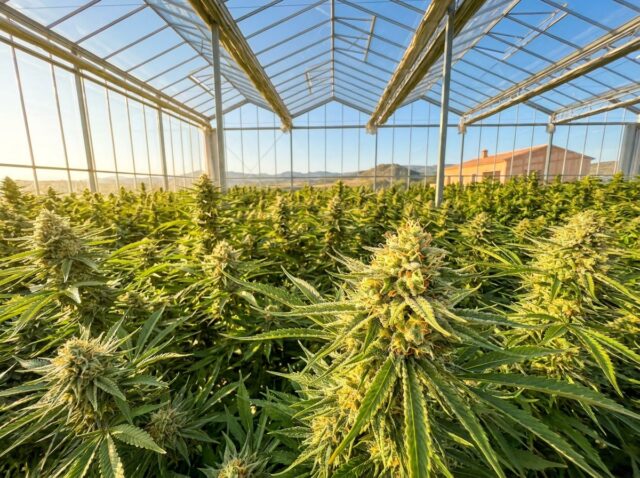
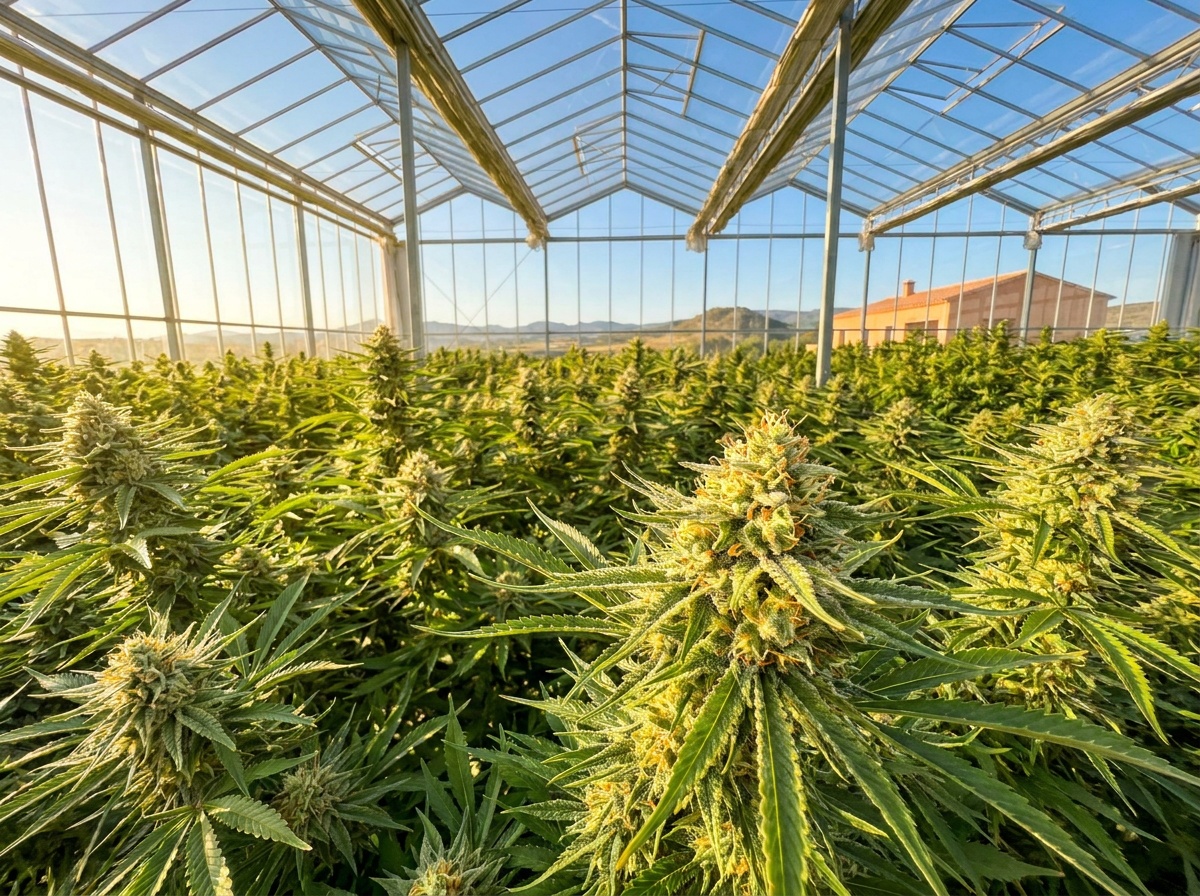
From an agronomic perspective, Dinamed CBD exhibits outstanding hybrid vigor, displaying a well-balanced morphology that leans slightly toward its sativa ancestry while retaining the dense floral clusters and manageable stature of an indica. In the vegetative phase, plants develop a sturdy, thick central stalk with rapid lateral branch development. The internodal spacing is moderate—neither excessively compressed like an Afghan indica nor overly elongated like an equatorial landrace—allowing optimal light penetration into the inner canopy. Fan leaves are slender to medium-width with sharp, elegant serrations, displaying a vibrant lime-green to forest-green hue that can take on striking purple and lavender tints along the foliage margins when nighttime temperatures dip during late flowering.
Indoor and greenhouse cultivation of Dinamed CBD is highly versatile. Due to its balanced sativa-dominant architecture, the plant adapts exceptionally well to various canopy management techniques. When trained using Screen of Green (SCROG) trellising, apical topping at the 4th or 5th vegetative node prompts the lower branches to surge upward, creating an expansive, uniform sea of flowering spires. During the photoperiod transition to 12/12, Dinamed CBD undergoes a moderate vertical stretch factor of approximately 1.6x to 1.9x its vegetative height. This controlled elongation makes it exceptionally easy to manage in indoor grow rooms with limited ceiling clearance. Lower canopy pruning (lollipopping) during week 2 of bloom eliminates non-productive shaded shoots, directing metabolic energy exclusively to the upper apical colas.
Nutritional requirements for Dinamed CBD are moderate, requiring a balanced, clean fertilizer regimen to preserve the delicacy of its citrus monoterpenes. In the vegetative stage, electrical conductivity (EC) should be maintained between 1.1 and 1.4 mS/cm, providing ample nitrogen, calcium, and magnesium to sustain vigorous root development and thick cell wall formation. Once floral initiation begins, nitrogen should be gently tapered by the third week of bloom, while phosphorus and potassium are gradually elevated. During peak bloom swelling (weeks 5 through 7), the nutrient solution should peak at an EC of 1.6 to 1.8 mS/cm. Dinamed CBD is sensitive to over-fertilization; excessive nutrient levels can cause leaf tip burn, harsh mineral accumulation, and delayed ripening. For living organic soil growers, incorporating compost teas, beneficial endomycorrhizae, and gentle organic meals (alfalfa, kelp, bone meal) yields floral inflorescences with extraordinary terpene depth and ultra-clean ash.
Environmental parameters must be carefully managed to prevent fungal contamination and safeguard volatile monoterpenes. During early flowering, daytime canopy temperatures should be maintained at 24°C to 26°C (75°F–79°F) with relative humidity (RH) at 55% to 60%, delivering a vapor pressure deficit (VPD) of 1.0 to 1.2 kPa. As the floral colas swell into dense, compact clusters during weeks 6 through 9, daytime temperatures should be lowered to 21°C to 23°C (70°F–73°F) and relative humidity reduced to 40% to 45% (VPD 1.3–1.5 kPa). Because Dinamed CBD produces exceptionally dense, resinous floral colas inherited from its European medical lineage, maintaining powerful oscillating airflow and low humidity during the final ripening phase is essential to eliminate the threat of Botrytis cinerea (gray mold) inside the cola interiors.
Harvest timing for Dinamed CBD must be determined through microscopic trichome examination rather than visual pistil color. Because the cultivar is prized for its high CBDA content and trace THC levels, harvesting too late can result in the oxidative degradation of CBDA and the accumulation of CBN. The optimal harvest window occurs when approximately 90% of the capitate-stalked glandular trichomes on the calyxes have turned milky-cloudy, with fewer than 5% exhibiting amber discoloration. In controlled indoor environments, flowering is complete within 60 to 65 days (8.5 to 9.5 weeks), producing generous yields of 450 to 500 grams per square meter. Outdoors in Mediterranean, temperate, or warm continental climates, plants can reach heights of up to 3 meters, yielding up to 1,000 grams per plant when harvested in late September to early October.
4. Complete Data Specifications
The following five technical data tables establish the comprehensive chemical, agronomic, and clinical specifications for Dinamed CBD, aligned with European pharmacopoeia guidelines and accredited analytical testing methodologies.
Table 1: Botanical & Chemotype Profile
| Parameter | Botanical & Analytical Value | Laboratory Verification Standard |
|---|---|---|
| Cultivar Lineage | Pure CBD 4 Selection (Inbred Elite European High-CBD Line) | Dinafem Seeds Breeding Registry Verification |
| Taxonomic Designation | Cannabis sativa L. (Sativa-Dominant Hybrid: 60% Sativa / 40% Indica) | Morphological & Genomic Assessment |
| Cannabinoid Chemotype | Chemotype III (Pure High-CBD / Low-THC Expression) | HPLC-DAD Decarboxylated Quantification |
| CBD:THC Ratio Range | 20:1 to 30:1 (Stabilized Commercial Mean: ~25:1) | Analytical Cannabinoid Ratio Calculation |
| Total Active Cannabinoids | 12.5% – 16.5% by Dry Inflorescence Weight | High-Performance Liquid Chromatography |
| Total Terpene Concentration | 1.5% – 2.6% Total Volatile Fraction | GC-MS Headspace Analysis |
| Inflorescence Density | Medium-High Density, Elongated Conical Colas | Volumetric Displacement Index |
| Calyx-to-Leaf Ratio | High (Approximately 75:25 Post-Trim Ratio) | Post-Harvest Gravimetric Biomass Analysis |
Table 2: Cannabinoid Spectrum & Potency Range
| Cannabinoid Compound | Average Decarboxylated Mass % | Range (%) | Primary Receptor Mechanism |
|---|---|---|---|
| Cannabidiol (CBD) | 12.50% | 10.00% – 14.50% | Negative Allosteric CB1 Modulator, 5-HT1A Agonist, TRPV1 Desensitizer |
| Delta-9-THC | 0.45% | 0.25% – 0.55% | Sub-Psychoactive Trace Partial Agonist at CB1 and CB2 |
| Cannabichromene (CBC) | 0.65% | 0.25% – 1.10% | TRPA1/TRPV1 Agonist, Anandamide Reuptake Inhibition |
| Cannabigerol (CBG) | 0.55% | 0.20% – 0.90% | Alpha-2 Adrenergic Agonist, GPR55 Antagonist, Anti-Inflammatory |
| Cannabidivarin (CBDV) | 0.30% | 0.10% – 0.60% | TRPV1 Channel Desensitizer, Anticonvulsant Neuro-Modulation |
| Tetrahydrocannabivarin (THCV) | 0.04% | 0.01% – 0.10% | Trace Neutral CB1 Antagonist |
| Cannabinol (CBN) | 0.03% | 0.01% – 0.08% | Oxidative Degradation Marker; Negligible Activity |
Table 3: Terpene Concentration Profile & Synergistic Effects
| Terpene Compound | Mean Weight (%) | Concentration Range | Aromatic & Pharmacological Synergy |
|---|---|---|---|
| Beta-Myrcene | 0.65% | 0.35% – 1.05% | Earthy, herbal; enhances blood-brain barrier permeability, systemic analgesia, muscle relaxation |
| Beta-Caryophyllene | 0.45% | 0.25% – 0.70% | Spicy, woody; dietary CB2 receptor full agonist, downregulates peripheral and neuroinflammation |
| D-Limonene | 0.40% | 0.20% – 0.65% | Sweet candied orange zest; facilitates 5-HT1A serotonergic transmission, mood elevation, gastroprotection |
| Alpha-Pinene | 0.25% | 0.12% – 0.45% | Fresh coniferous pine; acetylcholinesterase inhibitor, bronchodilator, enhances cognitive clarity |
| Linalool | 0.15% | 0.05% – 0.30% | Floral lavender; modulates glutamate transmission, potent anxiolytic and anticonvulsant synergy |
| Alpha-Humulene | 0.12% | 0.04% – 0.22% | Earthy wood; suppresses inflammatory edema, synergistic anti-inflammatory action with caryophyllene |
| Terpinolene | 0.08% | 0.02% – 0.18% | Herbal pine, citrus; central nervous system depressant, antioxidant, anti-proliferative synergy |
Table 4: Agronomic Benchmarks & Cultivation Parameters
| Horticultural Phase | Optimal Environmental Target | Agronomic Guidelines & Nutrient Strategy |
|---|---|---|
| Propagation / Seedling | 24°C – 26°C, 70% – 75% RH, VPD 0.8 kPa | Mild nutrient starter (EC 0.6–0.8 mS/cm), root stimulators, low light intensity (150–200 µmol/m²/s) |
| Early Vegetative Growth | 25°C – 27°C, 60% – 65% RH, VPD 1.0 – 1.1 kPa | EC 1.1 – 1.4; balanced N-P-K (3:1:2), generous calcium/magnesium; apical topping at node 4 to 5 |
| Transition & Stretch (Weeks 1–3) | 24°C – 26°C, 55% – 60% RH, VPD 1.1 – 1.3 kPa | EC 1.4 – 1.6; integrate SCROG trellising; manage 1.7x vertical stretch; lower canopy defoliation |
| Mid-Bloom Swell (Weeks 4–7) | 23°C – 25°C, 50% – 55% RH, VPD 1.2 – 1.4 kPa | EC 1.6 – 1.8; taper nitrogen; augment monopotassium phosphate and sulfur to maximize resin gland mass |
| Ripening & Flush (Weeks 8–9.5) | 21°C – 23°C, 40% – 45% RH, VPD 1.3 – 1.5 kPa | EC 0.3 – 0.5; pure water flush or hypoosmotic finishing; inspect trichomes under 60x magnification |
Table 5: Clinical Indication Mapping & Patient Efficacy
| Target Clinical Condition | Efficacy Score (1–10) | Primary Mechanism of Action | Recommended Ingestion Protocol |
|---|---|---|---|
| Refractory Seizure Disorders | 9.5 / 10 | GPR55 receptor antagonism, TRPV1 desensitization, modulation of presynaptic glutamate release | Standardized sublingual MCT oil tincture titrated by body mass (mg CBD/kg/day) |
| Neurogenic Spasticity & Tremors | 9.2 / 10 | Spinal polysynaptic reflex dampening, myrcene- and linalool-mediated motor cortex sedation | Convection dry herb vaporization for rapid relief; oral softgels for all-day baseline control |
| Systemic & Joint Inflammation | 9.1 / 10 | Peripheral CB2 receptor agonism via caryophyllene; down-regulation of TNF-alpha and IL-1beta | High-potency topical salves applied directly to joints combined with daily sublingual drops |
| Generalized Anxiety & Panic | 9.3 / 10 | Direct 5-HT1A serotonergic agonism, limonene synergy; dampens basolateral amygdala hyper-excitability | Dry herb vaporization (175°C–185°C) or micro-dosed oral tincture taken in the morning |
| Fibromyalgia & Chronic Fatigue | 8.9 / 10 | Inhibition of central nociceptive wind-up, mitochondrial protection against oxidative stress | Full-spectrum decarboxylated whole-plant botanical oil taken with meals twice daily |
| Gastrointestinal Inflammation (IBS/IBD) | 8.8 / 10 | Enteric CB2 activation, restoration of intestinal epithelial tight junction permeability | Enteric-coated capsules or concentrated full-spectrum lipid suspensions |
5. Comprehensive Cannabinoid & Terpene Phytochemistry
The phytochemical architecture of Dinamed CBD represents a benchmark of precision in modern European cannabinoid pharmacognosy. Unlike conventional recreational cultivars that express high concentrations of delta-9-THC, Dinamed CBD is a pure Chemotype III botanical drug expression. At the core of its phytochemistry is cannabidiolic acid (CBDA), which upon thermal decarboxylation yields active cannabidiol (CBD) representing between 10.0% and 14.0% of the total inflorescence dry weight. Delta-9-tetrahydrocannabinol (THC) accumulation is genetically restricted to less than 0.5% (averaging 0.45%), establishing a definitive 25:1 CBD-to-THC ratio. This biochemical ratio guarantees that the compound interacts with the human endocannabinoid system without inducing CB1-mediated psychotropic impairment, tachycardic spikes, or perceptual disorientation.
In molecular pharmacology, cannabidiol behaves as a negative allosteric modulator (NAM) of the cannabinoid type 1 (CB1) receptor. Rather than binding to the orthosteric binding pocket where endogenous anandamide or exogenous THC attach, CBD binds to a distinct, non-competitive allosteric site on the receptor protein. This allosteric binding event alters the receptor’s three-dimensional conformation, significantly attenuating the binding affinity and functional signaling efficacy of any co-present THC molecules. Consequently, the minuscule trace of THC in Dinamed CBD acts synergistically to enhance peripheral analgesic signaling without ever crossing the threshold required to trigger intoxicating cerebral effects.
Crucially, the primary therapeutic actions of Dinamed CBD are exerted through an expansive network of non-cannabinoid receptor systems. Cannabidiol acts as a potent direct agonist at human 5-HT1A serotonergic receptors. In preclinical and clinical neuroimaging studies, 5-HT1A receptor activation in the dorsal raphe nuclei and prefrontal cortex produces immediate anti-anxiety, anti-panic, and stress-resilience responses, mimicking the beneficial therapeutic effects of selective serotonin reuptake inhibitors (SSRIs) without their characteristic delayed onset or sexual side-effect profile. Furthermore, CBD acts as an agonist and subsequent desensitizer of transient receptor potential vanilloid type 1 (TRPV1) cation channels. TRPV1 channels serve as crucial gatekeepers for peripheral thermal pain and inflammatory nociceptive transmission. When desensitized by CBD, nociceptive signal transduction across C-fibers is profoundly diminished, providing durable analgesia in chronic inflammatory and neuropathic states.
Dinamed CBD also modulates the endocannabinoid tone indirectly by inhibiting the activity of fatty acid amide hydrolase (FAAH). FAAH is the primary intracellular serine hydrolase responsible for the catabolism and inactivation of anandamide (arachidonoylethanolamide, AEA). By inhibiting FAAH-mediated degradation, Dinamed CBD prolongs the circulating half-life of native anandamide, effectively restoring endocannabinoid homeostasis in patients presenting with clinical endocannabinoid deficiency (CECD)—a theoretical construct linked to migraine, fibromyalgia, and irritable bowel syndrome. Additionally, CBD acts as a functional antagonist at GPR55 (G protein-coupled receptor 55), blocking abnormal intracellular calcium influx in hippocampal neurons that otherwise drives hyper-synchronous epileptiform firing.
The minor cannabinoid spectrum in Dinamed CBD provides essential therapeutic reinforcement. Cannabichromene (CBC, averaging 0.65%) acts as a potent agonist at TRPA1 channels while inhibiting cellular anandamide uptake, demonstrating synergistic anti-inflammatory action alongside CBD. Cannabigerol (CBG, averaging 0.55%) provides alpha-2 adrenergic receptor agonism and mild 5-HT1A antagonism, imparting mild muscle relaxant and neuroprotective properties. Cannabidivarin (CBDV, averaging 0.30%) provides direct anticonvulsant activity via independent TRPV1 and TRPV2 channel desensitization, confirming that whole-plant Dinamed CBD inflorescence offers clinical advantages that synthetic, single-molecule CBD isolates cannot duplicate.
The volatile terpene fraction in Dinamed CBD is remarkably rich, typically testing between 1.5% and 2.6% of the cured floral biomass. Beta-myrcene is the dominant monoterpene (averaging 0.65%), providing an earthy, herbal foundation while functionally lowering the resistance of the blood-brain barrier to enhance cannabinoid penetration into central nervous tissues. Beta-caryophyllene (0.45%), a unique dietary sesquiterpene, acts as a selective full agonist at peripheral CB2 receptors, providing a robust, non-psychoactive anti-inflammatory mechanism that downregulates pro-inflammatory cytokines such as TNF-alpha and interleukin-6 (IL-6). D-limonene (0.40%) imparts a dazzling sweet orange and citrus fragrance that elevates mood, provides gastroprotective benefits, and works synergistically with CBD to enhance 5-HT1A serotonergic transmission. Alpha-pinene (0.25%) preserves cerebral acetylcholine through acetylcholinesterase inhibition, promoting mental sharpness and cognitive lucidity. Finally, linalool (0.15%) introduces sweet floral lavender undertones while acting on voltage-gated calcium channels to impart profound physical muscle relaxation and anticonvulsant support.
6. Clinical Efficacy & Patient Pharmacokinetics
Clinical evaluations of Dinamed CBD across European medical cannabis registries and international patient cohorts demonstrate exceptional clinical versatility, particularly for conditions requiring high-potency cannabinoid intervention without functional impairment. In pediatric and adult epileptology, Dinamed CBD has served as a cornerstone botanical source for compounding full-spectrum therapeutic oils. In refractory epileptic encephalopathies—such as Dravet syndrome, Lennox-Gastaut syndrome (LGS), and tuberous sclerosis complex—standard antiepileptic medications often induce severe sedation, cognitive blunting, and hepatic stress. Clinical administration of standardized whole-plant extracts derived from Dinamed CBD demonstrates dramatic reductions in monthly convulsive seizure frequency, with patients and caregivers noting significant improvements in cognitive responsiveness, communicative ability, and fine motor skills.
In the management of neurogenic spasticity, multiple sclerosis, and spinal cord trauma, Dinamed CBD provides profound relief from painful involuntary muscular spasms and nocturnal muscle twitches. While high-THC medications (such as Sativex or pure THC tinctures) can alleviate spasticity, they frequently induce dizziness, ataxia, or daytime lethargy that restricts patient mobility. Dinamed CBD dampens polysynaptic spinal reflex firing through combined CB1 allosteric modulation, CB2 activation, and the muscle-relaxant synergy of myrcene and linalool. Patients report substantial reductions in muscular hypertonicity, allowing them to participate more effectively in physical therapy, gait rehabilitation, and daily vocational activities.
From a psychiatric and behavioral health standpoint, Dinamed CBD offers unmatched daytime therapeutic utility for generalized anxiety disorder (GAD), panic disorder, and high-stress occupational fatigue. Because Dinamed CBD contains less than 0.5% THC, patients never experience the tachycardia, acute paranoia, or depersonalization that high-THC varietals can trigger in sensitive individuals. CBD’s rapid 5-HT1A agonism stabilizes neural circuitry in the amygdala, decreasing autonomic nervous system hyperactivity and lowering resting heart rate. Patients describe an immediate sense of emotional composure, quiet mental clarity, and somatic grounding that facilitates normal engagement in demanding professional and social environments.
Pharmacokinetically, the clinical onset, peak plasma concentration, and duration of action vary significantly depending on the route of administration. When inhaled via precision convection dry herb vaporization (calibrated between 175°C and 185°C), cannabinoids and volatile terpenes rapidly cross alveolar capillary membranes, entering systemic circulation within seconds while avoiding hepatic first-pass metabolism. Peak plasma concentrations of CBD are reached within 3 to 8 minutes, with a bioavailable fraction of 20% to 35%. This rapid onset makes dry herb vaporization ideal for managing sudden acute anxiety spikes, acute muscle spasms, or breakthrough neuropathic pain flares. Conversely, when formulated into oral lipid tinctures, MCT oil infusions, or softgels, cannabinoids undergo gastrointestinal absorption and hepatic metabolism via the cytochrome P450 enzyme system (predominantly CYP3A4 and CYP2C19), converting CBD into its active primary metabolite, 7-hydroxy-CBD. Oral administration requires 45 to 90 minutes to achieve onset, with peak therapeutic plasma levels occurring at 2 to 3 hours, and systemic activity sustaining for 6 to 8 hours. This prolonged pharmacodynamic window makes oral Dinamed CBD formulations ideal for baseline seizure prophylaxis, chronic joint inflammation, and sustained sleep support.
7. Organoleptic Profiling & Consumption Experience
The organoleptic profile of Dinamed CBD is a revelation in the realm of medical cannabis breeding, definitively proving that high-CBD, low-THC varietals can achieve the same intoxicating olfactory complexity and aesthetic beauty as the most celebrated craft dessert cultivars. Cured inflorescences of Dinamed CBD present an exceptionally attractive visual appearance: dense, elongated conical colas displaying vibrant lime-green bracts interwoven with fiery orange and copper pistils. Under magnification, the calyxes are blanketed in a dense, shimmering forest of glandular capitate-stalked trichomes whose resinous heads glisten with aromatic terpenes.
Upon opening a sealed curing vessel, the room is immediately filled with a burst of sweet, effervescent citrus. The dominant top note is reminiscent of freshly peeled Valencia oranges, candied tangerine slices, and tart lemon zest. As the initial citrus rush recedes, secondary aromatic layers emerge: subtle floral lavender, crisp herbal pine, and an underlying earthy sweetness that reflects its rich myrcene content. When the dense floral clusters are broken apart or milled in a grinder, the aroma intensifies dramatically, releasing deep notes of spiced cedarwood, ripe summer fruit, and a faint whisper of diesel fuel that betrays its elite European lineage.
The vaporization and combustion characteristics of Dinamed CBD are exceptionally smooth, refreshing, and gentle on sensitive respiratory passages. When consumed through a high-grade convection vaporizer set at 180°C (356°F), the initial vapor across the palate is bright, sweet, and distinctly citrus-forward, coating the tongue in notes of orange blossom honey, Meyer lemon, and fresh pine needles. On the exhale, the flavor broadens into warm herbal tea, delicate lavender, and cracked black pepper. The vapor is remarkably light, cool, and expansive, producing zero bronchial irritation or coughing, making it ideally suited for elderly patients or individuals with reactive airway conditions.
The subjective experience of consuming Dinamed CBD begins within seconds of the first exhalation. Patients describe an immediate wave of somatic relaxation that gently washes down from the temples and jawline through the shoulders, spine, and lower extremities. Skeletal muscle tension dissolves, visceral cramping eases, and peripheral nerve throbbing diminishes into a quiet, manageable background state. Simultaneously, the mind remains entirely lucid, razor-sharp, and unencumbered. There is no cerebral ‘high,’ no perceptual distortion, no time dilation, and zero impairment of working memory. Users feel centered, emotionally resilient, and physically refreshed. Dinamed CBD can be utilized seamlessly throughout the workday, prior to intensive intellectual tasks, during creative pursuits, or alongside physical exercise without any fear of cognitive fog. When the physiological effects gently recede after two to three hours, there is no sluggish burnout or rebound fatigue, leaving the user with a lingering sense of centered vitality and physical comfort.
8. Dispensary Sourcing, Curing & Quality Verification
For licensed dispensaries, medical compounding laboratories, and patient wellness practitioners, sourcing genuine, pharmaceutical-grade Dinamed CBD requires strict adherence to analytical quality control and accredited laboratory testing protocols. Because Dinamed CBD is bred specifically to provide non-intoxicating clinical outcomes, ensuring that commercial inventory complies with certified Chemotype III specifications is essential. A comprehensive, third-party ISO/IEC 17025-accredited Certificate of Analysis (COA) must accompany every production batch, verifying that cannabidiol levels fall within 10% to 14% while delta-9-THC strictly remains below 0.5% by dry weight. Lots exhibiting THC levels exceeding 0.7% indicate genetic drift, improper pollen control, or mislabeled seed stock and should be rejected for specialized pediatric or THC-intolerant patients.
Post-harvest drying and curing protocols play a definitive role in preserving Dinamed CBD’s delicate citrus monoterpenes and preventing the oxidative degradation of cannabidiolic acid. The harvest should be dried using whole-plant hanging methods in dedicated cleanroom facilities maintained strictly at 15°C to 16°C (59°F–61°F) and 58% to 62% relative humidity (the standard ’60/60′ curing parameter). This slow, controlled drying process should extend across 12 to 14 days, allowing endogenous plant enzymes to metabolize chlorophyll, starches, and harsh nitrates while preventing the premature volatilization of delicate monoterpenes like d-limonene, myrcene, and pinene. Once terminal stems snap crisply without bending, the inflorescences should be carefully manicured using sanitized stainless steel trimming tools to avoid rupturing the delicate capitate-stalked trichome heads.
The secondary curing phase must be conducted in airtight, food-grade stainless steel curing drums or pharmaceutical-grade amber glass vessels stored in complete darkness at 15°C to 17°C (59°F–63°F) for a minimum of 21 to 30 days. Regular headspace air exchange (‘burping’) during the first two weeks expels accumulated moisture and metabolic off-gases. Final water activity (aw) of cured Dinamed CBD flower must be strictly stabilized between 0.58 and 0.62 aw, with internal moisture content maintained between 10.5% and 12.0%. This precise moisture threshold prevents the proliferation of pathogenic mold spores (such as Aspergillus and Botrytis) while preserving the resinous flexibility of the glandular trichome heads.
In dispensary retail and storage environments, Dinamed CBD must be protected from ultraviolet light, ambient heat, and oxygen exposure. Finished products should be packaged in opaque, UV-blocking biophotonic Miron glass containers or hermetically sealed, nitrogen-flushed barrier pouches held at stable room temperatures (18°C–20°C / 64°F–68°F). Exposure to direct light or elevated temperatures will rapidly convert CBDA and CBD into degraded cannabinoid artifacts and oxidize monoterpenes into harsh, irritant byproducts. When cultivated, harvested, and cured in accordance with these rigorous clinical protocols, Dinamed CBD stands as an international benchmark of therapeutic precision—a sublime botanical monument that brings profound, clear-headed healing to medical cannabis patients across the world.