Listen to the Botanical Monograph Audio Edition
Professional voice narration summarizing the botanical pedigree, chemotypic architecture, and clinical indications of Guava Jelly CBD.
1. Executive Summary & Botanical Taxonomy
Guava Jelly CBD stands as an extraordinary organoleptic and phytochemical milestone in modern medical cannabis breeding, uniting the exotic, fruit-forward dessert terpene complexity of contemporary Californian and European Cookie lineages with the rigorous, non-intoxicating clinical safety of a stabilized Type III cannabidiol (CBD) chemovar. Developed through intensive hybrid selection combining elite tropical Guava phenotypes (descended from Gelato and Girl Scout Cookies heritage) and French Cookies germplasm with a homozygous high-CBD medical donor line, Guava Jelly CBD directly addresses one of the longest-standing complaints among therapeutic cannabis patients: the earthy, grassy, or austere flavor profile of first-generation high-CBD cultivars. By preserving a vibrant volatile monoterpene matrix dominated by d-limonene, beta-myrcene, and beta-ocimene alongside 15% to 19% cannabidiol and strictly sub-psychoactive delta-9-tetrahydrocannabinol (<0.8% THC), Guava Jelly CBD delivers an intoxicatingly sweet tropical guava nectar bouquet with zero psychotomimetic intoxication.
Taxonomically classified within Cannabis sativa L. as a sativa-dominant Type III hybrid (approximately 60% Cannabis sativa subsp. sativa and 40% Cannabis sativa subsp. indica), Guava Jelly CBD exhibits remarkable horticultural refinement. Unlike rustic hemp cultivars bred for industrial fiber, Guava Jelly CBD forms high-density, golf-ball-to-spear-shaped floral clusters with an exceptional calyx-to-leaf ratio and a shimmering coat of large capitate-stalked glandular trichomes. Its approximate 20:1 to 25:1 CBD-to-THC ratio makes it an exemplary daytime therapeutic intervention for generalized anxiety disorder, social phobia, neurovascular migraine prophylaxis, peripheral inflammatory pain, and functional mood stabilization. Patients, creative professionals, and medical connoisseurs can inhale or ingest full-spectrum preparations of Guava Jelly CBD throughout the day while retaining complete executive clarity, neuromuscular coordination, and emotional equilibrium.
From an ethnobotanical and evolutionary standpoint, Guava Jelly CBD bridges two distinct eras of cannabis domestication. On one side of its pedigree lies the modern Californian dessert renaissance—anchored by Sunset Sherbet, Thin Mint Girl Scout Cookies, and Gelato #33/#41 selections—which selected intensively for high monoterpene-to-sesquiterpene ratios, anthocyanin pigmentation, and thick-walled glandular trichome heads. On the other side lies the European scientific cannabinoid research movement, which utilized high-performance liquid chromatography (HPLC) to isolate recessive null alleles at the tetrahydrocannabinolic acid synthase (THCAS) locus while fixing homozygous dominant functional alleles at the cannabidiolic acid synthase (CBDAS) locus. The synthesis of these two lineages within Guava Jelly CBD demonstrates that cannabinoid synthase gene expression operates independently of plastidic monoterpene and cytosolic sesquiterpene synthase pathways, allowing breeders to uncouple psychoactive THC production from gourmet tropical fruit and pastry aromatics.
| Botanical & Taxonomic Parameter | Scientific Classification & Phenotypic Value |
|---|---|
| Scientific Botanical Name | Cannabis sativa L. (Type III Chemovar / High-CBD Tropical Sativa-Dominant Hybrid) |
| Breeding Foundation & Origin | European & Swiss Craft Medical Breeding Collective (Guava Dessert Line x Pure CBD Donor) |
| Genetic Pedigree | Guava (Gelato Phenotype) x French Cookies x Stabilized High-CBD Medical Selection |
| Chemotypic Classification | Type III Cannabis (CBD-Dominant, Approximate 22:1 to 25:1 CBD:THC Ratio) |
| Cannabidiol (CBD) Concentration | 15.0% – 19.0% w/w by Dry Floral Biomass (Mean Typical: 17.2%) |
| Delta-9-THC Concentration | 0.35% – 0.78% w/w (Strictly Non-Intoxicating / Sub-Psychoactive Threshold) |
| Total Active Cannabinoids | 17.5% – 22.0% Total Phytocannabinoids (including CBG, CBC, CBDV, and trace THCV) |
| Indoor Flowering Duration | 58 to 65 Days (8.3 to 9.3 Weeks) under 12/12 Photoperiod Induction |
| Outdoor Harvest Window | Early to Mid-October (Northern Hemisphere Mediterranean & Temperate Zones) |
| Structural Biomass Yield Potential | Indoor: 450–550 g/m² | Outdoor: 700–1,050 g/plant in living organic soil beds |
| Dominant Terpene Triad | d-Limonene, Beta-Myrcene, Beta-Ocimene (supported by Beta-Caryophyllene & Linalool) |
2. Genetic Pedigree & Breeding History
The creation of Guava Jelly CBD emerged from a pivotal shift in European and North American medical cannabis breeding during the late 2010s and early 2020s. During the initial wave of the high-CBD genetic revolution—pioneered by landmark cultivars such as Cannatonic, Harlequin, Sour Tsunami, and Charlotte’s Web—plant geneticists prioritized analytical cannabinoid ratios above all other agronomic or sensory traits. While those foundational Type III cultivars successfully unlocked non-intoxicating treatment paradigms for refractory epilepsy, neuropathic pain, and severe anxiety, their terpene profiles frequently leaned toward muted woody, piney, or hempy aromatics derived from ancestral landrace or industrial hemp outcrosses. Meanwhile, the connoisseur Type I (THC-dominant) market was undergoing an unprecedented sensory renaissance led by the Bay Area Cookie Fam, Sherbinskis, and European craft breeders, who introduced dazzling dessert and tropical fruit cultivars such as Gelato, Sunset Sherbet, Guava, and French Cookies.
Recognizing that medical patients utilizing daily vaporized flower or sublingual full-spectrum extracts deserve the exact same organoleptic excellence enjoyed by recreational connoisseurs, specialist Swiss and Spanish breeders initiated the Guava Jelly CBD breeding program. The project began with an elite, terpene-rich maternal selection of Guava Jelly—a celebrated hybrid combining the tropical Guava phenotype of Gelato with crisp, creamy French Cookies genetics (a standout selection derived from Platinum Girl Scout Cookies). In its original Type I form, Guava Jelly was revered for its unmistakable aroma of sweet pink guava jam, passionfruit pulp, citrus zest, and warm baked pastry, driven by an unusual co-dominance of d-limonene, beta-myrcene, and sweet floral beta-ocimene.
To dissect the ancestral architecture of Guava Jelly CBD, one must examine its three core genetic pillars in detail. The first pillar, the Guava selection of Gelato (originally bred from Sunset Sherbet crossed with Thin Mint Girl Scout Cookies), contributes the signature tropical fruit-ester bouquet, high monoterpene synthase expression, and dense, resin-encrusted purple-and-lime bracts. Unlike standard Gelato phenotypes that lean heavily toward earthy caryophyllene and humulene, the Guava cut exhibits an upregulated expression of ocimene and limonene synthases inside the plastids of the glandular trichome secretory cells. The second pillar, French Cookies (a refined European breeding selection of Platinum Girl Scout Cookies), imparts exceptional structural rigidity, thick-walled golf-ball floral clusters, a creamy vanilla-shortbread undertone, and heightened anthocyanin sensitivity during late-flower nocturnal cooling. The third pillar, a proprietary stabilized Swiss-Spanish Type III medical CBD donor line, contributes homozygous functional CBDAS alleles, vigorous lateral root proliferation, and enhanced resistance to powdery mildew and gray mold.
To transform this dessert powerhouse into a pure Type III medical cultivar without stripping away its delicate monoterpene ester-like complexity, breeders hybridized the elite Guava Jelly mother with the chemically stabilized, homozygous CBDAS/CBDAS pollen donor selected for neutral aromatic interference and massive trichome cap density. The resulting F1 generation expressed an intermediate Type II (roughly 1:1 THC:CBD) chemotype, which was subsequently subjected to rigorous marker-assisted selection (MAS) and high-performance liquid chromatography (HPLC) screening across the F2, F3, and F4 filial generations. At each breeding stage, hundreds of individual seedlings were tested at week three of vegetative growth via polymerase chain reaction (PCR) primers targeting the linked cannabinoid synthase loci on Chromosome 6, ensuring the exclusive presence of functional CBDAS sequences and the complete absence of active THCAS alleles.
Crucially, once homozygous Type III progeny were isolated, the breeding team conducted secondary gas chromatography-mass spectrometry (GC-MS) volatile screening to select only those individuals that retained the signature tropical guava-citrus-cookie terpene architecture of the original maternal line. Through two cycles of selective backcrossing and filial stabilization, the breeders locked in a reproducible cultivar that synthesizes 15% to 19% CBD with less than 0.8% total THC, while producing dense, purple-flecked, resin-drenched calyxes bursting with tropical fruit aromatics. Today, Guava Jelly CBD is celebrated across European medical dispensaries, Swiss craft cannabis boutiques, and therapeutic cultivation facilities as the gold standard for tropical fruit-forward high-CBD medicine.
3. Morphological Architecture & Glandular Phenotypes
Guava Jelly CBD displays a refined, vigorous sativa-dominant hybrid growth habit that marries the upright apical drive of its tropical sativa heritage with the compact, swollen floral calyx structure inherited from French Cookies and Gelato. During the vegetative phase, plants establish a rapid, fibrous root ball and develop sturdy, moderately thick primary stems with internodal spacing ranging between 4.5 and 6.5 centimeters. Lateral branches emerge symmetrically at 40-to-50-degree angles, quickly rising to form an even, multi-topped table canopy when subjected to low-stress training (LST) or apical topping.
The foliage of Guava Jelly CBD is visually striking throughout its life cycle. Vegetative fan leaves possess seven to nine medium-slender, lance-shaped leaflets with sharply serrated margins and a glossy, vibrant emerald-green cuticular wax layer. Stomatal conductance on the abaxial leaf surface is notably efficient, enabling the cultivar to sustain high photosynthetic carbon assimilation rates under elevated light intensities without suffering leaf-margin curl. Upon transition to a 12/12 flowering photoperiod, the cultivar exhibits a graceful, manageable stretch factor of approximately 1.6x to 1.9x over the first twenty-one days of floral induction. Unlike lanky equatorial sativas that can overwhelm indoor vertical clearances, Guava Jelly CBD channels its post-transition energy into stacking tightly spaced floral nodes along the upper two-thirds of every branch.
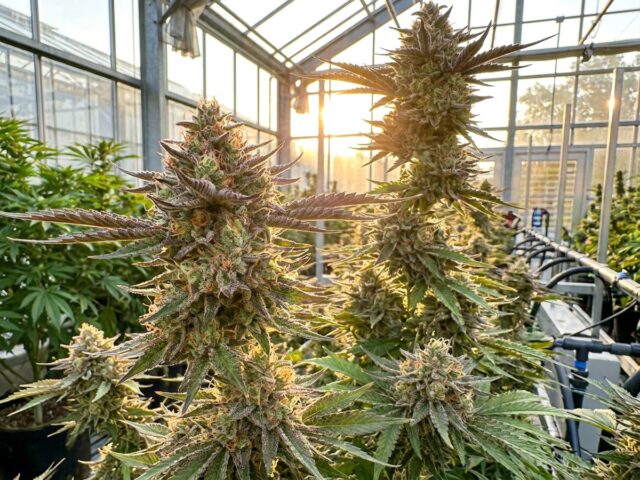
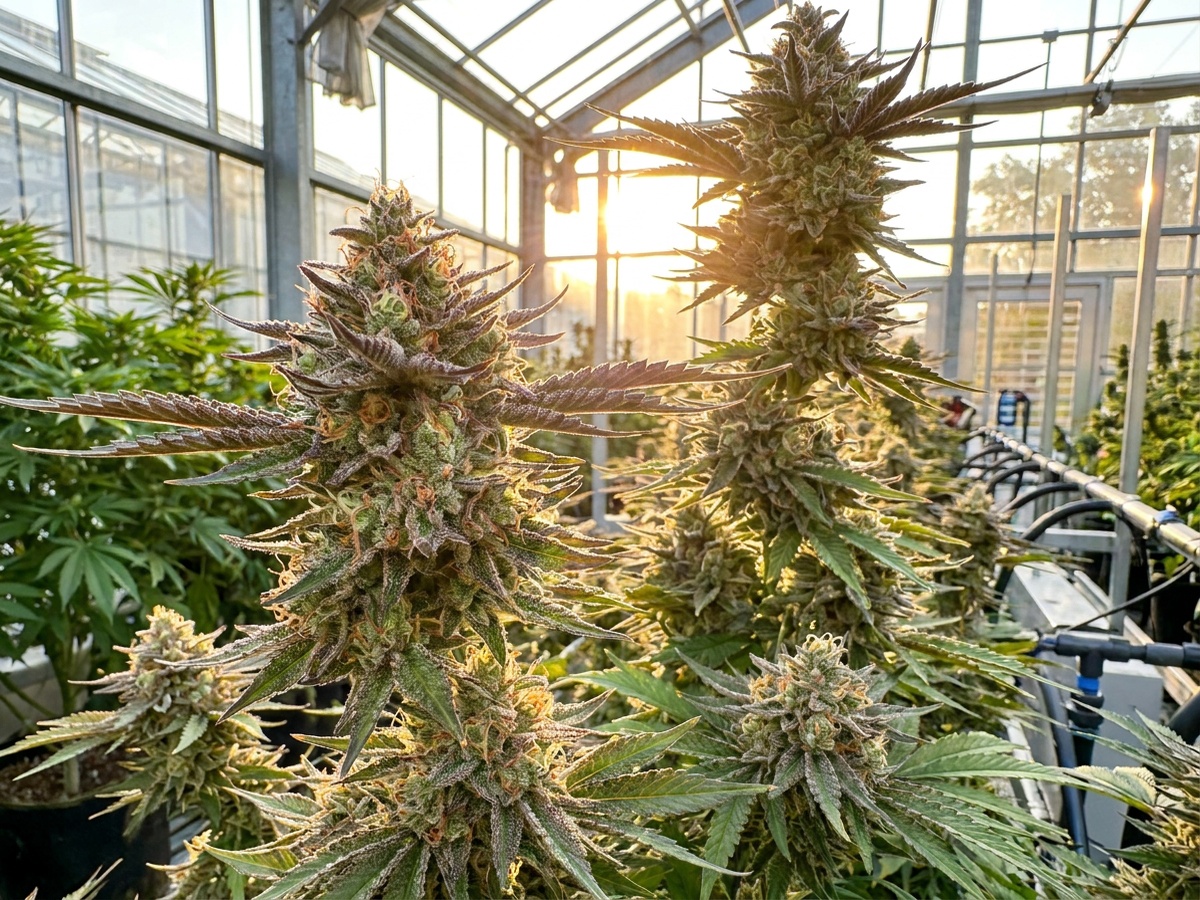
By week five of flowering, the individual floral clusters merge into sculptural, conical colas with a distinctly Cookie-like bract morphology: large, teardrop-shaped calyxes that swell dramatically and stack in spiraled whorls. Because the calyx-to-leaf ratio is exceptionally high (approximately 4.5:1), airflow penetrates effortlessly around the developing buds, and post-harvest manicuring requires minimal labor. As flowering enters weeks seven through nine, the visual presentation becomes truly breathtaking. When nocturnal canopy temperatures are dropped to 16°C–18°C, pH-sensitive anthocyanin glycosides (predominantly cyanidin-3-rutinoside and peonidin derivatives) accumulate within the vacuoles of the floral bracts and sugar leaves, painting the lime-green colas with washes of pastel lavender, plum, and deep magenta. Contrasting against this emerald-and-violet backdrop are abundant clusters of thick pistillate stigmas that transition from pearlescent ivory to vivid coral-orange and fiery tangerine.
Microscopic examination of the floral epidermis via scanning electron microscopy (SEM) and high-magnification stereomicroscopy reveals why Guava Jelly CBD rivals top-shelf Type I cultivars in visual “frost” and extraction efficiency. Whereas lower-tier hemp lines predominantly produce small sessile or bulbous trichomes with low resin volume, the bracts and adjacent small sugar leaves of Guava Jelly CBD are blanketed in a dense forest of capitate-stalked glandular trichomes featuring robust multicellular stalks and bulbous secretory heads measuring 90 to 115 micrometers in diameter. Because volatile monoterpenes such as d-limonene and beta-ocimene lower the viscosity of the resin matrix within the subcuticular cavity, the trichome heads appear exceptionally glossy and turgid, releasing an immediate burst of tropical guava perfume at the slightest mechanical brush.
4. Complete Phytochemical Profile (Cannabinoids & Terpenes)
The phytochemical architecture of Guava Jelly CBD is defined by its high-efficiency enzymatic conversion of cannabigerolic acid (CBGA) into cannabidiolic acid (CBDA), paired with a rich, fruit-ester-mimicking monoterpene and sesquiterpene ensemble. In quantitative HPLC testing of properly cured indoor and greenhouse flowers, total CBD consistently registers between 15.0% and 19.0% by dry weight (with elite phenotypes reaching 19.5%), while total delta-9-THC remains confined between 0.35% and 0.78%. This establishes a reliable 22:1 to 25:1 CBD-to-THC ratio that completely prevents CB1 receptor overstimulation while preserving trace endocannabinoid tone modulation.
At the cellular level inside the secretory disc cells of the capitate-stalked trichomes, hexanoyl-CoA and malonyl-CoA are condensed via tetraketide synthase (TKS) and olivetolic acid cyclase (OAC) to yield olivetolic acid, which is subsequently prenylated with plastid-derived geranyl pyrophosphate (GPP) by aromatic prenyltransferase (CsPT4) to form cannabigerolic acid (CBGA). Because Guava Jelly CBD carries homozygous functional CBDAS genes and lacks active THCAS enzymes, over 94% of the CBGA pool is oxidocyclized directly into CBDA. Only a minute fraction of CBGA undergoes non-specific background cyclization into THCA (0.35%–0.78%), ensuring reliable legal and clinical non-intoxicating compliance.
Beyond its primary cannabinoids, Guava Jelly CBD synthesizes a meaningful spectrum of minor phytocannabinoids that substantially amplify its therapeutic breadth. Cannabigerol (CBG and CBGA) typically accounts for 0.45% to 0.95% of dry weight, contributing alpha-2 adrenergic receptor agonism and potent neuroprotective properties. Cannabichromene (CBC) is regularly quantified between 0.30% and 0.65%, acting as a selective TRPA1 ion channel modulator and anandamide reuptake inhibitor. Trace concentrations of cannabidivarin (CBDV, 0.15% to 0.35%) and tetrahydrocannabivarin (THCV, 0.05% to 0.15%)—synthesized via the divarinolic acid pathway where butanoyl-CoA replaces hexanoyl-CoA—further enrich the chemotype, supporting neuronal excitability regulation and metabolic clarity.
| Phytocannabinoid Compound | HPLC Concentration Range (% w/w) | Mean Typical (%) | Primary Pharmacological & Receptor Activity |
|---|---|---|---|
| Cannabidiolic Acid (Native CBDA) | 13.50% – 17.10% | 15.40% | Potent 5-HT1A allosteric enhancer, selective COX-2 enzyme inhibitor, anti-emetic precursor |
| Cannabidiol (Decarboxylated Total CBD) | 15.00% – 19.00% | 17.20% | 5-HT1A agonist, CB1 negative allosteric modulator, FAAH inhibitor, TRPV1 desensitizer |
| Delta-9-THC (Total THC / THCA) | 0.35% – 0.78% | 0.62% | Sub-psychoactive CB1/CB2 partial agonist; provides trace entourage receptor priming |
| Cannabigerol (Total CBG / CBGA) | 0.45% – 0.95% | 0.70% | Alpha-2 adrenoceptor agonist, GABA reuptake inhibitor, COX-2 anti-inflammatory |
| Cannabichromene (Total CBC / CBCA) | 0.30% – 0.65% | 0.48% | TRPA1 agonist, endocannabinoid inactivation inhibitor, neurogenesis promoter |
| Cannabidivarin (Total CBDV / CBDVA) | 0.15% – 0.35% | 0.24% | TRPV1/TRPV2/TRPA1 modulator, anti-hyperexcitability and anticonvulsant co-factor |
| Tetrahydrocannabivarin (THCV) | 0.05% – 0.15% | 0.09% | Low-dose CB1 neutral antagonist, CB2 partial agonist, glycemic and cognitive modulator |
| Cannabinol (CBN) | < 0.05% | 0.02% | Minimal oxidative byproduct in fresh-cured flowers; preserves crisp daytime alertness |
The volatile terpene fraction of Guava Jelly CBD typically spans 1.85% to 2.65% of dry floral weight when cultivated under full-spectrum LED lighting or high-altitude sun and cured at a controlled 15.5°C/60% RH equilibrium. Unlike heavy indica CBD cultivars that are overwhelmingly dominated by sedative beta-myrcene alone, Guava Jelly CBD expresses a balanced, uplifting triad led by d-limonene (0.55%–0.85%), beta-myrcene (0.45%–0.70%), and sweet tropical trans-beta-ocimene (0.28%–0.48%). This primary triad is reinforced by spicy beta-caryophyllene (0.20%–0.35%), floral linalool (0.10%–0.20%), alpha-humulene (0.09%–0.18%), and crisp alpha-pinene (0.08%–0.16%), alongside trace volatile esters and aldehydes that impart its unmistakable pink guava and passionfruit jam signature.
| Terpene Compound | GC-MS Content (% w/w) | Boiling Point (°C / °F) | Aromatic Descriptor & Bio-Molecular Activity |
|---|---|---|---|
| d-Limonene | 0.55% – 0.85% | 176°C (349°F) | Candied tangerine, pink grapefruit, citrus peel; elevates serotonin/dopamine turnover and A2A receptor anxiolysis |
| Beta-Myrcene | 0.45% – 0.70% | 167°C (333°F) | Ripe tropical guava pulp, mango nectar, sweet earth; enhances blood-brain barrier permeability and somatic analgesia |
| trans-Beta-Ocimene | 0.28% – 0.48% | 174°C (345°F) | Exotic passionfruit, sweet papaya, dewy tropical orchids; bronchodilatory, decongestant, and uplifting mood enhancer |
| Beta-Caryophyllene | 0.20% – 0.35% | 130°C–160°C (266°F–320°F) | Warm baked cookie spice, cracked black pepper, cinnamon bark; selective full dietary CB2 receptor agonist |
| Linalool | 0.10% – 0.20% | 198°C (388°F) | Sweet lavender blossom, creamy vanilla frosting; GABA-A positive allosteric modulator and glutamate antagonist |
| Alpha-Humulene | 0.09% – 0.18% | 106°C–166°C (223°F–331°F) | Subtle woody hops and herbal spice; works with caryophyllene to suppress TNF-alpha and inflammatory edema |
| Alpha-Pinene | 0.08% – 0.16% | 155°C (311°F) | Crisp mountain pine needle, rosemary leaf; acetylcholinesterase (AChE) inhibitor preserving working memory |
5. Sensory Bouquet, Flavor Trajectory & Vaporization Thermal Profiling
The organoleptic experience of Guava Jelly CBD unfolds across five distinct sensory stages, offering an aromatic sophistication that routinely convinces blind-tasting panels they are evaluating an elite Californian Gelato or Cookie cut. In the unbroken cured jar, the intact flowers project a bright, nectarous top note of sun-ripened pink guava and sweet red berries, underpinned by a creamy, slightly doughy French pastry base. There is none of the acrid hay, wet grass, or chlorophyll sharpness associated with inferior first-generation hemp flowers.
Upon mechanical grinding of the resin-dense calyxes, rupturing the subcuticular trichome membranes liberates a surge of volatile trans-beta-ocimene and d-limonene. The bouquet expands dramatically into freshly sliced passionfruit, blood orange marmalade, candied lime peel, and a subtle hint of warm vanilla sugar cookie. On the dry inhalation draw through a clean borosilicate glass stem, the palate immediately registers sweet tropical fruit leather, hibiscus nectar, and crisp citrus zest.
During thermal vaporization or slow combustion, the flavor trajectory transitions smoothly from bright tropical fruit on the inhale to a velvety, creamy cookie-and-spice finish on the exhale. The retrohale leaves a lingering impression of guava jelly spread over warm buttered shortbread, accompanied by a clean, floral lavender cooling sensation from its linalool fraction. Even the ambient room note is remarkably pleasant and discreet, resembling tropical fruit tea and toasted vanilla rather than heavy skunky cannabis smoke. For medical patients using precision dry-herb convection vaporizers, stepping through targeted thermal zones allows customized activation of specific terpene and cannabinoid fractions:
1. Low-Temperature Terpene & Alertness Tier (165°C – 175°C / 329°F – 347°F): At this gentle thermal window, alpha-pinene (155°C), beta-myrcene (167°C), trans-beta-ocimene (174°C), and early d-limonene (176°C) fractions volatilize cleanly alongside initial decarboxylated CBD vapor. The flavor is overwhelmingly pure pink guava nectar, sweet passionfruit, and tangerine peel with zero throat tickle. Clinically, this setting is ideal for morning micro-dosing, social anxiety relief, bronchodilation, and focused analytical or creative work.
2. Balanced Entourage & Mood-Elevation Tier (180°C – 190°C / 356°F – 374°F): Raising the chamber temperature to 185°C achieves rapid thermal decarboxylation of CBDA into neutral CBD (boiling window ~180°C) while fully liberating d-limonene, beta-caryophyllene, and CBG. The vapor thickens into a rich, velvety mist tasting of tropical fruit jam and warm French cookie dough. This is the optimal daily therapeutic window for generalized anxiety, migraine prodrome intervention, and inflammatory joint comfort.
3. Full-Spectrum Somatic & Evening Relaxation Tier (195°C – 208°C / 383°F – 406°F): At the upper convection tier, linalool (198°C), CBC, and the remaining high-boiling sesquiterpenes and phytocannabinoids are completely extracted. The flavor shifts toward warm toasted pastry, floral lavender, and spiced berry compote. This thermal zone delivers maximum musculoskeletal spasmolysis, myofascial unwinding, and tranquil pre-sleep parasympathetic transition without next-morning grogginess.
Solventless Extraction, Live Rosin & Sublingual Formulation Dynamics
Beyond whole-flower convection vaporization, Guava Jelly CBD has emerged as one of the most sought-after Type III cultivars for craft solventless extraction, full-spectrum sublingual oil infusion, and terpene-rich hydrocarbon live resin production. Historically, high-CBD hemp cultivars yielded poor returns during ice-water hash washing (frequently below 1.5% to 2.0% fresh-frozen weight) because their trichome stalks were thin and their cuticular waxes were either overly brittle or excessively lipid-dense. Because Guava Jelly CBD inherits the swollen, 90-to-115-micrometer capitate-stalked trichome morphology of Gelato and French Cookies, fresh-frozen whole-plant harvests washed through 73-micron to 120-micron nylon sieve bags routinely return 3.5% to 4.8% in premium bubble hash, which presses at 76°C–82°C (170°F–180°F) into a golden-blond, batter-consistency CBD live rosin bursting with pink guava and passionfruit aromatics.
When formulating sublingual tinctures from cured Guava Jelly CBD flowers using organic medium-chain triglyceride (MCT) coconut oil or cold-pressed hemp seed oil, practitioners frequently employ a dual-phase extraction protocol to preserve both native acidic CBDA and neutral decarboxylated CBD. By reserving 30% of the floral biomass unheated (cold-macerated at 38°C in ultrasonic bath) and decarboxylating the remaining 70% in a sealed glass vessel at 115°C (239°F) for 45 minutes prior to lipid infusion, the resulting tincture retains volatile d-limonene and trans-beta-ocimene alongside a 7:3 CBD:CBDA ratio. Because CBDA exhibits up to 100-fold greater affinity for the 5-HT1A serotonin receptor than neutral CBD in preclinical assays and demonstrates superior oral bioavailability, this dual-phase Guava Jelly CBD elixir delivers exceptionally rapid anti-nausea, anti-panic, and neurovascular calming effects within 12 to 18 minutes of sublingual mucosal absorption.
6. Bio-Molecular Entourage Synergy & Clinical Pharmacology
The clinical efficacy of Guava Jelly CBD arises from the concerted multi-receptor interplay between its high-concentration cannabidiol backbone, its minor cannabinoids (CBG, CBC, CBDV), and its tropical monoterpene-sesquiterpene ensemble. Rather than binding orthosterically to central CB1 receptors—which accounts for the complete absence of intoxication, paranoia, tachycardia, or cognitive distortion—Guava Jelly CBD functions as a negative allosteric modulator (NAM) at the CB1 receptor while orchestrating homeostatic regulation across five interconnected neurochemical, vascular, and immunological pathways:
1. Dual Serotonergic 5-HT1A Agonism & Adenosine A2A Modulation (CBD + d-Limonene Synergy): Cannabidiol acts as a direct allosteric and orthosteric agonist at somatodendritic 5-HT1A serotonin receptors in the dorsal raphe nucleus, hippocampus, and prefrontal cortex. Simultaneously, d-limonene (0.55%–0.85%) crosses the blood-brain barrier to modulate adenosine A2A receptors and increase metabolic turnover of serotonin and dopamine in the striatum. Together, this CBD-limonene pairing produces rapid, robust anxiolysis and antidepressant mood elevation, quieting hyperactive amygdala threat-processing circuits without the emotional blunting of synthetic SSRIs or the psychomotor impairment of benzodiazepines.
2. Endocannabinoid Tone Preservation via FAAH & AEA Reuptake Inhibition (CBD + CBC Synergy): Cannabidiol inhibits fatty acid amide hydrolase (FAAH), the intracellular serine hydrolase enzyme responsible for degrading the body’s endogenous stress-buffering neurotransmitter, N-arachidonoylethanolamine (anandamide / AEA), and competes for binding on fatty acid-binding proteins (FABPs) that shuttle anandamide to FAAH. Concurrently, cannabichromene (CBC, 0.30%–0.65%) inhibits cellular anandamide membrane uptake. By elevating endogenous anandamide concentrations at physiological synapses, Guava Jelly CBD restores healthy endocannabinoid signaling in patients suffering from chronic clinical endocannabinoid deficiency (CECD), fibromyalgia, irritable bowel syndrome, and post-traumatic hyperarousal.
3. Peripheral CB2 & PPAR-Gamma Anti-Inflammatory Cascade (CBD + Beta-Caryophyllene + Beta-Ocimene): Beta-caryophyllene functions as a selective full dietary agonist at peripheral cannabinoid receptor type 2 (CB2) expressed on microglia, macrophages, osteoclasts, and B-lymphocytes, while CBD activates nuclear peroxisome proliferator-activated receptor gamma (PPAR-γ). Reinforced by the anti-cytokine activity of trans-beta-ocimene and alpha-humulene, this triad suppresses nuclear factor kappa B (NF-κB) transcription, downregulating pro-inflammatory cytokines including TNF-α, IL-1β, and IL-6, while attenuating cyclooxygenase-2 (COX-2) prostaglandin synthesis across inflamed synovial joints and gastrointestinal mucosa.
4. TRP Ion Channel Desensitization & Neurovascular Calming (CBD + Myrcene + CBDV): Both CBD and cannabidivarin (CBDV) potently activate and subsequently desensitize transient receptor potential vanilloid type 1 (TRPV1) and ankyrin type 1 (TRPA1) nociceptive ion channels on peripheral C-fibers and trigeminal nerve endings, while antagonizing the pro-excitatory orphan receptor GPR55. Assisted by beta-myrcene’s activation of endogenous alpha-2 adrenergic and nitric-oxide/cGMP analgesic cascades, Guava Jelly CBD interrupts neuropathic pain transmission and dampens trigeminovascular calcitonin gene-related peptide (CGRP) release during migraine aura and tension headaches.
5. GABAergic Tone Enhancement & Cholinergic Memory Preservation (CBG + Linalool + Alpha-Pinene): While linalool acts as a positive allosteric modulator at inhibitory GABA-A receptors and CBG inhibits synaptic GABA reuptake to relax striated muscle tension and autonomic sympathetic overdrive, alpha-pinene inhibits acetylcholinesterase (AChE) in the central nervous system. This preserves synaptic acetylcholine availability in the hippocampus and prefrontal cortex, ensuring that working memory, verbal fluency, and executive focus remain crystal clear throughout treatment.
Pharmacokinetic & Hepatic CYP450 Considerations: Clinicians and patients utilizing concentrated oral or sublingual preparations of Guava Jelly CBD above 100 mg/day should note that cannabidiol is a competitive substrate and reversible inhibitor of hepatic cytochrome P450 isoenzymes CYP2C19 and CYP3A4. When co-administered with narrow-therapeutic-index pharmaceuticals metabolized via these pathways (such as clobazam, warfarin, or certain calcium-channel blockers), spacing oral CBD administration by 2 to 3 hours and monitoring serum drug levels ensures optimal metabolic safety. Vaporized inhalation at standard therapeutic doses (10–30 mg inhaled CBD) bypasses first-pass portal circulation, minimizing hepatic enzyme competition while delivering rapid onset within 2 to 5 minutes.
| Clinical Indication | Primary Symptom Target | Synergistic Bio-Molecular Mechanism | Recommended Delivery & Titration |
|---|---|---|---|
| Generalized & Social Anxiety Disorders | Autonomic hyperarousal, rumination, social tension, panic prodrome | CBD 5-HT1A agonism + d-Limonene A2A modulation + Linalool GABA-A potentiation | Convection vaporization at 175°C–185°C (2–4 inhalations) or 15–25 mg sublingual oil |
| Neurovascular Migraine & Tension Headache | Trigeminal throbbing, photophobia, cervical paraspinal spasm | CBD/CBDV TRPV1 desensitization + FAAH inhibition (anandamide preservation) | Immediate vaporization at 185°C–195°C at earliest prodrome or aura onset |
| Inflammatory Arthropathies & Myofascial Pain | Joint stiffness, tendonitis, delayed-onset muscle soreness, fibromyalgia | Beta-Caryophyllene CB2 agonism + CBD PPAR-γ activation + Myrcene analgesia | 25–40 mg full-spectrum oral/sublingual extract twice daily + 195°C vapor breakthrough |
| Occupational Burnout & Depressive Fatigue | Anhedonia, stress-induced brain fog, afternoon cortisol spikes | d-Limonene + Beta-Ocimene monoamine support + Alpha-Pinene AChE inhibition | Low-temp daytime vaporization at 168°C–176°C during morning or midday work blocks |
| THC Overconsumption Counter-Regulation | THC-induced tachycardia, paranoia, racing thoughts, dry mouth | CBD negative allosteric modulation (NAM) at CB1 receptor + Pinene memory rescue | 3–5 rapid vapor inhalations at 185°C or 30 mg sublingual tincture for rapid grounding |
7. Agronomic Cultivation Parameters & Post-Harvest Curing Protocol
Cultivating Guava Jelly CBD to its full genetic and chemical potential requires agronomic management tailored to preserve volatile tropical monoterpenes while preventing late-stage THC drift. In controlled indoor environments and climate-regulated greenhouses, the cultivar thrives in living organic soil (LOS) beds amended with worm castings, cold-pressed North Atlantic kelp meal, crustacean meal, micronized basalt rock dust, and vesicular-arbuscular mycorrhizal fungi (Rhizophagus irregularis). Rich rhizosphere microbial consortia stimulate systemic acquired resistance (SAR) and markedly enhance plastidic monoterpene and ester biosynthesis compared to sterile synthetic salt hydroponics. During the four-to-five-week vegetative stage, maintain ambient daytime temperatures between 24°C and 27°C (75°F–81°F) with relative humidity at 60%–65% (VPD 0.9–1.1 kPa) and photosynthetic photon flux density (PPFD) between 450 and 650 μmol/m²/s.
Because Guava Jelly CBD exhibits vigorous lateral branching and a 1.6x–1.9x flowering stretch, installing a single- or double-layer Screen of Green (ScrOG) trellis net at week three of vegetative growth is highly recommended. Top the primary apical meristem once above the fifth node and tuck developing secondary shoots horizontally across the trellis grid during the first fourteen days of the 12/12 flowering cycle. Perform a targeted lower-canopy defoliation (“lollipopping”) at day 20 of flower to remove shaded interior sucker shoots, directing all photosynthetic assimilates into the top canopy colas while ensuring unobstructed horizontal laminar airflow.
During mid-to-late flowering (weeks five through nine), increase full-spectrum LED irradiance to 800–950 μmol/m²/s while systematically lowering relative humidity to 45%–50% (VPD 1.3–1.5 kPa) to protect the dense, Cookie-structured colas from Botrytis cinerea. Nutritional EC should remain moderate—peaking at 1.6 to 1.9 mS/cm with elevated bioavailable phosphorus, potassium, magnesium, and organic sulfur (critical for volatile terpene and flavonoid synthesis) while tapering nitrogen after week four. To unlock the cultivar’s signature lavender and violet anthocyanin pigmentation and protect volatile beta-ocimene and d-limonene from thermal volatilization, lower daytime canopy temperatures to 22°C–24°C during the final two weeks of maturation, with nocturnal drops to 16°C–17°C.
| Cultivation Phase | Photoperiod & Duration | Canopy Temp & Humidity | Target VPD & PPFD | Feed EC & Horticultural Focus |
|---|---|---|---|---|
| Propagation & Seedling | 18/6 Light | Days 1–14 | 24°C–26°C | 68%–75% RH | 0.6–0.8 kPa | 220–320 PPFD | EC 0.7–0.9 mS/cm; mycorrhizal root drench & kelp humic biostimulants |
| Vegetative Canopy Build | 18/6 Light | Weeks 3–5 | 24°C–27°C | 60%–65% RH | 0.9–1.1 kPa | 450–650 PPFD | EC 1.2–1.5 mS/cm; apical topping at node 5, LST & ScrOG horizontal tucking |
| Floral Stretch & Initiation | 12/12 Light | Weeks 1–3 Flower | 24°C–26°C | 52%–58% RH | 1.1–1.3 kPa | 650–800 PPFD | EC 1.5–1.7 mS/cm; elevated Ca/Mg & silica, day-20 lower canopy lollipopping |
| Mid-Flower Calyx Swell | 12/12 Light | Weeks 4–7 Flower | 23°C–25°C | 45%–50% RH | 1.3–1.5 kPa | 800–950 PPFD | EC 1.7–1.9 mS/cm; peak P-K-S bloom nutrition & amino-chelated micronutrients |
| Ripening & Anthocyanin Finish | 12/12 Light | Weeks 8–9 Flower | 21°C–23°C (16°C night) | 42% RH | 1.4–1.6 kPa | 650–750 PPFD | EC 0.2–0.4 mS/cm; pure water finish to preserve tropical guava monoterpenes |
Critical Chemotypic Harvest Timing & Curing: For Type III high-CBD cultivators operating under strict regulatory THC thresholds, trichome inspection via 60x–100x microscopy is essential. CBDA biosynthesis reaches its peak plateau slightly earlier than late-stage residual THCA accumulation. Optimal harvest occurs between days 58 and 63 of flowering, when approximately 85% to 90% of the capitate-stalked trichome heads have turned milky-opaque and no more than 5% exhibit amber coloration. Whole-plant hang drying should proceed slowly in a dark, climate-controlled vault maintained at 15.5°C (60°F) and 60% relative humidity for 12 to 14 days, followed by a minimum 4-to-6-week curing phase in airtight glass or stainless-steel vessels stabilized with 62% RH two-way humidity packs.
Integrated Pest Management (IPM), Water Activity & Terpene Preservation
Because Guava Jelly CBD synthesizes high concentrations of sweet volatile monoterpenes (d-limonene, beta-ocimene, and beta-myrcene) and packs dense, Cookie-structured floral bracts during weeks six through nine, proactive biological Integrated Pest Management (IPM) is paramount. Cultivators should never apply foliar neem oil, potassium salts of fatty acids, or sulfur sprays after day 10 of the 12/12 flowering transition, as lipid-soluble residues adhere permanently to the capitate-stalked trichome cuticles and ruin the delicate pink guava and pastry flavor profile. Instead, preventative biological controls should be established during week two of vegetative growth by introducing predatory mites—specifically Amblyseius swirskii and Neoseiulus californicus—alongside rhizosphere inoculations of Bacillus amyloliquefaciens and Trichoderma harzianum to suppress root-borne pathogens and foliar powdery mildew (Golovinomyces cichoracearum).
During the post-harvest curing stage, monitoring internal floral water activity (aw) with a calibrated chilled-mirror dew-point hygrometer ensures both microbiological safety and long-term terpene retention. Guava Jelly CBD flowers should be dried until internal water activity stabilizes between 0.58 and 0.62 aw (corresponding to 10.5%–11.8% moisture content by dry weight). Above 0.65 aw, latent fungal spores can germinate inside the dense apical colas; below 0.52 aw, the protective lipid monolayer surrounding the trichome heads fractures, accelerating the evaporative loss of trans-beta-ocimene and d-limonene by up to 45% over thirty days. Purging the headspace of curing vessels with food-grade nitrogen gas and storing the cured flowers in ultraviolet-blocking Miron violet glass at 14°C–16°C preserves over 92% of the native monoterpene fraction and prevents oxidative degradation of CBDA for twelve months or longer.
8. Dispensary Synthesis, Connoisseur Scorecard & Patient Consultation
Within the Ganja House clinical and connoisseur catalog, Guava Jelly CBD occupies the premier tier of daytime sensory therapeutics. Compared against other landmark Type III cultivars—such as earthy-herbal Solodiol, indica-sedative Remedy, or sharp-citrus Dinamed CBD Plus—Guava Jelly CBD stands apart through its exotic pink guava, passionfruit, and creamy French Cookie flavor profile paired with an uplifting, crystal-clear sativa-hybrid mental state. It proves conclusively that patients choosing non-intoxicating cannabidiol medicine never have to compromise on bag appeal, trichome density, or gourmet dessert flavor.
Furthermore, Guava Jelly CBD serves as the ultimate architectural “buffer flower” for custom cannabinoid ratio blending. Many medical patients find that pure Type I high-THC cultivars (22%–28% THC) provoke unwanted sympathetic nervous system arousal, whereas 100% pure CBD flower occasionally lacks the mild euphoric analgesia required for severe breakthrough pain. By grinding Guava Jelly CBD together with a high-THC Gelato, Sherbet, or Cookie cultivar at tailored ratios—such as 4:1 (mild daytime micro-synergy), 2:1 (balanced afternoon somatic relief), or 1:1 (full evening clinical entourage)—patients can custom-engineer their exact CB1/CB2 receptor activation curve while enhancing the tropical guava-and-pastry flavor of the blend.
| Evaluation Metric | Score (/10) | Connoisseur & Clinical Organoleptic Assessment |
|---|---|---|
| Aromatic Intensity & Complexity | 9.7 / 10 | Extraordinary pink guava nectar, passionfruit jam, blood orange zest, and creamy French cookie dough bouquet |
| Flavor Fidelity & Palate Persistence | 9.6 / 10 | Seamless translation from jar aroma to vapor; sweet tropical fruit inhale with velvety vanilla-spice exhale |
| Visual Bag Appeal & Trichome Frost | 9.5 / 10 | Dense Cookie-structured calyxes with lime-emerald and lavender hues, coral pistils, and heavy crystalline resin |
| Daytime Functional Clarity & Serenity | 9.8 / 10 | Zero intoxication or cognitive fog; delivers uplifting, bright emotional calm and sustained executive focus |
| Somatic Comfort & Anxiolytic Efficacy | 9.5 / 10 | Rapid relief of chest tightness, social tension, neurovascular headache, and inflammatory stiffness |
Dispensary Staff & Budtender Consultation Scripts
Patient Inquiry 1 (The Flavor-Disappointed Medical Patient): “I love how CBD helps my anxiety during the workday, but every CBD flower I’ve tried tastes like dry hay or pine needles. Do you have anything that actually tastes like top-shelf exotic flower without getting me high?”
Budtender Guidance Script: “Guava Jelly CBD was bred specifically for you. It combines genuine Gelato-line Guava and French Cookies genetics with a pure medical CBD lineage, testing at 15% to 19% CBD with less than 0.8% THC. Because it is rich in d-limonene, beta-myrcene, and tropical beta-ocimene, opening the jar smells like sweet pink guava jam, passionfruit, and vanilla pastry. Set your dry-herb vaporizer to 180°C (356°F) and you will get true dessert-grade flavor and rapid anxiety relief with 100% clear-headed focus.”
Patient Inquiry 2 (The THC-Sensitive Creative Professional): “I used to enjoy sativa hybrids for creative work, but now high-THC strains give me racing heartbeats and social overthinking. What do you recommend?”
Budtender Guidance Script: “Try Guava Jelly CBD either on its own during your morning creative sessions or mixed at a 3:1 ratio with a tiny pinch of your favorite sativa. Its 25:1 CBD-to-THC profile acts as a negative allosteric modulator at CB1 receptors—meaning it physically shields your nervous system from THC-induced racing thoughts and tachycardia—while its limonene, ocimene, and alpha-pinene terpenes gently elevate mood, dopamine tone, and mental clarity.”
Patient Inquiry 3 (The Chronic Migraine & Neck-Tension Patient): “I get afternoon tension headaches behind my eyes from staring at computer screens all day, and I cannot afford to feel drowsy before my evening commute.”
Budtender Guidance Script: “Guava Jelly CBD is an ideal daytime neurovascular rescue flower. Its combination of high-dose CBD, trace CBDV, and beta-myrcene desensitizes TRPV1 pain channels along the trigeminal nerve while beta-caryophyllene calms cervical inflammation. Take three slow vapor draws at 185°C–190°C at the very first sign of neck stiffness or visual aura for fast, non-sedating relief.”
Ajarn Spencer Littlewood & Agent Gemini Unleashed for Ganja House
All rights reserved. Scientific documentation and botanical research archive.