[wp_post_visit_card post_id=”1359″]
Audio Monograph: SFV OG Scientific & Cultivation Overview
Professional spoken audio compendium detailing genetic origin, chemical profile, cultivation parameters, and therapeutic applications.
Narrated by Ryan • Ganja House Audio Compendium • Runtime: 2m 08s
1. Introduction & Executive Summary
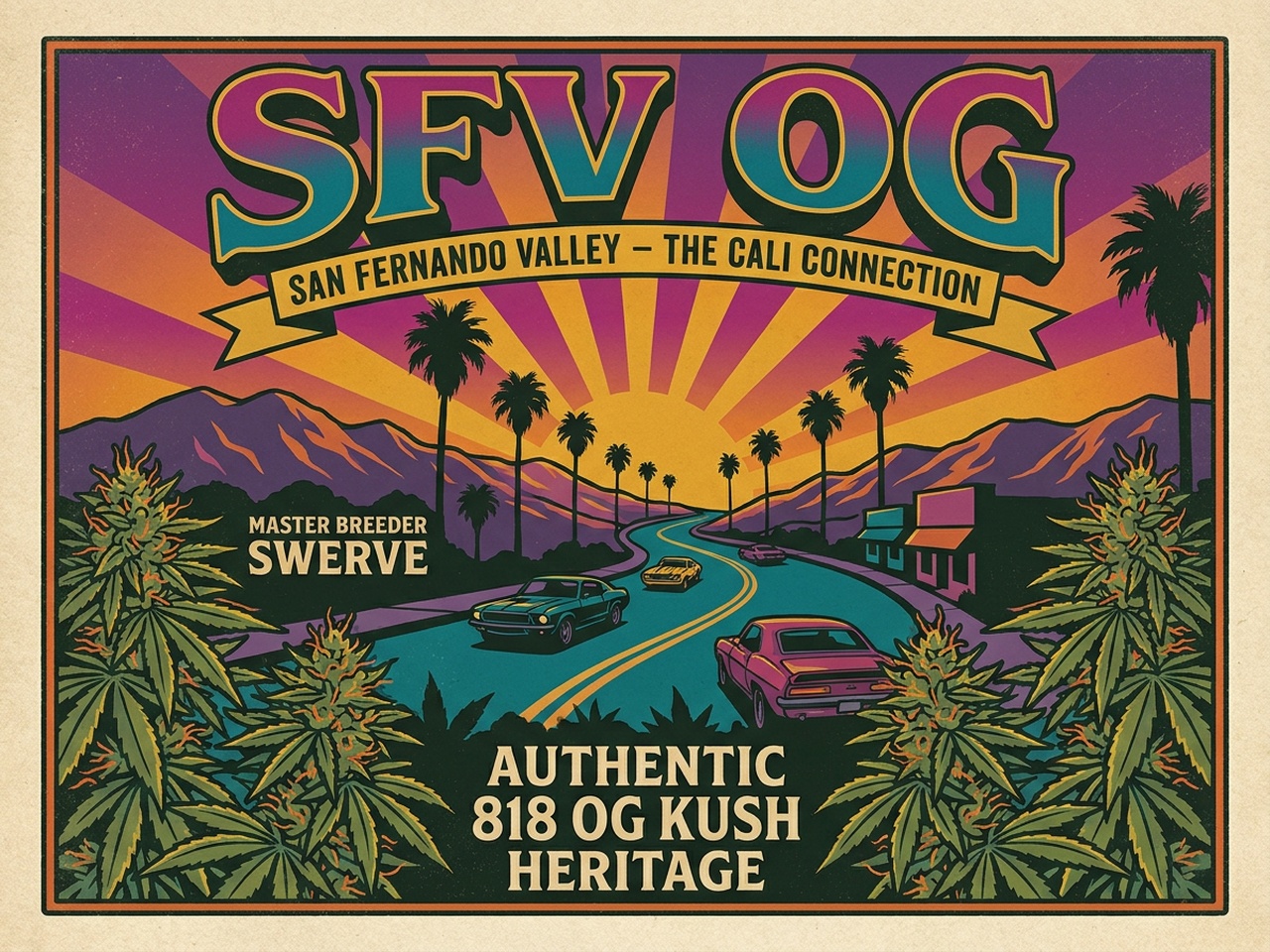
SFV OG, recognized taxonomically as a foundational chemotype of Cannabis sativa L. (predominantly Cannabis indica Lam. gene pool), represents one of the most culturally revered, chemically distinct, and historically consequential selections within the broader OG Kush genealogical matrix. Originating in the distinct microclimates of Southern California’s San Fernando Valley during the late nineteen-nineties, SFV OG emerged not as an artificial polyhybrid created through modern commercial breeding shortcuts, but rather as an elite, highly refined phenotype isolated directly from the original California OG Kush genetic foundation. Preserved, stabilized, and introduced to international prominence through master breeder Swerve and the seminal breeding collective The Cali Connection, SFV OG stands as the undisputed benchmark for lemon-hydrocarbon terpene intensity, high-potency cannabinoid density, and decisive neuromuscular sedation.
In the commercial and medical cannabis ecosystems of North America and Europe, few varietals have maintained such enduring market authority over a quarter-century. While contemporary breeding programs frequently prioritize pastel coloration, dessert-forward confectionery aromatics, and hyper-dense spherical bud structures designed for machine trimming, SFV OG occupies an entirely different botanical paradigm. It delivers an unvarnished, sharp, medicinal sensory experience dominated by raw kerosene, distilled industrial solvent, tart floor cleaner limonene, and damp coniferous earth. This intense organoleptic signature is matched by analytical testing profiles that consistently document total cannabinoid concentrations ranging between twenty-four and thirty-one percent, anchored by delta-nine-tetrahydrocannabinolic acid (THCA) levels between twenty-one and twenty-seven percent.
The commercial significance of SFV OG extends far beyond its raw recreational appeal. From an agronomic and dispensary perspective, it provides an invaluable baseline for therapeutic consistency. The cultivar demonstrates an unmistakable chemotypic fidelity, characterized by high concentrations of beta-myrcene, d-limonene, and beta-caryophyllene, accompanied by minor but analytically crucial sesquiterpenes and volatile sulfur compounds (VSCs). These chemical constituents work in pharmacological concert to provide profound analgesic, myorelaxant, and neurosedative effects, cementing its reputation among clinical patients suffering from intractable spinal trauma, severe neuropathic pain, combat-related post-traumatic stress disorder, and treatment-resistant insomnia.
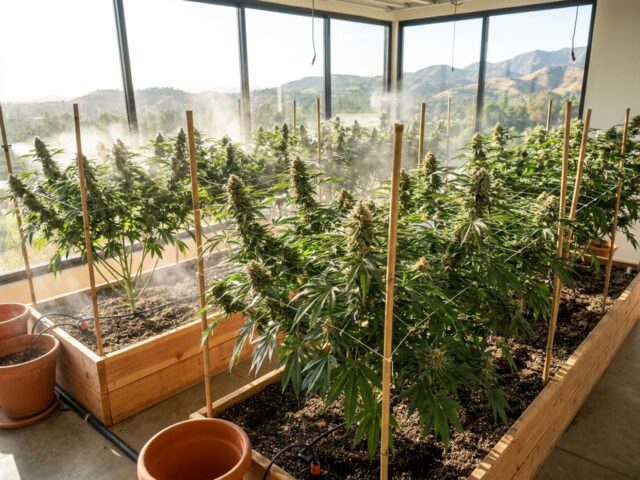
Geographically and culturally, the San Fernando Valley provided the crucible within which this cultivar was forged. Known colloquially throughout Southern California as the “818” from its telephonic area code, the valley encompasses an arid inland basin hemmed in by the Santa Susana, Verdugo, and San Gabriel mountain ranges. Characterized by intense Mediterranean summer heat, low ambient humidity, and dry Santa Ana winds, this microclimate challenged indoor cultivators relying on high-intensity discharge lighting in retrofitted suburban warehouses, commercial garages, and clandestine grow rooms. Under these intense environmental pressures, phenotypes with vigorous root systems, exceptional vascular efficiency, and resistance to environmental stress were naturally favored. The SFV OG cutting thrived precisely because its physiological architecture was capable of sustained high-rate transpiration and massive secondary metabolite synthesis even under elevated thermal loads.
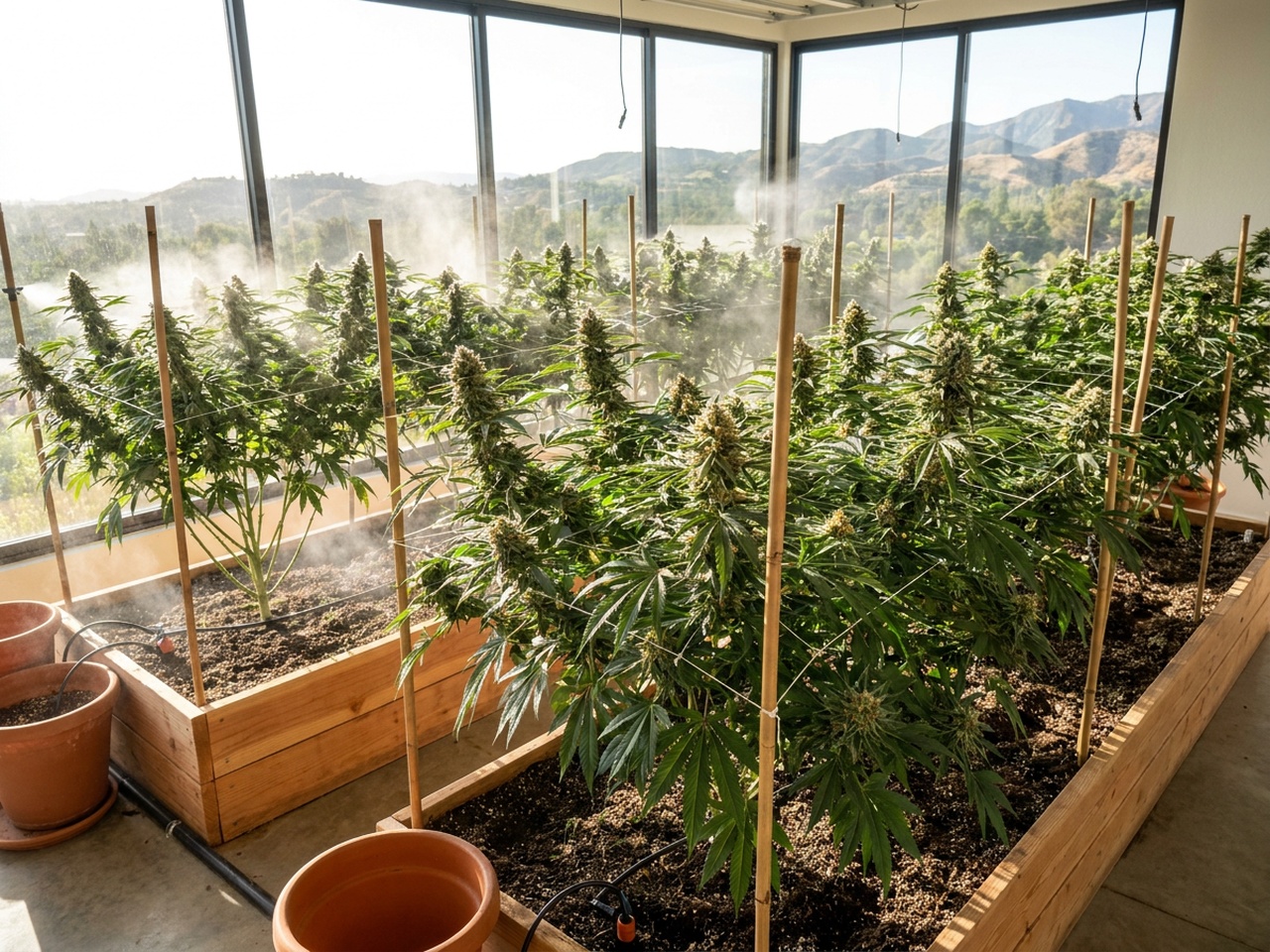
Botanically, SFV OG presents distinct morphological traits that demand skilled horticultural intervention. Unlike the stocky, columnar, broad-leafed morphology typical of pure Afghanica landraces, SFV OG exhibits the classic “lanky vine” architecture of elite OG Kush cuts. Lateral branching is pronounced, internodal spacing is moderate to long, and vegetative petioles are flexible, requiring substantial mechanical trellising, screen of green (SCROG) netting, or bamboo staking to prevent branch collapse under the weight of ripening floral clusters. The inflorescences develop as dense, golf-ball-sized nodules clustered tightly around floral nodes, displaying an exceptionally high calyx-to-leaf ratio that allows for rapid manicuring and superior air circulation within the canopy.
This executive summary provides commercial dispensary operators, analytical laboratory chemists, clinical medical directors, and commercial master growers with an exhaustive operational blueprint. Throughout the subsequent sections of this monograph, the cultivar’s historical genesis, genetic lineages, botanical morphology, complete chromatographic phytochemistry, organoleptic profile, clinical pharmacodynamics, commercial cultivation parameters, and industrial extraction metrics are examined in rigorous, empirical detail.
| Cultivar Metric | Scientific Specification & Laboratory Baseline | Agronomic & Clinical Impact |
|---|---|---|
| Botanical Name | Cannabis sativa L. (Indica-dominant chemotype) | Taxonomically stabilized under broad-leaf drug cultivar classification. |
| Cultivar Nomenclature | SFV OG / San Fernando Valley OG Kush | Global industry standard nomenclature for 818 valley elite OG cut. |
| Genealogical Origin | OG Kush (San Fernando Valley Clone-Only Phenotype) | Preserved and stabilized via backcross by Swerve / The Cali Connection. |
| Total Cannabinoids | 24.0% – 31.5% (w/w dry biomass) | Elite commercial potency threshold suitable for high-grade concentrates. |
| THC Concentration | 21.0% – 27.5% Δ9-THC (decarboxylated) | Profound psychoactive and somatic potency with rapid onset. |
| Secondary Cannabinoids | CBG: 0.6–1.4%, CBC: 0.2–0.5%, CBD: <0.2% | Synergistic cannabinoid modulation enhancing anti-inflammatory properties. |
| Total Terpene Density | 2.2% – 3.8% (w/w total essential oil fraction) | Pungent industrial gas, sour lemon citrus, and pine solvent fragrance. |
| Dominant Terpenes | β-Myrcene, d-Limonene, β-Caryophyllene, α-Pinene | Defines the classic West Coast diesel-fuel and sour cleaning chemical profile. |
| Photoperiod Flowering | 63 – 70 Days (9.0 – 10.0 Weeks) | Requires full trichome maturation to unlock deep amber glandular heads. |
| Biomass Productivity | 450 – 550 g/m² (Indoor) | 600 – 850 g/plant (Outdoor) | Moderate volumetric yield compensated by extraordinary resin concentration. |
2. Genetic Lineage & Heritage History
To understand the genetic lineage and historical trajectory of SFV OG requires traversing the foundational mythology and documented botanical migrations of modern North American cannabis. The genesis of OG Kush itself remains one of the most thoroughly analyzed subjects in horticultural history. Emerging in the early nineteen-nineties, the original cut—frequently traced back to Matt “Bubba” Berger and Josh D utilizing seeds sourced from a Florida-grown bagseed colloquially known as “Krippy” or “Triangle Kush”—migrated to Los Angeles, California. In the fertile, clandestine horticultural subculture of Southern California, this newly arrived genetic specimen adapted with extraordinary vigor to the indoor artificial lighting environments and arid coastal microclimates of Los Angeles County.
As the original OG Kush clone was disseminated among trusted cultivation circles throughout Southern California, distinct geographic enclaves began identifying, selecting, and preserving specific phenotypes that expressed distinct aromatic, architectural, and pharmacological nuances. In the sprawling suburban and foothill landscapes of the San Fernando Valley (the “818” telephone area code), an elite cultivator known simply as Swerve acquired an authentic cutting of the original OG Kush. Recognizing that this particular specimen exhibited an unprecedented concentration of sour citrus notes combined with a sharper, more astringent kerosene pungency than other regional cuts (such as the Tahoe OG, Ghost OG, or Larry OG), Swerve dedicated years to isolating, maintaining, and proving the stability of this specific clone.
The botanical lineage of the ancestral OG Kush itself is widely understood by geneticists to represent a complex cross between an ancestral Chemdog selection (specifically Chemdog 91 or a related polyhybrid) and a dense, broad-leafed Hindu Kush or Pakistani landrace indica, possibly crossed with Lemon Thai. This unique ancestral triangulation yielded a genotype possessing the expansive, soaring cerebral onset of equatorial Sativas coupled with the dense, resin-encrusted floral geometry and profound physical heaviness of mountainous Afghanica strains. In the SFV selection, the volatile monoterpene fraction associated with limonene and pinene was amplified to an extraordinary degree, creating a sour, citrus-fuel profile that set it apart from the earthier, more pine-dominant expressions such as the Tahoe OG cut.
In its original form, SFV OG was an absolute “clone-only” cutting. Commercial cultivators who possessed the authentic cutting guarded it fiercely, as its distinctive bag appeal, lime-tinted floral bracts, and lung-expanding vapor made it one of the most lucrative cash crops in the medical cannabis dispensaries that flourished following the passage of California’s Proposition 215 in 1996. However, clone-only distribution severely restricted access for growers outside Southern California. Recognizing the need to preserve and democratize these elite genetics for home growers and international breeders, Swerve founded The Cali Connection seed company and initiated an ambitious, methodical backcrossing program designed to translate the elite traits of the clone-only female into stable seed form.
To accomplish this, Swerve crossed the original SFV OG clone with an elite Afghan #1 male sourced from classic Dutch genetic stocks. The purpose of introducing the Afghan male was twofold: to inject structural rigidity into the notoriously weak, vine-like branches of the OG mother, and to provide viable pollen without diluting the pungent lemon-petroleum terpene profile. The resulting progeny were subsequently backcrossed to the original SFV OG mother over multiple generations (creating SFV OG BX, BX2, and BX3 lines). This rigorous selective breeding locked in the dominant chemotypic markers—specifically the volatile myrcene-limonene-caryophyllene terpene ratio and ultra-high resin output—while yielding seed stock that faithfully replicated the morphology and clinical potency of the authentic San Fernando Valley clone.
Throughout the late two-thousands and twenty-tens, SFV OG became an indispensable genetic pillar for contemporary cannabis breeding. Elite seedbanks and breeders worldwide utilized SFV OG to impart fuel, power, and resin density to hybrid lineages. Foundational hybrids such as Skywalker OG (Skywalker x SFV OG), Tahoe Hydro OG selections, and numerous Cali Connection flagships (including San Fernando Valley OG Kush, Deadhead OG, and Larry OG crosses) directly trace their ancestral strength to this valley cutting. The cultivar’s enduring stability has cemented its status as an immortal genotype, revered alongside Sour Diesel, Northern Lights #5, and Chemdog 91 as a cornerstone of American cannabis breeding.
In comparative genomic analyses conducted across commercial Kush cultivars, the SFV OG cut occupies a unique genetic cluster. While many modern Kush selections have experienced genetic drift through repeated tissue culture cycles or unauthorized hybridization with unrelated polyhybrids, authentic SFV OG specimens exhibit remarkable allelic homogeneity. Microsatellite marker analysis and single nucleotide polymorphism (SNP) genotyping reveal a clear divergence from standard European indica lines, confirming its status as an unadulterated preservation of the primary West Coast domestic gene pool that reshaped global cannabis culture.
| Lineage Generation | Parental Genetic Pairing | Breeding Methodology | Phenotypic Stability & Inheritance Traits |
|---|---|---|---|
| Ancestral Foundation | Florida Triangle Kush × (Afghani × Pakistani Landrace) | Spontaneous domestic recombination (Florida to Southern California migration). | Established core OG Kush chemistry: high THCA, pungent hydrocarbon volatiles. |
| Original Cut (P1) | OG Kush (San Fernando Valley Elite Phenotype) | Clonal selection & vegetative propagation by Swerve (late 1990s). | 100% clone-only uniformity; high lemon-cleaner nose, lanky vine morphology. |
| Outcross Foundation (F1) | SFV OG Clone × Afghani #1 Male | Controlled outcross to establish viable male lines and reinforce stem thickness. | Broadened leaflet margins, increased structural biomass, slightly dampened fuel. |
| Backcross 1 (BX1) | SFV OG Clone × (SFV OG × Afghani #1) Male | First maternal backcross to recapture authentic terpene profile. | 75% SFV OG genetic recurrence; restoration of signature lemon-kerosene aroma. |
| Stabilized Seedline (BX3 / IBL) | SFV OG Clone × SFV OG BX2 Selected Male | Recurrent selection for trichome density, calyx structure, and terpene profile. | 87.5%+ phenotypic conformity to original clone; commercial seed availability. |
3. Botanical Morphology & Phenotypic Traits
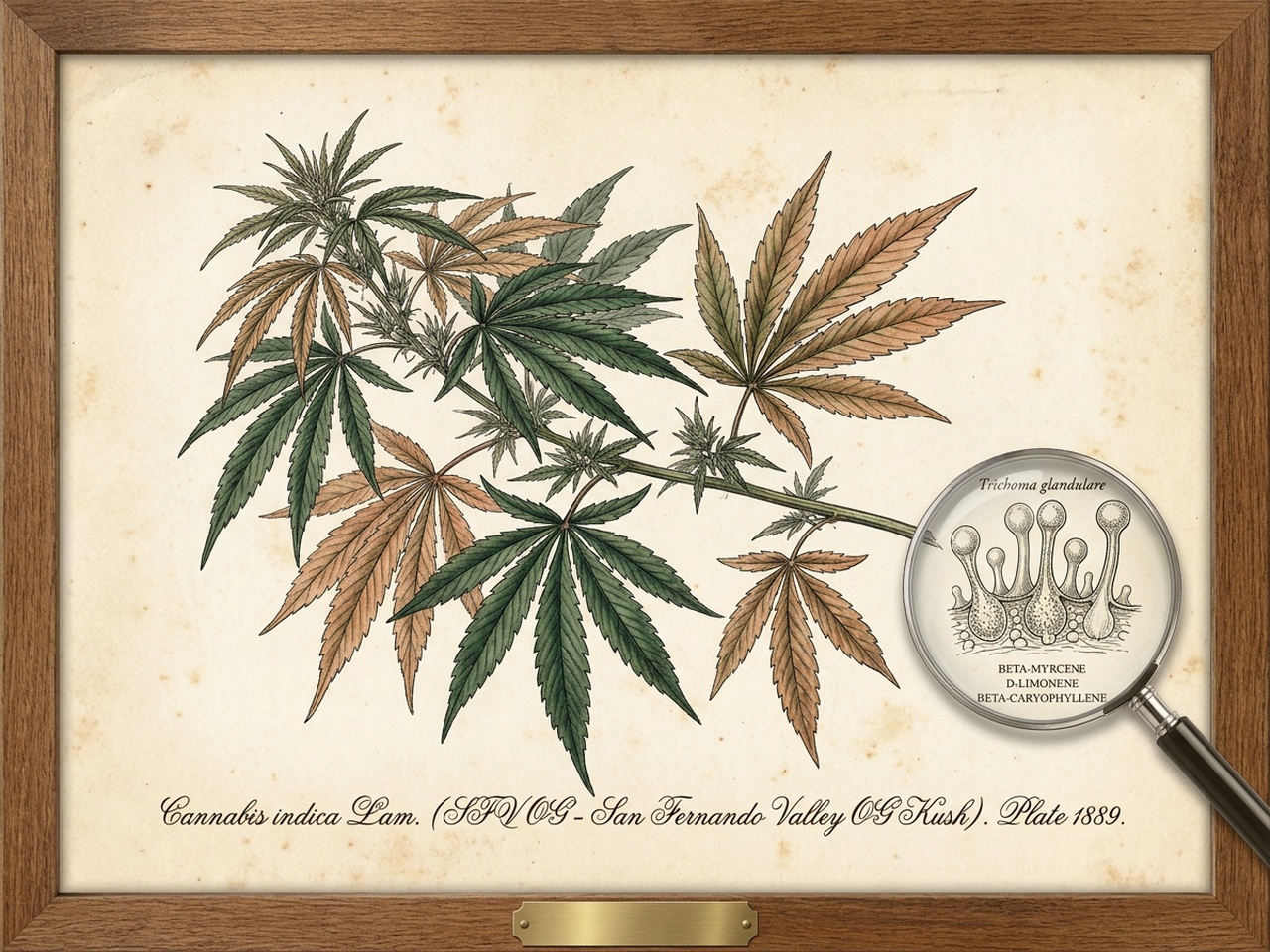
The morphological profile of SFV OG provides a masterclass in the structural expression of elite hybrid cannabis. Cultivators accustomed to the squat, dense, column-like stature of commercial Dutch Skunk or northern Afghanica cultivars are immediately confronted by the open, sprawling architecture of SFV OG. In vegetative development, plants demonstrate an aggressive apical dominance accompanied by vigorous, elongated lateral branches. The internodal spacing is notably wide, often measuring between five and eight centimeters under standard horticultural lighting. Stems are relatively slender, fibrous, and flexible, displaying a hollow core upon longitudinal dissection—a structural characteristic that reflects its rapid vegetative expansion but necessitates comprehensive mechanical support during the flowering cycle.
The foliage of SFV OG is distinctively elegant. Fan leaves typically develop with seven to nine narrow-to-medium lanceolate leaflets, characterized by deep, razor-sharp marginal serrations. The leaf coloration is an intense, saturated forest green, exhibiting a slight waxy luster on the adaxial surface that protects against rapid transpiration in low-humidity environments. As the plant transitions into floral induction, the petiole angles remain acute, maintaining an open canopy structure that permits significant photon penetration into the sub-canopy layers. This natural light distribution reduces the accumulation of microclimatic humidity pockets, offering a degree of prophylactic protection against Botrytis cinerea (gray mold) despite the extreme density of the terminal flowers.
Upon initiation of the twelve-hour photoperiod, SFV OG exhibits a pronounced flowering stretch, routinely doubling or even tripling in vertical height over the first twenty-one days. During this developmental phase, floral primordia differentiate at every nodal junction, forming distinct, spherical floral clusters that do not coalesce into single unbroken terminal colas. Instead, the inflorescences develop as discrete, rock-hard “golf-ball” clusters that stack along the stems with short, resin-encrusted internodes between them. The individual calyxes are swollen, bulbous, and tightly clustered, displaying a vibrant pale-lime to emerald green hue that contrasts sharply against dark olive sugar leaves.
The vascular transport system within SFV OG stems exhibits specialized adaptations. High xylem vessel density facilitates the rapid translocation of water, calcium ions, and macro-elements from the root zone to the developing apical meristems. However, because the lignification of structural collenchyma tissue occurs at a slower rate than its rapid longitudinal cell elongation, the lateral branches remain pliable for several weeks into flowering. If unassisted by external trellising or plant support stakes, branches frequently bend under angles exceeding forty-five degrees once trichome production accelerates and bud biomass increases.
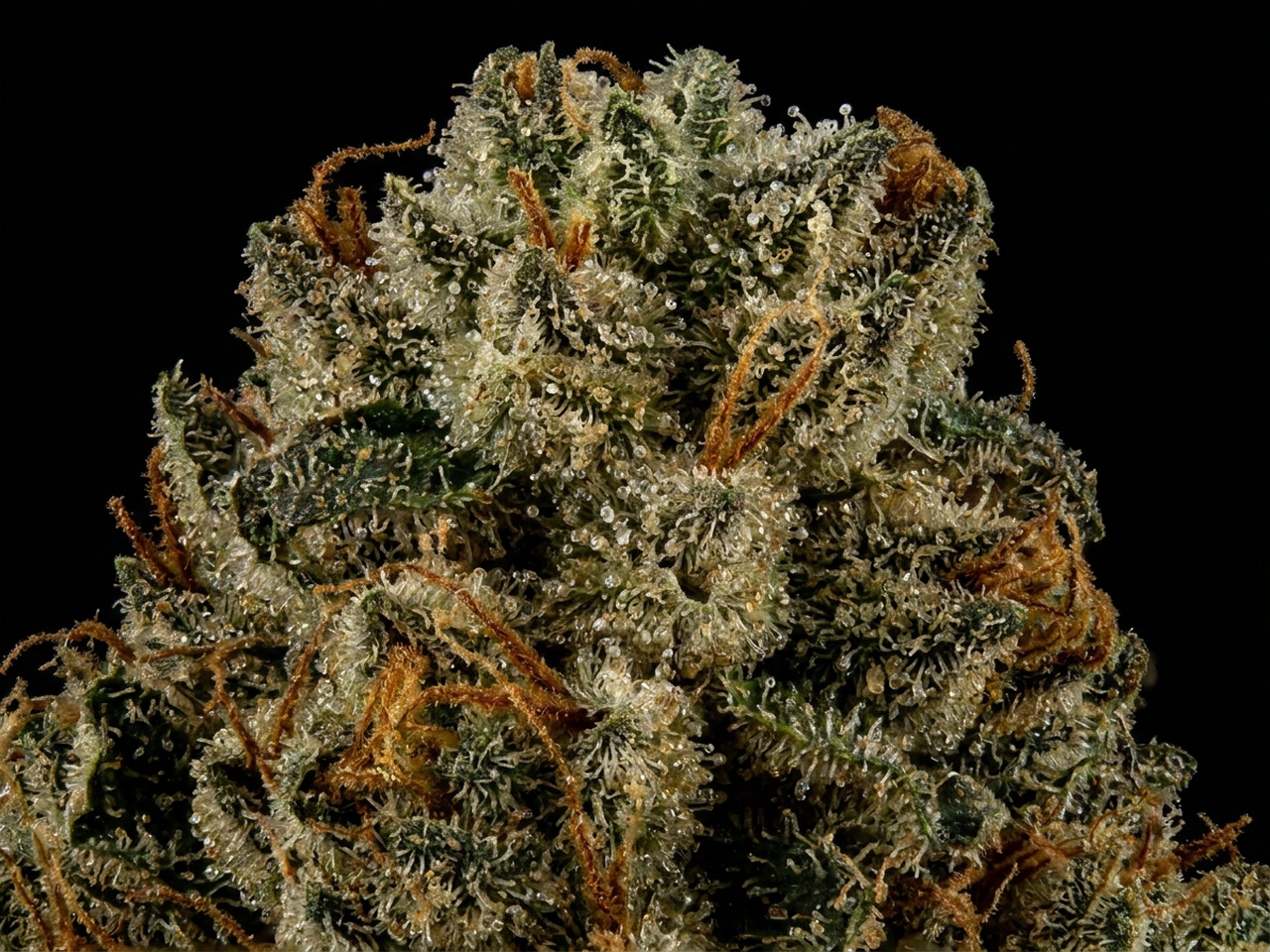
The pistillate architecture of SFV OG is particularly striking. Throughout weeks four through seven, copious clusters of white, silky stigmas emerge from each bract. As maturation progresses, these stigmas undergo enzymatic senescence, transitioning into thick, fiery copper-amber and deep burnt-orange filaments that recede and curl tightly against the swollen calyx walls. Under scanning electron microscopy, the glandular trichome coverage is extraordinary. Capitate-stalked trichomes completely smother the calyx epidermis, the bracteoles, and the surrounding perigonal bracts. The multicellular stalks are clear and erect, supporting massive spherical glandular heads measuring between eighty-five and one hundred and fifteen micrometers in diameter, inside of which secondary metabolites are synthesized and stored in staggering concentrations.
Histological cross-sections of the perianth tissues reveal dense palisade mesophyll layers and abundant glandular disc cells located at the base of each trichome head. The secretory cavity within each mature capitate gland expands dramatically during weeks six to eight, filling with high-density lipophilic terpene-cannabinoid resin. As the secretory cells reach maximum metabolic activity, the translucent cuticle swells, creating an optical refraction that appears under magnification as a glistening, crystalline ice coating. In contrast to strains that produce brittle, low-viscosity resin heads, SFV OG glands exhibit high structural resilience, making them ideally suited for cold-water separation techniques without premature head rupture.
| Anatomical Component | Phenotypic Morphology & Structural Expression | Horticultural Management Requirement |
|---|---|---|
| Canopy Architecture | Open, vine-like, sprawling lateral habit; pronounced apical drive. | Mandatory multi-tier trellis netting (SCROG) or intensive staking. |
| Internodal Spacing | Wide vegetative intervals (5.0 – 8.5 cm); moderate floral stacking. | Requires early topping and low-stress training (LST) to manage verticality. |
| Foliage Structure | 7–9 lanceolate leaflets; deep marginal serration; saturated forest green. | Strategic defoliation at day 21 and day 42 to optimize lower node lighting. |
| Inflorescence Stacking | Discrete, spherical, ultra-dense golf-ball calyx clusters along branches. | Excellent natural air circulation; reduced mold susceptibility vs continuous colas. |
| Calyx-to-Leaf Ratio | High (approximately 75:25 calyx to sugar leaf dry weight). | Exceptionally efficient post-harvest processing; ideal for manual hand-trimming. |
| Stigma Pigmentation | Early translucent white transitioning to vivid burnt-copper and deep amber. | Stigma browning serves as secondary maturity indicator; verify with trichomes. |
| Trichome Stature | Dense capitate-stalked glands (85–115 µm heads) completely encrusting bracts. | Exceptional visual trichome coverage; highly viable for ice water bubble hash washing. |
4. Cannabinoid & Terpene Phytochemistry
The phytochemical architecture of SFV OG is the primary engine behind its legendary reputation in both recreational connoisseur markets and clinical cannabinoid pharmacotherapy. High-performance liquid chromatography (HPLC) and gas chromatography-mass spectrometry (GC-MS) analyses consistently demonstrate that SFV OG is a chemotype I cultivar (high-THC, low-CBD), engineered by nature and human selection to maximize secondary metabolite synthesis. In fully ripened and properly cured floral biomass, total cannabinoid concentrations routinely register between twenty-four and thirty-one percent by dry weight, with delta-nine-tetrahydrocannabinolic acid (THCA) serving as the overwhelming primary constituent at twenty-one to twenty-seven percent.
While neutral delta-nine-THC typically remains below one percent prior to thermal decarboxylation, the minor cannabinoid fraction of SFV OG plays an essential biological role in modulating the overall pharmacology. Cannabigerolic acid (CBGA), the direct biosynthetic precursor to both THCA and CBDA, persists in notable concentrations between 0.6% and 1.4%. This elevated CBGA baseline contributes significant anti-inflammatory and mild neuroprotective properties, while trace levels of cannabichromene (CBC at 0.2% to 0.5%) and delta-nine-tetrahydrocannabivarin (THCV at 0.1% to 0.3%) provide subtle enzymatic modulation during receptor binding. Cannabidiol (CBD) concentrations are negligible, typically measuring below 0.15%, ensuring that the central nervous system effects of THC remain largely unattenuated by CBD antagonism.
The biosynthetic pathway of cannabinoids within SFV OG is characterized by extraordinary enzymatic efficiency. Within the secretory disc cells of the glandular trichomes, geranyl pyrophosphate (GPP) and olivetolic acid (OA) are condensed by geranylpyrophosphate:olivetolate geranyltransferase to form cannabigerolic acid (CBGA). In SFV OG, the gene encoding tetrahydrocannabinolic acid (THCA) synthase is expressed with near-absolute dominance over cannabidiolic acid (CBDA) synthase. Consequently, virtually all synthesized CBGA substrate is converted into THCA, leaving only minor residual quantities of CBGA and negligible CBDA. This high enzymatic turnover rate accounts for the consistently elite potency observed across commercial harvests.
The essential oil fraction of SFV OG is extraordinarily concentrated, frequently yielding between 2.2% and 3.8% total terpenes by dry biomass weight. The terpene profile is dominated by a tripartite chemical alliance of beta-myrcene, d-limonene, and beta-caryophyllene. Beta-myrcene (0.7% to 1.4%) functions as the primary sedative agent, known to enhance the permeability of the blood-brain barrier to exogenous cannabinoids and facilitate rapid onset of receptor signaling. D-limonene (0.6% to 1.2%) imparts the razor-sharp, abrasive citrus floor cleaner aroma that differentiates SFV OG from other OG Kush cuts, while exerting anxiolytic and mood-elevating pharmacological effects via serotonin and dopamine pathway interactions.
Beta-caryophyllene (0.5% to 1.0%) contributes the pungent, peppery, woody undertone that provides throat-expanding vapor expansion during inhalation. As a selective dietary agonist of the peripheral cannabinoid receptor 2 (CB2), beta-caryophyllene delivers direct, non-psychoactive anti-inflammatory and peripheral analgesic action. Rounding out this complex matrix are critical secondary terpenes: alpha-pinene and beta-pinene (0.2% to 0.5%), which introduce fresh pine resin brightness while acting as mild acetylcholinesterase inhibitors; alpha-humulene (0.15% to 0.35%), an isomer of caryophyllene that reinforces anti-inflammatory pathways; and trace linalool (0.1% to 0.25%), which lends an underlying floral-lavender sweetness and reinforces sedative GABAergic modulation.
Crucially, recent analytical advancements in two-dimensional gas chromatography (GC×GC-TOFMS) have identified trace concentrations of volatile sulfur compounds (VSCs) within SFV OG essential oil. Specifically, prenylated thiols such as 3-methyl-2-butene-1-thiol (3-MBT) and related organosulfur molecules are present in parts-per-billion concentrations. Despite their minute volumetric presence, these sulfur compounds possess human olfactory perception thresholds measured in the picogram range. These thiols are the biochemical source of the pungent, skunky, and kerosene-like “diesel” punch that defines authentic SFV OG, operating in olfactory synergy with limonene and myrcene to produce its iconic gas fragrance.
| Phytochemical Compound | Concentration Range (w/w) | Boiling Point (°C) | Receptor Affinity & Pharmacological Activity |
|---|---|---|---|
| Δ9-THCA (Acidic THC) | 21.0% – 27.5% | 105 – 120 (Decarb) | Decarboxylates to Δ9-THC; partial agonist at CB1 and CB2 receptors. |
| Δ9-THC (Neutral) | 0.3% – 0.9% | 157 | Direct CB1 agonist; drives euphoria, perceptual shift, and analgesia. |
| CBGA (Cannabigerol Acid) | 0.6% – 1.4% | 120 – 130 | TRPA1/TRPV1 agonist; anti-inflammatory, neuroprotective, metabolic support. |
| CBCA (Cannabichromene Acid) | 0.2% – 0.5% | 220 | TRPA1 activation; reinforces endogenous anandamide signaling. |
| β-Myrcene | 0.70% – 1.40% | 168 | Blood-brain barrier facilitation; TRPV1 agonism; deep sedative myorelaxation. |
| d-Limonene | 0.60% – 1.20% | 176 | 5-HT1A agonism; anxiolytic, mood enhancement, gastric cytoprotection. |
| β-Caryophyllene | 0.50% – 1.00% | 130 | Selective CB2 receptor agonist; potent peripheral anti-inflammatory agent. |
| α-Pinene | 0.20% – 0.50% | 155 | Acetylcholinesterase inhibitor; bronchodilator; counteracts memory impairment. |
| α-Humulene | 0.15% – 0.35% | 106 | Topical and systemic anti-inflammatory; synergistic caryophyllene partner. |
| Linalool | 0.10% – 0.25% | 198 | GABA-A receptor allosteric modulator; anticonvulsant and muscle relaxant. |
5. Sensory Profile, Flavor Architecture & Organoleptic Evaluation
The sensory profile of SFV OG is an iconic tour de force of classic California “gas” that has permanently defined connoisseur expectations for authentic Kush genetics. While contemporary polyhybrids often present muddled bouquets of tropical candy, vanilla frosting, or dessert pastries, SFV OG presents a sharply defined, aggressive, and medicinal aromatic profile that is immediately recognizable across an entire dispensary room. In raw, uncured biomass, the initial fragrance is intensely acidic and industrial. Squeezing a cured calyx ruptures thousands of fragile glandular heads, unleashing an overwhelming plume of volatile organic compounds: sharp, pungent kerosene, aerosolized citrus furniture polish, crushed mountain pine needles, and damp, mineral-rich forest soil.
On the dry pull (the unlit inhalation of a rolled joint or glass bowl), the organoleptic impression is dominated by an electrifying burst of tart, sour lemon rind and clean petroleum solvent. The acidity coats the tongue with an astringent, mouthwatering freshness, accompanied by a biting, peppery tickle across the posterior palate. This dry draw serves as a direct preview of the complex monoterpene and sesquiterpene chemistry preserved within the cured bracts, demonstrating an absence of grassy chlorophyll or residual moisture degradation when cured under optimal environmental parameters.
Upon thermal ignition, the smoke produced by SFV OG is dense, milky, and exceptionally expansive in the respiratory tract. The initial inhalation delivers an immediate, assertive flavor of lemon kerosene and sour cleaning chemicals, accompanied by a clean, pure hydrocarbon fuel burn. As the smoke expands within the lungs, the heavy beta-caryophyllene and alpha-humulene fractions assert themselves, providing a robust, spicy, and woody throat hit that demands substantial lung capacity. Despite this intense expansion, high-grade, properly flushed SFV OG burns with pristine smoothness, producing an ultra-clean, uniform column of fluffy white-to-light-silver ash with an oil-ring that immediately pools below the cherry.
When vaporized at controlled thermal plateaus using convection or conduction vaporizers, the organoleptic experience bifurcates into distinct analytical layers. At lower temperature ranges between 160°C and 175°C, the low-boiling monoterpenes vaporize first, inundating the palate with pure, sparkling lemon zest, sweet pinene forest mist, and subtle floral linalool notes with virtually zero harshness. As temperature is elevated to 185°C–205°C, the denser sesquiterpenes—beta-caryophyllene and humulene—are liberated alongside THCA decarboxylation products, shifting the sensory balance toward pungent kerosene, crushed black peppercorns, damp potting soil, and heavy skunk.
The retrohale and residual finish are where SFV OG solidifies its legendary status among sensory judges. Exhaling the vapor through the nasal passages exposes the olfactory epithelium to a lingering symphony of sharp pine needles (alpha-pinene), pungent skunky mercaptans, and an earthy, musky foundation of rich garden loam (beta-myrcene). Minutes after the final exhalation, the palate retains an unmistakable aftertaste of sour lemon drops soaked in aviation fuel, leaving an indelible aromatic signature that distinguishes the true San Fernando Valley cut from all pretenders.
| Sensory Dimension | Organoleptic Expression & Flavor Notes | Responsible Terpenes & Volatiles |
|---|---|---|
| Primary Olfactory (Aroma) | Pungent industrial kerosene, aerosol lemon cleaner, skunk, sour diesel. | d-Limonene, β-Myrcene, Prenylated Thiols (VSCs). |
| Dry Pull (Cold Inhale) | Tart lemon peel, astringent mineral solvent, crushed pine needles. | α-Pinene, d-Limonene, Terpinolene (trace). |
| Inhalation Palate | Crisp sour citrus fuel, lemon pledge, biting peppery wood notes. | d-Limonene, β-Caryophyllene, Camphene. |
| Exhalation & Retrohale | Earthy pine loam, pungent hashish, musky damp soil, skunk spray. | β-Myrcene, α-Humulene, Linalool. |
| Residual Mouthfeel (Finish) | Long-lasting tart lemon fuel coating, spicy throat tingle, mouthwatering acidity. | Sesquiterpene persistence, β-Caryophyllene oxide. |
| Combustion Combustion Quality | Milky white smoke, thick expanding vapor, pure white-silver ash column. | Indicates thorough biological flush, mineral clearance, and clean cure. |
6. Pharmacological Properties, Neurological Mechanisms & Clinical Applications
The clinical utility of SFV OG is defined by its biphasic, highly potent pharmacological profile, which bridges the gap between acute neurological analgesia and profound somatic sedation. While casual recreational narratives frequently classify all OG Kush variants as monolithic “couch-lock” indicas, SFV OG exhibits a distinct, highly sophisticated two-stage physiological progression. Upon inhalation, decarboxylated delta-nine-THC rapidly crosses the alveolar-capillary membrane, enters systemic arterial circulation, and achieves peak cerebrospinal fluid concentrations within three to eight minutes. The initial pharmacological response is mediated by high-affinity partial agonism at presynaptic cannabinoid type 1 (CB1) receptors concentrated within the basal ganglia, prefrontal cortex, and hippocampus.
This initial CB1 receptor activation produces an immediate, euphoric cerebral elevation, accompanied by a rapid release of dopamine and an acute perceptual recalibration. Patients report a swift dissolution of psychic tension, acute rumination, and stress-induced affective constriction. The high concentration of d-limonene acts synergistically during this initial phase, stimulating 5-HT1A serotonergic neurotransmission and preventing the dysphoria or catastrophic ideation that can sometimes accompany high-potency THC consumption. Consequently, patients experiencing situational depression, chronic trauma responses, or workplace-induced nervous exhaustion experience an immediate, uplifting psychological reprieve.
As the initial cerebral surge stabilizes—typically between twenty and forty minutes post-consumption—the secondary, somatic phase of SFV OG asserts complete dominance. This pharmacological transition is driven by the synergistic convergence of beta-myrcene, beta-caryophyllene, and the heavy cannabinoid payload. Beta-myrcene acts upon central and peripheral TRPV1 (transient receptor potential vanilloid 1) and alpha-2 adrenergic receptors, producing a profound down-regulation of peripheral muscle tone, reduction in nociceptive spinal reflex arcs, and an unmistakable physical heaviness. Concurrently, beta-caryophyllene binds selectively to peripheral CB2 receptors located on mast cells, macrophages, and microglial cells, dampening the transcription of pro-inflammatory cytokines such as tumor necrosis factor-alpha (TNF-α), interleukin-1 beta (IL-1β), and interleukin-6 (IL-6).
This potent dual-action mechanism makes SFV OG an extraordinary therapeutic weapon against severe, refractory clinical indications. In patients suffering from chronic neuropathic pain—including diabetic neuropathy, post-herpetic neuralgia, and spinal radiculopathy—SFV OG suppresses both central pain perception and peripheral inflammatory sensitization. Patients diagnosed with multiple sclerosis or severe muscular spasticity experience significant reductions in muscle clonus and painful spasms. Furthermore, as the session reaches its twilight hours, the cumulative sedative pressure exerted by elevated myrcene and trace linalool potentiates GABAergic inhibitory neurotransmission, facilitating smooth, uninterrupted progression into restorative slow-wave sleep. For combat veterans and civilians suffering from PTSD-induced night terrors and chronic insomnia, SFV OG provides reliable, restorative relief.
In clinical pain management protocols, dosing parameters must be calibrated carefully to the patient’s individual tolerance and metabolic profile. Due to the high THCA concentration (21%–27%), novice cannabis patients should initiate therapy with micro-doses (e.g., 2.5 mg to 5.0 mg of inhaled THC equivalent) to avoid transient orthostatic hypotension, tachycardia, or acute cognitive disorientation. In chronic palliative and oncology applications, SFV OG also acts as a powerful orexigenic agent. By activating CB1 receptors located on pro-opiomelanocortin (POMC) neurons within the arcuate nucleus of the hypothalamus, the cultivar stimulates ghrelin release, overcoming severe chemotherapy-induced nausea and restoring caloric intake in wasting syndromes.
| Clinical Indication | Therapeutic Mechanism & Receptor Pathway | Observed Clinical Efficacy & Patient Outcomes |
|---|---|---|
| Chronic Neuropathic Pain | CB1 spinal gating of nociception; CB2 cytokine suppression; TRPV1 desensitization. | High efficacy in dampening burning, electric, and lancinating nerve pain. |
| Severe Muscle Spasticity | Central myorelaxation via myrcene; inhibition of polysynaptic spinal reflexes. | Rapid relief of muscular tension, involuntary fasciculations, and back spasms. |
| Treatment-Resistant Insomnia | GABA-A receptor positive modulation; prolongation of stage 3/4 NREM sleep. | Marked decrease in sleep latency; reduction in middle-of-night awakenings. |
| Post-Traumatic Stress (PTSD) | Basolateral amygdala CB1 signaling; suppression of aversive memory recall. | Reduces hyperarousal, panic triggers, and intrusive nightmares. |
| Cachexia & Appetite Loss | Hypothalamic pro-opiomelanocortin (POMC) neuronal stimulation; ghrelin activation. | Powerful orexigenic effect; stimulates appetite in oncology and HIV/AIDS patients. |
| Migraine & Tension Headaches | Trigeminovascular neurovascular stabilization; serotonin pathway modulation. | Aborts prodromal symptoms and diminishes cranial throbbing intensity. |
7. Commercial Cultivation, Agronomic Protocol & Environmental Parameters
Successfully cultivating SFV OG at commercial scale requires an intimate understanding of its specific physiological demands, architectural vulnerabilities, and environmental preferences. Unlike modern commercial polyhybrids that grow uniformly like compact Christmas trees, SFV OG demands active, assertive horticultural intervention throughout its entire lifecycle. From root establishment through vegetative development, the cultivar displays a heavy vegetative demand for calcium and magnesium. Due to its rapid stem elongation and high cellular turnover, commercial growers utilizing reverse osmosis (RO) water or inert soilless media (such as coco coir or rockwool) must supplement secondary cations to maintain elemental balance and prevent early interviral chlorosis.
Canopy management is the single most critical factor determining harvest yield and flower quality. Unmanaged SFV OG plants will rapidly outgrow indoor cultivation spaces, developing weak, lanky branches that sag and break under the increasing weight of floral resin. Commercial protocols mandate topping the apical meristem at the fourth or fifth node, followed by aggressive low-stress training (LST) and the installation of a two-tier horizontal trellis netting system (SCROG). During the vegetative phase, environmental parameters should be maintained at 25°C to 28°C with a relative humidity of 65% to 70%, establishing a vapor pressure deficit (VPD) of 0.9 to 1.1 kPa. Photosynthetic photon flux density (PPFD) should be maintained between 450 and 650 µmol/m²/s.
Upon floral transition, SFV OG exhibits a pronounced vertical stretch lasting twenty-one to twenty-four days, frequently doubling in total height. To prevent runaway vertical expansion, daytime temperatures should be kept slightly cooler (24°C to 26°C), and the day-to-night temperature differential (DIF) should be minimized. On day twenty-one of flower, an intensive “day 21 defoliation” and lollipopping protocol is essential: the bottom third of all vegetative growth, non-productive lateral shoots, and shading fan leaves must be systematically pruned. This directs all biological energy toward upper nodal sites and ensures optimal laminar airflow through the lower canopy.
During peak flowering (weeks four through seven), light intensity can be increased to 900 to 1,200 µmol/m²/s, with supplemental carbon dioxide enrichment maintained between 1,100 and 1,400 ppm. SFV OG responds aggressively to elevated phosphorus and potassium inputs during this phase, rapidly packing on density and expanding resin gland heads. In late bloom (weeks eight through ten), temperatures should be stepped down to 20°C to 22°C, and relative humidity must be strictly reduced to 40% to 45% (VPD 1.3 to 1.5 kPa) to encourage maximum volatile terpene preservation and prevent mold formation within the dense calyx clusters. A thorough biological flush of ten to fourteen days using RO water or mild flushing solutions ensures complete mineral clearance, resulting in pure white-burning ash and flawless flavor expression.
Integrated pest management (IPM) is another cornerstone of successful SFV OG production. While the open canopy naturally resists fungal spores compared to broad-leaf columnar indicas, the tender young vegetative shoots can be susceptible to two-spotted spider mites (Tetranychus urticae) and western flower thrips (Frankliniella occidentalis) if environmental cleanliness is compromised. Biological control agents such as predatory mites (Phytoseiulus persimilis and Amblyseius swirskii) should be introduced prophylactically during the vegetative stage. During the flowering cycle, foliar sprays must be discontinued completely after week two to protect the pristine glandular trichome heads from chemical contamination or essential oil volatilization.
| Cultivation Phase | Environmental Targets (Temp / RH / VPD) | Photoperiod & Lighting Intensity | Nutritional & Irrigation Regimen |
|---|---|---|---|
| Rooting & Clonal Establishment | 24°C – 26°C | 75% – 85% RH | VPD: 0.6 – 0.8 kPa | 18/6 Photoperiod | PPFD: 120 – 180 µmol/m²/s | EC: 0.6 – 0.8 mS/cm; pH: 5.8 – 6.2; root stimulators, fulvic acid. |
| Vegetative Development | 25°C – 28°C | 65% – 70% RH | VPD: 0.9 – 1.1 kPa | 18/6 Photoperiod | PPFD: 450 – 650 µmol/m²/s | EC: 1.4 – 1.8 mS/cm; high Cal-Mag ratio (4:1 Ca:Mg), moderate N. |
| Early Flower (Stretch: Wks 1–3) | 24°C – 26°C | 55% – 60% RH | VPD: 1.1 – 1.3 kPa | 12/12 Photoperiod | PPFD: 700 – 850 µmol/m²/s | EC: 1.8 – 2.2 mS/cm; transition to bloom formulation, zero DIF. |
| Peak Floral Bulk (Wks 4–7) | 23°C – 25°C | 45% – 52% RH | VPD: 1.3 – 1.5 kPa | 12/12 Photoperiod | PPFD: 900 – 1,200 µmol/m²/s (CO2: 1,200ppm) | EC: 2.2 – 2.6 mS/cm; high PK boosters, sulfur for terpene synthesis. |
| Late Ripening & Senescence (Wks 8–10) | 20°C – 22°C | 40% – 45% RH | VPD: 1.4 – 1.6 kPa | 12/12 Photoperiod | PPFD: 600 – 800 µmol/m²/s | EC: 0.2 – 0.6 mS/cm; reverse osmosis water flush; trichome ripening. |
| Post-Harvest Drying & Curing | 15°C – 17°C | 58% – 62% RH | VPD: 0.8 – 1.0 kPa | Total Darkness (0 µmol/m²/s) | Constant laminar gentle air | 14–18 day slow hang dry; burped curing in sealed glass/food-grade totes. |
8. Commercial Viability, Extraction Performance & Concluding Synthesis
From an economic, industrial, and extraction perspective, SFV OG occupies a unique and prestigious position within the modern global cannabis marketplace. In purely volumetric terms, SFV OG is not designed to compete with commercial yield champions like Critical Mass or Big Bud, which produce massive, water-heavy biomass at the expense of secondary metabolite density. In a standardized commercial facility, SFV OG yields a respectable 450 to 550 grams per square meter indoors, or 600 to 850 grams per plant in full-sun organic outdoor cultivation. However, wholesale buyers and licensed dispensaries consistently award SFV OG premium top-shelf price points that dramatically outpace its volumetric yield limitations.
The true economic superpower of SFV OG lies in its extraordinary extraction performance. In the rapidly expanding concentrate sector, resin head structure and trichome stability determine product viability. SFV OG produces massive capitate-stalked glandular trichomes with narrow neck abscission zones, allowing the secretory heads to detach cleanly during mechanical agitation in ice water hash washing. In fresh frozen solventless extraction (live rosin), SFV OG delivers consistent washing yields between 3.5% and 5.2% from fresh frozen wet biomass, with the vast majority of glandular heads isolating cleanly within the premier 73-micrometer and 120-micrometer sieve collection bags.
In hydrocarbon extraction (butane/propane BHO processing), SFV OG is a legendary producer of high-terpene extract (HTE) and crystalline “sauce.” The exceptional concentration of monoterpenes—particularly d-limonene and beta-myrcene—acts as a natural solvent, facilitating rapid, spontaneous nucleation of pure THCA crystals beneath a glistening layer of golden liquid terpene sauce. Commercial processors routinely report hydrocarbon recovery yields exceeding eighteen to twenty-two percent by dry cured biomass weight. The resulting concentrates capture the unadulterated lemon-kerosene soul of the San Fernando Valley, fetching top-tier retail prices in every mature legal market across North America.
Post-harvest cure management is pivotal in preserving these volatile fractions. Commercial operators utilizing a slow drying protocol—fourteen to eighteen days at 15°C to 17°C and 58% to 62% relative humidity—retain up to forty percent more monoterpenes compared to fast-drying commercial tumble systems. Following the initial dry, sealed curing in food-grade stainless steel drums or glass carboys under nitrogen blanket burping allows chlorophyllic enzyme breakdown while preventing the oxidation of delicate mercaptans and limonene molecules. This meticulous post-harvest discipline ensures that SFV OG enters retail channels with its legendary pungent bouquet fully intact.
In conclusion, SFV OG is far more than a celebrated regional variety or a nostalgic artifact of California’s medical dispensary era. It is an indispensable, historically proven genetic titan that represents the purest distillation of authentic OG Kush chemistry. Through the dedicated preservation of Swerve and The Cali Connection, its distinct botanical traits, unmatched lemon-petroleum aromatic profile, and profound clinical efficacy have been immortalized for future generations of growers, clinicians, and connoisseurs. Whether evaluated under scientific chromatography, cultivated in organic living soil greenhouses, or prescribed for severe chronic pain, SFV OG stands uncontested as one of the greatest cannabis cultivars in human history.
- Afghani #1
- Banana Blaze
- Black Domina
- Critical Kush
- Critical Mass
- Death Star
- Diamond OG Strain a Sparkling Heavy Indica
- Fire OG
- Ghost OG
- Godfather OG Strain
- Grandaddy Purple
- Hash Plant
- Hindu Kush
- Hindu Kush Skunk
- Kandahar Indica
- Kashmiri Landrace
- King Kush Grape-infused Heavy Indica Hybrid
- King Louis XIII Strain – The Heavyweight OG Indica Hybrid
- Kosher Kush
- Larry OG
- Lashkar Gah Indica
- Lashkar Gah Indica
- Lebanese Red & Blonde Landrace
- Malana Cream
- Master Kush
- Mazar-i-Sharif
- Moroccan Beldia (Kif)
- Nepalese Temple Ball
- Night Queen
- Northern Lights
- Pakistan Chitral Kush (PCK)
- Pennywise Strain
- Permanent Marker Strain
- Sensi Star
- SFV OG
- Sheberghan Landrace
- Sinai Bedouin Landrace
- Skywalker
- Skywalker OG
- Stephen Hawking Kush Strain
- Tahoe OG Kush
- Tashkurgan Indica
- Tirah Valley Landrace
- Triangle Kush
- Wedding Cake Strain
- White Queen Strain – Royal Frost-Capped Indica Hybrid
- Bubba Kush