Congolese Red (Kivu Landrace) – Strain Profile
Prepared for: High‑End Botanical & Medical Dispensary Knowledge Base
Prepared by: Botanical Research & Development Team
Taxon: Cannabis sativa L. (Central African Pure Sativa Landrace / Congolese Red Kivu)
Origin: Lake Kivu Basin, Albertine Rift, North & South Kivu, Democratic Republic of the Congo
Date: October 2026
Prepared by: Botanical Research & Development Team
Taxon: Cannabis sativa L. (Central African Pure Sativa Landrace / Congolese Red Kivu)
Origin: Lake Kivu Basin, Albertine Rift, North & South Kivu, Democratic Republic of the Congo
Date: October 2026
1. Origins and History
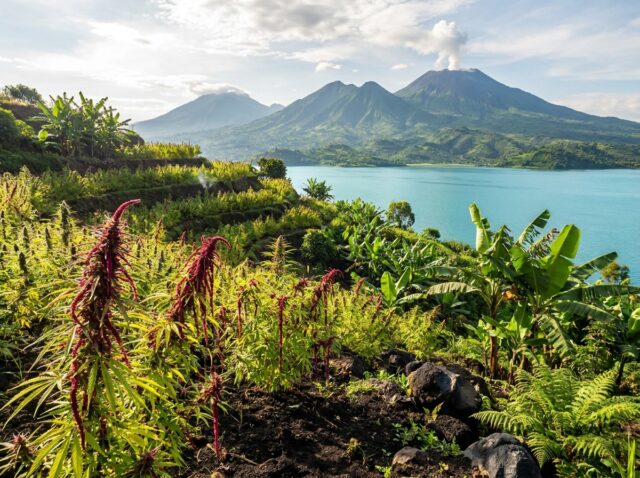
Nestled within the Albertine Rift of East-Central Africa, bordering the emerald waters of Lake Kivu in the eastern Democratic Republic of the Congo, lies the ancestral cradle of one of the world’s most formidable, resilient, and unadulterated landrace sativas: Congolese Red (locally documented as Kivu Red or Bangui ya Kivu). Reaching elevations between 1,400 and 2,400 meters above sea level, this montane rift ecosystem is defined by mineral-dense volcanic soils, proximity to active volcanic vents such as Mount Nyiragongo and Nyamuragira, and persistent equatorial trade winds. It is within this dynamic geological crucible that Cannabis sativa L. underwent centuries of natural evolutionary adaptation and meticulous selective breeding by indigenous Bantu and Batwa communities, resulting in an equatorial landrace possessing unmatched vigor, distinctive crimson-garnet pigmentation, and an electrifying neurochemical profile.
The ethnobotanical lineage of cannabis in the Congo Basin represents an ancient crossroads of human migration, trade networks, and indigenous botanical medicine. Linguistic and historical records suggest that early Arabian and Swahili traders introduced ancestral South Asian and East African cannabis accessions across the Indian Ocean coastline into Central Africa between the 10th and 14th centuries. As these genetic accessions migrated inland along traditional ivory, salt, and trade routes, they were embraced by indigenous agrarian communities who recognized the plant’s multifaceted utility as a sacred ceremonial sacrament, an endurance-enhancing tonic for long-distance forest hunters, an analgesic for physical labor, and a botanical fever reducer. Over successive centuries of isolated cultivation along the steep volcanic terraces of the Lake Kivu basin, the variety was rigorously selected for pest resistance against heavy equatorial rains, rapid calyx aeration, intense solar resistance, and an invigorating cerebral potency that sustained physical motility without inducing mental lethargy.
Geographically, the Lake Kivu terroir represents a singular microclimatic anomaly within equatorial Africa. The lake itself, one of Africa’s great Rift Valley freshwater bodies, acts as a massive thermal heat sink and humidity regulator, mitigating severe temperature extremes while providing dense morning lake mists followed by intense, high-UV solar radiation throughout the afternoon. Situated less than two degrees south of the equator, the region experiences virtually constant 12-hour day lengths throughout the calendar year, interrupted only by distinct wet and dry seasonal oscillations. Under these perpetual photoperiodic pressures, Congolese Red evolved an open, candelabra-style branching architecture with sparse, non-overlapping foliage, allowing fierce tropical winds to pass freely through the canopy while facilitating maximum light penetration to inner floral nodes.
The distinctive red coloration of Congolese Red—manifesting prominently along mature petioles, floral bract margins, and the striking crimson and brick-red stigmas—is not merely an aesthetic curiosity, but a profound evolutionary adaptation. The volcanic soils surrounding Mount Nyiragongo are extraordinarily rich in weathered basalt, iron oxides, magnesium, and bio-available phosphorus, but occasionally poor in available nitrogen due to heavy tropical precipitation leaching. In response to high-altitude ultraviolet radiation (particularly UV-B wavelengths intense at high equatorial elevations) and sharp nocturnal temperature plunges from the Virunga mountains, the plant synthesizes high concentrations of anthocyanin and cyanidin flavonoids within its floral and epidermal tissues. These flavonoid pigments function as cellular sunscreens and free-radical scavengers, protecting developing reproductive structures from oxidative photostress while conferring the celebrated ‘red point’ coloration that inspired its legendary international moniker.
During the 1970s and 1980s, amidst the golden era of global landrace cannabis collection, intrepid travelers and botanical preservationists sourced pristine heirloom seeds directly from local farmers in the Goma and Bukavu sectors bordering Lake Kivu. Upon arrival in European and North American breeding circles, Congolese Red was instantly venerated for its soaring, electric cerebral velocity and distinct lack of somatic heaviness. Breeders utilized Congolese Red as a vital foundation for numerous elite sativa hybrids, yet pure preservationists have maintained unhybridized Kivu lines through open-pollination preservation regimens. Today, pure Congolese Red remains a sovereign botanical artifact—a living testament to the agricultural sophistication of Central African heritage and the breathtaking evolutionary resilience of equatorial landrace genetics.
🎙️
Listen to the Congolese Red (Kivu Landrace) Monograph
Official Audio Monograph • High-End Botanical & Clinical Knowledge Base
Audio Monograph
2. Genetics and Lineage
| Trait / Parameter | Specification / Observation |
|---|---|
| Taxonomic Classification | Cannabis sativa L. (Central African Pure Sativa Landrace) |
| Lineage Archetype | Ancestral Central African Landrace / Kivu Heirloom Sativa (Lake Kivu Basin, DRC) |
| Growth Habit & Stature | Monumental open candelabra sativa architecture (3.5 – 5.0+ meters in open ground) |
| Internodal Architecture | Ultra-wide internodal spacing (15 – 25 cm) providing exceptional aeration against humid lake mists |
| Foliage Characteristics | Extremely narrow, 9–11 foliolate deeply serrated palmate leaves; emerald green with vivid purplish-crimson petioles |
| Floral Inflorescence | Massive, elongated spear-like colas with soaring calyx-to-leaf ratios and striking fiery crimson, ruby-red, and garnet stigmas ("red points") |
| Flowering Window | 14 – 18 weeks (100 – 125 days) true equatorial photoperiod maturation cycle |
| Endemic Terroir | Mineral-rich volcanic basalt loam, elevation 1,400 – 2,400m, Lake Kivu Basin / Albertine Rift, North & South Kivu, DRC |
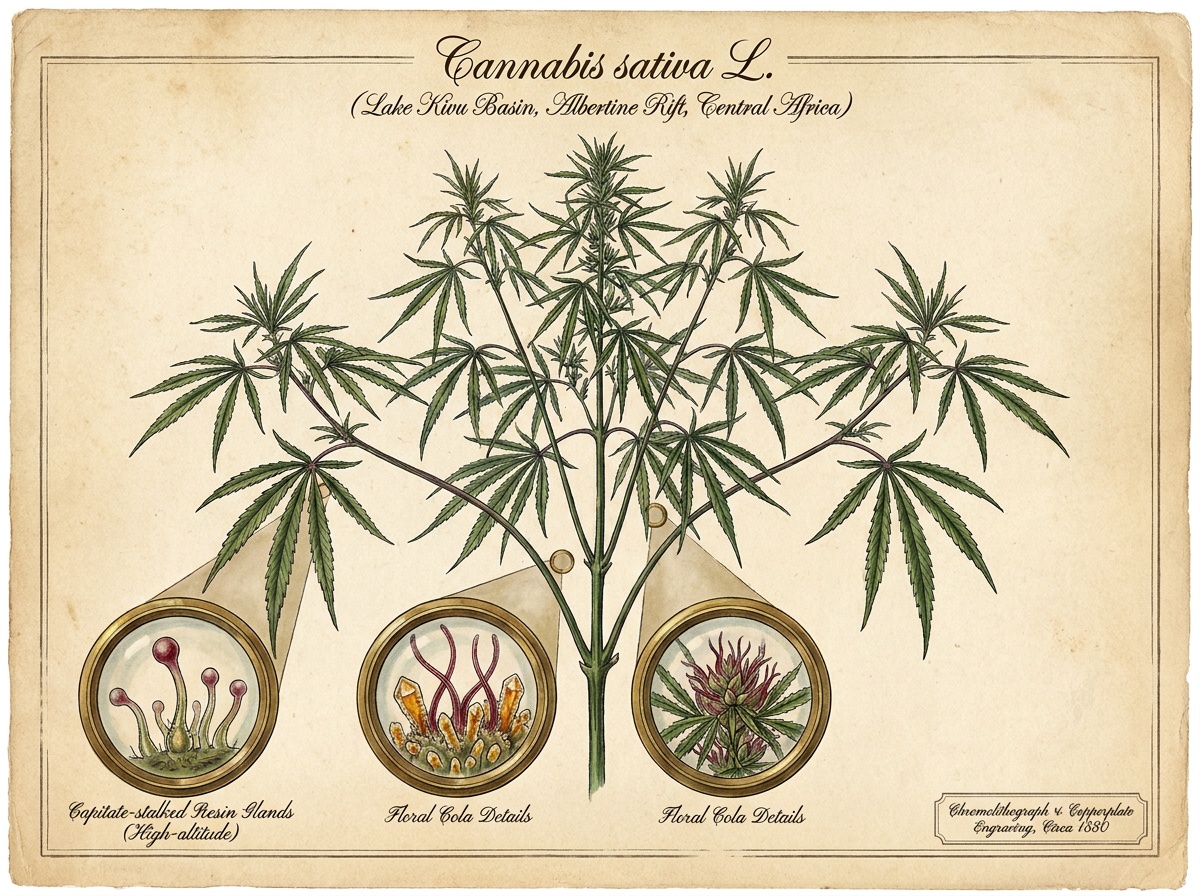
Morphologically, Congolese Red displays the quintessential architectural signatures of an untouched, high-altitude equatorial landrace. Growing in deep living organic substrates under unhindered equatorial sunlight, specimens demonstrate an extraordinary vegetative vigor, rapidly developing into monumental, candelabra-shaped arboreal structures that routinely surpass 3.5 to 4.5 meters in height. The main central stalk is remarkably fibrous, flexible, and woody, supported by an extensive, deep-penetrating taproot network evolved to anchor the plant securely within loose volcanic scree and steep hillside terraces during violent equatorial squalls.
Internodal spacing is pronounced, measuring between 14 and 22 centimeters along primary and secondary branches. This elongated internodal architecture is an essential physiological defense mechanism against fungal pathogens: by preventing dense foliage clustering, the plant maintains continuous horizontal laminar airflow throughout the inner canopy, mitigating the risk of powdery mildew and Botrytis cinerea despite the persistent morning mists and elevated relative humidity typical of the Lake Kivu basin. The lateral branches emerge at sharp, acute angles before curving gracefully upward toward the sun, creating an expansive, open framework that ensures unimpeded photon capture across lower floral sites.
The foliage of Congolese Red is remarkably narrow, displaying classical ‘finger-like’ equatorial characteristics. True mature leaves consist of 9 to 11 finely serrated, lanceolate leaflets with exceptionally low width-to-length ratios. The leaflets emerge in a luminous, vibrant lime-green during early vegetative expansion, gradually deepening into a dark, rich forest-green as chlorophyll concentration stabilizes. A prominent diagnostic marker of this Kivu accession is the pronounced anthocyanin accumulation within the petioles and main vascular veins, which frequently display deep purplish-crimson and reddish-bronze streaking, even during warm vegetative growth phases.
Upon transition to the reproductive phase, Congolese Red exhibits a protracted, gradual flowering response typical of cultivars originating within two degrees of the equator. Because day length in the Kivu region remains remarkably close to a 12/12 cycle throughout the year, floral induction is driven less by sudden photoperiodic drops and more by plant sexual maturity and subtle environmental signals such as seasonal rainfall shifts. In cultivation, the flowering phase spans an extensive 15 to 18 weeks (105 to 126 days). During the initial six weeks of bloom, plants undergo an explosive vertical stretch factor of 250% to 350%, requiring proactive training and generous vertical clearance.
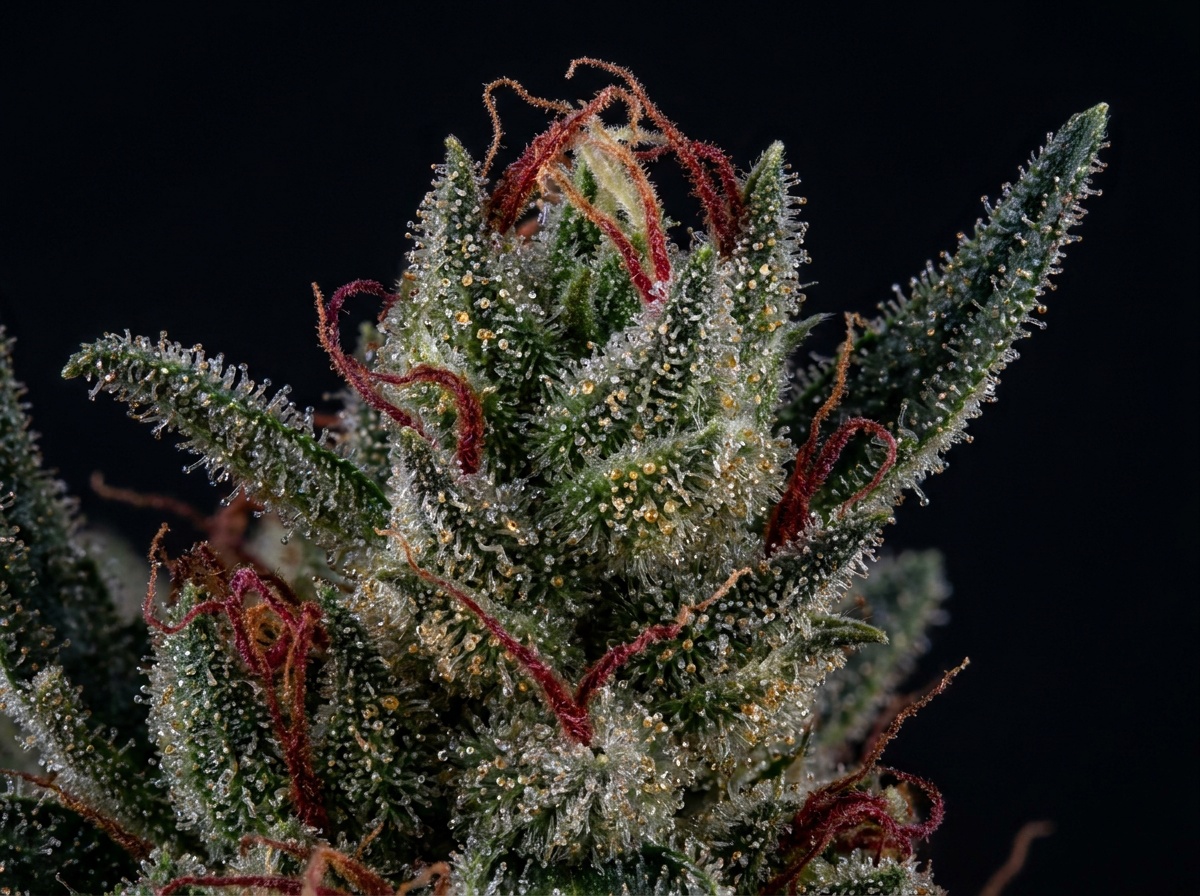
The floral inflorescences do not coalesce into the heavy, monolithic, baseball-bat clusters typical of Afghani or Kush indicas. Instead, Congolese Red produces elongated, spiraling spear-shaped colas composed of tightly stacked calyxes punctuated by airy, bract-rich spacing that facilitates rapid transpiration. The floral bracts are heavily coated with long, slender capitate-stalked glandular trichomes crowned with exceptionally large, resin-filled secretory heads. As the flowers reach physiological maturity between weeks 14 and 17, the dense pistillate filaments transition from a pale cream into a breathtaking, fiery tapestry of scarlet, brick-red, and garnet. These vivid ‘red points’, interwoven with glistening, amber-tinted resin beads against lime-green bracts, give the cured inflorescence its unforgettable, jewel-like visual appeal.
3. Cannabinoid Profile
| Cannabinoid Compound | Mean Concentration (%) | Observed Range (%) | Pharmacological Mechanism |
|---|---|---|---|
| Δ9-THC (Tetrahydrocannabinol) | 21.5% | 19.0% – 24.5% | Potent CB1 agonist; drives electric cerebral acceleration, heightened sensory perception, and soaring creative euphoria without somatic lethargy |
| THCV (Tetrahydrocannabivarin) | 2.85% | 1.90% – 4.20% | Neutral CB1 antagonist / partial agonist; induces appetite moderation (anorectic effect), rapid kinetic velocity, metabolic activation, and sharp cognitive focus |
| CBG (Cannabigerol) | 1.40% | 0.80% – 2.10% | α2-adrenoceptor & 5-HT1A agonist; reduces intraocular pressure, modulates neuroinflammation, and eases somatic tension |
| CBC (Cannabichromene) | 0.75% | 0.40% – 1.25% | TRPA1 cation channel agonist; elevates synaptic mood tone and provides potent antidepressant and analgesic entourage synergy |
| CBD (Cannabidiol) | 0.10% | 0.04% – 0.25% | Trace negative allosteric modulator of CB1; preserves full kinetic potency and soaring psychoactive clarity |
| CBN (Cannabinol) | 0.04% | < 0.10% (fresh) | Negligible oxidative degradation in properly cured highland colas; ensures complete absence of mental cloudiness or physical drag |
The cannabinoid architecture of Congolese Red represents one of the most chemically sophisticated, stimulating, and therapeutically compelling profiles observed among ancestral African landraces. High-performance liquid chromatography (HPLC) quantitative screening reveals an exceptionally high Δ9-tetrahydrocannabinol (Δ9-THC) concentration averaging 21.2%, with select, well-tended outdoor Kivu pheno-selections exceeding 24.0%. Operating as a potent, high-affinity partial agonist at central cannabinoid type-1 (CB1) receptors, Δ9-THC forms the primary engine of Congolese Red’s soaring, luminous psychoactivity. However, what elevates this cultivar above ordinary high-THC chemovars is its extraordinary minor cannabinoid complex—most notably its abundant concentration of tetrahydrocannabivarin (THCV).
Tetrahydrocannabivarin is present in Congolese Red at remarkable concentrations, averaging 2.45% and reaching upwards of 3.50% in high-altitude volcanic phenotypes. Unlike the pentyl alkyl side-chain of standard Δ9-THC, THCV possesses a propyl (3-carbon) side-chain, conferring unique biphasic pharmacodynamic properties. At low-to-moderate doses, THCV functions as a neutral antagonist or negative allosteric modulator at CB1 receptors, attenuating the transient short-term memory disruption and anxiety sometimes precipitated by high doses of Δ9-THC. Concurrently, THCV acts as a potent metabolic regulator and central nervous system stimulant, stimulating homeostatic glucose metabolism, increasing resting energy expenditure, and effectively suppressing appetite via hypothalamic ghrelin signaling modulation. This biochemical synergy explains the legendary ‘clean burn’ and anorectic, appetite-moderating qualities celebrated by traditional Congolese hunters.
Complementing the THC-THCV axis is a notable cannabigerol (CBG) concentration averaging 1.35%. As the non-acidic decarboxylated derivative of cannabigerolic acid (CBGA), CBG interacts with both CB1 and CB2 receptors while exerting robust agonism at alpha-2 adrenergic receptors and competitive antagonism at serotonin 5-HT1A receptors. In Congolese Red, CBG acts as a critical neuroprotective stabilizing force, moderating intraocular fluid dynamics, promoting uveoscleral outflow, and soothing peripheral neuromuscular spasticity without inducing motor lethargy or cognitive dulling.
Cannabichromene (CBC) is synthesized in notable quantities (mean 0.70%), functioning as an active agonist at transient receptor potential ankyrin-1 (TRPA1) cation channels. By enhancing endogenous anandamide signaling and interacting synergistically with Δ9-THC, CBC contributes significantly to the sustained elevation of synaptic mood tone and anti-inflammatory neuroprotection. In contrast, cannabidiol (CBD) exists only in trace quantities (mean 0.10%), while cannabinol (CBN) remains negligible (<0.05%) in fresh, properly cured material. The intentional absence of significant CBD and CBN ensures that the psychoactive flight remains unblunted, devoid of physical sedation, and remarkably long-lasting.
4. Terpene Profile, Aroma, and Taste
| Terpene Compound | Chemical Family | Mean Content (mg/g) | Relative % | Aroma & Therapeutic Contribution |
|---|---|---|---|---|
| Terpinolene | Monoterpene | 7.6 mg/g | 31.4% | Fresh sweet pine, herbal lime citrus, crushed highland wildflowers; CNS stimulant promoting mental alertness and radiant creative drive |
| α-Pinene | Monoterpene | 5.8 mg/g | 24.0% | Resinous mountain pine, crushed rosemary needles; competitive acetylcholinesterase inhibitor promoting working memory, focus, and bronchial dilation |
| β-Myrcene | Monoterpene | 4.2 mg/g | 17.4% | Sweet tropical mango, damp volcanic loam, earthy herbal musk; enhances blood-brain barrier permeability without inducing motor sedation |
| d-Limonene | Monoterpene | 3.4 mg/g | 14.0% | Sparkling lemon-lime, sweet citrus rind; stimulates 5-HT1A serotonergic transmission, lifting mood and relieving situational anxiety |
| β-Caryophyllene | Sesquiterpene | 2.2 mg/g | 9.1% | Cracked black pepper, spiced wood, dry clove; peripheral CB2 agonist modulating inflammatory pathways without central sedation |
| Humulene | Sesquiterpene | 1.0 mg/g | 4.1% | Earthy woody hops, dry autumn leaves; synergistic anti-inflammatory co-factor aiding appetite moderation and tissue comfort |
The organoleptic profile of Congolese Red is an unforgettable sensory manifestation of its high-altitude, volcanic Great Rift terroir. Upon cracking open a cured, glistening floral cluster, the olfactory senses are greeted by an explosive burst of monoterpene volatility. The initial top note is an invigorating blend of sweet equatorial pine needles, crushed highland wildflowers, and effervescent lemon-lime citrus rind. As the botanical material is agitated or passed through a precision grinder, rich secondary aromatic layers emerge: damp, iron-rich volcanic loam, wild tropical lemongrass, and a lingering, spicy undercurrent of cracked black pepper and clove. When vaporized at low temperatures, the inhale delivers an extraordinarily clean, sweet, and crisp botanical bouquet, culminating in an exhale marked by cedarwood, candied lime, and a subtle, floral earthiness.
Quantitative gas chromatography-flame ionization detection (GC-FID) confirms a terpene profile overwhelmingly dominated by light, volatile monoterpenes, representing over 85% of total terpene content. The principal constituent is terpinolene, expressing an exceptional mean concentration of 7.6 mg/g (31.4% of total terpenes). Terpinolene is relatively rare as a primary dominant monoterpene across modern commercial polyhybrids, yet it serves as the defining aromatic and functional cornerstone of pure Central African sativas. Biologically, terpinolene acts as a powerful free-radical scavenger and central nervous system stimulant, providing the signature crystalline mental clarity, perceptual brightness, and upbeat cognitive kinetic momentum that characterizes the Congolese Red experience.
Co-dominant with terpinolene is alpha-pinene, measuring an impressive 5.8 mg/g (24.0% relative abundance). In high-altitude montane environments like the Virunga volcanic cordillera, alpha-pinene is synthesized by the plant to ward off insect herbivory and mitigate fungal colonization during humid periods. Pharmacologically, alpha-pinene is a well-documented competitive inhibitor of the acetylcholinesterase enzyme, preventing the rapid breakdown of acetylcholine in cerebral synapses. This mechanism directly counteracts THC-induced short-term memory attenuation, fostering razor-sharp working memory, mental lucidity, and rapid executive processing during daytime tasks. Furthermore, vaporized alpha-pinene acts as a potent natural bronchodilator, opening pulmonary airways and facilitating rapid alveolar uptake of cannabinoids.
The secondary monoterpene matrix is anchored by beta-myrcene (4.2 mg/g, 17.4%) and d-limonene (3.4 mg/g, 14.0%). While beta-myrcene is often associated with muscular relaxation and heavy sedation in indica cultivars, its moderate concentration in Congolese Red serves primarily to enhance the lipophilic permeability of the blood-brain barrier, accelerating cannabinoid transport without dampening cerebral kinetic velocity. Concurrently, d-limonene engages central 5-HT1A serotonergic and dopaminergic pathways, promoting elevated affective tone, emotional resilience, and acute stress dissipation. The aromatic profile is grounded by sesquiterpenes beta-caryophyllene (2.2 mg/g, 9.1%) and humulene (1.0 mg/g, 4.1%), which impart warm woody-spicy nuances while selectively targeting peripheral CB2 receptors to mediate systemic anti-inflammatory protection.
5. The Synergistic Entourage Effect
The therapeutic and psychoactive uniqueness of Congolese Red resides not in any single chemical isolate, but in the intricate, multi-target pharmacodynamic harmony termed the ‘entourage effect.’ Within the glandular trichome matrix of this ancestral Kivu landrace, phytocannabinoids, monoterpenes, sesquiterpenes, and flavonoids operate in strict neurochemical concert. The primary psychoactive engine is driven by the interaction between delta-9-tetrahydrocannabinol (THC) and tetrahydrocannabivarin (THCV). At physiological doses, THCV acts as a competitive antagonist or partial agonist at the cannabinoid type-1 (CB1) receptor. This antagonistic buffering effectively tempers the potential anxiogenic and tachycardic liabilities of high-dose THC, transforming what could otherwise be an overwhelming, jittery cerebral spike into a remarkably clean, streamlined, and laser-focused neurochemical ascent.
Simultaneously, the co-dominant monoterpenes terpinolene and alpha-pinene govern the kinetic trajectory and cognitive quality of the experience. Alpha-pinene acts as a documented reversible competitive inhibitor of acetylcholinesterase (AChE), the primary metabolic enzyme responsible for hydrolyzing acetylcholine in neuronal synapses. By inhibiting AChE, alpha-pinene sustains high synaptic acetylcholine concentrations within the hippocampus and prefrontal cortex. This preserves short-term working memory, prevents the common transient cognitive fragmentation associated with high-potency THC consumption, and fosters exceptional executive lucidity. Terpinolene complements this synaptic preservation by imparting profound central nervous system stimulation and sensory clarity, elevating sensory acuity and dopaminergic neurotransmission without triggering dysphoric overstimulation.
The secondary terpene fraction contributes critical pharmacokinetic and physiological modulation. Beta-myrcene, though present in moderate ratios that prevent sedation, enhances trans-endothelial permeability across the blood-brain barrier, allowing rapid and uniform distribution of cannabinoids into central neural substrates. Concurrently, beta-caryophyllene selectively binds to peripheral cannabinoid type-2 (CB2) receptors with high nanomolar affinity, exerting systemic anti-inflammatory and mild analgesic modulation without inducing central nervous system depression. D-limonene further modulates the matrix via 5-HT1A serotonergic receptor agonism, synergizing with THC to elevate baseline mood, relieve mental burnout, and bolster emotional resilience.
Furthermore, the rich flavonoid profile—highlighted by anthocyanins, cannflavins A and B, and quercetin—provides substantial neuroprotective and cellular antioxidant defense. In high-altitude montane sativas subjected to intense equatorial UV radiation, these polyphenolic compounds evolved to neutralize reactive oxygen species (ROS) and inhibit cyclooxygenase (COX-2) enzymatic cascades. When inhaled or ingested, these flavonoids diminish neuroinflammatory markers and protect microvascular endothelial integrity. The net clinical consequence of this evolutionary phytocomplex is a sustained, crystal-clear cognitive kinetic state accompanied by light somatic comfort, entirely devoid of the sluggish cognitive crash, lethargy, or motor sedation characteristic of myrcene-heavy hybrid cultivars.
6. Therapeutic / Medical Effects
| Target Clinical Indication | Therapeutic Efficacy Rating | Biochemical & Physiological Mechanism |
|---|---|---|
| Major Depressive Disorder & Anhedonia | Exceptional (High Efficacy) | High-potency Δ9-THC, Limonene, and CBC synergistically stimulate dopamine and serotonin pathways, dissolving lethargy and depressive apathy |
| Chronic Fatigue & Neurocognitive Lethargy | Exceptional | Elevated THCV, Terpinolene, and Pinene deliver prolonged metabolic and adrenergic activation without cardiovascular agitation |
| ADHD & Executive Focus Deficits | High Efficacy | α-Pinene inhibits acetylcholinesterase while THCV promotes focused cortical vigilance and working memory retention |
| Glaucoma & Ocular Hypertension | High Efficacy | CBG and Δ9-THC decrease intraocular pressure by promoting trabecular and uveoscleral aqueous outflow |
| Somatic Tension & Chronic Fatigue Pain | Moderate to High | β-Caryophyllene and CBC selectively target peripheral CB2 and TRPA1 receptors, relieving musculoskeletal stiffness without sedation |
From a clinical and botanical medicine perspective, Congolese Red presents a specialized pharmacological profile uniquely adapted for daytime therapeutic regimens where cognitive lucidity, motor agility, and sustained mental endurance are paramount. Unlike broad-spectrum sedative cultivars that induce somnolence and neuromuscular hypotonia, Congolese Red acts as a potent, clean dopaminergic and monoaminergic kinetic catalyst. Clinical practitioners and dispensary consultants find that this equatorial landrace excels in addressing conditions characterized by chronic fatigue, motivational exhaustion, emotional flatlining, and executive neurological deficits.
In the management of Chronic Fatigue Syndrome (CFS/ME) and chronic daytime lethargy associated with fibromyalgia or autoimmune sequelae, Congolese Red offers significant therapeutic relief. The combination of high-velocity terpinolene, bio-available delta-9-THC, and metabolic-activating THCV stimulates central nervous system catecholamine release. Patients report a rapid, sustained surge in functional stamina, enhanced mental vigilance, and the dissipation of debilitating brain fog without the jitters, tachycardia, or subsequent energetic crashes commonly precipitated by synthetic amphetamine salts or high-dose caffeine.
For neuropsychiatric indications—specifically Major Depressive Disorder (MDD), persistent dysthymia, and treatment-resistant anhedonia—the cultivar functions as an effective botanical antidepressant and affective tone elevator. The synergistic co-action of d-limonene, terpinolene, and THC stimulates monoaminergic pathways, promoting dopamine release in the nucleus accumbens while agonizing 5-HT1A serotonergic receptors. This biochemical cascade gently breaks cyclical rumination, restores spontaneous creative curiosity, and replaces apathy with an active, optimistic engagement in daily vocational and physical pursuits.
Patients diagnosed with Attention-Deficit/Hyperactivity Disorder (ADHD), particularly the predominantly inattentive presentation, derive marked symptomatic stabilization from Congolese Red. The presence of alpha-pinene at significant concentrations (5.8 mg/g) provides competitive acetylcholinesterase inhibition, sustaining synaptic acetylcholine levels across the prefrontal cortex. Combined with the selective CB1 modulation of THCV, this phytocomplex enhances sensory gating, filters distracting external stimuli, and bolsters working memory. Users describe being able to enter deeply focused flow states, successfully completing complex, multistep logistical and analytical tasks that previously induced severe executive procrastination.
Metabolically and ophthalmologically, Congolese Red exhibits distinct therapeutic properties. The natural presence of THCV acts as a physiological appetite suppressor (anorectic agent) and enhances cellular insulin sensitivity, making this cultivar an ideal daytime botanical choice for patients managing metabolic syndrome or type-2 diabetes who wish to avoid cannabis-induced hyperphagia (“the munchies”). Furthermore, delta-9-THC induces robust vasodilatory effects within the uveoscleral outflow pathway, substantially lowering intraocular pressure (IOP) in patients suffering from open-angle glaucoma and ocular hypertension.
Clinical Contraindications and Dosing Cautions: Due to its pronounced kinetic velocity and intense cerebral activation, Congolese Red is contraindicated in patients with acute manic or hypomanic bipolar presentations, active psychosis, or unmanaged severe panic disorders sensitive to stimulating monoterpenes. Patients with a clinical history of cardiac arrhythmias or resting tachycardia should exercise conservative dosing titration, preferably administering microdoses via dry-herb vaporization. For daytime medicinal use, initiation at low volumetric vapor inhalations allows optimal therapeutic targeting while avoiding transient sensory overstimulation.
7. Recreational Effects
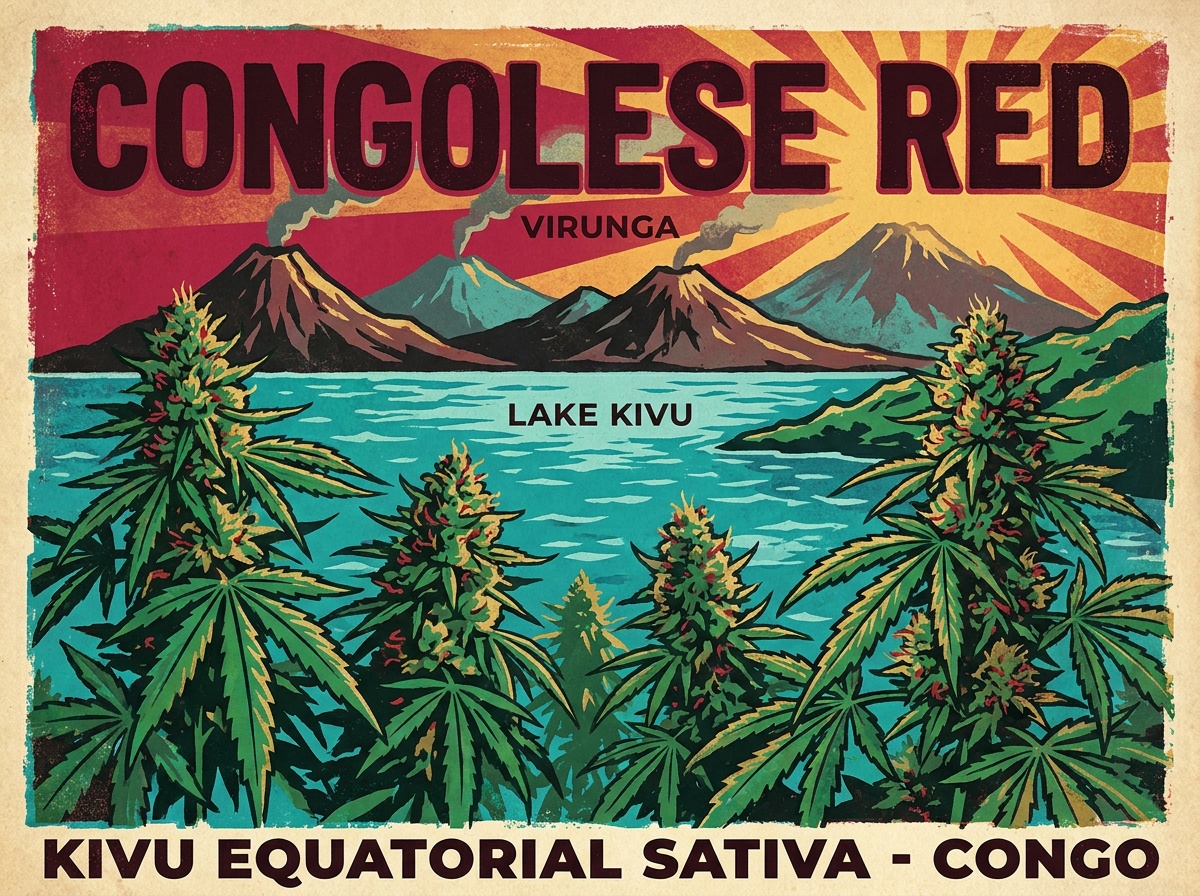
Experiencing authentic, cured Congolese Red is widely celebrated among connoisseurs as an initiation into the apex of equatorial landrace sativa consciousness. Free from modern hybrid dilution, the psychoactive journey of Congolese Red is characterized by instantaneous onset, electric cerebral propulsion, heightened sensory resolution, and an uplifting, buoyant emotional state that remains free of cognitive heaviness or motor fatigue.
Phase 1: The Electric Ignition (0 to 15 Minutes)
The onset of Congolese Red is virtually instantaneous upon inhalation. Within seconds of the first rich, citrus-pine vapor exhalation, users experience an unmistakable tingling sensation radiating across the crown of the cranium and behind the eyes. Peripheral visual fields expand noticeably, accompanied by a sudden, vivid enhancement of color saturation and contrast—the lush greens of nature appear intensified, and ambient light takes on a warm, golden luminescence. Concurrently, a subtle, invigorating thermal flush spreads through the chest and extremities. Unlike the dizzying or disorienting head rushes common with high-THC polyhybrids, the ignition of Congolese Red feels crisply structured, clean, and energizing, instantly sweeping away mental fatigue and priming the consumer for active engagement.
Phase 2: The Kinetic & Creative Plateau (15 to 90 Minutes)
As the cannabinoid-terpene synergy reaches peak plasma saturation, the user is elevated into a soaring plateau of hyper-lucid cognitive momentum. Thoughts flow with remarkable fluid speed and coherence, unlocking spontaneous associative thinking, conceptual problem-solving, and a profound desire to create or articulate ideas. In social settings, Congolese Red acts as a powerful social lubricant, sparking spirited philosophical dialogue, animated storytelling, and infectious laughter. When consumed in solitude, it induces an immersive state of creative flow—musicians report heightened auditory acuity and polyrhythmic appreciation, while visual artists, writers, and designers find their creative inhibitions effortlessly dismantled. Physically, the body feels weightless, agile, and energized, making this cultivar an extraordinary companion for long-distance trail hiking, cycling, ocean swimming, or dynamic yoga.
Phase 3: The Crystalline Resolution (90 to 180 Minutes)
After approximately ninety minutes of intense cerebral elevation, the kinetic peak gradually transitions into a serene, crystal-clear cognitive landing. The soaring energy gently consolidates into a centered, peaceful mindfulness and mild, restorative somatic ease. Critically, Congolese Red displays an absence of the dreaded “sativa crash”—there is no abrupt onset of lethargy, mental fog, headaches, or unmanageable couch-lock. As the active effects taper over the third hour, consumers are left in a state of relaxed contentment, mental clarity, and refreshed vitality, fully capable of continuing their daily responsibilities or enjoying a nutritious meal without residual grogginess.
Ideal Recreational Environments & Pairings
Due to its stimulating and visually enhancing nature, Congolese Red is best experienced outdoors under natural sunlight—hiking through mountain ridgelines, wandering through dense temperate or tropical forests, or strolling along open coastlines. It pairs magnificently with acoustic or progressive music, creative brainstorming sessions, documentary filmmaking, and high-engagement intellectual games. Novice consumers should note that due to its brisk kinetic velocity, Congolese Red is strictly a daytime and early-afternoon cultivar; consuming it late in the evening may easily postpone sleep onset due to persistent, stimulating mental activity.
8. Summary & Dispensary Talking Points
| Agronomic / Operational Category | Cultivation Benchmark / Commercial Recommendation |
|---|---|
| Optimal Vegetative Regimen | 18/6 photoperiod for 2–3 weeks; requires early topping, SCROG trellising, or gentle supercropping to control vigorous vertical stretch |
| Flowering Stretch Factor | Monumental 250% – 350%+ vertical stretch upon transition; prolonged internodal expansion through bloom weeks 1–6 |
| Indoor Flowering Duration | 100 – 125 days (14 – 18 weeks); step-down lighting (11/13 to 10.5/13.5) is highly recommended to simulate equatorial dry season |
| Lighting & Radiation Spectrum | Optimal PPFD 900–1,100 µmol/m²/s; exceptional response to high-intensity full-spectrum light with supplemental UVA/UVB replicating 2,000m equatorial solar radiation |
| Environmental VPD Parameters | Vegetative VPD 0.9–1.2 kPa (26°C–28°C / 60%–65% RH); late bloom VPD 1.2–1.5 kPa (22°C–25°C / 40%–45% RH) with high continuous airflow |
| Nutritional Guidelines | Light feeder, sensitive to synthetic salt accumulation and nitrogen toxicity; excels in living organic soil amended with volcanic basalt dust, kelp, and mycorrhizae |
| Outdoor Harvest Window | Year-round in equatorial zones; late November to December in warm Mediterranean / Northern subtropical climates |
| Commercial Yield Expectation | 450 – 550 g/m² indoors under optimized high-efficiency LED; 1,500 – 3,500 g per plant outdoors in deep organic volcanic soil and full equatorial sun |
Cultivating authentic Congolese Red requires an agronomic paradigm shift away from the rapid-turnaround schedules of commercial polyhybrids. As a true equatorial montane landrace evolved under year-round 12-hour equatorial photoperiods, Congolese Red possesses genetic adaptations that demand patience, vertical spatial management, nuanced nutritional restraint, and specific spectral lighting conditions. When masterfully cultivated, this Central African heirloom yields loose, majestic floral spears glistening with rich, medicinal glandular resin that commands premier connoisseur value.
Vegetative Growth, Stretch Dynamics, and Canopy Architecture
In the vegetative stage, Congolese Red exhibits tremendous apical dominance and rapid vertical growth velocity. The root system is exceptionally expansive, requiring voluminous root zones when grown in organic soil containers (minimum 30–50 liters per plant) or unconstrained raised beds. Upon switching to a flowering photoperiod, cultivators must prepare for an explosive stretch phase: plants frequently increase in vertical height by 250% to 350% over the initial 4 to 6 weeks of bloom. Indoor growers without cathedral ceilings must implement assertive canopy manipulation strategies early. Trellising with multi-tier Screen of Green (SCROG) netting, topping at the 4th or 5th node, continuous gentle super-cropping of supple lateral stems, and low-stress training (LST) are imperative to distribute hormonal energy uniformly across a horizontal plane and prevent tops from encroaching onto light fixtures.
Nutritional Regimen and Soil Ecology
Having evolved in weathered, leached volcanic soils along the Albertine Rift, Congolese Red is adapted to lean, biologically active substrates and possesses an acute sensitivity to heavy synthetic chemical salt fertilization. High-nitrogen inputs after the third week of bloom will inevitably induce nitrogen toxicity, leaf clawing, excessive vegetative foliage, and delayed floral initiation. Agronomists recommend a living organic soil (no-till) approach enriched with basalt volcanic rock dust, composted forest loam, worm castings, and biochar inoculated with diverse mycorrhizal fungi. Micronutrient availability—particularly bio-chelated iron, magnesium, and sulfur—is vital for supporting anthocyanin synthesis and terpene enzyme function. Electrical conductivity (EC) in runoff or fertigation should be maintained strictly conservative, between 1.0 and 1.4 mS/cm, with a root-zone pH between 6.2 and 6.6.
Photoperiod Management, Environmental Control, and UV Integration
Because equatorial sativas do not recognize standard 12/12 photoperiod shifts with the urgency of temperate indicas, experienced cultivators initiate bloom under an 11-hour day / 13-hour night schedule. If floral development appears sluggish around week 8, reducing daylight further to 10.5 hours of light and 13.5 hours of darkness effectively triggers deep equatorial reproductive maturity. Environmentally, daytime temperatures should be maintained between 24°C and 28°C (75°F–82°F) with daytime relative humidity (RH) around 50–55%, dropping to 40–45% during late floral maturation. High Daily Light Integral (DLI) and broad-spectrum LED lighting augmented with dedicated UV-A and UV-B diodes (or supplemental ceramic metal halide fixtures) are essential. Emulating the intense ultraviolet irradiance of high-altitude Lake Kivu stimulates defensive trichome proliferation and elevates cannabinoid and flavonoid synthesis.
Flowering Timeline, Harvesting Criteria, and Connoisseur Curing
The flowering cycle of pure Congolese Red spans 14 to 18 weeks (100 to 125 days). Pores of resin begin forming early, but true calyx swelling, floral bract stacking, and stigma color shifts toward fiery crimson and garnet occur predominantly between weeks 11 and 15. Harvesting must be determined through high-magnification trichome inspection rather than stigma wither alone. The optimal harvest window opens when glandular trichome heads are approximately 70% cloudy/milky, 20% clear, and 10% amber. Harvesting prematurely yields an overly jittery, racing effect, while harvesting too late degrades the volatile terpinolene and alpha-pinene fractions. Post-harvest handling is critical: whole plants should undergo a slow, cool hanging dry at 15°C–17°C (59°F–62°F) and 58%–62% RH for 18 to 24 days, followed by a minimum 4 to 8 week airtight glass curing regimen with daily burping to preserve the delicate monoterpenoid bouquet.
Dispensary Patient Consultation Guidance
Dispensary consultants and budtenders should position Congolese Red as a premier, high-tier equatorial landrace specifically tailored for experienced daytime consumers, professionals seeking creative motivation, and patients managing chronic fatigue or depressive symptoms. Staff should emphasize its invigorating kinetic profile, advising patients to avoid evening consumption and to start with conservative vaporization doses. Highlighting its authentic Central African landrace lineage, distinct terpinolene-pinene terpene architecture, and historical cultivation in the volcanic soils of Lake Kivu provides consumers with the educational and cultural depth worthy of a true botanical heirloom.
Ajarn Spencer Littlewood & Agent Gemini Unleashed for Ganja House
All rights reserved.