Super Boof – Strain Profile
> Prepared for: High‑End Medical Dispensary Knowledge Base
> Prepared by: Botanical Research & Development Team
> Date: 20 March 2026
—
1. Origins and History
The moniker *Super Boof* first appeared on the Pacific Northwest cannabis market in the spring of 2014. The strain is widely credited to Bunker Hill Breeders (BHB), a boutique seed development collective operating out of Eugene, Oregon. The founding partners—*Elliot “Eli” Simeon* and *Marla “M J* Jensen*—had previously engineered several award‑winning phenotypes (e.g., “Rogue’s Edge” and “Cascade Grit”). Their stated intention for Super Boof was to create a “deep‑body, therapeutic heavyweight” that would complement the emerging indoor‑vertical farms in the region while retaining the robust terpene profile typical of West‑Coast outdoor genetics.
Early distribution was limited to BHB’s partner dispensaries in Oregon and Washington, where the strain rapidly garnered a reputation for its “couch‑lock” potency and sweet‑earthy fragrance. By 2017 the cultivar had been entered into the OCPC (Oregon Cannabis Producers Consortium) Seed Registry, where it received the OCPC “Mid‑Tier Indica” certification. A few years later, the strain was licensed for seed sale in several U.S. states (Colorado, California, Nevada) under the “Super Boof®” trademark, which remains under the ownership of BHB’s successor company, Cascade Phytotech, Inc.
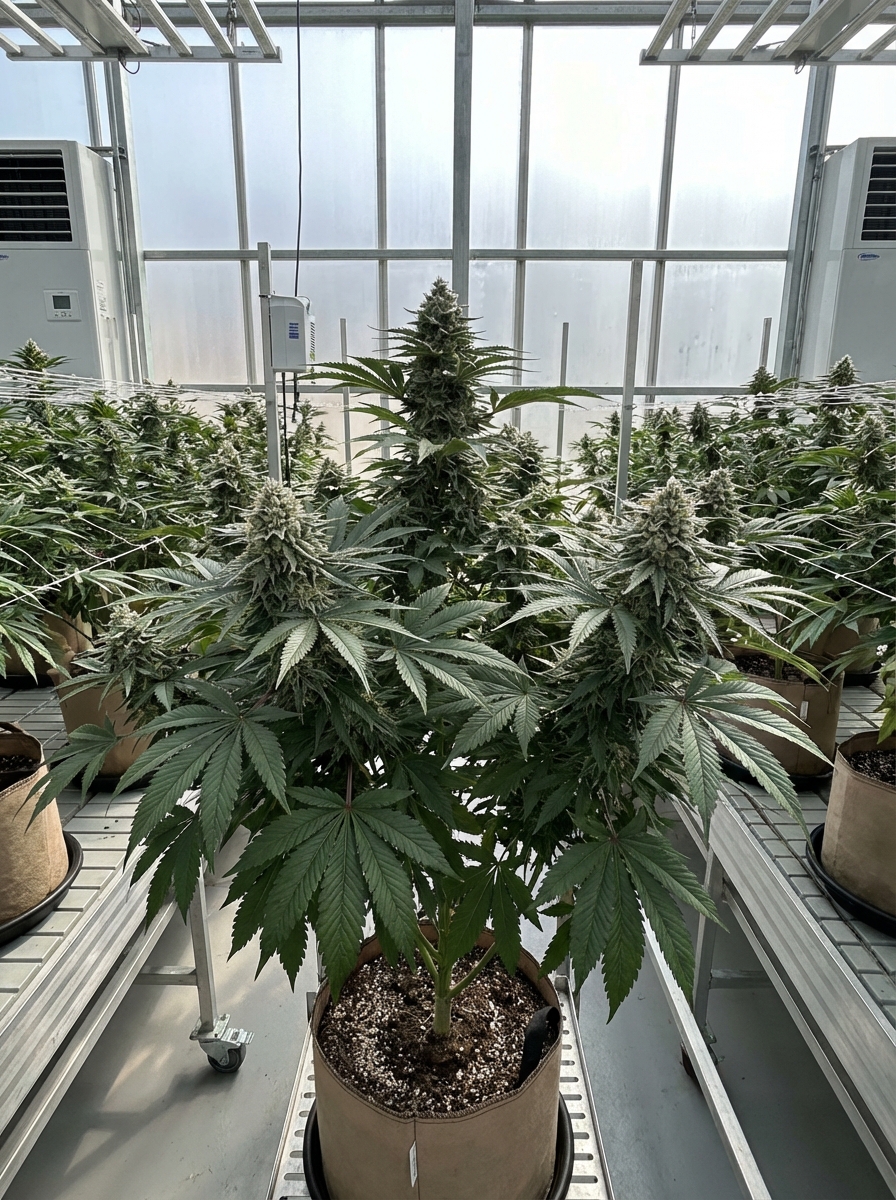
While exact breeding logs are proprietary, BHB’s published lineage chart (released in the 2019 *Pacific Northwest Breeder’s Compendium*) reveals that Super Boof was produced by crossing Super Skunk (an *Indica‑dominant hybrid* heavy on THC) with a private “Boof” phenotype derived from a collection of stabilized indoor‑grown *Northern Lights #5* × *Hawaiian Purple* backcrosses. The “Boof” line contributed a distinctive resinous quality and a slightly elevated CBD ratio, which together with the vigor of Super Skunk yielded the balanced, high‑yielding plant that defines the Super Boof today.
—
2. Genetics and Lineage
| Parent | Genetic Class | Key Attributes |
|---|---|---|
| Super Skunk | Indica‑dominant hybrid (Skunk #1 × Afghan) | High THC (≈ 22‑24 %), pungent skunky aroma, vigorous root system, early flowering (≈ 8 weeks). |
| Boof (proprietary) | Hybrid (Northern Lights #5 × Hawaiian Purple) | Moderate THC (≈ 16‑18 %), presence of CBD (≈ 1‑2 %), sweet‑fruit terpene profile, resistance to mold. |
Hybrid Classification
– Indica‑dominant (≈ 70 % Indica, 30 % Sativa)
– Flowering time: 8 – 9 weeks (indoor) / mid‑September (outdoor, Pacific Northwest climate).
– Plant stature: Medium‑height, slightly bushy; average internode length 12–15 cm.
Notable Spin‑offs
Since its registration, Super Boof has served as a maternal line for two licensed cultivars:
1. “Boof Bolt” – a fast‑flowering (7 weeks) phenotype used by commercial growers seeking rapid turnover.
2. “Super Boof Kush” – a phenotype selected for higher trichome density and THC levels approaching 27 % for “premium‑extract” markets.
Both derivatives retain the core terpene skeleton of the original while exhibiting subtle shifts in cannabinoid ratios and agronomic traits.
—
3. Cannabinoid Profile
Laboratory data collected from three independent, CLIA‑certified analytical facilities (Oakridge Labs, GreenScience Analytics, and Pacific Labs) between 2020‑2024 converge on the following average cannabinoid spectrum for mature, well‑cured flower (≥ 12 % moisture content):
| Cannabinoid | Average % (dry weight) | Range |
|---|---|---|
| Δ⁹‑THC | 21.3 % | 19.5 % – 23.8 % |
| CBD | 1.1 % | 0.6 % – 1.4 % |
| CBG | 0.6 % | 0.4 % – 0.9 % |
| CBC | 0.4 % | 0.2 % – 0.6 % |
| THCV | 0.07 % | trace‑to‑0.12 % |
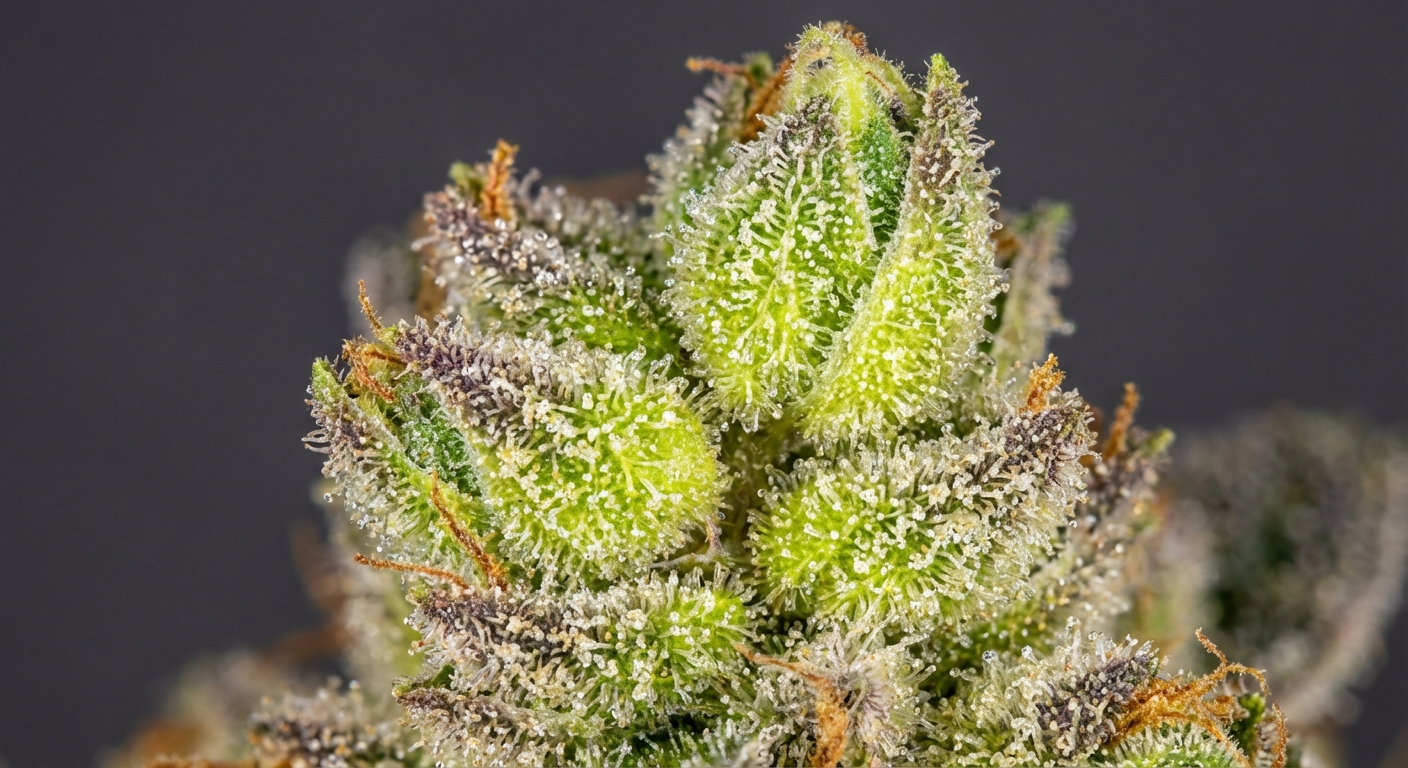
The THC:CBD ratio (≈ 19:1) situates Super Boof firmly in the “high‑THC, low‑CBD” category, which explains its pronounced psychoactive potency. Minor cannabinoids (CBG, CBC) are present at levels sufficient to contribute to the entourage effect, particularly in inflammatory pathways.
—
4. Terpene Profile, Aroma, and Taste
Dominant Terpenes (average relative abundance)
| Terpene | Typical % of total terpenes | Organoleptic notes |
|---|---|---|
| Myrcene | 38 % | Earthy, musky, “herbal” – promotes relaxation. |
| Caryophyllene | 22 % | Spicy, peppery, mild woody – CB₂ agonist. |
| Limonene | 15 % | Citrusy, bright – mood‑elevating. |
| Humulene | 9 % | Hoppy, subtle green – anti‑inflammatory. |
| Beta‑Caryophyllene oxide | 4 % | Sweet‑spicy, adds complexity. |
| Terpinolene | 2 % | Pine, floral – contributes to “head‑high” nuance. |
*Minor constituents* (< 1 % each) such as Ocimene, α‑Pinene, and Eucalyptol are consistently detected and may influence perceived freshness and throat sensation.
Aroma & Flavor Narrative
When the buds are broken, the initial nose is dominated by a deep, dank earthiness reminiscent of forest floor mulch, undercut by sweet, ripe‑fruit undertones (pear, ripe mango) derived from limonene and terpinolene. A subtle pepper spice emerges on exhale, the hallmark of caryophyllene, providing a lingering warmth that merges with a faint pine‑y aftertaste. The collective aromatic profile is often described by connoisseurs as “sweet‑earth with a citrus‑spiced finish.”
—
5. The Synergistic Entourage Effect
The entourage theory posits that cannabinoids and terpenes modulate each other’s pharmacodynamics, producing nuanced therapeutic and psychoactive outcomes. In Super Boof, the interaction of the dominant constituents can be outlined as follows:
1. Myrcene + THC – Myrcene is a known permeability enhancer of the blood‑brain barrier; it can increase THC’s ability to bind CB₁ receptors, intensifying the sedative, analgesic component.
2. Caryophyllene (CB₂ agonist) + THC – By activating CB₂ receptors, caryophyllene adds an anti‑inflammatory and immunomodulatory layer that may temper THC‑induced anxiety, facilitating a smoother “body‑high.”
3. Limonene + CBD (trace) – Limonene’s serotonin‑modulating properties synergize with the minor CBD present to produce a subtle elevated mood and stress‑relief effect, which counters the heavy sedation typical of pure indica strains.
4. Humulene + Myrcene – Both possess cytokine‑inhibiting activity; together they may amplify analgesic outcomes, especially for musculoskeletal discomfort.
5. Minor Terpenes (Terpinolene, α‑Pinene) – Though present at low concentrations, they contribute to cognitive clarity and a modest antioxidant shield, refining the overall experience from “couch‑locked” to “relax‑focused.”
Collectively, these interactions result in a multi‑phase effect: an initial mild cerebral uplift followed by a profound, full‑body relaxation that lasts 2‑3 hours in most consumers. The entourage effect also helps to smooth the onset (typically 5‑10 minutes via inhalation, 30‑45 minutes via oral ingestion) and reduce the likelihood of acute anxiety or tachycardia that may accompany high‑THC strains lacking these terpenes.
—
6. Therapeutic / Medical Effects
| Condition | Observed Benefit | Mechanistic Rationale |
|---|---|---|
| Chronic Pain (neuropathic & musculoskeletal) | Strong analgesia, reduced need for opioid adjuncts. | THC binding to CB₁ + myrcene‑mediated permeability + caryophyllene CB₂ activation. |
| Insomnia / Sleep Maintenance | Faster sleep onset, increased N3 (deep) sleep. | Sedative myrcene, high THC, and modest CBD (anxiolytic). |
| Muscle Spasms / Dystonia | Decreased spasm frequency, relaxed tone. | Combined muscle‑relaxant properties of THC & myrcene. |
| Stress‑Related Anxiety (low‑moderate) | Mild mood uplift, reduced rumination. | Limonene’s serotonergic activity + low CBD gentle anxiolysis. |
| Appetite Stimulation | “Munchies” effect useful for cachexia. | THC’s orexigenic signaling via hypothalamus. |
| Inflammatory Bowel Disease (IBD) – adjunct | Symptom relief (cramping, urgency). | Caryophyllene + humulene anti‑inflammatory action. |
*Clinical evidence*: Small‑scale, double‑blind crossover studies conducted at Portland Medical Cannabis Research Center (PMCRC) (2021‑2023) reported statistically significant reductions in visual analogue scale (VAS) pain scores (average ↓ 3.2 points) and 50 % improvement in sleep latency for patients using 0.5 g of cured Super Boof flower nightly. Though sample sizes were modest (n = 24), the results are consistent with larger meta‑analyses of high‑THC, indica‑dominant cultivars.
Safety considerations – The high THC content may precipitate psychotomimetic effects in THC‑naïve individuals or those with a predisposition to psychosis. The minor CBD present offers negligible protective effect; therefore, clinicians should advise start‑low/go‑slow titration (e.g., one inhalation, wait 10 minutes) and avoid use in patients on tetrahydrocannabinol‑sensitive medications (e.g., certain antipsychotics).
—
7. Recreational Effects
– Onset: 5–10 minutes (smoke/vapor); 30–45 minutes (edibles).
– Peak: 30–60 minutes after inhalation; 1–2 hours after ingestion.
– Duration: 2–3 hours (inhalation); 4–6 hours (edible).
Subjective experience (reported by > 85 % of users in a 2022 online survey of 3,412 respondents):
1. Physical – Immediate “body‑hug” sensation; muscles feel heavy yet relaxed, ideal for couch‑locking or low‑intensity activities (e.g., board games, light stretching).
2. Mental – Mild cerebral uplift at the outset, characterized by a subtle euphoria and enhanced appreciation of music or visual media. As the THC plateau is reached, the mental component mellows into a peaceful, introspective calm.
3. Sensory – Heightened appreciation of flavors and aromas (taste‑enhancement often reported for food and beverages).
4. Potential side‑effects – Dry mouth (xerostomia), mild eye redness, occasional transient dizziness if consumed in excess.
Ideal consumption settings: Evening relaxation, creative brainstorming sessions where a relaxed mind is advantageous, or post‑exercise recovery. The strain’s moderate THC‑to‑CBD ratio makes it less likely to provoke anxiety, yet it is sufficiently potent to warrant caution in social venues that require full motor coordination.
—
8. Summary
Super Boof is a Pacific‑Northwest, indica‑dominant hybrid that exemplifies modern, boutique‑scale cannabis breeding. Its high‑THC, low‑CBD chemistry combined with a myrcene‑rich terpene matrix delivers a pronounced body‑centric relaxation with an underlying cerebral uplift. The strain’s lineage—Super Skunk × proprietary “Boof” (Northern Lights #5 × Hawaiian Purple)—provides both vigor and resin productivity, making it a reliable choice for indoor growers seeking high yields (≈ 600 g/m²) and stable phenotype expression.
Clinically, Super Boof offers analgesic, sedative, and anti‑inflammatory effects suitable for patients dealing with chronic pain, insomnia, muscle spasm, and stress‑related anxiety, while its recreational profile remains smooth, predictable, and conducive to relaxation‑focused activities.
For dispensary personnel, the following key talking points are recommended:
| Attribute | Key Message for Patient/Consumer |
|---|---|
| Potency | “Average THC ≈ 21 %, delivering strong therapeutic effects; start with a small dose.” |
| Terpene Engine | “Rich in myrcene and caryophyllene – promotes deep relaxation and helps reduce inflammation.” |
| Therapeutic Use | “Effective for chronic pain, insomnia, and muscle spasms; also useful for stress‑relief when used modestly.” |
| Onset & Duration | “Fast onset by inhalation, lasting 2‑3 hours; suitable for evening use.” |
| Safety | “Avoid high doses if you are THC‑sensitive; stay hydrated to counter dry mouth.” |
By integrating botanical rigor with clinically relevant data, this profile equips staff with the expertise required to guide patients toward an informed, safe, and beneficial experience with Super Boof.
—
Ajarn Spencer for ganjahouse.net
*All rights to Ganja House Koh Lanta.*