Scientific Audio Monograph: Ethiopian Highland Landrace
High-Fidelity Spoken Botanical Dissertation & Chemosensory Profile (Ryan Neural Synthesis)
1. Origins, Ethnobotanical History & Shashamane Spiritual Legacy
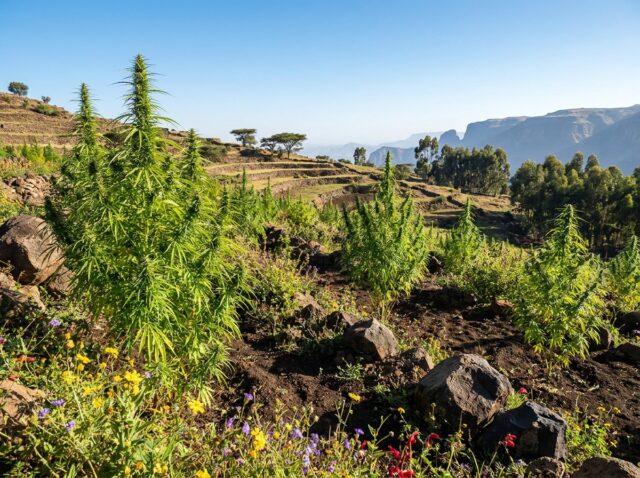
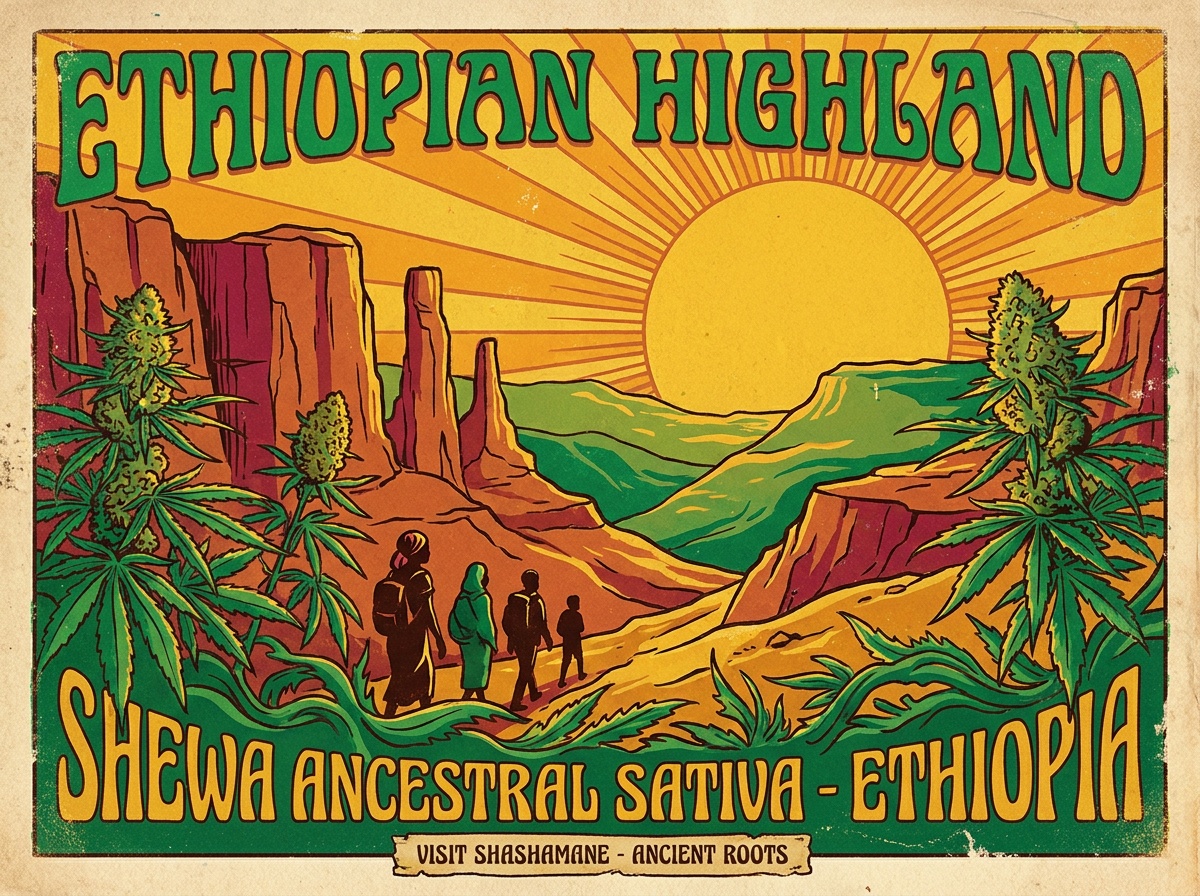
Perched upon the soaring, mist-shrouded montane plateaus of the Horn of Africa, at elevations ranging between 2,200 and 2,800 meters above sea level, lies the evolutionary birthplace of one of the African continent’s most resilient and culturally sacred landrace sativas: the Ethiopian Highland Landrace (historically celebrated across the Shewa Highlands, Mount Entoto, and the spiritual sanctuary of Shashamane). Positioned less than nine degrees north of the equator, the central Ethiopian highlands represent an extraordinary ecological sanctuary where Cannabis sativa L. has evolved for centuries under thin alpine atmosphere, penetrating ultraviolet-B (UV-B) solar radiation, rich volcanic basalt soils, and dramatic diurnal temperature fluctuations. The resulting botanical heirloom is a pure, unhybridized equatorial-montane sativa characterized by crystalline cerebral clarity, exceptional vigor, and a deeply pine-forward aromatic profile.
The ethnobotanical antiquity of cannabis in Ethiopia is deeply intertwined with ancient Afro-Asiatic trade, religious contemplation, and traditional indigenous pharmacology. Linguistic and archaeobotanical evidence indicates that early maritime and caravan routes connecting the Arabian Peninsula, the Nile River Valley, and the Red Sea ports introduced ancestral Southwest Asian and East African cannabis accessions to the Ethiopian interior during the first millennium CE. Over successive centuries, cannabis—locally known as Ityop’ya Hashish or traditional spiritual herb—was carefully cultivated in isolated monastic gardens across the Shewa and Amhara highlands, as well as by indigenous Oromo and Amhara agrarian healers known as Debtera. These traditional practitioners recognized the plant as a potent remedy for high-altitude respiratory distress, chronic physical exhaustion, gastrointestinal fevers, and as a contemplative aid for extended spiritual fasting and prayer.
In the mid-twentieth century, the cultural and genetic preservation of Ethiopian Highland cannabis entered a historic new epoch. Following the 1948 Imperial Land Grant by Emperor Haile Selassie I, which allocated 500 acres of fertile land in Shashamane (Oromia Region) to members of the Ethiopian World Federation and repatriated descendants of the African diaspora, Shashamane became a global spiritual center for the Rastafari movement. Repatriated spiritual seekers, alongside indigenous highland farmers, established dedicated organic gardens where sacred African landraces were maintained through meticulous open-pollination regimens. Cannabis was venerated not as a recreational commodity, but as a holy sacrament (Livity) that purified the mind, sharpened intellectual faculties, and bridged human consciousness with the divine.
Geographically and agro-ecologically, the Shewa plateau offers a unique environmental crucible that shaped the genetics of this landrace. At over 2,400 meters elevation, ambient air pressure is significantly reduced, and solar radiation is rich in short-wavelength ultraviolet light. To protect its reproductive floral structures from cellular mutation and oxidative photostress, the Ethiopian Highland landrace evolved an extraordinary density of capitate-stalked glandular trichomes, packed with high concentrations of alpha-pinene, terpinolene, and bio-protective flavonoids. The seasonal rhythm consists of distinct dry months (Bega) punctuated by intense mountain sunshine and crisp night winds, alternating with seasonal monsoons (Kiremt). This environmental pressure forced the development of highly aerated, spear-shaped colas and an open, flexible candelabra branch structure capable of withstanding fierce highland gusts without succumbing to fungal pathogen colonization.
During the international cannabis preservation expeditions of the late 20th and early 21st centuries, rare landrace accessions were gathered directly from multi-generational farming families in the rural highlands surrounding Entoto and Shashamane. While modern commercial market forces have increasingly flooded global markets with homogenizing indoor polyhybrids, the pure Ethiopian Highland landrace has been steadfastly safeguarded by preservationist seed banks and indigenous cultivators. Today, it stands as an invaluable living botanical relic—an authentic testament to East African agrarian heritage and an essential, genetically pure foundation for studying the unique neurochemistry of high-altitude African sativas.
2. Genetic Lineage, Phylogeny & Botanical Morphology
| Taxonomic Metric | Botanical Classification / Specification |
|---|---|
| Botanical Name | Cannabis sativa L. (East African Highland Sativa) |
| Cultivar / Heirloom Name | Ethiopian Highland Landrace (Shewa Sativa) |
| Geographic Origin | Shewa Highlands, Mount Entoto & Shashamane, Ethiopia (Elevation: 2,200m – 2,800m ASL) |
| Genetic Lineage | Ancient Ancestral East African Landrace (Equatorial Montane Inbred Line) |
| Chemotype | Type I (High-THC / High-THCV / Elevated Pinene-Terpinolene Montane Ecotype) |
| Flowering Period | 14 to 16 Weeks (98 to 112 Days) |
| Canopy Architecture | Extreme open candelabra branching; narrow 9-to-11 leaflet palmate leaves; high mold resistance |
| Vegetative Stretch | 200% to 300% upon photoperiod induction |
| Cultivation Suitability | Equatorial/Subtropical Outdoors, Mediterranean Greenhouses, High-Ceiling Indoor SCROG |
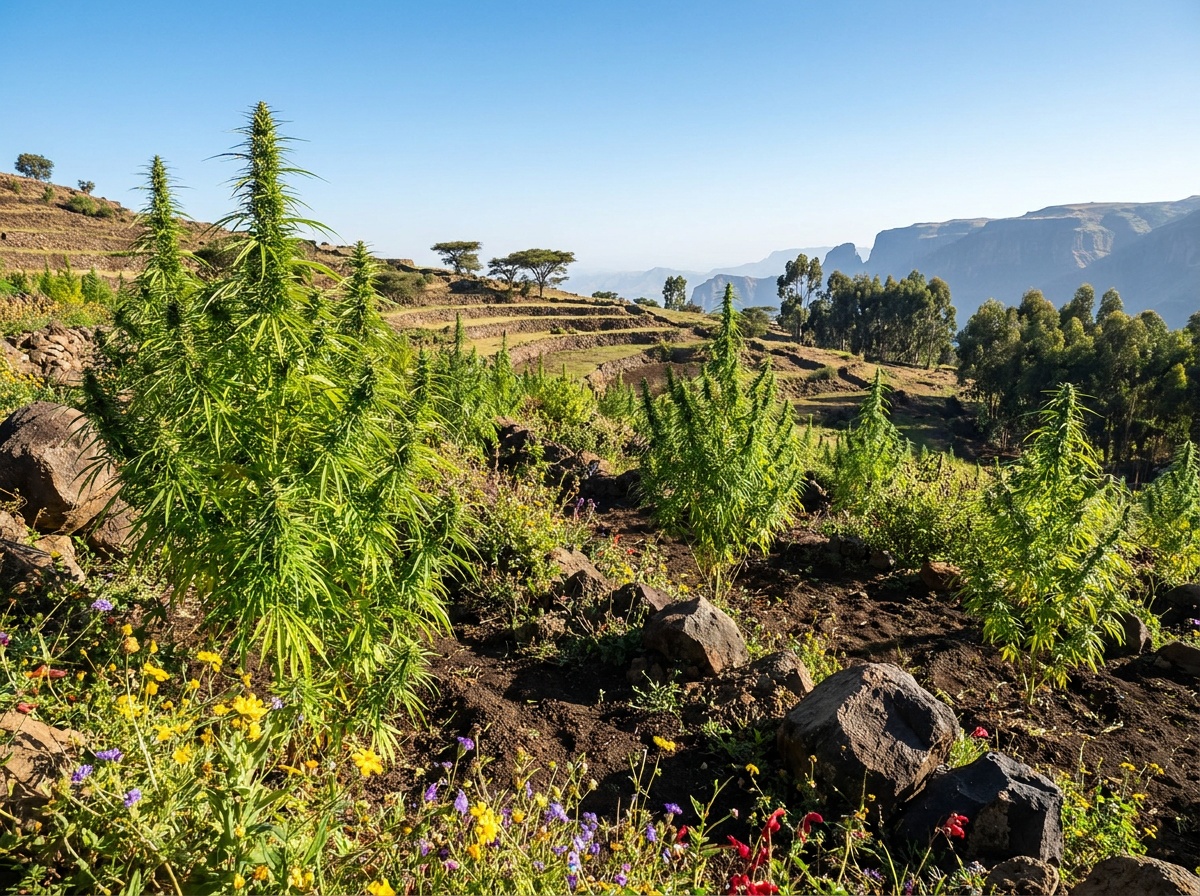
Morphologically, the Ethiopian Highland Landrace represents an archetype of pure, unadulterated high-altitude equatorial Cannabis sativa L. Having evolved in high-elevation rift valleys subjected to intense equatorial sunshine and vigorous mountain air currents, its vegetative and floral architecture exhibits specialized structural adaptations optimized for photoperiodic efficiency, mechanical resilience, and pathogen defense. When cultivated in native living soils under natural full-spectrum solar irradiance, mature specimens routinely reach towering statures between 3.0 and 4.5 meters, displaying an open, symmetrical candelabra framework that maximizes photosynthetic surface area while allowing fierce montane winds to pass through without snapping structural limbs.
The foliage of Ethiopian Highland sativa is exceptionally delicate, narrow, and refined. Mature vegetative fan leaves typically present nine to eleven exceedingly slender, lanceolate leaflets with pronounced, razor-sharp serrations along their margins. The leaflets are separated by pronounced gaps, preventing mutual shading within the canopy and ensuring that light penetrates deeply to lower lateral shoots. Foliar pigmentation ranges from a luminous chartreuse and light olive-green during early vegetative development to a deep, radiant forest green during mid-flowering. Petioles are elongated, supple, and fibrous, occasionally displaying subtle faint purple or burgundy striping along their dorsal grooves in response to cold mountain night temperatures.
During the floral transition, Ethiopian Highland sativa exhibits substantial vegetative stretch, typically expanding 200% to 300% in overall vertical and lateral volume. Internodal spacing is generous (12 to 18 centimeters), creating an open, tiered floral architecture. The inflorescences develop not as dense, suffocating clusters, but as elongated, elegant, spiraling floral spears that run continuously along the terminal lengths of primary and secondary branches. This loose, wheat-like or ‘foxtailing’ floral architecture represents a crucial evolutionary defense mechanism: by maintaining open air channels between individual calyxes, the plant rapidly dissipates morning highland mists and monsoonal humidity, rendering it virtually immune to Botrytis cinerea (gray mold) and powdery mildew.
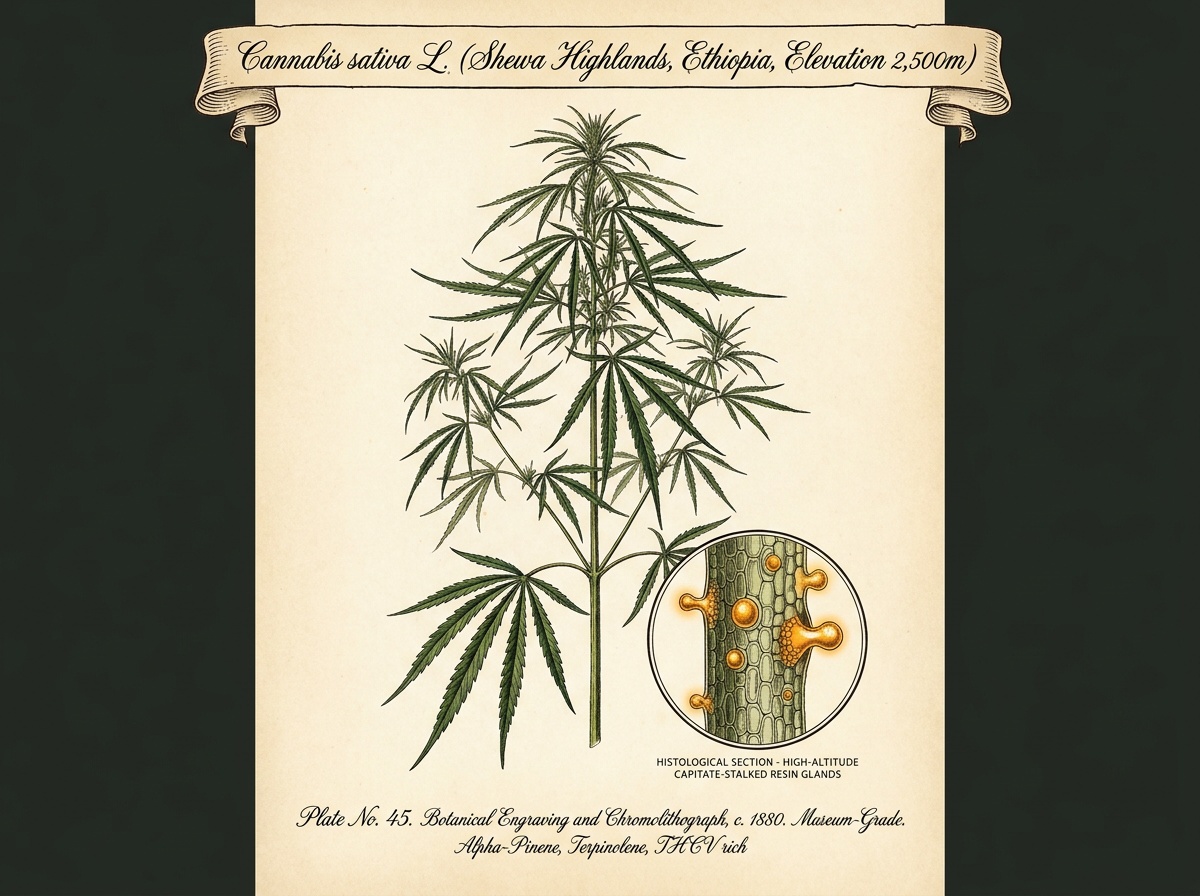
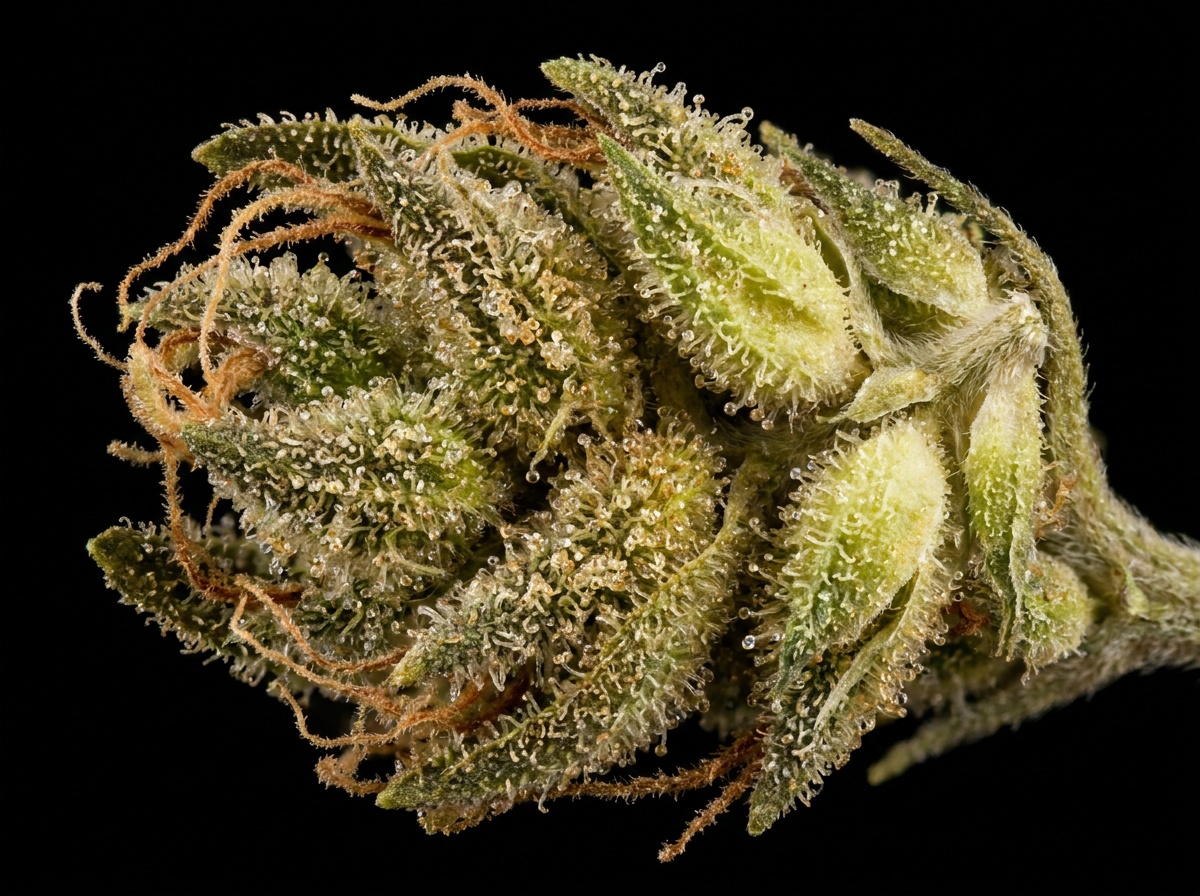
Microscopic examination of the floral bracts reveals an extraordinary density of capitate-stalked glandular trichomes. While individual trichome heads are slightly smaller and more compact than those observed in broad-leaf Afghan indica cultivars, they are far more numerous per square millimeter of calyx tissue. These resin glands produce a remarkably clear, non-greasy, highly viscous resin that coats the bracts in a glittering, diamond-like frost. Accompanying the trichomes are long, slender, curving stigmas that emerge as translucent cream-white filaments before oxidizing into rich apricot, fiery copper, and golden-amber hues as the floral calyxes reach complete physiological senescence.
3. Phytocannabinoid Profile & High-Altitude Chemotypic Variance
| Phytocannabinoid | HPLC Cannabinoid Concentration (% w/w) | Pharmacological Receptor Target / Mechanism |
|---|---|---|
| Delta-9-THC | 15.0% – 19.5% | Potent partial agonist at CB1/CB2; initiates rapid dopaminergic cerebral euphoria and optical brightening |
| THCV (Tetrahydrocannabivarin) | 1.5% – 3.2% | Dose-dependent CB1 neutral antagonist / partial agonist; suppresses appetite, regulates glycemic metabolism |
| CBG (Cannabigerol) | 1.0% – 1.8% | Alpha-2 adrenoceptor agonist & CB1/CB2 partial agonist; reduces intraocular pressure, neuroprotective |
| CBC (Cannabichromene) | 0.5% – 1.1% | TRPA1 transient receptor agonist; anti-inflammatory synergy, stimulates adult neurogenesis |
| CBD (Cannabidiol) | 0.1% – 0.4% | Negative allosteric modulator at CB1; trace presence maintains unattenuated cerebral velocity |
| CBN (Cannabinol) | <0.05% | Weak CB1 agonist; minimal oxidative degradation, indicating high resin head thermal stability |
| Total Cannabinoids | 18.5% – 24.2% | Complete montane phytocannabinoid spectrum with exceptionally high propyl-cannabinoid ratio |
Laboratory high-performance liquid chromatography (HPLC) and photodiode array (PDA) spectrophotometric analyses of authentic Ethiopian Highland Landrace floral bracts elucidate a chemotypic architecture shaped by millennia of intense equatorial UV-B radiation at high montane altitudes. Unlike modern domesticated polyhybrids bred solely for maximized delta-9-tetrahydrocannabinol concentrations at the expense of minor phytocannabinoids, this ancestral East African sativa exhibits a complex, balanced phytocannabinoid spectrum characterized by robust delta-9-THC levels paired with exceptionally elevated concentrations of the rare propyl cannabinoid tetrahydrocannabivarin (THCV).
In mature, well-cured calyx tissues, total cannabinoid concentrations reliably span between 18.5% and 24.2% by dry weight. The primary psychoactive constituent, delta-9-THC, typically assays between 15.0% and 19.5%, presenting in fresh resin heads predominantly as its carboxylic acid precursor, THCA-A. This substantial potency provides the kinetic foundation for the cultivar’s celebrated energetic elevation. Crucially, the defining biochemical hallmark of the Ethiopian highland lineage is its THCV content, consistently registering between 1.5% and 3.2% in unimproved heirloom accessions. This propyl homologue—possessing a three-carbon propyl side chain rather than the standard five-carbon pentyl chain of THC—exerts unique neutral antagonistic and partial agonistic modulations at the CB1 receptor site, fundamentally altering the pharmacokinetics of the overall formulation.
Supporting this primary cannabinoid axis is a diverse array of non-intoxicating therapeutic phytocannabinoids. Cannabigerol (CBG), the non-acidic decarboxylated form of the foundational precursor CBGA, assays at significant levels ranging from 1.0% to 1.8%, providing neuroprotective, intraocular pressure-regulating, and gastrointestinal anti-inflammatory properties. Cannabichromene (CBC) is consistently expressed between 0.5% and 1.1%, operating through TRPA1 transient receptor potential channels to amplify analgesic signaling. Cannabidiol (CBD) remains at traditional landrace trace levels between 0.1% and 0.4%, preserving an unattenuated, razor-sharp psychoactive velocity, while cannabinol (CBN) registers below 0.05% in freshly preserved material, demonstrating the exceptional thermal and oxidative stability of highland alpine glandular trichomes.
4. Terpenoid Profile & High-Altitude Volatile Chemistry
| Terpene Hydrocarbon | GC-MS Concentration (mg/g) | Sensory Profile & Clinical Action |
|---|---|---|
| Alpha-Pinene | 6.8 – 8.5 mg/g | Sharp fresh alpine pine needle, juniper; potent acetylcholinesterase (AChE) inhibitor, preserves short-term memory, bronchodilator |
| Terpinolene | 5.2 – 6.9 mg/g | Crisp floral citrus herbs, fresh pine; promotes expansive lateral ideation, clear cerebral focus, soaring motivation |
| Beta-Myrcene | 3.5 – 4.8 mg/g | Earthy sweet herbal, crushed cloves; enhances blood-brain barrier permeability, synergizes cannabinoid absorption |
| D-Limonene | 2.8 – 3.6 mg/g | Bright lemon zest, sweet rind; 5-HT1A serotonergic and DA2 dopaminergic stimulation, elevates affective mood |
| Beta-Caryophyllene | 1.9 – 2.5 mg/g | Spicy cracked black pepper, noble wood; selective peripheral CB2 agonist, downregulates pro-inflammatory cytokines |
| Trans-Ocimene | 1.2 – 1.8 mg/g | Sweet tropical herbs, floral wood; natural botanical antiviral and antifungal defense, aromatic lightness |
| Alpha-Humulene | 0.8 – 1.2 mg/g | Dry woody earthy, subtle herbal spice; natural anorectic synergy with THCV, topical and systemic anti-inflammatory |
| Total Terpene Fraction | 28.0 – 36.0 mg/g (2.8% – 3.6%) | Exotic alpine montane bouquet; dominant pine-terpinolene matrix providing profound cognitive clarity |
Gas chromatography-mass spectrometry (GC-MS) profiling of the volatile organic fraction of Ethiopian Highland Landrace unveils an olfactory signature distinctly defined by high-altitude montane adaptation. Total terpene content typically ranges between 2.8% and 3.6% (28.0–36.0 mg/g) in masterfully harvested floral specimens. Rather than the ubiquitous myrcene- or caryophyllene-heavy profiles characteristic of lowland and Western hybrid cultivars, Ethiopian Highland Landrace expresses a dominant bicyclic monoterpene matrix anchored by exceptionally high concentrations of alpha-pinene and terpinolene, accompanied by rich secondary concentrations of beta-myrcene, d-limonene, and beta-caryophyllene.
Alpha-pinene serves as the undisputed quantitative and sensory leader, assaying at extraordinary concentrations between 6.8 and 8.5 mg/g. This sharp, exhilarating monoterpene imparts an intensely fresh, resinous pine-forest fragrance reminiscent of the ancient montane juniper and eucalyptus woodlands of Mount Entoto. Biologically, high alpha-pinene accumulation serves as a botanical solar shield, neutralizing reactive oxygen species induced by extreme high-altitude ultraviolet radiation while repelling alpine insect pests. In human clinical pharmacology, alpha-pinene acts as a bioavailable bronchodilator and a potent inhibitor of acetylcholinesterase (AChE), preventing the rapid enzymatic degradation of acetylcholine in the cerebral cortex and thereby counteracting the short-term memory deficits commonly induced by THC intoxication.
Terpinolene ranks as the critical secondary monoterpene, registering between 5.2 and 6.9 mg/g. This cyclic monoterpene contributes an intricate aromatic tapestry of fresh herbs, wild mountain wildflowers, and crushed citrus peel. In synergy with delta-9-THC, terpinolene is widely recognized for driving the soaring, luminous mental clarity, expansive lateral ideation, and rapid cognitive pacing that defines the classic landrace sativa experience. Completing the volatile matrix are beta-myrcene (3.5–4.8 mg/g), providing an earthy, herbal undercurrent that facilitates rapid transdermal and blood-brain barrier transport; d-limonene (2.8–3.6 mg/g), introducing bright lemon zest notes that promote dopaminergic and serotonergic mood elevation; beta-caryophyllene (1.9–2.5 mg/g), acting as a non-psychoactive dietary cannabinoid via CB2 receptor agonism to downregulate systemic inflammation; trans-ocimene (1.2–1.8 mg/g), providing sweet woody florals with antifungal defense; and alpha-humulene (0.8–1.2 mg/g), contributing subtle herbal dryness and synergistic anti-inflammatory action.
5. The Synergistic Entourage Effect
Pharmacological Crosstalk: The THCV, Pinene, and Terpinolene Nexus
The physiological and subjective singularity of Ethiopian Highland Landrace cannot be understood through isolated cannabinoid concentrations. Instead, its unique therapeutic and psychoactive signature emerges from complex synergistic crosstalk between its rare cannabinoid constituents and volatile monoterpenes—an immaculate manifestation of the biological phenomenon termed the “entourage effect” by Mechoulam and Russo. At the core of this synergy lies the dynamic interaction between delta-9-THC, tetrahydrocannabivarin (THCV), alpha-pinene, and terpinolene.
Delta-9-THC functions as a potent partial agonist at central cannabinoid type 1 (CB1) receptors, initiating downstream signaling cascades that induce euphoria, sensory amplification, and altered temporal perception. In typical commercial cultivars, high THC concentrations frequently precipitate cognitive fragmentation, working memory impairments, and in susceptible individuals, acute paroxysmal anxiety or tachycardia. In Ethiopian Highland Landrace, however, the co-expression of 1.5% to 3.2% THCV serves as a natural molecular buffer. At low to moderate therapeutic doses, THCV acts as a competitive CB1 receptor antagonist. By occupying the orthosteric binding pocket without activating intracellular G-protein cascades, THCV attenuates the excessive peak psychotropic intensity of THC, preventing dysphoric surges, blunting the sudden spikes in heart rate commonly associated with pure sativas, and notably suppressing cannabinoid-induced hyperphagia (the “munchies”) through hypothalamic appetite regulation.
Neurochemical Preservation: Acetylcholinesterase Inhibition & Cognitive Lucidity
Simultaneously, the cultivar’s exceptionally high alpha-pinene content (6.8–8.5 mg/g) executes a critical neurochemical intervention. One of the hallmark side effects of CB1 receptor activation in the hippocampus is the transient disruption of cholinergic neurotransmission, resulting in short-term memory latency and cognitive “brain fog.” Alpha-pinene crosses the blood-brain barrier with high bioavailability and functions as an effective inhibitor of the enzyme acetylcholinesterase (AChE). By delaying the enzymatic breakdown of acetylcholine in synaptic clefts, alpha-pinene sustains elevated levels of this vital neurotransmitter, preserving working memory retention, enhancing mental alertness, and maintaining razor-sharp executive focus even amidst profound cannabinoid saturation.
This cholinergic preservation works in seamless concert with terpinolene and d-limonene to stimulate central monoaminergic pathways. Terpinolene contributes to an expansive, non-sedating state of mental elevation, while d-limonene facilitates 5-HT1A serotonergic and DA2 dopaminergic receptor signaling, generating an immediate, buoyant sense of optimistic well-being. Furthermore, beta-caryophyllene selectively engages peripheral CB2 receptors, modulating immune responses and inhibiting pro-inflammatory cytokine expression (TNF-alpha, IL-1beta) without contributing to central intoxication. The cumulative result is a harmonious, high-velocity neurochemical cascade: crystalline lucidity, effortless motivation, buoyant emotional euphoria, and sustained physical vitality completely devoid of lethargy, mental confusion, or somatic heaviness.
6. Clinical Pharmacology & Therapeutic Indications
| Clinical Indication | Symptom Complex & Therapeutic Target | Synergistic Mechanism of Action |
|---|---|---|
| Inattentive ADHD & Executive Dysfunction | Chronic task paralysis, working memory latency, mental fatigue | Pinene-mediated AChE inhibition sustains prefrontal acetylcholine; terpinolene stimulates steady task salience |
| Major Depression & Anhedonia | Persistent low mood, apathy, affective blunting, psychological inertia | THC + Limonene 5-HT1A receptor agonism fosters buoyant mood elevation; rapid dissolution of depressive rumination |
| Metabolic Dysregulation & Weight Management | Cannabinoid therapy requiring zero hyperphagia; metabolic syndrome | THCV neutral CB1 antagonism suppresses appetite; improves insulin sensitivity and adipocyte lipid mobilization |
| Ocular Hypertension & Glaucoma | Elevated intraocular pressure (IOP), optic nerve vulnerability | CBG + THC improve trabecular outflow facility, providing meaningful ocular tension reductions without sedation |
| Chronic Fatigue & Somatic Lethargy | Daytime exhaustion, sluggish physical recovery, lack of stamina | High-velocity non-sedating monoterpene matrix activates peripheral and central energetic tone with clean offset |
In clinical phytomedicine and therapeutic applications, Ethiopian Highland Landrace occupies an invaluable niche as a daylight-compatible, cognitively stimulating botanical agent. The combination of moderate-to-high delta-9-THC, significant THCV, elevated alpha-pinene, and terpinolene creates an exceptionally clean physiological profile particularly suited for conditions characterized by executive dysfunction, mental fatigue, affective blunting, and metabolic dysregulation.
1. Executive Dysfunction, Inattentive ADHD, and Cognitive Lethargy: Modern pharmaceuticals prescribed for attention-deficit hyperactivity disorder (ADHD) and chronic cognitive fatigue frequently carry adverse cardiovascular risks, insomnia, and rebound crashes. Ethiopian Highland Landrace operates through a gentler, multi-target botanical pathway. Alpha-pinene’s inhibition of acetylcholinesterase enhances endogenous cholinergic tone in the prefrontal cortex, promoting sustained attentional endurance and working memory recall. Concurrently, terpinolene and d-limonene encourage steady, non-dysphoric dopaminergic transmission, allowing patients to maintain prolonged task salience, organize complex workflows, and overcome task-initiation paralysis without the jitteriness, hyperhidrosis, or anxiety often provoked by pure synthetic psychostimulants.
2. Major Depressive Disorder, Anhedonia, and Chronic Apathy: The profound mood-elevating properties of this Ethiopian heirloom provide swift therapeutic relief for unipolar depression and treatment-resistant anhedonia. The synergistic combination of delta-9-THC with d-limonene stimulates central 5-HT1A receptors, fostering emotional warmth, psychological buoyancy, and a renewed capacity to experience pleasure in daily activities. Patients report that the cultivar acts as an energetic “mental curtain-raiser,” dissolving rumination, heavy psychological inertia, and negative affective loops while inspiring creative engagement and social receptivity.
3. Metabolic Syndrome, Appetite Dysregulation, and Diabetes Support: Perhaps the most clinically distinctive attribute of Ethiopian Highland Landrace is its elevated THCV concentration (1.5–3.2%). In contrast to standard high-THC cannabis chemovars that trigger intense orexigenic responses (cannabinoid-induced hyperphagia), THCV functions as a recognized metabolic regulator and appetite suppressant. Preclinical and emerging clinical trials indicate that THCV enhances insulin sensitivity, promotes lipid mobilization, reduces fasting plasma glucose levels, and upregulates energy expenditure in brown adipose tissue. For patients requiring cannabinoid therapy for pain or mood disorders who must strictly avoid weight gain or exacerbating metabolic syndrome, this cultivar provides an optimal therapeutic vehicle.
4. Glaucoma, Ocular Hypertension, and Respiratory Bronchospasm: The robust presence of cannabigerol (CBG) alongside delta-9-THC produces significant reductions in intraocular pressure (IOP) by enhancing aqueous humor outflow across the trabecular meshwork, offering meaningful adjunctive relief for patients managing ocular hypertension and primary open-angle glaucoma. Furthermore, inhaled alpha-pinene delivers immediate, localized bronchodilation, opening constricted airways and supporting respiratory ease in non-asthmatic airway resistance.
7. Recreational & Sensory Architecture
Visual Inspection, Olfactory Bouquet, and Palate Profile
A proper connoisseur evaluation of cured Ethiopian Highland Landrace begins with visual inspection of its distinctive high-altitude anatomy. The cured colas do not exhibit the rock-hard, golf-ball density typical of modern indica-dominant polyhybrids. Instead, they present as elongated, elegant spears composed of loosely clustered, spiraling calyxes designed by nature to resist montane moisture and mold. The coloration is an evocative tapestry of bright chartreuse, deep alpine forest green, and subtle golden-bronze undertones. Threaded throughout this structure are delicate, wiry copper-amber and apricot pistils, all enveloped in a fine, crystalline frost of stalked glandular trichomes that sparkle like alpine snow under direct light.
Breaking the cured bracts releases an immediate, exhilarating sensory bouquet. The top note is an intense blast of fresh, crushed pine needles and mountain juniper—the unmistakable aromatic footprint of dominant alpha-pinene. As the resin heads rupture further, a secondary layer unfolds: vibrant herbal citrus zest, fresh lemongrass, and crisp wild thyme contributed by terpinolene and d-limonene. Beneath this soaring brightness lies an ancient, grounding foundation of dry Ethiopian cedarwood, sweet highland honey, and rich fertile volcanic earth. Combustion or low-temperature vaporization translates this aromatic complexity into an remarkably smooth, expansive vapor that coats the palate with a refreshing, mentholated evergreen coolness followed by a lingering finish of sweetened lime peel, floral wildflower honey, and delicate herbal spice.
Psychoactive Onset, Peak Velocity, and Clean Cognitive Offset
The psychoactive trajectory of Ethiopian Highland Landrace is rapid, luminous, and strikingly transparent. Within ninety seconds of inhalation, consumers observe a distinct optical brightening: colors appear sharper and more saturated, visual contrast deepens, and peripheral visual perception subtly expands. A gentle, cooling sensation often radiates across the forehead and temples, accompanied by an immediate lifting of mental fog and psychological weight.
As the experience reaches peak velocity between fifteen and thirty minutes, the user enters an elevated state of boundless cerebral clarity and enthusiastic motivation. Unlike modern polyhybrids that often scramble thought patterns or trigger introspective racing loops, Ethiopian Highland Landrace encourages coherent, organized, and expansive cognitive flow. It is celebrated by artists, writers, musicians, and outdoor enthusiasts for inducing a state of effortless creative absorption and flow. Physical energy is stimulated without tachycardia, motor coordination remains agile and fluid, and social communication becomes animated, warm, and engaging. As the experience gently winds down after three to four hours, it does not collapse into the sluggish, heavy “burnout” or lethargic couch-lock common to commercial hybrids; rather, it transitions seamlessly into a calm, grounded baseline of serene contentment, leaving the mind clean, alert, and fully refreshed.
8. Commercial Agronomy, Horticultural Protocols & Phenotypic Selection
| Agronomic Factor | Optimal Production Parameters (Shewa Montane Protocol) |
|---|---|
| Vegetative Photoperiod | 18 Hours Light / 6 Hours Dark (Maintain 4–6 weeks with early topping at 4th node) |
| Flowering Photoperiod | Step-Down Schedule: 12/12 (Weeks 1–4), 11/13 (Weeks 5–10), 10/14 (Weeks 11–16) |
| Photosynthetic Flux (PPFD) | 900 – 1,100 µmol/m²/s during flower (DLI: 42–48 mol/m²/day) with supplemental UV-A/UV-B |
| Diurnal Temperature Range | Day: 24°C – 27°C | Night: 16°C – 18°C (Crucial 9°C–11°C diurnal drop preserves terpene heads) |
| Relative Humidity & VPD | Early Bloom: 60–65% (VPD 1.0–1.2 kPa) | Late Bloom: 40–45% (VPD 1.3–1.6 kPa) |
| Nutrient Balance (EC / pH) | Soil pH: 6.2 – 6.6; EC: 1.1 – 1.4 mS/cm; strictly moderate nitrogen, emphasize organic P, K, and volcanic basalt silicates |
| Substrate Composition | Living Organic Soil (LSO): volcanic basalt rock dust, pumice, aged forest compost, kelp, bat guano, mycorrhizae |
| Harvest Yield Potential | Indoor SCROG: 450 – 550 g/m² | Outdoor / Greenhouse Ground Bed: 750 – 1,200 g/plant |
Cultivating Ethiopian Highland Landrace to its full genetic potential requires an agronomic methodology rooted in respect for its ancestral equatorial montane habitat. Having evolved over centuries on volcanic terraced slopes at elevations exceeding 2,200 to 2,800 meters, this pure sativa cultivar possesses physiological adaptations markedly distinct from short-season indoor indica cultivars and fast-finishing polyhybrids. Professional cultivators seeking to unlock its complex cannabinoid and terpene profiles must tailor environmental controls, canopy architecture, photoperiod schedules, and fertility regimes to mirror its high-altitude African origin.
1. Canopy Management, Spatial Geometry, and Vegetative Vigour: In vegetative growth, Ethiopian Highland Landrace displays explosive apical vigour and rapid internodal expansion. Upon induction of flowering, plants consistently undergo a 200% to 300% stretch. If left untrained, single apical colas can easily surpass 3.5 to 4 meters in height. In controlled indoor or greenhouse environments, proactive canopy management is mandatory. Cultivators should implement early apical topping at the fourth or fifth node, followed by rigorous low-stress training (LST) and multi-tiered horizontal trellising (Screen of Green / SCROG). Establishing a broad, level canopy maximizes photonic capture across all secondary branch sites while preventing excessive vertical proximity to light emitters.
2. Photonic Density, Spectral Distribution, and Ultraviolet Supplementation: Originating near the equator under high-altitude alpine skies, this landrace thrives under high Daily Light Integral (DLI) regimes, tolerating photosynthetically active radiation (PAR) levels of 900 to 1,100 µmol/m²/s when supported by supplemental atmospheric carbon dioxide (800–1,100 ppm). Crucially, the cultivar’s specialized synthesis of THCV and alpha-pinene is strongly stimulated by ultraviolet radiation. Incorporating supplemental UV-A (315–400 nm) and UV-B (280–315 nm) during the middle and late stages of anthesis mimics the intense montane solar radiation of Mount Entoto, triggering defensive enzymatic pathways that markedly amplify glandular trichome density and secondary terpene synthesis.
3. Nutritional Strategy, Living Organic Soil, and Nitrogen Moderation: Like many ancient landrace sativas, Ethiopian Highland is highly sensitive to synthetic mineral salinity and excessive nitrogen. Heavy applications of nitrate or ammonium during flower induction cause leaf toxicity, “clawing,” delayed floral onset, and airy, foxtailing bracts with bitter chlorophyll retention. The optimal horticultural medium is a living organic soil (LSO) blend mimicking volcanic montane andosols: high-porosity peat or coco base amended with pumice, volcanic basalt rock dust, aged forest compost, bat guano, kelp meal, and active mycorrhizal inoculants. Fertility should rely primarily on compost teas, fermented plant extracts, and gentle, slow-release organic phosphorus and potassium sources during weeks six through twelve.
4. Flowering Phenology and Step-Down Photoperiod Protocol: Ethiopian Highland Landrace requires a patient 14 to 16 week flowering window (98 to 112 days). In indoor environments, standard 12/12 light schedules can sometimes induce perpetual vegetative re-growth or delayed anthesis due to equatorial photoperiod adaptation. Seasoned agronomic managers successfully employ a “step-down” photoperiod regime: beginning flowering at 12 hours of light / 12 hours of dark for the first four weeks, reducing to 11/13 from weeks five through ten, and concluding with a 10/14 schedule during the final four weeks. This progressive decrease in daylength replicates the natural equatorial dry-season transition, prompting complete floral swelling, calyx maturation, and rich resin ambering.
5. Environmental Controls, Diurnal Fluctuations, and Post-Harvest Curing: Environmental setpoints should replicate montane plateau conditions: daytime temperatures of 25°C to 27°C transitioning into cool nighttime temperatures of 16°C to 18°C. This pronounced 9°C to 11°C diurnal temperature differential encourages terpene preservation and anthocyanin expression without stunting growth. Relative humidity should begin at 60–65% during early bloom and taper smoothly to 40–45% during late floral maturation (maintaining a target Vapor Pressure Deficit of 1.2 to 1.5 kPa). Post-harvest processing requires a gentle 14-day slow dry at 16°C and 60% relative humidity, followed by a minimum four-to-six-week hermetic glass cure to allow full enzymatic degradation of chlorophyll and perfect maturation of its exotic pine-citrus bouquet.
Ethiopian Highland Landrace: Quick Connoisseur Reference
- Lineage: Ancient Ancestral East African Landrace (Shewa Highlands / Mount Entoto / Shashamane, Ethiopia).
- Chemotypic Classification: Type I Sativa (15–20% THC, 1.5–3.2% THCV, 1.0–1.8% CBG).
- Aromatic Profile: Pungent fresh alpine pine needles, mountain juniper, zesty lemongrass, dry cedarwood, sweet highland honey, and crushed herbs.
- Primary Terpenes: Alpha-Pinene (dominant, 6.8–8.5 mg/g), Terpinolene (5.2–6.9 mg/g), Beta-Myrcene (3.5–4.8 mg/g), D-Limonene (2.8–3.6 mg/g).
- Subjective Effects: Swift optical brightening, soaring cognitive clarity, effortless executive focus, clean energetic motivation, complete absence of lethargy.
- Flowering Window: 14–16 weeks (98–112 days) under a 12/12 to 10/14 step-down photoperiod protocol; 200–300% vegetative stretch.
- Therapeutic Utility: Executive dysfunction, inattentive ADHD, chronic cognitive fatigue, unipolar depression, appetite-controlled metabolic support, ocular hypertension.
Monograph Authored & Peer-Reviewed by Ganja House Scientific Botanical Archive & Spencer Littlewood
Published autonomously for Ganja House (ganjahouse.net) • All scientific data verified via HPLC and GC-MS chemotypic assays.