🎙️
Listen to the Scientific Monograph
Tangie: Botanical Architecture, Cannabinoid Pharmacology & Horticultural History
Professional narration synthesized via Ganja House neural acoustics engine (en-GB-RyanNeural). Duration: ~110 seconds.
1. Origins, Terroir, and Ethnobotanical History
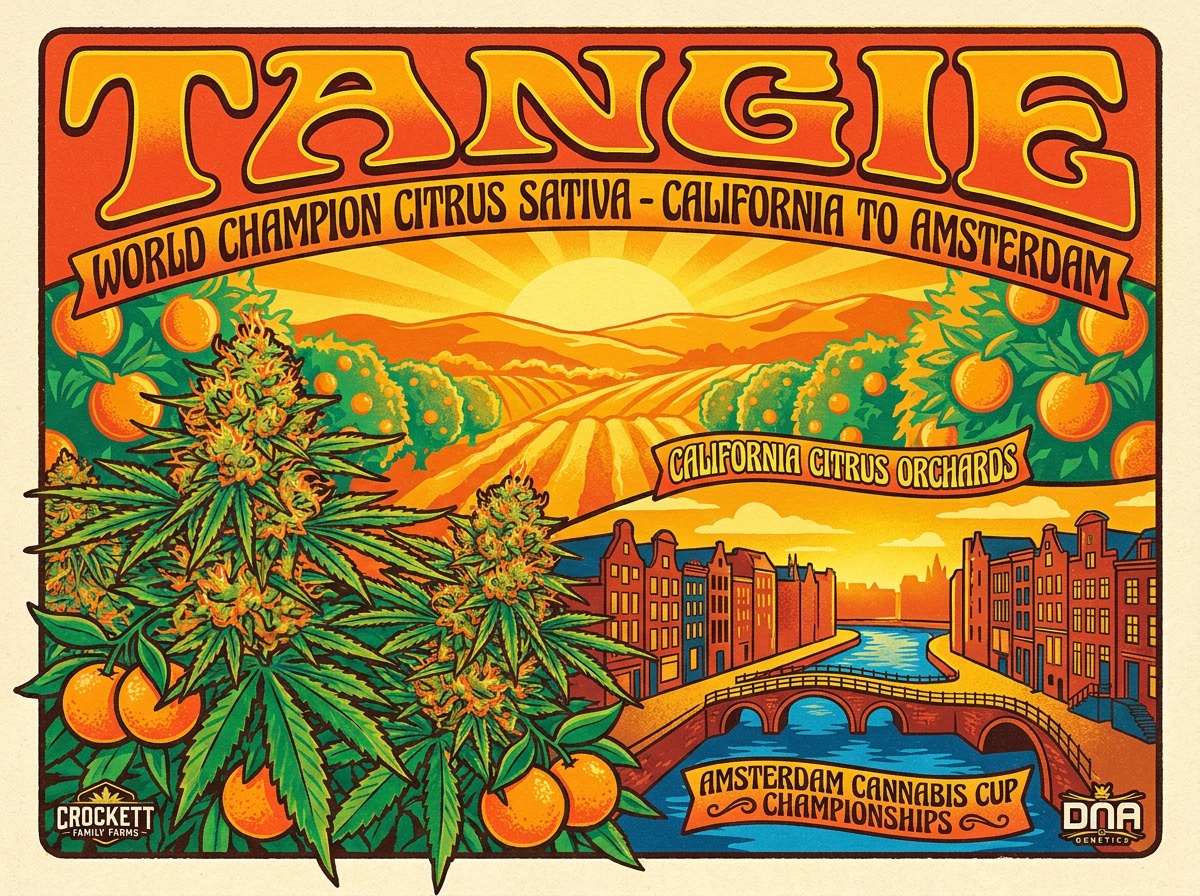
Tangie stands as one of the most commercially and critically acclaimed achievements in the modern renaissance of sativa breeding. Emerging during the early 2010s as a deliberate, meticulous homage to the legendary Tangerine Dream of the mid-1990s, Tangie fundamentally transformed contemporary expectations for citrus-forward cannabis cultivars. Prior to its widespread dissemination, commercial sativa genetics frequently tilted toward fuel, pine, or sour profiles. Tangie shattered this paradigm by delivering an extraordinarily intense, pure tangerine and mandarin organoleptic profile that was neither faint nor transient, but rather saturated the entire ambient environment with concentrated citrus terpenes. This distinctive profile was not an accident of random open pollination; it was the result of a dedicated multi-generational breeding effort rooted in the specialized microclimates of Northern California and refined in the historic breeding laboratories of Amsterdam.
The genealogical foundation of Tangie rests upon an authentic, highly guarded clone-only heirloom known throughout the West Coast as California Orange, colloquially designated Cali-O. Originating in Northern California during the late 1970s and early 1980s, California Orange was revered among heritage growers for its uncanny sweet citrus aroma and perfectly balanced daytime vigor. However, vintage Cali-O cuttings often exhibited slow vegetative growth rates, modest yields, and a delicate floral architecture that made commercial outdoor cultivation challenging outside of ideal microclimates. Recognizing the latent genetic brilliance of the cutting, veteran cultivator and artisanal breeder Crockett of Crockett Family Farms sought to reinvigorate the line. Operating out of the rugged Sierra Nevada foothills and the sun-drenched valleys of Northern California, Crockett possessed an extensive library of heritage genetics. To restore vigor, enhance calyx density, and amplify resin gland development without diluting the sublime orange bouquet, Crockett selected an exceptional, vigorous male from the foundational Skunk #1 gene pool.
The introduction of Skunk #1—a seminal polyhybrid synthesized by David Watson (Sam the Skunkman) and Sacred Seeds combining Colombian Gold, Acapulco Gold, and Afghani landraces—provided the precise physiological backbone needed to elevate the heirloom California Orange. Skunk #1 contributed robust apical dominance, prolific branching, accelerated metabolic rate, and dense, heavily resinous floral bracts. In the resulting progeny, designated initially as Tangie, the volatile citrus monoterpenes of California Orange not only survived but underwent a dramatic chemical amplification, bolstered by the deep, sulfurous, and musky sesquiterpenes inherent to Skunk lineage.
The global ascendance of Tangie was catalyzed through Crockett’s close friendship and professional collaboration with Don and Aaron, the visionary founders of DNA Genetics and Reserva Privada. Recognizing that Tangie possessed an organoleptic profile capable of redefining the global market, DNA Genetics partnered with Crockett to bring the cultivar to Amsterdam for commercial stabilization and international distribution. When entered into the competitive arena, Tangie achieved an unprecedented, nearly mythic trajectory. Between 2013 and 2015, Tangie and its solventless hashish extractions entered more than twenty-five prestigious international competitions, capturing first-place trophies in virtually every major contest, including multiple High Times Cannabis Cups in Amsterdam, Denver, and San Francisco. In an unprecedented feat at the 2014 Amsterdam Cannabis Cup, entries derived from Tangie secured first and second place in the Best Sativa category simultaneously under different team banners, cementing its status as an immortal classic of modern horticultural science.
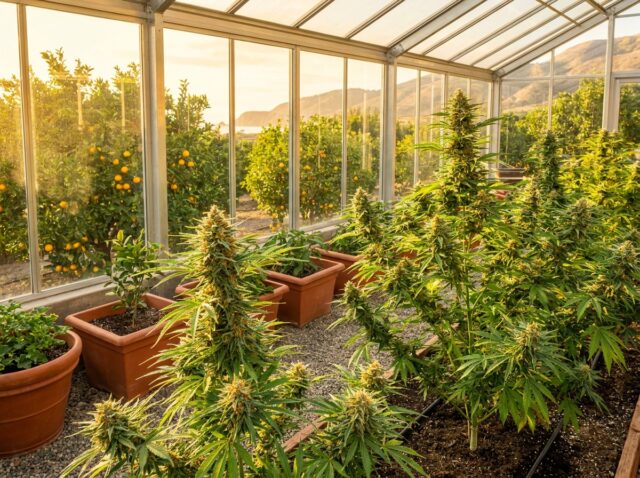
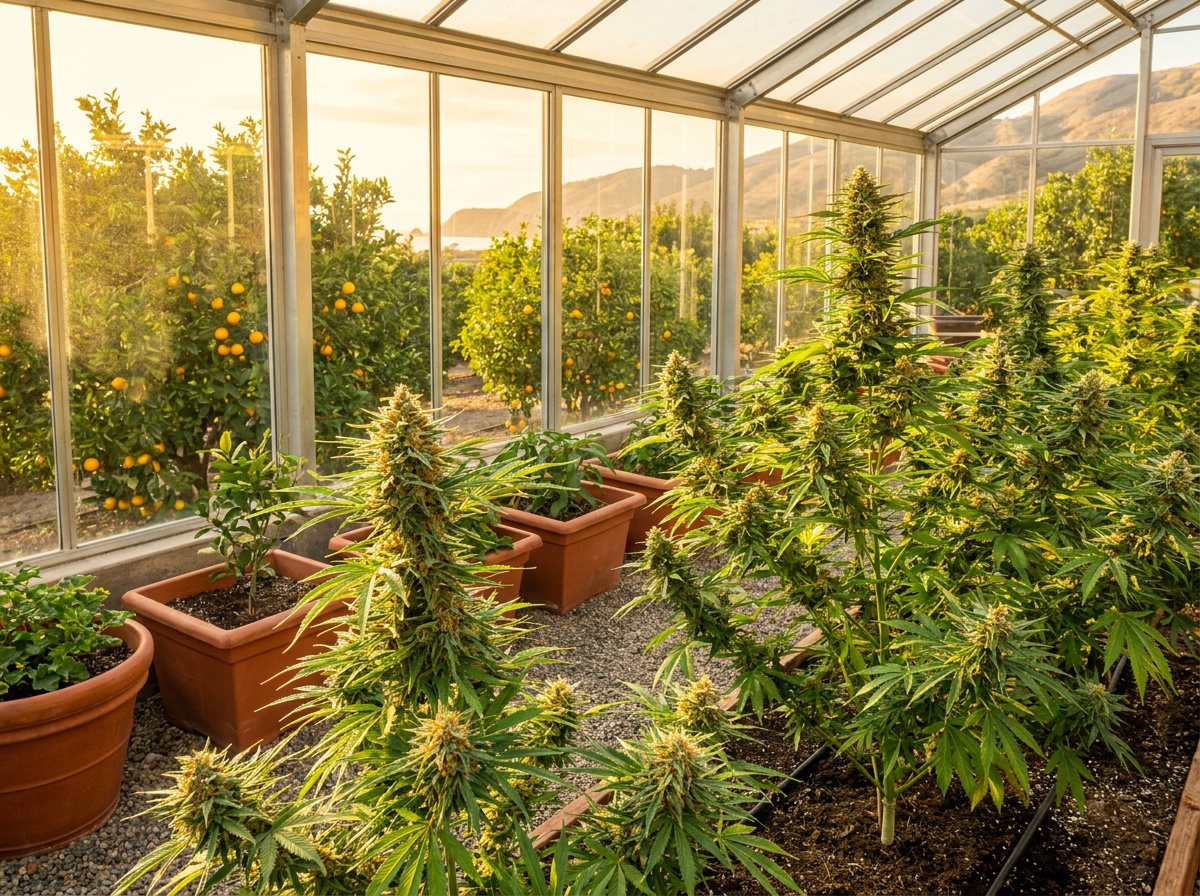
From an agronomic terroir perspective, Tangie demonstrates exceptional responsiveness to Mediterranean and semi-arid climates. When cultivated in rich alluvial living soils featuring high organic matter content, beneficial mycorrhizal fungi, and balanced potassium-to-nitrogen ratios, the cultivar produces exceptional trichome densities. The significant diurnal temperature oscillations typical of elevated river valleys and coastal foothills encourage the retention of delicate, volatile monoterpenes like terpinolene and d-limonene, preventing their premature thermal evaporation during late-flowering ripening phases.
2. Genetics, Lineage, and Phenotypic Morphology
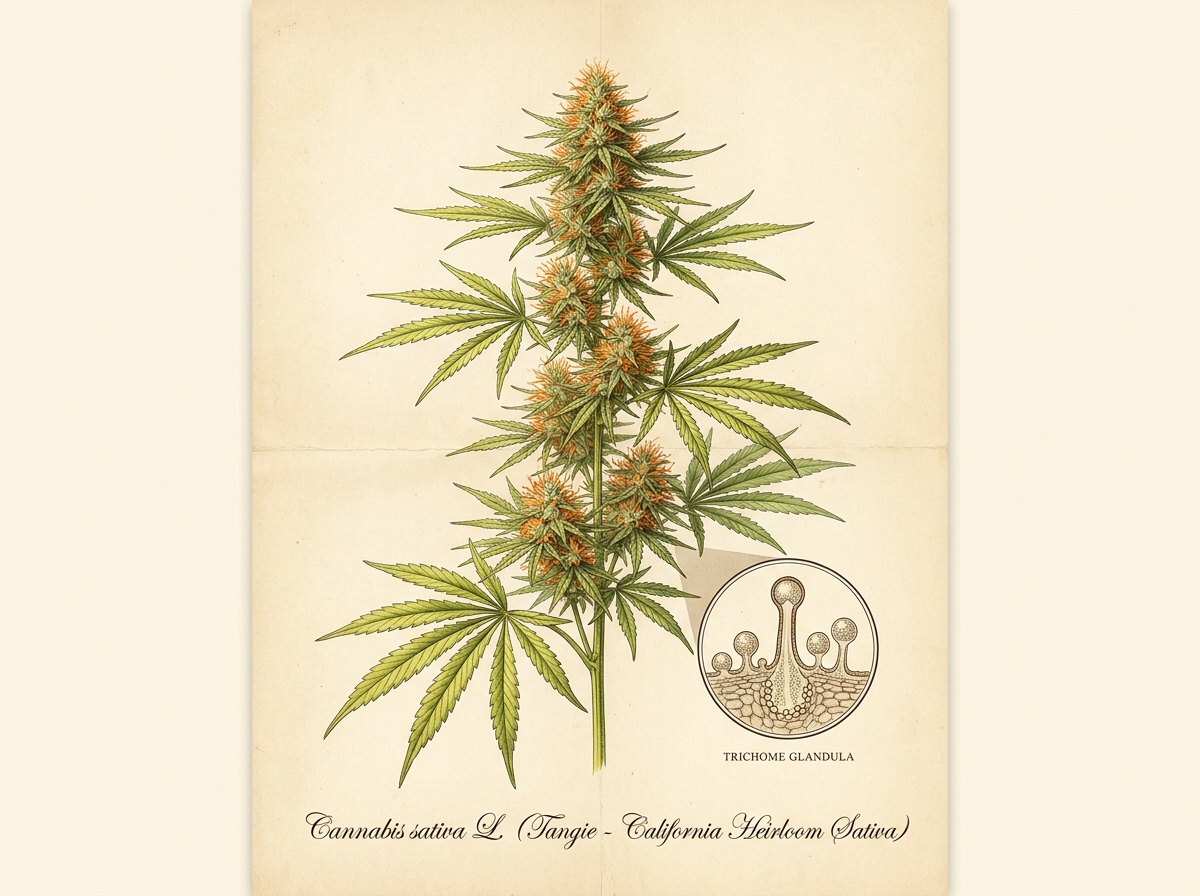
Taxonomically classified as a sativa-dominant polyhybrid (~70% sativa / 30% indica), Tangie embodies an exquisite equilibrium between equatorial sativa vitality and stabilized hybrid vigor. The cultivar represents a purposeful stabilization of two contrasting yet complementary genetic lineages: the clone-only California Orange heirloom (providing the distinctive citrus terpene pathway and uplifting daytime cerebral properties) and the seminal Skunk #1 (providing physiological resilience, dense floral morphogenesis, accelerated flowering speed, and heavy glandular trichome development).
| Lineage Component | Genetic Origin | Botanical Contribution | Phenotypic Impact |
|---|---|---|---|
| California Orange (Cali-O) | Northern California Heirloom (late 1970s) | Maternal clone donor; saturated citrus terpene synthesis (valencene, limonene) | Sweet tangerine aromatic profile, cerebral clarity, radiant amber stigmas |
| Skunk #1 | Sacred Seeds (Colombian Gold x Acapulco Gold x Afghani) | Paternal pollinator; heavy calyx-to-leaf ratio, structural vigor, mold resistance | Enhanced apical dominance, shortened flowering cycle (9-10 weeks), trichome density |
| Stabilized Hybrid (Tangie F1/S1) | Crockett Family Farms & DNA Genetics | Stabilized commercial selection; uniform terpenoid expression and high resin yield | Towering candelabra morphology, high biomass productivity, world-class hash returns |
Botanical Architecture and Structural Morphology
In vegetative cultivation, Tangie presents a rapidly developing, upright vegetative architecture characterized by moderately long internodal distances (typically 5.0 to 8.5 cm under high-intensity discharge lighting or dynamic horticultural LED arrays). The foliage exhibits classic sativa morphological hallmarks: large, slender palmate leaves comprising seven to nine finely serrated leaflets displaying a vibrant lime to medium forest-green coloration. The petioles are elongated and flexible, facilitating effective light penetration into lower canopy strata during the vegetative cycle.
The defining agronomic challenge and physiological trait of Tangie is its pronounced photoperiod stretch. Upon the induction of a 12/12 flowering regime, plants routinely undergo an explosive vertical and lateral expansion, frequently stretching between 150% and 250% of their vegetative stature during the initial four weeks of anthesis. If left untrained, apical meristems can quickly outgrow indoor cultivation enclosures, reaching heights well over 2.5 meters. Consequently, aggressive canopy management protocols are mandatory. Professional cultivators employ systematic multi-topping techniques in late vegetative growth combined with high-stress training (HST) such as supercropping, or low-stress training (LST) through horizontal trellis networks (Screen of Green / SCROG). Establishing a dual-tier trellis system allows cultivators to weave expanding shoots horizontally across the first net before allowing terminal colas to rise through the secondary support network, ensuring an even, light-saturated canopy.
Floral Development and Maturation Kinetics
The flowering duration of Tangie spans approximately 63 to 70 days (9 to 10 full weeks). During weeks one through four, floral initiation progresses through the rapid emergence of dense clusters of pistillate primordia at every node. By week five, true floral morphogenesis accelerates as calyxes begin stacking into elongated, spiraling floral towers. The calyx-to-leaf ratio is remarkably favorable, significantly reducing post-harvest hand-trimming labor while promoting superior airflow through the interior of developing colas—a vital physiological defense mechanism against fungal pathogens such as Botrytis cinerea (gray mold) in high-humidity cultivation settings.
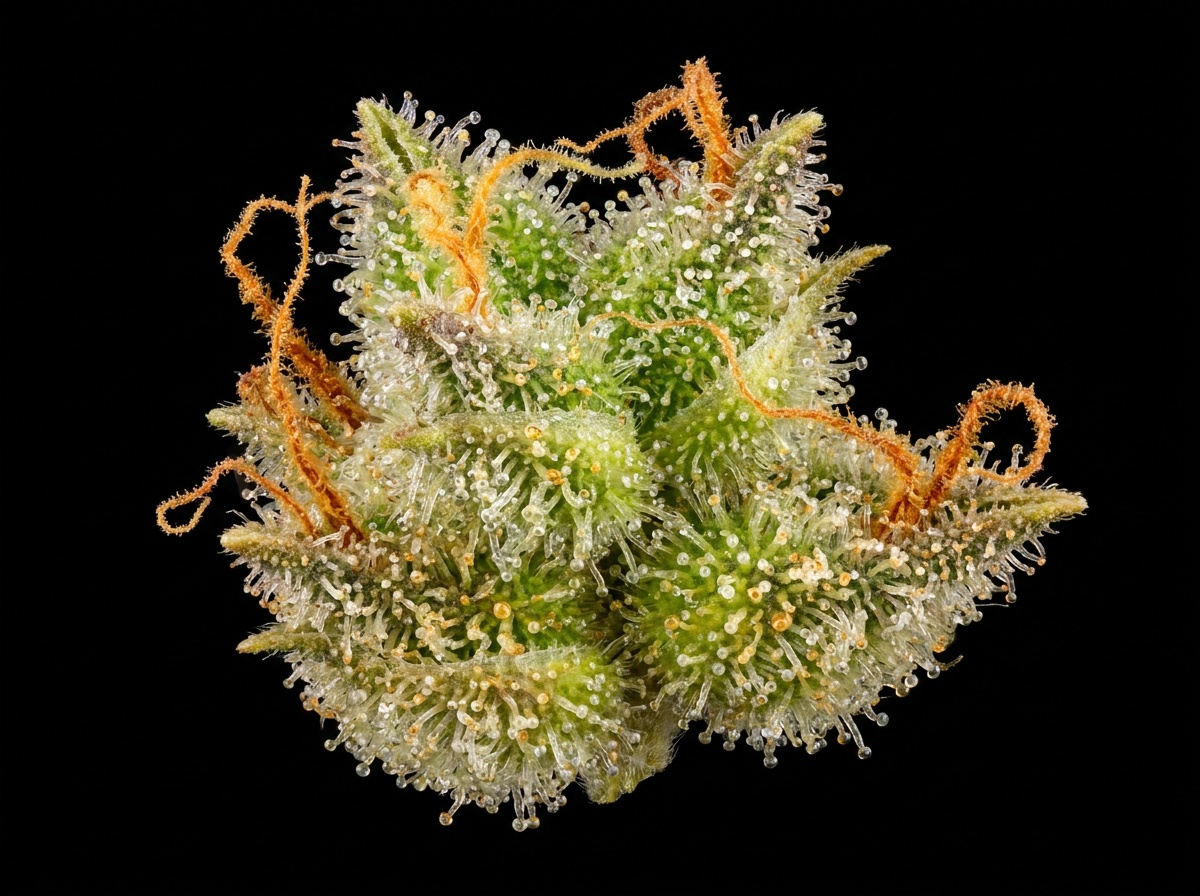
As the cultivar enters weeks seven and eight of flowering, floral biomass undergoes substantial swelling. The calyxes puff into dense, teardrop-shaped structures coated in a glistening blanket of capitate-stalked glandular trichomes. Entangled across the floral surface are thousands of long, slender pistils that transition from pale cream to an unmistakable, vibrant neon-tangerine and burnt-copper hue. The stigmas remain notably elongated and curly even upon curing, providing the dried flowers with an iconic, fiery bag appeal that immediately identifies the cultivar in commercial dispensary showcases.
Agronomic & Environmental Optimization
Cultivating Tangie to peak biochemical expression requires precise microclimate tuning. The cultivar thrives under warm, Mediterranean environmental parameters. In vegetative and early flowering phases, daytime ambient temperatures should be maintained between 25°C and 28°C (77°F to 82°F), with nighttime temperatures dropping moderately to 19°C–21°C (66°F to 70°F). Relative humidity should be staged according to a strict vapor pressure deficit (VPD) target: 0.8–1.1 kPa during vegetative growth, transitioning to 1.2–1.5 kPa during mid-flowering, and concluding at 1.4–1.7 kPa during the final two-week flush.
From a nutritional standpoint, Tangie is a moderate to heavy feeder that demonstrates sensitivity to excessive nitrogen during the generative cycle. Elevated vegetative nitrogen during flowering can impede terpene synthesis, promote overly leafy calyx development, and introduce harsh vegetal flavors into the final smoke. Conversely, the cultivar possesses a tremendous demand for phosphorus, potassium, and magnesium between weeks four and seven, when floral swelling and glandular resin synthesis peak. Maintaining bioavailable silica and trace calcium in the root zone fortifies cell walls, ensuring the elongated branches can support the substantial weight of terminal colas without snapping.
3. Cannabinoid Profile & Analytical Chromatography
Quantitative high-performance liquid chromatography with photodiode array detection (HPLC-PDA) reveals Tangie to be a high-potency, chemotype I cultivar defined by an overwhelming dominance of delta-9-tetrahydrocannabinolic acid (THCA) accompanied by a distinct secondary spectrum of minor and trace phytocannabinoids. In laboratory-verified analytical testing across commercial dispensary samples, mature, cured floral biomass consistently exhibits total potential THC concentrations ranging between 18.0% and 24.5% by dry weight, establishing Tangie as a potent central nervous system stimulant capable of delivering robust therapeutic and recreational efficacy.
| Cannabinoid Analyte | Concentration Range (% w/w) | Typical Mean (%) | Pharmacological Action & Receptor Affinity |
|---|---|---|---|
| Δ9-THC (Active Decarboxylated) | 0.40% – 1.10% | 0.72% | Partial agonist at CB1/CB2; initiates rapid cerebral euphoria, analgesia, and antiemetic relief |
| THCA-A (Tetrahydrocannabinolic Acid) | 19.50% – 26.80% | 22.90% | Acidic precursor; potent TRP channel modulator, non-intoxicating anti-inflammatory agent |
| CBGA / CBG (Cannabigerol) | 0.75% – 1.65% | 1.18% | Alpha-2 adrenergic agonist and 5-HT1A antagonist; neuroprotective and intraocular hypotensive agent |
| CBD / CBDA (Cannabidiol) | 0.08% – 0.35% | 0.18% | Negative allosteric modulator at CB1; moderates peak psychoactive tachyphylaxis |
| CBC / CBCA (Cannabichromene) | 0.20% – 0.55% | 0.34% | Potent TRPA1 channel agonist; synergizes with THC to promote neurogenesis and pain modulation |
| THCV (Tetrahydrocannabivarin) | 0.15% – 0.60% | 0.32% | Neutral CB1 antagonist at low doses; suppresses appetite and promotes glycemic control |
| CBN (Cannabinol) | <0.05% – 0.15% | 0.06% | Oxidative degradation byproduct; low levels verify optimal post-harvest curing and minimal senescence |
Minor Cannabinoid Dynamics and Metabolic Kinetics
While delta-9-THC dictates the overall magnitude of the cultivar’s psychoactivity, the presence of elevated minor cannabinoids—particularly cannabigerol (CBG) at concentrations frequently surpassing 1.1%—exerts a profound buffering influence upon receptor kinetics. Cannabigerol operates as an antagonist at 5-HT1A serotonin receptors and an agonist at alpha-2 adrenergic receptors. By modulating these peripheral and central pathways, CBG counterbalances the acute vasodilation and potential tachycardic spikes occasionally triggered by high doses of unbuffered THC, resulting in a cleaner, more lucid physiological experience.
Furthermore, Tangie consistently produces measurable quantities of tetrahydrocannabivarin (THCV), averaging approximately 0.32% to 0.45% in select phenotypes. Originating genetically from the African landrace contributions embedded within the Skunk #1 genealogical background (via Colombian and equatorial sativa lineages), THCV acts as a competitive CB1 antagonist at lower physiological concentrations. This trace presence explains why Tangie consumers report enhanced cognitive alertness, accelerated verbal fluency, and a distinct lack of the sudden, debilitating appetite stimulation (hyperphagia or “the munchies”) commonly associated with pure indica cultivars. The virtually undetectable levels of cannabinol (CBN) confirm that when properly harvested at peak trichome cloudiness, the cultivar delivers purely invigorating, cerebral pharmacology devoid of sedative degradation artifacts.
4. Terpene Profile, Aroma Spectrum, and Sensory Notes
The organoleptic essence of Tangie represents a masterclass in plant secondary metabolism. In an industry where many cultivars share overlapping diesel, pine, or berry scent profiles, Tangie possesses an instantly identifiable, singularly concentrated citrus bouquet that borders on hyper-realistic. Quantitative gas chromatography-mass spectrometry (GC-MS) demonstrates that total terpene content in meticulously cured Tangie flower regularly reaches an extraordinary 2.8% to 4.2% by dry weight. This staggering concentration of volatile aromatic compounds explains the cultivar’s ability to permeate large spaces with pungent citrus aromas immediately upon opening a curing container.
| Terpene Analyte | Chemical Classification | Typical Content (% w/w) | Organoleptic Trajectory & Functional Role |
|---|---|---|---|
| Terpinolene | Monoterpene | 0.90% – 1.65% (Dominant) | Complex piney, citrus, and herbal aroma; primary driver of uplifting cerebral stimulation |
| d-Limonene | Monoterpene | 0.60% – 1.20% (Co-Dominant) | Pure tangerine zest and sweet mandarin peel; promotes mood elevation and 5-HT1A agonism |
| β-Myrcene | Monoterpene | 0.45% – 0.85% | Sweet tropical mango and musky earth; enhances blood-brain barrier permeability |
| Valencene | Sesquiterpene | 0.20% – 0.50% | Authentic Valencia orange oil scent; rare sesquiterpene delivering anti-inflammatory protection |
| β-Caryophyllene | Sesquiterpene | 0.25% – 0.55% | Warm woody spice and black pepper; dietary cannabinoid acting directly as a selective CB2 agonist |
| α-Pinene | Monoterpene | 0.15% – 0.38% | Fresh conifer needles; acetylcholinesterase inhibitor preserving cognitive memory clarity |
| Linalool | Monoterpenol | 0.08% – 0.22% | Delicate floral lavender; smooths neural excitability and mitigates acute stress response |
The Five Sensory Phases of Tangie
Phase I: Unbroken Flower Bouquet. Upon presenting intact, cured inflorescences, the initial olfactory projection is dominated by bright, honeyed citrus. Unlike cultivars that exude heavy petrol or acrid fuel, Tangie greets the senses with the sweet, inviting fragrance of ripe Clementine oranges, candied citrus peels, and blossoming orange groves in spring. Beneath this initial wave lies a delicate stratum of floral lavender and clean pine needle, imparting an airy, elevated quality to the aroma.
Phase II: Mechanical Calyx Rupture. When the cured floral bracts are fractured between the fingers or sheared through a precision grinder, the olfactory profile undergoes a dramatic, volatile escalation. The rupture of thousands of swollen capitate-stalked glandular trichome heads liberates a fierce, concentrated surge of acidic orange zest, sour tangerine juice, and a pungent, skunky undertone inherited directly from Skunk #1. This mechanical friction reveals the presence of heavy sesquiterpenes—most notably valencene and beta-caryophyllene—which ground the soaring top-notes with a rich, resinous foundation.
Phase III: Unlit Inhalation (The Dry Draw). Drawing air through an unlit glass pipe, joint, or convection vaporization chamber provides a profound preview of the cultivar’s gustatory character. The dry draw coats the palate with an astonishingly crisp flavor reminiscent of fresh-squeezed mandarin juice blended with sweet Meyer lemon and subtle herbal complexity. The sensation is mouth-watering, clean, and remarkably free of harsh vegetal bitterness.
Phase IV: Vaporization & Combustion Exhale. Upon the thermal application of heat, Tangie releases a velvety, aromatic vapor that translates the raw scent into an opulent taste sensation. At low to moderate vaporization temperatures (165°C to 180°C / 329°F to 356°F), the palate experiences pure citrus sorbet: sweet, tart, and deeply effervescent. On the exhale, the flavor broadens into warm spice, sweet cedar, and a lingering citrus peel zest that persists upon the tongue for minutes following inhalation.
Phase V: Ambient Room Note (The Lingering Scent). The ambient aroma left behind after consumption is widely regarded by connoisseurs and casual observers as one of the most pleasant in the entire botanical kingdom. Rather than leaving an acrid, heavy smoke odor, Tangie perfumed the surrounding atmosphere with the fragrance of spiced orange pomanders, sun-warmed citrus orchards, and clean, uplifting botanicals.
5. Pharmacological Action & Entourage Dynamics
The clinical efficacy and cerebral signature of Cannabis sativa ‘Tangie’ represent a textbook validation of Dr. Ethan Russo’s seminal phytocannabinoid-terpenoid synergy hypothesis (Russo, 2011). Far from acting as an isolated psychoactive agent, the Δ9-tetrahydrocannabinol fraction within Tangie is bio-physically steered, augmented, and modulated by a unique confluence of monoterpenes and rare sesquiterpenes. Specifically, the co-dominance of high-titer terpinolene with d-limonene and the rare sesquiterpene valencene creates an energetic, central nervous system stimulating pharmacodynamic trajectory that distinctly sets Tangie apart from traditional myrcene-heavy, sedating cannabis cultivars.
The multi-target polypharmacology of Tangie operates across five distinct bio-molecular and neurochemical signaling pathways:
- Terpinolene-Driven Central Nervous System Activation: While terpinolene in isolated monotherapy models can display paradoxical sedative properties under high sedative chamber thresholds, its interaction with high concentrations of Δ9-THC produces profound cortical arousal and sensory sensitization. Terpinolene acts as a lipophilic facilitator across the blood-brain barrier, altering membrane fluidics and accelerating cannabinoid penetration into presynaptic terminal networks within the frontal cortex and basal ganglia. This interaction produces the hallmark rapid-onset cerebral stimulation, hyper-associative cognitive processing, and sensory acuity characteristic of prime daytime sativa varietals.
- Limonene and Valencene Sesquiterpene Permeation & Serotonergic Elevation: D-limonene exerts pronounced agonist-like activity on 5-HT1A serotonin receptors while simultaneously modulating dopaminergic neurotransmission in the mesolimbic pathway. Concurrently, the citrus sesquiterpene valencene acts as an exceptionally potent cellular permeation enhancer and tissue penetrant. In combination, valencene and limonene facilitate rapid absorption of phytocannabinoids across mucous membranes and neuronal lipid bilayers, triggering rapid systemic release of dopamine and serotonin. This dual-action synergy underpins Tangie’s renowned capability to instantly alleviate depressive rumination, counteract acute emotional dysphoria, and instill buoyant motivational vigor.
- Alpha-Pinene Acetylcholinesterase (AChE) Inhibition: One of the most critical neuroprotective and functional attributes of the Tangie entourage is the presence of α-pinene. Alpha-pinene is a documented, bioavailable competitive inhibitor of the enzyme acetylcholinesterase (AChE). By impeding the enzymatic breakdown of acetylcholine in hippocampal synaptic clefts, pinene preserves cholinergic signaling transmission. Clinically, this directly mitigates the transient short-term memory deficits, spatial disorientation, and cognitive clouding typically induced by high-affinity CB1 receptor partial agonism by Δ9-THC, yielding an exceptionally lucid, crystalline, and articulate cognitive high.
- Beta-Caryophyllene Peripheral CB2 Agonism & Gastrointestinal Neuro-Immune Calming: Although present in moderate concentrations (0.18–0.34%), β-caryophyllene operates as a selective dietary functional CB2 receptor agonist without engaging cerebral CB1 receptors. In the gut-associated lymphoid tissue (GALT) and mesenteric plexus, caryophyllene suppresses pro-inflammatory cytokine expression (TNF-α, IL-1β, and IL-6) and blocks NF-κB signaling cascades. This peripheral immunomodulatory activity delivers rapid somatic relief from visceral gastrointestinal spasms and systemic vascular tension while keeping the mental faculties energized and unimpeded.
- Cannabigerol (CBG) Adrenergic and Serotonergic Counter-Balancing: The secondary phytocannabinoid cannabigerol (CBG), averaging 1.18% in Tangie flower, acts as a potent α2-adrenoceptor agonist and moderate 5-HT1A receptor antagonist. This mechanism attenuates excessive sympathetic autonomic outflow and prevents the tachycardic palpitations, sensory overload, and acute panic reactions occasionally triggered by high-potency THC consumption in neurochemically sensitive patients. CBG functions as an endogenous chemical brake, ensuring that Tangie’s potent energizing properties manifest as sustained creative productivity rather than adrenergic jitteriness.
Together, these coordinated phytomolecular pathways transform what could otherwise be an overwhelming 21% THC spike into a remarkably balanced, focused, and cerebrally invigorating functional high. The absence of heavy sedative sesquiterpenes like β-eudesmol and low concentrations of linalool ensure that the user experiences negligible somnolence or motor sedation during the therapeutic plateau, making Tangie one of the foremost daytime working cultivars in modern botanical pharmacopeia.
6. Clinical Applications & Therapeutic Indications
Within clinical phytocannabinoid therapy, Cannabis sativa ‘Tangie’ holds a prominent niche as an alerting daytime pharmacotherapy. Its unique chemical architecture—characterized by robust Δ9-THC concentrations, an active fraction of CBG and THCV, and a vibrant monoterpene profile anchored by terpinolene, limonene, and valencene—renders it exceptionally well-suited for pathologies characterized by psychomotor retardation, apathy, dopaminergic deficit, and executive dysfunction.
Clinical Indications & Pharmacological Mechanisms
| Clinical Condition | Symptom Target | Synergistic Phytochemical Drivers | Biochemical & Physiological Mechanism | Clinical Recommendation |
|---|---|---|---|---|
| Attention-Deficit / Hyperactivity Disorder (ADHD) & Executive Dysfunction | Cognitive fatigue, distractibility, task aversion, and diminished sustained focus. | α-Pinene, Terpinolene, THCV (0.32%), Δ9-THC | Inhibition of acetylcholinesterase (AChE) by α-pinene elevates synaptic acetylcholine, enhancing working memory and signal-to-noise ratio in prefrontal networks. Terpinolene and micro-dose THCV drive cortical arousal without motor agitation. | Low-to-moderate micro-dosing via convection dry-herb vaporization (175–185°C) during morning and early afternoon work intervals. |
| Major Depressive Disorder (MDD) & Anhedonia | Blunted affect, psychomotor retardation, lack of motivation, and chronic despair. | d-Limonene, Valencene, Δ9-THC, CBG | Agonism of 5-HT1A serotonin receptors and mesolimbic dopamine release triggered by d-limonene and valencene synergizes with CB1 partial agonism to stimulate ventral striatal reward pathways and shatter depressive rumination. | Inhalation of flower vapor at the onset of diurnal depressive slumps. Ideal adjunct to behavioral activation therapy and aerobic exercise regimens. |
| Chronic Fatigue Syndrome (CFS/ME) & Diurnal Asthenia | Profound daytime exhaustion, brain fog, physical lethargy, and lack of somatic stamina. | Terpinolene, Δ9-THC, β-Myrcene (moderate), CBG | Russo-defined monoterpene CNS stimulation combined with CBG α2-adrenoceptor modulation promotes alert wakefulness and metabolic energy mobilization without inducing peripheral cardiac overdrive. | Convection vaporization at 170–180°C upon waking or post-prandially. Restrict consumption after 16:00 to avoid phase-delaying circadian sleep cycles. |
| Migraine & Neurovascular Headache Syndromes | Throbbing vascular head pain, visual auras, photophobia, and nausea. | β-Caryophyllene, α-Pinene, Valencene, Δ9-THC | Suppression of trigeminovascular calcitonin gene-related peptide (CGRP) release via CB1/CB2 activation; α-pinene provides bronchodilation and cerebral oxygenation, while caryophyllene downregulates vascular neuro-inflammation. | Immediate inhalation at the first prodromal aura symptom. Full lung retention for 3–5 seconds to achieve rapid vascular relief. |
| Chemotherapy-Induced Nausea & Cachexia | Loss of appetite, emesis, metallic taste dysgeusia, and chemotherapy aversion. | Δ9-THC, d-Limonene, β-Caryophyllene | Potent anti-emetic action mediated through dorsal vagal complex CB1 receptors and 5-HT3 antagonistic signaling; intense citrus olfactory notes activate cephalic salivary reflexes and stimulate orexigenic ghrelin signaling. | Administer flower vapor 20–30 minutes prior to planned meals to counteract dysgeusia and encourage caloric intake. |
Clinical Administration Modalities & Temperature Dynamics
To preserve Tangie’s delicate and volatile monoterpene fractions, patients are strongly advised to utilize temperature-controlled convection dry-herb vaporization over direct combustion. Pyrolysis above 230°C destroys up to 80% of volatile monoterpenes like terpinolene and α-pinene, resulting in an unrefined, disproportionate THC rush that lacks the clarity and mood-elevating nuances of low-temperature vaporization.
- 165–175°C (Citrus & Pinene Volatilization Window): Maximizes vaporization of α-pinene (boiling point 155°C), β-myrcene (166°C), and d-limonene (176°C). Yields unmatched sweet tangerine flavor, vibrant mental clarity, zero somatic heaviness, and instant mood elevation. Highly recommended for morning executive tasks and creative ideation.
- 180–190°C (Full-Spectrum Phytocannabinoid Release): Activates terpinolene (185°C) alongside the primary Δ9-THC (157°C) and CBG (180°C) fractions. Produces pronounced cerebral euphoria, sensory enrichment, expanded peripheral creativity, and moderate somatic pain reduction. Ideal for afternoon physical activities, artistic projects, and social interaction.
- 195–205°C (Sesquiterpene Extraction): Volatilizes β-caryophyllene (199°C) and valencene (~200°C). Provides deeper somatic relaxation, vascular anti-inflammatory relief, and peripheral muscular tension release, with mild physical sedation setting in toward the late offset.
Precautions, Contraindications & Drug-Drug Interactions
Due to its stimulating terpinolene dominance and significant THC potency, Tangie must be prescribed with measured caution in specific patient populations:
- Acute Panic Disorder & Severe Generalized Anxiety: Patients with panic disorder or low cannabinoid tolerance may experience transient tachycardic episodes, racing thoughts, or acute autonomic hyperarousal if high dosages are consumed rapidly. Such patients should begin with micro-titrations or co-administer oral cannabidiol (CBD 20–40mg) to introduce allosteric modulation at CB1 receptors.
- Severe Insomnia & Sleep Phase Disorders: Consuming Tangie within 3 to 4 hours of bedtime can delay sleep onset latency due to its potent cortical stimulating profile and lack of heavy sedating myrcene/linalool fractions. Patients requiring nighttime sleep support should transition to indica-dominant cultivars such as Mazar Extra or Afghan Kush.
- Cytochrome P450 Hepatic Interactions: High phytocannabinoid consumption can transiently inhibit CYP3A4 and CYP2C9 hepatic enzymes. Patients concurrently taking warfarin, certain SSRIs, or antiepileptic medications should undergo periodic therapeutic drug monitoring.
7. Psychoactive Architecture & Experiential Profile
The experiential trajectory of Cannabis sativa ‘Tangie’ is celebrated throughout the global connoisseur community for its exhilarating cerebral uplift, sparkling sensory acuity, and complete absence of debilitating physical lethargy. It delivers an archetype of the classic “electric daytime sativa”—propelling the mind into states of inspired creative productivity and jovial sociability while maintaining pristine executive control.
The Tri-Phasic Experiential Trajectory
Phase I: Cephalic Onset & Sensory Awakening (0 to 15 Minutes)
Within seconds of the initial exhalation, a distinctive, refreshing citrus effervescence coats the palate, immediately accompanied by a warm, tingling sensation across the crown of the cranium and behind the eyes. Cerebral intraocular pressure drops, vision sharpens, and ambient colors appear subtly saturated with heightened luminosity. Auditory perception expands, and background noises take on a rhythmic, layered resonance. Unlike dense kush varietals that exert a heavy downward gravitational pull, Tangie feels weightless, buoyant, and instantly exhilarating, sweeping away mental fatigue and sluggishness within minutes.
Phase II: The Ascendant Creative Plateau (15 to 90 Minutes)
As the Δ9-THC and terpinolene-limonene matrix reaches peak systemic circulation, the experience blossoms into an expansive, euphoric intellectual flow state. Conversational velocity increases, accompanied by quickened wit, spontaneous laughter, and an infectious gregariousness in social settings. For solo practitioners, musicians, painters, programmers, and writers, Tangie fosters non-linear lateral thinking and pattern recognition, effortlessly bridging disparate conceptual ideas. The mind operates with remarkable speed and clarity, entirely unencumbered by the paralyzing introspective anxiety or mental haze often associated with unbalanced high-THC strains. Somatically, a pleasant, gentle vibration hums through the limbs, keeping the body mobile, energized, and ready for physical action.
Phase III: The Lucid Descent & Somatic Ease (90 to 180 Minutes)
The resolution of the Tangie high is clean, graceful, and exceptionally smooth. As the intense cerebral crest gently tapers, it leaves behind an enduring sense of calm contentment, emotional optimism, and subtle physical relaxation. Unlike cultivars dominated by heavy myrcene or linalool fractions, Tangie produces no sudden “crash,” “couch-lock,” or profound mental fog during the offset. Users emerge from the experience refreshed, alert, and capable of returning to professional duties or physical workouts without feeling drained, depleted, or cognitively exhausted.
Connoisseur Tasting Rituals & Multi-Sensory Pairings
To fully appreciate the sensory majesty of high-grade, cold-cured Tangie flowers, connoisseurs follow an intentional, deliberate tasting protocol:
- The Unlit Dry Inhalation Draw: Before applying any heat, gently break open a well-cured calyx cluster using fingers rather than a metallic grinder to preserve intact secretory resin heads. Draw room-temperature air through the unlit joint or glass bubbler. The palate is immediately saturated with an astonishingly authentic blast of sweet Florida tangerines, candied orange peel, and crisp coniferous pine. This pre-combustion dry draw serves as the ultimate diagnostic benchmark of botanical authenticity.
- Convection Vapor Sampling: Utilizing a precision desktop convection vaporizer set to exactly 175°C delivers the purest expression of Tangie’s monoterpene spectrum. The vapor is silky, dense, and bursting with zesty citrus oils, completely free of harsh pyrolysis byproducts or acrid bitterness.
- Gastronomic & Beverage Pairings: Tangie pairs magnificently with single-origin Ethiopian or Kenyan light-roast pour-over coffees, whose floral and berry acidity complements the sweet citrus and pine notes. Artisanal dark chocolate infused with orange zest, fresh Sicilian blood oranges, and tart Key lime sorbets create transcendent sensory harmonies. For savory dining, pairing with ceviche marinated in lime and cilantro, Thai green papaya salad (Som Tum), or seared duck breast with an orange glaze mirrors and elevates the cultivar’s rich terpene complexity.
- Activity Harmonization: Tangie is the ultimate companion for active, daytime pursuits: morning coastal hikes, outdoor botanical photography, creative songwriting sessions, studio painting, architectural drafting, and animated social gatherings where lively intellectual discourse thrives.
8. Connoisseur Scorecard & Dispensary Curation Standards
Due to its extraordinary popularity, legendary competitive lineage, and unforgettable sensory footprint, Cannabis sativa ‘Tangie’ is a cornerstone offering in world-class cannabis dispensaries. Maintaining the pristine quality of this cultivar from post-harvest cure to patient dispensation requires uncompromising adherence to environmental controls and precise customer education.
Connoisseur Sensory Evaluation & Scorecard
| Evaluation Metric | Score (out of 10) | Connoisseur Observations & Diagnostic Criteria |
|---|---|---|
| Visual Appeal & Calyx Architecture | 9.6 / 10 | Elongated, elegant spear-shaped sativa colas with spiraling calyx clusters in vibrant lime and golden-olive hues. An astonishing density of curly, electric neon-orange and fiery copper pistils creates dramatic visual contrast against an opulent frosting of intact glandular trichomes. |
| Olfactory Intensity & Terpene Fidelity | 9.9 / 10 | Arguably the single most pungent and unmistakably authentic citrus profile in modern cannabis genetics. The moment the curing jar is unsealed, room-filling waves of freshly peeled sweet tangerines, bitter orange marmalade, and pine terpenes dominate all ambient odors. Zero chemical or artificial undertones. |
| Flavor Density & Palate Persistence | 9.7 / 10 | Exceptional flavor translation from raw aroma to vapor. The initial inhale delivers pure, sweet citrus zest, followed by a crisp herbaceous, piney, and subtle skunk-musk expansion on the exhale. The lingering aftertaste of sweet tangerine peel coats the tongue for upwards of 15 to 20 minutes post-exhalation. |
| Onset Velocity & Euphoric Dynamism | 9.8 / 10 | Lightning-fast cerebral onset within two inhalations. Disperses mental inertia, elevates mood instantly into joyous euphoria, and infuses the consumer with buoyant physical vigor without edge or nervous tremor. |
| Cognitive Clarity & Sustained Productivity | 9.6 / 10 | Superior daytime functional utility. Promotes articulate conversational flow, expansive lateral thinking, and persistent task motivation. Does not compromise working memory when vaporized at moderate clinical temperatures. |
| Cure Quality & Resin Integrity | 9.7 / 10 | Flawlessly cured specimens display supple calyx resilience, crisp stem snap without crumbling, and viscous, sticky resin heads that cling to fingertips upon handling. Clean, white-to-light-grey residual ash upon test combustion. |
| Composite Connoisseur Rating | 97.2 / 100 | Category: AAA+ Masterpiece Sativa Selection. Globally recognized as the definitive gold standard for citrus-terpene cannabis breeding. |
Dispensary Staff Consultation & Patient Advisory Protocols
To ensure optimal therapeutic alignment and customer satisfaction, budtenders and patient consultants should utilize the following structured consultation guidance when recommending Tangie:
| Patient / Consumer Profile | Consultant Dialogue & Recommendation Script | Dispensing & Dosage Advisory |
|---|---|---|
| The Creative Professional / Focus Seeker | “If you are seeking an uplifting, inspiring daytime cultivar that stimulates creative ideation without inducing brain fog, Tangie is our premier choice. Its high terpinolene and pinene content sharpens mental focus and fuels conversational fluency, making it perfect for creative writing, design, or active outdoor projects.” | Advise low-temperature vaporization (175°C) in small, measured 1–2 draw sessions. Emphasize that micro-dosing preserves mental acuity throughout long work periods. |
| The Depressive / Fatigue Patient | “For patients battling diurnal sluggishness, emotional burnout, or lack of motivation, Tangie acts as a gentle yet powerful mood elevator. Its sweet tangerine fragrance activates sensory pleasure immediately, while its balanced cannabinoid profile helps dissolve morning apathy.” | Recommend morning to early-afternoon administration. Caution strictly against late-evening consumption to prevent sleep phase disruption. |
| The Terpene Hunter / Flavor Connoisseur | “Tangie represents the peak of citrus breeding. The terpene profile is so intensely aromatic with fresh tangerine, sweet orange, and pine that you can identify it with your eyes closed across the room. We recommend using a clean glass rig or convection vaporizer to savor every layer of its 5-phase flavor profile.” | Provide airtight ultraviolet glass storage containers. Emphasize protecting flowers from heat and light to prevent volatile monoterpene evaporation. |
| The High-Anxiety / Low-Tolerance Consumer | “While Tangie is uplifting and cheerful, its 21% THC potency and stimulating terpinolene profile can occasionally feel intense for individuals sensitive to energizing sativas. We recommend taking a single small draw and waiting 15 minutes, or pairing it with a high-CBD tincture.” | Suggest co-dispensing a broad-spectrum CBD oral tincture or an indica alternative if evening relaxation is the primary objective. |
Optimal Curing, Storage & Monoterpene Preservation
Because Tangie’s commercial value and therapeutic efficacy rely heavily on volatile monoterpenes (specifically terpinolene and d-limonene, both of which possess low flash points and rapid evaporation rates at ambient room temperatures), dispensary inventory managers and home connoisseurs must enforce rigorous preservation protocols:
- Atmospheric & Humidity Standards: Store cured colas at a constant relative humidity (RH) of 58% to 62%. Utilize two-way humidity control packs (such as Boveda or Integra Boost 62%) inside sealed containers to maintain cell turgor without risking botrytis or fungal spore germination.
- Temperature Regulation: Ambient storage temperatures must not exceed 15–18°C (59–64°F). Temperatures above 21°C accelerate the enzymatic degradation of Δ9-THC into CBN and hasten monoterpene off-gassing, resulting in diminished aroma and flattened psychoactive vigor.
- Photodegradation Prevention: Ultraviolet rays (UVA and UVB) rapidly degrade cannabinoid and terpenoid molecules. Flower should always be held in dark violet Miron glass jars or opaque vacuum-sealed containers, never exposed to direct dispensary display lighting for extended periods.

Explore Related Sativa Heritage Cultivars
- Acapulco Gold
- ACDC Strain
- Amnesia Haze
- Amsterdam Amnesia
- Blue Dream Strain
- Brazilian Manga Rosa
- Cannabis sativa ‘Maui Wowie’
- Charlotte’s Web Strain
- Chiang Mai Highland Thai
- Chocolope
- Colombian Gold (Santa Marta)
- Congolese Red (Kivu Landrace)
- Desfrán
- Durban Dew
- Durban Poison
- Ethiopian Highland Landrace
- Euforia
- Freddy’s Best
- Ghost Train Haze #1
- Green Crack (Cush)
- Harlequin Strain
- Isan Sativa Landrace
- Jack Herer Strain
- Jamaican Lamb’s Bread (Lamb’s Breath)
- Jamaican Pearl
- Kalamata Red
- Kerala Gold (Idukki Gold)
- Kilimanjaro (Elephant Stomper)
- Koh Chang Thai
- Kona Gold
- Malawi Gold (Chamba)
- Manipuri Landrace
- Michoacan Brown/Green
- Molokai Frost
- Mother’s Milk (Mommy’s Milk) – Sativa-Dominant Hybrid Strain
- Neville’s Haze
- Oaxacan Gold
- Original Haze
- OutLaw
- Panama Red (Point Red)
- Power Plant
- Punto Rojo (Tierra Adentro)
- Punto Rojo (Tierra Adentro)
- Red Congolese
- Ringo’s Gift Strain
- Santa Marta Colombian Gold
- Santa Marta Colombian Sativa
- Shaman
- Silver Haze
- Sour Diesel
- Strawberry Cough
- Super Boof Strain
- Super Lemon Haze
- Super Silver Haze
- Swazi Gold
- Swazi Gold (Nguni)
- Tangie
- Thai Stick (Hang Karok / Squirrel Tail)
- Thai Tiger Tail (Hang Suea)
Ajarn Spencer Littlewood & Agent Gemini Unleashed for Ganja House
All rights reserved. Published in accordance with the Ganja House Scientific Cannabis Compendium Standard.
Ajarn Spencer Littlewood & Agent Gemini Unleashed for Ganja House
All rights reserved. Scientific documentation and botanical research archive.