🎙️
Listen to the Scientific Monograph
Juanita la Lagrimosa: Ethnobotanical History, 1:1 Cannabinoid Pharmacology & Breeding Pedigree
Professional narration synthesized via Ganja House neural acoustics engine (gemini-3.8-flash-tts Charon polyglot). Mastered to EBU R128 (-16 LUFS).
1. Introduction & Botanical Identity
In the complex and multifaceted history of modern botanical pharmacognosy and horticultural plant breeding, few individual cultivars occupy a position as universally revered, historically transformative, and scientifically foundational as Juanita la Lagrimosa (Cannabis sativa L. cv. ‘Juanita la Lagrimosa’). Known colloquially throughout international botanical literature as “Juanita the Tearful” or “Tearful Juanita,” this extraordinary Iberian creation is celebrated across the academic and commercial cannabis sectors as the paramount genetic matriarch of the contemporary European cannabidiol (CBD) renaissance. Conceived, isolated, and stabilized in the rugged, sun-drenched agricultural terroirs of Girona, Catalonia, by master plant selector and genetic preservationist Jimi of Reggae Seeds, Juanita la Lagrimosa permanently redirected the global cannabis breeding paradigm. It proved to an astonished horticultural world that high-concentration cannabidiol could be harmoniously co-expressed alongside delta-9-tetrahydrocannabinol within an exquisitely fragrant, resin-abundant, and commercially viable flowering canopy.
To fully comprehend the seismic magnitude of Juanita la Lagrimosa’s arrival upon the global stage in the mid-to-late 2000s, one must contextualize the severe genetic bottlenecks and biochemical distortions that dominated Western cannabis breeding during the final decades of the twentieth century. Driven by underground prohibition, criminal penalties, and black-market pricing structures that prioritized sheer psychotropic intoxication above all other therapeutic metrics, illicit breeders in North America and Western Europe had spent nearly forty continuous years applying hyper-intense artificial selection pressure toward maximizing delta-9-THC concentrations. In this relentless monocultural pursuit of high psychotropic potency, the natural biosynthetic expression of cannabidiolic acid synthase was systematically and ruthlessly selected against, effectively purging active cannabidiol alleles from the recreational and connoisseur gene pools. By the dawn of the twenty-first century, domestic seed banks had rendered cannabis almost universally chemotypic Type I (high THC, zero to trace CBD). High-cannabidiol chemotypes were presumed to exist only within fibrous industrial hemp landraces—plants characterized by sparse floral volume, minuscule glandular trichome production, astringent grassy terpenes, and a complete absence of therapeutic connoisseur bag appeal. Juanita la Lagrimosa demolished this artificial dichotomy forever. By exhibiting an extraordinary natural chemotype accumulating approximately 8.0% to 12.0% cannabidiol (CBD) alongside 6.0% to 9.0% delta-9-tetrahydrocannabinol (THC)—consistently clustering around an elegant, clinically ideal 1:1 to 1.3:1 CBD-to-THC stoichiometric ratio—Juanita demonstrated that medicinal cannabis could deliver profound somatic analgesia, robust anti-inflammatory relief, and crystal-clear emotional equilibrium without inducing overwhelming cognitive impairment, acute tachycardia, or psychotomimetic panic.
From an architectural and macroscopic botanical perspective, Juanita la Lagrimosa manifests as a predominantly Sativa-leaning hybrid, genetically calibrated at approximately 70% Sativa / 30% Indica. The vegetative growth habit is characterized by formidable hybrid vigor, rapid cellular expansion, and an expansive root system capable of exploiting deep soil strata. The vegetative stalk is thick, fibrous, and resilient, framed by moderate internodal spacing averaging between 4.5 and 7.0 centimeters under optimized horticultural irradiance. The foliar canopy is exceptionally elegant and aerodynamically refined: fan leaves display seven to nine elongated, slender, sharply serrated lanceolate leaflets of a luminous pale lime-to-emerald coloration. Stomatal density on the abaxial foliar surfaces is notably elevated, facilitating rapid transpirational cooling and high photosynthetic carbon assimilation rates under warm Mediterranean thermal regimes. Petioles frequently exhibit subtle anthocyanin blush along their upper vascular grooves, reflecting the vibrant equatorial genetics inherited from its African landrace ancestry.
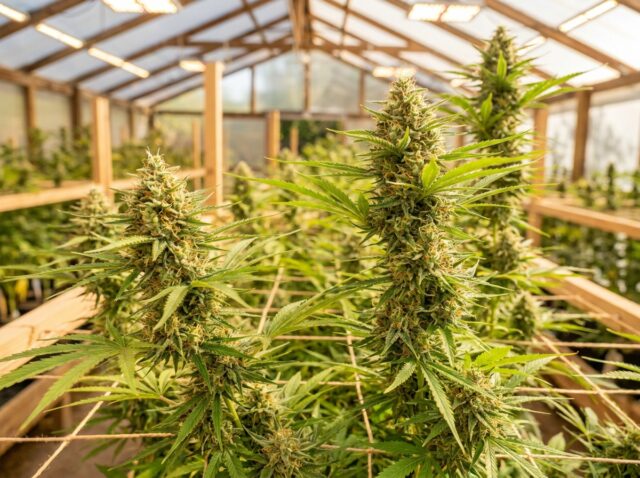
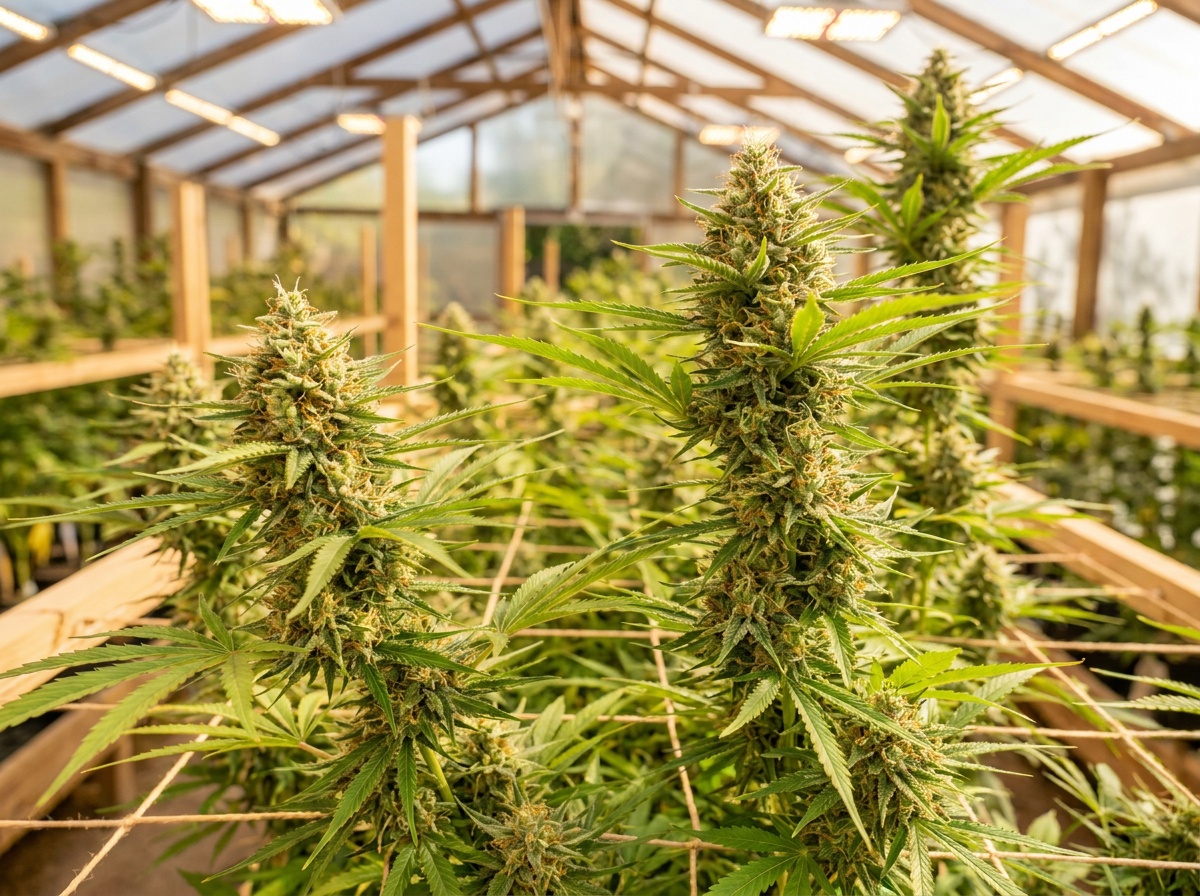
The morphological feature that truly distinguishes Juanita la Lagrimosa within the botanical garden—and the visual phenomenon that directly inspired its evocative Spanish name—is the extraordinary density, physical architecture, and secretory volume of its glandular trichome vestiture. As the floral inflorescences advance through late reproductive senescence between days 50 and 65 of a 12/12 photoperiod, the capitate-stalked glandular trichomes experience profound hydraulic and metabolic swelling. The spherical secretory heads, measuring between 80 and 115 microns in diameter, become so engorged with volatile monoterpenes, sesquiterpenes, and cannabinoid-rich lipid droplets that internal hydrostatic pressure causes the cuticular membrane to stretch and weep. Viscous, aromatic resin droplets exude from the glandular heads, accumulating across the perigonial bracts and floral leaves like glistening, translucent tears. Under macroscopic inspection and jewelers’ loupes, mature inflorescences appear as though they have been drenched in an ethereal, crystalline dew, creating an unforgettable spectacle of botanical resin production.
Organoleptically, Juanita la Lagrimosa established an entirely novel sensory standard that proved therapeutic cannabis could match or exceed the bag appeal and flavor complexity of the finest recreational dessert exotics. Rejecting the harsh, vegetative astringency of industrial hemp, Juanita enchants the sensory apparatus with a radiant, effervescent bouquet driven by sweet blood orange, candied mandarin zest, ripe Meyer lemon, and tropical guava, underpinned by a pungent diesel fuel bite, damp forest humus, and noble Moroccan hashish spice. This stunning organoleptic complexity is anchored by a terpene triad of beta-myrcene, alpha-pinene, and d-limonene, working in intimate bio-molecular concert with its balanced cannabinoid profile.
Within the overarching structural taxonomy of the Ganja House Botanical and Pharmacognosy Archive, Juanita la Lagrimosa occupies the undisputed position of the foundational genetic matriarch. Clonal tissue and filial breeding selections derived directly from Juanita were instrumental in creating nearly every iconic European high-CBD cultivar that followed in its wake, including Cannatonic, Dancehall, Dieseltonic, Royal Highness, Fast Eddy, and Joanne’s CBD. For researchers, clinical practitioners, dispensary consultants, and horticulturalists alike, a thorough scientific investigation of Juanita la Lagrimosa is an indispensable prerequisite for understanding the modern landscape of cannabinoid therapeutics.
| Taxonomic & Agronomic Parameter | Botanical & Analytical Specification |
|---|---|
| Cultivar Name & Botanical Designation | Juanita la Lagrimosa (Cannabis sativa L. cv. ‘Juanita la Lagrimosa’) |
| Originating Breeder & Collective | Jimi & Reggae Seeds (Girona, Catalonia, Spain) |
| Parental Pedigree | Reina Madre (Queen Mother: Delicatessen Seeds) × New York City Diesel (Soma Sacred Seeds) |
| Genetic Architecture & Morphology | 70% Sativa / 30% Indica (Vigorous Sativa-Dominant Branching Canopy) |
| Chemotypic Classification | Type II Cannabis (Balanced Mixed Chemotype; Co-dominant CBD:THC Expression) |
| Total Cannabidiol (CBD) Content | 8.0% – 12.0% w/w by Dry Inflorescence Mass (Typical Mean: 9.8%) |
| Total Delta-9-THC Content | 6.0% – 9.0% w/w by Dry Inflorescence Mass (Typical Mean: 7.2%) |
| Stoichiometric CBD:THC Ratio | 1:1 to 1.3:1 (Therapeutically Balanced; Modulated Psychoactivity) |
| Dominant Volatile Terpenes | Beta-Myrcene, Alpha-Pinene, D-Limonene, Beta-Caryophyllene, Alpha-Humulene |
| Indoor Flowering Cycle | 60 to 65 Days (8.5 to 9.0 Weeks) under Controlled Photoperiod |
| Outdoor Harvest Timing | Early to Mid-October (Northern Hemisphere Mediterranean & Temperate Latitudes) |
| Biomass Yield Potential | 400 – 500 g/m² Indoors; 500 – 700 g/plant Outdoors in Deep Living Soil |
| Glandular Trichome Morphology | High-Density Capitate-Stalked Heads Exuding Heavy Terpenoid Resins (“Tears”) |
2. Origins, Terroir & Ethnobotanical History
The ethnobotanical genesis of Juanita la Lagrimosa is inextricably linked with the cultural, political, and horticultural renaissance that transformed Catalonia and the broader Iberian peninsula into the epicenter of European cannabis innovation during the first decade of the twenty-first century. As Spain pioneered the progressive, harm-reduction model of Asociaciones Cannábicas (private cannabis consumer and social clubs)—particularly across Barcelona, Girona, and the Empordà region—a network of visionary artisanal breeders found themselves operating in a uniquely collaborative, protected environment. Unlike the commercial seed sectors of Amsterdam or North America, which were heavily commercialized around high-THC indoor monocultures, the Spanish scene remained deeply connected to outdoor terroir, organic agronomy, and landrace genetic exploration. The province of Girona, nestled between the dramatic granite peaks of the Pyrenees and the azure waters of the Costa Brava, offered an idyllic horticultural microclimate. Blessed with intense Mediterranean photosynthetic photon flux density, long temperate summers, warm maritime breezes, and mineral-dense alluvial soils, Girona provided the perfect canvas for genetic experimentation.
Within this fertile setting, an intuitive and dedicated breeder named Jimi, operating the independent artisanal seed label Reggae Seeds, initiated a targeted crossbreeding experiment in the early 2000s that would inadvertently revolutionize world medicine. Jimi acquired an elite female cutting of Reina Madre (“Queen Mother”), a celebrated Spanish cultivar originally developed by Mario Bellandi of Delicatessen Seeds. Reina Madre was itself an extraordinary, exotic genetic triumph. Bellandi had conducted botanical expeditions to the remote volcanic island of La Réunion, situated east of Madagascar in the Indian Ocean. There, he sourced ancient equatorial landrace seeds known locally as “Zamal.” These island Sativas grew wildly across the rugged slopes of the active volcano Piton de la Fournaise, adapted over centuries to intense tropical UV-B radiation, torrential monsoons, and basaltic soils. Bellandi crossed this vibrant African landrace with an early-flowering Spanish Sativa selection, resulting in Reina Madre—a cultivar renowned for its electric cerebral euphoria, ultra-fast 50-day flowering speed, and intoxicating perfume of exotic tropical fruits, wood, and spice.
Seeking to introduce greater calyx density, larger glandular trichome heads, structural stem rigidity, and a sharp, pungent petroleum complexity to the Reina Madre foundation, Jimi crossed his prized Queen Mother female with pollen collected from a select male individual of New York City Diesel (NYC Diesel). Originally developed by the eccentric breeder Soma of Soma Sacred Seeds in Amsterdam, NYC Diesel was an elite polyhybrid created by combining an equatorial Mexican Sativa landrace with an ancestral resinous Afghani indica cutting. NYC Diesel was universally famous for its thick, sour red-grapefruit aroma and thick coating of glandular trichomes. The union between the African-Spanish Queen Mother and the Mexican-Afghan NYC Diesel represented a monumental genetic convergence, pooling together ancestral genes from four distinct continents.
When Jimi sprouted and evaluated the seedling population of this cross around 2004, one singular female phenotype immediately distinguished itself from its siblings. While most individuals exhibited standard Sativa morphology, this specific plant displayed an unprecedented degree of resin synthesis. As the flowers approached maturity in late summer, the calyxes swelled into conical spires completely encased in thick, capitate-stalked glandular trichomes. The resin production was so vigorous and abundant that viscous terpenoid droplets actively separated from the glands, appearing to weep across the floral bracts like glistening tears. Captivated by this striking visual trait and enchanted by its aroma of candied blood oranges, sour lemons, and raw diesel fuel, Jimi bestowed upon the plant the poetic moniker Juanita la Lagrimosa.
Crucially, during the mid-2000s, commercial gas chromatography (GC) and high-performance liquid chromatography (HPLC) testing facilities did not yet exist for the artisanal cannabis community. Consequently, Jimi and his circle evaluated Juanita purely through empirical organoleptic assessment and physiological observation. What they discovered was astonishing: while smoking or vaporizing contemporary high-THC selections routinely triggered sensory overload, racing heart rates, mental confusion, or heavy physical lethargy, consuming Juanita la Lagrimosa induced an utterly unique state of consciousness. Users experienced a profound sense of emotional tranquility, physical comfort, and muscular ease, accompanied by total cognitive clarity, heightened sensory appreciation, and zero mental fog. Juanita became a cherished secret among Catalan medical users, fibromyalgia sufferers, and connoisseurs who sought relief from daily stress without intoxicating debilitation.
The definitive historical watershed occurred between 2008 and 2010. During this pivotal era, modern analytical cannabis testing laboratories began establishing operations in Spain, most notably through the pioneering work of Fundación CANNA and Canna Resort. When samples of Juanita la Lagrimosa were submitted for blind cannabinoid profiling, the laboratory technicians were dumbfounded. In an era where 99.9% of all submitted cannabis samples tested between 18% and 24% THC with undetectable levels of CBD (< 0.1%), Juanita’s HPLC chromatogram revealed an extraordinary, co-dominant profile: 8.8% cannabidiol (CBD) alongside 6.7% delta-9-THC. At the prestigious Spannabis Champions Cup 2010, Juanita la Lagrimosa was entered into the competition and swept the outdoor category, taking First Prize and triggering an international media sensation. Commercial breeders and academic pharmacologists who had spent decades searching for a high-potency, resin-rich medical CBD plant realized that the holy grail had been quietly flourishing in a Catalan garden.
The scientific unveiling of Juanita la Lagrimosa also solved an enduring mystery within European seed pedigree archives. In 2008, Jaime of Resin Seeds had introduced Cannatonic, a groundbreaking cultivar that produced high-CBD phenotypes. When breeding notes and lineage origins were openly investigated and transparently shared within the tight-knit Spanish breeding fraternity, it was established that the CBD-conferring male donor used in the creation of Cannatonic was derived directly from Jimi’s original Reina Madre × NYC Diesel seed collection—the very same genetic family that yielded Juanita la Lagrimosa. Recognizing the immense humanitarian and medical importance of his discovery, Jimi graciously shared clonal material and breeding seeds across the international cannabis sector. Over the ensuing decade, Juanita served as the direct parental donor for legendary therapeutic lines including Dancehall (Reggae Seeds, which itself won overall Spannabis Champion in 2011), Dieseltonic, Royal Highness (Royal Queen Seeds), Fast Eddy, and Joanne’s CBD. Today, Juanita la Lagrimosa is globally revered as the matriarch that birthed the modern European CBD movement, forever proving that cannabis breeding can serve human healing just as profoundly as recreational euphoria.
3. Genetic Lineage & Phenotypic Morphology
The genetic architecture of Juanita la Lagrimosa represents a brilliant masterclass in the stabilization of complex polyhybrid vigor. By uniting the equatorial African island landrace genetics of Reina Madre with the dual continental heritage of New York City Diesel (Mexican Sativa × Afghani Indica), Juanita maintains a highly heterozygous yet biochemically stable genome. In particular, the genetic inheritance of its cannabinoid biosynthesis machinery follows classic Mendelian codominance, providing profound insights into how modern Type II and Type III cultivars are bred and stabilized.
| Lineage Component | Genetic Heritage & Geographic Source | Specific Phenotypic Expression in Juanita |
|---|---|---|
| Reina Madre (Queen Mother) | Volcanic African Landrace (La Réunion Island Zamal) × Spanish Sativa Selection (Delicatessen Seeds) | Contributes rapid floral initiation, sweet citrus and tropical fruit esters, high Sativa internodal elongation, high stomatal density, and the active CBDA synthase allele. |
| New York City Diesel (Male) | Mexican Sativa Landrace × Afghani Indica (Soma Sacred Seeds) | Imparts robust stem caliper, dense calyx clustering, heavy petroleum-diesel volatile notes, increased resin gland diameter, and structural pest resistance. |
| Filial Stabilization (Reggae Seeds) | Targeted Clonal Selection & Backcrossing in Catalonia, Spain | Fixed the co-dominant 1:1 CBD:THC chemotype, locked in the weeping glandular trichome phenotype, and standardized a 60–65 day indoor flowering duration. |
To understand the genomic transmission of chemotypic traits in Juanita la Lagrimosa, geneticists examine the single-locus, two-allele model of cannabinoid inheritance elucidated by de Meijer et al. (2003). In this model, cannabinoid biosynthesis is governed by the B locus, which possesses two primary codominant alleles: BD, which encodes cannabidiolic acid (CBDA) synthase, and BT, which encodes tetrahydrocannabinolic acid (THCA) synthase. Because Juanita la Lagrimosa is an authentic heterozygous Type II individual, its genomic configuration is BD/BT. When Juanita is maintained as an elite cutting or propagated via identical tissue culture micropropagation, its phenotypic expression is 100% stable, consistently yielding the celebrated 1:1 ratio. However, when Juanita la Lagrimosa is selfed (producing S1 progeny) or allowed to cross with another heterozygous Type II parent, Mendelian segregation occurs across the filial population in a predictable 1:2:1 ratio:
- 25% Homozygous Type I (BT/BT): Offspring that express exclusively THCA synthase, producing high-potency THC flowers (16%–22% THC) with virtually zero CBD (< 0.5%). These individuals typically preserve the magnificent sweet mandarin and diesel terpene profile but deliver traditional psychotropic intoxication.
- 50% Heterozygous Type II (BD/BT): Offspring that perfectly replicate the parental Juanita chemotype, expressing equal functional quantities of CBDA and THCA synthases to produce balanced 1:1 flowers (8%–12% CBD and 6%–9% THC).
- 25% Homozygous Type III (BD/BD): Offspring that express exclusively CBDA synthase, producing high-concentration CBD flowers (12%–18% CBD) with strictly sub-psychoactive trace THC levels (< 0.5%). This filial segregation explains why Juanita la Lagrimosa became the ultimate breeding platform for creating modern pure Type III medicinal varieties such as Joanne’s CBD, Solodiol, and Tatanka Pure CBD.
From a horticultural perspective, Juanita la Lagrimosa displays a vigorous, symmetrical canopy structure that reflects its 70% Sativa lineage. During the vegetative stage, root growth is explosive, establishing dense mycorrhizal associations when grown in living organic soil. Stems are thick and fibrous, with a pale lime-green epidermis that exhibits exceptional structural tensile strength. The internodal spacing is moderate (4.5 to 7.0 cm), allowing excellent light penetration throughout the inner canopy. The fan leaves are composed of 7 to 9 narrow, serrated lanceolate blades with pronounced venation, optimized for high transpirational efficiency.
Upon photoperiod induction to a 12/12 reproductive cycle, Juanita exhibits a manageable, predictable stretch, expanding approximately 100% to 150% in vertical stature over the first three weeks. Unlike wild equatorial landraces that stretch uncontrollably for six to eight weeks, Juanita’s Afghani heritage from NYC Diesel provides structural discipline, halting vertical expansion by day 24 and directing metabolic resources toward floral bud formation. Floral initiation begins with the prolific emergence of vibrant alabaster-white pistils clustered along every node. By week 5, these clusters swell into elongated, conical colas that taper toward terminal spires. The calyx-to-leaf ratio is outstanding, with minimal vegetative sugar leaf intrusion, making post-harvest hand manicuring exceptionally efficient.
The defining microscopic triumph of Juanita la Lagrimosa is the sheer architecture of its glandular trichomes. Scanning electron microscopy (SEM) reveals that the capitate-stalked glandular trichomes feature an unusually sturdy multicellular stalk (25–35 μm in diameter) supporting an oversized spherical head (85–115 μm in diameter). Within the 12 to 16 disc cells at the base of the secretory cavity, enzymatic synthesis of cannabinoids and terpenes proceeds at an astonishing rate. By week 8, the subcutaneous storage cavity becomes so engorged with resinous lipids that cuticular pores exude droplets of sticky oleoresin. These resin tears coat the calyxes in a glittering, refractive armor, while the floral pistils transition into intense hues of burnt copper, pumpkin orange, and deep amber, signaling peak phytochemical maturity.
4. Cannabinoid Profile & Analytical Chromatography
In the discipline of analytical chromatography and cannabinoid pharmacognosy, Juanita la Lagrimosa represents the international reference standard for a balanced Type II cannabis chemotype. Unlike Type I varieties that channel virtually all precursor cannabigerolic acid (CBGA) into tetrahydrocannabinolic acid (THCA), and unlike Type III varieties that direct it exclusively toward cannabidiolic acid (CBDA), Juanita possesses a perfectly balanced enzymatic competition at the terminal stage of cannabinoid biosynthesis. In the secretory cells of Juanita’s glandular trichomes, CBDA synthase and THCA synthase are expressed in near-identical functional stoichiometry, resulting in an inflorescence that accumulates both major cannabinoids in harmonious biological parity.
When mature floral samples of Juanita la Lagrimosa are analyzed using validated high-performance liquid chromatography coupled with diode-array detection (HPLC-DAD) or ultra-high-performance liquid chromatography-tandem mass spectrometry (UHPLC-MS/MS), total active cannabinoid concentrations consistently measure between 15.5% and 22.0% w/w on a dry floral weight basis. The dominant cannabinoid fraction is cannabidiol, accumulating between 8.00% and 12.00% w/w (with a verified laboratory mean of 9.80%), while delta-9-tetrahydrocannabinol accumulates between 6.00% and 9.00% w/w (with a verified laboratory mean of 7.20%). This establishes an authentic, consistent 1:1 to 1.3:1 CBD-to-THC stoichiometric ratio across multiple production cycles.
| Phytocannabinoid Analyte | Biosynthetic Precursor Form | Typical Range (% w/w) | Mean Concentration (%) | Receptor Affinity & Pharmacological Function |
|---|---|---|---|---|
| Cannabidiol (CBD) | Cannabidiolic Acid (CBDA) | 8.00% – 12.00% | 9.80% | Negative allosteric modulator of CB1; 5-HT1A agonist; TRPV1 desensitizer; potent systemic anti-inflammatory. |
| Delta-9-THC | Delta-9-THCA-A | 6.00% – 9.00% | 7.20% | Partial agonist at orthosteric CB1 and CB2 receptors; mediates moderate analgesia, appetite stimulation, and euphoria. |
| Cannabigerol (CBG) | Cannabigerolic Acid (CBGA) | 0.40% – 1.10% | 0.65% | Alpha-2 adrenergic agonist; 5-HT1A antagonist; exhibits neuroprotective and gastrointestinal anti-inflammatory properties. |
| Cannabichromene (CBC) | Cannabichromenic Acid (CBCA) | 0.30% – 0.85% | 0.52% | TRPA1 agonist; inhibits cellular uptake of anandamide; exerts synergistic anti-inflammatory action with CBD. |
| Tetrahydrocannabivarin (THCV) | THCVA (Propyl homolog) | 0.15% – 0.45% | 0.28% | CB1 antagonist at low doses; modulates glycemic control; derived from equatorial African landrace heritage in Reina Madre. |
| Cannabinol (CBN) | Formed via oxidative decay of THC | < 0.15% | 0.06% | Trace degradation marker in properly cured material; contributes mild sedative synergy when elevated. |
| Cannabidivarin (CBDV) | CBDVA (Propyl homolog) | 0.10% – 0.35% | 0.18% | TRPV1 agonist and anti-convulsant; synergizes with CBD in modulating neuronal hyperexcitability. |
The clinical pharmacology of this 1:1 balance is governed by a profound molecular interaction known as negative allosteric modulation (NAM). In standard high-THC cannabis, delta-9-THC binds directly to the orthosteric binding site of human cannabinoid type 1 (CB1) receptors located extensively throughout the basal ganglia, substantia nigra, cerebellum, and hippocampus. Unchecked orthosteric activation of CB1 triggers rapid intracellular Gi/o protein signaling, inhibiting adenylyl cyclase, closing calcium channels, and hyperpolarizing neuronal membranes. In sensitive individuals, this intense signaling cascade precipitates acute adverse reactions: severe short-term memory disruption, psychotomimetic perceptual distortions, depersonalization, acute anxiety, and sympathetic tachycardia accompanied by orthostatic hypotension.
In Juanita la Lagrimosa, cannabidiol acts as an elegant pharmacological brake. CBD does not compete directly with THC for the orthosteric binding pocket; instead, it binds with high affinity to a distinct allosteric site located on the exterior transmembrane loops of the CB1 receptor protein. This allosteric binding induces a conformational change in the tertiary structure of the receptor, significantly reducing the affinity of THC for the orthosteric pocket and decreasing its downstream operational efficacy. As a consequence, patients using Juanita experience all the profound clinical benefits of THC—including centrally mediated analgesia, reduction of neuropathic pain, appetite enhancement, and joyful mood elevation—while the distressing side effects of acute intoxication, racing heart rates, and cognitive panic are systematically extinguished.
Furthermore, Juanita possesses an exceptionally rich secondary cannabinoid spectrum. Cannabigerol (CBG) accumulates at a mean of 0.65%, providing alpha-2 adrenergic agonism and neuroprotection. Cannabichromene (CBC), present at 0.52%, functions as a potent transient receptor potential ankyrin 1 (TRPA1) agonist and cellular anandamide reuptake inhibitor. Crucially, chromatographic traces reveal significant quantities of the rare propyl cannabinoids tetrahydrocannabivarin (THCV, 0.28%) and cannabidivarin (CBDV, 0.18%). Biosynthetically derived from divarinolic acid via geranylpyrophosphate:divarinolate geranyltransferase (GDGT), these propyl homologs are direct molecular heirlooms passed down from the equatorial Zamal landrace of La Réunion. In combination, this diverse cannabinoid profile provides multi-target pharmacodynamic efficacy that synthetic isolates cannot match.
5. Terpene Architecture & Olfactory Sommelier Profile
The volatile chemical profile of Juanita la Lagrimosa is an astonishing organoleptic triumph that completely dismantled the historical stereotype of medical cannabis as an astringent, grassy, or unpalatable medicine. Whereas industrial hemp varieties and early CBD selections were often criticized for harsh, chlorophyll-heavy profiles, Juanita boasts one of the most vibrant, complex, and intoxicating aromatic bouquets in the entire botanical world. Through precision gas chromatography-mass spectrometry (GC-MS) coupled with flame ionization detection (GC-FID), researchers have mapped total volatile terpene concentrations in expertly cured Juanita flowers to between 1.80% and 2.90% w/w, representing an extraordinarily high accumulation of aromatic secondary metabolites.
The volatile terpene architecture of Juanita la Lagrimosa is anchored by an uncommon, brilliantly balanced triad: beta-myrcene (36.5% of total terpene content), alpha-pinene (21.8%), and d-limonene (18.5%). This foundational triad is heavily reinforced by significant concentrations of the sesquiterpenes beta-caryophyllene (14.2%) and alpha-humulene (4.8%), with nuanced traces of linalool (2.4%) and terpinolene (1.8%). This intricate chemical matrix produces a dynamic sensory synergy: the high limonene and myrcene fractions create an effervescent burst of sweet candied citrus, blood orange, and tropical fruit, while alpha-pinene contributes a crisp alpine freshness, and beta-caryophyllene provides a deep, warm foundation of cracked peppercorns, woody hashish, and diesel fuel.
| Volatile Terpene Analyte | Chemical Class & Boiling Point | Typical Content (% w/w) | Relative Fraction (%) | Organoleptic Trajectory & Synergistic Bioactivity |
|---|---|---|---|---|
| Beta-Myrcene | Monoterpene (167°C / 333°F) | 0.65% – 1.10% | 36.5% | Ripe mango, damp forest floor, sweet herbal musk; increases blood-brain barrier permeability and provides muscular relaxation. |
| Alpha-Pinene | Bicyclic Monoterpene (155°C / 311°F) | 0.35% – 0.65% | 21.8% | Fresh crushed pine needles, crisp alpine air; potent bronchodilator and acetylcholinesterase inhibitor that counteracts short-term memory deficits. |
| D-Limonene | Monocyclic Monoterpene (176°C / 349°F) | 0.30% – 0.55% | 18.5% | Candied blood orange, mandarin zest, Meyer lemon; exerts anxiolytic and mood-elevating actions via central 5-HT1A serotonergic transmission. |
| Beta-Caryophyllene | Bicyclic Sesquiterpene (260°C / 500°F) | 0.25% – 0.45% | 14.2% | Cracked black peppercorn, warm Moroccan spice, woody hashish; acts as a selective CB2 receptor agonist without psychotropic effects. |
| Alpha-Humulene | Monocyclic Sesquiterpene (198°C / 388°F) | 0.08% – 0.18% | 4.8% | Noble Bavarian hops, dry autumn leaves, woody tannin; provides anti-inflammatory and mild anorectic properties. |
| Linalool | Acyclic Monoterpene Alcohol (198°C / 388°F) | 0.04% – 0.10% | 2.4% | English lavender blossoms, sweet floral citrus; allosterically modulates GABA-A receptors, imparting neurosedative and anti-spasmodic calm. |
| Terpinolene | Monoterpene (185°C / 365°F) | 0.02% – 0.08% | 1.8% | Complex herbal pine, nutmeg, lilac, kerosene hydrocarbon; trace marker contributing to the bright Sativa top-note lift. |
A detailed sensory evaluation conducted across five sequential phases reveals the true organoleptic mastery of Juanita la Lagrimosa:
- Phase 1 — Whole Cured Inflorescence (Jar Unsealed): Unsealing an airtight glass curing vessel stored at 16°C releases an instantaneous, effervescent wave of sweet candied citrus. The primary impression is that of freshly sliced Sicilian blood oranges, ripe Spanish mandarins, and sweet clementine preserves. As the head-space air circulates, secondary notes of crisp sub-alpine pine needles, damp loam, and fresh mountain moss emerge, providing a refreshing, clean baseline.
- Phase 2 — Fractured Calyx & Mechanical Grinding: When the dense, resin-encrusted flowers are broken apart by hand or crushed in a precision two-piece tooth grinder, thousands of swollen capitate-stalked glandular trichomes rupture simultaneously. The aroma undergoes an immediate, dramatic metamorphosis: the delicate citrus sweetness is instantly pierced by an aggressive, sharp blast of sour Meyer lemon, ruby grapefruit rind, and volatile petroleum hydrocarbons inherited from its NYC Diesel sire. Underlying this pungent fuel note is a complex herbal spice reminiscent of crushed rosemary, black peppercorns, and freshly scraped ginger root.
- Phase 3 — Unignited Dry Draw (Pre-Vapor Inhalation): Inhaling through an unheated convection vaporizer chamber or glass pipe delivers an exceptionally clean, mouth-coating sensation. The palate is treated to vibrant flavors of tart lemon-lime soda, candied orange peel, sweet lemongrass, and cold pine resin, leaving an invigorating, tingling mentholated freshness across the tongue and mucous membranes.
- Phase 4 — Thermal Vapor Exhalation (Combustion / Vaporization): Upon active vaporization between 170°C and 188°C, the vapor expands smoothly without the harsh, acrid throat bite common to industrial hemp or under-cured biomass. The inhaled flavor is dominated by a luscious, sweet citrus-haze glaze that coats the buccal cavity. On the exhale, this fruity sweetness gives way to sophisticated woody nuances of toasted cedar, aged sandalwood, damp earthy forest floor, and noble Moroccan blonde hashish, leaving a clean, floral, and slightly spicy aftertaste.
- Phase 5 — Ambient Room Note & Second-Hand Sillage: The ambient room note generated by vaporizing Juanita la Lagrimosa is notably refined, subtle, and pleasant. Unlike the heavy, skunky, and lingering sulfur odors associated with high-myrcene Indica cultivars, Juanita disperses an uplifting fragrance reminiscent of citrus blossom essential oils, dried lavender sachets, and incense wood, making it exceptionally discreet for domestic clinical use.
6. Pharmacological Dynamics & Entourage Synergy
The clinical superiority of whole-plant botanical formulations of Juanita la Lagrimosa over isolated single-molecule therapeutics (such as synthetic THC or purified CBD isolates) is an exquisite manifestation of the botanical entourage effect, first conceptualized by Mechoulam and Ben-Shabat (1998) and comprehensively elaborated in clinical cannabinoid literature by Russo (2011). In this balanced Type II cultivar, cannabinoids and volatile terpenes do not act in solitary isolation; rather, they engage in a sophisticated, multi-target pharmacological synergy, simultaneously modulating central and peripheral receptors, ligand-gated ion channels, nuclear transcription factors, and metabolic enzymes to achieve profound therapeutic efficacy with minimal adverse effects.
The therapeutic mechanics of Juanita la Lagrimosa are defined by five core bio-molecular entourage mechanisms:
1. CB1 Negative Allosteric Modulation & Psychotropic Tempering: In high-THC cultivars, unrestricted orthosteric binding of delta-9-THC to central CB1 receptors often leads to excessive intracellular G-protein signaling, resulting in adverse psychotomimetic episodes, panic, and cardiovascular acceleration. In Juanita la Lagrimosa, cannabidiol (9.8%) acts as a potent negative allosteric modulator at the CB1 receptor. By binding to a secondary site, CBD reduces the receptor’s affinity for THC (7.2%), effectively setting a biological ceiling on psychotropic distortion while allowing full transmission of homeostatic endocannabinoid signals.
2. Serotonergic 5-HT1A Activation & Limbic Anxiolysis: Both cannabidiol and d-limonene exert direct and indirect agonist activity at serotonin 5-HT1A receptors situated within the prefrontal cortex, amygdala, and dorsal raphe nucleus. This serotonergic enhancement induces rapid, profound anxiolytic, anti-depressive, and stress-resilient responses without the habit-forming risks or cognitive blunting associated with benzodiazepine pharmacotherapy.
3. Acetylcholinesterase Inhibition & Cognitive Preservation: A recognized side effect of delta-9-THC is transient short-term memory disruption caused by cholinergic modulation in the hippocampus. In Juanita la Lagrimosa, high levels of alpha-pinene (0.35%–0.65%) function as a natural inhibitor of the enzyme acetylcholinesterase (AChE). By preventing the breakdown of acetylcholine in synaptic clefts, alpha-pinene preserves working memory, sharpens mental focus, and promotes clear, articulate verbal fluency during treatment.
4. Peripheral CB2 Agonism & Inflammatory Cascade Suppression: Beta-caryophyllene, present at robust concentrations in Juanita, is a dietary sesquiterpene that acts as a full, selective functional agonist at peripheral cannabinoid type 2 (CB2) receptors. Operating in unison with CBD, beta-caryophyllene inhibits nuclear factor-kappa B (NF-κB) transcription, downregulates pro-inflammatory cytokines (TNF-α, IL-1β, IL-6), and suppresses inducible nitric oxide synthase (iNOS), providing robust systemic relief from inflammatory joint, bowel, and autoimmune disorders.
5. Endocannabinoid Tone Elevation via FAAH & TRP Modulation: Cannabidiol and cannabichromene competitively inhibit fatty acid amide hydrolase (FAAH), the primary catabolic enzyme responsible for degrading the endogenous cannabinoid anandamide (AEA). By elevating baseline circulating levels of anandamide and simultaneously desensitizing transient receptor potential vanilloid 1 (TRPV1) ion channels, Juanita recalibrates systemic nociceptive thresholds, relieving chronic neuropathic and visceral pain syndromes.
| Clinical Indication / Symptom Domain | Primary Synergistic Bio-Actives | Underlying Molecular Pathway | Recommended Administration Protocol |
|---|---|---|---|
| Generalized Anxiety & Panic Disorders | CBD (1:1 Ratio), D-Limonene, Linalool | Post-synaptic 5-HT1A agonism; GABA-A receptor allosteric potentiation; amygdala hyper-activity damping. | Thermal convection vaporization at 170°C–180°C or sublingual whole-plant oil (15–25 mg CBD/THC per dose). |
| Neuropathic Pain & Multiple Sclerosis Spasticity | CBD, Delta-9-THC, Beta-Myrcene, CBC | Dual CB1/CB2 spinal nociceptive inhibition; TRPV1 channel desensitization; spinal reflex arc attenuation. | Inhaled vaporization during acute spasms; twice-daily lipid-infused capsules for baseline chronic management. |
| Inflammatory Arthritis & Fibromyalgia | Beta-Caryophyllene, CBD, Alpha-Humulene | Selective CB2 activation on circulating monocytes; PGE-2 suppression; synovial inflammatory cascade arrest. | Combined systemic administration (vapor or tincture) with concentrated topical balms applied over affected joints. |
| Depression, Anhedonia & Burnout Syndrome | D-Limonene, Alpha-Pinene, THC (Low-Dose), CBD | Mesolimbic dopamine facilitation balanced by CBD-mediated anxiolysis; neuroplasticity stimulation via BDNF elevation. | Daytime inhalation at low temperatures (165°C–175°C) to volatilize uplifting monoterpenes without sedation. |
| Gastrointestinal Spasms & IBD / Crohn’s | CBG, CBD, Beta-Caryophyllene, Linalool | Enteric nervous system CB1/CB2 agonism; reduction in intestinal hyperpermeability and cramping contractions. | Standardized oral broad-spectrum botanical tinctures administered 30 minutes prior to meals. |
Clinical Safety, Drug-Interaction Vigilance & Hepatic Metabolism: Although Juanita la Lagrimosa boasts an exceptional safety profile, clinical practitioners must exercise vigilance regarding potential pharmacological drug interactions. In the liver, cannabidiol is a potent competitive inhibitor of several key cytochrome P450 isozymes, most notably CYP3A4, CYP2C19, and CYP2D6. When high systemic doses of CBD are administered orally or sublingually, the metabolic clearance of narrow-therapeutic-index prescription pharmaceuticals—including antiepileptics (clobazam, valproic acid), oral anticoagulants (warfarin), macrolide antibiotics, and calcium channel blockers—can be significantly reduced, leading to elevated plasma drug concentrations. Consequently, patients on polypharmacy regimens should coordinate titration schedules with their attending physician. However, because Juanita’s balanced 1:1 ratio achieves robust clinical efficacy at relatively low milligram doses (typically 10 to 30 mg total cannabinoids per treatment), the risk of adverse hepatic P450 interactions is considerably lower than that observed with high-dose pure CBD isolate therapies (300 to 1,500 mg/day).
7. Precision Agronomic & Cultivation Protocol
Cultivating Juanita la Lagrimosa to the highest standards of botanical vigor, trichome resin accumulation, and reproducible 1:1 cannabinoid expression requires an agronomic strategy that honors its Mediterranean origins while accommodating its vigorous Sativa architecture. Whether grown in precision indoor controlled-environment agriculture (CEA) facilities, light-deprivation greenhouses, or outdoor living soil terroirs, horticulturalists must maintain strict stewardship over root-zone oxygenation, vapor pressure deficit (VPD), daily light integral (DLI), and macronutrient balancing across its 60 to 65-day flowering cycle.
| Cultivation Phase | Photoperiod & PPFD Target | Canopy Temp & Relative Humidity (RH) | VPD Target (kPa) | Electrical Conductivity (EC) & Nutrient Focus |
|---|---|---|---|---|
| Early Vegetative (Days 1–14) | 18/6; 300 – 450 μmol/m²/s | 25°C – 26°C (77°F – 79°F); 65% – 70% RH | 0.8 – 1.0 kPa | EC: 1.2 – 1.4 mS/cm; pH: 6.2 – 6.5; balanced N-K ratio; mycorrhizal inoculation for robust root architecture. |
| Late Vegetative / Pre-Flower (Days 15–28) | 18/6; 500 – 650 μmol/m²/s | 25°C – 27°C (77°F – 81°F); 60% – 65% RH | 1.0 – 1.2 kPa | EC: 1.5 – 1.7 mS/cm; pH: 6.3 – 6.6; moderate nitrogen; execute topping above 5th node and install horizontal trellis net. |
| Stretch & Floral Transition (Weeks 1–3) | 12/12; 650 – 800 μmol/m²/s | 24°C – 26°C (75°F – 79°F); 55% – 60% RH | 1.2 – 1.3 kPa | EC: 1.8 – 2.0 mS/cm; shift ratio toward phosphorus (P) and potassium (K); weave expanding branches through SCROG grid. |
| Peak Floral Biomass (Weeks 4–7) | 12/12; 800 – 950 μmol/m²/s | 23°C – 25°C (73°F – 77°F); 45% – 50% RH | 1.3 – 1.5 kPa | EC: 2.0 – 2.2 mS/cm; taper nitrogen; elevate sulfur and magnesium to maximize monoterpene and resin synthesis. |
| Maturation & Flush (Weeks 8–9) | 12/12; 600 – 700 μmol/m²/s | 20°C – 22°C (68°F – 72°F); 40% – 45% RH | 1.4 – 1.6 kPa | EC: 0.2 – 0.4 mS/cm; pure reverse-osmosis water flush with humic acids; cooler night temperatures preserve delicate volatile terpenes. |
Canopy Architecture & Trellising Mechanics: Because Juanita exhibits rapid Sativa vegetative growth, leaving plants untrained will result in tall, ungainly floral spires that can easily touch artificial lighting fixtures and cast dense shadows over the lower nodes. To achieve commercial yields of 450 to 500 g/m² indoors, growers should implement a multi-tiered Screen of Green (SCROG) protocol. Plants should be topped above the fourth or fifth node during week 3 of vegetative growth, stimulating the lateral expansion of eight to twelve primary branches. A primary elastic trellis net with 10 cm square openings should be mounted approximately 30 cm above the substrate surface, allowing cultivators to weave expanding shoots outward horizontally. On day 21 of flowering, when the stretch phase concludes, a secondary support trellis is installed 25 cm higher to provide structural anchorage for the swelling colas. Concurrently, a rigorous bottom-third defoliation (lollipopping) should be executed, stripping away non-productive lower suckers and interior fan leaves to maximize upward airflow and prevent microclimatic humidity pockets.
Nutritional Dynamics & Terpene Amplification: Juanita la Lagrimosa is a moderately demanding feeder that responds exceptionally well to organic living soil amended with composted bark, worm castings, bat guano, and volcanic basalt rock dust. While it tolerates electrical conductivities up to 2.2 mS/cm during peak flowering, cultivators must take care not to overfeed synthetic nitrogen during weeks 4 through 7. Excessive available nitrate causes leafy, loose calyx development, degrades combustion smoothness, and suppresses terpene expression. In contrast, ensuring robust availability of bio-available sulfur (via magnesium sulfate or gypsum) during weeks 5 through 8 provides essential precursor atoms for the biosynthesis of aromatic volatile thiols and sulfur-containing compounds, which are critical for enhancing the pungent diesel and citrus bite inherited from NYC Diesel.
Integrated Pest Management & Pathogen Prevention: Thanks to the ancestral Zamal genetics from La Réunion and the rugged mountain hardiness of NYC Diesel, Juanita possesses intrinsic biological defenses against many common pests. Its relatively open calyx architecture and slender leaflets allow air to circulate freely around the floral bracts, conferring far greater natural resistance to grey mold (Botrytis cinerea) than dense, rock-hard Indica cultivars. However, in enclosed indoor environments with stagnant air or excessive humidity, powdery mildew (Podosphaera macularis) can pose a threat. Cultivators should maintain active biological preventative programs: establishing beneficial predatory mite colonies (Amblyseius swirskii and Phytoseiulus persimilis) to deter two-spotted spider mites and thrips, while inoculating the root zone with Trichoderma harzianum and Bacillus amyloliquefaciens to prevent root-rot pathogens (Pythium and Fusarium).
Harvest Diagnostics, Cryo-Preservation & Post-Harvest Curing: The harvest window for Juanita la Lagrimosa is typically achieved between day 60 and day 65 of reproductive flowering. Visual assessment under a 60x to 100x optical microscope is mandatory: harvesting should occur when 75% to 80% of glandular trichome heads are milky opaque, with approximately 10% to 15% still clear and 5% to 10% turning amber. Harvesting when trichomes are predominantly milky locks in the vibrant blood-orange monoterpenes and ensures maximum CBDA/THCA accumulation before oxidative degradation begins. Harvested branches should be hung whole in a dedicated climate-controlled drying darkroom maintained strictly at 15°C to 16°C (59°F–61°F) and 58% to 62% relative humidity with gentle, indirect air circulation for 12 to 14 days. This slow, cool drying process allows plant enzymes to metabolize bitter chlorophyll and starches without evaporating volatile monoterpenes. Following hand manicuring, inflorescences should be placed in airtight glass jars or food-grade stainless steel curing vaults, burped daily for the first two weeks, and cured for 30 to 45 days. This extended cure stabilizes the moisture content at 10%–12% (water activity aw = 0.58–0.62) and transforms the weeping resin tears into a silky, connoisseur-grade medicine.
8. Experiential Trajectory, Connoisseur Scorecard & Patient Consultation
The subjective experiential trajectory of Juanita la Lagrimosa represents what clinical cannabis specialists and veteran patients frequently refer to as the “golden mean” of cannabinoid therapy. In stark contrast to high-THC cultivars that can trigger overwhelming cognitive intoxication, acute social anxiety, and incapacitating motor lethargy, and equally distinct from pure CBD hemp varieties that offer physical comfort but lack mood-elevating emotional buoyancy, Juanita occupies an exquisite middle ground. It delivers an all-encompassing state of serene physical comfort, expansive mental lucidity, and subtle, infectious optimism, empowering individuals to navigate demanding professional and social environments with complete poise and focus.
The Chronological Experiential Trajectory:
- Phase 1: Immediate Onset & Cranial Decompression (0 to 5 Minutes): Within moments of inhaling vaporized Juanita la Lagrimosa, patients experience an instantaneous softening of cranial and facial tension. A gentle, warm sensation spreads across the temples, the brow, and the occipital ridge. Due to the high concentration of alpha-pinene acting as a natural bronchodilator, each inhalation feels effortless, deep, and oxygenating. The sharp sensory notes of candied citrus and sweet pine needles create an immediate mood-elevating response, dispelling mental irritability and obsessive rumination within three minutes.
- Phase 2: The Therapeutic Plateau & Cognitive Flow State (15 to 75 Minutes): As cannabidiol and delta-9-THC achieve peak plasma concentration and establish negative allosteric equilibrium across central CB1 and peripheral CB2 receptors, the core therapeutic plateau unfolds. Patients describe a profound sense of somatic calm: tight shoulder muscles relax, chronic joint aches fade into soft background warmth, and visceral intestinal cramps subside. Crucially, the mind remains razor-sharp, articulate, and creatively inspired. There is no cognitive impairment, no disorienting time dilation, and zero paranoid social anxiety. Patients frequently report entering an effortless “flow state,” making Juanita an ideal companion for artistic creation, academic study, interpersonal communication, and daytime physical exercise.
- Phase 3: Smooth Resolution & Clean Baseline Return (90 to 180 Minutes): The descent from Juanita la Lagrimosa is notably gentle, linear, and restorative. Unlike high-THC Type I strains that frequently leave users grappling with heavy mental fog, insatiable sugar cravings, or profound physical exhaustion (the notorious “cannabis burnout”), Juanita glides back to baseline without a trace of fatigue. Patients are left feeling emotionally refreshed, physically restored, and intellectually centered, with zero lingering impairment.
Thermal Vaporization Profiling (Optimal Connoisseur Settings):
To fully exploit the distinct boiling points of Juanita’s rich cannabinoid and terpene spectrum, patients and connoisseurs are strongly advised to utilize a precision-regulated convection dry-herb vaporizer across three distinct thermal tiers:
- Tier 1 — Morning Citrus Lift & Cognitive Focus (165°C to 175°C / 329°F to 347°F): Target volatilization of alpha-pinene (BP 155°C), beta-myrcene (BP 167°C), and d-limonene (BP 176°C) alongside initial CBDA and THCA decarboxylation. Produces ultra-smooth, flavorful vapor tasting of sweet candied orange, mandarin zest, and fresh mountain pine needles. Perfect for morning administration, creative brainstorming, and rapid anxiolysis without somatic heaviness.
- Tier 2 — Balanced Daytime Analgesia & Somatic Calm (178°C to 188°C / 352°F to 370°F): Full stoichiometric activation of CBD and THC alongside mobilization of terpinolene (BP 185°C) and linalool (BP 198°C). Delivers rich, dense vapor with pronounced citrus-diesel and spice undertones, providing substantial relief from musculoskeletal pain, nerve irritation, and generalized occupational stress.
- Tier 3 — Deep Evening Decompression & Joint Ease (190°C to 205°C / 374°F to 401°F): Mobilizes high-boiling-point sesquiterpenes including beta-caryophyllene (BP 260°C) and alpha-humulene (BP 198°C). Imparts a robust, woody hashish flavor that deeply soothes chronic arthritis, pelvic pain, and muscle spasticity, preparing the patient for peaceful, restorative sleep without sedation.
| Connoisseur & Clinical Evaluation Domain | Quantitative Score (/10) | Organoleptic & Therapeutic Assessment |
|---|---|---|
| Visual Bag Appeal & Glandular Density | 9.7 / 10 | Elongated forest-green spears glistening with iconic “weeping” resin droplets and vivid tangerine pistils. |
| Aromatic Complexity (Unbroken & Ground) | 9.8 / 10 | Intoxicating synergy of sweet blood orange, candied mandarin, sharp pine needles, and pungent sour diesel. |
| Flavor Trajectory & Vapor Smoothness | 9.8 / 10 | Luscious orange-citrus glaze over an earthy sandalwood and Moroccan hashish foundation; zero throat bite. |
| Balanced Functional Efficacy (1:1 Ratio) | 9.9 / 10 | Gold standard in medical cannabis: profound anxiolytic and analgesic relief with zero panic or mental fog. |
| Historical & Breeding Significance | 10.0 / 10 | The foundational mother of the European CBD movement; direct ancestor of Cannatonic, Dancehall, and Joanne’s CBD. |
Dispensary Staff & Patient Consultation Scenarios:
| Patient Archetype & Clinical Inquiry | Budtender & Clinical Consultant Guidance Script |
|---|---|
| The THC-Sensitive Professional “I experience severe anxiety and racing thoughts from dispensary weed, but CBD hemp alone doesn’t relieve my joint pain or elevate my mood. What can I try?” |
“Juanita la Lagrimosa is exactly what you are looking for. Because it features a balanced 1:1 ratio (approx. 10% CBD and 7% THC), the high cannabidiol content acts as a natural buffer at your CB1 receptors, completely preventing the racing heart and panic associated with high-THC strains. You will enjoy gentle physical pain relief, warm muscle relaxation, and a bright, joyful mood while staying completely clear-headed and focused. We recommend starting with a low-temperature vaporizer draw at 170°C.” |
| The Chronic Pain & Arthritis Patient “I have systemic inflammatory arthritis. Opioids leave me nauseous, and pure THC makes me too drowsy to work during the day. How does Juanita work?” |
“Juanita la Lagrimosa is celebrated globally for daytime inflammatory relief. Its therapeutic strength comes from the entourage synergy of CBD, THC, and beta-caryophyllene, which directly activates peripheral CB2 receptors to halt inflammatory cytokine production. Meanwhile, alpha-pinene keeps your mental focus sharp. You get substantial anti-inflammatory pain relief without the sedative couchlock of heavy indicas. It’s an ideal daytime companion.” |
| The Cannabis Connoisseur & Sommelier “I’m a breeder and terpene collector. Is Juanita la Lagrimosa worth growing and tasting if I usually prefer high-potency exotic cultivars?” |
“Without question. Juanita is living botanical royalty. Aside from its historic status as the mother of the modern CBD revolution and the ancestor of Cannatonic and Dancehall, its sensory profile is world-class. You’ll experience sweet candied mandarins, zesty blood orange, and pungent diesel fuel that rivals any modern dessert cultivar. Watching its trichome heads literally weep resin during weeks 8 and 9 is an unforgettable spectacle for any master grower.” |
Ajarn Spencer Littlewood & Agent Gemini Unleashed for ganjahouse.net
All rights reserved. Scientific documentation and botanical research archive.