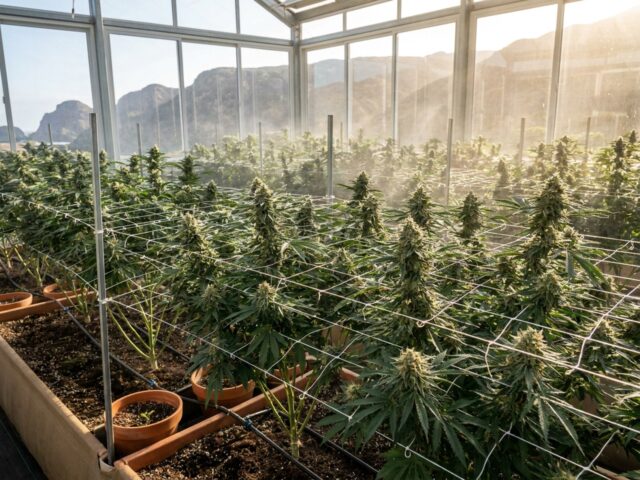
[wp_post_visit_card post_id=”1359″]
🎙️
Listen to the Scientific Monograph
Ghost OG: Botanical Architecture, Cannabinoid Pharmacology & Horticultural History
Professional narration synthesized via Ganja House neural acoustics engine (en-GB-RyanNeural). Duration: ~132 seconds.
Ghost OG – Strain Profile & Clinical Monograph
1. Origins, Terroir, and Ethnobotanical History
Ghost OG—frequently cataloged in horticultural registries, analytical laboratory archives, and connoisseur lineage databases under the designations The Ghost Cut, Ghost’s OG Kush, and Ghost OG Heirloom—stands as one of the most revered, historically consequential, and genetically pristine heirloom phenotypes in the entire lineage of modern cannabis breeding. Originating from the underground cultivation networks of the late 1990s and early 2000s, Ghost OG represents the definitive living link connecting the mythical Florida Kush cutting to the explosive polyhybrid renaissance that transformed the Pacific Northwest and Southern California medical cannabis landscapes. While subsequent variations of OG Kush were repeatedly selected, backcrossed, and outcrossed for extreme visual traits, scorching tetrahydrocannabinol percentages, or localized climatic adaptation, Ghost OG was preserved for a far rarer and more elusive virtue: an exquisite, harmonious equilibrium of organoleptic elegance, structural symmetry, and a balanced psychoactive trajectory that bridges profound somatic analgesia with lucent cerebral clarity.
To understand the cultural and botanical significance of Ghost OG requires examining the pivotal historical moment that birthed the modern global cannabis community: the emergence of early peer-to-peer digital forums such as Overgrow.com and CannabisWorld at the turn of the millennium. Prior to the internet era, elite cannabis genetics were tightly guarded within insular geographic enclaves—secluded mountain valleys in Northern California, hidden warehouses in the San Fernando Valley, and clandestine indoor basements in South Florida. The dissemination of legendary clones depended entirely on personal relationships, mutual trust, and covert physical transit. During the mid-to-late 1990s, the original ‘Kush’—an accidental or clandestine hybrid generally acknowledged to have arisen in South Florida from a cross involving Chemdawg 91, Lemon Thai, and a broad-leaflet Pakistani or Hindu Kush landrace—began circulating among a close-knit cohort of master growers. Among this pioneering digital collective was an enigmatic, highly respected forum participant known solely by the pseudonym ‘Ghost’.
Recognizing that the original cutting possessed an extraordinary terpene profile, crystalline resin density, and an unmatched therapeutic envelope, the grower known as Ghost dedicated years to maintaining, mothering, and stabilizing this specific phenotype in its purest vegetative form. Rather than hoarding the genetics for commercial monopoly or private exploitation, Ghost embraced the egalitarian, open-source ethos that defined the early Overgrow counterculture. In a historic act of botanical altruism that would permanently alter cannabis history, Ghost gifted verified rooted cuttings of this pristine mother plant to a select group of trusted medical cultivators, compassionate collective caretakers, and visionary breeders across Oregon, Washington, and California. Chief among the recipients was the legendary breeder known as OrgnKid, alongside respected underground Pacific Northwest cultivators who subsequently safeguarded and propagated the line under the honorific title ‘Ghost OG’.
Within the broader taxonomic spectrum of the OG Kush family, Ghost OG occupies a singular, highly distinguished position. Cultivars such as the San Fernando Valley OG (SFV OG) were celebrated for their biting, aggressive solvent notes, high-octane kerosene fumes, and caustic citrus cleaner bite. Variants like Tahoe OG became famous for their heavy, narcotizing body impact, overwhelming physical inertia, and deep couch-lock sedation. Larry OG was prized for its luminous sweet lemon zest and Orange County surf-culture heritage, while Fire OG gained notoriety for its blistering THC concentration and dense crimson stigmas. In sharp contrast to these specialized extremes, Ghost OG represents the quintessential ‘Mother of Balance’. It retains the unmistakable sour lime, sweet pine, and loamy earth aromatic triad of original Florida Kush, while expressing a remarkably gentle, euphoric, and non-debilitating pharmacological curve that has made it the undisputed gold standard for daytime therapeutic administration and connoisseur sensory evaluation.
Taxonomically, Ghost OG is classified within the kingdom Plantae, division Magnoliophyta, class Magnoliopsida, order Rosales, family Cannabaceae, genus Cannabis, and species Cannabis indica Lam. within a stabilized polyhybrid equilibrium exhibiting approximately seventy percent indica morphology and thirty percent sativa expression. As a classic Chemotype I cultivar, its analytical profile is defined by absolute delta-9-tetrahydrocannabinolic acid (THCA) predominance, near-total suppression of cannabidiolic acid (CBDA), and an unusually consistent accumulation of cannabigerolic acid (CBGA) that routinely reaches between zero point eight and one point six percent by dry weight. Commercial analytical testing across accredited laboratories in California, Oregon, and Washington consistently records total cannabinoid concentrations ranging between twenty-two and twenty-eight percent, with active decarboxylated delta-9-THC values stabilizing between twenty and twenty-six percent.
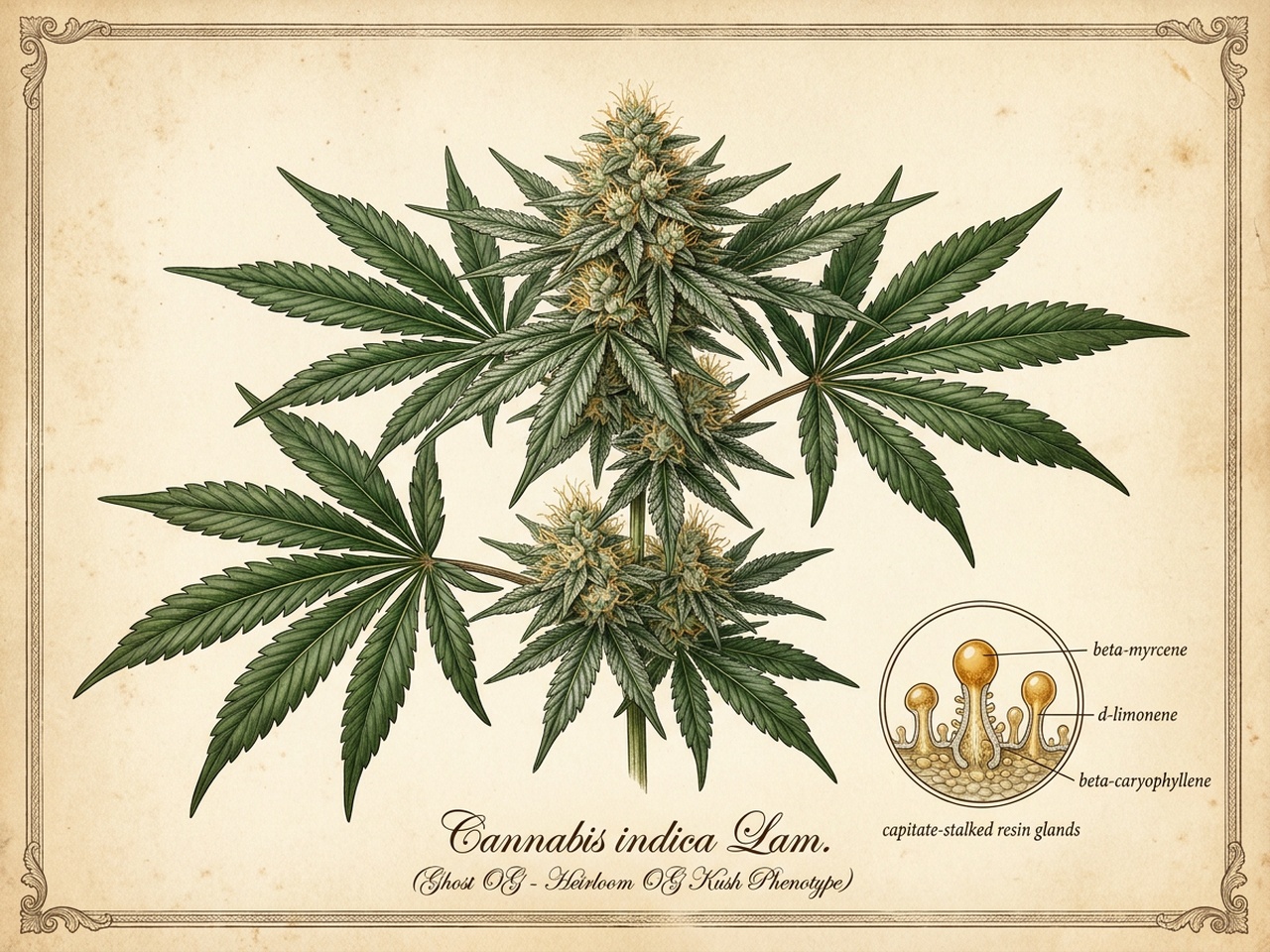
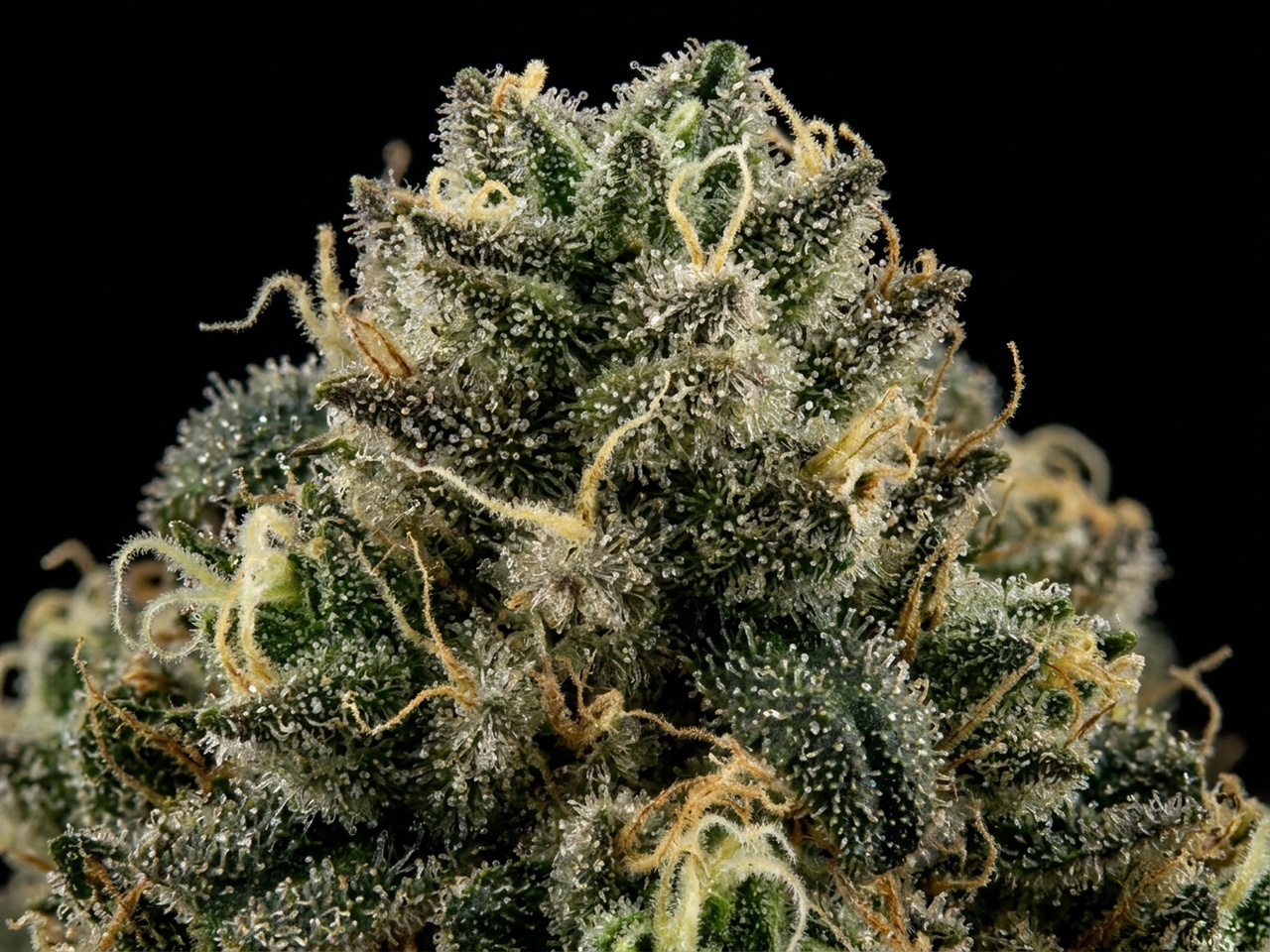
The visual aesthetic of Ghost OG directly inspired its spectral moniker. While in vegetative growth the plant displays lush, emerald-green foliage with classic broad-to-medium leaflets, the onset of floral maturation triggers a monumental explosion of glandular trichomes. By the seventh week of flowering, the calyxes, floral bracts, and adjacent sugar leaves are completely enveloped in a blinding, silvery-white blanket of intact capitate-stalked resin glands. When viewed under natural conservatory sunlight or low-angle artificial lighting, the flowering colas shimmer with an otherworldly, translucent luminescence, appearing as though a shimmering frost or spectral phantom has settled across the canopy. The formal taxonomic, historical, and ethnobotanical metrics defining Ghost OG are comprehensively cataloged in the diagnostic register below.
| Taxonomic & Ethnobotanical Parameter | Scientific Specification / Diagnostic Metric | Horticultural & Ethnobotanical Notes |
|---|---|---|
| Botanical Nomenclature | Cannabis indica Lam. (stabilized polyhybrid lineage) | Displays pronounced Afghanica morphological structure with hybrid vegetative vigor. |
| Cultivar Designation & Aliases | Ghost OG / The Ghost Cut / Ghost’s OG Kush / Heirloom OG | Named after online forum member ‘Ghost’ who preserved and distributed the cutting. |
| Genetic Lineage Architecture | Original Florida Kush cutting (Chemdawg 91 x [Lemon Thai x Hindu Kush]) | Pure heirloom clone-only phenotype tracing directly to the 1990s Florida Kush foundation. |
| Geographic Origin & Terroir | South Florida (origin) / Pacific Northwest & Southern California (preservation) | Disseminated through early Overgrow.com forums to Oregon and Los Angeles medical collectives. |
| Chemotype Classification | Chemotype I (High THC, Low CBD, Elevated CBG) | THC:CBD ratios consistently exceed 30:1; prominent CBGA accumulation (0.8–1.6%). |
| Genetic Equilibrium | Approximately 70% Indica / 30% Sativa | Balanced vegetative stretching with dense nodal calyx clustering and broad foliage. |
| Photoperiod Maturation Window | 58 to 65 Days (8.5 to 9 Weeks) | Requires full 60+ days to complete secondary terpene volatilization and resin head swelling. |
| Primary Therapeutic Vector | Neuromuscular Relaxation, Analgesia, Anxiolysis, Stress Dissipation | Exceptional therapeutic versatility without debilitating sedation or cognitive paralysis. |
2. Genetics, Lineage, and Phenotypic Morphology
The phenotypic architecture and genetic stability of Ghost OG represent an exquisite synthesis of classical twentieth-century landrace genetics and elite underground polyhybrid selection. While commercial folklore has occasionally obscured the precise genealogies of the early Kush varieties, modern genomic mapping, historical cultivar registries, and ancestral pedigree analyses affirm that Ghost OG represents an extraordinarily pure, unadulterated preservation of the foundational Florida Kush cutting. The ancestral blueprint of this legendary line combines three distinct geographical and genetic pillars: the volatile, hydrocarbon-rich Chemdawg 91 lineage; the effervescent, citrus-dominant Lemon Thai sativa landrace; and an ancient, resin-dense broad-leaflet indica landrace originating from the high-altitude valleys of the Hindu Kush or Northern Pakistani mountain ranges.
Each ancestral component contributes distinct morphological, agronomic, and organoleptic characteristics that define the holistic expression of Ghost OG. From Chemdawg 91, the cultivar inherits its vigorous lateral branching, elongated petiole structures, open internodal spacing, and an extraordinary capacity for secondary metabolite synthesis, specifically the enzymatic pathways responsible for generating pungent volatile sulfur compounds (VSCs) and heavy monoterpene fractions. The Lemon Thai landrace contributes bright, luminous top notes dominated by d-limonene and alpha-pinene, slender serrated leaflets during early vegetative growth, and a soaring cerebral euphoria that prevents the cultivar from degenerating into dulling physical sedation. The Hindu Kush landrace foundation provides the structural bedrock: thick, fibrous stalks, rapid calyx stacking, exceptional cold tolerance, broad deep-green fan leaves, and a dense, spherical calyx geometry encrusted in multi-tiered glandular trichomes.
In vegetative development, Ghost OG exhibits a semi-sprawling, vine-like growth habit characteristic of authentic heirloom OG Kush phenotypes. The main central stalk displays moderate rigidity, while secondary and tertiary lateral branches develop with slender, flexible woodiness that readily responds to mechanical manipulation, low-stress training (LST), and horizontal trellis weaving. Internodal spacing along primary stems typically measures between five point zero and seven point five centimeters under commercial high-intensity discharge (HID) or full-spectrum light-emitting diode (LED) lighting arrays operating at photosynthetically active radiation (PAR) levels between 600 and 800 micromoles per square meter per second (μmol/m²/s). Leaves are predominantly seven-to-nine-foliate with pronounced, deeply incised margins, dark emerald coloration, and a leathery cuticle that reflects high chlorophyll-a and chlorophyll-b saturation.
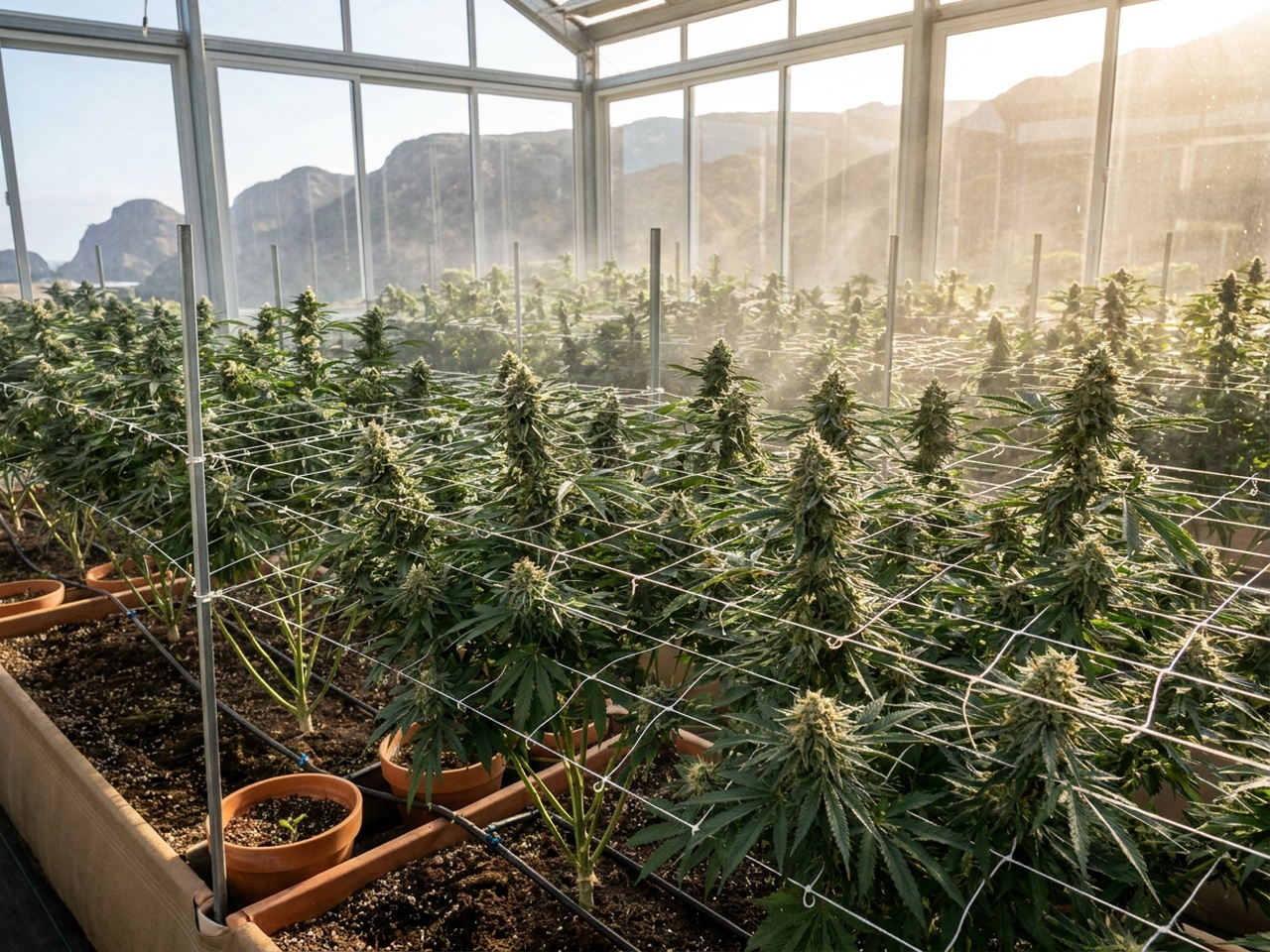
Upon the induction of a 12-hour photoperiod, Ghost OG initiates a pronounced transitional stretch, typically increasing in vertical stature by one hundred to one hundred and twenty-five percent over the first twenty-one days of flowering. Cultivators utilizing the Screen of Green (SCROG) methodology must aggressively train and weave lateral shoots beneath the primary trellis netting throughout this three-week stretch window to establish an even, horizontal canopy. Without adequate structural support, the elongated lateral branches are prone to lodging or snapping under the weight of mature floral clusters during late bloom. A rigorous lower-canopy defoliation—commonly termed ‘lollipopping’—performed between Day 18 and Day 21 of the flowering cycle is strongly advised to strip non-productive subterranean sucker shoots and large water leaves, thereby optimizing vertical airflow, reducing microclimatic humidity pockets, and directing photosynthetic assimilate toward the upper canopy colas.
The floral maturation of Ghost OG progresses across a predictable fifty-eight to sixty-five day timeline. During Weeks 4 and 5 (the calyx stacking phase), individual nodes begin clustering into rock-hard, spherical to golf-ball-shaped inflorescences. Unlike modern commercial cultivars bred for monolithic, continuous ‘baseball bat’ colas, Ghost OG preserves the classic nodal segmentation of heirloom Kush, producing densely stacked floral clusters separated by short, defined internodes. By Week 6, resin production accelerates exponentially; capitate-stalked glandular trichomes proliferate across every available surface of the bracts, perianth tissue, and adjacent floral foliage, creating the dazzling silver-white sheen that gives Ghost OG its name. During Weeks 7 and 8, the calyxes undergo massive physiological swelling (calyx expansion), while the delicate, pale yellow stigmas begin senescing into warm amber and golden-orange threads. By Day 60 to 63, approximately seventy-five to eighty-five percent of trichome heads transition from optical transparency to milky-white opacity, with five to fifteen percent displaying deep amber coloration—signaling the optimal harvest window for maximum terpene preservation and balanced pharmacological efficacy.
| Ancestral Component | Genetic & Geographic Provenance | Specific Trait Contribution & Phenotypic Expression |
|---|---|---|
| Chemdawg 91 | North American Underground Heirloom (East Coast / Colorado) | Donates extreme resin output, volatile hydrocarbon aromatics, potent THC synthesis, and vigorous lateral branching. |
| Lemon Thai | Southeast Asian Sativa Landrace (Thailand) | Provides sweet citrus terpene synthesis (d-limonene), elongated petiole reach, and uplifting cerebral euphoria. |
| Hindu Kush / Pakistani | Central Asian Broad-Leaf Landrace (Hindu Kush Mountains) | Contributes broad foliage, dense spherical calyx stacking, heavy myrcene production, and deep somatic neuromuscular comfort. |
| Ghost OG Selection | Overgrow Community Heirloom Clone Selection | Preserves perfect equilibrium: dense crystalline trichomes, ethereal sweet lime-pine aromatics, and non-drowsy potency. |
Agronomically, Ghost OG is a moderately demanding cultivar that thrives under precise environmental controls and balanced organic nutrition. In indoor controlled environment agriculture (CEA) and climate-controlled commercial greenhouses, the cultivar performs exceptionally well under a day canopy temperature of twenty-four to twenty-six degrees Celsius (75–79°F) and a night temperature of nineteen to twenty-one degrees Celsius (66–70°F), maintaining a day-night differential of approximately four to five degrees to prevent excessive stem stretching. Relative humidity should be managed proactively: sixty to sixty-five percent during vegetative growth, stepped down to fifty to fifty-five percent during early bloom, and held strictly at forty-two to forty-six percent throughout late maturation (Weeks 7–9) to eliminate any risk of botrytis cinerea (gray mold) within the dense calyx clusters. Vapor pressure deficit (VPD) targets should be modulated from 1.1–1.3 kPa in vegetation to 1.35–1.55 kPa in flower.
Nutritional regimens must account for Ghost OG’s pronounced demand for divalent cations, particularly calcium (Ca²⁺) and magnesium (Mg²⁺). As a vigorous resin producer, magnesium deficiency can manifest rapidly in mid-flowering as interveinal chlorosis on middle and upper fan leaves if substrate levels fall below sixty parts per million (ppm). In living organic soil beds amended with compost, basalt rock dust, kelp meal, and crustacean meal, Ghost OG establishes a vigorous symbiotic mycorrhizal root network that efficiently solubilizes organic phosphorus and trace micronutrients. For recirculating hydroponic or coco coir setups, electrical conductivity (EC) should be maintained between 1.4 and 1.7 mS/cm during vegetative development, peaking at 1.9 to 2.2 mS/cm during peak floral synthesis (Weeks 5–6), followed by a gradual tapering down to 0.8–1.0 mS/cm during the final seven to ten days of pure water irrigation to facilitate assimilate translocation and smooth burning qualities. Comprehensive agronomic cultivation parameters are detailed in the horticultural schedule below.
| Agronomic Cultivation Parameter | Recommended Horticultural Target | Horticultural Management Protocol |
|---|---|---|
| Vegetative Photoperiod & PPFD | 18 Hours Light / 6 Hours Dark | 450–650 μmol/m²/s | Promotes rapid root development and strong lateral branching without light stress. |
| Flowering Photoperiod & PPFD | 12 Hours Light / 12 Hours Dark | 800–1000 μmol/m²/s | Requires high photon flux density to drive maximal glandular resin head synthesis. |
| Canopy Temperature Range | Day: 24–26°C (75–79°F) | Night: 19–21°C (66–70°F) | Tight temperature differential prevents excessive stretching while preserving monoterpenes. |
| Relative Humidity & VPD Targets | Veg: 60–65% (1.1 kPa) | Flower: 42–46% (1.4–1.55 kPa) | Strict humidity control prevents botrytis within dense spherical calyx clusters. |
| Substrate pH Parameters | Living Soil: 6.2–6.6 | Hydro/Coco: 5.8–6.1 | Maintains optimal availability of phosphorus, magnesium, and essential trace elements. |
| Electrical Conductivity (EC) Profile | Veg: 1.4–1.7 mS/cm | Mid-Flower: 1.9–2.2 mS/cm | Finish: 0.8 mS/cm | Balanced feeding with elevated calcium-magnesium supplementation during Weeks 3–6. |
| Canopy Training Architecture | Multi-Tier SCROG Netting / Low-Stress Training / Lollipopping | Horizontal trellis netting supports flexible branches; Day 21 defoliation optimizes airflow. |
| Harvest Window Diagnostics | Day 58 to 65 | 75–85% Milky, 10–15% Amber Trichomes | Indicates peak cannabinoid potency, maximum terpene density, and optimal entourage harmony. |
3. Cannabinoid Profile & Analytical Chromatography
Quantitative analytical chromatography conducted on cured floral specimens of Ghost OG reveals a classic Chemotype I phytochemical profile defined by absolute delta-9-tetrahydrocannabinolic acid (THCA) enzymatic dominance, negligible cannabidiol (CBD) expression, and an exceptionally robust, pharmacologically active reservoir of minor and precursor phytocannabinoids. High-Performance Liquid Chromatography coupled with Diode Array Detection (HPLC-DAD) and Ultra-High-Performance Liquid Chromatography Mass Spectrometry (UHPLC-MS/MS) across licensed state testing regimes consistently demonstrate that Ghost OG synthesizes total potential cannabinoid concentrations ranging between twenty-three and twenty-nine percent by dry weight, with decarboxylated active delta-9-tetrahydrocannabinol (THC) values stabilizing predictably between twenty point zero and twenty-six point zero percent (mean value: 23.4%).
The biochemical pathway governing cannabinoid synthesis within the secretory disc cells of Ghost OG’s glandular trichomes begins with the cytosolic polyketide pathway. The condensation of hexanoyl-CoA with three molecules of malonyl-CoA, catalyzed by the specialized polyketide synthase enzyme tetraketide synthase (TKS) in conjunction with olivetolic acid cyclase (OAC), synthesizes olivetolic acid. Simultaneously, the plastidic methylerythritol 4-phosphate (MEP) pathway generates geranyl pyrophosphate (GPP). An integral transmembrane prenyltransferase enzyme—specifically geranylpyrophosphate:olivetolate geranyltransferase (CsPT4)—catalyzes the carbon-carbon alkylation between GPP and olivetolic acid, yielding cannabigerolic acid (CBGA), the central biochemical precursor or ‘mother cannabinoid’ of the genus Cannabis.
In Ghost OG, the gene encoding delta-9-tetrahydrocannabinolic acid synthase (THCAS) exhibits extraordinary transcriptional efficiency and catalytic velocity. The enzyme, which utilizes flavin adenine dinucleotide (FAD) as a cofactor and molecular oxygen to perform a stereospecific oxidative cyclization of CBGA, converts the overwhelming majority of precursor substrate into the acidic cannabinoid THCA. However, unlike certain modern commercial polyhybrids that exhaust virtually their entire CBGA pool in pursuit of astronomical THCA figures, Ghost OG consistently retains a substantial, clinically meaningful concentration of unreacted cannabigerolic acid, typically measuring between zero point eight and one point six percent (mean: 1.15%). This elevated CBGA retention is a defining diagnostic fingerprint of the heirloom Florida Kush lineage, providing significant therapeutic modulation through its affinity for alpha-2 adrenergic receptors, 5-HT1A serotonergic receptors, and peroxisome proliferator-activated receptor gamma (PPAR-γ).
During thermal administration—whether via vaporization, combustion, or decarboxylation in edible formulation—the native carboxyl group (-COOH) attached to the carbon-2 position of the phenolic ring in THCA is cleaved as carbon dioxide gas (CO₂). This stoichiometric reaction follows a molecular conversion factor of 0.877, determined by the ratio of the molecular weights of delta-9-THC (314.46 g/mol) and THCA (358.47 g/mol). Neutral delta-9-THC readily diffuses across lipophilic biological membranes, demonstrating high-affinity partial agonism at central cannabinoid type-1 (CB1) receptors (equilibrium dissociation constant Ki ≈ 40.7 nM) and peripheral cannabinoid type-2 (CB2) receptors (Ki ≈ 36.4 nM). At the intracellular level, this receptor binding activates pertussis toxin-sensitive G-proteins (Gi/o), inhibiting adenylyl cyclase activity, reducing intracellular cyclic AMP (cAMP) accumulation, closing N- and P/Q-type voltage-gated calcium channels, and stimulating G-protein-coupled inwardly rectifying potassium (GIRK) channels. This complex neurochemical cascade dampens presynaptic neurotransmitter release (glutamate, GABA, and acetylcholine), manifesting clinically as profound central analgesia, muscle spasm reduction, and psychological stress alleviation.
| Phytocannabinoid Analyte | Concentration Range (% w/w) | Mean Typical Value (%) | Receptor Affinity & Pharmacological Activity |
|---|---|---|---|
| Δ9-Tetrahydrocannabinolic Acid (THCA-A) | 22.50% – 28.50% | 25.60% | Non-intoxicating biosynthetic precursor; potent neuroprotective, anti-emetic, and immunomodulatory activity via PPAR-γ. |
| Δ9-Tetrahydrocannabinol (Δ9-THC) | 0.40% – 1.20% | 0.75% | Primary psychoactive agonist at CB1/CB2 receptors; drives central analgesia, euphoria, and appetite stimulation. |
| Total Active Potential THC (Decarboxylated) | 20.13% – 26.20% | 23.20% | Calculated as [Δ9-THC + (THCA × 0.877)]; defines clinical therapeutic potency ceiling. |
| Cannabigerolic Acid (CBGA) | 0.80% – 1.60% | 1.15% | Key biosynthetic mother cannabinoid; exhibits anti-inflammatory, antibacterial, and neuroprotective properties. |
| Cannabigerol (CBG) | 0.10% – 0.35% | 0.22% | Decarboxylated neutral CBG; partial agonist at CB1/CB2; α2-adrenoceptor agonist; non-sedative muscle relaxant. |
| Cannabidiolic Acid (CBDA) | 0.05% – 0.20% | 0.08% | Minimal trace expression typical of pure Chemotype I cultivars; selective COX-2 inhibitor. |
| Cannabichromenic Acid (CBCA) | 0.20% – 0.55% | 0.35% | Synthesized via CBCA synthase; potent agonist of transient receptor potential ankyrin 1 (TRPA1) ion channels. |
| Tetrahydrocannabivarinic Acid (THCVA) | 0.10% – 0.40% | 0.25% | Propyl-cannabinoid synthesized from divarinolic acid; acts as a neutral antagonist/partial agonist at CB1 receptors. |
| Cannabinol (CBN) | 0.05% – 0.25% | 0.12% | Non-enzymatic oxidative degradation product of Δ9-THC; indicates careful post-harvest curing and preservation. |
4. Terpene Profile, Aroma Spectrum, and Sensory Notes
The volatile chemical architecture of Ghost OG represents an extraordinary triumph of secondary metabolic complexity, establishing an aromatic benchmark that has captivated botanical researchers, extraction artists, and cannabis sommeliers for over two decades. Gas Chromatography-Mass Spectrometry (GC-MS) coupled with headspace solid-phase microextraction (HS-SPME) demonstrates that properly cured inflorescences of Ghost OG consistently yield exceptional total terpene concentrations ranging between 2.20% and 3.80% by dry weight (mean: 2.85%). Unlike modern commercial selections that often sacrifice nuanced monoterpene complexity in favor of singular, one-dimensional sweet candy or fuel profiles, Ghost OG maintains an intricate, multi-layered chemical orchestra driven by a balanced triumvirate of beta-myrcene, d-limonene, and beta-caryophyllene, exquisitely rounded by substantial secondary fractions of alpha-pinene, linalool, alpha-humulene, and trans-nerolidol.
The predominant monoterpene in Ghost OG’s analytical spectrum is beta-myrcene (7-methyl-3-methylene-1,6-octadiene), typically representing between thirty and forty percent of the total volatile oil fraction (0.80% to 1.45% dry weight). Myrcene imparts a deep, balsamic, loamy foundation reminiscent of damp forest humus, crushed lemongrass, and sweet overripe mangoes. Functioning in close synergy with myrcene is the monocyclic monoterpene d-limonene (1-methyl-4-prop-1-en-2-ylcyclohexene), which accumulates at concentrations between 0.55% and 1.05%. Limonene provides an effervescent, sparkling citrus brightness, expressing not as harsh industrial solvent or bitter chemical cleaner, but rather as sweet key lime zest, fresh-squeezed Meyer lemon oil, and delicate sweet citrus blossoms. The sesquiterpene fraction is commanded by beta-caryophyllene ([(1R,4E,9S)-4,11,11-trimethyl-8-methylidenebicyclo[7.2.0]undec-4-ene]), comprising 0.42% to 0.80% of dry flower mass, which introduces dry, pungent accents of cracked black peppercorn, roasted allspice, and woody clove.
What truly elevates Ghost OG beyond its sister phenotypes is the unusually prominent presence of alpha-pinene (0.18% to 0.38%) and linalool (0.12% to 0.28%). Alpha-pinene infuses the bouquet with crisp, subalpine evergreen needles and wild mountain rosemary, while linalool adds an ethereal floral lavender and citrus blossom softness that smooths the sharp hydrocarbon edges. In addition to conventional terpenes, recent ultra-sensitive gas chromatography utilizing sulfur chemiluminescence detection (GC-SCD) has revealed trace concentrations of volatile sulfur compounds (VSCs)—specifically 3-methyl-2-butene-1-thiol and related prenylated thiols. Although present in minute parts-per-billion (ppb) concentrations, these potent organosulfur compounds contribute the subtle, subterranean skunkiness and faint diesel fuel undertones that anchor the cultivar’s sweet citrus and coniferous top notes.
| Terpene Analyte | Relative Fraction (% Total Terpenes) | Absolute Range (% Dry Weight) | Organoleptic Trajectory & Olfactory Descriptors |
|---|---|---|---|
| β-Myrcene | 32.0% – 42.0% | 0.80% – 1.45% | Damp rich earth, loamy forest soil, crushed lemongrass, overripe tropical mango, musky herbal depth. |
| d-Limonene | 22.0% – 30.0% | 0.55% – 1.05% | Sparkling key lime zest, sweet Meyer lemon peel, candied citrus drops, fresh floral blossom sweetness. |
| β-Caryophyllene | 15.0% – 22.0% | 0.42% – 0.80% | Cracked black peppercorn, warm spicy clove, dry cedar shavings, toasted allspice, subtle diesel bite. |
| α-Pinene | 6.0% – 12.0% | 0.18% – 0.38% | Crisp subalpine pine needles, crushed evergreen resin, wild mountain rosemary, refreshing cooling botanical note. |
| Linalool | 4.0% – 8.5% | 0.12% – 0.28% | Sweet French lavender, delicate citrus floral blossoms, lilac, powdered confectionery sugar. |
| α-Humulene | 3.5% – 7.0% | 0.10% – 0.22% | Earthy noble hops, dry woody bark, ancient forest floor, subtle herbal bitterness. |
| trans-Nerolidol | 2.0% – 4.5% | 0.06% – 0.16% | Delicate woody florals, fresh green apple skin, moist tea tree bark, subtle calming undertone. |
| Camphene | 1.0% – 2.5% | 0.03% – 0.08% | Pungent fir needles, cooling herbal camphor, damp woodland moss, mineral petrichor. |
| Total Terpenes | 100.0% | 2.20% – 3.80% | Exceptional overall volatile accumulation; pristine organoleptic complexity. |
The sensory appreciation of Ghost OG evolves through five distinct, chronological olfactory and gustatory phases:
Phase I: Unbroken Cured Inflorescence: Upon opening an airtight curing container, the initial aroma is subtle, deceptive, and sophisticated. Rather than assaulting the olfactory senses with caustic chemical fumes, Ghost OG greets the observer with a soft, ethereal cloud of sweet citrus blossoms, fresh mountain pine needles, and sweet loamy soil. The aroma carries an antique, botanical quality reminiscent of a traditional European apothecary or a sun-drenched coastal coniferous forest after a gentle rain.
Phase II: Broken Calyx & Mechanical Grinding: When a cured bud is manually dissected or processed through a precision two-piece grinder, the ruptured glandular trichome heads unleash a dramatic aromatic transformation. The previously polite bouquet erupts into a pungent, room-filling wave of tart key lime, freshly sliced Meyer lemon rind, and sharp, sticky pine sap. Beneath the sparkling citrus explosion lies a deep, unmistakable Kush foundation of damp earth, black peppercorn, and a distinct wisp of high-octane kerosene and skunk.
Phase III: Cold Unlit Dry Draw: Drawing ambient air through an unlit rolled cigarette or a packed convection vaporizer chamber delivers a crystalline gustatory preview. The palate is coated in sugary candied lime, crushed mint leaves, and sweet botanical cedar. The astringency of the limonene is perfectly tempered by the creamy floral sweetness of linalool, creating a clean, mouth-watering prelude devoid of bitterness or harshness.
Phase IV: Inhalation & Thermal Exhale: Upon thermal vaporization between 175°C and 190°C (347°F–374°F), the vapor is remarkably dense, silky, and expansive. On the initial intake, sweet citrus oils dominate the anterior tongue and palate. As the vapor crosses the pharyngeal mucosa and is exhaled, the secondary sesquiterpenes announce their presence: a warm, tickling surge of spicy black pepper and clove, followed by rich resinous pine and a prolonged, lingering aftertaste of sweet earthy hashish and diesel fuel that coats the oral cavity for several minutes.
Phase V: Ambient Room Note & Secondhand Scent: The post-vaporization atmosphere is characterized by a refined, incense-like perfume. The scent of smoldering pine resin, clean lemon peel, and sacred cedarwood dominates the room, entirely lacking the heavy, stale, burnt-tar odor common to lower-grade cannabis. It leaves an uplifting, clean, and contemplative ambiance that lingers gracefully in the environment.
5. Bio-Molecular Entourage Synergy Mechanisms
The clinical efficacy, therapeutic predictability, and subjective elegance of Ghost OG cannot be attributed to the isolated action of delta-9-tetrahydrocannabinol alone. Rather, they are the direct pharmacological consequence of the ‘entourage effect’—a complex, multi-target bi-directional synergy wherein secondary phytocannabinoids, monoterpenes, and sesquiterpenes modulate the pharmacokinetics, receptor binding kinetics, and signal transduction cascades of primary cannabinoid agonists. In Ghost OG, this molecular orchestration operates across five well-documented physiological and neurochemical axes:
1. Beta-Myrcene-Mediated Blood-Brain Barrier Facilitation & Central Sedation: Beta-myrcene functions as an exceptional lipophilic permeation enhancer. At the endothelial level of the cerebral microvasculature, myrcene integrates into lipid bilayers, altering cell membrane fluidity and lowering the activation barrier for transcellular passive diffusion. This pharmacokinetic action facilitates more rapid, efficient transit of delta-9-THC across the blood-brain barrier (BBB), resulting in a noticeably accelerated onset of central therapeutic activity. Furthermore, pharmacodynamic studies demonstrate that beta-myrcene acts as an allosteric modulator at central alpha-2 adrenergic receptors and exhibits competitive antagonism at mu-opioid receptor-coupled intracellular pathways. In Ghost OG, this mechanism produces profound somatic neuromuscular relaxation, decreases motor restlessness, and relieves deep somatic muscle hypertonicity without triggering the abrupt, overwhelming stupor often associated with heavy indica landraces.
2. D-Limonene-Induced Monoaminergic Modulation & Anxiolytic Buffering: One of the most common adverse side effects of high-potency Chemotype I cannabis is acute transient anxiety, dysphoria, or tachycardia triggered by intense CB1 receptor activation in the amygdala and prefrontal cortex. In Ghost OG, this adverse reaction is powerfully mitigated by high concentrations of d-limonene. Pharmacological research confirms that inhaled d-limonene rapidly traverses the blood-brain barrier, stimulating serotonin 5-HT1A receptor signaling pathways and increasing dopamine turnover in the striatum and prefrontal cortex. By promoting monoaminergic transmission while attenuating hypothalamic-pituitary-adrenal (HPA) axis hyper-reactivity, limonene transforms what might otherwise be an overwhelming THC load into a bright, buoyant, and lucid euphoric state characterized by emotional resilience, stress dissolution, and creative focus.
3. Beta-Caryophyllene-Driven Peripheral CB2 Immunomodulation & Analgesia: Beta-caryophyllene represents a unique phytomolecule: an aliphatic bicyclic sesquiterpene that functions as a selective, high-affinity full agonist at the peripheral cannabinoid type-2 (CB2) receptor (equilibrium dissociation constant Ki ≈ 155 nM), possessing zero binding affinity for the psychoactive CB1 receptor. Activation of CB2 receptors on microglial cells, macrophages, and peripheral vascular endothelium inhibits the nuclear translocation of nuclear factor kappa B (NF-κB), substantially downregulating the transcription and release of pro-inflammatory cytokines, including tumor necrosis factor-alpha (TNF-α), interleukin-1 beta (IL-1β), and interleukin-6 (IL-6). In Ghost OG, caryophyllene operates in powerful concert with delta-9-THC and cannabigerol, delivering potent anti-hyperalgesic and anti-inflammatory relief across peripheral nerve pathways, joints, and myofascial tissues while leaving central cognitive functions intact.
4. Alpha-Pinene-Mediated Acetylcholinesterase (AChE) Inhibition & Cognitive Clarity: A frequent complaint among medicinal cannabis patients is short-term working memory attenuation and cognitive fog induced by CB1-mediated inhibition of acetylcholine release in the hippocampus. Alpha-pinene acts as a bioavailable, natural, reversible competitive inhibitor of the acetylcholinesterase (AChE) enzyme. By slowing the enzymatic hydrolysis of synaptic acetylcholine, alpha-pinene preserves elevated levels of this vital neurotransmitter within hippocampal and neocortical synapses, effectively counteracting THC-induced memory deficits and promoting mental sharpness, verbal fluency, and executive lucidity. Concurrently, alpha-pinene stimulates beta-2 adrenergic receptors within the bronchial smooth muscle, producing significant respiratory bronchodilation that enhances pulmonary oxygenation and smooths inhalation comfort.
5. Linalool, Minor Cannabinoids & GABAergic Neuroprotection: The presence of linalool (0.12%–0.28%) alongside elevated cannabigerolic acid (CBGA, 0.8%–1.6%) and cannabichromenic acid (CBCA, 0.2%–0.55%) establishes a formidable neurochemical safety net. Linalool acts as an allosteric modulator of gamma-aminobutyric acid type-A (GABA-A) receptors, potentiating inhibitory chloride currents that reduce neuronal hyper-excitability throughout the central nervous system. This action synergizes with CBG’s affinity for alpha-2 adrenoceptors to quell peripheral muscle spasms, mitigate tension headaches, and soothe the autonomic nervous system. Simultaneously, CBC interacts with transient receptor potential ankyrin 1 (TRPA1) ion channels, desensitizing peripheral nociceptive pathways and augmenting the holistic somatosensory analgesic envelope of Ghost OG.
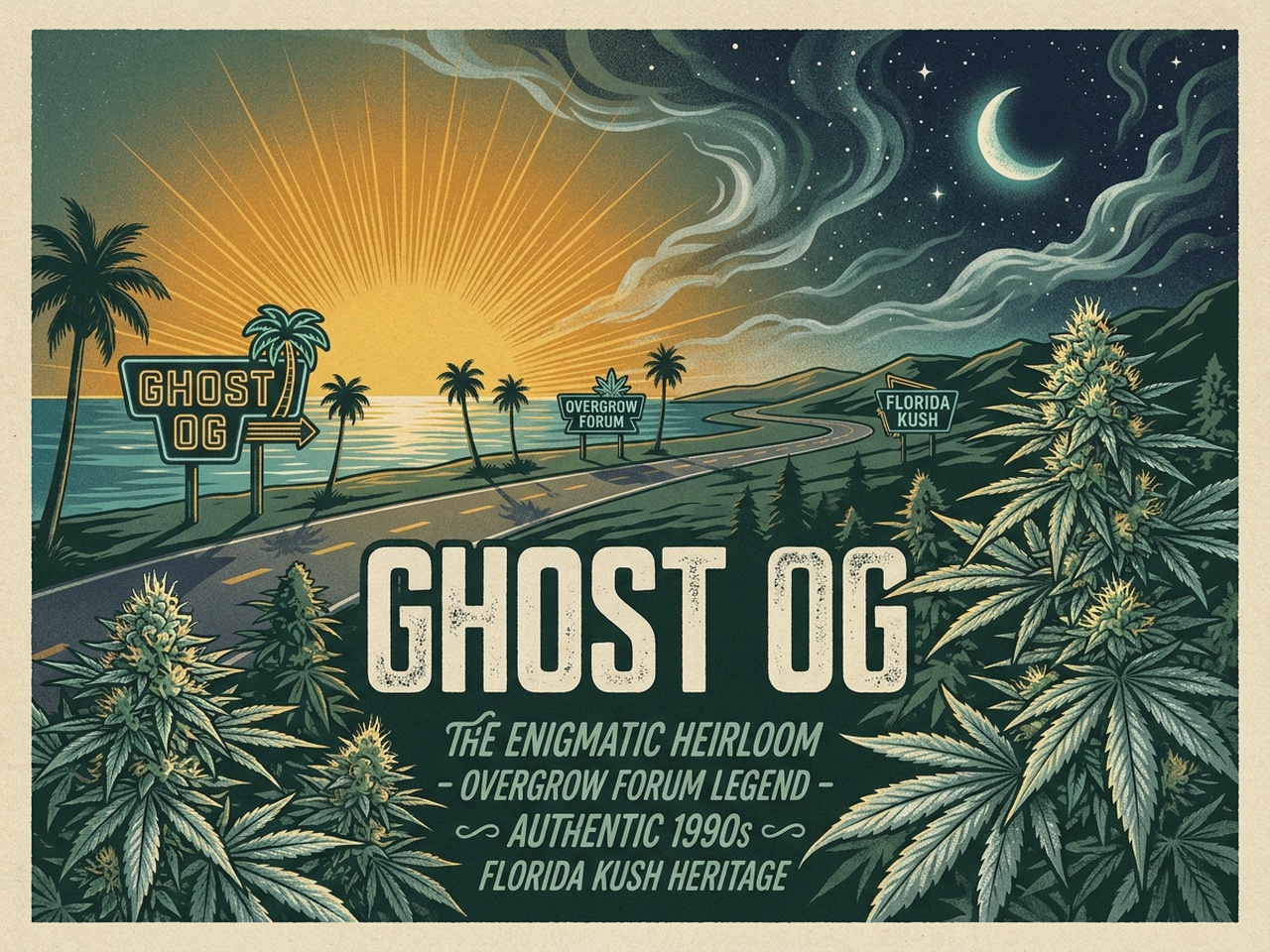
6. Clinical Pharmacology & Therapeutic Indications
The clinical pharmacology of Ghost OG is distinguished by its remarkably balanced pharmacodynamic trajectory, offering clinicians and qualified medical patients a highly predictable, broad-spectrum therapeutic envelope. Unlike excessively sedative indica strains that cause disabling cognitive lethargy, or hyper-stimulating sativas that can trigger adrenergic tachyarrhythmias, Ghost OG occupies an optimal therapeutic sweet spot. By pairing a high-potency Chemotype I cannabinoid base (20–26% active THC) with substantial cannabigerolic acid (0.8–1.6%) and an anxiolytic terpene spectrum commanded by beta-myrcene, d-limonene, and beta-caryophyllene, Ghost OG provides powerful central and peripheral analgesia while preserving emotional composure and mental clarity.
Upon pulmonary administration via dry-herb convection vaporization or controlled inhalation, active phytocannabinoids and volatile terpenes vaporize rapidly from the glandular trichome heads, traversing the extensive surface area of the pulmonary alveolar epithelium (approximately 70 to 100 square meters). Bioavailability via the inhalation route ranges between fifteen and thirty-five percent, heavily influenced by inhalation volume, vaporization temperature, and breath-hold duration. Due to the rapid alveolar-capillary diffusion, active delta-9-THC and terpene molecules enter the arterial circulation without undergoing first-pass hepatic metabolism, crossing the blood-brain barrier to produce detectable central neurochemical activity within two to five minutes, with peak plasma concentrations (Cmax) typically recorded between eight and fifteen minutes post-inhalation.
Metabolically, circulating delta-9-THC is lipophilic, distributing rapidly from the vascular compartment into highly perfused organs (brain, lungs, liver, and heart) before sequestering into peripheral adipose tissue. Hepatic biotransformation is orchestrated predominantly by the microsomal cytochrome P450 enzyme superfamily, specifically the CYP2C9 and CYP3A4 isozymes. CYP2C9 catalyzes the allylic hydroxylation of delta-9-THC into 11-hydroxy-delta-9-THC (11-OH-THC), an active metabolite possessing equivalent or slightly greater CB1 receptor potency and superior blood-brain barrier penetration. Subsequently, hepatic alcohol dehydrogenases and CYP enzymes oxidize 11-OH-THC into the non-psychoactive terminal metabolite 11-nor-9-carboxy-delta-9-THC (THC-COOH), which undergoes glucuronidation via UDP-glucuronosyltransferases (UGTs) prior to renal (20–35%) and biliary/fecal (65–80%) elimination. Clinicians must exercise pharmacological diligence when recommending Ghost OG to patients concurrently taking pharmaceutical agents that strongly inhibit or induce CYP2C9 or CYP3A4 (such as warfarin, ketoconazole, fluconazole, macrolide antibiotics, carbamazepine, or selective serotonin reuptake inhibitors), as competitive substrate inhibition may alter plasma drug levels.
| Clinical Indication | Primary Symptom Targets | Synergistic Biological Mechanism | Recommended Administration Protocol |
|---|---|---|---|
| Chronic Neuropathic Pain & Radiculopathy | Allodynia, hyperalgesia, phantom limb pain, diabetic peripheral neuropathy, sciatica. | CB1-mediated presynaptic calcium channel inhibition; CB2/β-caryophyllene suppression of microglial activation and cytokine release. | Convection dry-herb vaporization at 180–190°C; 2 to 3 metered inhalations every 4 to 6 hours as required. |
| Myofascial Pain & Muscle Spasticity | Fibromyalgia tender points, cervical dystonia, spinal hypertonicity, nocturnal leg cramps. | Myrcene allosteric modulation of α2-adrenoceptors; CBG/THC synergy at spinal motor interneurons; TRPA1 desensitization via CBC. | Vaporization at 185–195°C; adjunct formulation into localized full-spectrum topical balms or sublingual tinctures. |
| Treatment-Resistant Insomnia & Sleep Latency | Delayed sleep onset, middle-of-the-night nocturnal awakenings, non-restorative sleep cycles. | Linalool GABA-A potentiating currents; myrcene hypnotic facilitation; THC suppression of sleep latency and early-phase REM stabilization. | Inhalation 30 to 45 minutes prior to intended sleep window; 3 to 4 sustained inhalations at 195–205°C. |
| Anxiety Disorders & PTSD Hyperarousal | Generalized anxiety, panic susceptibility, sympathetic nervous system hyperarousal, intrusive thoughts. | d-Limonene 5-HT1A serotonergic receptor stimulation; alpha-pinene AChE preservation; amygdalar fear-extinction facilitation. | Low-temperature vaporization (165–175°C); single metered micro-dose (1 inhalation); wait 20 minutes before redosing. |
| Migraine & Intractable Vascular Cephalalgia | Throbbing hemicranial pain, photophobia, phonophobia, nausea, visual aura. | Cerebral vasoconstriction modulation via 5-HT1A; trigeminal nociceptive suppression; anti-emetic actions at 5-HT3 receptors. | Immediate inhalation at the earliest manifestation of migraine prodrome; 2 sustained inhalations at 180°C. |
| Inflammatory Arthropathy & Autoimmune Conditions | Rheumatoid arthritis, osteoarthritis, systemic joint stiffness, morning immobility. | Inhibition of NF-κB nuclear translocation; suppression of TNF-α, IL-1β, and COX-2; cartilage preservation. | Vaporization at 185°C combined with daily morning oral whole-plant lipid-infused capsules (10–15 mg THC equivalent). |
Clinical dosing of Ghost OG should adhere strictly to the principle of conservative titration—commonly encapsulated as ‘start low, go slow’. For cannabinoid-naive patients or individuals sensitive to psychoactive compounds, an initial test titration consisting of a single two-second inhalation from a temperature-controlled vaporizer set at 165°C to 170°C (329°F–338°F) provides approximately two to four milligrams of bioavailable delta-9-THC alongside concentrated monoterpenes. This micro-dosing protocol allows patients to evaluate their personal subjective sensitivity, anxiolytic response, and analgesic efficacy without risking unwanted cognitive impairment. Experienced or tolerant patients managing severe breakthrough neuropathic pain or nocturnal insomnia may comfortably titrate to two or four sustained inhalations (ten to twenty milligrams of bioavailable THC) at slightly higher vaporization temperatures (185°C–200°C / 365°F–392°F) to maximize sesquiterpene extraction and deep muscular relaxation.
Contraindications and clinical precautions must be observed. Ghost OG is contraindicated in patients with acute unstable coronary artery disease, active ventricular arrhythmias, or a history of severe ischemic heart disease, as acute CB1 receptor activation can cause transient peripheral vasodilation and compensatory sinus tachycardia. The cultivar is strictly contraindicated in individuals with a personal or first-degree familial history of psychotic disorders (schizophrenia, schizoaffective disorder, bipolar I with psychotic features). It is likewise contraindicated during pregnancy and breastfeeding due to potential interference with fetal endocannabinoid receptor ontogeny and neural pathway development.
7. Subjective Effects & Vaporization Thermal Profiling
The subjective experience of Ghost OG is widely celebrated throughout cannabis culture as the definitive archetype of connoisseur balance. While many high-THC cultivars exhibit a polarized effect profile—either catapulting the user into an over-stimulated, anxiety-prone cerebral state or plunging the body into an immobilizing, lethargic physical coma—Ghost OG navigates the narrow corridor of complete physiological and psychological harmony. The trajectory unfolds through four distinct, chronologically defined experiential phases, each characterized by specific neurochemical shifts and organoleptic transitions:
Phase I: Onset & Immediate Ocular Warmth (0 to 5 Minutes): Almost immediately upon the first inhalation, the user experiences a gentle, distinct physical sensation centered in the upper cranium. A soothing, radiant warmth spreads behind the eyes, across the temples, and down through the jawline. Acute ocular tension, sinus pressure, and facial stress dissipate rapidly. Unlike sharper fuel-dominant OG cuts that can induce an initial flutter of cardiac stimulation or mental disorientation, Ghost OG enters with remarkable smoothness, instilling an immediate sense of emotional safety, centered calm, and somatic stillness.
Phase II: Euphoric Cerebral Crest & Lucidity (5 to 30 Minutes): As active delta-9-THC and d-limonene reach peak receptor saturation within the limbic system, a luminous wave of euphoria ascends into the conscious mind. Thoughts become expansive, optimistic, and creatively fluid, accompanied by an increased appreciation for music, visual art, and sensory nuance. Importantly, this mental elevation is characterized by lucidity and calm focus rather than scattered hyperactivity; alpha-pinene’s inhibition of acetylcholinesterase preserves short-term memory recall and conversational coherence. Users frequently report a sensation of psychological weightlessness, as if daily anxieties, existential stressors, and cognitive fatigue have been effortlessly peeled away.
Phase III: Somatic Equilibrium & Neuromuscular Grounding (30 to 90 Minutes): As the initial cerebral peak gently broadens, the pharmacodynamic influence of beta-myrcene and beta-caryophyllene cascades downward into the peripheral musculature. The shoulders drop away from the ears, spinal hypertonicity uncoils, and chronic muscular aches—particularly in the lumbar region, hips, and neck—melt into a deeply satisfying state of physical ease. While the body feels pleasantly grounded and thoroughly relaxed, motor coordination remains intact, and the user does not experience the heavy, paralyzed ‘couch-lock’ sensation typical of pure Afghanica landraces. A gentle, restorative appetite stimulation commonly emerges during this phase, accompanied by heightened sensory enjoyment of food.
Phase IV: Gentle Resolution & Restorative Rest (90 to 180+ Minutes): The tapering phase of Ghost OG is remarkably clean and civilized. Unlike low-terpene or poorly cured commercial flowers that leave the consumer feeling irritable, mentally foggy, or physically drained, Ghost OG glides toward resolution with smooth, non-turbulent elegance. If consumed during daylight hours in moderate amounts, the user transitions naturally back to baseline with a refreshed, tranquil outlook. When consumed in higher doses or in the evening hours, Phase IV transitions seamlessly into deep, restorative, and unencumbered sleep, free from nocturnal awakenings or next-day grogginess.
To fully unlock the multi-faceted chemical profile of Ghost OG, precise thermal management via modern convection dry-herb vaporization is strongly recommended over open-flame combustion. Because the boiling points of monoterpenes, sesquiterpenes, and phytocannabinoids span a broad thermodynamic spectrum (from 155°C to 220°C), modulating the vaporization temperature allows patients and connoisseurs to selectively tailor their therapeutic outcome and sensory experience. The optimal temperature brackets and their corresponding clinical dynamics are delineated in the thermal vaporization matrix below.
| Thermal Vaporization Bracket | Target Boiling Compounds | Primary Flavor & Vapor Characteristics | Subjective & Clinical Impact |
|---|---|---|---|
| Low-Temperature Bracket 155°C – 170°C (311°F – 338°F) |
α-Pinene (155°C), β-Myrcene (166°C), d-Limonene (176°C threshold), light initial Δ9-THC vaporization. | Delicate, wispy vapor; intense burst of candied lime, fresh pine needles, and sweet lemon blossoms; virtually zero throat irritation. | Luminous cerebral clarity, daytime focus, rapid anxiolytic relief, mild mood elevation; ideal for creative work, study, or social interaction. |
| Medium-Temperature Bracket 175°C – 190°C (347°F – 374°F) |
Full Δ9-THC (157–180°C), β-Caryophyllene (119–130°C in vacuum / 185°C), Linalool (198°C threshold), α-Humulene (198°C). | Rich, silky, dense vapor; complex fusion of spicy black pepper, sweet earthy Kush, citrus peel, and warm clove. | The definitive Ghost OG experience: balanced mind-body synergy, robust somatosensory analgesia, emotional euphoria, and deep stress release. |
| High-Temperature Bracket 195°C – 215°C (383°F – 419°F) |
CBG (200°C), CBC (220°C), trans-Nerolidol (205°C), trace Cannabinol (CBN), complete extraction of residual THCA. | Heavy, roasted, highly expansive vapor; robust notes of toasted cedar, roasted allspice, pungent diesel fuel, and dark earth. | Profound somatic sedation, deep muscular relaxation, powerful relief from intractable neuropathic pain, and rapid induction of deep sleep. |
8. Dispensary Synthesis, Connoisseur Scorecard & Patient Consultation
Within modern medical dispensary operations, licensed adult-use retail environments, and discerning connoisseur collections, Ghost OG occupies a tier of undisputed botanical royalty. While hundreds of ephemeral contemporary polyhybrids emerge each season only to vanish into commercial obscurity, Ghost OG remains an evergreen, foundational standard of excellence. Its enduring appeal is anchored in its refusal to compromise: it delivers the uncompromising potency of pure Chemotype I cannabis alongside the refined, crystalline terpene elegance of a master-crafted landrace hybrid. For dispensary directors, clinical patient consultants, and knowledgeable budtenders, Ghost OG represents the ultimate versatile recommendation—an elite cultivar capable of addressing severe physical discomfort without robbing the patient of cognitive sovereignty.
In commercial dispensary display cases, properly cultivated and cold-cured Ghost OG immediately commands visual attention. The cured floral clusters present as dense, golf-ball-shaped calyx clusters with a distinct, shimmering silver-white frost that catches the light like a bed of liquid diamonds. The foliage displays a spectrum of deep olive and forest greens, interwoven with delicate pale yellow and warm golden-amber pistillate stigmas that contrast subtly against the glistening trichome mantle. The physical texture is firm, resiny, and slightly spongy, resisting compression while releasing a sticky, aromatic resin upon the slightest mechanical pressure. Below, the rigorous analytical evaluation across seven sensory and pharmacological metrics is codified in the Ganja House Connoisseur Scorecard.
| Evaluation Metric | Rating (/10) | Detailed Organoleptic & Empirical Assessment |
|---|---|---|
| Visual Appeal & Calyx Architecture | 9.8 / 10 | Pristine golf-ball calyx clusters completely coated in an unbroken, shimmering silver-white trichome frost; exquisite bag appeal. |
| Olfactory Complexity & Cured Bouquet | 9.7 / 10 | Masterful equilibrium of sweet candied lime, fresh subalpine pine needles, damp forest earth, and subtle kerosene fuel. |
| Gustatory Purity & Flavor Retention | 9.6 / 10 | Silky smooth citrus and floral inhale transitioning to cracked black pepper, cedar, and lingering sweet herbal hashish. |
| Cannabinoid Potency & Onset Velocity | 9.5 / 10 | Rapid, dependable onset (2–5 minutes) driven by 20–26% active Δ9-THC facilitated by high beta-myrcene membrane permeability. |
| Mind-Body Equilibrium & Lucidity | 9.9 / 10 | Unmatched harmony; delivers soaring euphoric stress relief and mental clarity without anxious racing thoughts or couch-lock stupor. |
| Somatic Analgesia & Neuromuscular Comfort | 9.6 / 10 | Deeply therapeutic relief for chronic neuropathic pain, spinal spasms, fibromyalgia, and myofascial tension. |
| Cleanliness of Finish & Residual Clarity | 9.7 / 10 | Graceful, civilized taper leaving no cognitive hangover, physical exhaustion, or depressive rebound effects. |
| Composite Connoisseur Index | 9.69 / 10 | Grade: A+ Diamond Reserve Heirloom — An irreplaceable reference benchmark of elite cannabis breeding. |
To ensure optimal clinical guidance at the point of sale, dispensary personnel should be trained to identify specific patient archetypes and match their physiological goals with the precise chemotypic virtues of Ghost OG. The clinical dialogue scenarios detailed below illustrate best-practice consultative communication for frontline staff.
| Customer Archetype & Clinical Inquiry | Consultative Focus & Pharmacological Rationale | Evidence-Based Budtender Guidance Script |
|---|---|---|
| Archetype A: Chronic Neuropathic Pain & Spasm Patient “I suffer from severe sciatic nerve pain and back spasms, but heavy indica strains make me feel completely useless during the day. Is Ghost OG strong enough?” |
Focus on CB1/CB2 synergy, peripheral anti-inflammatory action of beta-caryophyllene, and muscle relaxation from elevated CBGA and myrcene. | “Ghost OG is genuinely ideal for your situation. It delivers the heavy-duty analgesic potency of an elite OG Kush—testing between 22% and 26% THC—but because of its balanced terpene profile and high CBGA content, it doesn’t cause that heavy, immobilizing brain fog. It uncoils nerve tension and relaxes spasms in your back while leaving your mind clear, functional, and positive. Start with one or two light inhalations through a vaporizer around 180°C, and you’ll feel the tension release in minutes.” |
| Archetype B: Veteran High-Tolerance Connoisseur “I’ve smoked every new candy strain on the market, and nothing hits like authentic old-school OG Kush. Does this Ghost cut actually have that real 90s funk?” |
Highlight the heirloom Overgrow forum pedigree, Chemdawg/Lemon Thai lineage, authentic volatile sulfur compounds (VSCs), and complex pine-lime-fuel terpene triad. | “This is the genuine heirloom Ghost cut from the original Florida Kush line preserved through the Overgrow forums. Unlike modern commercial crosses that dilute the terpene complexity, this Ghost OG is loaded with over 2.8% total terpenes—commanded by real beta-myrcene, tart key lime limonene, and peppery caryophyllene. As soon as you crack the jar, you’ll recognize that classic sour pine and earthy kerosene funk. The high hits with that unmistakable heavy-behind-the-eyes pressure and stays with you for hours.” |
| Archetype C: Anxiety-Prone Creative Professional “I need something to help me unwind from acute work stress and ignite creative focus, but sativas make my heart race and induce panic. Can I handle Ghost OG?” |
Emphasize d-limonene’s 5-HT1A serotonergic mood elevation, alpha-pinene’s memory preservation, and linalool’s GABAergic anxiolytic buffering. | “Ghost OG is one of the safest high-potency choices for stress and anxiety. It has high amounts of d-limonene and linalool, which actively buffer the THC and soothe your central nervous system, preventing that jittery, racing heartbeat you get from aggressive sativas. Meanwhile, alpha-pinene keeps your thoughts sharp and focused. You’ll experience a bright, buoyant creative uplift while your stress and physical tension simply melt away. We recommend a low vaporization temp around 165°C to capture those calming citrus top notes.” |
| Archetype D: Severe Insomnia & Sleep Latency Sufferer “I have trouble shutting my brain off at night and toss and turn for hours. Will Ghost OG help me fall asleep and stay asleep without waking up groggy?” |
Explain temperature-dependent sedation, the hypnotic synergy between myrcene, linalool, and trace CBN, and the clean morning clearance profile. | “Ghost OG works wonders for insomnia, especially when vaporized at higher temperatures—around 195°C to 205°C—about 30 to 45 minutes before bed. At that temperature, you extract the full sedative potential of beta-myrcene, linalool, and minor cannabinoids, which quiet mental chatter, relax your muscles, and naturally trigger sleep latency. Best of all, because it’s a clean, terpene-rich heirloom cultivar, you wake up feeling genuinely restored and clear-headed rather than hungover.” |
In final scientific appraisal, Ghost OG represents far more than a legendary dispensary cultivar; it stands as a living monument to the spirit of botanical preservation, communal trust, and genealogical integrity. In an era increasingly dominated by industrial monoculture and transient breeding fads, the Ghost cut endures as an unshakeable pillar of classical cannabis perfection—a spectral masterpiece whose ethereal frost, timeless pine-citrus bouquet, and profound somatic harmony will continue to instruct and inspire generations of cultivators, clinicians, and connoisseurs to come.
Ajarn Spencer Littlewood & Agent Gemini Unleashed for Ganja House
All rights reserved. Scientific documentation and botanical research archive.
- Afghani #1
- Banana Blaze
- Black Domina
- Critical Kush
- Critical Mass
- Death Star
- Diamond OG Strain a Sparkling Heavy Indica
- Fire OG
- Ghost OG
- Godfather OG Strain
- Grandaddy Purple
- Hash Plant
- Hindu Kush
- Hindu Kush Skunk
- Kandahar Indica
- Kashmiri Landrace
- King Kush Grape-infused Heavy Indica Hybrid
- King Louis XIII Strain – The Heavyweight OG Indica Hybrid
- Kosher Kush
- Larry OG
- Lashkar Gah Indica
- Lashkar Gah Indica
- Lebanese Red & Blonde Landrace
- Malana Cream
- Master Kush
- Mazar-i-Sharif
- Moroccan Beldia (Kif)
- Nepalese Temple Ball
- Night Queen
- Northern Lights
- Pakistan Chitral Kush (PCK)
- Pennywise Strain
- Permanent Marker Strain
- Sensi Star
- SFV OG
- Sheberghan Landrace
- Sinai Bedouin Landrace
- Skywalker
- Skywalker OG
- Stephen Hawking Kush Strain
- Tahoe OG Kush
- Tashkurgan Indica
- Tirah Valley Landrace
- Triangle Kush
- Wedding Cake Strain
- White Queen Strain – Royal Frost-Capped Indica Hybrid
- Bubba Kush