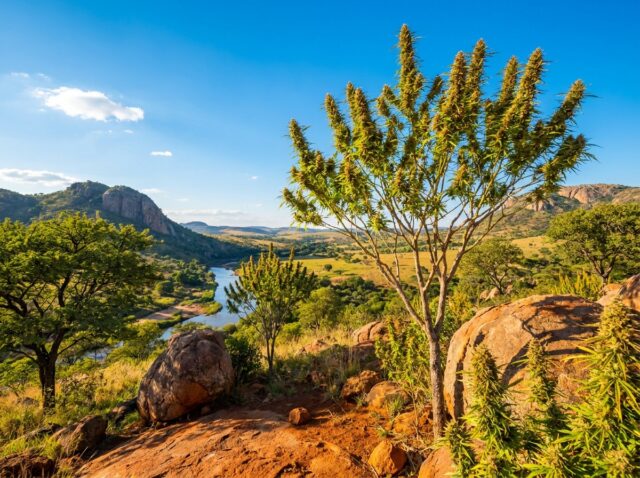
Swazi Gold (Nguni) – Strain Profile
Prepared for: High‑End Botanical & Medical Dispensary Knowledge Base
Prepared by: Botanical Research & Development Team
Taxon: Cannabis sativa L. (African Pure Sativa Landrace / Swazi Gold Nguni)
Origin: Nkomati River Basin, Hhohho District, Kingdom of Eswatini (Swaziland)
Date: October 2026
Prepared by: Botanical Research & Development Team
Taxon: Cannabis sativa L. (African Pure Sativa Landrace / Swazi Gold Nguni)
Origin: Nkomati River Basin, Hhohho District, Kingdom of Eswatini (Swaziland)
Date: October 2026
1. Origins and History
Swazi Gold, traditionally known across southern Africa as Insangu among the Nguni peoples, stands as one of the world’s most historically celebrated and genetically pure ancestral sativa landraces. Originating in the landlocked, topographically dramatic Kingdom of Eswatini—formerly known internationally as Swaziland—this ancient cultivar represents the botanical culmination of centuries of indigenous agrarian selection, climatic adaptation, and cultural reverence. Situated along the eastern escarpment of the southern African plateau, Eswatini encompasses a remarkably diverse ecological gradient, ranging from the rugged granite peaks and mist-draped valleys of the Highveld (rising above 1,300 meters) to the temperate undulating hills of the Middleveld and the subtropical savannas of the Lowveld. It is within the secluded, sun-drenched granite gorges and fertile alluvial basins of the Highveld and Middleveld, most notably along the Nkomati River Valley and the foothills of the Malolotja and Lebombo ranges, that Swazi Gold evolved its peerless botanical vigor and soaring chemical potency.
The ethnobotanical genesis of cannabis in southern Africa is inextricably bound to the historic southward migrations of Bantu-speaking peoples, who traversed the Great Rift Valley and central African lakes over several centuries, carrying sacred seeds, agricultural knowledge, and ancestral pharmacopeias. By the time the proto-Nguni pastoralists and agrarian communities established permanent settlements in the fertile valleys between the Drakensberg mountains and the Indian Ocean coastline during the mid-second millennium, Cannabis sativa had become firmly integrated into the ecological and social fabric of the region. The ancestors of the modern Swazi nation (the emaSwati), consolidating their sovereign kingdom under the Dlamini dynasty in the eighteenth and nineteenth centuries under visionary monarchs such as King Ngwane III and King Sobhuza I, perfected the localized cultivation of this highland sativa, selecting year after year for energetic vigor, mold resistance during the summer rainy season, and transcendent psychoactive clarity.
Within traditional Swazi society, insangu occupied an elevated status that spanned the spiritual, medicinal, and communal spheres. Traditional healthcare practitioners—the inyanga (herbalist doctors) and sangoma (spiritual diviners)—utilized specific decoctions, steam infusions, and poultices derived from raw Swazi Gold leaves, stems, and resinous inflorescences to manage a wide spectrum of physiological afflictions. Infusions of the plant were administered to alleviate acute respiratory congestion, persistent coughing, gastrointestinal spasms, malarial fevers, and chronic inflammatory pain. The seeds and vegetative tissues were incorporated into tonic preparations designed to restore vitality to convalescent patients and lactating mothers. Furthermore, cannabis smoke was ritually inhaled through specialized indigenous water pipes carved from cattle horns, calabash gourds, and bamboo tubes (*igudu*), serving as a ceremonial conduit for communication with ancestral spirits (*amadlozi*) and inducing the heightened psychic receptivity necessary for sacred divination.
Beyond its shamanic and clinical applications, Swazi Gold fulfilled a vital sociopolitical and labor-sustaining role within the Swazi kingdom. Regiments of young Swazi warriors (*emabutfo*) were provisioned with dried floral colas before embarking on strenuous military marches, hunting expeditions, and defensive patrols across rugged mountain terrains. The stimulant, bronchodilatory, and endurance-enhancing properties of the herb enabled warriors to overcome physical fatigue, hunger, and acute stress without suffering cognitive disorientation or muscular tremors. Simultaneously, cooperative farming communities utilized communal cannabis smoking circles during arduous seasonal tasks, including the clearing of dense bush, terrace construction on steep granite hillsides, and manual harvesting of maize and sorghum crops, transforming grueling physical toil into harmonized, rhythmic labor.
The geopolitical geography of twentieth-century southern Africa profoundly shaped the survival, commercialization, and global dissemination of Swazi Gold. While British colonial authorities and subsequently the neighboring South African apartheid regime enacted severe legislative prohibitions against cannabis cultivation, the sovereign status and impenetrable mountainous terrain of Swaziland fostered a resilient underground agrarian economy. Smallholder Swazi farmers, operating in hidden mountain valleys inaccessible by motorized transport, preserved the genetic sanctity of their heirloom seed stocks across generations, cultivating expansive organic terraces irrigated by mountain streamlets and fertilized with rich decomposed cattle manure and bat guano harvested from local granite caverns.
Throughout the 1960s, 1970s, and 1980s, clandestine trade routes moved hundreds of tons of carefully harvested and cured Swazi Gold across the border into Johannesburg, Durban, and Cape Town, where it earned legendary status among countercultural movements, surf communities, and international travelers as the gold standard of African cannabis. International seed collectors, ethnobotanists, and pioneering underground breeders visiting southern Africa in the late 1970s and 1980s were captivated by the cultivar’s dazzling golden appearance, exotic mango-pine aromatic profile, and unadulterated electric cerebral high. Pure accession lines were carefully gathered from traditional growers in northern and western Eswatini and transported to seed banks in the Netherlands and North America, where Swazi Gold became a cornerstone for foundational sativa hybridizations, contributing exceptional vigor, high-temperature resilience, and heavy resin output to contemporary cannabis breeding programs worldwide.
🎙️
Listen to the Swazi Gold (Nguni) Monograph
Official Audio Monograph • High-End Botanical & Clinical Knowledge Base
Audio Monograph
2. Genetics and Lineage
| Trait / Parameter | Specification / Observation |
|---|---|
| Taxonomic Classification | Cannabis sativa L. (African Pure Sativa Landrace) |
| Lineage Archetype | Ancestral Southern African Landrace / Nguni Heirloom Sativa (Kingdom of Eswatini) |
| Growth Habit & Stature | Monumental open candelabra sativa architecture (3.0 – 4.5+ meters in deep organic soil) |
| Internodal Architecture | Elongated internodal spacing (12 – 20 cm) facilitating highveld solar penetration and exceptional mold resistance |
| Foliage Characteristics | Narrow, 7–9 foliolate serrated palmate leaves; bright olive-green transitioning to pale golden-bronze at maturity |
| Floral Inflorescence | Dense, elongated spear-like colas with lustrous amber-gold resin encrustations and thick, curling copper-amber stigmas |
| Flowering Window | 14 – 17 weeks (98 – 120 days) photoperiod-dependent southern African maturation cycle |
| Endemic Terroir | Ancient weathered red granite loam, elevation 800 – 1,400m, Nkomati River Basin, Hhohho District, Eswatini |
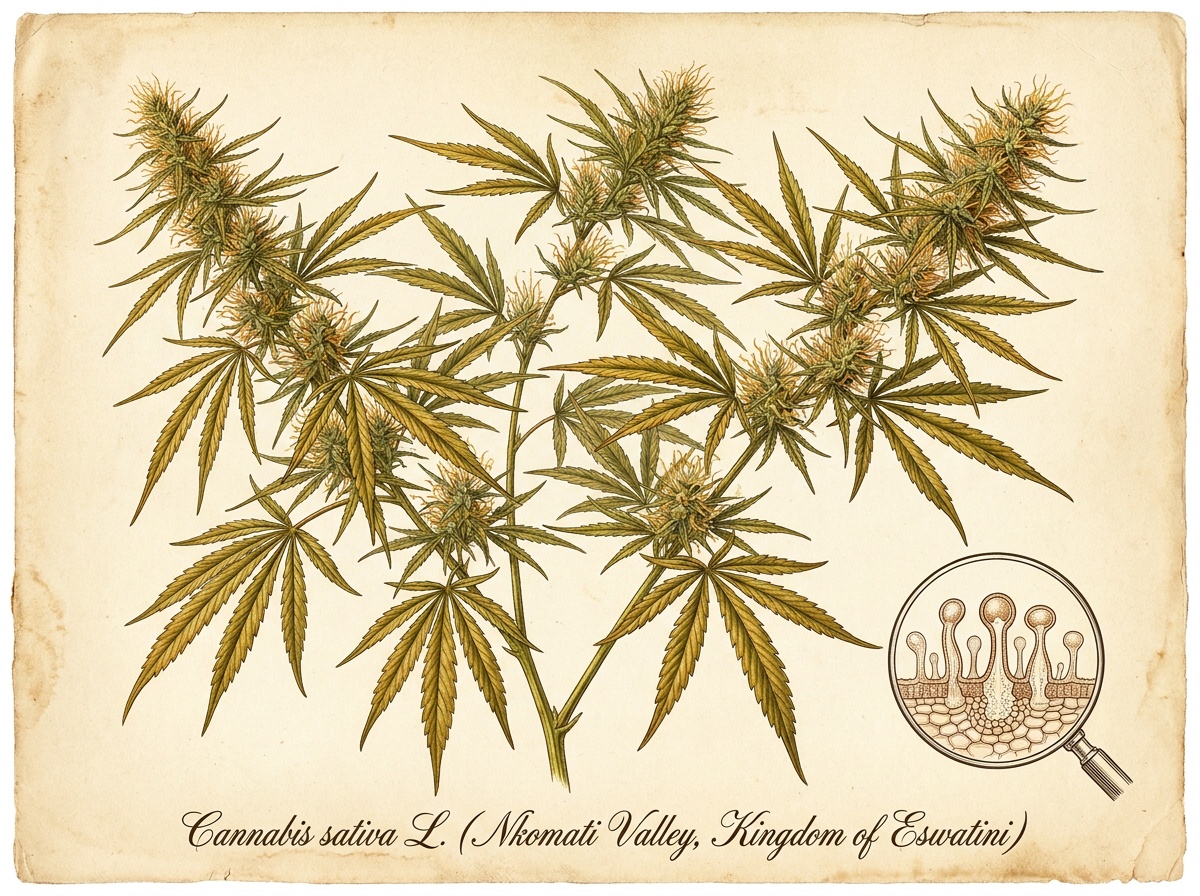
The botanical architecture of Swazi Gold exhibits the classic morphological hallmarks of a high-altitude African subtropical sativa landrace that has evolved under intense ultraviolet radiation, dramatic diurnal temperature shifts, and alternating seasons of torrential summer monsoon rains and arid winter droughts. Untamed by modern artificial hybridization or dwarfing introgressions, Swazi Gold displays monumental vegetative vigor, establishing an expansive root system and developing a soaring vertical habit that routinely reaches between 3.0 and 4.5 meters (10 to 15 feet) when cultivated in native living soils under full equatorial and subtropical solar exposure. The plant’s architecture follows a classic symmetrical candelabra framework, wherein vigorous primary lateral branches emerge from the central fibrous stalk at approximately 45-degree angles, competing with the apical leader and creating an open, broad pyramidal canopy engineered to maximize photosynthetic capture across all vegetative tiers.
Internodal spacing along the primary stems and lateral branches is distinctly elongated, typically measuring between 12 and 22 centimeters. This pronounced internodal elongation serves a vital agronomic and evolutionary function in the summer rainfall climate of the southern African Highveld. During the torrential storms of December through February, heavy moisture is rapidly shed through the open canopy, while continuous mountain trade winds circulate freely around the developing floral clusters, dramatically reducing microclimatic humidity and rendering the cultivar exceptionally resistant to fungal pathogens, particularly botrytis (bud rot) and powdery mildew. The main trunk develops exceptional fibrous tensile strength, forming a woody, hollow-centered vascular conduit capable of withstanding severe highland gale-force winds without structural snapping.
The foliage of Swazi Gold is strikingly elegant and anatomically specialized for high-radiation, high-heat environments. Mature fan leaves are deeply divided into 7 to 9 (and occasionally 11) exceptionally narrow, lanceolate leaflets characterized by sharp, uniform marginal serrations. The blades exhibit a radiant light-olive to vibrant lime-green coloration during early vegetative growth, shielded by a robust waxy cuticle that reflects excess infrared radiation and restricts non-stomatal transpiration during periods of intense midday heat. As the plant enters floral maturity and the seasonal decline in photoperiod begins in February and March, the leaves undergo a marked chlorophyll reduction, shifting progressively from deep olive to luminous golden-yellow, bronze, and pale amber hues, providing the botanical foundation for the cultivar’s celebrated golden appearance.
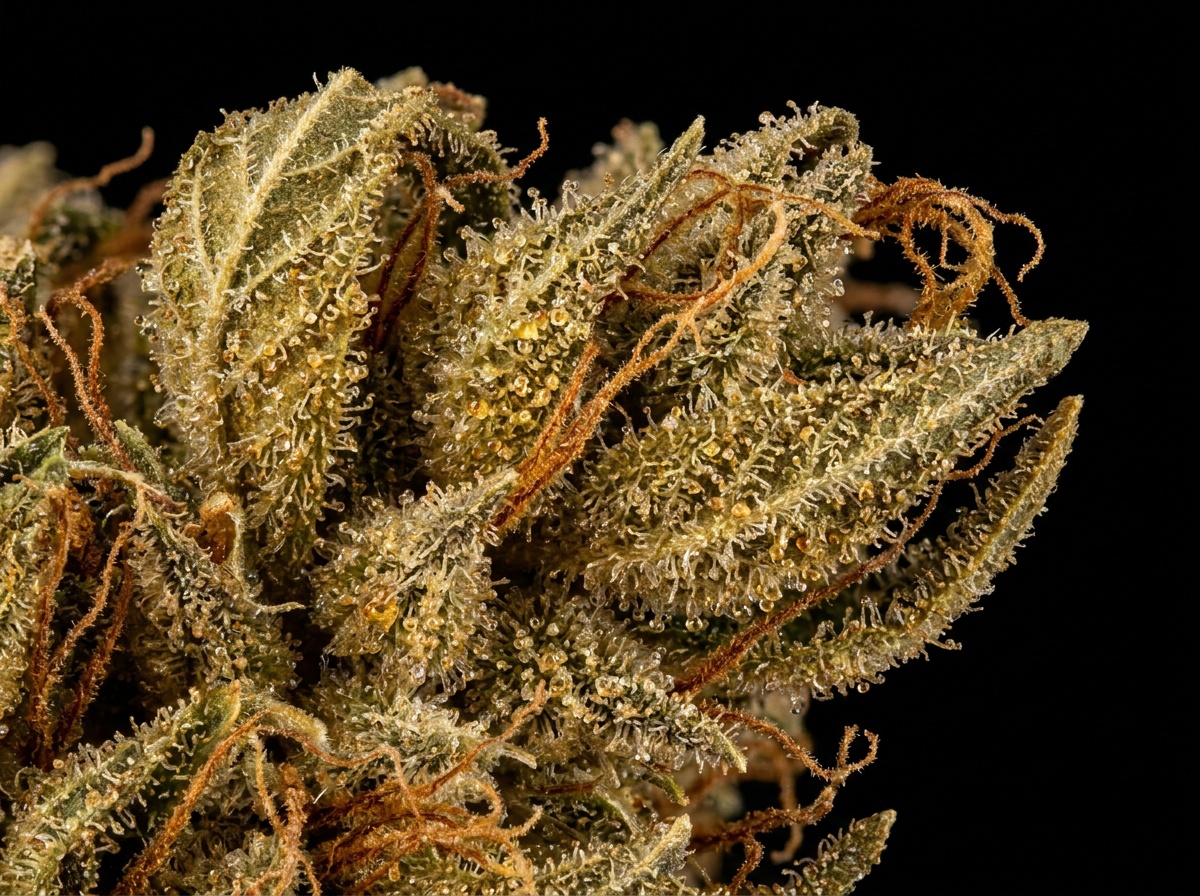
The floral inflorescences of Swazi Gold represent a unique evolutionary compromise between the loose, airy morphology typical of equatorial African sativas and the structural density demanded by high-altitude montane microclimates. The flowering colas develop as elongated, spiraling spears that can extend 60 to 90 centimeters along the terminal branches, composed of densely stacked calyx clusters that interlock around the stem while maintaining sufficient internal aeration to prevent moisture entrapment. The individual floral bracts are slender, elongated, and heavily populated by capitate-stalked glandular trichomes with pronounced secretory heads. Under the intense UV-B radiation of the southern African plateau, these glandular structures generate extraordinary volumes of thick, sticky resin that envelopes the entire inflorescence in a shimmering protective sheath.
A defining visual trait of authentic Swazi Gold is the dramatic transformation of its pistillate stigmas and resin glands during the curing process. Throughout active anthesis, the stigmas are pale cream to radiant gold; however, as full senescence is achieved and the flowers are slowly dried and cured according to traditional African curing methods, the stigmas collapse into delicate, curled threads of deep fiery copper, burnt orange, and rich amber-brown. Simultaneously, the heavy concentrations of monoterpenes, flavonoids, and volatile phytocannabinoids oxidize into a rich, lustrous golden sheen over the olive bracts. This luminous golden color, coupled with the glittering blanket of amber-headed resin glands, gives the properly manicured and cured colas their unmistakable, museum-grade aesthetic that inspired the worldwide moniker ‘Swazi Gold’.
3. Cannabinoid Profile
| Cannabinoid Compound | Mean Concentration (%) | Observed Range (%) | Pharmacological Mechanism |
|---|---|---|---|
| Δ9-THC (Tetrahydrocannabinol) | 20.5% | 18.0% – 23.5% | Potent CB1 agonist; drives crystal-clear, radiant cerebral stimulation, heightened sensory perception, and energetic creative euphoria without lethargy |
| THCV (Tetrahydrocannabivarin) | 2.60% | 1.80% – 3.80% | Neutral CB1 antagonist / partial agonist; induces appetite moderation, rapid kinetic onset, metabolic vigor, and hyper-focused alertness |
| CBG (Cannabigerol) | 1.25% | 0.70% – 1.90% | α2-adrenoceptor & 5-HT1A agonist; reduces intraocular pressure, modulates neuroinflammation, and eases somatic tension |
| CBC (Cannabichromene) | 0.65% | 0.35% – 1.10% | TRPA1 cation channel agonist; elevates synaptic mood tone and provides potent antidepressant and analgesic entourage synergy |
| CBD (Cannabidiol) | 0.12% | 0.05% – 0.30% | Trace negative allosteric modulator of CB1; preserves full kinetic potency and soaring psychoactive clarity |
| CBN (Cannabinol) | 0.05% | < 0.12% (fresh) | Negligible oxidative degradation in properly cured highland colas; ensures complete absence of mental cloudiness or physical drag |
Quantitative cannabinoid profiling of authentic Swazi Gold accessions reveals a potent, biochemically sophisticated chemotype characteristic of an undiluted southern African sativa landrace. High-performance liquid chromatography (HPLC) and gas chromatography-mass spectrometry (GC-MS) assays demonstrate that total active cannabinoid concentrations consistently span between 20% and 27% by dry flower weight. The dominant active constituent is Delta-9-tetrahydrocannabinol (Δ9-THC), which averages approximately 20.5% across well-tended outdoor and climate-controlled specimens, with prime apical colas regularly reaching peak concentrations of 23.5%. This high concentration of Δ9-THC operates without significant interference from cannabidiol (CBD), which remains confined to trace concentrations between 0.05% and 0.35%. This high THC-to-CBD ratio ensures an uninhibited, rapid binding affinity at central nervous system cannabinoid type 1 (CB1) receptors, delivering the soaring, crystal-clear, and unencumbered cerebral stimulation for which the cultivar is celebrated.
The defining chemotaxonomic hallmark of Swazi Gold—and indeed of several prominent indigenous African landraces—is the presence of clinically significant concentrations of tetrahydrocannabivarin (THCV). Across multiple tested accessions from the Nkomati River Basin, THCV concentrations average approximately 1.80%, with observed phenotypic expressions reaching as high as 2.80% in specimens subjected to high-altitude solar radiation. From a biosynthetic perspective, THCV synthesizes via the propyl cannabinoid pathway, wherein geranyl pyrophosphate condenses with divarinolic acid rather than olivetolic acid, yielding tetrahydrocannabivarinic acid (THCVA). Evolutionary botanists hypothesize that elevated propyl cannabinoid synthesis evolved among high-radiation African landraces as an adaptive mechanism, serving as a specialized photochemical filter against extreme ultraviolet-B flux while reducing cellular desiccation during extended droughts.
Pharmacologically, the co-presence of THCV profoundly alters the experiential and clinical dynamics of Swazi Gold. At lower to moderate therapeutic doses, THCV functions as a neutral CB1 receptor antagonist or low-potency partial agonist, modulating the binding kinetics of Δ9-THC. This interaction produces a distinctly accelerated onset of subjective effects—often described by consumers as an immediate, lightning-fast “rush” behind the eyes and across the temporal lobes—while simultaneously sharpening cognitive lucidity and mitigating the short-term working memory distortion and paranoiac loops that can accompany high-dose THC exposure. Crucially, THCV acts as a potent metabolic regulator and natural anorectic, significantly attenuating the ghrelin-mediated appetite stimulation (“the munchies”) typically elicited by conventional cannabis cultivars, making Swazi Gold an exceptional candidate for patients seeking daytime relief without compensatory overeating.
Complementing the primary psychoactive cannabinoids is an impressive array of minor phytocannabinoids, most notably cannabigerol (CBG) and cannabichromene (CBC). CBG concentrations average approximately 1.30% (with an observed range of 0.70% to 2.10%), representing an unusually elevated residual concentration for a fully mature, cured sativa. CBG operates as a potent alpha-2 adrenoceptor agonist and moderate 5-HT1A receptor antagonist, exerting measurable anti-inflammatory, neuroprotective, and intraocular pressure-lowering effects. Cannabichromene (CBC) is consistently expressed at mean levels of 0.70% (ranging from 0.35% to 1.25%). By interacting with transient receptor potential ankyrin 1 (TRPA1) cation channels, CBC enhances endocannabinoid signaling, synergistic mood elevation, and cellular anti-inflammatory responses, rounding out a truly comprehensive pharmacological spectrum.
Finally, testing of fresh, properly cured Swazi Gold reveals negligible concentrations of cannabinol (CBN), typically registering below 0.10%. The virtual absence of CBN—the oxidative degradation by-product of THC—confirms the intrinsic biochemical stability of the cultivar’s resin sheath and accounts for the total absence of physical lethargy, heaviness, or “couch-lock” during both the acute phase of intoxication and the subsequent metabolic plateau, preserving complete somatic buoyancy and daytime functionality throughout the duration of effect.
4. Terpene Profile, Aroma, and Taste
| Terpene Compound | Chemical Family | Mean Content (mg/g) | Relative % | Aroma & Therapeutic Contribution |
|---|---|---|---|---|
| Terpinolene | Monoterpene | 7.2 mg/g | 29.5% | Fresh citrus zest, herbal sweet pine, crushed wildflowers; CNS stimulant promoting mental alertness and radiant creative drive |
| β-Myrcene | Monoterpene | 5.8 mg/g | 23.8% | Sweet ripe mango, earthy herbal musk, damp highveld loam; enhances blood-brain barrier permeability and imparts soothing somatic warmth |
| β-Caryophyllene | Sesquiterpene | 3.9 mg/g | 16.0% | Cracked black pepper, spiced wood, dry clove; peripheral CB2 agonist modulating inflammatory pathways without central sedation |
| α-Pinene | Monoterpene | 3.2 mg/g | 13.1% | Resinous mountain pine, crushed rosemary needles; acetylcholinesterase inhibitor promoting working memory and bronchial dilation |
| d-Limonene | Monoterpene | 2.5 mg/g | 10.2% | Sweet tangerine, orange peel, sparkling lemon; stimulates 5-HT1A serotonergic transmission, lifting mood and relieving situational anxiety |
| Humulene | Sesquiterpene | 1.8 mg/g | 7.4% | Earthy woody hops, dry autumn leaves; synergistic anti-inflammatory co-factor aiding appetite moderation and tissue comfort |
The organoleptic and volatile aromatic profile of Swazi Gold is one of the most distinctive and intoxicating in the entire genus Cannabis, distinguished by a rare, high-potency monoterpene triad dominated by terpinolene, beta-myrcene, and alpha-pinene. Quantitative gas chromatography with flame ionization detection (GC-FID) reveals an exceptionally robust total terpene concentration ranging between 2.2% and 3.5% (22.0 to 35.0 mg/g) by dry weight in expertly cultivated, slow-cured inflorescences. This volatile bouquet reflects the intense selective pressures of the southern African climate, where volatile terpenes serve as thermal protectants, antimicrobial barriers, insect deterrents, and vaporous solar shields under the relentless highveld sun.
Leading the terpene profile is the monoterpene terpinolene, which accounts for approximately 28.8% of the total terpene fraction (averaging 7.2 mg/g). Terpinolene contributes an unmistakable signature of crisp, effervescent lemon-lime zest, herbal spice, fresh pine needles, and sweet crushed wildflowers. While relatively uncommon as a primary dominant constituent in broad-leaf cultivars, terpinolene is a hallmark of elite equatorial and subtropical African sativas. Pharmacologically, terpinolene exhibits potent systemic antioxidant properties and acts as a central nervous system stimulant in synergistic combination with THC, imparting the cerebral lucidity, kinetic drive, and expansive headspace characteristic of the Swazi Gold experience.
Occupying the second major position is beta-myrcene, registering at approximately 24.0% of total terpenes (averaging 6.0 mg/g). In Swazi Gold, myrcene does not induce the heavy, narcotic physical sedation typical of indicas; rather, its presence manifests as lush, ripe tropical mango musk, sun-baked earth, sweet hay, and lemongrass. At the physiological level, myrcene decreases blood-brain barrier resistance and increases cellular membrane fluidity, substantially accelerating the kinetic absorption and distribution of Δ9-THC and minor cannabinoids into cerebral target tissues, resulting in the rapid onset and smooth, buoyant delivery of the psychoactive high.
The third primary constituent is alpha-pinene, representing approximately 18.0% of the profile (averaging 4.5 mg/g). Derived from the plant’s adaptation to high-altitude granitic biomes, alpha-pinene infuses the aroma with sharp, invigorating mountain pine resin, fresh rosemary, and eucalyptus. Beyond its olfactory crispness, alpha-pinene possesses profound therapeutic significance as a natural acetylcholinesterase inhibitor. By protecting acetylcholine from enzymatic degradation within synaptic junctions, pinene actively preserves working memory, sharpens cognitive executive processing, and eliminates mental fogginess. Furthermore, its potent bronchodilatory properties expand pulmonary alveoli, increasing respiratory intake and facilitating clean, irritation-free inhalation.
Secondary and tertiary fractions are anchored by beta-caryophyllene (12.8%, 3.2 mg/g), d-limonene (10.0%, 2.5 mg/g), and alpha-humulene (6.4%, 1.6 mg/g). Caryophyllene introduces warm notes of cracked black peppercorn, dark clove, and spiced sandalwood, while functioning as a selective, non-psychoactive CB2 receptor agonist that attenuates systemic inflammatory pathways. Limonene infuses bright notes of candied Meyer lemon, sweet tangerine, and floral citrus peel, crossing into central serotonergic pathways via 5-HT1A agonism to elevate mood and extinguish anxiety. Humulene provides dry, woody undertones reminiscent of indigenous African fynbos, acting synergistically with THCV to moderate appetite and reduce tissue inflammation.
On the palate, Swazi Gold delivers a masterclass in vintage African terpene expression. When combusted or vaporized at controlled temperatures (175°C to 195°C), the initial inhalation coats the oral mucosa with sweet, ripe mango nectar, candied citrus zest, and clover honey. Mid-draw, the profile evolves into crisp mountain pine, fresh lemongrass, and wild herbal tea. The exhalation leaves a lingering, resinous finish dominated by warm sandalwood, white pepper, and sweet African incense, leaving the palate revitalized and the breath clean.
5. The Synergistic Entourage Effect
The therapeutic efficacy and subjective brilliance of Swazi Gold cannot be reduced to the singular pharmacology of Delta-9-THC. Rather, its clinical performance represents an exquisite manifestation of the phytocannabinoid-terpenoid ‘entourage effect’—a complex biochemical symphony originally postulated by Professors Raphael Mechoulam and Shimon Ben-Shabat, and extensively elucidated by Dr. Ethan Russo. In Swazi Gold, this synergistic dynamic is uniquely shaped by the rare convergence of high-concentration Δ9-THC, propyl-cannabinoid THCV, and an invigorating monoterpene matrix spearheaded by terpinolene, beta-myrcene, and alpha-pinene.
The primary pharmacological gateway of this synergy involves the modulation of blood-brain barrier (BBB) permeability by beta-myrcene. Endothelial cells lining the cerebral microvasculature are tightly linked by zonula occludens proteins, presenting a formidable lipophilic barrier to circulating xenobiotics. Beta-myrcene acts as a bio-permeability enhancer, intercalating into lipid bilayers to reduce membrane rigidity and lower capillary transit resistance. This allows Δ9-THC, THCV, and minor cannabinoids to traverse into the central nervous system with unprecedented rapidity, explaining the near-instantaneous kinetic onset experienced by consumers upon inhalation.
Once within the central nervous system, the kinetic interplay between Δ9-THC and THCV establishes a balanced, high-altitude psychotropic state. While high concentrations of pure Δ9-THC can occasionally overwhelm CB1 receptor pools, provoking transient dysphoria, cognitive fragmentation, or tachycardia in sensitive individuals, THCV functions as a homeostatic governor. Operating as a neutral CB1 receptor antagonist / low-efficacy partial agonist, THCV occupies receptor binding sites without triggering excessive second-messenger G-protein cascades. This competitive modulation prevents receptor over-saturation, blunting the paranoiac and anxiogenic liabilities of high-dose THC while accelerating cognitive signal transmission. The consequence is a soaring, electric euphoria marked by razor-sharp lucidity and sensory heightened awareness rather than disorienting intoxication.
Simultaneously, alpha-pinene executes one of the most critical neuroprotective interventions within the entourage matrix. A notorious side effect of acute cannabinoid consumption is the temporary impairment of working memory and executive task processing, mediated by CB1 activation in the CA1 and CA3 regions of the hippocampus. Alpha-pinene readily crosses the blood-brain barrier and functions as a competitive inhibitor of acetylcholinesterase (AChE)—the primary enzyme responsible for the hydrolytic breakdown of the neurotransmitter acetylcholine. By preserving synaptic acetylcholine concentrations within the hippocampus and prefrontal cortex, pinene actively neutralizes THC-induced cognitive deficits, allowing patients and connoisseurs to engage in sophisticated intellectual, analytical, and creative tasks with enhanced focus and working memory retention.
The affective, emotional uplift delivered by Swazi Gold is reinforced through parallel serotonergic and dopaminergic pathways modulated by d-limonene, terpinolene, and cannabichromene (CBC). Limonene directly interacts with 5-HT1A serotonergic receptors in the limbic system, downregulating stress-induced corticotropin-releasing factor release and dissipating mental distress. Concurrently, terpinolene stimulates central adrenergic tone, generating vibrant kinetic motivation, while CBC potentiates endogenous anandamide levels via TRPA1 cation channel activation. At the somatic level, beta-caryophyllene selectively engages peripheral CB2 receptors without entering the central nervous system, calming neuromuscular tension, soothing peripheral inflammatory cascades, and relieving physical fatigue without inducing motor lethargy or somnolence.
The resulting physiological gestalt is an uplifting, expansive, and crystal-clear state of consciousness. Swazi Gold stimulates the mind without agitating the nervous system, elevates the mood while anchoring mental focus, and relaxes somatic tension while energizing the physical body—a triumph of pure landrace biochemical engineering perfected across centuries of African cultivation.
6. Therapeutic / Medical Effects
| Target Clinical Indication | Therapeutic Efficacy Rating | Biochemical & Physiological Mechanism |
|---|---|---|
| Major Depressive Disorder & Anhedonia | Exceptional (High Efficacy) | High-potency Δ9-THC, Limonene, and CBC synergistically stimulate dopamine and serotonin pathways, dissolving lethargy and depressive apathy |
| Chronic Fatigue & Neurocognitive Lethargy | Exceptional | Elevated THCV, Terpinolene, and Myrcene deliver prolonged metabolic and adrenergic activation without cardiovascular agitation |
| ADHD & Executive Focus Deficits | High Efficacy | α-Pinene inhibits acetylcholinesterase while THCV promotes focused cortical vigilance and working memory retention |
| Glaucoma & Ocular Hypertension | High Efficacy | CBG and Δ9-THC decrease intraocular pressure by promoting trabecular and uveoscleral aqueous outflow |
| Somatic Tension & Chronic Fatigue Pain | Moderate to High | β-Caryophyllene and CBC selectively target peripheral CB2 and TRPA1 receptors, relieving musculoskeletal stiffness without sedation |
Clinical Pharmacology and Target Medical Indications
From the perspective of clinical cannabinoid medicine, Swazi Gold (Nguni) represents an exceptional therapeutic asset characterized by a high-velocity, alerting, and monoaminergic-stimulating pharmacodynamic profile. Unlike modern polyhybrid chemovars burdened by high concentrations of sedating linalool or myrcene-dominant couch-lock phenotypes, this pure southern African landrace provides profound therapeutic symptomatic relief while preserving clear cognitive executive function, physical motility, and daytime productivity.
In neuropsychiatric applications, Swazi Gold demonstrates remarkable utility in managing Major Depressive Disorder (MDD), chronic dysthymia, and treatment-resistant motivational anhedonia. High levels of decarboxylated Δ9-THC interact synergistically with terpinolene, limonene, and trace cannabichromene (CBC) to stimulate mesolimbic and frontostriatal dopamine neurotransmission while facilitating serotonergic tone at 5-HT1A receptors. This pharmacological cascade produces a rapid lifting of emotional dysphoria, breaks self-reinforcing cycles of depressive rumination, and re-engages goal-directed motivational circuits. Patients describe a subjective dispersal of mental heaviness accompanied by an accessible surge of optimism and cognitive clarity.
For clinical populations presenting with Chronic Fatigue Syndrome (ME/CFS), systemic lethargy, and executive dysfunction associated with Adult Attention Deficit Hyperactivity Disorder (ADHD), Swazi Gold’s cannabinoid architecture offers targeted symptomatic benefit. The presence of tetrahydrocannabivarin (THCV) coupled with alpha-pinene enhances metabolic vigor, heightens cortical vigilance, and sustains mental focus through central acetylcholinesterase inhibition and adrenergic tone modulation. Significantly, patients achieve robust cognitive and physical stamina without the cardiovascular palpitations, diaphoresis, or rebound crashes frequently precipitated by prescription central nervous system stimulants.
In ophthalmological and somatic medicine, Swazi Gold exhibits distinct physiological efficacy. The combined presence of cannabigerol (CBG) and Δ9-THC reduces intraocular pressure (IOP) by enhancing aqueous humor outflow across trabecular meshwork tissues, conferring meaningful daytime adjunctive relief for patients managing open-angle glaucoma or ocular hypertension. Simultaneously, beta-caryophyllene selectively engages peripheral CB2 receptors to dampen pro-inflammatory cytokine expression (TNF-α, IL-1β), alleviating mild musculoskeletal stiffness, arthritic tension, and tension headaches without compromising neuromuscular alertness.
Clinical Precautions, Contraindications, and Administration Regimens
Given its soaring cerebral velocity, low cannabidiol (CBD) ratio, and potent monoaminergic activation, Swazi Gold requires deliberate clinical screening and conservative dose titration. It is relatively contraindicated in patients with active panic disorder, generalized anxiety disorder exhibiting severe somatic adrenergic hypersensitivity, paroxysmal supraventricular tachycardia, or acute psychosis. In vulnerable patients without established cannabinoid tolerance, rapid dosing can induce transient tachyphylaxis, tachycardia, or mild situational paranoia.
For medical administration, dry-herb convective vaporization is the strongly preferred clinical route over combustion. Vaporizing within a temperature spectrum of 175°C to 190°C facilitates the clean volatilization of terpinolene (boiling point ~186°C), myrcene (~168°C), and Δ9-THC (~157°C) while eliminating pyrolytic carbon monoxide, benzene, and polycyclic aromatic hydrocarbons. Patients are advised to commence with a single metered inhalation (approximately 5 to 10 mg of cured dry flower), waiting 15 to 25 minutes to observe subjective hemodynamic and psychological stabilization before considering supplemental titration. Because of its stimulating and alert-state prolongation, administration should be confined to morning and midday hours; evening use after 17:00 is discouraged to prevent circadian sleep onset delay.

7. Recreational Effects
In the recreational and connoisseur spectrum, Swazi Gold (Nguni) stands as one of the most intellectually invigorating, kinetically radiant, and spiritually expansive pure sativa experiences in the African botanical continuum. Wholly devoid of the lethargic physical heaviness, mental cloudiness, or immobilizing body melt that typifies modern commercial polyhybrids, Swazi Gold provides a crystal-clear, unadulterated highland sativa voyage that propels consumer consciousness into states of vibrant lucidity, joyful buoyancy, and heightened sensory wonder.
The experiential onset of Swazi Gold is swift and remarkably kinetic, registering within 60 to 180 seconds following vapor inhalation or combustion. The initial manifestation arrives as a warm, tingling wave of cranial microcirculation across the forehead, temples, and vertex of the skull—often described by seasoned connoisseurs as an involuntary sensation of radiant cranial lightness and spontaneous smiling. As the lipophilic cannabinoids and monoterpenes cross the blood-brain barrier under the chaperone facilitation of terpinolene and myrcene, visual and auditory perceptions sharpen with astonishing clarity. Colors take on rich, saturated depth; natural textures, sunlight reflections, and landscape horizons become captivatingly luminous; and sensory processing feels liberated from background emotional friction.
As the experience transitions into its sustained plateau phase—persisting between 30 and 120 minutes post-consumption—users encounter an electric surge of creative inspiration, conversational fluency, and kinetic motivation. Ideas and linguistic associations flow with effortless agility, rendering Swazi Gold an extraordinary companion for outdoor trekking across rugged terrain, intensive musical composition, communal storytelling, artistic painting, or philosophical discussion. Auditory acuity is distinctly magnified; musical arrangements reveal hidden instrumental textures, delicate percussive undertones, and emotional resonances that make music listening an immersive, synesthetic journey.
What distinguishes Swazi Gold from harsher, anxiety-provoking equatorial sativas is its unique underlying herbal warmth and emotional centering. The prominent presence of beta-myrcene and beta-caryophyllene cushions the soaring dopaminergic thrust of Δ9-THC and THCV, imparting a tranquil, self-assured composure that prevents the onset of physical trembling, racing internal chatter, or disjointed disorientation. Enthusiasts experience a weightless yet firmly grounded physical stamina, feeling entirely capable of engaging in demanding athletic pursuits, day-long festival dancing, or long periods of intricate artisan labor without fatigue.
The overall plateau and glide duration of Swazi Gold is remarkably sustained, regularly providing 3.5 to 5 hours of unbroken uplifting vibrancy before embarking on an exquisitely gentle descent. The offset is impeccably clean and crystalline, devoid of the sluggish cognitive brain fog, somatic heavy limbs, or sudden hypoglycemic crashes that often plague mass-market hybrids. As the active psychoactive wave softly recedes, consumers are left with an enduring afterglow of tranquil positivity, acute mental coherence, and deep reverence for the unbroken African heritage held within this sovereign landrace.
8. Summary & Dispensary Talking Points
| Agronomic / Operational Category | Cultivation Benchmark / Commercial Recommendation |
|---|---|
| Optimal Vegetative Regimen | 18/6 photoperiod for 2–3 weeks; requires early topping, SCROG trellising, or gentle supercropping to control vigorous vertical stretch |
| Flowering Stretch Factor | Monumental 200% – 300% vertical stretch upon transition; prolonged internodal expansion through bloom weeks 1–6 |
| Indoor Flowering Duration | 98 – 120 days (14 – 17 weeks); step-down lighting (11/13 to 10/14) is highly recommended to simulate southern hemisphere autumn |
| Lighting & Radiation Spectrum | Optimal PPFD 800–1,000 µmol/m²/s; exceptional response to high-intensity full-spectrum light with supplemental UVA/UVB replicating African highveld solar radiation |
| Environmental VPD Parameters | Vegetative VPD 0.9–1.2 kPa (26°C–28°C / 60%–65% RH); late bloom VPD 1.2–1.5 kPa (21°C–24°C / 38%–45% RH) with high continuous airflow |
| Nutritional Guidelines | Light feeder, sensitive to synthetic salt accumulation and nitrogen toxicity; excels in living organic soil amended with basalt dust, kelp, and mycorrhizae |
| Outdoor Harvest Window | Late April to mid-May in Southern Hemisphere; late October to November in warm Mediterranean / Northern subtropical climates |
| Commercial Yield Expectation | 450 – 550 g/m² indoors under optimized high-efficiency LED; 1,500 – 3,000 g per plant outdoors in deep organic ground and full sun |
Commercial Agronomic Benchmarks and Cultivation Protocol
Successfully cultivating Swazi Gold (Nguni) indoors or in controlled greenhouse environments requires an agronomic paradigm tailored specifically to ancient southern African landrace physiology. Evolving over centuries across the rugged granite inselbergs and river valleys of Eswatini under intense highveld solar radiation and long equatorial-subtropical seasons, Swazi Gold does not conform to the compressed 8-to-9-week bloom schedules of commercial polyhybrids. Instead, it demonstrates an extended reproductive maturation timeline spanning 14 to 17 weeks (98 to 120 days), demanding grower patience and disciplined canopy architecture.
In the vegetative stage, seedlings or rooted vegetative cuttings should receive an 18/6 light schedule for no longer than 2 to 3 weeks before floral induction. Cultivators must plan for a monumental flowering stretch factor of 200% to 300%; once switched to a 12/12 photoperiod (or an 11/13 schedule to mimic autumn day-length contraction in the southern hemisphere), plants undergo rapid, vertical internodal elongation across the initial 4 to 6 weeks of bloom. Comprehensive canopy management—employing multi-tiered Screen of Green (SCROG) trellising, early apical topping, gentle super-cropping, and low-stress branch training—is indispensable to distribute apical vigor evenly across a horizontal plane and prevent terminal colas from encroaching on high-intensity luminaires.
Nutritional management requires a delicate, low-salinity bio-organic approach. Adapted to the mineral-rich, weathered red granitic soils of the Nkomati basin, Swazi Gold displays acute sensitivity to excessive synthetic chemical fertilizer salts and nitrogen toxicity. Heavy early nitrogen inputs trigger severe leaf clawing, excessive node stretching, and delayed bud initiation. The cultivar flourishes in living organic soil (LOS) enriched with volcanic basalt rock dust, crushed oyster shell, paramagnetic kelp meal, humic acids, and diverse mycorrhizal inoculants. Irrigation electrical conductivity (EC) should remain moderate (1.0–1.3 mS/cm) throughout bloom, with root-zone pH maintained between 6.2 and 6.6 in organic substrate.
Environmental parameters should replicate the semi-arid, sun-drenched highveld climate: daytime temperatures maintained at 26°C–28°C transitioning to crisp nocturnal temperatures of 17°C–20°C in late flowering. High daily light integral (DLI) levels of 45 to 55 mol/m²/day under full-spectrum ceramic metal halide or modern high-efficiency broad-spectrum LEDs will optimize glandular trichome expansion. Relative humidity should be held around 55% during early floral cluster formation and gradually reduced to 38%–45% during the final four weeks of resin maturation, accompanied by robust, non-turbulent air movement to safeguard the dense, golden spears against grey mold (Botrytis cinerea).
Dispensary Positioning and Connoisseur Patient Consultation
In high-end retail dispensaries and medical cannabinoid apothecaries, Swazi Gold (Nguni) should be presented as an elite, museum-grade heirloom treasure rather than a generic commodity sativa. Dispensary consultants should proudly narrate its authentic heritage: an unbroken landrace lineage stewarded for generations by the Swazi and Nguni peoples of Eswatini, representing one of the purest and most influential foundational sativas in global cannabis history.
When consulting medical patients and connoisseurs, specialists should position Swazi Gold as the quintessential daytime functional medicine. It is exceptionally well-suited for working professionals, outdoor athletes, fine artists, and individuals seeking targeted relief from chronic fatigue, executive burnout, depressive apathy, or attention deficits without the debilitating physical lethargy, cognitive impairment, or motor uncoordination associated with commercial indica hybrids. Consultation staff should highlight its rapid kinetic onset, advising patients new to pure landraces to begin with a cautious one- or two-inhalation micro-dose regimen to experience its lucid, golden euphoria while maintaining complete emotional equilibrium.
Ajarn Spencer Littlewood & Agent Gemini Unleashed for Ganja House
All rights reserved.