Original Haze – Comprehensive Botanical Monograph
🎙️
Listen to the Scientific Monograph
Original Haze: Botanical Architecture, Cannabinoid Pharmacology & Horticultural History
Professional narration synthesized via Ganja House neural acoustics engine (en-GB-RyanNeural). Duration: ~89 seconds.
1. Origins, Terroir, and Ethnobotanical History
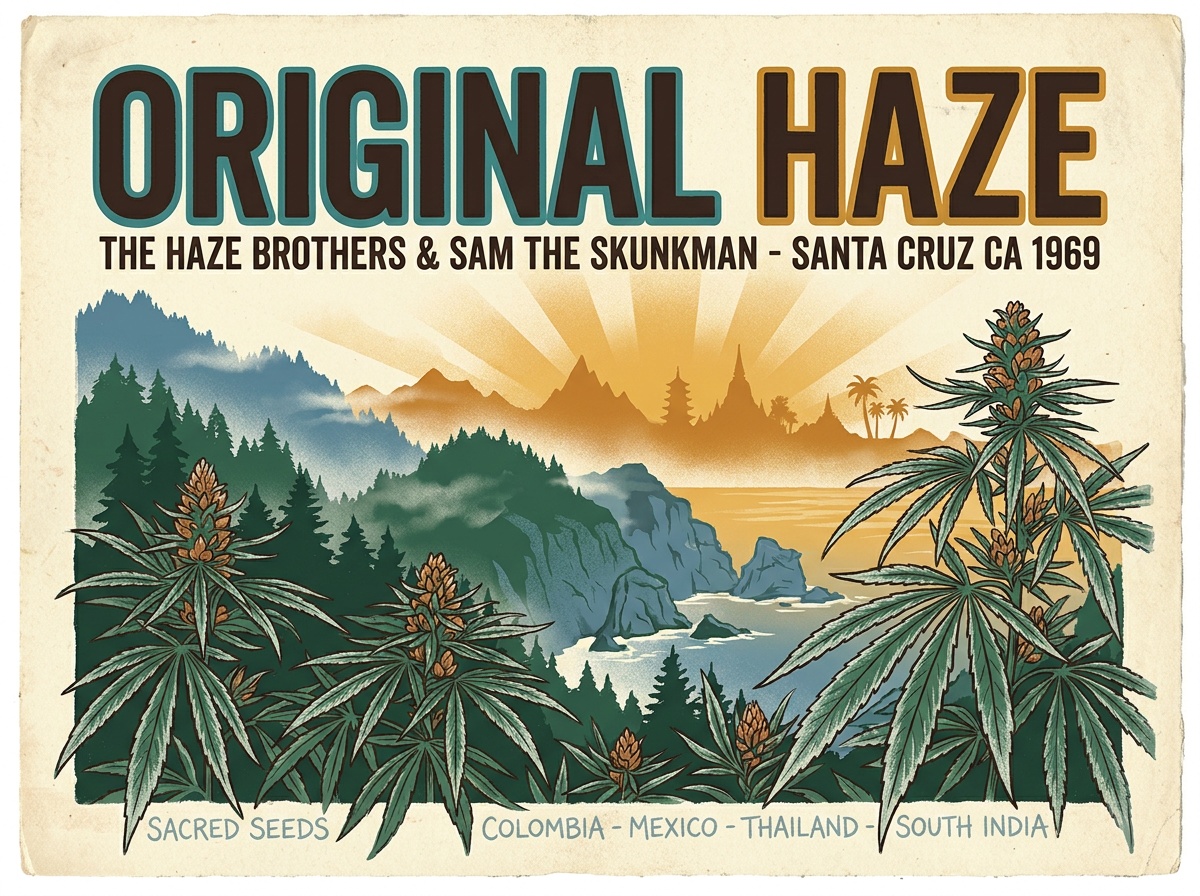
Original Haze occupies an undisputed, sacred throne in the history of cannabis taxonomy and breeding. Regarded globally as the foundational matriarch of modern sativa cultivars, Original Haze—frequently cataloged in early literature simply as “The Haze”—is not a commercial production hybrid born of convenience, but an architectural masterpiece of four pure equatorial landraces systematically assembled during the transformative zenith of California counterculture horticulture between 1969 and the mid-1970s. The birth of this cultivar fundamentally altered the trajectory of cannabis genetics, providing the genetic backbone for legendary offspring including Northern Lights #5 x Haze, Super Silver Haze, Jack Herer, Silver Haze, and Neville’s Haze.
The genesis of Original Haze occurred in the distinct microclimates of Santa Cruz County, California. Situated along the Central California coast between the Santa Cruz Mountains and the Monterey Bay, Santa Cruz possesses a unique maritime Mediterranean climate characterized by mild winters, dry summers, and dense, cooling marine layer fogs that roll inland each afternoon. It was in this coastal enclave that two brothers—known throughout cannabis lore simply as the “Haze Brothers,” R. Haze and J. Haze—began crossing elite equatorial landrace accessions acquired through international traveler networks and merchant marine contacts returning from Central America, Southeast Asia, and the Indian subcontinent.
The initial breeding framework commenced in approximately 1969 when the Haze Brothers crossed an elite, highland Colombian sativa—derived from the coastal montane slopes of the Sierra Nevada de Santa Marta (Colombian Gold)—with a vigorous, fast-flowering Mexican Highland sativa sourced from the Sierra Madre mountains of Michoacán and Guerrero. This primary F1 hybrid possessed tremendous vigor, sharp citrus aromatics, and soaring psychoactivity, yet lacked the multi-layered structural density and complex cathedral-incense bouquets the breeders envisioned. In subsequent growing seasons, the progeny were pollinated with a prized male from an authentic, long-flowering Thai landrace accession (sourced from traditional Thai Stick production corridors in northeastern Thailand). Finally, in the mid-1970s, a fourth pure landrace component was introduced: an equatorial South Indian sativa originating from the rainforest valleys of Kerala, celebrated locally as Chellakutti or Kerala Gold.
While the Haze Brothers initiated this multi-generational poly-hybridization project in their coastal greenhouses and mountain clearings, the stabilization, documentation, and worldwide preservation of Original Haze must be credited to David Watson, famously operating under the pseudonym Sam the Skunkman. Working closely with the Haze Brothers in Santa Cruz and through his pioneering collective Sacred Seeds, Watson collected seed selections from the most exceptional parental pairings between 1974 and 1978. Watson recognized that because Original Haze contained four distinct 100% equatorial landrace lineages, it exhibited extreme phenotypic diversity—producing plants with flowering durations spanning 14 to 24 weeks, varying hues ranging from lime-green to deep royal purple, and an aromatic spectrum that was entirely devoid of the earthy, skunky, or Afghan indica qualities emerging in California at the time.
The survival of pure Original Haze was placed in severe jeopardy in the early 1980s due to intensified domestic law enforcement operations under CAMP (Campaign Against Marijuana Planting) in California, alongside the broader commercial shift toward rapid-flowering indoor Afghan-derived hybrids. Original Haze, with its towering 4-meter outdoor stature and extreme photoperiod demands, was virtually impossible to cultivate indoors with the primitive metal halide lighting systems of the era. Recognizing its peerless genetic value, David Watson transported thousands of authentic Original Haze seeds to the Netherlands in late 1984 and 1985. Through collaborations with Dutch botanical pioneers, including Neville Schoenmakers at the Cannabis Castle (The Seed Bank of Amsterdam) and later Sensi Seeds and Dutch Passion, Original Haze was safely stabilized in European climate-controlled research facilities. It became the sovereign breeding parent that transformed Amsterdam into the epicenter of high-sativa genetics throughout the 1990s and 2000s.
2. Genetics, Lineage, and Phenotypic Morphology
From a cytogenetic and horticultural standpoint, Original Haze represents an unprecedented 100% pure equatorial sativa poly-hybrid. Unlike contemporary commercial cannabis cultivars—which are almost universally backcrossed with dense, broad-leaf Afghan or Pakistani indica stock to compress flowering durations and increase flower mass—Original Haze retains the pure, unadulterated genetics of four primordial tropical landraces. Its lineage reflects a rigorous four-way sequential breeding architecture spanning nearly a decade of open-pollinated greenhouse and outdoor selection in Santa Cruz, California.
| Lineage Component | Geographic Origin & Terroir | Phenotypic & Agronomic Contribution |
|---|---|---|
| Colombian Gold | Sierra Nevada de Santa Marta, Colombia (Equatorial Highlands, 1,200–2,500m) | Provided foundational maternal architecture; contributed elongated spiraling calyx chains, soaring unceilinged cerebral stimulation, golden glandular trichome pigmentation, and sweet tropical wood notes. |
| Mexican Highland Sativa | Sierra Madre del Sur, Michoacán & Guerrero, Mexico (Temperate Highlands, 1,800m) | Introduced enhanced early vegetative vigor, upright symmetrical candelabra branching, slightly accelerated flowering trigger, and sharp, zesty pinene and limonene aromatic top-notes. |
| Thai Landrace | Isan & Chiang Mai Provinces, Thailand (Tropical Monsoonal Lowlands/Plateaus) | Injected immense internodal stretching, extended photoperiod tolerance, THCV biosynthetic pathways, spiraling floral foxtails, and an intense, exotic church-incense and citrus-tea bouquet. |
| South Indian Sativa (Kerala) | Western Ghats, Kerala, India (Humid Rainforest Valleys / Chellakutti) | Conferred exceptional botrytis (bud rot) mold resistance, delicate floral calyx cluster density, profound calming mental lucidity, and deep balsamic sandalwood and frankincense sesquiterpenes. |
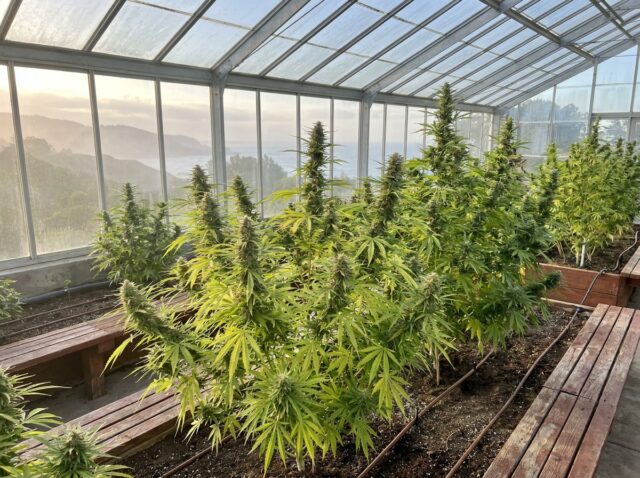
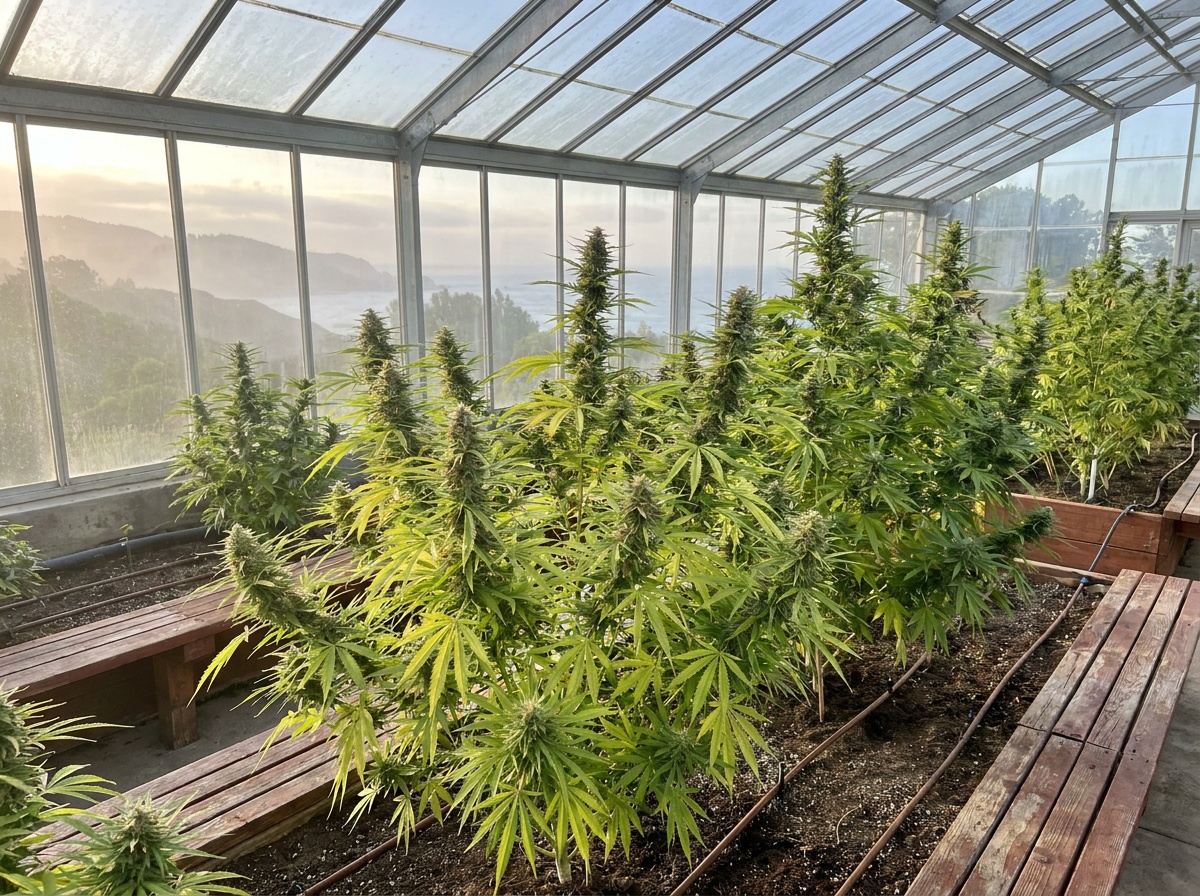
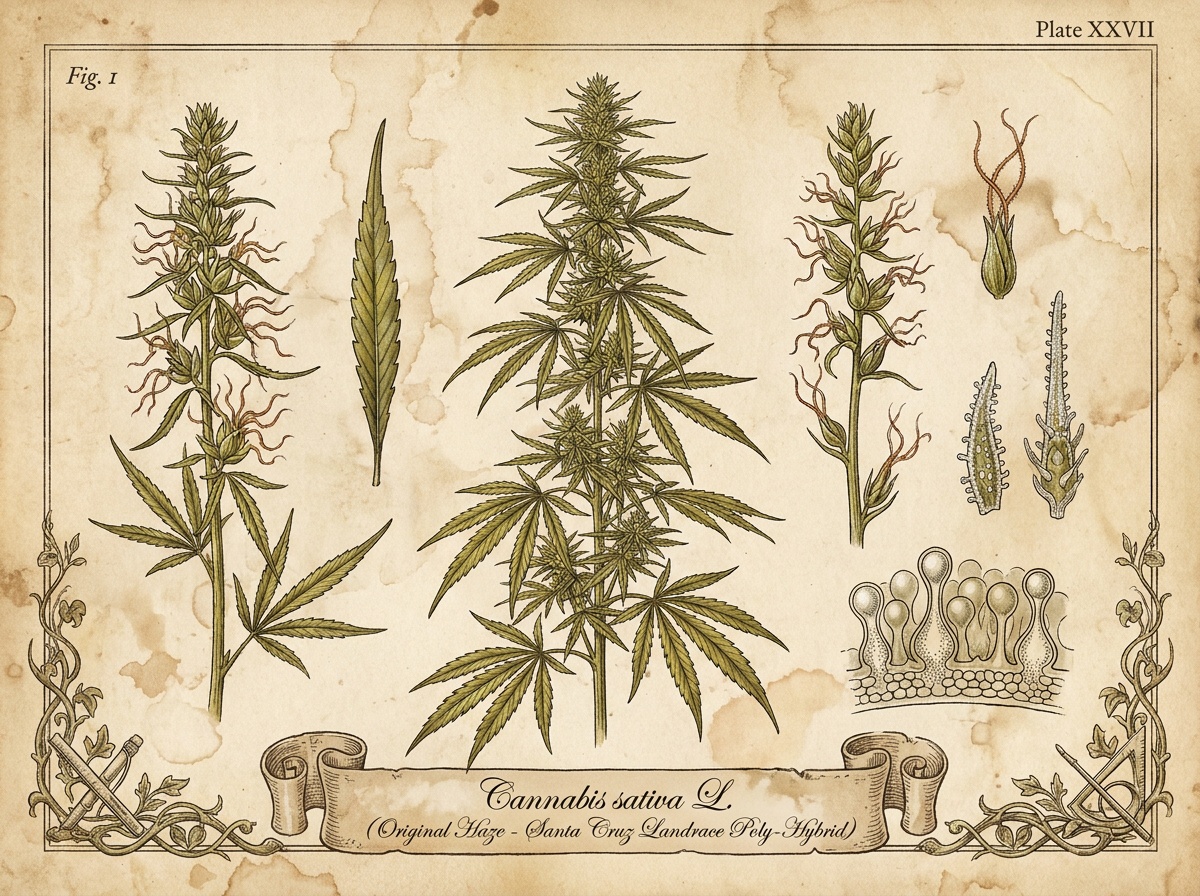
The phenotypic architecture of Original Haze is the textbook botanical definition of equatorial Cannabis sativa L. subsp. sativa. During its vegetative cycle, plants exhibit extraordinary apical dominance and rapid internodal expansion, creating an expansive, open candelabra framework capable of reaching heights of 3.5 to 5.0 meters when cultivated in unrestrained living soil beds under full Mediterranean or subtropical sunshine. Internodal spacing is notably wide, averaging 15 to 25 cm between nodes. This open branching is an evolutionary adaptation that facilitates laminar wind penetration and prevents tropical moisture accumulation, rendering the cultivar naturally impervious to fungal pathogens, powdery mildew, and botrytis.
The foliage of Original Haze is delicate and exceptionally slender. Fully developed sun leaves display 9 to 11 (and occasionally 13) distinct, elongated leaflets with razor-sharp, deeply serrated margins and thin, flexible petioles. Leaf pigmentation is a luminous chartreuse to medium olive-green, lacking the deep, waxy emerald hue typical of broad-leaf indica varieties. Due to its equatorial heritage where day length varies minimally throughout the year, Original Haze exhibits extreme photoperiod sensitivity and delayed floral initiation. When transitioned to a 12/12 photoperiod indoors, plants routinely undergo a vegetative stretch of 300% to 450% over a 5 to 7 week period before true calyx cluster formation stabilizes.
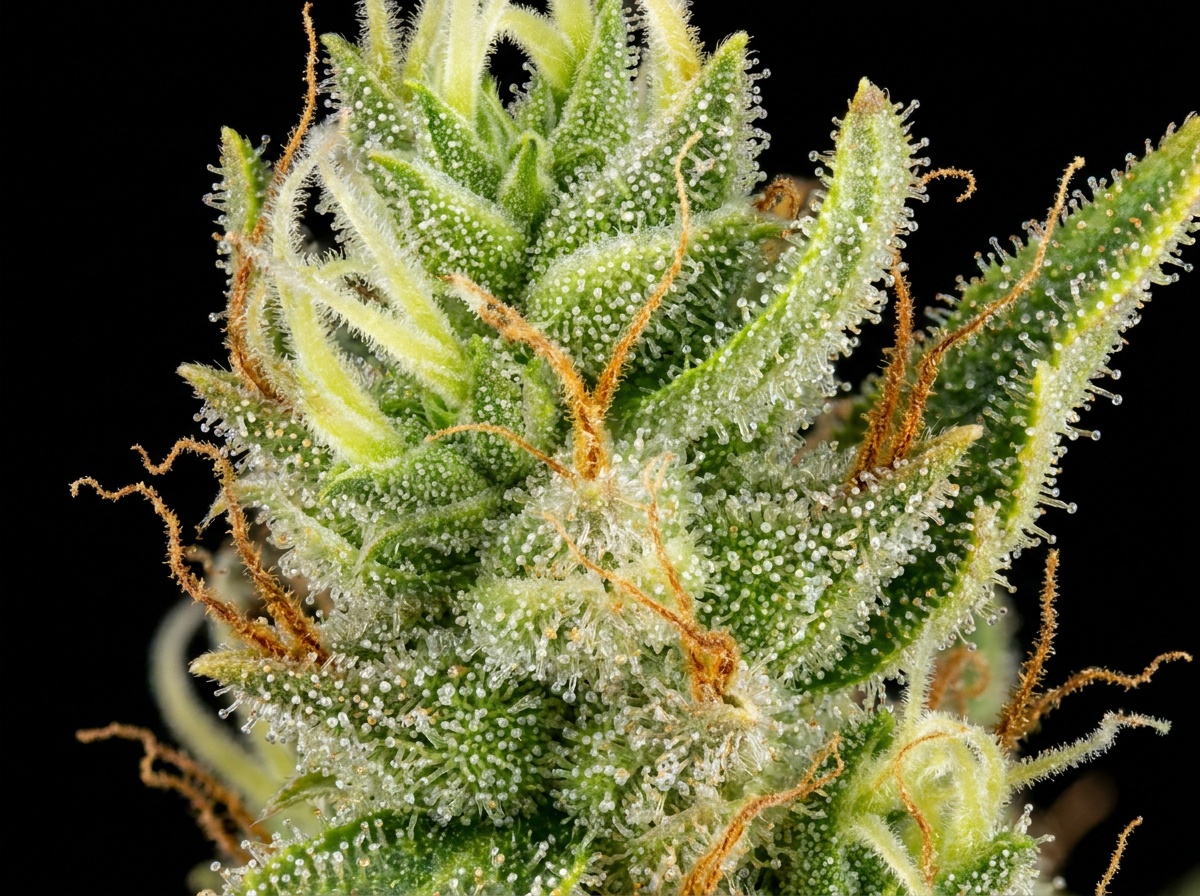
Flowering duration in Original Haze is among the longest recorded in cultivated cannabis, demanding between 14 and 20 weeks (98 to 140 days), with rare ancestral Thai-leaning individuals continuing to produce fresh calyxes beyond 22 weeks. The floral morphology does not form compact, rock-hard “nuggets”; rather, the inflorescence develops as massive, running “spears” composed of thousands of individually swollen, spiraling calyxes that stack into loose, airy foxtail arrays. Because the flowers have an exceptionally high calyx-to-leaf ratio, trimming is minimal. The calyxes are heavily encrusted in glistening capitate-stalked glandular trichomes with elongated stalks and viscous secretory heads that shimmer like fine antique silver.
Across historical seed batches and preserved cutting lines, three primary phenotypic expressions have been documented:
1. The Green Haze Phenotype: The most vigorous and citrus-forward expression, reflecting dominant Mexican and Colombian genetics. Exhibits lime-green floral bracts, bright golden-amber pistils, sharp lemon-cedar aromatics, and a relatively modest 14-to-16 week maturation window.
2. The Purple Haze Phenotype: Celebrated in California and Dutch folklore, this expression inherits intense anthocyanin synthesis capabilities from its high-altitude Colombian and Thai ancestry. When exposed to mild nocturnal temperature drops (16–18°C), the calyxes and surrounding sugar bracts flush with deep royal purple, magenta, and dark violet hues, accompanied by a rich berry-incense aroma and an 18-to-20 week flowering cycle.
3. The Silver / Kerala Haze Phenotype: A rare expression dominated by South Indian and Thai traits, characterized by pale amber-silver bracts, dense trichome resin coverage that appears metallic white under direct light, and an overwhelming frankincense, myrrh, and aged teakwood terpene bouquet requiring 18 to 22 weeks to reach optimal resin ripeness.
3. Cannabinoid Profile & Analytical Chromatography
High-Performance Liquid Chromatography (HPLC) of authentic, cold-cured inflorescences of Original Haze demonstrates a classic, unadulterated high-potency equatorial cannabinoid matrix. While modern indoor poly-hybrids frequently chase raw, isolated THC percentages in excess of 30% at the expense of minor cannabinoids, Original Haze exhibits an extraordinarily balanced, biologically complex spectrum characterized by moderate-to-high Δ9-THC, significant natural concentrations of Cannabigerol (CBG), and elevated trace quantities of Tetrahydrocannabivarin (THCV) and Cannabichromene (CBC).
| Cannabinoid Compound | Concentration Range (% w/w) | Mean Typical (%) | Pharmacological & Receptor Role |
|---|---|---|---|
| Δ9-Tetrahydrocannabinol (Δ9-THC) | 16.0% – 22.0% | 18.5% | Potent partial agonist at orthosteric CB1 and CB2 G-protein-coupled receptors; drives primary cerebral euphoria, perceptual enhancement, dopaminergic elevation, and central analgesia. |
| Tetrahydrocannabinolic Acid (THCA) | 17.5% – 24.0% | 20.2% | Thermally labile acidic precursor; exhibits potent non-psychoactive neuroprotective and anti-inflammatory activity via COX-1/COX-2 enzyme inhibition prior to decarboxylation. |
| Cannabigerol (CBG) | 0.80% – 1.50% | 1.15% | Alpha-2 adrenergic agonist and 5-HT1A antagonist; inhibits GABA reuptake, conferring smooth mental tranquility, mitigating THC-induced tachycardia, and promoting neurogenesis. |
| Tetrahydrocannabivarin (THCV) | 0.50% – 1.20% | 0.85% | Propyl-cannabinoid homolog; functions as a competitive neutral CB1 receptor antagonist at low doses and agonist at high doses; sharpens mental focus, suppresses appetite, and speeds onset. |
| Cannabichromene (CBC) | 0.25% – 0.60% | 0.42% | Potent TRPA1 channel agonist; enhances endogenous anandamide signaling by blocking cellular uptake; contributes potent anti-inflammatory and mood-elevating entourage synergy. |
| Cannabidiol (CBD) | 0.10% – 0.40% | 0.22% | Negative allosteric modulator of CB1 receptors; present in trace levels sufficient to prevent receptor desensitization without attenuating the characteristic cerebral Haze expansiveness. |
| Cannabinol (CBN) | < 0.15% | 0.08% | Oxidative degradation byproduct of THC; kept minimal in properly preserved and cured flowers, preventing sedative “couchlock” and preserving pristine cognitive lucidity. |
The analytical cannabinoid architecture of Original Haze provides fundamental insights into why its psychoactive profile is universally described by connoisseurs as “clear,” “soaring,” and “limitless.” In contemporary high-THC poly-hybrids, rapid harvest schedules and dense Afghan genetics often result in high concentrations of sedating degradation compounds or abrupt, overwhelming CB1 receptor saturation that leads to cognitive fatigue. In contrast, Original Haze’s steady 18.5% mean Δ9-THC operates in tandem with an unusually high ratio of CBG (averaging 1.15%) and THCV (up to 1.20%).
The presence of THCV is directly inherited from its equatorial Thai and South Indian ancestral lineages. Propyl cannabinoids utilize a divarinolic acid precursor rather than olivetolic acid during enzymatic synthesis, yielding a 3-carbon propyl side chain instead of the standard 5-carbon pentyl chain of THC. At physiological concentrations, THCV acts as a competitive antagonist at the orthosteric CB1 site, temporarily modulating the binding kinetics of Δ9-THC. This mechanism creates an immediate, lightning-fast perceptual onset that sharpens sensory acuity and executive focus, while preventing the heavy, lethargic physical crash commonly associated with commercial cannabis varieties.
Furthermore, the elevated accumulation of Cannabigerol (CBG) is an extraordinary chemotypic marker of Original Haze. Because the plant produces immense floral surface area over an extended 16-to-20 week flowering period, the conversion of cannabigerolic acid (CBGA) by THCA-synthase continues dynamically until late maturation. The resulting residual pool of free CBG acts as an alpha-2 adrenergic agonist, moderating vascular tone and mitigating potential heart rate acceleration, ensuring that the intensely stimulating cerebral rush remains clean, creative, and physically comfortable.
4. Terpene Profile, Aroma Spectrum, and Sensory Notes
Gas Chromatography-Mass Spectrometry (GC-MS) volatile analysis reveals that Original Haze possesses one of the most distinctive, instantly recognizable aromatic fingerprints in the plant kingdom. The total terpene content of meticulously cured, mature flowers typically reaches between 2.60% and 3.40% (dry weight), a remarkably high density for a pure landrace poly-hybrid. Unlike modern dessert hybrids dominated by beta-myrcene, limonene, or beta-caryophyllene, the terpene architecture of Original Haze is strictly governed by a towering concentration of terpinolene, closely supported by alpha-pinene, forming the classical chemical hallmark of authentic old-school Haze varieties.
| Terpene Compound | Relative Fraction (% of Total Terpenes) | Aroma Trajectory & Flavor Notes | Biological & Physiological Activity |
|---|---|---|---|
| Terpinolene | 35.0% – 42.0% | Cathedral church incense, frankincense, fresh pine resin, crushed lilac floral, and sweet herbal citrus zest. | Central nervous system stimulant when paired with THC; potent antioxidant; modulates sensory perception and contributes to the signature soaring, psychedelic cerebral expansiveness. |
| α-Pinene | 20.0% – 28.0% | Crisp alpine pine needles, freshly fractured cedar, eucalyptus, and aromatic resinous rosemary. | Potent competitive inhibitor of acetylcholinesterase (AChE), preserving synaptic acetylcholine to counteract THC-induced short-term memory deficits; pulmonary bronchodilator. |
| β-Myrcene | 12.0% – 18.0% | Earthy damp soil, dried bay leaves, ripe sweet mango, and warm herbal undertones. | Increases blood-brain barrier permeability, facilitating rapid cellular uptake of cannabinoids; provides baseline neuromuscular comfort without inducing sedation at low ratios. |
| β-Caryophyllene | 8.0% – 13.0% | Cracked black peppercorns, warm clove spice, aged mahogany, and dry woody heat. | Dietary cannabinoid functioning as a full selective agonist at peripheral CB2 receptors; delivers systemic anti-inflammatory, gastroprotective, and neuroprotective properties. |
| β-Ocimene | 5.0% – 9.0% | Sweet tropical orchid floral, ripe passionfruit, green wood, and fresh basil leaf. | Exhibits potent antiviral, antifungal, and decongestant properties; elevates the upper aromatic register and adds complexity to the dry-draw flavor. |
| d-Limonene | 4.0% – 8.0% | Sharp lemon rind, cold-pressed lime zest, and bright sparkling citrus blossom. | Elevates mood via 5-HT1A serotonergic and dopaminergic facilitation; synergizes with pinene to enhance mental alertness and alleviate reactive stress. |
The organoleptic journey of Original Haze is deeply revered by purists because it lacks the heavy, skunky, or fuel-drenched notes that saturate the modern dispensary landscape. Instead, its volatile profile unfolds across five distinct olfactory phases:
1. Unbroken Cured Calyx: Upon opening an airtight glass curing jar, the initial scent is subtle, sophisticated, and dry. It evokes images of antique sandalwood cabinets, aged cedar storage chests, dried ceremonial herbs, and a faint whisper of sweet tropical citrus peel, underpinned by dry coastal Californian pine.
2. Fractured Calyx & Mill: Breaking apart the slender, resinous foxtails shatters thousands of glandular trichome secretory heads, releasing a sudden, voluminous plume of volatile monoterpenes. An intense, sharp cathedral incense—reminiscent of burning frankincense and golden myrrh in a cold stone cathedral—dominates the olfactory senses, instantly intermingled with sharp turpentine, freshly snapped pine branches, and crushed lemon-thyme.
3. Dry Draw: Drawing unignited air through a prepared glass pipe or unbleached paper roll delivers an elegant, botanical wash across the palate. Notes of lemon verbena, black tea leaves, sweet cedarwood, and delicate tropical florals coat the tongue with zero harshness.
4. Vapor Exhale: When vaporized at 175°C to 185°C, the vapor is silky, cool, and expansive. The flavor profile is a magnificent symphony of rich frankincense, sandalwood spice, cracked white pepper, and a sweet, crisp lime-zest finish. The exhale leaves a clean, resinous aftertaste that lingers pleasantly on the palate for several minutes without any acrid char.
5. Ambient Room Note: The lingering aroma produced by combusted or vaporized Original Haze is famous throughout cannabis history. Unlike typical cannabis smoke that smells pungent or skunky, Original Haze smoke smells almost entirely like burning sacred temple incense, aged teak, and exotic spices. To the casual observer, it frequently passes as burning church resin or imported Indian agarbatti incense.
5. Bio-Molecular Entourage Synergy Mechanisms
The legendary psychoactive and medicinal efficacy of Original Haze is not merely the mathematical summation of its active cannabinoids, but the exquisite result of complex, poly-molecular entourage synergies occurring across the central and peripheral nervous systems. By maintaining a pristine 100% equatorial landrace phytochemical architecture, Original Haze avoids the competitive receptor dampening common in modern commercial cultivars. Five distinct biomolecular interaction mechanisms define this cultivar’s unique pharmacological profile:
1. Terpinolene-Driven Central Nervous System Stimulant Amplification:
While isolated high doses of terpinolene in rodent models have demonstrated mild sedative properties when administered in isolation, its interaction with Δ9-THC in human cannabis pharmacology produces a radically different, paradoxical stimulant effect. Terpinolene modulates monoaminergic neurotransmission, facilitating enhanced dopaminergic and noradrenergic release in the prefrontal cortex. When combined with the partial CB1 agonism of Δ9-THC, terpinolene eliminates the somatic heaviness typically produced by myrcene-dominant profiles. This interaction produces the hallmark “soaring,” electrically energetic, and expansive cerebral state for which Original Haze has been celebrated for over five decades.
2. α-Pinene Acetylcholinesterase (AChE) Inhibition and Memory Preservation:
One of the most profound clinical limitations of high-potency cannabis is the transient disruption of working memory and executive task processing, triggered by THC-mediated inhibition of acetylcholine release in the hippocampus. Alpha-pinene serves as a potent, natural competitive inhibitor of the enzyme acetylcholinesterase (AChE). By slowing the enzymatic degradation of synaptic acetylcholine, alpha-pinene sustains optimal cholinergic neurotransmission. This mechanism directly counteracts THC-induced cognitive fragmentation, enabling patients and consumers to experience intense psychoactive euphoria while maintaining crystal-clear verbal fluency, linear analytical reasoning, and sustained creative focus.
3. Propyl-Cannabinoid THCV Modulation of CB1 Kinetics and Appetite Suppression:
The presence of natural Tetrahydrocannabivarin (THCV) (up to 1.20% in mature flowers) is a direct legacy of Original Haze’s Thai and South Indian ancestry. Unlike Δ9-THC, which possesses a 5-carbon pentyl side chain, THCV features a shorter 3-carbon propyl chain. At physiological concentrations, THCV acts as a neutral antagonist at the orthosteric CB1 receptor site. By occupying a fraction of available CB1 receptors without triggering full intracellular G-protein signaling, THCV modulates the rate of THC receptor binding. This molecular “governor” sharpens the onset of the experience, enhances sensory processing, and suppresses the orexigenic signaling pathways responsible for the classic cannabis “munchies,” rendering Original Haze an exceptional daytime productivity cultivar.
4. β-Caryophyllene Selective Peripheral CB2 Agonism and Somatic Comfort:
Beta-caryophyllene is unique among natural terpenes as a selective functional agonist of the peripheral cannabinoid type-2 (CB2) receptor, with zero binding affinity at the central CB1 site. In Original Haze, beta-caryophyllene concentrations (averaging ~10.4% of total volatile oil) activate peripheral immune and endothelial CB2 receptors, triggering a significant downregulation of pro-inflammatory cytokines (including TNF-alpha, IL-1beta, and IL-6). This delivers substantial somatic anti-inflammatory and analgesic comfort to joints, connective tissues, and the gastrointestinal tract without introducing any central nervous system lethargy or physical motor impairment.
5. High-Cannabigerol (CBG) Adrenergic Tone Moderation and Neuroprotection:
Original Haze routinely exhibits elevated concentrations of Cannabigerol (0.80% to 1.50%), an uncommon trait in standard dispensary poly-hybrids. CBG exhibits potent affinity as an alpha-2 adrenergic receptor agonist and a moderate 5-HT1A serotonergic antagonist. By stimulating presynaptic alpha-2 receptors, CBG inhibits excessive sympathetic norepinephrine outflow. This bio-mechanism dampens the peripheral cardiovascular acceleration (tachycardia) occasionally triggered by intense CB1 stimulation, providing a smooth, tranquilizing autonomic buffer that shields consumers from acute panic or transient autonomic distress during the rapid cerebral onset.
6. Clinical Pharmacology & Therapeutic Indications
From a clinical phytocannabinoid perspective, Original Haze represents an elite, daylight-compatible therapeutic agent uniquely configured for conditions characterized by cognitive stagnation, fatigue, depressive anhedonia, and executive dysfunction. Because the cultivar possesses virtually zero myrcene-induced sedative load and negligible CBN, it fills a vital clinical niche as an invigorating, high-potency daytime medicine that enhances physical vitality and functional productivity without impairing psychomotor coordination.
| Clinical Indication | Primary Symptom Target | Synergistic Bio-Mechanism | Recommended Delivery Method & Titration |
|---|---|---|---|
| Chronic Fatigue & Lethargy | Persistent daytime exhaustion, physical inertia, systemic malaise. | Terpinolene and Δ9-THC central dopaminergic stimulation, boosted by propyl-cannabinoid THCV energetic activation; eliminates motor heaviness. | Convection dry-herb vaporization at 170°C–180°C; 1–2 measured inhalations upon morning waking. |
| Major Depressive Disorder (Anhedonic Subtype) | Apathy, emotional blunting, pervasive loss of motivation and joy. | Limonene and alpha-pinene 5-HT1A serotonergic facilitation, combined with rapid striatal dopamine release via CB1 receptor activation. | Vaporization or sublingual whole-plant botanical extract; daytime administration (avoiding evening consumption). |
| ADHD & Executive Dysfunction | Cognitive fragmentation, task paralysis, mental sluggishness, brain fog. | Alpha-pinene AChE enzyme inhibition elevates hippocampal acetylcholine, sharpening working memory and linear task concentration. | Low-temperature vaporization at 165°C–175°C; micro-dosed (1 inhalation every 3–4 hours during task engagement). |
| Neuropathic Pain & Connective Inflammation | Nerve tingling, spinal disc discomfort, fibromyalgia, chronic aches. | Beta-caryophyllene selective CB2 activation suppresses pro-inflammatory cytokines; CBC desensitizes sensory TRPA1 pain channels. | Medium-temperature inhalation (180°C–190°C) or full-spectrum botanical oil; titrated to subjective comfort. |
| Ocular Hypertension & Glaucoma | Elevated intraocular pressure (IOP), optic nerve compression. | Δ9-THC-mediated trabecular meshwork relaxation and aqueous humor outflow, potentiated by Cannabigerol (CBG) vascular regulation. | Inhaled botanical vapor administered every 3 to 4 hours throughout daytime wakefulness. |
Titration Protocols, Clinical Safety, and Contraindications:
Due to its rapid onset and soaring, unceilinged cerebral stimulation, clinical administration of Original Haze demands precise, patient-specific calibration. Inhalation via convection vaporization yields noticeable physiological and perceptual onset within 90 to 180 seconds, reaching maximum plasma concentration and peak therapeutic efficacy at 15 to 25 minutes. The duration of active therapeutic relief extends for 3.5 to 5 hours, tapering smoothly with zero somatic grogginess or rebound fatigue.
Clinical Contraindications:
Original Haze is strictly contraindicated for patients with active panic disorder, generalized acute anxiety, untreated bipolar mania, or a personal history of paranoid ideation. The rapid influx of dopaminergic stimulation and intense sensory enhancement can provoke acute psychological agitation or autonomic hyperarousal in predisposed individuals. Patients with uncontrolled cardiac arrhythmias should exercise caution, as the initial rush of terpinolene and THC can produce transient sinus tachycardia. For novice or low-tolerance patients, an initial trial dose must not exceed 2.0 to 3.0 mg of bioavailable Δ9-THC, followed by a mandatory 20-minute observational interval prior to any secondary dose escalation.
7. Subjective Effects & Vaporization Thermal Profiling
The subjective experiential arc of Original Haze is revered among cannabis purists as the ultimate expression of pure sativa psychoactivity. Devoid of the stupefying, narcotic inertia of heavy modern indica hybrids, Original Haze produces an experience that is electric, soaring, philosophical, and intensely inspiring. Over five decades of connoisseur and clinical reports document an unmistakable, highly predictable four-phase experiential trajectory:
1. The Cranial Lift & Perceptual Awakening (0 to 10 Minutes):
Within two to three inhalations of properly cured vapor, an immediate, warm pressure develops behind the eyes and along the crown of the cranium. Sensory perception experiences a noticeable brightening; visual contrast heightens, ambient lighting takes on a luminous golden sheen, and auditory details become distinctly defined. The consumer feels an instantaneous lifting of psychological tension, replaced by an electric surge of physical lightness and energetic enthusiasm. Unlike heavy poly-hybrids that pin the body to the couch, Original Haze immediately motivates the consumer to stand, move, explore, and create.
2. The Creative Apex & Divergent Cognition (10 to 90 Minutes):
As peak plasma cannabinoid concentrations are attained, the mind enters an expansive, highly fertile state of divergent associative thinking. Concepts, memories, and sensory inputs link together with extraordinary fluidity. Musicians, writers, painters, and engineers report that complex structural problems dissolve into intuitive solutions. Verbal fluency is dramatically enhanced, transforming casual conversation into deep, philosophical discourse. There is a distinct absence of a “ceiling”—connoisseurs note that redosing does not introduce sluggishness, but simply amplifies the depth and radiance of the cerebral landscape.
3. The Lucid Plateau (90 to 180 Minutes):
The intense initial rush transitions seamlessly into a sustained, crystalline plateau of high-functioning lucidity. Executive focus remains sharp and resilient, buffered by the continuous acetylcholinesterase inhibition of alpha-pinene. Physical stamina is sustained, making this phase ideal for rigorous outdoor pursuits—such as coastal hiking, cycling, or botanical exploration—as well as sustained, deep-work analytical tasks. The heart rate, which may have briefly accelerated during onset, returns to a calm, steady baseline under the vascular-stabilizing influence of cannabigerol.
4. The Gentle Offset & Clean Landing (180 to 300 Minutes):
After three to five hours of elevated cognitive activity, the experience concludes with an exceptionally graceful, tapering resolution. Unlike commercial cultivars that leave the consumer drained, irritable, or desperate for a nap, Original Haze leaves the physical body feeling light and relaxed, and the mind clear and refreshed. There is zero “weed hangover” or lingering mental fog, allowing the consumer to transition effortlessly into evening activities or restorative sleep.
Vaporization Thermal Profiling
To fully unlock the complex volatile spectrum and layered pharmacological phases of Original Haze, precise temperature control via precision convection dry-herb vaporization is highly recommended:
| Thermal Extraction Zone | Temperature Range | Target Volatiles & Cannabinoids | Subjective Experiential Quality |
|---|---|---|---|
| Low-Temp Terpene Release | 160°C – 172°C (320°F – 342°F) | Terpinolene (186°C bp / volatilizes early in vapor steam), α-Pinene (155°C), β-Myrcene (168°C), d-Limonene (176°C). | Exquisite organoleptic purity; intense cathedral incense, lemon verbena, and pine tea aromatics. Pure, crystal-clear cognitive stimulation with zero physical weight; ideal for daytime micro-dosing and analytical work. |
| Medium-Temp Cannabinoid Activation | 175°C – 188°C (347°F – 370°F) | Complete Δ9-THC volatilization (157°C), Cannabigerol / CBG (165°C), Tetrahydrocannabivarin / THCV (220°C begins mobilizing). | Rich, silky vapor density. The full soaring Haze euphoria is engaged; vibrant sensory enhancement, creative inspiration, and sustained dopaminergic elevation with pleasant sandalwood and cedarwood taste. |
| High-Temp Full-Spectrum Extraction | 190°C – 205°C (374°F – 401°F) | β-Caryophyllene (119°C), CBC (220°C), trace humulene, and complete mobilization of heavier sesquiterpenes. | Thick, robust vapor clouds tasting of warm black pepper, roasted spices, and aged resin. Delivers deeper somatic comfort, joint relaxation, and profound stress dissolution while maintaining luminous mental clarity. |
Optimal Set, Setting, and Connoisseur Pairings:
Original Haze thrives in active, open-air, and stimulating environments. It is the premier choice for outdoor excursions through sunlit pine forests, coastal cliff hikes, artistic studio marathons, or architectural drafting sessions. It pairs magnificently with a freshly brewed pour-over of high-altitude Ethiopian Yirgacheffe coffee (whose bright bergamot and jasmine notes harmonize with the terpinolene spectrum), unsweetened iced Japanese Sencha green tea, or single-origin 75% dark Ecuadorian chocolate.
8. Dispensary Synthesis, Connoisseur Scorecard & Patient Consultation
In the contemporary dispensary ecosystem—dominated by fast-maturing, dense, commercial dessert poly-hybrids—Original Haze stands as a towering, irreplaceable monument of botanical history and pure sativa excellence. It represents the gold standard by which all daylight, focus-oriented cannabis cultivars are judged. Dispensaries and medical caregivers privileged enough to preserve and curate authentic Original Haze cuttings offer their community a living connection to the golden age of California cannabis breeding.
| Organoleptic & Clinical Metric | Rating (/10) | Connoisseur Assessment & Sensory Notes |
|---|---|---|
| Olfactory Profile & Complexity | 9.8 / 10 | An immortal, sacred terpene bouquet. Unrivaled cathedral frankincense, myrrh, aged cedar chests, sandalwood, and zesty pine resin with sweet citrus-verbena undertones; completely devoid of generic skunky or fuel notes. |
| Flavor Fidelity & Vapor Smoothness | 9.7 / 10 | Silky, expansive, and delightfully cool on inhalation. Tastes of antique temple incense, citrus tea, and dry peppery teakwood; leaves an exquisite, clean resinous aftertaste on the palate for minutes. |
| Visual Appeal & Calyx Architecture | 9.2 / 10 | Classic equatorial sativa architecture; slender, spiraling foxtailing calyx towers shimmering in a dense carpet of silver-amber glandular trichomes, accented by delicate fiery copper-amber pistillate hairs. |
| Cerebral Stimulation & Euphoria | 9.9 / 10 | Unmatched, ceiling-free psychoactive power. Immediate cranial lift, dazzling sensory enhancement, soaring optimism, and rapid divergent ideation without mental cloudiness. |
| Physical Comfort & Clean Offset | 9.6 / 10 | Total absence of physical inertia or couchlock. Smooth autonomic buffering provided by elevated natural CBG; concludes with an exceptionally clean, refreshing offset and zero cognitive hangover. |
| Composite Connoisseur Score | 9.64 / 10 | Regarded universally as the supreme sovereign matriarch of modern sativa cultivars; an irreplaceable masterwork of California ethnobotanical preservation. |
Budtender Patient Consultation & Guidance Scripts
| Customer Archetype & Inquiry | Dispensary Staff Guidance & Consultation Script |
|---|---|
| The Creative Professional / ADHD Patient “I need a strain for deep daytime work, coding, or writing that keeps me energized without giving me brain fog or making me want to sleep after two hours.” |
“Original Haze is the absolute benchmark cultivar for your exact needs. Because it is a 100% pure equatorial sativa with four landrace ancestors—Colombian, Mexican, Thai, and South Indian—it contains virtually zero sedating myrcene or CBN. Its unique blend of high terpinolene, memory-protecting alpha-pinene, and THCV delivers an electric, ceiling-free focus. Start with a single low-temperature inhalation at around 170°C in the morning. It will keep your mind razor-sharp and creatively fluid for hours without any physical crash.” |
| The Vintage Connoisseur / Heritage Collector “I’m tired of commercial Gelato and Cookies crosses that all smell like candy and fuel. Do you have anything authentic from the 1970s California counterculture?” |
“You are looking at the holy grail of cannabis history. This is authentic Original Haze, bred in Santa Cruz between 1969 and the mid-70s by the Haze Brothers and Sam the Skunkman before being taken to Amsterdam. It requires a grueling 16 to 20 weeks of flowering, which is why commercial growers refuse to cultivate it. Take a smell of this jar: there is zero skunk or fuel. It smells pure church frankincense, aged cedar, sandalwood, and fresh pine needles. It is the purest taste of 1970s California cannabis history available anywhere on earth.” |
| The Anxiety-Prone or Low-Tolerance Patient “I have a lot of fatigue and low mood, but high-THC sativas sometimes make my heart race and give me anxiety. Is Original Haze safe for me?” |
“We need to approach Original Haze with thoughtful care. It has an immediate, soaring cerebral lift that can feel intensely stimulating if you take too much at once. However, unlike modern aggressive sativas, Original Haze contains a naturally high concentration of Cannabigerol (CBG at over 1%), which calms the nervous system and regulates heart rate. If you choose to experience it, we advise strict micro-dosing: take one light draw, wait a full 20 minutes to feel the gentle cranial lift, and make sure you are in a comfortable, sunny, and relaxed setting. If you prefer a milder onset, we can also recommend a balanced 1:1 CBD hybrid.” |
Ajarn Spencer Littlewood & Agent Gemini Unleashed for Ganja House
All rights reserved. Scientific documentation and botanical research archive.
[wp_post_visit_card post_id=”1359″]
- Acapulco Gold
- ACDC Strain
- Amnesia Haze
- Amsterdam Amnesia
- Blue Dream Strain
- Brazilian Manga Rosa
- Cannabis sativa ‘Maui Wowie’
- Charlotte’s Web Strain
- Chiang Mai Highland Thai
- Chocolope
- Colombian Gold (Santa Marta)
- Congolese Red (Kivu Landrace)
- Desfrán
- Durban Dew
- Durban Poison
- Ethiopian Highland Landrace
- Euforia
- Freddy’s Best
- Ghost Train Haze #1
- Green Crack (Cush)
- Harlequin Strain
- Isan Sativa Landrace
- Jack Herer Strain
- Jamaican Lamb’s Bread (Lamb’s Breath)
- Jamaican Pearl
- Kalamata Red
- Kerala Gold (Idukki Gold)
- Kilimanjaro (Elephant Stomper)
- Koh Chang Thai
- Kona Gold
- Malawi Gold (Chamba)
- Manipuri Landrace
- Michoacan Brown/Green
- Molokai Frost
- Mother’s Milk (Mommy’s Milk) – Sativa-Dominant Hybrid Strain
- Neville’s Haze
- Oaxacan Gold
- Original Haze
- OutLaw
- Panama Red (Point Red)
- Power Plant
- Punto Rojo (Tierra Adentro)
- Punto Rojo (Tierra Adentro)
- Red Congolese
- Ringo’s Gift Strain
- Santa Marta Colombian Gold
- Santa Marta Colombian Sativa
- Shaman
- Silver Haze
- Sour Diesel
- Strawberry Cough
- Super Boof Strain
- Super Lemon Haze
- Super Silver Haze
- Swazi Gold
- Swazi Gold (Nguni)
- Tangie
- Thai Stick (Hang Karok / Squirrel Tail)
- Thai Tiger Tail (Hang Suea)