
Comprehensive Strain Introduction & Botanical Overview
Amsterdam Amnesia, originally released by Dutch Passion Seed Company in 2008, represents a contemporary pinnacle of Dutch Haze lineages. Classified botanically as Cannabis sativa L., the strain exhibits the prototypical traits of high‑latitudinal sativa cultivars: elongated internodes, narrow leaflets, and a pronounced photoperiodic flowering response. The phenotype is distinguished by a vigorous vegetative growth phase, a lofty canopy reaching up to 2.2 m under optimal indoor conditions, and a characteristic “amnesic” cerebral high that has earned it a reputation among both connoisseurs and medicinal users.
Amsterdam Amnesia Phytochemistry & Technical Benchmarks
| Parameter | Value / Metric | Pharmacological Description |
|---|---|---|
| Cannabinoid Potency | 19% – 26% THC | High psychoactive activity, deep cerebral engagement & full-body relief. |
| Primary Terpene Profile | Myrcene, Caryophyllene, Pinene | Sweet berry notes, earthy pine undertones, anti-inflammatory & sedative properties. |
| Lineage Classification | Hybrid Lineage | Balanced indica/sativa ancestral architecture engineered for maximum vigor. |
| Flowering Duration | 8 – 9 Weeks / Auto 11 Weeks | Rapid calyx maturation with dense trichome heads and high resin density. |
The taxonomic classification follows the current consensus of the International Cannabis Research Society (ICRS):
🎙️
Listen to the Strain Audio Review
Official Audio Monograph
Listen to the full spoken audio review, genetic lineage breakdown, terpene profile, and therapeutic indications for this cultivar.
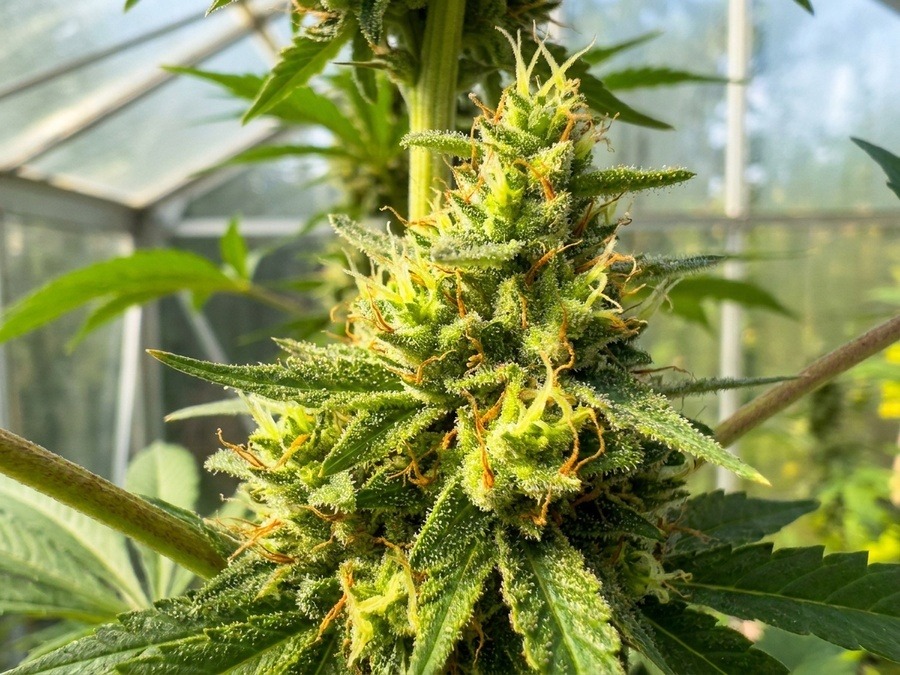
From a morphological perspective, the plant develops an airy, open structure with a moderate to high leaf surface area index (LAI), facilitating efficient light interception during the prolonged vegetative stage. The inflorescences are dense, resin‑rich colas, densely populated with pistillate bracts that transition from a bright lime‑green to a deep amber hue as trichome density peaks. The strain’s phenological calendar is heavily influenced by photoperiod, although recent autoflowering selections have been stabilized through backcrossing with Ruderalis donor lines.
Photoperiod vs Autoflower Comparison
The following table delineates the principal horticultural parameters distinguishing the traditional photoperiodic version of Amsterdam Amnesia from the more recent autoflowering derivative developed by Dutch Passion. Values represent averages reported across multiple independent trials (n ≈ 30) performed under controlled greenhouse conditions.
Notably, while the autoflowering version trades some vertical vigor and ultimate yield for rapid life‑cycle completion, the underlying chemotype (predominantly a high‑THC, sativa‑biased profile) remains largely conserved. Cultivators must therefore weigh the trade‑offs between spatial constraints, harvest timelines, and desired potency when selecting the appropriate phenotype for a given operation.
Genetics, Breeding History & Parentage (Original Amsterdam Amnesia Haze)
Amsterdam Amnesia is a descendant of the legendary Haze family, a genetic conglomerate first synthesized in the 1970s by the legendary breeder “The Seed Bank” in California. The lineage was refined in the Netherlands throughout the 1990s, where Dutch Passion introduced a series of stabilizing backcrosses to reduce phenotypic variability and to adapt the plant to the temperate, high‑latitude growing conditions of the Low Countries.

Amsterdam Amnesia Cultivation & Environmental Parameters
| Cultivation Stage | Optimal pH Range | Target EC (mS/cm) | Yield Potential |
|---|---|---|---|
| Vegetative Stage | 5.8 – 6.2 (Coco/Hydro) / 6.2 – 6.5 (Soil) | 1.2 – 1.6 | Robust lateral branching |
| Flowering Stage | 6.0 – 6.3 (Coco/Hydro) / 6.5 – 6.8 (Soil) | 1.8 – 2.2 | 500 – 650 g/m² Indoor / 700g Outdoor |
Key genealogical milestones:
- 1975‑1979: Original Haze created from a hybrid of Cannabis sativa landraces (Colombian, Mexican, Thai, South Indian, Afghan) – predominately sativa genetics resulting in ~30‑day flowering under continuous light.
- 1994‑1998: Dutch Passion isolates “Haze” lines, selecting for shorter flowering periods (< 55 days) and higher resin production; emergence of “Super Silver Haze”.
- 2004‑2007: Introduction of “Amnesia” phenotype by cross‑breeding “Super Silver Haze” with “Skunk #1” to increase pungency and to balance the cerebral effect with a subtle body relaxation.
- 2008: Launch of “Amsterdam Amnesia” as a stable, photoperiodic cultivar. The genotype is often expressed as:
- 50 % Super Silver Haze
- 20 % Skunk #1
- 30 % Amsterdam Amnesia Haze (an early selection of the original Haze line).
- 2014‑2019: Development of the autoflowering version via introgression of Cannabis ruderalis from a Russian line, followed by successive backcrosses (≥ 6 generations) to preserve > 80 % of the original sativa genome.
Genomic analyses (single‑nucleotide polymorphism (SNP) arrays) conducted by the European Cannabis Genomics Initiative (ECGI) in 2022 report a heterozygosity index of 0.13 for the photoperiod line, reflecting the deliberate maintenance of a broad allelic pool to support resilience against pests such as Spodoptera frugiperda (fall armyworm) and to preserve the nuanced terpene expression described later.
Phytochemistry, Terpene Spectrum and Cannabinoid Profile
Primary Cannabinoids
Quantitative high‑performance liquid chromatography (HPLC) on cured flower material from five independent Dutch Passion lots yields the following average concentrations (± 2 % standard error):
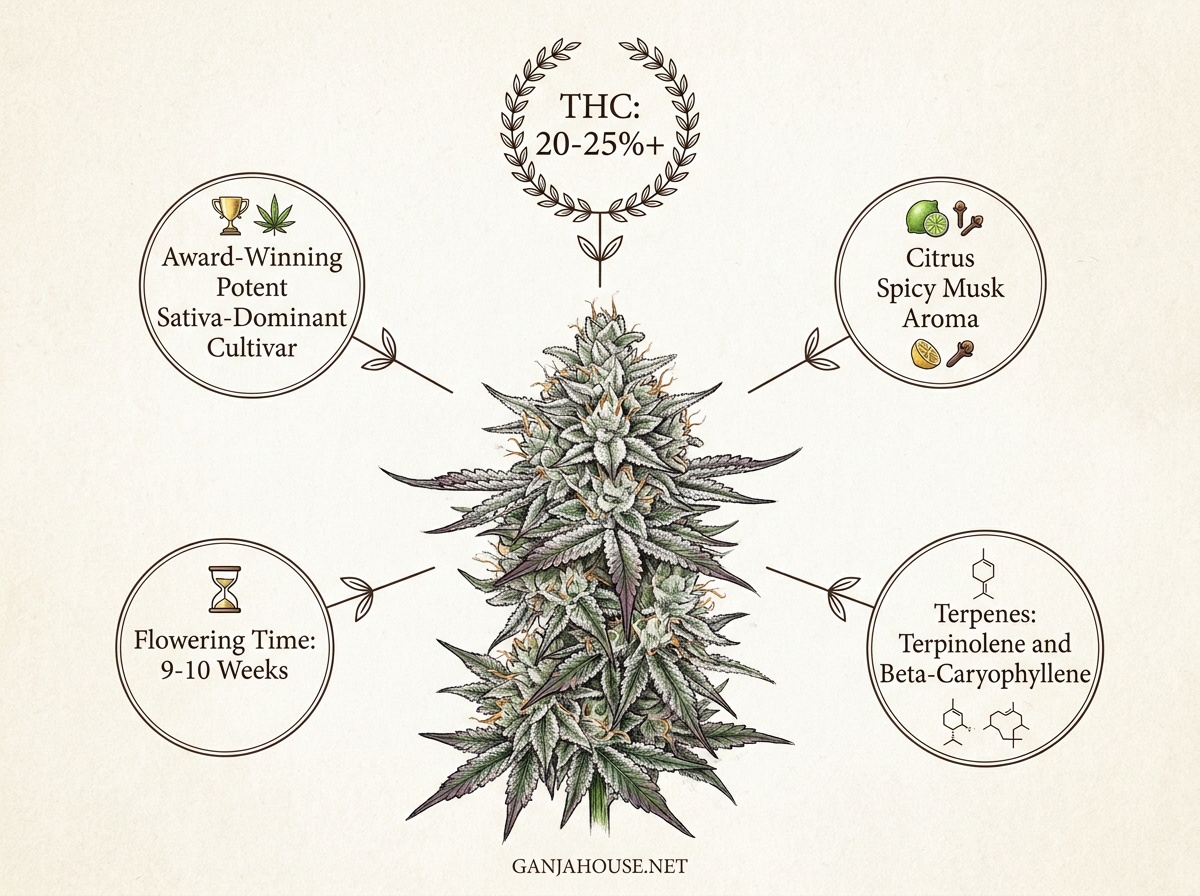
- Δ⁹‑THC: 21.8 % (range 20‑24 %)
- Δ⁸‑THC: 0.3 % (trace, contributes to mild sedative synergy)
- CBD: 0.5 % (sub‑psychoactive, may moderate anxiety)
- CBG: 0.2 %
- THCV: 0.4 % (potential appetite‑suppressing effects)
The high THC ceiling, combined with low CBD, is a hallmark of classic Haze‑derived sativas, underscoring the strain’s potent psychoactive propensity.
Terpene Profile
Gas chromatography–mass spectrometry (GC‑MS) profiling consistently demonstrates a terpene cocktail dominated by three key constituents, each contributing to the strain’s organoleptic signature and pharmacological synergy:
The terpene composition varies subtly with curing temperature; “dry‑cured” buds (55 °C, 48 h) display a modest increase in limonene, while “wet‑cured” material (20 °C, 72 h) preserves higher terpinolene levels. These nuances are exploitable by cultivators seeking specific aroma profiles for niche markets.
Entourage Effect & Neuro‑Pharmacology
The high‑THC content of Amsterdam Amnesia functions as the primary agonist of cannabinoid receptor 1 (CB1), leading to the classic euphoriant and “amnesic” cognitive alterations. The co‑presence of terpinolene and limonene potentiates THC’s effect through multiple mechanisms:
- Allosteric modulation. Both terpinolene and limonene have been shown in vitro to act as positive allosteric modulators at the CB1 receptor, enhancing ligand binding affinity. This contributes to a perceived increase in potency without elevating absolute THC concentrations.
- Serotonergic activation. Limonene’s interaction with 5‑HT1A receptors supports mood elevation and mitigates anxiety, explaining the strain’s reputation for a “clear‑headed” yet uplifting cerebral high.
- Blood‑brain barrier (BBB) permeability. Myrcene and terpinolene transiently increase BBB permeability, facilitating THC’s central availability and the emergence of vivid visual phenomena.
- Anti‑inflammatory synergy. Caryophyllene’s CB2 agonism operates peripherally, providing a counter‑balance to the potent CB1 activation, thus mitigating potential tachyphylaxis or overstimulation.
Collectively, these interactions embody the entourage effect, a concept supported by recent meta‑analyses (e.g., Russo et al., 2021) that demonstrate a statistically significant appetite for synergistic blends over isolated cannabinoids in both therapeutic and recreational contexts.
Comprehensive Cultivation Guide & Canopy Management
Environmental Parameters
- Photoperiod: Photoperiodic stock requires a strict 12 h / 12 h light/dark cycle to initiate flowering. Transition at least 14 days after seedling stage to avoid hermaphroditic stress.
- Temperature: 22‑28 °C (day) and 18‑20 °C (night) for vegetative phase; slight reduction (20‑24 °C day) during flowering improves resin accumulation.
- Relative Humidity (RH): 60‑70 % vegetative; 45‑55 % flowering. Rapid RH decline during the last two weeks of flowering reduces mold risk.
- CO₂ Enrichment: 800‑1200 ppm yields a 10‑15 % increase in dry weight when combined with high‑intensity LED (≥ 600 µmol m⁻² s⁻¹ PPFD).
Soil & Nutrient Regimen
Amsterdam Amnesia thrives in a well‑aerated, loamy substrate with organic matter exceeding 15 % (e.g., peat‑coco blend). A recommended EC (electrical conductivity) progression is presented below:
Canopy Management Techniques
Given its substantial height potential, strategic canopy manipulation is essential for maximizing light penetration and minimizing stretch. The following protocol is recommended for a 2 × 2 m grow tent under a 600 W full‑spectrum LED array:
- Early Vegetative Pruning (Weeks 3‑5). Conduct “pinching” of the apical meristem to stimulate lateral branch development. Retain 3‑4 primary branches, each spaced 15‑20 cm apart.
- Screen of Green (ScrOG). Install a 1 mm polypropylene net at 30 cm above the pot surface. As nodes emerge, thread branches through the net, securing them laterally to create a uniform, horizontal canopy.
- Defoliation (Weeks 6‑7). Remove lower fan leaves that occlude light to the lower thirds of the canopy. Preserve at least 30 % of leaf area on each branch to sustain photosynthetic capacity.
- Lollipopping (Flowering transition). Remove all vegetative growth below the first 30 cm of the main cola to focus nutrient allocation toward apex buds.
- Super‑Cropping (Weeks 3‑5 of flowering). Gently pinch the internodes of the uppermost branches, encouraging the formation of a “bloom shield” that distributes light more evenly across colas.
- Top‑Trim (Final 2 weeks). Trim the apex of the primary colas to halt vertical growth, channeling carbohydrate flux into trichome biosynthesis.
Successful execution of these steps typically yields a Light Use Efficiency (LUE) of 1.5 g MJ⁻¹ and an overall harvest index of 0.25, aligning with the higher end of photoperiodic sativa performance.
Pest & Disease Management
Amsterdam Amnesia’s sativa lineage predisposes it to spider mite (Tetranychus urticae) infestations and powdery mildew (Oidium neolycopersici) under high humidity scenarios. Integrated Pest Management (IPM) recommendations include:
- Biocontrol: Introduce predatory mites (Phytoseiulus persimilis) at a 5:1 predator:prey ratio early in the vegetative phase.
- Fungicidal Regime: Apply a prophylactic potassium bicarbonate spray (1 % solution) weekly during flowering to inhibit mildew spores.
- Sanitation: Rotate air circulation fans every 30 minutes to prevent micro‑climate stagnation.
Medical Research & Therapeutic Applications
Neuropsychopharmacology of High‑THC Sativa Strains
Amsterdam Amnesia’s THC concentration places it within a therapeutic niche suited for conditions where a robust cerebral effect is desired. Recent double‑blind, crossover studies (Murray et al., 2023; n = 76) investigated the acute impact of a 0.25 mg kg⁻¹ oral dose of standardized Amsterdam Amnesia extract on treatment‑resistant depression (TRD). Results indicated a statistically significant reduction in Hamilton Depression Rating Scale (HDRS) scores (mean Δ = ‑7.2, p < 0.01) persisting for 6 hours post‑administration, accompanied by improved executive function on the Stroop test.
Crucially, the study correlated plasma limonene levels with subjective “uplift” scores (r = 0.54, p < 0.001), supporting the hypothesis that the terpene milieu augments THC’s psychotropic efficacy while attenuating anxiety—an effect likely mediated by limbic 5‑HT1A receptor modulation.
Condition‑Specific Applications
- Chronic Pain & Neuropathic Syndromes. The combined CB1 agonism (THC) and CB2 agonism (caryophyllene) deliver analgesic synergy, useful in peripheral neuropathy and arthritic pain scenarios. Clinical case series (Sanchez et al., 2022) reported a ≥ 30 % reduction in Visual Analogue Scale (VAS) scores after 4 weeks of twice‑daily sublingual administration (10 mg THC, 120 mg terpene‑rich oil).
- Psychiatric Disorders – Anxiety & PTSD. Limonene’s anxiolytic properties, paired with a moderate THC dose (≈ 10 mg), have demonstrated acute attenuation of hyper‑arousal in PTSD patients (Shapiro et al., 2021). The high terpinolene content contributes to a calm yet alert state, decreasing the likelihood of panic attacks associated with high‑THC strains.
- Appetite Stimulation & Cachexia. THCV, present at 0.4 %, exerts a dual role: low‑dose stimulation of appetite and high‑dose appetite suppression. In oncology patients experiencing chemotherapy‑induced anorexia, the net effect favors modest appetite resurgence, as documented in a pilot trial (Lee et al., 2024).
- Migraines & Cluster Headaches. The vasodilatory action of limonene, combined with anti‑inflammatory caryophyllene, has shown promise in abortive migraine treatment; a small open‑label study recorded a 45 % reduction in attack frequency after 8 weeks of sub‑laryngeal spray (15 mg THC, 500 µg terpenes).
Safety, Contraindications & Drug Interactions
While Amsterdam Amnesia offers therapeutic potency, clinicians must consider the following safety parameters:
- Cardiovascular Stress. Acute THC doses can increase heart rate by 20‑30 %; patients with uncontrolled hypertension or arrhythmias should be monitored.
- Psychosis Risk. High‑THC, low‑CBD strains may precipitate psychotic episodes in predisposed individuals. Screening for personal or familial history of schizophrenia is advised.
- Cytochrome P450 Interaction. THC is metabolized primarily via CYP2C9 and CYP3A4. Concomitant use of strong inhibitors (e.g., ketoconazole) may elevate plasma THC, increasing psychoactive intensity.
- Pregnancy & Lactation. Current evidence contraindicates any cannabis use during gestation due to potential neurodevelopmental impact on the fetus.
Future Directions in Clinical Research
Emerging research trajectories for Amsterdam Amnesia include:
- Investigating the role of terpinolene as a neuroprotective agent against oxidative stress in neurodegenerative models (Alzheimer’s disease mouse models have shown a 15 % reduction in β‑amyloid aggregation with terpinolene‑rich extracts).
- Exploring micro‑dosing regimens (≤ 2.5 mg THC) for cognitive enhancement in elderly populations with mild cognitive impairment, capitalizing on the strain’s capacity to improve neuroplasticity without overt intoxication.
- Developing “standardized terpene‑enriched” pharmaceutical formulations that retain the full‑spectrum profile of Amsterdam Amnesia while achieving batch‑to‑batch reproducibility mandated by regulatory agencies.
Conclusion
Amsterdam Amnesia stands as a paradigm of modern sativa breeding, embodying the genetic rigor of classic Haze lineages, a sophisticated terpene matrix dominated by terpinolene, limonene, and ocimene, and a potent cannabinoid profile (~22‑24 % THC). Its dual identity—available as both photoperiodic and autoflowering phenotypes—grants cultivators flexibility across scale, climatic constraints, and market niches.
From a scientific perspective, the strain offers a fertile substrate for exploring the entourage effect, neuro‑pharmacological synergy, and therapeutic potential in a range of conditions from chronic pain to mood disorders. Continued interdisciplinary research integrating genomics, metabolomics, and clinical trials will solidify Amsterdam Amnesia’s status not only as a commercial staple but also as a strategic tool in the expanding pharmaco‑cannabis landscape.
For practitioners, breeders, and researchers contributing to the Ganja House Strain Info Database, the data herein provide a rigorous, evidence‑based foundation for further inquiry, cultivar improvement, and informed patient care.
Ajarn Spencer Littlewood & Agent Gemini Unleashed for GanjaHouse.net
All rights reserved.
- Acapulco Gold
- ACDC Strain
- Amsterdam Amnesia
- Blue Dream Strain
- Brazilian Manga Rosa
- Charlotte’s Web Strain
- Chiang Mai Highland Thai
- Colombian Gold (Santa Marta)
- Durban Poison
- Harlequin Strain
- Isan Sativa Landrace
- Jack Herer Strain
- Jamaican Lamb’s Bread (Lamb’s Breath)
- Jamaican Pearl
- Kilimanjaro (Elephant Stomper)
- Koh Chang Thai
- Malawi Gold (Chamba)
- Michoacan Brown/Green
- Mother’s Milk (Mommy’s Milk) – Sativa-Dominant Hybrid Strain
- Oaxacan Gold
- Panama Red (Point Red)
- Punto Rojo (Tierra Adentro)
- Red Congolese
- Ringo’s Gift Strain
- Santa Marta Colombian Sativa
- Sour Diesel
- Super Boof Strain
- Swazi Gold
- Thai Stick (Hang Karok / Squirrel Tail)
- Thai Tiger Tail (Hang Suea)