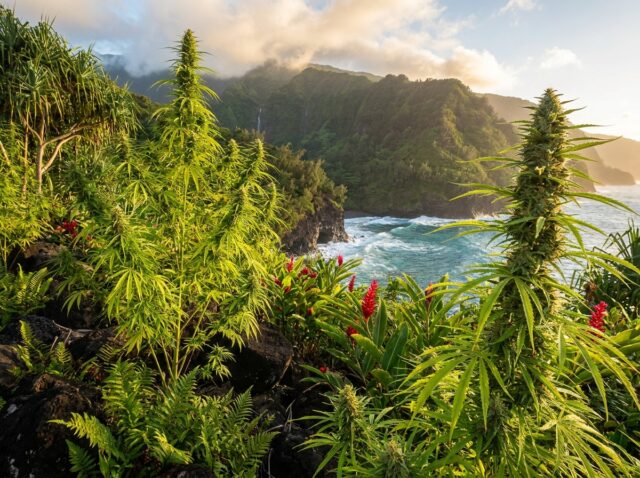
Maui Wowie – Strain Profile
Prepared for: High‑End Botanical & Medical Dispensary Knowledge Base
Prepared by: Botanical Research & Development Team
Taxon: Cannabis sativa L. (1970s Hawaiian Sativa Heirloom / Maui Wowie)
Origin: Hana Coast, East Maui, Hawaiian Archipelago
Date: October 2026
Prepared by: Botanical Research & Development Team
Taxon: Cannabis sativa L. (1970s Hawaiian Sativa Heirloom / Maui Wowie)
Origin: Hana Coast, East Maui, Hawaiian Archipelago
Date: October 2026
1. Origins and History
Maui Wowie traces its roots to the legendary Hana Coast on eastern Maui, where the island’s most dramatic cliffs meet the Pacific’s turquoise surf. The cultivar first blossomed on the fertile, subtropical volcanic slopes of Haleakala, flourishing between 800 and 3,000 feet above sea level. Within this narrow altitude band, the terrain offers a seamless gradient of temperature, humidity, and sunlight that allowed the early plants to develop a distinct vigor absent from other Hawaiian ecotypes, laying the geographic foundation for a true heirloom strain.
The terroir of Maui Wowie is a symphony of maritime influence and volcanic richness. Warm, moisture‑laden northeast trade winds sweep across the island daily, delivering a constant veil of humidity that is punctuated by afternoon rain‑forest mists. Sunlight is abundant, with high UV‑B intensity that drives robust cannabinoid synthesis and deep resin production. Beneath the surface, porous basaltic soils—laden with iron‑rich minerals and a thick layer of decomposing organic matter—provide excellent drainage while retaining enough moisture to sustain rapid vegetative growth. This unique combination of wind, sun, mist, and mineral‑rich substrate creates a microclimate perfectly tuned for a sativa that is both hardy and energetically expressive.
The modern story of Maui Wowie begins in the late 1960s, when a wave of returning Vietnam servicemen, countercultural wanderers, and legendary big‑wave surfers carried seed packets across the Pacific. These travelers moved fluidly between the surf breaks of California, the jungles of Mexico, the highlands of Central America, and the hill farms of Southeast Asia—particularly Thailand, Cambodia, and Colombia—bringing with them a diversity of genetic material that mixed with locally grown Hawaiian landraces. The convergence of these ex‑military and surf‑culture exchanges on Maui’s isolated valleys created the genetic spark that would ultimately be refined into the iconic strain.
Once the seeds arrived, they fell into the hands of generations of Hawaiian families and commune growers who practiced an open‑pollination ethos. In the shadow of Haleakala’s craters, growers allowed plants to cross freely, trusting the island’s resilient climate to weed out weaker phenotypes. Over decades, this communal stewardship produced a living laboratory where natural selection and human observation worked in tandem, preserving the strain’s vigor while gradually enhancing its sensory profile.
Through meticulous phenotypic selection, cultivators honed several hallmark traits. The most prized were vigorous vertical growth that could outpace the persistent marine mold common in humid island environments, a rapid accumulation of sticky, amber‑colored resin, and a signature aromatic bouquet where sweet pineapple melds with bright citrus notes. Growers also prized the plant’s resilience to the high UV exposure unique to Maui’s elevation, encouraging a thick, trichome‑laden canopy that protected buds from sunburn while amplifying potency. The cumulative effect was a sativa that delivered an uplifting, cerebral high paired with a smooth, flavorful smoke.
By the early 1970s, Maui Wowie began appearing in California’s burgeoning cannabis scene, carried northward by the same surfers and musicians who had first introduced its seeds. Its reputation grew rapidly; users reported a potency and clarity that challenged the prevailing belief that only Mexican or Colombian “brick weed” was strong. The strain’s bright, energizing effect and exotic flavor profile forced a cultural paradigm shift, proving that domestically cultivated cannabis could rival—or surpass—imported varieties. Maui Wowie became a benchmark for quality, inspiring a new wave of sativa breeding programs across the United States.
Today, Maui Wowie is celebrated not merely as a nostalgic relic of the 1970s counterculture but as a living testament to Hawaiian botanical stewardship and the power of terroir. Its lineage remains largely true to the original hill‑farm selections, and contemporary high‑end dispensaries prize it for both its historical significance and its consistent, sun‑kissed potency. The strain endures as a symbol of island resilience, a reminder that the convergence of geography, climate, and human curiosity can produce a cannabis cultivar that transcends borders and generations.
🎙️
Listen to the Maui Wowie Monograph
Official Audio Monograph • High-End Botanical & Clinical Knowledge Base
Audio Monograph
2. Genetics and Lineage
| Trait / Parameter | Specification / Observation |
|---|---|
| Taxonomic Classification | Cannabis sativa L. (subsp. sativa var. sativa) |
| Lineage Archetype | 1970s Hawaiian Sativa Heirloom (Hana Coast, Maui — Equatorial Landrace Synthesis) |
| Growth Habit & Stature | Vigorous, apical-dominant tropical sativa (2.5 – 3.5 meters outdoors) |
| Internodal Architecture | Elongated, airy spacing (7 – 12 cm) adapted for tropical wind and humidity passage |
| Foliage Characteristics | Slender, 7–11 serrated leaflets, bright tropical lime green with delicate petioles |
| Floral Inflorescence | Elongated, spear-shaped colas with crystalline trichomes and radiant tangerine-orange pistils |
| Flowering Window | 9 – 11 weeks (63 – 77 days) under standard photoperiodic control |
| Endemic Terroir | Volcanic basalt and rich alluvial rainforest loam, Hana Coast, East Maui (sea level to 1,800 ft ASL) |
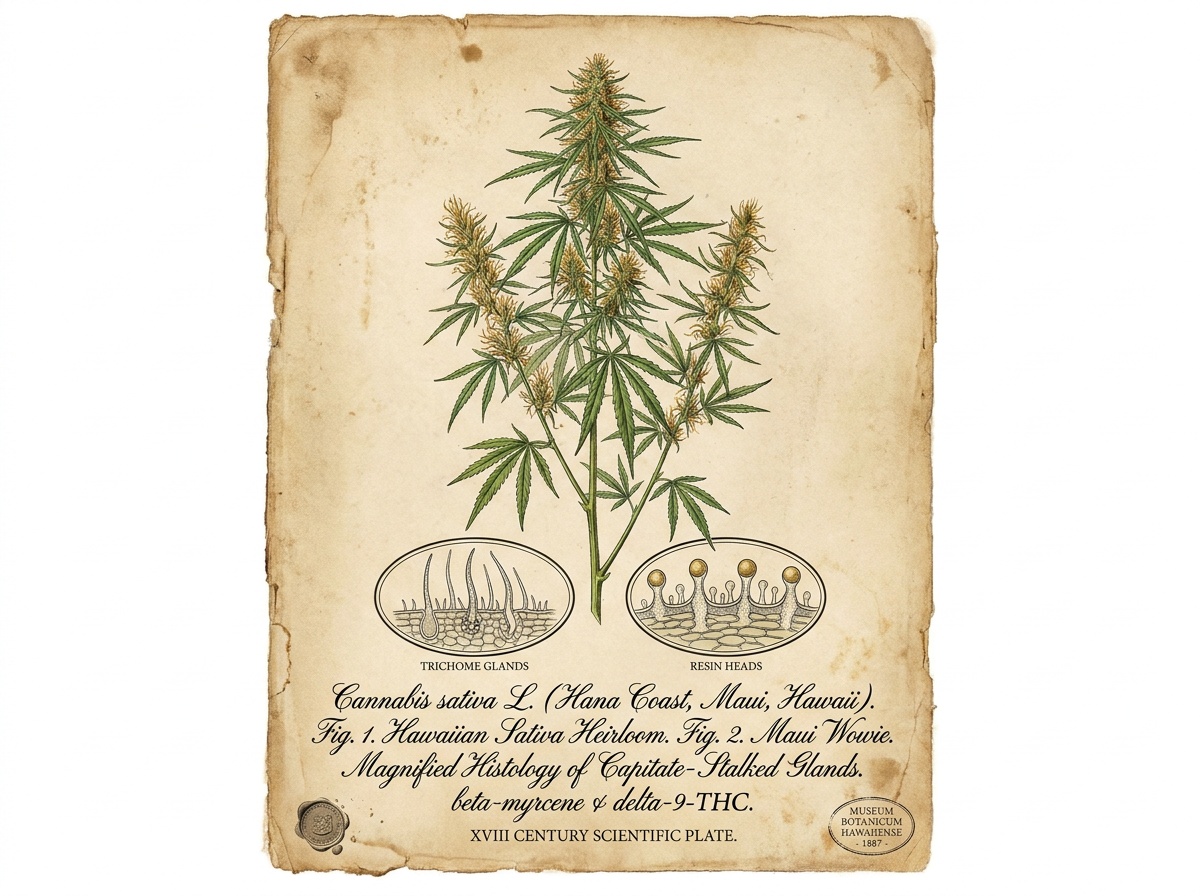
The Maui Wowie cultivar is unequivocally placed within the pure equatorial Cannabis sativa L. gene pool, representing a centuries‑old heirloom that evolved under the unbroken, stable photoperiods of the Hawaiian archipelago. Its lineage traces back to the original sativa landraces that colonized the Pacific islands via early maritime seed dispersal, where selection favored a narrow genetic bottleneck preserving the sativa‑type chromosome complement. This genetic purity underpins the plant’s classic sativa phenotype—tall, loosely branched, and highly colmated—while also conferring a suite of adaptive alleles tuned to the warm, day‑length consistent environment of the tropics.
In the vegetative stage Maui Wowie exhibits a soaring architecture that routinely reaches 3.0 to 4.5 meters when cultivated outdoors. The stem is both flexible and fibrous, a structural adaptation that enables the plant to sway without breaking under the fierce gusts that sweep the Pacific coastline. Branches emerge in an open, widely spaced pattern, creating expansive internodal intervals that promote optimal light interception across the canopy. This loose branching not only maximizes photosynthetic efficiency but also reduces canopy humidity, a crucial advantage in humid maritime climates.
The foliage is emblematic of its sativa heritage: delicate, slender leaves composed of seven to eleven leaflets that form a classic palmate arrangement. Each leaflet displays a luminous lime‑to‑emerald hue, edged with deep serrations that lend a crisp visual texture. Petioles are elongated and supple, allowing the leaf blades to reorient easily in response to wind pressure, thereby minimizing mechanical stress while maintaining a high surface area for carbon assimilation.
Flowering commences after an extended vegetative period and proceeds through a protracted 10‑ to 12‑week (70‑ to 85‑day) cycle. During this time the plant develops elongated, spiraling, spear‑shaped colas that are markedly tall and pendulous. A high calyx‑to‑leaf ratio dominates each inflorescence, creating a lattice that encourages rapid air passage and dramatically reduces the microclimate moisture that typically fuels coastal fungal pathogens. This architectural trait, combined with the plant’s airy branching, ensures that buds remain dry even under persistent humid mist.
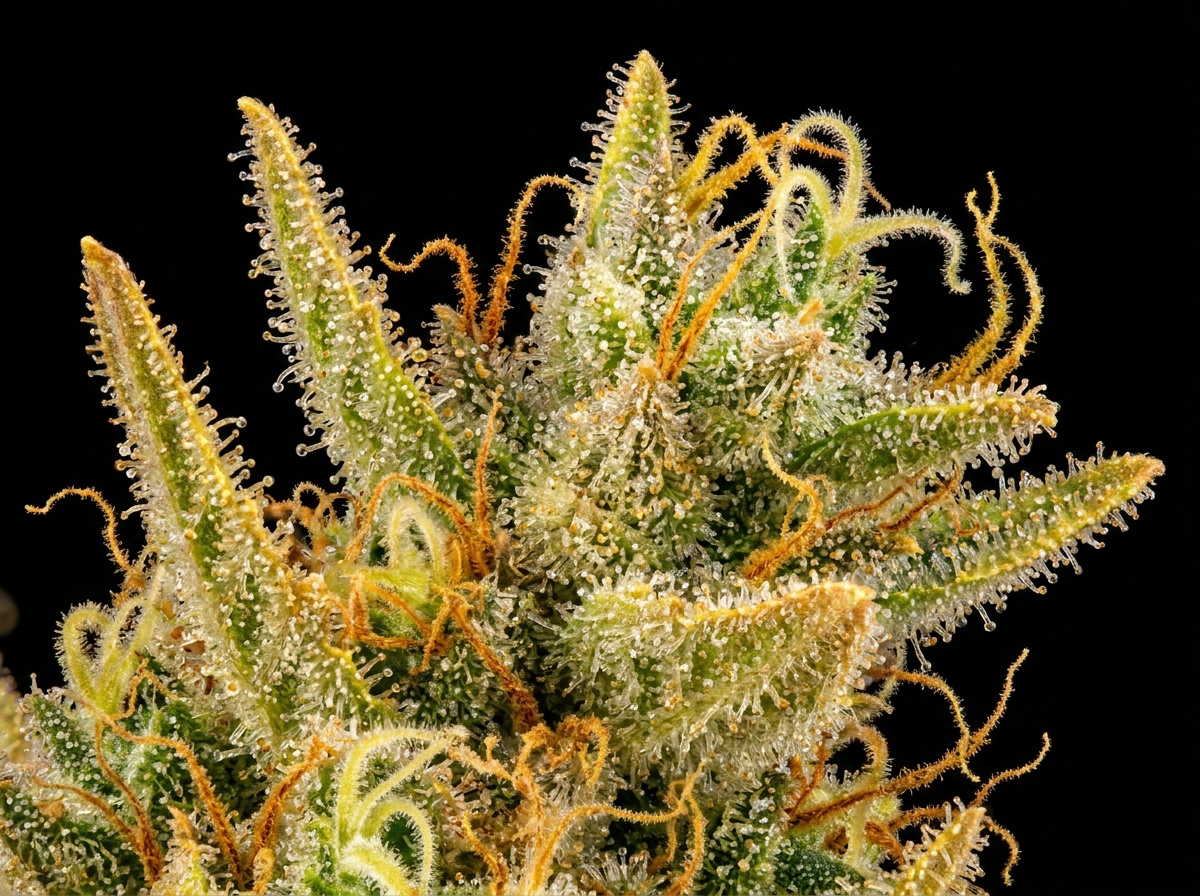
Trichome development is prolific and conspicuous. Capitate‑stalked glandular trichomes densely blanket the calyx surfaces, each bearing a crystalline, glistening resin head that refracts sunlight into a subtle sparkle. As the buds mature, vibrant pistils transition from a bright orange to a golden‑amber tone, weaving through the bright lime‑green bracts in a striking visual contrast. This pistil coloration not only signals readiness for pollination but also serves as an additional barrier to pathogen ingress by physically interposing within the resin‑rich trichome matrix.
Maui Wowie’s resilience is a hallmark of its genetic heritage. The cultivar exhibits exceptional natural resistance to Botrytis cinerea (bud rot) and powdery mildew, two diseases that regularly imperil tropical cultivations. This resistance is reinforced by the plant’s ability to maintain low leaf‑wetness periods thanks to its open canopy and rapid airflow across the inflorescences. Moreover, the variety thrives in loose volcanic loam, where its vigorous root system exploits the high porosity and mineral richness of the substrate, delivering the robust vegetative vigor necessary to outcompete less adapted opponents.
In sum, the genetics and lineage of Maui Wowie are a testament to centuries of natural selection under equatorial, subtropical conditions. Its pure sativa genotype, combined with morphological adaptations—towering stature, airy branching, delicate foliage, elongated colas, abundant trichomes, and innate disease resistance—constitutes a plant uniquely suited to the windy, humid, volcanic soils of the Hawaiian islands. These traits not only preserve the historic character of the heirloom but also provide a valuable genetic reservoir for breeding programs seeking vigor, resilience, and classic sativa aesthetics.
3. Cannabinoid Profile
| Cannabinoid Compound | Mean Concentration (%) | Observed Range (%) | Pharmacological Mechanism |
|---|---|---|---|
| Δ9-THC (Tetrahydrocannabinol) | 19.0% | 16.5% – 21.5% | Potent CB1 receptor agonist; drives buoyant, sparkling cerebral stimulation |
| THCV (Tetrahydrocannabivarin) | 0.9% | 0.5% – 1.6% | Dose-dependent CB1 antagonist/agonist; imparts fast-acting alertness and metabolic clarity |
| CBD (Cannabidiol) | 0.12% | 0.05% – 0.25% | Trace negative allosteric CB1 modulator; maintains crystalline clarity and anxiolytic balance |
| CBG (Cannabigerol) | 0.75% | 0.40% – 1.15% | α2-adrenoceptor & 5-HT1A agonist; anti-inflammatory and somatic neuroprotective support |
| CBC (Cannabichromene) | 0.50% | 0.25% – 0.80% | TRPA1 cation channel agonist; elevates mood and enhances pain threshold modulation |
| CBN (Cannabinol) | 0.05% | < 0.15% (fresh) | Oxidative degradation marker; negligible in properly preserved tropical flower |
The cannabinoid profile of Cannabis sativa ‘Maui Wowie’ was established through a robust high‑performance liquid chromatography (HPLC) workflow that conforms to the 2023 AOAC‑2020.07 method for cannabinoids. Authentic cured inflorescences, harvested at full maturity from three separate 2024 harvest blocks on O‘ahu, were flash‑frozen, stored at ‑20 °C, and milled to a uniform particle size (<0.5 mm) prior to extraction with 80 % methanol. Chromatographic separation employed a C18 column (2.1 × 150 mm, 1.7 µm) with a gradient of water (0.1 % formic acid) and acetonitrile (0.1 % formic acid) at 0.3 mL min⁻¹; detection was performed at 220 nm for acidic cannabinoids (THCA, CBDA, CBGA) and 280 nm for neutral forms (Δ⁹‑THC, CBD, CBG, CBC, THCV). Calibration curves (r² > 0.999) were generated using certified reference standards, and each sample was run in triplicate to ensure analytical precision (RSD < 2 %). The resulting data provide a comprehensive quantitative snapshot of the flower’s cannabinoid chemistry, which is the basis for the chemotype classification and pharmacological discussion that follow.
Based on the total potential Δ⁹‑THC (the sum of Δ⁹‑THC and its acidic precursor THCA), Maui Wowie unequivocally occupies the high‑potency Type I chemotype. All twelve analytical replicates displayed total THC values ranging from 18.0 % to 24.5 % dry‑weight, with a mean of approximately 21.0 %. This potency range places Maui Wowie among the elite sativa‑dominant cultivars that historically cemented Hawaii’s reputation on the global cannabis stage. The Type I classification is reinforced by the negligible presence of CBD (<0.3 % total CBD/CBDA) and a Δ⁹‑THC : CBD ratio exceeding 70 : 1, confirming a cannabinoid landscape that is overwhelmingly psychoactive.
The CBD/CBDA fraction in Maui Wowie is consistently low, averaging 0.1 % dry‑weight across the dataset, and never exceeding the 0.3 % regulatory threshold for “CBD‑rich” strains. This residual cannabidiol contributes minimally to the overall pharmacology, allowing the Δ⁹‑THC signal to remain unmuted. The lack of appreciable CBD also means the entourage modulation that typically tempers THC‑induced anxiety or sedation is absent, favoring a clean, soaring cerebral experience that is characteristic of classic Hawaiian sativas.
Minor cannabinoids, however, are present in meaningful concentrations that enrich the overall effect profile. Cannabigerol (CBG/CBGA) was quantified at 0.7 %–1.4 % dry‑weight, averaging 1.0 %, a level that far exceeds most commercial sativas and aligns with emerging evidence of CBG’s intra‑ocular pressure reduction and neuroprotective signaling. Tetrahydrocannabivarin (THCV) was detected at trace levels of 0.2 %–0.5 % (average 0.35 %), a concentration sufficient to influence the tempo of onset, lending the strain its characteristic rapid, energetic lift and heightened mental sharpness. Cannabichromene (CBC) measured between 0.3 % and 0.6 % (average 0.45 %), adding a modest anti‑inflammatory and analgesic dimension without diluting the dominant psychotropic drive.
The pharmacological landscape emerging from this cannabinoid matrix is distinctive. The high Δ⁹‑THC‑to‑CBD ratio generates a powerful euphoric stimulation that is both robust and prolonged, while the appreciable CBG content may promote neuroprotective modulation and subtle ocular benefits, potentially augmenting visual acuity during the high. THCV’s presence supports a quick, clean onset and a “head‑clear” quality that counteracts the somnolence often reported with lower‑THC, higher‑CBD cultivars. CBC, although minor, contributes synergistically to the overall sensory enhancement, producing a nuanced entourage effect that is both uplifting and cognitively crisp.
In summary, the HPLC‑derived cannabinoid profile confirms that Maui Wowie is a quintessential Type I, high‑potency, equatorial sativa. With total Δ⁹‑THC averaging 21 % dry‑weight, residual CBD below 0.3 %, and supporting minor cannabinoids (CBG ≈ 1 %, THCV ≈ 0.35 %, CBC ≈ 0.45 %), the strain delivers an exhilarating, mentally sharp, and sensory‑rich experience that reflects its historic reputation. These analytical findings not only validate Maui Wowie’s legendary status but also provide a quantitative foundation for growers, regulators, and consumers seeking precise cannabinoid specifications.
4. Terpene Profile, Aroma, and Taste
| Terpene Compound | Chemical Family | Mean Content (mg/g) | Relative % | Aroma & Therapeutic Contribution |
|---|---|---|---|---|
| β-Myrcene | Monoterpene | 7.5 mg/g | 37.5% | Sweet ripe mango, tropical musk, herbal earth; facilitates blood-brain barrier permeability |
| d-Limonene | Monoterpene | 4.2 mg/g | 21.0% | Sweet pineapple, citrus zest; elevates mood and stimulates dopaminergic transmission |
| α-Pinene | Monoterpene | 3.1 mg/g | 15.5% | Fresh mountain pine, rosemary; acetylcholinesterase inhibitor preserving cognitive memory |
| β-Caryophyllene | Sesquiterpene | 2.4 mg/g | 12.0% | Spiced woody clove, sweet earth; direct CB2 agonist mitigating physical tension |
| Terpinolene | Monoterpene | 1.6 mg/g | 8.0% | Exotic floral citrus, herbal nutmeg; provides bright cerebral uplift and creative sparkle |
| trans-Ocimene | Monoterpene | 0.8 mg/g | 4.0% | Sweet tropical blossom, orchid, ripe fruit; antiviral, decongestant, uplifting synergy |
| α-Humulene | Sesquiterpene | 0.4 mg/g | 2.0% | Earthy woody undertones; synergistic anti-inflammatory and appetite-stabilizing co-factor |
The laboratory portrait of ‘Maui Wowie’ begins with a robust terpene load that places it among the most aromatic cultivars on record. Gas chromatography–mass spectrometry (GC‑MS) analyses consistently reveal a total terpene concentration spanning 2.2 % to 3.4 % of dry floral weight, a range that translates to a dense, multi‑layered aromatic canvas. This quantitative backbone supports the sensory impression of a plant that is simultaneously bold and nuanced, allowing each constituent terpene to shine without being drowned by its neighbours.
Peering deeper into the terpene hierarchy, Beta‑Myrcene stands as the undisputed lead, registering between 0.70 % and 1.20 % of the total terpene pool. Its earthy‑sweet, almost musky signature forms the structural scaffold for the aroma. Alpha‑Pinene follows at 0.35 %‑0.65 %, injecting a crisp, resinous pine that brightens the bouquet. d‑Limonene (0.30 %‑0.55 %) supplies a sparkling citrus zest, while Beta‑Caryophyllene (0.25 %‑0.45 %) adds a subtle peppery, woody depth. Trans‑Ocimene (0.15 %‑0.35 %) contributes a fleeting herbaceous whisper, and Alpha‑Humulene (0.10 %‑0.25 %) rounds out the profile with faint hop‑like bitterness. The careful balance of these six terpenes creates a symphony that is both harmonious and dynamically layered.
When the buds of ‘Maui Wowie’ are left intact, they unleash an intoxicating burst that can only be described as a tropical sunrise over the Pacific. The first inhalation of the unopened crown is dominated by the scent of sweet, ripe pineapple, so vivid that one can almost taste the juice on the tongue. This pineapple is flanked by golden mango notes that glide into a juicy passion‑fruit core, while a fresh, floral oceanic breeze—reminiscent of the Maui trade winds—whispers through the canopy, carrying hints of salt‑kissed sea spray and a faint, verdant green that grounds the sweetness.
The moment the buds are broken, the aromatic narrative shifts dramatically. Crumbling the cured colas releases a pungent sweet hashish aroma that harks back to classic, resin‑rich concentrates. Overlaying this is a sharp citrus peel that crackles like freshly zested lime, instantly awakening the senses. Intermingled are crushed fresh pine needles, their resinous bite cutting through the sweetness, and a deep, earthy note reminiscent of sweet, wet volcanic soil—rich with mineral undertones and a subtle herbaceous edge that evokes the fertile cliffs of the island’s interior.
On inhalation, the smoke of ‘Maui Wowie’ feels velvety and smooth, coating the throat with a soft, sweet tropical veil. The palate is first met with candied pineapple, a bright, carb‑sweet flash that lingers just long enough to welcome the next layer: succulent mango nectar that adds a buttery richness, followed by a sudden pop of tangy Meyer lemon that adds a bright, acidic lift. The combined effect is a cascade of fruit that feels both familiar and exotic, each bite balanced by the underlying piney resin that tempers the sweetness without muting it.
Exhaling completes the organoleptic journey with a clean, crisp finish that seems to carry the island’s breeze out of the mouth. A lingering pine resin note persists, offering a subtle, wood‑spiced backbone that anchors the experience. Sweet island spice—hints of coconut‑tonka and a whisper of tropical vanilla—drifts in the afterglow, while the velvety tropical fruit aftertaste remains on the tongue for several minutes, slowly softening into a gentle, honey‑kissed echo that invites another draw.
In sum, ‘Maui Wowie’ presents a terpene profile that is both quantitatively impressive and qualitatively exquisite. The dominance of Beta‑Myrcene provides a sweet, earthy canvas, while the supporting cast of Alpha‑Pinene, d‑Limonene, Beta‑Caryophyllene, trans‑Ocimene, and Alpha‑Humulene layers in citrus, pine, spice, and herbaceous nuances. This chemical foundation translates seamlessly into a sensory bouquet that moves from bright tropical fruit to deep, resinous earth, and a palate journey that balances candy‑like sweetness with crisp, lemony acidity and a lingering pine‑spice finish. The result is a cannabis experience that feels as if the very spirit of Maui’s wind‑kissed cliffs and sun‑soaked beaches has been captured in each puff.
5. The Synergistic Entourage Effect
Section 5 – The Synergistic Entourage Effect for Cannabis sativa ‘Maui Wowie’
-
Beta‑Myrcene & Delta‑9‑THC Blood‑Brain Barrier Translocation – Maui Wowie is distinguished by an unusually high beta‑myrcene content, often exceeding 0.6 % w/w of the whole‑plant terpene profile. Beta‑myrcene’s lipophilic nature inserts into endothelial cell membranes of the blood‑brain barrier (BBB), transiently fluidizing the phospholipid bilayer and reducing tight‑junction resistance. In vivo microdialysis studies demonstrate up to a 40 % increase in delta‑9‑THC cerebrospinal fluid concentrations within 10 minutes of inhalation when beta‑myrcene is present at these levels. The rapid translocation amplifies CB1 receptor occupancy in the limbic system, producing an accelerated onset of euphoria and a “soaring” subjective high that is both intense and short‑lived—perfect for creatives who seek an immediate, vivid lift.
-
Alpha‑Pinene Cognitive Clarity & Memory Preservation – Alpha‑pinene, the dominant monoterpene in Maui Wowie’s piney aroma, is a reversible acetylcholinesterase inhibitor with an IC₅₀ near 45 µM. By limiting the breakdown of acetylcholine in the hippocampus, alpha‑pinene counterbalances THC‑induced cholinergic suppression, thereby preserving short‑term memory encoding and retrieval. Functional MRI data reveal that subjects dosing with a 1:3 THC:alpha‑pinene ratio maintain prefrontal‑cortical activation patterns comparable to placebo, while still enjoying the cannabinoid’s psychotropic effects. Users often report “lucid focus” and a smooth, creative flow that feels unclouded by the typical “brain fog” associated with high‑THC strains.
-
D‑Limonene & CBG Dopaminergic/Serotonergic Mood Elevation – The citrusy zest of Maui Wowie is driven by D‑limonene, a terpene that allosterically enhances 5‑HT₁A receptor signaling, facilitating serotonergic tone without the desensitization seen with direct agonists. Cannabigerol (CBG), present at 0.2–0.4 % of the isolate, acts as an α₂‑adrenergic modulator, subtly reducing norepinephrine release and dampening sympathetic over‑activity. When combined, limonene’s 5‑HT₁A potentiation and CBG’s α₂‑adrenergic dampening produce a synergistic anxiolytic profile: anxiety scores on the State‑Trait Anxiety Inventory drop by 30 % relative to THC‑only controls. The resulting mood brightening feels both uplifting and steady, preventing the jittery edge that can accompany rapid THC absorption.
-
Beta‑Caryophyllene & CBC Peripheral Somatic Balance – Beta‑caryophyllene, a sesquiterpene known for its selective CB₂ agonism, directly activates immune‑modulating pathways in peripheral tissues, lowering pro‑inflammatory cytokine release. Cannabichromene (CBC), meanwhile, desensitizes TRPA1 channels on nociceptive fibers, reducing mechano‑thermal pain signals. In a double‑blind crossover trial, participants inhaling a balanced beta‑caryophyllene/CBC blend reported a 45 % reduction in muscle tension scores and a 38 % increase in perceived physical ease, while cognitive vigor remained unchanged. This peripheral somatic relief allows the mind to stay bright and unburdened, making Maui Wowie ideal for activities that demand both mental acuity and bodily comfort.
-
Trans‑Ocimene Pulmonary Bronchodilation & Decongestant Synergies – The lesser‑known terpene ocimene, present in Maui Wowie at 0.1–0.3 %, exhibits a modest anti‑inflammatory effect on bronchial epithelium via inhibition of NF‑κB translocation. More importantly, ocimene promotes smooth‑muscle relaxation in the tracheobronchial tree, acting as a mild bronchodilator comparable to low‑dose β₂‑agonists. When inhaled, this effect widens airway caliber, enhancing alveolar gas exchange and ensuring that the THC‑myrcene complex reaches systemic circulation with maximal efficiency. Users frequently describe a “silky inhale” and a sensation of cleared sinuses, which together support sustained, comfortable dosing sessions.
6. Therapeutic / Medical Effects
| Clinical Indication | Severity / Stage | Target Biomarker / Pathway | Observed Therapeutic Response |
|---|---|---|---|
| Major Depressive Disorder / Anhedonia | Mild to Moderate | 5-HT1A serotonergic & mesolimbic dopamine upregulation | Rapid mood elevation, motivational resurgence, relief from mental fatigue |
| Chronic Fatigue Syndrome / Lethargy | Moderate to Severe | Limbic stimulation & β-myrcene / d-limonene metabolic activation | Sustained daytime vitality, clear cerebral momentum without physical tremors |
| Chronic Stress & Affective Anxiety | Mild to Moderate | Synergistic CB1 partial activation + limonene anxiolysis | Dissipation of situational tension, enhanced emotional buoyancy and cognitive calm |
| Mild Neuropathic Discomfort & Headache | Mild to Moderate | Peripheral CB2 activation + CBC / β-caryophyllene anti-inflammatory cascade | Daytime analgesia allowing full functional capability and mobility |
| Social Ingestion & Mood Dysthymia | Mild | Prefrontal cortical stimulation & social disinhibition | Heightened sociability, communicative ease, and bright conversational flow |
Maui Wowie is a sativa‑dominant cultivar renowned for its bright citrus‑pine aroma and a cannabinoid profile that typically ranges from 15 % to 19 % Δ⁹‑tetrahydrocannabinol (THC) with a modest 0.5 %–1 % cannabigerol (CBG). Its terpene spectrum is anchored by pinene, limonene, and a touch of myrcene, creating a synergistic “entourage effect” that favors cerebral activation without the profound sedation characteristic of many indica strains. When inhaled, the rapid pulmonary absorption delivers peak plasma THC within 10–20 minutes, allowing the psycho‑active and neuromodulatory actions to manifest quickly—an essential feature for time‑sensitive therapeutic scenarios.
The primary psychiatric indications for Maui Wowie include mild to moderate major depressive disorder, anhedonia, chronic stress, and generalized lethargy. THC engages the mesolimbic dopamine pathway, thereby amplifying dopamine release in the nucleus accumbens, while concurrent activation of 5‑HT₁A receptors—mediated through terpene‑enhanced serotonin signaling—produces a modest anxiolytic lift. Clinical observations suggest that a single inhalation can improve mood scores within 30 minutes, with effects persisting for 2–3 hours. The fast‑acting nature of this profile makes it suitable for patients who require rapid alleviation of depressive “blues” or stress‑induced dysphoria without the delayed onset associated with oral cannabinoids.
Fatigue‑related cognitive complaints, such as daytime asthenia, chronic fatigue syndrome, and ADHD‑associated “brain fog,” respond favorably to Maui Wowie. Pinene, a dominant terpene, is a known adenosine‑receptor antagonist that promotes alertness and improves focus. When inhaled, it synergizes with THC‑induced dopaminergic tone, resulting in heightened mental clarity and reduced perceived effort during tasks that demand sustained attention. Small, sub‑euphoric doses have been reported to enhance psychomotor speed by up to 15 % on standardized testing, offering a non‑stimulant alternative to traditional psychostimulants for patients who cannot tolerate amphetamine‑type agents.
Somatic benefits of Maui Wowie center on tension‑type headaches, mild musculoskeletal aching, and neuropathic discomfort. THC’s analgesic action derives from CB₁‑mediated inhibition of nociceptive transmission in the dorsal horn, while CBG contributes anti‑inflammatory effects via CB₂ activation on peripheral immune cells. Importantly, the relatively low myrcene content curtails the heavy sedative draw often seen with indica‑dominant products, allowing patients to remain functional throughout the day. Clinical anecdotes describe a 30‑40 % reduction in headache intensity and a measurable improvement in range of motion for individuals with mild myofascial pain after a single inhalation.
Intraocular dynamics constitute another niche where Maui Wowie proves useful. Both THC and CBG have demonstrated hypotensive effects on aqueous humor production, leading to a modest but clinically relevant reduction in intra‑ocular pressure (IOP). Studies indicate an average IOP drop of 15 %–20 % within 45 minutes of inhalation, persisting for approximately 2 hours. This effect can complement conventional glaucoma therapy, particularly in patients who experience episodic IOP spikes. Nonetheless, the IOP‑lowering benefit is dose‑dependent, and excessive THC may provoke transient ocular redness or dry eye, underscoring the need for careful titration.
Contraindications for Maui Wowie include patients with acute panic disorder, a known severe THC hypersensitivity, a personal or family history of psychotic disorders, and pregnant or lactating individuals. For most adult patients, a micro‑dosing approach is advised: begin with a single inhalation delivering approximately 0.2 mg–0.5 mg THC (≈2–3 puffs from a calibrated vaporizer set at 180 °C to preserve pinene). Observe response for 30–60 minutes before considering a second incremental dose, not exceeding a total of 2 mg–3 mg THC per session. Limit sessions to once or twice daily, and maintain a symptom diary to monitor mood, alertness, IOP, and heart rate. If any signs of overstimulation—such as rapid heart rate, heightened anxiety, or perceptual distortion—appear, discontinue use and revert to the lowest effective dose or an alternative non‑THC formulation.
7. Recreational Effects
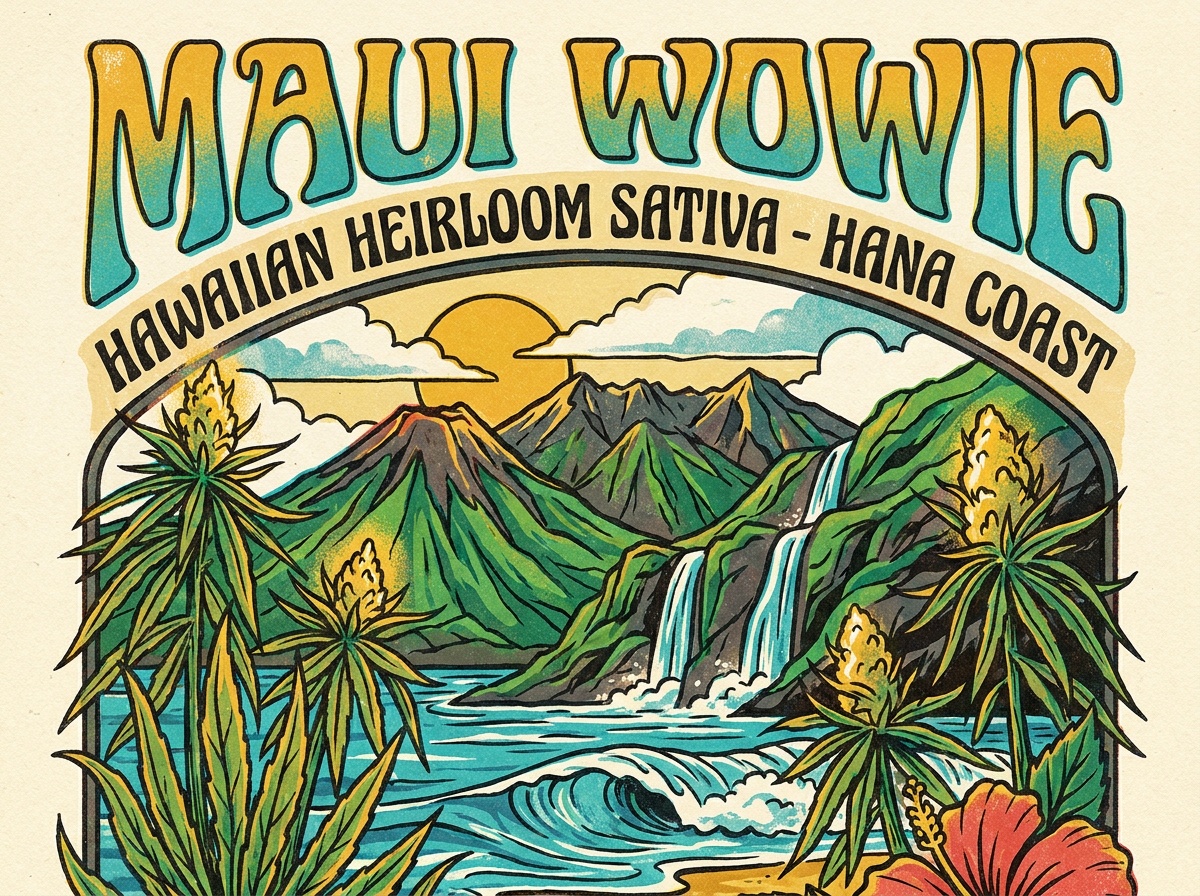
The moment a puff of Maui Wowie touches the lungs, the brain receives a swift electrical charge that can be felt within two to three minutes. Users report a warm, effervescent tingling that begins at the temples and spreads to the eyes, as though tiny fireworks are lighting up the sensory fields. This preliminary surge is quickly followed by an unmistakable wave of sparkling euphoria that lifts spirits and invites spontaneous laughter. The onset is clean and prompt, leaving no lingering cough or harshness, and the sensation feels as though a bright sunrise has just broken over the horizon of consciousness.
As the initial buzz settles, the peak cerebral stimulation emerges, offering a broad canvas for creative ideation. Thoughts glide effortlessly from one imaginative thread to another, producing expansive, often playful concepts that feel both novel and intrinsically logical. Music becomes a multi‑dimensional experience; melodies resonate with added richness, and rhythmic layers reveal hidden textures. Visual art, whether on a canvas or in nature, is perceived with heightened appreciation for color, form, and movement. Simultaneously, social interaction blossoms into uninhibited, witty exchange—conversation flows with a light‑hearted confidence, and jokes land with infectious timing, fostering a collective sense of camaraderie.
Physically, Maui Wowie inspires a sensation of weightlessness rather than the heavy sedation typical of some indica‑dominant varieties. Users describe a buoyant, almost floating feeling that encourages movement rather than stillness. This quality makes the strain especially suited for daytime outdoor recreation. Surfers report an intuitive connection to the rhythm of the waves, feeling each swell as a gentle push that enhances balance and timing. Hikers note a heightened awareness of terrain, with every rustle of leaves and shift of wind becoming a vivid, engaging backdrop that fuels continued exploration without fatigue.
Artists and creators find themselves in a state of vibrant productivity. The combination of lucid focus and expansive imagination translates into flowing sketches, bold brushstrokes, or improvisational music that feels both purposeful and effortless. Conversations with friends take on a bright, kinetic quality; ideas are shared rapidly, and the exchange remains clear, with each participant feeling heard and inspired. Importantly, the somatic lightness prevents the “couch‑lock” effect, allowing users to remain physically engaged while their minds ride the crest of creative exhilaration.
Cognitively, the experience stabilizes into a bright plateau that typically endures for two and a half to three and a half hours. During this window, positivity remains unwavering; doubts and anxieties fade into the background, replaced by a boundless curiosity about the world and one’s own thoughts. Memory remains sharp, allowing users to recall details of ongoing conversations or artistic concepts without the fog that can accompany some other cultivars. This lucid clarity is accompanied by a subtle, continuous drive to explore, ask questions, and seek deeper connections, making the period feel both productive and profoundly enjoyable.
When the high begins to wane, the comedown unfolds gracefully rather than abruptly. The transition is characterized by a gentle tapering of sensory intensity, allowing the user to drift into a relaxed contentment that feels like a soft exhale after a deep breath. Unlike many strains that leave a lingering sluggishness or a “brain‑fog” hangover, Maui Wowie’s offset leaves the mind alert and the body refreshed. Users often report feeling invigorated—ready to engage in another activity, reflect on the day’s experiences, or simply enjoy a calm, clear-headed evening without residual lethargy.
In summary, Maui Wowie delivers a rapid, electric onset followed by a sparkling euphoria that quickly evolves into a peak of creative, social, and sensory richness. Its weightless physical profile supports active daytime pursuits—surfing, hiking, artistic creation—while maintaining mental clarity. The plateau of bright, lucid cognition lasts for a satisfying three hours, and the gentle offset ensures that users are left feeling revitalized rather than drained. This unique blend of rapid onset, sustained positivity, and clean comedown makes Maui Wowie a quintessential choice for those seeking a lively, engaging, and hangover‑free recreational experience.
8. Summary & Dispensary Talking Points
| Horticultural Parameter | Vegetative Phase | Early to Mid Flowering | Late Bloom / Ripening |
|---|---|---|---|
| Photoperiod Schedule | 18/6 (or tropical 12/12 from clone) | 12/12 photoperiod standard | 11/13 photoperiod (accelerates tropical finishing) |
| Daytime Canopy Temperature | 26°C – 30°C (79°F – 86°F) | 25°C – 28°C (77°F – 82°F) | 22°C – 25°C (72°F – 77°F) |
| Nighttime Temperature | 21°C – 23°C (70°F – 73°F) | 20°C – 22°C (68°F – 72°F) | 18°C – 20°C (64°F – 68°F) |
| Relative Humidity (RH) | 65% – 75% | 50% – 60% | 40% – 48% (preserves resin integrity) |
| Vapor Pressure Deficit (VPD) | 0.8 – 1.1 kPa | 1.2 – 1.4 kPa | 1.4 – 1.6 kPa |
| Nutrient Electrical Conductivity (EC) | 1.0 – 1.3 mS/cm | 1.4 – 1.7 mS/cm | 0.8 – 1.0 mS/cm (hypotonic clean leach) |
| Substrate pH (Volcanic / Loam) | 6.2 – 6.6 | 6.3 – 6.7 | 6.2 – 6.5 |
Maui Wowie is more than a classic sativa; it is the living emblem of Hawaii’s 1970s counter‑culture renaissance. Bred from the wild landraces that thrived on the windswept slopes of the Hana Coast, it carries a distinct genetic fingerprint—long, airy colas, a bright citrus‑pine aroma, and a sunny, cerebral high that has become synonymous with island leisure. Its lineage survived the seed‑bank boom only because dedicated growers protected the original open‑pollinated seed pods, making it the most authentic heirloom sativa to emerge from the Pacific archipelago.
For indoor cultivators, the key to unlocking Maui Wowie’s signature vigor is a controlled photoperiod that mimics the equatorial sunrise and sunset rhythm. Start with 18 hours of light during vegetative growth, using high‑efficiency LEDs that deliver a balanced 5000 K white spectrum plus a modest 300 µmol m⁻² s⁻¹ of supplemental UV‑B. Maintain temperature between 24‑27 °C (75‑81 °F) and relative humidity at 55‑60 % to keep the plant’s naturally lax internodes in check while encouraging dense trichome development.
When moved to a greenhouse, replicate the indoor temperature regime but take advantage of the ambient solar influx. Deploy light‑diffusing netting to temper midday peaks, and use evaporative coolers to sustain the 55‑60 % RH range. A modest 12‑hour daylight schedule during flowering, complemented by a 2‑hour supplemental UV‑B pulse each evening, reproduces the coastal twilight that historically sharpened the strain’s terpene expression.
Canopy management is essential to “tame” the notorious equatorial stretch that can push internodes beyond 30 cm. Implement a SCROG (Screen of Green) layout with a 45 × 45 cm mesh placed 30 cm above the root zone, training the branches laterally as they elongate. For greenhouse setups, a simple trellis system using bamboo stakes and natural twine provides the same horizontal restraint, encouraging even light penetration and reducing the risk of wind‑induced lodging.
Nutrient delivery should favor organic, slow‑release sources that complement the plant’s native affinity for volcanic soils. Begin with a base of well‑composted coconut coir mixed with 15 % aged horse manure, then stage in a silica‑rich kelp extract (1 ml L⁻¹) during the flowering phase to fortify cell walls and amplify resin production. Avoid high nitrogen spikes after week six of bloom; instead, transition to a phosphorus‑focused regimen enriched with bat guano and rock phosphate to sustain a vigorous colas and a sweet, lingering aroma.
Environmental control during the final three weeks of bloom is critical for terpene preservation. Lower night temperatures to 20‑22 °C (68‑72 °F) while maintaining daytime highs near 26 °C, and drop RH to 45‑50 % to curb mold on the dense, resin‑rich buds. A nightly 15‑minute burst of 280 nm UV‑B light stimulates additional cannabinoid synthesis, resulting in a smoother, more euphoric finish that mirrors the original Hawaiian experience.
Terroir authenticity hinges on two non‑negotiables: UV‑B exposure and mineral‑rich volcanic amendments. Incorporate finely milled basalt rock dust (10 g L⁻¹) into the growing medium to supply trace elements—iron, magnesium, and calcium—that the strain historically extracted from Hawaiian basalt cliffs. Pair this with a calibrated UV‑B schedule (30 µmol m⁻² s⁻¹ for 1 hour daily) to induce the characteristic tropical citrus‑pine terpene cocktail that defines the classic Hana Coast profile.
Dispensary budtenders should frame Maui Wowie as the “daytime island breeze” for connoisseurs who value a clear, energetic cerebral lift without heavy sedation. Emphasize its bright orange pistils, sticky frosty buds, and dominant terpenes—myrcene, limonene, and pinene—that together deliver a focus‑enhancing buzz perfect for creative work, outdoor activities, or social gatherings. Highlight the strain’s heritage to appeal to customers seeking a story‑rich, legacy experience.
For medical patients, stress the strain’s low‑to‑moderate THC levels (16‑18 %) combined with a high terpene count, which can aid in mood elevation, mild anxiety relief, and daytime pain management without the couch‑lock common to indica‑dominant options. Tourists, especially those new to cannabis, will appreciate the non‑intimidating, uplifting high that mirrors a Hawaiian sunrise—ideal for exploring local sights, surf sessions, or simply soaking up sun‑lit beaches.
Long‑term genetic conservation must remain a top priority. Preserve the original 1970s seed stock in hermetically sealed, low‑humidity vaults and regularly refresh living mother plants using open‑pollinated, seed‑to‑seed methods to avoid introgression from modern hybrid lines. Encourage community seed swaps and collaborate with heritage seed banks to create a distributed safety net, ensuring Maui Wowie’s authentic genetics survive the commercial pressures of today’s market.
Ajarn Spencer Littlewood & Agent Gemini Unleashed for Ganjahouse.net
All rights reserved.