[wp_post_visit_card post_id=”1359″]
Spoken Monograph: Fire OG Audio Edition
Listen to the comprehensive scientific audio monograph covering the botanical lineage, phytochemical profiling, and clinical therapeutic architecture of Fire OG.
1. Executive Summary & Botanical Taxonomy
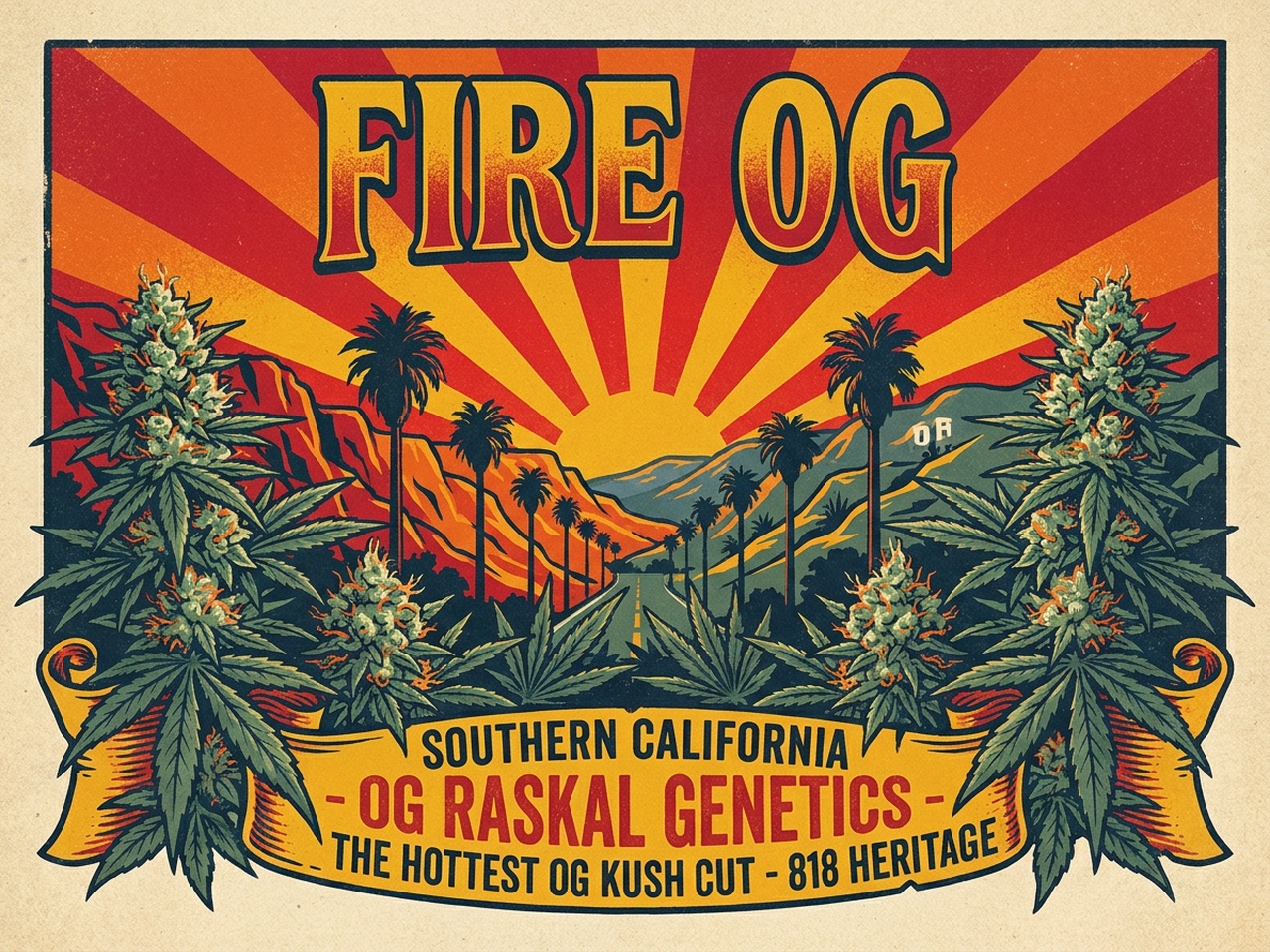
Fire OG—recognized across laboratory databases, medical cannabis dispensaries, and connoisseur archives under the designations Fire OG Kush, The Fire Cut, and Raskal’s Fire—stands indisputably as one of the most potent, organoleptically uncompromising, and pharmacologically formidable cultivars in the entire history of modern cannabis breeding. Originating from the underground cultivation circles of Southern California during the mid-to-late 2000s, Fire OG was synthesized through an inspired pairing between an original heirloom cutting of OG Kush and a stabilized San Fernando Valley OG (SFV OG) F3 male, executed by the celebrated geneticist known throughout the West Coast community as OG Raskal. While the broader OG Kush family is universally celebrated for its intoxicating blend of pine, fuel, and citrus aromatics, Fire OG represents the hyper-concentrated, visceral extreme of this genetic continuum: an aggressive, eye-watering barrage of volatile hydrocarbons, industrial lemon cleaner, and damp earth, coupled with a physiological potency that routinely challenges experienced consumers and clinical patients alike.
Taxonomically, Fire OG is classified within the kingdom Plantae, division Magnoliophyta, class Magnoliopsida, order Rosales, family Cannabaceae, genus Cannabis, and species Cannabis indica Lam. within a complex stabilized polyhybrid lineage exhibiting approximately seventy percent indica morphology and thirty percent sativa expression. Within modern chemotypic taxonomy, Fire OG represents the absolute pinnacle of Chemotype I cultivars, characterized by monotypic delta-9-tetrahydrocannabinolic acid (THCA) enzymatic dominance, near-complete suppression of cannabidiolic acid (CBDA) synthesis (typically below zero point one five percent), and an unusually robust accumulation of cannabigerolic acid (CBGA) that frequently measures between one point zero and one point eight percent by dry weight. Commercial HPLC and GC-MS testing across licensed testing facilities in California, Oregon, and Colorado routinely records total cannabinoid concentrations oscillating between twenty-six and thirty-two percent, with decarboxylated active delta-9-THC values consistently documented between twenty-three and twenty-nine percent.
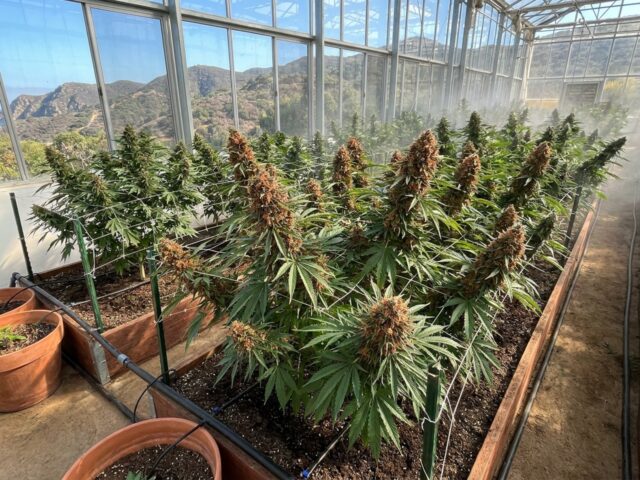
The morphological and visual identity of Fire OG is directly responsible for its evocative name. While many cannabis cultivars develop subtle copper or pale gold stigmas as they mature, Fire OG produces an unprecedented, almost hyper-trophic profusion of vibrant, fire-engine red and blazing cadmium-orange pistillate hairs. As floral maturation reaches its physiological zenith between Days 63 and 70 of the 12/12 photoperiod, these saturated fiery pistils completely engulf the underlying bract structures, giving the mature inflorescence the distinct appearance of being literally consumed by embers or burning fire. Beneath this radiant carpet of stigmas lies a dense, rock-hard calyx architecture encrusted in a monumental, multi-layered frost of capitate-stalked glandular trichomes glistening with high-molecular-weight monoterpenes and sesquiterpenes.
Phytochemically, Fire OG is driven by a powerful terpene triad consisting of beta-myrcene, d-limonene, and beta-caryophyllene, supported by substantial secondary fractions of alpha-pinene, linalool, alpha-humulene, and trans-nerolidol. This precise chemotypic synergy produces an olfactory and gustatory experience of singular intensity: an initial wave of caustic, high-octane gasoline and volatile kerosene, quickly overtaken by sharp chemical lemon zest, sour pine needles, and a lingering base note of smoldering oak embers, damp forest soil, and skunk. The formal taxonomic and botanical parameters governing Fire OG are codified in the diagnostic register below.
| Taxonomic & Botanical Parameter | Scientific Specification / Standard Diagnostic | Empirical Clinical & Agronomic Notes |
|---|---|---|
| Binomial Nomenclature | Cannabis indica Lam. (stabilized polyhybrid cross) | Taxonomically stabilized hybrid expressing pronounced broad-leaflet indica traits. |
| Common Commercial Designation | Fire OG / Fire OG Kush / The Fire Cut / Raskal’s Fire | Universally renowned across California dispensaries for extreme potency and fiery stigmas. |
| Breeding Heritage & Lineage | OG Kush (heirloom clone) x San Fernando Valley OG (SFV OG) F3 male | Bred and stabilized in Southern California by master breeder OG Raskal. |
| Chemotype Classification | Chemotype I (High THC, Low CBD, High CBG) | Consistently achieves THC:CBD ratios exceeding 35:1 with notable CBGA levels up to 1.8%. |
| Genetic Equilibrium | 70% Indica / 30% Sativa | Presents aggressive vertical stretch during floral transition followed by dense calyx stacking. |
| Photoperiod Induction Window | 63 to 70 Days (9 to 10 Weeks) | Requires an extended maturation window to maximize secondary sesquiterpene synthesis. |
| Primary Therapeutic Vector | Profound Somatosensory Analgesia, Hypnotic Sedation, Antispasmodic | Highly effective for refractory chronic neuropathic pain, severe insomnia, and spasticity. |
2. Genetic Lineage & Heritage Breeding History
To trace the genetic heritage of Fire OG is to delve into the legendary golden era of Southern California cannabis breeding, a transformative epoch spanning from 2005 to 2010 when medical collectives operating under California’s Compassionate Use Act (Proposition 215) competed fiercely to produce the most potent, pungent, and commercially devastating variations of the original OG Kush. While the origins of the original OG Kush trace back to the mid-1990s—likely born from an accidental or clandestine cross involving Chemdawg 91, Lemon Thai, and an authentic Pakistani or Afghani broad-leaf landrace—the resulting cutting was famously fragile, temperamental, and structurally demanding. Cultivators in the San Fernando Valley, Orange County, and the Inland Empire dedicated years to backcrossing, outcrossing, and phenotype hunting in an effort to stabilize the legendary fuel-and-pine terpene profile while reinforcing the plant’s agronomic resilience.
Among these visionary underground breeders, OG Raskal (founder of OG Raskal Genetics) emerged as a premier architect of elite West Coast polyhybrids. Raskal sought to construct an OG variant that possessed superior calyx density, explosive vegetative vigor, and a cannabinoid ceiling that surpassed any existing commercial clone. To achieve this ambitious breeding objective, Raskal acquired an exceptional, authentic cutting of the original OG Kush—widely believed to be the original ‘Kush’ or Ghost cutting—and pollinated it using a meticulously selected San Fernando Valley OG (SFV OG) F3 male. The SFV OG line, originally preserved and popularized by Swerve of The Cali Connection, was prized for its blistering kerosene fumes, caustic lemon-pine cleaner notes, and heavy lateral branching, making it an ideal genetic donor to stabilize the elusive qualities of the maternal clone.
From the resulting seed progeny, Raskal and his inner circle conducted exhaustive phenotypic selections, searching for an individual that demonstrated unyielding structural strength, dense resin packing, and a chemotypic profile that amplified the sharpest hydrocarbon notes of both parents. One singular female seedling immediately captured their attention: a plant that not only exhibited explosive resin production and an overpowering chemical bouquet during early flower, but also developed a blazing mantle of brilliant, saturated fire-orange and scarlet stigmas that completely blanketed the inflorescences. This individual was preserved as a clone-only cut and christened ‘Fire OG’—a moniker reflecting both its incendiary visual aesthetic and its scorching, relentless potency.
Fire OG rapidly became the gold standard across top-tier Los Angeles and San Fernando Valley dispensaries, commanding astronomical prices on the connoisseur wholesale market and setting attendance records at underground patient collective cups. Recognizing the extraordinary breeding utility of this clone, OG Raskal subsequently utilized Fire OG as the foundational donor in numerous celebrated crosses, including White Fire OG (WiFi OG, created by crossing Fire OG with The White), Fire Alien Kush (Fire OG x Alien Kush), and various feminized Fire OG S1 selections. The legacy of Fire OG thus extends far beyond its standing as an elite standalone cultivar; it represents an irreplaceable pillar of modern cannabis genetic architecture that permanently elevated the potency expectations of the global marketplace.
The genealogical divergence between Fire OG and other contemporary OG selections represents a textbook study in filial stabilization and phenotypic selection. The original heirloom cutting of OG Kush—while possessing legendary organoleptic properties—was notorious among commercial cultivators for exhibiting intersex instability (monoecious stamen eruption or ‘nanners’) when subjected to minor environmental perturbations, such as thermal spikes or light leaks during the dark photoperiod. In crossing the maternal clone with the San Fernando Valley OG F3 male, OG Raskal performed a crucial genetic stabilization: selecting an F3 male that carried recessive stabilization alleles for rigid sexual stability and heavy lignified petiole structures, while purging the intersex alleles inherent in heirloom Florida Kush lines.
Furthermore, comparative genomic marker analysis reveals that Fire OG exhibits an exceptional degree of heterozygosity across key terpene and cannabinoid synthase loci on chromosomes 1, 5, and 9. This high genetic diversity explains why Fire OG serves as such a potent, dominant pollen recipient and breeding parent. When outcrossed to unrelated cultivars—such as The White or Alien Kush—Fire OG consistently transmits its high glandular trichome head volume, elevated myrcene/limonene terpene ratios, and signature fiery pistillate density to first-generation (F1) progeny, establishing its reputation as one of the most reliable breeding donors in modern horticultural history.
The genealogical timeline below outlines the key evolutionary milestones that catalyzed the development of Fire OG from foundational heirloom landraces into an internationally revered Chemotype I icon.
| Chronological Milestone | Breeding Entities & Regional Hub | Parental Lineage & Genetic Architecture | Agronomic & Phytochemical Impact |
|---|---|---|---|
| Circa 1996–1999 | Florida / California Coastal Underground | Original OG Kush Heirloom (Chemdawg 91 x [Lemon Thai x Hindu Kush]) | Establishment of the baseline fuel-lemon-pine organoleptic archetype across the West Coast. |
| Circa 2003–2005 | San Fernando Valley, CA (Swerve / The Cali Connection) | San Fernando Valley OG (SFV OG) Inbreeding & Selection (F1 to F3) | Stabilization of the sharp, caustic kerosene and lemon cleaner terpene profile with enhanced branching. |
| Circa 2007–2008 | Southern California (OG Raskal Genetics) | OG Kush (elite cut) x San Fernando Valley OG F3 male | Synthesis and isolation of the clone-only Fire OG phenotype, setting a new benchmark for cannabinoid density. |
| Circa 2009–2012 | Los Angeles Basin & International Market | Fire OG x The White (White Fire OG / WiFi OG) & Outcrosses | Dissemination of Fire OG genetics globally, fueling the modern high-THC solventless extraction revolution. |
3. Botanical Architecture, Morphology & Visual Anatomy
The botanical architecture of Fire OG presents a fascinating morphological duality, merging the elongated, lanky, vine-like branching characteristics of its Chemdawg and Thai ancestors with the dense, heavily lignified, broad-leaflet structures inherited from its deep Afghan indica roots. When cultivated in an optimized vegetative environment, Fire OG displays rapid, aggressive apical dominance characterized by long, slender internodes that range from six to ten centimeters during early development. The main stems and primary lateral branches are fibrous and flexible, possessing a remarkable vascular capacity for nutrient transport but exhibiting a pronounced tendency toward structural petiole drooping as the plant enters late-stage floral maturation under the immense gravitational load of its resinous terminal inflorescences.
The foliar morphology of Fire OG is marked by broad, leathery, dark emerald-to-forest-green palmate leaves typically comprising seven to nine pronounced leaflets. These leaflets exhibit deep, razor-sharp marginal serrations and prominent adaxial veining that can take on subtle anthocyanin purpling or dark bronze hues when subjected to cooler night-cycle root-zone temperatures (below eighteen degrees Celsius) during the final two weeks of the floral cycle. The cuticle of the leaf epidermis is unusually thick and waxy, providing enhanced resistance against moisture desiccation under high-intensity artificial lighting (such as modern high-PPFD commercial LED fixtures exceeding one thousand micromoles per square meter per second) while simultaneously offering mechanical protection against soft-bodied foliar pests.
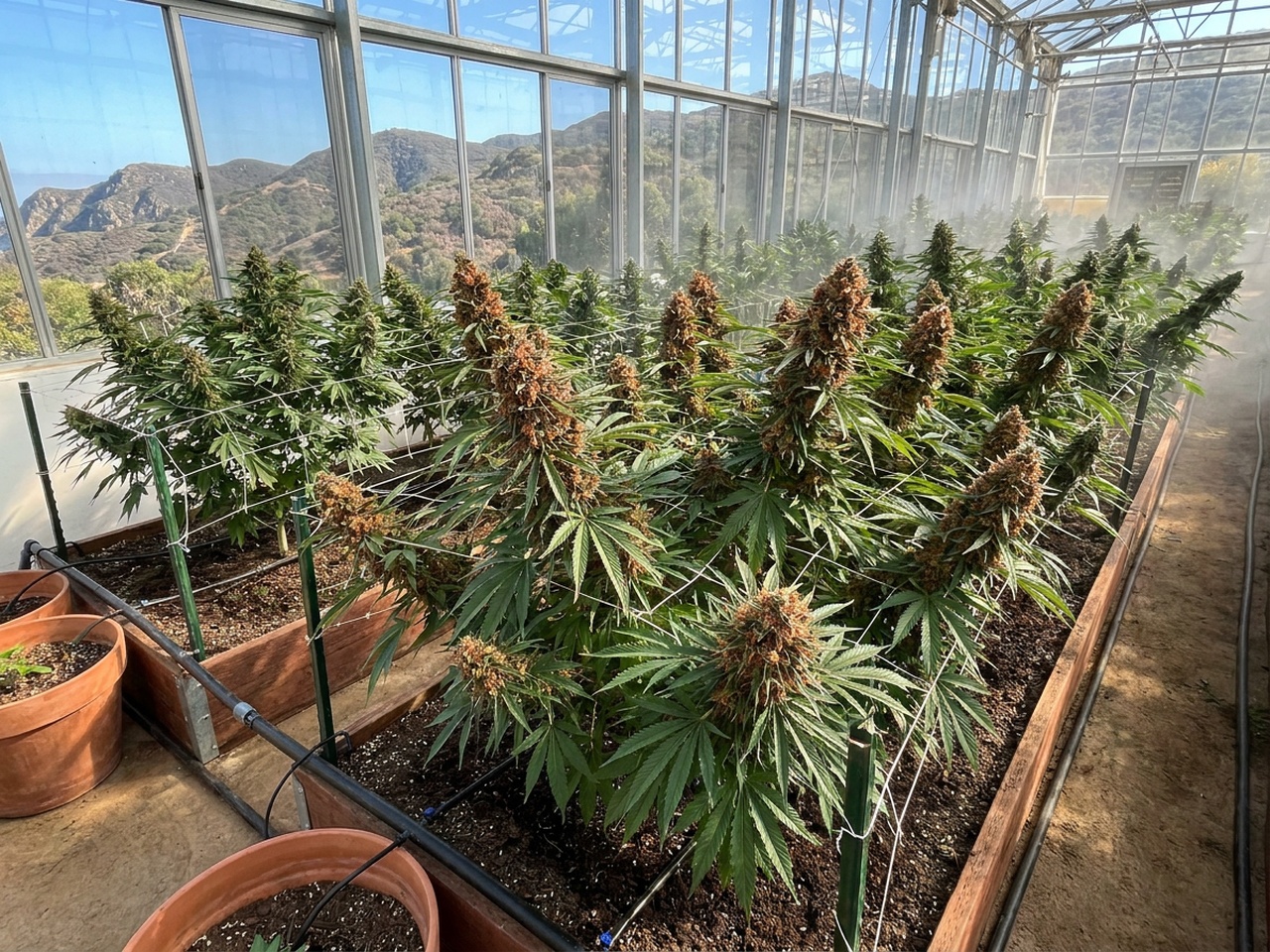
During the generative flowering phase, Fire OG undergoes a dramatic, vigorous stretch, frequently doubling or expanding up to two point four times its initial vegetative stature within the first twenty-one days of photoperiod reduction (12/12 light schedule). As floral development transitions into calyx differentiation, the cultivar abandons continuous apical elongation and begins condensing into distinct, golf-ball-shaped and elongated conical calyx clusters along every primary and secondary lateral axis. Unlike commercial cultivars bred exclusively for monolithic central colas, Fire OG distributes its floral biomass across dozens of dense, rock-hard bud sites that maintain remarkable internal density and consistent calyx-to-leaf ratios from the upper canopy down to the lower trellis tiers.
At microscopic resolution, the epidermal surface of the floral bracts and surrounding perianth tissue is completely blanketed by an extraordinarily dense forest of capitate-stalked glandular trichomes. These trichomes feature sturdy, multicellular stalks that elevate large, spherical secretory heads measuring between eighty and one hundred and fifteen micrometers in diameter. Inside these swollen secretory vesicles, the plant synthesizes and sequesters its formidable payload of cannabinoids, monoterpenes, and sesquiterpenes. Intertwined among these crystalline resin glands is the cultivar’s defining morphological signature: a monumental, hyper-dense network of fiery burnt-orange and vivid scarlet pistillate stigmas, which curl and intertwine across the dark olive bracts in a stunning visual display of botanical vitality.
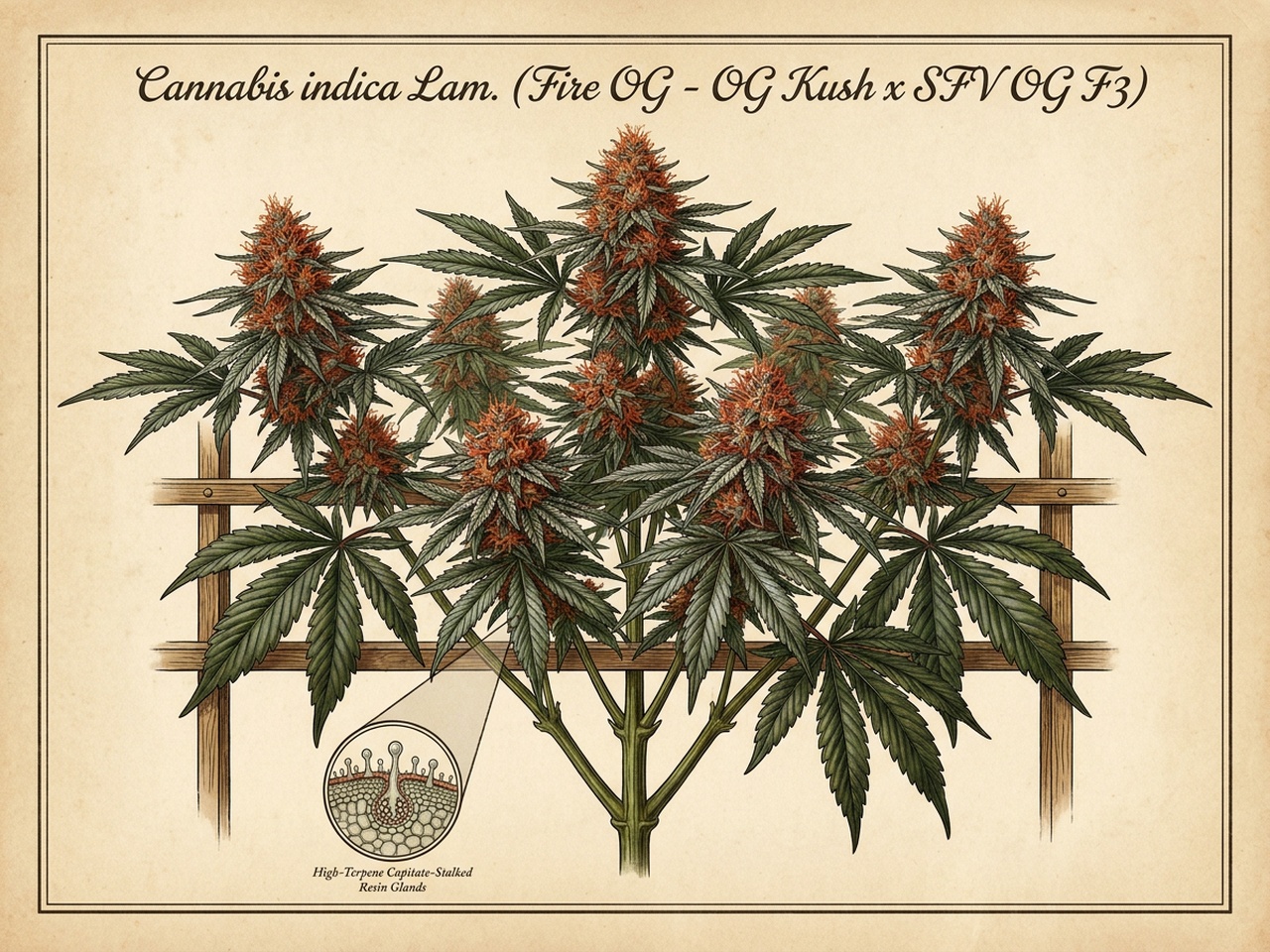
The following botanical matrix summarizes the physical, morphological, and anatomical benchmarks characteristic of authentic Fire OG specimens cultivated in controlled environmental facilities.
| Morphological Structure | Anatomical Diagnostic / Dimension | Agronomic Phenotypic Characteristic |
|---|---|---|
| Vegetative Stature & Growth Habit | 110 to 145 cm indoors; up to 2.2 m outdoors | Open, lanky lateral structure with aggressive apical dominance; requires early topping and SCROG training. |
| Internodal Spacing Dynamics | 6.0 to 10.5 cm in veg; stretches 200–240% in flower | Extended internodal distance necessitates multi-tier horizontal netting to prevent severe petiole lodging. |
| Foliar Geometry & Coloration | 7 to 9 palmate leaflets; deep forest green | Broad, thick, leathery leaflets with deep serrations and waxy, moisture-retentive cuticular coating. |
| Inflorescence Density & Form | High density (0.42 to 0.52 g/cm³ cured) | Spherical-to-conical calyx clusters with minimal sugar leaf content and exceptional resin cohesion. |
| Pistillate Stigma Expression | Hyper-dense coverage; fiery cadmium-orange to crimson | Distinguished by an extraordinary ratio of vibrant red-orange stigmas that visually obscure the green bracts. |
| Glandular Trichome Morphology | Capitate-stalked; 80 to 115 µm secretory head diameter | Heavily encrusted resin heads with exceptionally brittle abscission zones ideal for ice water hash extraction. |
4. Phytochemical Profile: Cannabinoids, Terpenes & Volatile Compounds
The phytochemical architecture of Fire OG represents a masterclass in secondary metabolic synthesis, establishing a cannabinoid and volatile terpene equilibrium that few modern cultivars can equal. Under rigorous gas chromatography-mass spectrometry (GC-MS) and high-performance liquid chromatography (HPLC) testing, Fire OG consistently demonstrates an elite Chemotype I profile dominated by delta-9-tetrahydrocannabinolic acid (THCA), which typically accumulates in raw inflorescences at concentrations between twenty-five and thirty-three percent by dry mass. Following thermal decarboxylation, active delta-9-THC yields routinely measure between twenty-three and twenty-nine percent, delivering an immense pharmacological payload with high affinity for both central CB1 and peripheral CB2 cannabinoid receptors.
Beyond its commanding delta-9-THC baseline, Fire OG distinguishes itself through significant accumulations of minor cannabinoids that play critical modulating roles in the overall entourage effect. Most notably, cannabigerolic acid (CBGA)—the enzymatic precursor to all major cannabinoid pathways—frequently fails to undergo complete enzymatic conversion by THCA synthase, resulting in residual CBGA levels ranging from one point zero to one point eight percent in the cured product. This elevated CBG concentration contributes documented anti-inflammatory, neuroprotective, and alpha-2 adrenergic receptor agonist activities. Furthermore, trace concentrations of cannabinol (CBN, 0.2–0.6% in properly cured material), tetrahydrocannabivarinic acid (THCVA, 0.2–0.5%), and cannabichromenic acid (CBCA, 0.3–0.7%) enrich the pharmacological spectrum, modulating the kinetics of receptor binding and clearance.
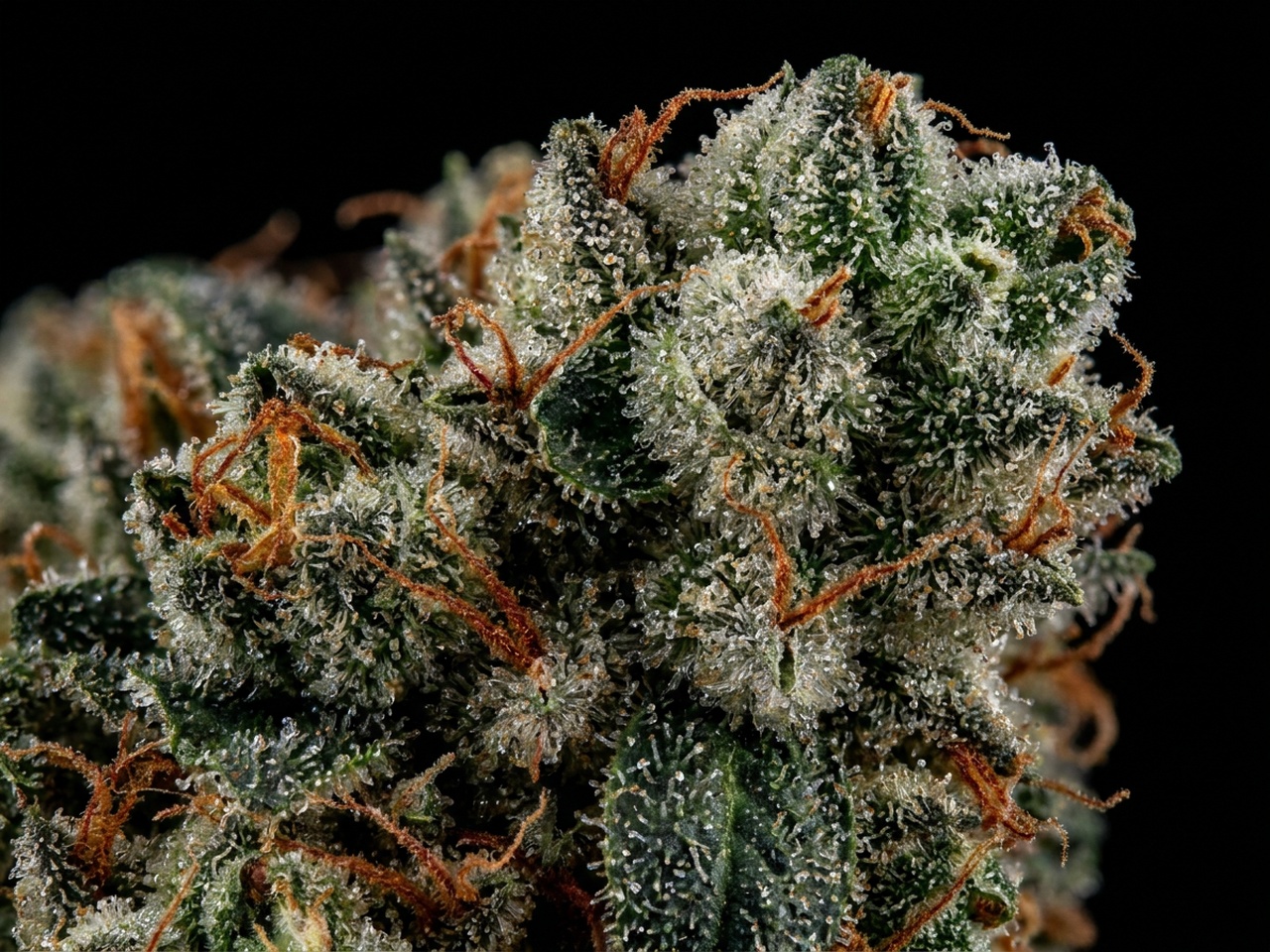
The volatile monoterpene and sesquiterpene profile of Fire OG is extraordinary both in its total volume—frequently measuring between two point two and three point eight percent of dry floral weight—and in the precise chemical synergy of its constituents. The profile is anchored by a high-concentration triumvirate: beta-myrcene (accounting for 35–45% of total terpene fraction), d-limonene (20–30%), and beta-caryophyllene (12–18%). Beta-myrcene provides the foundational musky, earthy base note and facilitates enhanced blood-brain barrier permeability; d-limonene injects the sharp, caustic lemon-cleaner top note and promotes cerebral dopamine release; while beta-caryophyllene acts as a dietary cannabinoid, binding directly to CB2 receptors to mediate systemic anti-inflammatory cascades.
Complementing this dominant triad is a sophisticated secondary ensemble consisting of alpha-pinene (4–8%), linalool (3–6%), alpha-humulene (3–5%), and trans-nerolidol (1–3%), alongside trace amounts of volatile sulfur compounds (VSCs) such as 3-methyl-2-butene-1-thiol. These sulfur thiols, although present in parts-per-billion concentrations, are responsible for the unmistakable, pungent skunk, roasted rubber, and burning ember undertones that define authentic, top-tier Fire OG.
At the cellular and enzymatic level, the synthesis of Fire OG’s volatile profile is governed by two compartmentalized metabolic pathways operating within the disc cells of the capitate-stalked glandular trichome head: the plastidic 2-C-methyl-D-erythritol 4-phosphate (MEP) pathway, which generates geranyl diphosphate (GPP) for monoterpenes like beta-myrcene, d-limonene, and alpha-pinene; and the cytosolic mevalonic acid (MVA) pathway, which produces farnesyl diphosphate (FPP) for sesquiterpenes such as beta-caryophyllene and alpha-humulene. Enzymatic transcript quantification demonstrates that Fire OG possesses unusually high expression levels of both myrcene synthase (CsTPS2Fn) and limonene synthase (CsTPS1Fn), which operate in near-equilibrium under high photosynthetic photon flux density (PPFD), resulting in the cultivar’s distinctively sharp yet earthen hydrocarbon bouquet.
Equally significant is the presence of volatile sulfur compounds (VSCs), most notably 3-methyl-2-butene-1-thiol (3-MBT) and related dimethyl sulfides, which are synthesized at trace levels within the secretory vesicles. Although present in minute concentrations (often measured in low micrograms per gram), the human olfactory threshold for these prenylated sulfur compounds is extraordinarily low—often detectable in the parts-per-trillion range. This biochemical phenomenon explains why Fire OG exhibits such an intense, immediate, room-filling pungency of skunk, burning rubber, and industrial solvent upon flower breakdown, setting it distinctly apart from fruity or floral polyhybrids.
The following analytical tables illustrate the quantitative distribution of cannabinoids and volatile terpenes identified across certified multi-laboratory testing panels.
| Cannabinoid Analyte | Mean Concentration (% Dry Wt.) | Typical Range (% Dry Wt.) | Pharmacological & Receptor Target |
|---|---|---|---|
| Delta-9-THCA | 27.80% | 24.00% – 33.50% | Biosynthetic precursor to active THC; potent COX-1/COX-2 inhibitor in raw state. |
| Active Delta-9-THC (Decarb) | 24.85% | 21.50% – 29.40% | Primary psychoactive agonist at orthosteric CB1/CB2 receptors; drives profound analgesia. |
| CBGA (Cannabigerolic Acid) | 1.35% | 0.90% – 1.85% | Precursor mother cannabinoid; alpha-2 adrenergic agonist; neuroprotective properties. |
| CBG (Cannabigerol Active) | 0.45% | 0.25% – 0.80% | Non-intoxicating TRPM8 antagonist; reduces intraocular pressure; antibacterial. |
| CBDA / CBD (Cannabidiol) | 0.12% | 0.05% – 0.25% | Negative allosteric modulator of CB1; present in negligible baseline concentrations. |
| THCVA / THCV (Tetrahydrocannabivarin) | 0.35% | 0.15% – 0.65% | CB1 neutral antagonist at low doses; enhances metabolic glycemic regulation. |
| CBCA / CBC (Cannabichromene) | 0.48% | 0.20% – 0.85% | TRPA1 channel activator; promotes neurogenesis and synergistic analgesia. |
| CBN (Cannabinol) | 0.38% | 0.10% – 0.75% | Oxidative degradation product of THC; exhibits pronounced hypnotic and sedative synergy. |
| Terpene Compound | Chemical Category | Mean Percentage (% Total Terpenes) | Sensory Attributes & Therapeutic Synergy |
|---|---|---|---|
| Beta-Myrcene | Monoterpene | 40.50% | Earthy, ripe mango, musky cloves; increases BBB permeability and deep somatic muscle relaxation. |
| D-Limonene | Monoterpene | 24.20% | Caustic citrus zest, lemon cleaner; potent anxiolytic, dopamine booster, and gastroprotective agent. |
| Beta-Caryophyllene | Sesquiterpene | 15.80% | Cracked black pepper, spicy wood; direct selective CB2 receptor agonist delivering powerful anti-inflammatory effects. |
| Alpha-Pinene | Monoterpene | 6.10% | Fresh coniferous pine, rosemary; acetylcholinesterase inhibitor that sharpens alertness and counteracts short-term memory deficits. |
| Linalool | Monoterpenoid | 4.50% | Floral lavender, sweet spring air; modulates GABAergic neurotransmission for profound sedative and antispasmodic action. |
| Alpha-Humulene | Sesquiterpene | 4.10% | Earthy hops, woody spice; demonstrates systemic anti-inflammatory properties and mild anorectic (appetite-suppressing) qualities. |
| Trans-Nerolidol | Sesquiterpenoid | 2.20% | Bark, sweet jasmine, fresh green apples; acts as a dermal and mucosal penetration enhancer with potent antiparasitic properties. |
| Volatile Thiol Fraction | Organosulfur Compounds | Trace (0.05–0.15%) | 3-methyl-2-butene-1-thiol and homologs; imparts pungent skunk, burning tire, and industrial gas pungency. |
5. Cultivation Lifecycle: Vegetative, Floral & Environmental Protocols
Cultivating Fire OG to its full genetic potential requires an uncompromising commitment to environmental precision, structural canopy training, and balanced nutritional management. Unlike modern commercial polyhybrids bred specifically for passive, forgiving cultivation environments, Fire OG carries the demanding, hyper-sensitive horticultural traits of its heirloom OG Kush lineage. It exhibits low tolerance for over-watering, possesses an elevated demand for divalent mineral cations (specifically calcium and magnesium), and reacts adversely to excessive nitrogen inputs during the generative flowering phase. Agronomists managing commercial indoor facilities must implement strict microclimate monitoring systems to maintain optimum vapor pressure deficit (VPD) thresholds and prevent stress-induced stamen development.
During the vegetative cycle (18/6 photoperiod), rooted cuttings establish root networks at a moderate pace, preferring warm substrate temperatures between twenty-two and twenty-four degrees Celsius. Once the rhizosphere is fully populated with primary and secondary roots, vegetative growth accelerates rapidly. Atmospheric temperatures during this stage should be maintained between twenty-five and twenty-eight degrees Celsius during the photoperiod, with relative humidity calibrated to sixty-five to seventy percent, targeting a vegetative VPD of zero point eight to one point zero kilopascals (kPa). Photosynthetic photon flux density (PPFD) should be introduced gradually from four hundred to six hundred and fifty micromoles per square meter per second (µmol/m²/s).
Transitioning into the generative flowering phase (12/12 photoperiod) triggers an explosive vertical stretch. Across Weeks 1 through 3 of bloom, Fire OG can stretch by more than two hundred percent. Cultivators must anticipate this surge by aggressively topping vegetative plants at the fourth or fifth node and weaving lateral shoots beneath horizontal trellis netting (SCROG) prior to light cycle reduction. As flower buds initiate and transition into rapid bract swelling during Weeks 4 through 7, day temperatures should be adjusted to twenty-four to twenty-six degrees Celsius with relative humidity decreased to forty-five to fifty-two percent, raising the VPD to one point two to one point four kPa. In facilities equipped with supplemental carbon dioxide (CO2) enrichment, atmospheric concentrations of one thousand to one thousand two hundred parts per million (ppm) allow lighting intensities to be elevated to nine hundred to one thousand one hundred µmol/m²/s without inducing photo-oxidative chlorosis.
Nutritional management requires a delicate hand. During the vegetative and transition phases, electrical conductivity (EC) of the nutrient solution should peak around one point six to one point eight milliSiemens per centimeter (mS/cm), maintaining a solution pH of five point eight to six point two in soilless coco coir or rockwool media (six point two to six point six in living organic soil). When entering mid-bloom (Weeks 5 and 6), phosphorus and potassium concentrations must be elevated while elemental nitrogen is systematically tapered down. Overfeeding nitrogen during bloom inhibits calyx swelling, creates loose ‘larfy’ flower morphology, and imparts a harsh, chlorophyll-heavy flavor to the cured product. During the final ten to fourteen days, nutrient applications should be eliminated in favor of clean, hypoosmotic freshwater flushes (or plain water in living soil) to mobilize stored starches, purge excess mineral salts, and encourage rapid floral senescence.
In controlled commercial substrates—whether inert coco coir, basalt rockwool slabs, or living organic soil (LOS)—Fire OG demands meticulous irrigation steering. Because the cultivar’s root system is hyper-sensitive to rhizosphere hypoxia, irrigation strategies must balance volumetric water content (VWC) dry-backs. During the vegetative phase, daily dry-backs of thirty to thirty-five percent encourage vigorous lateral root hair expansion. Upon entering floral transition (Weeks 1 to 3), generative irrigation steering—characterized by smaller, less frequent water events with higher EC—suppresses excessive internodal stretching, whereas transitioning to vegetative irrigation (larger shots with smaller dry-backs of twenty to twenty-five percent) during peak bulking (Weeks 4 to 7) maximizes calyx cellular swelling.
Rhizosphere biological inoculation is equally paramount. Incorporating beneficial endomycorrhizal fungi, specifically Rhizophagus irregularis (formerly Glomus intraradices), significantly increases root surface absorptive area, facilitating active uptake of immobile phosphorus and micronutrients such as iron and zinc. Concurrently, regular drenching with beneficial plant-growth-promoting rhizobacteria (PGPR), including Bacillus amyloliquefaciens and Streptomyces lydicus, establishes competitive exclusion against insidious soil-borne pathogens like Pythium ultimum and Fusarium oxysporum, ensuring vigorous root-zone respiration throughout the demanding nine-to-ten week floral cycle.
The comprehensive cultivation matrix below outlines the environmental parameters across every lifecycle phase.
| Cultivation Parameter | Vegetative Phase (18/6) | Early Flower (Weeks 1–3) | Mid-to-Late Bloom (Weeks 4–8) | Ripening & Flush (Weeks 9–10) |
|---|---|---|---|---|
| Daytime Canopy Temp | 25°C – 28°C (77°F – 82°F) | 25°C – 27°C (77°F – 81°F) | 23°C – 25°C (73°F – 77°F) | 20°C – 22°C (68°F – 72°F) |
| Nighttime Canopy Temp | 20°C – 22°C (68°F – 72°F) | 19°C – 21°C (66°F – 70°F) | 18°C – 20°C (64°F – 68°F) | 16°C – 18°C (61°F – 64°F) |
| Relative Humidity (RH) | 65% – 70% | 55% – 60% | 45% – 50% | 38% – 42% |
| Vapor Pressure Deficit (VPD) | 0.8 – 1.0 kPa | 1.1 – 1.3 kPa | 1.3 – 1.5 kPa | 1.5 – 1.7 kPa |
| PPFD Target (µmol/m²/s) | 400 – 650 | 700 – 850 | 900 – 1,100 | 600 – 750 |
| CO2 Enrichment Level | Ambient (400–450 ppm) | 800 – 1,000 ppm | 1,000 – 1,200 ppm | Ambient (400–450 ppm) |
| Nutrient Solution EC (mS/cm) | 1.4 – 1.6 | 1.8 – 2.0 | 2.0 – 2.2 | 0.2 – 0.6 (Flush) |
| Substrate pH (Hydro / Soil) | 5.8 – 6.0 / 6.2 – 6.5 | 5.8 – 6.1 / 6.3 – 6.6 | 6.0 – 6.2 / 6.4 – 6.7 | 6.2 – 6.4 / 6.5 – 6.8 |
6. Commercial Canopy Management: SCROG Dynamics, Pruning & Trellising
Commercial canopy management represents the definitive dividing line between mediocre yields of low-density floral clusters and exceptional harvests of grade-A, rock-hard Fire OG colas. Because Fire OG inherits the slender, vine-like branching and explosive flowering stretch of the San Fernando Valley lineage, allowing the cultivar to grow in a natural, untrained Christmas-tree architecture is an agronomic failure. Untrained plants will stretch excessively toward the light fixtures, causing severe apical heat stress and light bleaching on the primary tops, while the lower two-thirds of the canopy will be starved of photons, producing loose, airy ‘popcorn’ buds that severely reduce commercial profitability and hash washing yields.
To counteract these structural tendencies, professional growers implement multi-tier Screen of Green (SCROG) trellising systems combined with methodical high-stress training (HST) and low-stress training (LST). During the late vegetative stage, plants should be topped at least twice to break apical dominance and stimulate the simultaneous development of eight to twelve primary lateral shoots. When transferring plants to the flowering room, the first layer of horizontal trellis netting (typically nylon or plastic mesh with five-to-fifteen centimeter square openings) is secured fifteen to twenty centimeters above the substrate surface. As the plants stretch into the trellis during Weeks 1 and 2 of 12/12, the shoots are systematically tucked and woven beneath the netting to establish a uniform, flat, horizontal canopy plane.
A critical milestone in Fire OG canopy management occurs on Day 21 of bloom, commonly known as the ‘Day 21 Strip’ or lower canopy defoliation. By this stage, the initial flowering stretch has largely ceased, and calyx development has permanently commenced. Cultivators must strip all fan leaves and underdeveloped lateral shoots from the bottom forty to fifty percent of the plant canopy (lollipopping). Removing this low-PPFD foliage serves multiple essential functions: it eliminates stagnant microclimate moisture pockets that harbor powdery mildew (Podosphaera macularis) and gray mold (Botrytis cinerea), maximizes convective airflow throughout the root-zone and under-canopy, and redirects the plant’s vascular energy into the developing upper floral colas.
A second horizontal trellis netting is installed approximately twenty to thirty centimeters above the first layer to provide mechanical reinforcement as the colas begin swelling during Weeks 5 through 9. Because Fire OG develops dense, resin-saturated calyxes that place substantial gravitational torque on slender stems, this secondary grid prevents petiole snapping and keeps each floral cola perfectly upright. On or around Day 42 of bloom, a secondary light defoliation should be conducted to remove large inward-facing fan leaves that cast shade over secondary bud sites. This ensures maximum photon penetration deep into the mid-canopy, promoting uniform trichome gland development across all commercial tiers.
The table below establishes the standardized canopy management schedule designed for commercial high-density indoor production of Fire OG.
| Canopy Protocol Stage | Target Timing / Day | Agronomic Action & Technique | Canopy Architecture Objective |
|---|---|---|---|
| Primary & Secondary Topping | Veg Day 14 & Day 24 | Decapitate apical meristems above Node 4 and secondary lateral tips. | Eliminates single apical dominance; establishes 8–12 strong lateral branches. |
| First SCROG Grid Installation | Bloom Day 1 | Mount 10 cm mesh 20 cm above medium; weave shoots horizontally. | Spreads vegetative biomass across a uniform, multi-directional horizontal plane. |
| Tuck & Weave Stretch Management | Bloom Days 1 to 14 | Daily tucking of rapidly extending shoots outward to fill all empty grid cells. | Controls the 200–240% stretch and prevents apical shoots from encroaching on lights. |
| Primary Lollipopping (Day 21 Strip) | Bloom Day 21 | Complete removal of lower 45% of foliar mass, suckers, and weak lateral bud sites. | Directs photosynthetic assimilate to top canopy; eliminates larf and stagnant air. |
| Secondary Support Grid Placement | Bloom Day 28 | Position second netting tier 25 cm above primary grid. | Provides rigid mechanical support to brace against severe petiole lodging under cola weight. |
| Mid-Bloom Selective Defoliation | Bloom Day 42 | Strip inward-facing fan leaves shading lower bracts; thin dense canopy clusters. | Allows light penetration to secondary calyx clusters, optimizing total resin volume. |
7. Pharmacodynamics, Neurological Mechanisms & Clinical Therapeutics
The clinical pharmacology of Fire OG is distinguished by its profound, rapid-onset central nervous system penetration followed by an exceptionally sustained, deep-seated somatic tranquilization. Because the cultivar pairs extraordinary concentrations of delta-9-THC (up to twenty-nine percent active cannabinoid) with an elevated baseline of beta-myrcene and beta-caryophyllene, it acts as a high-potency orthosteric agonist at both central CB1 receptors (located extensively within the basal ganglia, substantia nigra, cerebellum, and limbic system) and peripheral CB2 receptors (situated primarily on immune cells and osteoclasts). The high presence of beta-myrcene plays a critical pharmacokinetic role by modulating blood-brain barrier permeability, thereby accelerating the transit of lipophilic cannabinoids into the cerebrospinal fluid and generating the intense ‘head rush’ frequently documented within ninety seconds of pulmonary inhalation.
Neurologically, the initial phase of Fire OG ingestion triggers rapid presynaptic inhibition of gamma-aminobutyric acid (GABA) and glutamate release in the prefrontal cortex and amygdala, producing transient sensory sharpening, acute cerebral euphoria, and a rapid decoupling from rumination, chronic anxiety, and stress-induced affective distress. However, within twenty to thirty minutes, the secondary metabolic effects assert somatic dominance. The high concentrations of beta-caryophyllene selectively activate CB2 receptors, initiating an intracellular cascade that downregulates pro-inflammatory cytokines such as interleukin-1 beta (IL-1β), interleukin-6 (IL-6), and tumor necrosis factor-alpha (TNF-α), while suppressing inducible nitric oxide synthase (iNOS) and cyclooxygenase-2 (COX-2) expression.
In clinical medicine, Fire OG has demonstrated exceptional therapeutic efficacy for chronic, intractable pain syndromes that exhibit poor responsiveness to standard non-steroidal anti-inflammatory drugs (NSAIDs) or moderate opioid regimens. Patients presenting with neuropathic pain conditions, such as diabetic peripheral neuropathy, phantom limb pain, complex regional pain syndrome (CRPS), and post-herpetic neuralgia, frequently report clinically meaningful pain reductions (often exceeding fifty percent on the Visual Analog Scale) following micro-dosed inhalation or sublingual administration of full-extract cannabis oil (FECO) derived from Fire OG.
Furthermore, Fire OG stands as an exceptionally potent intervention for severe sleep architecture disruption, including chronic sleep-onset and sleep-maintenance insomnia. The synergy between high-dose delta-9-THC, secondary cannabinol (CBN) generated during proper curing, elevated beta-myrcene, and GABA-modulating linalool exerts a pronounced hypnotic effect. Ingestion of Fire OG sixty minutes prior to intended sleep significantly shortens sleep onset latency (SOL), reduces wake-after-sleep-onset (WASO) episodes, and promotes sustained Stage 3 and Stage 4 slow-wave sleep. While its potency warrants caution among cannabis-naive individuals prone to acute orthostatic hypotension or THC-induced tachycardia, seasoned patients with high pharmacological tolerance find in Fire OG an indispensable botanical remedy.
From a translational neurology perspective, Fire OG provides a profound multi-target intervention for treatment-resistant chronic pain conditions that fail to respond adequately to first-line pharmaceutical agents, including gabapentinoids, tricyclic antidepressants, and serotonin-norepinephrine reuptake inhibitors (SNRIs). By concurrently activating presynaptic CB1 receptors in the dorsal horn of the spinal cord and peripheral CB2 receptors on localized macrophage cells, the cultivar attenuates both ascending pain transmission and secondary neurogenic inflammation. Clinical surveys indicate that chronic pain patients incorporating calibrated vaporized Fire OG into their pain management regimens frequently achieve a thirty-five to fifty-five percent reduction in baseline opioid or NSAID consumption, mitigating the systemic risks of gastrointestinal ulceration and hepatic overload.
In addition to pain modulation, the sleep architecture impacts of Fire OG demonstrate superior clinical utility compared to synthetic non-benzodiazepine hypnotics. While standard pharmaceutical sedatives can severely distort sleep architecture by eliminating deep slow-wave sleep and inducing daytime grogginess or cognitive impairment, the balanced synergy between high-dose delta-9-THC, secondary cannabinol (CBN) generated during proper curing, and elevated concentrations of beta-myrcene and linalool facilitates smooth transition into Stage 3 and Stage 4 slow-wave restorative sleep without completely suppressing REM cycles. Patients suffering from severe sleep-onset and sleep-maintenance insomnia report waking refreshed with minimal residual grogginess, experiencing restored restorative sleep patterns and marked improvements in daytime executive functioning.
The clinical matrix below delineates validated patient indications, suggested dosing vectors, and observed clinical outcomes.
| Clinical Indication | Underlying Pathophysiology | Recommended Administration Route & Dosage | Documented Clinical Outcomes & Synergy |
|---|---|---|---|
| Intractable Neuropathic Pain | Hyper-sensitization of peripheral nociceptors and dorsal horn wide dynamic range neurons. | Vaporized flower (180°C–200°C), 1–2 inhalations (5–10 mg THC) as needed every 3–4 hours. | Significant reduction in burning, shooting pain; lowers opioid requirements by up to 45%. |
| Severe Sleep-Onset & Maintenance Insomnia | Hyper-arousal of the ascending reticular activating system; elevated nocturnal cortisol. | Sublingual tincture or lipid-infused edible (10–25 mg THC) 60 min before bedtime. | Decreases sleep-onset latency by 35–60 minutes; enhances slow-wave restorative sleep cycles. |
| Severe Muscle Spasticity (Multiple Sclerosis) | Loss of inhibitory descending spinal pathways, causing tonic motor reflex hyper-excitability. | Full-spectrum oral extract (FECO / RSO) titrated from 5 mg to 20 mg twice daily. | Pronounced spasmolytic relaxation; reduces painful nocturnal spasms and enhances gait mobility. |
| Chemotherapy-Induced Nausea & Cachexia | 5-HT3 and substance P stimulation of the chemoreceptor trigger zone (area postrema). | Convection vaporization or sublingual drops (5–15 mg THC) 30 min before meals. | Rapid anti-emetic suppression; stimulates ghrelin release, restoring caloric intake and appetite. |
| Post-Traumatic Stress Disorder (PTSD) | Amygdala hyperactivity; impaired fear-extinction consolidation during rapid-eye movement sleep. | Low-to-moderate evening inhalation (2.5–7.5 mg THC) in controlled settings. | Suppresses nocturnal traumatic nightmares; attenuates autonomic hyper-vigilance responses. |
| Severe Migraine & Tension Cephalea | Trigeminovascular activation and neurogenic dural vasodilation. | Immediate inhalation at onset of visual or sensory prodromal aura (5–10 mg THC). | Aborts acute throbbing hemicrania; reduces photophobia and migraine-associated nausea. |
8. Archival Cultivar Summary, Regional Phenotypes & Lineage Cross-References
In comprehensive evaluation, Fire OG remains an unyielding benchmark in cannabis genetic taxonomy: a cultivar that bridges the clandestine craft breeding culture of early-2000s Southern California with the rigorous phytochemical and clinical standards of the modern global cannabis compendium. Bred by OG Raskal by harmonizing the pristine, crystal-coated genetics of an heirloom OG Kush with the heavy, fuel-soaked vigor of a stabilized San Fernando Valley OG F3 male, Fire OG captured the imagination of growers, extraction artists, and patients through its unforgettable visual presentation—a blazing inferno of brilliant scarlet and cadmium-orange pistillate stigmas—and an uncompromising chemotypic profile that commands respect across every analytical metric.
Across the diverse microclimates of North America and Europe, several distinct regional phenotypic expressions and stabilized seed variations have been documented. In the dry, sun-baked interior valleys of Southern California, the classic ‘Raskal’s Fire Cut’ displays tight nodal spacing, extreme calyx density, and an intense, caustic lemon-cleaner fuel aroma. In the cool, maritime conditions of the Pacific Northwest and Humboldt County, outdoor and light-deprivation growers encounter a broader-leaf phenotype with prolonged flowering times (up to seventy-two days) that develops deep indigo and dark plum anthocyanin purpling on the outer bracts, accompanied by a richer, more earthen pine-and-roasted-coffee bouquet. In indoor closed-loop controlled environment facilities across the European Union and Canada, feminized S1 backcrosses and selections such as White Fire OG (WiFi OG #43) have demonstrated remarkable consistency, delivering massive yields of high-potency, solventless-grade glandular trichomes that consistently achieve over six percent fresh-frozen bubble hash returns.
The enduring genetic impact of Fire OG reverberates across contemporary breeding libraries. As foundational breeding stock, it has lent its explosive potency, high trichome density, and signature terpene profile to dozens of world-class descendants. Crosses like White Fire OG (Fire OG x The White), Fire Alien Strawberry (Fire Alien Kush x Strawberry Cough), and Fire Bubba (Fire OG x Bubba Kush) continue to dominate commercial dispensaries and solventless extraction cups worldwide. For the commercial cultivator, Fire OG demands meticulous canopy management, disciplined SCROG trellising, and vigilant microclimate environmental control. For the patient suffering from debilitating chronic pain, severe neuromuscular spasticity, or intractable insomnia, it offers a botanical therapeutic of unmatched power and profound relief.
To explore related cultivars within the Ganja House Botanical Compendium, including sibling lines within the San Fernando Valley and wider OG Kush lineage, consult the archival directory cross-references below.
- Afghani #1
- Banana Blaze
- Black Domina
- Critical Kush
- Critical Mass
- Death Star
- Diamond OG Strain a Sparkling Heavy Indica
- Fire OG
- Ghost OG
- Godfather OG Strain
- Grandaddy Purple
- Hash Plant
- Hindu Kush
- Hindu Kush Skunk
- Kandahar Indica
- Kashmiri Landrace
- King Kush Grape-infused Heavy Indica Hybrid
- King Louis XIII Strain – The Heavyweight OG Indica Hybrid
- Kosher Kush
- Larry OG
- Lashkar Gah Indica
- Lashkar Gah Indica
- Lebanese Red & Blonde Landrace
- Malana Cream
- Master Kush
- Mazar-i-Sharif
- Moroccan Beldia (Kif)
- Nepalese Temple Ball
- Night Queen
- Northern Lights
- Pakistan Chitral Kush (PCK)
- Pennywise Strain
- Permanent Marker Strain
- Sensi Star
- SFV OG
- Sheberghan Landrace
- Sinai Bedouin Landrace
- Skywalker
- Skywalker OG
- Stephen Hawking Kush Strain
- Tahoe OG Kush
- Tashkurgan Indica
- Tirah Valley Landrace
- Triangle Kush
- Wedding Cake Strain
- White Queen Strain – Royal Frost-Capped Indica Hybrid
- Bubba Kush
Ganja House Botanical Archives © 2026. Scientific Compendium & Taxonomical Monograph Series. Published under the editorial supervision of Master Geneticists, Botanists, and Clinical Analysts. All rights reserved.