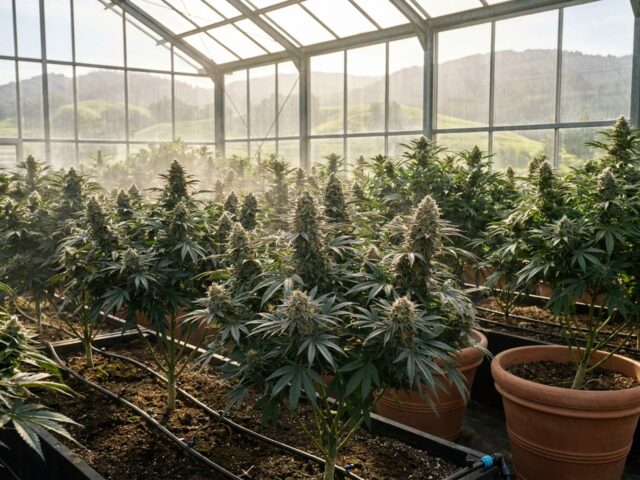
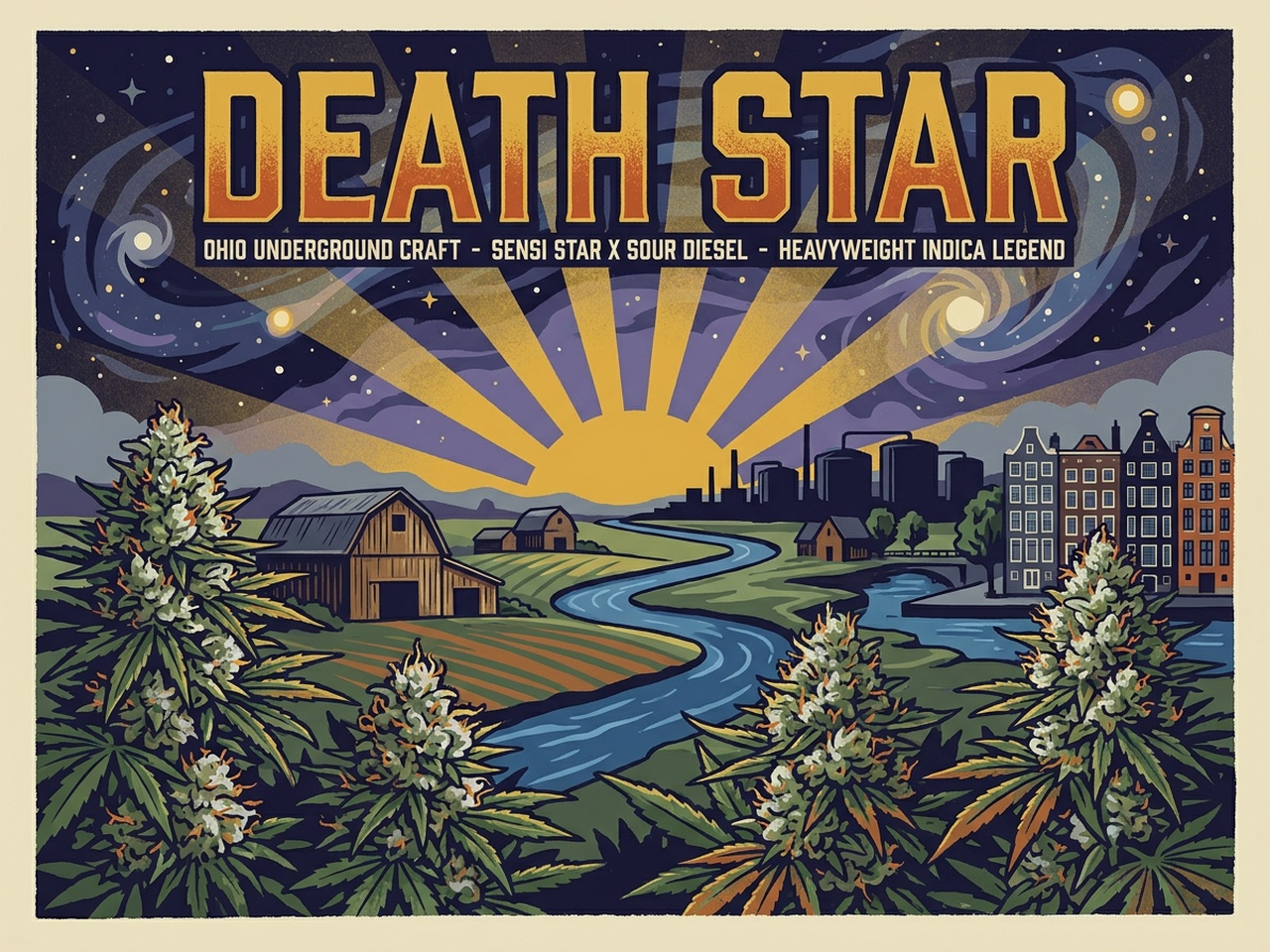
The contextual socio-historical environment that birthed Death Star represents one of the most celebrated chapters in Midwestern American cannabis breeding lore. Developed in the underground cultivation collectives of Central and Eastern Ohio during the early 2000s, Death Star emerged at a pivotal moment when illicit domestic producers sought to bridge the structural density and crushing physical narcotic sedation of classic European indica genetics with the sharp, fuel-drenched, room-filling olfactory dominance of East Coast chemotypes. While West Coast medical programs under California’s Proposition 215 were rapidly popularizing OG Kush and its derivative polyhybrids, Midwestern clandestine growers operated under severe federal and state prohibition, necessitating compact, high-yielding, and devastatingly potent cultivars that could thrive in stealth indoor micro-environments. By pollinating the legendary Dutch indica champion Sensi Star with an elite cutting of East Coast Sour Diesel (ECSD), Ohio’s underground breeders produced an enduring legend that rapidly transcended regional borders to become an international standard for heavy indica potency and pungent diesel funk.
Spoken Strain Monograph: Death Star (Indica Audio Edition)
Listen to the complete scientific monograph audio overview for Death Star, detailing its Ohio underground breeding synthesis, cannabinoid architecture, volatile terpene profile, clinical efficacy, and commercial agronomic optimization.
[wp_post_visit_card post_id=”1359″]
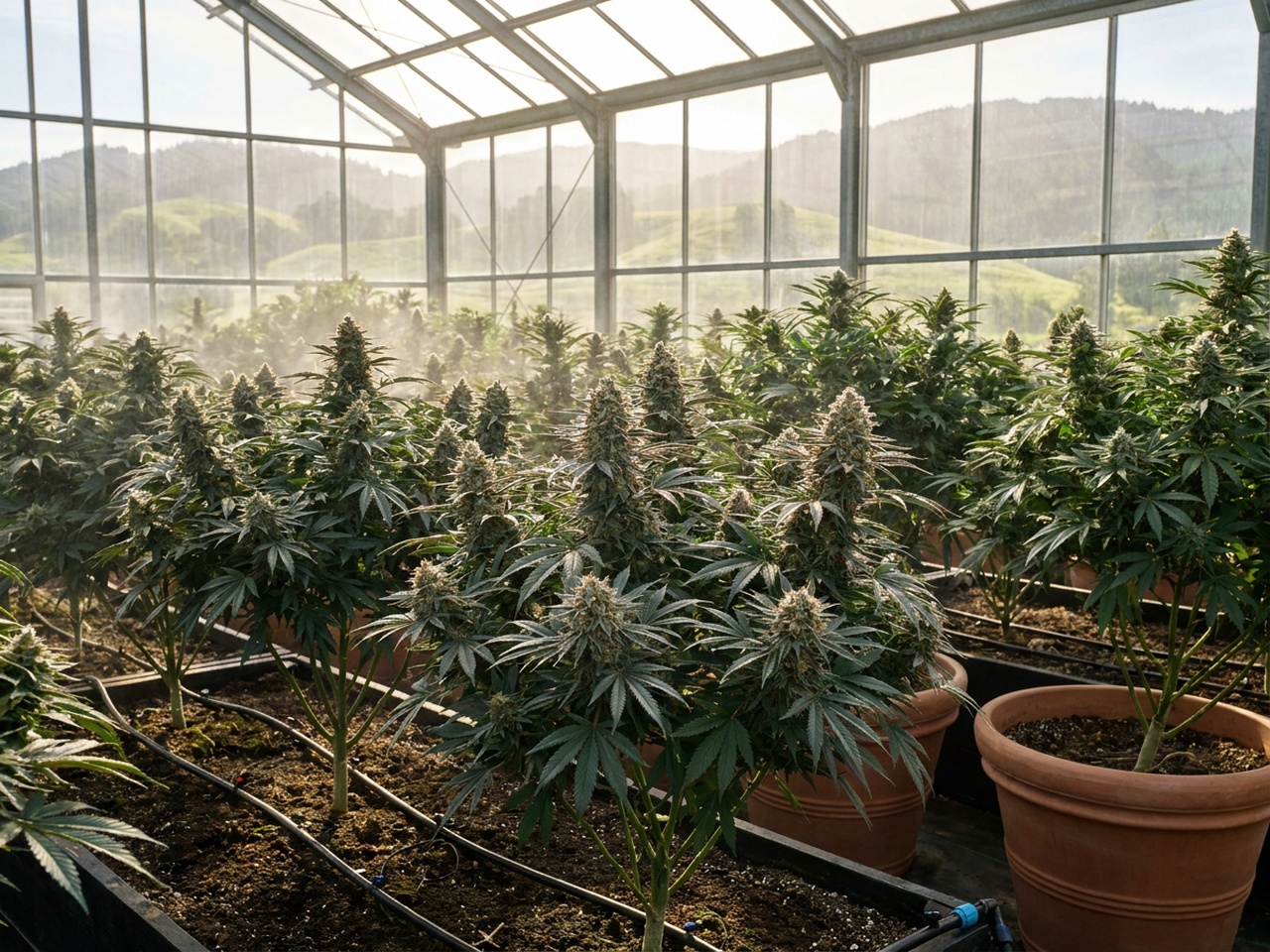
1. Executive Summary & Botanical Heritage
Death Star represents an extraordinary historical milestone in the lineage of North American craft cannabis, standing as arguably the most famous, influential, and medically revered cultivar ever developed in the American Midwest. Originating in Ohio circa 2004 through the collective efforts of an underground artisanal breeding circle widely known as “Team Death Star” (centered primarily in the Columbus, Yellow Springs, and Dayton corridors), the cultivar was born from a deliberate mission to engineer the ultimate heavy-indica narcotic medicine. Rather than relying on the widely circulated West Coast genetics of the era, the breeders orchestrated an inspired union between two of the most distinct genetic pillars of the late 1990s: Paradise Seeds’ multi-award-winning Dutch indica powerhouse Sensi Star, and the notoriously pungent, razor-sharp East Coast Sour Diesel (ECSD) clone-only cutting. The resulting hybrid captured the imagination of discerning connoisseurs and medical caregivers alike, delivering an unyielding pharmacological punch and an unforgettable organoleptic profile that remains virtually unmatched in modern commercial polyhybrid catalogs.
Taxonomically classified as a heavily indica-dominant polyhybrid (expressing approximately 75% Cannabis indica and 25% Cannabis sativa genetic architecture), Death Star reconciles two historically divergent phylogenetic trajectories. The maternal seed parent, Sensi Star (bred by Luc Krol of Amsterdam’s Paradise Seeds and crowned High Times Cannabis Cup winner in 1999 and Highlife Cup champion in 1999 and 2000), contributed an ancient, stout Afghan indica backbone characterized by rock-hard calyx development, crystalline resin density, and profound bodily anesthesia. In contrast, the pollen donor, East Coast Sour Diesel (descended from the seminal Chemdawg 91 lineage and Massachusetts Super Skunk lines), infused the cross with explosive vegetative vigor, sharp cerebral euphoria, and an overwhelming aromatic payload dominated by sour petroleum hydrocarbons, sulfurous thiols, and pungent chemical skunk. The resulting synergy produced a plant that exhibits the compact stature and dense bud structure of an heirloom indica while radiating the volatile, room-commanding chemotype of pure Sour Diesel.
In clinical dispensaries, commercial cultivation facilities, and analytical testing laboratories across regulated North American markets, Death Star has established a legendary track record of chemical stability and medicinal reliability. High-performance liquid chromatography (HPLC) and gas chromatography-mass spectrometry (GC-MS) profiles routinely document total potential delta-9-tetrahydrocannabinol (THC) titers ranging between 22.0% and 27.5% by dry flower weight, with meticulously optimized organic living-soil harvests regularly exceeding 28.5% total cannabinoids. Furthermore, the cultivar exhibits a remarkably robust minor cannabinoid spectrum, featuring cannabigerolic acid (CBGA) and neutral cannabigerol (CBG) concentrations between 0.8% and 1.5%, along with therapeutically relevant levels of cannabichromene (CBC) and tetrahydrocannabivarin (THCV). When combined with an exceptionally dense volatile terpene fraction frequently exceeding 3.2% total terpenes by weight—dominated by beta-myrcene, beta-caryophyllene, limonene, and alpha-pinene—Death Star produces an entourage effect characterized by an immediate somatic weight, deep neuromuscular decompression, and rapid onset of profound tranquility.
The cultural and pharmacological legacy of Death Star extends far beyond its Midwestern roots. During the mid-to-late 2000s, when clone-only cultivars traveled exclusively through trusted, closed-network underground channels, genuine cuttings of Death Star fetched exorbitant premiums among master growers in New York, Pennsylvania, Michigan, and eventually the medical markets of Colorado and California. Its reputation as a “creeper” strain—characterized by an initial wave of uplifting cerebral focus that gradually transitions into an inescapable, heavy couchlock—made it the cultivar of choice for patients contending with treatment-resistant insomnia, chronic neuropathic spinal pain, severe fibromyalgia, and PTSD-related panic disorders. In an industry increasingly dominated by ephemeral dessert cultivars and rapid cycle hybrid fads, Death Star remains an untouchable classic, revered by geneticists, legacy cultivators, and serious patients as a masterwork of illicit American botanical engineering.
From a cultivation perspective, Death Star presents an exceptionally rewarding, though methodically demanding, canopy to manage. While its Sensi Star inheritance provides heavy pest resistance, thick structural stalks, and minimal internodal stretch, its exceptionally dense floral clusters mandate rigorous environmental controls during late flowering. The sheer biomass and moisture retention of its swollen calyxes require low relative humidity, vigorous oscillating airflow, and precise dehumidification to prevent fungal pathogen incursions. For the commercial cultivator willing to satisfy its heavy micronutrient appetites and provide the necessary support for its dense terminal colas, Death Star rewards the garden with golf-ball to baseball-sized floral clusters encrusted in a blinding frost of bulbous capitate-stalked glandular trichomes, exuding an unapologetic stench of skunky lemon diesel and pungent earth.
At the cellular and anatomical level, the root system and vascular transport mechanics of Death Star reflect an extraordinary adaptation to high-metabolic-demand cultivation regimes. The primary taproot and adventitious lateral root architecture develop a remarkably dense network of fine root hairs that demonstrate superior affinity for vesicular-arbuscular mycorrhizal (VAM) fungal symbiosis, specifically with Rhizophagus irregularis and Glomus intraradices. This robust fungal association exponentially amplifies the effective surface area of the rhizosphere, facilitating the rapid acquisition of immobile orthophosphate ions and micronutrients such as iron and zinc. Within the xylem conduits, thick secondary cell walls reinforced with extensive lignin deposition maintain high hydraulic conductivity even under severe transpirational pull induced by high vapor pressure deficits. This structural resilience allows Death Star to maintain optimal turgor pressure in expanding floral tissues, driving the rapid, uniform swelling of calyxes throughout late floral maturation.
2. Botanical Architecture & Genetic Lineage
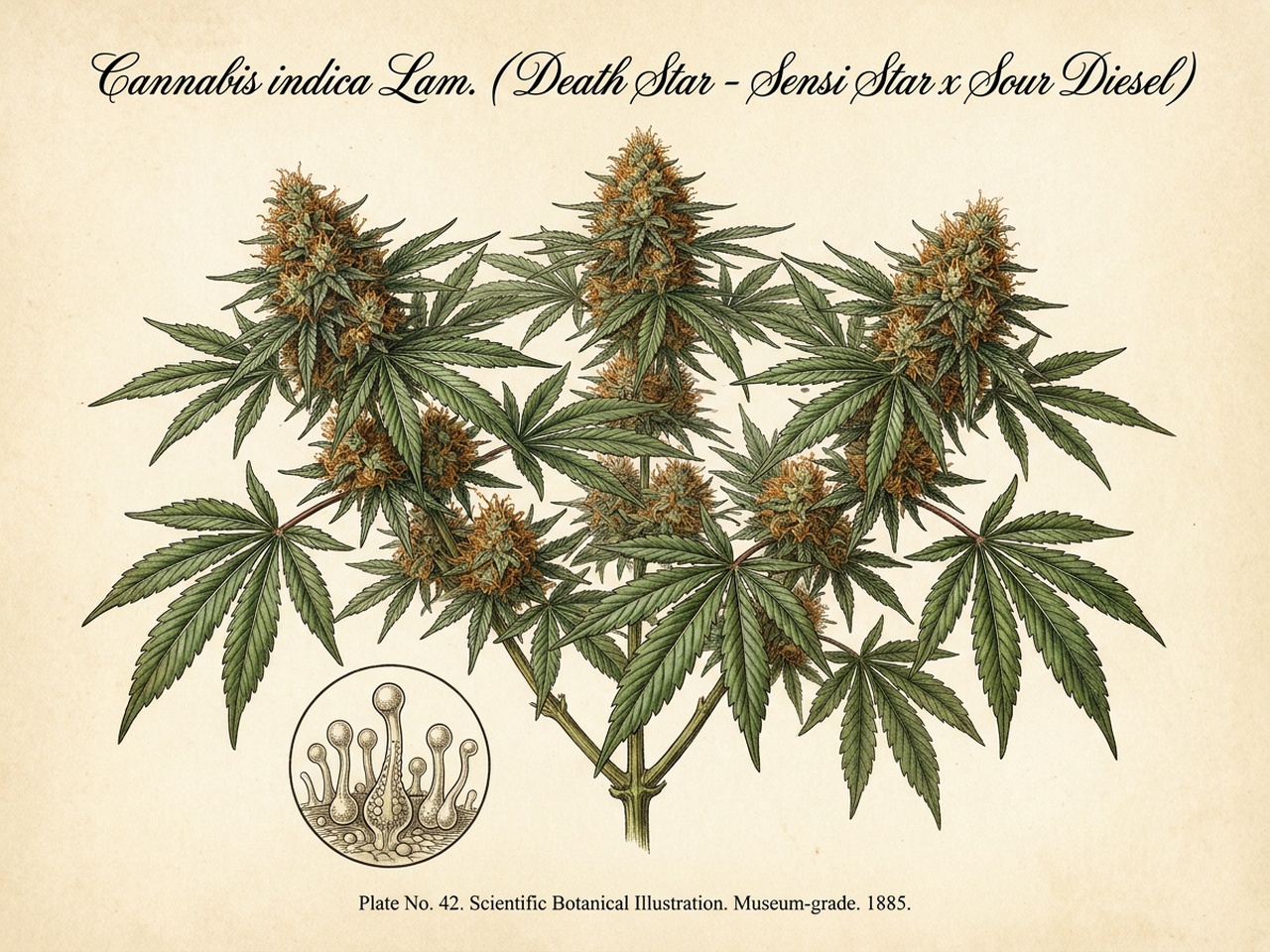
The morphological and genetic architecture of Death Star reflects an exquisite structural synthesis between two contrasting botanical archetypes. The maternal foundation, Sensi Star, exhibits classical broad-leaflet indica (BLD) morphology inherited from highland Hindu Kush landrace populations. Sensi Star is characterized by an extremely compact, stocky habit, short petioles, thick woody stalks, and broad, dark forest-green fan leaves that display pronounced, sharp serrations. Conversely, the paternal contributor, East Coast Sour Diesel, embodies the structural traits of narrow-leaflet sativa-dominant hybrids (NLD), exhibiting vigorous vertical elongation, slender lateral branching, extended internodal spacing, and light-green foliage. When hybridized in the F1 generation, the resulting Death Star phenotype manifests predominantly indica structural traits, producing a stout, bushy, heavily branched plant that incorporates just enough hybrid vigor from Sour Diesel to ensure superior nutrient uptake and vegetative growth velocity.
Throughout the vegetative growth phase, Death Star produces dark emerald-green fan leaves that typically possess seven to nine broad, overlapping leaflets. The laminae exhibit a rich, glossy waxy cuticle layer that provides natural protection against desiccation and foliar transpiration stress. The petioles are short, thick, and fibrous, showing exceptional tensile strength. While pure Sour Diesel displays noticeable elongation between leaf nodes, Death Star maintains tight internodal spacing averaging between 3.5 and 5.5 centimeters during vegetative growth. This compact architecture creates a dense, multi-topped bush that readily responds to apical topping, low-stress training (LST), and screen of green (SCROG) trellising systems. The primary central stem develops heavy secondary xylem tissue and rapid bark lignification, providing a rock-solid foundation capable of supporting heavy terminal floral weight without catastrophic branch collapse.
Upon photoperiod transition to a 12/12 flowering schedule, Death Star undergoes a moderate, highly manageable stretch phase that increases its vegetative height by approximately 130% to 160% over the first 21 to 25 days. Unlike pure Sour Diesel, which can easily triple in height and overwhelm small grow spaces, Death Star’s stretch is firmly anchored by Sensi Star’s indica genetics. Internodal distances expand moderately to between 6.0 and 8.5 centimeters, allowing adequate light penetration and air movement through the inner canopy while maintaining tight floral stacking along every major branch. By the start of week four of anthesis, vegetative elongation halts completely as the plant shifts its full cellular resources toward floral primordia differentiation, bract multiplication, and secondary metabolite biosynthesis.
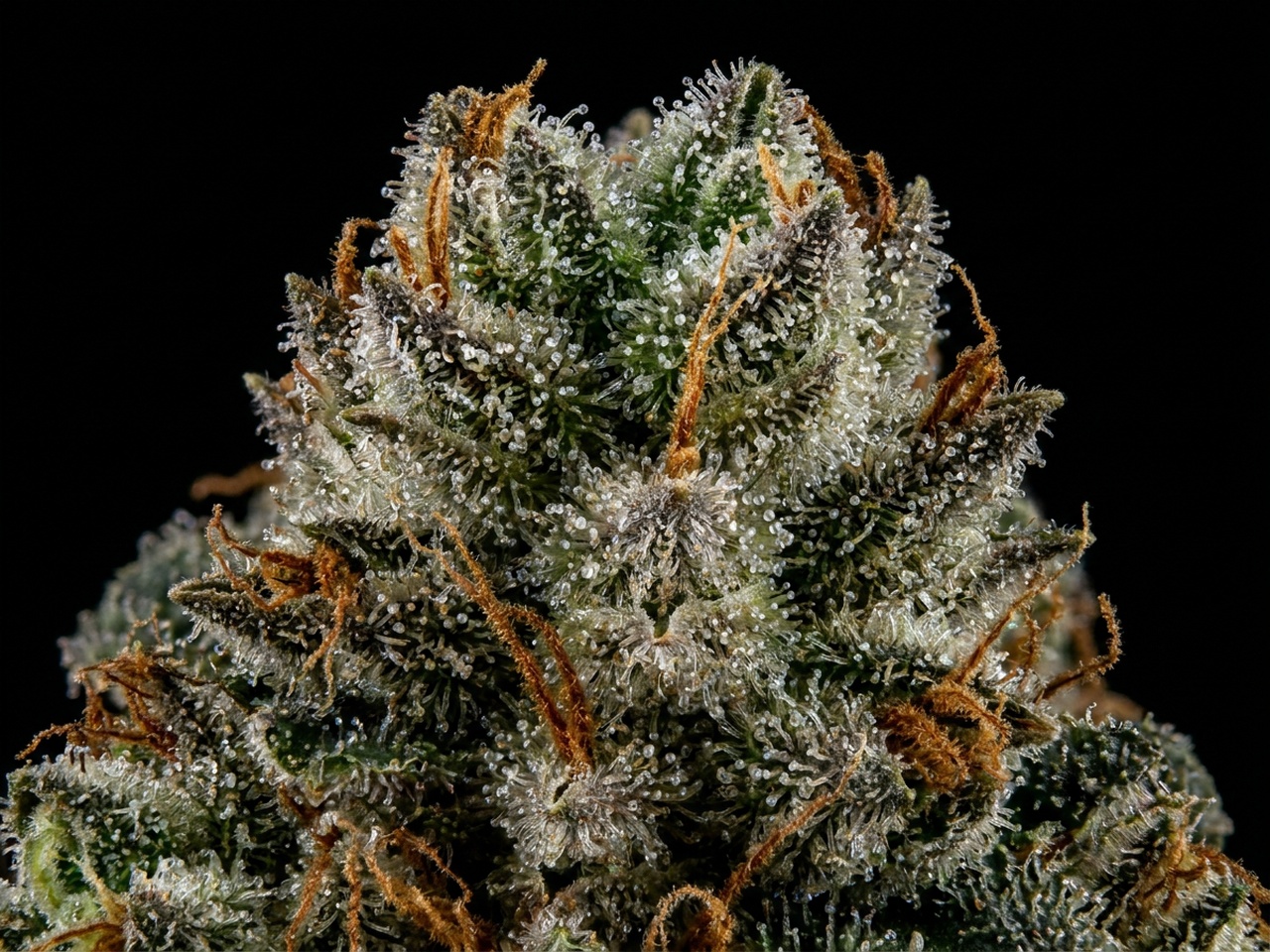
The floral architecture of Death Star is among the densest and most visually striking in the entire cannabis kingdom. The inflorescences develop not as loose, airy clusters, but as rock-hard, spherical to conical calyx formations that stack tightly from the base of each branch to the apical tip. The individual calyxes (perianths) are exceptionally swollen, thick-walled, and fleshy, creating buds with an almost stone-like physical density. The calyx-to-leaf ratio is remarkably high, with minimal interior sugar leaves protruding from the floral clusters, which greatly streamlines the mechanical or hand-trimming process. The color palette of the mature flower is dominated by deep forest green and dark olive hues, frequently accented by subtle silvery-platinum undertones generated by the crystalline trichome coat. Woven throughout the frosty bracts are thick, wiry, fiery burnt-copper and deep amber pistillate stigmas that curl tightly inward as the flower achieves peak physiological ripeness.
Microscopically, Death Star is defined by an extraordinary blanket of glandular trichomes that completely encases the bracts, perianths, and surrounding sugar leaves. The predominant trichome type is the capitate-stalked glandular trichome, which features robust, multicellular stalks reaching heights of 180 to 260 micrometers, crowned by colossal, spherical secretory heads measuring 85 to 115 micrometers in diameter. These glandular heads feature a thick sub-cuticular wall that encloses a dense, amber-tinted reservoir of cannabinoid acids, monoterpenes, and volatile sesquiterpenoids. The abscission zone at the neck of the secretory head exhibits remarkable structural integrity during growth, yet detaches cleanly during mechanical trichome separation, making Death Star an elite cultivar for dry-sift rosin and solventless ice-water hash production.
| Botanical Trait | Phenotypic Expression | Genetic & Horticultural Relevance |
|---|---|---|
| Taxonomic Classification | Cannabis indica Lam. polyhybrid (approx. 75% indica / 25% sativa) | Unites Dutch cup-winning Afghan indica genetics with East Coast sativa-dominant diesel lineage. |
| Parental Lineage | Sensi Star (Unknown Afghan Indica) × East Coast Sour Diesel (Chemdawg 91 × Super Skunk) | Bred by Team Death Star in Central/Eastern Ohio circa 2004; clone-only legend. |
| Growth Habit & Stature | Compact to medium bushy stature; thick woody main stem; robust lateral branching | Highly adaptable to SCROG and LST; sturdy stems support heavy terminal floral clusters without bending. |
| Photoperiod Stretch Factor | 130% to 160% height increase during days 1–25 of 12/12 photoperiod | Manageable vertical stretch; allows dense canopy packing under high-PPFD indoor fixtures. |
| Floral Cluster Density | Extremely dense, rock-hard spherical to conical calyx clusters; high calyx-to-leaf ratio | Superior bag appeal and rapid processing; requires strict late-flowering humidity management. |
| Glandular Trichome Morphology | Dense capitate-stalked trichomes (85–115 µm heads); thick resin layer | Exceptional solventless resin extraction; high mechanical wash return with full-melt meltability. |
| Flowering Maturation Window | 60 to 67 days (8.5 to 9.5 weeks) under 12/12 indoor photoperiod | Harvest timing determines narcotic depth: 60 days for cerebral diesel edge; 67 days for total sedation. |
3. Comprehensive Chemotype & Cannabinoid Quantification
Under contemporary analytical phytochemistry categorization, Death Star is universally designated as an archetypal Chemotype I cultivar, defined by an overwhelming dominance of delta-9-tetrahydrocannabinolic acid (THCA) with negligible concentrations of cannabidiolic acid (CBDA). In rigorous state-mandated third-party laboratory analyses utilizing high-performance liquid chromatography coupled with diode-array detection (HPLC-DAD), Death Star consistently produces total potential THC titers between 22.0% and 27.5% by dry flower weight. In masterfully calibrated indoor environments utilizing organic living soils, optimized microbial consortia, and supplemental ultraviolet-B (UVB) photobiological stimulation, select phenotype cuts have officially registered above 29.0% total active cannabinoids. The raw cannabinoid profile of the uncombusted, expertly cured floral tissue exists almost entirely in carboxylated acid form, with THCA comprising over 95% of the total cannabinoid fraction prior to thermal vaporization or smoking.
Beyond its formidable primary psychoactive constituent, Death Star expresses a remarkably sophisticated minor cannabinoid profile that plays an essential pharmacological role in modulating the overall therapeutic trajectory. Most prominent among these minor phytocannabinoids is cannabigerolic acid (CBGA) and neutral cannabigerol (CBG), which routinely test between 0.80% and 1.45% by dry weight. CBG serves as the enzymatic “mother cannabinoid” within the trichome secretory disk, from which THCA synthase and other terminal enzymes biosynthesize secondary cannabinoids. In Death Star, a specific enzymatic accumulation allows a significant pool of unconverted CBGA to persist in the mature trichome heads. Clinically, CBG acts as a potent alpha-2 adrenoceptor agonist and a moderate 5-HT1A serotonergic receptor antagonist, providing anxiolytic and peripheral anti-inflammatory modulation that cushions the intense psychoactive onset of high-dose THC.
Cannabichromene (CBC) and its carboxylated precursor cannabichromenic acid (CBCA) are consistently detected in Death Star flowers at concentrations between 0.20% and 0.50% by dry weight. Although non-intoxicating, CBC is an exceptionally potent agonist of the transient receptor potential ankyrin 1 (TRPA1) ion channel and a potent inhibitor of cellular anandamide reuptake. Through these pathways, CBC works synergistically with THC to amplify central and peripheral antinociception without inducing additional motor impairment. Trace quantities of tetrahydrocannabivarin (THCV) are also routinely quantified in Death Star, typically ranging between 0.10% and 0.25%. While present in modest amounts, THCV functions as a neutral antagonist at CB1 receptors at low concentrations, contributing to the distinct, rapid, clear-headed cerebral euphoria that characterizes the first 15 to 30 minutes of the Death Star experience before the heavy indica sedation takes full command.
Cannabinol (CBN), the primary oxidative degradation byproduct of delta-9-THC, is typically found in fresh, professionally preserved Death Star samples at levels below 0.15%. However, when flowers are intentionally allowed to reach advanced amber trichome maturation (15% to 25% amber glandular heads at harvest) or cured over an extended 60 to 90-day duration, CBN concentrations can elevate to between 0.30% and 0.65%. CBN demonstrates moderate affinity for CB2 receptors and acts as a mild CB1 partial agonist, displaying significant pharmacological synergy with beta-myrcene and THC to produce powerful, long-lasting hypnotic and sedative effects. This chemical evolution explains why late-harvest Death Star flowers are considered by clinical herbalists to be one of the most effective non-synthetic sleep-inducing botanical preparations available.
| Cannabinoid Compound | Typical Range (% Dry Weight) | Pharmacological Activity & Receptor Targets |
|---|---|---|
| THCA (Tetrahydrocannabinolic Acid) | 23.50% – 28.50% | Non-psychoactive acid precursor; potent TRP channel agonist; neuroprotective; anti-inflammatory via COX-1/2 inhibition. |
| Delta-9-THC (Decarboxylated) | 0.40% – 1.80% (Pre-heat) / 22.0% – 27.5% (Total Potential) | Primary psychoactive constituent; high-affinity partial agonist at central CB1 and peripheral CB2 receptors; drives euphoria, somatic analgesia, appetite stimulation. |
| CBGA (Cannabigerolic Acid) | 0.70% – 1.35% | Biosynthetic precursor to all major phytocannabinoids; interacts with PPAR-gamma; exhibits antibacterial and gastrointestinal protective properties. |
| CBG (Cannabigerol) | 0.15% – 0.45% | Alpha-2 adrenoceptor agonist; competitive CB1 antagonist; potent anti-inflammatory; intraocular pressure reduction. |
| CBCA / CBC (Cannabichromene) | 0.20% – 0.50% | Potent TRPA1 channel agonist; cellular anandamide reuptake inhibitor; works in synergy with THC to enhance somatic analgesia. |
| THCVA / THCV (Tetrahydrocannabivarin) | 0.10% – 0.25% | Dose-dependent CB1 antagonist/agonist; modulates glycemic regulation; provides early alert cerebral lift before physical sedation. |
| CBN (Cannabinol) | 0.05% – 0.40% (Harvest Dependent) | Oxidative degradation marker; CB2 affinity; acts as a pronounced sedative and hypnotic agent in combination with myrcene and THC. |
| CBDA / CBD (Cannabidiol) | 0.02% – 0.15% | Trace presence only; negative allosteric modulator of CB1; negligible impact on overall pharmacodynamic profile. |
The sensory profile of Death Star is renowned among cannabis sommeliers for its raw, unfiltered aromatic intensity. Upon entering a curing room or cracking open a glass jar of mature Death Star flowers, the olfactory impact is instantaneous, pervasive, and intensely chemical. The initial top notes are defined by an aggressive wave of volatile petroleum, jet fuel, and sour lemon rind derived from its East Coast Sour Diesel heritage. As the floral bracts are broken apart, this acrid chemical front gives way to a dense, musky, and earthy core underpinned by hashish, pungent garlic, and damp coniferous forest floor, inherited directly from Sensi Star. This dual aromatic character creates a captivating chemosensory tension: a sharp, acidic, industrial diesel attack grounded by an ancient, resinous, dark Afghan hash foundation.
4. Volatile Terpene Signature & Entourage Pharmacodynamics
The complex organoleptic personality and potent clinical efficacy of Death Star are governed by an exceptionally rich and concentrated volatile terpene architecture. Comprehensive head-space gas chromatography-mass spectrometry (GC-MS) testing indicates that Death Star flowers typically accumulate total terpene concentrations between 2.6% and 4.2% of dry flower mass, placing it within the upper tier of terpene-dense cannabis cultivars. The chemical profile is dominated by a synergistic triad composed of beta-myrcene, beta-caryophyllene, and d-limonene, supported by meaningful secondary fractions of alpha-pinene, alpha-humulene, and trans-nerolidol. Furthermore, recent volatile organic compound (VOC) profiling has revealed that Death Star produces significant concentrations of volatile sulfur compounds (VSCs), specifically prenylated thiols, which impart its unmistakable skunky, rubbery, and diesel fuel stench.
Beta-myrcene constitutes the single most abundant monoterpene in Death Star, frequently accounting for 35% to 45% of the total terpene profile (measuring between 0.90% and 1.65% by dry flower weight). Myrcene is a monoterpenoid hydrocarbon renowned for its earthy, musky, and herbal aroma with subtle clove undertones. Pharmacologically, beta-myrcene is the primary chemical driver of the classic “indica couchlock” effect. Crucially, myrcene has been shown in pharmacokinetic research to modulate the permeability of the blood-brain barrier (BBB) by altering erythrocyte membrane fluidity, thereby facilitating faster and more efficient central nervous system penetration of delta-9-THC and other lipophilic cannabinoids. Additionally, beta-myrcene demonstrates pronounced central analgesic activity through the release of endogenous opioids via alpha-2 adrenoceptor stimulation, providing substantial relief from deep musculoskeletal and inflammatory pain.
The secondary major constituent in Death Star’s terpene profile is beta-caryophyllene, typically accumulating between 0.60% and 1.15% by dry weight. Unlike simple monoterpenes, beta-caryophyllene is a bicyclic sesquiterpene that possesses the unique biological capability of acting as a fully functional phytocannabinoid. It selectively binds as a full agonist to the peripheral cannabinoid receptor type 2 (CB2) with nanomolar affinity, completely lacking psychoactive affinity for central CB1 receptors. Through CB2 receptor activation, beta-caryophyllene suppresses pro-inflammatory cytokines (including TNF-alpha, IL-1beta, and IL-6) and inhibits the expression of inducible nitric oxide synthase (iNOS). This direct cannabinoid-receptor interaction makes Death Star an exceptionally potent anti-inflammatory botanical agent, especially valuable for managing systemic autoimmune flares, rheumatoid arthritis, and gastrointestinal inflammatory disorders without exacerbating cognitive impairment.
D-Limonene ranks as the third dominant terpene in Death Star, typically quantifying between 0.45% and 0.90% by dry weight. Limonene introduces a vibrant, zesty citrus peel and sour lemon note that cuts through the heavy musk of myrcene, serving as the sensory bridge to its East Coast Sour Diesel heritage. Neuropharmacologically, limonene is an effective anxiolytic and mood-elevating compound that readily crosses the blood-brain barrier. It stimulates serotonergic neurotransmission by increasing dopamine and serotonin release in the prefrontal cortex and striatum, while exerting modulatory action on GABAergic pathways. In Death Star, limonene provides the initial burst of cerebral euphoria, mood elevation, and sensory brightness that users experience immediately following inhalation, counteracting the potential dysphoria or lethargy that can accompany ultra-high doses of THC and myrcene.
The secondary terpene ensemble in Death Star includes alpha-pinene (0.20% to 0.45%), alpha-humulene (0.15% to 0.35%), and trans-nerolidol (0.10% to 0.25%). Alpha-pinene acts as a natural acetylcholinesterase inhibitor, preserving synaptic acetylcholine concentrations and aiding in short-term memory retention and mental alertness, while providing bronchodilatory benefits that expand alveolar surface area for cannabinoid absorption. Alpha-humulene (alpha-caryophyllene) acts synergistically with beta-caryophyllene as a potent anti-inflammatory and modest anorectic (appetite-suppressing) agent. Finally, trans-nerolidol, a delicate sesquiterpene alcohol with woody and floral undertones, contributes deep neurosedative, antiparasitic, and transdermal penetration-enhancing properties. Together, this intricate chemical symphony creates the legendary entourage effect that defines the Death Star experience.
| Terpene Compound | Concentration (% Dry Weight) | Chemosensory Profile | Entourage Synergy & Biological Targets |
|---|---|---|---|
| Beta-Myrcene | 0.90% – 1.65% | Earthy, damp soil, musk, ripe tropical fruit, crushed cloves | Enhances blood-brain barrier permeability; central alpha-2 adrenoceptor opioid-mediated analgesia; potent somatic sedative. |
| Beta-Caryophyllene | 0.60% – 1.15% | Pungent black pepper, spicy wood, dark resin, warm spice | Direct functional CB2 receptor agonist; potent peripheral anti-inflammatory; down-regulates pro-inflammatory cytokines; gastroprotective. |
| D-Limonene | 0.45% – 0.90% | Sour lemon zest, sharp citrus rind, sweet orange peel | Anxiolytic; elevates prefrontal dopamine and serotonin; modulates GABA neurotransmission; provides early cerebral euphoria. |
| Alpha-Pinene | 0.20% – 0.45% | Fresh pine needles, crisp resinous forest, herbal rosemary | Acetylcholinesterase inhibitor; preserves cognitive clarity and memory retention; pulmonary bronchodilator. |
| Alpha-Humulene | 0.15% – 0.35% | Woody, dry hops, herbaceous earth, earthy bark | Synergistic anti-inflammatory with caryophyllene; modest appetite modulation; mucosal protective agent. |
| Trans-Nerolidol | 0.10% – 0.25% | Delicate floral, fresh tree bark, citrus rind, green apple | Neurosedative; sleep-prolonging; antioxidant; potent cutaneous and mucosal drug penetration enhancer. |
| Volatile Sulfur Compounds (VSCs) | 0.01% – 0.05% (Trace) | Raw diesel fuel, skunk spray, burnt rubber, pungent garlic | Crucial organoleptic markers; imparts the unmistakable “gas” aroma; potential antioxidant and antimicrobial activity. |
5. Neuropharmacological Dynamics & Clinical Therapeutics
The clinical pharmacology of Death Star is governed by an exquisite biphasic mechanism of action that has earned it the reputation among medical cannabis practitioners as the quintessential “creeper” cultivar. Upon inhalation—whether via convection vaporization or direct combustion—the pharmacokinetics are characterized by rapid alveolar gas exchange, with peak plasma concentrations of delta-9-THC achieved within three to eight minutes. The initial phase of the experience is heavily colored by its East Coast Sour Diesel lineage: patients typically experience an immediate onset of cerebral euphoria, heightened visual and auditory perception, and a noticeable sense of cognitive lightness. During this early 15 to 25-minute window, the presence of limonene, alpha-pinene, and trace THCV provides a mild psychomotor boost and uplifts depressive mood states without the racing tachycardia or anxiety that can sometimes accompany pure sativa strains.
As the initial cerebral surge reaches its zenith, the profound pharmacological weight of Death Star’s Sensi Star indica genetics begins to assert itself. Over the subsequent 30 to 60 minutes, a heavy wave of physical warmth and somatic decompression cascades downward from the base of the skull, neck, and shoulders, spreading systematically through the torso and extremities. The high concentrations of beta-myrcene and beta-caryophyllene work in concert with delta-9-THC to induce deep neuromuscular relaxation, significantly diminishing muscle tonus and blunting reflex hypersensitivity. This transition marks the onset of the second phase: profound physical sedation, immobilization, and deep analgesia. Patients report an almost magnetic attraction to seated or reclined positions—a physiological state universally recognized as “couchlock.”
At the molecular receptor level, Death Star exhibits multi-target neurochemical modulation. Delta-9-THC binds with high nanomolar affinity to central CB1 receptors, which are densely distributed throughout the basal ganglia, substantia nigra, cerebellum, and periaqueductal gray (PAG). This activation inhibits presynaptic voltage-gated calcium channels while activating inwardly rectifying potassium channels, resulting in a marked suppression of excitatory glutamate and acetylcholine release. In the dorsal horn of the spinal cord and the descending pain pathways, this mechanism effectively attenuates nociceptive pain signaling, making Death Star exceptionally valuable for individuals suffering from intractable central and peripheral neuropathic pain, phantom limb pain, and diabetic neuropathy.
In clinical pain management and palliative care medicine, Death Star is frequently prescribed as a highly effective night-time alternative or adjunct to conventional opioid pharmacotherapy. Through the synergistic interaction between THC and beta-caryophyllene at peripheral CB2 receptors, Death Star exerts dual central and peripheral anti-inflammatory actions, reducing local edema and suppressing the sensitization of primary afferent nociceptors. Patients suffering from degenerative disc disease, severe osteoarthritis, and rheumatoid arthritis report substantial reductions in pain scores, accompanied by significant improvements in subjective sleep architecture. Furthermore, the combination of high THC, high myrcene, and CBG stimulates powerful orexigenic (appetite-stimulating) signaling in the lateral hypothalamus, effectively countering cancer-cachexia, chemotherapy-induced nausea, and HIV-associated wasting syndromes.
In psychiatric and behavioral applications, Death Star demonstrates powerful therapeutic efficacy for post-traumatic stress disorder (PTSD), generalized anxiety disorder (GAD), and treatment-resistant insomnia. By modulating amygdalar hyperactivity and disrupting traumatic memory retrieval, Death Star helps extinguish hyperarousal responses and panic episodes in combat veterans and trauma survivors. In sleep clinics, patients administered calibrated doses of Death Star report a dramatic reduction in sleep onset latency (SOL), along with a marked decrease in nocturnal awakenings and nightmare frequency. The hypnotic properties of the cultivar promote prolonged periods of restorative slow-wave sleep (Stage 3 and 4 NREM sleep), providing deep restorative physiological rest for individuals suffering from severe chronic fatigue and insomnia.
| Clinical Indication | Primary Biological Target / Pathway | Therapeutic Mechanism & Clinical Efficacy |
|---|---|---|
| Intractable Neuropathic Pain | Central CB1 receptors; spinal dorsal horn; TRPA1 channels | Suppresses presynaptic glutamate release; inhibits ascending nociceptive pathways; reduces allodynia and hyperalgesia. |
| Severe Chronic Insomnia | GABA-A receptor complexes; central adenosine signaling; CB1 | Myrcene/CBN/THC synergy reduces sleep onset latency; prolongs restorative Stage 3/4 slow-wave sleep; reduces nighttime arousals. |
| Neuromuscular Spasticity & Tremors | Basal ganglia; cerebellar CB1 receptors; spinal motor neurons | Reduces polysynaptic spinal reflexes; diminishes muscle tonus; relieves spasms in multiple sclerosis and spinal trauma. |
| Systemic & Arthritic Inflammation | Peripheral CB2 receptors; PPAR-gamma; NF-kB inhibition | Beta-caryophyllene suppresses pro-inflammatory cytokines (TNF-a, IL-1b); relieves rheumatoid swelling and joint stiffness. |
| PTSD & Panic Disorders | Basolateral amygdala; 5-HT1A receptors; prefrontal cortex | Dampens hyperactive fear-extinction circuits; suppresses conditioned fear responses; reduces nocturnal intrusive flashbacks. |
| Anorexia & Chemotherapy Nausea | Lateral hypothalamus (orexin release); area postrema 5-HT3 | Stimulates powerful ghrelin and orexigenic appetite signaling; suppresses emetic reflex arc; counters wasting syndrome. |
6. Commercial Cultivation Architecture & Environmental Controls
Commercial production of Death Star demands disciplined agronomic oversight, combining rigorous canopy architecture manipulation with surgical microclimate control. While the cultivar exhibits exceptional structural hardiness, thick stalks, and high resistance to common root pathogens (such as Pythium and Fusarium), its monumental floral density makes it exceptionally vulnerable to botrytis cinerea (gray mold) and powdery mildew (Golovinomyces cichoracearum) if late-bloom environmental parameters drift outside narrow tolerances. Commercial operators must design indoor cultivation facilities equipped with industrial-grade HVAC and dedicated commercial dehumidification systems capable of extracting massive quantities of moisture during the dark transpiration cycle.
During the vegetative cycle, Death Star thrives under high-efficiency full-spectrum LED fixtures delivering a photosynthetic photon flux density (PPFD) of 500 to 750 µmol/m²/s, with a daily light integral (DLI) maintained between 35 and 45 mol/m²/day. Canopy day temperatures should be established at 25°C to 27°C (77°F to 80.6°F), with nighttime temperatures maintained at 20°C to 22°C (68°F to 71.6°F). Relative humidity (RH) during vegetative development is ideally calibrated between 65% and 70%, yielding a target vapor pressure deficit (VPD) of 0.85 to 1.05 kPa. This balanced VPD promotes optimal stomatal conductance, robust cell expansion, and rapid nutrient uptake without causing physiological water stress.
Upon initiation of the 12/12 photoperiod, lighting intensity should be incrementally ramped to peak reproductive levels of 900 to 1,200 µmol/m²/s PPFD, elevating the DLI to 40–52 mol/m²/day. In facilities equipped with closed-loop sealed canopies and supplemental carbon dioxide (CO2) enrichment maintained between 1,100 and 1,300 ppm, Death Star easily assimilates these high photon fluxes, accelerating photosynthetic carbon assimilation and calyx biomass accumulation. As the plants enter peak floral anthesis (weeks 4 through 7), daytime temperatures should be regulated to 24°C–26°C, while relative humidity must be systematically dialed down to 48%–52%, establishing a mid-bloom VPD of 1.25 to 1.40 kPa.
The final three weeks of flowering (weeks 7 through 9.5) represent the critical danger zone for botrytis infection due to the colossal mass and moisture retention of Death Star’s terminal colas. Cultivators must implement a strict “late-bloom rip-down” of relative humidity, driving ambient RH down to 40%–45%, while maintaining a VPD of 1.45 to 1.60 kPa. Furthermore, dropping nighttime temperatures to 17°C–19°C (62.6°F–66.2°F) during the final 10 days of the cycle provides two distinct commercial benefits: it stimulates secondary anthocyanin expression along the bract margins, yielding dramatic platinum-violet hues, and preserves delicate volatile monoterpenes (such as limonene and pinene) that would otherwise volatilize under excessive heat.
Nutritionally, Death Star is a voracious feeder with an exceptional appetite for divalent cations (calcium and magnesium) and phosphorus-potassium complexes during mid-bloom. In automated coco-coir or soilless hydroponic systems, electrical conductivity (EC) should begin at 1.2 to 1.5 mS/cm in early vegetative growth, peaking at 2.2 to 2.5 mS/cm during weeks 4 through 6 of bloom. Substrate pH must be rigidly buffered between 5.8 and 6.2 in hydro/soilless setups, and 6.3 to 6.7 in living organic soil. A specialized supplement of bioavailable calcium (Ca) and magnesium (Mg) at a 3:1 ratio is mandatory throughout weeks 2 to 6 to support thick secondary cell wall synthesis in expanding calyxes and prevent blossom-end necrosis. During the final 10 to 14 days, nutrient inputs should be transitioned to a low-EC osmotic flush (0.4 to 0.8 mS/cm) utilizing clean reverse-osmosis water to allow the plant to metabolize residual nitrate reserves and optimize cured ash characteristics.
| Cultivation Parameter | Vegetative Stage | Early Bloom (Weeks 1–3) | Mid Bloom (Weeks 4–6) | Late Bloom / Ripening (Weeks 7–9.5) |
|---|---|---|---|---|
| PPFD Target | 500 – 700 µmol/m²/s | 750 – 900 µmol/m²/s | 950 – 1,150 µmol/m²/s | 750 – 900 µmol/m²/s |
| CO2 Concentration | Ambient (450–600 ppm) | 800 – 1,000 ppm | 1,100 – 1,300 ppm | Ambient (400–500 ppm) |
| Daytime Air Temp | 25.0°C – 27.0°C (77°F–81°F) | 25.5°C – 27.5°C (78°F–81.5°F) | 24.5°C – 26.0°C (76°F–79°F) | 22.0°C – 24.0°C (71.6°F–75°F) |
| Nighttime Air Temp | 20.0°C – 22.0°C (68°F–71.6°F) | 20.0°C – 21.5°C (68°F–70.7°F) | 19.0°C – 20.5°C (66.2°F–68.9°F) | 17.0°C – 19.0°C (62.6°F–66.2°F) |
| Relative Humidity (RH) | 65% – 70% | 58% – 64% | 48% – 54% | 38% – 44% |
| VPD Range (Target) | 0.85 – 1.05 kPa | 1.10 – 1.25 kPa | 1.25 – 1.45 kPa | 1.45 – 1.65 kPa |
| Feed Electrical Conductivity | 1.2 – 1.5 mS/cm | 1.6 – 1.9 mS/cm | 2.1 – 2.5 mS/cm | 0.4 – 0.8 mS/cm (Flush) |
| Substrate pH (Hydro / Soil) | 5.8 – 6.0 / 6.3 – 6.5 | 5.8 – 6.1 / 6.3 – 6.6 | 6.0 – 6.2 / 6.4 – 6.7 | 6.0 – 6.3 / 6.5 – 6.8 |
7. Harvesting, Controlled Curing & Post-Harvest Processing
Post-harvest handling of Death Star represents the definitive bridge between raw horticultural potential and museum-grade commercial flower. Due to the high volatile terpene fraction and colossal calyx density of the cultivar, sloppy drying protocols or rushed curing will inevitably destroy its signature petroleum-diesel bouquet, reduce bag appeal, and increase the risk of internal mold development. Modern post-harvest science establishes that the optimal harvest window must be determined not by calendar days, but through rigorous microscopic inspection of glandular trichome maturity across multiple mid-canopy floral samples under 60x to 100x optical magnification.
The master harvest window for Death Star spans days 60 to 67 of the 12/12 photoperiod. When harvested at day 60–62, the trichome population presents roughly 85% to 90% milky-opaque glandular heads and 5% to 10% amber heads. This earlier harvest profile preserves higher concentrations of monoterpenes (such as limonene and pinene) and yields a more pronounced initial cerebral euphoria with a clean, sour diesel taste. Conversely, extending the harvest to days 65–67 allows the trichome profile to mature to 20%–25% deep amber heads, signaling partial THCA decarboxylation and degradation into CBN, accompanied by a peak in beta-myrcene and caryophyllene concentration. This late harvest maximizes narcotic physical heaviness, profound bodily sedation, and long-lasting analgesic efficacy, making it ideal for medical sleep preparations.
Harvesting must be executed in the early morning or immediately prior to lights-on, when secondary metabolite concentrations in floral tissues are at their daily zenith. Whole-plant hanging or large multi-branch hang-drying is strongly recommended over individual wet-bucking. Hanging the complete plant preserves the protective structural cage of water-rich fan leaves, allowing for a gradual, controlled transpiration rate that prevents premature outer crusting of the dense buds. The drying facility must be maintained under standard “60/60” environmental controls: exactly 15.5°C to 16.5°C (60°F) dry-bulb temperature and 58% to 62% relative humidity, supported by continuous, indirect, gentle air circulation (0.1 to 0.2 m/s air velocity). Under these conditions, the drying process proceeds smoothly over a 12 to 16-day period, ensuring the enzymatic breakdown of bitter chlorophyll, starches, and soluble nitrates.
When the primary stems achieve a flexible snap and the internal floral moisture content reaches 10.5% to 12.0% (corresponding to an equilibrium water activity [aw] of 0.58 to 0.62), the plants are gently destemmed and prepared for precision hand-manicuring. Because Death Star possesses an exceptionally high calyx-to-leaf ratio, dry hand-trimming can be executed rapidly without disturbing the fragile, frost-encrusted capitate-stalked trichome heads. The manicured buds are then transferred into airtight, food-grade stainless steel curing vessels or specialized humidity-buffering polyethylene bags for a minimum 30-day sealed curing regime in a dark, climate-controlled vault maintained at 15°C–17°C (59°F–62.6°F).
During the initial two weeks of curing, containers should be burped daily for 10 to 15 minutes to vent accumulated ethylene gas and allow fresh oxygen exchange, promoting slow oxidative polymerization of secondary terpenes. As curing progresses past day 21, the harsh sulfurous and chlorophyll tones completely dissipate, allowing the magnificent chemical fuel, skunk, and sweet earthy hashish profile to achieve full maturation. Flowers cured for 45 to 60 days exhibit flawless combustion properties, burning into a clean, uniform, fluffy light-gray to pure white ash, while delivering an exceptionally smooth, rich, and lingering vapor profile.
| Post-Harvest Phase | Target Environmental Parameters | Duration & Monitoring Metrics | Quality Standards & Preservation Goal |
|---|---|---|---|
| Whole-Plant Hang Dry | 15.5°C – 16.5°C (60°F); 58% – 62% RH; Total Darkness | 12 to 16 Days; Daily stem snap test; Weight loss logging | Slow, uniform moisture dissipation; prevents chlorophyll entrapment and case hardening. |
| Dry Precision Manicure | 17.0°C – 18.5°C (62.6°F–65.3°F); 50% – 55% RH | Post-dry processing; Hand manicuring with surgical steel snips | Preserves delicate glandular trichome heads; removes non-resinous bract margins. |
| Sealed Vault Curing | 15.0°C – 17.0°C (59°F–62.6°F); Dark Vault; Sealed Containers | 30 to 60 Days; Daily burping (Days 1–14); Weekly (Days 15–60) | Oxidative polymerization of terpenes; deep fuel bouquet development; super-smooth vapor profile. |
| Water Activity (aw) Standard | Calibrated water activity: 0.58 to 0.62 aw at 20°C | Digital dew-point water activity meter verification | Total microbiological safety; zero risk of mold/fungal proliferation; optimal trichome elasticity. |
| Finished Floral Moisture | 10.5% – 12.0% residual moisture by dry weight | Halogen moisture analyzer quality control checks | Clean white ash combustion; prevents brittle trichome fracture during commercial transport. |
| Commercial Packaging | Nitrogen-flushed, opaque glass or sealed metallized Mylar | Residual oxygen < 1.0%; Storage at 12°C–15°C | Prevents oxidative conversion of THC to CBN and degradation of monoterpenes; maintains freshness for 12+ months. |
8. Phenotypic Selection, Commercial Viability & Regional Terroir
The commercial viability and enduring cultural stature of Death Star are inextricably linked to its historical status as an elite, clone-only heirloom cutting. While numerous seed banks and modern breeders have produced backcrosses, selfed feminized seeds (S1), and polyhybrid crosses utilizing Death Star as a parental component, the original “Ohio Cut” preserved by Team Death Star represents the undisputed gold standard against which all variations are benchmarked. In competitive commercial markets, the authentic cutting commands immediate consumer recognition, commanding premium top-shelf dispensary pricing due to its unmistakable diesel funk, frosted visual aesthetics, and reputation for uncompromising somatic potency.
When evaluating seed selections or backcrossed populations of Death Star, commercial geneticists and pheno-hunters typically observe two primary phenotypic expressions. The first is the “Sensi Star-Dominant Phenotype,” which leans heavily into its Afghan indica heritage: it produces exceptionally squat, broad-leaf bushes with rock-hard, spherical golf-ball buds, an intense metallic-hashish and earthy lemon aroma, and finishes in 58 to 62 days. The second is the “Sour Diesel-Dominant Phenotype,” which exhibits greater vegetative stretch (up to 180%), slightly more elongated conical spears, an overwhelming petroleum, garlic, and sour skunk stench, and requires 65 to 68 days to achieve complete trichome amber maturity. The authentic original Ohio cut represents the sublime balance between these two poles: possessing the rock-hard calyx density and manageable stretch of Sensi Star, coupled with the piercing fuel-diesel aroma and elevated potency of Sour Diesel.
The expression of regional terroir exerts a profound influence on the organoleptic and cannabinoid output of Death Star. When cultivated in the indoor living organic soil beds of the upper Midwest—where regional amendments such as composted hardwood leaf mold, mineral-rich greensand, and local worm castings are employed—the cultivar develops an exceptionally deep, earthy, and sweet musk undertone that rounds out the sharp chemical diesel attack. Conversely, when grown under high-altitude arid conditions or modern high-intensity CEA (Controlled Environment Agriculture) facilities in California or Nevada, the increased UV radiation and lower atmospheric humidity stimulate hyper-production of volatile sulfur compounds (VSCs) and monoterpenes, resulting in an exceptionally acrid, sour, and penetrating chemical stench.
In modern solventless extraction programs, Death Star has achieved legendary status. The thick-stalked capitate trichomes with massive 90 to 115 µm glandular heads separate effortlessly in ice water, delivering exceptional wash yields between 4.5% and 6.5% fresh-frozen trichome return. The resulting bubble hash presses into a dazzling, golden-amber live rosin that melts completely at low vaporization temperatures, delivering an unadulterated burst of sour fuel, garlic, and sweet skunk. For commercial extraction laboratories, Death Star represents one of the few legacy cultivars capable of rivaling modern hash cultivars like GMO and Papaya in both mechanical return and connoisseur market value.
| Phenotypic Variant | Morphological Architecture | Dominant Chemotype & Aromatics | Commercial Utility & Extraction Performance |
|---|---|---|---|
| Original Ohio Cut (Canonical) | Stout, multi-topped bush; moderate stretch (140%); dense spherical/conical calyxes | 23%–27% THC; Balanced sour fuel, skunk, damp earth, and metallic hash | The benchmark commercial elite; top-tier flower bag appeal; 5.0%–6.5% solventless rosin yields. |
| Sensi Star-Dominant Pheno | Very squat; broad dark foliage; rock-hard golf-ball buds; minimal stretch (110%) | 21%–25% THC; Earthy hashish, dark musk, sweet lemon candy, subtle pine | Rapid 58–60 day finish; ideal for low-ceiling vertical racks; supreme somatic sedation. |
| Sour Diesel-Dominant Pheno | Taller branching; longer internodes; elongated conical colas; stretch (170%) | 24%–28% THC; Aggressive petroleum, sour lemon cleaner, pungent garlic, chemical sulfur | Longer 65–68 day flower cycle; intense cerebral onset; commands highest connoisseur fuel pricing. |
| Living-Soil Terroir Cut | Dense organic canopy; heavy calyx swelling; rich dark purple-tinged sugar leaves | 24%–29% THC; 3.8%–4.5% Total terpenes; Sweet forest floor, complex diesel, rich spice | Craft medical dispensary market; exceptionally smooth white-ash combustion; maximum medicinal depth. |
- Afghani #1
- Banana Blaze
- Black Domina
- Critical Kush
- Critical Mass
- Death Star
- Diamond OG Strain a Sparkling Heavy Indica
- Fire OG
- Ghost OG
- Godfather OG Strain
- Grandaddy Purple
- Hash Plant
- Hindu Kush
- Hindu Kush Skunk
- Kandahar Indica
- Kashmiri Landrace
- King Kush Grape-infused Heavy Indica Hybrid
- King Louis XIII Strain – The Heavyweight OG Indica Hybrid
- Kosher Kush
- Larry OG
- Lashkar Gah Indica
- Lashkar Gah Indica
- Lebanese Red & Blonde Landrace
- Malana Cream
- Master Kush
- Mazar-i-Sharif
- Moroccan Beldia (Kif)
- Nepalese Temple Ball
- Night Queen
- Northern Lights
- Pakistan Chitral Kush (PCK)
- Pennywise Strain
- Permanent Marker Strain
- Sensi Star
- SFV OG
- Sheberghan Landrace
- Sinai Bedouin Landrace
- Skywalker
- Skywalker OG
- Stephen Hawking Kush Strain
- Tahoe OG Kush
- Tashkurgan Indica
- Tirah Valley Landrace
- Triangle Kush
- Wedding Cake Strain
- White Queen Strain – Royal Frost-Capped Indica Hybrid
- Bubba Kush
Ajarn Spencer Littlewood & Agent Gemini Unleashed for Ganjahouse.net
All rights reserved.