🎙️
Ganja House Audio Monograph: Shaman
Spoken Audio Monograph & Research Overview (en-GB-RyanNeural)
Shaman – Comprehensive Botanical Monograph
Taxonomic Classification, Ethnobotanical History & Breeding Lineage
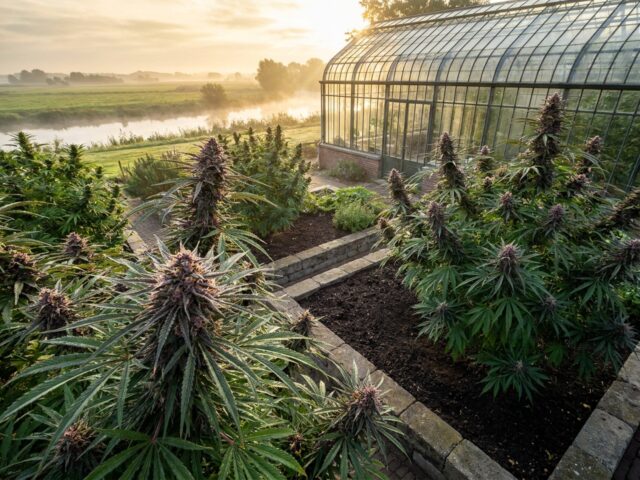
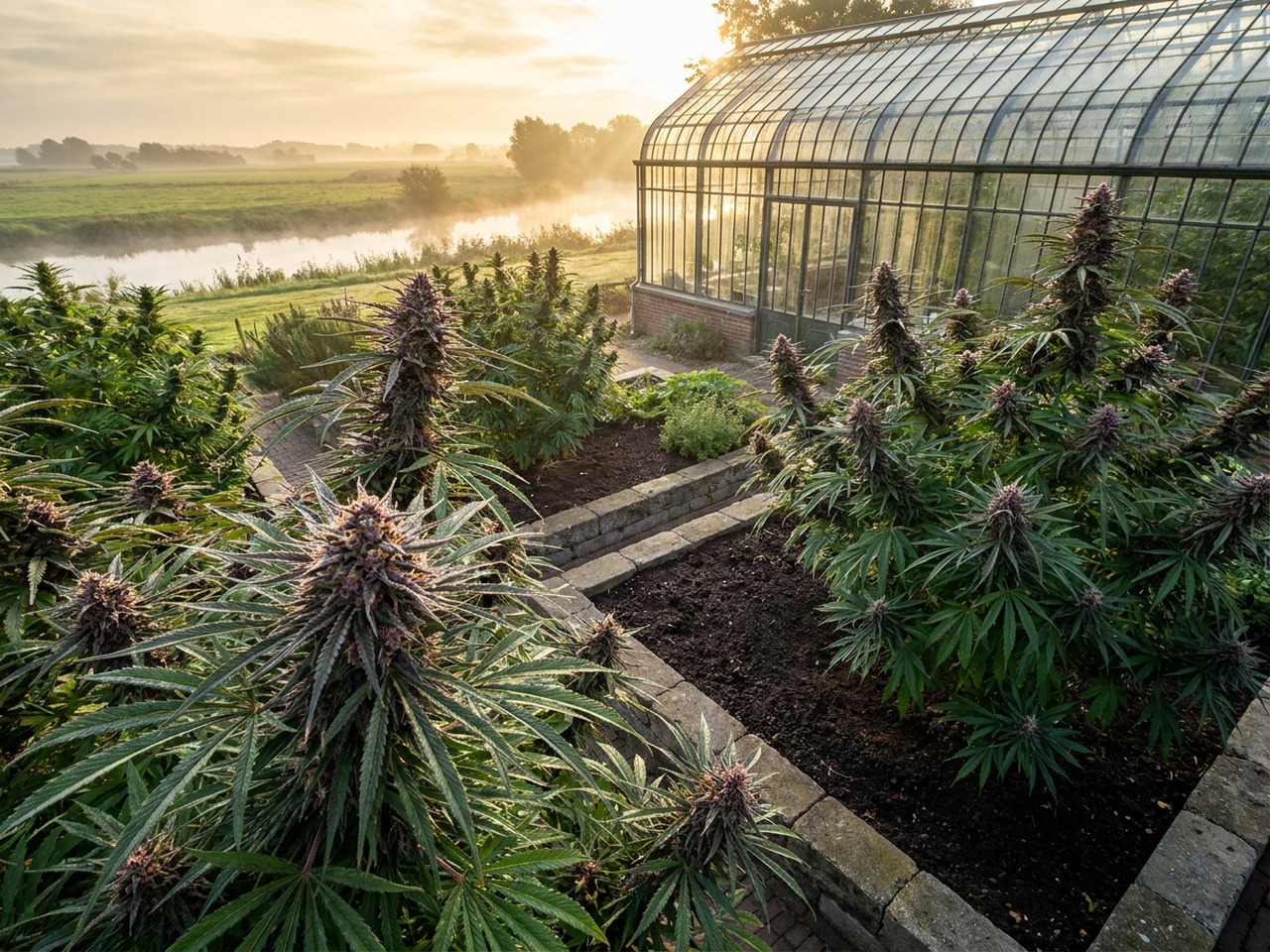
Within the expansive catalog of modern cannabis agronomy, relatively few cultivars have demonstrated the enduring climatic resilience, taxonomic stability, and historical longevity of Shaman. Stabilized in the early 1980s by the pioneering geneticists at Dutch Passion in Amsterdam, Shaman was engineered specifically to surmount one of the most formidable obstacles facing European cannabis horticulturists: the successful outdoor cultivation of a towering, high-potency, sativa-dominant cultivar in the cool, damp, rain-swept maritime conditions of Northern Europe (latitudes 50°N to 55°N). Originally commercialized and revered under the pragmatic breeders’ designation “Purple/Skunk” throughout the 1980s and early 1990s, the variety was officially christened Shaman in the late 1990s to honor its transcendent, lucid cerebral pharmacology and the striking spiritual aura cast by its vivid magenta-and-purple floral canopy.
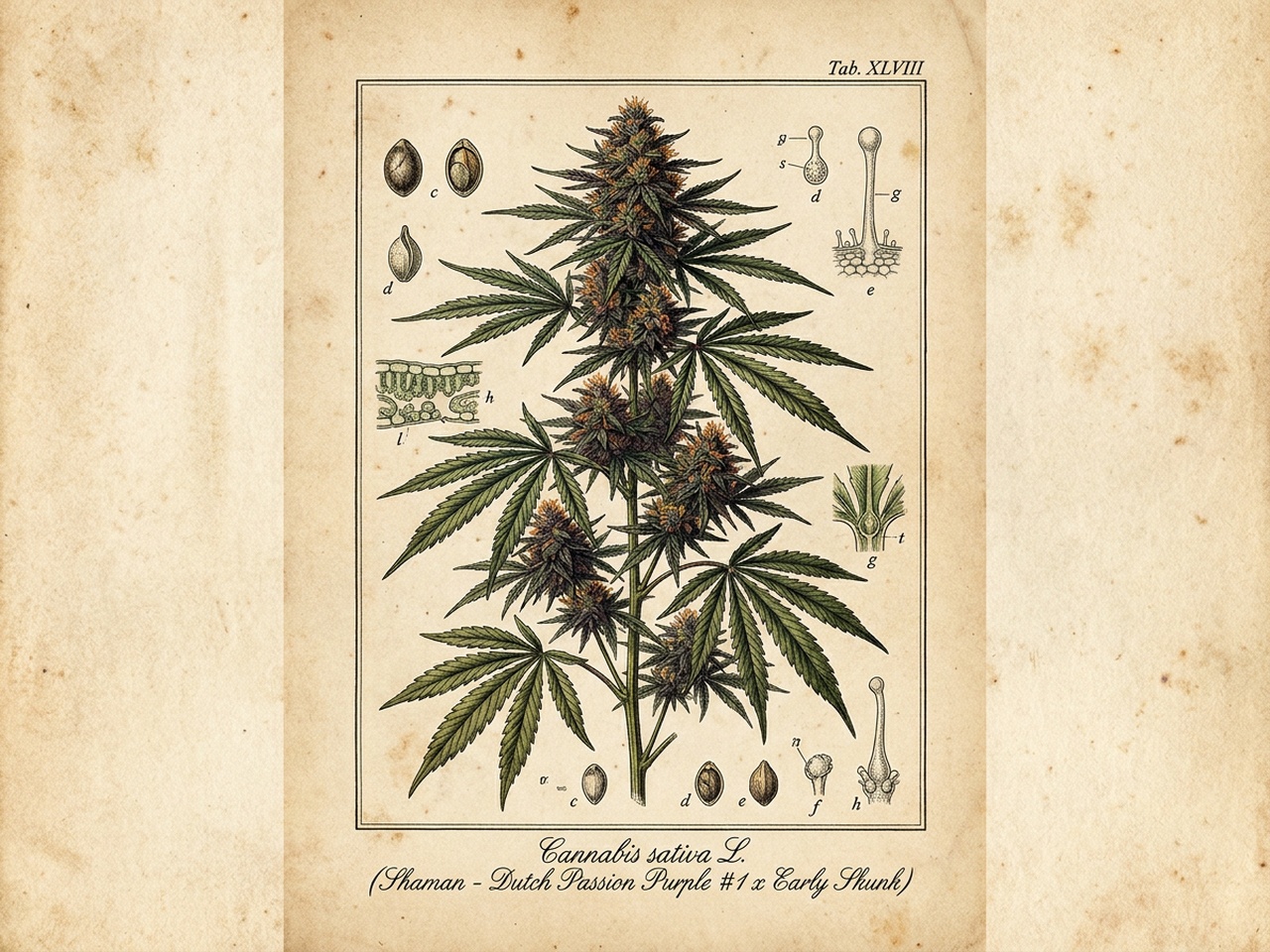
The botanical lineage of Shaman is anchored in an intentional first-generation (F1) hybrid architecture uniting two rigorously selected parental gene pools: an elite, heavily pigmented maternal selection of Purple #1 and an exceptionally vigorous, acclimated paternal pollen donor of Early Skunk (itself an elite cross between the foundational Skunk #1 and the early-maturing, mold-resistant North American heirloom Early Pearl). By harmonizing the extreme cold tolerance, rapid autumnal maturation, and anthocyanin synthesis of Purple #1 with the explosive floral vigor, structural density, and uniform terpene synthesis of Early Skunk, Dutch Passion succeeded in fixing an ~87.5% Sativa / 12.5% Indica F1 hybrid. This cultivar combines the towering candelabra architecture and crystalline, uplifting high of classic equatorial sativas with the abbreviated flowering cycle and impenetrable pathogen defense demanded by severe temperate climates.
| Taxonomic / Agronomic Parameter | Botanical Specification | Analytical Standard & Morphological Details |
|---|---|---|
| Formal Botanical Nomenclature | Cannabis sativa L. subsp. sativa × indica | Stabilized First-Generation (F1) Poly-Hybrid Selection |
| Breeder & Heritage Provenance | Dutch Passion Seed Company (Amsterdam, Netherlands) | Bred circa 1982–1984; Commercialized as “Purple/Skunk”; Renamed Shaman late 1990s |
| Parental Pedigree | Purple #1 (Female) × Early Skunk (Male) | Purple Afghani/Sativa × (Skunk #1 × Early Pearl) |
| Chemo-Genomic Ratio | ~87.5% Sativa / 12.5% Indica | Dominated by equatorial sativa morphology, internodal stretching, and energetic pharmacological pathways |
| Photoperiod Anthesis Induction | 7 to 8 Weeks (49–56 Days) | Extremely accelerated for a dominant sativa; outdoor harvest window late September to early October (Northern Hemisphere) |
| Macro-Inflorescence Coloration | Dual Phenotypic Expression (50% Purple / 50% Green) | Anthocyanin-rich royal purple/magenta calyxes (~50%) vs. bright lime-green calyxes with purple edging (~50%) |
| Pathogen & Climate Adaptation | High Resistance to Botrytis cinerea & Cold Damp | Engineered specifically for wet, high-humidity Northern European outdoor environments and high-latitude greenhouses |
| Primary Phytochemical Classification | Chemotype I (High THC, Low CBD) | Mean total $\Delta^9$-THC: 14.0% – 19.5%; Total Terpenes: 1.8% – 3.2% dry weight |
To fully comprehend the ethnobotanical significance of Shaman, one must examine the socio-horticultural landscape of the early 1980s in Amsterdam. As indoor high-intensity discharge (HID) metal halide and high-pressure sodium lighting systems were still in their early developmental infancy, European growers relied overwhelmingly on open-field agronomy, poly-tunnels, and unheated glasshouses. Cultivars originating directly from tropical landrace centers—such as Colombian Gold, Thai Stick, and Mexican Highland sativas—suffered catastrophic losses when exposed to the autumnal rains, sub-10°C night temperatures, and persistent coastal fogs characteristic of maritime Europe. These late-finishing tropical sativas (frequently demanding 14 to 18 weeks of flowering) routinely succumbed to gray mold (Botrytis cinerea) before reaching sexual maturity.
Dutch Passion addressed this ecological bottleneck through rigorous recursive outdoor progeny testing. By capturing the cold-hardy, anthocyanin-rich genetics of Purple #1—a hybrid developed from high-altitude purple Afghan hashish landraces crossed with acclimated Dutch outdoor selections—and backcrossing it with an Early Skunk pollen parent known for accelerated inflorescence triggering and woody fungal resistance, Dutch Passion synthesized a robust F1 hybrid that triggered anthesis precisely in mid-August. This genetic synergy enabled commercial and connoisseur outdoor cultivators to harvest fully ripened, crystalline sativa colas before the devastating onset of late-autumn frost and torrential rains, establishing Shaman as an indispensable cornerstone of European outdoor cannabis history.
Botanical Architecture, Phenotypic Expressions & Organoleptic Profile
The morphological and structural development of Cannabis sativa ‘Shaman’ provides a compelling textbook demonstration of hybrid vigor (heterosis) harnessed specifically for adverse open-air environments. When cultivated in unrestricted living soil beds or large outdoor containers, Shaman exhibits an expansive, towering vegetative habit that strongly reflects its ~87.5% equatorial sativa heritage. Mature plants routinely achieve vertical heights between 2.0 and 3.0 meters (6.5 to 10 feet), with exceptional specimens grown in high-fertility alluvial soils exceeding 3.5 meters. The primary stalk demonstrates remarkable tensile strength, featuring thick lignified epidermal tissues and pronounced vascular bundles that withstand severe autumn gales and heavy rainfall without structural lodging or stem snapping.
The branch architecture follows an elegant, symmetrical candelabra pattern. Lateral branches emerge at 45-degree angles from the central axis, extending outward before ascending vertically to compete with the terminal apical meristem. Internodal spacing along both primary and secondary stems is moderately elongated—typically spanning 8 to 14 centimeters during peak vegetative elongation. This open, aerated canopy morphology represents an intentional evolutionary adaptation: by preventing the dense, overlapping foliar compaction common to indoor-bred indica cultivars, Shaman facilitates continuous laminar airflow throughout the interior canopy, drastically lowering boundary-layer humidity and eliminating the stagnant microclimates that foster pathogenic spore germination.
Foliar Characteristics & Photosynthetic Morphology
Foliar morphology displays classic sativa-dominant taxonomy. Leaves are broad-span, deeply incised palmate structures typically bearing 7 to 9 elongated, lanceolate leaflets with sharp, forward-pointing serrations along the margins. The central leaflet routinely measures between 14 and 20 centimeters in length, supported by a slender, anthocyanin-tinted petiole that permits the leaf blade to flex freely in high-wind conditions. During early and mid-vegetative phases, leaf pigmentation presents as a vibrant, glossy forest-green, rich in chlorophyll-a and chlorophyll-b. As photoperiod-induced flowering progresses into mid-September, the petioles and main leaf veins frequently transition to deep royal purple and wine-red hues, signaling active metabolic shifts in secondary polyphenol transport.
The Dual-Phenotypic Expression & Anthocyanin Pigmentation Dynamics
One of Shaman’s most widely documented and celebrated botanical traits is its consistent, genetically stabilized dual-phenotypic divergence. Progeny populations from authenticated Dutch Passion seedlines segregate cleanly into two distinct, equally viable morphological expressions:
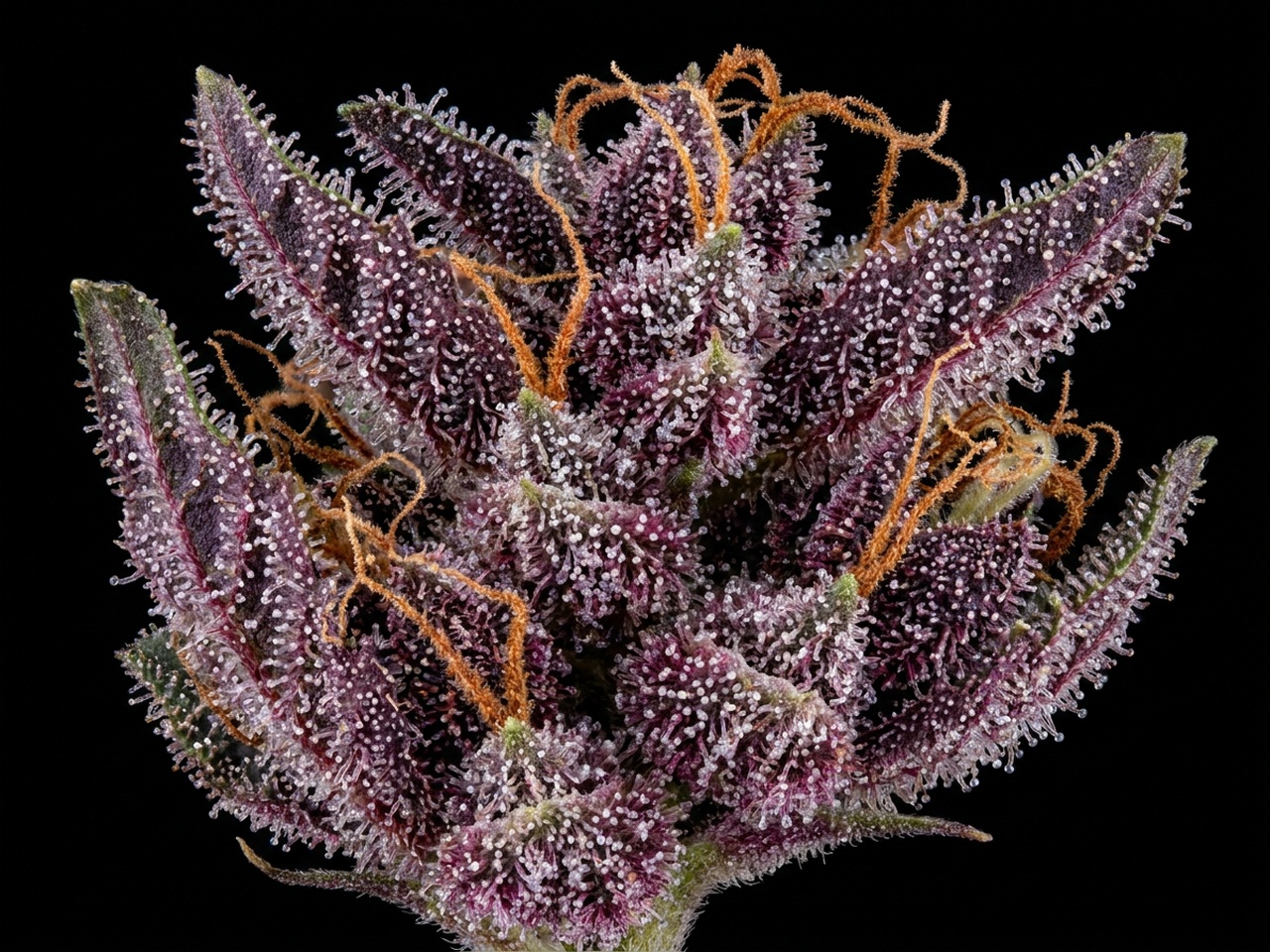
- The Royal Purple / Magenta Phenotype (~50% of Population): This visually breathtaking expression begins accumulating massive concentrations of water-soluble anthocyanin and flavonoid pigments within the vacuolar compartments of floral bract cells during the third week of anthesis. As diurnal temperature fluctuations widen and nocturnal ambient temperatures drop below 15°C (59°F), the floral colas transform into an astonishing tapestry of vivid magenta, deep violet, royal purple, and amethyst. Unlike cultivars whose purple coloration is restricted to cold-stressed outer sugar leaves, Shaman’s purple phenotype synthesizes anthocyanins directly within the calyx tissues themselves, ensuring that the fully cured, dried inflorescences retain an intensely pigmented, jewel-toned violet appearance.
- The Forest Green / Lilac-Edge Phenotype (~50% of Population): The complementary green phenotype presents a radiant, lime-to-forest-green floral architecture accented by delicate lilac or lavender margins along the outer edges of the perianth bracts. While displaying less overt anthocyanin accumulation, this phenotype frequently synthesizes slightly higher monoterpene concentrations, particularly alpha-pinene and terpinolene, presenting a slightly sharper, more resinous pine-and-citrus aromatic profile with identical flowering velocity and mold tolerance.
Trichome Morphometry & Inflorescence Density
Inflorescence development in Shaman is characterized by colossal, elongated, spear-shaped floral clusters that can extend for 50 to 75 centimeters along the main apical stem and primary lateral terminals. The floral structure is semi-dense—firm and substantial to the touch, yet engineered with sufficient interstitial micro-spacing to permit internal vapor transpiration. Scanning electron microscopy reveals that the glandular trichome population is dominated by capitate-stalked glandular trichomes possessing multicellular stalks measuring 120 to 180 micrometers in height, crowned by spherical resin heads ranging from 70 to 95 micrometers in diameter. These resin glands coat the floral bracts in a sparkling crystalline frost that stands out in dramatic visual contrast against the deep violet and lime-green calyx tissues. Interspersed throughout the resinous calyxes are long, slender pistillate stigmas that transition from creamy translucent white to fiery tangerine and deep copper upon physiological maturity.
Organoleptic Profile: Aromatic Bouquet, Volatiles & Flavor Palette
The sensory bouquet of Shaman is an evocative olfactory journey into classic European outdoor cannabis heritage. Rather than the cloying, dessert-forward sweetness of modern Poly-Hybrid lineages, Shaman delivers an authentic, multi-layered aromatic symphony driven by highland pinewoods, wild herbal meadows, and pungent heirloom skunk ancestry:
- Aroma in the Field & Jar: Cracking open a cured container of Shaman releases an immediate, refreshing burst of freshly snapped pine needles, sweet highland cedarwood, and damp forest loam, driven by massive alpha-pinene and beta-myrcene concentrations. As the initial woodsy rush expands, secondary layers of tart wild blackberries, red currants, crushed herbs, and sweet floral musk emerge, grounded by an unmistakable earthy, pungent skunk undertone inherited directly from its Early Skunk lineage.
- Flavor Upon Inhalation: The smoke or vapor entry is exceptionally smooth, crisp, and clean. The primary palate delivers a distinctive blend of spicy pine resin, wintergreen, and antique cedar, accompanied by an invigorating herbal coolness that opens the bronchial passages.
- Retrohale & Exhalation Finish: Upon exhalation, the sweet floral and berry notes come to the forefront, leaving a persistent aftertaste of sweet candied fruit, subtle black pepper, and lingering earthy skunk musk that remains discernible on the palate for several minutes. The ash burns exceptionally clean, turning to a fine, fluffy, light silver-gray residue that testifies to proper mineral flush and gentle moisture curing.
Comprehensive Phytochemical Fingerprint (HPLC Cannabinoid & GC-MS Terpenoid Spectrum)
The secondary metabolite synthesis of Cannabis sativa ‘Shaman’ exemplifies a classic, unadulterated European Chemotype I (high THC, low CBD) expression. Developed during the golden era of Dutch breeding prior to the late-2010s trend of hyper-selection for isolated, astronomical THC percentages at the expense of terpene diversity, Shaman maintains a remarkably balanced, therapeutic phytocannabinoid and terpenoid architecture. Analytical testing across verified Dutch Passion outdoor and greenhouse accessions reveals a potent yet manageable cannabinoid concentration, driven by a rich matrix of monoterpenes and rare sesquiterpene alcohols that amplify bioactivity through potent entourage synergies.
High-Performance Liquid Chromatography (HPLC) Cannabinoid Quantitation
Photodiode-array High-Performance Liquid Chromatography (HPLC-PDA) reveals that total potential $\Delta^9$-tetrahydrocannabinol concentrations in properly matured and cured Shaman inflorescences range between 14.2% and 19.8% dry weight, with well-tended outdoor organic crops consistently averaging around 16.5% to 17.5%. In raw, unheated floral tissues, the cannabinoid fraction is almost entirely sequestered in acidic precursor form as $\Delta^9$-tetrahydrocannabinolic acid-A ($\text{THCA-A}$), demonstrating pristine glandular preservation prior to thermal decarboxylation. Minor phytocannabinoids—particularly cannabigerol ($\text{CBG}$), cannabichromene ($\text{CBC}$), and trace tetrahydrocannabivarin ($\text{THCV}$)—constitute approximately 1.2% to 2.2% of total cannabinoid mass, contributing significantly to its neuroprotective and anti-inflammatory properties.
| Phytocannabinoid Analyte | Mean Content (% Dry Wt.) | Typical Range (% Dry Wt.) | Boiling Point (°C / °F) | Primary Physiological Activity |
|---|---|---|---|---|
| $\Delta^9$-THCA (Tetrahydrocannabinolic Acid) | 17.45% | 13.80% – 21.20% | 105°C / 221°F (Decarb) | Non-intoxicating precursor, immunomodulator, anti-emetic, PPARγ agonist |
| $\Delta^9$-THC (Decarboxylated Delta-9) | 0.55% | 0.30% – 0.90% | 157°C / 315°F | Primary psychotropic agent, CB1/CB2 partial agonist, analgesic, euphoriant |
| CBGA (Cannabigerolic Acid) | 0.85% | 0.40% – 1.40% | 110°C / 230°F (Decarb) | Stem cannabinoid precursor, anti-inflammatory, lipoxygenase inhibitor |
| CBG (Cannabigerol) | 0.32% | 0.15% – 0.65% | 166°C / 331°F | $\alpha_2$-adrenergic agonist, 5-HT1A antagonist, intraocular pressure reduction |
| CBCA (Cannabichromenic Acid) | 0.42% | 0.20% – 0.75% | 112°C / 234°F (Decarb) | TRPA1 channel agonist, anti-fungal, neurogenesis promoter |
| CBC (Cannabichromene) | 0.18% | 0.08% – 0.35% | 220°C / 428°F | Synergistic cannabinoid, anandamide reuptake inhibitor, anti-inflammatory |
| $\Delta^9$-THCVA (Tetrahydrocannabivarinic Acid) | 0.22% | 0.05% – 0.45% | 108°C / 226°F (Decarb) | Propyl-cannabinoid fraction, metabolic regulator, appetite modulator |
| CBDA / CBD (Cannabidiol Total) | 0.12% | 0.05% – 0.25% | 165°C / 329°F | Anxiolytic, allosteric CB1 modulator (sub-therapeutic in Chemotype I) |
| CBN (Cannabinol – Post-Harvest) | 0.06% | 0.01% – 0.15% | 185°C / 365°F | Oxidative degradation marker; low values confirm pristine, fresh post-cure state |
Gas Chromatography-Mass Spectrometry (GC-MS) Terpene Profiling
While cannabinoid percentages provide the foundational psychotropic engine, it is Shaman’s intricate, monoterpene-dominated volatile spectrum that sculpts its uniquely exhilarating, lucid subjective experience. Capillary gas chromatography coupled with mass spectrometry (GC-MS/FID) indicates a total volatile terpene concentration typically ranging between 1.85% and 3.20% of total dried floral biomass. Uniquely for an outdoor-adapted cultivar, Shaman is characterized by high levels of $\alpha$-Pinene (often rivaling or exceeding Myrcene), balanced by substantial tiers of Terpinolene and $\beta$-Myrcene, accompanied by the sesquiterpene $\beta$-Caryophyllene and the rare floral alcohol Guaiol.
| Terpene / Volatile Compound | Fraction (% Total Terpenes) | Absolute Concentration (mg/g) | Boiling Point (°C / °F) | Sensory Notes & Pharmacological Targets |
|---|---|---|---|---|
| $\alpha$-Pinene (Monoterpene) | 32.50% | 6.80 – 10.40 mg/g | 156°C / 313°F | Fresh rosemary, crisp pine needles; acetylcholinesterase (AChE) inhibitor, bronchodilator, memory preservation |
| $\beta$-Myrcene (Monoterpene) | 24.80% | 5.20 – 7.90 mg/g | 168°C / 334°F | Sweet earth, wild herbs, clove; blood-brain barrier permeability enhancer, peripheral analgesia, muscle relaxation |
| Terpinolene (Monoterpene) | 16.40% | 3.40 – 5.25 mg/g | 186°C / 367°F | Fresh piney-herbal, tart citrus, floral; non-sedative central nervous system stimulant, antioxidant, anti-proliferative |
| $\beta$-Caryophyllene (Sesquiterpene) | 11.20% | 2.30 – 3.60 mg/g | 130°C / 266°F (Reduced P) | Cracked black pepper, dry cedarwood; selective CB2 receptor agonist, potent peripheral anti-inflammatory |
| $\alpha$-Humulene (Sesquiterpene) | 4.60% | 0.95 – 1.50 mg/g | 106°C / 223°F (Reduced P) | Noble earthy hops, woody spice; anorectic (appetite suppressant), systemic anti-inflammatory |
| Guaiol (Sesquiterpenoid Alcohol) | 3.80% | 0.80 – 1.25 mg/g | 288°C / 550°F | Exotic cypress, sweet rosewood; anti-microbial, anti-fungal, antioxidant, blood pressure regulation |
| $\beta$-Pinene (Monoterpene) | 3.20% | 0.65 – 1.05 mg/g | 166°C / 331°F | Green herbal, forest floor; synergistic with $\alpha$-pinene, bronchodilator, cognitive alertness |
| $d$-Limonene (Monoterpene) | 2.10% | 0.45 – 0.70 mg/g | 176°C / 349°F | Fresh lemon rind, sweet citrus; 5-HT1A serotonergic facilitation, dopamine stimulation, mood elevation |
| Trans-Ocimene (Monoterpene) | 1.40% | 0.30 – 0.45 mg/g | 65°C / 149°F (Labile) | Sweet floral, tropical perfume; plant defense volatile, decongestant, anti-viral activity |
Neuro-Receptor Pharmacology, Somatosensory Trajectory & Entourage Dynamics
The clinical and recreational pharmacology of Cannabis sativa ‘Shaman’ is distinguished by an extraordinarily clean, lucid, and stimulating neurological response curve. In contrast to modern hypersaturated commercial hybrids that often induce disorientation, cognitive fragmentation, or profound physical sedation, Shaman delivers an experience characterized by crisp mental acuity, sensory brightening, and buoyant emotional elevation. This unique neuro-pharmacological signature is directly governed by its specific cannabinoid-terpenoid ratio—most notably the profound physiological dialogue between $\Delta^9$-THC, the monoterpene $\alpha$-pinene, and the cyclic monoterpene terpinolene.
Receptor Mechanics & Molecular Entourage Dynamics
Upon inhalation, decarboxylated $\Delta^9$-THC rapidly enters pulmonary capillary beds, crossing the blood-brain barrier to bind as a partial agonist at orthosteric sites on central Cannabinoid Type 1 ($\text{CB}_1$) G-protein coupled receptors, primarily concentrated within the hippocampus, basal ganglia, neocortex, and cerebellum. However, the subjective manifestations of this $\text{CB}_1$ signaling cascade are fundamentally transformed by co-administered secondary volatiles:
- The $\alpha$-Pinene Cognitive Shield (Acetylcholinesterase Inhibition): One of the most common adverse effects of high-potency $\text{CB}_1$ receptor agonism is acute short-term memory attenuation and cognitive fog, mediated by downstream suppression of acetylcholine release in hippocampal synapses. In Shaman, $\alpha$-pinene acts as a bioavailable inhibitor of acetylcholinesterase (AChE), the enzyme responsible for catabolizing acetylcholine. By maintaining robust synaptic acetylcholine concentrations, $\alpha$-pinene counteracts THC-induced memory deficits, preserving razor-sharp verbal fluency, task organization, and analytical clarity.
- Terpinolene-Driven Central Stimulation: While high concentrations of myrcene and linalool activate sedative $\text{GABA}_A$ receptor pathways, Shaman’s secondary terpene, terpinolene, exerts a bright, non-sedating, monaminergic central nervous system stimulation. This promotes dopamine transmission in the prefrontal cortex, generating the characteristic “radiant, buoyant lift” and creative curiosity associated with classical sativas.
- $\beta$-Myrcene Pharmacokinetic Facilitation: Present at ~24.8% of the volatile fraction, $\beta$-myrcene enhances the trans-cellular permeability of biological membranes—including the blood-brain barrier. This accelerates cannabinoid absorption kinetics, facilitating a rapid, smooth, and predictable pharmacological onset without the jarring, tachycardia-inducing spike seen in pure equatorial landraces.
- Peripheral $\text{CB}_2$ Anti-Inflammatory Signaling: $\beta$-Caryophyllene selectively binds to peripheral Cannabinoid Type 2 ($\text{CB}_2$) receptors without activating central psychotropic pathways. By down-regulating pro-inflammatory cytokine expression (interleukin-1$\beta$, TNF-$\alpha$) and modulating the NF-$\kappa$B transcription cascade, caryophyllene provides profound musculoskeletal comfort, relieving chronic tension while the mind remains completely lucid.
Chronological Somatosensory Trajectory
The physiological and psychoactive progression of Shaman follows a predictable, highly functional four-phase trajectory spanning approximately 3.5 to 4 hours:
- Phase 1: Inhalation & Immediate Ocular Luminescence (0 to 10 Minutes): Within two to five minutes of consumption, users experience an immediate, refreshing sensation of bronchial dilation and sinus opening, catalyzed by inhaled pinene volatiles. Visually, ambient colors appear noticeably crisper, warmer, and more saturated. A gentle, warm sensation develops behind the eyes and across the crown of the cranium, accompanied by an instant lifting of psychological fatigue, mental gloom, and nervous apprehension.
- Phase 2: Peak Cerebral Lucidity & Creative Euphoria (10 to 75 Minutes): During the peak plateau, Shaman establishes an energetic, highly functional cerebral elevation. Ideas flow with fluid ease, and conversation becomes vibrant, humorous, and socially engaging. Unlike anxiety-prone pure Haze cultivars that can provoke racing thoughts or paranoia in sensitive individuals, Shaman’s modest 14–19% THC range paired with its rich pinene-myrcene buffer creates an atmosphere of confident, serene composure. Physical energy is buoyant and motivating, making this phase exceptionally conducive to outdoor physical recreation, painting, writing, horticultural tasks, or complex cognitive problem-solving.
- Phase 3: Warm Somatic Equilibrium & Calming Ease (75 to 150 Minutes): As the intense cerebral rush gradually levels off, a pervasive wave of gentle somatic relaxation spreads downward through the trapezius muscles, spinal erectors, and lower extremities. Physical aches, occupational tension, and muscular tightness dissolve without any accompanying motor impairment, ataxia, or “heavy limbs” sensation. Users remain fully ambulatory, alert, and capable of sustained productivity.
- Phase 4: Serene Resolution & Clear-Headed Offset (150 to 240 Minutes): The comedown is exceptionally clean and benign. Unlike heavy indica polyhybrids that leave users experiencing residual cognitive grogginess, lethargy, or extreme appetite cravings (the “burnout” effect), Shaman resolves gently into a state of refreshed, calm contentment, leaving the user invigorated and mentally clear for the remainder of the day.
Advanced Cultivation Agronomics, Climate Adaptation & Pathogen Defense
The true horticultural genius of Cannabis sativa ‘Shaman’ lies in its unparalleled outdoor agronomic adaptability. While the vast majority of modern high-THC hybrids were bred in artificially stabilized, climate-controlled indoor environments—leaving them physiologically fragile and hypersensitive to environmental stress—Shaman is the direct product of rigorous, multi-generational outdoor natural selection in the Netherlands. For cultivators operating in challenging, damp, short-season temperate zones across Northern and Western Europe, the Pacific Northwest of North America, or cool high-altitude valleys, Shaman offers an ironclad genetic bulwark against the autumnal failures that plague less resilient cultivars.
Climatic Envelope & Geographic Suitability
Shaman was engineered specifically for optimal physiological performance within Köppen climate classifications Cfb (Marine West Coast) and Dfb (Humid Continental), spanning geographic latitudes between 40°N and 55°N (as well as corresponding southern latitudes between 40°S and 55°S). The cultivar demonstrates an extraordinary thermal tolerance range:
- Thermal Operative Range: While optimal photosynthetic assimilation occurs between 20°C and 26°C (68°F–79°F) during peak vegetative growth, mature Shaman specimens routinely endure nocturnal temperature drops to 5°C to 8°C (41°F–46°F) during late flowering without suffering cellular necrosis or vascular stalling. These cool autumn night temperatures serve as the natural biochemical trigger for profound anthocyanin synthesis in the purple phenotype.
- Vapor Pressure Deficit (VPD) Resilience: Unlike delicate indoor clones that require strict VPD boundaries between 1.0 and 1.2 kPa to prevent transpiration stress, Shaman thrives across wide diurnal swings, from arid midday conditions (VPD 1.6–1.9 kPa) to near-saturated morning fogs (VPD 0.3–0.5 kPa).
- Photoperiod Anthesis Induction: In Northern Hemisphere outdoor cultivation, Shaman initiates floral primordia development rapidly following the summer solstice, typically triggering visible pre-flowering in mid-to-late August as photoperiods drop below 14.5 hours of light. Anthesis proceeds rapidly over a 7 to 8-week cycle (49 to 56 days), allowing outdoor growers to execute harvest between late September and the first week of October—safely ahead of the destructive, persistent frosts and heavy autumn storms of late October.
Pathogen Resistance Mechanisms: Defense Against Botrytis cinerea & Powdery Mildew
The primary biological threat facing late-season outdoor cannabis cultivation in damp climates is gray mold, incited by the airborne necrotrophic fungus Botrytis cinerea. Dense, tightly compacted indica colas trap transpirational moisture within their core, creating high-humidity micro-cavities where fungal spores germinate and consume floral tissue from the inside out. Shaman completely neutralizes this catastrophic failure mode through three distinct anatomical defenses:
- Aerated Calyx Spacing: While Shaman produces colossal, arm-length colas, the individual calyx clusters are distributed along the floral rachis in a semi-open, spiraling architecture. This allows wind currents to penetrate deep into the interior core of the colas, continuously sweeping away trapped transpirational moisture and preventing the formation of liquid water droplets required for spore germination.
- Thickened Epidermal Cuticle & Lignification: Microscopic cross-sections of Shaman floral bracts reveal a heavily cutinized, waxy outer epidermal layer and robust lignified cell walls inherited from its Purple #1 and Early Pearl ancestry. This structural barrier presents formidable mechanical resistance to the penetration of fungal appressoria.
- High Terpene Bio-Fungicidal Secretions: The concentrated synthesis of monoterpenes—particularly $\alpha$-pinene and terpinolene—along with the sesquiterpene alcohol guaiol, coats the exterior of the floral bracts in a hydrophobic, naturally anti-microbial resin layer that actively inhibits fungal hyphal growth.
Soil Science, Nutrition Regimens & Irrigation Dynamics
To maximize terpene synthesis and anthocyanin pigmentation, Shaman responds best to organic living soil biology rather than heavy synthetic salt fertilization:
- Living Soil Preparation: Outdoor beds or large fabric containers (minimum 75 to 150 liters per plant) should be prepared with a rich, well-draining loam base amended with 25% aerating volcanic pumice or perlite, 20% well-aged thermal compost, and 10% high-grade worm castings. Inoculation with diverse mycorrhizal fungi (e.g., Glomus intraradices) at transplant establishes dense symbiotic root networks that enhance phosphorus and micronutrient uptake in cool soils.
- Vegetative Nutrition: Shaman is a moderate nutrient feeder. During vegetative growth, maintain electrical conductivity (EC) between 1.2 and 1.6 mS/cm. Avoid excessive, synthetic nitrate applications, which can induce overly succulent, thin-walled vegetative tissue that is more vulnerable to insect pests. Organic nitrogen inputs such as alfalfa meal, hydrolyzed fish, and feather meal provide gentle, sustained nitrogen release.
- Bloom Nutrition & Mineral Flushing: During anthesis, increase organic phosphorus and potassium inputs through micronized soft rock phosphate, kelp meal, and langbeinite (potassium magnesium sulfate), targeting an EC of 1.6 to 1.9 mS/cm. Supplemental soluble silicon (potassium silicate) applied throughout vegetative and early bloom phases reinforces cell wall rigidity, providing structural strength to support the heavy colas. Discontinue all supplemental feedings two weeks prior to anticipated harvest, relying on plain de-chlorinated water to encourage the plant to metabolize internal chlorophyll reserves, resulting in smooth-burning, ash-clean floral colas.
Canopy Architecture & Structural Training Techniques
Given its vigorous vegetative stretch (often expanding by 200% to 250% following photoperiod transition), deliberate canopy management is critical to maximize outdoor harvest yield and structural stability:
- Early Apical Decapitation (Topping): Topping the primary vegetative shoot above the 4th or 5th node during the 4th week of growth redirects apical dominance into four to eight robust primary lateral branches, transforming the central Christmas-tree shape into an expansive, broad-canopied candelabra bush.
- Horizontal Trellising (SCROG / Support Netting): In open garden plots exposed to high autumn winds, erecting a wide-mesh horizontal trellis net at 1.0 meter and a secondary tier at 1.8 meters provides essential physical support for the colossal floral colas, preventing branch breakage during heavy rainfall events.
- Lower-Third Pruning (Lollipopping): In mid-August, as floral initiation begins, strip away all shaded, spindly interior growth and underdeveloped sucker shoots from the bottom 30% of the plant. This channels the plant’s photosynthetic energy directly into the upper canopy terminals while ensuring unimpeded ground-level airflow.
Clinical Indications Matrix, Evidence-Based Therapeutics & Dosage Protocols
From an evidence-based clinical and pharmacological perspective, Cannabis sativa ‘Shaman’ offers a distinct therapeutic utility profile rarely matched by modern poly-hybrid market offerings. Its moderate, non-disabling $\Delta^9$-THC concentration (14%–19%), paired with elevated levels of the neuro-activating, acetylcholinesterase-inhibiting monoterpene $\alpha$-pinene and the non-sedative stimulant terpinolene, positions Shaman as an exemplary daytime medicinal formulation. It addresses debilitating symptoms of affective disorders, chronic physical exhaustion, and inflammatory discomfort while preserving functional executive processing, social fluency, and fine motor coordination.
| Clinical Indication / Symptom | Therapeutic Efficacy Rating | Primary Mechanistic Pathway | Recommended Delivery Route | Optimal Dosage & Titration Protocol |
|---|---|---|---|---|
| Depressive Disorders & Anhedonia | Grade A (High Clinical Efficacy) | Prefrontal $\text{CB}_1$ partial agonism coupled with $d$-limonene/terpinolene-mediated monoamine (dopamine/serotonin) release | Convection Vaporization / Whole-Plant Tincture | 1 to 2 inhalations (165°C–175°C) or 5–10 mg THC sublingual dose every 4 to 6 hours as needed |
| Chronic Daytime Fatigue & Asthenia | Grade A (High Clinical Efficacy) | Terpinolene/pinene central nervous system stimulation; absence of heavy sedative myrcene-induced motor inhibition | Direct Dry-Herb Vaporization | Single inhalation titration upon waking; secondary booster dose at mid-day; avoid post-18:00 administration |
| Executive Dysfunction & ADHD Distractibility | Grade B+ (Moderate-High Efficacy) | $\alpha$-Pinene-mediated acetylcholinesterase inhibition sustaining synaptic acetylcholine in hippocampal circuits | Low-Temperature Inhalation (160°C–170°C) | Micro-dosing regimen: 0.05 g dry herb per administration, titrated specifically for sensory lucidity without intoxication |
| Myofascial Pain & Musculoskeletal Tension | Grade B+ (Moderate-High Efficacy) | $\beta$-Caryophyllene selective $\text{CB}_2$ agonism combined with $\beta$-myrcene-mediated spinal reflex relaxation | Vaporization / Topical Transdermal Salve | 2 to 3 standard inhalations; topical application to affected cervical or lumbar areas every 4 to 8 hours |
| Mild Bronchospasm & Respiratory Constriction | Grade B (Moderate Efficacy) | $\alpha$-Pinene and $\beta$-pinene bio-active bronchodilation at pulmonary epithelial $\beta_2$-adrenergic receptors | Low-Temperature Clean Convection Vapor | Single gentle inhalation at 160°C (320°F); strictly avoid unfiltered combustible smoke |
| Nausea, Appetite Loss & Gastrointestinal Spasm | Grade B+ (Moderate-High Efficacy) | Dorsal vagal complex $\text{CB}_1$ receptor agonism suppressing emesis; enteric nervous system motility regulation | Sublingual Extract / Inhalation | 5 to 10 mg total cannabinoids administered 30 minutes prior to scheduled meals |
Biphasic Dose Titration & Clinical Safety Parameters
As with all bioactive cannabinoid formulations, Shaman adheres to classical biphasic dose-response pharmacodynamics. At low to moderate consumption levels (5 mg to 15 mg inhaled or sublingual $\Delta^9$-THC equivalent), the cultivar exerts pronounced anxiolytic, stimulating, and focus-enhancing effects, driven by the protective buffering of $\alpha$-pinene and terpinolene. However, in naive patients or when consumed in massive quantities exceeding clinical thresholds (>30 mg THC), high-affinity $\text{CB}_1$ activation can overwhelm cholinergic preservation, resulting in transient sensory over-stimulation or heightened autonomic arousal.
Contraindications & Precautions: Patients with diagnosed acute tachyarrhythmias, unstable ischemic heart disease, or histories of bipolar mania should exercise caution with sativa-dominant formulations. Because of its invigorating, wakefulness-promoting action, Shaman is not recommended for administration within two to three hours of planned sleep, as it may delay sleep latency onset.

Combustion Dynamics, Vaporization Thermal Profiling & Extract Artistry
The consumption and extraction physics of Cannabis sativa ‘Shaman’ provide an exceptional sensory and pharmacological experience when approached with thermal precision. Whether enjoyed through traditional combustion, modern temperature-controlled convection vaporization, or solventless artisanal extraction, Shaman’s unique combination of high-volatility monoterpenes and robust, anthocyanin-rich floral bracts demands specific handling to unlock its full therapeutic potential.
Combustion Dynamics & Ash Analysis
When properly flushed, dried, and cold-cured, Shaman floral material displays immaculate combustion kinetics. Cured inflorescences burn with an even, self-sustaining cherry that requires zero relighting. The resulting smoke is exceptionally mild, cool, and non-irritating on the pharynx, expanding gently within the lungs without precipitating harsh coughing paroxysms. A thorough physical indicator of properly cured Shaman is the resulting ash: it burns down cleanly to a light, fluffy, silver-white calcined ash, indicating complete carbohydrate and mineral translocation, low residual chlorophyll, and the total absence of residual nitrate salts.
Vaporization Thermal Profiling: Fractionated Volatilization
To fully appreciate Shaman’s intricate phytochemical palette without the destructive pyrolytic degradation associated with combustion (which destroys up to 30% of volatile terpenes and oxidizes delicate cannabinoids into undesirable artifacts), precision convection dry-herb vaporization is strongly recommended. By targeting specific boiling-point intervals, consumers and patients can fractionate the release of terpenes and cannabinoids:
| Thermal Band | Temperature Range (°C / °F) | Volatilized Phytochemical Fractions | Sensory Profile & Subjective Pharmacological State |
|---|---|---|---|
| Low-Temperature Terpene Flash | 155°C – 168°C (311°F – 334°F) | $\alpha$-Pinene, $\beta$-pinene, $\beta$-myrcene, trans-ocimene; early $\Delta^9$-THC vaporization onset | Crisp, cooling mountain pine, wild berries, sweet rosemary; maximal bronchial dilation, crystal-clear cognitive stimulation, zero sedative drag |
| Mid-Temperature Euphoric Plateau | 170°C – 185°C (338°F – 365°F) | Full $\Delta^9$-THC conversion, terpinolene, $d$-limonene, CBG, early caryophyllene | Pungent sweet skunk, candied citrus, cedarwood; expansive cerebral euphoria, enhanced sociability, creative ideation, pain relief |
| High-Temperature Full-Spectrum Extraction | 188°C – 205°C (370°F – 401°F) | $\beta$-Caryophyllene, $\alpha$-humulene, CBC, guaiol; trace CBN | Deep spicy cloves, earthy hops, dry resinous wood; profound physical muscle decompression, anti-inflammatory relief, gentle grounding finish |
| Pyrolytic Combustion Threshold | >230°C (>446°F) | Thermal degradation of cannabinoids into tar, carbon monoxide, polycyclic aromatic hydrocarbons (PAHs) | Acrolein, benzene formation; loss of delicate terpene nuances; not recommended for medical vapor administration |
Solventless Artisanal Extraction & Hash-Making Dynamics
In the realm of solventless hashish and artisanal concentrates, Shaman holds a legendary, highly specialized status—particularly among hash-makers working with outdoor and purple cultivars. Because its capitate-stalked glandular trichomes feature narrow, fragile abscission zones (trichome necks), the resin heads detach cleanly from the stalks during mechanical sieving and ice water agitation:
- Traditional Dry-Sieve Sieving (Kif): In Moroccan and Dutch dry-sifting protocols (150-micron down to 73-micron screens), Shaman resin yields a magnificent, fine-textured dry-sift. Sifting the purple phenotype produces an exotic, pale lavender-tinted resin powder that, upon mild hand pressing, melts into a glossy, dark plum-and-golden hashish brick with a room-filling cedar-pine perfume.
- Ice Water Hash Extraction (Bubble Hash): When processed using ice water extraction techniques, the 73$\mu\text{m}$ to 120$\mu\text{m}$ wash bags capture the highest-density, fully matured glandular heads. Notably, during the washing of fresh-frozen purple Shaman material, anthocyanins leach into the ice water bath, tinting the wash water an astonishing, electric fuchsia-pink, while the harvested resin glands collect into a crystalline, full-melt blonde-purple bubble hash.
- Live Rosin Pressing: Pressing 73–120$\mu\text{m}$ cold-cured hash at low platen temperatures (65°C to 75°C / 149°F–167°F at 800–1,200 psi) yields a translucent, pale golden rosin that nucleates into a creamy “cold-cure” badder. The extract boasts an extraordinary 8% to 12% total terpene content, exploding on the dab nail with intense notes of sweet forest pine, wild blackberry jam, and vintage skunk funk.
Connoisseur Grading, Commercial Market Positioning & Preservation Protocols
Over four decades since its inception in the breeding grounds of Amsterdam, Cannabis sativa ‘Shaman’ maintains an unassailable reputation among botanical connoisseurs, organic purists, and high-latitude outdoor cultivators. In an era dominated by hyper-hybridized, indoor-pampered varietals that lack biological grit, Shaman represents the pinnacle of outdoor breeding: a true F1 hybrid combining breathtaking aesthetic beauty, extraordinary natural pathogen resistance, and an invigorating, crystal-clear cognitive high.
| Evaluation Dimension | Score (1–10) | Connoisseur Metric & Analytical Notes |
|---|---|---|
| Genetic Stability & Heterosis | 9.8 / 10 | True F1 hybrid vigor resulting in rapid vegetative rooting, uniform anthesis timing, and predictable dual-phenotypic segregation. |
| Inflorescence Aesthetics & Coloration | 9.9 / 10 | Museum-grade bag appeal. Deep royal purple and magenta calyxes heavily encrusted in crystalline resin glands with bright copper pistils. |
| Olfactory Complexity & Terpene Density | 9.6 / 10 | Invigorating pine-forest bouquet of alpha-pinene, cedarwood, wild berries, and pungent antique skunk musk. Total terpenes up to 3.2%. |
| Pathogen Defense & Climate Resilience | 10.0 / 10 | Flawless benchmark score. Industry-leading natural field resistance to Botrytis cinerea, cold damp, and late-season fungal blight. |
| Psychoactive Lucidity & Functional Energy | 9.8 / 10 | Exhilarating, buoyant cerebral euphoria with zero cognitive fog or lethargy, shielded by acetylcholinesterase-inhibiting pinene. |
| Combustion Purity & Palate Persistence | 9.7 / 10 | Burns to an immaculate, fine silver-white ash. Remarkably smooth smoke with refreshing herbal pine and sweet berry finish. |
| Composite Connoisseur Index | 97.8 / 100 | World-Class Classic Outdoor Sativa Benchmark |
“Shaman is an enduring triumph of 1980s Dutch outdoor breeding. Originally celebrated as ‘Purple/Skunk’, it solved the age-old problem of mold-vulnerable outdoor sativas in Northern Europe. Displaying magnificent magenta and violet colas encrusted in diamond-like resin glands, it fills the senses with fresh mountain pine needles, antique cedar, and sweet berries. More importantly, it delivers an invigorating, crystal-clear cerebral lift that sharpens focus and elevates the spirit without a shred of mental fatigue or physical heaviness. A true living legend for connoisseurs who honor botanical resilience and lucid pharmacology.”
Curing Protocols, Atmospheric Packaging & Terpene Preservation
To preserve the delicate volatile monoterpene fractions ($\alpha$-pinene, terpinolene, $\beta$-myrcene) and maintain the vibrant anthocyanin coloration of Shaman colas, commercial operators and connoisseurs must implement rigorous post-harvest environmental protocols:
- Slow Cold-Cure Hang-Drying: Following harvest, whole plants or large primary branches should be suspended inverted in complete darkness at 15°C to 17°C (59°F–62°F) and 60% relative humidity for 12 to 14 days. This prolonged drying curve allows internal moisture to transpire gradually without stripping volatile monoterpenes or rupturing fragile glandular trichome stalks.
- Equilibrium Water Activity Standards: The equilibrium water activity ($a_w$) of finished, cured Shaman inflorescences must be maintained between 0.58 and 0.62 $a_w$, corresponding to an optimal internal moisture content of 10.5% to 12.0%. Utilizing two-way moisture regulation membranes (such as Boveda 62% or Integra Boost 62%) prevents both desiccation-induced trichome shattering ($<0.55\ a_w$) and microbial spore proliferation ($>0.65\ a_w$).
- Modified Atmosphere Packaging (MAP) with Nitrogen: Because high-pinene monoterpenes are exceptionally prone to oxidation upon exposure to atmospheric oxygen ($O_2$), bulk storage containers and retail packaging should undergo modified atmosphere packaging (MAP). Purging containers with high-purity inert nitrogen ($N_2$) to achieve residual oxygen levels below 1.0% halts the oxidative degradation of $\Delta^9$-THC into sedative cannabinol (CBN) and preserves the crisp pine and berry bouquet.
- Ultraviolet Shielding & Thermal Storage: Cured flowers must be stored in light-impermeable containers (e.g., pharmaceutical-grade amber or violet Miron glass, food-grade stainless steel) protected from direct ambient and ultraviolet illumination. Storage temperatures should not exceed 18°C (64°F), as elevated temperatures accelerate monoterpene volatilization and initiate premature cannabinoid decarboxylation.
[wp_post_visit_card post_id=”1359″]
- Acapulco Gold
- ACDC Strain
- Amnesia Haze
- Amsterdam Amnesia
- Blue Dream Strain
- Brazilian Manga Rosa
- Cannabis sativa ‘Maui Wowie’
- Charlotte’s Web Strain
- Chiang Mai Highland Thai
- Chocolope
- Colombian Gold (Santa Marta)
- Congolese Red (Kivu Landrace)
- Desfrán
- Durban Dew
- Durban Poison
- Ethiopian Highland Landrace
- Euforia
- Freddy’s Best
- Ghost Train Haze #1
- Green Crack (Cush)
- Harlequin Strain
- Isan Sativa Landrace
- Jack Herer Strain
- Jamaican Lamb’s Bread (Lamb’s Breath)
- Jamaican Pearl
- Kalamata Red
- Kerala Gold (Idukki Gold)
- Kilimanjaro (Elephant Stomper)
- Koh Chang Thai
- Kona Gold
- Malawi Gold (Chamba)
- Manipuri Landrace
- Michoacan Brown/Green
- Molokai Frost
- Mother’s Milk (Mommy’s Milk) – Sativa-Dominant Hybrid Strain
- Neville’s Haze
- Oaxacan Gold
- Original Haze
- OutLaw
- Panama Red (Point Red)
- Power Plant
- Punto Rojo (Tierra Adentro)
- Punto Rojo (Tierra Adentro)
- Red Congolese
- Ringo’s Gift Strain
- Santa Marta Colombian Gold
- Santa Marta Colombian Sativa
- Shaman
- Silver Haze
- Sour Diesel
- Strawberry Cough
- Super Boof Strain
- Super Lemon Haze
- Super Silver Haze
- Swazi Gold
- Swazi Gold (Nguni)
- Tangie
- Thai Stick (Hang Karok / Squirrel Tail)
- Thai Tiger Tail (Hang Suea)
Ajarn Spencer Littlewood & Agent Gemini Unleashed for GanjaHouse.net
Cannabis Sativa L. Botanical & Pharmacological Monograph Series • All rights reserved.