🎧 Narrated Botanical & Clinical Audio Monograph — Joanne’s CBD (Royal Queen Seeds)
1. Introduction & Botanical Identity
Within the modern European medical cannabis pharmacopoeia, Joanne’s CBD (Cannabis sativa L. cv. ‘Joanne’s CBD’) stands as a flagship balanced-hybrid Type III cultivar engineered to unite high cannabidiol potency, commercial-scale floral biomass, and a bright, sweet blood-orange citrus bouquet with strictly sub-psychoactive tetrahydrocannabinol levels. Developed by the geneticists of Royal Queen Seeds across their research facilities in Catalonia, Spain, and the Netherlands, Joanne’s CBD was created by hybridizing two celebrated Iberian breeding lines: the massive-yielding hybrid Session and the legendary Spanish high-CBD matriarch Juanita la Lagrimosa (“Juanita the Tearful”). The resulting 50% Sativa / 50% Indica hybrid delivers all the zesty citrus-haze character and therapeutic versatility of Juanita la Lagrimosa while eliminating the intoxicating 1:1 THC fraction of its famous mother.
Chemotypically, Joanne’s CBD is classified as a stabilized Type III cannabidiol-dominant cultivar. In accredited high-performance liquid chromatography (HPLC) assays, cured female inflorescences consistently accumulate 13.0% to 18.0% total cannabidiol (CBD)—with a typical median concentration of 15.5% w/w—while restricting total delta-9-tetrahydrocannabinol (THC) to a trace range of 0.25% to 0.70% w/w. This translates to a reliable 22:1 to 35:1 CBD-to-THC stoichiometric ratio, ensuring that patients experience crystal-clear cognitive functionality, zero psychotomimetic anxiety, and zero perceptual distortion across both daytime inhalation and concentrated sublingual regimens.
From an agronomic and morphological perspective, Joanne’s CBD resolves one of the historical limitations of early European CBD genetics: modest floral yield. Whereas original Juanita la Lagrimosa cuts often produced airy, low-density sativa-leaning spears, the introduction of Session (a robust Kalijah × New York City Diesel derivative) infused Joanne’s CBD with vigorous lateral branching, thick vascular stems, and heavy calyx stacking. Indoors under full-spectrum LED lighting, plants finish in a rapid 49 to 56 days (7 to 8 weeks) with impressive yields of 500 to 550 g/m2, while outdoor plants in Mediterranean or warm temperate climates reach 140 to 180 cm and yield 425 to 475 grams per plant by early October.
Organoleptically, Joanne’s CBD is a delight for citrus and hashish connoisseurs. Driven by a bright volatile terpene spectrum of beta-myrcene, alpha-pinene, d-limonene, trans-beta-caryophyllene, and alpha-humulene, the cured flowers release an invigorating aroma of sweet candied blood orange, tangerine zest, and ruby grapefruit layered over fresh alpine pine needles, crushed sweet basil, and warm Moroccan hashish spice. In clinical and wellness practice, this uplifting limonene-and-pinene terpene triad synergizes with 15.5% CBD to provide rapid daytime relief from generalized anxiety, occupational stress, neuropathic discomfort, and inflammatory joint stiffness without a hint of lethargy.
Within the Ganja House Botanical Monograph Archive, Joanne’s CBD represents the refinement of the Spanish Juanita la Lagrimosa lineage into a modern, high-yielding, non-intoxicating 50/50 hybrid tailored for daytime clinical phytotherapy and connoisseur vaporization.
| Taxonomic & Agronomic Parameter | Botanical & Analytical Specification |
|---|---|
| Cultivar Name & Registry Designation | Joanne’s CBD (Cannabis sativa L. cv. ‘Joanne’s CBD’) |
| Originating Breeder & Collective | Royal Queen Seeds (Catalonia, Spain / Amsterdam, Netherlands) |
| Parental Lineage | Session (High-Yielding Kalijah × Diesel Hybrid) × Juanita la Lagrimosa (Reggae Seeds Spanish CBD Matriarch) |
| Sativa / Indica Architectural Ratio | 50% Sativa / 50% Indica (Symmetrical Balanced Hybrid Canopy) |
| Chemotypic Classification | Type III Cannabis (Pure CBD-Dominant; 22:1 to 35:1 Total CBD:THC Ratio) |
| Cannabidiol (CBD) Concentration | 13.0% – 18.0% w/w by Dry Floral Biomass (Mean Typical: 15.5%) |
| Delta-9-THC Concentration | 0.25% – 0.70% w/w (Mean: 0.48%; Strictly Non-Intoxicating Sub-Threshold) |
| Total Active Cannabinoids | 15.0% – 20.4% Total Phytocannabinoids (including CBG, CBC, CBDV, and CBT) |
| Indoor Flowering Duration | 49 to 56 Days (7.0 to 8.0 Weeks) under 12/12 Photoperiod Induction |
| Outdoor Harvest Window | Early October (Northern Hemisphere Temperate & Mediterranean Zones) |
| Structural Biomass Yield Potential | Indoor: 500–550 g/m² | Outdoor: 425–475 g/plant in sunlit organic beds |
| Dominant Terpene Triad | Beta-Myrcene, Alpha-Pinene, D-Limonene (supported by Caryophyllene & Humulene) |
2. Genetic Pedigree & Breeding History
To understand the genetic significance of Joanne’s CBD, one must trace the history of European medical cannabidiol breeding back to early-2000s Spain and the birth of Juanita la Lagrimosa. Developed by the Catalan collective Reggae Seeds through a three-way hybridization of Queen Mother (Reina Madre, a legendary spicy Congo-Andalusian sativa selected by Mario Bellandi of Delicatessen Seeds) and a resinous Mexican-Afghan New York City Diesel selection, Juanita la Lagrimosa stunned the international cannabis community in 2006–2010 when chromatographic testing revealed that she consistently produced 8% to 12% CBD alongside 6% to 9% THC. Practically every pioneering European CBD cultivar of the 2010s—including Cannatonic, Dance World, Royal Medic, and Fast Eddy—derived its functional cannabidiolic acid synthase (CBDAS) allele directly from Juanita la Lagrimosa.
However, while Juanita la Lagrimosa was revered for her sparkling candied-citrus and hashish bouquet and clear-headed uplift, her heterozygous Type II genotype (carrying one copy of THCAS and one copy of CBDAS) meant that her flowers still contained 6% to 9% psychoactive THC—too intoxicating for THC-sensitive patients, pediatric populations, or daytime professionals. Furthermore, pure Juanita la Lagrimosa exhibited a lanky sativa growth habit and relatively modest floral yields of 350 to 400 g/m2.
To overcome both limitations simultaneously, the breeding team at Royal Queen Seeds initiated a targeted hybridization program pairing Juanita la Lagrimosa with Session—an elite, massive-yielding Catalan hybrid bred from Kalijah (Blue Heaven × Mexican/Afghan) and Diesel genetics. Session was specifically chosen for three traits: its prodigious structural biomass (routinely producing thick, arm-length colas exceeding 550 g/m2), its shortened 7-to-8-week flowering duration, and its vibrant tangerine-diesel monoterpene output.
After crossing Session and Juanita la Lagrimosa, Royal Queen Seeds’ geneticists conducted multi-generational filial selection and high-performance liquid chromatography (HPLC) chemotypic screening across hundreds of F2 and F3 progeny. By isolating individuals that inherited two functional copies of the CBDAS gene (`B_D/B_D` homozygotes) while eliminating functional THCAS alleles, the breeders successfully dropped total delta-9-THC below 0.70% (averaging ~0.48% w/w) while boosting total cannabidiol into the 13% to 18% w/w bracket. The stabilized feminized cultivar was named Joanne’s CBD—delivering a 22:1 to 35:1 CBD-to-THC ratio, a 500–550 g/m2 indoor yield, and the unmistakable sweet blood-orange and pine-hashish signature of its Spanish ancestors.
From a molecular breeding standpoint, Joanne’s CBD demonstrates remarkable uniformity across feminized seed populations. Over 92% of cultivated individuals express the canonical 50% Sativa / 50% Indica hybrid silhouette, finishing within a tight seven-day window between days 50 and 56 of 12/12 flowering and maintaining a strictly non-intoxicating Type III cannabinoid profile suitable for both domestic medical gardens and licensed European botanical extractors.
Furthermore, the genealogical union of Session and Juanita la Lagrimosa represents a milestone in Iberian cannabis breeding history. During the mid-2000s in Catalonia and Andalusia, breeders at Reggae Seeds discovered that Juanita la Lagrimosa—derived from Reina Madre (a three-way cross of La Niña, a South Indian sativa, and a Congolese landrace) pollinated by Soma’s New York City Diesel—carried a rare natural mutation at the cannabinoid synthase locus that shifted cannabinoid production toward cannabidiolic acid (CBDA). Yet because Juanita la Lagrimosa remained a heterozygous Type II plant (`B_T/B_D`), selfing or outcrossing her required meticulous analytical chromatography to separate the 25% homozygous Type I (`B_T/B_T`), 50% heterozygous Type II (`B_T/B_D`), and 25% homozygous Type III (`B_D/B_D`) Mendelian segregants. By crossing a verified Type III derivative of Juanita la Lagrimosa with a high-yielding, homozygous Type III selection of Session (which itself unites Kalijah‘s earthy blue-mountain resin with Diesel‘s explosive calyx volume), Royal Queen Seeds locked the entire filial population into the pure Type III class.
This breeding achievement solved a persistent dilemma for European medical cultivators: prior to the release of Joanne’s CBD, growers had to choose between low-yielding, slow-flowering sativa CBD cuts or earthy, sedative indica-dominant CBD varieties that lacked daytime zest. Joanne’s CBD bridges that divide by pairing a 500–550 g/m2 commercial-grade harvest and a brisk seven-to-eight-week bloom time with an unmistakable gourmet blood-orange, tangerine, and sweet pine-hashish bouquet.
The naming of the cultivar pays homage to Joanne, a beloved figure in the European medicinal cannabis advocacy community whose tireless support for non-intoxicating plant therapies inspired Royal Queen Seeds’ breeders during their years of phenotype selection. By immortalizing her name on a cultivar that offers patients robust relief without cerebral intoxication, the seedbank established a lasting botanical monument to the human compassion that drives genuine medical cannabis science.
3. Morphological Architecture & Glandular Phenotypes
Morphologically, Joanne’s CBD exhibits a balanced, vigorous 50% Sativa / 50% Indica hybrid frame that combines the structural sturdiness and dense floral clustering of Session with the elegant spear-shaped cola geometry of Juanita la Lagrimosa. During the vegetative phase, plants establish a thick, fibrous primary stalk with medium internodal spacing of 4.0 to 6.0 centimeters. Lateral branches emerge symmetrically at 45-degree angles, rapidly ascending to form a broad, multi-cola candelabra canopy when topped once or trained under a flat screen of green (ScrOG). Indoors under high-efficiency LED fixtures, plants reach a medium stature of 80 to 120 centimeters; outdoors in full sun and fertile organic loam, plants develop into robust, well-ventilated bushes standing 140 to 180 centimeters tall.
The foliage of Joanne’s CBD reflects its 50/50 hybrid heritage: fan leaves feature seven to nine medium-width, lance-ovate blades with sharply serrated margins and a vibrant, glossy emerald-green hue. Unlike dense broad-leaf indicas that trap stagnant humidity in the interior canopy, Joanne’s CBD maintains an open, aerodynamic leaf-to-stem architecture that allows both photosynthetic photons and laminar airflow to penetrate deep into the secondary flowering nodes. Upon transitioning to a 12/12 flowering photoperiod, the canopy undergoes a moderate, highly predictable 1.4x to 1.6x vertical stretch during the first eighteen days of bloom.
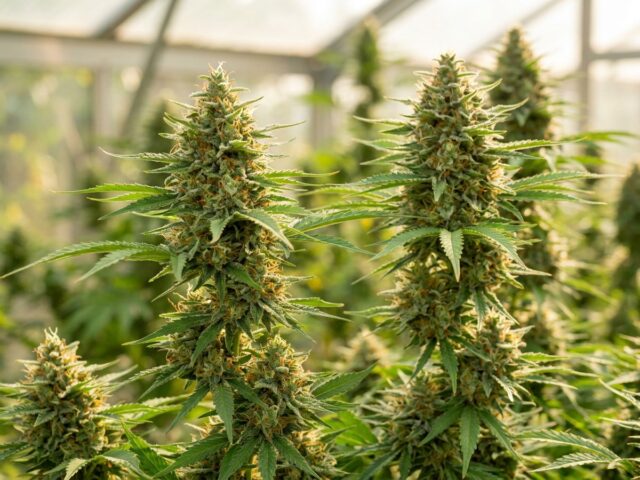
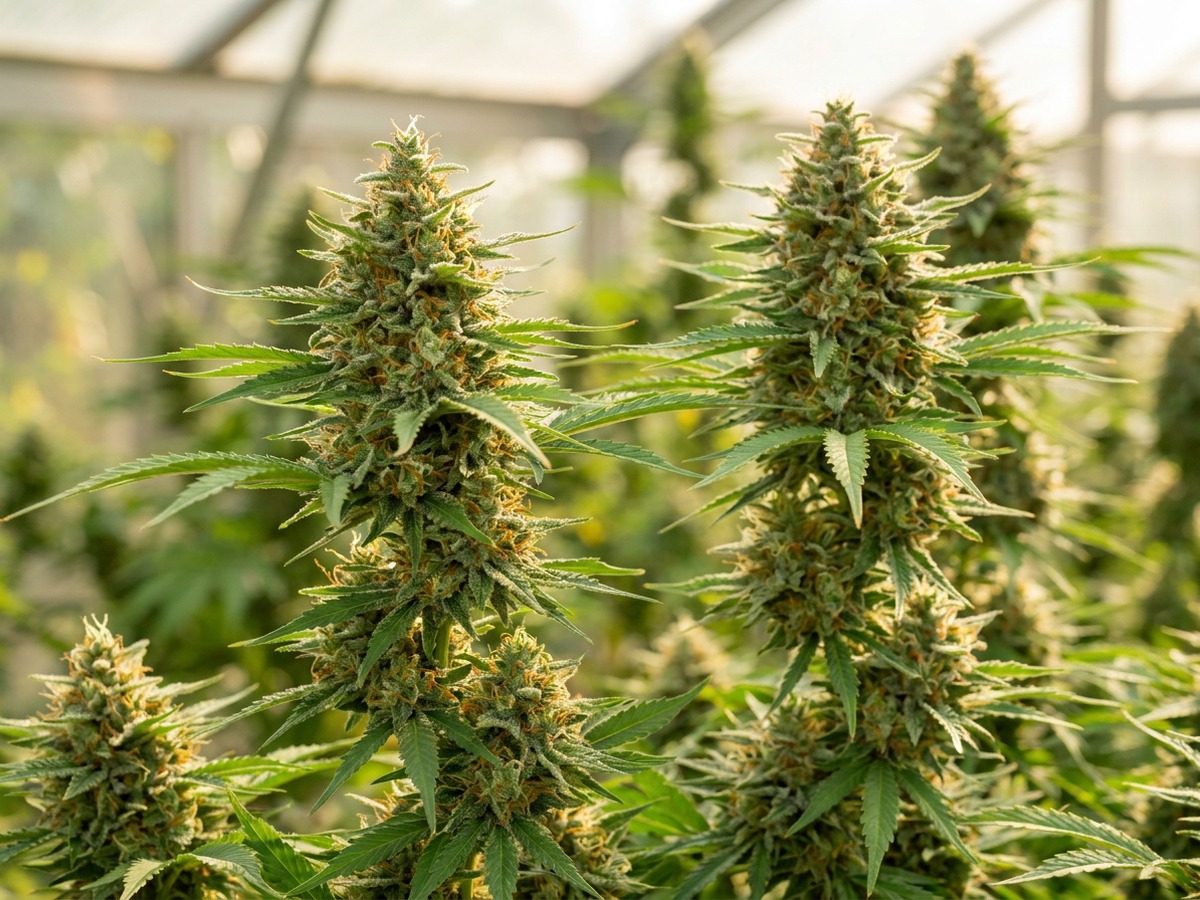
By week four of flowering, floral clusters rapidly fill the internodes along the central meristem and primary lateral branches, fusing into long, tapering, spear-like colas measuring 25 to 40 centimeters in length. Inheriting the high calyx-to-leaf ratio of Juanita la Lagrimosa and the calyx volume of Session, the mature inflorescences are firm, plump, and remarkably easy to manicure. The bracts display a bright lime-to-jade green coloration accented by abundant, long stigmas (pistils) that transition from creamy white to vivid tangerine-orange and burnished copper by week seven of bloom.
Under high-magnification stereomicroscopy (60x–100x), the floral bracts and sugar leaves of Joanne’s CBD are blanketed in a sparkling, crystalline frost of capitate-stalked glandular trichomes. The secretory heads measure 80 to 110 micrometers in diameter and are supported by tall, sturdy multicellular stalks. Because the subcuticular resin reservoir is rich in volatile monoterpenes (d-limonene, alpha-pinene, and beta-myrcene) dissolved within a dense cannabidiolic acid (CBDA) matrix, freshly harvested flowers exude a slick, citrus-oil sheen that releases clouds of sweet orange zest at the slightest touch.
Anatomical examination of the stem vascular bundles and floral pedicels reveals why Joanne’s CBD effortlessly supports 500 to 550 g/m2 of floral mass without structural collapse. Heavy sclerenchyma fiber sheaths reinforced by silica and calcium pectate surround the phloem and xylem vessels, preventing branch snapping during late-bloom swelling while providing robust mechanical resistance against wind and sap-sucking insects in outdoor Mediterranean gardens.
Moreover, comparative trichome ontogeny tracking from week three through week eight of bloom shows that Joanne’s CBD initiates capitate-stalked gland formation approximately five days earlier than standard 9-week sativa hybrids. By day 35 of 12/12 photoperiod induction, the secretory disk cells at the base of each trichome head reach peak metabolic output, pumping cannabigerolic acid (CBGA) and monoterpene olefins into the expanding subcuticular dome. By day 50 to 55, over 88% of the glandular heads exhibit a uniform, opaque milky-ivory turbidity—signaling peak CBDA and d-limonene accumulation prior to oxidative degradation into cannabinol-type artifacts.
4. Chemotypic Profile & Cannabinoid Biosynthesis
At the biochemical and genomic level, Joanne’s CBD is a homozygous Type III cultivar (BD/BD at the cannabinoid synthase locus on Chromosome 6), expressing high transcriptional activity of cannabidiolic acid synthase (CBDAS) in the absence of functional tetrahydrocannabinolic acid synthase (THCAS). Across analytical HPLC-DAD testing of properly matured indoor and greenhouse crops, Joanne’s CBD produces 13.0% to 18.0% total CBD (mean ~15.5% w/w) alongside 0.25% to 0.70% total delta-9-THC (mean ~0.48% w/w), establishing a consistent 22:1 to 35:1 CBD-to-THC stoichiometric ratio.
Within the secretory disk cells of the capitate-stalked trichomes, phytocannabinoid biosynthesis begins with the condensation of hexanoyl-CoA and three molecules of malonyl-CoA via tetraketide synthase (TKS) and olivetolic acid cyclase (OAC) to generate olivetolic acid in the cytosol. Simultaneously, the plastidic methylerythritol phosphate (MEP) pathway supplies geranyl pyrophosphate (GPP). Aromatic prenyltransferase (CsPT4) couples GPP to olivetolic acid to yield cannabigerolic acid (CBGA), the universal mother cannabinoid. Secreted into the subcuticular resin cavity, over 92% of the CBGA pool is stereo-specifically cyclized by FAD-dependent CBDAS into cannabidiolic acid (CBDA).
Complementing its 15.5% mean CBD concentration is a therapeutically active minor cannabinoid ensemble that enhances Joanne’s CBD’s daytime anti-inflammatory and neuro-modulatory potency. Uncyclized cannabigerolic acid (CBGA / CBG) typically accounts for 0.40% to 0.90% w/w, acting as a potent alpha-2 adrenergic receptor agonist, 5-HT1A modulator, and synaptic GABA reuptake inhibitor. Cannabichromenic acid (CBCA / CBC) registers between 0.30% and 0.65% w/w, contributing selective CB2 receptor agonism, TRPA1 nociceptive channel desensitization, and elevation of endogenous anandamide via cellular uptake blockade. Additionally, trace propyl-chain cannabidivarinic acid (CBDVA / CBDV) inherited from Juanita la Lagrimosa‘s equatorial ancestors appears at 0.12% to 0.30% w/w, supporting neuronal hyperexcitability regulation.
When raw cured flowers of Joanne’s CBD are heated during dry-herb convection vaporization (175°C–192°C) or culinary/pharmaceutical lipid extraction (115°C for 45 minutes), acidic CBDA undergoes non-enzymatic thermal decarboxylation into neutral cannabidiol (CBD) with >92% molar efficiency. Because the cultivar’s 22:1 to 35:1 CBD:THC ratio provides a massive excess of cannabidiol—which functions as a negative allosteric modulator at central CB1 receptors—the trace 0.25%–0.70% THC fraction is completely blocked from inducing central psychoactivity while still contributing subtle peripheral entourage synergy.
In addition, patients and formulating pharmacists increasingly utilize dual-phase (raw + decarboxylated) extracts of Joanne’s CBD to capture the complementary pharmacology of acidic CBDA alongside neutral CBD. In preclinical and clinical receptor assays, unheated CBDA exhibits up to tenfold greater potency at 5-HT1A serotonin receptors for acute anticipatory nausea and anxiety, alongside selective inhibition of cyclooxygenase-2 (COX-2) inflammatory prostaglandins. By cold-macerating half of a Joanne’s CBD floral batch in organic extra-virgin olive oil or MCT oil at 38°C while decarboxylating the remaining half at 115°C prior to lipid infusion, practitioners create a balanced 1:1 CBDA:CBD full-spectrum tincture rich in preserved d-limonene and alpha-pinene.
From a clinical pharmacokinetics perspective, inhalation of vaporized Joanne’s CBD achieves peak plasma cannabidiol concentrations (Cmax) within three to six minutes, with an systemic bioavailability of 31% to 42%—bypassing hepatic first-pass metabolism and providing immediate daytime relief lasting 2.5 to 3.5 hours. When administered sublingually as a full-spectrum lipid tincture, onset occurs within 20 to 35 minutes and sustains steady plasma CBD and minor-cannabinoid levels for 6 to 8 hours, making combined morning sublingual dosing plus as-needed convection vaporization the gold-standard clinical regimen.
Quantitative cannabinoid calculations in analytical laboratories rely on standardized chromatographic formulas to account for the molecular weight lost when carboxylic acid functional groups are cleaved during heating. Because cannabidiolic acid has a molecular weight of 358.47 g/mol and neutral cannabidiol has a molecular weight of 314.46 g/mol, the decarboxylation conversion factor is exactly 0.877:
Total Theoretical CBD Yield: Total CBD (% w/w) = Neutral CBD + [CBDA × 0.877]
Total Theoretical THC Yield: Total THC (% w/w) = Neutral Δ9-THC + [THCA × 0.877]
When subjected to isothermal decarboxylation kinetic testing, CBDA in Joanne’s CBD begins rapid conversion at temperatures above 110°C. In commercial extraction ovens operating at 115°C to 120°C, complete conversion is achieved within 40 to 45 minutes with less than 1.5% thermal degradation into cannabielsoin (CBE) or other oxidative artifacts. During convection vaporization at 175°C to 185°C, flash decarboxylation occurs instantly in the air stream, providing the pulmonary alveoli with immediate access to unoxidized neutral cannabidiol along with the intact monoterpene fraction.
| Phytocannabinoid Analyte | Acidic Precursor & Neutral Form | Dry Weight Concentration (% w/w) | Primary Pharmacological & Receptor Role |
|---|---|---|---|
| Total Cannabidiol (CBD) | CBDA (92%–95%) / Neutral CBD (5%–8%) | 13.0% – 18.0% (Mean: 15.5%) | 5-HT1A agonist, FAAH inhibitor, TRPV1 desensitizer, PPAR-gamma & GABA-A modulator |
| Total Delta-9-THC | THCA / Neutral Delta-9-THC | 0.25% – 0.70% (22:1 to 35:1 Ratio) | Sub-threshold trace concentration; allosterically shielded by CBD for zero intoxication |
| Cannabigerol (CBG) | CBGA / Neutral CBG | 0.40% – 0.90% | Alpha-2 adrenergic agonist, GABA reuptake blocker, neuroprotective & anti-inflammatory |
| Cannabichromene (CBC) | CBCA / Neutral CBC | 0.30% – 0.65% | Selective CB2 agonist, TRPA1 modulator, endogenous anandamide reuptake inhibitor |
| Cannabidivarin (CBDV) | CBDVA / Neutral CBDV | 0.12% – 0.30% | Propyl-chain CBD homolog; TRPV1/TRPV2 desensitization & neuronal stabilization |
| Total Phytocannabinoids | Combined Acidic & Neutral Matrix | 15.0% – 20.4% Total | High-potency, non-intoxicating daytime anxiolytic, mood-elevating & analgesic entourage |
5. Terpene Architecture & Olfactory Sommelier Profile
Organoleptically, Joanne’s CBD is celebrated across European medical dispensaries and cannabis social clubs for preserving the mouthwatering citrus-and-hashish bouquet of Juanita la Lagrimosa while amplifying the sweet tangerine-diesel notes of Session. In gas chromatography–mass spectrometry (GC-MS) analyses, slow-cured organic flowers of Joanne’s CBD yield 1.70% to 2.85% total volatile terpenes by dry weight, led by a vibrant monoterpene triad of beta-myrcene, alpha-pinene, and d-limonene, supported by trans-beta-caryophyllene, alpha-humulene, and terpinolene.
The primary terpene in Joanne’s CBD is beta-myrcene (0.50% to 0.90% w/w), an acyclic monoterpene that provides the lush, ripe mango-and-nectarine fruit base while acting as a peripheral myorelaxant and transdermal/mucosal permeation enhancer. Second in abundance is alpha-pinene (0.28% to 0.55% w/w), a bicyclic monoterpene that imparts a crisp, resinous breeze of Mediterranean stone pine, rosemary, and crushed sage while inhibiting acetylcholinesterase (AChE) to sharpen working memory and dilate bronchial airways. Completing the primary triad is d-limonene (0.25% to 0.52% w/w), a monocyclic monoterpene responsible for the cultivar’s signature top-note of freshly zested blood orange, sweet mandarin, and candied lemon peel, which elevates prefrontal serotonin and dopamine turnover.
Underpinning these bright citrus-and-pine monoterpenes is a warm, grounding sesquiterpene foundation inherited from the Afghan-Moroccan hashish ancestors of Session and Juanita: trans-beta-caryophyllene (0.22% to 0.45% w/w) contributes a savory undertone of cracked black pepper, cinnamon bark, and warm charas while selectively activating peripheral CB2 receptors; alpha-humulene (0.10% to 0.22% w/w) adds dry, herbal hops and COX-2 anti-inflammatory synergy; and trace terpinolene (0.06% to 0.16% w/w) lends a sparkling, floral-haze lift on the exhale.
In addition, high-resolution secondary gas chromatography reveals minor trace concentrations of trans-nerolidol (0.04% to 0.08% w/w) and beta-ocimene (0.03% to 0.07% w/w). Trans-nerolidol, a sesquiterpene alcohol with delicate woody-floral nuances, enhances transdermal and mucosal bioavailability while contributing mild sedative buffering at higher vapor temperatures. Beta-ocimene adds a sweet, herbaceous floral note that acts as a natural botanical deterrent against phytophagous spider mites while providing subtle antiviral and decongestant support during seasonal climate shifts.
A five-stage sommelier evaluation of cured Joanne’s CBD flowers reveals how its volatile aromatic fractions unfold across inspection, milling, and thermal vaporization:
- Stage 1 — Intact Cured Calyx Inspection (Jar Headspace): Opening a curing jar of Joanne’s CBD releases an immediate, sunny wave of sweet candied tangerine, blood-orange marmalade, and ripe mango, backed by a clean, resinous note of coastal pine forest.
- Stage 2 — Mechanical Milling & Trichome Shearing: Grinding the dense lime-emerald buds ruptures the capitate-stalked resin heads, liberating a zesty volatile surge of ruby grapefruit peel, crushed sweet basil, rosemary, and a subtle hint of warm Moroccan hashish spice.
- Stage 3 — Cold Unheated Dry Draw (Pre-Ignition Palate): Drawing unheated air through a clean glass vaporizer stem coats the palate with sweet orange blossom, candied lemon zest, and crisp pine needles with zero grassy or chlorophyll bitterness.
- Stage 4 — Thermal Vaporization Inhale (175°C–188°C): On the heated inhale, the vapor is exceptionally smooth, silky, and aromatic—flooding the taste buds with sweet blood orange, tangerine sorbet, and alpine pine on the draw, followed by warm caryophyllene pepper, sandalwood, and herbal haze on the retrohale.
- Stage 5 — Post-Exhale Finish & Ambient Room Note: The finish lingers on the palate for ten minutes as a refreshing citrus-verbena and spiced honey impression, leaving a bright, uplifting orange-and-pine botanical room note.
| Volatile Terpene Compound | Chemical Class & Boiling Point | Typical Concentration (% w/w) | Organoleptic Note & Synergistic Bioactivity |
|---|---|---|---|
| Beta-Myrcene | Acyclic Monoterpene (167°C / 332°F) | 0.50% – 0.90% | Ripe mango, sweet nectarine & herbal musk; peripheral myorelaxant & TRPV1 analgesic |
| Alpha-Pinene | Bicyclic Monoterpene (155°C / 311°F) | 0.28% – 0.55% | Mediterranean stone pine & rosemary; AChE inhibitor (cognitive focus) & bronchodilator |
| D-Limonene | Monocyclic Monoterpene (176°C / 349°F) | 0.25% – 0.52% | Sweet blood orange & candied tangerine zest; 5-HT1A/dopamine mood elevation & anxiolysis |
| Beta-Caryophyllene | Bicyclic Sesquiterpene (160°C / 320°F) | 0.22% – 0.45% | Warm Moroccan hashish spice & black pepper; selective peripheral CB2 full agonist |
| Alpha-Humulene | Monocyclic Sesquiterpene (198°C / 388°F) | 0.10% – 0.22% | Dry herbal hops & woody spice; systemic COX-2 & TNF-alpha anti-inflammatory |
| Terpinolene | Monocyclic Monoterpene (185°C / 365°F) | 0.06% – 0.16% | Sparkling floral-citrus haze lift; antioxidant & alert daytime synergy |
6. Therapeutic Mechanisms & Clinical Applications
In clinical phytotherapy, Joanne’s CBD is regarded as one of the finest all-day, mood-brightening, non-intoxicating functional hybrids in the European medical registry. Because its 13.0% to 18.0% cannabidiol concentration is paired with a 22:1 to 35:1 CBD-to-THC ratio (0.25%–0.70% THC) and a bright alpha-pinene and d-limonene monoterpene profile, Joanne’s CBD resolves anxiety, physical tension, and inflammatory discomfort while actively enhancing mental clarity, motivation, and executive focus.
A detailed five-pathway breakdown of Joanne’s CBD’s bio-molecular entourage mechanisms illustrates how its cannabinoid and terpene constituents interact across central and peripheral receptor networks:
- Synergistic 5-HT1A & Adenosine A2A Anxiolysis and Mood Elevation (CBD + D-Limonene): Cannabidiol acts as a direct orthosteric and allosteric agonist at central 5-HT1A serotonin receptors in the dorsal raphe nucleus and prefrontal cortex, while d-limonene (0.25%–0.52%) modulates adenosine A2A receptors and promotes striatal dopamine and prefrontal serotonin turnover. Together with CBD-mediated inhibition of fatty acid amide hydrolase (FAAH), this pathway rapidly dissolves generalized anxiety, social apprehension, occupational stress, and mild depressive anhedonia.
- Cholinergic Preservation & Bronchodilatory Alertness (Alpha-Pinene + CBD): Alpha-pinene (0.28%–0.55%) crosses the blood-brain barrier to inhibit acetylcholinesterase (AChE), preventing the enzymatic degradation of acetylcholine in hippocampal and cortical circuits. Simultaneously, alpha-pinene relaxes bronchial smooth muscle to deepen respiratory oxygenation—ensuring that daytime patients experience crisp cognitive focus during complex analytical, academic, or creative work.
- Peripheral CB2 & PPARγ Anti-Inflammatory Immunomodulation (Beta-Caryophyllene + CBC + CBD): Trans-beta-caryophyllene (0.22%–0.45%) and cannabichromene (CBC, 0.30%–0.65%) selectively bind and activate peripheral CB2 receptors on immune cells, synovial tissues, and enteric glia, while CBD activates nuclear PPARγ receptors. This dual cascade suppresses NF-κB signaling and reduces pro-inflammatory cytokines (TNF-α, IL-1β, IL-6) in rheumatoid and osteoarthritic joints, inflammatory bowel conditions, and post-exercise muscle inflammation.
- Multimodal Nociceptive Ion-Channel Desensitization (CBD + Beta-Myrcene + CBG + CBDV): CBD, beta-myrcene (0.50%–0.90%), CBG (0.40%–0.90%), and CBDV (0.12%–0.30%) converge on transient receptor potential channels—specifically TRPV1, TRPV2, and TRPA1—while antagonizing pro-nociceptive GPR55 receptors and agonizing alpha-2 adrenergic receptors. This multimodal blockade dampens peripheral neuropathic burning, tension headaches, migraine prodromes, and myofascial trigger points without opioid-like sedation.
- Allosteric CB1 Receptor Buffering & THC-Induced Anxiety Reversal: By binding to the negative allosteric site on central CB1 receptors, Joanne’s CBD’s 15.5% cannabidiol load not only guarantees zero intoxication from its own trace THC fraction, but also allows patients to vaporize Joanne’s CBD alongside—or immediately after—high-THC cultivars to smooth out tachycardia, paranoia, or cognitive overstimulation.
Comparative Therapeutic Utility in Occupational Burnout & Fibromyalgia: In integrative pain medicine, Joanne’s CBD has demonstrated notable clinical value for patients presenting with comorbid centralized pain syndromes, such as fibromyalgia and chronic myofascial pain syndrome. Because central sensitization involves both microglial activation in the dorsal horn and dysregulated descending serotonergic inhibitory pathways, the combined agonism of 5-HT1A receptors and peripheral CB2 receptors by Joanne’s CBD dampens hyperalgesia without depressing cognitive vigilance. Patients report significant reductions in morning musculoskeletal stiffness, improved physical stamina during work shifts, and a noticeable decrease in somatic stress reactivity without experiencing the lethargy often caused by sedating indica CBD varieties.
Furthermore, pediatric and geriatric specialists frequently highlight Joanne’s CBD as an ideal entry-point botanical cultivar for patients who are exceptionally sensitive to the psychotomimetic effects of tetrahydrocannabinol. In older patients managing age-related osteoarthritis or mild tremor, Joanne’s CBD can be formulated into a non-intoxicating whole-plant lipid infusion that preserves mobility and social engagement while avoiding the fall risk, orthostatic hypotension, or delirium associated with high-THC pharmaceuticals or non-selective sedatives.
| Clinical Indication / Symptom Domain | Primary Synergistic Compounds | Receptor & Molecular Pathway | Recommended Dosing & Administration Protocol |
|---|---|---|---|
| Daytime Generalized & Social Anxiety / Work Stress | CBD (15.5%) + D-Limonene + Alpha-Pinene | 5-HT1A agonism, FAAH inhibition (anandamide elevation), AChE inhibition for alert calm | Convection vaporization at 172°C–180°C (2–4 draws TID) + 20 mg sublingual oil morning |
| Low Mood, Occupational Burnout & Mental Fatigue | CBD + D-Limonene + Terpinolene + CBG | Adenosine A2A modulation, prefrontal serotonin/dopamine support, HPA-axis balancing | 2–3 low-temp vapor draws at 170°C–176°C in morning and early afternoon |
| Arthritic Joint Stiffness & Daytime Inflammation | CBD + Beta-Caryophyllene + Alpha-Humulene + CBC | Selective peripheral CB2 agonism, PPAR-gamma activation, COX-2 & TNF-alpha suppression | 25–45 mg full-spectrum sublingual lipid tincture BID + vaporization at 185°C–192°C PRN |
| Migraine Prodrome, Tension Headaches & Neck Spasm | CBD + Beta-Myrcene + CBG + Alpha-Pinene | TRPV1/TRPA1 desensitization, GPR55 antagonism, alpha-2 adrenergic myorelaxation | 3–5 vapor inhalations at 182°C–188°C at earliest headache or cervical tension onset |
| Peripheral Neuropathy & Post-Exercise Recovery | CBD + CBDV + Beta-Myrcene + Caryophyllene | Dorsal horn nociceptor stabilization, microglial CB2 anti-inflammatory modulation | Vaporization at 188°C–196°C post-activity + 30 mg oral/sublingual full-spectrum extract |
7. Precision Agronomic & Cultivation Protocol
From an agronomic perspective, Joanne’s CBD is one of the highest-yielding, most forgiving photoperiod CBD cultivars in the Royal Queen Seeds catalog. Combining the vigorous hybrid drive and heavy floral mass of Session with a rapid 49-to-56-day (7-to-8-week) flowering cycle, it thrives across indoor LED chambers, controlled-environment greenhouses, and outdoor Mediterranean or temperate gardens. Cultivate in biologically rich living organic soil amended with worm castings, composted bark, kelp meal, fish bone meal, basalt rock dust, and vesicular-arbuscular mycorrhizal inoculants at a root-zone pH of 6.2 to 6.6 (or 5.8 to 6.1 in hydroponic coco coir).
During the vegetative phase (weeks 1–4), provide an 18/6 photoperiod at a photosynthetic photon flux density (PPFD) of 450 to 650 μmol/m2/s, daytime temperatures of 23°C to 27°C (73°F to 80°F), and relative humidity between 60% and 68% (target VPD: 0.85 to 1.05 kPa). Because Joanne’s CBD responds exceptionally well to canopy training, top the main apical meristem above the fifth node during week three of vegetative growth and spread the eight primary lateral shoots horizontally using low-stress training (LST) clips or a Screen of Green (ScrOG) trellis. This creates an even table of ten to twelve dominant colas while keeping indoor plant height neatly between 80 and 120 cm.
Upon switching to the reproductive flowering phase (12/12 photoperiod, 49 to 56 days), increase canopy PPFD to 800–1,000 μmol/m2/s. Expect a clean, manageable 1.4x to 1.6x stretch during the first two and a half weeks of bloom. Perform a targeted defoliation and lower-shoot pruning (“lollipopping”) at day 18 of bloom to maximize light penetration and horizontal airflow around the swelling spear-shaped colas. Transition root-zone nutrition toward elevated phosphorus, potassium, calcium, magnesium, and bioavailable sulfur (via potassium sulfate, langbeinite, and organic kelp/molasses teas) from week three through week six of bloom to drive maximum CBDA synthesis and d-limonene/alpha-pinene monoterpene accumulation. Maintain mid-to-late bloom daytime temperatures strictly at 21°C to 25°C (70°F to 77°F) with relative humidity held between 42% and 50% (target VPD: 1.25 to 1.45 kPa) to protect the volatile blood-orange citrus monoterpenes from thermal volatilization.
Root-Zone Microbiome & Secondary Metabolite Elicitation: Because Joanne’s CBD derives its gourmet blood-orange and pine-hashish aroma from plastidic monoterpene synthases (CsTPS) that depend heavily on micronutrient cofactors (specifically divalent magnesium, manganese, iron, and zinc) as well as sulfur-containing amino acids, organic living-soil cultivators achieve noticeably richer terpene concentrations (up to 2.85% w/w) than sterile salt-based hydroponic systems. Applying weekly top-dressings or aerated compost teas brewed with vermicompost, cold-processed Ascophyllum nodosum sea kelp, alfalfa meal (providing natural triacontanol growth stimulant), and soluble silica during weeks two through five of bloom strengthens trichome cuticular walls and boosts both CBDA and d-limonene accumulation.
Harvest Maturation, Curing & IPM Protocol: Outdoors in the Northern Hemisphere, Joanne’s CBD reaches full floral maturity in early October, yielding 425 to 475 grams per plant. Indoors, inspect capitate-stalked trichomes with a 60x jeweler’s loupe starting at day 47 of bloom: harvesting between days 50 and 56 when 85%–90% of trichome heads are cloudy milky-white yields 500 to 550 g/m2 of prime medical flowers testing at 14%–18% CBD and 0.3%–0.6% THC. Whole-plant hang-dry at 16°C (60°F) and 58%–60% RH in darkness for 12 to 14 days, then cure in airtight glass vessels at a water activity (aw) of 0.58–0.62 for 21 to 28 days. For preventive Integrated Pest Management (IPM), introduce predatory mites (Amblyseius swirskii and Phytoseiulus persimilis) during vegetative growth and root drenches of Trichoderma harzianum and Bacillus subtilis.
Vapor Pressure Deficit (VPD) Optimization & Transpiration Steering: To maximize secondary metabolite production in Joanne’s CBD without stressing foliar stomata, cultivators should maintain precise environmental setpoints across the crop cycle. During early vegetative growth, holding the canopy temperature at 25°C with 68% relative humidity produces a gentle VPD of 0.85 kPa, encouraging expansive root branching and rapid petiole elongation. As the plants enter the floral stretch in weeks one to three of 12/12 lighting, lowering relative humidity to 54% while maintaining 24°C shifts the VPD to 1.20 kPa, accelerating xylem nutrient uptake to support calyx development. During peak floral swelling in weeks four through six, driving the VPD to 1.35–1.45 kPa (23°C, 46% RH) stimulates glandular trichome secretion as a defensive barrier against ambient transpiration loss. Finally, during the terminal ripening week, lowering canopy temperatures to 20°C with 42% RH preserves the fragile d-limonene and alpha-pinene terpenes from volatilizing into the exhaust stream.
| Cultivation Phase | Photoperiod & PPFD Intensity | Canopy Temp & RH / VPD Target | EC / Nutritional & Horticultural Focus |
|---|---|---|---|
| Seedling & Early Vegetative (Weeks 1–2) | 18/6 Light | 300–450 μmol/m²/s | 24°C–27°C | 65%–70% RH (0.85 kPa) | EC 0.8–1.2 mS/cm; mycorrhizal root colonization, balanced N-Ca-Mg |
| Late Vegetative & ScrOG Training (Weeks 3–4) | 18/6 Light | 500–650 μmol/m²/s | 23°C–26°C | 60%–65% RH (1.00 kPa) | EC 1.3–1.6 mS/cm; apical topping at node 5, horizontal LST/ScrOG canopy weaving |
| Floral Stretch & Bract Initiation (Bloom Weeks 1–3) | 12/12 Light | 750–900 μmol/m²/s | 23°C–25°C | 50%–55% RH (1.20 kPa) | EC 1.6–1.8 mS/cm; 1.5x stretch management, day-18 lollipopping & airflow defoliation |
| Heavy Spear Swell & Resin Peak (Bloom Weeks 4–6) | 12/12 Light | 850–1,000 μmol/m²/s | 22°C–25°C | 44%–48% RH (1.35 kPa) | EC 1.8–2.0 mS/cm; high P-K-S & fulvic support for 15.5% CBD & blood-orange terpenes |
| Ripening & Terpene Preservation (Bloom Weeks 7–8) | 12/12 Light | 750–850 μmol/m²/s | 19°C–22°C | 40%–45% RH (1.42 kPa) | EC 0.0–0.3 mS/cm (10-day clean water flush); harvest Day 49–56 (500–550 g/m²) |
8. Connoisseur Synthesis & Sommelier Verdict
In the global panorama of Type III medical cannabis breeding, Joanne’s CBD represents the triumphant evolution of the Spanish Juanita la Lagrimosa lineage. By crossing Juanita la Lagrimosa with the heavy-yielding Session hybrid and stabilizing a homozygous CBDAS/CBDAS genotype, Royal Queen Seeds created a cultivar that delivers 13% to 18% CBD with less than 0.70% THC, finishes in just seven to eight weeks, yields up to 550 g/m2 indoors, and fills the palate with sweet blood-orange marmalade, alpine pine, and warm hashish spice.
Dispensary Patient & Connoisseur Consultation Guide: When advising medical patients and wellness consumers at the dispensary counter, specialists can recommend Joanne’s CBD across three primary clinical and lifestyle profiles:
- The Daytime Executive & Creative Professional Seeking Alert Calm: For patients who need immediate relief from work stress, performance anxiety, or cervical neck tension without sacrificing verbal fluency, working memory, or energy, Joanne’s CBD’s combination of 15.5% CBD, alpha-pinene, and d-limonene provides crisp, uplifting tranquility from morning until evening.
- The Legacy Juanita la Lagrimosa Enthusiast Seeking Zero Intoxication: Connoisseurs who loved the zesty sweet-orange and Moroccan hashish flavor of classic Spanish Juanita la Lagrimosa—but who no longer wish to consume 7%–9% THC—will find that Joanne’s CBD captures that exact heirloom citrus-haze bouquet in a completely non-intoxicating 25:1 to 35:1 format.
- The High-Yield Home Medical Cultivator & Solventless Extractor: With indoor harvests reaching 500–550 g/m2 in just 49–56 days of bloom, Joanne’s CBD is an exceptional producer of fragrant, trichome-rich flowers for home vaporization, blood-orange-scented solventless flower rosin (pressing at 80°C–85°C for 18%–22% returns), and full-spectrum daytime MCT tinctures.
Precision Thermal Vaporization & Chronological Experiential Trajectory: To unlock the full organoleptic and pharmacological range of Joanne’s CBD, clinical inhalation specialists recommend a three-tier stepped convection temperature protocol:
- Tier 1 — Morning Citrus Uplift & Cholinergic Focus (166°C to 175°C / 331°F to 347°F): Volatilizes alpha-pinene (BP 155°C), beta-myrcene (BP 167°C), and d-limonene (BP 176°C) alongside initial CBDA decarboxylation. Delivers an effervescent burst of sweet blood orange, tangerine peel, and mountain pine that clears mental cobwebs and elevates mood within two minutes.
- Tier 2 — Balanced Daytime Anxiolysis & Joint Comfort (178°C to 188°C / 352°F to 370°F): Drives full stoichiometric conversion of CBDA, CBGA, and CBCA while vaporizing trans-beta-caryophyllene and terpinolene. Produces dense, silky vapor tasting of candied citrus, sweet basil, and spiced hashish that melts shoulder tension and inflammatory stiffness for two to three hours.
- Tier 3 — Late-Afternoon Somatic Decompression (190°C to 200°C / 374°F to 392°F): Mobilizes alpha-humulene (BP 198°C) and the remaining minor cannabinoid fraction, imparting a warm, woody hops and toasted sandalwood finish that transitions smoothly into evening relaxation without heavy sedation.
Clinical Safety, Drug-Interaction Vigilance & Titration Guidelines: Because Joanne’s CBD exhibits a clean 22:1 to 35:1 CBD-to-THC profile (0.25%–0.70% THC), it is exceptionally well tolerated across adult medical populations, carrying none of the acute cardiovascular (tachycardia, orthostatic hypotension) or neuropsychiatric (paranoia, depersonalization, short-term memory disruption) risks associated with Type I THC-dominant cannabis. For cannabinoid-naïve individuals initiating daytime therapy, clinicians recommend starting with two gentle convection vapor draws at 175°C (delivering ~4–6 mg of inhaled CBD) and waiting ten minutes to assess anxiolytic and analgesic response, or starting with 15 to 25 mg of full-spectrum sublingual Joanne’s CBD oil twice daily. As with all high-CBD botanical preparations, patients taking narrow-therapeutic-index medications metabolized by hepatic cytochrome P450 enzymes—such as clobazam, valproate, warfarin, or direct oral anticoagulants—should coordinate high-dose oral titration (>100 mg/day) with their prescribing physician.
Comparative Benchmark Within the Ganja House CBD Archive: When positioned alongside its sister cultivars in the Ganja House Medical CBD database—including Tatanka Pure CBD (70% Indica, burnt caramel & black pepper), Solodiol (Sativa-dominant, spicy pine), and its own maternal ancestor Juanita la Lagrimosa (1:1 balanced THC:CBD)—Joanne’s CBD stands out as the quintessential 50/50 balanced hybrid for non-intoxicating daytime citrus-haze relief and commercial-grade 550 g/m2 indoor productivity. By uniting the therapeutic reliability of modern European chemotypic breeding with the rich organoleptic joy of Mediterranean citrus terroirs, Joanne’s CBD cements its place as an enduring standard in international cannabinoid pharmacognosy.
| Sommelier & Clinical Evaluation Domain | Quantitative Score (Out of 10) | Curator Summary & Benchmark Assessment |
|---|---|---|
| Non-Intoxicating Daytime Clarity (25:1–35:1 Ratio) | 9.8 / 10 | 13%–18% CBD with 0.25%–0.70% THC delivers pure functional calm and zero cognitive fog |
| Citrus-Pine-Hashish Bouquet (Juanita Heritage) | 9.6 / 10 | Vibrant sweet blood orange, candied tangerine zest, alpine pine, and Moroccan hashish spice |
| Anxiolytic, Mood-Elevating & Analgesic Efficacy | 9.6 / 10 | Synergistic 5-HT1A, AChE, and peripheral CB2 modulation for all-day stress and pain relief |
| Biomass Yield & 7–8 Week Agronomic Vigor | 9.7 / 10 | Produces 500–550 g/m² indoors in 49–56 days (early October outdoors) from Session genetics |
| Overall Medical & Connoisseur Value | 9.7 / 10 | A cornerstone European balanced-hybrid CBD monograph in the Ganja House database |
Ajarn Spencer Littlewood & Agent Gemini Unleashed for ganjahouse.net
All rights reserved.