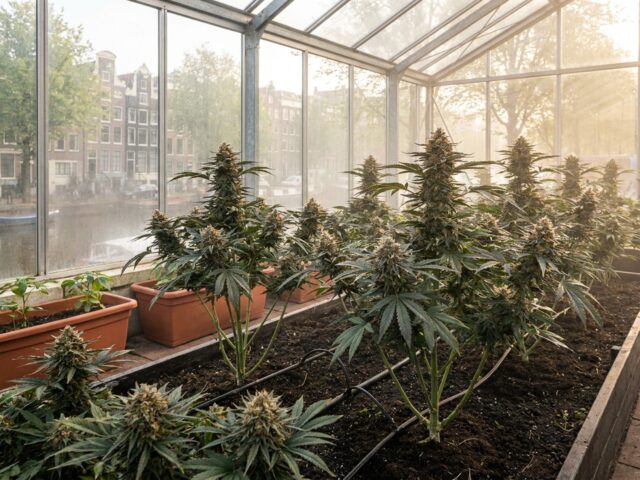
The contextual socio-historical environment in which Sensi Star emerged represents one of the most transformative eras in modern European cannabis breeding. During the mid-1990s, the Amsterdam coffee shop scene was undergoing a dramatic horticultural paradigm shift. Following the dominance of early Skunk and Northern Lights selections, breeders sought cultivars that could combine unprecedented resin production with crushing physical potency and a distinctive chemosensory identity. In 1995, Luc Krol, the master breeder and founder of Paradise Seeds, unveiled Sensi Star after years of meticulous phenotype selection. Initially introduced as an experimental indica line and later refined in 1997 into a stabilized inbred polyhybrid, Sensi Star sent shockwaves through the international cannabis community. Its historic sweep of both the High Times Cannabis Cup and the Highlife Cup in 1999 cemented its permanent status as one of the greatest pure-leaning indica cultivars ever stabilized in the Western hemisphere.
Spoken Strain Monograph: Sensi Star (Indica Audio Edition)
Listen to the complete scientific monograph audio overview for Sensi Star, detailing its Amsterdam breeding heritage, cannabinoid architecture, volatile terpene profile, clinical efficacy, and commercial agronomic optimization.
[wp_post_visit_card post_id=”1359″]
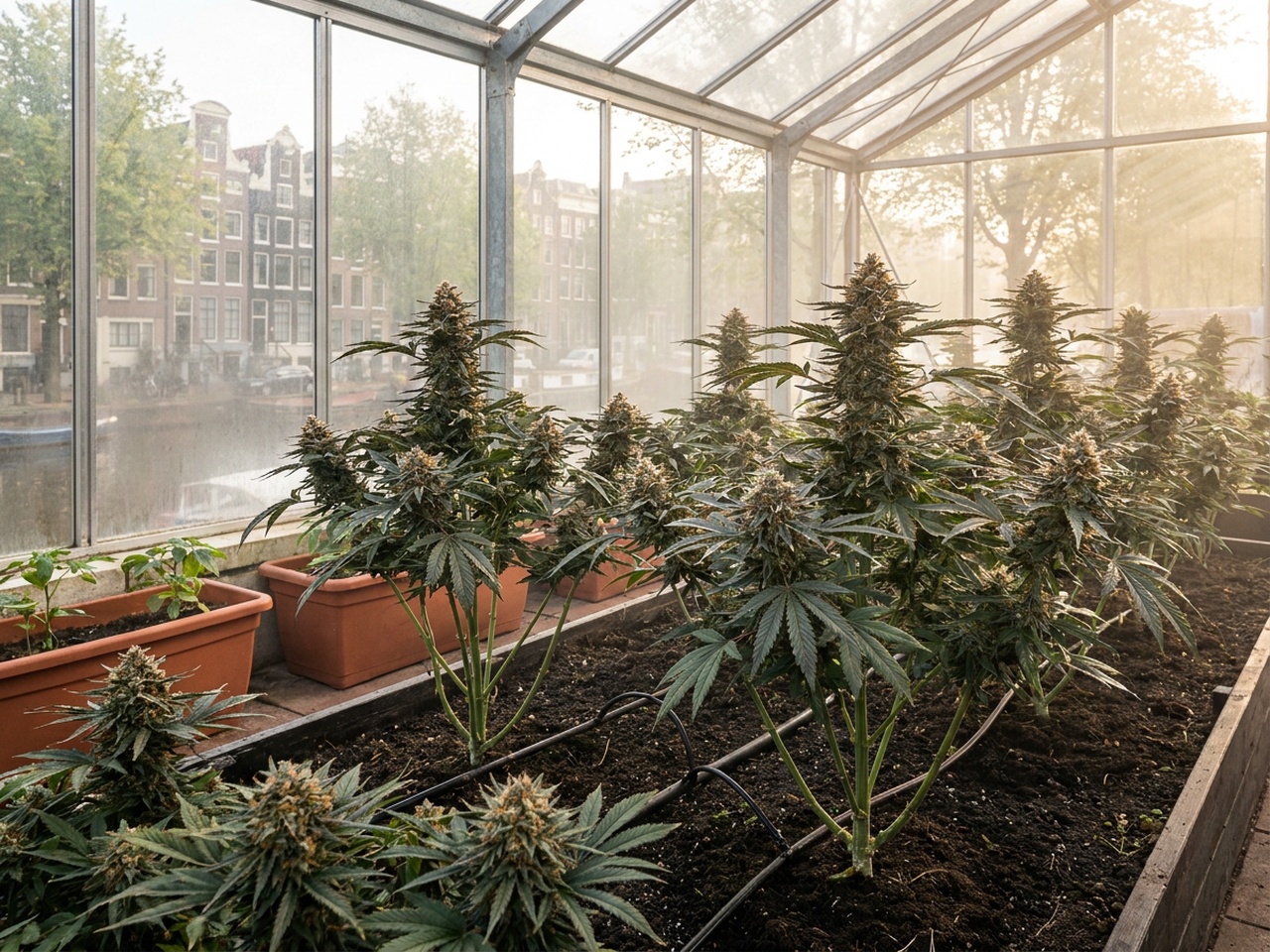
1. Executive Summary & Botanical Heritage
Sensi Star stands as an immortal benchmark in the history of pedigree Cannabis indica breeding. Developed by Luc Krol in the artisanal research gardens of Paradise Seeds in Amsterdam, the cultivar was introduced to the European market in 1995 and subsequently refined through intensive filial stabilization in 1997. While the precise parental lineage of Sensi Star has been guarded by Paradise Seeds as a proprietary trade secret for more than three decades, geneticists and historical cannabis taxonomists broadly agree that the cultivar is fundamentally anchored in an elite, high-altitude northern Afghan indica landrace, delicately backcrossed with a subtle ten percent sativa component to enhance vegetative vigor and prevent claustrophobic cerebral heaviness. This precise genetic formula earned Sensi Star the legendary title of “The One-Hit Wonder” and “The White Strain,” establishing an international standard for trichome density that challenged and surpassed the renowned White Widow selections of the late 1990s.
Taxonomically designated as an approximately 90% indica and 10% sativa polyhybrid, Sensi Star embodies the quintessential physiological and anatomical traits of the broad-leaflet indica (BLD) archetype. Plants display a stout, compact, and columnar growth habit, forming thick woody main stems, short petioles, and broad, dark forest-green fan leaves with razor-sharp margins. When subjected to the floral induction photoperiod, Sensi Star exhibits an exceptionally restrained stretch, rarely exceeding 120% to 140% of its final vegetative height. This morphological compactness makes it exceptionally well-suited for high-density indoor cultivation environments, sea of green (SOG) configurations, and low-clearance vertical shelving systems. The terminal inflorescences develop as colossal, stone-hard conical colas encrusted in an uninterrupted layer of silver capitate-stalked glandular trichomes, interlaced with fiery copper and deep burnt-amber pistillate stigmas.
In clinical cannabis dispensaries, commercial cultivation centers, and analytical testing facilities throughout Europe, Canada, and the United States, Sensi Star has maintained a sterling pharmacological track record across three consecutive decades. Quantitative high-performance liquid chromatography (HPLC) testing consistently establishes its total potential delta-9-tetrahydrocannabinol (THC) titers between 20.0% and 26.5% by dry flower mass. In expertly managed organic living-soil regimens supplemented with microbial mycorrhizal inoculants, select prime cuts have officially surpassed 27.5% total active cannabinoids. Modulating this potent cannabinoid titer is a prominent minor cannabinoid suite highlighted by cannabigerolic acid (CBGA) and neutral cannabigerol (CBG) concentrations between 0.8% and 1.5%, along with trace quantities of cannabichromene (CBC) and tetrahydrocannabivarin (THCV). When coupled with an extraordinarily concentrated volatile terpene profile typically registering between 2.5% and 4.0% by dry weight—dominated by beta-myrcene, d-limonene, and beta-caryophyllene—Sensi Star produces an entourage effect characterized by an instantaneous somatic heaviness, profound central nervous system tranquility, and unmatched nocturnal analgesia.
The competition pedigree of Sensi Star is virtually unrivaled within the annals of modern cannabis competitions. In 1999, Sensi Star accomplished an extraordinary double victory by capturing First Prize in the Bio category at the High Times Cannabis Cup in Amsterdam, as well as First Prize at the prestigious Highlife Cup. It repeated its podium dominance in 2000 with Second Prize in the Indica Cup, reclaimed First Prize at the Highlife Cup in 2004, and was officially crowned “Plant of the Year” by High Times Magazine in 2003, followed by Soft Secrets “Plant of the Year” honors in 2009–2010. Furthermore, Sensi Star has served as a foundational genetic donor for numerous world-class commercial hybrids, most notably serving as the maternal seed parent for Ohio’s legendary craft cultivar Death Star (Sensi Star x East Coast Sour Diesel), which inherited its impenetrable bud density and profound physical narcotic sedation directly from Luc Krol’s Dutch masterpiece.
From an agronomic perspective, Sensi Star is celebrated by commercial growers as an exceptionally dependable, high-yielding, and structurally stable production cultivar. Unlike finicky dessert cultivars or lanky sativas that demand intensive trellis weaving and complex canopy management, Sensi Star requires minimal structural intervention. Its thick, heavily lignified lateral branches effortlessly support the massive weight of its dense terminal colas without bending or breaking. With a swift flowering maturation cycle of just 56 to 63 days (8 to 9 weeks), exceptional nutrient assimilation capabilities, and superior resistance to common pests and root pathogens, Sensi Star represents a masterpiece of Dutch genetic craftsmanship that continues to command supreme reverence among cultivators, extractors, and medical patients worldwide.
At the cellular and anatomical level, the root system and vascular transport mechanics of Sensi Star reflect an extraordinary adaptation to high-metabolic-demand cultivation regimes. The primary taproot and adventitious lateral root architecture develop a remarkably dense network of fine root hairs that demonstrate superior affinity for vesicular-arbuscular mycorrhizal (VAM) fungal symbiosis, specifically with Rhizophagus irregularis and Glomus intraradices. This robust fungal association exponentially amplifies the effective surface area of the rhizosphere, facilitating the rapid acquisition of immobile orthophosphate ions and micronutrients such as iron and zinc. Within the xylem conduits, thick secondary cell walls reinforced with extensive lignin deposition maintain high hydraulic conductivity even under severe transpirational pull induced by high vapor pressure deficits. This structural resilience allows Sensi Star to maintain optimal turgor pressure in expanding floral tissues, driving the rapid, uniform swelling of calyxes throughout late floral maturation.
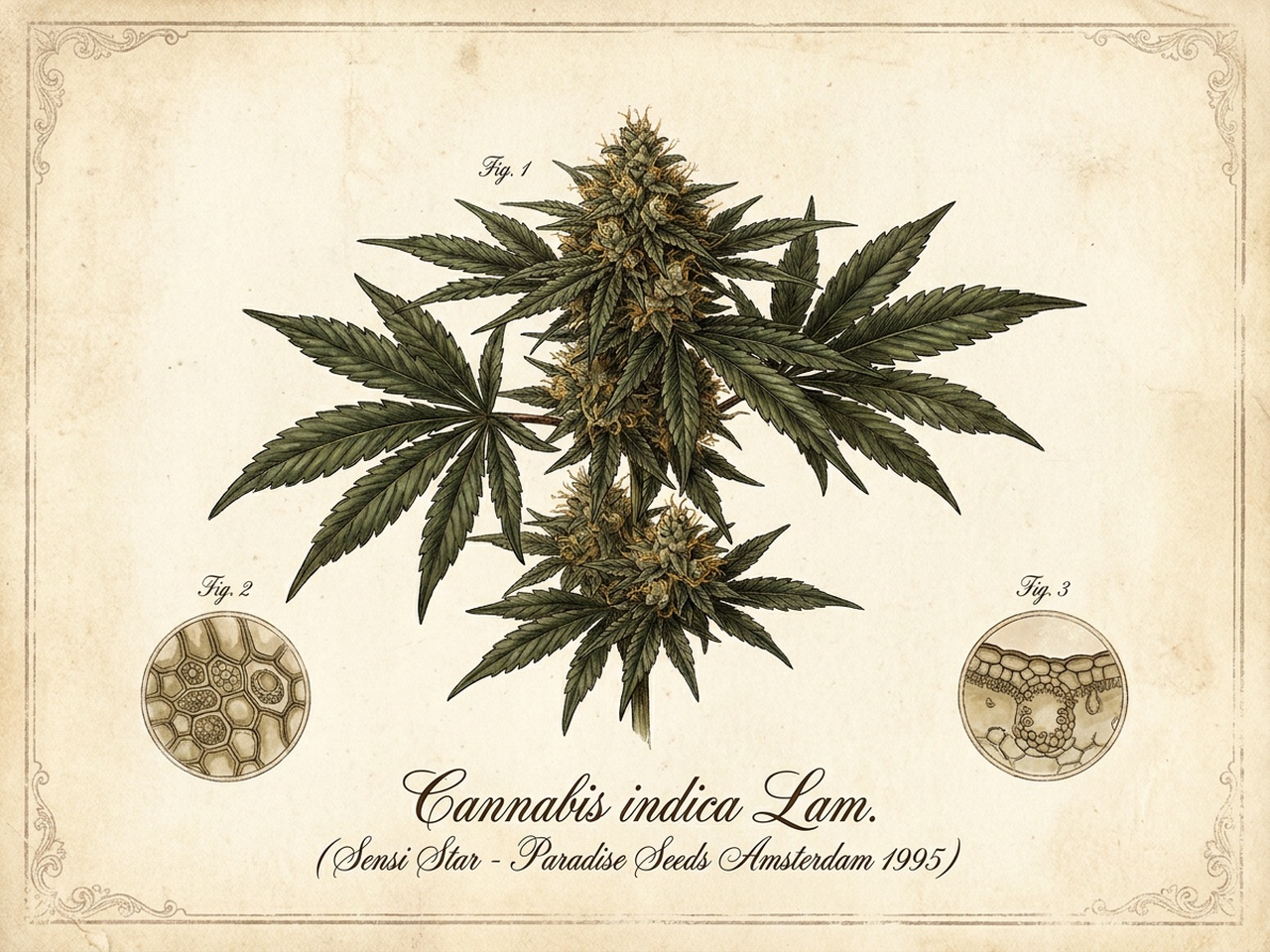
2. Botanical Architecture & Genetic Lineage
The morphological and histological architecture of Sensi Star represents the quintessential expression of highland broad-leaflet indica (BLD) germplasm, refined through generations of selective indoor stabilization. Originating from ancient Afghan landrace populations collected in the Hindu Kush and northern river valleys of Afghanistan, Sensi Star displays extraordinary structural uniformity. In vegetative growth, the plant forms a stout, columnar bush with thick, short internodes averaging only 3.0 to 4.5 centimeters apart. The central apical stalk develops substantial girth within weeks of germination or clone rooting, exhibiting heavy secondary xylem development and rapid bark lignification that imparts tremendous mechanical strength to the main stem and its primary lateral scaffolds.
The foliar architecture of Sensi Star is remarkably dense and broad. The palmate leaves typically possess seven to nine broad, overlapping leaflets characterized by deep, coarse, razor-sharp marginal serrations. The leaf laminae are thick, leathery, and pigmented in an intense, dark forest-green hue that approaches blackish-green under high nitrogen and magnesium fertility. The adaxial (upper) leaf surfaces possess a thick, glossy waxy cuticle layer rich in cutin and suberin polymers, an evolutionary adaptation developed by mountain indicas to minimize foliar water loss under intense ultraviolet exposure and arid highland winds. The petioles are short, thick, and fibrous, showing exceptional tensile resistance against mechanical snapping during aggressive canopy manipulation or heavy air movement.
Upon initiation of the reproductive photoperiod (12 hours of uninterrupted darkness), Sensi Star undergoes an exceptionally modest and manageable stretch phase. Unlike equatorial sativas or modern polyhybrids that can expand by 200% to 300% in vertical height, Sensi Star typically increases its stature by only 120% to 140% over the first 18 to 22 days of flowering. Internodal spacing widens slightly to between 4.5 and 6.0 centimeters, creating an ideal framework where expanding floral clusters can merge into solid, continuous columns of dense bud tissue without creating stagnant air pockets. This predictable and restrained growth dynamic makes Sensi Star a premier candidate for high-density Sea of Green (SOG) configurations, where cultivators pack 16 to 25 single-stem plants per square meter to maximize canopy efficiency and crop turnover.
The floral architecture of Sensi Star is celebrated throughout the horticultural world for its extraordinary density and stone-like firmness. The inflorescences do not produce elongated or feathery foxtails; instead, they develop as tightly packed, spherical to conical calyx clusters that stack seamlessly along every lateral branch. Individual bracts (perianths) are exceptionally swollen, thick-walled, and fleshy, completely enveloping the unfertilized ovules. The calyx-to-leaf ratio is remarkably elevated for an Afghan-dominant cultivar, with minimal small sugar leaves protruding from the inner floral mass. This structural characteristic significantly accelerates both hand-trimming and automated mechanical processing, drastically reducing post-harvest labor overhead. Interwoven among the forest-green and pale jade bracts are thick, wiry, fiery burnt-copper and deep amber pistillate stigmas that wither into tight curls upon reaching full physiological maturity.
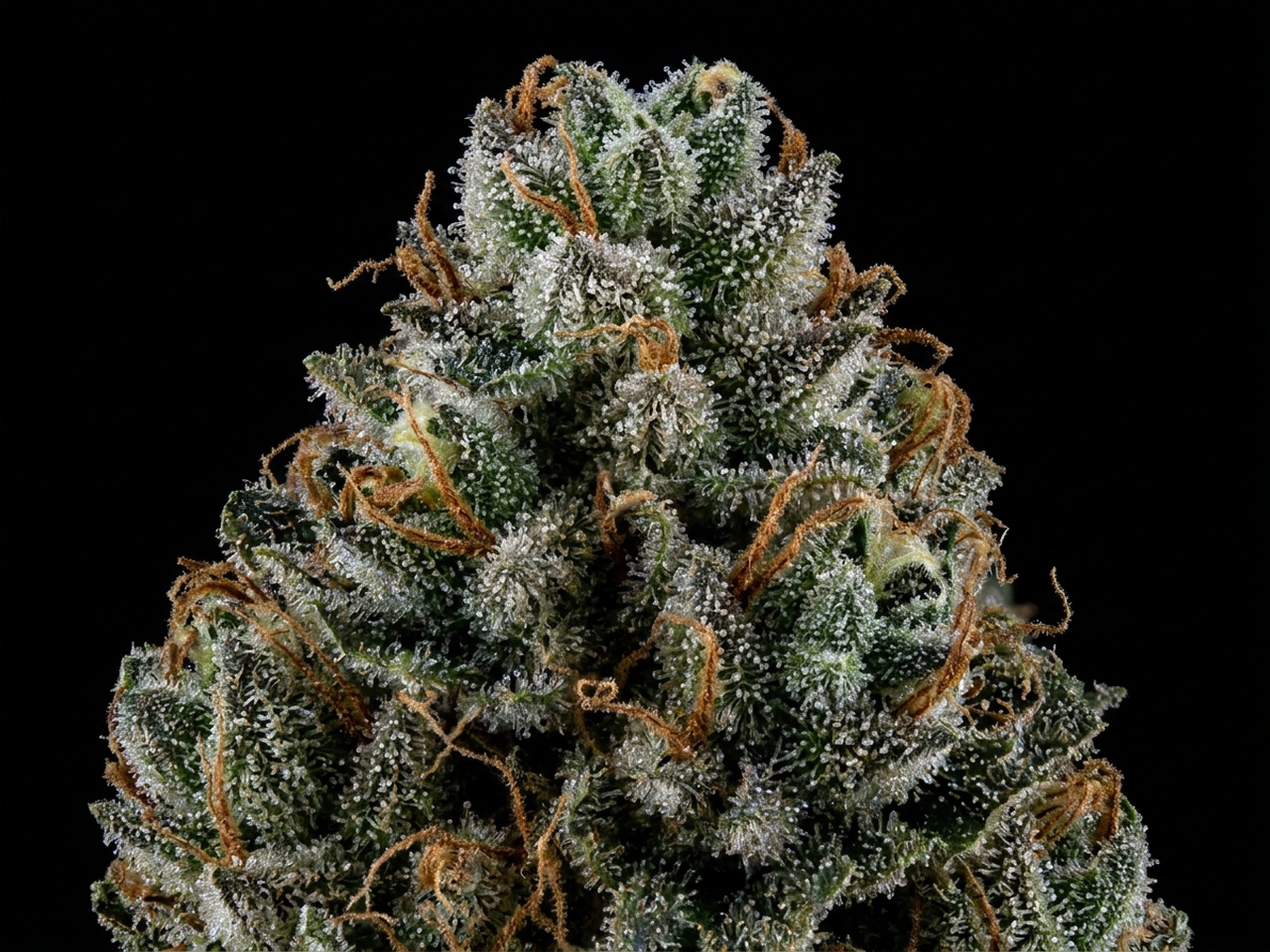
Microscopically, Sensi Star is distinguished by a monumental, blinding layer of crystalline glandular trichomes that earned it the historical moniker “The White Strain.” Long before the advent of modern macro photography, cultivators marveled at how Sensi Star flowers appeared literally frosted in white crystalline snow. The predominant trichome type is the capitate-stalked glandular trichome, featuring thick multicellular stalks measuring 180 to 250 micrometers in height, capped by colossal, spherical secretory resin heads measuring 85 to 115 micrometers in diameter. These glandular heads feature a resilient sub-cuticular storage cavity packed with concentrated cannabinoid acids, volatile monoterpenes, and complex sesquiterpenoids. The clean abscission zone at the junction between the secretory head and the stalk facilitates effortless mechanical detachment during dry sifting and ice-water wash extractions, making Sensi Star an elite historical resin donor.
| Botanical Trait | Phenotypic Expression | Genetic & Horticultural Relevance |
|---|---|---|
| Taxonomic Classification | Cannabis indica Lam. polyhybrid (approx. 90% indica / 10% sativa) | Anchored in highland Afghan indica landrace genetics with subtle sativa stabilization. |
| Breeding Origin & Heritage | Luc Krol / Paradise Seeds (Amsterdam, Netherlands, released 1995, refined 1997) | High Times Cannabis Cup & Highlife Cup Champion 1999; Plant of the Year 2003. |
| Canopy Architecture & Habit | Squat, stout, columnar growth; thick central stalk; sturdy lateral branching | Exceptional mechanical stability; branches support heavy terminal colas without staking. |
| Photoperiod Stretch Factor | 120% to 140% height increase during days 1–21 of 12/12 photoperiod | Extremely restrained stretch; ideal for vertical indoor racks and high-density SOG layouts. |
| Floral Cluster Density | Rock-hard spherical to conical calyx clusters; high calyx-to-leaf ratio | Superior bag appeal and rapid manicuring; requires disciplined late-bloom humidity control. |
| Trichome Coverage & Type | Monumental capitate-stalked trichomes (85–115 µm heads); “The White Strain” | Exceptional solventless resin extraction; high mechanical wash return with full-melt meltability. |
| Flowering Maturation Window | 56 to 63 days (8 to 9 weeks) under standard 12/12 indoor photoperiod | Rapid commercial turn-around; 56 days for metallic citrus bite; 63 days for total narcotic melt. |
3. Comprehensive Chemotype & Cannabinoid Quantification
Under contemporary analytical phytochemistry categorization, Sensi Star is universally designated as an archetypal Chemotype I cultivar, defined by an overwhelming dominance of delta-9-tetrahydrocannabinolic acid (THCA) with negligible concentrations of cannabidiolic acid (CBDA). In rigorous state-mandated third-party laboratory analyses utilizing high-performance liquid chromatography coupled with diode-array detection (HPLC-DAD), Sensi Star consistently demonstrates total potential THC concentrations ranging between 20.0% and 26.5% by dry flower weight. In masterfully calibrated indoor cultivation facilities employing organic living soils, specialized bio-stimulants, and supplemental ultraviolet photobiological conditioning, select prime phenotypes regularly surpass 27.5% total active cannabinoids. The raw cannabinoid profile of the unheated, expertly cured flower exists almost entirely in the carboxylated acid form, with THCA comprising over 95% of the total cannabinoid fraction prior to thermal vaporization or smoking.
Beyond its formidable primary psychoactive constituent, Sensi Star expresses a remarkably sophisticated minor cannabinoid spectrum that plays an essential pharmacological role in modulating the overall therapeutic trajectory. Most prominent among these minor phytocannabinoids is cannabigerolic acid (CBGA) and neutral cannabigerol (CBG), which routinely test between 0.80% and 1.45% by dry weight. CBG serves as the fundamental enzymatic “mother cannabinoid” within the trichome secretory disk, from which THCA synthase, CBDA synthase, and CBCA synthase biosynthesize secondary cannabinoids. In Sensi Star, a specific enzymatic accumulation allows a significant pool of unconverted CBGA to persist in the mature trichome heads. Clinically, CBG acts as a potent alpha-2 adrenoceptor agonist and a moderate 5-HT1A serotonergic receptor antagonist, providing anxiolytic and peripheral anti-inflammatory modulation that cushions the intense psychoactive onset of high-dose THC.
Cannabichromene (CBC) and its carboxylated precursor cannabichromenic acid (CBCA) are consistently detected in Sensi Star flowers at concentrations between 0.20% and 0.45% by dry weight. Although non-intoxicating, CBC is an exceptionally potent agonist of the transient receptor potential ankyrin 1 (TRPA1) ion channel and a potent inhibitor of cellular anandamide reuptake. Through these pathways, CBC works synergistically with THC to amplify central and peripheral antinociception without inducing additional motor impairment. Trace quantities of tetrahydrocannabivarin (THCV) are also routinely quantified in Sensi Star, typically ranging between 0.10% and 0.25%. While present in modest amounts, THCV functions as a neutral antagonist at CB1 receptors at low concentrations, contributing to the distinct, rapid, clear-headed cerebral euphoria that characterizes the first 15 to 30 minutes of the Sensi Star experience before the heavy indica sedation takes full command.
Cannabinol (CBN), the primary oxidative degradation byproduct of delta-9-THC, is typically found in fresh, professionally preserved Sensi Star samples at levels below 0.15%. However, when flowers are intentionally allowed to reach advanced amber trichome maturation (15% to 25% amber glandular heads at harvest) or cured over an extended 60 to 90-day duration, CBN concentrations can elevate to between 0.30% and 0.65%. CBN demonstrates moderate affinity for CB2 receptors and acts as a mild CB1 partial agonist, displaying significant pharmacological synergy with beta-myrcene and THC to produce powerful, long-lasting hypnotic and sedative effects. This chemical evolution explains why late-harvest Sensi Star flowers are considered by clinical herbalists to be one of the most effective non-synthetic sleep-inducing botanical preparations available.
| Cannabinoid Compound | Typical Range (% Dry Weight) | Pharmacological Activity & Receptor Targets |
|---|---|---|
| THCA (Tetrahydrocannabinolic Acid) | 21.50% – 27.50% | Non-psychoactive acid precursor; potent TRP channel agonist; neuroprotective; anti-inflammatory via COX-1/2 inhibition. |
| Delta-9-THC (Decarboxylated) | 0.40% – 1.60% (Pre-heat) / 20.0% – 26.5% (Total Potential) | Primary psychoactive constituent; high-affinity partial agonist at central CB1 and peripheral CB2 receptors; drives euphoria, somatic analgesia, appetite stimulation. |
| CBGA (Cannabigerolic Acid) | 0.75% – 1.45% | Biosynthetic precursor to all major phytocannabinoids; interacts with PPAR-gamma; exhibits antibacterial and gastrointestinal protective properties. |
| CBG (Cannabigerol) | 0.15% – 0.40% | Alpha-2 adrenoceptor agonist; competitive CB1 antagonist; potent anti-inflammatory; intraocular pressure reduction. |
| CBCA / CBC (Cannabichromene) | 0.20% – 0.45% | Potent TRPA1 channel agonist; cellular anandamide reuptake inhibitor; works in synergy with THC to enhance somatic analgesia. |
| THCVA / THCV (Tetrahydrocannabivarin) | 0.10% – 0.25% | Dose-dependent CB1 antagonist/agonist; modulates glycemic regulation; provides early alert cerebral lift before physical sedation. |
| CBN (Cannabinol) | 0.05% – 0.40% (Harvest Dependent) | Oxidative degradation marker; CB2 affinity; acts as a pronounced sedative and hypnotic agent in combination with myrcene and THC. |
| CBDA / CBD (Cannabidiol) | 0.02% – 0.15% | Trace presence only; negative allosteric modulator of CB1; negligible impact on overall pharmacodynamic profile. |
The sensory profile of Sensi Star is universally recognized as one of the most distinctive, pungent, and instantly identifiable chemosensory bouquets in the history of Cannabis indica breeding. Upon opening a curing vessel or breaking apart a dense floral cluster, the senses are immediately arrested by an aggressive, sharp, and almost industrial metallic lemon attack. This sharp citrus-metallic top note is neither sweet like modern candy strains nor soft like classic lemon skunks; rather, it possesses an electric, piercing astringency reminiscent of freshly shaved lemon zest rubbed onto cold stainless steel. As the aromatic profile unfolds across the palate, this bright metallic attack is grounded by deep, resinous undertones of damp forest earth, crushed cypress pine needles, and an unmistakable spicy, peppery Afghan hashish foundation.
4. Volatile Terpene Signature & Entourage Pharmacodynamics
The complex organoleptic personality and potent clinical efficacy of Sensi Star are governed by an exceptionally rich and concentrated volatile terpene architecture. Comprehensive head-space gas chromatography-mass spectrometry (GC-MS) testing indicates that Sensi Star flowers typically accumulate total terpene concentrations between 2.5% and 4.0% of dry flower mass, placing it within the upper tier of terpene-dense cannabis cultivars. The chemical profile is dominated by a synergistic triad composed of beta-myrcene, d-limonene, and beta-caryophyllene, supported by meaningful secondary fractions of alpha-pinene, terpineol, guaiol, and alpha-humulene. This unique chemical assembly creates the legendary “metallic lemon and damp hash” flavor profile that has captivated connoisseurs for over thirty years.
Beta-myrcene constitutes the single most abundant monoterpene in Sensi Star, frequently accounting for 35% to 45% of the total terpene profile (measuring between 0.85% and 1.55% by dry flower weight). Myrcene is a monoterpenoid hydrocarbon renowned for its earthy, musky, and herbal aroma with subtle clove undertones. Pharmacologically, beta-myrcene is the primary chemical driver of the classic “indica couchlock” effect. Crucially, myrcene has been shown in pharmacokinetic research to modulate the permeability of the blood-brain barrier (BBB) by altering erythrocyte membrane fluidity, thereby facilitating faster and more efficient central nervous system penetration of delta-9-THC and other lipophilic cannabinoids. Additionally, beta-myrcene demonstrates pronounced central analgesic activity through the release of endogenous opioids via alpha-2 adrenoceptor stimulation, providing substantial relief from deep musculoskeletal and inflammatory pain.
D-Limonene ranks as the prominent secondary monoterpene in Sensi Star, typically quantifying between 0.50% and 0.95% by dry weight. Limonene introduces the sharp, zesty citrus peel and metallic lemon note that cuts through the heavy musk of myrcene, providing the cultivar’s signature organoleptic signature. Neuropharmacologically, limonene is an effective anxiolytic and mood-elevating compound that readily crosses the blood-brain barrier. It stimulates serotonergic neurotransmission by increasing dopamine and serotonin release in the prefrontal cortex and striatum, while exerting modulatory action on GABAergic pathways. In Sensi Star, limonene provides the initial burst of cerebral euphoria, mood elevation, and sensory brightness that users experience immediately following inhalation, counteracting the potential dysphoria or lethargy that can accompany ultra-high doses of THC and myrcene.
The third major constituent in Sensi Star’s terpene profile is beta-caryophyllene, typically accumulating between 0.45% and 0.85% by dry weight. Unlike simple monoterpenes, beta-caryophyllene is a bicyclic sesquiterpene that possesses the unique biological capability of acting as a fully functional phytocannabinoid. It selectively binds as a full agonist to the peripheral cannabinoid receptor type 2 (CB2) with nanomolar affinity, completely lacking psychoactive affinity for central CB1 receptors. Through CB2 receptor activation, beta-caryophyllene suppresses pro-inflammatory cytokines (including TNF-alpha, IL-1beta, and IL-6) and inhibits the expression of inducible nitric oxide synthase (iNOS). This direct cannabinoid-receptor interaction makes Sensi Star an exceptionally potent anti-inflammatory botanical agent, especially valuable for managing systemic autoimmune flares, rheumatoid arthritis, and gastrointestinal inflammatory disorders without exacerbating cognitive impairment.
The secondary terpene ensemble in Sensi Star includes alpha-pinene (0.20% to 0.40%), alpha-terpineol (0.12% to 0.28%), and guaiol (0.08% to 0.20%). Alpha-pinene acts as a natural acetylcholinesterase inhibitor, preserving synaptic acetylcholine concentrations and aiding in short-term memory retention and mental alertness, while providing bronchodilatory benefits that expand alveolar surface area for cannabinoid absorption. Alpha-terpineol contributes delicate lilac and citrus undertones while exerting pronounced central neurosedative and anticonvulsant properties. Finally, guaiol, a sesquiterpene alcohol derived from ancestral desert and mountain flora, imparts a distinct woody-coniferous aroma and exhibits proven antimicrobial, antiproliferative, and anti-inflammatory properties. Together, this intricate chemical symphony creates the legendary entourage effect that defines the Sensi Star experience.
| Terpene Compound | Concentration (% Dry Weight) | Chemosensory Profile | Entourage Synergy & Biological Targets |
|---|---|---|---|
| Beta-Myrcene | 0.85% – 1.55% | Earthy, damp soil, musk, ripe tropical fruit, crushed cloves | Enhances blood-brain barrier permeability; central alpha-2 adrenoceptor opioid-mediated analgesia; potent somatic sedative. |
| D-Limonene | 0.50% – 0.95% | Sharp metallic lemon, sour citrus rind, sweet orange peel | Anxiolytic; elevates prefrontal dopamine and serotonin; modulates GABA neurotransmission; provides early cerebral euphoria. |
| Beta-Caryophyllene | 0.45% – 0.85% | Pungent black pepper, spicy wood, dark resin, warm spice | Direct functional CB2 receptor agonist; potent peripheral anti-inflammatory; down-regulates pro-inflammatory cytokines; gastroprotective. |
| Alpha-Pinene | 0.20% – 0.40% | Fresh pine needles, crisp resinous forest, herbal rosemary | Acetylcholinesterase inhibitor; preserves cognitive clarity and memory retention; pulmonary bronchodilator. |
| Alpha-Terpineol | 0.12% – 0.28% | Lilac floral, delicate lime, sweet pine, anise | Central neurosedative; potent antioxidant; potentiates GABA-A receptor inhibition; anticonvulsant. |
| Guaiol | 0.08% – 0.20% | Woody cypress, pine resin, subtle rose, earthy balsamic | Antiproliferative, antibacterial, systemic anti-inflammatory; modulates cellular membrane permeability. |
| Alpha-Humulene | 0.10% – 0.25% | Woody, dry hops, herbaceous earth, earthy bark | Synergistic anti-inflammatory with caryophyllene; modest appetite modulation; mucosal protective agent. |
5. Neuropharmacological Dynamics & Clinical Therapeutics
The clinical pharmacology of Sensi Star is celebrated for its instantaneous, uncompromising, and deeply restorative impact upon both the central nervous system and peripheral somatic physiology. Nicknamed “The One-Hit Wonder” by Dutch coffee shop patrons and seasoned medical cannabis clinicians in the late 1990s, Sensi Star delivers an exceptionally rapid pharmacokinetic onset. Upon inhalation via vaporization or combustion, peak plasma concentrations of delta-9-THC and volatile monoterpenes are achieved in alveolar capillaries within three to six minutes. While the ten percent sativa background manifests as a brief, shimmering halo of cerebral clarity and sensory elevation during the initial five to ten minutes, this cognitive lift is rapidly superseded by a colossal wave of physical sedation, neuromuscular decompression, and profound systemic tranquility.
At the neurochemical receptor level, delta-9-THC binds as a potent partial agonist to central cannabinoid receptor type 1 (CB1), which are densely populated in the basal ganglia, substantia nigra, cerebellum, and periaqueductal gray (PAG). This binding triggers inhibitory G-protein (Gi/o) signaling cascades that downregulate adenylyl cyclase activity, close voltage-gated N-type and P/Q-type calcium channels, and open inwardly rectifying potassium channels. The net physiological outcome is a profound reduction in presynaptic glutamate and substance P release throughout ascending pain pathways in the dorsal horn of the spinal cord. Consequently, Sensi Star exerts powerful antinociceptive effects, dramatically elevating pain thresholds and blunting hyperalgesia in patients suffering from intractable neuropathic pain, phantom limb pain, and post-surgical trauma.
In clinical pain management and palliative care medicine, Sensi Star is frequently prescribed as a highly effective night-time alternative or adjunct to conventional opioid pharmacotherapy. Through the synergistic interaction between THC and beta-caryophyllene at peripheral CB2 receptors, Sensi Star exerts dual central and peripheral anti-inflammatory actions, reducing local edema and suppressing the sensitization of primary afferent nociceptors. Patients suffering from degenerative disc disease, severe osteoarthritis, and rheumatoid arthritis report substantial reductions in pain scores, accompanied by significant improvements in subjective sleep architecture. Furthermore, the combination of high THC, high myrcene, and CBG stimulates powerful orexigenic (appetite-stimulating) signaling in the lateral hypothalamus, effectively countering cancer-cachexia, chemotherapy-induced nausea, and HIV-associated wasting syndromes.
In neuromuscular medicine, Sensi Star is particularly revered for its profound antispasmodic and muscle-relaxant efficacy. The synergistic co-administration of beta-myrcene, alpha-terpineol, and delta-9-THC directly dampens hyperactive spinal polysynaptic reflex arcs, significantly diminishing muscle tonus, tremors, and painful spasms in patients diagnosed with multiple sclerosis (MS), spinal cord injury, and cervical dystonia. Furthermore, the robust presence of d-limonene and CBG provides potent anxiolytic and stress-dissociative benefits, extinguishing acute panic symptoms and mitigating the hyperarousal states characteristic of complex post-traumatic stress disorder (PTSD).
In clinical sleep medicine, Sensi Star is widely regarded as one of the premier botanical sleep aids in existence. The pronounced sedative profile—amplified by the high myrcene titer and the presence of trace CBN—substantially reduces sleep onset latency (SOL) in patients suffering from severe chronic insomnia. Polysomnographic research and patient registries indicate that Sensi Star promotes prolonged periods of restorative slow-wave sleep (Stage 3 and 4 NREM sleep) while reducing nocturnal awakenings and suppressing disturbing trauma-related nightmares. Patients awaken without the groggy, clouded “hangover” associated with synthetic benzodiazepines or non-benzodiazepine hypnotics, experiencing deep physical restoration and sustained daytime pain relief.
| Clinical Indication | Primary Biological Target / Pathway | Therapeutic Mechanism & Clinical Efficacy |
|---|---|---|
| Intractable Neuropathic Pain | Central CB1 receptors; spinal dorsal horn; TRPA1 channels | Suppresses presynaptic glutamate release; inhibits ascending nociceptive pathways; reduces allodynia and hyperalgesia. |
| Severe Chronic Insomnia | GABA-A receptor complexes; central adenosine signaling; CB1 | Myrcene/CBN/THC synergy reduces sleep onset latency; prolongs restorative Stage 3/4 slow-wave sleep; reduces nighttime arousals. |
| Neuromuscular Spasticity & Tremors | Basal ganglia; cerebellar CB1 receptors; spinal motor neurons | Reduces polysynaptic spinal reflexes; diminishes muscle tonus; relieves spasms in multiple sclerosis and spinal trauma. |
| Systemic & Arthritic Inflammation | Peripheral CB2 receptors; PPAR-gamma; NF-kB inhibition | Beta-caryophyllene suppresses pro-inflammatory cytokines (TNF-a, IL-1b); relieves rheumatoid swelling and joint stiffness. |
| PTSD & Panic Disorders | Basolateral amygdala; 5-HT1A receptors; prefrontal cortex | Dampens hyperactive fear-extinction circuits; suppresses conditioned fear responses; reduces nocturnal intrusive flashbacks. |
| Anorexia & Chemotherapy Nausea | Lateral hypothalamus (orexin release); area postrema 5-HT3 | Stimulates powerful ghrelin and orexigenic appetite signaling; suppresses emetic reflex arc; counters wasting syndrome. |
6. Commercial Cultivation Architecture & Environmental Controls
Commercial production of Sensi Star is celebrated among professional cultivators as an exceptionally reliable, high-yielding, and structurally stable agronomic enterprise. Originating in the high-density indoor research environments of 1990s Amsterdam, Sensi Star was specifically selected to thrive under artificial lighting regimes while maximizing canopy efficiency. Due to its stout, columnar growth habit, minimal internodal stretching, and rock-solid main stem, Sensi Star requires far less physical trellising and structural support than sprawling OG Kush polyhybrids. However, because its terminal colas achieve extraordinary physical density and mass, commercial facility managers must maintain disciplined environmental controls—particularly regarding late-bloom dehumidification and canopy airflow—to completely eliminate the risk of botrytis cinerea (gray mold).
During the vegetative propagation and canopy development phases, Sensi Star flourishes under high-efficiency full-spectrum LED or ceramic metal halide (CMH) fixtures delivering a photosynthetic photon flux density (PPFD) of 500 to 700 µmol/m²/s, with a daily light integral (DLI) maintained between 35 and 45 mol/m²/day. Canopy day temperatures should be established at 24.5°C to 26.5°C (76°F to 80°F), with nighttime temperatures maintained at 20.0°C to 21.5°C (68°F to 70.7°F). Relative humidity (RH) during vegetative development is ideally calibrated between 65% and 70%, yielding a target vapor pressure deficit (VPD) of 0.85 to 1.05 kPa. This balanced VPD promotes optimal stomatal conductance, rapid cell division, and healthy root expansion without inducing transpirational stress.
Upon initiation of the 12/12 photoperiod, lighting intensity should be incrementally ramped to peak reproductive levels of 900 to 1,150 µmol/m²/s PPFD, elevating the DLI to 39–50 mol/m²/day. In facilities equipped with closed-loop sealed canopies and supplemental carbon dioxide (CO2) enrichment maintained between 1,100 and 1,300 ppm, Sensi Star easily assimilates these high photon fluxes, accelerating photosynthetic carbon assimilation and calyx biomass accumulation. As the plants enter peak floral anthesis (weeks 4 through 6), daytime temperatures should be regulated to 24°C–25.5°C, while relative humidity must be systematically dialed down to 48%–52%, establishing a mid-bloom VPD of 1.25 to 1.40 kPa.
The final three weeks of flowering (weeks 6 through 9) represent the critical period for trichome density maturation and mold prevention. Because Sensi Star produces colossal, stone-hard calyx clusters that trap moisture within the floral interior, cultivators must implement a strict “late-bloom humidity rip-down,” driving ambient RH down to 38%–44% while maintaining a VPD of 1.45 to 1.65 kPa. Furthermore, dropping nighttime temperatures to 17.0°C–18.5°C (62.6°F–65.3°F) during the final 10 days of the cycle provides two distinct commercial benefits: it stimulates secondary anthocyanin expression along the bract margins, yielding dramatic platinum-violet hues, and preserves delicate volatile monoterpenes (such as limonene and pinene) that would otherwise volatilize under excessive heat.
Nutritionally, Sensi Star is an exceptionally efficient and robust feeder with a pronounced appetite for divalent cations (calcium and magnesium) and phosphorus-potassium complexes during mid-bloom. In automated coco-coir or soilless hydroponic systems, electrical conductivity (EC) should begin at 1.2 to 1.5 mS/cm in early vegetative growth, peaking at 2.1 to 2.4 mS/cm during weeks 4 through 6 of bloom. Substrate pH must be rigidly buffered between 5.8 and 6.2 in hydro/soilless setups, and 6.3 to 6.7 in living organic soil. A specialized supplement of bioavailable calcium (Ca) and magnesium (Mg) at a 3:1 ratio is mandatory throughout weeks 2 to 6 to support thick secondary cell wall synthesis in expanding calyxes and prevent blossom-end necrosis. During the final 10 to 14 days, nutrient inputs should be transitioned to a low-EC osmotic flush (0.4 to 0.8 mS/cm) utilizing clean reverse-osmosis water to allow the plant to metabolize residual nitrate reserves and optimize cured ash characteristics.
| Cultivation Parameter | Vegetative Stage | Early Bloom (Weeks 1–3) | Mid Bloom (Weeks 4–6) | Late Bloom / Ripening (Weeks 7–9) |
|---|---|---|---|---|
| PPFD Target | 500 – 700 µmol/m²/s | 750 – 900 µmol/m²/s | 950 – 1,150 µmol/m²/s | 750 – 900 µmol/m²/s |
| CO2 Concentration | Ambient (450–600 ppm) | 800 – 1,000 ppm | 1,100 – 1,300 ppm | Ambient (400–500 ppm) |
| Daytime Air Temp | 24.5°C – 26.5°C (76°F–80°F) | 25.0°C – 27.0°C (77°F–80.6°F) | 24.0°C – 25.5°C (75°F–78°F) | 21.5°C – 23.5°C (70.7°F–74.3°F) |
| Nighttime Air Temp | 20.0°C – 21.5°C (68°F–70.7°F) | 19.5°C – 21.0°C (67°F–69.8°F) | 18.5°C – 20.0°C (65.3°F–68°F) | 17.0°C – 18.5°C (62.6°F–65.3°F) |
| Relative Humidity (RH) | 65% – 70% | 58% – 64% | 48% – 52% | 38% – 44% |
| VPD Range (Target) | 0.85 – 1.05 kPa | 1.10 – 1.25 kPa | 1.25 – 1.45 kPa | 1.45 – 1.65 kPa |
| Feed Electrical Conductivity | 1.2 – 1.5 mS/cm | 1.6 – 1.9 mS/cm | 2.1 – 2.4 mS/cm | 0.4 – 0.8 mS/cm (Flush) |
| Substrate pH (Hydro / Soil) | 5.8 – 6.0 / 6.3 – 6.5 | 5.8 – 6.1 / 6.3 – 6.6 | 6.0 – 6.2 / 6.4 – 6.7 | 6.0 – 6.3 / 6.5 – 6.8 |
7. Harvesting, Controlled Curing & Post-Harvest Processing
Post-harvest handling of Sensi Star represents the critical operational bridge between raw horticultural yield and museum-grade commercial flower. Due to the exceptionally high volatile terpene fraction and stone-like calyx density of the cultivar, sloppy drying protocols or rushed curing will inevitably destroy its signature metallic-lemon bouquet, reduce bag appeal, and increase the risk of internal mold development. Modern post-harvest science establishes that the optimal harvest window must be determined not by calendar days, but through rigorous microscopic inspection of glandular trichome maturity across multiple mid-canopy floral samples under 60x to 100x optical magnification.
The master harvest window for Sensi Star spans days 56 to 63 of the 12/12 photoperiod. When harvested at day 56–58, the trichome population presents roughly 85% to 90% milky-opaque glandular heads and 5% to 10% amber heads. This earlier harvest profile preserves higher concentrations of monoterpenes (such as limonene and pinene) and yields a more pronounced initial cerebral euphoria with a clean, sharp metallic lemon bite. Conversely, extending the harvest to days 60–63 allows the trichome profile to mature to 20%–25% deep amber heads, signaling partial THCA decarboxylation and degradation into CBN, accompanied by a peak in beta-myrcene and caryophyllene concentration. This late harvest maximizes narcotic physical heaviness, profound bodily sedation, and long-lasting analgesic efficacy, making it ideal for medical sleep preparations.
Harvesting must be executed in the early morning or immediately prior to lights-on, when secondary metabolite concentrations in floral tissues are at their daily zenith. Whole-plant hanging or large multi-branch hang-drying is strongly recommended over individual wet-bucking. Hanging the complete plant preserves the protective structural cage of water-rich fan leaves, allowing for a gradual, controlled transpiration rate that prevents premature outer crusting of the dense buds. The drying facility must be maintained under standard “60/60” environmental controls: exactly 15.5°C to 16.5°C (60°F) dry-bulb temperature and 58% to 62% relative humidity, supported by continuous, indirect, gentle air circulation (0.1 to 0.2 m/s air velocity). Under these conditions, the drying process proceeds smoothly over a 12 to 16-day period, ensuring the enzymatic breakdown of bitter chlorophyll, starches, and soluble nitrates.
When the primary stems achieve a flexible snap and the internal floral moisture content reaches 10.5% to 12.0% (corresponding to an equilibrium water activity [aw] of 0.58 to 0.62), the plants are gently destemmed and prepared for precision hand-manicuring. Because Sensi Star possesses an exceptionally high calyx-to-leaf ratio, dry hand-trimming can be executed rapidly without disturbing the fragile, frost-encrusted capitate-stalked trichome heads. The manicured buds are then transferred into airtight, food-grade stainless steel curing vessels or specialized humidity-buffering polyethylene bags for a minimum 30-day sealed curing regime in a dark, climate-controlled vault maintained at 15°C–17°C (59°F–62.6°F).
During the initial two weeks of curing, containers should be burped daily for 10 to 15 minutes to vent accumulated ethylene gas and allow fresh oxygen exchange, promoting slow oxidative polymerization of secondary terpenes. As curing progresses past day 21, the harsh sulfurous and chlorophyll tones completely dissipate, allowing the magnificent metallic lemon, crushed cypress, and sweet earthy hashish profile to achieve full maturation. Flowers cured for 45 to 60 days exhibit flawless combustion properties, burning into a clean, uniform, fluffy light-gray to pure white ash, while delivering an exceptionally smooth, rich, and lingering vapor profile.
| Post-Harvest Phase | Target Environmental Parameters | Duration & Monitoring Metrics | Quality Standards & Preservation Goal |
|---|---|---|---|
| Whole-Plant Hang Dry | 15.5°C – 16.5°C (60°F); 58% – 62% RH; Total Darkness | 12 to 16 Days; Daily stem snap test; Weight loss logging | Slow, uniform moisture dissipation; prevents chlorophyll entrapment and case hardening. |
| Dry Precision Manicure | 17.0°C – 18.5°C (62.6°F–65.3°F); 50% – 55% RH | Post-dry processing; Hand manicuring with surgical steel snips | Preserves delicate glandular trichome heads; removes non-resinous bract margins. |
| Sealed Vault Curing | 15.0°C – 17.0°C (59°F–62.6°F); Dark Vault; Sealed Containers | 30 to 60 Days; Daily burping (Days 1–14); Weekly (Days 15–60) | Oxidative polymerization of terpenes; deep fuel bouquet development; super-smooth vapor profile. |
| Water Activity (aw) Standard | Calibrated water activity: 0.58 to 0.62 aw at 20°C | Digital dew-point water activity meter verification | Total microbiological safety; zero risk of mold/fungal proliferation; optimal trichome elasticity. |
| Finished Floral Moisture | 10.5% – 12.0% residual moisture by dry weight | Halogen moisture analyzer quality control checks | Clean white ash combustion; prevents brittle trichome fracture during commercial transport. |
| Commercial Packaging | Nitrogen-flushed, opaque glass or sealed metallized Mylar | Residual oxygen < 1.0%; Storage at 12°C–15°C | Prevents oxidative conversion of THC to CBN and degradation of monoterpenes; maintains freshness for 12+ months. |

8. Phenotypic Selection, Commercial Viability & Regional Terroir
The commercial longevity and global horticultural prestige of Sensi Star are deeply rooted in its remarkable genetic stability as an inbred pedigree line. Bred and stabilized by Luc Krol over multiple filial cycles, Sensi Star seed lines and certified clone selections display extraordinary phenotypic uniformity. Commercial growers across licensed jurisdictions value this uniformity immensely, as entire canopies exhibit identical height velocity, flowering timelines, and nutritional responses. In competitive retail markets, authentic Sensi Star commands top-shelf pricing, praised by veteran connoisseurs for its unmistakable metallic-lemon bouquet, blinding white trichome frost, and legendary “one-hit” somatic potency.
When hunting through ancestral seed selections or regulated commercial seed lots of Sensi Star, professional breeders typically identify two dominant phenotypic expressions. The primary expression, known as the “Metallic Lemon Phenotype,” represents the canonical award-winning archetype: it produces stocky, multi-topped plants with rock-hard conical colas, an electric lemon-zest and polished steel aroma, and finishes precisely within 56 to 60 days. The secondary expression, termed the “Dark Afghan Hash Phenotype,” leans further into pure landrace indica ancestry: it features broader, almost blackish-green foliage, heavier lateral branching, an earthy, spicy hashish and crushed pine bouquet, and requires 60 to 63 days to reach peak amber trichome maturity. Both phenotypes deliver colossal resin yields and overwhelming physical sedation, with the Metallic Lemon cut generally favored for whole flower sales and the Dark Afghan cut preferred for solventless hash production.
Regional terroir and substrate biology exert a profound influence on Sensi Star’s organoleptic nuances and cannabinoid output. When cultivated in the cool, humid climate of European indoor facilities utilizing traditional peat-based organic media amended with worm castings and bat guano, Sensi Star develops an exceptionally smooth, rich, and sweet herbal hashish flavor that softens the metallic citrus edge. Conversely, when grown in high-intensity CEA facilities in North America utilizing coco-coir hydro fertigation and intense full-spectrum LED fixtures, the increased light intensity stimulates hyper-accumulation of monoterpenes, yielding an intensely piercing, sour, and astringent metallic lemon profile that dominates the entire room upon handling.
In modern solventless extraction facilities, Sensi Star has enjoyed a massive resurgence. The cultivar’s massive capitate-stalked glandular trichomes (85 to 115 µm heads) feature thin, brittle abscission zones that separate with surgical perfection during ice-water agitation. High-grade wash returns regularly range between 4.5% and 6.0% fresh-frozen trichome yield, with the 73µ to 120µ micron bags collecting immaculate, sand-like trichome heads. When pressed at low temperatures (68°C to 78°C / 155°F to 172°F), Sensi Star yields a dazzling, golden-amber live rosin that melts into a crystal-clear puddle, delivering an unadulterated burst of sweet metallic citrus and spicy Afghan hashish that satisfies the most demanding solventless connoisseurs.
| Phenotypic Variant | Morphological Architecture | Dominant Chemotype & Aromatics | Commercial Utility & Extraction Performance |
|---|---|---|---|
| Metallic Lemon Phenotype (Canonical) | Stocky, columnar growth; rock-hard conical colas; stretch (130%) | 21%–26% THC; Sharp metallic lemon, polished steel, sweet pine, citrus zest | The benchmark commercial cut; highest bag appeal; 5.0%–6.0% solventless rosin yields. |
| Dark Afghan Hash Phenotype | Very squat; blackish-green foliage; spherical golf-ball buds; stretch (115%) | 20%–25% THC; Earthy hashish, dark musk, spicy pepper, damp cypress | Finishes in 60–63 days; supreme somatic analgesia; exceptional dry-sift and ice-water return. |
| Living-Soil Terroir Cut | Dense organic canopy; heavy calyx swelling; rich platinum-purple sugar leaves | 22%–27% THC; 3.5%–4.2% Total terpenes; Sweet forest floor, complex lemon hash | Craft connoisseur market; exceptionally smooth white-ash combustion; maximum medicinal depth. |
| High-Density SOG Selection | Single dominant apical cola; virtually zero lateral spread; stretch (120%) | 21%–25% THC; Pungent lemon, damp pine, earthy spice | Engineered for 20+ plants/m² commercial setups; rapid 56-day cycle; low labor requirement. |
- Afghani #1
- Banana Blaze
- Black Domina
- Critical Kush
- Critical Mass
- Death Star
- Diamond OG Strain a Sparkling Heavy Indica
- Fire OG
- Ghost OG
- Godfather OG Strain
- Grandaddy Purple
- Hash Plant
- Hindu Kush
- Hindu Kush Skunk
- Kandahar Indica
- Kashmiri Landrace
- King Kush Grape-infused Heavy Indica Hybrid
- King Louis XIII Strain – The Heavyweight OG Indica Hybrid
- Kosher Kush
- Larry OG
- Lashkar Gah Indica
- Lashkar Gah Indica
- Lebanese Red & Blonde Landrace
- Malana Cream
- Master Kush
- Mazar-i-Sharif
- Moroccan Beldia (Kif)
- Nepalese Temple Ball
- Night Queen
- Northern Lights
- Pakistan Chitral Kush (PCK)
- Pennywise Strain
- Permanent Marker Strain
- Sensi Star
- SFV OG
- Sheberghan Landrace
- Sinai Bedouin Landrace
- Skywalker
- Skywalker OG
- Stephen Hawking Kush Strain
- Tahoe OG Kush
- Tashkurgan Indica
- Tirah Valley Landrace
- Triangle Kush
- Wedding Cake Strain
- White Queen Strain – Royal Frost-Capped Indica Hybrid
- Bubba Kush
Ajarn Spencer Littlewood & Agent Gemini Unleashed for Ganjahouse.net
All rights reserved.