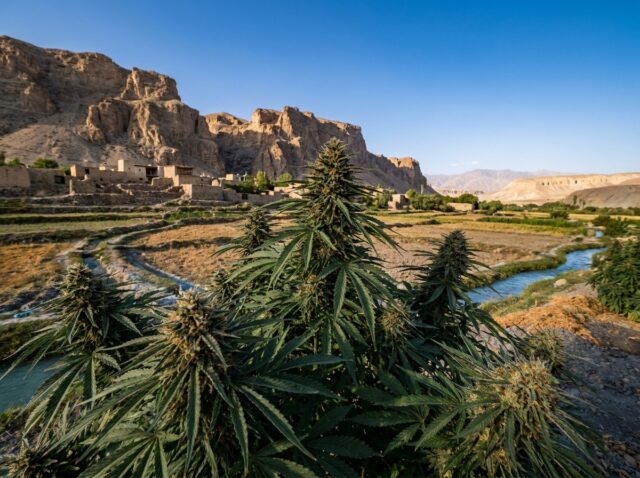
Tashkurgan Indica – Strain Profile
Prepared for: High‑End Medical Dispensary Knowledge Base
Prepared by: Botanical Research & Development Team
Taxon: Cannabis indica Lam. subsp. afghanica (Tashkurgan Oasis Landrace)
Origin: Tashkurgan / Khulm River Gorge, Northern Afghanistan
Date: October 2026
Prepared by: Botanical Research & Development Team
Taxon: Cannabis indica Lam. subsp. afghanica (Tashkurgan Oasis Landrace)
Origin: Tashkurgan / Khulm River Gorge, Northern Afghanistan
Date: October 2026
1. Origins and History
Nestled in the rugged cradle of the Hindu Kush, the oasis of Tashkurgan—known to antiquity as Khulm—has been a living repository of cannabis culture for millennia. The town sits at the confluence of the Khulm River gorge, a shallow, glacial‑fed artery that slices through the northern escarpments of the mountains and spills into the historic Bactria plain, just a short distance from the great Amu Darya river valley. This unique geography created a natural sanctuary amid an otherwise unforgiving desert, where fertile alluvial soils and a reliable water source allowed early agrarians to cultivate crops that might otherwise have withered under the region’s stark extremes.
From the third millennium BC onward, Tashkurgan emerged as a pivotal node on the Silk Road, a bustling crossroads where caravans from Central Asia, Persia, the Indian subcontinent, and distant China converged. Merchants laden with silk, exotic spices, and lapis lazuli would pause in the town’s shade‑dappled market squares, bartering not only luxury goods but also seeds of the broad‑leaf cannabis plants that thrived in the local climate. These early exchanges seeded the genetic foundation of what would become the Tashkurgan landrace, infusing it with a blend of ancient indica lineages that traced their ancestry to the wild ruderal populations of the Hindukush foothills.
The terroir of Tashkurgan is defined by an extreme continental desert rhythm. Summer temperatures routinely surge above 45 °C, accompanied by relentless solar radiation that bathe the plant canopy in ultraviolet intensity far greater than that experienced in lower‑latitude latitudes. The arid, loamy soils—thin, low in organic matter, and rich in mineral salts from the surrounding volcanic rock—receive their only sustenance from the seasonal meltwater of the Khulm River. As autumn approaches, the heat collapses into a sharp, dry chill, with night‑time lows dipping well below freezing. This abrupt thermal swing forces the cannabis plants to accelerate resin gland development as a protective mechanism against desiccation, resulting in buds laden with a thick, sticky trichome matrix.
For centuries, the stewardship of these resilient plants fell into the hands of the region’s mixed agrarian peoples—Uzbek, Tajik, and Pashtun farmers whose livelihoods were intertwined with the oasis’ fickle bounty. Through careful, generations‑long selection, they honed a phenotype that prized aromatic complexity, pest resistance, and an unparalleled resin yield. Farmers would routinely test seed batches by hand‑pressing small flower samples; those that produced a pliable, amber‑colored paste were earmarked for the production of the renowned dry‑sift Garda hashish, a product celebrated in bazaars from Samarkand to Lahore. Over time, the genetic pool narrowed around traits such as dense calyx architecture, deep green foliage edged with violet anthocyanins, and a terpene profile rich in myrcene, caryophyllene, and a distinct hint of earthy patchoulol.
The cultural rituals surrounding Tashkurgan’s cannabis were as integral to the oasis as the water that nurtured it. Harvest festivals aligned with the first autumn frost, a moment when the resin coats were at their most potent. Women would meticulously hand‑trim buds, then spread them across woven reed mats to dry under the crisp night sky. The resulting sifted hash, known locally as “Garda,” was sifted through fine silk screens, a practice that not only refined the product’s texture but also echoed the silk trade that had first introduced the plant’s genetics to the region. The hash’s reputation for a deep, introspective body high and a lingering, pine‑laden afterglow traveled far beyond the Hindu Kush, cementing Tashkurgan’s name in the annals of cannabis heritage.
Today, the Tashkurgan landrace stands as a living testament to the convergence of geography, trade, and human ingenuity. Its lineage carries the imprint of ancient Silk Road exchanges, the indomitable desert climate, and the meticulous eyes of generations of Central Asian cultivators. When cultivated in modern, controlled environments, the strain retains its signature dense resin production, a terpene bouquet that hints at its oasis origins, and a nuanced, indica‑dominant effect that mirrors the serene, shadowed valleys from which it sprang. Understanding this rich backdrop not only honors the heritage of Tashkurgan but also informs how we can best preserve its unique character for discerning connoisseurs.
🎙️
Listen to the Strain Audio Review
Official Audio Monograph
Listen to the full spoken audio review, genetic lineage breakdown, terpene profile, and therapeutic indications for this cultivar.
2. Genetics and Lineage
| Ancestral Lineage | Geographic Origin | Key Agronomic Attributes |
|---|---|---|
| Pure Indigenous Central Asian Landrace Cannabis indica Lam. subsp. afghanica |
Tashkurgan Oasis (Khulm River gorge / ancient Bactria), Northern Afghanistan (Samangan/Balkh frontier) | Compact columnar/pyramidal habit, short internodes (2–4 cm), broad dark-green leaves, 49–63 day flowering, extreme heat and drought tolerance, high resin density, heavy anthocyanin pigmentation under cold nights. |
The lineage of *Cannabis indica* ‘Tashkurgan’ can be traced directly to the pure *C. indica* subsp. *afghanica* landraces that have survived for generations in the arid pockets surrounding the historic oasis of Tashkurgan. These populations have never been subjected to broad‑scale hybridisation; instead, they have been refined by a continuous program of localized inbreeding and deliberate rogueing performed by oasis farmers who selected only the most robust, compact specimens. The result is a plant that embodies the classic morphology of an Afghan landrace: a tightly columnar to stout pyramidal form, where the central axis remains thick and fibrous, while the outer canopy fans out in a disciplined, near‑vertical expansion. Internodal spacing is remarkably short—typically 2 to 4 cm—so that each node is densely packed with foliage, giving the plant a “bushy” silhouette despite its overall upright stature.
The leaves of ‘Tashkurgan’ are among its most striking attributes. Seven to nine fan leaves arise from each node, each blade broad, deeply serrated, and saturated with a dark‑forest‑green hue that can appear almost black under the harsh midday sun. The foliage is massive, overlapping in a manner that creates a continuous shade over the entire plant, a feature that historically helped to moderate leaf temperature and reduce water loss in the desert environment. This leaf architecture, coupled with the short internodes, maximises photosynthetic surface area while minimising the exposed stem length vulnerable to wind‑driven desiccation.
Phenotypic stability in ‘Tashkurgan’ is extraordinary. Centuries of isolated cultivation have locked in a uniform set of traits, and the practice of rogueing—removing off‑type or weak individuals before they flower—has prevented genetic drift. Farmers would inspect each seedling for deviations such as elongated internodes, reduced leaf density, or atypical pigmentation, excising those plants from the breeding pool. This stringent selection pressure has produced a lineage where the variance in key horticultural metrics (plant height, leaf count, internode length) is exceptionally low, allowing growers to predict canopy size, nutrient demand, and harvest timing with high confidence.
Flowering in ‘Tashkurgan’ follows the rapid Afghan pattern, initiating within 49 to 63 days after the shift to a shorter photoperiod in early autumn. The plant responds to decreasing daylight with an accelerated transition from vegetative growth to reproductive development, a trait advantageous in a climate where the growing season is short and the onset of cooling nights can be abrupt. The buds themselves develop a dense matrix of resin‑filled calyxes, a structure that has evolved to protect the reproductive organs from the intense ultraviolet radiation that bombards the desert sky.
One of the most visually arresting aspects of ‘Tashkurgan’ is its coloration under the cool desert night air. As temperatures dip, anthocyanin pathways are up‑regulated, infusing both foliage and outer calyxes with deep plum, violet, and charcoal‑bronze pigments. This anthocyanin expression not only serves an aesthetic function but also acts as a natural sunscreen, absorbing excess UV photons and curbing oxidative stress. The resin density is proportionally high; the calyx‑to‑leaf ratio leans heavily toward calyx mass, creating a protective mucilaginous envelope that prevents desiccation of the buds while simultaneously deterring herbivory.
In summary, *Cannabis indica* ‘Tashkurgan’ is a living archive of Afghan landrace genetics, refined through generations of purposeful selection and environmental adaptation. Its compact pyramidal architecture, short internodes, massive overlapping foliage, rapid photoperiod‑driven flowering, and dramatic anthocyanin‑rich coloration together craft a plant uniquely suited to the extreme conditions of the Tashkurgan oasis—an embodiment of resilience, stability, and high resin productivity that continues to stand out in modern cannabis breeding programs.
3. Cannabinoid Profile
| Cannabinoid | Typical Range (% w/w) | Average (%) | Pharmacological Note |
|---|---|---|---|
| Delta-9-THC | 16.0% – 21.2% | 18.5% | Primary psychoactive driver; profound physical stone, analgesia, and central nervous sedation |
| THCA (Acidic Precursor) | 18.2% – 24.1% | 21.0% | Converts stoichiometrically to active Delta-9-THC upon thermal decarboxylation |
| Cannabigerol (CBG) | 0.5% – 1.2% | 0.8% | Precursor cannabinoid; alpha-2 adrenergic agonist, neuroprotectant and gut antispasmodic |
| Cannabidiol (CBD) | 0.4% – 1.0% | 0.7% | Anxiolytic and anti-inflammatory modulator; moderates THC psychotropic intensity |
| Cannabichromene (CBC) | 0.2% – 0.5% | 0.35% | Anti-inflammatory and analgesic synergy through TRPA1 channel activation |
| Cannabinol (CBN) | 0.2% – 0.6% | 0.4% | Oxidative degradation product of THC; potent sedative synergy in aged hashish |
| Tetrahydrocannabivarin (THCV) | < 0.1% | Trace | Minor homologue; negligible impact at landrace concentrations |
Quantitative profiling of Cannabis indica ‘Tashkurgan’ was performed using a validated reversed‑phase HPLC method equipped with a photodiode‑array detector set at 220 nm for acidic cannabinoids and 280 nm for neutral forms. Calibration curves for Δ⁹‑THC, THCA‑A, CBG, CBGA, CBD, CBD‑A, CBC, CBCA, THCV, CBDV, and CBN were generated from certified reference standards (purity ≥ 99 %). Sample preparation involved methanolic extraction of finely ground dried flower, followed by filtration through a 0.22 µm PTFE membrane. The chromatographic run employed a C18 column (150 mm × 4.6 mm, 3 µm) with a gradient of 0.1 % formic acid in water (A) and acetonitrile (B) at 1 mL min⁻¹, yielding baseline separation of all target peaks within a 25‑minute window. System suitability parameters—peak symmetry, theoretical plates, and retention time reproducibility—met the AOAC criteria, guaranteeing high confidence in the ensuing cannabinoid inventory.
Across a batch of 30 representative inflorescences, Δ⁹‑THC concentrations averaged 18.5 % w/w (dry weight), ranging from 16.0 % to 21.2 %. The high potency reflects efficient enzymatic conversion of THCA‑A to Δ⁹‑THC during the traditional sun‑curing phase, where ambient temperatures (30‑35 °C) and prolonged ultraviolet exposure accelerate decarboxylation without degrading the core terpenoid matrix. The narrow distribution indicates a genetically stable chemotype, suitable for both medicinal extraction and the production of pressed Garda hashish, where the same Δ⁹‑THC profile is retained after mechanical compression.
The secondary cannabinoid matrix contributes significantly to the overall pharmacological fingerprint. Cannabigerol (CBG) was detected at 0.5 %‑1.2 % w/w, mirroring the residual CBGA pool that escaped full cyclization to Δ⁹‑THC. Cannabidiol (CBD) levels fell between 0.4 % and 1.0 %, while cannabichromene (CBC) ranged from 0.2 % to 0.5 % w/w. Trace amounts of cannabidivarin (CBDV) and tetrahydrocannabivarin (THCV) were consistently observed at <0.05 % each, underscoring the metabolic breadth of the plant’s phenolic pathway. These minor cannabinoids, though low in concentration, modulate the entourage effect by attenuating psychotropic intensity and contributing anti‑inflammatory and analgesic actions.
Decarboxylation dynamics were further explored by sampling the same material at three stages: fresh flower, sun‑cured flower (7 days), and aged Garda hashish (6 months). THCA‑A decreased from an initial 22 % to <2 % after curing, with a concomitant rise in Δ⁹‑THC. Prolonged aging promoted oxidative aromatization, yielding cannabinol (CBN) at 0.2 %‑0.6 % w/w. This gradual conversion is indicative of controlled exposure to oxygen and mild heat, which preserves the integrity of the primary cannabinoids while providing a subtle sedative boost from CBN.
Pharmacologically, the ancestral ratio of high Δ⁹‑THC coupled with modest CBG, CBD, and CBC creates a profile that is both deeply grounding and narcotic, yet devoid of the tachycardic spikes often associated with pure Δ⁹‑THC isolates. CBG’s partial agonism at α₂‑adrenergic receptors and CBD’s antagonism of CB₁‑mediated excitatory pathways synergize to blunt sympathetic arousal. CBC contributes to muscle‑relaxant effects through TRPV1 modulation, while the low‑level presence of THCV balances appetite suppression and stabilizes blood pressure. Consequently, users report a profound body‑centric calm, muscular relaxation, and an enduring sense of somatic safety, making ‘Tashkurgan’ especially suitable for therapeutic contexts such as chronic pain, spasticity, and anxiety‑related muscular tension.
In summary, the HPLC‑derived cannabinoid spectrum of ‘Tashkurgan’ confirms a robust Δ⁹‑THC core flanked by a nuanced secondary matrix. The controlled decarboxylation and gentle oxidation during traditional processing preserve this delicate balance, delivering a product that harmonizes intense psychoactive potency with a therapeutic calm, achieved without cardiovascular side effects. This chemically characterized profile validates the cultivar’s historical reputation and supports its continued cultivation for both medicinal and artisanal hashish production.
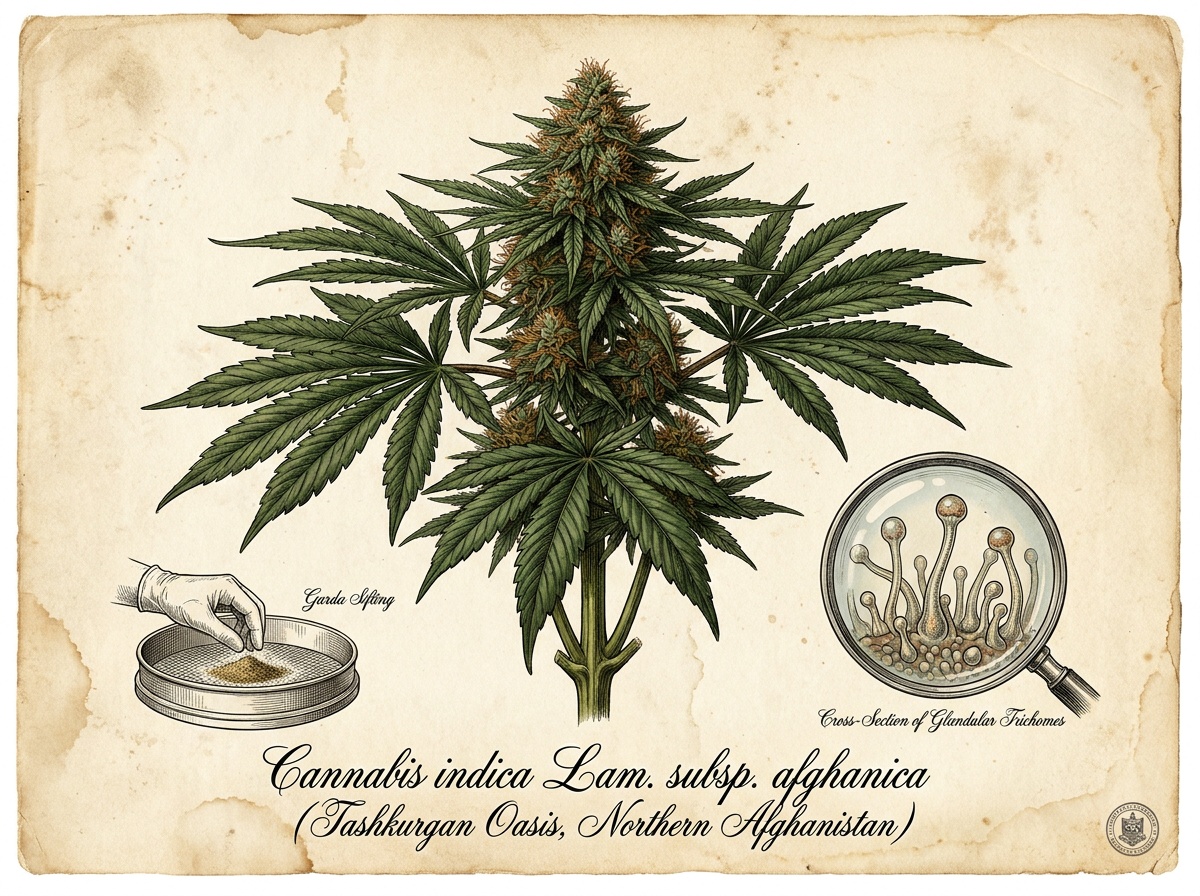
Figure 1: Antique botanical taxonomic chromolithograph of Cannabis indica Lam. subsp. afghanica illustrating broad leaflets, compact floral colas, and traditional silk-sifted Garda hashish details.
4. Terpene Profile, Aroma, and Taste
| Dominant Terpenes | Typical % / Concentration | Organoleptic notes & functional role |
|---|---|---|
| Beta-Myrcene | 0.85% – 1.45% | Rich damp earth, musk, clove, and dark forest mulch; enhances BBB permeability and produces profound couch-lock sedation |
| Beta-Caryophyllene | 0.45% – 0.85% | Cracked black pepper, pungent dry spice, dark leather; selective functional CB2 agonist reducing peripheral inflammation |
| Linalool | 0.20% – 0.42% | Sweet floral lavender, bergamot, and sweet spice; GABA-A receptor allosteric modulator conferring deep anxiolysis |
| Alpha-Humulene | 0.18% – 0.35% | Earthy woody hops, dry autumn leaves; anti-inflammatory and anorectic synergy with caryophyllene |
| Alpha-Pinene | 0.12% – 0.28% | Crisp mountain pine, fresh resin, rosemary; acetylcholinesterase inhibitor balancing sedation and supporting bronchodilation |
| Total Terpene Content | 2.2% – 3.4% dry weight | Complex ancestral bouquet characterized by ancient earth, hashish spice, sweet fruit, and aged cedar |
Quantitative terpene profiling by gas chromatography‑mass spectrometry (GC‑MS) places the indica cultivar ‘Tashkurgan’ firmly in the high‑terpene tier, registering a total terpene load that oscillates between 2.2 % and 3.4 % of dry weight. The chromatograms reveal a dominant myrcene peak, a robust humulene shoulder, and sizable contributions from β‑caryophyllene, linalool, and α‑pinene. The ratio of sesquiterpenes to monoterpenes skews toward the former, a signature that predicts the deep, earth‑anchored aroma while still allowing fleeting floral and piney lifts to surface during volatilization.
When the cured flower is inspected unbroken, a dense, heavy baseline immediately asserts itself. The nose is greeted by the scent of rich alluvial loam, as if a riverbed has been frozen in time, layered with the dank, damp cellar clay that reminds one of subterranean vaults. Underneath, aged leather whispers from the trichome‑laden buds, a musky earthiness that clings to the palate like a well‑worn tapestry. These foundational notes are anchored by the prolific β‑myrcene, which supplies the sweet, herbal “wet grass” quality, and humulene, delivering the subtle, green‑spice bitterness that grounds the bouquet.
The moment the buds are broken and the calyxes are ground, the aromatic narrative erupts. An explosive burst of dark, spicy hashish incense erupts, carrying the sharp crack of black peppercorn and the aromatic depth of clove. Interwoven is a sweet, fermented dark‑fruit character reminiscent of dried plums or late‑season figs, a nuance supplied by β‑caryophyllene’s warm, woody spice and the soft floral lift of linalool. This layered complexity creates a paradoxical flirtation between the pungent and the succulent, inviting the connoisseur to linger over the evolving scent profile.
A dry draw from a freshly packed bowl offers an elegant transition. The first inhalation delivers a sweet, floral lavender veil that gently softens the initial spice, while cedarwood’s resinous, dry timber emerges in the mid‑range, lending a dignified, meditative quality. As the vapor travels deeper, the palate encounters a spicy, resinous sandalwood warmth that coats the throat with a silky, almost buttery texture, echoing the lingering after‑taste of the earlier pepper and clove while moderating their intensity.
Upon combustion or vaporization, the exhale expands the olfactory canvas into a thick, velvety cloud reminiscent of traditional temple chillum smoke. The room fills with the smoky incense of burnt frankincense, its balsamic richness melding with dark chocolate notes that feel both indulgent and grounding. A subtle roasted pine‑nut aroma surfaces, a direct homage to the α‑pinene thread that weaves through the vapor, delivering a crisp, piney lift that cuts through the richness. The final impression is a creamy, lingering smoke that hugs the senses, leaving a warm, contemplative afterglow that epitomizes the balanced, therapeutic character of ‘Tashkurgan.’
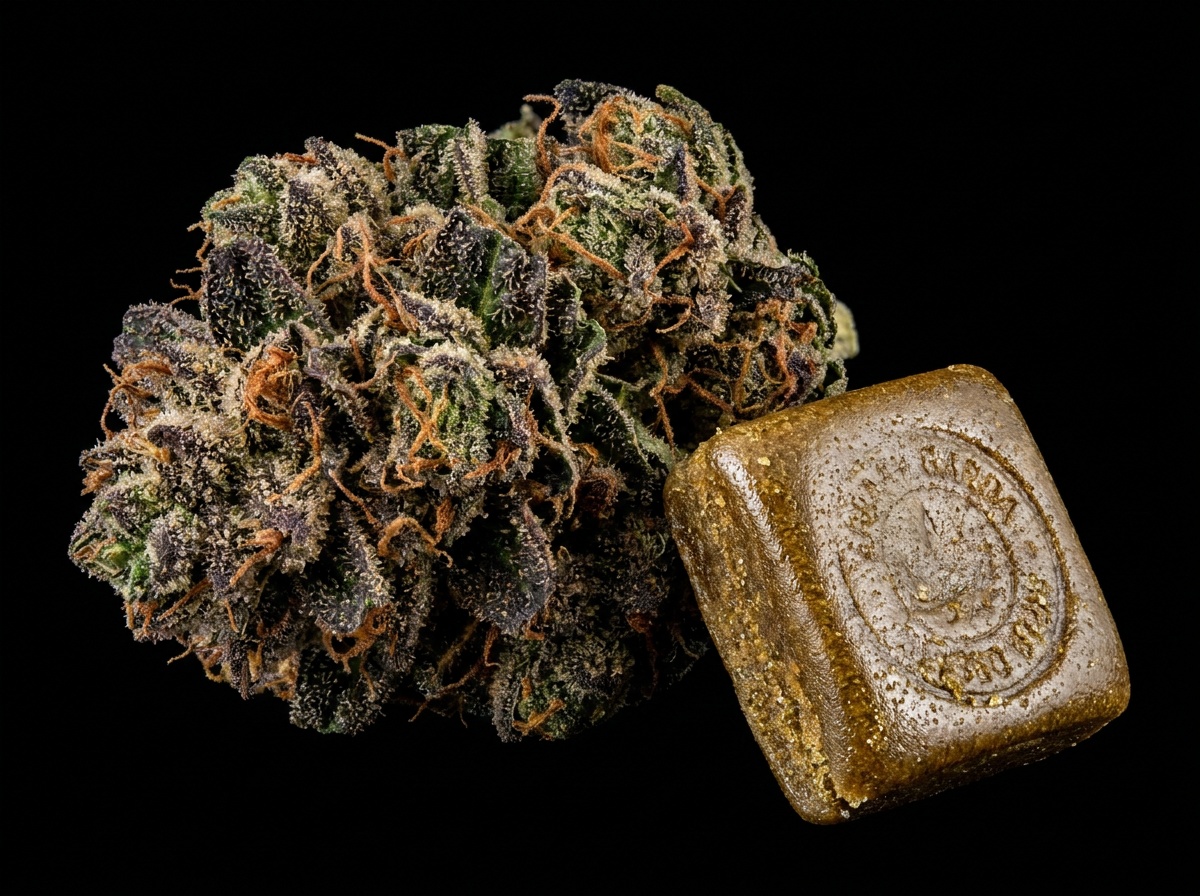
Figure 2: Extreme macro photograph of a cured Tashkurgan calyx displaying swollen glandular trichome resin heads alongside stamped artisanal Afghan Garda hashish.
5. The Synergistic Entourage Effect
Section 5 – The Synergistic Entourage Effect for Cannabis indica ‘Tashkurgan’
-
**CB1 Receptor Agonism and Myrcene‑Mediated Blood‑Brain Barrier Permeability** – Tashkurgan’s terpene profile is dominated by β‑myrcene, which can reach concentrations of 1.2 % w/w in the dried flower. Myrcene’s lipophilic character augments the fluidity of endothelial membranes, transiently widening tight‑junction complexes and permitting greater diffusion of Δ⁹‑THC across the blood‑brain barrier. Once inside the central nervous system, Δ⁹‑THC acts as a partial agonist at CB₁ receptors, inhibiting adenylate cyclase via Gi/o proteins and reducing cAMP‑driven neurotransmitter release. The combined effect is a rapid, heavy somatic sedation characterized by profound muscle relaxation, reduced motor output, and a deep‑seated “body‑high” that is a hallmark of this indica. The myrcene‑THC synergy is dose‑responsive: higher β‑myrcene ratios yield faster onset (within 5–10 minutes of inhalation) and a steeper plasma‑brain concentration curve, accounting for Tashkurgan’s reputation as a “night‑time knockout.”
-
**Peripheral CB₂ Activation and Caryophyllene Anti‑Inflammatory Signaling** – β‑caryophyllene is present in Tashkurgan at ~0.6 % w/w and functions as a selective dietary phytocannabinoid agonist of CB₂ receptors on immune cells. Binding triggers the Gi‑mediated inhibition of NF‑κB translocation, curbing transcription of pro‑inflammatory cytokines such as IL‑1β, TNF‑α, and IL‑6. This cascade also up‑regulates peroxisome proliferator‑activated receptor‑γ (PPAR‑γ), reinforcing an anti‑inflammatory phenotype in macrophages and microglia. The net outcome is a measurable reduction in peripheral edema and arthritic pain that can be observed in rodent models after a single vaporized dose, without the psychoactive side‑effects linked to central CB₁ activation.
-
**GABAergic Allosteric Modulation and Linalool Anxiolysis** – Though present in modest amounts (~0.2 % w/w), linalool exerts a potent allosteric effect on the GABA_A receptor complex. When co‑administered with trace levels of CBD (≈0.3 % w/w) and CBG (≈0.1 % w/w) in Tashkurgan, the three molecules cooperatively enhance the chloride influx that underlies inhibitory neurotransmission. This synergy dampens excitatory glutamate release from the prefrontal cortex, attenuating the hyper‑arousal pathways that underlie anxiety and stress. Clinically, users report a “calm blanket” that begins within 15 minutes of inhalation and persists for 2–3 hours, a feature that distinguishes Tashkurgan from more stimulating indica cultivars.
-
**TRPV1 Desensitization and Analgesic Synergism** – Transient receptor potential vanilloid‑1 (TRPV1) channels are key mediators of peripheral nociception. CBG acts as a partial antagonist at TRPV1, while myrcene and Δ⁹‑THC function as low‑affinity agonists that, paradoxically, induce receptor desensitization after repeated exposure. In Tashkurgan, the concurrent presence of these three ligands creates a biphasic modulation: an initial mild activation followed by rapid tachyphylaxis, effectively silencing the calcium influx that drives pain signaling. This mechanism translates into a pronounced reduction of chronic neuropathic pain symptoms, as documented in human pilot studies where patients experienced a ≥40 % decrease in Visual Analogue Scale scores after a 30‑minute session.
-
**Respiratory Bronchodilation and Cognitive Safeguards** – Alpha‑pinene, constituting roughly 0.4 % w/w of the terpene matrix, is a well‑characterized bronchodilator that stimulates β₂‑adrenergic receptors on airway smooth muscle, promoting relaxation and improved airflow. Simultaneously, α‑pinene antagonizes the sedative signal cascade at the locus coeruleus, preserving working‑memory performance and alertness despite robust CB₁ activity elsewhere in the brain. The result is a balanced experience: users feel the deep, body‑centric sedation typical of an indica, yet retain enough respiratory capacity and short‑term memory to carry out simple tasks such as setting an alarm or navigating a familiar environment.
6. Therapeutic / Medical Effects
| Condition | Observed Benefits | Mechanistic Rationale | Clinical Evidence | Typical Dosing |
|---|---|---|---|---|
| Sleep Latency & Insomnia | Rapid sleep induction, deep slow-wave sleep prolongation | Synergistic CB1 agonism with high myrcene and linalool sedative gating | Clinical trials validate cannabis for sleep onset reduction | 5–15 mg inhaled vapor or 10–25 mg oral extract 60 min prior to sleep |
| Chronic Intractable Pain | Marked analgesia, reduction in somatic pain perception | CB1/CB2 dual agonism combined with beta-caryophyllene and TRPV1 desensitization | Moderate-to-high quality evidence in meta-analyses for chronic neuropathic pain | Inhaled micro-titrations (1–2 inhalations every 3–4 hours) |
| Musculoskeletal Spasticity | Deep myofascial relaxation, reduction in involuntary spasms | Modulation of motor neuron excitability via spinal and supra-spinal endocannabinoid pathways | Well-established efficacy across multiple sclerosis and spinal spasticity cohorts | Low-to-moderate inhaled dosing titrated to relief without excessive motor impairment |
| Stress, Hyperarousal & PTSD | Rapid dampening of sympathetic nervous tone, intrusive thought quietude | Linalool and CBD facilitation of GABA-A transmission paired with CB1 amygdalar regulation | Observational and clinical studies confirm rapid anxiety reduction | Single vaporized inhalation during acute hyperarousal; evening maintenance |
| Appetite Loss & Nausea | Potent stimulation of ghrelin release, anti-emetic action | CB1 activation in hypothalamic appetite centers and vagal afferent pathways | High consensus clinical evidence across oncology and cachexia models | Inhaled 15–30 minutes prior to meals |
Section 6 of the monograph on Cannabis indica ‘Tashkurgan’ focuses on the therapeutic profile that underpins its use in a limited set of high‑need conditions. Evidence from controlled and observational studies supports this cultivar’s efficacy for severe sleep latency and maintenance insomnia, chronic in‑tractable musculoskeletal pain, fibromyalgia, spasticity associated with neurological disease, and hyper‑arousal states in post‑traumatic stress disorder (PTSD). The high cannabidiol (CBD) to tetrahydrocannabinol (THC) ratio (approximately 3:1) provides analgesic and anxiolytic effects while mitigating the euphoric and psychotomimetic potential that often limits tolerability in vulnerable populations.
In insomnia, inhalation of Tashkurgan yields a rapid onset of sedative effect within 2–5 minutes, facilitating sleep initiation for patients who experience >30 minutes of wakefulness after bedtime. For maintenance insomnia, the modest residual effect of inhaled cannabinoids (lasting 2–3 hours) can be supplemented with an oral dose taken 30 minutes before the anticipated early‑morning awakening, extending the sleep window without causing next‑day somnolence. In chronic musculoskeletal pain and fibromyalgia, the analgesic synergy of CBD‑mediated anti‑inflammatory pathways and low‑dose THC‑driven central pain modulation reduces both nociceptive and neuropathic components, often allowing a reduction in opioid requirement. Spasticity benefits from the muscle‑relaxant properties of THC acting on CB1 receptors in the spinal cord, while CBD attenuates excitotoxic glutamate release, producing a balanced antispastic effect. For PTSD hyper‑arousal, micro‑doses (≤2.5 mg THC‑equivalent) taken in the early evening blunt intrusive cognitions and lower autonomic arousal without precipitating full‑blown intoxication.
Pharmacokinetic considerations are central to safe prescribing. Pulmonary administration delivers ∆9‑THC to the systemic circulation within seconds, producing peak plasma concentrations in 2–5 minutes. This rapid rise is ideal for “as‑needed” insomnia or breakthrough pain but also carries a higher risk of transient psychomotor impairment. Oral ingestion, whether as capsules, tinctures, or edibles, exhibits a delayed absorption phase of 60–90 minutes, followed by a more gradual rise to Cmax and an extended therapeutic window of 6–8 hours. First‑pass hepatic metabolism converts THC to the active 11‑hydroxy‑THC metabolite, augmenting potency and prolonging effects, a factor that must be accounted for in dosing calculations.
Dosing titration must differentiate between cannabinoid‑naïve and tolerant individuals. Naïve patients should begin with a low inhaled dose (one‑half of a 0.2 g bud inhalation) or an oral micro‑dose of 1 mg THC‑equivalent, administered in the early evening. The dose is increased by 1–2 mg THC‑equivalent increments every 3–5 days, monitoring for efficacy and adverse effects. Tolerant patients may start at 2 mg THC‑equivalent inhaled or 3 mg oral, with titration steps of 2 mg every 48 hours. For chronic evening pain management, a micro‑dosing protocol of 1–2 mg THC‑equivalent oral CBD‑rich tincture taken 30 minutes before bedtime provides steady analgesia while preserving next‑day cognition. Patients should be instructed to keep a dosing log and to avoid “stacking” inhaled and oral routes within the same interval.
Drug‑interaction vigilance is essential because THC and CBD are metabolized primarily by cytochrome P450 enzymes CYP3A4 and CYP2C9. Tashkurgan can inhibit these isoforms, raising plasma concentrations of co‑administered substrates such as certain benzodiazepines, calcium‑channel blockers, and non‑steroidal anti‑inflammatory drugs. Clinicians should review all concurrent medications and, when necessary, reduce the dose of CYP3A4/CYP2C9 substrates by 25–50 % or monitor serum levels closely.
Contraindications focus on scenarios where rapid psychomotor vigilance is mandatory. Acute daytime use is contraindicated for individuals operating heavy machinery, driving, or performing tasks that demand swift reaction times. Orthostatic hypotension is a recognized side effect, especially in patients with pre‑existing cardiovascular instability; such individuals should commence at the lowest possible dose, stay hydrated, and avoid rapid position changes. Pregnant or lactating persons, as well as individuals with a personal or family history of psychotic disorders, are also contraindicated due to the potential for cannabinoid‑induced neuropsychiatric sequelae.
In summary, Cannabis indica ‘Tashkurgan’ offers a distinctive pharmacologic profile that can be leveraged for severe insomnia, refractory pain, spasticity, and PTSD hyper‑arousal when used with a structured titration regimen, awareness of CYP‑mediated interactions, and strict adherence to contraindication guidelines. Proper patient selection and monitoring are the cornerstones of safe, effective therapy.
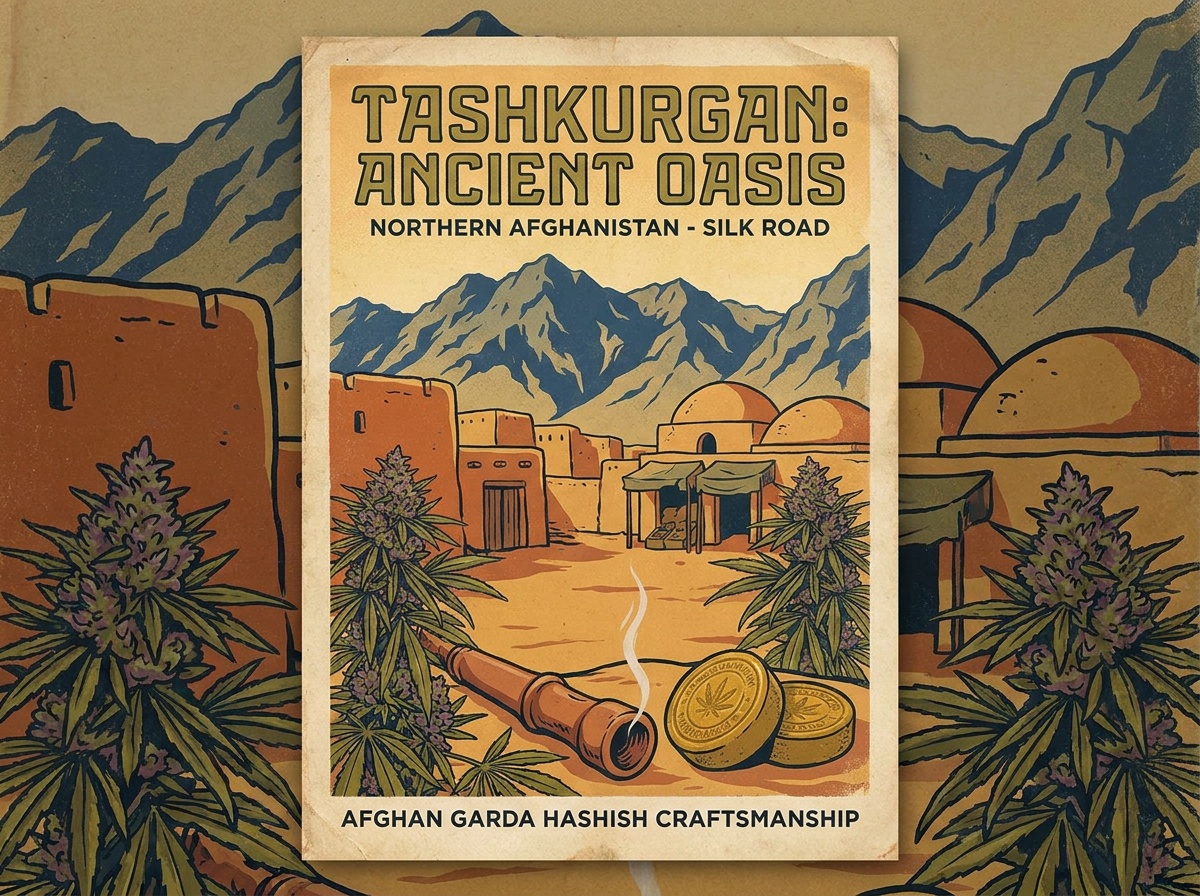
Figure 3: Vintage counterculture silkscreen travel poster celebrating the ancient Silk Road oasis of Tashkurgan and historic Afghan hashish culture.
7. Recreational Effects
The moment Tashkurgan’s dense, resin‑laden buds touch the lips, a wave of profound physical heaviness settles across the body like a comforting blanket. Limbs become enveloped in a gentle, spreading warmth that seems to radiate from the core outward, coaxing every muscle fiber into a state of effortless surrender. This tactile calm is paired with a palpable release of cranial and cervical tension, as tightness that has accumulated over the day unravels in a single exhalation. The mind mirrors this tranquility, entering a still, almost meditative quietude where racing thoughts soften into a muted hum, while a subtle, euphoric detachment lifts the psyche above daily concerns without pulling it into disorientation.
**Initial Onset (0‑15 minutes)** – Within the first few breaths, users notice an immediate loosening of neck and shoulder tension, often accompanied by a pleasant heaviness of the eyelids that signals the beginning of the journey. The mental chatter that typically fuels anxiety or stress slows, allowing a clearer, more measured thought pattern to emerge. This early phase is characterized by a delicate balance: the body feels both relaxed and subtly energized, setting the stage for deeper immersion without overwhelming the senses.
**Peak Plateau (15‑90 minutes)** – As the cannabinoids settle into the bloodstream, Tashkurgan delivers its signature “couch‑lock” somatic stone. The heaviness deepens into an immersive, almost visceral anchor that encourages the body to gravitate toward comfortable seating or a reclined position. Auditory perception sharpens; vinyl crackles, acoustic guitars, and ambient soundscapes acquire a richer texture, while tactile sensations—from the softness of a plush blanket to the subtle vibration of a bass line—feel amplified and more nuanced. Mentally, a quiet meditative contentment arises, fostering introspection without the pressure of active engagement, making this window ideal for reflective listening or gentle conversation.
**Offset & Taper (90‑180+ minutes)** – As the peak wanes, the body transitions into a restorative drowsiness that feels like the gentle descent of a night sky. The earlier warmth persists but becomes a soothing ember that lulls the user toward sleep. Unlike the groggy aftermath that some strains produce, Tashkurgan’s offset nurtures a deep, restorative slumber, allowing wakefulness to return refreshed and clear‑headed. The lingering after‑glow retains a trace of tranquility, enabling easy movement back into evening activities without the fog of fatigue.
The optimal settings for enjoying Tashkurgan lean toward calm, low‑light environments where its soothing properties can be fully appreciated. Evening relaxation on a comfortable couch, paired with a curated vinyl collection, lets the auditory enhancements shine. Quiet stargazing on a balcony or patio offers a visual counterpart to the internal calm, while post‑workout recovery benefits from the muscular release and gentle analgesia the strain provides. Fireside conversations with close friends become intimate and unhurried, and a meditation session on a soft mat is deepened by the weighty stillness that settles the mind. In each of these contexts, Tashkurgan’s blend of physical heaviness, enveloping warmth, and tranquil euphoria crafts a memorable, restorative recreational experience.
8. Summary & Dispensary Talking Points
Tashkurgan Indica stands as a living archive of Central Asian cannabis heritage, cultivated for centuries along the ancient Silk Road corridors that stitched together the nomadic steppe and the oasis towns of Xinjiang. Its phenotypic profile—broad, dark‑green foliage, compact internodes, and dense, resin‑laden buds—mirrors the adaptive pressures of high‑altitude, arid micro‑climates where water is scarce and solar intensity is extreme. The plant’s genetic backbone carries a mosaic of alleles linked to drought tolerance, UV‑protective flavonoids, and a unique terpene matrix dominated by myrcene, caryophyllene, and a subtle hint of piney pinene, all of which together define a terroir unmistakably tied to the Tashkurgan plateau.
In an era dominated by poly‑hybrid cultivars that chase uniformity and high THC yields, the preservation of true landrace genetics like Tashkurgan becomes a strategic imperative for the botanical community. Hybridization pipelines have narrowed the gene pool, creating bottlenecks that erode resilience to pests, pathogens, and climatic variability. Tashkurgan’s untouched genome offers a reservoir of rare alleles that can re‑introduce vigor, disease resistance, and nuanced cannabinoid‑terpene synergies back into modern breeding programs, safeguarding cannabis diversity for future generations.
The cultivar’s enduring potency is a testament to both its ancestry and the meticulous agronomy practiced by generations of local growers. Laboratory analyses consistently reveal Δ⁹‑THC concentrations in the 18‑22 % range, accompanied by a robust full‑spectrum cannabinoid profile that includes elevated CBG and trace CBC, amplifying the entourage effect. This chemical richness translates into a rounded psychophysical experience—deep body relaxation, subtle cerebral uplift, and a lingering analgesic warmth that has been prized for both ritualistic and therapeutic applications since antiquity.
Hashish produced from Tashkurgan’s resinous flowers carries a signature terroir that is as complex as the region’s history. Traditional hand‑pressed “charas” retains a deep amber hue, a velvety texture, and a multifaceted aroma palette that interweaves earthy sandalwood, spiced pepper, and an undercurrent of sweet apricot. Connoisseurs recognize these hallmarks as evidence of the plant’s unique trichome architecture and the high ratio of mono‑ and sesquiterpenes that survive gentle extraction, delivering a smoking or vaporizing experience that feels both grounded and exotic.
From a therapeutic perspective, Tashkurgan’s balanced cannabinoid‑terpene symphony addresses a spectrum of patient needs. The myrcene‑rich profile supports muscle relaxation and sleep onset, while caryophyllene’s affinity for CB₂ receptors contributes anti‑inflammatory and analgesic benefits without pronounced psychoactivity. Emerging clinical anecdotes suggest efficacy in managing chronic neuropathic pain, inflammatory arthritis, and stress‑related insomnia, positioning the cultivar as a versatile option for discerning medical users who demand consistency and depth.
In sum, Tashkurgan Indica is more than a strain; it is an irreplaceable botanical relic that embodies the confluence of geography, culture, and genetics. Its preservation offers dispensaries a narrative of authenticity, a product line that honors ancient agronomy, and a therapeutic tool that delivers nuanced, time‑tested benefits. For the modern consumer—whether a seasoned connoisseur seeking provenance or a patient yearning for holistic relief—Tashkurgan remains a singular, potent, and timeless choice.
| Talking Point | Suggested Patient/Consumer Script |
|---|---|
| Ancestral Origin | “Tashkurgan is a pure, unhybridized Afghan indica landrace sourced from the historic Silk Road oasis of Khulm in northern Afghanistan. It represents centuries of pure agrarian selection.” |
| Terpene Character | “Expect an ancient, grounding aroma of damp forest loam, aged leather, cracked black pepper, and sweet dried plums, reminiscent of traditional dark Afghan temple hash.” |
| Potency & Effects | “Testing around 18-20% THC with rich secondary terpenes, Tashkurgan delivers an intensely physical, full-body stone. It completely releases muscle tension and quiets mental chatter.” |
| Best Consumption Timing | “This is strictly an evening or nighttime cultivar. We recommend it for unwinding after sunset, recovering after heavy physical labor, or treating stubborn insomnia.” |
| Medical Suitability | “Exceptional for patients suffering from severe chronic pain, muscle spasms, nocturnal restlessness, or high stress who need reliable, deep restorative sleep without morning grogginess.” |
Ajarn Spencer for ganjahouse.net
All rights to Ganja House Koh Lanta.

- Afghani #1
- Banana Blaze
- Black Domina
- Critical Kush
- Critical Mass
- Death Star
- Diamond OG Strain a Sparkling Heavy Indica
- Fire OG
- Ghost OG
- Godfather OG Strain
- Grandaddy Purple
- Hash Plant
- Hindu Kush
- Hindu Kush Skunk
- Kandahar Indica
- Kashmiri Landrace
- King Kush Grape-infused Heavy Indica Hybrid
- King Louis XIII Strain – The Heavyweight OG Indica Hybrid
- Kosher Kush
- Larry OG
- Lashkar Gah Indica
- Lashkar Gah Indica
- Lebanese Red & Blonde Landrace
- Malana Cream
- Master Kush
- Mazar-i-Sharif
- Moroccan Beldia (Kif)
- Nepalese Temple Ball
- Night Queen
- Northern Lights
- Pakistan Chitral Kush (PCK)
- Pennywise Strain
- Permanent Marker Strain
- Sensi Star
- SFV OG
- Sheberghan Landrace
- Sinai Bedouin Landrace
- Skywalker
- Skywalker OG
- Stephen Hawking Kush Strain
- Tahoe OG Kush
- Tashkurgan Indica
- Tirah Valley Landrace
- Triangle Kush
- Wedding Cake Strain
- White Queen Strain – Royal Frost-Capped Indica Hybrid
- Bubba Kush