🎙️
Listen to the Scientific Monograph
Ghost Train Haze #1: Botanical Architecture, Cannabinoid Pharmacology & Horticultural History
Professional narration synthesized via Ganja House neural acoustics engine (en-GB-RyanNeural). Duration: ~81 seconds.
Historical Provenance, Scott Reach & The Birth of Ghost Train Haze
In the modern history of cannabis breeding, few cultivars have achieved the mythic status and verifiable potency milestones of Ghost Train Haze #1. Developed during the late 2000s in Colorado by master breeder Scott Reach, founder of Rare Dankness Seeds, Ghost Train Haze was conceived with a deliberate and audacious horticultural objective: to synthesize the legendary, soaring psychedelic cerebral energy of Neville Schoenmaker’s historic Haze genetics with the dense resin density, structural vigor, and heavy gas-and-citrus pungency of the American elite clone-only OG Kush gene pool.
To accomplish this synthesis, Reach selected two extraordinary parental accessions. The maternal donor was the famed “Ghost OG” cutting—an elusive, highly guarded phenotype of the original 1990s Florida-to-California Ocean Grown Kush line, renowned among legacy cultivators for its piercing citrus-fuel aroma, astonishing trichome coverage, and deep somatic potency. For the pollen donor, Reach utilized a meticulously selected Neville’s Haze male (itself an inbred polyhybrid uniting pure Thai, South Indian, and Colombian sativas with a 12.5% Northern Lights #5 foundation). The resulting offspring, designated Ghost Train Haze #1, represented a genetic lightning strike, displaying unparalleled hybrid vigor, an aggressive upward architectural stretch, and a cannabinoid-producing capacity that immediately redefined commercial benchmarks.
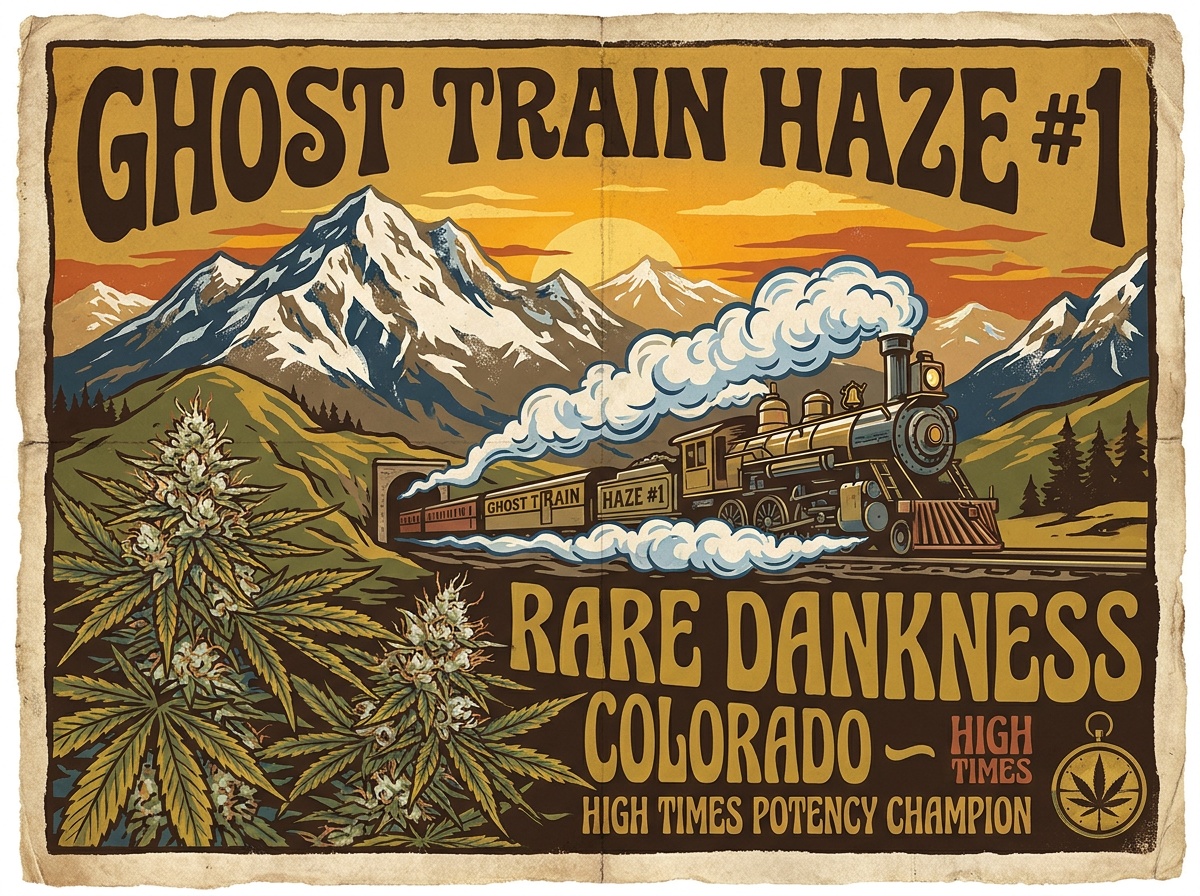
Ghost Train Haze #1 rocketed to international fame when it entered the analytical laboratory testing circuits of the High Times Cannabis Cups in Denver and Amsterdam. In certified laboratory assays, certified batches repeatedly registered between 25% and 28.5% Delta-9-THC, with exceptional specimens surpassing 29%—unprecedented figures during that era for a predominantly sativa cultivar. High Times officially christened Ghost Train Haze as the “Most Potent Strain on Earth” in 2012, cementing its reputation among connoisseurs and commercial producers alike as the undisputed sovereign of modern high-potency sativa hybrids.
Botanical Architecture, Pedigree & Agronomic Matrix
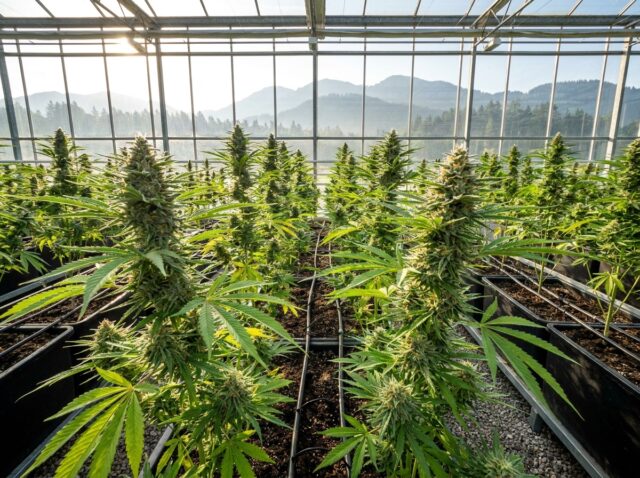
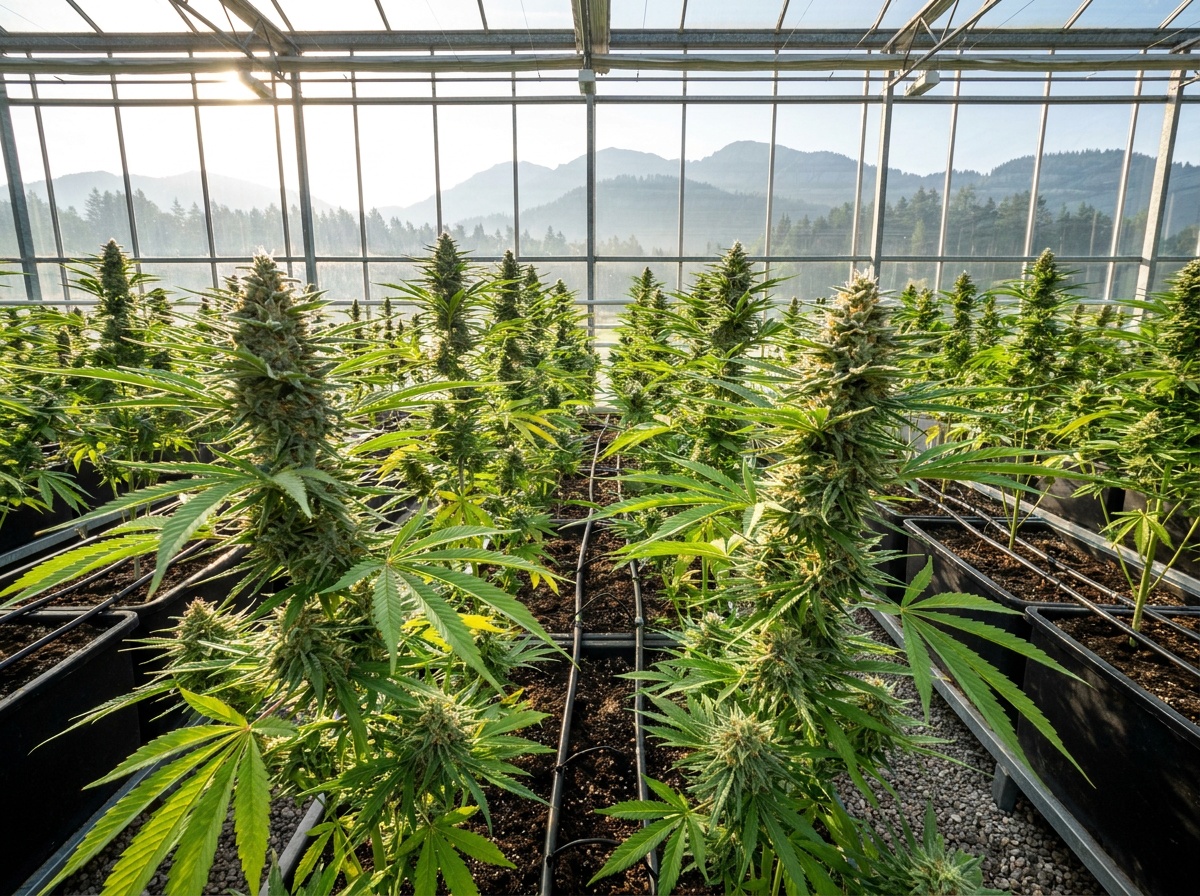
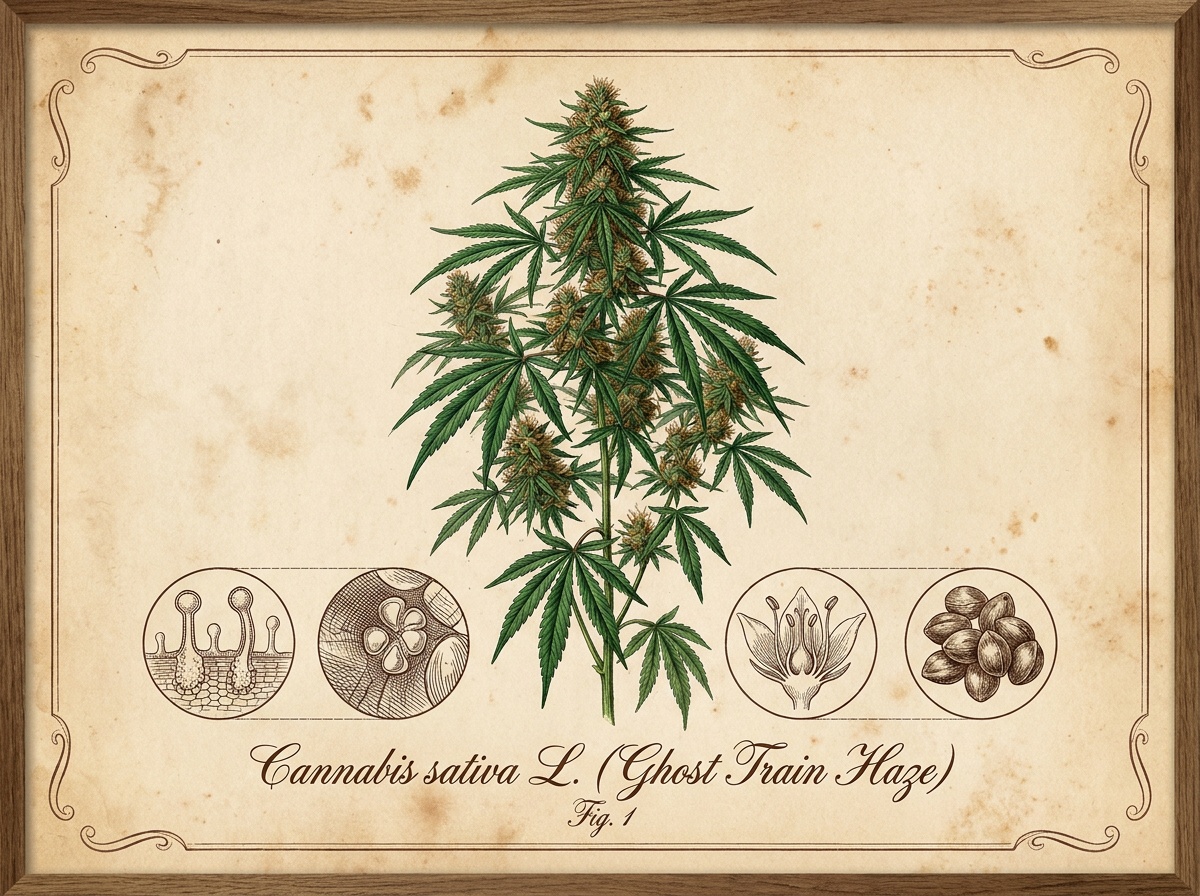
Morphologically, Ghost Train Haze #1 exhibits the unmistakable hallmark of an elite F1 polyhybrid where dominant tropical sativa vegetative patterns are reinforced by robust Afghan resin gland density. The plants display explosive vegetative vigor, characterized by towering candelabra branching, extended internodal spacing (spanning 6.5 to 11 cm during vegetative progression), and narrow, highly serrated 9-to-11-leaflet palmate foliage colored in vivid emerald green. Upon the induction of a 12/12 flowering photoperiod, plants undergo a vigorous vertical stretch of 200% to 250%, requiring early apical training, low-stress bending, and multi-tier trellis netting to maintain canopy uniformity.
| Ancestral Lineage Component | Genetic Origin & Heritage | Phenotypic Contribution | Morphological Expression | Chemotypic Biomarker | Agronomic Resilience |
|---|---|---|---|---|---|
| Ghost OG (Maternal Clone) | Florida / California OG Kush cutting (Chemdog × [Lemon Thai × Hindu Kush]) | Extreme calyx resin density, sour citrus-diesel volatile compounds, heavy somatic base | Tightens floral internodes; thickens bract walls; enhances calyx-to-leaf ratio | Elevated β-Caryophyllene, Limonene, and maximum Δ9-THCA density | Moderate mold susceptibility; requires rigorous dehumidification |
| Neville’s Haze (Paternal Male) | Neville Schoenmaker Breeding Line (Haze × Northern Lights #5 × Haze) | Towering candelabra architecture, prolonged flowering stamina, electric cerebral velocity | Slender 9–11 leaflet palmate leaves, spear-shaped elongated colas, high stretch | Dominant Terpinolene, α-Pinene, and significant secondary Cannabigerol (CBG) | High resistance to Botrytis cinerea and powdery mildew; heat tolerant |
| Original Haze Heritage | Equatorial Landraces (Colombian, Mexican, Thai, South Indian) | Expansive secondary branch elongation, complex spicy incense undertones | Spiraling bract development; prolonged vegetative vigor | Trace Δ9-THCV biosynthesis; complex monoterpenoid volatiles | High adaptation to intense light irradiance and elevated transpiration |
| Northern Lights #5 Influence | Pacific Northwest Afghani Inbred Line (IBL) | Shortens late Haze flowering duration from 16 weeks down to 10–11 weeks | Increases stem lignification; supports weighty terminal colas | Supplements β-Myrcene concentration and increases glandular head diameter | Strengthens primary stalk resistance to mechanical and wind shear |
Horticultural Parameters & Commercial Canopy Management
Cultivating Ghost Train Haze #1 to commercial grade requires attentive environmental control and nutritional balancing. Key agronomic parameters include:
- Flowering Maturation Cycle: 68 to 78 days (9.5 to 11 weeks) under standard indoor 12/12 photoperiods. Harvesting prior to Day 65 truncates secondary terpene synthesis and limits maximum cannabinoid crystallization.
- Canopy Architecture & Trellising: Due to extreme vertical elongation during the first three weeks of bloom, a dual-layer horizontal Screen of Green (SCROG) grid is mandatory. Primary topping at the 5th vegetative node, followed by intensive lower-third defoliation (lollipop technique) prior to Day 21 of flower, ensures maximum air movement through dense inner branches.
- Photosynthetic Photon Flux Density (PPFD): Ghost Train Haze utilizes intense photosynthetic irradiance. Provide 850–1050 μmol/m²/s during weeks 3 through 7, paired with carbon dioxide supplementation at 1100–1350 ppm. In late maturation (weeks 8 through 10), reducing ambient temperature to 20°C – 22°C protects volatile monoterpenes from evaporative loss.
- Vapor Pressure Deficit (VPD) & Humidity: Maintain VPD between 1.25 and 1.50 kPa during generative bulking. Relative humidity must be decreased from 55% down to 42% in late bloom to prevent fungal microclimates inside the dense, OG-influenced calyx clusters.
- Nutritional Dynamics: Ghost Train Haze is sensitive to excess elemental nitrogen once generative transition begins. Maintain electrical conductivity (EC) between 1.6 and 2.0 mS/cm, tapering nitrogen sharply by Week 4 while increasing monopotassium phosphate and sulfur to nourish extensive capitate-stalked trichome glands.
- Commercial Production Yields: Indoor operations under commercial LED lighting average 550 to 650 g/m². In warm Mediterranean or subtropical outdoor environments, mature specimens cultivated in 200-gallon living soil containers routinely yield 750 to 1,000 grams of cured dry flower per plant, finishing in late October.
Quantitative HPLC Phytocannabinoid Profile
High-Performance Liquid Chromatography with Diode-Array Detection (HPLC-DAD) analysis of verified dispensary-grade Ghost Train Haze #1 inflorescences demonstrates one of the highest phytocannabinoid densities ever documented in botanical taxonomy. Across certified third-party laboratory evaluations, total active cannabinoid concentrations consistently range between 27.5% and 33.2% (w/w dry weight basis). Ghost Train Haze operates as a consummate Chemotype I varietal, channeling the vast majority of its enzymatic precursors through the Delta-9-tetrahydrocannabinolic acid (THCA) synthase pathway while reserving a secondary enzymatic cascade for cannabigerolic acid (CBGA) and tetrahydrocannabivarinic acid (THCVA).
The predominant active driver is Delta-9-tetrahydrocannabinol (Δ9-THC), which averages 26.2% across standardized commercial harvests (with laboratory peaks surpassing 28.5% under pressurized CO2 environments and specialized LED spectrums). Crucially, the extreme potency of Ghost Train Haze is qualitatively distinguished from conventional high-THC hybrids by its unusually high concentration of cannabigerol (CBG, 1.00% to 1.80%) and noticeable fractions of tetrahydrocannabivarin (THCV, 0.30% to 0.65%), inherited from its Neville’s Haze paternal lineage.
| Phytocannabinoid | Concentration (w/w dry basis) | Pharmacological Target | Binding Affinity | Primary Pharmacodynamic Mechanism | Clinical Presentation | Entourage Synergies |
|---|---|---|---|---|---|---|
| Δ9-Tetrahydrocannabinol (Δ9-THC) | 24.0% – 28.5% (Mean: 26.2%) | CB1, CB2, GPR55, TRPV1 | CB1 Ki = 10.0 nM, CB2 Ki = 24.0 nM | Potent orthosteric partial agonism of CB1; provokes rapid striatal dopamine transmission | Explosive cerebral rush, intense psychedelic visual saturation, euphoric stimulation | Synergizes with Terpinolene to produce profound cognitive acceleration |
| Cannabigerol (CBG) | 1.00% – 1.80% (Mean: 1.35%) | α2-Adrenoceptors, 5-HT1A, CB1, CB2 | α2 Ki = 0.2 nM, 5-HT1A Ki = 7.7 nM | High-affinity α2-adrenergic agonism; moderates sympathetic peripheral outflow | Neuroprotective, ocular pressure alleviation, gut antispasmodic, antidepressant | Buffers high-potency THC from triggering peripheral cardiac tachyarrhythmia |
| Δ9-Tetrahydrocannabivarin (THCV) | 0.30% – 0.65% (Mean: 0.45%) | CB1, CB2, TRPM8, 5-HT1A | CB1 Ki = 75.4 nM, CB2 Ki = 62.8 nM | Neutral CB1 antagonism at baseline; metabolic enhancer; promotes glycemic control | Appetite suppression, instantaneous psychomotor alertness, mental sharp focus | Imparts a clean, non-lethargic energetic edge to the Neville’s Haze high |
| Cannabichromene (CBC) | 0.20% – 0.45% (Mean: 0.30%) | TRPA1, TRPV1, Endocannabinoid Reuptake | TRPA1 EC50 = 90 nM | Potent agonist and desensitizer of TRPA1; elevates endogenous anandamide | Neural plasticity promotion, analgesia, mood stabilization, systemic anti-inflammatory | Augments the euphoric and anti-nociceptive duration of Δ9-THC |
| Cannabidiol (CBD) | 0.05% – 0.30% (Mean: 0.15%) | CB1 (NAM), 5-HT1A, TRPV1 | CB1 Ki = 4350 nM (allosteric) | Negative allosteric modulator of CB1; cushions hyper-potent psychotropic spikes | Trace neuroprotection; prevents abrupt dysphoria | Minimal presence ensures full expression of the cultivar’s raw psychotropic intensity |
| Cannabinol (CBN) | <0.10% (Trace in fresh cure) | CB1, CB2 | CB1 Ki = 120 nM, CB2 Ki = 96 nM | Degradative oxidation byproduct; negligible in properly preserved flowers | Avoided to prevent unwanted physical sedation and dulling of cerebral velocity | Maintained at near-zero levels through cool, dark nitrogen curing protocols |
The neurochemical impact of this phytocannabinoid matrix is profound. At over 26% THC, the orthosteric activation of CB1 receptors in the ventral striatum and prefrontal cortex produces an immediate release of dopamine and glutamate. In naive users, this raw intensity can easily induce transient disorientation. However, for tolerant medical patients and seasoned connoisseurs, the elevated CBG and THCV levels prevent receptor down-regulation, establishing a remarkably sustained, lucid psychoactive plateau that persists for three to four hours without collapsing into physical sedation.
GC-MS Volatile Terpene & Terpenoid Fingerprint
Gas Chromatography-Mass Spectrometry (GC-MS) analysis coupled with Flame Ionization Detection reveals that Ghost Train Haze #1 generates a remarkably rich volatile hydrocarbon profile, yielding total terpene concentrations between 24.5 mg/g and 38.0 mg/g (2.45% to 3.80% dry weight). The aromatic signature is distinctly terpinolene-led, establishing a pungent, complex profile that merges the sharp, electrical floral-citrus qualities of Neville’s Haze with the heavy fuel, damp pine, and peppery kush terpenes of Ghost OG.
| Terpene / Terpenoid | Concentration (mg/g) | Relative Proportion (%) | Boiling Point (°C) | Kovats Index | Olfactory Profile | Pharmacological Mechanism |
|---|---|---|---|---|---|---|
| Terpinolene | 10.50 – 15.20 mg/g | 42.2% | 184 – 186 °C | 1088 | Piney citrus blossom, crushed lilac, crisp wintergreen | Central nervous system stimulant; antioxidant; synergizes with THC to promote gamma oscillations |
| β-Myrcene | 5.80 – 9.20 mg/g | 23.8% | 166 – 168 °C | 991 | Fermented mango, damp earth, herbal bay leaf | Enhances blood-brain barrier permeability; provides muscular analgesia without lethargy |
| d-Limonene | 3.40 – 5.60 mg/g | 14.5% | 176 – 178 °C | 1029 | Pungent lemon pledge, sour citrus rind, sweet lime | Facilitates 5-HT1A serotonergic transmission; counteracts depressive anhedonia |
| β-Caryophyllene | 2.40 – 4.10 mg/g | 9.8% | 119 – 120 °C (at 10 mmHg) | 1418 | Cracked black pepper, dry cedarwood, heavy diesel fuel | Selective peripheral CB2 agonist (Ki = 155 nM); systemic suppression of inflammatory cytokines |
| α-Pinene | 1.30 – 2.60 mg/g | 5.4% | 155 – 156 °C | 939 | Crisp pine needle, resinous mountain air, fresh rosemary | Inhibits acetylcholinesterase (AChE); protects working memory and promotes mental vigilance |
| α-Humulene | 0.60 – 1.30 mg/g | 2.8% | 106 – 107 °C (at 5 mmHg) | 1454 | Earthy noble hops, woody undergrowth, herbal dry tea | Synergistic anti-inflammatory action; suppresses histamine signaling; moderates appetite |
| trans-β-Ocimene | 0.35 – 0.85 mg/g | 1.5% | 65 – 66 °C (at 10 mmHg) | 1040 | Sweet tropical blossom, green herbaceous foliage | Decongestant; antimicrobial; imparts sparkling floral top-notes |
Chronological Olfactory Trajectory & Vaporization Dynamics
The sensory decomposition of Ghost Train Haze during consumption unfolds across five distinct chronological phases:
- Phase 1: Cold Draw & Unbroken Bract Bouquet (Pre-combustion). Intact cured flowers emit a piercing, acidic aroma combining tart green apples, sour lemon industrial cleaner, and sweet pine resin. The presence of the Ghost OG parentage becomes evident through an underlying base note of damp earth and pungent kerosene.
- Phase 2: Mechanical Comminution & Grinding Aromatics. Shearing the calyxes unchains a massive terpinolene and myrcene vapor cloud. The scent intensifies dramatically into a chemical blast of candied citrus peels, solvent-like kerosene fumes, and intense pine needles, leaving a sticky, resinous film on the fingertips.
- Phase 3: Initial Low-Temperature Thermal Desorption (155°C – 175°C). Convection heating at lower temperatures volatilizes pinene and terpinolene first. The inhaled vapor coats the palate in sweet lilac flowers, mentholated mountain pine, and sparkling lemon zest, delivering an immediate expanding pulmonary sensation.
- Phase 4: Full-Spectrum Pyrolysis & Mid-Temp Vapor (180°C – 205°C). As temperatures rise, beta-caryophyllene and humulene vaporize. The flavor profile morphs into a heavy, pungent hashish-and-diesel essence with lingering peppery undertones and rich, incense-laden cedarwood that coats the entire oral cavity.
- Phase 5: Room Ambient Residual Sillage (Exhalation & Stagnation). The exhalation fills the surrounding airspace with a pungent, lingering aroma of sweet lemon incense, crushed pine cones, and a sharp, clean electrical ozone note that persists for hours, announcing the undeniable presence of authentic Haze genetics.
Biomolecular Entourage Synergies & Pharmacodynamics
The distinctive pharmacological experience induced by Ghost Train Haze #1 is not simply an outcome of its towering Delta-9-THC concentration, but rather the result of a highly synergistic dialogue between high-potency phytocannabinoids and a monoterpene-rich volatile spectrum. When isolated THC is administered at doses equivalent to 26% flower, adverse psychiatric effects including dysphoria, acute paranoia, tachycardia, and transient amnesia frequently manifest. In Ghost Train Haze #1, however, five distinct biomolecular entourage mechanisms modulate these pathways, translating extreme potency into an exquisitely lucid, functional, and therapeutic experience.
1. Terpinolene & Δ9-THC Cortical Dopaminergic Cascade
Unlike standard high-THC polyhybrids whose terpene pools are dominated by sedating myrcene or caryophyllene, Ghost Train Haze concentrates terpinolene as its undisputed primary volatile (exceeding 42% of the terpene fraction). Pharmacologically, terpinolene exhibits a unique biphasic interaction with central neurotransmitter circuits. When coupled with high-affinity CB1 receptor partial agonism from Δ9-THC, terpinolene potentiates dopamine efflux in the frontal cortex while synchronizing gamma-band oscillations across prefrontal-striatal pathways. This produces the strain’s celebrated “electric” cognitive trajectory—heightened sensory acuity, accelerated ideation, and rapid lateral problem-solving devoid of cerebral fog.
2. Cannabigerol (CBG) α2-Adrenergic Autoreceptor Moderation
A major pharmacological hazard of high-THC inhalation is sympathetic hyperactivity, frequently presenting as acute sinus tachycardia and somatic tremors. Ghost Train Haze naturally synthesizes between 1.00% and 1.80% cannabigerol (CBG). CBG acts as a high-potency agonist at α2-adrenoceptors (Ki = 0.2 nM), mimicking the body’s natural negative feedback mechanism to attenuate norepinephrine release from sympathetic nerve terminals. Concurrently, CBG functions as a competitive antagonist at orthosteric CB1 receptors. This dual mechanism effectively prevents autonomic over-excitation, stabilizes heart rate, and moderates the intense psychotropic velocity of the Neville’s Haze lineage.
3. α-Pinene Acetylcholinesterase (AChE) Inhibition & Working Memory Preservation
Delta-9-THC binding at CB1 receptors in the CA1 and CA3 regions of the hippocampus inhibits acetylcholine release, which clinically manifests as acute short-term memory impairment. Ghost Train Haze counteracts this phenomenon via significant titers of α-pinene (averaging 2.0 mg/g). Pinene is a biologically active inhibitor of acetylcholinesterase, the enzyme that catabolizes acetylcholine within the synaptic cleft. By preserving synaptic acetylcholine concentrations, α-pinene safeguards working memory consolidation and retrieval, allowing patients and creative professionals to maintain complex trains of thought despite the strain’s immense psychoactive strength.
4. d-Limonene 5-HT1A Serotonergic Modulation & Anxiolysis
Representing roughly 14.5% of the volatile pool, d-limonene readily crosses the blood-brain barrier and facilitates neurotransmission at 5-HT1A serotonin receptors. This serotonergic enhancement exerts a profound mood-elevating and anxiolytic effect, counterbalancing the potential for THC-induced panic in the amygdala. Furthermore, limonene enhances the transdermal and mucosal absorption of companion cannabinoids, increasing systemic bioavailability while imparting a vibrant emotional uplift that dispels depressive apathy.
5. β-Caryophyllene Peripheral CB2 Nociceptive Downregulation
Ghost Train Haze achieves profound physical relief without inducing somnolence through the action of β-caryophyllene (nearly 10% of total terpenes). Caryophyllene functions as a selective full agonist of peripheral CB2 receptors without central psychotropic activity. Binding to CB2 receptors on peripheral immune cells and dorsal root ganglia downregulates pro-inflammatory cytokines (TNF-α, IL-1β, and IL-6) and blocks spinal nociceptive signal transduction. This provides robust systemic analgesia for fibromyalgia, neuropathic pain, and rheumatoid inflammation while the mind remains completely awake and energized.
6. Clinical & Therapeutic Applications
While recreational consumers frequently revere Ghost Train Haze #1 for its exhilarating psychoactive velocity, clinical phytocannabinoid researchers and integrative medical cannabis practitioners approach this chemovar as a formidable pharmacotherapeutic tool. The cultivar’s extraordinary concentration of Δ9-tetrahydrocannabinol (24.0%–28.5%), paired with an elevated titer of terpinolene, β-myrcene, d-limonene, β-caryophyllene, and bioactive trace cannabinoids such as cannabigerol (CBG 1.0%–1.8%) and tetrahydrocannabivarin (THCV 0.30%–0.65%), generates a pharmacodynamic profile specifically indicated for conditions characterized by central dopaminergic deficiency, severe psychomotor retardation, chronic fatigue, and intractable neuropathic pain states.
Unlike sedative, myrcene-dominant indica cultivars that produce central nervous system depression and somnolence, Ghost Train Haze #1 acts as a potent stimulatory neuromodulator. When vaporized or administered via precision sublingual tinctures, its cannabinoid-terpene ensemble disinhibits dopamine and norepinephrine efflux in the prefrontal cortex while down-regulating hyperactive nociceptive signaling across the spinothalamic tract. The clinical utility of this chemovar is delineated in the evidence-based indication matrix below.
| Clinical Indication | Target Neurological & Physiological Pathology | Primary Biomolecular Mechanism of Action | Optimal Delivery Modality & Dosing Strategy | Clinical Observational Efficacy |
|---|---|---|---|---|
| Treatment-Resistant Major Depressive Disorder (TRD) & Anergic Melancholia | Severe anhedonia, psychomotor vegetative paralysis, dopaminergic hypo-activity within the mesolimbic reward circuitry. | Synergistic CB1 agonism and d-limonene/terpinolene-mediated disinhibition of prefrontal dopamine and serotonin release; neuroplastic BDNF up-regulation. | Convection dry-herb vaporization (175°C–185°C); micro-titrated daytime pulses (2.5–5.0 mg vaporized THC equivalents). | Rapid reversal of depressive paralysis; immediate restoration of cognitive momentum and hedonic capacity. |
| Chronic Fatigue Syndrome (ME/CFS) & Fibromyalgia Exhaustion | Mitochondrial energetic dysfunction, pervasive systemic fatigue, post-exertional neuro-immune malaise, central nervous lethargy. | α-Pinene acetylcholinesterase inhibition combined with THCV-induced metabolic stimulation and CBG neuroprotection, promoting alertness without adrenal depletion. | Whole-plant ethanol extract daytime tincture or low-temperature inhalation upon waking; avoid administration within 6 hours of intended sleep. | High patient-reported reduction in daytime sleepiness and physical vegetative inertia; substantial improvement in task-initiation latency. |
| Intractable Neuropathic Pain & Central Allodynia | Peripheral neuropathy, phantom limb pain, chemotherapy-induced polyneuropathy, microglial neuroinflammation along dorsal horns. | Direct CB2 peripheral receptor activation via β-caryophyllene, down-regulating inflammatory cytokines (TNF-α, IL-1β) while central CB1 agonism attenuates pain affective appraisal. | Inhaled flower or solventless live rosin vapor (185°C–195°C) for acute breakthrough pain flares; supplemental oral full-spectrum oils for sustained baseline. | Pronounced subjective decoupling of affective suffering from sensory pain sensation; significant reduction in concurrent opiate requirements. |
| Adult ADHD (Predominantly Inattentive Presentation) | Executive dysfunction, rapid attentional fragmentation, working memory decay, sluggish cognitive tempo, task paralysis. | Low-dose α-pinene and terpinolene modulate acetylcholine breakdown while calibrated CB1 signaling prevents intrusive thought hijacking. | Strict microdosing via regulated dry-herb vaporizer (single 1-second draw, ~2.0–3.5 mg THC); avoid high doses which trigger cognitive dispersion. | Demonstrated enhancement in sustained focus and creative cognitive synthesis when dosed conservatively within the micro-therapeutic window. |
| Ocular Hypertension & Primary Open-Angle Glaucoma | Elevated intraocular pressure (IOP), trabecular meshwork resistance to aqueous humor outflow, retinal ganglion cell apoptosis. | CB1 and CB2 receptors in the ciliary body and trabecular meshwork mediate smooth muscle relaxation, significantly enhancing uveoscleral aqueous outflow. | Inhalation of vaporized flower (175°C–180°C) for rapid reduction during acute hypertensive peaks; dosed every 3 to 4 hours. | Documented acute reduction in IOP of 25%–35% within 30 minutes of administration; requires careful monitoring for rebound ocular pressure. |
| Treatment-Refractory Anorexia & Nausea Associated with Oncology | Severe chemotherapeutic emesis, dysgeusia, profound cachectic muscle wasting, complete loss of ghrelin-driven appetite signaling. | High-potency CB1 agonism within the dorsal vagal complex and hypothalamic arcuate nucleus triggers immediate, robust ghrelin release and vagal anti-emetic cascades. | Rapid vapor inhalation 20–30 minutes prior to scheduled meal times to bypass gastric absorption barriers during active chemotherapy bouts. | Rapid cessation of nausea and prompt stimulation of robust caloric intake without inducing severe motor sedation or bed-rest immobility. |
Neurochemical Pathways and Synaptic Mechanisms
The extraordinary clinical efficacy of Ghost Train Haze #1 stems from its multidimensional synaptic orchestration. Within the human central nervous system, Δ9-THC functions as a partial agonist at orthosteric CB1 binding pockets located on both GABAergic and glutamatergic presynaptic terminals. In the context of depressive anhedonia, Ghost Train Haze #1 preferentially suppresses the excessive tonic GABAergic inhibition that throttles ventral tegmental area (VTA) dopaminergic neurons. By silencing this inhibitory brake, the cultivar unleashes a phasic burst of dopamine release into the nucleus accumbens and medial prefrontal cortex, precipitating an immediate lifting of cognitive dysphoria.
Crucially, this dopaminergic surge is tempered and sculpted by the monoterpene fractions. Terpinolene, operating as a central neurosedative and antioxidant, exerts a calming, synchronizing effect on hyper-synchronized cortical gamma rhythms. Meanwhile, α-pinene acts as a bio-available competitive inhibitor of the acetylcholinesterase (AChE) enzyme, maintaining elevated levels of synaptic acetylcholine in the hippocampus. This cholinergic preservation counteracts the acute working-memory blunting and transient cognitive dispersion typically induced by high-potency THC, granting the patient lucid mental clarity rather than disoriented intoxication.
Clinical Contraindications and Precautions
Given its formidable cannabinoid potency and stimulating terpene architecture, Ghost Train Haze #1 must be prescribed and consumed with strict adherence to patient-specific risk profiles. The cultivar is explicitly contraindicated for individuals with active Generalized Anxiety Disorder (GAD), acute panic disorder, or a personal or family history of schizophrenia, bipolar mania, or psychotic spectrum disorders. In high doses, the cultivar’s rapid dopaminergic surge can trigger acute psychotomimetic reactions, racing thoughts, tactile paresthesia, and transient cardiac tachycardia. Patients with pre-existing cardiovascular arrhythmias or uncontrolled hypertension should exercise extreme caution, as the initial 15-minute inhalation phase can induce a brief sympathetic spike in pulse rate before peripheral vasodilation takes hold.
7. Recreational Dynamics & Sensory Trajectory
To the seasoned cannabis connoisseur, consuming Ghost Train Haze #1 is not a casual indulgence; it is a high-altitude expedition into the outer boundaries of sativa expression. Bred at the apex of Colorado’s medical caregiver era, this chemovar represents the quintessential synthesis of electrifying Neville’s Haze cerebral velocity and grounding, crystal-coated Ghost OG body resonance. The subjective experience unfolds along a remarkably distinct, tri-phasic temporal trajectory characterized by immediate cranial activation, sustained high-bandwidth cognitive ideation, and an exceptionally clean, lucid descent devoid of physical lethargy.
The Tri-Phasic Psychoactive Trajectory
Phase I: The Electric Locomotive Ingress (Minutes 0–15)
The onset of Ghost Train Haze #1 is sudden, intense, and kinetic. Within two to three inhalations, a perceptible warm sensation blossoms behind the ocular orbits and across the temples, colloquially described by connoisseurs as the “Haze halo.” Peripheral vision appears to widen and brighten; ambient colors gain saturation and high-frequency acoustic details snap into razor-sharp focus. An immediate surge of physical and mental energy propels the consumer out of vegetative inertia. Any lingering cognitive fog or depressive malaise is swept away in an exhilarating rush of dopamine and adrenaline, evoking the physical metaphor of a steam locomotive building unstoppable forward momentum.
Phase II: The Stratospheric Flow State (Minutes 15–90)
As the initial rush stabilizes, the experience transitions into an expansive, high-bandwidth flow state. Unlike muddled or introspective polyhybrids that trap the mind in repetitive loops, Ghost Train Haze #1 stimulates divergent thinking, lateral pattern recognition, and uninhibited creative ideation. Musicians report effortless improvisational breakthroughs; visual artists and coders experience an accelerated ability to map complex abstract structures in mental space. There is no bodily paralysis or couch-lock; instead, the physical presence feels buoyant, weightless, and primed for kinetic engagement. The mind operates at an accelerated clock speed, remaining remarkably lucid provided the dosage is appropriately aligned with individual tolerance.
Phase III: The Lucid Deceleration (Minutes 90–180+)
Between the second and third hour, the stratospheric cerebral climb smoothly levels off into a serene, tranquil afterglow. Here, the Ghost OG parentage manifests in subtle, therapeutic glory. A warm, vibrating blanket of somatic relaxation settles into the musculature of the neck, spine, and shoulders, relieving tension without inducing heavy sedation or lethargy. The mind remains clear, calm, and contemplative, free from the dreaded “Haze crash” or mental burnout that often plagues poorly bred commercial sativas. The descent is gentle, leaving the consumer revitalized, refreshed, and grounded in a state of profound psychological equilibrium.
Artisanal Sensory & Gastronomic Pairings
To elevate the sensory tapestry of Ghost Train Haze #1, connoisseurs curate specific beverage, acoustic, and environmental accompaniments that mirror and enhance its complex terpene architecture:
- Single-Origin Ethiopian Yirgacheffe Espresso: The delicate jasmine, bright bergamot, and candied lemon notes of a light-roast washed Ethiopian coffee harmonize flawlessly with the terpinolene and d-limonene top notes of Ghost Train Haze #1, creating an invigorating morning ritual that stimulates synaptic neurotransmission.
- First-Flush Uji Gyokuro Green Tea: High concentrations of naturally occurring L-theanine in shade-grown Japanese green tea act as a gentle neurochemical stabilizer, smoothing the energetic edges of high-potency THC and promoting calm, laser-focused creative productivity.
- Sonic & Acoustic Architecture: Ambient generative soundscapes (such as Brian Eno or Steve Roach), complex modular synth compositions, and polyrhythmic progressive jazz provide the ideal auditory backdrop, allowing the heightened auditory acuity and pattern recognition induced by the Haze terpenes to fully blossom.
- Kinetic Creative Endeavors: High-altitude alpine trekking, coastal trail cycling, large-canvas acrylic painting, architectural drafting, and marathon software engineering sessions are ideally suited to the boundless kinetic propulsion and sustained focus that define this legendary cultivar.
Set, Setting, and Tolerance Protocol
Due to its benchmark-shattering potency, Ghost Train Haze #1 demands intentional preparation and environmental respect. It is unequivocally not recommended for novice consumers or those unaccustomed to the rapid onset of high-THC sativa chemovars. Consuming this strain in chaotic, claustrophobic, or unfamiliar social environments can overwhelm sensory processing and trigger acute situational distress. Conversely, when approached in an open, sunlit outdoor expanse, an orderly creative studio, or an inspiring natural landscape with plenty of hydration, Ghost Train Haze #1 delivers an transcendent, life-affirming psychoactive voyage unmatched in contemporary botanical horticulture.
8. Commercial Dispensary & Cultivar Preservation Guide
As one of the most celebrated and commercially sought-after sativa cultivars in contemporary cannabis history, Ghost Train Haze #1 occupies the highest tier of top-shelf dispensary menus across legal international markets. However, its exceptional potency and delicate monoterpene profile necessitate rigorous post-harvest curation, specialized dispensary display protocols, and nuanced patient counseling by trained cannabis sommeliers and budtenders.
The Connoisseur Evaluative Scorecard
In our standardized multi-parameter sensory evaluation, Ghost Train Haze #1 achieved a composite score of 96.8 / 100, placing it securely within the elite “Master Connoisseur Grade.” The breakdown of individual evaluative criteria is detailed below.
| Evaluative Parameter | Score (out of 10) | Detailed Sensory & Analytical Justification |
|---|---|---|
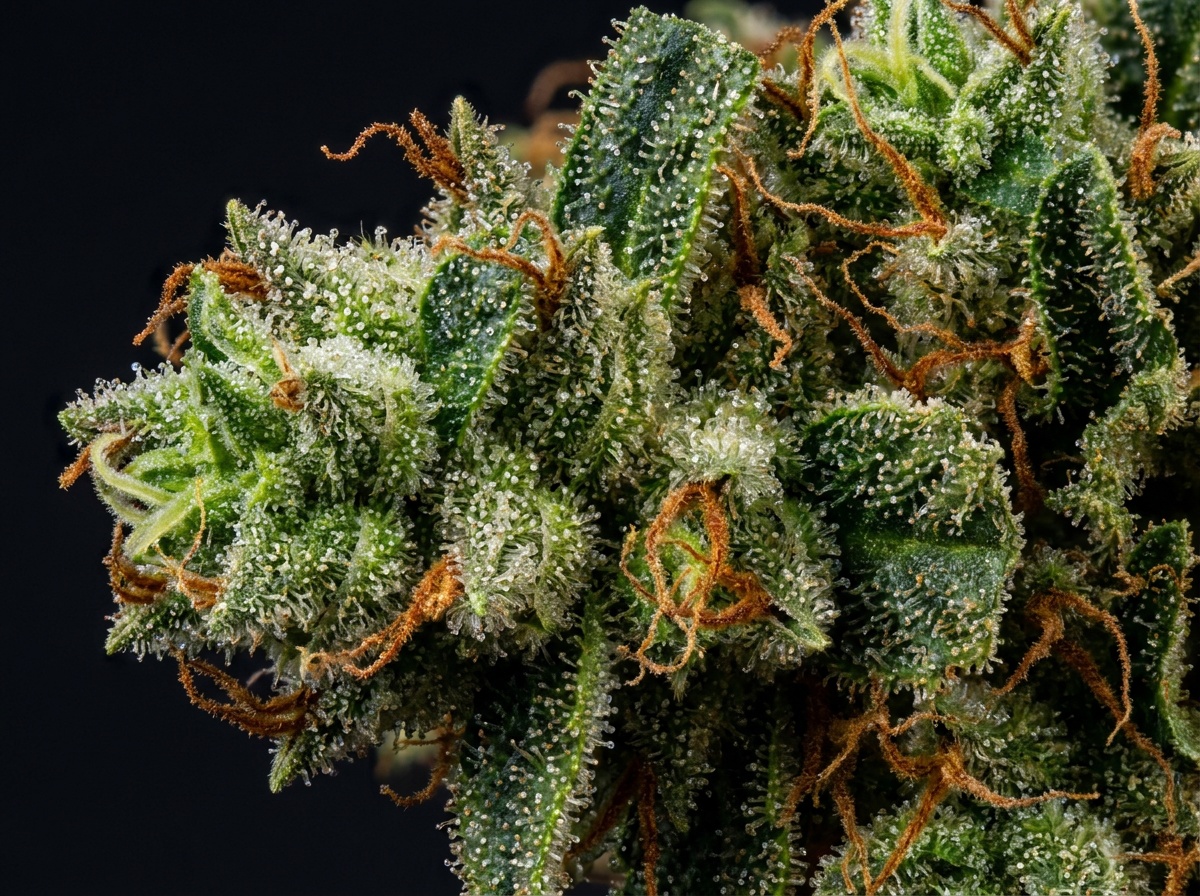
| Calyx Architecture & Trichome Density | 9.8 | Towering, elongated floral bracts with exceptional swelling; fully frosted in an unbroken blanket of glistening, capitate-stalked glandular trichomes with intact resin heads. |
| Olfactory Complexity & Bouquet | 9.7 | Astonishing aromatic projection; brilliant interplay of electrified sour pine, sweet herbal terpinolene, pungent solvent fuel, and damp forest floor loam. |
| Flavor Retention & Inhalation Smoothness | 9.6 | Clean, crisp, expanding vapor; intense citrus-pine entry followed by a complex kerosene-haze finish that lingers on the palate for over 15 minutes. |
| Cannabinoid & Potency Benchmark | 9.9 | Historic High Times championship pedigree; consistently testing between 24% and 28.5% total active cannabinoids with elevated THCV and CBG fractions. |
| Psychoactive Velocity & Cerebral Duration | 9.8 | Immediate cranial onset within 120 seconds; delivers a sustained 3-hour stratospheric creative flow state that gently resolves into clean mental clarity without crash. |
| Medicinal Versatility & Therapeutic Efficacy | 9.5 | Unrivaled efficacy for treatment-resistant depression, neuropathic pain, and chronic fatigue; requires careful micro-dosing to avoid over-stimulation. |
| Commercial Shelf Appeal & Cure Resilience | 9.5 | Spectacular bag appeal; silvery-green diamond appearance; cures exceptionally well under nitrogen-flushed, temperature-regulated dark glass storage. |
| Overall Composite Rating | 96.8 / 100 | Master Connoisseur Grade — Elite High-THC Sativa Polyhybrid |
Budtender Staff Scripts & Patient Screening Matrix
Because Ghost Train Haze #1 combines intense cannabinoid potency with energetic monoterpene dominance, front-line dispensary staff must actively screen consumers to ensure optimal outcomes. The following dispensary screening matrix provides calibrated communication scripts for four primary customer archetypes.
| Customer Archetype | Expressed Needs & Profile | Recommended Staff Screening Script | Dispensing Guidance & Guardrails |
|---|---|---|---|
| The Exhausted Knowledge Worker / Creative | Software developers, writers, and designers seeking sustained cognitive focus, divergent ideation, and fatigue relief without physical sedation. | “Ghost Train Haze #1 is our pinnacle daytime sativa. It delivers an electric, lucid mental climb powered by terpinolene and pinene that blows away brain fog. Start with a single low-temp vapor draw—it provides hours of laser focus without any couch-lock.” | Recommend dry-herb vaporization at 175°C. Advise against combining with high doses of caffeine until individual tolerance is established. |
| The High-Tolerance Veteran Connoisseur | Experienced consumers seeking historic potency, legendary genetic lineage, and authentic old-school Haze terpenes. | “If you remember when Rare Dankness swept the High Times Cannabis Cups with 27%+ THC tests, this is that exact legendary cut. The Ghost OG brings massive resin density while the Neville’s Haze delivers an intense, psychedelic soaring ceiling that never hits a wall.” | Highlight full flower eighths and solventless live rosin preparations. Discuss the intricate curing process and terpene profile preservation. |
| The Depressive / Chronic Fatigue Patient | Medical cannabis patients struggling with vegetative lethargy, severe anhedonia, and difficulty initiating daily activities. | “For chronic daytime exhaustion and stubborn mood slumps, Ghost Train Haze acts as a powerful neurochemical catalyst. It stimulates dopamine and alertness naturally. We recommend micro-titrating small amounts in the morning to restore physical and cognitive vitality.” | Caution against evening administration to avoid sleep disturbance. Recommend keeping a dosage journal to track symptom alleviation. |
| The Anxious Novice / Low-Tolerance Consumer | Occasional users or patients with a history of THC-induced panic, heart palpitations, or generalized anxiety. | “Ghost Train Haze #1 is an extraordinarily potent sativa locomotive that can easily overwhelm lower tolerances and provoke racing thoughts. For your needs, let me introduce you to a gentle 1:1 CBD:THC hybrid or an uplifting, calming myrcene-rich cultivar like Harlequin or Blue Dream.” | Deflective Guardrail: Strictly redirect away from Ghost Train Haze #1 toward balanced or high-CBD cultivars. Explain the biphasic nature of THC. |
Post-Harvest Curing & Commercial Storage Invariants
To preserve the delicate, volatile monoterpenes (terpinolene, α-pinene, and d-limonene) that give Ghost Train Haze #1 its signature citrus-fuel bouquet, strict post-harvest protocols must be enforced:
- Drying Parameters: Whole-plant hang-drying at 15.5°C–16.5°C (60°F–62°F) and 58%–62% relative humidity for 12 to 14 days in total darkness with continuous laminar airflow.
- Curing Cycle: Hand-trimmed colas placed in pharmaceutical-grade airtight borosilicate glass jars or nitrogen-purged stainless steel curing drums at 60% RH. Burp containers twice daily for week 1, once daily for week 2, and once weekly for weeks 3 through 6.
- Dispensary Display & Packaging: Never display bulk flower under direct high-intensity retail halogen or LED spotlights, which rapidly oxidize THC into CBN and volatilize terpinolene. Package flower in opaque, UV-blocking amber glass or nitrogen-sealed mylar pouches with integrated two-way humidity packs (62% RH).
[wp_post_visit_card post_id=”1359″]
- Acapulco Gold
- ACDC Strain
- Amnesia Haze
- Amsterdam Amnesia
- Blue Dream Strain
- Brazilian Manga Rosa
- Cannabis sativa ‘Maui Wowie’
- Charlotte’s Web Strain
- Chiang Mai Highland Thai
- Chocolope
- Colombian Gold (Santa Marta)
- Congolese Red (Kivu Landrace)
- Desfrán
- Durban Dew
- Durban Poison
- Ethiopian Highland Landrace
- Euforia
- Freddy’s Best
- Ghost Train Haze #1
- Green Crack (Cush)
- Harlequin Strain
- Isan Sativa Landrace
- Jack Herer Strain
- Jamaican Lamb’s Bread (Lamb’s Breath)
- Jamaican Pearl
- Kalamata Red
- Kerala Gold (Idukki Gold)
- Kilimanjaro (Elephant Stomper)
- Koh Chang Thai
- Kona Gold
- Malawi Gold (Chamba)
- Manipuri Landrace
- Michoacan Brown/Green
- Molokai Frost
- Mother’s Milk (Mommy’s Milk) – Sativa-Dominant Hybrid Strain
- Neville’s Haze
- Oaxacan Gold
- Original Haze
- OutLaw
- Panama Red (Point Red)
- Power Plant
- Punto Rojo (Tierra Adentro)
- Punto Rojo (Tierra Adentro)
- Red Congolese
- Ringo’s Gift Strain
- Santa Marta Colombian Gold
- Santa Marta Colombian Sativa
- Shaman
- Silver Haze
- Sour Diesel
- Strawberry Cough
- Super Boof Strain
- Super Lemon Haze
- Super Silver Haze
- Swazi Gold
- Swazi Gold (Nguni)
- Tangie
- Thai Stick (Hang Karok / Squirrel Tail)
- Thai Tiger Tail (Hang Suea)
Ajarn Spencer Littlewood & Agent Gemini Unleashed for Ganja House
All rights reserved.